
aceofspadeshq at gee mail.com
Buck:
buck.throckmorton at protonmail.com
CBD:
cbd at cutjibnewsletter.com
Doof:
doof2112 at proton.me
joe mannix:
mannix2024 at proton.me
MisHum:
petmorons at gee mail.com
J.J. Sefton:
sefton at cutjibnewsletter.com
The Monday Overnight Open Thread (10/26/26) [Crisis, What Crisis? Edition]

Quote I Perhaps the most depressing element [of his case] is just how familiar all of the facts are to people like us that are used to handling these cases. Broadly speaking, several thousand people a year are being arrested for, quote unquote, ‘offensive speech’ in the UK.” FSU Legislative Affairs Director Sam ArmstrongAnd after the Kung Flu "Pandemic" actions by our "elected" and "appointed experts" we are but one presidential election away from being enlightened Europe.
Quote II "This is the local government equivalent of insider congressional stock trading," Florida's chief financial officer, Blaise IngogliaMy thoughts? Go big or stay home. Prison time for $50K, the risk/reward evaluation was not completed? But then again she can't understand normal thinking.
Quote III “The Wright brothers can seek out patent attorneys anywhere they want to, right? And they come to Springfield, Ohio and work with Harry Toulmin! We were great.” Michael Morris, Springfield, OH resident.Managed decline is one thing. Outright intentional destruction of the American fabric is another. Speaking of intentional destruction, perhaps there are some GOP candidates who are MORONS and can use the following. Once again we have left Obama down.
And finally....................
Quote IV “This mission, however laudable, is increasingly under threat. We bypassed a definition of diversity in the service of concluding the report; yet our evasion renders the goals of diversity, equity, and inclusion vulnerable to complete erasure.” Durba Ghosh, a professor of history in Cornell’s College of Arts and SciencesIf you are a parent and you allow your son to attend Cornell I have no sympathy for the
Good thing I'm not in the UK and the wonderful Ilhan Nuhr isn't an MP. (See Quote I)

Speaking of art and perhaps Christmas presents. Here's your shopping countdown. Don't say you were never provided top notch information. Because the ONT is always looking out for you.TM Well at least this Cob is.
• Total Calendar Days (Oct 27 to Dec 25 inclusive): 60 days[Gift idea via Hrothgar]
• Monday–Saturday Shopping Days: 52 days
• Weekdays (Monday–Friday): 44 days
• Sundays / Weekend Days: 8 Sundays (plus Saturdays)
Wedding venue refused to refund woman's $15.9k payment when her fiancé died suddenly - and told her she could apply the amount to a future booking instead
Stay tuned for our next Musical adventure boys and girls and everything in between which will be 2 weeks from tonight.
It's been a while since we've had one of these: Posthumous Genius Award Winner.
An American tourist plunged nearly 1,000ft to her death in the Italian Alps after veering off a mountain trail, trying to photograph the spectacular scenery. Michaelle Alejandra Rubio Leiva, 36, was exploring the Dolomites with her family last Saturday when she reportedly lost her footing near Forcella Pordoi, a dramatic mountain pass overlooking the resort town of Canazei. The Florida-based communications professional is believed to have strayed from the marked route towards a panoramic viewpoint before plunging approximately 980ft down an exposed section of mountainside, according to Italian newspaper Corriere della Sera.
And as an added bonus tonight, the perfect song............Or at least pretty close.
Tonight's ONT has been brought to you by

Notice: Posted with permission by the Ace Media Empire & AceCorp, LLC. For complaints please contact the International Brotherhood of Data Reduction Clerks via Dewey, Cheatem & Howe, S.C. And finally, no stinkin' hamsters were injured in the production of this stellar product where caffeine, dairy, nuts, gluten and all other allergens freely flow.
Comments
(Jump to bottom of comments)Posted by: Tonypete at October 26, 2026 10:02 PM (4cqyH)
Posted by: Wolfus Aurelius, Dreaming of Elsewhere at October 26, 2026 10:02 PM (wzUl9)
Posted by: lin-duh at October 26, 2026 10:02 PM (VCgbV)
Posted by: Braenyard - some Absent Friends are more equal than others _ at October 26, 2026 10:02 PM (4tmEn)
Posted by: San Franpsycho at October 26, 2026 10:02 PM (RIvkX)
Posted by: Wolfus Aurelius, Dreaming of Elsewhere at October 26, 2026 10:02 PM (wzUl9)
Posted by: mindful webworker - what th at October 26, 2026 10:02 PM (uQQoV)
and all who do evil prosper,
it is so that they can be eternally destroyed,
while you, Lord God, are exalted forever."
Psalms 92:8-9
Part of today's Bible reading, and it gives me hope.
Posted by: RandomDave at October 26, 2026 10:03 PM (aJQbY)
Posted by: COMountainMarie at October 26, 2026 10:03 PM (96kpa)
Posted by: Braenyard - some Absent Friends are more equal than others _ at October 26, 2026 10:04 PM (4tmEn)
Okay, that's a sad story as far as it goes - the key fact they left out was: Did she get the picture?
Posted by: Tonypete at October 26, 2026 10:05 PM (4cqyH)
Posted by: Misanthropic Humanitarian at October 26, 2026 10:05 PM (fOVgY)
Posted by: mindful webworker - anyway, I think it's music at October 26, 2026 10:05 PM (uQQoV)
Posted by: San Franpsycho at October 26, 2026 10:06 PM (RIvkX)
-----------
Will probably need to find a new spouse first.
Posted by: Cicero (@cicero43) at October 26, 2026 10:06 PM (4Je4D)
Perfectly understandable, MisHum. No one needs to know where you dispose of a commie's putrid flesh.
Posted by: OrangeEnt at October 26, 2026 10:07 PM (1Ff7Z)
But I am getting a headache from this front porch rebuild, I thought I could get away with replacing the deck boards and joists but it's looking like I'm going to have to rip out and replace all the posts and footings.
Going to have to rent or buy a cement mixer, some rebar, some.... oh hey look, there's bourbon!!!
Posted by: Thomas Bender at October 26, 2026 10:07 PM (XV/Pl)
Posted by: San Franpsycho at October 26, 2026 10:07 PM (RIvkX)
Posted by: Blanco Basura - Z28.310 at October 26, 2026 10:07 PM (+9wcF)
Posted by: TRex - I can't believe it is dino at October 26, 2026 10:07 PM (XfIK1)
Posted by: Puddleglum, cheer up for the worst is yet to come at October 26, 2026 10:08 PM (sAmhv)
----------
A Word to the Wise: Gravity isn't a purely American phenomenon.
Posted by: Cicero (@cicero43) at October 26, 2026 10:08 PM (4Je4D)
Good lord, Italian Alps lady never watched Auntie Mame? That's how Mame's husband died. Backed off an Alpine mountain trying to get the perfect photo.
Posted by: Blonde Morticia at October 26, 2026 10:08 PM (mmrXZ)
She seems to think Texas is about lost if "things don't change."
I don't think so. I think the finale is ain between Dave_in_Fla opptomism on X and Loeschs "we're all gonna die" negativity.
Also, good for the Brewers. Have had a lot of good times in Milly-Walk-A which is Algonquin for "The Good Land."
Posted by: GigantorX at October 26, 2026 10:08 PM (N5Ygk)
Posted by: Wolfus Aurelius, Dreaming of Elsewhere at October 26, 2026 10:09 PM (wzUl9)
I used the phrase "Kung Flu" to our mask-manic son. I was informed I was a racist.
One of the last things he said before cutting us off years ago.
I miss our grandkids.
I regret nothing.
Posted by: mindful webworker - Covidiocy, TDS, and gender-confused is no way to go through life, son at October 26, 2026 10:09 PM (uQQoV)
Posted by: Commissar Hrothgar at October 26, 2026 10:09 PM (hOUT3)
Andrew McCarthy's best mineral moon shot to date:
https://t.ly/wdq0b
Those colors are real -- they're all there, just very faint, and it takes all that stacking of many photos to bring them out. But they are all there.
Posted by: publius, Rascally Mr. Miley (w6EFb) at October 26, 2026 10:09 PM (w6EFb)
Posted by: Misanthropic Humanitarian at October 26, 2026 10:10 PM (fOVgY)
Posted by: Ex Rex Reeder at October 26, 2026 10:10 PM (QaH55)
Posted by: OrangeEnt
For any that need such a location, the buzzards are back in my woods. About 50-75 of them. They'll be here for a few months. If that doesn't work for you there is an additional 90,000 acres of state managed wildlife area behind me. There are all kinds of poor decisions at rest back there.
Posted by: Tonypete at October 26, 2026 10:10 PM (4cqyH)
Okay, that's a sad story as far as it goes - the key fact they left out was: Did she get the picture?
Posted by: Tonypete at October 26, 2026 10:05 PM (4cqyH)
=====
This happens a lot more often than I thought.
Posted by: San Franpsycho at October 26, 2026 10:11 PM (RIvkX)
If you are providing a service to the public, you not only have to worry about what the contract says, but also the cost to your business if it becomes known that you are behaving like a dick to someone who just lost their fiance.
Posted by: Anon Y. Mous at October 26, 2026 10:11 PM (syz1S)
-
Well, grooms are fungible, one's as good as another.
Posted by: Anonosaurus Wrecks, Where's My Cookie? at October 26, 2026 10:12 PM (ndZc7)
That poor lady who lost her footing in Italy... no photo is worth your life.
Oh, and fvck Obama!
Posted by: Legally Sufficient at October 26, 2026 10:13 PM (D/6p1)
Posted by: Cicero (@cicero43) at October 26, 2026 10:08 PM (4Je4D)
---
She is always a harsh mistress.
Posted by: "Perfessor" Squirrel at October 26, 2026 10:13 PM (FZ29D)
It's really not all that much better in December. Except maybe the day of and one or two days before.
Posted by: Anon Y. Mous at October 26, 2026 10:14 PM (syz1S)
I bought some Gorilla glue today. Not only was the brush inside it broken off, there appears to be no glue at all in the little bottle. Back it goes to WM tomorrow.
Posted by: Wolfus Aurelius, Dreaming of Elsewhere at October 26, 2026 10:14 PM (wzUl9)
She is always a harsh mistress.
Posted by: "Perfessor" Squirrel at October 26
Tell me about it.
Posted by: Piper at October 26, 2026 10:15 PM (ZdaMQ)
I've taken plenty of clifftop pictures but I've never fallen to my death because I'm not retarded enough to turn my back on a slippery slide to Hades.
Posted by: 88C+u at October 26, 2026 10:15 PM (88C+u)
One point in her favor when trying to find a new guy.
"The wedding will be $15.9K cheaper than if you choose some other woman."
Posted by: mikeski at October 26, 2026 10:15 PM (VHUov)
Posted by: Alberta Oil Peon at October 26, 2026 10:15 PM (hg8Lt)
Posted by: "Perfessor" Squirrel at October 26, 2026
***
Some guys are into that. . . .
( -- Classic submissive posting from Mom's basement)
Posted by: Wolfus Aurelius, Dreaming of Elsewhere at October 26, 2026 10:15 PM (wzUl9)
Posted by: Ex Rex Reeder at October 26, 2026 10:10 PM (QaH55)
====
Let me guess. Boyz 2 Men right? K-Pop Demon Hunters?
Posted by: San Franpsycho at October 26, 2026 10:16 PM (RIvkX)
Posted by: Anonosaurus Wrecks, Where's My Cookie? at October 26, 2026 10:16 PM (ndZc7)
Interview scheduled for tomorrow around lunchtime, so prayers then would be appreciated.
Also, had a recruiter hit me up for one that looks promising, but that's not the first time that's happened by a long shot, and so far they keep falling through (not selected or cancelled position) or going silent (either the recruiter or the client).
Posted by: RandomDave at October 26, 2026 10:17 PM (aJQbY)
Posted by: RAH at October 26, 2026 10:17 PM (hOUT3)
Posted by: Wolfus Aurelius, Dreaming of Elsewhere at October 26, 2026 10:09 PM (wzUl9)
Yes, you can tell it's hypertension when your external occipital protuberance starts hurting.
Posted by: Gorilla Monsoon and his sesquipedalian loquaciousness at October 26, 2026 10:17 PM (1Ff7Z)
It's really not all that much better in December. Except maybe the day of and one or two days before.
Posted by: Anon Y. Mous
* sinister laughing *
Posted by: Gayla Peevey, Mariah Carey, etc at October 26, 2026 10:18 PM (VHUov)
Posted by: Anonosaurus Wrecks, Where's My Cookie? at October 26, 2026 10:12 PM (ndZc7)
............
And to save some effort you can just use the same one twice like I did..........
Posted by: Molly k. at October 26, 2026 10:18 PM (j/yko)
Gravity doesn't kill you. You feel no force. It's just the sudden stop that does you in.
Posted by: publius, Rascally Mr. Miley (w6EFb) at October 26, 2026 10:18 PM (w6EFb)
Posted by: Aetius451AD work phone, LINDSEY GRAHAM WAS GAY?!!? at October 26, 2026 10:18 PM (zZu0s)
Posted by: Exit 155B at October 26, 2026 10:18 PM (EdP2u)
Posted by: Wolfus Aurelius, Dreaming of Elsewhere at October 26, 2026
*
Yes, you can tell it's hypertension when your external occipital protuberance starts hurting.
Posted by: Gorilla Monsoon and his sesquipedalian loquaciousness at October 26, 2026
***
I did call it a "blood headache" because it seemed to be throbbing in time with my heartbeat.
Posted by: Wolfus Aurelius, Dreaming of Elsewhere at October 26, 2026 10:19 PM (wzUl9)
Broke, overrun with foreigners, and getting pillaged and raped by islamists??
Posted by: Puddleglum, cheer up for the worst is yet to come at October 26, 2026 10:19 PM (sAmhv)
Posted by: Aetius451AD work phone, LINDSEY GRAHAM WAS GAY?!!? at October 26, 2026 10:19 PM (zZu0s)
Posted by: Legally Sufficient at October 26, 2026 10:13 PM (D/6p1)
Don't cut the line!
Posted by: Every faggot in Chi-town at October 26, 2026 10:19 PM (1Ff7Z)
Posted by: Let It Flow! at October 26, 2026 10:19 PM (EdP2u)
Posted by: "Perfessor" Squirrel at October 26, 2026 10:20 PM (FZ29D)
You are referring to The Mud Shark (Live At Fillmore East , June 1971), right? (Ends too abruptly, though, like too many Zappa music vids.) (Digs frantically into catacombs looking for my Live at Fillmore East LP.)
My mind drifts back
oooooooooo ooooo
Posted by: mindful webworker - succulent young lady with a taste for the bizarre - vid or it didn't happen at October 26, 2026 10:20 PM (uQQoV)
"The wedding will be $15.9K cheaper than if you choose some other woman."
Posted by: mikeski at October 26, 2026 10:15 PM (VHUov)
The lady should book a date at the venue, and then throw a rave-up for the local chapter of Hells Angels.
Posted by: Alberta Oil Peon at October 26, 2026 10:21 PM (hg8Lt)
Posted by: Wolfus Aurelius, Dreaming of Elsewhere at October 26, 2026 10:23 PM (wzUl9)
Posted by: COMountainMarie at October 26, 2026 10:23 PM (96kpa)
Posted by: Alberta Oil Peon at October 26, 2026 10:24 PM (hg8Lt)
--------
He calls out a lot in that video.
Thanks for the ONT MisHum.
Posted by: scampydog at October 26, 2026 10:25 PM (41CYW)
"The wedding will be $15.9K cheaper than if you choose some other woman."
Posted by: mikeski at October 26, 2026 10:15 PM (VHUov)
The lady should book a date at the venue, and then throw a rave-up for the local chapter of Hells Angels.
Posted by: Alberta Oil Peon at October 26, 2026 10:21 PM (hg8Lt)
(1) Call venue, tell them she has a new fiance, book a date for the already-paid-for-wedding.
(2) Invite Hells Angels to a bitchin' party on the selected date.
(3) Invite Bandidos to a bitchin' party on the selected date.
Posted by: a.moron at October 26, 2026 10:26 PM (X5Jzz)
Sometimes I wonder what Frank would be like if he were still with us...🫨
Posted by: COMountainMarie at October 26, 2026 10:23 PM (96kpa)
I imagine he would smell pretty bad, since he's been dead a while.
Posted by: a.moron at October 26, 2026 10:27 PM (X5Jzz)
Posted by: The Wedding Venue at October 26, 2026 10:28 PM (vBZcw)
Posted by: nurse ratched at October 26, 2026 10:29 PM (yEz+x)
"To the Master's honor all must turn, each in its track, without a sound, forever tracing Newton's ground."
"Nature to him was an open book, whose letters he could read without effort."
--Albert Einstein, on Newton
Posted by: publius, Rascally Mr. Miley (w6EFb) at October 26, 2026 10:29 PM (w6EFb)
Posted by: Strike a Pose! at October 26, 2026 10:29 PM (EdP2u)
Posted by: Don Black at October 26, 2026 10:29 PM (ZxPkt)
Posted by: The Grateful at October 26, 2026 10:30 PM (XfIK1)
---
Crap to that.
Posted by: Braenyard - some Absent Friends are more equal than others _ at October 26, 2026 10:04 PM (4tmEn)
NUTS!, even
Posted by: Count de Monet at October 26, 2026 10:31 PM (wVcYX)
Posted by: scampydog at October 26, 2026 10:32 PM (41CYW)
Posted by: Strike a Pose! at October 26, 2026 10:29 PM (EdP2u)
Well, if they didn't get her in the ground right away, she'll be Windy Rahma Putrid, now.
Posted by: Alberta Oil Peon at October 26, 2026 10:32 PM (hg8Lt)
Posted by: Count de Monet
*******""""
Totally agree Count. Good to see you in the gray box!
Posted by: The Grateful at October 26, 2026 10:33 PM (XfIK1)
Posted by: The Association at October 26, 2026 10:34 PM (RIvkX)
I believe this to be incorrect. Ordinarily this is true, federalizing the NG is done at the request of state governors for disaster relief. A state of Insurrection is completely new territory. President Eisenhower, for example, played his hand during the 1950s. Mississippi or someplace like that intended to defy racial integration of their schools and Gov. Faubus used their National Guard to enforce that. Ike simply federalized the NG troops and further called in the 101st iirc.
My only point here is the governors can find themselves in deep shit if they are not careful. Invoking the Insurrection Act is serious business, they can “disappear” individuals, there is no right to an attorney or any of the ordinary constitutional rights we are accustomed. They lock you in a cell somewhere, and that, as they say, is that.
Posted by: Common Tater at October 26, 2026 10:36 PM (aNeGK)
Isn't "Blaise" a stripper name?
Posted by: nerdygirl at October 26, 2026 10:36 PM (0Htd1)
Posted by: The Grateful at October 26, 2026 10:33 PM (XfIK1)
Thanks. Good to see you too.
Posted by: Count de Monet at October 26, 2026 10:36 PM (wVcYX)
Posted by: Alberta Oil Peon
The ball was put on the tee for you.
Posted by: Mr Aspirin Factory at October 26, 2026 10:38 PM (6vuXd)
Posted by: zombie Blaise Pascal at October 26, 2026 10:38 PM (VHUov)
Posted by: Common Tater at October 26, 2026 10:36 PM (aNeGK)
======
*unfurls scroll of paper with list of names*
Posted by: San Franpsycho at October 26, 2026 10:39 PM (RIvkX)
--------
Even the vultures won't touch her, so no Tibetan Sky Burial.
Posted by: Cicero (@cicero43) at October 26, 2026 10:40 PM (vBZcw)
You have a contract and you have being a decent human. Guess why I’ll never be extremely wealthy.
Posted by: polynikes at October 26, 2026 10:40 PM (KC5Lt)
Posted by: nerdygirl
----------
Inspired a Bon Jovi song. Blaze of Glory.
Posted by: scampydog at October 26, 2026 10:40 PM (41CYW)
Posted by: Weight? Bait? at October 26, 2026 10:41 PM (EdP2u)
Posted by: COMountainMarie at October 26, 2026 10:23 PM (96kpa)
I imagine he would smell pretty bad, since he's been dead a while.
----
I imagine he would be asking himself what he did *wrong* with "Valley Girl" since people actually wanted to listen to it.
Posted by: Crusader at October 26, 2026 10:42 PM (Cjcf6)
We visited the Grand Canyon when sons were in junior high. Elder son was in front of the sign when a tour group of Japs invaded off a bus and nearly knocked him off the site, over 4' away, in their excitement. I grabbed him. Now I would pick up a little shrimp person (no offense to Jap Morons), twirl her around like a shot put, and chuck her off the edge. I was calmer then.
I almost got in trouble with husband/son laughing at similar weridos taking the exact same photo of the same people at the Roman Baths in Bath England. It was tres stoopit. Different cameras, same shot. I started snickering and got elbowed by the dude and son scowled. I was not that obvious! jeez
I can't help it if I mock everyone else because I'm perfect.
Posted by: ChristyBlinkyTheGreat at October 26, 2026 10:42 PM (hzuYO)
The comments are hilarious.
Posted by: nerdygirl at October 26, 2026 10:42 PM (0Htd1)
Posted by: nerdygirl
---------
Blaise Pascal was the John von Neumann of his day.
Posted by: Cicero (@cicero43) at October 26, 2026 10:43 PM (vBZcw)
Posted by: ChristyBlinkyTheGreat
It's a heavy burden - it's true.
Posted by: Tonypete at October 26, 2026 10:43 PM (4cqyH)
Posted by: nerdygirl
----------
Inspired a Bon Jovi song. Blaze of Glory.
Posted by: scampydog
He went down on Blaise of Glory. I get it.
Posted by: Mr Aspirin Factory at October 26, 2026 10:43 PM (6vuXd)
Posted by: Eromero at October 26, 2026 10:44 PM (LHPAg)
Posted by: Common Tater at October 26, 2026 10:36 PM (aNeGK)
------------
Will there be Proscriptions? Because I was told there would be Proscriptions.
Posted by: Cicero (@cicero43) at October 26, 2026 10:45 PM (vBZcw)
Posted by: Crusader
One of Moon Unit Zappa's first crushes as a teen was the drummer for the Bay City Rollers.
Posted by: Gag Me With A spoon at October 26, 2026 10:45 PM (EdP2u)
Looks like there might be some fish in that water.
Posted by: m at October 26, 2026 10:46 PM (odBC9)
Will there be Proscriptions? Because I was told there would be Proscriptions.
Posted by: Cicero (@cicero43) at October 26, 2026
***
They worked well for me.
( -- Zombie Lucius Cornelius Sulla)
Posted by: Wolfus Aurelius, Dreaming of Elsewhere at October 26, 2026 10:46 PM (wzUl9)
Libertarian warning of the current danger of the government.
Posted by: polynikes at October 26, 2026 10:47 PM (KC5Lt)
That is one creepy place to visit. I have a cool photo, heaven knows where, of the view of one Queen's tiny window.
I really need to sort photos before I croak.
ANOTHER dang task! This stinks! My life of procrastination has come back to me like a boomerang and with force! I was having so much fun, too!
Posted by: ChristyBlinkyTheGreat at October 26, 2026 10:47 PM (hzuYO)
Posted by: Weight? Bait?
Spent my wedding night there. Very fun. Lovely view. Soft bed.
Flew to Costa Rica the next morning.
Posted by: nurse ratched at October 26, 2026 10:48 PM (dp11t)
Posted by: Common Tater at October 26, 2026 10:36 PM (aNeGK)
You just need a guy to lay the blame on. A guy like Hedley Lamarr.
Posted by: Da Gov at October 26, 2026 10:48 PM (wVcYX)
It not taking pictures, just fooling around. One fellow would ride his bicycle from Flagstaff once a week or so, and collect coinage from a spot where tourists threw it for “good luck”, it was a very exposed spot on the canyon ledge. He would jump from cliff edge to an isolated rock formation, back and forth, sometimes collecting donations himself. Showing off. You can guess what happened.
Posted by: Common Tater at October 26, 2026 10:48 PM (n7YfF)
Posted by: m
Probably Walleyed Pike and the regular Non-Walleyed Pike.
Posted by: Musky, Too Maybe? at October 26, 2026 10:49 PM (EdP2u)
I'm going out on a limb here and say it was taken on Earth, nor Mars
Mars ain't the kind of place to raise your kids
In fact, it's cold as hell
And there's no one there to raise them if you did
And all the science, I don't understand
It's just my job five days a week
Posted by: Hour of the Wolf at October 26, 2026 10:50 PM (qx7Zg)
---------
I'm guessing you're not going to say "a comfortable retirement."
Posted by: Cicero (@cicero43) at October 26, 2026 10:50 PM (vBZcw)
Posted by: Hokey Pokey at October 26, 2026 10:50 PM (5Clwq)
Posted by: JQ at October 26, 2026 10:51 PM (rdVOm)
Posted by: Musky, Too Maybe? at October 26, 2026 10:49 PM (EdP2u)
Maybe some big lunker lakers, too?
Posted by: Alberta Oil Peon at October 26, 2026 10:51 PM (hg8Lt)
Looks like there might be some fish in that water.
Posted by: m at October 26, 2026 10:46 PM (odBC9)
Yeah. There may be gubs down there from that last canoe accident as well.
Posted by: Darrell Harris at October 26, 2026 10:52 PM (0CU3H)
Posted by: Cicero (@cicero43) at October 26, 2026 10:50 PM (vBZcw)
Recovering the bodies must be a bitch. I doubt they go all the way to the river in the bottom. Get hung up on a crag somewhere part way. Big fishing poles with gaff hooks?
Posted by: Alberta Oil Peon at October 26, 2026 10:53 PM (hg8Lt)
Posted by: Eromero at October 26, 2026 10:53 PM (LHPAg)
------
I once had tea and crumpets at the Jamaica Inn, Cornwall.
That's all I got.
Posted by: Mike Hammer, etc., etc. at October 26, 2026 10:54 PM (XeU6L)
Posted by: Alberta Oil Peon
No, they're all in Lost Angeles now.
Posted by: Check The Crypto.Com Arena at October 26, 2026 10:54 PM (EdP2u)
----
Any governor that participates in this plot against our Constitution knows in advance that in a just world they would *hang* for doing so.
What remains to be seen is whether we live in a just world. Are the people we voted to elect ready to do what expected of them, and enforce the law and take it to the point of arresting elected officials? Are we-the-people ready to stand up and resist local law enforcement--which we didn't do during "Covid". We talk a lot about civil war. We may be facing one.
How does that affect our choices?
Posted by: Crusader at October 26, 2026 10:54 PM (Cjcf6)
Posted by: nerdygirl
----------
Inspired a Bon Jovi song. Blaze of Glory.
Posted by: scampydog
He went down on Blaise of Glory. I get it.
Posted by: Mr Aspirin Factory at October 26, 2026 10:43 PM (6vuXd)
Oh, my stars and garters!
*swoons*
Posted by: Mayor Pete at October 26, 2026 10:54 PM (0CU3H)
This person gets paid per word.
Posted by: m at October 26, 2026 10:54 PM (odBC9)
Isn't "Blaise" a stripper name?
Posted by: nerdygirl
Quite obviously not.
Posted by: zombie Blaise Pascal at October 26, 2026 10:38 PM (VHUov)
Spelling matters: Blaze is a stripper name, Blaise is not.
Posted by: NemoMeImpuneLacessit at October 26, 2026 10:56 PM (EbuWs)
Posted by: Warren Cuccurullo at October 26, 2026 10:56 PM (RIvkX)
Posted by: Hokey Pokey at October 26, 2026 10:56 PM (5Clwq)
This person gets paid per word.
Posted by: m at October 26, 2026 10:54 PM (odBC9)
And tells the AI to use 25 words when one will do.
Posted by: Hour of the Wolf at October 26, 2026 10:57 PM (qx7Zg)
Posted by: Tony Carbone at October 26, 2026 10:57 PM (EdP2u)
Posted by: JQ at October 26, 2026 10:58 PM (rdVOm)
48 Hypertension headaches manifest in the occipital region?
Posted by: Wolfus Aurelius, Dreaming of Elsewhere at October 26, 2026 10:09 PM (wzUl9)
Yes, you can tell it's hypertension when your external occipital protuberance starts hurting.
Posted by: Gorilla Monsoon and his sesquipedalian loquaciousness at October 26, 2026 10:17 PM (1Ff7Z)
You don't have to use all the big words at once, just the one on the calendar from that day. But use it sedulously.
Posted by: Dan Dierdorf at October 26, 2026 10:58 PM (r7+Q7)
Posted by: nurse ratched at October 26, 2026 10:59 PM (yEz+x)
Posted by: Misanthropic Humanitarian
What th? I do hope you're kidding. As I recall, you initiated and patented the mystery click.
I'm not bitching. When have I ever given you shit? I thought I'd been around any regular would know I'm just a joker. My comment was me being a goofball, like, cosplaying as a noobie. It wasn't a great joke, I guess, but it was just goofing.
If anything, I'm a small-m moron because I so often still have to remember to check for it.
*ponders the mysteries of online communications*
Think I'll check out for the night and lick my wounds.
G'nite, y'all.
Posted by: mindful webworker - I'll be back, if they let me at October 26, 2026 10:59 PM (uQQoV)
And frankly ... Frank Zappa.
Punster!
Posted by: m at October 26, 2026 10:59 PM (odBC9)
So. Much. Zappa.
Posted by: San Franpsycho
There's a month for that. October ain't it.
- do i need the sarc tag?
/sarc
Just in case MisHum stole CBD's bn hammer.
Posted by: BifBewalski - at October 26, 2026 10:59 PM (Ra6EG)
---
Hey, yo!
Meloni's serious about the right to protest is not a right to riot.
Posted by: Braenyard - some Absent Friends are more equal than others _ at October 26, 2026 11:00 PM (4tmEn)
Posted by: Hokey Pokey at October 26, 2026 11:00 PM (5Clwq)
Posted by: Hadrian the Seventh at October 26, 2026 11:00 PM (eRlcH)
Posted by: scampydog at October 26, 2026 11:02 PM (41CYW)
=====
Those Decembers are gone my friend. Unless you can talk mh out of his mostly retirement.
Posted by: Warren Cuccurullo at October 26, 2026 11:02 PM (RIvkX)
Is that worse than a covered section of mountainside? Should it have closed its coat before letting her fall? Seriously, what does that mean?
Posted by: GWB at October 26, 2026 11:03 PM (kU0PQ)
Frank "The Bug" Zappa, with his electric guitar set to Sizzle? Dual stun guns?
Something else?
Posted by: Hour of the Wolf at October 26, 2026 11:04 PM (qx7Zg)
Posted by: JQ at October 26, 2026 11:04 PM (rdVOm)
Posted by: scampydog
---
The Left have been doing it for 100 years.
Posted by: Mike Hammer, etc., etc. at October 26, 2026 11:04 PM (XeU6L)
That one really needs the Ludacrous Cam treatment, don't it? (Did I spell that right?)
Posted by: GWB at October 26, 2026 11:05 PM (kU0PQ)
Posted by: I.P. Freely at October 26, 2026 11:05 PM (EdP2u)
We have a launch in about two hours. I'm currently trying to type this on my tablet because the cats broke my monitor cable and I'm waiting for the new one to arrive. Forgive any typing errors.
SpaceX - Falcon 9 - Starlink 15-16
SLC-4E - Vandenberg SFB, CA
Launch Date: October 26, 2026 (PDT)
Launch Time: 10:46 p.m. PDT (October 27, 0546 UTC, 06:46 CET)
https://tinyurl.com/Launchyoutube1026
Posted by: Joyenz at October 26, 2026 11:05 PM (2F0/Y)
----------
Large areas of the Dolomites are covered in mattresses and cotton batting. Had she fallen there she would likely have survived.
Posted by: Cicero (@cicero43) at October 26, 2026 11:06 PM (vBZcw)
Posted by: Count de Monet at October 26, 2026 11:06 PM (wVcYX)
Posted by: San Franpsycho at October 26, 2026 11:06 PM (RIvkX)
They claim they didn’t want to appear to make a political endorsement even though they were at the White House to discuss their liberal Democrat concerns with the Trump policies.
They didn’t want to appear to make a Republican endorsement. They wouldn’t have a problem if the photo was with Biden.
Hulk angry.
Posted by: polynikes at October 26, 2026 11:06 PM (KC5Lt)
It's not like he dropped dead the day prior! I will take the opposing view of the fekin' contract as I know there are wait lists for these venues. Some people cancel for reasons other than death. I think a month's notice is plenty of time.
My own botanical garden wedding came within a week of accidently being cancelled (my mother told me much this as I was 1000mi away). She happened to stop by to check it out and we were not on the books. I assume she stayed calm and didn't threaten anyone...but there was a wait list and some bride got in then she got out quickly and had to find another day. I would bless the mystery bride's heart but it was not my problem.
This date/time was secured 8mo prior with a payment to secure it. We had people flying from many directions to attend. It would have finished us all off if we all arrived to another wedding.
Seven months with a dead fiance would surely give them time to find another bride and groom!
No I don't know the full story. Maybe she threatened jihad rudely (like I would have). Still, it ain't right.
Posted by: ChristyBlinkyTheGreat at October 26, 2026 11:07 PM (hzuYO)
Posted by: Debby Doberman Schultz at October 26, 2026 11:08 PM (ibDUx)
Posted by: Braenyard - some Absent Friends are more equal than others _ at October 26, 2026 11:08 PM (4tmEn)
Is that worse than a covered section of mountainside? Should it have closed its coat before letting her fall? Seriously, what does that mean?
Posted by: GWB at October 26, 2026 11:03 PM (kU0PQ)
heh; good one
I'm guessing that's an iffy translation from the original Italian:
The Florida-based communications professional is believed to have strayed from the marked route towards a panoramic viewpoint before plunging approximately 980ft down an exposed section of mountainside, according to Italian newspaper Corriere della Sera.
Posted by: m at October 26, 2026 11:08 PM (odBC9)
Is that worse than a covered section of mountainside? Should it have closed its coat before letting her fall? Seriously, what does that mean?
Posted by: GWB at October 26, 2026 11:03 PM (kU0PQ)
Perhaps it means "nothing but rock, with no trees, bushes or grass to even pretend to break a fall."
Posted by: Idaho Spudboy at October 26, 2026 11:09 PM (yOHKZ)
Hulk angry.
Posted by: polynikes at October 26, 2026 11:06 PM (KC5Lt)
___________
Most bishops are the equivalent of a productive employee who got plucked from the ranks, where they were doing a good job, and made a manager, where they're clueless.
Posted by: Hadrian the Seventh at October 26, 2026 11:10 PM (eRlcH)
Posted by: Musky, Too Maybe?
"Non-walleyed" pike and muskies are pike, in family Esocidae.
Walleyed pike are not pike. They're perch, in Percidae.
Posted by: Wesley Crusher-Winkelman at October 26, 2026 11:10 PM (VHUov)
Posted by: Count de Monet
--------
Heh. The spontaneous subdural hematoma headache.
Posted by: Mike Hammer, etc., etc. at October 26, 2026 11:10 PM (XeU6L)
All rocks, no trees to slow her downfall? I dunno...
Posted by: JQ at October 26, 2026 11:04 PM (rdVOm)
That makes sense. Like, the ground is exposed.
Posted by: m at October 26, 2026 11:10 PM (odBC9)
Posted by: ChristyBlinkyTheGreat at October 26, 2026 11:07 PM (hzuYO)
I wonder if they run a cemetery as a sideline, and call it "Reposey Meadows"?
Posted by: Alberta Oil Peon at October 26, 2026 11:11 PM (hg8Lt)
Posted by: nurse ratched at October 26, 2026 11:11 PM (yEz+x)
Posted by: Cheep Skate at October 26, 2026 11:11 PM (EdP2u)
Posted by: Joyenz at October 26, 2026 11:05 PM (2F0/Y)
Bad kitties!
Posted by: m at October 26, 2026 11:12 PM (odBC9)
Posted by: Braenyard - some Absent Friends are more equal than others _ at October 26, 2026 11:12 PM (4tmEn)
---
It's baffling that their donors haven't cut their funding in half.
Its also a tell.
Posted by: Crusader at October 26, 2026 11:13 PM (Cjcf6)
Posted by: Helena Handbasket at October 26, 2026 11:13 PM (jb8Ss)
Posted by: Wesley Crusher-Winkelman at October 26, 2026 11:10 PM (VHUov)
Here in Alberta, walleyes are Pickerel. And pike are jackfish, or slough sharks.
Posted by: Alberta Oil Peon at October 26, 2026 11:13 PM (hg8Lt)
I was there.
Posted by: nurse ratched at October 26, 2026 11:11 PM (yEz+x)
--------
That must have been awkward.
Posted by: Cicero (@cicero43) at October 26, 2026 11:13 PM (vBZcw)
Posted by: m at October 26, 2026 11:08 PM (odBC9)
I guess she . . . [dramatic pause] [takes off sunglasses]
. . . . didn't get the message. [puts on sunglasses, grimly]
Posted by: Lt. Horatio Caine, CSI: Miami at October 26, 2026 11:13 PM (wVcYX)
Posted by: Hadrian the Seventh
Ah, the Peter Principle!
Posted by: SWIDT? at October 26, 2026 11:14 PM (EdP2u)
---
Most probably flapping her yap when she hit the gap.
yeah
Posted by: Braenyard - some Absent Friends are more equal than others _ at October 26, 2026 11:14 PM (4tmEn)
Me? I always thought bishops were austere and wise. But they're more likely to be of the kiss-ass-upwards, kick-ass-downward school. Often, they're dumb, but if you're really unlucky you get a dumb, ambitious one.
Posted by: Hadrian the Seventh at October 26, 2026 11:15 PM (eRlcH)
Posted by: Cicero (@cicero43) at October 26, 2026 11:15 PM (vBZcw)
Posted by: Bill Dance at October 26, 2026 11:16 PM (EdP2u)
They claim they didn’t want to appear to make a political endorsement even though they were at the White House to discuss their liberal Democrat concerns with the Trump policies.
Posted by: polynikes at October 26, 2026 11:06 PM (KC5Lt)
Someone should encourage them to pray with the opposition.
Posted by: m at October 26, 2026 11:17 PM (odBC9)
----------
Mister we could use a man like Augustine of Hippo again
Posted by: Cicero (@cicero43) at October 26, 2026 11:17 PM (vBZcw)
Posted by: Hadrian the Seventh at October 26, 2026 11:15 PM (eRlcH)
My take on bishops came from chess. They were always working an angle.
Posted by: Hour of the Wolf at October 26, 2026 11:18 PM (qx7Zg)
Posted by: m at October 26, 2026 11:19 PM (odBC9)
Someone should encourage them to pray with the opposition.
Posted by: m
---
Or take a lesson from last night and Shut the Fuck Up.
Posted by: Braenyard - some Absent Friends are more equal than others _ at October 26, 2026 11:19 PM (4tmEn)
While I believe in the mission and while I'm proud of the service, I guess I'm just another rear-rank private bitching about officers.
Posted by: Hadrian the Seventh at October 26, 2026 11:19 PM (eRlcH)
Posted by: Hadrian the Seventh
--------
Dim and ambitious - ugly cocktail.
Posted by: scampydog at October 26, 2026 11:19 PM (41CYW)
They claim they didn’t want to appear to make a political endorsement even though they were at the White House to discuss their liberal Democrat concerns with the Trump policies.
Posted by: polynikes at October 26, 2026 11:06 PM (KC5Lt)
Someone should encourage them to pray with the opposition.
Posted by: m at October 26, 2026 11:17 PM (odBC9)
Someone should tell them to read chapter 2 of 1 Timothy:
1First of all, then, I urge that supplications, prayers, intercessions, and thanksgivings be made for all people, 2for kings and all who are in high positions, that we may lead a peaceful and quiet life, godly and dignified in every way.
Posted by: Hour of the Wolf at October 26, 2026 11:21 PM (qx7Zg)
I was there.
Posted by: nurse ratched
Practice makes pregnant, but some folks are naturals?
Posted by: mikeski at October 26, 2026 11:22 PM (VHUov)
It's 65 right now.
Wunderground says it's 60.
Posted by: Braenyard - some Absent Friends are more equal than others _ at October 26, 2026 11:12 PM (4tmEn)
"Experts". Whaddya gonna do?
Posted by: Count de Monet at October 26, 2026 11:23 PM (wVcYX)
Posted by: Don Black at October 26, 2026 11:23 PM (ZxPkt)
Posted by: Don Black at October 26, 2026 11:23 PM (ZxPkt)
----
Every single one of them should have been marched out to a desolate field, and then told...
"You can go home now. You can no longer represent our church that has held a THOUSAND meetings with stone-cold communists."
But nothing will happen. Catholics don't hold their popes (lower case intentional) or their administrators accountable. IF the "Pope" said tomorrow "All Catholics should vote for Islamic candidates everywhere" most of the "faithful" would nod their head and then either quietly commit heresy or do what they were told.
Every single Catholic "leader" should be asked this simple question: Do you believe that Jesus Christ is the way, the truth, and the life?
Its a "Yes/No" question. Any official who stalls answering should be marched out to a desolate field...
Posted by: Crusader at October 26, 2026 11:24 PM (Cjcf6)
Posted by: zombie Kurt von Hammerstein-Equord at October 26, 2026 11:25 PM (VHUov)
Fat and disgusting Michael Moore did his Ramen noodle and tidey whities tour of universities in 2004. He was coming to UF and FSU, and both universities heard from me. We were paying partial tuition and renting apts for both boys.
I debated going to hear the fat toad myself and mocking loudly, but was working. As it turned out, the kids would go collect their noodles and be too stoned to vote as turnout for college kids he spoke to was bad, and GWB the dog painter got elected again.
UF called me from the preznit's office expressing their sorrow et all and yada that it came from a special student fund vs tuition or state $, cause I was mad. She possibly was lying but it pacified me.
FSU called and said it came from student fund and that a conservative speaker would also have a platform. This pacified me much better, and they were nicer, as I liked FSU the best anyway.
Has Michael Moore reared his head from a bag of Flamin' Hot Cheetos strapped to his jowls recently? I read an hilarious spoof of him and the guns of K-Mart. I was totally bummed out it was a parody and not real.
Posted by: ChristyBlinkyTheGreat at October 26, 2026 11:26 PM (hzuYO)
I was there.
----
how does that work
Posted by: Don Black at October 26, 2026 11:26 PM (ZxPkt)
Posted by: nurse ratched at October 26, 2026 11:27 PM (yEz+x)
_______________________
Someone is not willing to share his favorite fishing hole with the rest of the Horde.
Posted by: Orson at October 26, 2026 11:28 PM (dIske)
They were married in April.
I was born in October.
Posted by: nurse ratched at October 26, 2026 11:27 PM (yEz+x)
__________
Good shooting
Posted by: Hadrian the Seventh at October 26, 2026 11:28 PM (eRlcH)
Posted by: mikeski at October 26, 2026 11:29 PM (VHUov)
Posted by: Don Black at October 26, 2026 11:31 PM (ZxPkt)
Posted by: scampydog at October 26, 2026 11:32 PM (41CYW)
Posted by: Crusader at October 26, 2026 11:24 PM (Cjcf6)
and then shoved in a stack of old tires.
Posted by: Berserker-Dragonheads Division at October 26, 2026 11:34 PM (vzuC7)
https://sigmagame.substack.com/
Posted by: BourbonChicken at October 26, 2026 11:34 PM (lhenN)
Success with the little Honda generator. Replaced the factory "spark unit" with a 4-pin HEI module from my parts stash. Minor rewiring was needed. Hooked it up, applied 12 volts from a small AGM battery. Pulled starter rope. Nice fat spark at plug, woohoo! Assembled it a bit more. Squirted brake cleaner into air intake. Pulled cord numerous times. No joy. Gave it a couple of shots of Quick Start fluid, pulled cord, Brrrrrp!. Ran about 4 seconds, but it did indeed run. Sounded a little bit strangled; the spark arrestor in the muffler could be clogged. Anyway, I shall clean out the muffler, mend the gashed fuel tank, and fully assemble, and try running it for real. And now I know for certain the "spark unit" was faulty, because all the other original components of the ignition system are in place, and working.
Posted by: Alberta Oil Peon at October 26, 2026 11:35 PM (hg8Lt)
---------
Had to look up the reference. Well played.
Posted by: scampydog
I didn't remember his name off the top of my head, but knew his clever/stupid hardworking/lazy matrix.
Mostly because it's my excuse to be cleverly lazy.
Posted by: mikeski at October 26, 2026 11:36 PM (VHUov)
I am a new Catholic and until our own priest pulls something like this...in a conservative parish...I will stand down.
Trust me, I'm not one to run from what I think is wrong. You could ask the chief poohbah of the Central FL Presbytery but he's no longer there. One question cut my mic: "How do you stand on abortion and late abortion?" I don't play with heretics.
Posted by: ChristyBlinkyTheGreat at October 26, 2026 11:37 PM (hzuYO)
Posted by: Skip at October 26, 2026 11:40 PM (Ia/+0)
I distinguish four types. There are clever, hardworking, stupid, and lazy officers. Usually two characteristics are combined. Some are clever and hardworking; their place is the General Staff. The next ones are stupid and lazy; they make up 90 percent of every army and are suited to routine duties. Anyone who is both clever and lazy is qualified for the highest leadership duties, because he possesses the mental clarity and strength of nerve necessary for difficult decisions. One must beware of anyone who is both stupid and hardworking; he must not be entrusted with any responsibility because he will always only cause damage.
Wikipedia
Posted by: m at October 26, 2026 11:41 PM (odBC9)
Michaelle Alejandra Rubio Leiva, 36, was exploring the Dolomites with her family last Saturday
Dolomites? More like Dolo MiteNotSurviveThatFall
Posted by: Krebs v Carnot: Epic Battle of the Cycling Stars (TM) Imprison! Imprison! Imprison! at October 26, 2026 11:42 PM (ixS3i)
Posted by: m at October 26, 2026 11:42 PM (odBC9)
two hunnert
Posted by: Krebs v Carnot: Epic Battle of the Cycling Stars (TM) Imprison! Imprison! Imprison! at October 26, 2026 11:42 PM (ixS3i)
I was born in October.
Posted by: nurse ratched at October 26, 2026 11:27 PM (yEz+x)
It is an established fact that a new bride can bring so much enthusiasm to the project of having a child that she can accomplish in six months what more experienced women require nine months to do.
Posted by: Idaho Spudboy at October 26, 2026 11:42 PM (yOHKZ)
Posted by: m at October 26, 2026 11:43 PM (odBC9)
Posted by: NemoMeImpuneLacessit at October 26, 2026 11:43 PM (J4mEx)
That was two quick swings and misses, m!
Posted by: Krebs v Carnot: Epic Battle of the Cycling Stars (TM) Imprison! Imprison! Imprison! at October 26, 2026 11:43 PM (ixS3i)
Posted by: Krebs v Carnot: Epic Battle of the Cycling Stars (TM) Imprison! Imprison! Imprison! at October 26, 2026 11:43 PM (ixS3i)
moar covfefe!
Posted by: m at October 26, 2026 11:45 PM (odBC9)
They were married in April.
I was born in October.
Posted by: nurse ratched
You and Mrs Krebs have similar pedigrees, nurse!
Mrs. Krebs' BD is but 15 minutes away.
Posted by: Krebs v Carnot: Epic Battle of the Cycling Stars (TM) Imprison! Imprison! Imprison! at October 26, 2026 11:45 PM (ixS3i)
I was there.
Posted by: nurse ratched at October 26, 2026 11:11 PM (yEz+x)
Hey. Same place The Beatles stayed.
Did you see them?
Posted by: Diogenes at October 26, 2026 11:46 PM (2WIwB)
Hope y'all have been doing well. I'm still adjusting to my status quo. We'll see how things ultimately shake out, I suppose, but for now I'm in limbo, though at least I have a roof and a bed (even if it is in a hospital).
Posted by: Brother Tim, still standing at October 26, 2026 11:48 PM (ENA4W)
Posted by: Alberta Oil Peon
--------
Good stuff, AOP.
Also wondering how you would improve the water cannon? We need more water cannons.
Posted by: scampydog at October 26, 2026 11:49 PM (41CYW)
----
Any Priest, Pastor, or Reverend that stalls on this topic is *not* a man of God, and none of us should remain in that congregation. And on the way out, we should make sure we point that out to the remainder of the congregation.
Posted by: Crusader at October 26, 2026 11:49 PM (Cjcf6)
https://sigmagame.substack.com/
Posted by: BourbonChicken at October 26, 2026 11:34 PM (lhenN)
"Unlike other guys I've immediately put out for, I'm not gonna fuck you right away, so you take me seriously."
The dude's analysis is dead on. No way.
Posted by: it puts the lotion in the basket at October 26, 2026 11:50 PM (jBygX)
Posted by: Fine Singer, Keyboardist, Though at October 26, 2026 11:53 PM (EdP2u)
Posted by: NemoMeImpuneLacessit at October 26, 2026 11:43 PM (J4mEx)
Good catch! "About" 300 meters = "about" 1000 feet. One significant figure in each case. Making it 980 feet is adding a significant figure which is unknowable.
Posted by: Alberta Oil Peon at October 26, 2026 11:54 PM (hg8Lt)
It was only one letter of apology though a few others commented . You have to assume or maybe you don’t that the single open letter of apology was discussed with all the attendees since no one has spoken up in disagreement.
Posted by: polynikes at October 26, 2026 11:55 PM (KC5Lt)
down an exposed section of mountainside
To me that means "no vegetation, all rock".
Rock got its hits in, in spades.
Posted by: Krebs v Carnot: Epic Battle of the Cycling Stars (TM) Imprison! Imprison! Imprison! at October 26, 2026 11:55 PM (ixS3i)
Also wondering how you would improve the water cannon? We need more water cannons.
Posted by: scampydog at October 26, 2026 11:49 PM (41CYW)
Thanks! Felt good to hear it bark.
Improve the water cannon? Freeze the water into spheres, and propel downrange with black powder.
Posted by: Alberta Oil Peon at October 26, 2026 11:57 PM (hg8Lt)
https://sigmagame.substack.com/
Posted by: BourbonChicken at October 26, 2026 11:34 PM (lhenN)
"Unlike other guys I've immediately put out for, I'm not gonna fuck you right away, so you take me seriously."
The dude's analysis is dead on. No way.
Posted by: it puts the lotion in the basket at October 26, 2026 11:50 PM (jBygX)
I've always had a mixed opinion on Vox Day. His book was part of moving my thinking away from evolutionary biology. But the insistence on the sociosexual hierarchy is less convincing to me: 1. My life hasn't been high school-like since high school. I've been higher status in several workplaces than amazing-looking guys, so I think status is contextual. 2. The whole 'alpha' thing was based on erroneous conclusions from research on wolves. It doesn't hold in primates, certainly not in the way described there.
So I haven't seen this stuff in my life while he insists on it strongly. Meh.
Posted by: Nerd Herd at October 26, 2026 11:59 PM (NZPfR)
In Oregon, we have 800,000 people on the voter rolls who are ineligible to vote because they are dead, illegal or don't live in Oregon anymore.
Ballots are printed for everyone on the list of names. The ballots that have nowhere else to go are distributed to DNC operatives to be filled out for the dem candidates.
If you had to wait in line and vote in person you would be exhausted and get caught after a couple of votes. But if you are at party full of blue haired drunken harpies, you could fill out 50,000 a night for several nights.
Oregon was a pretty solid red state until 1987 when we were the first state to have vote by mail and since then, the Republican candidate hasn't had a chance because the dems always have a stockpile of illegal votes.
Posted by: Lemmiwinks at October 27, 2026 12:00 AM (6UQea)
Lake Superior's positive attributes that are you can see the bottom and there are no leeches therein.
Its negative attribute is that more often than not its water is damn cold, although its summertime water temperatures have been inching upward slowly over recent decades.
Posted by: Krebs v Carnot: Epic Battle of the Cycling Stars (TM) Imprison! Imprison! Imprison! at October 27, 2026 12:00 AM (ixS3i)
Posted by: polynikes at October 26, 2026 11:55 PM (KC5Lt)
********
Could be. I read two letters. Unsure of the list and will look into it...don't see mine there.
I guess the two who complained would rather have supported Kam and abortion.
None of this impacts my faith and the church I chose last spring.
Posted by: ChristyBlinkyTheGreat at October 27, 2026 12:01 AM (hzuYO)
Stay strong and faithful .
Posted by: polynikes at October 27, 2026 12:01 AM (KC5Lt)
Its negative attribute is that more often than not its water is damn cold, although its summertime water temperatures have been inching upward slowly over recent decades.
Posted by: Krebs v Carnot: Epic Battle of the Cycling Stars (TM) Imprison! Imprison! Imprison! at October 27, 2026 12:00 AM (ixS3i)
No leeches = winner.
Posted by: Nerd Herd at October 27, 2026 12:03 AM (NZPfR)
Good Looks don’t equal alpha. Confidence and status equal Alpha.
Posted by: polynikes at October 27, 2026 12:04 AM (KC5Lt)
---------
I had troubles up at the property over the weekend. One of the 4-wheelers wouldn't start. Thought it was a spark issue - it wasn't. The Allis Chalmers decided not to start - battery. I went 0-2 on repairs/work - ran out of time and had to head home.
Posted by: scampydog at October 27, 2026 12:05 AM (41CYW)
211 One question cut my mic: "How do you stand on abortion and late abortion?" I don't play with heretics.
----
Any Priest, Pastor, or Reverend that stalls on this topic is *not* a man of God, and none of us should remain in that congregation. And on the way out, we should make sure we point that out to the remainder of the congregation.
Posted by: Crusader at October 26, 2026 11:49 PM (Cjcf6)
********
Exactly. There ARE conservative Presbyterian churches, and good ones. Unfortunately the one here was a bit too casual/odd for me. We tried.
We were then led to the Catholic faith through our grandchildren's school. A year ago I would have been surprised to read this.
Conservative Presbyterian PCA was how I was raised. There are Orthodox Presbyterians and a new one I can't remember the name of that broke off from PCUSA.
Thirty couples left the church in FL the day after the vote (which was probably rigged). A lot of lying went on.
And never in my wildest dreams did I think I'd defend my faith in the church where we raised our boys. I did. I sort of took the fall as we were moving West within a year. No regrets.
Posted by: ChristyBlinkyTheGreat at October 27, 2026 12:07 AM (hzuYO)
You'll see that a lot, with unit conversions done in news stories. At least here that just said 980 ft, rather than 984 ft, which silliness I've seen more than once.
Posted by: publius, Rascally Mr. Miley (w6EFb) at October 27, 2026 12:08 AM (w6EFb)
___________________________
Is it true that Alberta has no rats (the rodent kind, not the politician kind)? I saw a map tonight that showed where rats reside. All of the US, all of Central and South America....but in Canada, every single province with the exception of Alberta. How did that happen? Don't you guys have crumbs?
Posted by: Orson at October 27, 2026 12:12 AM (dIske)
Posted by: publius
I like the ones that try to cover the extra significant digits with an "about," even when it's "exactly."
"10 inches, or about 25.4 centimeters....."
Posted by: mikeski and/or Paolo at October 27, 2026 12:12 AM (VHUov)
So I haven't seen this stuff in my life while he insists on it strongly. Meh.
Posted by: Nerd Herd at October 26, 2026 11:59 PM (NZPfR)
I don't really have an opinion on Vox Day himself beyond thinking he seemed not worth investing a lot of time in (like most internet personalities). I could be wrong, as I admittedly haven't invested a lot of time in his writings.
But dating is about meeting needs and wants. Guys should unapologetically pursue theirs. You can be sure the fairer sex is doing so, without apology. More than one 'ette here has commented in the past about saying yes to dates only because they were broke and wanted to eat out. There's no reason men should settle for that behavior over multiple dates (because that's not what they are looking for).
Posted by: it puts the lotion in the basket at October 27, 2026 12:14 AM (jBygX)
How did that happen? Don't you guys have crumbs?
Posted by: Orson
That does not seem credible, given that Alberta is in Canada's grain growing and harvesting region.
Posted by: Krebs v Carnot: Epic Battle of the Cycling Stars (TM) Imprison! Imprison! Imprison! at October 27, 2026 12:15 AM (ixS3i)
Posted by: Debby Doberman Schultz at October 27, 2026 12:15 AM (ibDUx)
The Intelligent who act to benefit both, the Bandit who act to benefit self, and harm others, the Helpless who harm self, benefit others, and the Stupid who harm everyone. He argus the Stupid are the most dangerous group because their irrational and unpredictable actions are impossible to defend against rationally, often causing disproportionate societal damage.
Posted by: Kindltot at October 27, 2026 12:16 AM (rbvCR)
Posted by: polynikes at October 27, 2026 12:16 AM (KC5Lt)
Posted by: Krebs v Carnot: Epic Battle of the Cycling Stars (TM) Imprison! Imprison! Imprison! at October 27, 2026 12:15 AM (ixS3i)
___________________________
That's why I'm asking. I had trouble believing it. I guess I'll dig a little and see what I can find.
Posted by: Orson at October 27, 2026 12:17 AM (dIske)
Posted by: Case at October 27, 2026 12:19 AM (Dd7BU)
Alberta has maintained a zero-tolerance policy against rats since establishing the Alberta's Rat Control Program in 1950 under the Agricultural Pests Act.
Alberta has no permanent or resident population of invasive Norway or roof rats, making it the largest inhabited rat-free region in the world.
Posted by: Orson at October 27, 2026 12:19 AM (dIske)
This fight over the California noncitizen ballots is going down to tha wire! Ninth Circuit met on Sunday and said you've gotta go through the District Court. District Court is tomorrow and the judge promised to "rule promptly." If it doesn't go DOJ's way, it's BACK to the Ninth Circuit. If it STILLLL doesn't go DOJ's way, up to SCOTUS in the last few days before the election? Phew!
Posted by: Blonde Morticia at October 27, 2026 12:20 AM (mmrXZ)
Posted by: Orson
Unfortunately, Albertan mice are so vicious that the rats don't stand a chance.
Posted by: mikeski at October 27, 2026 12:20 AM (VHUov)
Posted by: Kindltot at October 27, 2026 12:16 AM (rbvCR)
Well I know the Left are irrational and unpredictable and you can’t deal with them rationally. Add in that they are super bold ( not brave) and you got trouble.
Posted by: polynikes at October 27, 2026 12:20 AM (KC5Lt)
Posted by: Hour of the Wolf at October 27, 2026 12:22 AM (qx7Zg)
Posted by: Orson
--------
Read that too. Interesting. No Saskatchewan jokes, however. Sad.
Posted by: scampydog at October 27, 2026 12:22 AM (41CYW)
Some climb the ridges of entire mountain ranges in their quest for the ultimate adrenaline rush.
Some "only" fall about 20ft vs over 900 with a head injury death. I hope she hit a rock and was unconsious before she hit bottom.
Falls can be deadly from 6 feet. I knew a college friend of our sons who fell on her back from 12' and is a paraplegic after two burst thoracic fractures with spinal cord impingement.
I look at falls from mountain climbers as they know the risk and take the chances. Most make it and some don't.
Same with avalanches here in the back country skiers. A huge dump of snow and there are many warnings. Then we hear the helicopters once the body is found.
Posted by: ChristyBlinkyTheGreat at October 27, 2026 12:22 AM (hzuYO)
Posted by: Brother Tim, still standing at October 26, 2026 11:48 PM (ENA4W)
==============
Progress! That's great.
Posted by: Blonde Morticia at October 27, 2026 12:23 AM (mmrXZ)
Posted by: mikeski and/or Paolo at October 27, 2026 12:12 AM (VHUov)
LOL!
Posted by: m at October 27, 2026 12:24 AM (odBC9)
Posted by: JQ at October 27, 2026 12:24 AM (rdVOm)
Posted by: scampydog at October 27, 2026 12:22 AM (41CYW)
___________________
Here's the hilarious thing. I went to the government online site and they have a toll free number to report a rat siting. They guarantee immediate response to the area and no more than 24 hour response to the location on weekends.
By God, I think we've actually discovered a government program that works well and efficiently. This very well could be a sign of the Apocalypse.
Posted by: Orson at October 27, 2026 12:26 AM (dIske)
ChristyBlinkyTheGreat
There's a whole raft of "doomed idiots' treks" videos that tell of those who went out of bounds on Yosemite's Half Dome and paid the price.
Ditto for know-it-alls who thought that hiking from rim to rim in a single day at the Grand Canyon during summer was a challenge that they were uniquely qualified to accomplish.
Posted by: Krebs v Carnot: Epic Battle of the Cycling Stars (TM) Imprison! Imprison! Imprison! at October 27, 2026 12:28 AM (ixS3i)
By God, I think we've actually discovered a government program that works well and efficiently.
Posted by: Orson at October 27, 2026 12:26 AM (dIske)
Nice!
Posted by: m at October 27, 2026 12:28 AM (odBC9)
Posted by: Fine Singer, Keyboardist, Though at October 26, 2026 11:53 PM (EdP2u)
So devastatingly sad. He was a troubled genius. One of my absolute favorite singer/composers.
Posted by: Darrell Harris at October 27, 2026 12:29 AM (0CU3H)
Posted by: Orson
--------
Unpossible. The Apocalypse is upon us. We need to send a link to the Dept of Potholes - evidence that things in fact can be dealt with.
Posted by: scampydog at October 27, 2026 12:30 AM (41CYW)
Ent Cardio Cafe

MassimoAn ent bought himself a nice little house in the country. Nice chapel. Clear water in New Zealand lets you admire the deadly sharks as they come to eat you. This kitten overestimates her athleticism almost as absurdly as I do. Baya weaver weaves an intricate nest. Robot can walk or "transform" into a sphere and just roll. Dog wraps himself up like a burrito. Some kind of very cute weasel. A big old Indian buffalo. Metallica in Moscow, 1991. So much disinformation. Video of the massive glacier collapse and floods from Nepal and Tibet a couple of months back. Upsetting. RAF fighters attack Nazi shipping in Norway, 1944. Mars ain't the kind of place to raise your kids.
@Rainmaker1973 «Hurry! We can catch the next wave!» On Waihee Beach Park, Maui, Hawaii, this tree grew by the sea and coastal erosion exposed its roots, making it look like it's running.
Looks just like Tattooine. (Which was filmed in Tunisia, if I remember right.) The Skywalker "farm" was built in a hole in the ground like these are.
In Matmata, Tunisia, people have lived in underground homes for hundreds of years, with rooms carved into deep pits and connected by tunnels. https://t.co/BRU9Qyaxjh
— Science girl (@sciencegirl) October 23, 2026
He took the best video of his life https://t.co/3SlA9v5uty
— Massimo (@Rainmaker1973) October 26, 2026
Leandro Erlich's "Building" is an interactive installation allowing visitors to enjoy the experience of defying gravity & hang from the facade of a building through a mirror placed on the floor at 45° angles
[📹 Jacqueline Lutier] https://t.co/toWIVQ6Hqf— Massimo (@Rainmaker1973) October 26, 2026
This would have been hard to believe if it hadn’t been recorded https://t.co/ppWK7wofvw
— Massimo (@Rainmaker1973) October 26, 2026
Comments
(Jump to bottom of comments)Posted by: sock_rat_eez at October 26, 2026 07:12 PM (VyBeY)
Posted by: Skip at October 26, 2026 07:13 PM (Ia/+0)
I keep hoping someone will find a journal in one.
Posted by: 88C+u at October 26, 2026 07:13 PM (88C+u)
Posted by: Obscure Automotive Facts at October 26, 2026 07:13 PM (MWfyi)
Posted by: Skip at October 26, 2026 07:14 PM (Ia/+0)
Posted by: Hokey Pokey at October 26, 2026 07:14 PM (hxMfc)
Posted by: Skip at October 26, 2026 07:15 PM (Ia/+0)
Posted by: Obscure Automotive Facts at October 26, 2026 07:15 PM (MWfyi)
That's a juvenile pine martin. They're very elusive. I've only ever observed one, in Utah's Uinta Mountains.
Posted by: Duncanthrax at October 26, 2026 07:16 PM (0sNs1)
Posted by: Hadrian the Seventh at October 26, 2026 07:17 PM (eRlcH)
I guess you can do that if you live where it never rains.
Posted by: fd at October 26, 2026 07:18 PM (MWfyi)
Posted by: Skip at October 26, 2026 07:18 PM (Ia/+0)
That Metallica concert looks beyond awesome. Russkie soldiers in uniform attending? In ranks, almost.
Posted by: Blonde Morticia at October 26, 2026 07:18 PM (mmrXZ)
Seems nasty and dusty. Cool in an unique fashion, but still nope.
Posted by: ChristyBlinkyTheGreat at October 26, 2026 07:18 PM (hzuYO)
----
I saw a Fiat in the parking lot of a Taco Casa yesterday morning and the first thought I had was "How did that get there?".
Posted by: Crusader at October 26, 2026 07:18 PM (TN0g+)
Posted by: Aetius451AD work phone, LINDSEY GRAHAM WAS GAY?!!? at October 26, 2026 07:19 PM (zZu0s)
Posted by: Hokey Pokey at October 26, 2026 07:19 PM (hxMfc)
Posted by: nurse ratched at October 26, 2026 07:20 PM (iHb8G)
Posted by: ChristyBlinkyTheGreat at October 26, 2026 07:18 PM
I'm right here, you know. What do you have against moose limbs?
Posted by: The Moose Out Front at October 26, 2026 07:20 PM (0sNs1)
Posted by: polynikes at October 26, 2026 07:20 PM (Ti9vn)
Posted by: Bertram Cabot, Jr. at October 26, 2026 07:20 PM (Cqx++)
Posted by: polynikes at October 26, 2026 07:20 PM (Ti9vn)
----
Very nice!
Posted by: I am the Shadout Mapes, the Housekeeper at October 26, 2026 07:21 PM (XE5AP)
Posted by: Ben Had at October 26, 2026 07:21 PM (ua/lL)
Posted by: Kindltot at October 26, 2026 07:21 PM (rbvCR)
Posted by: Hadrian the Seventh at October 26, 2026 07:22 PM (eRlcH)
Posted by: Alberta Oil Peon at October 26, 2026 07:22 PM (hg8Lt)
Posted by: "Perfessor" Squirrel at October 26, 2026 07:22 PM (FZ29D)
Posted by: fd at October 26, 2026 07:18 PM (MWfyi)
IIRC, there was somewhere in Australia that did similar. Opal Miners?
Posted by: Aetius451AD work phone, LINDSEY GRAHAM WAS GAY?!!? at October 26, 2026 07:22 PM (zZu0s)
Posted by: polynikes at October 26, 2026 07:22 PM (Ti9vn)
Posted by: Bertram Cabot, Jr. at October 26, 2026 07:23 PM (Cqx++)
Posted by: Ben Had at October 26, 2026 07:24 PM (ua/lL)
The Navaho gave them that name. iirc, they saw the Chaco going full bone-tomahawk from a distance.
Posted by: 88C+u at October 26, 2026 07:24 PM (88C+u)
Posted by: Ben Had at October 26, 2026 07:25 PM (ua/lL)
Posted by: Aetius451AD work phone, LINDSEY GRAHAM WAS GAY?!!? at October 26, 2026 07:22 PM (zZu0s)
Coober Pedy?
Posted by: Alberta Oil Peon at October 26, 2026 07:26 PM (hg8Lt)
Posted by: Aetius451AD work phone, LINDSEY GRAHAM WAS GAY?!!? at October 26, 2026 07:22 PM (zZu0s)
---------------
Coober Pedy.
Posted by: I am the Shadout Mapes, the Housekeeper at October 26, 2026 07:26 PM (XE5AP)
Posted by: polynikes at October 26, 2026 07:27 PM (Ti9vn)
It must have looked at her the wrong way.
Posted by: "Perfessor" Squirrel at October 26, 2026 07:28 PM (FZ29D)
Posted by: Aetius451AD work phone
Coober Peady. Whole town is underground.
Don't know how they avoid digging into their neighbors' living rooms when they decide to expand.
Also, apparently nobody has to fill in the opal mine test holes, so that's a fall hazard.
Posted by: FeatherBlade at October 26, 2026 07:28 PM (vJrRc)
Posted by: polynikes at October 26, 2026 07:29 PM (Ti9vn)
Posted by: Blonde Morticia at October 26, 2026 07:18 PM (mmrXZ)
Adam Curry told a number of times when he attended that concert, he flew in on the jet with Metallica and Black Sabbath and the other headliners.
He is of the opinion that it was an Op to kick off the collapse of the USSR and Warsaw pact.
I have no idea where to find a copy of that story, other than in the No Agenda Show archives, and even there it is not indexed among the 19 years of production
Posted by: Kindltot at October 26, 2026 07:29 PM (rbvCR)
https://t.ly/N2hJO
Posted by: Bertram Cabot, Jr. at October 26, 2026 07:23 PM (Cqx++)
They call it a rocket, but it is not. It's a pulse jet, fueled by gasoline, and breathing air.
Posted by: Alberta Oil Peon at October 26, 2026 07:29 PM (hg8Lt)
Ugh, watching the Hasan Piker podcast with Ilhan. There's that Omar Fateh. He's still in office. He'll be a US Senator from Minnesota someday.
Posted by: Blonde Morticia at October 26, 2026 07:29 PM (mmrXZ)
Posted by: FeatherBlade at October 26, 2026 07:29 PM (vJrRc)
Posted by: sniffybigtoe at October 26, 2026 07:30 PM (P4bJX)
Posted by: Blonde Morticia at October 26, 2026 07:18 PM (mmrXZ)
Pantera opened. It was all downhill from there.
Posted by: Reforger at October 26, 2026 07:30 PM (eTtaH)
Posted by: She Hobbit at October 26, 2026 07:31 PM (ftFVW)
Posted by: Ben Had at October 26, 2026 07:25 PM (ua/lL) "
a lot of H. Beam Piper's sci fi is based in Earth being colonized from Mars as their civilization's last gasp ... the colonists barely survived, and lost all memory of their origin.
Posted by: sock_rat_eez at October 26, 2026 07:32 PM (VyBeY)
Meghan, 45, is expected to spend weeks in Melbourne next year after reportedly signing on to host the next season of Junior MasterChef Australia.
Meghan made a surprise guest appearance on MasterChef Australia earlier this year. The children’s version is understood to be returning six years after it last aired, with Meghan slated to appear alongside MasterChef Australia judge Poh Ling Yeow.
A source close to the production said the duchess would play a key hosting role on the series, which is expected to film in Melbourne over several weeks in early to mid-2027, according to news.com.au.
It is thought that Prince Harry Markle and the couple’s two children, Prince Archie, 7, and Princess Lilibet, 5, could join her during the production, although no firm plans have been confirmed.
Posted by: AoSHQ Celebrity News Bureau and Rumour Centre at October 26, 2026 07:32 PM (0sNs1)
youtu.be/YH5Arbm47IQ
youtu.be/qcbndNeCO-s
Posted by: Puddleglum, cheer up for the worst is yet to come at October 26, 2026 07:32 PM (sAmhv)
Posted by: sniffybigtoe at October 26, 2026 07:30 PM (P4bJX)
That's a little personal but since you asked . imagine a starfish.
Reminds me of the sitcom Community and the flag they designed for the school. That was a great sitcom.
Posted by: polynikes at October 26, 2026 07:33 PM (Ti9vn)
Posted by: sniffybigtoe at October 26, 2026 07:30 PM
Fun Fact: in 1986, Uranus emitted a gas bubble 2,600 times the size of Earth.
Posted by: Duncanthrax at October 26, 2026 07:33 PM (0sNs1)
Posted by: She Hobbit at October 26, 2026 07:34 PM (ftFVW)
Posted by: Ben Had at October 26, 2026 07:34 PM (ua/lL)
Posted by: Ben Had at October 26, 2026 07:25 PM (ua/lL)
Have you read this report?
Evidence for Large Planetary Climate Altering Thermonuclear Explosions on Mars in the Past
by John E. Brandenburg
https://tinyurl.com/2wa9cp2x
500 million years ago was about when the Burgess Shales was being laid down.
Posted by: Kindltot at October 26, 2026 07:34 PM (rbvCR)
The guy fishing next to him had a shiny pair of beautiful sidecutters, I snipped off the barb, big lure fell out. i carried pelican back to the water's edge and he flew off like nothing had happened. This was on Hatteras Island.
Posted by: My Pelican Story at October 26, 2026 07:35 PM (EdP2u)
https://tinyurl.com/bdh86v6m
Goes to Xitter
Posted by: Dash my lace wigs! at October 26, 2026 07:35 PM (zYpTz)
Posted by: sniffybigtoe at October 26, 2026 07:36 PM (P4bJX)
some of his work is available for free at gutenberg.org
Posted by: sock_rat_eez at October 26, 2026 07:36 PM (VyBeY)
Posted by: polynikes at October 26, 2026 07:37 PM (Ti9vn)
https://tinyurl.com/5eukt3r9
Posted by: FenelonSpoke at October 26, 2026 07:38 PM (JrHfD)
Posted by: sock_rat_eez at October 26, 2026 07:32 PM (VyBeY)
Pfffft.
Posted by: Golgafrinchan Ark Fleet Ship B at October 26, 2026 07:38 PM (XE5AP)
Posted by: sock_rat_eez at October 26, 2026 07:36 PM (VyBeY)
It used to be all of his science fiction, his one mystery, and one of his articles on John S Mosby.
He also did catalog work on a gun collection and I don't think that one is there.
Posted by: Kindltot at October 26, 2026 07:39 PM (rbvCR)
The Duchess of Sussex is reportedly heading to Australia to take a starring role on one of the country’s most popular television shows.
Posted by: AoSHQ Celebrity News Bureau
==============
Oh for god's sakes will people please quit exhuming her career.
Posted by: Blonde Morticia at October 26, 2026 07:39 PM (mmrXZ)
Posted by: sock_rat_eez at October 26, 2026 07:39 PM (VyBeY)
Posted by: Crusader at October 26, 2026 07:39 PM (TN0g+)
Key is: cheap to build. You can afford to build many thousands of them, and if some fail to get through, oh, well.
Posted by: Alberta Oil Peon at October 26, 2026 07:39 PM (hg8Lt)
Posted by: My Pelican Story at October 26, 2026 07:35 PM
Thank you for calling them by their correct name. We hate it when people call them "dikes". You wouldn't believe the confusion it caused around here when we were remodeling.
Posted by: The Last Ditch at October 26, 2026 07:40 PM (0sNs1)
Posted by: polynikes at October 26, 2026 07:40 PM (Ti9vn)
Posted by: Eromero at October 26, 2026 07:41 PM (LHPAg)
Posted by: Alberta Oil Peon at October 26, 2026 07:39 PM (hg8Lt)
There is a paper out on detection of the magnetic pulses put out by the electric motors used in drones, just released. I suppose the pulse jets would show up on any thermal scan, but they wouldn't show up on a magnetic scan.
Posted by: Kindltot at October 26, 2026 07:42 PM (rbvCR)
Posted by: The Last Ditch
Ooh. Sting.
Posted by: MkY at October 26, 2026 07:42 PM (ik4bQ)
Posted by: Eromero at October 26, 2026 07:41 PM (LHPAg)
----
Hobbit-holes are the very definition of "comfort."
Posted by: "Perfessor" Squirrel at October 26, 2026 07:42 PM (FZ29D)
Have a good night everyone
Posted by: Skip at October 26, 2026 07:42 PM (Ia/+0)
Posted by: Kindltot at October 26, 2026 07:43 PM (rbvCR)
I know the rovers have recorded sounds from Mars. The atmosphere is much thinner, barely a wisp, and sound behaves differently compared to Erf, so I think some liberties have to be taken to produce audio of "what it would sound like". I'll have to look all that up.
Posted by: publius, Rascally Mr. Miley (w6EFb) at October 26, 2026 07:43 PM (w6EFb)
https://tinyurl.com/5eukt3r9
Posted by: FenelonSpoke at October 26, 2026 07:38 PM (JrHfD)
Maybe Kangaroo identified as a shark...
Posted by: jim (in Kalifornia) at October 26, 2026 07:43 PM (l3cgK)
Posted by: Dave R. at October 26, 2026 07:44 PM (TN0g+)
I know the rovers have recorded sounds from Mars. The atmosphere is much thinner, barely a wisp, and sound behaves differently compared to Erf, so I think some liberties have to be taken to produce audio of "what it would sound like". I'll have to look all that up.
Posted by: publius, Rascally Mr. Miley (w6EFb) at October 26, 2026 07:43 PM (w6EFb)
https://science.nasa.gov/mission/
mars-2020-perseverance/sounds-of-mars/
Posted by: jim (in Kalifornia) at October 26, 2026 07:45 PM (l3cgK)
Posted by: "Perfessor" Squirrel at October 26, 2026 07:42 PM
* nods *
Posted by: Paolo Proudfoot at October 26, 2026 07:45 PM (S9oA5)
Posted by: NaCly Dog at October 26, 2026 07:45 PM (u82oZ)
And dinosaurs. It was pretty good.
Posted by: Stateless - Ralphy - 106 years old! Puppy at heart! at October 26, 2026 07:46 PM (Sco7b)
Posted by: Mr Aspirin Factory at October 26, 2026 07:47 PM (6vuXd)
Posted by: Kindltot at October 26, 2026 07:42 PM (rbvCR)
Imagine using modern V1's against savages like the Houthis, or against Iran, now that total air superiority has been achieved. You could make them fly high enough to be out of range from shoulder-fired AA missiles. Bigger SAM's could knock them down, but a SAM capable of knocking one down would probably cost much more than the modern V1. Send a whole flock of them against an Iranian target. The SAM's get some, but the rest get through.
Posted by: Alberta Oil Peon at October 26, 2026 07:49 PM (hg8Lt)
Posted by: Blonde Morticia
Forward..... Mosh!
Posted by: mikeski at October 26, 2026 07:49 PM (VHUov)
And dinosaurs. It was pretty good.
Posted by: Stateless - Ralphy - 106 years old! Puppy at heart! at October 26, 2026 07:46 PM (Sco7b)
But they were sure slow on the uptake. I mean I figured where the buggos were coming from much, much faster.
Posted by: jim (in Kalifornia) at October 26, 2026 07:49 PM (l3cgK)
I'm kicking myself, should have remembered this. Because of the properties of CO2 molecules, which makes up the vast majority of what little atmosphere is there, there are two distinct speeds of sound roughly on Mars. Higher frequencies travel a bit faster than lower frequencies, about 10 m/s difference, with the line being at 240 Hz. So, you get sound dispersion.
And sound attenuation is much greater on Mars. Everyday sounds we make all the time doing our normal routines would drop off in intensity greatly past 30' or so.
Posted by: publius, Rascally Mr. Miley (w6EFb) at October 26, 2026 07:49 PM (w6EFb)
Posted by: Eromero at October 26, 2026 07:41 PM (LHPAg)
----
Hobbit-holes are the very definition of "comfort."
Posted by: "Perfessor" Squirrel at October 26, 2026 07:42 PM
Perfesser, I thought of you yesterday. Mrs. E saw a regular old grey squirrel in our driveway(we call them cat squirrels) with a 6 inch garter snake in his mouth. What say you?
Posted by: Eromero at October 26, 2026 07:51 PM (LHPAg)
mars-2020-perseverance/sounds-of-mars/
Posted by: jim (in Kalifornia) at October 26, 2026 07:45 PM (l3cgK)
I expect the only sounds one would hear on Mars, other than those made by oneself, would be the wind interacting with obstacles, either natural or man-made.
Posted by: Alberta Oil Peon at October 26, 2026 07:53 PM (hg8Lt)
And there was a marsquake recorded by instruments there a while back and they just published some paper on that:
https://t.ly/nhZ4y
The epicenter was deep under Valles Marineris, which makes the Grand Canyon look like a little gulley.
Mars never had tectonic plate activity like earth does, there are big differences in all this across the solar system. Earth is pretty much unique.
Posted by: publius, Rascally Mr. Miley (w6EFb) at October 26, 2026 07:54 PM (w6EFb)
-----
I need some sensible shoes...
Posted by: Dave R.
I know some others that like that.
-- Zombie Earl Butz
Posted by: Tonypete at October 26, 2026 07:54 PM (4cqyH)
Posted by: Eromero at October 26, 2026 07:51 PM (LHPAg)
----
It's a little early for killing the snakes for St. Pat's....
Posted by: "Perfessor" Squirrel at October 26, 2026 07:56 PM (FZ29D)
Posted by: Eromero at October 26, 2026 07:51 PM (LHPAg)
Squirrels eat meat. In the spring they raid birds' nests and a friend of mine said that his cat would go hunting with the squirrels. The squirrels would act as beaters around the brush piles flushing field mice out, and the cat would kill a mouse and play with it for a while before the squirrels took the body into the brush.
Posted by: Kindltot at October 26, 2026 07:57 PM (rbvCR)
A keepsake you could say.
Posted by: Southern Gentleman at October 26, 2026 08:00 PM (Ssbab)
Posted by: mea culpa at October 26, 2026 08:05 PM (iN6fC)
The squirrels would act as beaters around the brush piles flushing field mice out, and the cat would kill a mouse and play with it for a while before the squirrels took the body into the brush.
Posted by: Kindltot
==============
Nature. (shudder)
Posted by: Blonde Morticia at October 26, 2026 08:07 PM (mmrXZ)
Posted by: jim (in Kalifornia) at October 26, 2026 07:49 PM (l3cgK)
They did have an hour to kill.
I really liked the second drunken planet episode. 'Star Trek' doesn't do funny well but that was good.
Third 'ghost ship' episode was nice too. Someone on set was working on horror movies. Pretty good season overall up until they introduced the gay crap in episodes 9 and 10.
Posted by: Stateless - Ralphy - 106 years old! Puppy at heart! at October 26, 2026 08:10 PM (Sco7b)
Posted by: fd at October 26, 2026 08:12 PM (MWfyi)
Posted by: Anonosaurus Wrecks, Where's My Cookie? at October 26, 2026 08:16 PM (ndZc7)
>>@ICEgov
>>Fake & Gay!
>>Moussa Diawara, the Malian national featured in this shockingly poorly researched @60Minutes
report, now faces allegations of immigration FRAUD after his asylum application surfaced, revealing that he claimed to be a HOMOSEXUAL man who feared persecution in Mali.
Posted by: JackStraw at October 26, 2026 08:16 PM (viF8m)
AI deserved it.
Everyone have a good night.
Ball game for those who care I think.
Kylie Cantrall was the pretty girl who sung the anthem in Game two. Very sweet.
Posted by: Stateless - Ralphy - 106 years old! Puppy at heart! at October 26, 2026 08:20 PM (Sco7b)
Posted by: nurse ratched at October 26, 2026 08:21 PM (yEz+x)
I'm almost certain Mars had micro-life in the ancient past at the least. Something akin to bacteria/archaea.
There might even be something still there, barely surviving, just an echo of the eons. Those "spotted rocks" are pretty good evidence, but you can only know for sure if you could samples back to earth to test with all the lab instruments and techniques we have here on the ground.
Posted by: publius, Rascally Mr. Miley (w6EFb) at October 26, 2026 08:22 PM (w6EFb)
Key is: cheap to build. You can afford to build many thousands of them, and if some fail to get through, oh, well.
Posted by: Alberta Oil Peon at October 26, 2026 07:39 PM (hg8Lt)
No problem, $12,000,000 each, we can deliver the first one in 2038. Or maybe 2041, we're not really sure.
Posted by: Boeing at October 26, 2026 08:24 PM (X5Jzz)
Thanks for the link to Her Majesty's interview. Interesting information and a lovely photo of her with the pup.
Posted by: JTB at October 26, 2026 08:26 PM (yTvNw)
Boeing is going to get its mojo back.
Posted by: nurse ratched at October 26, 2026 08:27 PM (yEz+x)
Whirled Series
Or
Cowboys Eagles.
Posted by: nurse ratched at October 26, 2026 08:21 PM (yEz+x)
Game 5 of the Rayciss Lesbo Lip Lickers is tonight also.
The Atlanta Rug Munchers vs. The Golden State Golden Dildos.
Get ya peanuts here! Get ya peanuts!
Posted by: WNBA Peanut Vendor Tranny at October 26, 2026 08:28 PM (Ssbab)
Posted by: publius, Rascally Mr. Miley (w6EFb) at October 26, 2026 08:22 PM (w6EFb)
---
Wouldn't you have to take extra steps to avoid ground-based contamination to avoid getting a "false positive?"
Posted by: "Perfessor" Squirrel at October 26, 2026 08:29 PM (FZ29D)
Posted by: nurse ratched at October 26, 2026 08:21 PM (yEz+x)
___________
The Brewers were the Seattle Pilots in 1969, the expansion year, and left for Milwaukee in 1970. Likely, they will be WS champs before the Mariners.
Just saying.
Posted by: Hadrian the Seventh at October 26, 2026 08:30 PM (eRlcH)
Boeing is going to get its mojo back.
Posted by: nurse ratched at October 26, 2026 08:27 PM (yEz+x)
I hope you're right, they were once a great company that made most of the great airplanes of the 20th century. Step one is to get rid of the McDonnel-Douglas bean counters who took over upper management after the merger.
Posted by: Boeing at October 26, 2026 08:31 PM (X5Jzz)
Posted by: davidt at October 26, 2026 08:32 PM (Q+gd/)
Boeing is going to get its mojo back.
Posted by: nurse ratched at October 26, 2026 08:27 PM
No Boeing hate here. America and Americans worked and sacrificed to win WW II. We're all wanting America to get it's mojo back.
Posted by: Eromero at October 26, 2026 08:32 PM (LHPAg)
Posted by: NCKate at October 26, 2026 08:32 PM (enNUy)
There were plans for a Mars sample return, and they are technically still on, but sort of in limbo. At any rate, they developed protocols for this, and believe you me, they are quite involved. There are also "Andromeda Strain" concerns about bringing some Martian bug back to earth. Probably overblown, but we would be dealing with a true unknown.
Posted by: publius, Rascally Mr. Miley (w6EFb) at October 26, 2026 08:33 PM (w6EFb)
Under warranty but they don't know when they can get someone out here . . .
Posted by: TecumsehTea at October 26, 2026 08:33 PM (FGA9/)
polynikes,
You really caught the look of rocks seen through shallow water. (I've seen a lot of that.) I assume you have to thin out the oil paint a lot to get that effect.
Posted by: JTB at October 26, 2026 08:34 PM (yTvNw)
No Boeing hate here. America and Americans worked and sacrificed to win WW II. We're all wanting America to get it's mojo back.
Posted by: Eromero at October 26, 2026 08:32 PM (LHPAg)
___________
The atomic bomb cost $2 billion to develop.
The B-29 cost $3 billion to develop.
Posted by: Hadrian the Seventh at October 26, 2026 08:34 PM (eRlcH)
Posted by: Anonosaurus Wrecks, Where's My Cookie? at October 26, 2026 08:34 PM (ndZc7)
Posted by: Buzz Kill at October 26, 2026 08:35 PM (EdP2u)
Under warranty but they don't know when they can get someone out here . . .
Posted by: TecumsehTea at October 26, 2026 08:33 PM
Two weeks.
Posted by: Eromero at October 26, 2026 08:35 PM (LHPAg)
Posted by: NCKate
Well, Boeing is ALL OVER the place. And yes, they do make 787s in South Carolina. Seattle is still the biggest commercial jet production location. Nowadays their fighters are made in St. Louis.
Posted by: She Hobbit at October 26, 2026 08:35 PM (ftFVW)
The Viking landers back in the '70s carried a number of biological experiments aboard to test for life in various ways. A couple of them gave positive results, but they were discounted as likely some abiotic chemistry of some sort, due to the apparent total lack of organic compounds in the soil.
That was wrong, and we know now that Mars has many organics. There was a recent paper calling the original conclusions in questions, and concluding the jury is still very much out on just what Viking may or may not have detected.
Posted by: publius, Rascally Mr. Miley (w6EFb) at October 26, 2026 08:36 PM (w6EFb)
Posted by: Mr Aspirin Factory at October 26, 2026 08:38 PM (6vuXd)
Posted by: NCKate at October 26, 2026 08:39 PM (enNUy)
Posted by: Good Glue, Rivets, Welding? at October 26, 2026 08:41 PM (EdP2u)
I'm so old, I remember them being
just around the corner from the Chicago Lyric Opera.
Posted by: Way, Way Downriver at October 26, 2026 08:41 PM (zdLoL)
Wasn't there a Spanish tranny film fave a couple of years ago?
It would be hysterical if this film beats out Oppenheimer.
Posted by: Thomas Bender at October 26, 2026 08:42 PM (XV/Pl)
Well, Boeing is ALL OVER the place. And yes, they do make 787s in South Carolina. Seattle is still the biggest commercial jet production location. Nowadays their fighters are made in St. Louis.
Posted by: She Hobbit at October 26, 2026 08:35 PM (ftFVW)
The St. Louis fighter operation is what remains of McDonnel-Douglas after the merger. M-D was always in St. Louis, and I don't believe Boeing built fighters before the merger.
Posted by: a.moron at October 26, 2026 08:42 PM (X5Jzz)
Posted by: NCKate
Methinks not. After the merger with McDonnell Douglas HQ was in Chicago as a sort of neutral ground. A number of years ago HQ moved to DC. Doubt they'd move it to SC cause it would piss off all the wrong people in Seattle.
Posted by: She Hobbit at October 26, 2026 08:43 PM (ftFVW)
Posted by: Brother Tim, still standing at October 26, 2026 08:44 PM (ENA4W)
Dr. Gilbert Levin was the the principal investigator for one of those Viking life experiments, the Labeled Released experiment, and he got very bitter about the whole thing until his death in 2021. He was dead certain they have found life.
Posted by: publius, Rascally Mr. Miley (w6EFb) at October 26, 2026 08:44 PM (w6EFb)
Posted by: a.moron
Also true. And there are no more fighters made in legacy Boeing locations.
Posted by: She Hobbit at October 26, 2026 08:45 PM (ftFVW)
Posted by: Buzz Kill
Although I can't recommend it because of excessive nihilism, Thomas Pynchon's novel Gravity' Rainbow has a great premise. An American officer in London marks his romantic conquests on a map of London and those conquests correspond with the fall of V-2s.
Posted by: Anonosaurus Wrecks, Where's My Cookie? at October 26, 2026 08:45 PM (ndZc7)
Posted by: Buzz Kill
Although I can't recommend it because of excessive nihilism, Thomas Pynchon's novel Gravity' Rainbow has a great premise. An American officer in London marks his romantic conquests on a map of London and those conquests correspond with the fall of V-2s.
Posted by: Anonosaurus Wrecks, Where's My Cookie? at October 26, 2026 08:45 PM (ndZc7)
-----
I need some sensible shoes...
Posted by: Dave R.
I know some others that like that.
-- Zombie Earl Butz
Posted by: Tonypete at October 26, 2026 07:54 PM (4cqyH)
Upon further internet research, I get this reference now.
+1
Posted by: Count de Monet at October 26, 2026 08:46 PM (wVcYX)
Posted by: NCKate at October 26, 2026 08:39 PM
There was, unfortunately they handled the announcement very badly and found themselves in a court case where they were accused of union busting, which you cannot do under the NLRA, so they were told they could not move. I am surprised they haven’t made another run at it, but with much better labor relations advice.
Posted by: Piper at October 26, 2026 08:47 PM (ZdaMQ)
Posted by: Anonosaurus Wrecks, Where's My Cookie? at October 26, 2026 08:48 PM (ndZc7)
Posted by: Piper at October 26, 2026 08:49 PM (ZdaMQ)
Back during the time of Viking in the '70s very little was known about extremophiles. I think a few had been discovered, but they had no idea about the extent of them and the extreme hostile conditions they thrive in.
Had they know that then, they might have looked at those Viking results very differently.
Posted by: publius, Rascally Mr. Miley (w6EFb) at October 26, 2026 08:51 PM (w6EFb)
Posted by: what the cat drug in at October 26, 2026 08:52 PM (jrgJz)
Watching a replay of a dirt car race at Volunteer Raceway in Tennessee.
youtu.be/1yganMltKLY
Go Brewers! Or Devil Rays. I'm flexible. I did live in Tampa for a bit.
Go Eagles. I guess. I hate the Cowboys.
Posted by: Puddleglum, cheer up for the worst is yet to come at October 26, 2026 08:53 PM (sAmhv)
The Ilhan Omar spot on Omar Fateh's "I'm Your Host Now" show was just the usual "Republicans are racist" blather. At one point, she said that despite Trump's claims, 70% of Somalians are gainfully employed in Minnesota, compared to the 60% state rate overall. What on earth are those statistics?
Posted by: Blonde Morticia at October 26, 2026 08:54 PM (mmrXZ)
They are building 777s and 787s like maniacs. I would imagine the military side is going gangbusters as well.
They got rid of the DEI crap. Idiots are being let go. They are going balls to the wall.
Posted by: nurse ratched at October 26, 2026 08:55 PM (yEz+x)
Posted by: Puddleglum, cheer up for the worst is yet to come at October 26, 2026 08:56 PM (sAmhv)
The best solution at this point is to repeat the study, and possibly a few others.
Posted by: Kindltot at October 26, 2026 08:56 PM (rbvCR)
Posted by: Piper at October 26, 2026 08:56 PM (ZdaMQ)
the DC 8 and DC 9 were much better airplanes
Posted by: what the cat drug in at October 26, 2026 08:52 PM (jrgJz)
_________
The DC-3 (or C-47) and DC-4 (or C-54) helped win the war.
Posted by: Hadrian the Seventh at October 26, 2026 08:57 PM (eRlcH)
Posted by: Blonde Morticia
They're inoperative statements.
Posted by: Anonosaurus Wrecks, Where's My Cookie? at October 26, 2026 08:57 PM (ndZc7)
Posted by: Puddleglum, cheer up for the worst is yet to come
You know, like God.
Posted by: Anonosaurus Wrecks, Where's My Cookie? at October 26, 2026 08:59 PM (ndZc7)
You really caught the look of rocks seen through shallow water. (I've seen a lot of that.) I assume you have to thin out the oil paint a lot to get that effect.
Posted by: JTB at October 26, 2026 08:34 PM (yTvNw)
I don't know what the 'correct technique' is but the way I did it is how I do all my paintings and that is to look at the 2D image and see and copy the 2D shape and color and don't let my mind see the actual image.
And I don't know if I mentioned before but my paintings may be unique in that I use no other mediums and paint only straight from the tube. No thinning or drying mediums which makes it much harder to paint with oil but I decided not to expose myself to the harmful chemicals when I first started. I don't even use quality brushes because I throw them away after a painting session because I don't want to use thinner to clean them.
Posted by: polynikes at October 26, 2026 08:59 PM (Ti9vn)
Posted by: NCKate at October 26, 2026 09:00 PM (enNUy)
Posted by: NCKate at October 26, 2026 09:00 PM (enNUy)
Treasury Secretary Scott Bessent fired back by dining at a Cheesecake Factory in Washington, D.C., and targeting Obama's $850 million Obama Presidential Center in Chicago, stating: "This is the man who built the museum. It looks like Darth Vader's tomb."
Posted by: L - No nic... at October 26, 2026 09:01 PM (NFX2v)
Posted by: Chris at October 26, 2026 09:02 PM (hyQrc)
Posted by: polynikes at October 26, 2026 09:02 PM (Ti9vn)
Posted by: L - No nic... at October 26, 2026 09:01 PM (NFX2v)
I saw a meme that said, "it looks like Hitler built a Harkonnen citadel"
Posted by: Kindltot at October 26, 2026 09:04 PM (rbvCR)
Levin himself proposed the same thing. He wrote some papers on his hypothesis that it was microbial life of some sort, his evidence and reasoning for that conclusion, and then developed an experiment to falsify it that a future mission could conduct.
Like a real scientist. Here's my theory, and here's how you prove me wrong.
Posted by: publius, Rascally Mr. Miley (w6EFb) at October 26, 2026 09:05 PM (w6EFb)
Posted by: The March of Time at October 26, 2026 09:05 PM (EdP2u)
Posted by: polynikes at October 26, 2026 09:05 PM (Ti9vn)
Posted by: Wolfus Aurelius, Dreaming of Elsewhere at October 26, 2026 09:06 PM (wzUl9)
Posted by: polynikes at October 26, 2026 09:07 PM (Ti9vn)
And we were in the cheap seats.
Posted by: nurse ratched at October 26, 2026 09:08 PM (yEz+x)
Posted by: publius, Rascally Mr. Miley (w6EFb) at October 26, 2026 09:05 PM (w6EFb)
One of my pet bugaboos is so many "scientists" are not willing to consider what would be falsifying to their theories.
Posted by: Kindltot at October 26, 2026 09:08 PM (rbvCR)
Posted by: Piper at October 26, 2026 09:08 PM (ZdaMQ)
The Ilhan Omar spot on Omar Fateh's "I'm Your Host Now" show was just the usual "Republicans are racist" blather. At one point, she said that despite Trump's claims, 70% of Somalians are gainfully employed in Minnesota, compared to the 60% state rate overall. What on earth are those statistics?
Posted by: Blonde Morticia at October 26, 2026 08:54 PM (mmrXZ)
They're remote employees of the Quality Learing Center.
Posted by: Helena Handbasket at October 26, 2026 09:09 PM (jb8Ss)
Jonathan D. Miller is a Libertarian Party candidate for North Carolina’s 16th State Senate District (Wake County), running in the November 3, 2026 election, and is currently in custody after an armed standoff with Cary police
Posted by: Anonosaurus Wrecks, Where's My Cookie? at October 26, 2026 09:10 PM (ndZc7)
And we were in the cheap seats.
Posted by: nurse ratched at October 26, 2026 09:08 PM (yEz+x)
Always will be weary of flying trans Pacific with a two engine plane. I know it's built to fly on one engine without too much stress.
Posted by: polynikes at October 26, 2026 09:10 PM (Ti9vn)
Posted by: On My Way Out at October 26, 2026 09:10 PM (EdP2u)
==
Levin himself proposed the same thing. He wrote some papers on his hypothesis that it was microbial life of some sort, his evidence and reasoning for that conclusion, and then developed an experiment to falsify it that a future mission could conduct.
Like a real scientist. Here's my theory, and here's how you prove me wrong.
Posted by: publius, Rascally Mr. Miley (w6EFb) at October 26, 2026 09:05 PM (w6EFb)
REEEEEEE!!!!!
Posted by: glowball warmingists at October 26, 2026 09:11 PM (jb8Ss)
Posted by: Piper at October 26, 2026 09:08 PM (ZdaMQ)
Thanks. It was a long time ago and he was a young man relatively speaking.
Posted by: polynikes at October 26, 2026 09:13 PM (Ti9vn)
Posted by: Mr Aspirin Factory at October 26, 2026 09:13 PM (6vuXd)
Posted by: Anonosaurus Wrecks, Where's My Cookie? at October 26, 2026 09:13 PM (ndZc7)
Ah, Boeing built the first all metal monoplane fighter, the P-26.
Posted by: Way, Way Downriver at October 26, 2026 09:14 PM (zdLoL)
Posted by: NCKate at October 26, 2026 09:16 PM (enNUy)
Posted by: polynikes at October 26, 2026 09:07 PM (Ti9vn)
Some of us are so old that we remember when the F-15 was the next generation fighter. When I got out of the Air Force, my wing was in the early stages of transitioning from the F-4 to the F-15.
Posted by: a.moron at October 26, 2026 09:16 PM (X5Jzz)
Posted by: On My Way Out at October 26, 2026 09:10 PM (EdP2u)
Hard to paint with a respirator on. I'm convinced Bob Ross died of cancer early because of his free use of thinner. He almost swam in it. He would always tell his listeners to get the odor free thinner like it was safe.
Posted by: polynikes at October 26, 2026 09:16 PM (Ti9vn)
Posted by: a.moron at October 26, 2026 09:16 PM (X5Jzz
That was a huge change.
Posted by: polynikes at October 26, 2026 09:17 PM (Ti9vn)
Ah, Boeing built the first all metal monoplane fighter, the P-26.
Posted by: Way, Way Downriver at October 26, 2026 09:14 PM (zdLoL)
Did they build any fighters between WW11 and the M-D merger? I don't recall any, but I might be wrong.
Posted by: a.moron at October 26, 2026 09:18 PM (X5Jzz)
-
Barack Obama: "They are running scary ads to make you think Democrats are radicals, communists, jihadists, or the woke police. What is radical about wanting everybody to have healthcare? How is that radical?"
Scott Jennings
@ScottJenningsKY
Weird. I thought someone fixed health care. What happened?
-
Bazinga!
Posted by: Anonosaurus Wrecks, Where's My Cookie? at October 26, 2026 09:18 PM (ndZc7)
Posted by: Mr Aspirin Factory at October 26, 2026 09:19 PM (6vuXd)
Posted by: a.moron at October 26, 2026 09:18 PM (X5Jzz)
Prototypes IIRC. Off to the intertubes to look up.
Posted by: polynikes at October 26, 2026 09:20 PM (Ti9vn)
-
Boeing built the P-26 "Peashooter" shortly prior to WWII.
https://tinyurl.com/pxu7rfh3
Posted by: Anonosaurus Wrecks, Where's My Cookie? at October 26, 2026 09:23 PM (ndZc7)
"Although Boeing produced the prototype XF8B in 1944 and the X-32 entry in the Joint Strike Fighter contest in 2000, the P-26 was the last Boeing Company fighter aircraft to enter service until Boeing acquired McDonnell Douglas in 1997 and took over its production and continuing support contracts for the F-15 Eagle and the F/A-18E/F Super Hornet.".
Posted by: a.moron at October 26, 2026 09:24 PM (X5Jzz)
Posted by: Prudence Dictates at October 26, 2026 09:24 PM (EdP2u)
---
Let's get down to some basic accuracy here.
Did they charge him with ALLEGEDLY disclosing national security information or did they charge him with disclosing national security information?
Posted by: Braenyard - some Absent Friends are more equal than others _ at October 26, 2026 09:24 PM (4tmEn)
Posted by: polynikes at October 26, 2026 09:24 PM (Ti9vn)
The ex-prosecutor answered: "Yes, we sought to do things consistent with the law and department policy."
Yeah, hoss, and I sought to bury my face in Sydney Sweeney's glorious boobage.
Guess we both missed the mark.
Posted by: ballistic at October 26, 2026 09:24 PM (oqH4h)
The Mexicans delivered such mockery to that film (and to the French) that I doubt the director will make that mistake twice.
Posted by: from penis to vagiiiinaaah at October 26, 2026 09:29 PM (88C+u)
Posted by: polynikes
That's right, he was always dipping and thinning.
Posted by: Prudence Dictates! at October 26, 2026 09:29 PM (EdP2u)
Posted by: polynikes at October 26, 2026 09:10 PM (Ti9vn)
-----
Eh, ETOPS is a thing. They plan for it.
Posted by: ballistic at October 26, 2026 09:29 PM (oqH4h)
Posted by: Wolfus Aurelius, Dreaming of Elsewhere
SEE!!! SEE!! I HAVE WITNESSES!!! I TOTALLY WOULD HAVE MADE THAT JUMP, BUT THE TABLE MOVED!!!! BAD HOOMAN!!! 😾😾
Posted by: Little Brown Tabby Kitten at October 26, 2026 09:29 PM (sAmhv)
Posted by: She Hobbit at October 26, 2026 09:31 PM (igBuc)
Posted by: Palette Cleanser at October 26, 2026 09:33 PM (EdP2u)
The little brown tabby kitten was upset that he couldn't make the leap and squeaked in protest. "You moved the damn table!"
Posted by: Wolfus Aurelius
================
Servant should have picked up the kitty and put her on the table. She was too cute to not get her way.
Posted by: Blonde Morticia at October 26, 2026 09:33 PM (mmrXZ)
Posted by: polynikes at October 26, 2026 09:35 PM (KC5Lt)
I can relay the mood of the region. Boeing is hiring. They have ramped up production. Manditory OT is coming online. DEI is gone. Engineers just signed a contract without a strike. Folks are gearing up to grind. And we like it that way.
Posted by: nurse ratched at October 26, 2026 09:37 PM (yEz+x)
Posted by: nurse ratched at October 26, 2026 09:39 PM (yEz+x)
The Rednexorcist
By: Frank Sloane, Grady Hendrix
Posted by: Anonosaurus Wrecks, Where's My Cookie? at October 26, 2026 09:40 PM (ndZc7)
Posted by: Palette Cleanser at October 26, 2026 09:33 PM (EdP2u)
Lot of smokers live to their 80’s and 90’s too. But causation is fickle . I choose to eliminate one of the factors.
Posted by: polynikes at October 26, 2026 09:40 PM (KC5Lt)
I can relay the mood of the region. Boeing is hiring. They have ramped up production. Manditory OT is coming online. DEI is gone. Engineers just signed a contract without a strike. Folks are gearing up to grind. And we like it that way.
Posted by: nurse ratched at October
I am excited about growing manufacturing anywhere in the US. On shoring across most sectors would be incredible for our country. We have cost issues, I am not naive. But I would love to see it happen.
Posted by: Piper at October 26, 2026 09:44 PM (ZdaMQ)
Posted by: She Hobbit at October 26, 2026 09:31 PM (igBuc)
I knew that they had done a prototype but Google AI told me they didn’t. All I had to do was look up the JSF to confirm my memory. I’ll know better than to trust AI.
Posted by: polynikes at October 26, 2026 09:45 PM (KC5Lt)
By: Frank Sloane, Grady Hendrix
Posted by: Anonosaurus Wrecks
So is that about:
Rednecks who get rid of ghosts?
City folk who get rid of rednecks?
Anyone who gets rid of one-hit-wonder Swedish dance bands?
Posted by: mikeski at October 26, 2026 09:49 PM (VHUov)
Posted by: polynikes at October 26, 2026 09:49 PM (KC5Lt)
That's right, he was always dipping and thinning.
Posted by: Prudence Dictates!
----
A little fan takes care of that problem.
Posted by: Braenyard - some Absent Friends are more equal than others _ at October 26, 2026 09:49 PM (4tmEn)
Posted by: Son Of Scranton at October 26, 2026 09:49 PM (EdP2u)
Posted by: Mr Aspirin Factory at October 26, 2026 09:50 PM (6vuXd)
Posted by: Mr Aspirin Factory at October 26, 2026 09:50 PM (6vuXd)
Hopefully he’s watching from the upper upper deck.
Posted by: polynikes at October 26, 2026 09:51 PM (KC5Lt)
I can relay the mood of the region. Boeing is hiring. They have ramped up production. Manditory OT is coming online. DEI is gone. Engineers just signed a contract without a strike. Folks are gearing up to grind. And we like it that way.
Posted by: nurse ratched at October 26, 2026 09:37 PM (yEz+x)
I liked the meme with two heavy black women carry wrenches.
"Beoing. We make planes and shit."
Posted by: Stateless - Ralphy - 106 years old! Puppy at heart! at October 26, 2026 09:52 PM (Sco7b)
Posted by: mikeski at October 26, 2026 09:53 PM (VHUov)
Posted by: Stateless - Ralphy - 106 years old! Puppy at heart! at October 26, 2026 09:53 PM (Sco7b)
---
yet no records exist
Because they didn't read or write.
Posted by: Braenyard - some Absent Friends are more equal than others _ at October 26, 2026 09:54 PM (4tmEn)
By: Frank Sloane, Grady Hendrix
Posted by: Anonosaurus Wrecks
So is that about:
Rednecks who get rid of ghosts?
-
It's about a redneck preacher who unleashes Hell on demons.
Posted by: Anonosaurus Wrecks, Where's My Cookie? at October 26, 2026 09:56 PM (ndZc7)
Posted by: Piper
---
Things will become obsolete before they break and
we won't have to worry about ingesting Chinesium.
Posted by: Braenyard - some Absent Friends are more equal than others _ at October 26, 2026 09:57 PM (4tmEn)
Posted by: polynikes
I completely understand. I just didn't remember what took Bill and looked it up. Your caution is rational and I get it.
Posted by: Palette Cleanser. at October 26, 2026 09:59 PM (EdP2u)
Posted by: L - No nic... at October 26, 2026 09:59 PM (NFX2v)
I can relay the mood of the region. Boeing is hiring. They have ramped up production. Manditory OT is coming online. DEI is gone. Engineers just signed a contract without a strike. Folks are gearing up to grind. And we like it that way.
Posted by: nurse ratched at October 26, 2026 09:37 PM (yEz+x)
Like I said above, I hope you're right. Boeing was once a great company, doing great things. They lost their way, hopefully they have managed to unfuck themselves. We need more great companies in this country.
Posted by: a.moron at October 26, 2026 10:01 PM (X5Jzz)
We just put my mother in the ground this afternoon. Speaking of causes of death, I noticed they had to put something down for her. They chose an item or two from a pretty big list of stuff she had wrong with her. It's really silly.
She was 96, and the true cause of death was simply old age. Her body was just plumb worn out. That's all it was.
Posted by: publius, Rascally Mr. Miley (w6EFb) at October 26, 2026 10:03 PM (w6EFb)
As I have pointed out in the past, hiring Comey to teach ethics is very much like hiring Jeffrey Dahmer to teach haute cuisine.
Posted by: An Observation sez Trump is my President at October 26, 2026 10:05 PM (WDknQ)
Posted by: publius, Rascally Mr. Miley (w6EFb) at October 26, 2026 10:03 PM (w6EFb)
Once more, condolences to you and Miley. You shall always have her memory to treasure.
Posted by: Alberta Oil Peon at October 26, 2026 10:06 PM (hg8Lt)
Report: Emails Suggest Jack Smith Lied to Congress When He Claimed He Didn't View His Targets' Privileged Conversations with Lawyers
Plus: Last Ditch More Like Past Bitch Amirite
This Jack Smith sure seems like a saucy fellow.
Then-Special Counsel Jack Smith's investigators improperly saw potential attorney-client privileged materials on multiple occasions during its probes of President Donald Trump, calling into question the controversial prosecutor's recent Senate testimony that his team had always followed so-called filter team protocols to protect such information. Emails obtained under federal open records laws by The Oversight Project, a nonprofit investigative watchdog, show that Smith's team internally acknowledged on at least six occasions between December 2022 and August 2023 when it had accidentally or improperly let suspected attorney-client privileged materials or other sensitive communications slide through filter team reviews. The documents were sent to frontline investigators, like FBI agents. I believe "filter teams" are supposedly "outside" teams that scan messages and keep privileged information from being passed to the investigators. A fake "firewall" against prosecutors seeing these communications. But they passed privileged documents to the FBI and Jack Smith's team and, let's face it, hiring people to look at documents who you claim "aren't really part of the team so they don't count" is bullshit from Jump Street.Bonus: That lesbian bar whose brokeass clientele freaked out when they moved to a one-night-per-week Mask Optional policy? You're not going to believe this, but it's closing down.Such access potentially breached the constitutional protections for defendants and witnesses whose communications were gathered under subpoena or search warrant.
Newly disclosed: What Smith actually did contrasts with testimony "The Smith Special Counsel Office requests the FBI search its Outlook server and/or eVault for the following potentially privileged document which may have been inadvertently sent to members of the investigative team," an Aug. 3, 2023 email from the prosecutor's records officer stated in one such example. "Please search the attached list of individuals' UNET and FBINET Outlook accounts for a document titled SM_MAL-0021793. "If found, please notify us of the locations and take steps to purge the document from those locations," the email added. "The SCO is working to resolve the issue with this sensitive document quickly and we appreciate your help in this matter." The multiple instances of failing to protect attorney-client communications created awkward situations for frontline staff, who even considered deleting the email trail of evidence. "I do not intend to read Brett's notes, which I have not previously seen. I would delete the email, but for FOIA purposes perhaps I shouldn't," one official wrote in an Aug. 8, 2023 email that followed recalls of improperly forwarded evidence of attorney communications. The emails stand in stark contrast to Smith's testimony just weeks ago to the Senate Judiciary Committee where he expressed confidence his team had followed the proper rules to keep attorney client privileged testimony out of the hands of agents and investigators who legally weren't entitled to have it. "Mr. Smith, it's your testimony to this committee that you observed the proper investigative protocols at all times, including the filter team?" Sen. Katie Britt, R-Ala., asked at one point during the hearing. The ex-prosecutor answered: "Yes, we sought to do things consistent with the law and department policy." When prosecutors seize material that is likely to include privileged communications, the DOJ manual requires a "filter team" made up of "agents and lawyers not involved in the underlying investigation" to pull out any protected communications before investigators see them. Marshall Yates, a former chief of the FBI's congressional affairs office who now works as a strategic counsel for The Oversight Project, told Just the News he believes the emails his group obtained show "a violation of somebody's constitutional rights" and conflict with Smith's Senate testimony. "Jack Smith's abuse of power knew no limits, and what he testified to the Senate Judiciary Committee was that they followed filter team protocols," Yates told the John Solomon Reports podcast on Friday. "He was very clear in that testimony. And what we found is a pattern ... where prosecutors and investigators are seeing filtered information, non-filtered information that they're reviewing before it goes to a filter team. And that is a violation of the protocols that Jack Smith testified that they followed.
A Western Massachusetts bar at the center of a Covid masking controversy last month is moving toward closing down, according to a message it posted Monday on social media. The bar, the Last Ditch, said on its website that it was founded for lesbians, as well as "transexuals, gender freaks, workers and their friends," an oasis for safe and happy drinking in the tiny city of Greenfield. It became internationally known for the backlash to its owners' decision to relax a mandatory face mask policy. The hope was that making masks optional on Saturdays would increase business. But opponents of the change argued the bar was abandoning its goals to be welcoming to everyone. People posting online accused the owners of being ableist and risking the lives of immunocompromised customers. A backlash to the backlash quickly emerged, with people mocking customers and their Covid concerns. A Boston Globe story in September on the masking dispute went viral, and the travails of the Last Ditch were published by media around the country and overseas. The publicity appeared to draw dozens of potential customers to the first mask-optional Saturday night after the local controversy became widely known. But the burst of attention was apparently not enough to save the bar in downtown Greenfield, a city of about 17,000 people. A message on the Last Ditch Instagram page said that the bar needed "new owners ASAP." "We are SOFT CLOSING effective immediately, all BOOKED events will CONTINUE, otherwise we are CLOSED," the message read. "Love and solidarity to all." "We have put our lives on hold to foster networks of care, resources, and a home base for organizing," the posting said. "It's time we pass it on." The bar's social media listed several scheduled events this week, including an open mic night and karaoke. Three housemates, Asa Rosario, Jackie Matellian and Sage Territo, opened the bar in 2025, hoping to fill a need after two queer bars in the region had closed in recent years.
A message to the bar's email account on Monday returned an automated response saying, "We are community run for the community, so we are slow to reply."
🚨 The Massachusetts COVID-conscious lesbian bar is closing. RIP Last Ditch, you gave us the best story of the year 😭 https://t.co/Aqwc0tdACR
— Billy Binion (@billybinion) October 26, 2026
This video was released yesterday, serendipitously enough. It's about the fact that the lesbian community merged with the "disability" rights people long ago, and that doesn't just include people with actual disabilities, but a lot of women who claim to have "diseases" without ever being diagnosed as sick, complaining of vague symptoms that generally just boil down to being low-energy. She talks about unwellness -- and let's face it, mental unwellness -- becoming a dominant feature of lesbian cult ideology, with many claiming to have never-proven "chemical sensitivities" that would give them headaches or vertigo if they smelled perfume or deodorant. This group sounds like a real hoot! A real FunBunch!
Comments
(Jump to bottom of comments)Posted by: Mister Scott (Formerly GWS) at October 26, 2026 06:10 PM (I43vL)
Posted by: RedMindBlueState at October 26, 2026 06:10 PM (KRh8R)
You're not going to believe this, but it's closing down.
One would have to have a heart of stone not to laugh at this.
Posted by: RedMindBlueState at October 26, 2026 06:13 PM (KRh8R)
Posted by: Aetius451AD work phone, LINDSEY GRAHAM WAS GAY?!!? at October 26, 2026 06:14 PM (zZu0s)
Posted by: RedMindBlueState at October 26, 2026 06:14 PM (KRh8R)
Posted by: Aetius451AD work phone, LINDSEY GRAHAM WAS GAY?!!? at October 26, 2026 06:15 PM (zZu0s)
Posted by: "Perfessor" Squirrel at October 26, 2026 06:15 PM (FZ29D)
Posted by: RedMindBlueState at October 26, 2026 06:16 PM (KRh8R)
Posted by: Count de Monet at October 26, 2026 06:16 PM (wVcYX)
Posted by: Aetius451AD work phone, LINDSEY GRAHAM WAS GAY?!!? at October 26, 2026 06:16 PM (zZu0s)
Posted by: Captain Obvious, Laird o' the Sea at October 26, 2026 06:17 PM (amcLV)
Posted by: Orson at October 26, 2026 06:17 PM (dIske)
Posted by: Aetius451AD work phone, LINDSEY GRAHAM WAS GAY?!!? at October 26, 2026 06:17 PM (zZu0s)
Posted by: The Unvaxxed and Unmasked Ranger - FAP Certified at October 26, 2026 06:17 PM (fapp/)
Or "Banquo's Ghost."
Posted by: Captain Obvious, Laird o' the Sea at October 26, 2026 06:17 PM (amcLV)
Tinker's Damn.
Posted by: Aetius451AD work phone, LINDSEY GRAHAM WAS GAY?!!? at October 26, 2026 06:17 PM (zZu0s)
Posted by: Aetius451AD work phone, LINDSEY GRAHAM WAS GAY?!!? at October 26, 2026 06:18 PM (zZu0s)
Posted by: Aetius451AD work phone, LINDSEY GRAHAM WAS GAY?!!? at October 26, 2026 06:16 PM (zZu0s)
-----------
You can get masks with a built-in straw. Or, at least, a hole for one.
Stupid, yes, but let's play fill in the blanks: a _____ and his _____ soon are _______.
Posted by: Captain Obvious, Laird o' the Sea at October 26, 2026 06:19 PM (amcLV)
Posted by: The Blue Oyster at October 26, 2026 06:19 PM (fapp/)
Posted by: Skip at October 26, 2026 06:19 PM (Ia/+0)
Posted by: Ben Had at October 26, 2026 06:20 PM (ua/lL)
Posted by: The Blue Oyster at October 26, 2026 06:19 PM (fapp/)
------------
Sounds cultish.
Posted by: Captain Obvious, Laird o' the Sea at October 26, 2026 06:20 PM (amcLV)
Posted by: Bertram Cabot, Jr. at October 26, 2026 06:20 PM (Cqx++)
Posted by: Dave at October 26, 2026 06:20 PM (sbsMc)
Posted by: weft cut-loop at October 26, 2026 06:20 PM (nEUC6)
Posted by: The Unvaxxed and Unmasked Ranger - FAP Certified at October 26, 2026 06:20 PM (fapp/)
Posted by: Piper at October 26, 2026 06:20 PM (ZdaMQ)
Posted by: Ben Had at October 26, 2026 06:20 PM (ua/lL)
Odd, they do not seem to be short on douchebags.
Posted by: Aetius451AD work phone, LINDSEY GRAHAM WAS GAY?!!? at October 26, 2026 06:21 PM (zZu0s)
I really think they mask because they are butt ugly. Add the diseased and pretend disease and I'll bet it was a hoot. I know I'd give myself away trying to suppress my wild laughter and would snort a hole in my mask and be tearfully and hysterically asked to leave.
What is going to now happen to the Playskool toy houses weirdly on the table? This alone had me laughing at the bizarreness.
The laws questioned at the end also cracked me up. What is finger spelling?
And people thought the ghey bar disco we infiltrated to dance in college was weird!
Thank you, Ace, for the anthropology study video!!! "Arlena, the Spanish lesbian, living in the Welch wildnerness" nearly finished me off!
Love, a black/oriental/Martian/disabled pansexual.
Love is love. *Rainbow farht
Posted by: ChristyBlinkyTheGreat at October 26, 2026 06:21 PM (hzuYO)
Posted by: Captain Obvious, Laird o' the Sea at October 26, 2026 06:22 PM (amcLV)
Posted by: NCKate at October 26, 2026 06:22 PM (enNUy)
Posted by: Smell the Glove at October 26, 2026 06:22 PM (h7zKj)
Posted by: DanMan at October 26, 2026 06:24 PM (8uzBS)
It wasn't a lie lie. A mere embellishment. A modest economy with the truth. A cheeky prevarication. A slight exaggeration. The tiniest deviation. Slight forgetfulness.
Posted by: Hadrian the Seventh at October 26, 2026 06:24 PM (eRlcH)
I didn't watch the video. Is this merger why every fat, gay AWFL is now walking around with a cane? Seriously, canes everywhere now. They all have Fibromyalgia and Chronic Fatigue Syndrome along and Diabetes and a host of mental problems.
Posted by: bonhomme at October 26, 2026 06:25 PM (mkw2N)
Lol. Real life lesbians: "We can't stand the smell of good hygiene," say sapphic Karens with some of the saddest, most unkempt pussy ever. These lumberjacks probably smell like bad kefir, sardines, and mental illness down there.
Posted by: it puts the lotion in the basket at October 26, 2026 06:25 PM (M60gE)
They feel smug and superior to the rest of humanity.
Posted by: Czech Chick at October 26, 2026 06:25 PM (rg/w7)
Posted by: Disinformation Expert Ace at 06:10 PM
I am suddenly inclined to forgive the boys that overindulge in body spray. Instead of being callow douche-canoes, maybe they just knew something I didn't: that it would keep the witches at bay.
{{healing power of 'and'}}
Posted by: SciVo at October 26, 2026 06:26 PM (ke3zm)
Posted by: Blutarski, Gradually then Suddenly at October 26, 2026 06:26 PM (l26NL)
Posted by: Ben Had at October 26, 2026 06:26 PM (ua/lL)
Posted by: polynikes at October 26, 2026 06:28 PM (Ti9vn)
Posted by: Crusader at October 26, 2026 06:28 PM (TN0g+)
When I was in high school it was Axe body spray and Brut. We called the smell of BO + Brut, "Brutal."
Posted by: bonhomme at October 26, 2026 06:28 PM (mkw2N)
Posted by: DanMan at October 26, 2026 06:28 PM (8uzBS)
Posted by: Tammy al-Thor at October 26, 2026 06:28 PM (Vvh2V)
----
Can you imagine being a waiter there and trying to make a living off tips?
Posted by: Crusader at October 26, 2026 06:29 PM (TN0g+)
Posted by: Axeman at October 26, 2026 06:29 PM (ikSmX)
They feel smug and superior to the rest of humanity.
Posted by: Czech Chick at October 26, 2026 06:25 PM (rg/w7)
I hesitate to come out in opposition to this. It also acts as a warning.
Posted by: Oldcat at October 26, 2026 06:29 PM (uhVAy)
I did see a sign at the doorway of a lesbian bar as we walked by in Vienna. It said:
"No homophobes, rednecks or conservatives allowed"
I wanted to bust in like a cowboy through saloon doors and say, "I'm all three! What are you going to do about it, you lesbisches?" LOL, which is lesbian in Deutsch. hic
I was sadly with my dude, son and DIL and refrained. They alone keep me from foreign prisons.
Posted by: ChristyBlinkyTheGreat at October 26, 2026 06:29 PM (hzuYO)
They feel smug and superior to the rest of humanity.
Posted by: Czech Chick
-------
I don't mind, because they instantly, visually, identify themselves as someone that you will not interact with.
Posted by: Mike Hammer, etc., etc. at October 26, 2026 06:30 PM (XeU6L)
Posted by: Crusader at October 26, 2026 06:28 PM (TN0g+)
----
The dive bars down by the docks are classier joints.
Posted by: "Perfessor" Squirrel at October 26, 2026 06:30 PM (FZ29D)
171 Mandy Patinkin: Urged Jewish voters to support "Dr." El-Sayed for the U.S. Senate in Michigan, arguing that Jewish safety relies on a multi-racial democracy.
Posted by: Baldy at October 26, 2026 05:36 PM
"Democracy." He keeps using that word...I do not think it means what he thinks it means.
Posted by: RedMindBlueState at October 26, 2026 06:01 PM (KRh8R)
Posted by: Dr. Fausti - I WAS The Science at October 26, 2026 06:30 PM (9ZFZd)
Posted by: Ben Had at October 26, 2026 06:31 PM (ua/lL)
A lpt pf them claim to have "DID" -- multiple personaloty disorder" -- as well as autism, fybromyalgia, Lyme Disease, "long Covid," IBD, and the latest fad is to use a cane or wheelchair even though you don't need them.
Though, to be frank -- perfume actually does annoy the hell out of me. Maybe not "give me a headache" level, but to me it smells like some chemical warfare agent. So on that minor point, I must grant the crazy lesbians a chit.
Posted by: zombie at October 26, 2026 06:31 PM (HD2n/)
Posted by: man at October 26, 2026 06:31 PM (pfXMo)
Or "Banquo's Ghost."
Posted by: Captain Obvious, Laird o' the Sea at October 26, 2026 06:17 PM (amcLV)
Fortunato's Alcove
Posted by: Kindltot at October 26, 2026 06:31 PM (rbvCR)
Posted by: Aetius451AD work phone, LINDSEY GRAHAM WAS GAY?!!? at October 26, 2026 06:31 PM (zZu0s)
Posted by: Aetius451AD work phone, LINDSEY GRAHAM WAS GAY?!!? at October 26, 2026 06:17 PM (zZu0s)
I believe Detective Abberline's theory that it was a Woman that was the Jack the Ripper, when she killed her victims she looked like a midwife and if she got too much blood on her she wore her victims clothes because a witness thought they saw on of the victims on the street later that night after the murder, and they didn't know she was killed earlier that night.
Posted by: Patrick From Ohio at October 26, 2026 06:31 PM (ubCxQ)
The dive bars down by the docks are classier joints.
Posted by: "Perfessor" Squirrel at October 26, 2026 06:30 PM (FZ29D)
_________
But the fights at the lez bars are probably more entertaining.
Posted by: Hadrian the Seventh at October 26, 2026 06:32 PM (eRlcH)
Posted by: Mike Hammer, etc., etc. at October 26, 2026
***
If I have a choice, I avoid the clerk with the face diaper on, whether it's at the Walmart or the library. And I try to do it conspicuously.
Posted by: Wolfus Aurelius, Dreaming of Elsewhere at October 26, 2026 06:32 PM (wzUl9)
Posted by: it puts the lotion in the basket at October 26, 2026 06:25 PM
Pffft.
Posted by: Penguins and their projectile pooping at October 26, 2026 06:32 PM (0sNs1)
Posted by: Smell the Glove at October 26, 2026 06:32 PM (h7zKj)
Posted by: polynikes at October 26, 2026 06:32 PM (Ti9vn)
Posted by: Tom Servo at October 26, 2026 06:33 PM (WMJMj)
-----
Mandy Patinkin is a special kind of stupid. He quit "Criminal Minds" in the middle of its third season when it was soaring up the charts because he thought it was selling out...or some other special bus line of thought.
Posted by: Crusader at October 26, 2026 06:33 PM (TN0g+)
Posted by: Guy Mohawk at October 26, 2026 06:33 PM (n5tGW)
Posted by: Ben Had at October 26, 2026 06:34 PM (ua/lL)
Posted by: Aetius451AD work phone, LINDSEY GRAHAM WAS GAY?!!? at October 26, 2026 06:31 PM (zZu0s
Domestic Abuse is more common in lesbian couples per capita.
Posted by: polynikes at October 26, 2026 06:34 PM (Ti9vn)
I still prefer the stiff, rigid texture of Gay Bars myself, though I won't go into what aroma the chocolate has for those.
Posted by: Mayor Pete at October 26, 2026 06:34 PM (qlLNh)
Men: Don't understand women. Love women.
Women: Understand women. Hate women.
It makes you think.
Posted by: bonhomme at October 26, 2026 06:35 PM (mkw2N)
Posted by: Alberta Oil Peon at October 26, 2026 06:35 PM (hg8Lt)
Posted by: DanMan at October 26, 2026 06:24 PM (8uzBS)
BECAUSE PROLES MUST LEARN THEIR PLACE, AND SUBMIT
Posted by: Judge "Nosferatu" Moraes at October 26, 2026 06:35 PM (rbvCR)
——
Love and solidarity to all. These stupid clamdiggers were literally stabbed in the back and ruined by their own clientele — their own people — and yet they’re still duckspeaking ‘love and solidarity’ to the very people who fucked them ip the ass.
Incredible.
That’s assuming this whole sordid ordeal was true, which I have my doubts.
Posted by: Elric the Blade at October 26, 2026 06:35 PM (Q8pAC)
Posted by: Mr Aspirin Factory at October 26, 2026 06:35 PM (b99Hl)
Posted by: zombie at October 26, 2026 06:35 PM (HD2n/)
Posted by: Aetius451AD work phone, LINDSEY GRAHAM WAS GAY?!!? at October 26, 2026 06:31 PM (zZu0s)
Rates of domestic violence in lesbian relationships are about double hetero. Divorce/breakup rates are also much higher.
Posted by: Oldcat at October 26, 2026 06:36 PM (uhVAy)
Posted by: Tom Servo at October 26, 2026 06:33 PM (WMJM
Can of Bill Hickok?
Posted by: polynikes at October 26, 2026 06:36 PM (Ti9vn)
The sapphos need an anatomy class.
Minute 14:17 mentions a circle of lesbo sitting around "cross-legged" passing a mirror to view their own "cervix."
I could be wrong,as I've never had a uterine prolapse to view my own cervix, but you'd need speculums for this, eejits!
Is this reporter a lesbian or just reporting on the bizarre world? I pity her if she's not on board or on dildo for these events.
Posted by: ChristyBlinkyTheGreat at October 26, 2026 06:36 PM (hzuYO)
Posted by: Alberta Oil Peon
Dress code: "Red hat required for entry."
Posted by: zombie at October 26, 2026 06:36 PM (HD2n/)
Posted by: polynikes at October 26, 2026 06:37 PM (Ti9vn)
Posted by: Orson at October 26, 2026 06:17 PM (dIske)
You beat me to it!
Posted by: Alberta Oil Peon at October 26, 2026 06:37 PM (hg8Lt)
Posted by: it puts the lotion in the basket at October 26, 2026 06:37 PM (M60gE)
Posted by: 29Victor at October 26, 2026 06:37 PM (0MjtC)
Or "Banquo's Ghost."
Posted by: Captain Obvious, Laird o' the Sea at October 26, 2026 06:17 PM (amcLV)
Fortunato's Alcove
Posted by: Kindltot
-----
"The Strength To Go On"
Posted by: Mike Hammer, etc., etc. at October 26, 2026 06:37 PM (XeU6L)
Divorce/breakup rates are also much higher.
Posted by: Oldcat at October 26, 2026 06:36 PM (uhVAy)
___________
I always thought Gay Divorce Court would be great entertainment.
Posted by: Hadrian the Seventh at October 26, 2026 06:37 PM (eRlcH)
"You got no call to come around here, bothering the brides."
"What," says McGee, "have you got some kind of colony here?"
And the lesbian takes after him with a baseball bat. He has to move fast to subdue her. Afterwards he reflects that he had to do it, because "she might not know when to stop hitting."
Such a scene must have been startling in crime fiction back then. Now it'd be called stereotyping or something.
Posted by: Wolfus Aurelius, Dreaming of Elsewhere at October 26, 2026 06:38 PM (wzUl9)
Minute 14:17 mentions a circle of lesbo sitting around "cross-legged" passing a mirror to view their own "cervix."
I could be wrong,as I've never had a uterine prolapse to view my own cervix, but you'd need speculums for this, eejits!
Is this reporter a lesbian or just reporting on the bizarre world? I pity her if she's not on board or on dildo for these events.
Posted by: ChristyBlinkyTheGreat
You just haven'[t spent enough time masturbating with horse-dildos.
Some of them are so stretched out you could play racquetball on their cervix.
Posted by: zombie at October 26, 2026 06:38 PM (HD2n/)
Posted by: Brandy at October 26, 2026 06:38 PM (wVcYX)
Alma 41:10 "...Behold, I say unto you, wickedness never was happiness."
Posted by: bonhomme at October 26, 2026 06:38 PM (mkw2N)
Posted by: Skip at October 26, 2026 06:39 PM (Ia/+0)
Posted by: Unkaren at October 26, 2026 06:39 PM (m6fGY)
Posted by: it puts the lotion in the basket at October 26, 2026
***
He must be getting up near seventy now. He did Princess Bride about forty years ago?
Posted by: Wolfus Aurelius, Dreaming of Elsewhere at October 26, 2026 06:39 PM (wzUl9)
*My husband has no idea what I'm doing...
Posted by: ChristyBlinkyTheGreat at October 26, 2026 06:39 PM (hzuYO)
Posted by: Eromero at October 26, 2026 06:40 PM (LHPAg)
Zero optimism about the coming elections. Zero.
God help us.
Posted by: Billythesquid at October 26, 2026 06:41 PM (x4l2h)
Hello! My name is Inigo Montoya. You killed my father. Prepare to die."
Posted by: ChristyBlinkyTheGreat at October 26, 2026 06:41 PM (hzuYO)
Posted by: Wolfus Aurelius, Dreaming of Elsewhere at October 26, 2026 06:39 PM (wzUl9)
Mid 70's
Posted by: polynikes at October 26, 2026 06:41 PM (Ti9vn)
The Type I lesbian is a lesbian because she likes women. This lesbian subtype will appreciate a lot of the same female things straight men appreciate. She might well have a Sydney Sweeney poster, for example. She herself is probably a lot more "girly" than the second type.
The Type II lesbian is a lesbian because she hates and envies men. This is your classic "bull dyke" type. Often extremely volatile and prone to violent outbursts.
Sometimes Type I and Type II will get into a relationship (the classic "bitch/butch" pairing). This often doesn't work out, and may end with the Type II beating the shit out of the Type I. Lesbian couples have by far the highest rate of domestic violence.
Posted by: Sexual Philosopher at October 26, 2026 06:42 PM (qlLNh)
-----
You can get the same "pay off" from watching those traffic stop videos where the women roll up their windows and won't comply with the officers' orders.
Posted by: Crusader at October 26, 2026 06:42 PM (TN0g+)
Posted by: Hadrian the Seventh at October 26, 2026 06:32 PM (eRlcH)
---
I don't think they involve pillows...You can't trust everything you see on the Internet.
Posted by: "Perfessor" Squirrel at October 26, 2026 06:42 PM (FZ29D)
Posted by: Ben Had at October 26, 2026 06:42 PM (ua/lL)
Posted by: Large Marge at October 26, 2026 06:42 PM (/mANu)
I don't think brooks' face is that punchable. He does have a punchable voice.
Posted by: ace at October 26, 2026 06:43 PM (1wjle)
Posted by: Wolfus Aurelius, Dreaming of Elsewhere at October 26, 2026 06:43 PM (wzUl9)
@nicksortor
🚨 LMAO! Scott Bessent is TROLLING Obama by having lunch at the Cheesecake Factory today, after Obama threw shade at the restaurant yesterday
“This is the man who built the museum that looks like DARTH VADER’S TOMB! I would tell the Martha's Vineyard set to give it a try.”
=====
Head Bitch In Charge
Posted by: San Franpsycho at October 26, 2026 06:43 PM (RIvkX)
Posted by: How It Works at October 26, 2026 06:43 PM (9R9D4)
Maybe something to do with the British.
Posted by: polynikes at October 26, 2026 06:43 PM (Ti9vn)
Posted by: Wolfus Aurelius, Dreaming of Elsewhere at October 26, 2026 06:39 PM (wzUl9)
Mid 70's
Posted by: polynikes at October 26, 2026 06:41 PM (Ti9vn)
? 1987.
Posted by: Rodrigo Borgia at October 26, 2026 06:44 PM (qlLNh)
Posted by: It's me donna at October 26, 2026 06:45 PM (+gK6I)
Posted by: Guy Mohawk at October 26, 2026 06:45 PM (n5tGW)
Posted by: Sexual Philosopher at October 26, 2026
***
That was the kind of "relationship" MacDonald had McGee encounter in the trailer park. The girl was young and willowy, the other built like a beer truck with short hair.
I need to reread that scene just to tick off how many elements in it would enrage Karens and lesbians today.
Posted by: Wolfus Aurelius, Dreaming of Elsewhere at October 26, 2026 06:46 PM (wzUl9)
This is evident in a lot of lesbian dogma that the male body is undesirable if not dangerous because it’s hairy and more animalistic than the female form.
I suspect the venn diagram of lesbianism and this kind of autism is very close to a circle.
Posted by: Elric the Blade at October 26, 2026 06:46 PM (Q8pAC)
Posted by: ace at October 26, 2026 06:43 PM (1wjle)
He's pretty good in every thing I've seen and good range too. He was good in Drive.
He is Super Dave Osbone's brother ( RIP)
Posted by: polynikes at October 26, 2026 06:46 PM (Ti9vn)
Posted by: Ben Had at October 26, 2026 06:46 PM (ua/lL)
God, I hope this witch Peggy loses........
Peggy Flanagan
@peggyflanagan
·
1h
Congratulations to Michele Tafoya on earning Donald Trump’s “Complete and Total Endorsement.”
I’m sure you’re very proud.
Posted by: beckster at October 26, 2026 06:46 PM (kX27y)
I don't think they involve pillows...You can't trust everything you see on the Internet.
Posted by: "Perfessor" Squirrel at October 26, 2026 06:42 PM (FZ29D)
_________
I never assumed that. When two male dogs fight, it's over in a few seconds and they're pals. When two females fight, they'll literally try to kill each other.
Posted by: Hadrian the Seventh at October 26, 2026 06:46 PM (eRlcH)
-----
I've seen the Princess Bride once, and it was "ok". I see no reason to ever watch it again. I've seen each of the classic Monty Python movies at least 2 times each, and some 3 times. But I haven't watched any of them in the last decade.
But Point Break? I watched it from start to finish just a year or two ago.
Posted by: Crusader at October 26, 2026 06:46 PM (TN0g+)
__________________________
Let's be honest. They did it on every single record the acquired. AND, that information didn't just go FBI agents, it ALSO made its way into the opposition files of the DNC.
Want a clue. The "Young Turks" got tossed a bone on oppo research the DNC no longer needed. Lindsey Graham.
But, that doesn't mean they aren't sitting on a wealth of information ripe for exploitation on votes, rulings etc.
Posted by: Orson at October 26, 2026 06:47 PM (dIske)
Who wants something that vaguely tastes like persimmon and is heavy, like commercial pound cake?
nom nom nom!
Posted by: Kindltot at October 26, 2026 06:47 PM (rbvCR)
Posted by: Wolfus Aurelius, Dreaming of Elsewhere at October 26, 2026 06:39 PM (wzUl9)
Mid 70's
Posted by: polynikes at October 26, 2026
*
? 1987.
Posted by: Rodrigo Borgia at October 26, 2026
***
I think polynikes meant Patinkin was in his mid-70s.
Posted by: Wolfus Aurelius, Dreaming of Elsewhere at October 26, 2026 06:47 PM (wzUl9)
Posted by: it puts the lotion in the basket at October 26, 2026 06:47 PM (M60gE)
Posted by: polynikes at October 26, 2026 06:41 PM (Ti9vn)
? 1987.
Posted by: Rodrigo Borgia at October 26, 2026 06:44 PM (qlLNh)
Hah. His age in mid 70's.
Posted by: polynikes at October 26, 2026 06:48 PM (Ti9vn)
Oh, this should be fun. Ilhan is guesting on Hasan Piker's podcast tonight. I'm going to find it and watch.
Posted by: Blonde Morticia at October 26, 2026 06:48 PM (mmrXZ)
Posted by: San Franpsycho at October 26, 2026 06:48 PM (RIvkX)
Posted by: Wolfus Aurelius, Dreaming of Elsewhere at October 26, 2026 06:47 PM (wzUl9)
Ah. Got it.
Posted by: Rodrigo Borgia at October 26, 2026 06:48 PM (qlLNh)
Posted by: Drink Like Vikings at October 26, 2026 06:48 PM (F2MYR)
I aver that you saw the tourist version of dive bars.
The bars I went into around the Med, looking for the CO, to give him a message, were not very touristy. Some were in the area of Napoli called the Gut.
Posted by: NaCly Dog at October 26, 2026 06:48 PM (u82oZ)
Posted by: FenelonSpoke at October 26, 2026 06:49 PM (JrHfD)
The sapphos need an anatomy class.
Minute 14:17 mentions a circle of lesbo sitting around "cross-legged" passing a mirror to view their own "cervix."
I could be wrong,as I've never had a uterine prolapse to view my own cervix, but you'd need speculums for this, eejits!
Is this reporter a lesbian or just reporting on the bizarre world? I pity her if she's not on board or on dildo for these events.
Posted by: ChristyBlinkyTheGreat at October 26, 2026 06:36 PM (hzuYO)
You made it that far? Wow, you must be more masochistic than me. And you're right about the cervix thing.
Posted by: pookysgirl, wrestling Lil Pooky for the keyboard at October 26, 2026 06:49 PM (Wt5PA)
Posted by: Crusader at October 26, 2026 06:46 PM (TN0g+)
Keanu movies have a way of sucking you in.
Posted by: polynikes at October 26, 2026 06:49 PM (Ti9vn)
No way.
Because it was just right there, the proof, the absolute proof, that Trump led the insurrection--he knew, with every fiber of his being.
And they were hiding from him on a technicality (called the Constitution) but they were not going to get away from him.
He already crossed the red line, the judges were already rubber-stamping his warrants--and no one but no one would care once he took down Trump and all the Republican traitors.
Posted by: People's Hippo Voice at October 26, 2026 06:49 PM (3cUTc)
Posted by: It's me donna at October 26, 2026 06:50 PM (+gK6I)
Posted by: Wolfus Aurelius, Dreaming of Elsewhere at October 26, 2026 06:50 PM (wzUl9)
And continue to hate one another for life. My wife still swears she'll kick the ass of a girl she beefed with in high school - 40 years ago.
Posted by: Citizen Cake at October 26, 2026 06:50 PM (CwhoI)
Posted by: ChristyBlinkyTheGreat at October 26, 2026 06:41 PM (hzuYO)
When I was a receptionist I had a stack of "Hello, My Name Is" stickers for visitors.
Guess what I had pinned to my bulletin board facing away from the waiting room!
Posted by: Kindltot at October 26, 2026 06:51 PM (rbvCR)
But Point Break? I watched it from start to finish just a year or two ago.
Posted by: Crusader at October 26, 2026 06:46 PM (TN0g+)
THROW HIM OFF THE CLIFFS OF INSANITY!
Posted by: pookysgirl, Princess Bride fan at October 26, 2026 06:51 PM (Wt5PA)
Posted by: Ben Had at October 26, 2026 06:51 PM (ua/lL)
Posted by: Aetius451AD
This is not always true at all, I do not hate women, and I truly love my close girlfriends.
Posted by: Piper at October 26, 2026 06:51 PM (ZdaMQ)
------
The surest way to destroy a department is to make sure that its 100 percent staffed by women. On the days they are getting along, they will plot together against an adjacent department staffed mostly by men. On the days they are NOT getting along, they will spend the day fighting with each other.
Introduce a few males into the department and a lot of that stops.
Posted by: Crusader at October 26, 2026 06:51 PM (TN0g+)
Her looks were fine.
Her attitude was ... not fine. But nothing the Dread Pirate Robert's could not handle.
Posted by: NaCly Dog at October 26, 2026 06:52 PM (u82oZ)
Posted by: polynikes at October 26, 2026 06:52 PM (Ti9vn)
Posted by: San Franpsycho at October 26, 2026 06:52 PM (RIvkX)
Posted by: Ben Had at October 26, 2026 06:53 PM (ua/lL)
Posted by: Hadrian the Seventh at October 26, 2026 06:46 PM (eRlcH)
Men fight for a position in the hierarchy. Women fight for dominance.
Posted by: Kindltot at October 26, 2026 06:53 PM (rbvCR)
Posted by: DanMan at October 26, 2026 06:24 PM (8uzBS) "
lemme guess ... because 95% of the government is anti-American?
Posted by: sock_rat_eez at October 26, 2026 06:53 PM (VyBeY)
Posted by: it puts the lotion in the basket at October 26, 2026 06:47 PM
I'm beginning to think it goes with the name.
Posted by: Wesley Crusher at October 26, 2026 06:53 PM (0sNs1)
Posted by: Piper at October 26, 2026 06:51 PM (ZdaMQ)
Mean Girls wasn't based on a false stereotype. Girl's can have BBF's but EF's also.
Posted by: polynikes at October 26, 2026 06:54 PM (Ti9vn)
Oh, this should be fun. Ilhan is guesting on Hasan Piker's podcast tonight. I'm going to find it and watch.
Posted by: Blonde Morticia at October 26, 2026 06:48 PM (mmrXZ)
So it's hosted by Omar Fateh, MN Senator. And his guests are the Piker and Ilhan. Event is sold out at the Theater in The Round, an old leftie theater (of course) located in Cedar Riverside, ground zero of Somali activities in MPLS.
Posted by: beckster at October 26, 2026 06:55 PM (kX27y)
Posted by: it puts the lotion in the basket at October 26, 2026 06:47 PM
I'm beginning to think it goes with the name.
Posted by: Wesley Crusher at October 26, 2026 06:53 PM (0sNs1)
---
You may be on to something...
Posted by: Wesley Wyndam-Price at October 26, 2026 06:55 PM (FZ29D)
Libertarian Senate candidate in NC in shootout and high-speed chase with cops, but arrested peacefully. LOL.
Posted by: Alberta Oil Peon at October 26, 2026 06:55 PM (hg8Lt)
Posted by: Crusader at October 26, 2026 06:51 PM (TN0g+)
Smoothest running job I ever had in Cubical-land was a large office where the ratio was 1:5 men to women, and the most functional areas were where in each "aisle-way' of 8 cubes had one or two men salted in.
The worst ones were all women.
Posted by: Kindltot at October 26, 2026 06:55 PM (rbvCR)
And continue to hate one another for life. My wife still swears she'll kick the ass of a girl she beefed with in high school - 40 years ago.
Posted by: Citizen Cake at October 26, 2026 06:50 PM (CwhoI)
____________________
Free advice:
If you ever find yourself in a fight with a Haitian woman, cover your face. In the last three months there have been at least 3 different occurrences where the Haitian woman successfully bit the face of the other person, causing permanent scars and chunks of missing flesh.
Posted by: Orson at October 26, 2026 06:55 PM (dIske)
One asked me out at a kegger in college and I almost went to the concert with her (as I was/am very naive or some could say stoopit when drinking large quantities). Bf/husband informed her I was straight (she asked me and I said no, because at the time I was wasted) and with him. I argued I was not straight or with him (because we were broken up, etc). I could have been surprised later, eh? He was always lurking around.
Another was a classmate who came out of the closet years after we graduated. I went to Vegas with her and was not attacked,nor did she mention it. Which was wise.
There are random others who have crossed my orbit in the past. I remain so stoopit that I had to be told, working in the huge ED, that a few nurses were lesbians whom I knew for years. I liked them anyway as they didn't make a big deal out of it. Friends said, "I can't believe you didn't know!" Nope! In my bubble!
Posted by: ChristyBlinkyTheGreat at October 26, 2026 06:56 PM (hzuYO)
Posted by: "Perfessor" Squirrel at October 26, 2026 06:42 PM
You are far too young to be this cynical.
Posted by: The French Model at October 26, 2026 06:56 PM (0sNs1)
Posted by: Smell the Glove at October 26, 2026 06:56 PM (h7zKj)
Posted by: Ben Had at October 26, 2026 06:53 PM (ua/lL)
Excellent choice. I still have the biggest crush on the female lead, Brooke Langton.
Posted by: polynikes at October 26, 2026 06:56 PM (Ti9vn)
Posted by: polynikes at October 26, 2026 06:49 PM (Ti9vn)
=====
*stares blankly, woodenly, lips apart but not slack-jawed*
Posted by: San Franpsycho at October 26, 2026 06:56 PM (RIvkX)
Guess you can learn something every day
Posted by: Skip at October 26, 2026 06:57 PM (Ia/+0)
Posted by: People's Hippo Voice at October 26, 2026 06:49 PM
Pretty much then entirety of 2017-2020 in a nutshell. Ignore the constitution and federal laws because by golly this time we are going to get Trump no matter what it takes.
Posted by: Mister Scott (Formerly GWS) at October 26, 2026 06:57 PM (I43vL)
Posted by: polynikes at October 26, 2026 06
I guess I don’t have enough energy for this kind of thing. I don’t do drama, and I have very little patience for those who do.
Posted by: Piper at October 26, 2026 06:57 PM (ZdaMQ)
Posted by: I am the Shadout Mapes, the Housekeeper at October 26, 2026 06:57 PM (XE5AP)
Posted by: Smell the Glove at October 26, 2026 06:58 PM (h7zKj)
Posted by: Ben Had at October 26, 2026 06:58 PM (ua/lL)
Posted by: Piper at October 26, 2026 06:57 PM (ZdaMQ)
Probably the kale.
Slowly sapping you of your will.
Posted by: it puts the lotion in the basket at October 26, 2026 06:58 PM (M60gE)
Posted by: Orson at October 26, 2026 06:55 PM (dIske)
********
Thanks! I avoid them as a rule in life. I avoid most people, especially the weirdos downtown. Which ticks me off as the good restaurants are downtown. I wish they'd stay in their lane.
Posted by: ChristyBlinkyTheGreat at October 26, 2026 06:59 PM (hzuYO)
Posted by: Piper at October 26, 2026 06:57 PM (ZdaMQ)
Of course it's not all women. My mom was the opposite of a mean girl. Probably too much of a pushover. Women who don't do drama are the most desirable and the rarest.
Posted by: polynikes at October 26, 2026 06:59 PM (Ti9vn)
Posted by: Kindltot at October 26, 2026 06:31 PM (rbvCR)
-----------
Not sure I would be serving Amontillado.
Posted by: Captain Obvious, Laird o' the Sea at October 26, 2026 07:01 PM (amcLV)
You're not going to believe this, but it's closing down.
Great. Where's a bull dyke gonna quench their thirst now?
Posted by: Frank Barone at October 26, 2026 07:01 PM (OkYzo)
1. Involve many participants
2. Never actually resolve
3. Extreme violence
Posted by: San Franpsycho at October 26, 2026 07:01 PM (RIvkX)
Posted by: polynikes at October 26, 2026 07:02 PM (Ti9vn)
Posted by: San Franpsycho at October 26, 2026 06:48 PM (RIvkX)
I don't think I can say they nauseate me, but they'll make me sneeze. I don't even think it's a bonafide allergic reaction--it's just hatred. My nose trying to expel the scent. I really hate them. All of them.
Which is another reason I'm glad I work at home.
And I recognize it as a me problem, and don't go round trying to demand cologne-free spaces. Maybe I should apply for disability, huh? It seems to be the thing to do these days.
Posted by: Dash my lace wigs! at October 26, 2026 07:02 PM (zYpTz)
They were idiots who needed help to build a case of alleged violated statutes and/or defend same. (They scooped up everything possible and then molded it into the popular, damaging narratives with aid).
The glaring problem is always if they didn't know the statutes and investigative process solidly, they could never legally defend the final product.
.
Didn't have to be
Posted by: L - No nic... at October 26, 2026 07:04 PM (NFX2v)
Posted by: 88C+u at October 26, 2026 07:06 PM (88C+u)
Posted by: Piper at October 26, 2026 06:51 PM (ZdaMQ)
Same.
Posted by: Dash my lace wigs! at October 26, 2026 07:06 PM (zYpTz)
Posted by: Captain Obvious, Laird o' the Sea at October 26, 2026 07:01 PM (amcLV)
Montessor's Masonry would be an opaque reference. But you could not serve Amontillado with a clear conscience.
Posted by: Kindltot at October 26, 2026 07:06 PM (rbvCR)
The $250 an ounce stuff is like catching a whiff a flower in a passing breeze.
Posted by: Ben Had at October 26, 2026 07:06 PM (ua/lL)
Hello, is this ICE? I have a tip concerning illegal alien activity......
Posted by: Bosk at October 26, 2026 07:07 PM (VMFAF)
Posted by: 88C+u at October 26, 2026 07:07 PM (88C+u)
All was daisies and joy. Sparkles and rainbows. Until it wasn't and the wimmen became more offended, even with their own kind behind masks. Hair pulling wars every night:
"She/cis/pan/queer looked at me!"
"She/witch/racoon is not disabled!"
Bartender/owner was drunk by 8pm. Serving drinks like, "Sex on a Bitch" or "Hillary Wallbanger."
Music? Melissa Ethridge only. If a male voice sang, "Come on baby, light my fire," there was hysteria, screaming of rape, and collapse.
I may write a story about this.
Posted by: ChristyBlinkyTheGreat at October 26, 2026 07:07 PM (hzuYO)
Posted by: polynikes at October 26, 2026 07:09 PM (Ti9vn)
Posted by: Obscure Automotive Facts at October 26, 2026 07:09 PM (MWfyi)
it's hosted by Omar Fateh, MN Senator. And his guests are the Piker and Ilhan. Event is sold out at the Theater in The Round, an old leftie theater (of course) located in Cedar Riverside, ground zero of Somali activities in MPLS.
Posted by: beckster
================
They're on right now, must be the pre-game show in the green room. They're sitting on a couch and she's laughing it up. It's not like that awkward interview with Chris Hayes.
Posted by: Blonde Morticia at October 26, 2026 07:10 PM (mmrXZ)
As for Princess Bride, I enjoyed it, but yeah, I didn't think Buttercup had 'perfect' boobies. Westley was desperate, I guess.
Posted by: RandomDave at October 26, 2026 07:10 PM (aJQbY)
------
It wasn't offered with posi-traction.
/that movie reference
Posted by: Crusader at October 26, 2026 07:11 PM (TN0g+)
Posted by: ChristyBlinkyTheGreat at October 26, 2026 07:07 PM
There was a new magazine announced at the TxMoMe. Their Forum section could well be interested!
Posted by: Duncanthrax at October 26, 2026 07:11 PM (0sNs1)
The $250 an ounce stuff is like catching a whiff a flower in a passing breeze.
Posted by: Ben Had at October 26, 2026 07:06 PM (ua/lL)
***********
I wear Dior J'adore as it's not overwhelming. Just like me.
Posted by: ChristyBlinkyTheGreat at October 26, 2026 07:12 PM (hzuYO)
Posted by: polynikes at October 26, 2026 07:12 PM (Ti9vn)
Posted by: I am the Shadout Mapes, the Housekeeper at October 26, 2026 07:12 PM (XE5AP)
Posted by: sock_rat_eez at October 26, 2026 07:12 PM (VyBeY)
Posted by: Obscure Automotive Facts at October 26, 2026 07:09 PM
The Boxher engine, before it was refined into the Boxer?
Posted by: Duncanthrax at October 26, 2026 07:13 PM (0sNs1)
Posted by: A Peanut at October 26, 2026 07:14 PM (/mANu)
He is Super Dave Osbone's brother ( RIP)
Posted by: polynikes at October 26, 2026 06:46 PM
I just read the story of Albert Brooks' and Bob Einstein's father who died doing comedy for Ricky and Lucy.
Posted by: Eromero at October 26, 2026 07:14 PM (LHPAg)
Posted by: Ben Had at October 26, 2026 07:15 PM (ua/lL)
It is amazing how easy it is to get venom from your gal by saying something like 'I like X, she seems nice.' (This is a massive mistake, but i am an idiot. Hindsight.) And not just 'I don't like her.' Or 'She's a fake bitch.' But blazing eyed hate.
Tbf, I usually have a penchant for the more... spirited gals.
Posted by: Aetius451AD work phone, LINDSEY GRAHAM WAS GAY?!!? at October 26, 2026 07:15 PM (zZu0s)
That was the kind of "relationship" MacDonald had McGee encounter in the trailer park. The girl was young and willowy, the other built like a beer truck with short hair.
There was a relationship like that in the second Kolchak movie - The Night Strangler.
Posted by: Bertram Cabot, Jr. at October 26, 2026 07:16 PM (Cqx++)
Posted by: Disinformation Expert Ace
Testing for chemical sensitivities would be more pain than most doctors would want to put up with, because once you've had a reaction to something it takes a while for it to subside. So there's the time aspect.
And then there's the aspect of pinpointing exactly which element of the scent you're allergic to. People probably wouldn't react well if one went up to them and said "I want to know what perfume you're wearing, because the scent of it is making my nose feel like someone is shoving knitting needle into my sinuses and I really want to look up the ingredients."
Posted by: FeatherBlade at October 26, 2026 07:19 PM (vJrRc)
Posted by: Aetius451AD work phone, LINDSEY GRAHAM WAS GAY?!!? at October 26, 2026 07:15 PM (zZu0s)
*****
Dated? Not many as I said no a lot from HS to college. I was not mean, but often had to wash my hair (true).
Always happy to stay home and was not dating to simply be dating. Was popular in spite of this weirdness of not following the crowd. Years after HS older guys told me they thought I was stuck up. No. I was myopic and didn't wear my glasses.
I'd have one date and done often, for dances or concerts in HS. Therefore: from HS til I met my dude in college less than 8 guys who kissed me (not including a couple of horrifically bad blind dates who did not even hold my hand).
Of the 8 above, 6 were one and done. And no one got to third base.
I was supposedly very good looking, although it didn't matter to me as I'd rather just have fun and ignored compliments as they embarrassed me. This is the truth, altho my malignant and jealous narcissistic friend told me I was being coy. Nope.
The only opinion who mattered is the man I married and he thought I was gorgeous after his 30+ girlfriends before me.We were 22yrs.
Posted by: ChristyBlinkyTheGreat at October 26, 2026 07:29 PM (hzuYO)
Posted by: polynikes at October 26, 2026 06:59 PM (Ti9vn)
*********
I could be wrong in this anthropology study. However, I reckon I'm rare as no drama, ever, with me. No game playing bs with men, either.
As the sister of brothers and mothers of sons, they'd vouch for me. My husband liked that I didn't play games and told me this while we were dating.
I had no time for it. It did not occur to me. And drama is the last thing I'd put up with in any part of life.
Posted by: ChristyBlinkyTheGreat at October 26, 2026 07:36 PM (hzuYO)
It is amazing how easy it is to get venom from your gal by saying something like 'I like X, she seems nice.' (This is a massive mistake, but i am an idiot. Hindsight.) And not just 'I don't like her.' Or 'She's a fake bitch.' But blazing eyed hate.
Tbf, I usually have a penchant for the more... spirited gals.
Posted by: Aetius451AD work phone, LINDSEY GRAHAM WAS GAY?!!? at October 26, 2026 07:15 PM (zZu0s)
LOL
I totally misread the question.
I have dated ZERO women!
The female friends I had/have always seem normal to me.
Posted by: ChristyBlinkyTheGreat at October 26, 2026 08:30 PM (hzuYO)
Wasn't there a Spanish tranny film fave a couple of years ago?
It would be hysterical if this film beats out Oppenheimer.
Posted by: Thomas Bender at October 26, 2026 08:38 PM (XV/Pl)
Quick Hits
The UK government tells its citizens, as well as its most treasured Forever Guests, to stock up on food, water, and emergency supplies.
UK families are suddenly being told to stock up on emergency supplies -- and to prepare for war. Wes Streeting, the UK's defense secretary, went on a media blitz to push a new "Be Ready" campaign to boost Brits' preparedness for crises -- which he said could range from floods and wildfires to terrorism and cyber attacks and ultimately even war. "There's no sugarcoating the fact that we do live in a more dangerous and turbulent world," Streeting told BBC's "Newsnight." "It's about saying to households across the country to be ready by just having some everyday essentials indoors should there be disruption from these sorts of events." The senior cabinet member listed emergency essentials like canned food, diapers, pet supplies, torches, batteries, backup cellphone charging packs and having "enough cash indoors if the local payment systems were down."
While Streeting said the "Be Ready" campaign was for any emergency, including natural disasters, it came at the same time as he gave ominous warnings about the European nation having to prepare for war, suggesting it could be likely within a few years. "Our adversaries' willingness to harm us is not new. What has changed is their capacity," he wrote in the Telegraph.
Democrat Alaska Senate candidate off the campaign trail for a few days due to "minor" injuries in a car collision.
Peltola was driving to the Alaska Federation of Natives' annual banquet Saturday when a vehicle transporting her and her family struck another driver.Good on this judge for scolding observers who were laughing at victim impact statements over someone killed by their own family member. The killer driver herself gets 93 days just for contempt for her own laughing and interrupting of the victims. Someone kept stealing her food at work so she slipped a ghost pepper into her sandwich. I guess the culprit is revealed.
Ilhan Nur Said Elmi released a video in which a song by a Somali rapper plays. The "song" threatens to "subjugate and humiliate" her enemies:
If I confront you in the afternoon,The song is favored by violent Somali street gangs.
By evening, I will teach you a lesson.
Yes, you will suffer and cry in seething,
You will scream like a demon.
After all, you are not Arabs,
Let the enemies die of seething.
We are the ones who rule this land,
We do not wait for anyone else.
We gather in whichever part we want,
We will dance Dhaanto and Saar.
Let me make clear who I am.
We impose taxes on our enemies.
We punish them and fill them with resentment.
We subjugate and humiliate them.
It's a Somali fight song, and one that is associated with the gang violence and aggression that is plaguing the Twin Cities. It's not just associated with them; it celebrates the clan clashes and serves as an explicit warning about the dangers of crossing someone.I would guess that she means the song as an appeal to tribal/clan solidarity. David Strom thinks there's a different motive: That she wants to intimidate her fellow Somalis so that they don't turn on her.
That's not even a coded message: the song itself is about clan conflicts and violence, and is filled with violent imagery and threats to do harm and torture people. And it drops in the midst of a gang war that is literally leaving dead bodies in its wake. On its own, it isn't a threat to anyone's life, but it certainly implies a threat to anyone who might cross her. The Somali community is split by clans, and those clans align with different political factions. My wife and others have dealt with Somali whistleblowers who want to bring Omar down, and they are likely salivating at the prospect.I wonder how much taxpayer money went in to the Somali Museum & Learing Center.
An American tourist just visited the Somali National Museum.
— Fatix Ahmed (@MohamedSul14242) October 15, 2026
The entire place is completely empty… except for a single, hand-drawn painting of Ilhan Omar 😭 https://t.co/JAHpksMZEK
A woman accused of carrying out two attacks targeting Jewish men in Manhattan's Diamond District was arraigned Sunday on multiple hate crime charges, according to court records. Prosecutors said Anna Mochalova followed and harassed a man wearing Hasidic clothing on West 47th Street at about 5:50 p.m. on Oct. 21. Court records state the victim felt a stabbing sensation and later realized he was bleeding. About five minutes later, authorities said Mochalova attacked a second man, allegedly stabbing him with a needle and threatening him. "Go away from here. I have a gun. I'm going to kill you," she allegedly told the victim, according to court documents. Police said Mochalova then approached a third man and asked whether he was Jewish. When he replied that he was Muslim, she apologized and walked away, according to police.I wonder what's causing members of the Islamocommunist coalition to believe that pogroms against Jews are now blessed by the establishment. Oh I just figured it out -- It must be Drumpf.
Straight out the Goebbels playbook
https://t.co/Hztm90a5BK— Harry Cole (@MrHarryCole) October 26, 2026
Carlo Martin
@Liberfach0 Translated from Spanish 🇲🇫 SCANDAL IN FRANCE: The public channel France2, the CGT demands the resignation of the star newscast presenter and his team, for having broadcast a report where the violence of the protests in Paris on October 17th is shown in detail. In solidarity, journalists share the report. This is how left-wing progressivism silences those who report the truth.
🇲🇫 ESCÁNDALO EN FRANCIA: El canal público France2, la CGT exige la renuncia del presentador del noticiero estrella y su equipo, por haber difundido un informe donde se ve detalladamente la violencia de las protestas en París del pasado 17 de octubre. En solidaridad, periodistas lo comparten el informe. Así es como el progresismo de izquierda calla a los que informan la verdad. https://t.co/MjxUk7VTo4
— Carlo Martin (@Liberfach0) October 22, 2026
This is from a year ago:
GrokApparently he's an influencer with 8 million followers. It's worth the watch.
@grok David Maximivich Karpov (TikToker DancingMoto, then 19) fled a traffic stop on a motorcycle in rain near Rabun County, GA, on Oct 5 2025. Speeds hit 119 mph; he entered oncoming traffic. Deputies boxed him in at Tallulah Falls; he crashed and slid. RCSO Deputy Shedd unintentionally drove over him (reports confirm accidental, no visibility). Hospitalized with serious injuries (ICU), then charged with felony eluding, suspended license, reckless driving, unregistered vehicle, no insurance and plate violations. Released on bond. Recovered. No public records of any lawsuit against police.
Comments
(Jump to bottom of comments)Posted by: Halfhand at October 26, 2026 05:02 PM (YUt4G)
Posted by: steevy at October 26, 2026 05:02 PM (KDeM8)
Posted by: SMOD at October 26, 2026 05:02 PM (RHGPo)
Posted by: NCKate at October 26, 2026 05:03 PM (enNUy)
While Streeting said the "Be Ready" campaign was for any emergency, including natural disasters, it came at the same time as he gave ominous warnings about the European nation having to prepare for war, suggesting it could be likely within a few years.
"Our adversaries' willingness to harm us is not new. What has changed is their capacity," he wrote in the Telegraph.
____________
*taps Streeting on shoulder*
*smiles politely*
Son, you're on your own.
Posted by: Hadrian the Seventh at October 26, 2026 05:04 PM (eRlcH)
on the grocery store add.
- Many commies and democrats don't buy eggs, their parents do, or their college, or they eat out.
So that add is really a side swipe at egg prices "$7.00"
diabolical commie scum.
Posted by: bob (moron inbobnitus) at October 26, 2026 05:04 PM (N3W0o)
Posted by: Mr Aspirin Factory at October 26, 2026 05:05 PM (wOO3z)
Depending who is invading and what they'll do, they may be welcomed.
Ethnic cleanse the country, elimination of all government officials and their bloodlines and a 10% tax rate with no more welfare.....that'd be my offer if I was an invader.
Posted by: Stateless - Ralphy - 106 years old! Puppy at heart! at October 26, 2026 05:05 PM (Sco7b)
Remember how Nancy Pelosi had the bio-degradable sporks at the visitors center
Posted by: SMOD at October 26, 2026 05:06 PM (RHGPo)
Posted by: Anonosaurus Wrecks, Where's My Cookie? at October 26, 2026 05:07 PM (ndZc7)
Posted by: SMOD at October 26, 2026 05:02
You think they might start protesting against their schools as well?
Posted by: Piper at October 26, 2026 05:07 PM (ZdaMQ)
Posted by: 88C+u at October 26, 2026 05:07 PM (88C+u)
Hey, didn't Wile E. Coyote have that years ago?
Posted by: bob (moron inbobnitus) at October 26, 2026 05:08 PM (N3W0o)
Yeah, but I'm the original speed bump.
--Tamerlan Tsarnaev
Posted by: Anon Y. Mous at October 26, 2026 05:08 PM (syz1S)
Seriously, it's like they are following the plot exactly.
Next they're going to be at war with Eastasia and then they can fight Eurasia.
When is the UK going to change its name to Airstrip One?
Posted by: SpeakingOf at October 26, 2026 05:09 PM (6ydKt)
... why do Jihadist use AK-47 rifles when they were not available at the time of The Prophet ?
Posted by: SMOD at October 26, 2026 05:09 PM (RHGPo)
Posted by: NCKate at October 26, 2026 05:09 PM (enNUy)
Posted by: NCKate at October
Ukrainians are vey openly antisemitic.
Posted by: Piper at October 26, 2026 05:09 PM (ZdaMQ)
Posted by: NCKate
Cops don't want that smoke, sadly. I've read some manufactured outrage where you are, that the cops (who as usual include several White Hispanics) were having a competition about how many career criminals they could arrest. They got caught and suspended (last I looked).
Thass rayciss.
Posted by: 88C+u at October 26, 2026 05:09 PM (88C+u)
"Our adversaries' willingness to harm us is not new. What has changed is their capacity," he wrote in the Telegraph.
The UK has adversaries?
Posted by: Bertram Cabot, Jr. at October 26, 2026 05:10 PM (Cqx++)
I laughed.
Posted by: it puts the lotion in the basket at October 26, 2026 05:10 PM (M60gE)
Yes, you will suffer and cry in seething, You will scream like a demon. After all, you are not Arabs, Let the enemies die of seething.
This is the problem with not listening to the lyrics.
Somalis aren't Arabs either.
Posted by: FeatherBlade at October 26, 2026 05:11 PM (vJrRc)
Posted by: Smell the Glove at October 26, 2026 05:11 PM (h7zKj)
Posted by: "Perfessor" Squirrel at October 26, 2026 05:11 PM (FZ29D)
"Against whom?"
"We'll get to those details later. Just start preparing!"
(Later.)
"OK, I'm all prepped. Now what?"
"Great. Now get in the cattle cars, and leave all that stuff behind for your replacements."
Posted by: zombie at October 26, 2026 05:11 PM (HD2n/)
That's going to appeal to a lot of people.
In Dearborn.
Posted by: SpeakingOf at October 26, 2026 05:11 PM (6ydKt)
Depending who is invading and what they'll do, they may be welcomed.
Ethnic cleanse the country, elimination of all government officials and their bloodlines and a 10% tax rate with no more welfare.....that'd be my offer if I was an invader.
Posted by: Stateless - Ralphy - 106 years old! Puppy at heart! at October 26, 2026 05:05 PM (Sco7b)
From what I have seen the "Be Ready" is more prep for government bungling and power failures that war preparations even.
Posted by: Oldcat at October 26, 2026 05:12 PM (uhVAy)
Posted by: illiniwek at October 26, 2026 05:12 PM (vbXSk)
Posted by: Mark1971 at October 26, 2026 05:12 PM (/OKHJ)
Posted by: 88C+u at October 26, 2026 05:12 PM (88C+u)
Posted by: dantesed at October 26, 2026 05:12 PM (Oy/m2)
>>That's not even a coded message
===============
One of those Powerline guys says his contacts in the Somali community tell him they're getting threats from overseas accounts. Vote for Ilhan or else.
I don't know why that's necessary considering her lock on white liberals.
Posted by: Blonde Morticia at October 26, 2026 05:12 PM (mmrXZ)
Rowan, who has a bunker underneath her home with £315,000 worth of goods, says a family-of-four needs to have at least £5,000 ready to go in case of emergency for food, water and supplies.
Even more shockingly, this nest egg will only last you one month.
Posted by: SMOD at October 26, 2026 05:12 PM (RHGPo)
Posted by: zombie at October 26, 2026 05:11 PM (HD2n/)
Here in Canada, I'd probably think of it as a chance for liberation...
Posted by: Stateless - Ralphy - 106 years old! Puppy at heart! at October 26, 2026 05:12 PM (Sco7b)
Because the OMG Russians are going to attack!!!
Posted by: Helena Handbasket at October 26, 2026 05:12 PM (jb8Ss)
Posted by: NCKate at October 26, 2026 05:13 PM (enNUy)
Possibly because West Michigan doesn't hate Jews as much as East Michigan.
Posted by: Axeman at October 26, 2026 05:13 PM (Fi81e)
Posted by: Oldcat at October 26
There are lots of reports of terrorist attacks on power grids. And let’s be honest, none of us would be very good without power for long.
Posted by: Piper at October 26, 2026 05:13 PM (ZdaMQ)
Yes, you will suffer and cry in seething, You will scream like a demon. After all, you are not Arabs, Let the enemies die of seething.
This is the problem with not listening to the lyrics.
Somalis aren't Arabs either.
Posted by: FeatherBlade at October 26, 2026 05:11 PM (vJrRc)
Details, details.
However, given that the country has about a zillion fragmented tribes and such that haven't been wiped out due to this song I get the feeling it isn't very effective.
Posted by: Oldcat at October 26, 2026 05:13 PM (uhVAy)
Posted by: zombie at October 26, 2026 05:14 PM (HD2n/)
Posted by: Smell the Glove at October 26, 2026 05:14 PM (h7zKj)
Dude wasn't trying to get away because anyone else would have gone off road way before.
Crying like a little bitch.
Posted by: polynikes at October 26, 2026 05:14 PM (Ti9vn)
- Man, I wouldn't go 100 in a car in that weather. I have had bikes slide at much much lower speeds when they hit some contamination on the road, and there is no way to predict that.
- This is why we need single payer healthcare. Remove the worries of people like him to have to pay large bills when they hurt themselves.
Posted by: bob (moron inbobnitus) at October 26, 2026 05:14 PM (N3W0o)
Posted by: FeatherBlade at October 26, 2026 05:15 PM (vJrRc)
As well as bottled water and non-perishable food, the households have been told to pack their "emergency kit of items" with battery-powered or wind-up radios, torches, first-aid packs, hand sanitiser and wet wipes.
The kit is intended to help people survive three days at home without leaving their homes at minimal notice.
It comes after it was revealed that over 40 per cent of UK households do not have three days’ worth of supplies including non-perishable food and water.
Posted by: SMOD at October 26, 2026 05:15 PM (RHGPo)
Posted by: fd at October 26, 2026 05:15 PM (MWfyi)
Posted by: Paul Reubens at October 26, 2026 05:15 PM (qlLNh)
Posted by: Hadrian the Seventh at October 26, 2026 05:16 PM (eRlcH)
It's Great Britain, so I think we can scratch off floods and wildfires, so that leaves...
Posted by: Ex Rex Reeder at October 26, 2026 05:17 PM (QaH55)
Posted by: Oldcat at October 26
There are lots of reports of terrorist attacks on power grids. And let’s be honest, none of us would be very good without power for long.
Posted by: Piper at October 26, 2026 05:13 PM (ZdaMQ)
In England the Terrorists were the one wasting billions on propellors in Cornwall instead of pumping from the existing North Sea platforms.
Posted by: Oldcat at October 26, 2026 05:17 PM (uhVAy)
The group now has nearly 17,000 members who share advice and tips on 'self-reliance', 'household resilience' and 'practical preparedness'.
Ana told the Mail the Government had been 'drip-feeding' advice on emergency preparations so far and said the 'panic' Mr Burnham's announcement had caused was 'crazy'.
Asked what the country's biggest threat was, she said: 'It's difficult to tell honestly because over the last few years we've seen it all. The [Ukraine] war's been ongoing obviously for a good few years, the issue with food security is crazy - we don't really have food security. We rely on imports, pretty much 50 per cent.'
She said the Government had 'admitted we were vulnerable but haven't done anything about it'.
Posted by: SMOD at October 26, 2026 05:17 PM (RHGPo)
Posted by: Bertram Cabot, Jr. at October 26, 2026 05:17 PM (Cqx++)
RIP.
Posted by: 88C+u at October 26, 2026 05:17 PM (88C+u)
Posted by: Skip at October 26, 2026 05:18 PM (Ia/+0)
Posted by: polynikes at October 26, 2026 05:19 PM (Ti9vn)
She said the Government had 'admitted we were vulnerable but haven't done anything about it'.
Posted by: SMOD at October 26, 2026 05:17 PM (RHGPo)
___________
The British Army and the Royal Navy will valiantly defend Merrie Olde!
Posted by: Hadrian the Seventh at October 26, 2026 05:19 PM (eRlcH)
Posted by: Ex Rex Reeder at October 26, 2026 05:19 PM (QaH55)
Posted by: Mr Aspirin Factory at October 26, 2026 05:19 PM (wOO3z)
Posted by: four seasons at October 26, 2026 05:20 PM (/QHx4)
She said the Government had 'admitted we were vulnerable but haven't done anything about it'.
Posted by: SMOD at October 26, 2026 05:17 PM (RHGPo)
Plenty of nations sell food, even if you rule out the USA and Russia that you are antagonizing.
Posted by: Oldcat at October 26, 2026 05:20 PM (uhVAy)
Posted by: Hadrian the Seventh at October 26, 2026 05:19 PM (eRlcH)
about that....
Posted by: Oldcat at October 26, 2026 05:21 PM (uhVAy)
Posted by: Mr Aspirin Factory
-----------
But the people they are trying to motivate don't know that. This is why they keep talking about eggs. Reality doesn't matter to commies.
Posted by: bob (moron inbobnitus) at October 26, 2026 05:21 PM (N3W0o)
Posted by: bonhomme at October 26, 2026 05:21 PM (mkw2N)
Posted by: sock_rat_eez at October 26, 2026 05:21 PM (VyBeY)
He thought it was Grand Theft Auto.
It was Grand Finale Police SUV.
Posted by: SpeakingOf at October 26, 2026 05:22 PM (6ydKt)
Always be prepared!
Posted by: bob (moron inbobnitus) at October 26, 2026 05:22 PM (N3W0o)
Posted by: polynikes at October 26, 2026 05:23 PM (Ti9vn)
Posted by: Puddleglum, cheer up for the worst is yet to come at October 26, 2026 05:24 PM (sAmhv)
Posted by: polynikes at October 26, 2026 05:23 PM (Ti9vn)
I wish but think you are mistaken entirely.
Posted by: Oldcat at October 26, 2026 05:25 PM (uhVAy)
How many grocery items did people not buy when we were shoveling billions to the laundry in Ukraine?
Posted by: Axeman at October 26, 2026 05:25 PM (ikSmX)
Posted by: SMOD at October 26, 2026 05:26 PM (RHGPo)
Posted by: Mark1971 at October 26, 2026 05:27 PM (/OKHJ)
Posted by: Oldcat at October 26, 2026 05:25 PM (uhVAy)
Mistaken about what? British military preparing ?
Posted by: polynikes at October 26, 2026 05:28 PM (Ti9vn)
Posted by: Mark1971 at October 26, 2026 05:12 PM (/OKHJ)
Horches?
Posted by: SpeakingOf at October 26, 2026 05:28 PM (6ydKt)
I may have been joking, but I truly feel sorry for the UK armed forces. I don't doubt that officers and enlisted are good and brave. It's that they've been starved by successive governments for time immemorial. You'd think an island nation would maintain a strong Navy, but I'm not an Oxbridge double first.
Posted by: Hadrian the Seventh at October 26, 2026 05:28 PM (eRlcH)
Posted by: SMOD at October 26, 2026 05:29 PM (RHGPo)
Posted by: Aetius451AD work phone, LINDSEY GRAHAM WAS GAY?!!? at October 26, 2026 05:29 PM (zZu0s)
Posted by: Teeth Like Little Baked Beans at October 26, 2026 05:29 PM (JAh4c)
Posted by: SMOD at October 26, 2026 05:29 PM (RHGPo)
Posted by: Going deep. Out. at October 26, 2026 05:30 PM (fFFrU)
RIP.
Posted by: 88C+u
Yep! An actor taking a role and absolutely have a blast with it. The acting on B5, for the most part, was top notch.
Posted by: Puddleglum, cheer up for the worst is yet to come at October 26, 2026 05:31 PM (sAmhv)
Posted by: LASue at October 26, 2026 05:31 PM (lCppi)
Prepping without firearms and an ammunition dump is useless.
Posted by: Auspex at October 26, 2026 05:31 PM (Y8DZL)
That's awesome.
Posted by: Comrade Flounder, Disinformation Demon at October 26, 2026 05:31 PM (Y3s6r)
I saw a still photo on X of those demonstrators all over the Monument à la République and everyone said it was fake. I assumed it was, too. It wasn't!
Posted by: Blonde Morticia at October 26, 2026 05:31 PM (mmrXZ)
The portal crashed shortly after that.
I'm hearing scattered reports that SOME people got an email. Rampant speculation what that means. Are they on the short list to be fired if they don't take the offer? The Microsofties are panicking.
Posted by: bonhomme at October 26, 2026 05:31 PM (mkw2N)
Posted by: SMOD, I grew up in a middle-class constellation at October 26, 2026 05:32 PM (RHGPo)
Posted by: Puddleglum, cheer up for the worst is yet to come at October 26, 2026 05:31 PM (sAmhv)
Lyra Alexander.
*shuddering mic drop*
Posted by: Aetius451AD work phone, LINDSEY GRAHAM WAS GAY?!!? at October 26, 2026 05:33 PM (zZu0s)
Globull Warmening and those violent Amish.
Posted by: jim (in Kalifornia) at October 26, 2026 05:33 PM (l3cgK)
Posted by: Aetius451AD work phone, LINDSEY GRAHAM WAS GAY?!!? at October 26, 2026 05:33 PM (zZu0s)
BREAKING: Former FBI Director James Comey charged with leaking national defense information to a reporter in 2016.
Posted by: Mark1971
===============
So he didn't survive a grand jury. Interesting.
Posted by: Blonde Morticia at October 26, 2026 05:33 PM (mmrXZ)
Posted by: SMOD, I grew up in a middle-class constellation at October 26, 2026 05:32 PM (RHGPo)
I figured he needed to leave the Country right after the "election"
Posted by: It's me donna at October 26, 2026 05:34 PM (+gK6I)
Posted by: Oldcat at October 26, 2026 05:25 PM (uhVAy)
Mistaken about what? British military preparing ?
Posted by: polynikes at October 26, 2026 05:28 PM (Ti9vn)
British military even existing after a few more years of this government. To build up an army and navy you need men, factories to make the ammo and guns and shipyards for the ships. You need tool makers to construct the machines to do any of the building first. To have the ships go anywhere there needs to be one being renovated, one or two going on station or coming back, and one to fight.
Blustery speeches and telling everyone to have three days of water isn't anywhere on that list.
Posted by: Oldcat at October 26, 2026 05:34 PM (uhVAy)
Left-wing actor Mandy Patinkin, without logic, is making his last-minute appeal to voters in Michigan with the odd claim that Muslim Democrat Abdul El Sayed is the only candidate who can assure the “safety of Jews.”
Posted by: SMOD at October 26, 2026 05:34 PM (RHGPo)
Posted by: polynikes at October 26, 2026 05:34 PM (Ti9vn)
Thanks for the laughs.
Posted by: 88C+u at October 26, 2026 05:35 PM (88C+u)
**************
Dear media,
Go fuck yourself right off the fuck off and get fucked by an ebola laced rhinos horn with your "without evidence' adjective fuckhead troon living bullshit
Posted by: The Unvaxxed and Unmasked Ranger - FAP Certified at October 26, 2026 05:35 PM (fapp/)
The portal crashed shortly after that.
I'm hearing scattered reports that SOME people got an email. Rampant speculation what that means. Are they on the short list to be fired if they don't take the offer? The Microsofties are panicking.
Posted by: bonhomme at October 26, 2026 05:31 PM (mkw2N)
The irony of a Microsoft platform crashed by Microsofties escaping the sinking ship.
Posted by: Comrade Flounder, Disinformation Demon at October 26, 2026 05:36 PM (Y3s6r)
Posted by: Baldy at October 26, 2026 05:36 PM (AnmHa)
Posted by: SMOD at October 26, 2026 05:36 PM (RHGPo)
Posted by: SMOD, I grew up in a middle-class constellation at October 26, 2026 05:32 PM (RHGPo)
I figured he needed to leave the Country right after the "election"
Posted by: It's me donna at October 26, 2026 05:34 PM (+gK6I)
Commies don't keep people unless they find them useful in some way or killing them is more deleterious to them then keeping them alive. So why is Lula keeping them alive? Perhaps he's afraid of civil war?
Posted by: jim (in Kalifornia) at October 26, 2026 05:36 PM (l3cgK)
Just a thought experiment:
Here is a guy who has cameras on millions of cars patrolling the earth, tens of thousands of low orbit satellites possessing whatever SpaceX puts on them, probably the most comprehensive HUMINT gathering apparatus called 'X', some of the most powerful AI LLMs to simultaneously parse all of the data streams coming in for actionable intelligence, and Elon can rid himself as quick as he wants of anyone who doesn't work with Elon's program.
Given the highly dysfunctional and sclerotic intelligence bureaucracies who are tribal and self-serving and often disloyal to the nation and president/prime-minister who "leads" them, it can be argued that Musk has the best global intelligence of any organization that was, is, or is to come.
Posted by: Community Notes at October 26, 2026 05:36 PM (pUU4E)
Posted by: man at October 26, 2026 05:36 PM (k0zLw)
His head looked like it could be tossed onto a WNBA court.
Posted by: Stateless - Ralphy 106 years old - puppy at heart at October 26, 2026 05:37 PM (Sco7b)
Posted by: Puddleglum, cheer up for the worst is yet to come at October 26, 2026 05:37 PM (sAmhv)
Go fuck yourself right off the fuck off and get fucked by an ebola laced rhinos horn with your "without evidence' adjective fuckhead troon living bullshit
Posted by: The Unvaxxed and Unmasked Ranger - FAP Certified at October 26, 2026 05:35 PM (fapp/)
'without evidence' now has a dictionary entry meaning 'definitely happened'
Posted by: Oldcat at October 26, 2026 05:37 PM (uhVAy)
http://tiny.cc/uboc101
Posted by: bonhomme at October 26, 2026 05:37 PM (mkw2N)
Posted by: Kindltot at October 26, 2026 05:38 PM (rbvCR)
Better yet... Just buy a car. You're too dumb for a motorcycle, dude.
I've had to explain this to a couple of dipshit friends.
One of them was all "hurr durr I'ma buy this little rice rocket, duh." I tried to explain that he was too dumb for a race bike, but he wanted to go through with it, said he'd be fine, I'm a naysayer, blah blah blah.
"FINE," I said, "if you're so sure, then let me take out a $1m life insurance policy on you, first. I plan to collect. Soon."
That actually convinced him not to do it.
Posted by: Yudhishthira's Dice at October 26, 2026 05:38 PM (BI5O2)
... somebody in Minnesota is sane
Posted by: SMOD at October 26, 2026 05:38 PM (RHGPo)
http://tiny.cc/uboc101
Posted by: bonhomme at October 26, 2026 05:37 PM (mkw2N)
Which is totes cool, because everyone likes it that way.
Posted by: Kindltot at October 26, 2026 05:38 PM (rbvCR)
Posted by: Community Notes at October 26, 2026 05:36 PM (pUU4E)
China certainly thinks so, since their cars and appliances do exactly that for them.
Posted by: Oldcat at October 26, 2026 05:39 PM (uhVAy)
Posted by: bonhomme at October 26, 2026 05:39 PM (mkw2N)
>>@MAGA_warrio
🚨🇮🇹 Meanwhile in Italy
>>The 400 Year Old Monastery of Bernaga has just been burned to ashes & now lies in ruins.
>>Thankfully all the Nuns escaped the blaze.
>>All these fires can’t simply be by accident - they keep on happening almost daily.
Posted by: JackStraw at October 26, 2026 05:39 PM (viF8m)
I'm 100% sure that Willis was hoping to win her lawsuit against Trump, force him to liquidate, and she would be living at Trump Tower in his palace.
Posted by: Community Notes at October 26, 2026 05:39 PM (a6PrB)
Posted by: Baldy
I first heard the term 'Self gassing Jews' from JJ Sefton. I will assume this applies. I'm just a Bible thumping 'Christian Nationalist' so what do I know.
Posted by: Puddleglum, cheer up for the worst is yet to come at October 26, 2026 05:40 PM (sAmhv)
Posted by: Advo at October 26, 2026 05:40 PM (jO4mz)
Posted by: Hadrian the Seventh at October 26, 2026 05:41 PM (eRlcH)
Posted by: jim (in Kalifornia) at October 26, 2026 05:36 PM (l3cgK)
Or reprisals by the new council of South American nations Trump set up. Ruining your country by leftism isn't "in" anymore.
Posted by: Oldcat at October 26, 2026 05:41 PM (uhVAy)
An American tourist just visited the Somali National Museum. The entire place is completely empty… except for a single, hand-drawn painting of Ilhan Omar.
_______________________________
It really sucks when real life beats you to the joke. By the way, her name is Ilhan Nur Said Elmi.
Posted by: Orson at October 26, 2026 05:41 PM (dIske)
Posted by: SMOD at October 26, 2026 05:36 PM (RHGPo)
That's impossible. It never happens.
Posted by: Karma, Here all week! Try the Fish! at October 26, 2026 05:42 PM (l3cgK)
MSFT currently has 223k employees, they are shaving off 60k which would get them to 2020 level head count.
It would be interesting to know how many are H1Bs. 0?
Posted by: Community Notes at October 26, 2026 05:43 PM (a6PrB)
"The almighty has given me strength," the song states in Somali, according to the English translation commissioned by the Free Beacon. "If I confront you in the afternoon, by evening, I will teach you a lesson and keep you awake throughout the night. Yes, you will suffer and cry in seething. You will scream like a demon."
"Let me show you who I am. No enemy dares to threaten me," the song continues. "Let the enemies die of seething. We are the ones who rule this land."
Posted by: SMOD at October 26, 2026 05:44 PM (RHGPo)
I hope the American tourist was visiting the foreign land of Minnesota and not Somalia. The chances of getting raped and murdered in Minnesota is slightly lower.
Posted by: Puddleglum, cheer up for the worst is yet to come at October 26, 2026 05:44 PM (sAmhv)
Posted by: bonhomme at October 26, 2026 05:39 PM (mkw2N)
You think?
The other option is that the H1Bs are such a saving in wages that Microsoft can afford the sort of staffing that pre-Elon Twitter made famous, and now the happiness is going away and cuts will have to be made to keep the bottom line.
Posted by: Kindltot at October 26, 2026 05:44 PM (rbvCR)
I hope the American tourist was visiting the foreign land of Minnesota and not Somalia. The chances of getting raped and murdered in Minnesota is slightly lower.
Posted by: Puddleglum, cheer up for the worst is yet to come at October 26, 2026 05:44 PM (sAmhv)
I thought it was the start of a joke...
Posted by: jim (in Kalifornia) at October 26, 2026 05:45 PM (l3cgK)
Posted by: Kindltot at October 26, 2026 05:45 PM (rbvCR)
·
15m
?>BREAKING: Former FBI Director James Comey has been charged with violating the Espionage Act for allegedly directing the disclosure of national defense information to a reporter in 2016. The case is assigned to Judge Trevor McFadden in Washington, D.C.
Posted by: JackStraw at October 26, 2026 05:46 PM (viF8m)
Perhaps, but China has a terrible trust problem. Everyone lies.
Posted by: Community Notes at October 26, 2026 05:46 PM (a6PrB)
Posted by: JackStraw at October 26, 2026 05:39 PM (viF8m)
Reminds me of how various classical libraries and temples somehow ended up being burned in Late Antiquity.
Posted by: so mn mnt-lestes shoop n-nete-ountau Jesous at October 26, 2026 05:46 PM (88C+u)
Posted by: Notsothoreau at October 26, 2026 05:46 PM (JNr/z)
Posted by: JackStraw at October 26, 2026 05:46 PM (viF8m)
Case dismissed....
Posted by: It's me donna at October 26, 2026 05:47 PM (+gK6I)
It would be interesting to know how many are H1Bs. 0?
Posted by: Community Notes at October 26, 2026 05:43 PM (a6PrB)
I think they are being watched so that the H1B fraction probably won't favor them too much. There are plenty of drones there at the wine bars on 'campus' i'm sure.
Posted by: Oldcat at October 26, 2026 05:47 PM (uhVAy)
Posted by: Skip at October 26, 2026 05:47 PM (Ia/+0)
These guys literally just walked down to the beach, gathered up trash, and put it in the museum.
"Trash: Our Somalian Legacy" is the exhibit name, I think.
Or maybe "We Are All Flotsam: Somalian Culture, Somalian People."
Posted by: Yudhishthira's Dice at October 26, 2026 05:48 PM (BI5O2)
Posted by: JackStraw at October 26, 2026 05:48 PM (viF8m)
Posted by: 88C+u at October 26, 2026 05:48 PM (88C+u)
Posted by: Mark1971 at October 26, 2026 05:12 PM (/OKHJ)
Carports?
"Oh for God's sake, stop it, we can hear what you're doing up there!"
"Wha- but Moooom, I'm just practicing parking!"
"That's not even how parking works!!!"
Kidding, it's probably "pocket pussies" with a funny accent.
Posted by: SciVo at October 26, 2026 05:48 PM (ke3zm)
Dancing Moto (the motorcycle dude) has 575,000 subscribers on YouTube ... maybe he has more on instagram or something, idk.
Posted by: illiniwek at October 26, 2026 05:49 PM (vbXSk)
Posted by: JackStraw at October 26, 2026 05:46 PM (viF8m)
Case dismissed....
Posted by: It's me donna at October 26, 2026 05:47 PM (+gK6I)
---
Tell me about it.
Another judge to be upset that somebody really wanted to prosecute Comey.
Posted by: Axeman at October 26, 2026 05:49 PM (ikSmX)
McFadden was nominated by Donald Trump.
Posted by: JackStraw at October 26, 2026 05:48 PM (viF8m)
Still DC but a better chance...
Posted by: It's me donna at October 26, 2026 05:49 PM (+gK6I)
Do these dingbat mutants think they are Arab?
Posted by: Elric the Blade at October 26, 2026 05:49 PM (Q8pAC)
Posted by: NCKate at October 26, 2026 05:50 PM (enNUy)
McFadden was nominated by Donald Trump.
Posted by: JackStraw at October 26, 2026 05:48 PM
He will face a trial in DC where comey is hailed as a modern day hero for standing up to Trump.
Posted by: Mister Scott (Formerly GWS) at October 26, 2026 05:50 PM (I43vL)
The process is the punishment applies to Democrats, too.
Still have the grand jury in Florida. I'd be shocked if he isn't indicted there as well.
Posted by: JackStraw at October 26, 2026 05:51 PM (viF8m)
Posted by: NaCly Dog at October 26, 2026 05:51 PM (u82oZ)
That seems to be the theory. If MSFT can't game the PERM system, just offshore the jobs and get similar benefits.
Posted by: bonhomme at October 26, 2026 05:51 PM (mkw2N)
How are they not complicit?
Posted by: elmo at October 26, 2026 05:52 PM (jwX5P)
Posted by: RandomDave at October 26, 2026 05:52 PM (aJQbY)
Posted by: Skip at October 26, 2026 05:47 PM (Ia/+0)
---
Its the second time he's been charged with something he did.
The first time the judge found the prosecution too enthusiastic with non-perfect paperwork, resulting in the finding that Trump's persecuting Comey.
Posted by: Axeman at October 26, 2026 05:52 PM (ikSmX)
Posted by: 88C+u at October 26, 2026 05:48 PM (88C+u)
He can sing, dance and hit his cues. I wish more actors could.
Posted by: Kindltot at October 26, 2026 05:53 PM (rbvCR)
Posted by: NaCly Dog at October 26, 2026 05:53 PM (u82oZ)
Posted by: Elric the Blade at October 26, 2026 05:54 PM (Q8pAC)
Old blue-eyes is back...
A federal judge this past week overturned New York state’s ban on the sale and purchase of body armor, saying it violated the Constitution’s Second Amendment.
In a 47-page ruling on Oct. 21, U.S. District Judge John Sinatra wrote that body armor is encompassed under the Second Amendment’s right for citizens to bear arms. He also wrote that under two gun-related Supreme Court rulings in 2008 and 2022, the understanding of what “arms” meant at the time of the founding of the United States would include protective armor.
Posted by: Bertram Cabot, Jr. at October 26, 2026 05:54 PM (Cqx++)
Posted by: NCKate at October 26, 2026 05:50 PM (enNUy)
I wonder what the tariff rate is on IP and computer programs developed in India would be?
Posted by: Kindltot at October 26, 2026 05:54 PM (rbvCR)
Posted by: Elric the Blade at October 26, 2026 05:54 PM (Q8pAC)
Seriously, I suspect the pagers went for more than $100 each!
Posted by: Kindltot at October 26, 2026 05:55 PM (rbvCR)
Posted by: Elric the Blade at October 26, 2026 05:49 PM (Q8pAC)
I caught that, too. I am guessing it's a mistranslation for something like "you are a Somali speaking chattel who cannot use Arabic in everyday speech like your masters from my social strata."
Posted by: Yudhishthira's Dice at October 26, 2026 05:55 PM (BI5O2)
Posted by: Bertram Cabot, Jr. at October 26, 2026 05:54 PM (Cqx++)
Suppressors should be next.
Posted by: Comrade Flounder, Disinformation Demon at October 26, 2026 05:56 PM (Y3s6r)
The page was already loaded! All you had to do was nothing!
That's in Brave (which I use for news and commentary), but there's a similar issue in Chrome (which I use for fiction and, weirdly, tiny houses). It'll hang up on a page of Royal Road, and when I'm almost done reading the chapter, it'll finally decide to crash. Everything important was already there! All you had to do was nothing!
I'm tempted to study programming, just so I can write my own Lazy Browser that does as little as possible, failing gracefully into a mostly-loaded page and refusing to refresh unless manually commanded.
Posted by: SciVo at October 26, 2026 05:56 PM (ke3zm)
Posted by: 88C+u at October 26, 2026 05:56 PM (88C+u)
Posted by: Additional Blond Agent, STEM Guy at October 26, 2026 05:56 PM (iIyc0)
Fuck this guy. He got what he deserved. I’m sick of these douchebags driving like idiots, stopping traffic, doing gay burnouts, and embarrassing the true motorcycle and car enthusiasts.
Posted by: Elric the Blade at October 26, 2026 05:57 PM (Q8pAC)
Posted by: Elric the Blade at October 26, 2026 05:57 PM (Q8pAC)
This.
Posted by: Comrade Flounder, Disinformation Demon at October 26, 2026 05:58 PM (Y3s6r)
That seems to be the theory. If MSFT can't game the PERM system, just offshore the jobs and get similar benefits.
Posted by: bonhomme at October 26, 2026 05:51 PM (mkw2N
In theory.
Mandy was fantastic in 'Dead Like Me.'
Posted by: Stateless - Ralphy 106 years old - puppy at heart at October 26, 2026 05:58 PM (Sco7b)
The H1B program had more to do with flooding the US with anchor baby factories and bringing in the entire village from back home.
You get some H1B slave who works his way up to be a hiring manager, then, free from any EEOC rules, can hire exclusively among this tribe and caste. Doesn't matter if the new hires can't actually work, they can draw a salary and from that they can pay a commission to the Indian manager that got them the job.
The Indian hiring manager then grows his Izzat at the expense of the stock holders.
Posted by: Community Notes at October 26, 2026 05:59 PM (/TiS1)
Posted by: Captain Obvious, Laird o' the Sea at October 26, 2026 05:59 PM (amcLV)
Posted by: Max Power at October 26, 2026 06:00 PM (+4MW9)
Posted by: Guy Mohawk at October 26, 2026 06:00 PM (n5tGW)
Posted by: RandomDave at October 26, 2026 06:00 PM (aJQbY)
Posted by: Smell the Glove at October 26, 2026 06:01 PM (h7zKj)
Posted by: Baldy at October 26, 2026 05:36 PM
"Democracy." He keeps using that word...I do not think it means what he thinks it means.
Posted by: RedMindBlueState at October 26, 2026 06:01 PM (KRh8R)
... somebody in Minnesota is sane
Posted by: SMOD at October 26, 2026 05:38 PM (RHGPo)
=====
Does "somebody" have to return the favor "somebody else" gave for services rendered?
Posted by: mrp at October 26, 2026 06:01 PM (rj6Yv)
"Rich White Republicans" was mooted as the cool people to hate on, in that series. The good guys? Public employees. Because they work for the common good.
Posted by: 88C+u at October 26, 2026 06:01 PM (88C+u)
I kid, of course. Great stuff today. Top drawer.
Posted by: Don Black at October 26, 2026 06:01 PM (ZxPkt)
"Oooh, look at Ilhan... She can speak the language of the geniuses across the water in Yemen! They're practically galactic superbrains, those guys."
Posted by: Yudhishthira's Dice at October 26, 2026 06:01 PM (BI5O2)
Posted by: Lizzy at October 26, 2026 06:01 PM (4KUe5)
You get some H1B slave who works his way up to be a hiring manager, then, free from any EEOC rules, can hire exclusively among this tribe and caste. Doesn't matter if the new hires can't actually work, they can draw a salary and from that they can pay a commission to the Indian manager that got them the job.
The Indian hiring manager then grows his Izzat at the expense of the stock holders.
Posted by: Community Notes at October 26, 2026 05:59 PM (/TiS1)
that's their culture ...
Posted by: sock_rat_eez at October 26, 2026 06:01 PM (VyBeY)
Posted by: polynikes at October 26, 2026 06:02 PM (Ti9vn)
Posted by: Bertram Cabot, Jr. at October 26, 2026 05:54 PM (Cqx++)
Suppressors should be next.
Posted by: Comrade Flounder, Disinformation Demon at October 26, 2026 05:56 PM (Y3s6r)
Yup, an 'Arm' in that context meant to have MILITARY weapons... ie to be under arms...
Heck, they even talk about it so they can have a Militia... which is a military organization.
They even had a law that every White Male of certain ages were REQUIRED to have a Musket, or Rifle, and ammunition... as they were the military small arms weapons of the day...
Which would now be select fire weapons.
Posted by: Romeo13 at October 26, 2026 06:02 PM (mP0Kj)
Posted by: Guy Mohawk at October 26, 2026 06:03 PM (n5tGW)
Posted by: Yudhishthira's Dice at October 26, 2026 06:03 PM (BI5O2)
Posted by: Tammy al-Thor at October 26, 2026 06:03 PM (Vvh2V)
Posted by: 88C+u at October 26, 2026 06:03 PM (88C+u)
Posted by: FeatherBlade at October 26, 2026 05:15 PM (vJrRc)
It's worth at least asking AI. I've gotten very useful answers to idle questions (about audio electronics gear), where I was not really expecting much, but it actually had technical specifications and the ability to deduce from them.
Posted by: SciVo at October 26, 2026 06:04 PM (ke3zm)
Influencers suck along with social media.
I wonder if UK citizens question who is going to invade them, since they've already been invaded. Is this for martial law when the riots spread there? It's only a matter of time.
Posted by: ChristyBlinkyTheGreat at October 26, 2026 06:04 PM (hzuYO)
CBC - a deal is close. By the way, you're in a one-sided trade war with Canada if you forgot.
CNN - judges and Cali's 20,000 ballots
MSNow - election news - hopium springs eternal. Oh, obama! I want to send his workers at the center of Doom slave songs they can sing on the job.
FoxNews - Trump rallies in red states.
Posted by: Stateless - Ralphy 106 years old - puppy at heart at October 26, 2026 06:04 PM (Sco7b)
Posted by: Don Black at October 26, 2026 06:05 PM (ZxPkt)
Posted by: Smell the Glove at October 26, 2026 06:05 PM (h7zKj)
Because at least when you own slave, if that fucker dies ? That's out of your pocket.
If an H1B dies ? Oh Well.
H1B is all about those so proud about never "owning" a slave ... while having cheap labor as well.
Its just easier when they're darker than the whites you hate.
Posted by: How It Works at October 26, 2026 06:07 PM (9R9D4)
About time we address the “paperwork “ framing of legitimate immigration from the other perspective.
It’s not, nor has it ever been merely paperwork. We are a nation, a pet, a culture, a heritage.
Paper doesn’t overcome that, not after how it’s been abused for decades.
Posted by: Lizzy at October 26, 2026 06:07 PM (4KUe5)
I wouldn't be so dismissive of the chance he gets found guilty. They got an indictment in DC and the case is being heard by a very conservative judge appointed by Trump.
Pretty straightforward case. Comey leaked classified national security information to a reporter and is charged with violating the Espionage Act. Pretty serious felony. Pretty hard to argue this is Trump weaponizing the DOJ against his political opponents.
Posted by: JackStraw at October 26, 2026 06:08 PM (viF8m)
Posted by: Guy Mohawk at October 26, 2026 06:00 PM (n5tGW)
——
Point of order, my friend: motodouche wasn’t a racer. Racing motorcycles on a track takes real skill and experience. Motodouche was a talentless retard who did stupid things on socials like a dancing monkey for likes.
True racers and enthusiasts despise people like that.
Posted by: Elric the Blade at October 26, 2026 06:08 PM (Q8pAC)
Posted by: Lizzy at October 26, 2026 06:08 PM (4KUe5)
The fight song should add to charges against Sneer Nose Turban Head. GET OUT!
I'd help pay to get her and others out of the USA. I'm sure someone could find a rusty barge and push them out to see in the middle of the Atlantic. With one oar and a bucket. One banana and a cup of rice with worms.
Maybe they land in the homeland, maybe the sharks get them. Even odds for the pirates.
Posted by: ChristyBlinkyTheGreat at October 26, 2026 06:08 PM (hzuYO)
Posted by: Tammy al-Thor at October 26, 2026 06:08 PM (Vvh2V)
Posted by: Lizzy at October 26, 2026 06:08 PM (4KUe5)
----------
I like pets.
Posted by: Captain Obvious, Laird o' the Sea at October 26, 2026 06:10 PM (amcLV)
We want our nukes back! I obviously have no idea, but don't want the barbarians to be in charge of them after they take over.
Posted by: ChristyBlinkyTheGreat at October 26, 2026 06:10 PM (hzuYO)
Posted by: Captain Obvious, Laird o' the Sea at October 26, 2026 06:11 PM (amcLV)
Posted by: Tammy al-Thor at October 26, 2026 06:12 PM (Vvh2V)
Posted by: NCKate at October 26, 2026 06:12 PM (enNUy)
(((The National Museum of Somalia in Mogadishu is largely empty because its entire original collection was completely looted, vandalized, or destroyed during the Somali Civil War.)))
And, there you go. I do, understand, however there is a vacant room there on purpose to memorialize "child care" services in foreign countries.
Posted by: Orson at October 26, 2026 06:13 PM (dIske)
Posted by: man at October 26, 2026 06:14 PM (pfXMo)
I'd like to think that it's a small number of motorcyclists who give the rest a bad reputation, but I'm not sure. I've seen too much racing, too much slaloming and too much lane splitting to feel indulgent. And sneering at ordinary drivers as "cagers" is no way to gain friends.
Posted by: Hadrian the Seventh at October 26, 2026 06:14 PM (eRlcH)
Posted by: RedMindBlueState at October 26, 2026 06:15 PM (KRh8R)
They have their own.
Posted by: Captain Obvious, Laird o' the Sea at October 26, 2026 06:11 PM (amcLV)
__________
*snooty French accent*
Our gamma rays have a distinctive bouquet and je ne sais quoi. Not like your unsophisticated Anglo-Saxon warheads.
Posted by: Hadrian the Seventh at October 26, 2026 06:17 PM (eRlcH)
Posted by: Aetius451AD work phone, LINDSEY GRAHAM WAS GAY?!!? at October 26, 2026 06:19 PM (zZu0s)
That seems to be the theory. If MSFT can't game the PERM system, just offshore the jobs and get similar benefits.
Posted by: bonhomme at October 26, 2026 05:51 PM (mkw2N
In theory.
Mandy was fantastic in 'Dead Like Me.'
Posted by: Stateless - Ralphy 106 years old - puppy at heart at October 26, 2026 05:58 PM (Sco7b)
Increasingly US Tech companies are seen as easy ways to get money from by EU and UK lawmakers and judges.
Posted by: Oldcat at October 26, 2026 06:20 PM (uhVAy)
Well regulated militia- well trained civilian soldier
Necessary for free state- from internal and external enemies
Right of people to keep and bear arms - civilians allowed to keep and transport military armaments.
Shall not be infringed- the government cannot disallow this right.
A literal and correct reading means civilians should be allowed to have any military armament. I don't agree with that and think some type of limit required for the individual but also believe you need an additional amendment to change the 'shall not infringe' part of the amendment . You shouldn't be able to legislate changes.
Posted by: polynikes at October 26, 2026 06:20 PM (Ti9vn)
Posted by: Mike Hammer, etc., etc. at October 26, 2026 06:20 PM (XeU6L)
Posted by: Eromero at October 26, 2026 06:31 PM (LHPAg)
Hey, we all have to do out part.
Posted by: Veeshir at October 26, 2026 06:36 PM (P68g+)
Posted by: Smell the Glove
My response to how my Grandmother died was 'she was 101'.
Posted by: Puddleglum, cheer up for the worst is yet to come at October 26, 2026 06:43 PM (sAmhv)
It's Hard to Believe, But When You Deport Tens of Thousands of Career Criminals, Crime in America Falls
If we're deporting so many criminals, how can crime still be dropping?
A report from the Department of Justice released Monday highlighted a significant drop in violent crime and other offenses from 2024 to 2025, which comes in the wake of the Trump administration's enforcement surge. ... Preliminary results from the National Crime Victimization Survey showed a 25% drop nationwide in non-fatal violent crime. Aggravated assault dropped 31%, while motor vehicle theft went down 30%. Property victimization dropped 19%, burglary or trespassing went down 25%, and other household theft dropped 19%. "This is what happens when you have an administration who prioritizes the safety and security of Americans and our communities," Attorney General Todd Blanche said in a statement.
Jared Stepman at the Daily Signal:
This much is undeniable: Trump's deportations and focus on border security have run alongside a remarkable national drop in crime. To dismiss this as a mere coincidence is as absurd as when we were told there was no crime surge following the George Floyd riots and police defunding in 2020 and the explosion of border crossings during the Joe Biden presidency. The media--always quick to reinforce whatever narrative Democrats and the Left choose to peddle--have mostly tried to wave away the connection between crime and immigration law enforcement. They've run misleading headlines saying that Trump's deportations are not targeting criminals--let's leave aside the fact that all illegal aliens have broken U.S. laws--and that if they are, then the numbers of criminal aliens is negligible, they say. But that's not true. ...I would not have guessed that so many doctors and engineers were rapists, child molesters, and killers. He quotes Carrie Lukas, who estimates that the mass deportation of violent criminals is responsible for 5,000 Americans being alive -- not being murdered, not being obliterated by drunk third-world drivers.
The Trump administration is taking people off the streets who have not only committed crimes but are more likely to commit further ones in the future. And that work continues even years after Trump was elected. For instance, Immigration and Customs Enforcement nabbed over 2,000 illegal aliens in New York in July and August as part of Operation Rotten Apple--with no help from local authorities like New York City Mayor Zohran Mamdani, of course. Among those arrested were "murderers, rapists, pedophiles, drug traffickers, and violent assailants," according to Department of Homeland Security Secretary Markwayne Mullin.
The arrests included, according to DHS: "- Bogdan Detrovich Gren, an illegal alien from Ukraine, whose criminal history includes convictions for kidnapping, abduction resulting in death, criminal possession of a weapon, and murder. -- Andreas Bernal Chiquito, an illegal alien from Colombia, whose criminal history includes arrests for course of sexual conduct against a child and act in manner to injure child less than 17. -- Noel Celestino Lopez Martinez, an illegal alien from Mexico, whose criminal history includes an arrest for first-degree rape: forcible compulsion. -Palvinder Singh, an illegal alien from India, whose criminal history includes a conviction for rape in Germany.
-- Chhun Kim Pril, an illegal alien from Cambodia, whose criminal history includes a conviction for drug trafficking." And the list went on and on.
Comments
(Jump to bottom of comments)Posted by: Virginia SoCon at October 26, 2026 03:49 PM (P9Ea3)
Posted by: ChristyBlinkyTheGreat at October 26, 2026 03:50 PM (hzuYO)
Posted by: She Hobbit (out and about in Middle Earth) at October 26, 2026 03:50 PM (igBuc)
Posted by: zombie at October 26, 2026 03:51 PM (HD2n/)
Posted by: Czech Chick at October 26, 2026 03:51 PM (rg/w7)
Posted by: Anna Puma at October 26, 2026 03:52 PM (2GVsD)
Posted by: Virginia SoCon at October 26, 2026 03:52 PM (P9Ea3)
It was a thing.
Apparently, that's not supposed to apply to jailing or deporting criminals of the day for reasons.
Posted by: TheJamesMadison, precisely framed and deadpan with Wes Anderson at October 26, 2026 03:52 PM (AutN8)
Wait -- so this post is about abortion and underage "sex reassignment surgery"?
Posted by: zombie at October 26, 2026 03:52 PM (HD2n/)
Posted by: Rod at October 26, 2026 03:52 PM (zhWvq)
Posted by: Fox Butterfield at October 26, 2026 03:52 PM (Ucgf4)
Posted by: Huck Follywood at October 26, 2026 03:52 PM (N3b7w)
We have enough of our own homegrown criminals. We didn't need to import more.
Posted by: rickb223 at October 26, 2026 03:52 PM (bar5X)
Posted by: AWFL Karen at October 26, 2026 03:53 PM (rg/w7)
Now tell us how many have been needlessly slaughtered since this shit started.
Posted by: garrett at October 26, 2026 03:53 PM (Qugny)
Posted by: Mister Scott (Formerly GWS) at October 26, 2026 03:53 PM (I43vL)
Posted by: CTHillary, dead but dreaming at October 26, 2026 03:53 PM (GMWTj)
Posted by: Axeman at October 26, 2026 03:53 PM (Fi81e)
Posted by: garrett at October 26, 2026 03:53 PM (Qugny)
Posted by: Smell the Glove at October 26, 2026 03:54 PM (h7zKj)
Those locales were already cooking the books long before Trump 2.0.
Posted by: Ian S. at October 26, 2026 03:54 PM (2ocoG)
...
by taking actual actions.
Posted by: Axeman at October 26, 2026 03:53 PM (Fi81e)
========
He's suppressing the vote by deporting illegal alien voters.
Posted by: TheJamesMadison, precisely framed and deadpan with Wes Anderson at October 26, 2026 03:54 PM (AutN8)
Posted by: Piper at October 26, 2026 03:54 PM (ZdaMQ)
Posted by: zombie at October 26, 2026 03:54 PM (HD2n/)
Posted by: illiniwek at October 26, 2026 03:54 PM (vbXSk)
Posted by: Smell the Glove at October 26, 2026 03:54 PM (h7zKj)
====
His employer is the CATO Institute.
Posted by: TheJamesMadison, precisely framed and deadpan with Wes Anderson at October 26, 2026 03:54 PM (AutN8)
Maryland Men.
They are not the Best Men.
Posted by: garrett at October 26, 2026 03:54 PM (Qugny)
https://tinyurl.com/yhybtm96
Posted by: Notsothoreau at October 26, 2026 03:55 PM (JNr/z)
I'm not knocking Trump, and I'm sure that his policies are making communities safer. But, as we saw in DC a few months ago, some places are cooking the books when it comes to crime figures. Is the intentional manipulation more or less prevalent than in the past? Who knows.
Posted by: Virginia SoCon at October 26, 2026 03:55 PM (P9Ea3)
Posted by: NCKate at October 26, 2026 03:55 PM (enNUy)
The fighting is largely ineffectual. For every cause celeb like the Maryland Man, tens of thousands leave and don't make the news. What you see on TV isn't the be-all end-all of what's happening.
Posted by: Ian S. at October 26, 2026 03:55 PM (2ocoG)
Cato has proven with geometric certainty that immigrants commit less crime than native Americans.
Why do you hate science, racist?
Posted by: People's Hippo Voice at October 26, 2026 03:55 PM (3cUTc)
Posted by: jim (in Kalifornia) at October 26, 2026 03:55 PM (l3cgK)
I don't care what the UN or Minnesota says.
Posted by: Case at October 26, 2026 03:55 PM (Dd7BU)
Police give pursuit of this woman with 20 active warrants and naturally it ends in a crash, a crash that kills the woman in the back.
Twenty warrants and still on the streets to kill. Time to put in a hard labor penal colony the prosecutors and judges.
Posted by: Anna Puma at October 26, 2026 03:55 PM (2GVsD)
Cato has proven with geometric certainty that immigrants commit less crime than native Americans.
Why do you hate science, racist?
Posted by: People's Hippo Voice at October 26, 2026 03:55 PM (3cUTc)
How many were illegal?
Posted by: jim (in Kalifornia) at October 26, 2026 03:55 PM (l3cgK)
Posted by: Stateless - Ralphy 106 years old - puppy at heart at October 26, 2026 03:56 PM (Sco7b)
They were already known to be cooking the books during Biden in 2022. So if crime is down, it's actually down.
Posted by: Ian S. at October 26, 2026 03:56 PM (2ocoG)
----
If this is what our STEM schools are producing, we need to close them all down NOW!
Posted by: "Perfessor" Squirrel at October 26, 2026 03:56 PM (FZ29D)
I don't care what the UN or Minnesota says.
Posted by: Case at October 26, 2026 03:55 PM (Dd7BU)
Especially what DC or NY or NYC says.
Posted by: jim (in Kalifornia) at October 26, 2026 03:56 PM (l3cgK)
Posted by: zombie at October 26, 2026 03:54 PM (HD2n/)
- - - - - - - - - - -
"Fox Butterfield, is that you?" - James Taranto
Posted by: Another Anon at October 26, 2026 03:56 PM (4h45B)
Posted by: AZ deplorable moron at October 26, 2026 03:56 PM (NnhvP)
You speak with Forked Tongue!
Posted by: She With Sun in Her Hair at October 26, 2026 03:56 PM (Qugny)
Posted by: It's me donna at October 26, 2026 03:57 PM (+gK6I)
Fox Butterfield, to the white courtesy phone... Fox Butterfield...
Posted by: IllTemperedCur at October 26, 2026 03:57 PM (y9nCu)
Posted by: Anna Puma at October 26, 2026 03:57 PM (2GVsD)
----
If this is what our STEM schools are producing, we need to close them all down NOW!
Posted by: "Perfessor" Squirrel at October 26, 2026 03:56 PM (FZ29D)
Reminder: The Mnemonic for remembering resistor color codes:
Bad Boys Rape Our Young Girls, But Violet Gives Willingly
Posted by: jim (in Kalifornia) at October 26, 2026 03:57 PM (l3cgK)
They always forget the conditions Homan put up when he first said that. The condition was "If you COOPERATE", if you don't cooperate, he said they were going to sweep.
You don't get to invoke terms your side waived at the start--especially not if there was a clear alternative path with a stated consequence.
Posted by: Axeman at October 26, 2026 03:57 PM (Fi81e)
Posted by: AZ deplorable moron at October 26, 2026 03:57 PM (NnhvP)
Posted by: Bertram Cabot, Jr. at October 26, 2026 03:57 PM (Cqx++)
Posted by: zombie at October 26, 2026 03:58 PM (HD2n/)
They do this instead of having sex.
From birth they have been fed negative thoughts about the opposite sex. Fucking is repulsive to these bird brains so they
get out of their cars and yell at each other to expel repressed desires.
Posted by: Braenyard - some Absent Friends are more equal than others _ at October 26, 2026 03:58 PM (4tmEn)
Posted by: It's me donna at October 26, 2026 03:57 PM (+gK6I)
Maybe his...not ours.
Posted by: jim (in Kalifornia) at October 26, 2026 03:58 PM (l3cgK)
As Nayib Bukele likes to post on X "Yes, leftists, it really is that easy".
Posted by: Ian S. at October 26, 2026 03:58 PM (2ocoG)
Posted by: Ian S. at October 26, 2026 03:55 PM (2ocoG)
========
The biggest hit to the fight is in the refusal of allowing 287g agreements.
In states that allow them, local police are the ones doing all of the individual interactions that lead to immigration checks. Depending on the model the jurisdiction agrees to, they can arrest or just report to ICE.
That's millions more contacts with illegal immigrants in red states than what happen in blue states. States like CA, WA, and OR have made it illegal for local cops to enter into 287g agreements.
So, the resistance does have its effectiveness in that states like NY aren't helping where states like TX are.
However, because states like TN are helping, ICE can focus more manpower in states like IL to partially make up the difference.
The best change we can make at the local level is making sure your states, counties, and cities enter into 287g agreements with DHS.
Posted by: TheJamesMadison, precisely framed and deadpan with Wes Anderson at October 26, 2026 03:58 PM (AutN8)
Posted by: Commissar of plenty and festive little hats at October 26, 2026 03:58 PM (NLPXF)
Posted by: AZ deplorable moron at October 26, 2026 03:56 PM (NnhvP)
--------
Ahem.
Posted by: Fox Butterfield at October 26, 2026 03:58 PM (Ucgf4)
Posted by: mr tmz at October 26, 2026 03:58 PM (rJ48h)
They are ALL Criminals.
Posted by: garrett at October 26, 2026 03:58 PM (Qugny)
Posted by: Anna Puma at October 26, 2026 03:57 PM (2GVsD)
---
She dropped them from the suit.
Posted by: Axeman at October 26, 2026 03:58 PM (Fi81e)
Posted by: garrett at October 26, 2026 03:59 PM (Qugny)
That's quite a list of doctors and engineers. I guess we don't want to pay for their incarceration, but they really should be in prison. Do they simply get dumped back in their native countries, or do we ask cooperating governments to lock them up? If not, I wouldn't be surprised to see them in America again sometime, especially if/when the Dems retake the White House.
Posted by: Blonde Morticia at October 26, 2026 03:59 PM (mmrXZ)
Mamdani doesn't consider himself American, so that tracks. Just not in the way you think.
Posted by: Ian S. at October 26, 2026 03:59 PM (2ocoG)
Posted by: Anna Puma at October 26, 2026 03:59 PM (2GVsD)
Posted by: AWFL Karen
......
Consider yourself lucky that after your last bout of explosive diarrhea the maid didn't kill you.
Posted by: wth at October 26, 2026 03:59 PM (UjdFS)
Bad Boys Rape Our Young Girls, But Violet Gives Willingly
Posted by: jim (in Kalifornia
30 years have passed since I heard that.
Posted by: Mr Aspirin Factory at October 26, 2026 04:00 PM (wOO3z)
Posted by: Anna Puma at October 26, 2026 04:00 PM (2GVsD)
Posted by: NCKate at October 26, 2026 04:00 PM (enNUy)
Posted by: polynikes at October 26, 2026 04:01 PM (Ti9vn)
They always forget the conditions Homan put up when he first said that. The condition was "If you COOPERATE", if you don't cooperate, he said they were going to sweep.
You don't get to invoke terms your side waived at the start--especially not if there was a clear alternative path with a stated consequence
-----
If the leftoids would just stop getting themselves killed and arrested for trying to prevent ICE from deporting the murderers, pedos, and rapists, perhaps some of these "non-criminals" would be left alone.
Posted by: Kareem of Wheat at October 26, 2026 04:01 PM (kdVl9)
They always forget the conditions Homan put up when he first said that. The condition was "If you COOPERATE", if you don't cooperate, he said they were going to sweep.
You don't get to invoke terms your side waived at the start--especially not if there was a clear alternative path with a stated consequence.
Posted by: Axeman at October 26, 2026 03:57 PM (Fi81e)
=========
Trump said repeatedly on the campaign trail that he was going to do the largest mass deportation effort in history (history includes Operation Wetback, which was essentially just DACA in effect), not that he was only going after the worst of the worst.
Homan, as head of ICE or whatever, has said that that's the focus of the agency's efforts, not the point of the overall deportation effort which also includes Border Patrol and other DHS functions, as well as those picked up by 287g agreements and local cops.
Posted by: TheJamesMadison, precisely framed and deadpan with Wes Anderson at October 26, 2026 04:01 PM (AutN8)
Posted by: Anna Puma at October 26, 2026 04:01 PM (2GVsD)
They are ALL Criminals.
Posted by: garrett at October 26, 2026 03:58 PM (Qugny)
---
Well, they mean "violent criminals", I'm sure.
Homan used the term "the worst of the worst", I believe. Border-jumpers aren't that.
Posted by: Axeman at October 26, 2026 04:01 PM (Fi81e)
Posted by: Anna Puma at October 26, 2026 03:57 PM (2GVsD)
I think she dropped two from the suit
Posted by: Hatari Somewhere on Ventura Highway at October 26, 2026 04:01 PM (NtVYv)
Posted by: Admit it!!!!! at October 26, 2026 04:01 PM (anL5R)
Posted by: Anna Puma at October 26, 2026 04:02 PM (2GVsD)
Posted by: Dirac_Delta at October 26, 2026 04:02 PM (+fFfX)
They are ALL Criminals.
Posted by: garrett at October 26, 2026 03:58 PM (Qugny)
=
Being present in the US without authorization is a civil crime with a proscribed civil penalty.
The civil penalty is deportation.
Posted by: TheJamesMadison, precisely framed and deadpan with Wes Anderson at October 26, 2026 04:02 PM (AutN8)
Posted by: Axeman at October 26, 2026 04:02 PM (Fi81e)
Posted by: Smell the Glove at October 26, 2026 04:03 PM (h7zKj)
Posted by: Emmie, celebrating 250 years of God's grace at October 26, 2026 04:03 PM (OlzlW)
Posted by: Smell the Glove at October 26, 2026 04:03 PM (h7zKj)
========
Bier is the worst, I think we can all agree on that.
He only thinks illegals can do jobs better than Americans because illegals plow his wife better than he does.
Posted by: TheJamesMadison, precisely framed and deadpan with Wes Anderson at October 26, 2026 04:03 PM (AutN8)
Posted by: Guy Mohawk at October 26, 2026 04:04 PM (n5tGW)
___________________________
You have to understand how it works, and then you will understand why Soros targets elections for Attorney's General and State Prosecutors.
The Media and the Democrats base their conclusions and incarcerations. Leftist Judiciary, AG's and Prosecutors in the illegal immigrant hives (blue states) actively operate to assure release or no jail time for these offenders. One reason is to protect that immigration status. The other is to cook the numbers to counter articles such as the one above.
Canada even does this to a higher degree and are overt about it.
Posted by: Orson at October 26, 2026 04:04 PM (dIske)
But that would be sex-worker shaming.
Posted by: Axeman
Train Doe?
Posted by: rickb223 at October 26, 2026 04:04 PM (bar5X)
The civil penalty is deportation.
Posted by: TheJamesMadison, precisely framed and deadpan with Wes Anderson at October 26, 2026 04:02 PM (AutN

---
As the SCOTUS has pointed out to numerous judges, there is no provision in the pertinent law for judicial review.
Posted by: Axeman at October 26, 2026 04:04 PM (Fi81e)
Posted by: JackStraw at October 26, 2026 04:05 PM (viF8m)
Posted by: Anna Puma at October 26, 2026 04:05 PM (2GVsD)
Sorry guys, but this is just MORE proof that immigrants were doing the WORK that Americans don't want to do!!!!
Posted by: Admit it!!!!! at October 26, 2026 04:01 PM (anL5R)
___________
I wonder about all the welfare fraud. Think a bunch of 70 IQ immigrants is cooking up these schemes? Or are they just agents for the real crooks?
Posted by: Hadrian the Seventh at October 26, 2026 04:05 PM (eRlcH)
Posted by: polynikes at October 26, 2026 04:05 PM (Ti9vn)
Posted by: Emmie, celebrating 250 years of God's grace at October 26, 2026 04:03 PM (OlzlW)
========
There was a study of the 2008 election that came to the conclusion that roughly 6% of illegals vote.
So, in 2024, 6% of illegals probably voted.
And Trump's been deported them by the millions while those still behind are afraid of being caught and told constantly that ICE is going to be at polling sites.
So, if the 6% is normal, I suspect 2026 will see less than normal illegal voting.
Posted by: TheJamesMadison, precisely framed and deadpan with Wes Anderson at October 26, 2026 04:05 PM (AutN8)
Posted by: Field Marshal Zhukov at October 26, 2026 04:05 PM (bX16E)
Posted by: Axeman at October 26, 2026 04:04 PM (Fi81e)
=========
AND, deportation isn't irreparable harm.
Posted by: TheJamesMadison, precisely framed and deadpan with Wes Anderson at October 26, 2026 04:06 PM (AutN8)
The bodybuilder photos of her make you wonder if her actual name is Craig Lucy.
Posted by: Ian S. at October 26, 2026 04:06 PM (2ocoG)
Posted by: Anna Puma at October 26, 2026 04:06 PM (2GVsD)
Sports Betting Companies Give VIP Treatment For Chronic Losers, But Crack Down On Those Who Beat House
Sports betting companies prey on customers who lose the most money, but they place strict limits on those who consistently beat the house, CBS News reported Monday.
Sports gambling companies reward their biggest losers, gifting them VIP access to sporting events and signed memorabilia, according to CBS News. These same companies place severe limits on customers who win big, effectively cutting off those who consistently make winning bets on the platforms, CBS News said.
https://dailycaller.com/2026/10/26/b/
Posted by: Elric The Blade at October 26, 2026 04:06 PM (iFTx/)
So the idea that removing criminals would reduce crime is incomprehensible to them.
Posted by: FeatherBlade at October 26, 2026 04:06 PM (vJrRc)
How much will crime drop when Illhan is deported?
Posted by: jim (in Kalifornia)
==============
You jest (possibly), but I don't think a single crooked Somali will get scared straight. Honest work is not in their DNA. There are endless openings for scams.
My prediction: Ilhan ultimately gets deported or bolts, sets up her own al-Qaeda somewhere in Africa or the Gulf, and gets troves of American taxpayer money for terrorist activity from Somali Americans.
Posted by: Blonde Morticia at October 26, 2026 04:07 PM (mmrXZ)
She comes running and we ball all night
Round and round and round and round
Don't take much to get me on the ground
Hunter/Garcia
Posted by: mr tmz at October 26, 2026 04:07 PM (rJ48h)
Posted by: Sam at October 26, 2026 04:07 PM (7jMef)
But that would be sex-worker shaming.
I've seen her called "Bonnie Red", which is pretty hilarious.
Posted by: Ian S. at October 26, 2026 04:07 PM (2ocoG)
Posted by: polynikes at October 26, 2026 04:07 PM (Ti9vn)
Oh Be A Fine Girl, Kiss Me Now.
What was that for?
Posted by: Anna Puma at October 26, 2026 04:01 PM (2GVsD)
Star color classifications, if I recall.
Posted by: jim (in Kalifornia) at October 26, 2026 04:08 PM (l3cgK)
Posted by: Association of Karens Meeting at October 26, 2026 04:08 PM (anL5R)
Posted by: Anna Puma at October 26, 2026 04:08 PM (2GVsD)
Democrats constantly talk like they believe that blacks are only capable of crime, rap, and basketball. But we're the racist ones.
Posted by: Ian S. at October 26, 2026 04:08 PM (2ocoG)
---
Pardon me, boy
Is that the Chattanooga Choo-Choo?
Yes, yes track 29!
Boy, you can give me a shine
---
Clear racial stereotypes.
Posted by: Axeman at October 26, 2026 04:08 PM (Fi81e)
---
False.
Obama was the "Deporter in Chief."
Just because he counted those turned away at the border as deportations doesn't mean they were not deported.
Why do you hate the most successful border control President in history, racist?
Posted by: People's Hippo Voice at October 26, 2026 04:09 PM (3cUTc)
The refused ICE detainer numbers for NYC, and then the actual criminal acts that followed illegal alien's release. Thousands of crimes, hundreds of serious/violent crimes including homicide.
I can't understand the politix of this. Even NPR listeners should be able to figure this out: criminal illegal aliens in custody get ICE detainers that would result in them being deported; NYC refuses to honor said detainers; illegal aliens are released and (fairly quickly) go on to commit *more violent crimes*.
This seems like it might be America's last civic IQ pop quiz, and half the country fails it. Up until not that long ago such a situation would have one side, politically. Political death to condone this insanity. Now?Incomprehensible.
Posted by: rhomboid at October 26, 2026 04:09 PM (U/Byj)
"So, officer, I was behind the counter at the store when this guy walks in, grabs the HELP WANTED sign from the window, comes up to me and says 'Long haired freaky people need not apply. Why?'
I didn't understand, so I told him he looked like a fine upstanding man and thought he'd do, so he took off his hat and 'Imagine that! Ha, me, workin' for you'
Then he started shouting crazy stuff like signs being everywhere and breakin' his mind."
"So, that's when you shot him?"
"Yup."
"You did the right thing. I just passed a little church along the way here, he evidently stole from the collection plate and left a crazy note saying 'Thank you Lord for thinkin' about me I'm alive and doin' fine'"
"Not anymore he isn't."
We both chuckled.
Posted by: Auspex at October 26, 2026 04:09 PM (Y8DZL)
The bodybuilder photos of her make you wonder if her actual name is Craig Lucy.
Posted by: Ian S. at October 26, 2026 04:06 PM (2ocoG
Maybe some of the bodybuilding drugs and supplements turn up the sex drive to eleventy.
Posted by: polynikes at October 26, 2026 04:09 PM (Ti9vn)
The bodybuilder photos of her make you wonder if her actual name is Craig Lucy.
Posted by: Ian S. at October 26, 2026 04:06 PM (2ocoG)
I wonder if she is on testosterone and that affected her behavior
Posted by: Hatari Somewhere on Ventura Highway at October 26, 2026 04:10 PM (NtVYv)
The bodybuilder photos of her make you wonder if her actual name is Craig Lucy.
Posted by: Ian S. at October 26, 2026 04:06 PM (2ocoG)
__________
Part of her fury in the aftermath of being disinvited to the Rape House Halloween Rape Party was reportedly that campus gossip was calling her a tranny
She didn't care that campus gossip was she fucked a bunch of cool jocks.
She cared very much that campus gossip was that she was a tranny.
Posted by: Elric The Blade at October 26, 2026 04:10 PM (iFTx/)
Posted by: polynikes at October 26, 2026 04
Testosterone will do this.
Posted by: Piper at October 26, 2026 04:10 PM (ZdaMQ)
Posted by: polynikes at October 26, 2026 04:09 PM (Ti9vn)
---
Testosterone can make women more horny, IIRC.
Posted by: Axeman at October 26, 2026 04:10 PM (Fi81e)
I'm not saying it isn't happening, but it might not be as great a reduction as some assume.
Posted by: GWB at October 26, 2026 04:11 PM (kU0PQ)
Sports betting companies prey on customers who lose the most money, but they place strict limits on those who consistently beat the house, CBS News reported Monday.
___________
Are you surprised? Gambling is another dreadful vice we're busy normalizing. You or I might buy a lotto ticket every now and then, but it's mainly poor people who lose everything. The same poor people the Left says they care about.
Posted by: Hadrian the Seventh at October 26, 2026 04:11 PM (eRlcH)
Posted by: Anna Puma
......
Oh no! How will we survive without more Windows updates?
Posted by: wth at October 26, 2026 04:11 PM (UjdFS)
It was never about crime, it was always melanin per capita.
The Republicans currently in power are not conservatives, they are fascists. Fascists are pragmatic, not ideological. They don't actually believe anything they're saying - they will say whatever or do whatever is necessary to seize more power for themselves.
Step 1: create the fear
Step 2: act on the fear
Step 3: reel in the votes
That is the republican platform in a nutshell
FOX News, lack of education, racism, and stupidity.
Im not against deporting illegals. More so with how its being done. Most immigrants that come here assimilate. I live in Texas. I see it everyday lmao
Because once they deport the immigrants, the economy crashes, and crime rises they can justify more armed police to keep us controlled.
Posted by: Intercepted Reddit Transmissions brought by the Intrepid AoS Liaison at October 26, 2026 04:11 PM (di1ar)
Posted by: Decaf at October 26, 2026 04:11 PM (ZNpJk)
Posted by: Comrade Flounder, Disinformation Demon at October 26, 2026 04:11 PM (Y3s6r)
Posted by: Elric The Blade at October 26, 2026 04:10 PM (iFTx/)
=======
But, trans-women are women and beautiful women to boot.
Posted by: TheJamesMadison, precisely framed and deadpan with Wes Anderson at October 26, 2026 04:11 PM (AutN8)
Posted by: 29Victor at October 26, 2026 04:11 PM (0MjtC)
==
In order to create an upheaval in society such that they can restructure into communism they have to make most of the people in the Country miserable. Right now there are too many happy, reasonably prosperous middle class people that don't want to up end the whole thing. They need to make you desperate, poor and dependent. Stay tuned.
Posted by: Marxist Playbook at October 26, 2026 04:11 PM (anL5R)
Posted by: Ben Had at October 26, 2026 04:12 PM (ua/lL)
President Trump is the best...
President Trump on Monday offered to pay $1 million to anyone who reports voter fraud upon arrest and conviction of the fraudsters.
“Anybody reporting Voter Fraud in the past Elections, or the upcoming 2026 Midterm Election, will be paid $1,000,000 upon the arrest and conviction of those that created the Fraud! Thank you for your attention to this matter. President DONALD J. TRUMP” Trump said in a Truth Social post on Monday afternoon.
Posted by: Stateless - Ralphy - 106 years old! Puppy at heart! at October 26, 2026 04:12 PM (Sco7b)
Posted by: Black Orchid (j+aD2) at October 26, 2026 04:12 PM (qBivk)
Because once they deport the immigrants, the economy crashes, and crime rises they can justify more armed police to keep us controlled.
Posted by: Intercepted Reddit Transmissions brought by the Intrepid AoS Liaison at October 26, 2026 04:11 PM (di1ar)
========
1. Trump should deport millions of people, but nicely.
2. 2025 saw the first net decline in population in the US since the 60s. The economy is now worse than the Great Depression because gas went up to $4 because of the illegal Iran war.
Posted by: TheJamesMadison, precisely framed and deadpan with Wes Anderson at October 26, 2026 04:13 PM (AutN8)
yeah because they like crime
Posted by: Black Orchid (j+aD2) at October 26, 2026 04:13 PM (qBivk)
I don't care who you are that's funny
Posted by: Black Orchid (j+aD2) at October 26, 2026 04:14 PM (qBivk)
Incomprehensible.
Posted by: rhomboid
================
Entirely comprehensible.
A) "It won't happen to me."
B) "Those are right-wing lies made up to scare us."
C) "Well maybe we should find out what's in their hearts."
D) "If we don't let them work, they have to steal."
Endless equivocations, excuses, denials, rationalizations.
Posted by: Blonde Morticia at October 26, 2026 04:14 PM (mmrXZ)
Posted by: weft cut-TR at October 26, 2026 04:14 PM (nEUC6)
Posted by: NCKate at October 26, 2026 03:55 PM (enNUy)
The hood rats we can deal with by bringing Three Strikes back, with real consequences for prosecutors and judges that try to nullify it like some activist juror.
But we do need to bring back lifetime banishment, that I don't think we've had in America before, but the Old Country did. That would be an appropriate punishment for promoting Marxism or Muhammadism, both of which would tear down the Constitution they seek to use as cover for their growth.
"When I am weaker than you, I ask you for freedom because that is according to your principles; when I am stronger than you, I take away your freedom because that is according to my principles." -- Children of Dune (1976)
Posted by: SciVo at October 26, 2026 04:15 PM (ke3zm)
Posted by: Anna Puma at October 26, 2026 04:15 PM (2GVsD)
At least 60 dead in Islamist massacre of Christians in Ethiopia
-
I don't understand this from JJ's Morning Report at all.
Rioters chase after Emmanuel Macron's motorcade in Trappes, France shouting 'Allahu Akbar'
-
Big Mac himself told me these demonstrations have nothing to do with Islam.
Posted by: Anonosaurus Wrecks, Where's My Cookie? at October 26, 2026 04:15 PM (ndZc7)
Posted by: Anna Puma
I have survived 11 buyouts/head count reductions over the last 37 & 1/2 years here. Now that I am so close, they won't have any more.
Posted by: rickb223 at October 26, 2026 04:15 PM (bar5X)
Posted by: Axeman at October 26, 2026 04:15 PM (Fi81e)
Posted by: jim (in Kalifornia) at October 26, 2026 03:55 PM (l3cgK)
-----------------
Fraud will certainly go down by a significant margin.
Posted by: Decaf at October 26, 2026 04:15 PM (ZNpJk)
Posted by: weft cut-TR at October 26, 2026 04:14 PM (nEUC6)
========
CATO does more to promote Trump's admin successes on immigration than any "right wing" newspaper or website in the nation.
CATO preps clearly drawn charts, deeply researched, about how effective Trump's deportation machine has been. Breitbart doesn't do that.
Posted by: TheJamesMadison, precisely framed and deadpan with Wes Anderson at October 26, 2026 04:16 PM (AutN8)
Posted by: Anna Puma at October 26, 2026 04:16 PM (2GVsD)
“Anybody reporting Voter Fraud in the past Elections, or the upcoming 2026 Midterm Election, will be paid $1,000,000 upon the arrest and conviction of those that created the Fraud! Thank you for your attention to this matter. President DONALD J. TRUMP” Trump said in a Truth Social post on Monday afternoon.
Posted by: Stateless
================
He ought to repost that in Somali, Hindi, Spanish, a few other languages.
Posted by: Blonde Morticia at October 26, 2026 04:16 PM (mmrXZ)
Big Mac himself told me these demonstrations have nothing to do with Islam.
Posted by: Anonosaurus Wrecks, Where's My Cookie? at October 26, 2026 04:15 PM (ndZc7)
__________
You mean, Li'l Manny.
Posted by: Hadrian the Seventh at October 26, 2026 04:16 PM (eRlcH)
Libertarian NC State Senate Candidate Live-Tweets Armed Chase With Cops: ‘This Should Be Fun’
Jonathan D. Miller
@JDM4NC
The whole police department is chasing me with guns drawn. This should be fun.
. . . .
I've got six shots and the high ground. I hope they don't find me, but if they do it's going to be a hell of a show.
. . . .
Fuck they almost got me. They had some hostage negotiator type dude call me. While I was distracted talking with him on the phone they were moving in around me. Luckily I spotted one of them and took off. Fuck that was close. I really should have brought some water.
. . . .
I have decided I no longer wish to live and I will be killing myself tonight.
I know this will upset some of you, but I can no longer continue this suffering. I hate my life and every moment is painful. Tonight I end that pain.
Do not contact me. I do not want to talk.
-
Helluva campaign stunt.
Posted by: Anonosaurus Wrecks, Where's My Cookie? at October 26, 2026 04:16 PM (ndZc7)
The Libertarian Party candidate for North Carolina state senate is currently in the midst of an armed chase and shoot-out with the cops, keeping us posted with live tweets…
Here, give me a minute. I'll tinyurl the x post.
https://tinyurl.com/bdz6c34y
Back to work. I still want a physical representation of AI to strangle...
Posted by: Stateless - Ralphy - 106 years old! Puppy at heart! at October 26, 2026 04:16 PM (Sco7b)
because I understand mathematics too well.
purely a "stupid tax"
Posted by: Black Orchid (j+aD2) at October 26, 2026 04:12 PM (qBivk)
________
I play blackjack. I play mathematically perfect hands, so the odds are very close to 50-50 over time. But, since I can control when I walk away, I almost always leave with more $$ than I started.
I play on the small-stakes tables and drink their free booze. If I loose a little on the table, I chalk it up to the price of free booze and entertainment.
Posted by: Elric The Blade at October 26, 2026 04:16 PM (iFTx/)
Tired of his stupid shtick.......
Rep. Ro Khanna
@RepRoKhanna
·
1h
I'm introducing the Truth and Accounability Commission to hold the Trump administration and Trump family accountable for their crimes.
No one is above the law.
Posted by: beckster at October 26, 2026 04:17 PM (kX27y)
Deporting illegals is great.
I wonder how any are being flown in everyday who will just replace the ones who are deported..
Posted by: four seasons at October 26, 2026 04:17 PM (/QHx4)
------
This is the most perfect example of leftoid projection I've ever seen.
Literally describes the modern left to a T.
Posted by: ballistic at October 26, 2026 04:17 PM (3BwY8)
Posted by: Anonosaurus Wrecks, Where's My Cookie? at October 26, 2026 04:16 PM (ndZc7)
And confirmation.
We're better than the liberal news media.
That's a low bar though....
Posted by: Stateless - Ralphy - 106 years old! Puppy at heart! at October 26, 2026 04:18 PM (Sco7b)
Posted by: Anonosaurus Wrecks, Where's My Cookie?
He sounds highly stable and competent, exactly the kind of person any right-thinking human being would want in office.
/sarc
Posted by: FeatherBlade at October 26, 2026 04:18 PM (vJrRc)
Posted by: rhomboid at October 26, 2026 04:18 PM (U/Byj)
Posted by: Guy Mohawk at October 26, 2026 04:18 PM (n5tGW)
Hey Ro Khanna, you first.
Let's see all your assets and books.
Posted by: Anna Puma at October 26, 2026 04:18 PM (2GVsD)
Posted by: gnats local 678 at October 26, 2026 04:18 PM (CWTWj)
Helluva campaign stunt.
Posted by: Anonosaurus Wrecks, Where's My Cookie?
__________
Tell me his skin turned purple from drinking colloidal silver. Lie if you must.
Posted by: Hadrian the Seventh at October 26, 2026 04:19 PM (eRlcH)
Posted by: Anna Puma at October 26, 2026 04:20 PM (2GVsD)
The bimbo, who previously claimed in 2024--for the first time in decades--that Trump groped her, has now upgraded the charge to "Double Wanton Raping with Rape of by Eye and Mind" with an "Epstein kicker" of "Being Time-Travelling Raping Rapist who Rapes"
So you might as well tell all your conservative friends not to vote.
And if you already voted, go back and demand they void your ballot.
You are not a Good Christian, unless you do.
Posted by: People's Hippo Voice at October 26, 2026 04:20 PM (3cUTc)
Deporting illegals is great.
I wonder how any are being flown in everyday who will just replace the ones who are deported..
Posted by: four seasons at October 26, 2026 04:17 PM (/QHx4)
========
Our population outright declined in 2025 because we're deporting so much.
Illegal crossings are down to effectively nothing.
Legal immigration across every single visa class is down massively. Naturalizations are down 50%.
So, the deported illegal population is not being replaced by new illegals.
Posted by: TheJamesMadison, precisely framed and deadpan with Wes Anderson at October 26, 2026 04:20 PM (AutN8)
I know this will upset some of you, but I can no longer continue this suffering. I hate my life and every moment is painful. Tonight I end that pain.
Do not contact me. I do not want to talk.
-
Helluva campaign stunt.
Posted by: Anonosaurus Wrecks
Dude needs to stop talking and start sucking the barrel. Chop chop. We've got stuff to do.
Posted by: rickb223 at October 26, 2026 04:20 PM (bar5X)
How many of those 60,000 are non-Indian?
Posted by: Ian S. at October 26, 2026 04:20 PM (2ocoG)
@RepRoKhanna
·
1h
I'm introducing the Truth and Accounability Commission to hold the Trump administration and Trump family accountable for their crimes.
No one is above the law.
Posted by: beckster at October 26, 2026 04:17 PM (kX27y)
====
So derivative. The ANC at least gave theirs a more ironic name Truth & Reconciliation Commission.
Posted by: San Franpsycho at October 26, 2026 04:20 PM (RIvkX)
Posted by: SciVo at October 26, 2026 04:15 PM (ke3zm)
Never was a fan of three strikes. Why not bring the hammer down on all of the strikes? And the result was just to have them never prosecute a felony on the third strike, which evolved for never charging crimes at all.
Posted by: Oldcat at October 26, 2026 04:20 PM (uhVAy)
The bimbo, who previously claimed in 2024--for the first time in decades--that Trump groped her, has now upgraded the charge to "Double Wanton Raping with Rape of by Eye and Mind" with an "Epstein kicker" of "Being Time-Travelling Raping Rapist who Rapes"
___________
Dammit! And I already voted for Paxton!
Posted by: Hadrian the Seventh at October 26, 2026 04:21 PM (eRlcH)
==
The best change we can make at the local level is making sure your states, counties, and cities enter into 287g agreements with DHS.
Posted by: TheJamesMadison, precisely framed and deadpan with Wes Anderson at October 26, 2026 03:58 PM (AutN
Bounties would be more fun.
Posted by: Helena Handbasket at October 26, 2026 04:21 PM (jb8Ss)
Posted by: Anna Puma at October 26, 2026 04:21 PM (2GVsD)
Posted by: Ex Rex Reeder at October 26, 2026 04:21 PM (QaH55)
Posted by: Anna Puma at October 26, 2026 04:22 PM (2GVsD)
Posted by: Axeman at October 26, 2026 04:15 PM (Fi81e)
_____
This. She didn't care that the campus was talking about her in an orgy with high-status fratbros. She was almost proud of it ("my body, my choice" she bragged).
Fucking high-status dudes never really hurts a girl's reputation.
But getting bounced from the Halloween Party guestlist was a yuge hit to her status. That meant she was no longer part of the inside elite. She was cast out. That was far more embarrassing to her than the orgy.
Posted by: Elric The Blade at October 26, 2026 04:22 PM (iFTx/)
it fits within the Collapsed Civic IQ category. Anchors around our necks and dangers to our well-being, every airhead "thinking" the way you lay out.
Posted by: rhomboid
================
Don't even get me started. I know a few in real life and it's all I can do to refrain from slapping them.
Posted by: Blonde Morticia at October 26, 2026 04:22 PM (mmrXZ)
Posted by: Mr Aspirin Factory at October 26, 2026 04:22 PM (wOO3z)
Posted by: Anonosaurus Wrecks, Where's My Cookie?
He sounds highly stable and competent, exactly the kind of person any right-thinking human being would want in office.
/sarc
Posted by: FeatherBlade at October 26, 2026 04:18 PM (vJrRc)
Well, Libertarian. You can see the free market economics shining through.
Posted by: Oldcat at October 26, 2026 04:22 PM (uhVAy)
Posted by: TheJamesMadison, precisely framed and deadpan with Wes Anderson at October 26, 2026 04:11 PM (AutN
__________________________
I agree. If you kick them hard enough in the right place, they suddenly remember their origins. I good boot can do wonders.
(and don't tell me you don't get it)

Posted by: Orson at October 26, 2026 04:22 PM (dIske)
"Uh...those crimes won't be committed, and crime will go down."
"That doesn't make proportional sense!"
Posted by: TheJamesMadison, precisely framed and deadpan with Wes Anderson at October 26, 2026 04:23 PM (AutN8)
They think 1984 is about the Right even though it's about INGSOC. Same with real life and the National Socialists. Commies and Socialists have been fighting each other since they were created. Both hate capitalist counties.
Posted by: polynikes at October 26, 2026 04:23 PM (Ti9vn)
Posted by: Ben Had at October 26, 2026 04:24 PM (ua/lL)
Posted by: Field Marshal Zhukov at October 26, 2026 04:24 PM (bX16E)
Posted by: Mr Aspirin Factory at October 26, 2026 04:22 PM (wOO3z)
___________________
Holy Crap, I saw that live on TV while at college. I still remember my one roommate saying deadpan, "Tax payers are going to have flip the bill for those curtains."
Posted by: Orson at October 26, 2026 04:25 PM (dIske)
Fucking high-status dudes never really hurts a girl's reputation.
But getting bounced from the Halloween Party guestlist was a yuge hit to her status. That meant she was no longer part of the inside elite. She was cast out. That was far more embarrassing to her than the orgy.
Posted by: Elric The Blade at October 26, 2026 04:22 PM (iFTx/)
well, not quite. She was concerned about peeps calling her a slut and losing status before that, but the final straw was her losing contact with the fratboys and them 'betraying' her, as you say.
Posted by: Oldcat at October 26, 2026 04:25 PM (uhVAy)
Posted by: Anna Puma at October 26, 2026 04:25 PM (2GVsD)
Posted by: four seasons at October 26, 2026 04:25 PM (/QHx4)
---
Did you see that they are now putting up fake traffic signs around Cornell?
Saying something like "Caution: Men Raping"
These Clancy Cultist are insane.
And it's like, hey what if you changed "men" to "blacks" is that acceptable?
Posted by: People's Hippo Voice at October 26, 2026 04:25 PM (3cUTc)
Posted by: beckster
Except Ilhan Whateverthehellhernameis, Luigi Mangione, Lindsey Clancey, Senator L. Louise Lucas, Bill Clinton, Hillary Clinton . . .
Posted by: Anonosaurus Wrecks, Where's My Cookie? at October 26, 2026 04:25 PM (ndZc7)
Posted by: Case at October 26, 2026 04:26 PM (Dd7BU)
Posted by: Orson
So did my younger brother.
Posted by: Mr Aspirin Factory at October 26, 2026 04:26 PM (wOO3z)
Posted by: Ben Had at October 26, 2026 04:24 PM (ua/lL)
=====
Second look at canals?
Posted by: San Franpsycho at October 26, 2026 04:26 PM (RIvkX)
Saw an AI rendering of a resistor: Black Brown Red Gold
Posted by: Community Notes at October 26, 2026 04:26 PM (NzX/y)
Posted by: Hokey Pokey at October 26, 2026 04:26 PM (Y82pR)
They think 1984 is about the Right even though it's about INGSOC. Same with real life and the National Socialists. Commies and Socialists have been fighting each other since they were created. Both hate capitalist counties.
Posted by: polynikes at October 26, 2026 04:23 PM (Ti9vn)
The clue is Big Brother. Left Wingers always have a "Dear Leader" that the elect must love and adore. Not a thing among the right wing.
Posted by: Oldcat at October 26, 2026 04:27 PM (uhVAy)
I don't care who you are that's funny
Posted by: Black Orchid (j+aD2) at October 26, 2026 04:14 PM (qBivk)
They're not wrong.
Posted by: Comrade Flounder, Disinformation Demon at October 26, 2026 04:27 PM (Y3s6r)
Posted by: Ben Had at October 26, 2026 04:28 PM (ua/lL)
I. Am. Shocked>
Posted by: Jukin the Deplorable and Totally Unserious at October 26, 2026 04:28 PM (xvV+O)
Posted by: TheJamesMadison, precisely framed and deadpan with Wes Anderson at October 26, 2026 03:58 PM (AutN
My state!!??
Ha!!!
The AG here just said anyone who has a traditional bible-based view of homosexuality is now a member of an extremist organization.
Posted by: Diogenes at October 26, 2026 04:29 PM (2WIwB)
Posted by: Ben Had at October 26, 2026 04:24 PM (ua/lL)
And if they did I think they would be able to reduce the length of sentences. Quality over quantity.
Posted by: polynikes at October 26, 2026 04:29 PM (Ti9vn)
Ha!!!
The AG here just said anyone who has a traditional bible-based view of homosexuality is now a member of an extremist organization.
Posted by: Diogenes at October 26, 2026 04:29 PM (2WIwB)
========
You're PNW, right?
Well...I don't want to say lost cause, so I'll just say: vote local. Change has to start somewhere!
Posted by: TheJamesMadison, precisely framed and deadpan with Wes Anderson at October 26, 2026 04:29 PM (AutN8)
She didn't charge any of the guys and didn't film it to try to monetize it later. At least then, she'd be a businesswomyn.
Posted by: Stateless - Ralphy - 106 years old! Puppy at heart! at October 26, 2026 04:30 PM (Sco7b)
·
1m
>>Wow. The communists moved immediately to confiscate Flávio Bolsonaro’s passport at the request of Activist Judge Moraes…
Posted by: JackStraw at October 26, 2026 04:30 PM (viF8m)
---
"Same, Lindsay" apparently means to some "Patrick Clancy killed my kids, too."
Posted by: Axeman at October 26, 2026 04:30 PM (Fi81e)
Posted by: Ben Had at October 26, 2026 04:28 PM (ua/lL)
Level teaspoons. None of that mounding shit and cheating.
Posted by: Mr Aspirin Factory at October 26, 2026 04:30 PM (wOO3z)
She's on Track 69
Posted by: Anna Puma at October 26, 2026 04:05 PM (2GVsD)
She likes it in the caboose.
Posted by: IllTemperedCur at October 26, 2026 04:30 PM (y9nCu)
---
Did you see that they are now putting up fake traffic signs around Cornell?
Saying something like "Caution: Men Raping"
These Clancy Cultist are insane.
And it's like, hey what if you changed "men" to "blacks" is that acceptable?
Posted by: People's Hippo Voice at October 26, 2026 04:25 PM (3cUTc)
_______
They've resorted to cheap stunts because the narrative failed. Train Hoe was obviously lying about what happened. The only people who didn't see that -- or who pretended not to see it -- were the usual suspects of vicious commie partisans who look like farm animals.
The "rally" at Cornell in "support" of Hoe was the ugliest grundle of malformed subhuman CHUDs. I'm not talking double-baggers. I'm talking 100-baggers -- like, I'd sooner dunk my junk in a piranha tank than fuck any of them.
Posted by: Elric The Blade at October 26, 2026 04:31 PM (iFTx/)
175 Prison shouldn't be adult day care. Take away all the amenities and re institute hard time.
Posted by: Ben Had at October 26, 2026 04:24
Maybe they can start to do the jobs Americans won’t do…like picking produce or something.
Posted by: Piper at October 26, 2026 04:31 PM (ZdaMQ)
it fits within the Collapsed Civic IQ category. Anchors around our necks and dangers to our well-being, every airhead "thinking" the way you lay out.
Posted by: rhomboid
================
Don't even get me started. I know a few in real life and it's all I can do to refrain from slapping them.
Posted by: Blonde Morticia at October 26, 2026 04:22 PM (mmrXZ)
Which is why I say we should be *licensed*.
Posted by: Helena Handbasket at October 26, 2026 04:31 PM (jb8Ss)
I seriously want rewards for reporting those who don't speak Anglais. One was in my house today moving a chair, the other speaking English, our language not fekkin hypenated.
I have been in Paris for weeks and can get buy speaking French in stores and restaurants and hotels.
Yet there are illegals here for decades who pretend not to know the language. Get driver's licenses without reading signs in English (drive wrong way drunk and kill Americans). Vote in California. I have stupid instructions of stuff half in English/ half in Spanish. Enough! I have had about enough! DEPORT ALL OF THEM!
https://tinyurl.com/4wy4hfkv
https://tinyurl.com/4wy4hfkv
Posted by: ChristyBlinkyTheGreat at October 26, 2026 04:32 PM (hzuYO)
Posted by: Ben Had at October 26, 2026 04:28 PM (ua/lL)
Read a book by a Soviet defector about life in the Army and spy work. He had great stories about many of the work details for punishment were sadistic - group marching through a lot with a puddle in it during winter for hours, having to cut fuel lumber perfectly, then sort the stacks by color and size perfectly, or worst to saw wood off some big dead stump by one man, using a blunt two man hand saw.
Posted by: Oldcat at October 26, 2026 04:32 PM (uhVAy)
Posted by: JackStraw at October 26, 2026 04:30 PM (viF8m)
I assume Lula has his generals in control now f the military? Need some pissed off colonels.
Posted by: polynikes at October 26, 2026 04:33 PM (Ti9vn)
Posted by: Field Marshal Zhukov at October 26, 2026 04:24 PM (bX16E)
Yes, but our next quarter results will be incredible!!!
Posted by: super SMAHHHRRT MBAs at October 26, 2026 04:33 PM (jb8Ss)
ex-Incarceration is street potential.
Exile them forever. It's cheap and final.
Posted by: Braenyard - some Absent Friends are more equal than others _ at October 26, 2026 04:34 PM (4tmEn)
@SubcommanderT
I’m very sad to hear of the passing of Walter Koenig, aka Pavel Chekov from Star Trek. I got to meet him on a few occasions, and he was always genuine, thoughtful, and a little anxious in a way that made him very relatable. R.I.P.
9:20 AM · Oct 26, 2026
====
Live Long and Prosper
Posted by: San Franpsycho at October 26, 2026 04:34 PM (RIvkX)
Posted by: Field Marshal Zhukov at October 26, 2026 04:24 PM (bX16E)
Yes, but our next quarter results will be incredible!!!
Posted by: super SMAHHHRRT MBAs at October 26, 2026 04:33 PM (jb8Ss)
=========
Vance's fraud task force has announced that any company that does layoffs will be scrutinized for any visa applications.
The H-1B dance probably won't work here.
Posted by: TheJamesMadison, precisely framed and deadpan with Wes Anderson at October 26, 2026 04:34 PM (AutN8)
Posted by: Piper at October 26, 2026 04:31 PM (ZdaMQ)
Angola
Posted by: polynikes at October 26, 2026 04:34 PM (Ti9vn)
Posted by: Elric The Blade at October 26, 2026 04:31 PM (iFTx/)
Well sure, if Cornell didn't think there was a way to railroad the frat dudes, there certainly was a big nothing there.
Posted by: Oldcat at October 26, 2026 04:34 PM (uhVAy)
Yet there are illegals here for decades who pretend not to know the language. Get driver's licenses without reading signs in English (drive wrong way drunk and kill Americans). Vote in California. I have stupid instructions of stuff half in English/ half in Spanish. Enough! I have had about enough! DEPORT ALL OF THEM!
___________
All government documents, forms and publications are to be in English only.
Posted by: Hadrian the Seventh at October 26, 2026 04:35 PM (eRlcH)
Posted by: Skip at October 26, 2026 04:35 PM (Ia/+0)
==
Yet there are illegals here for decades who pretend not to know the language. Get driver's licenses without reading signs in English (drive wrong way drunk and kill Americans). Vote in California. I have stupid instructions of stuff half in English/ half in Spanish. Enough! I have had about enough! DEPORT ALL OF THEM!
https://tinyurl.com/4wy4hfkv
https://tinyurl.com/4wy4hfkv
Posted by: ChristyBlinkyTheGreat at October 26, 2026 04:32 PM (hzuYO)
You have 90 days to learn American English.
Posted by: ED-209 at October 26, 2026 04:36 PM (jb8Ss)
Read a book by a Soviet defector about life in the Army and spy work. He had great stories about many of the work details for punishment were sadistic - group marching through a lot with a puddle in it during winter for hours, having to cut fuel lumber perfectly, then sort the stacks by color and size perfectly, or worst to saw wood off some big dead stump by one man, using a blunt two man hand saw.
Posted by: Oldcat at October 26, 2026 04:32 PM (uhVAy)
__________
The Liberators, by Viktor Suvorov. Great book.
Posted by: Hadrian the Seventh at October 26, 2026 04:36 PM (eRlcH)
Posted by: polynikes at October 26, 2026 04:23 PM (Ti9vn)
I really think that 1984 was just Orwell's experience of politics in Spain pasted on England as he saw it geared up for war, and afterwards when the government refused to release the its emergency powers.
Posted by: Kindltot at October 26, 2026 04:36 PM (rbvCR)
Posted by: JackStraw at October 26, 2026 04:30 PM (viF8m)
I assume Lula has his generals in control now f the military? Need some pissed off colonels.
Posted by: polynikes at October 26, 2026 04:33 PM (Ti9vn)
Time to start cracking down on the various fraud machines in Europe, Australia, and South Americas.
Posted by: Oldcat at October 26, 2026 04:37 PM (uhVAy)
Posted by: Skip at October 26, 2026 04:35 PM (Ia/+0)
Better enforcement and more harsh penalty for repeat offenders. Prison instead of just a repeat deportation.
Posted by: polynikes at October 26, 2026 04:37 PM (Ti9vn)
RIP.
Posted by: Axeman at October 26, 2026 04:37 PM (Fi81e)
Posted by: Skip at October 26, 2026 04:35 PM (Ia/+0)
========
The border wall being built:
https://x.com/derzum_/status/
2114417590445498793
Tighter visa security at ports of entry (Milo got deported because of this).
It's all combining to no border crossers:
https://x.com/derzum_/status/
2111506582492053719
In short: applying existing law.
Posted by: TheJamesMadison, precisely framed and deadpan with Wes Anderson at October 26, 2026 04:37 PM (AutN8)
The cartel mule fee. While not a complete deterrent, it does put a crimp in the effort.
Posted by: Halfhand at October 26, 2026 04:38 PM (YUt4G)
having to cut fuel lumber perfectly, then sort the stacks by color and size perfectly, or worst to saw wood off some big dead stump by one man, using a blunt two man hand saw.
Posted by: Oldcat
===============
Good lord, Russkies are evil stepfather kind of sadistic? You learn something every day.
Posted by: Blonde Morticia at October 26, 2026 04:38 PM (mmrXZ)
Posted by: ChristyBlinkyTheGreat at October 26, 2026 04:32 PM
Some months back they were interviewing a lady on TV news that was a witness to a drive by shooting in dallas. They had to have an interpreter for her on the TV because she is an illegal and does not speak english, she has lived in the DFW are for almost 30 years. They also did not show her face.
Enough is enough. If you can't spend the time to learn the language in 3 decades you need to go back to where you came from. For fvcks sake even I who has absolutely zero language skills could learn to speak the local language after 30 years of living there.
Posted by: Mister Scott (Formerly GWS) at October 26, 2026 04:38 PM (I43vL)
And that's both citizens fleeing the high taxes, and illegals.
Talked to a High School Teacher here I know... and class sizes are somehow smaller this year... how surprising.... not...
Posted by: Romeo13 at October 26, 2026 04:38 PM (mP0Kj)
Posted by: Anonosaurus Wrecks, Where's My Cookie? at October 26, 2026 04:15 PM (ndZc7)
Mannie is going to have to turn the government over to the Army or to the rioters, there is no third path.
Even the Germans are not able to turn things around by an occupation.
Posted by: Kindltot at October 26, 2026 04:38 PM (rbvCR)
Vote in California. I have stupid instructions of stuff half in English/ half in Spanish.
Posted by: ChristyBlinkyTheGreat at October 26, 2026 04:32 PM (hzuYO)
My CA voter guide shows that you can get ballots in about 30 different languages.
It tells you this in English.
Posted by: IllTemperedCur at October 26, 2026 04:38 PM (y9nCu)
Posted by: Skip at October 26, 2026 04:35 PM (Ia/+0)
Better enforcement and more harsh penalty for repeat offenders. Prison instead of just a repeat deportation.
Posted by: polynikes at October 26, 2026 04:37 PM (Ti9vn)
Treat violent offenders as non-uniformed combatants.
Posted by: Helena Handbasket at October 26, 2026 04:39 PM (jb8Ss)
Well...I don't want to say lost cause, so I'll just say: vote local. Change has to start somewhere!
Posted by: TheJamesMadison, precisely framed and deadpan with Wes Anderson at October 26, 2026 04:29 PM (AutN
Yes.
WA.
Going to be voting with my feet soon.
Posted by: Diogenes at October 26, 2026 04:39 PM (2WIwB)
RIP.
Posted by: Axeman at October 26, 2026 04:37 PM (Fi81e)
He was the Best.... er...
Posted by: Babylon 5 Fan at October 26, 2026 04:39 PM (mP0Kj)
WA.
Going to be voting with my feet soon.
Posted by: Diogenes at October 26, 2026 04:39 PM (2WIwB)
=======
You been up to Twin Peaks?
I hear the diner up there has a wonderful cup of coffee and cherry pie.
Posted by: TheJamesMadison, precisely framed and deadpan with Wes Anderson at October 26, 2026 04:40 PM (AutN8)
"The DSA, the energy and the desire and demand for bold change, not incremental change, is very much going to be dominant. I mean, that's going to be a mainstream Democratic movement. Absolutely. No question about that."
"No one is arguing to manage the status quo and fail more efficiently."
"You can't play in the margins anymore. The system's broken. It's completely unbalanced, and we can't manage the decline. We have to completely reimagine."
Posted by: Anonosaurus Wrecks, Where's My Cookie? at October 26, 2026 04:40 PM (ndZc7)
Posted by: Axeman at October 26, 2026 04:40 PM (Fi81e)
Posted by: Yudhishthira's Dice at October 26, 2026 04:40 PM (BI5O2)
"The DSA, the energy and the desire and demand for bold change, not incremental change, is very much going to be dominant. I mean, that's going to be a mainstream Democratic movement. Absolutely. No question about that."
"No one is arguing to manage the status quo and fail more efficiently."
"You can't play in the margins anymore. The system's broken. It's completely unbalanced, and we can't manage the decline. We have to completely reimagine."
Posted by: Anonosaurus Wrecks, Where's My Cookie? at October 26, 2026 04:40 PM (ndZc7)
=======
It would entertain me if the DSA led to Democrats losing the black vote over time.
Fingers crossed!
Posted by: TheJamesMadison, precisely framed and deadpan with Wes Anderson at October 26, 2026 04:41 PM (AutN8)
Suvorov's book, even though it describes the Red Army of the 1960s, describes perfectly the Russian Army of the 2020s.
Posted by: Hadrian the Seventh at October 26, 2026 04:41 PM (eRlcH)
Well...I don't want to say lost cause, so I'll just say: vote local. Change has to start somewhere!
Posted by: TheJamesMadison, precisely framed and deadpan with Wes Anderson at October 26, 2026 04:29 PM (AutN
Yes.
WA.
Going to be voting with my feet soon.
Posted by: Diogenes at October 26, 2026 04:39 PM (2WIwB)
Seems like voting with your feet would be awkward.
Have you practiced?
Posted by: it puts the lotion in the basket at October 26, 2026 04:41 PM (M60gE)
Posted by: Kindltot at October 26, 2026 04:36 PM (rbvCR)
He wrote it after WW2 and after Animal Farm so I think it was just a continued condemnation of Soviet Communism .
Posted by: polynikes at October 26, 2026 04:41 PM (Ti9vn)
"The DSA, the energy and the desire and demand for bold change, not incremental change, is very much going to be dominant. I mean, that's going to be a mainstream Democratic movement. Absolutely. No question about that."
"No one is arguing to manage the status quo and fail more efficiently."
"You can't play in the margins anymore. The system's broken. It's completely unbalanced, and we can't manage the decline. We have to completely reimagine."
Posted by: Anonosaurus Wrecks, Where's My Cookie? at October 26, 2026 04:40 PM (ndZc7)
Newsome wants to be a re-imagined Jeff Davis.
Posted by: Helena Handbasket at October 26, 2026 04:41 PM (jb8Ss)
Posted by: Anonosaurus Wrecks, Where's My Cookie? at October 26, 2026 04:40 PM (ndZc7)
Wow... have not heard treasonous words like that from a Governator, since... 1860?
Posted by: Babylon 5 Fan at October 26, 2026 04:42 PM (mP0Kj)
Posted by: Piper
---
Can they cook?
Musk is not on time with his robot.
Posted by: Braenyard - some Absent Friends are more equal than others _ at October 26, 2026 04:42 PM (4tmEn)
Posted by: Guy Mohawk at October 26, 2026 04:42 PM (n5tGW)
Posted by: Blonde Morticia at October 26, 2026 04:38 PM (mmrXZ)
well the commie ones were.
Posted by: Oldcat at October 26, 2026 04:42 PM (uhVAy)
Posted by: Skip at October 26, 2026 04:42 PM (Ia/+0)
It would entertain me if the DSA led to Democrats losing the black vote over time.
Fingers crossed!
Posted by: TheJamesMadison
=================
Doesn't the DSA have reparations in its agenda?
Posted by: Blonde Morticia at October 26, 2026 04:43 PM (mmrXZ)
Posted by: Guy Mohawk at October 26, 2026 04:42 PM (n5tGW)
=======
"I can't believe he forgot me!"
-that one night in the dive bar in 1998
Posted by: TheJamesMadison, precisely framed and deadpan with Wes Anderson at October 26, 2026 04:43 PM (AutN8)
-
First, voluntary, next . . .
Posted by: Anonosaurus Wrecks, Where's My Cookie? at October 26, 2026 04:43 PM (ndZc7)
I hear the diner up there has a wonderful cup of coffee and cherry pie.
Posted by: TheJamesMadison, precisely framed and deadpan with Wes Anderson at October 26, 2026 04:40 PM (AutN
No. But the golf course on Lake Tapps has the best halibut and chips in the PNW. Awesome!!!
Posted by: Diogenes at October 26, 2026 04:44 PM (2WIwB)
------
Uhhhh. Yeah, bud. Like, almost immediately. The oldsters aren't long for this world. This isn't exactly news.
We had LINDSAY GRAHAM WAS A HUGE FAG, last week.
In October, anything is BIG NEWS!!!, I suppose.
Posted by: Yudhishthira's Dice at October 26, 2026 04:44 PM (BI5O2)
Posted by: Guy Mohawk at October 26, 2026 04:42 PM (n5tGW)
Saw Eddie Rabbit in concert opening for Ronnie Milsap . He wrote some good songs.
Posted by: polynikes at October 26, 2026 04:44 PM (Ti9vn)
It would entertain me if the DSA led to Democrats losing the black vote over time.
Fingers crossed!
Posted by: TheJamesMadison
=================
Doesn't the DSA have reparations in its agenda?
Posted by: Blonde Morticia at October 26, 2026 04:43 PM (mmrXZ)
========
DSA candidates keep underperforming in black districts.
Mamdani saw really poor performance, for instance.
And there was that poll (spit) of the MI senate race showing El-Sayed with only 47% support (I doubt he only gets 47% of the black vote, but there is a big movement of blacks in the state to oppose him).
Posted by: TheJamesMadison, precisely framed and deadpan with Wes Anderson at October 26, 2026 04:45 PM (AutN8)
Posted by: Halfhand at October 26, 2026 04:38 PM (YUt4G)
FWIW, sometimes that cartel mule fee comes about because the cartel comes by and tells somebody they get to get paid for being a mule and they get to have their family killed if they don't, no pressure on this of course, we need you to decide right now.
Posted by: Kindltot at October 26, 2026 04:45 PM (rbvCR)
Posted by: Helena Handbasket at October 26, 2026 04:41 PM (jb8Ss)
Jefferson at least had a key role in some battles in the Mexican War.
Posted by: Oldcat at October 26, 2026 04:45 PM (uhVAy)
Well, it's obvious.
The less poor, vulnerable, poor, defenseless, very poor, living in the shadows in fear, just looking for a better life as doctors, lawyers, and scientists, doing the jobs Americans won't do illegal immigrants there are, the less white supremacists, fascist, oppressor, criminals there are because they get less opportunities for robbing, raping and killing the poor, vulnerable, poor, defenseless, very poor, living in the shadows in fear, just looking for a better life as doctors, lawyers, and scientists, doing the jobs Americans won't do illegal immigrants.
It's logic, racist.
Posted by: SpeakingOf at October 26, 2026 04:45 PM (6ydKt)
-
First, voluntary, next . . .
Posted by: Anonosaurus Wrecks, Where's My Cookie? at October 26, 2026 04:43 PM (ndZc7)
Saying that AI is going to replace 1/4 of your workforce? uhhhh...
Posted by: Romeo13 at October 26, 2026 04:45 PM (mP0Kj)
Posted by: Skip at October 26, 2026 04:45 PM (Ia/+0)
So the idea that removing criminals would reduce crime is incomprehensible to them.
Posted by: FeatherBlade at October 26, 2026 04:06 PM (vJrRc)
It's a natural consequence of Blank Slate Theory. If the races are all the same, then differences in criminality must be caused by social conditions; therefore, like removing one feral cat from a colony, removing one criminal from society would just make room in the habitat for another to take its place.
Of course that's so obviously false as to be retarded, but I would feel better about it if they went the full TNR on feral humans.
Posted by: SciVo at October 26, 2026 04:45 PM (ke3zm)
GAVIN NEWSOM SAYS THE DSA IS "GOING TO BE DOMINANT" AND "MAINSTREAM" IN THE
________
Fixèd.
Posted by: Hadrian the Seventh at October 26, 2026 04:46 PM (eRlcH)
He's the only one willing to strangle them is still early stages.
Yaaay!!
AI is back to working for me.
I was so frustrated, I put on Anne Murray. She was good.
Posted by: Stateless - Ralphy - 106 years old! Puppy at heart! at October 26, 2026 04:46 PM (Sco7b)
Posted by: Helena Handbasket at October 26, 2026 04:41 PM (jb8Ss)
Newsom would look better in a dress than, say, Pritzker, this is true.
Posted by: Kindltot at October 26, 2026 04:46 PM (rbvCR)
"No one is arguing to manage the status quo and fail more efficiently."
"You can't play in the margins anymore. The system's broken. It's completely unbalanced, and we can't manage the decline. We have to completely reimagine."
Posted by: Anonosaurus Wrecks
================
Wow. I guess we finish the Train to Nowhere by seizing assets and press-ganging California citizens into work crews.
Posted by: Blonde Morticia at October 26, 2026 04:47 PM (mmrXZ)
Posted by: NCKate at October 26, 2026 04:47 PM (enNUy)
Posted by: Hadrian the Seventh at October 26, 2026 04:47 PM (eRlcH)
Musk is not on time with his robot.
Posted by: Braenyard
------------
Isn't that the truth. I was geared up for a yard maintenance robot and a domestic one for cooking and cleaning.
Posted by: olddog in mo at October 26, 2026 04:48 PM (Hbeqj)
-
First, voluntary, next . . .
Posted by: Anonosaurus Wrecks, Where's My Cookie? at October 26, 2026 04:43 PM (ndZc7)
Saying that AI is going to replace 1/4 of your workforce? uhhhh...
Posted by: Romeo13 at October 26, 2026 04:45 PM (mP0Kj)
That's going to be a lot of Indians out on the market looking for jobs.
Posted by: SpeakingOf at October 26, 2026 04:48 PM (6ydKt)
Posted by: Skip at October 26, 2026 04:45 PM (Ia/+0)
Yeah, these retards have a new one (to me anyway); apparently TEH JOOOZ specifically control the muzzies more betterer than any other people in order to use them against the West in general and Christianity in particular. Because the muzzies would be harmless little teddy bears otherwise, I guess.
Posted by: Helena Handbasket at October 26, 2026 04:48 PM (jb8Ss)
Posted by: Hadrian the Seventh at October 26, 2026 04:47 PM (eRlcH)
Newsom looks like a Mercedes dealership salesperson to me.
Posted by: polynikes at October 26, 2026 04:48 PM (Ti9vn)
Posted by: four seasons at October 26, 2026 04:49 PM (/QHx4)
Posted by: Yudhishthira's Dice at October 26, 2026 04:49 PM (BI5O2)
Posted by: Smell the Glove at October 26, 2026 04:50 PM (h7zKj)
Posted by: Oldcat at October 26, 2026 04:45 PM (uhVAy)
Jeff Davis was a competent officer and a politician, what he wasn't was a revolutionary leader, or competent to run a wartime economy.
If he had been a little less of a fire-eater he could have been Secretary of War, or a senior Senator charting the path of the USA.
Posted by: Kindltot at October 26, 2026 04:50 PM (rbvCR)
Posted by: SpeakingOf at October 26, 2026 04:50 PM (6ydKt)
Posted by: Helena Handbasket at October 26, 2026 04:48 PM (jb8Ss)
Pretty ironic for someone in Spain, given what happened from what 800 or so to 1492 AD
Posted by: Oldcat at October 26, 2026 04:50 PM (uhVAy)
Posted by: These darn hearing aid batteries at October 26, 2026 04:50 PM (brIJB)
Posted by: Oldcat at October 26, 2026 04:32 PM (uhVAy)
_____________________
Ever read about the discussion between Eisenhower and Soviet Marshal Georgy Zhukov about how to locate and dispose of landmines left by the Germans?
Zhukov described how infantry advanced straight through minefields as if they weren't there, treating personnel mine casualties as equivalent to standard machine gun or artillery losses.
Posted by: Orson at October 26, 2026 04:50 PM (dIske)
Posted by: ballistic at October 26, 2026 04:50 PM (oqH4h)
Posted by: olddog in mo at October 26, 2026 04:48 PM (Hbeqj
I want the robot in the movie Robot and Frank.
Posted by: polynikes at October 26, 2026 04:50 PM (Ti9vn)
He's the only one willing to strangle them is still early stages.
Posted by: Stateless
==============
There's another one, can't remember who. I'm having fun watch these former firebrands become so many old cranks ignored by the Red Guard.
Posted by: Blonde Morticia at October 26, 2026 04:51 PM (mmrXZ)
"You can't play in the margins anymore. The system's broken. It's completely unbalanced, and we can't manage the decline. We have to completely reimagine."
What's broken ? Do they ever say ?
Posted by: It's me donna at October 26, 2026 04:51 PM (+gK6I)
Posted by: Bertram Cabot, Jr. at October 26, 2026 04:51 PM (Cqx++)
Reads like voter intimidation against, primarily, Christians.
Similar stunts are pulled when Muslims "pray" in the streets.
Posted by: 88C+u at October 26, 2026 04:52 PM (88C+u)
"You can't play in the margins anymore. The system's broken. It's completely unbalanced, and we can't manage the decline. We have to completely reimagine."
What's broken ? Do they ever say ?
Posted by: It's me donna at October 26, 2026 04:51 PM (+gK6I)
Newsome's dick.
Posted by: it puts the lotion in the basket at October 26, 2026 04:52 PM (M60gE)
Posted by: Oldcat at October 26, 2026 04:45 PM (uhVAy)
Jeff Davis was a competent officer and a politician, what he wasn't was a revolutionary leader, or competent to run a wartime economy.
If he had been a little less of a fire-eater he could have been Secretary of War, or a senior Senator charting the path of the USA.
Posted by: Kindltot at October 26, 2026 04:50 PM (rbvCR)
he *was* Secretary of War under Franklin Pierce and favored the Southern states for forts and such during his term, though I doubt it was with a view to secession. He also tried to introduce camels into the army for the South West deserts.
Posted by: Oldcat at October 26, 2026 04:53 PM (uhVAy)
Posted by: Blonde Morticia at October 26, 2026 04:51 PM (mmrXZ)
And blacks versus muslims!!
Bring the popcorn.
The big tent is turning into the circus it always was.
Beware the bearded lady!!
Posted by: Stateless - Ralphy - 106 years old! Puppy at heart! at October 26, 2026 04:53 PM (Sco7b)
Posted by: It's me donna at October 26, 2026 04:51 PM (+gK6I)
Newsome's dick.
Posted by: it puts the lotion in the basket at October 26, 2026 04:52 PM (M60gE)
Nods... clearly the Train system...
Posted by: Romeo13 at October 26, 2026 04:53 PM (mP0Kj)
Posted by: Orson at October 26, 2026 04:50 PM (dIske)
Soviets had an advantage in sheer manpower over the Germans, and it was the only advantage they had to play to win.
The problem with success is that it cements the winning tactics into place as the only route to success, so Soviet doctrine stayed at emphasizing the use of manpower over things like good tactics and logistics.
Posted by: Kindltot at October 26, 2026 04:53 PM (rbvCR)
Reads like voter intimidation against, primarily, Christians.
Similar stunts are pulled when Muslims "pray" in the streets.
Posted by: 88C+u at October 26, 2026 04:52 PM (88C+u)
========
He's going to lose because it's a Trump+14 state.
And he pissed off the most important segment of the Democrat electorate at the same time by denying them their choice in the primary.
Posted by: TheJamesMadison, precisely framed and deadpan with Wes Anderson at October 26, 2026 04:53 PM (AutN8)
Posted by: Bertram Cabot, Jr. at October 26, 2026 04:51 PM (Cqx++)
Bester was the name of a pretty interesting SF writer.
Posted by: Oldcat at October 26, 2026 04:54 PM (uhVAy)
His character in Death of Stalin was darkly hilarious.
Posted by: polynikes at October 26, 2026 04:54 PM (Ti9vn)
What's broken ? Do they ever say ?
Posted by: It's me donna
=============
I remember when they said "Mend it, don't end it" about affirmative action. No GOPer in debate had the brains to ask, "What exactly needs mending? Where are the holes? What would your first step be in this mending operation?"
Posted by: Blonde Morticia at October 26, 2026 04:55 PM (mmrXZ)
Posted by: polynikes at October 26, 2026 04:50
------------------
Haven't seen that movie. Brave's AI bot says I might be able to stream on Netflix or Amazon Prime.
Posted by: olddog in mo at October 26, 2026 04:55 PM (Hbeqj)
Posted by: Helena Handbasket at October 26, 2026 04:48 PM (jb8Ss)
Mandy Potemkin argued for Mo Moslems!! because Jews thrive in pluralistic societies. He was politely advised by other Jews that Mo Moslems!! lead to Almohads not making any distinction between Jews, Christians, or even other Moslem "heretics".
okay, maybe not so politely.
Posted by: Potemkin can suck my putz at October 26, 2026 04:55 PM (88C+u)
Posted by: it puts the lotion in the basket at October 26, 2026 04:56 PM (M60gE)
It's more than a decent movie though some might consider it slow moving.
Posted by: polynikes at October 26, 2026 04:56 PM (Ti9vn)
It's also streaming free on Roku or Tubi.
Posted by: polynikes at October 26, 2026 04:58 PM (Ti9vn)
.......
Thanks to assholes like you, Gav.
Posted by: wth at October 26, 2026 04:58 PM (UjdFS)
Posted by: NCKate at October 26, 2026 04:59 PM (enNUy)
Posted by: Orson at October 26, 2026 04:50 PM (dIske)
Soviets had an advantage in sheer manpower over the Germans, and it was the only advantage they had to play to win.
The problem with success is that it cements the winning tactics into place as the only route to success, so Soviet doctrine stayed at emphasizing the use of manpower over things like good tactics and logistics.
Posted by: Kindltot at October 26, 2026 04:53 PM (rbvCR
This was the job of the penal battalions - deserters, or other groups under punishment that were driven into the front on offensives under threat of being shot if they retreated.
Early in the war they were generally pretty clumsy due to the purging of the officer corps a few years earlier. Then the huge losses in 1941 did them no favors. By mid war and later they did start running out of infantry and they press ganged anyone they could root out of cellars and in the occupied nations in the Baltic and Balkans to keep up strength.
Posted by: Oldcat at October 26, 2026 04:59 PM (uhVAy)
Posted by: Smell the Glove at October 26, 2026 04:59 PM (h7zKj)
His character in Death of Stalin was darkly hilarious.
Posted by: polynikes
===============
It was so funny I did a little wikipedia-reading about him. He remained friends with Ike, who gifted him with a newfangled, high-quality fishing pole and tackle. Zhukov used and treasured that equipment for the rest of his life.
Posted by: Blonde Morticia at October 26, 2026 05:00 PM (mmrXZ)
Posted by: it puts the lotion in the basket at October 26, 2026 04:56 PM (M60gE)
Louis Farrakhan is 93, I bet the NOC is going through some power struggles.
He also was the face of the operation and he might not have the best face to put out there right now.
Posted by: SpeakingOf at October 26, 2026 05:00 PM (6ydKt)
I would bet that would be the sort of deal Lincoln would have loved to have struck if it got some sort of resolution to the crisis
Posted by: Kindltot at October 26, 2026 05:00 PM (rbvCR)
Posted by: polynikes at October 26, 2026 04:54 PM (Ti9vn)
I much regret waiting until this year before watching that absolute classic.
Posted by: 88C+u at October 26, 2026 05:01 PM (88C+u)
Posted by: NCKate at October 26, 2026 05:01 PM (enNUy)
I think even Stalin feared him.
Posted by: 88C+u at October 26, 2026 05:02 PM (88C+u)
I would bet that would be the sort of deal Lincoln would have loved to have struck if it got some sort of resolution to the crisis
Posted by: Kindltot at October 26, 2026 05:00 PM (rbvCR)
Stanton was an incredible administrator. Davis...well...wasn't as President. And he was vulnerable to generals that sucked up to him, even Lee. Him putting Braxton Bragg in as his assistant after he was forced to fire him after losing Tennessee was political and military malpractice.
Posted by: Oldcat at October 26, 2026 05:04 PM (uhVAy)
Posted by: far cry at October 26, 2026 05:06 PM (ZSf0o)
I think even Stalin feared him.
Posted by: 88C+u at October 26, 2026 05:02 PM (88C+u)
he did more jobs than that. Beating up the Japanese in Manchuria before the war, organizing many offensives later. Op Mars was a bit of a fumble but the simultaneous Stalingrad op let it be buried to help his reputation.
Posted by: Oldcat at October 26, 2026 05:07 PM (uhVAy)
Islamocommunism Is Choking On Its Own Internal Contradictions
Leftwing white women have a problem.
They have embraced a theology that casts straight white men as the enemy to be defeated, humiliated, exploited, and expropriated. They have defined straight white men as outside the circle of allyship. They have made allies with other groups to give them the numerical advantage over straight white men that they need for their dark agenda. The problem is that the groups they have allied with consider white women to be outside of their circle of allyship. They are tactical allies only. They exist to be used for their political power (white women are a very large group, and leftwing white women are the largest group of leftists) for the purposes of joining to denigrate and disinherit straight white men -- but white women are next on the chopping block once white men have been subjugated. The entire ideology leftwing white woman ranks races and genders in a hierarchy of privilege, and they are very close to the bottom, above only straight white men. Leftwing white women are always trying to argue that they should be considered equals with, say, immigrant men and black men in the Privilege Pyramid, but black men and immigrant men continue to disagree about that. So you see leftist white women screaming at immigrant looters to not loot their store, trying to argue with their "allies" that looting their stores "doesn't help the cause." The looters not only don't care about what the leftwing white women say, but they completely disagree with them. Looting their stores is their cause. Leftwing white women say "no, only loot from the straight white men," and their allies say, "According to our rules, rules you signed up for by the way, you are oppressors, nearly as evil as straight white men, and your stores should be looted alongside those of straight white men." Muslim-owned shops are exempt from looting, of course. But white women's shops? Fair game. The cause in fact demands their wealth be expropriated and divided among the marginalized. According to left-wing communist and Third World grievance politics, not only should white women's stores be plundered in the name of revolutionary violence, so too should their bodies be plundered. As a French woman here complains that immigrant rioters threatened to rape her while she was holding her baby, a leftist woman commsplains that the rape of white women is merely "collateral damage" in the imperative of revolutionary violence.Rioters in France set fire close to a building.
A woman from the side yells "There are kids in that building!" The rioter replies "We don't give a f*ck, we want our rights" I don't see how nearly setting a building on fire gives you any rights... https://t.co/dnTZNUISny— Defiant L’s (@DefiantLs) October 25, 2026
I mention this because you can see this dynamic in play in the following video. I gather from this video that previously, a Latino man cut off this white woman while driving. The white woman has somehow forced the Latino man to stop in traffic (I'm not sure how) so that she can confront him and force him to "accept responsibility" and "apologize" for cutting her off in traffic. She's AWFUL, obviously, in all senses of the word, including some future senses that haven't even been invented yet. But the Latino man's response is also AWFUL: He plays his Uno Race Reverse Card on her and condemns her for running her white colonizer mouth at him. He repeatedly tells her that she, as a "white lady" and "colonizer," has no moral or racial right to criticize him at all and that she's the one that needs to #DoBetter. It is, as people comment, so perfectly illustrative that you'd think it must be scripted in a Far Right Wing Russian Disinformation Macedonian Content Farm. But it's real.
I could not have scripted a better scene.
She created him. She doesn't see it.— Peter Boghossian (@peterboghossian) October 26, 2026
BOUTROS
@boutros555 20h In one video we have the implicit racial paternalism that makes her performative woke empathy possible, the consequent counter-racism & entitlement she enables, and the total breakdown of social trust & order that everyone has to endure as a result of it. It's like a work of art.
@erichhartmann No way this is real https://t.co/qmJk0PjEBw
— Davey Jones (@TitusXpullo) October 25, 2026
Joe CassandraAs the dethroned corporate fake "conservative" political class used to say to actual conservatives: We demand your votes to pass our agenda, but you are beneath us so you will have no voice at all in determining what our agenda is. Just shut the fuck up, peon, and support your Betters.
@JoeCassandra 18h 2 victims trying to out victim the other
Comments
(Jump to bottom of comments)Posted by: GF at October 26, 2026 02:37 PM (e5z5/)
Posted by: Elric The Blade at October 26, 2026 02:37 PM (iFTx/)
Posted by: Marcus T at October 26, 2026 02:38 PM (xQK38)
Posted by: Tonypete at October 26, 2026 02:38 PM (4cqyH)
Posted by: zombie at October 26, 2026 02:38 PM (HD2n/)
Posted by: zombie at October 26, 2026 02:39 PM (HD2n/)
Posted by: ace at October 26, 2026 02:41 PM (1wjle)
Posted by: AZ deplorable moron at October 26, 2026 02:41 PM (NnhvP)
Posted by: TheJamesMadison, precisely framed and deadpan with Wes Anderson at October 26, 2026 02:41 PM (AutN8)
Posted by: ace at October 26, 2026 02:41 PM (1wjle)
Posted by: TheJamesMadison, precisely framed and deadpan with Wes Anderson at October 26, 2026 02:42 PM (AutN8)
Posted by: Huck Follywood at October 26, 2026 02:42 PM (5PdZY)
Posted by: Stateless - Ralphy - 106 years old! Puppy at heart! at October 26, 2026 02:42 PM (Sco7b)
Posted by: zombie at October 26, 2026 02:42 PM (HD2n/)
A test proves that she's a basic bitch.
https://www.youtube.com/watch?v=PaghIdSJKvQ
Posted by: ace at October 26, 2026 02:43 PM (1wjle)
in this way prosperity will come to you.”
Job 22:21
Posted by: Marcus T at October 26, 2026 02:38 PM (xQK3
Thank you for your daily verses, Marcus. I truly appreciate them!
Posted by: moki at October 26, 2026 02:43 PM (wLjpr)
========
And I must applaud ace on this wordplay.
Posted by: TheJamesMadison, precisely framed and deadpan with Wes Anderson at October 26, 2026 02:43 PM (AutN8)
Posted by: Huck Follywood at October 26, 2026 02:43 PM (5PdZY)
Posted by: Hadrian the Seventh at October 26, 2026 02:43 PM (eRlcH)
Posted by: The Unvaxxed and Unmasked Ranger - FAP Certified at October 26, 2026 02:43 PM (fapp/)
The Communists are going to lose bigly. They will either convert or die.
Posted by: Hadrian the Seventh at October 26, 2026 02:43 PM (eRlcH)
=========
"We don't get it."
-Atheist, communist Persians
Posted by: TheJamesMadison, precisely framed and deadpan with Wes Anderson at October 26, 2026 02:44 PM (AutN8)
Posted by: Huck Follywood at October 26, 2026 02:44 PM (5PdZY)
Both participants seem to be too calm in terms of body language, seem to position themselves for nicely framed shots while someone in a nearby car is helpfully filming them, and the dialog seems scripted.
And the odds of someone stopping to engage a crazy lady about traffic or driving seems ... very low.
Posted by: Elric The Blade at October 26, 2026 02:45 PM (iFTx/)
I don't know if that Hispanic guy meant it when he called her a white colonizer, but if he didn't, so much the better.
Posted by: Blonde Morticia at October 26, 2026 02:45 PM (mmrXZ)
Posted by: So not gonna happen at October 26, 2026 02:46 PM (anL5R)
***************
Theres a meme that shows Mad Max from the 2014 movie pointing upward and saying, "Thats AI"
thats pretty much me these days
Posted by: The Unvaxxed and Unmasked Ranger - FAP Certified at October 26, 2026 02:46 PM (fapp/)
Posted by: NCKate at October 26, 2026 02:46 PM (enNUy)
Posted by: Hung And Loving It at October 26, 2026 02:47 PM (JAh4c)
Posted by: Black Orchid (j+aD2) at October 26, 2026 02:47 PM (qBivk)
But now that all the medals have bern given out they are still competing and it won’t stop until they get to Victim Cold War and finally Victim Civil War.
Unfortunately for the rest of us, they are dragging everybody down with them.
Posted by: SpeakingOf at October 26, 2026 02:48 PM (6ydKt)
Posted by: Blonde Morticia at October 26, 2026 02:45 PM (mmrXZ)
_______
I'll bet the guy was Filipino ....
Posted by: Elric The Blade at October 26, 2026 02:48 PM (iFTx/)
Posted by: Elric The Blade at October 26, 2026 02:45 PM (iFTx/)
People have a rare tendency to get shot in those kind of altercations.
Posted by: Aetius451AD work phone, LINDSEY GRAHAM WAS GAY?!!? at October 26, 2026 02:48 PM (zZu0s)
yeah you don't do that in Philly
Posted by: Black Orchid (j+aD2) at October 26, 2026 02:48 PM (qBivk)
Both participants seem to be too calm in terms of body language, seem to position themselves for nicely framed shots while someone in a nearby car is helpfully filming them, and the dialog seems scripted.
And the odds of someone stopping to engage a crazy lady about traffic or driving seems ... very low.
Posted by: Elric The Blade
===============
I dunno, I thought she was in your basic "de-escalation" attitude and he didn't want to get in trouble by actually hitting her.
Posted by: Blonde Morticia at October 26, 2026 02:48 PM (mmrXZ)
These select White Women have a problem with:
1. Consequences
2. Applying importance and praise beyond their own nose.
3. Denial of factual data and reality in general.
4. Understanding the concept of meritorious worth by accomplishment.
5. Controlling personal spite.
6. The unwillingness to accept limitations or the understanding the civil process to exceed those limitations.
and finally
7. The amount of melanin in a person's skin is indicative of where that person's ancestors originated, and has nothing to do with integrity, character, value or potential.
Posted by: Orson at October 26, 2026 02:48 PM (dIske)
***************
Theres a meme that shows Mad Max from the 2014 movie pointing upward and saying, "Thats AI"
thats pretty much me these days
Posted by: The Unvaxxed and Unmasked Ranger - FAP Certified at October 26, 2026 02:46 PM (fapp/)
_____
Same. AI or staged. Anything to get likes and attention.
Posted by: Elric The Blade at October 26, 2026 02:48 PM (iFTx/)
Posted by: Black Orchid (j+aD2) at October 26, 2026 02:49 PM (qBivk)
Posted by: SpeakingOf at October 26, 2026 02:50 PM (6ydKt)
Posted by: Shenanigans at October 26, 2026 02:50 PM (dovQN)
maybe. I guess we'll see. But as you can see from the other videos I included -- this is undeniably a 100% real dynamic.
Posted by: ace at October 26, 2026 02:51 PM (1wjle)
White intellectual left-wing college chicks helped usher in the whole student-protest movement and the accompanying "Black Power" movement in the late '60s, but by the early '70s they were being commanded to "give up the pussy" to black men as "sexual reparations" for slavery and the past wrongs of the white race. Countless thousands of white chicks submitted to essentially be raped by black radicals or at least treated like concubines and sex toys. It absolutely destroyed their souls and the whole movement, and is the unspoken reason why the whole '60s/'70s leftist semi-revolution silently died.
This is one of the Taboo Facts of recent American history, and you won't see it discussed much anywhere, but in leftist circles, it is their secrtet shame.
Posted by: zombie at October 26, 2026 02:51 PM (HD2n/)
Posted by: FenelonSpoke at October 26, 2026 02:51 PM (1rmAm)
Posted by: Hadrian the Seventh
_____________
On the other hand, when have the muzzies beat the commies? Afghanistan aside.
Posted by: Biff Pocoroba at October 26, 2026 02:52 PM (JzUSu)
Posted by: A philosopher once asked at October 26, 2026 02:52 PM (anL5R)
Posted by: I am the Shadout Mapes, the Housekeeper at October 26, 2026 02:52 PM (XE5AP)
Wait! They want more rights? I thought they just wanted more school funding. WTF?
It's as if we are being lied to about their motives.
Posted by: Ripley at October 26, 2026 02:53 PM (GUOwU)
That's what the entire left has devolved into - defining groups to use for political leverage. That's it. No issues or ideas at all. Just undefined "hope" and "change."
They all agree with making the groups and they all agree with using each other for leverage, they're just completely at odds with what they are trying to leverage where.
Posted by: 29Victor at October 26, 2026 02:53 PM (0MjtC)
This is one of the Taboo Facts of recent American history, and you won't see it discussed much anywhere, but in leftist circles, it is their secrtet shame.
Posted by: zombie at October 26, 2026 02:51 PM (HD2n/)
=======
For all the problems with Fritz the Cat, the movie, it's ultimately an attack on white kids who want to be down with the struggle.
Posted by: TheJamesMadison, precisely framed and deadpan with Wes Anderson at October 26, 2026 02:53 PM (AutN8)
Posted by: Hadrian the Seventh
_____________
On the other hand, when have the muzzies beat the commies? Afghanistan aside.
Posted by: Biff Pocoroba at October 26, 2026 02:52 PM (JzUSu)
_________
Iran. The 1979 revolution was started by the commies. The muzzies then took over and killed all the commies.
Posted by: Elric The Blade at October 26, 2026 02:53 PM (iFTx/)
Posted by: zombie at October 26, 2026 02:54 PM (HD2n/)
*rolls eyes*
Posted by: I am the Shadout Mapes, the Housekeeper at October 26, 2026 02:52 PM (XE5AP)
They are pushing the only true growth market in rubber duckies right now.
And I have no clue as to why.
Posted by: Kindltot at October 26, 2026 02:54 PM (rbvCR)
Posted by: NaCly Dog at October 26, 2026 02:54 PM (u82oZ)
Posted by: Biff Pocoroba at October 26, 2026 02:52 PM (JzUSu)
===
Iran became an atheist communist state after the revolution where the communists and the islamists teamed up, right?
Posted by: TheJamesMadison, precisely framed and deadpan with Wes Anderson at October 26, 2026 02:54 PM (AutN8)
Posted by: I am the Shadout Mapes, the Housekeeper at October 26, 2026 02:54 PM (XE5AP)
Posted by: Smell the Glove at October 26, 2026 02:54 PM (h7zKj)
Social media ruined all of that. Every white chick who has ever had a smartphone now has those luxury beliefs piped into her skull 24/7, and women thrive on social acceptance and group harmony, so they naturally follow along with the latest thing, which (because it's a fucking Op) is leftwing intersectional bullshit.
In the background are the softcock "men" of the left that are still willing to fuck these women and not tell them they're being stupid so as to get in bed with them.
Posted by: ballistic at October 26, 2026 02:54 PM (oqH4h)
Gotta be at least 20 years old with that body style.
Explains why she turned it into one large bumper sticker.
Posted by: SpeakingOf at October 26, 2026 02:55 PM (6ydKt)
Posted by: NaCly Dog at October 26, 2026 02:55 PM (u82oZ)
Posted by: Scrotal Supremacist. at October 26, 2026 02:56 PM (EdP2u)
Posted by: Dr. Pork Chops & Bacons at October 26, 2026 02:56 PM (g8Ew8)
resource competition
they all want to be at the head of the line for rights and handouts. No conception or association with responsibilities or production.
Posted by: A practical answer at October 26, 2026 02:56 PM (anL5R)
Posted by: Huck Follywood at October 26, 2026 02:56 PM (1utmP)
Just shut the fuck up, peon, and support your Betters.
---
Too long to fit on Pudgy Pelon's white board but you know he's written that many times.
Posted by: People's Hippo Voice at October 26, 2026 02:56 PM (3cUTc)
I'm so proud to be above all this.
Now, where did I leave my Glock......
Posted by: Case at October 26, 2026 02:56 PM (Dd7BU)
I saw a comment regarding the crazy women supporters of Lindsay Clancy that:
"These women have mis-directed the empathy and maternal instincts that should have gone to the children they aborted."
Posted by: Frankly at October 26, 2026 02:56 PM (bobtC)
I'll give it to the lady who stood her ground calmly about his driving skills. Whether she's for whirrled peas or not.
I read today that during WWI Mexico debated invading to take back their land. They didn't cause we have guns. Same for an invasion by Japan.
And this twink wears his sensitive skin like a badge of fury. The hatred and anger eats at him every second.
I know I would not be calm and start yelling for ICE just to flip him out further. Because I am a meanie white colonizer.
Posted by: ChristyBlinkyTheGreat at October 26, 2026 02:57 PM (hzuYO)
Posted by: it puts the lotion in the basket at October 26, 2026 02:57 PM (M60gE)
A guy in Minnesota found out a Muslim religious center and a USPS site share the same building. He saw a postal worker going in the back of the religious building. Cops got called and they got into an argument on private vs public and if it was the postal office or the Muslim center complaining. Was he violating public or private property.
His point of the postal service potentially being controlled by a religious building, and open to mail fraud, would get outrage if it was any other religion. Apparently this got approved by a council, but I'm confused as to why.
Posted by: LizLem at October 26, 2026 02:57 PM (Toos7)
Posted by: Smell the Glove at October 26, 2026 02:54 PM (h7zKj)
Real or not, the video also goes a long way to show how performative these retards are. It is all show. Rending of garments. Beating their breasts.
This shit is not new.
Posted by: Aetius451AD work phone, LINDSEY GRAHAM WAS GAY?!!? at October 26, 2026 02:58 PM (zZu0s)
Posted by: Ben Had at October 26, 2026 02:58 PM (ua/lL)
Posted by: NaCly Dog at October 26, 2026 02:59 PM (u82oZ)
Posted by: NaCly Dog
"Enemy lines" now extend coast-to-coast, from Seattle to Georgia, from LA to Maine. It's like a Viet Cong jungle firefight out there. Only viable solution is to napalm the whole place.
Posted by: zombie at October 26, 2026 02:59 PM (HD2n/)
That's what the entire left has devolved into - defining groups to use for political leverage. That's it. No issues or ideas at all. Just undefined "hope" and "change."
They all agree with making the groups and they all agree with using each other for leverage, they're just completely at odds with what they are trying to leverage where.
Posted by: 29Victor at October 26, 2026 02:53 PM (0MjtC)
I recently heard a discussion on Effective Altruism (Sam Bankman Freed) being pretty much the disposable cat's paw for engineered social or economic revolution.
Once they go and destroy the easy functioning of markets and regulation regimes by "putting money effectively into change" they go to Fed Pen and the technocrats that made them possible get into power over things.
AWFLs and the socially liberal chic are much the same position.
I think DataRepublican's USAID retreads for a socially aware Coup are also the same sort. Stalking horses and cats' paws.
Posted by: Kindltot at October 26, 2026 02:59 PM (rbvCR)
Posted by: Field Marshal Zhukov at October 26, 2026 02:59 PM (bX16E)
and have sweaters with too long sleeves that ended in the middle of their hands while holding the coffee cup with both hands but not using the handle.
I can't tell you why, but when I see that I almost become homicidal. I'm 'that' close.
Posted by: Tonypete at October 26, 2026 02:59 PM (4cqyH)
Posted by: mrp at October 26, 2026 03:00 PM (rj6Yv)
Posted by: Kindltot at October 26, 2026 02:59 PM (rbvCR)
=========
"We're going to organize a coup against the US federal government over video call over the internet."
-geniuses
Posted by: TheJamesMadison, precisely framed and deadpan with Wes Anderson at October 26, 2026 03:00 PM (AutN8)
Posted by: Piper at October 26, 2026 03:01 PM (ZdaMQ)
Posted by: Elric The Blade at October 26, 2026 02:45 PM (iFTx/)
Oh, I dunno.
If some AWFL midwit started laying on her horn and demanding I pull over, I'd be inclined to indulge her, so long as my kids weren't in the car.
Not out of fear for their safety, mind you. Just because I don't my little princesses to hear me shouting phrases like "wretched cunt" and "ugly slag" loud enough for passing traffic to hear it.
Posted by: Yudhishthira's Dice at October 26, 2026 03:01 PM (BI5O2)
resource competition
they all want to be at the head of the line for rights and handouts. No conception or association with responsibilities or production.
Posted by: A practical answer at October 26, 2026 02:56 PM (anL5R)
====
Permanently running for HS student council positions.
Posted by: mrp at October 26, 2026 03:02 PM (rj6Yv)
In the background are the softcock "men" of the left that are still willing to fuck these women and not tell them they're being stupid so as to get in bed with them.
Posted by: ballistic at October 26, 2026 02:54 PM (oqH4h)
___________
There's a meme going around to the effect that:
Before Social Media:
You want to fuck toasters
You get over it
You live a normal life
After Social Media:
You want to fuck toasters
You find chats and groups of like-minder toaster-fuckers and you all indulge each other's perversions
Your life is fucked
Posted by: Elric The Blade at October 26, 2026 03:02 PM (iFTx/)
It would take a heart of stone not to laugh at what is coming down the pike.
Posted by: it puts the lotion in the basket at October 26, 2026 03:02 PM (M60gE)
Posted by: Biff Pocoroba at October 26, 2026 03:02 PM (JzUSu)
Posted by: Alec Leamas at October 26, 2026 03:03 PM (ssz2a)
Posted by: SMH at God's mercy at October 26, 2026 03:03 PM (e1gAD)
Don't tell me.
Posted by: I am the Shadout Mapes, the Housekeeper at October 26, 2026 02:54 PM (XE5AP)
Foster Auto Parts sign is still right there off of Keubler Blvd just past I-5, even though the business has long since moved and closed.
I think everyone is proud of that big, blue FAP
Posted by: Kindltot at October 26, 2026 03:03 PM (rbvCR)
Posted by: Skip at October 26, 2026 03:03 PM (Ia/+0)
Posted by: Not Enough Lampposts at October 26, 2026 03:04 PM (lfNXu)
Posted by: Bertram Cabot, Jr. at October 26, 2026 03:04 PM (Cqx++)
Something like, "women talk a lot about men being violent but they sure act like they don't believe it."
the linked video. If a man got in his face like that, fists would be flying.
But, she--who almost certainly answered the bear/man question with "bear"--feels perfectly safe not only yelling at him but getting in his personal space.
Posted by: People's Hippo Voice at October 26, 2026 03:04 PM (3cUTc)
===
I think there are a lot of guys now, who were raised by crazy liberal women and are damaged. They don't know what a good woman really is or does. They make bad decisions because what they are used to from a woman is bad.
Posted by: a good family is necessary to formation of reliable reasonable adults at October 26, 2026 03:04 PM (anL5R)
Even in Nazi occupied Europe, there were people willing to save Commonwealth and US flyers and move them to where they could fight again.
Rural Kansas has that quality.
Posted by: NaCly Dog at October 26, 2026 03:04 PM (u82oZ)
I can't tell you why, but when I see that I almost become homicidal. I'm 'that' close.
Posted by: Tonypete at October 26, 2026 02:59 PM (4cqyH)
We have totally opposite reactions.
When I see the too long sweater sleeves and two-handed coffee cup grab, I see a sweet innocent girl who just wants some creature comforts and a relaxing, warm, time.
It’s just one item in the long list of things that make men and women different, and the women are so cute about it.
Posted by: SpeakingOf at October 26, 2026 03:04 PM (6ydKt)
-geniuses
Posted by: TheJamesMadison, precisely framed and deadpan with Wes Anderson at October 26, 2026 03:00 PM (AutN
I think it will be up there with "we are going to do a nationwide training of Jury Nullifcation to create the world we want.
Judges gonna love that one.
Posted by: Kindltot at October 26, 2026 03:05 PM (rbvCR)
Posted by: a good family is necessary to formation of reliable reasonable adults at October 26, 2026 03:04 PM (anL5R)
May I borrow that?
Posted by: Bill Clinton at October 26, 2026 03:05 PM (XE5AP)
Here's what's getting our societal better's panties all knotted up.
CBC - mid-terms. Tariffs. No negotiations. Yeah, screw us.
CNN - Trump in Mississippiwhich is up in play.
MSNow - The intellectual musings of Supreme Court Justice Kagan as zombies pass her by.
FoxNews - Michigan lol ' Michigan among toss-ups that could decide Senate.' Yeah, they should call it now.
Posted by: Stateless - Ralphy 106 years old - puppy at heart at October 26, 2026 03:05 PM (Sco7b)
Posted by: NaCly Dog at October 26, 2026 03:06 PM (u82oZ)
She even has some left over for the guy she is harassing like he is her husband.
She feels his pain and anger at the White Cis-Patriarchy.
Posted by: garrett at October 26, 2026 03:06 PM (Qugny)
Posted by: Biff Pocoroba at October 26, 2026 03:02 PM (JzUSu)
_____
The old-school commies, yes. But I think the new breed of commies is less dangerous lunatics like Che and more faculty-lounge homosexuals and perverts.
Today's commies gain power mostly by capturing the media and education and voting fraud (such as what just happened in Brazil).
The ruthlessly violent and brutal tactics of commies of old are mostly done now by muslims.
There are exceptions, of course, but I think overall this is correct.
Posted by: Elric The Blade at October 26, 2026 03:06 PM (iFTx/)
lol
Posted by: ace at October 26, 2026 03:06 PM (1wjle)
Posted by: ace at October 26, 2026 03:07 PM (1wjle)
Posted by: Thatch at October 26, 2026 03:07 PM (S6YCM)
Posted by: mrp at October 26, 2026 03:08 PM (rj6Yv)
i guess... i think it depends on what you're imagining those women's personalities and politics to be. I can see it being cute. I can also see it being AWFUL.
Posted by: ace at October 26, 2026 03:08 PM (1wjle)
The white woman video, I am thinking this is a great way to get shot. Stupid colonizer.
Posted by: Piper
=================
Well, as she says, this is Oregon, where we're kind and we give each other space.
Posted by: Blonde Morticia at October 26, 2026 03:08 PM (mmrXZ)
!
Posted by: General Foods International Coffees at October 26, 2026 03:08 PM (Qugny)
Posted by: Chuck C at October 26, 2026 03:08 PM (0GLZr)
I believe you are right.
He's probably most upset that she is keeping him from getting down to the local Hatchery to Snag an 'Endangered' Salmon.
Posted by: General Foods International Coffees at October 26, 2026 03:09 PM (Qugny)
Posted by: Black Orchid (j+aD2) at October 26, 2026 03:09 PM (qBivk)
oh right. The term didn't occur to me. I'm on low sleep.
Posted by: ace at October 26, 2026 03:09 PM (1wjle)
Heads are exploding.
Posted by: Vengeance at October 26, 2026 03:09 PM (OnLUs)
Posted by: garrett at October 26, 2026 03:10 PM (Qugny)
Posted by: Tonypete at October 26, 2026 03:10 PM (4cqyH)
in the Mestizo sense, sure
regardless he seems like a nice enough guy. I can't quite figure out what HE did wrong? it looked like if any car was damaged, it was his?
Posted by: Black Orchid (j+aD2) at October 26, 2026 03:10 PM (qBivk)
Posted by: Minuteman at October 26, 2026 03:11 PM (47/pr)
Posted by: ace at October 26, 2026 02:51 PM (1wjle)
*******
I guess she should have stuck to the traditional war cry of "stay in your lane?"
I simply ignore stupid drives as I don't want to die at that moment if they are in a cartel or something.
I used to glare but not throw the bird. Now I don't even glare as people are very stupid. And by this hysterical guy, very triggered and ready to flip out. Ain't got time for dat.
Posted by: ChristyBlinkyTheGreat at October 26, 2026 03:11 PM (hzuYO)
When I see the too long sweater sleeves and two-handed coffee cup grab, I see a sweet innocent girl who just wants some creature comforts and a relaxing, warm, time.
Sorry, but it's just too damn close to this.
https://tinyurl.com/9r3hked2
Posted by: Archimedes at October 26, 2026 03:11 PM (Riz8t)
I could smell that lol
I used to make that coffee when I was home from school to an empty house
actin' all adult and well-traveled and shit
watch a lil General Hospital
Posted by: Black Orchid (j+aD2) at October 26, 2026 03:11 PM (qBivk)
I think the guy was Native American.
Posted by: Thatch
==============
Oh, it's Oregon, you're right.
So, Elric, neither Beaner nor Flip -- Feather Indian.
Posted by: Blonde Morticia at October 26, 2026 03:11 PM (mmrXZ)
Every. Muslim females as well.
Posted by: Skip at October 26, 2026 03:11 PM (Ia/+0)
Posted by: Martin Tell at October 26, 2026 03:12 PM (QJwZd)
Posted by: Braenyard - some Absent Friends are more equal than others _ at October 26, 2026 03:12 PM (4tmEn)
I suppose I should add this to my pronouns of
she/her/obviously
Unreal. I think I'll just stay home.
Posted by: ChristyBlinkyTheGreat at October 26, 2026 03:12 PM (hzuYO)
Whenever a society has an overturn, like conquest, liberation from conquest, or loss of all police power, there is an incredible amount of score-settling. Lots of people die or are actively humiliated. Think French women with their hair cut off in 1944.
A well ordered society suppresses this, but it is out there.
Posted by: NaCly Dog at October 26, 2026 03:12 PM (u82oZ)
Posted by: mrp at October 26, 2026 03:08 PM (rj6Yv)
Well, he had Tex Watson wrapped around his finger, too. I think because Charlie was handing out the pussy in doses.
And while Tex went out to ‘lead’ them, notice the girls had to go in a group of three of them to get the job done because they needed the moral support and the knowledge that another chick was there committing murder with them.
Posted by: SpeakingOf at October 26, 2026 03:12 PM (6ydKt)
Posted by: Ian S. at October 26, 2026 03:12 PM (2ocoG)
I used to glare but not throw the bird. Now I don't even glare as people are very stupid. And by this hysterical guy, very triggered and ready to flip out. Ain't got time for dat.
I know that's the recommended strategy, and I try, I really try, but it isn't going well.
Posted by: Archimedes at October 26, 2026 03:12 PM (Riz8t)
They became so horrible because nobody's ever told them no in their lives. This is basically therapy for her.
Posted by: Yudhishthira's Dice at October 26, 2026 03:13 PM (BI5O2)
Posted by: Vengeance at October 26, 2026 03:14 PM (OnLUs)
Posted by: Bertram Cabot, Jr. at October 26, 2026 03:14 PM (Cqx++)
White intellectual left-wing college chicks helped usher in the whole student-protest movement and the accompanying "Black Power" movement in the late '60s, but by the early '70s they were being commanded to "give up the pussy" to black men as "sexual reparations" for slavery and the past wrongs of the white race. Countless thousands of white chicks submitted to essentially be raped by black radicals or at least treated like concubines and sex toys. It absolutely destroyed their souls and the whole movement, and is the unspoken reason why the whole '60s/'70s leftist semi-revolution silently died.
This is one of the Taboo Facts of recent American history, and you won't see it discussed much anywhere, but in leftist circles, it is their secrtet shame.
Posted by: zombie at October 26, 2026 02:51 PM (HD2n/)
Ah, so you've read Eldridge Cleaver's book Soul On Ice too...
Posted by: Faye Dunaway in her Oscar Winning Role as Ilhan Omar at October 26, 2026 03:14 PM (y9nCu)
I'm always amazed at drivers who want to confront other drivers. But I live in a big city.
You just have no idea who you are going to be interacting with. You really don't want to interrupt the guy who is on his way home to murder his spouse, the criminal with no impulse control, the guy who is losing his shirt in a divorce etc.
Real life episodes of When Keeping It Real Goes Wrong.
Posted by: it puts the lotion in the basket at October 26, 2026 03:14 PM (M60gE)
Posted by: ChristyBlinkyTheGreat at October 26, 2026 03:14 PM (hzuYO)
Posted by: Martin Tell
may I suggest taking a sock and some duct tape.
Posted by: Mr Aspirin Factory at October 26, 2026 03:15 PM (wOO3z)
"Brazil-Exposed Companies Slide After Surprise Lula Victory
A gauge of Brazilian stocks fell more than 27% premarket"
Posted by: mrp at October 26, 2026 03:15 PM (rj6Yv)
There is a good meme of quite busty Star Trek female Red Shirts being evaluated by Kirk for WH Press Secretary.
Posted by: NaCly Dog at October 26, 2026 03:15 PM (u82oZ)
Posted by: Mark1971 at October 26, 2026 03:15 PM (/OKHJ)
Posted by: garrett at October 26, 2026 03:15 PM (Qugny)
Shit. Weird looking blonde actress sock off.
Posted by: IllTemperedCur at October 26, 2026 03:15 PM (y9nCu)
Heads are exploding.
-
I really wish he'd just hire James Woods.
Posted by: Methos, inauthentic X-bot account at October 26, 2026 03:16 PM (vSvIl)
Posted by: Proud To Be an American at October 26, 2026 03:16 PM (EdP2u)
Posted by: Thatch
==============
Oh, it's Oregon, you're right.
So, Elric, neither Beaner nor Flip -- Feather Indian.
Posted by: Blonde Morticia at October 26, 2026 03:11 PM (mmrXZ)
______
Maybe, but I would think if the guy was native he surely would have said it in response to her taunt to "go back where you came from."
Regardless, there's not much difference. The feather indians are descended from asian peoples who came over the land bridge. Much later, there was so much interbreeding between natives and filipinos they had a word for it: indipino.
The feather natives I've seen in the pacific northwest and up into alaska all look like chubby filipinos to me.
Posted by: Elric The Blade at October 26, 2026 03:17 PM (iFTx/)
Heads are exploding.
-
I really wish he'd just hire James Woods.
I would accept someone who can throw a piece of chalk like a bullet at errant "reporters".
Posted by: Archimedes at October 26, 2026 03:17 PM (Riz8t)
Posted by: Skip at October 26, 2026 03:17 PM (Ia/+0)
Posted by: garrett at October 26, 2026 03:15 PM (Qugny)
Not personally, but the area was in a drought most the summer, I believe, so it’s just nature doing a little rebalancing.
Posted by: SpeakingOf at October 26, 2026 03:17 PM (6ydKt)
Regardless, there's not much difference. The feather indians are descended from asian peoples who came over the land bridge. Much later, there was so much interbreeding between natives and filipinos they had a word for it: indipino.
The feather natives I've seen in the pacific northwest and up into alaska all look like chubby filipinos to me.
Posted by: Elric The Blade at October 26, 2026 03:17 PM (iFTx/)
=
He tells her to go back to Europe at one point.
Posted by: TheJamesMadison, precisely framed and deadpan with Wes Anderson at October 26, 2026 03:17 PM (AutN8)
Posted by: NaCly Dog at October 26, 2026 03:18 PM (u82oZ)
Posted by: Cathy Newman at October 26, 2026 03:18 PM (XE5AP)
Posted by: it puts the lotion in the basket at October 26, 2026 03:18 PM (M60gE)
Posted by: Vengeance at October 26, 2026 03:18 PM (OnLUs)
Posted by: Field Marshal Zhuk
------
I wear Birkenstocks almost everyday. Anyone here that knows me, knows I'm no karen. In fact, I'm as far from it as possible.
Posted by: lin-duh at October 26, 2026 03:19 PM (C39D0)
Posted by: Vengeance at October 26, 2026 03:20 PM (OnLUs)
Posted by: Vengeance at October 26, 2026 03:14 PM (OnLUs)
I don't believe this.
Posted by: Dr. Pork Chops & Bacons at October 26, 2026 03:21 PM (g8Ew8)
Posted by: garrett at October 26, 2026 03:21 PM (Qugny)
Posted by: TheJamesMadison, precisely framed and deadpan with Wes Anderson at October 26, 2026 03:17 PM (AutN
Looking at the back of her SUV, she’d probably love to go if she could afford it on her barista salary.
Posted by: SpeakingOf at October 26, 2026 03:21 PM (6ydKt)
Posted by: wth at October 26, 2026 03:22 PM (UjdFS)
"When writing "The Handmaid's Tale," Atwood drew inspiration from various sources, including the rise of the Christian right in America during the 1970s and 1980s, and the Islamic revolution in Iran in 1979. ----
"The inspiration for "The Handmaid's Tale" lies in the real-life experiences of women in the Islamic Republic of Iran, serving as a critique of theocratic regimes that oppress women.
Patreon
Margaret Atwood revealed that Iran inspired her writing in a conversation with Nobel Peace Prize Laureate Narges Mohammadi, who has firsthand experience with the oppressive policies of the Islamic Republic.
Patreon" Grok
Posted by: illiniwek at October 26, 2026 03:22 PM (vbXSk)
Posted by: Black Orchid (j+aD2) at October 26, 2026 03:22 PM (qBivk)
Posted by: Vengeance at October 26, 2026 03:18 PM (OnLUs)
______
It's been making the rounds for while. Some THOT probably started it as the newest version of the half-whore "gotta have a J-O-B if you wanna be with me."
Posted by: Elric The Blade at October 26, 2026 03:22 PM (iFTx/)
Posted by: Dr. Pork Chops & Bacons at October 26, 2026 03:21 PM (g8Ew
Two words. Bucks County.
Posted by: Vengeance at October 26, 2026 03:22 PM (OnLUs)
Whenever a society has an overturn, like conquest, liberation from conquest, or loss of all police power, there is an incredible amount of score-settling. Lots of people die or are actively humiliated. Think French women with their hair cut off in 1944.
A well ordered society suppresses this, but it is out there.
Posted by: NaCly Dog
---
We were not nice to the loyalists after Cornwallis surrendered.
Posted by: Braenyard - some Absent Friends are more equal than others _ at October 26, 2026 03:22 PM (4tmEn)
Also, did you notice an appearance of bird hands from the female?
Posted by: RM at October 26, 2026 03:22 PM (ananP)
This land is your land, this land is my land...
MY LAND.
Posted by: Don Black at October 26, 2026 03:22 PM (ZxPkt)
Posted by: Black Orchid (j+aD2) at October 26, 2026 03:10 PM (qBivk)
******
I maybe missed part of the videos as I don't have X. The one I saw he was losing it the entire time.
No idea what he did...cut her off?
She was not the typical Karen losing her mind as well from what I saw. She seemed to be the calm one. Altho an idiot to stop traffic to gain, what, an apology? A complete idiot due to the potential of a gun drive by as an anser. An admission that his driving stinks? What, exactly, was the point of all of this except to show that people are nuts?
I seem to side with the calm person, I guess, and it wasn't him shrieking about her breathing the same air or calling her a white colonizer.
It was like weirdo Will Smith telling Chris Rock not to put his wife's name in his mouth. Hysterical over a joke.
I learn something new every day!
Posted by: ChristyBlinkyTheGreat at October 26, 2026 03:22 PM (hzuYO)
Posted by: Vengeance at October 26, 2026 03:20 PM
Seconded. That would be hilarious.
Posted by: Ian S. at October 26, 2026 03:22 PM (2ocoG)
Her: SSRIs, benzos, estrogen/progestin, tirzep, wine boxes, unicorn frappucinos and anavar/test
Posted by: TITP at October 26, 2026 03:22 PM (tDtp0)
Posted by: Archimedes at October 26, 2026 03:23 PM (Riz8t)
Posted by: lin-duh
I wear my birks with rag wool socks. Because it’s cold outside.
Posted by: nurse ratched at October 26, 2026 03:23 PM (eFajJ)
Posted by: Braenyard - some Absent Friends are more equal than others _ at October 26, 2026 03:23 PM (4tmEn)
Posted by: SpeakingOf at October 26, 2026 03:23 PM (6ydKt)
Posted by: mr tmz at October 26, 2026 03:23 PM (rJ48h)
Posted by: Black Orchid (j+aD2) at October 26, 2026 03:23 PM (qBivk)
Really, everybody's missed the important part of the that traffic video, which is that the entitled white chick has a nice butt.
Posted by: Not Enough Lampposts at October 26, 2026 03:04 PM (lfNXu)
White chick traffic video is totally staged. She didn't rip her shirt off. All road rage traffic videos end up with the aggressive driver bare-chested.
Posted by: IllTemperedCur at October 26, 2026 03:24 PM (y9nCu)
Yet another reason to completely avoid social media.
Posted by: FenelonSpoke at October 26, 2026 03:24 PM (JrHfD)
Posted by: NCKate at October 26, 2026 03:24 PM (enNUy)
Posted by: Smell the Glove at October 26, 2026 03:24 PM (h7zKj)
Posted by: Elric The Blade at October 26, 2026 03:22 PM (iFTx/)
The mockery was ceaseless. I had to stop reading I was laughing so hard. People were like, oh yeah, you go gurl boss. You don’t need anybody. Just you and the crazy meds. I can’t even remember most of the replies.
Posted by: Vengeance at October 26, 2026 03:24 PM (OnLUs)
----
"Oh yeah? Shouldn't you be washing dishes somewhere?"
Posted by: Don Black at October 26, 2026 03:25 PM (ZxPkt)
JEFF WEARS BIRKENSTOCKS - NOFX
https://www.youtube.com/
watch?v=B2i4lhLJkEc
Posted by: garrett at October 26, 2026 03:26 PM (Qugny)
MY LAND.
Posted by: Don Black
---
New lyrics:
That land is my land, this land is my land...
Get of my land.
Posted by: Braenyard - some Absent Friends are more equal than others _ at October 26, 2026 03:26 PM (4tmEn)
Posted by: Cathymv at October 26, 2026 03:26 PM (LPyx5)
Two words. Bucks County.
Posted by: Vengeance at October 26, 2026 03:22 PM (OnLUs)
_________
Represented by "Republican" Brian Fitzpatrick.
Posted by: Hadrian the Seventh at October 26, 2026 03:27 PM (eRlcH)
Whenever a society has an overturn, like conquest, liberation from conquest, or loss of all police power, there is an incredible amount of score-settling. Lots of people die or are actively humiliated. Think French women with their hair cut off in 1944.
Spanish commies after the Civil War
Posted by: IllTemperedCur at October 26, 2026 03:27 PM (y9nCu)
Whenever a society has an overturn, like conquest, liberation from conquest, or loss of all police power, there is an incredible amount of score-settling. Lots of people die or are actively humiliated. Think French women with their hair cut off in 1944.
A well ordered society suppresses this, but it is out there.
Posted by: NaCly Dog
---
We were not nice to the loyalists after Cornwallis surrendered.
Posted by: Braenyard - some Absent Friends are more equal than others _ at October 26, 2026 03:22 PM (4tmEn)
========
I started reading "The Savage Continent" which covered the violent forced migrations in Europe in 1945-1946.
So much blood and slaughter that I had to drop it about 1/3 through.
Posted by: mrp at October 26, 2026 03:27 PM (rj6Yv)
Just "Don Rickles" her until she's had enough. There's a point system:
1. Producing tears (5 points)
2. Pushing you (5 points)
3. Getting her to say something racist (10 points)
4. Getting her to drop her original complaint and move onto something totally unrelated (10 points)
Bonus: Stare up above her head, make a surprised face and say "Holy Shit!!". When she turns to look....say "Made you look."
Posted by: Orson at October 26, 2026 03:28 PM (dIske)
>>fist bump
Birks are not good for people with flat feet because of the aggressive arch support.
Posted by: lin-duh at October 26, 2026 03:28 PM (9AdGW)
Posted by: Elric The Blade at October 26
Well…you do need a job to be with me because I make zero money. 🤣. I am pretty positive I cost way more than I am worth. Poor J.
Posted by: Piper at October 26, 2026 03:28 PM (ZdaMQ)
Posted by: Tom Servo at October 26, 2026 03:28 PM (WMJMj)
Posted by: Braenyard - some Absent Friends are more equal than others _ at October 26, 2026 03:23 PM (4tmEn)
Nova Scotia had their chance, they were invited in and refused to join the other colonies.
Poor decision, they could just like they are today, an upper Maine, with some more Somalis, unfortunately, but that can be offset by lower taxes, better services, much better healthcare, and a huge dose of Yankee liberal arrogance.
Posted by: SpeakingOf at October 26, 2026 03:29 PM (6ydKt)
Because, you know, we need to give Democrats a chance to change things.
Posted by: Vengeance at October 26, 2026 03:29 PM (OnLUs)
Posted by: Mr Aspirin Factory at October 26, 2026 03:29 PM (wOO3z)
Posted by: Smell the Glove at October 26, 2026 03:30 PM (h7zKj)
New lyrics:
That land is my land, this land is my land...
Get of my land.
Posted by: Braenyard - some Absent Friends are more equal than others _ at October 26, 2026 03:26 PM (4tmEn)
Like one of my favorite jokes about the Injuns from the movie Maverick.
"That's what they get for being on our land before we got here."
Posted by: IllTemperedCur at October 26, 2026 03:30 PM (y9nCu)
I started reading "The Savage Continent" which covered the violent forced migrations in Europe in 1945-1946.
So much blood and slaughter that I had to drop it about 1/3 through.
Posted by: mrp at October 26, 2026 03:27 PM (rj6Yv)
___________
The Palestinians think they're the sole victims of being displaced. But at that time, people were getting displaced all over the map.
Posted by: Hadrian the Seventh at October 26, 2026 03:30 PM (eRlcH)
From what I've read it was originally explicit that it was about Muslims but she made it more vague, possibly because of the Salman Rushdie thing.
Posted by: Ian S. at October 26, 2026 03:30 PM (2ocoG)
Bessent had lunch at The Cheesecake Factory today.
What a guy.
Miranda Devine
@mirandadevine
·
36m
Perfect! 😂
johnny maga
@johnnymaga
·
1h
Bessent cooks Obama after dining at the Cheesecake Factory: "This is the man who built the museum that looks like Darth Vader’s tomb... I had a great meal, and I would tell the Martha's Vineyard set to give it a try." 😭
Posted by: beckster at October 26, 2026 03:30 PM (kX27y)
Posted by: NaCly Dog
Oh, yeah, I am just *shivering* in anticipation!
Posted by: Adam "Pencil Neck" Schiff, (D-CA) at October 26, 2026 03:31 PM (0sNs1)
Posted by: Vengeance at October 26, 2026 03:22 PM (OnLUs)
__________________
You weren't down the New Hope/ Lambertville area by any chance were you. That's Transgender Gay Artsy territory. In general, Bucks is a fence sitting county that usually leans right when you need them.
Posted by: Orson at October 26, 2026 03:31 PM (dIske)
Posted by: Hadrian the Seventh at October 26, 2026 03:27 PM (eRlcH)
It was like being in Jersey or the NY suburbs, not Pennsylvania
Posted by: Vengeance at October 26, 2026 03:31 PM (OnLUs)
Its a living
Posted by: Skip at October 26, 2026 03:31 PM (Ia/+0)
If it's fake, who scripted, video'd, and acted in it?
Well, obviously, righties, because lefties aren't this self-aware or self-deprecating. I don't think any starving lefties would even take money to act in a vid like this.
So, amateur comedians, or ordinary joes like us?
Posted by: Blonde Morticia at October 26, 2026 03:31 PM (mmrXZ)
Posted by: NaCly Dog at October 26, 2026 03:31 PM (u82oZ)
Posted by: Christopher R Taylor at October 26, 2026 03:31 PM (TMNW7)
Posted by: Mr Aspirin Factory at October 26, 2026 03:32 PM (wOO3z)
Poor decision, they could just like they are today, an upper Maine, with some more Somalis, unfortunately, but that can be offset by lower taxes, better services, much better healthcare, and a huge dose of Yankee liberal arrogance.
Posted by: SpeakingOf at October 26, 2026 03:29 PM (6ydKt)
====
I suspect that the Royal Navy made the decision for the Nova Scotians. The RN lost New York Harbor, it couldn't afford to give up Halifax.
Posted by: mrp at October 26, 2026 03:32 PM (rj6Yv)
Posted by: Piper at October 26, 2026 03:32 PM (ZdaMQ)
Posted by: Axeman at October 26, 2026 03:32 PM (Fi81e)
As someone on X said about Bessent, never get into a bitchy diss fight with a gay man.
Posted by: Ian S. at October 26, 2026 03:33 PM (2ocoG)
Posted by: Huck Follywood at October 26, 2026 02:43 PM (5PdZY)
If somebody's pronoun is plural, then the rainbow is in his heart
I grew up okay with using plural pronouns for neuter singular, since it was easier than fighting with aggressively ignorant feminazis; but then it came to stand for eugenic sterilization of homosexual kids, and that's just wrong. They should wait 'til they're adults.
Posted by: SciVo at October 26, 2026 03:33 PM (ke3zm)
More the femme fatal type?
Yes I was there to hear your response. Awesome!
Posted by: NaCly Dog at October 26, 2026 03
Hahah! I am so glad I got to see you.
Posted by: Piper at October 26, 2026 03:33 PM (ZdaMQ)
Posted by: Ex Rex Reeder at October 26, 2026 03:33 PM (QaH55)
As someone on X said about Bessent, never get into a bitchy diss fight with a gay man.
What if they're both gay men?
Posted by: Archimedes at October 26, 2026 03:34 PM (Riz8t)
Posted by: GWB at October 26, 2026 03:34 PM (kU0PQ)
Posted by: Axeman at October 26, 2026 03:34 PM (Fi81e)
Posted by: Drink Like Vikings at October 26, 2026 03:34 PM (i8Iyo)
1. Producing tears (5 points)
2. Pushing you (5 points)
3. Getting her to say something racist (10 points)
4. Getting her to drop her original complaint and move onto something totally unrelated (10 points)
Bonus: Stare up above her head, make a surprised face and say "Holy Shit!!". When she turns to look....say "Made you look."
Posted by: Orson at October 26, 2026 03:28 PM
What about HordeSource(tm)'s proven advice to tell her to "calm down"?
Posted by: Duncanthrax at October 26, 2026 03:34 PM (0sNs1)
Posted by: Vengeance at October 26, 2026 03:35 PM (OnLUs)
Posted by: Anna Puma at October 26, 2026 03:36 PM (2GVsD)
Posted by: Ian S. at October 26, 2026 03:36 PM (2ocoG)
Posted by: weew at October 26, 2026 03:36 PM (9TspW)
That land is my land, this land is my land...
Get of my land.
Posted by: Braenyard - some Absent Friends are more equal than others
......
I'm guessing your land has a lawn.
Posted by: wth at October 26, 2026 03:36 PM (UjdFS)
Posted by: SpeakingOf at October 26, 2026 03:36 PM (6ydKt)
Rubio says the Iranians are amping up their targeting of Americans in the Middle East and other countries. What are we gonna do if they hit someone?
Posted by: Blonde Morticia at October 26, 2026 03:37 PM (mmrXZ)
Posted by: Drink Like Vikings at October 26, 2026 03:37 PM (i8Iyo)
I led the singing of Happy Birthday to you the year before, but you were in the front row, and I was in the back.
But well met in Corsicana.
Posted by: NaCly Dog at October 26, 2026 03:37 PM (u82oZ)
==
Therapy. Hell I'll show you therapy . . .
Posted by: McClintock! at October 26, 2026 03:37 PM (anL5R)
No, they used to shoot looters instant death penalty for people not even committing a capital crime.
That's what the rules for "unrest" used to be.
Posted by: Axeman at October 26, 2026 03:37 PM (Fi81e)
Posted by: SOMEASSHOLESTOLEMYPEN at October 26, 2026 03:37 PM (8Zqgp)
Posted by: Mr Aspirin Factory at October 26, 2026 03:37 PM (wOO3z)
Lindsay Clancy?
Posted by: Anna Puma at October 26, 2026 03:36 PM (2GVsD)
I look nothing like her. Whew!
Posted by: Piper at October 26, 2026 03:37 PM (ZdaMQ)
So much blood and slaughter that I had to drop it about 1/3 through.
Posted by: mrp at October 26, 2026 03:27 PM (rj6Yv)
___________
The Palestinians think they're the sole victims of being displaced. But at that time, people were getting displaced all over the map.
Posted by: Hadrian the Seventh at October 26, 2026 03:30 PM (eRlcH)
______
Partition of India in the 1940s. Obscene violence and blood. Millions dead.
We rarely ever hear about it, because Gandi was so awesome and peaceful and an all-around great guy!
Posted by: Elric The Blade at October 26, 2026 03:37 PM (iFTx/)
I believe that this new violent riot movement is doomed to failure and is doing severe damage to the entire "free Palestine" movement by turning the pally flag into a symbol of terrorism.
Posted by: Christopher R Taylor at October 26, 2026 03:31 PM (TMNW7)
The mohammedans are fucking idiots. They actually think that street protests will get them what they want.
One of the stupidest mohammedan things is when Osama bin Laden actually endorsed John Kerry for president in '04, and expected that it would be the deciding factor.
Posted by: IllTemperedCur at October 26, 2026 03:37 PM (y9nCu)
Posted by: Duncanthrax at October 26, 2026 03:34 PM (0sNs1)
_______________________
That's a tough one to work in. You have to set it up. You want to drop it right after she "squeals" her talking point. It's got to be unhinged and loud. Then you use this:
"Maybe we should wait for you to calm down and for you to catch your breath before continuing."
If you just say "calm down", you are ordering her, which just winds her up more.
Posted by: Orson at October 26, 2026 03:38 PM (dIske)
So I don’t get the insult anyhow.
I have and it didn't strike me as particularly gaudy. So I didn't get the insult either. Good old Shit Midas.
Posted by: Ian S. at October 26, 2026 03:39 PM (2ocoG)
I’ve never been in a Cheesecake Factory.
So I don’t get the insult anyhow.
Posted by: SpeakingOf
===============
The decor isn't exactly understated. They haven't undergone the White Female Executive Cracker Barrel makeover.
Posted by: Blonde Morticia at October 26, 2026 03:39 PM (mmrXZ)
Posted by: Stateless - Ralphy 106 years old - puppy at heart at October 26, 2026 03:39 PM (Sco7b)
Which is...an interesting take.
Of course I would love to sit down such a Karen and show her pictures of the men convicted of rape in her urban area so she could tell me they were only arrested due to racism and Trump hating immigrants
Posted by: 18-1 at October 26, 2026 03:39 PM (sKqQm)
Posted by: sock_rat_eez at October 26, 2026 03:39 PM (VyBeY)
@libsoftiktok 12m
BREAKING: A United Airlines flight bound for NJ was rerouted back to Las Vegas after a flight attendant reportedly caught a passenger texting about hijacking the plane.
The identity of the passenger has yet to be released.
Posted by: weft cut-TR at October 26, 2026 03:40 PM (nEUC6)
Since those mouth-breathers got uppity and didn't subscribe to this, there is no alternative except voting for James Talarico, in order to teach those Texas Republicans a lesson.
Posted by: John Cornyn (Rino-TX) at October 26, 2026 03:40 PM (0sNs1)
So I don’t get the insult anyhow.
I have and it didn't strike me as particularly gaudy. So I didn't get the insult either. Good old Shit Midas.
Posted by: Ian S. at October 26, 2026 03:39 PM (2ocoG)
---
Is it an insult like "suits off the rack" instead of tailor made? Cheesecake Factory is an expensive chain, but a chain nonetheless.
Posted by: Axeman at October 26, 2026 03:41 PM (Fi81e)
So I don’t get the insult anyhow.
Posted by: SpeakingOf at October 26, 2026 03:36 PM (6ydKt)
____
Generic chain restaurant with somewhat gaudy design. It ain't bad, though. Was kinda trendy among 20-something girls for a while, because of their special cocktails: big, gimmicky, and very sweet.
Posted by: Elric The Blade at October 26, 2026 03:42 PM (iFTx/)
Posted by: Smell the Glove at October 26, 2026 03:42 PM (h7zKj)
Meanwhile we have to treat it like a toddler temper tantrum and just wait until they run out of steam.
I liked my Dad’s way to deal with it:
“You better cool your jets and wipe those tears right now or I’ll really give you something to cry about.”
Posted by: SpeakingOf at October 26, 2026 03:42 PM (6ydKt)
Posted by: Axeman at October 26, 2026 03:41 PM (Fi81e)
=======
It's not where people of good taste would ever deign to go.
Democrat politics is like 50% sneering at poor people at this point.
Posted by: TheJamesMadison, precisely framed and deadpan with Wes Anderson at October 26, 2026 03:43 PM (AutN8)
Less than a week to go before the start of this con, they suddenly announce that the VTuber foxu Kirsche is not invited.
After Kirsche has been talking online of virtually attending for an hour long panel citing 'concerns' from sponsors. Screenshots of their Discord server reveal even her virtual presence was making some feel unsafe.
What con is this? Youmacon in Detroit. Youma are the monsters created by the Negaverse in Sailor Moon. What a DIC move Youmacon. Like many other I hope you fail miserably and everyone gets blacklisted.
Posted by: Anna Puma at October 26, 2026 03:43 PM (2GVsD)
Which is...an interesting take.
Posted by: 18-1 at October 26, 2026 03:39 PM (sKqQm)
---
Math + Females = ???
Why don't these braindead assholes care more about Laken Riley?
Posted by: Axeman at October 26, 2026 03:43 PM (Fi81e)
LOL!
I hope that name sticks!
Posted by: sock_rat_eez at October 26, 2026 03:43 PM (VyBeY)
I found it entertaining that the French police finally acted when the NFL came to town. Gotta save face with the American audience.
The protesters knew that too though - it's struck me since the beginning how much of the graffiti and signs are in English.
Posted by: Ian S. at October 26, 2026 03:43 PM (2ocoG)
A Cheesecake Factory is a signifier of expensive retail areas. But nowhere near as elite as pbho.
Posted by: NaCly Dog at October 26, 2026 03:43 PM (u82oZ)
Posted by: Smell the Glove at October 26, 2026 03:44 PM (h7zKj)
Posted by: Anna Puma at October 26, 2026 03:44 PM (2GVsD)
Posted by: TheJamesMadison, precisely framed and deadpan with Wes Anderson at October 26, 2026 03:43 PM (AutN
---
See, that's what I was thinking.
They are probably like "The Secretary of Treasury has an EXPENSE ACCOUNT!!"
And Bessant was probably like "I like Cheesecake Factory."
Posted by: Axeman at October 26, 2026 03:44 PM (Fi81e)
Posted by: I am the Shadout Mapes, the Housekeeper at October 26, 2026 03:45 PM (Ucgf4)
Posted by: Anna Puma at October 26, 2026 03:43 P
A Sailor Moon convention - I'm interested.
In Detroit - less interested. But so close.
Posted by: Stateless - Ralphy 106 years old - puppy at heart at October 26, 2026 03:45 PM (Sco7b)
Posted by: 18-1 at October 26, 2026 03:39 PM (sKqQm)
____________________________________
Yeah, I've seen how they define "sexually assaulted."
25% of women (that's 34,5 Million women in the US alone). Can't say I'm going to buy that "statistic."
Posted by: Orson at October 26, 2026 03:45 PM (dIske)
Posted by: Frank Rizzo at October 26, 2026 03:45 PM (kdVl9)
"Oh yeah? Shouldn't you be washing dishes somewhere?"
Posted by: Don Black
There's a field of lettuce that needs to be picked over there and defecated in, too. Hop to if, Manuel!
Posted by: Krebs v Carnot: Epic Battle of the Cycling Stars (TM) at October 26, 2026 03:45 PM (ixS3i)
Generic chain restaurant with somewhat gaudy design. It ain't bad, though. Was kinda trendy among 20-something girls for a while, because of their special cocktails: big, gimmicky, and very sweet.
Posted by: Elric The Blade
=================
My first visit was a business lunch. I wanted to order everything and got the Fettucine Alfredo with chicken. DANG it was good. Just as an experiment, I ordered the lo-cal, lo-carb cheesecake. Astonishing. It was good. I might go there sometime this week!
Posted by: Blonde Morticia at October 26, 2026 03:45 PM (mmrXZ)
Posted by: Bertram Cabot, Jr. at October 26, 2026 03:45 PM (Cqx++)
Posted by: Ian S. at October 26, 2026 03:43 PM (2ocoG)
==========
I was in Rome last summer and saw graffiti that said, verbatim: Vance Pedo Lover.
In English.
On some random side street in Trastevere that only locals would see.
The left only ever demonstrates for English speaking audiences because it's all a giant con with us as the target.
Posted by: TheJamesMadison, precisely framed and deadpan with Wes Anderson at October 26, 2026 03:45 PM (AutN8)
NOVA Campaigns
@NoVA_Campaigns
Lisa Louise Lucas Burke @llburke2 bounced her $6,600 check to pay her family’s drug dealer… so mom, @SenLouiseLucas had to write a $6,600 check to pay their drug dealer
They used their front shell companies “Freedom to Dope” & “Backyard Wntertainment,” & “Virginia Freedom Life”
Posted by: Anonosaurus Wrecks, Where's My Cookie? at October 26, 2026 03:46 PM (ndZc7)
Posted by: Anna Puma at October 26, 2026 03:46 PM (2GVsD)
Back to ace's topic, "Islamocommunism Is Choking On Its Own Internal Contradictions."
This is philosophically, intellectually true, but how long will it be before it manifests? I.e., one side decides it's Go time and bludgeons the other to death?
Posted by: Blonde Morticia at October 26, 2026 03:47 PM (mmrXZ)
They are probably like "The Secretary of Treasury has an EXPENSE ACCOUNT!!"
And Bessant was probably like "I like Cheesecake Factory."
Posted by: Axeman at October 26, 2026 03:44 PM (Fi81e)
========
"Trump's aesthetics are like Cheesecake Factory. That's what he's trying to do to the White House."
-paraphrase
The disdain people like Obama have for those with less than him makes me wonder how anyone could come to the conclusion that he has the common touch.
Posted by: TheJamesMadison, precisely framed and deadpan with Wes Anderson at October 26, 2026 03:47 PM (AutN8)
Posted by: Elric The Blade
---
Actually, each site has a customized decor for the area. In Chicago, the first CF (heh!) I went to, the ceiling alludes to the billowing smoke of the Chicago fire.
Here in GR, furniture shapes is the motif of the decor.
Posted by: Axeman at October 26, 2026 03:47 PM (Fi81e)
This con has been around for 21 years and some attendees say it went off the rails after COVID.
So the Sailor Senshi are pretty old by now.
Posted by: Anna Puma at October 26, 2026 03:48 PM (2GVsD)
Posted by: jerry springer at October 26, 2026 03:48 PM (rJ48h)
There are a lot of balls in the air right now and the riots are only one part of the operation. You have the Iranians continuing their IW, extremists groups threatening the same, our enemies funding domestic terror groups, and backing muslim terror groups, anti government organizations, and threats of violence coming from numerous sectors. The activity is becoming more coordinated and the threat level remains high. The Democrat Party is using this confluence of events as a political opportunity and a lot of the media you see about high prices and voter discontent is coming from foreign sources. So you essentially have Democrats leveraging all of that activity and putting it into their electoral strategy.
That said I think the violence will hold back until after the election because the people running these ops knows it creates a disadvantage. They will ramp it up after the election is over irrespective of who wins.
Posted by: Vengeance at October 26, 2026 03:48 PM (TkqyZ)
Posted by: Frank Rizzo
......
I've never been to one, but from the sound of it they mass produce cheese cake.
Posted by: wth at October 26, 2026 03:48 PM (UjdFS)
Should have been at the MoMeet.
We were blessed to have Hadrian Seventh attend. Why not you?
Posted by: NaCly Dog at October 26, 2026 03:48 PM (u82oZ)
When one side gains power. cf: Iran in 1980.
Posted by: Anna Puma at October 26, 2026 03:48 PM (2GVsD)
"I hope you fail miserably and everyone gets blacklisted." Agreed!
Posted by: sock_rat_eez at October 26, 2026 03:48 PM (VyBeY)
Posted by: Bertram Cabot, Jr. at October 26, 2026 03:49 PM (Cqx++)
Posted by: TheJamesMadison, precisely framed and deadpan with Wes Anderson at October 26, 2026 03:47 PM (AutN
Communist touch
Posted by: It's me donna at October 26, 2026 03:49 PM (+gK6I)
Woman of the people, right there.
Posted by: I am the Shadout Mapes, the Housekeeper at October 26, 2026 03:49 PM (Ucgf4)
Posted by: Elric The Blade
=================
My first visit was a business lunch. I wanted to order everything and got the Fettucine Alfredo with chicken. DANG it was good. Just as an experiment, I ordered the lo-cal, lo-carb cheesecake. Astonishing. It was good. I might go there sometime this week!
Posted by: Blonde Morticia at October 26, 2026 03:45 PM (mmrXZ)
______
Yea, it's OK. Kinda like Olive Garden. I've been to michelin restaurants that all the bougies rave about, and they weren't as good as Cheesecake Factory.
Posted by: Elric The Blade at October 26, 2026 03:49 PM (iFTx/)
Posted by: FenelonSpoke at October 26, 2026 03:49 PM (JrHfD)
That said I think the violence will hold back until after the election because the people running these ops knows it creates a disadvantage. They will ramp it up after the election is over irrespective of who wins.
Posted by: Vengeance at October 26, 2026 03:48 PM (TkqyZ)
=======
The people who run this stuff think that the BLM riots helped the Democrat Party in 2020.
It didn't. Hence the cheating.
Our opponents are not geniuses. They're just richly connected.
Posted by: TheJamesMadison, precisely framed and deadpan with Wes Anderson at October 26, 2026 03:49 PM (AutN8)
Posted by: Anna Puma at October 26, 2026 03:50 PM (2GVsD)
I think the Palis biggest beef and source of their eternal shame was that they believed their Arab "brudders" in 1948 when they were told, "We're have those filthy Joos subjugated and defeated in a matter of a few hours, bruh! You'll be back in your place in one week or less, tops!"
Posted by: Krebs v Carnot: Epic Battle of the Cycling Stars (TM) at October 26, 2026 03:50 PM (ixS3i)
Posted by: Elric The Blade at October 26, 2026 03:49 PM (iFTx/)
=======
But it's not credentialed!
Posted by: TheJamesMadison, precisely framed and deadpan with Wes Anderson at October 26, 2026 03:50 PM (AutN8)
If the mohammedans are fucking each other, then they are in fact fucking idiots.
Posted by: Ex Rex Reeder at October 26, 2026 03:50 PM (QaH55)
Posted by: Guy Mohawk at October 26, 2026 03:51 PM (n5tGW)
Posted by: ChristyBlinkyTheGreat at October 26, 2026 03:51 PM (hzuYO)
We rarely ever hear about it, because Gandi was so awesome and peaceful and an all-around great guy!
Posted by: Elric The Blade at October 26, 2026 03:37 PM (iFTx/)
I get pissed off when some idiot tries to assert that Gandhi was all pacifist. He was NOT a pacifist, not in the slightest. He recruited Indians to serve in the British Army during the Boer War, several insurrections and WWI, served as an ambulance driver in those actions himself. He decided to mostly sit out WWII with his followers though.
Most importantly, his whole "non-violence" campaign for independence was in fact BASED on violence, by provoking the Limeys into violent repression to shame them under their own ideals, and to cause other nations to put pressure on Britain for Indian Independence.
Posted by: IllTemperedCur at October 26, 2026 03:51 PM (y9nCu)
I saw that on X. Who pays a drug dealer with a check? Now we know. Black female Democrats.
Posted by: Ian S. at October 26, 2026 03:51 PM (2ocoG)
Posted by: wth at October 26, 2026 03:52 PM (UjdFS)
This con has been around for 21 years and some attendees say it went off the rails after COVID.
So the Sailor Senshi are pretty old by now.
Posted by: Anna Puma at October 26, 2026 03:48 PM (2GVsD
So they're basically the age of every actress they find to play 'Supergirl.'
That's just sad. Thanks for letting me know.
I do remember reading about Comic-con. They went pretty nuts too.
Posted by: Stateless - Ralphy 106 years old - puppy at heart at October 26, 2026 03:52 PM (Sco7b)
Posted by: Skip at October 26, 2026 03:52 PM (Ia/+0)
Posted by: Ian S. at October
Ya man. Just use Venmo.
Posted by: BruceWayne at October 26, 2026 03:53 PM (YZ0Fo)
Grant?
Posted by: Anna Puma at October 26, 2026 03:50 PM
Well, U.S. Grant isn't buried in Grant's Tomb.
Posted by: Wesley Crusher at October 26, 2026 03:53 PM (0sNs1)
Posted by: Wolfus Aurelius, Dreaming of Elsewhere at October 26, 2026 03:54 PM (wzUl9)
They do this instead of having sex.
From birth they have been fed negative thoughts about the opposite sex. Fucking is repulsive to these bird brains so they
get out of their cars and yell at each other to expel repressed desires.
Posted by: Braenyard - some Absent Friends are more equal than others _ at October 26, 2026 03:54 PM (4tmEn)
Posted by: Guy who relates everything to a Zappa song at October 26, 2026 03:56 PM (MWfyi)
Posted by: Frank Rizzo
......
I've never been to one, but from the sound of it they mass produce cheese cake
----
I'll have the lot.
Posted by: Mr. Creosote at October 26, 2026 03:57 PM (kdVl9)
Posted by: Bertram Cabot, Jr. "
Could be Ani body.
====
Lee Harvey Oswald
Posted by: Mr. Creosote at October 26, 2026 03:57 PM (kdVl9)
Libertarian NC State Senate Candidate Live-Tweets Armed Chase With Cops: ‘This Should Be Fun’
Jonathan D. Miller
@JDM4NC
The whole police department is chasing me with guns drawn. This should be fun.
. . . .
I've got six shots and the high ground. I hope they don't find me, but if they do it's going to be a hell of a show.
. . . .
Fuck they almost got me. They had some hostage negotiator type dude call me. While I was distracted talking with him on the phone they were moving in around me. Luckily I spotted one of them and took off. Fuck that was close. I really should have brought some water.
. . . .
I have decided I no longer wish to live and I will be killing myself tonight.
I know this will upset some of you, but I can no longer continue this suffering. I hate my life and every moment is painful. Tonight I end that pain.
Do not contact me. I do not want to talk.
-
Helluva campaign stunt.
Posted by: Anonosaurus Wrecks, Where's My Cookie? at October 26, 2026 03:59 PM (ndZc7)
Posted by: EveR at October 26, 2026 04:01 PM (rJD2P)
Cheers
the Regal Beagle
Moe's
Posted by: Don Black at October 26, 2026 04:04 PM (ZxPkt)
Posted by: Skip at October 26, 2026 04:05 PM (Ia/+0)
Posted by: Oldcat at October 26, 2026 04:06 PM (uhVAy)
Posted by: Don Black at October 26, 2026 04:08 PM (ZxPkt)
Posted by: Hadrian the Seventh at October 26, 2026 03:30 PM (eRlcH)
Lots of Germans evicted from where Poland is now, and USSR evicting Poles from the eastern third or so they kept. Putin was actually warning Poland that looking for borders to change might be something nations on the other side might try on them.
Posted by: Oldcat at October 26, 2026 04:16 PM (uhVAy)
In a Since-Deleted Tweet, Ilhan "Omar" Wished a Happy Fathers' Day to Her Real Father, "Nur Said," and Not "Omar"
I've mentioned this before but none of you guys ever believe me (and I can't say I fault you for that).
So believe Just the News.That's the fake one, the one she's claiming is her father.
A since-deleted tweet in 2013 on Minnesota Democrat Rep. Ilhan Omar's social media account appeared to refer to her father by a different name. "Happy Father's Day to my aabo Nur Said, I am forever grateful to Allah for giving me the best father ...," Omar stated in the June 2013 post, which was deleted in 2019, Fox News reported. A memorial post in 2020, as well as several other records, refer to Omar's father as "Nur Omar Mohamed."
The deleted post on what was then called Twitter -- now called X -- refers to Omar's father as "Nur Said," which also appears similar to the name of her former husband, Ahmed Nur Said Elmi. An archived version of the post, first reported on by the Daily Caller in 2019, has received new attention as a federal investigation has been launched into allegations Omar made false statements on immigration and naturalization documents. Somali names usually contain a person's given name, their father's given name and their paternal grandfather's given name. The similarity between names by itself does not confirm a familial relationship.Yeah well, calling him "father" does confirm that, despite Ilhan Nur Said Elmi later claiming it's just a Somali custom to imply your actual father is a cuckold by calling other men "father." Oh, and in her own autobiography, she says she was born in 1981 making her 19 at the time she "derived" her citizenship from the man who is not her father and might not have ever actually been a citizen:
Jim GeraghtyNo big deal, she'll claim that Somalis always say "when I was eight" when they really mean "when I was seven." It's just a custom, Racist. I wouldn't expect you to understand Somali culture because you have no culture of your own. Or, perhaps:
@jimgeraghty Congresswoman Ilhan Omar writes in her memoir, "I was eight years old when civil war broke out in Somalia. One day everything was okay, and the next, there were bullets piercing not only buildings but also people." While Somalia has suffered several civil wars, the chapter is entitled, "War: 1989-1991, Mogadishu, Somalia." Mogadishu experienced severe riots in July 1989, including a mass execution that became known as the "Jazeera beach massacre." If, in her own words in her own autobiography, Omar was eight when this occurred in 1989, then she was born in 1981, and was 19 years old in the year 2000, when her father purportedly obtained his citizenship, not 1982 as she currently claims.
QRP DX
@QrppFan This discrepancy is easily explained when you use Learing Center math.
Congresswoman Ilhan Omar writes in her memoir, “I was eight years old when civil war broke out in Somalia. One day everything was okay, and the next, there were bullets piercing not only buildings but also people.” While Somalia has suffered several civil wars, the chapter is entitled, “War: 1989-1991, Mogadishu, Somalia.” Mogadishu experienced severe riots in July 1989, including a mass execution that became known as the “Jazeera beach massacre.”
If, in her own words in her own autobiography, Omar was eight when this occurred in 1989, then she was born in 1981, and was 19 years old in the year 2000, when her father purportedly obtained his citizenship, not 1982 as she currently claims.— Jim Geraghty (@jimgeraghty) October 26, 2026
Friday's Jolt briefly mentioned the representative's father, Nur Omar Mohamed, and his leading a regiment in the Somali army during the Somalian invasion of Ethiopia in 1977. What we know of Nur Omar Mohamed's military career makes it very doubtful that he met the U.S. legal definition of a "refugee." Read on. The Nur Omar Mohamed Mystery In Minnesota Representative Ilhan Omar's memoir, This Is What America Looks Like, she mentions her father, Nur Omar Mohamed, frequently, but her only description of her father's profession in Somalia was that he was "an educator." She more specifically described her late mother's profession ("a secretary for a government minister") and her grandfather's profession ("a government job, helping run the country's network of lighthouses.")More about her genocidal "father" at the link.
A reader might be surprised, a few pages later, when Omar mentions, "Our family of civil servants and teachers was well off enough to have a guarded compound and driver. But I didn't like the attention I received from the other kids for the in-your-face privilege of our white Toyota Corolla and our driver, Fatah." At the time Somalia was one of the poorest countries in the world; a reader might well wonder what kind of a family of teachers and lighthouse managers could afford a guarded compound and driver. Later in the book, describing how the country's conflicts spurred her family to flee, Omar describes someone attempting to break into the compound. "After about an hour of quiet, we heard a massive volley of gunfire at the gate. Bullets -- loud, loud, bullets -- banged over and over at our gate." The sequence of events makes more sense when you learn that Omar's father, Nur Omar Mohamed, was a colonel in the Somali army. After his death from complications from Covid-19 in 2020, Sahan Journal, a Minnesota news site, wrote an obituary that noted, "Nur's prestigious career in the military ended in 1991 after the Barre regime was ousted, and the country sank into civil war. The family escaped to Utange refugee camp in Kenya." From the MacMillan Center for International and Area Studies at Yale . . . and their Genocide Studies Program:
Between 1960 and 1991, the government of Somalia killed hundreds of thousands of people in the region known as Somaliland in northeast Somalia. Most belonged to the Isaaq ethnic group, the predominant identity group in the area. The perpetrators deployed sophisticated, deliberate and systematically planned and executed campaign of genocide. A campaign designed to depopulate Somaliland of its majority Isaaq people. The Genocide policy was allegedly documented in Somalia's official genocide document: 'The Final Solution to the Isaaq Problem'. Somalia used its air force, army and navy to flatten Somaliland's largest cities, poisoned its wells, aerially bombard cities and critical infrastructure, strafed fleeing civilians, use rape as a weapon of war, use man-made famine as a weapon of war, impose a naval and economic blockade, impose a 15 year state of emergency and curfew, and lay more than a million mines in civilian areas. A report commissioned by the United States State Department in 1989 concluded that during the Somali Army's campaign against the Somali National Movement (a anti-government insurgency based in the northeast with a large Isaaq component), "the appearance that victims were selected for . . . killings principally because of their ethnic identity is unmistakable."
Comments
(Jump to bottom of comments)Posted by: jim (in Kalifornia) at October 26, 2026 01:21 PM (l3cgK)
Posted by: Nazdar at October 26, 2026 01:21 PM (NcvvS)
Posted by: jim (in Kalifornia) at October 26, 2026 01:21 PM (l3cgK)
Posted by: jim (in Kalifornia) at October 26, 2026 01:21 PM (l3cgK)
Posted by: Captain Obvious, Laird o' the Sea at October 26, 2026 01:22 PM (amcLV)
Posted by: Sponge - F*ck Cancer at October 26, 2026 01:23 PM (IXZGh)
Posted by: Reeling In The Years at October 26, 2026 01:23 PM (EdP2u)
Posted by: Right Said Ilhan at October 26, 2026 01:24 PM (wVcYX)
I mean, she has now for decades.
But she is so deeply stupid, she fell for her own con and actually believes the lies she was telling.
Posted by: People's Hippo Voice at October 26, 2026 01:25 PM (3cUTc)
They have DNA EVIDENCE that she married her brother, as the man listed on the marriage certificate is unquestionably a direct relative by 99.9999% accuracy, according to that test.
Posted by: Sponge - F*ck Cancer at October 26, 2026 01:25 PM (IXZGh)
Posted by: Huck Follywood at October 26, 2026 01:25 PM (3MX8+)
___________________________
I despise people who think they are important enough to write a memoir (that don't hold such distinction).
Unless you can juggle a chain saw, and M&M and a ping pong ball, you are nothing special.
Posted by: Orson at October 26, 2026 01:25 PM (dIske)
Posted by: Anna Puma at October 26, 2026 01:25 PM (yhskY)
Posted by: Sponge - F*ck Cancer at October 26, 2026 01:26 PM (IXZGh)
____
Here friends were driven in white Toyota Hilux technicals, with optional machine gun mounts.
Posted by: Chuck Martel at October 26, 2026 01:26 PM (Dv3i1)
Posted by: Sophia Hapgood at October 26, 2026 01:26 PM (+IsEU)
Posted by: 88C+u at October 26, 2026 01:26 PM (88C+u)
Posted by: Anna Puma at October 26, 2026 01:26 PM (yhskY)
Posted by: polynikes at October 26, 2026 01:27 PM (Ti9vn)
Posted by: Smell the Glove at October 26, 2026 01:27 PM (h7zKj)
Posted by: 88C+u at October 26, 2026 01:27 PM (88C+u)
Posted by: steevy at October 26, 2026 01:27 PM (KDeM8)
This is the extended outtake from her audio book.
Posted by: That Guy at October 26, 2026 01:28 PM (Qgg5f)
Posted by: Vashta Nerada at October 26, 2026 01:28 PM (0U5gm)
Posted by: Vashta Nerada at October 26, 2026 01:29 PM (0U5gm)
We don't talk too much about it
Ain't no real big secret all the same
Somehow we get around it
… Listen, it don't really matter to me baby
You believe what you want to believe
You see you don't have to live like a refugee"
Dude was right....
Posted by: man at October 26, 2026 01:29 PM (pfXMo)
>>I think some people claim this man is not her father
================
I think some people are funning around on social media. "She's actually the daughter of... SIAD BARRE. Nur Said took her in when Barre's regime fell."
Comes from accounts on X that are the political news equivalent of the National Enquirer.
Posted by: Blonde Morticia at October 26, 2026 01:29 PM (mmrXZ)
NO! GET OUT!!!
And take them all with you including Walz!
Posted by: ChristyBlinkyTheGreat at October 26, 2026 01:29 PM (hzuYO)
It's the way of the world. For the most part we and Japan are the exception.
Posted by: polynikes at October 26, 2026 01:30 PM (Ti9vn)
Posted by: 88C+u
Joe Biden's book is coming out on November 17, but you can pre-order now.
Posted by: Books-a Gazillion at October 26, 2026 01:30 PM (EdP2u)
Will Chamberlain
@willchamberlain
·
27m
In her book, Ilhan Nur Said Elmi (aka Ilhan Omar) claimed to take a three-month trip with her father to Somalia in 2011 when she was 30 years old
That would place her birthday in 1981 at the latest, well before her claimed birthday of October 4, 1982
Posted by: beckster at October 26, 2026 01:30 PM (kX27y)
oh yeah I saw that over the weekend. I'll link it later.
Plus the lyrics to the song Ilhan Nur Said Elmi played in one of her campaign videos.
Posted by: ace at October 26, 2026 01:30 PM (1wjle)
Posted by: Elric The Blade at October 26, 2026 01:30 PM (iFTx/)
Posted by: Count de Monet at October 26, 2026 01:30 PM (wVcYX)
Oh, for cryin' out loud! The Somali spelling is "lear," racist!
Posted by: CTHillary, dead but dreaming at October 26, 2026 01:31 PM (GMWTj)
https://tinyurl.com/4srwc36j
Posted by: Guy Mohawk at October 26, 2026 01:31 PM (n5tGW)
She also just voted using her alias 11han 0mar, not her real name, therefore she should be arrested for voter fraud as well before she gets booted the f*ck out of this country.
Posted by: Sponge
=================
I bet if it comes to that, she'll claim that she walked in, didn't mark a thing, and dropped it blank into the ballot box. "This was my protest against American corruption and Islamophobia," or some rot.
Posted by: Blonde Morticia at October 26, 2026 01:31 PM (mmrXZ)
Posted by: Books-a Gazillion at October 26, 2026 01:30 PM (EdP2u)
I look forward to the chapter resolving the "Hubble Tension".
Posted by: 88C+u at October 26, 2026 01:32 PM (88C+u)
Posted by: Blonde Morticia at October 26, 2026 01:29 PM (mmrXZ)
You know the National Enquirer has broken some big stories. Just saying.
Posted by: polynikes at October 26, 2026 01:32 PM (Ti9vn)
Posted by: steevy at October 26, 2026 01:32 PM (KDeM8)
Posted by: Gref at October 26, 2026 01:32 PM (5rh/l)
Posted by: Sponge - F*ck Cancer at October 26, 2026 01:26 PM (IXZGh)
Oh, that's just one of her married names...
Posted by: jim (in Kalifornia) at October 26, 2026 01:32 PM (l3cgK)
Posted by: Hokey Pokey at October 26, 2026 01:32 PM (hxMfc)
Stolen by old greek homos.
Posted by: Commissar of plenty and festive little hats at October 26, 2026 01:32 PM (/Z2qP)
Posted by: wth at October 26, 2026 01:32 PM (UjdFS)
I am getting old. Went to the supermarket this morning. Ages ago, I remember condoms were hidden behind the pharmacist's counter. Now there are PussyAuger 9000 Turbos on the shelves in Aisle 36.
Posted by: Hadrian the Seventh at October 26, 2026 01:33 PM (eRlcH)
Posted by: Books-a Gazillion at October 26, 2026 01:30 PM (EdP2u)
I look forward to the chapter resolving the "Hubble Tension".
Posted by: 88C+u at October 26, 2026 01:32 PM (88C+u)
So Hilary hasn't suicided him yet?
Posted by: jim (in Kalifornia) at October 26, 2026 01:33 PM (l3cgK)
Posted by: Count de Monet
Except that this version has a parental guidance warning.
Posted by: Vashta Nerada at October 26, 2026 01:33 PM (0U5gm)
Posted by: steevy at October 26, 2026 01:33 PM (KDeM8)
- Future Democrats in Power.
Posted by: That Guy at October 26, 2026 01:34 PM (Qgg5f)
Last week, it was "Who's your brother?"
Posted by: Vashta Nerada at October 26, 2026 01:28 PM (0U5gm)
"Who is your daddy, and what does he do?"
Posted by: Sponge - F*ck Cancer at October 26, 2026 01:34 PM (IXZGh)
Posted by: tubal at October 26, 2026 01:34 PM (Gqar8)
And 3 of the four faces were black.
Counting on Black Democatium to protect them from their illegality.
Ilhan is not a major piece of their chessboard, but I'd rate her a rook, at the least.
If Trump can take her, the Dems entire defense is exposed.
Posted by: People's Hippo Voice at October 26, 2026 01:35 PM (3cUTc)
Posted by: steevy at October 26, 2026 01à:27 PM (KDeM
Link please.
I very much want to see this, lol.
Posted by: Yudhishthira's Dice at October 26, 2026 01:35 PM (BI5O2)
Posted by: man at October 26, 2026 01:36 PM (pfXMo)
Posted by: Hadrian the Seventh at October 26, 2026 01:33 PM (eRlcH)
Saw a tube of Astro Glide in a case next to the pharmacy counter at my local Kroger not long ago.........
Posted by: Sponge - F*ck Cancer at October 26, 2026 01:36 PM (IXZGh)
Posted by: wth at October 26, 2026 01:37 PM (UjdFS)
Posted by: Huck Follywood at October 26, 2026 01:25 PM (3MX8+)
Put her, and a mess of other Scumalians on a plane, piloted by an AI. Halfway across the ocean, the AI hollers "allahu ackbar", firewalls the throttles, and dives straight down into the sea.
Posted by: Alberta Oil Peon at October 26, 2026 01:37 PM (hg8Lt)
I did ask Chat this...
List me 5 of Somalia's greatest contributions to the world please. Just a list.
Frankincense and myrrh trade — Supplied prized aromatic resins to ancient international trade networks.
Maritime commerce — Connected Africa, Arabia and Asia through Indian Ocean trade routes.
Somali poetry and oral literature — Developed a rich poetic tradition that preserves history, philosophy and cultural identity.
Livestock trade — Became a major exporter of camels, sheep and goats, particularly to Arabian markets.
Somali diaspora contributions — Advanced medicine, entrepreneurship, literature and community development internationally.
They just keep giving and giving.
Posted by: Stateless - Ralphy - 106 years old! Puppy at heart! at October 26, 2026 01:37 PM (Sco7b)
If Trump can take her, the Dems entire defense is exposed.
Posted by: People's Hippo Voice at October 26, 2026 01:35 PM (3cUTc)
=
Rooks are powerful. Like, second most powerful on the board.
Posted by: TheJamesMadison, precisely framed and deadpan with Wes Anderson at October 26, 2026 01:39 PM (AutN8)
Posted by: steevy at October 26, 2026 01:39 PM (KDeM8)
Posted by: Books-a Gazillion at October 26, 2026 01:30 PM (EdP2u)
_____________________
I won't lie. I'm actually looking forward to this book. I think it will end up being entertaining and comical. It will entertain in the same way a movie so bad and poorly done entertains the viewer by being funny when it doesn't mean to do so.
I hope he gets into stories of the hijinks he used to get up to with John Murtha (quite possibly the most corrupt person every to serve in Congress). He used to set up a card table on the Floor to distribute Ear Marks. And, he and Biden were close. Biden did one othe eulogies at his funeral.
Posted by: Orson at October 26, 2026 01:40 PM (dIske)
Posted by: Smell the Glove at October 26, 2026 01:40 PM (h7zKj)
Somali diaspora contributions — Advanced medicine, entrepreneurship, literature and community development internationally.
___________
Irish diaspora: same self-congratulatory crapola.
Posted by: Hadrian the Seventh at October 26, 2026 01:41 PM (eRlcH)
Posted by: Hadrian the Seventh at October 26, 2026 01:33 PM (eRlcH)
________
CVS had been stocking that stuff in open aisles for a long time now. So much butt stuff that it's obviously intended for homosexuals. Any little kid can wander the aisles and see this stuff. "Hey mommy, what is 'butt play' cream?"
Posted by: Elric The Blade at October 26, 2026 01:41 PM (iFTx/)
She has money and power so l’d say nothing will happen in the long run.
This is pre mid term accusations to influence elections. It's the same thing as claiming El Sayed is a member of the Muslin Brotherhood. The same thing as " they're eating the dogs, they're eating the cats". Hillary's emails, Benghazi, Obama's birth certificate and Hunter Biden's laptop. Nothing permanent, just election interference.
I would say nothing but Trump has a weird hatred against her. He hates lot of dems but something about her makes him extra angry lol.
She was fucking 12 when her father did her goddamned paperwork. And he's not here to ask. If it's a clerical error, get that fixed up. But, assuming there is any validity to this claim, it's not usable to deport a sitting house member.
Posted by: Intercepted Reddit Transmissions brought by the Intrepid AoS Liaison at October 26, 2026 01:41 PM (8wCyG)
Posted by: Sur enough at October 26, 2026 01:41 PM (HcoTw)
Posted by: Books-a Gazillion at October 26, 2026 01:30 PM (EdP2u)
I'm tempted to buy and read it. It will be filled with hilarious self-serving lies. And filled with hilariously improbable new anecdotes about Uncle whats-his-name dropping the atomic bomb and shooting down 57 kamikazes in one day. And about the the first transgender black Joe met, in first grade! Plus there will be many outrageous lies about Trump!
The down side is I will need to remove all breakable items in my home, given the high probability I will throw the book across the room quite often in disgust.
Posted by: Gref at October 26, 2026 01:42 PM (5rh/l)
I may be a minority of one, but an economy based on extractables is not the sign of robust health.
Posted by: Hadrian the Seventh at October 26, 2026 01:42 PM (eRlcH)
Posted by: Intercepted Reddit Transmissions brought by the Intrepid AoS Liaison at October 26, 2026 01:41 PM (8wCyG)
=========
"Narratives that hurt the Democrat party are election interference."
Posted by: TheJamesMadison, precisely framed and deadpan with Wes Anderson at October 26, 2026 01:42 PM (AutN8)
This sort of allegation is the difference between being deported, and spending time in a place like Gitmo.
Posted by: Kindltot at October 26, 2026 01:42 PM (rbvCR)
I am getting old. Went to the supermarket this morning. Ages ago, I remember condoms were hidden behind the pharmacist's counter. Now there are PussyAuger 9000 Turbos on the shelves in Aisle 36.
Posted by: Hadrian the Seventh at October 26, 2026 01:33 PM (eRlcH)
*******
A year or so ago, unless I was in some sort of fugue state, in a pharmacy I saw an entire section of the "After Pill." It made me wonder about the puthy hat brigades and "women's health." Plan B vs Plan A for Abortions R Us. They have plenty of choices including keeping their cankles together, IUD's, bc pills and patches plus the Trojan horse. And ole Plan B for the Jane Does who file Title IX.
You know, the unfairness of misogyny! I have always liked that GYN is in a place of prominence in that word, which I read as Miss O'GYN with a banner, bouquet of roses, and tiara for Irish beauties.
When the first Kotex commercial came on TV I was mortified. Now we have to suffer through fags and HIV meds, which like all meds, cause diarrhea and death.
Posted by: ChristyBlinkyTheGreat at October 26, 2026 01:42 PM (hzuYO)
And 3 of the four faces were black.
Counting on Black Democatium to protect them from their illegality.
Ilhan is not a major piece of their chessboard, but I'd rate her a rook, at the least.
If Trump can take her, the Dems entire defense is exposed.
Posted by: People's Hippo Voice at October 26, 2026 01:35 PM (3cUTc)
_____
A rook? Other than the queen, the rook is the most powerful piece.
Posted by: Elric The Blade at October 26, 2026 01:42 PM (iFTx/)
Posted by: TheJamesMadison, precisely framed and deadpan with Wes Anderson at October 26, 2026 01:42 PM (AutN
How dare we. How. Dare. We.
Posted by: Kindltot at October 26, 2026 01:43 PM (rbvCR)
But he and the last of the TX RINOs were sure their final defection over their pretend offense at his "racism" was a winning bet.
And they had a brief dip in the betting markets to back them.
LOLGF, pudgy grandpa
Posted by: People's Hippo Voice at October 26, 2026 01:43 PM (3cUTc)
Posted by: San Franpsycho at October 26, 2026 01:43 PM (RIvkX)
Posted by: Sponge - F*ck Cancer at October 26, 2026 01:43 PM (IXZGh)
I may be a minority of one, but an economy based on extractables is not the sign of robust health.
Posted by: Hadrian the Seventh at October 26, 2026 01:42 PM (eRlcH)
========
Somalia has one of the largest gold reserves on the planet.
A mining company went in legally and set up shop. A Muslim group went in, slaughtered everyone, and destroyed the equipment.
The gold remains in the ground.
Posted by: TheJamesMadison, precisely framed and deadpan with Wes Anderson at October 26, 2026 01:43 PM (AutN8)
I may be a minority of one, but an economy based on extractables is not the sign of robust health.
Posted by: Hadrian the Seventh at October 26, 2026 01:42 PM (eRlcH)
Shush, you!
Posted by: super SMAHHHHRRRT MBAs at October 26, 2026 01:43 PM (jb8Ss)
https://tinyurl.com/4srwc36j
Posted by: Guy Mohawk
================
Whoa! I've been obsessing on this case for years and I missed that. Unfortunately, it looks like that Anton Lazzaro is a real dirtbag. He even had his own Ghislaine Maxwell. I wonder if his DNA evidence against Ilhan was real.
Posted by: Blonde Morticia at October 26, 2026 01:44 PM (mmrXZ)
Posted by: Hadrian the Seventh at October 26, 2026 01:42 PM (eRlcH)
Oh yeah?
Posted by: a million Dentists at October 26, 2026 01:44 PM (hg8Lt)
Posted by: TheJamesMadison, precisely framed and deadpan with Wes Anderson at October 26, 2026 01:42 PM (AutN
==============
Your speech is violence
Posted by: Also a theme at October 26, 2026 01:44 PM (3MX8+)
Posted by: man at October 26, 2026 01:44 PM (pfXMo)
Maybe it's been happening and the news just haven't been reporting it but since the Cornell incident I've seen a lot of arrests at various campuses.
Posted by: polynikes at October 26, 2026 01:44 PM (Ti9vn)
---
(I just wanted to make a sorta pun crook = rook)
Posted by: People's Hippo Voice at October 26, 2026 01:44 PM (3cUTc)
Posted by: TheJamesMadison, precisely framed and deadpan with Wes Anderson at October 26, 2026 01:42 PM (AutN
How dare we. How. Dare. We.
Posted by: Kindltot at October 26, 2026 01:43 PM (rbvCR)
========
"I don't care if Hillary had her official government emails on an unsecured server and destroyed evidence of it. She is of pure heart and cannot do wrong, and bringing it up is just election interference."
Posted by: TheJamesMadison, precisely framed and deadpan with Wes Anderson at October 26, 2026 01:44 PM (AutN8)
Posted by: Emmie, celebrating 250 years of God's grace at October 26, 2026 01:45 PM (OlzlW)
Posted by: Guy Mohawk at October 26, 2026 01:45 PM (n5tGW)
---
(I just wanted to make a sorta pun crook = rook)
Posted by: People's Hippo Voice at October 26, 2026 01:44 PM (3cUTc)
=======
The pun should have been more obvious, Mr. Lawyer Man!
Lesson for your next closing arguments.
Posted by: TheJamesMadison, precisely framed and deadpan with Wes Anderson at October 26, 2026 01:46 PM (AutN8)
Posted by: TheJamesMadison, precisely framed and deadpan with Wes Anderson at October 26, 2026 01:42 PM (AutN
==============
Your speech is violence
Posted by: Also a theme at October 26, 2026 01:44 PM (3MX8+)
========
Only when trolls piss me off.
Posted by: TheJamesMadison, precisely framed and deadpan with Wes Anderson at October 26, 2026 01:46 PM (AutN8)
Posted by: Sponge - F*ck Cancer at October 26, 2026 01:47 PM (IXZGh)
Posted by: Hadrian the Seventh at October 26, 2026 01:33 PM (eRlcH)
________
CVS had been stocking that stuff in open aisles for a long time now. So much butt stuff that it's obviously intended for homosexuals. Any little kid can wander the aisles and see this stuff. "Hey mommy, what is 'butt play' cream?"
I saw one at CVS called the hello cake buzzy butt. And one called hello cake personal stroker
I assume hello cake is the brand.
Posted by: Sur enough at October 26, 2026 01:47 PM (HcoTw)
"Don't take buttfvckia if you're allergic to it or any of it's ingredients. Effects can include bloating, starvation, diarrhea, monkeypox, flatulence and Win 11"
Posted by: man at October 26, 2026 01:47 PM (pfXMo)
Posted by: Guy Mohawk at October 26, 2026 01:45 PM (n5tGW)
----------
Shoulda been in the next stable over.
Posted by: Captain Obvious, Laird o' the Sea at October 26, 2026 01:47 PM (amcLV)
Ilhan is accused by people in the Somaliland government of having fed information she got from her position in Congress to the Somali government.
Posted by: Kindltot
================
That's one of the linkless, sourceless xeets that I suspect of being porn for the likes of us. It could be true, but give us more than a headline already.
Posted by: Blonde Morticia at October 26, 2026 01:47 PM (mmrXZ)
"I don't care if Hillary had her official government emails on an unsecured server and destroyed evidence of it. She is of pure heart and cannot do wrong, and bringing it up is just election interference."
Posted by: TheJamesMadison, precisely framed and deadpan with Wes Anderson at October 26, 2026 01:44 PM (AutN
I mean, what difference, at this point............
Posted by: Sponge - F*ck Cancer at October 26, 2026 01:48 PM (IXZGh)
This sort of allegation is the difference between being deported, and spending time in a place like Gitmo.
Posted by: Kindltot at October 26, 2026 01:42 PM (rbvCR)
Or maybe, a public execution by firing squad?
Posted by: Helena Handbasket at October 26, 2026 01:48 PM (jb8Ss)
Posted by: Sponge - F*ck Cancer at October 26, 2026 01:36 PM (IXZGh)
It's a slippery slope
Posted by: Hatari Somewhere on Ventura Highway at October 26, 2026 01:48 PM (NtVYv)
Posted by: JackStraw at October 26, 2026 01:48 PM (viF8m)
"I don't care if Hillary had her official government emails on an unsecured server and destroyed evidence of it. She is of pure heart and cannot do wrong, and bringing it up is just election interference."
Posted by: TheJamesMadison, precisely framed and deadpan with Wes Anderson at October 26, 2026 01:44 PM (AutN
I mean, what difference, at this point............
Posted by: Sponge - F*ck Cancer at October 26, 2026 01:48 PM (IXZGh)
========
Well, she'll never be president.
Posted by: TheJamesMadison, precisely framed and deadpan with Wes Anderson at October 26, 2026 01:48 PM (AutN8)
================
That's one of the linkless, sourceless xeets that I suspect of being porn for the likes of us. It could be true, but give us more than a headline already.
Posted by: Blonde Morticia at October 26, 2026 01:47 PM (mmrXZ)
Party pooper.
Posted by: Helena Handbasket at October 26, 2026 01:49 PM (jb8Ss)
Starts humming....
/almost heaven, w....
Posted by: man at October 26, 2026 01:50 PM (pfXMo)
Posted by: Cray Cray at October 26, 2026 01:50 PM (SUQyq)
Is Nur Omar Mohamed and Nur Said the same guy?
Posted by: Emmie, celebrating 250 years of God's grace
================
YES. Nur Said's name, thanks to Islamic naming conventions, can be extended to Nur Said Elmi (it's all about how many grandfathers back you want to go).
It's suspected that they're all going by Omar because the Omar family is a(nother) crooked Somali family, who were eligible for refugee status, unlike the Elmis.
Posted by: Blonde Morticia at October 26, 2026 01:50 PM (mmrXZ)
Posted by: polynikes at October 26, 2026 01:50 PM (Ti9vn)
Posted by: TheJamesMadison, precisely framed and deadpan with Wes Anderson at October 26, 2026 01:50 PM (AutN8)
Alllllrighty then.
Posted by: Mr Aspirin Factory at October 26, 2026 01:51 PM (wOO3z)
Posted by: JackStraw at October 26, 2026 01:48 PM (viF8m)
________
I think the raids and investigations are looking at all the potential criminality, including the Somali fraud and her own personal financial fraud.
I also think Something Will Happen. The DOJ and FBI aren't going through all this trouble -- including literally dumpster diving into her garbage -- just for shits and giggles. And she herself is acting like she's legitimately worried.
We'll see.
Posted by: Elric The Blade at October 26, 2026 01:51 PM (iFTx/)
And the Toy Department is marked "Family Planning". Don't know what family plans there are for the Jumbo Tickler.
Posted by: Hadrian the Seventh at October 26, 2026 01:52 PM (eRlcH)
You have to be a serious narcissist to wish yourself happy birthday and believe you are guaranteed the presidency
Posted by: Smell the Glove at October 26, 2026 01:52 PM (h7zKj)
Well, she'll never be president.
Posted by: TheJamesMadison, precisely framed and deadpan with Wes Anderson at October 26, 2026 01:48 PM
Huzzah!!!!!
Posted by: Sponge - F*ck Cancer at October 26, 2026 01:52 PM (IXZGh)
Heck, we could all chip in and find some internet Islamic Studies diploma mill to qualify ace as a Sheik.
Sheik Ace Al Ameriki, abu Shelves on the Floor
Posted by: Bilwis - Wizard of Clwyd at October 26, 2026 01:52 PM (r7+Q7)
Posted by: Helena Handbasket at October 26, 2026 01:48 PM (jb8Ss)
I would be happy if she were to suddenly show up at her sister's compound in Kenya, and then the US State department can spend the next 20 years trying to get an extradition from whichever country's embassy she flees to, like Julian Assange
Posted by: Kindltot at October 26, 2026 01:52 PM (rbvCR)
Posted by: Guy Mohawk at October 26, 2026 01:53 PM (n5tGW)
A mining company went in legally and set up shop. A Muslim group went in, slaughtered everyone, and destroyed the equipment.
The gold remains in the ground.
Posted by: TheJamesMadison, precisely framed and deadpan with Wes Anderson at October 26, 2026 01:43 PM (AutN
TJM, Somalia may have a large potential gold resource. Reserves are a horse of a different color. In the mining industry, a "reserve" is a resource that has been sufficiently drilled off, sampled and assayed to considered "proven". A proven reserve is a bankable asset. It takes a massive investment of effort, and a lot of money to turn a resource into a reserve, and often the result is disappointing.
Posted by: Alberta Oil Peon at October 26, 2026 01:53 PM (hg8Lt)
Ilhan claims she deleted the tweet because of the pile-on she was getting for it.
All she had to do was turn off replies.
Posted by: Blonde Morticia at October 26, 2026 01:53 PM (mmrXZ)
Starts humming....
/almost heaven, w....
Posted by: man at October 26, 2026 01:50 PM (pfXMo)
https://youtu.be/JnYhrS6pF4Q
Posted by: Helena Handbasket at October 26, 2026 01:53 PM (jb8Ss)
TJM, Somalia may have a large potential gold resource. Reserves are a horse of a different color. In the mining industry, a "reserve" is a resource that has been sufficiently drilled off, sampled and assayed to considered "proven". A proven reserve is a bankable asset. It takes a massive investment of effort, and a lot of money to turn a resource into a reserve, and often the result is disappointing.
Posted by: Alberta Oil Peon
================
So which does Somalia have? A resource, I assume.
Posted by: Blonde Morticia at October 26, 2026 01:54 PM (mmrXZ)
Posted by: Guy Mohawk at October 26, 2026 01:45 PM (n5tGW)
----------
Shoulda been in the next stable over.
Posted by: Captain Obvious, Laird o' the Sea at October 26, 2026 01:47 PM (amcLV)
Don't worry so much about the myrrh next time. But thanks for the gold and frankincense.
*Led by a star? Led by a bottle is more likely.*
Posted by: Brian's Mum at October 26, 2026 01:54 PM (wVcYX)
Posted by: man at October 26, 2026 01:47 PM (pfXMo)
*********
I'll bet y'all didn't know (I didn't) that there is already a Smallpox/Monkey Pox vaccine at any Walmart or pharmacy.
I remain unsure why smallpox is tied into this as I got my smallpox vaccine as a wee girl and have the scar on my left arm to prove it (eradicated in 1980). I guess they take a piece of the smallpox vax and a yucky piece of the monkey pox and stir it all around in a test tube. [I want to harf my breakfast now]
I didn't (OBVIOUSLY) get it but I discovered it on the list last week. I didn't see a vax for the Shigella Ghey Trots because that is bacterial. It may already be resistant, and, too bad, you dead in a violent pool of your own making.
This concludes the medical portion of today's news.
Posted by: ChristyBlinkyTheGreat at October 26, 2026 01:54 PM (hzuYO)
She is grateful Allah gave her a genocider for a father? Our ideas of good fathers are different.
You need a full annotated and color coded chart just to decipher her family tree, comparing actual genetic fam to what it says on paper.
Posted by: LizLem at October 26, 2026 01:54 PM (Toos7)
You have to be a serious narcissist to wish yourself happy birthday and believe you are guaranteed the presidency
Posted by: Smell the Glove at October 26, 2026 01:52 PM (h7zKj)
I doubt Hillz ever did her own Twitter. I suspect it was either some boot-licking staffer, or her campaign pushing the actualization by declaration of the desired future outcome.
Best to just point and do the Nelson Mundt "ha ha" and let it go, with a secret shudder at what bullet we missed.
Posted by: Kindltot at October 26, 2026 01:55 PM (rbvCR)
Posted by: Ilhan's Husbro at October 26, 2026 01:55 PM (47/pr)
She went from $30 million to $100k in a few months. Worst Somali ever.
Posted by: Guy Mohawk
================
Heh, you kiddin'? Where do you think that $30 million went?
One of those unlinked, unsourced X accounts says she got $250 million out of the country. Could be true.
Posted by: Blonde Morticia at October 26, 2026 01:55 PM (mmrXZ)
Posted by: LizLem at October 26, 2026 01:54 PM (Toos7)
Looks like a flagpole.
Posted by: Mr Aspirin Factory at October 26, 2026 01:55 PM (wOO3z)
Posted by: sniffybigtoe at October 26, 2026 01:56 PM (iC1YU)
Posted by: polynikes at October 26, 2026 01:56 PM (Ti9vn)
Posted by: Alberta Oil Peon at October 26, 2026 01:53 PM (hg8Lt)
A willingness to not hack the workers of the mine into edible chunks probably helps too.
Posted by: Stateless - Ralphy - 106 years old! Puppy at heart! at October 26, 2026 01:56 PM (Sco7b)
Posted by: Anonosaurus Wrecks, Where's My Cookie? at October 26, 2026 01:57 PM (ndZc7)
People are reposting the Hillary "Happy birthday to this future President" tweet on its tenth anniversary.
You have to be a serious narcissist to wish yourself happy birthday and believe you are guaranteed the presidency
Posted by: Smell the Glove
===================
I'm amazed that tweet was never deleted. Maybe she leaves it up as a sort of shrine where her erstwhile voters can go to weep and throw coins.
Posted by: Blonde Morticia at October 26, 2026 01:57 PM (mmrXZ)
This concludes the medical portion of today's news.
Posted by: ChristyBlinkyTheGreat at October 26, 2026 01:54 PM (hzuYO)
IIRC, there is not a specific vaxx for monkeypox, they just use the current virus fragment vaxx for smallpox instead.
which may not be good for smallpox either, according to some researchers who don't work for the government or pHarma
Posted by: Kindltot at October 26, 2026 01:57 PM (rbvCR)
Posted by: Sponge - F*ck Cancer at October 26, 2026 01:47 PM (IXZGh)
________
They aren't the sharpest tools in the shed, but they -- or at least the elites -- have an animal cunning and utterly shameless Machiavellian outlook where only the strongest survive. If you don't have some edge over the others in that country, you are dead or at least subjugated. It's like Thunderdome over there.
Posted by: Elric The Blade at October 26, 2026 01:57 PM (iFTx/)
Posted by: Guy Mohawk at October 26, 2026 01:57 PM (n5tGW)
Posted by: Anonosaurus Wrecks, Where's My Cookie? at October 26, 2026 01:57 PM (ndZc7)
He's no pastor except for Satan. Harsh but true.
Posted by: polynikes at October 26, 2026 01:58 PM (Ti9vn)
You don't want to go to Papua New Guinea.
Posted by: JackStraw at October 26, 2026 01:58 PM (viF8m)
___
Makes for interesting bachelorette parties, I'd expect.
Posted by: Chuck Martel at October 26, 2026 01:58 PM (Dv3i1)
Posted by: Anonymous Rogue in Kalifornistan (ARiK's phone) at October 26, 2026 01:58 PM (QGaXH)
**************
The X formerly known as Twitter >> The squiggle formerly known as Prince
Posted by: muldoon at October 26, 2026 01:58 PM (I0N4X)
Posted by: JackStraw at October 26, 2026 01:48 PM (viF8m)
________________________
IMO, that's still too small of a view. I'd go so far as to say that the Somali fraud in Minneapolis, Columbus OH, and Lewiston ME etc....are indicative of an overall effort by the DNC to raise funds through money laundering and the ActBlu apparatus. Minneapolis is just a small fraction of the entire program. Just remember Biden shifting $47 Billion more to these type programs and then removing oversight simultaneously. I can even tell you how the "non-existent" winery plays into the process, and I'll bet there are many such wineries. TBML and Phantom Shipping (it's how a portion of the fraud proceeds were returned to the US...
Posted by: Orson at October 26, 2026 01:58 PM (dIske)
But if so, it's having that kind of info pop up on a phone, ripe for the DOJ to use as evidence, and then having the stones to actually prosecute and do something about it.
Posted by: LizLem at October 26, 2026 01:59 PM (Toos7)
You have to be a serious narcissist to wish yourself happy birthday and believe you are guaranteed the presidency
Posted by: Smell the Glove at October 26, 2026 01:52 PM (h7zKj)
********
I remember looking at that sneering face and thinking, "You didn't have many friends then, either, did ya?"
I bet when she was born the doctor dropped her he was so alarmed at delivering a demon. She probably was born with pointed teeth and her cankles so large they slipped out of his hands.
All she wanted, y'all, was a state funeral. Denied!
Posted by: ChristyBlinkyTheGreat at October 26, 2026 01:59 PM (hzuYO)
____
Hah! Amateur!
Posted by: Most of Congress at October 26, 2026 02:00 PM (Dv3i1)
Posted by: Blonde Morticia at October 26, 2026 01:54 PM (mmrXZ)
I would assume a potential resource. Like Afghanistan and other countries with high political risk. There may be known occurrences of valuable minerals, and a known history of artisanal mining, but it is currently too dangerous for sane people to work there, and no guarantee of being allowed to own any of what you may find.
Posted by: Alberta Oil Peon at October 26, 2026 02:00 PM (hg8Lt)
Posted by: it puts the lotion in the basket at October 26, 2026 02:00 PM (M60gE)
They aren't the sharpest tools in the shed, but they -- or at least the elites -- have an animal cunning and utterly shameless Machiavellian outlook where only the strongest survive.
__________
Sort of like the Mafia, without the tenderheartedness.
Posted by: Hadrian the Seventh at October 26, 2026 02:00 PM (eRlcH)
Posted by: Anonosaurus Wrecks, Where's My Cookie? at October 26, 2026 01:57 PM (ndZc7)
He's no pastor except for Satan. Harsh but true.
Posted by: polynikes
Well, he does want to fleece the sheep.Ohio pastor announces polygynous marriage as congregation applauds
Posted by: Anonosaurus Wrecks, Where's My Cookie? at October 26, 2026 01:57 PM (ndZc7)
He's no pastor except for Satan. Harsh but true.
Posted by: polynikes
Posted by: Anonosaurus Wrecks, Where's My Cookie? at October 26, 2026 02:00 PM (ndZc7)
Man when I was born I only got mold, frankenstein and cur.
Posted by: Guy Mohawk at October 26, 2026 01:45 PM (n5tGW)
Watch it, homie
Posted by: IllTemperedCur at October 26, 2026 02:01 PM (y9nCu)
Reminds me of the movie It Lives which scared the crap out of me as a kid.
Posted by: polynikes at October 26, 2026 02:01 PM (Ti9vn)
Posted by: Guy who relates everything to a Zappa song at October 26, 2026 02:01 PM (MWfyi)
Posted by: man at October 26, 2026 02:01 PM (pfXMo)
Do you know who was an author of the MEALS Act that allowed Biden, actually made Biden, remove oversight of the money?
Ilhan Nur Said Elmi
Posted by: JackStraw at October 26, 2026 02:01 PM (viF8m)
Posted by: Mr Aspirin Factory at October 26, 2026 02:02 PM (wOO3z)
Reminds me of the movie It Lives which scared the crap out of me as a kid.
Posted by: polynikes at October 26, 2026 02:01 PM (Ti9vn)
Yes.. I remember that one.. Scared the you know what out of me too....
Posted by: It's me donna at October 26, 2026 02:02 PM (+gK6I)
151 >> Just remember Biden shifting $47 Billion more to these type programs and then removing oversight simultaneously.
Do you know who was an author of the MEALS Act that allowed Biden, actually made Biden, remove oversight of the money?
Ilhan Nur Said Elmi
Posted by: JackStraw at October 26, 2026 02:01 PM (viF8m)
========
She got a bill passed in Congress!
That makes her a quality congresscritter!
Posted by: TheJamesMadison, precisely framed and deadpan with Wes Anderson at October 26, 2026 02:02 PM (AutN8)
I'm about to go postal.
Posted by: polynikes at October 26, 2026 02:03 PM (Ti9vn)
Posted by: it puts the lotion in the basket at October 26, 2026 02:03 PM (M60gE)
Posted by: Smell the Glove at October 26, 2026 02:03 PM (h7zKj)
>>/Michael Rockefeller
One of the most unstable and dangerous places I've ever been. Almost completely lawless with the bonus of actual cannibals.
Posted by: JackStraw at October 26, 2026 02:03 PM (viF8m)
Posted by: Smell the Glove at October 26, 2026 02:03 PM (h7zKj)
========
"Wealth for the masses is just an Epstein class grift to get you to vote for pedophiles."
-apparently
Posted by: TheJamesMadison, precisely framed and deadpan with Wes Anderson at October 26, 2026 02:04 PM (AutN8)
Posted by: man at October 26, 2026 02:04 PM (pfXMo)
But, it's good, red meat for the base, and it flushes out Dems to defend the honor of someone most Americans hate.
Posted by: Yudhishthira's Dice at October 26, 2026 02:04 PM (BI5O2)
Posted by: Huck Follywood at October 26, 2026 02:05 PM (8Jusa)
Posted by: Guy Mohawk at October 26, 2026 02:05 PM (n5tGW)
Posted by: man at October 26, 2026 02:05 PM (pfXMo)
Posted by: man at October 26, 2026 02:06 PM (pfXMo)
Police arrested a teenager in connection with the Oct. 24 mass shooting that left 11 people injured outside Florida A&M University's football stadium.
-
They grow up so fast these days.
Posted by: Anonosaurus Wrecks, Where's My Cookie? at October 26, 2026 02:06 PM (ndZc7)
The Rs holding both the House and the Senate would be for them like Obama winning reelection was for us.
(if we had polls showing Romney winning by 5+)
Posted by: People's Hippo Voice at October 26, 2026 02:06 PM (3cUTc)
Posted by: Guy Mohawk at October 26, 2026 02:05 PM (n5tGW)
I thought he thought he was sexy.
Posted by: polynikes at October 26, 2026 02:06 PM (Ti9vn)
The Rs holding both the House and the Senate would be for them like Obama winning reelection was for us.
(if we had polls showing Romney winning by 5+)
Posted by: People's Hippo Voice at October 26, 2026 02:06 PM (3cUTc)
=======
The only power in the federal government is in the executive.
If the left is this invested in the midterms, they're more delusional than I thought.
Posted by: TheJamesMadison, precisely framed and deadpan with Wes Anderson at October 26, 2026 02:07 PM (AutN8)
Ohio pastor announces polygynous marriage as congregation applauds
===
And even in your case
Though it's the toughest case I've yet to face
Don't worry, I'm determined to succeed!
Follow my lead
And yes indeed, you will be
Popular!
You're gonna be popular!
I'll teach you the proper ploys
When you talk to boys
Little ways to flirt and flounce
Ooh!
I'll show you what shoes to wear!
How to fix your hair!
Everything that really counts to be
Popular!
I'll help you be popular!
Posted by: Popularity Contest at October 26, 2026 02:07 PM (anL5R)
If the left is this invested in the midterms, they're more delusional than I thought.
Posted by: TheJamesMadison, precisely framed and deadpan with Wes Anderson at October 26, 2026 02:07 PM (AutN
They're are way out there for sure.....
Posted by: It's me donna at October 26, 2026 02:08 PM (+gK6I)
Posted by: J.J. Sefton at October 26, 2026 02:08 PM (x0n13)
You don't want to go to Papua New Guinea.
Posted by: JackStraw at October 26, 2026 01:58 PM (viF8m)
*********
WWII Marine father was there and the Marines traded the Vitamin C stuff the military gave them to the "natives." They bleached their hair with it to orange. The Marines used it to clean rust from their helmets. No one took it for scurvy. Maybe one did and died, I don't know.
Jack, I saw yesterday you love French Onion Soup. Be sure to add some white wine to the beef broth along with herbes de provence. I don't measure, add to taste but at least 1/2 cup of wine.
Just before putting the soup in a bowl to broil and melt the Guyere cheese over the slice of bread, add a TBS of cognac or brandy to the empty bowl. It makes a difference and is glorious.
Posted by: ChristyBlinkyTheGreat at October 26, 2026 02:08 PM (hzuYO)
If the left is this invested in the midterms, they're more delusional than I thought.
Posted by: TheJamesMadison, precisely framed and deadpan with Wes Anderson at October 26, 2026 02:07 PM (AutN
I'm much less concerned since I did read somewhere that if the Dems win, he's just going to veto everything until they deal.
The dems versus President Trump...
There's a polymarket bet...
Posted by: Stateless - Ralphy - 106 years old! Puppy at heart! at October 26, 2026 02:09 PM (Sco7b)
==
HAHAHAHAHAHAHAHAHAAAA !!!
*slaps collective knee*
Posted by: Congreff and Courtf at October 26, 2026 02:09 PM (anL5R)
Last week, it was "Who's your brother?"
In Somalia, those are related.
Your name is your first name, your dad's first name, and his dad's first name (patriarchy on steroids!) Marriage doesn't change that. So Ilhan Nur Said Elmi and her second husband Ahmed Nur Said Elmi, well, you know...
Posted by: Ian S. at October 26, 2026 02:09 PM (2ocoG)
Posted by: JackStraw at October 26, 2026 02:03 PM (viF8m)
An anthropologist who studied group dynamics claimed that the various cultures in Papua New Guinea had the smallest size limit, and argued that the cultures had almost no method of conflict resolution outside of strictly person to person action. Which often means up and killing each other due to conflict, or getting your homies to get together to kill someone to resolve a conflict. This limits how big you can get together as a group without it collapsing into various feuds.
It was an interesting take on "scalability" of social structures.
Posted by: Kindltot at October 26, 2026 02:10 PM (rbvCR)
Posted by: Bertram Cabot, Jr. at October 26, 2026 02:10 PM (Cqx++)
Nah Blonde, I was just snarking on her required financial postings. No doubt she's got a thousand mattresses with learing cash around.
Posted by: Guy Mohawk
=============
Oh! Yeah, I knew there was some snark in there. There's no telling at this point exactly where the fraud was.
Posted by: Blonde Morticia at October 26, 2026 02:10 PM (mmrXZ)
If polygamy becomes legitimized (this Ohio pastor trying to court both Muslim refugees and polyamorous LGBT? Bold strategy, Cotton), it would be funny if the Mormon church sued the US for reparations.
They would never do it, but I'd laugh. They have as fair a claim as anyone can claim. Personal and church property was confiscated, homes and crops burned, women raped, people killed, because of the government bringing its full force down on them over the polygamy issue.
I don't want it because I actually want reparations. I'd want it because the left will shriek about it, and have to explain why black Americans have claims for it but not Mormons. I would love to see them try and do the mental gymnastics.
Posted by: LizLem at October 26, 2026 02:10 PM (Toos7)
The dems versus President Trump...
There's a polymarket bet...
Posted by: Stateless - Ralphy - 106 years old! Puppy at heart! at October 26, 2026 02:09 PM (Sco7b)
========
Dems were never going to get the Senate. The map is just impossible for them this year.
And, no matter what Congress does, DOJ, DOW, DOS,and DHS continue unabated. It's not like the MIC will let a Democrat majority threaten their applecarts, and DHS is fully funded and appropriated through 2028.
Republicans won Congress against Obama and were able to stop precisely nothing. He had his pen and phone. And it's gotten more in favor of the executive over the last few years.
Posted by: TheJamesMadison, precisely framed and deadpan with Wes Anderson at October 26, 2026 02:11 PM (AutN8)
... and a good time was had by all
Posted by: SMOD at October 26, 2026 02:11 PM (RHGPo)
True Dat.
/Michael Rockefeller
Posted by: man at October 26, 2026 02:01 PM (pfXMo)
He told a native to "Eat Me" and he did...
Posted by: J.J. Sefton at October 26, 2026 02:11 PM (x0n13)
So, upcoming from Netflix, "Black Cock Down: The James Talarico Story"?
Posted by: Ian S. at October 26, 2026 02:12 PM (2ocoG)
It doesn't go well:
"I mean, if you have the chance in whatever your, you know, your circle of life to just, you know, talk to like an eight year old, that's one of the best things, you know, someone who just has that twinkle."
"It hasn't been, you know, they haven't they they have the twinkle. They believe in, in all. And they're curious and - Oh, that gives me joy just because, you know, there is something I think about, looking at children to remind us of our natural nature, who we actually it is our nature, our - There is something about that."
-
This was said at a 'reproductive rights' event. The irony here is next level.
She somehow keeps managing to get worse at this.
-
Death to twinkles!
Posted by: Anonosaurus Wrecks, Where's My Cookie? at October 26, 2026 02:12 PM (ndZc7)
==
HAHAHAHAHAHAHAHAHAAAA !!!
*slaps collective knee*
Posted by: Congreff and Courtf at October 26, 2026 02:09 PM (anL5R)
=======
The idea that Congress holds any actual power is hilarious in and of itself. It hasn't reigned in an executive for more than a century.
And the courts?
You take those pocket cases as major barriers to Trump's policies? "Oh, no! Maryland Man is still on the US!" Well, several million others have been forcibly shipped out. "Oh no! This one executive appointee won a legal case to keep their jobs!" Meanwhile, hundreds of thousands of others have been let go.
Posted by: TheJamesMadison, precisely framed and deadpan with Wes Anderson at October 26, 2026 02:13 PM (AutN8)
Posted by: polynikes at October 26, 2026 02:03 PM (Ti9vn)
By going postal, do you mean driving out into a wooded area and dumping four bags of mail so you don't have to deliver all that, or driving to ballot counting central and delivering four bags of "found" ballots all marked for Democrats running for office?
Posted by: one hour sober at October 26, 2026 02:14 PM (J4Dwc)
I'm about to go postal.
Posted by: polynikes at October 26, 2026 02:03 PM (Ti9vn)
**********
I was once in the waiting room of the University of NJ hosptial for a relative. The View was on. I was one of the few white people in the room, quietly going completely insane. Like Newark wasn't bad enough.
I remember thinking, this is one of those seven circles of hell Dante wrote about.
I am seriously surprised I survived after being ululated at by a moose limb taxi driver and all the black hooker Lizzos looking at my man outside the hotel.
Posted by: ChristyBlinkyTheGreat at October 26, 2026 02:14 PM (hzuYO)
https://www.youtube.com/watch?v=xb2IHMlF07g
Posted by: SMOD at October 26, 2026 02:14 PM (RHGPo)
The big rightwing october surprise: One of the left's powerbrokers married her brother to commit immigration fraud and everyone knew
Posted by: 18-1 at October 26, 2026 02:15 PM (sKqQm)
Posted by: Intercepted Reddit Transmissions brought by the Intrepid AoS Liaison at October 26, 2026 01:41 PM (8wCyG)
Trump was in his 70s when his accountant did his goddamned paperwork. If it’s a clerical error, get that fixed up. But, assuming there is and validity to the claim, it’s not usable to fine a former president for hundreds of millions of dollars.
-Said no Democrat, ever.
Posted by: SpeakingOf at October 26, 2026 02:15 PM (6ydKt)
I'm much less concerned since I did read somewhere that if the Dems win, he's just going to veto everything until they deal.
Posted by: Stateless
==================
That could be fun.
You will ask for an open border.
You will settle for an open bar.
You will get Valu-rite with ICE.
Posted by: Blonde Morticia at October 26, 2026 02:15 PM (mmrXZ)
I'm about to go postal.
Posted by: polynikes at October 26, 2026 02:03 PM (Ti9vn)
Work that a dealership has to do and get reimbursed by corporate goes to the end of the line.
Same thing at auto body shops. If you haven't filed an insurance claim and are paying direct to the shop, your vehicle gets moved ahead in line over the insurance-paid work. And you'll get your vehicle immediately worked on first if you pay cash. Don't ask how I know this.
Posted by: Gref at October 26, 2026 02:15 PM (5rh/l)
Posted by: Smell the Glove at October 26, 2026 02:16 PM (h7zKj)
Posted by: polynikes at October 26, 2026 02:16 PM (Ti9vn)
Which of these is true? :
1. Ilhan Omar married, or pretended to marry, her biological brother merely as a legal gimmick to get her into the US, but the "marriage" is simply a fraudulent paper-trail created to cover up her crime; the marriage is phony and was never "consummated."
or
2. Ilhan Omar is actually screwing (or at one point screwed) her actual brother, and thus the marriage in sheer biological terms is "real," albeit still immigration fraud.
Posted by: zombie at October 26, 2026 02:16 PM (HD2n/)
The big rightwing october surprise: One of the left's powerbrokers married her brother to commit immigration fraud and everyone knew
Posted by: 18-1 at October 26, 2026 02:15 PM (sKqQm)
====
Europe breaking out into fires with the Palestinian flag waving everywhere honestly feels bigger to me.
Posted by: TheJamesMadison, precisely framed and deadpan with Wes Anderson at October 26, 2026 02:16 PM (AutN8)
Posted by: Guy Mohawk at October 26, 2026 02:17 PM (n5tGW)
I mean, she has now for decades.
But she is so deeply stupid, she fell for her own con and actually believes the lies she was telling.
Posted by: People's Hippo Voice at
It takes two to lie. One to tell it and the other to believe it. Why are you not holding up your part of respecting this age old Somalian custom. Racist Xenophobe.
Posted by: Ilhan's Husbro at October 26, 2026 02:17 PM (47/pr)
Posted by: TheJamesMadison, precisely framed and deadpan with Wes Anderson at October 26, 2026 02:16 PM
Mere youthful high spirits.
Posted by: RedMindBlueState at October 26, 2026 02:18 PM (bFu5X)
The Mrs and I could use someone around here to cook and clean.
Posted by: Oddbob at October 26, 2026 02:18 PM (vTZFs)
That's just collateral damage.
~ that one French (I think) progressive minge from a few days ago.
Posted by: one hour sober at October 26, 2026 02:18 PM (J4Dwc)
This is pre mid term accusations to influence elections.
Posted by: Intercepted Reddit Transmissions
=================
What BS. Everyone knows her supporters are more fired up than ever. She was elected with something like a 50-point margin last time. This is justice rolling slowly along, regardless of the political cycle.
Posted by: Blonde Morticia at October 26, 2026 02:19 PM (mmrXZ)
Of course this grifting nobody has an autobiography. Who wants to bet that every copy sold was bought at once?
Posted by: sniffybigtoe at October 26, 2026 01:56 PM (iC1YU)
Bought? No one buys those books. The author gets an advance payment, the books sit on the shelf until the publishers pull them back as returns and send them out to be pulped. The advance payment is the point.
In one of my many unfinished stories I've started writing, an assassin negotiates his fee, with 50% up front. The 50% is what he's actually willing to get for the assassination, because once he's done the deed, he becomes a liability for the employer. Collecting the final payment puts him at risk of his client whacking him out, to save the money and to keep him quiet.
I got the idea from these book-deal money laundering scams. For thriller fiction, it's kind of a shit idea, but for real life, it works rather well.
Posted by: IllTemperedCur at October 26, 2026 02:19 PM (y9nCu)
Which of these is true? :
1. Ilhan Omar married, or pretended to marry, her biological brother merely as a legal gimmick to get her into the US, but the "marriage" is simply a fraudulent paper-trail created to cover up her crime; the marriage is phony and was never "consummated."
or
2. Ilhan Omar is actually screwing (or at one point screwed) her actual brother, and thus the marriage in sheer biological terms is "real," albeit still immigration fraud.
Posted by: zombie at October 26, 2026 02:16 PM (HD2n/)
I believe it's #1 and her brother is gay.
Posted by: Red Turban Someguy at October 26, 2026 02:19 PM (okun6)
Or, you know, Trump understands the importance of running up the score in red areas for statewide races.
I mean, he's only won 3 Presidential elections despite 98% negative coverage from the media ... who all said he'd lose every time.
Posted by: People's Hippo Voice at October 26, 2026 02:19 PM (3cUTc)
Posted by: Blonde Morticia at October 26, 2026 02:19 PM (mmrXZ)
========
She'll win 65-35, slightly worse than she won in 2024, and the left will create the narrative that it's a rebuke of Trump, or something.
And the right will cry about it.
Posted by: TheJamesMadison, precisely framed and deadpan with Wes Anderson at October 26, 2026 02:20 PM (AutN8)
The responses from the based right on X, to the left shrieking about this, is "yeah we all knew he was gay. So what?" It's a nothing burger, everyone knew. It was the worst kept secret after Talarico is gay.
Posted by: LizLem at October 26, 2026 02:20 PM (Toos7)
Posted by: SpeakingOf at October 26, 2026 02:20 PM (6ydKt)
Or, you know, Trump understands the importance of running up the score in red areas for statewide races.
I mean, he's only won 3 Presidential elections despite 98% negative coverage from the media ... who all said he'd lose every time.
Posted by: People's Hippo Voice at October 26, 2026 02:19 PM (3cUTc)
=======
I think most of the trips to places like Texas tend to be about the new House seats from redistricting.
And, of course, it's all mixed in with trips like Trump going to NC (which I've been assured has been completely forgotten but Trump did do a rally there last week).
Posted by: TheJamesMadison, precisely framed and deadpan with Wes Anderson at October 26, 2026 02:21 PM (AutN8)
Of course I want the Senate and House to gain GOP seats so the Dims can scream and entertain me for days.
I must now prep dinner for my dude and do something productive. I do wish I had personal slaves like Hillary to do my work for me.
Posted by: ChristyBlinkyTheGreat at October 26, 2026 02:21 PM (hzuYO)
Posted by: Guy Mohawk at October 26, 2026 02:22 PM (n5tGW)
----
Its shorter to just say "Muslim".
Posted by: Crusader at October 26, 2026 02:23 PM (TN0g+)
Posted by: SpeakingOf at October 26, 2026 02:23 PM (6ydKt)
She was fucking 12 when her father did her goddamned paperwork. And he's not here to ask. If it's a clerical error, get that fixed up. But, assuming there is any validity to this claim, it's not usable to deport a sitting house member.
Posted by: Intercepted Reddit Transmissions
=================
Apparently they're getting some of the facts, but not enough.
She tried to fix the "clerical error" with the Minnesota Legislative Reference Library, and they refused.
And if she really was 18 and committed immigration fraud, we will find soon enough whether that's "usable to deport a sitting house member."
Posted by: Blonde Morticia at October 26, 2026 02:24 PM (mmrXZ)
He just blasted him on Truth Social after praising him just recently after their dinners. And I didn't see anything from Maher that should have set him off.
Posted by: polynikes at October 26, 2026 02:24 PM (Ti9vn)
People will be called 8 years old after their seventh birthday, because it is their eighth year of life.
Posted by: MikeN at October 26, 2026 02:24 PM (GDw8p)
Walter Koenig, Chekov from Star Trek, has passed away at the age of 90.
Posted by: SpeakingOf
===============
Awww. I always thought he was kind of cute. Cute accent.
Posted by: Blonde Morticia at October 26, 2026 02:25 PM (mmrXZ)
Posted by: polynikes at October 26, 2026 02:24 PM (Ti9vn
Maher said plenty..... Trump should have ignored him but he didn't...)
Posted by: It's me donna at October 26, 2026 02:26 PM (+gK6I)
Posted by: Guy Mohawk
I'm personally putting all my money into Endodontic futures!
Posted by: zombie at October 26, 2026 02:26 PM (HD2n/)
Posted by: polynikes at October 26, 2026 02:24 PM (Ti9vn)
----------
Well, Bill Maher offends me by his very existence. Isn't that enough?
Posted by: Captain Obvious, Laird o' the Sea at October 26, 2026 02:26 PM (amcLV)
1. Ilhan Omar married, or pretended to marry, her biological brother merely as a legal gimmick to get her into the US, but the "marriage" is simply a fraudulent paper-trail created to cover up her crime; the marriage is phony and was never "consummated."
or
2. Ilhan Omar is actually screwing (or at one point screwed) her actual brother, and thus the marriage in sheer biological terms is "real," albeit still immigration fraud.
Posted by: zombie at October 26, 2026 02:16 PM (HD2n/)
She married her gay brother in an effort to get him U.S. citizenship. And maybe she believed the power of her pussy would turn him straight.
Posted by: Alberta Oil Peon at October 26, 2026 02:27 PM (hg8Lt)
Her Father (Nur Omar Mohamed). Colonel in the Somali National Army. He received military training in the Soviet Union and commanded an army regiment during the 1977–1978 Ogaden War against Ethiopia. He remained a high-ranking officer until the regime's collapse in 1991.
Her Grandfather (Abukar) served as a high-level civil servant, specifically as the Director of Somalia’s National Marine Transport. (Sahan Journal)
Abukar was her paternal grandfather, Abukar Haji Hussein (her mother was Fadhuma Abukar Haji Hussein). (Wikipedia).
Because her father is Nur Omar Mohamed, her paternal grandfather's name is Omar Mohamed.
Because both her father and her grandfather (Abukar) raised her together in Mogadishu following her mother's passing when she was two years old, both men are central to her family's history in the Somali civil service. (About Islan +1)
How much is true, given sources, AI, etc.?
My distant family members were allegedly once kings in Ireland. 🤣 I'm declaring myself a distant queen.
Posted by: L - No nic.... at October 26, 2026 02:27 PM (NFX2v)
Posted by: Blonde Morticia at October 26, 2026 02:19 PM (
Of course her seat is safe. It's an AWFL fortress. Those bitches are all on the phone right now with their divorce attorneys on one line, and their brothers on the other. Gotta keep up with the Jones'. Or the Omars. Or the Nurs, I guess.
This little election stunt is about hanging this albatross on the Democrat Party, and forcing them to defend MORE Somali Fraud, this time with extra corruption and a major ick factor, to boot.
But is a midterm election stunt, and justice isn't coming to Ilhan.
Posted by: Yudhishthira's Dice at October 26, 2026 02:27 PM (BI5O2)
********
I think the word she is looking for is 'cringe'
Posted by: muldoon at October 26, 2026 02:27 PM (I0N4X)
Europe breaking out into fires with the Palestinian flag waving everywhere honestly feels bigger to me.
Posted by: TheJamesMadison, precisely framed and deadpan with Wes Anderson at October 26, 2026 02:16 PM (AutN
**********
The news today of the UK people to have a stock of canned beans and diapers, to prepare for war! Like Russia is going to invade (obviously not the sweet youcrane)...when the invasion of barbarians is not at the gate but multiplying inside for over a decade and in their weird government.
My mind shouldn't be blown at this point. There will be a run on TP, crumpets, and tea starting today. But first they will have to shove a few burkas already in the queue. However, tut tut, that would be rude and raciss.
I'd be shoving in line like a rude American to get my tea and TP, as bloody hell, this is war!
Posted by: ChristyBlinkyTheGreat at October 26, 2026 02:28 PM (hzuYO)
Posted by: zombie at October 26, 2026 02:16 PM (HD2n/)
She married her gay brother in an effort to get him U.S. citizenship. And maybe she believed the power of her pussy would turn him straight.
Posted by: Alberta Oil Peon at October 26, 2026 02:27 PM (hg8Lt)
C'mon, she's not a Biden.
Posted by: it puts the lotion in the basket at October 26, 2026 02:28 PM (M60gE)
Posted by: It's me donna at October 26, 2026 02:26 PM (+gK6I
Anything in particular? I just saw him defending himself for going to the dinners. He wasn't expected to agree with Trump was he?
Posted by: polynikes at October 26, 2026 02:28 PM (Ti9vn)
Rhe Kamala talk reminds me of this... The toxic Call Her Daddy lady is preggers, and apparently keeps humble bragging about how amazing it is. How she's growing like an extra person in there, there's two hearts inside her or whatever it is she's saying. The snippets of some of what people are clipping from her show, of her joy in pregnancy, almost sounds pro life.
If I was one of her followers, and I'd had an abortion or dumped a good man to chase after the single life she raves about, I'd be ticked. She's told her followers to blow off marriage and family and trad marriage and let their hearts get broken by guys after a one night stand, that the emotional roller coaster of sexually free single life dating is the best. And then she gets married and has a baby and is over the moon about it.
Libs never practice what they preach. Instead they monetize what they preach, while avoiding the consequences and heartache of its harsh realities.
Posted by: LizLem at October 26, 2026 02:29 PM (Toos7)
I am getting old. Went to the supermarket this morning. Ages ago, I remember condoms were hidden behind the pharmacist's counter. Now there are PussyAuger 9000 Turbos on the shelves in Aisle 36.
Posted by: Hadrian the Seventh
😬🤫😂
Posted by: L - No nic.... at October 26, 2026 02:29 PM (NFX2v)
Posted by: Captain Obvious, Laird o' the Sea at October 26, 2026 02:26 PM (amcLV)
Hah I feel the same. I would have never invited him in the first place.
Posted by: polynikes at October 26, 2026 02:30 PM (Ti9vn)
---
I like to remind folks that Trump is in the WWE Wrestling Hall of Fame.
But he totally does not stage feuds and fights--he's really an unhinged, deranged, dementia-ridden madman that shits his pants!!!
Posted by: People's Hippo Voice at October 26, 2026 02:30 PM (3cUTc)
1. Ilhan Omar married, or pretended to marry, her biological brother merely as a legal gimmick to get her into the US, but the "marriage" is simply a fraudulent paper-trail created to cover up her crime; the marriage is phony and was never "consummated."
Posted by: zombie
=================
get *him* into the United States. He did in fact attend an American university after she married him.
Also presumably to get him away from his gay lifestyle in London, but that didn't "take."
Posted by: Blonde Morticia at October 26, 2026 02:30 PM (mmrXZ)
So, it's back to "Who's your daddy?"
Last week, it was "Who's your brother?"
In Somalia, those are related.
Your name is your first name, your dad's first name, and his dad's first name (patriarchy on steroids!) Marriage doesn't change that. So Ilhan Nur Said Elmi and her second husband Ahmed Nur Said Elmi, well, you know...
Posted by: Ian S. at October 26, 2026 02:09 PM (2ocoG)
*SLAP*
He's my father!
*SLAP*
He's my brother!
*SLAP*
He's my father!
*SLAP*
He's my brother AND my father!
Posted by: Faye Dunaway in her Oscar Winning Role as Ilhan Omar at October 26, 2026 02:30 PM (y9nCu)
Posted by: It's me donna at October 26, 2026 02:26 PM (+gK6I
Said he has the lowest approval ratings of any President before a mid-term.. Said no one running wants to be seen with him , called him gay for noticing mens asses and hated on Hegseth...
Posted by: It's me donna at October 26, 2026 02:30 PM (+gK6I)
I can guarantee you that Kanala has the same effect. Fingernails on a chalkboard are downright melodious in comparison.
Posted by: muldoon at October 26, 2026 02:31 PM (I0N4X)
"They're trying to kill me!"
"Yes, and i'm hoping they get it done!"
Posted by: Wally at October 26, 2026 02:31 PM (2QvrQ)
Posted by: Mr Aspirin Factory at October 26, 2026 02:32 PM (wOO3z)
---
Does that come in a Magnum size?
I'll keep them here next to my wad of $100s.
'cause I'm rich and have a big dong.
Posted by: People's Hippo Voice at October 26, 2026 02:32 PM (3cUTc)
And the right will cry about it.
Posted by: TheJamesMadison
===============
The right is idiotic if these are tears of disappointment -- unless it's our long-flowing tears of the shyte that has befallen this country.
Posted by: Blonde Morticia at October 26, 2026 02:33 PM (mmrXZ)
**********
With a Texas twang for good measure!
Posted by: muldoon at October 26, 2026 02:33 PM (I0N4X)
Posted by: rickb223 at October 26, 2026 02:34 PM (bar5X)
The problem is she was elected to the US congress from Minnesoooda.
Posted by: Dumb and Dumber at October 26, 2026 02:34 PM (JAh4c)
The problem is she was elected to the US congress from Minnesoooda.
Posted by: Dumb and Dumber at October 26, 2026 02:34 PM (JAh4c)
You mean Little Somalia ?
Posted by: It's me donna at October 26, 2026 02:35 PM (+gK6I)
Bill Maher, being a libertarian/libertine leftist with capitalist tendencies, has no concept of loyalty or friendliness.
So Trump treats Maher to two dinners, friendly words and conversations, and then two weeks later Maher is shitting all over him again on national television.
So Trump let’s him have it for being a duplicitous douchebag. It’s a story as old as time.
Posted by: SpeakingOf at October 26, 2026 02:35 PM (6ydKt)
Authorities in the Philippines confirmed Sunday they found child pornography at Thomas Markle's former home in the country — and that Meghan Markle’s estranged dad appears to be a "sex offender of the grossest kind."
Police in the Philippines have been analyzing a trove of sickening images found stashed in Thomas Markle Sr.’s home in the resort city of Cebu, the Guardian reported.
https://tinyurl.com/yyuwkzpp
Posted by: Elric The Blade at October 26, 2026 02:36 PM (iFTx/)
Posted by: Yudhishthira's Dice at October 26, 2026 02:36 PM (BI5O2)
Posted by: Skip at October 26, 2026 02:37 PM (Ia/+0)
Last week it was Lebron and his foolishness during the national anthem. This week it's Maher saying snide things, after Trump hosted him and wined and dined him. I just roll my eyes and move on, it's Trump being Trump. But the left freaking out amuses me.
Posted by: LizLem at October 26, 2026 02:38 PM (Toos7)
I once worked with a nurse who would adopt a whiny, up-talking tone of voice when talking to children. I could see the kids physically cringe (or recoil).
I can guarantee you that Kanala has the same effect. Fingernails on a chalkboard are downright melodious in comparison.
Posted by: muldoon
===================
I still can't get over her using her same "high on marijuana consciousness-raising leader" persona after it buried her in 2024. I thought sure she was going to hunker down with advisors and fix-it people and come back all full of I'll-show-you facts, seriousness, presidential bearing, etc. At least Hillary TRIED to look like a human being when she hit the presidential campaign trail again in 2016.
But no? Kamala is goofier and fantastical than ever? smh
Posted by: Blonde Morticia at October 26, 2026 02:39 PM (mmrXZ)
At least Hillary TRIED to look like a human being when she hit the presidential campaign trail again in 2016.
_________
She failed. She was a bad actress unsuccessfully trying to play the role of a human being.
Posted by: Hadrian the Seventh at October 26, 2026 02:42 PM (eRlcH)
In my area, cashiers say "Have a blessed day" not "have a blessed day, butt fucker."
Posted by: Field Marshal Zhukov at October 26, 2026 02:45 PM (bX16E)
Posted by: UncleJefe at October 26, 2026 02:46 PM (DzC+b)
At least Hillary TRIED to look like a human being when she hit the presidential campaign trail again in 2016.
_________
She failed. She was a bad actress unsuccessfully trying to play the role of a human being.
Posted by: Hadrian the Seventh at October 26, 2026 02:42 PM (eRlcH)
That footage of her marveling at the balloon drop was like watching an alien, a retarded one, try to mimic human behavior. You expected her to swallow a rat whole like the aliens on V next.
Posted by: it puts the lotion in the basket at October 26, 2026 02:48 PM (M60gE)
The last episode of the new Carrie tv show ruined everything good they had build in the previous episodes, so I don't recommend it. But there is a funny scene where her religious mom is working as a checkout lady at a grocery store, and a customer is trying to buy a vibrator and lube. Kind of what you experienced. carrie's mom just refuses to sell it to her because it violates her religious beliefs.
She gets to have a chat with her manager about it, who assigns her to vile bathroom cleaning duty instead. The mom, in vindictiveness, uses the manager's mug to clean out the toilet and gets her suspended for fake racism claims.
Someone really wanting to light a fire under pop culture would do a remake of Carrie with her mom as a fundamentalist Muslim. So many things would work.
Posted by: LizLem at October 26, 2026 02:48 PM (Toos7)
Posted by: rickb223 at October 26, 2026 02:51 PM (bar5X)
The Deep State/ Marxists want to get Illegals into the country.
Posted by: Skip at October 26, 2026 02:51 PM (Ia/+0)
Posted by: Hadrian the Seventh at October 26, 2026 02:42 PM (eRlcH)
------------
Once a lizard person, always a lizard person.
Posted by: Captain Obvious, Laird o' the Sea at October 26, 2026 02:53 PM (amcLV)
Police in the Philippines have been analyzing a trove of sickening images found stashed in Thomas Markle Sr.’s home in the resort city of Cebu, the Guardian reported.
https://tinyurl.com/yyuwkzpp
Posted by: Elric The Blade at October 26, 2026 02:36 PM (iFTx/)
******
The son knew and participated. Probably planted stuff as who knows? Forensics will hopefully tell, altho who knows in Cebu if they have forensics.
The son, 8th grade education, has been milking daddyo for decades and was cut off weeks prior to this "finding" of boxes HE packed to send through customs on a freighter. Surprise? I think not! Not saying Dad is innocent, just that son participated and is crooked and crazy along with the entire family.
Markle knew as far back as 2019 and did nothing. Bragged about being Daddy's girl.
Her mother, Doria, is a social worker who is obliged to report this. Think of that new tangent.
The first angry alcoholic wife, for reasons unknown and being divorced for 44yrs or so, sends a letter to stupid Meghan. Which is uber weird to start with as Megs was in the USA and then Toronto for three decades.
Something stinks and it is not just the old pedo. This entire family is trash
Posted by: ChristyBlinkyTheGreat at October 26, 2026 03:04 PM (hzuYO)
Strong men create good times.
Good times create weak men.
Weak men create hard times.
Wash, rinse and repeat.
Now add in stupid women create stupid times.
Posted by: Czech Chick at October 26, 2026 03:06 PM (rg/w7)
I hpe too give something bachk and aaid others ljke
yyou aided me. xnxx
Posted by: blowjob.xvideoszone.cc at October 26, 2026 10:57 PM (RKeau)
Leftwing Brazilian Strongman Lula Puts His Personal Lawyer on the Supreme Court, Who Then Orders the Polls to Remain Open in Lula Strongholds
AGBeege Wellborne at Hot Air:
@AGHamilton29 14h Lula put his own former lawyer on the Supreme Court. He asked the courts for voting to be extended by 2 hours. Skipped the court that should decide it and had that same former lawyer unilaterally decide to order it 2 minutes before polls close. BUT only for places that still had voting open, which were mainly Lula strongholds that were aware of the request and waited for it to be granted. This isn't just optics. They knew exactly what they were doing. It's open corruption.
To recap: Brazilian polling stations are supposed to close at 5 p.m. sharp. A last-minute extension from a Supreme Court justice - who once happened to be the president's personal attorney - extended voting for two additional hours. This word arrived too late for many areas considered Bolsonaro strongholds. Their election officials were caught by surprise, had closed the polls and shut down the machines as prescribed, and sealed the boxes holding the ballots. There were no do-overs or restarts possible. Strangely enough, as Lula-friendly districts seemed to be lagging in closing up shop to begin with, they weren't bothered by the short notice on the extended hours and kept the doors open for all comers. Unsurprisingly, Lula votes soared. By 9 our time last night, mainstream media were crowing about 'Lula's amazing come-from-behind win!'
Throughout election day, prediction markets were confidant that Lula's right-wing challenger Flavio Bolsanaro would win -- but the moment Lula's personal mob lawyer intervened so that his supporters could stuff ballot boxes, they reversed to predict a Lula "win." They knew the communists had fixed the election.

Brazil's markets and currency plunged Monday in the aftermath of leftist President Luiz Inácio Lula da Silva's reelection victory, prompting a temporary halt in trading in the South American country. Futures on the Brazilian stock index, Bovespa, fell nearly 15%, and the country's currency, the real, fell nearly 12% Monday morning, according to the Financial Times. Sunday's election victory for Lula marked a comeback after he narrowly lost to hard-right candidate Flavio Bolsonaro in the first round of voting earlier this month. Polls had shown the son of imprisoned Trump ally Jair Bolsonaro on track for a big win in runoff voting. In the aftermath of the first round, Brazilian markets had one of their best days in years, according to Bloomberg. Stocks had their biggest gains since 2020 and the real went up by 5%. Investors including the world's top meat producer competed for meetings with the candidate, seeing Bolsonaro as more market-friendly than Lula. Bolsonaro's loss has sent ripples beyond Brazil, which has been dealing with a debt crisis. Shares in the US arm of Brazilian investment firm XP were down 50% premarket. A Brazilian beer company that's part of Anheuser-Busch lost more than 10% in early trading, according to the Wall Street Journal. Lula, 80, first took office back in 2003 and was the first leftist leader elected since the fall of the country's dictatorship. He scored 51% of the vote on Sunday to secure his fourth non-consecutive term.So is that it, then? Do the communist thugs win again by cheating? Maybe not:
Collin RuggBolsanaro is now saying he will request an annulment of the elections. I don't expect this to work. In this sort of crisis, where the communists have demonstrated they are playing for keeps and will do literally everything to cling to power, people tend to side with the party that appears to be winning, because the "winners" will probably arrest and kill the "losers." So the establishment defaults to supporting the fake "winners" just out of self-preservation.
@CollinRugg 16h BREAKING: Brazil's election could be annulled, according to the New York Times. Electoral lawyers say Brazil's current situation is "extremely serious" and a "critical situation." The NYT reports that confusion over a last-minute voting extension by Justice Cristiano Zanin, who was appointed by Lula, could lead to the election being annulled. "This is an extremely serious, critical situation," said electoral lawyer Priscilla Sodré Pereira to the New York Times. When Zanin made the last-minute decision to extend voting hours, some polling stations had already closed and shut down their voting machines. They could not reopen. "Fernando Neisser, an electoral law professor at Fundaçao Getulio Vargas, a Brazilian research institute, said the election could be annulled if the margin is very narrow and it is shown that polling stations stayed open longer in areas that strongly favor one candidate," the NYT reported.
Flávio diz que pedirá anulação das eleições
https://t.co/n7BcajYhs1— CNN Brasil (@CNNBrasil) October 26, 2026
This is modern liberalism. After winning an election by having his own lawyer, now a judge, keep polls in favorable districts open, Lula immediately seeks to crack down on free speech to keep the Right from having a chance again. We saw such crackdowns in Hungary, and will see them in the U.S.
— Eugene Kontorovich (@EVKontorovich) October 26, 2026
President @LulaOficial is linked to a drug cartel the U.S. has designated a "Foreign Terrorist Organization," and yet Brazil's election court has prevented his presidential rival, @FlavioBolsonaro from saying so. Censorship of the Lula-PCC link began under Alexandre de Moraes. https://t.co/P7bD43GU7V
— Michael Shellenberger (@shellenberger) October 23, 2026
Lula Lula Lula!
Congrats to Brazil for standing up against authoritarianism once again! 🇧🇷 ⚖️✌️— Alex Soros (@AlexanderSoros) October 26, 2026
How are you? I finally saw a crow again. They had disappeared for months. Sad! I put out cheddar for him. The cheddar disappeared, but I never saw him taking it.
Comments
(Jump to bottom of comments)Posted by: Mr Aspirin Factory at October 26, 2026 12:07 PM (r2Icn)
Posted by: RedMindBlueState at October 26, 2026 12:08 PM (bFu5X)
Does this strengthen or weaken the case for polling?
Posted by: TheJamesMadison, precisely framed and deadpan with Wes Anderson at October 26, 2026 12:09 PM (AutN8)
Posted by: Vilano Man at October 26, 2026 12:09 PM (Ovx+P)
Posted by: Mr Aspirin Factory at October 26, 2026 12:09 PM (r2Icn)
========
"He does not know of us."
-the squirrels, don't fuck with them, Morty
Posted by: TheJamesMadison, precisely framed and deadpan with Wes Anderson at October 26, 2026 12:10 PM (AutN8)
Posted by: Biden's Dog sniffs a whole lotta malarkey, at October 26, 2026 12:10 PM (lgmVC)
-the squirrels, don't fuck with them, Morty
do they eat cheese? Because those little beggars are always out there. They seem to just like the peanuts I put out.
Posted by: ace at October 26, 2026 12:11 PM (1wjle)
A new plan for our Marxists I bet
Posted by: Skip at October 26, 2026 12:11 PM (PLupS)
Where have I heard this before?
But you should totally not vote or something.
Posted by: That Guy at October 26, 2026 12:12 PM (3s43i)
I don't expect this to work. In this sort of crisis, where the communists have demonstrated they are playing for keeps and will do literally everything to cling to power, people tend to side with the party that appears to be winning, because the "winners" will probably arrest and kill the "losers."
So the establishment defaults to supporting the fake "winners" just out of self-preservation.
The "establishment" might, but I suspect the average Brazilian will not take kindly to seeing his vote disregarded. Brazil has some gun control, but my guess is that most Brazilians have access to some sort of firearms.
Posted by: Archimedes at October 26, 2026 12:12 PM (Riz8t)
Posted by: Inogame at October 26, 2026 12:12 PM (53oGX)
Posted by: RedMindBlueState at October 26, 2026 12:12 PM (bFu5X)
Posted by: ace
Tree rats have gnawed on my pumpkin outside. Fuckers.
Posted by: Mr Aspirin Factory at October 26, 2026 12:12 PM (r2Icn)
Does this strengthen or weaken the case for polling?
Yes.
Posted by: Archimedes at October 26, 2026 12:12 PM (Riz8t)
Posted by: ace at October 26, 2026 12:13 PM (1wjle)
Posted by: That Guy at October 26, 2026 12:13 PM (3s43i)
Posted by: ace at October 26, 2026 12:13 PM (1wjle)
yes, they love it.
Posted by: ace at October 26, 2026 12:13 PM
Huh. The things you learn around here.
Posted by: RedMindBlueState at October 26, 2026 12:14 PM (bFu5X)
Posted by: Biden's Dog sniffs a whole lotta malarkey, at October 26, 2026 12:14 PM (lgmVC)
Posted by: steevy at October 26, 2026 12:14 PM (KDeM8)
Posted by: Unkaren at October 26, 2026 12:14 PM (m6fGY)
-the squirrels, don't fuck with them, Morty
do they eat cheese? Because those little beggars are always out there. They seem to just like the peanuts I put out.
Posted by: ace at October 26, 2026 12:11 PM (1wjle)
=======
People don't call squirrels "tree rats" for nuthin', Ace.
Posted by: mrp at October 26, 2026 12:14 PM (rj6Yv)
At some point it would be terrible if a mob did a Mussolini to him and his father. They are treasonous assholes.
Posted by: That Guy at October 26, 2026 12:15 PM (3s43i)
----
With only the slightest of exaggeration we saw it here during Covid. There were plenty of organizations and "leaders" that should have been hammering on the systemic violation of individual rights...who said and did virtually nothing.
Posted by: Crusader at October 26, 2026 12:15 PM (TN0g+)
Posted by: ace at October 26, 2026 12:15 PM (1wjle)
Posted by: dantesed at October 26, 2026 12:15 PM (p3pWU)
Posted by: Martini Farmer at October 26, 2026 12:15 PM (RORbl)
So the regret and shame they feel when Trump wins will be the same as when they're with an actual woman?
Posted by: Archimedes at October 26, 2026 12:15 PM (Riz8t)
Posted by: Pudinhead at October 26, 2026 12:15 PM (Wp1X1)
Push it Bolsonaro, it would be cute to have two Bolsonaros in prison
I wouldn't be surprised at all if the American military is used to install him into power. The only things this administration seem to be interested in are corruption and advancing the global fascist movement.
The fascists cheated and still lost lol. Hopefully, there will be no pardons for those who attempted to subvert democracy.
Lmao. “I lost, you must throw these out and declare me winner!” Brazil…please behead all bolsanaros. Forever. Do to tyrants what they deserve and be done with it
Posted by: Intercepted Reddit Transmissions brought by the Intrepid AoS Liaison at October 26, 2026 12:16 PM (Lqos2)
Posted by: Sandy Cocazio Ortez at October 26, 2026 12:16 PM (N8AvH)
Posted by: gp at October 26, 2026 12:16 PM (Jr5Lq)
Posted by: steevy at October 26, 2026 12:16 PM (KDeM8)
And a red tail hawk just cruised by my window. Gorgeous.
Posted by: JackStraw at October 26, 2026 12:17 PM (viF8m)
hard boiled eggs I knew, but they like peanuts specifically in the shell?
I accidentally ordered shelled peanuts and didn't put them out because I thought they wouldn't like them or they would make a big mess.
Posted by: ace at October 26, 2026 12:17 PM (1wjle)
Absolutely, but it isn't 2020 anymore.
Posted by: Archimedes at October 26, 2026 12:17 PM (Riz8t)
Posted by: gp at October 26, 2026 12:18 PM (Jr5Lq)
Posted by: Huck Follywood at October 26, 2026 12:18 PM (sWibC)
Just let that sink in. Then tell me all about how restrained and good for the economy Democrats will be.
Posted by: That Guy at October 26, 2026 12:18 PM (3s43i)
Posted by: ace"
Wait until they are climbing on your roof and making a nest under an eave and you need to climb out on your roof to clean it up, that attitude will change quickly.
Posted by: s_tenhoff at October 26, 2026 12:18 PM (2waQ7)
Posted by: ace at October 26, 2026 12:19 PM (1wjle)
Posted by: Aetius451AD at October 26, 2026 12:19 PM (Y/06r)
Posted by: Huck Follywood at October 26, 2026 12:19 PM (sWibC)
Well...they seem sane.
Posted by: RedMindBlueState at October 26, 2026 12:20 PM (bFu5X)
Posted by: That Guy at October 26, 2026 12:20 PM (3s43i)
Lula is also a complete simp for Putin, but this apparently doesn't get in the way of supporting him.
EU hack Ursula von der Leyen:
Congratulations to my friend
@LulaOficial
on his electoral victory.
Democracy and multilateralism have won in Brazil.
Europe’s partnership with Brazil is thriving.
We will remain by your side for the years to come.
Together we will keep working closely for free and open trade.
A rules-based global order.
And strong ambitions for our climate.
He can be completely pro-Putin with no problems, so long as he is anti-Trump.
Posted by: The ARC of History! at October 26, 2026 12:20 PM (aD4fx)
Posted by: Aetius451AD at October 26, 2026 12:20 PM (Y/06r)
Same here, but we don't have fall colors as brilliant as up north. I've done what I can by covering my yard with various Japanese maples.
Posted by: Archimedes at October 26, 2026 12:20 PM (Riz8t)
But the Dems in the US totally won't stock SCOTUS with four more mob lawyers if they ever get the chance! No, never!
Posted by: ballistic at October 26, 2026 12:20 PM (oqH4h)
==
Exactly. They will leave you nothing to shoot with, too.
Posted by: runner at October 26, 2026 12:20 PM (AKptf)
Elvis, on the other hand, takes a dimmer view of them.
Posted by: JackStraw at October 26, 2026 12:20 PM (viF8m)
Posted by: Huck Follywood at October 26, 2026 12:21 PM (sWibC)
Posted by: ace at October 26, 2026 12:19 PM
Well, I'm reliable informed that tigers can't resist tuna sandwiches, so who knows? Peanuts might work for crows.
Posted by: RedMindBlueState at October 26, 2026 12:21 PM (bFu5X)
==
It was rats, obviously.
Posted by: runner at October 26, 2026 12:21 PM (AKptf)
Posted by: Huck Follywood at October 26, 2026 12:19 PM (sWibC)
I'll tell you what's spectacular.
Posted by: Sidra at October 26, 2026 12:21 PM (+IsEU)
Posted by: Squirrel talking to his buddies at Ace's house at October 26, 2026 12:22 PM (n5tGW)
Posted by: mrp at October 26, 2026 12:22 PM (rj6Yv)
This is going to create a legitimacy crises for Lula and his criminal henchmen, not Bolsanaro.
Might be the military makes the final call one way or another to go back to another old Latin American tradition.
Posted by: whig at October 26, 2026 12:22 PM (E4rtv)
Posted by: That Guy at October 26, 2026 12:20 PM (3s43i)
================
Meh. I'll stick to dogs, thanks.
Posted by: President For Life Barack I at October 26, 2026 12:22 PM (sWibC)
Posted by: runner at October 26, 2026 12:23 PM (AKptf)
Posted by: Zombie Augusto Pinochet at October 26, 2026 12:23 PM (EFCoL)
Posted by: That Guy at October 26, 2026 12:23 PM (3s43i)
I agree that it probably wont be overturned.
It does just fuel my cynicism in the upcoming midterms here.
Posted by: Sharpie at October 26, 2026 12:23 PM (GNHBk)
Lulu's operating straight from the DSA/Commie playbook. Openly, blatantly. And those suckers on Reddit lap it up because to them anyone right of Mao is literally Adolf...
Posted by: RandomDave at October 26, 2026 12:23 PM (aJQbY)
Posted by: Bulg at October 26, 2026 12:23 PM (77rzZ)
Posted by: JackStraw
=======
I side with your dog. Squirrels are rats in trees and incredibly destructive. Chipmunks are the same except mostly ground based.
Posted by: whig at October 26, 2026 12:23 PM (E4rtv)
Posted by: runner at October 26, 2026 12:24 PM (AKptf)
I like squirrels also. Just not on the house.
I have literally seen them climb up the side of my house.
Haven't seen one in ages though. I think the local cat population keeps them away.
Posted by: Bosk at October 26, 2026 12:24 PM (VMFAF)
Posted by: it puts the lotion in the basket at October 26, 2026 12:24 PM (M60gE)
I don't usually go by looks but Lula looks like an evil little commie puke
Posted by: Smell the Glove at October 26, 2026 12:24 PM (h7zKj)
Nice. My parent's old farm in Vermont was on the side of a mountain that was covered in maples. Fall in Vermont is truly breathtaking.
I don't know if they still do it but they used to have a big hot air balloon festival in Quechee, VT right about this time. Very colorful balloons floating around the fall foliage was something.
Posted by: JackStraw at October 26, 2026 12:24 PM (viF8m)
Posted by: runner
==
Brazil needs the Cuba treatment.
Posted by: Sharpie at October 26, 2026 12:24 PM (GNHBk)
Posted by: Vashta Nerada at October 26, 2026 12:24 PM (0U5gm)
Posted by: That Guy at October 26, 2026 12:25 PM (3s43i)
Posted by: runner at October 26, 2026 12:25 PM (AKptf)
Birds can digest dairy products?
Posted by: Bulg at October 26, 2026 12:26 PM (77rzZ)
Posted by: Archimedes at October 26, 2026 12:26 PM (Riz8t)
I have zero confidence the electronic vote counts can’t be hacked using AI.
Washington had a problem where they accidentally shared voting data with the public, and I say accidentally because that was not meant to go out to everyone.
Posted by: Christopher R Taylor at October 26, 2026 12:26 PM (TMNW7)
Posted by: ace at October 26, 2026 12:26 PM (1wjle)
Posted by: JackStraw at October 26, 2026 12:24 PM (viF8m)
===================
Still hold it. And, as you describe, it's a great view.
Posted by: Huck Follywood at October 26, 2026 12:27 PM (n8YCx)
This happening in state after state, Huge turnout by those Gen X and Baby Boomers, moderate by Millennials, and Gen Z (and I guess the oldest Alphas now) are checked out.
Posted by: whig at October 26, 2026 12:27 PM (E4rtv)
If you ever have to shenan, make sure you shenanigan.
Posted by: Guy Mohawk at October 26, 2026 12:27 PM (n5tGW)
Posted by: Huck Follywood at October 26, 2026 12:19 PM (sWibC)
=====
Ohio's Octobers are followed by five months of overcast.
This is known.
Posted by: mrp at October 26, 2026 12:27 PM (rj6Yv)
Usually by Halloween everything is brown and ugly we’re still bright yellows and reds this year.
Posted by: Sandy Cocazio Ortez at October 26, 2026 12:27 PM (N8AvH)
F you and the EU you rode in on
Posted by: Smell the Glove at October 26, 2026 12:28 PM (h7zKj)
Posted by: Archimedes at October 26, 2026 12:26 PM (Riz8t)
===============
I second that emotion
Posted by: Huck Follywood at October 26, 2026 12:28 PM (n8YCx)
Posted by: runner at October 26, 2026 12:28 PM (AKptf)
There is a great interview with Andrew Bridgen including the mechanics of the steal against him. He went from 60% to 3% of the vote ... it's worth a listen. The mechanics were far more blatant and sophisticated than any other case I've heard of:
https://youtu.be/A6gOiAx2i_s
Part 1 of 2.
Posted by: you really don't want to know at October 26, 2026 12:28 PM (mtytl)
Posted by: Remarkable! at October 26, 2026 12:28 PM (EdP2u)
Posted by: Stu Podaso at October 26, 2026 12:28 PM (UHdO/)
Posted by: PabloD at October 26, 2026 12:28 PM (EFCoL)
If you think voting for the Dems "to teach Republicans a lesson" you are a fucking deranged retard.
Or a liberal Dem lying about your true beliefs.
Because, as in Brazil, and has happened in every blue state the Dems flipped in the last 20 years--once they gain power, they break the rules and pass laws so that they will never be out of power again.
What was the very first bill the Dems put up when Biden won?
Election "reforms" that made mail-ballots nationwide and made election integrity a crime.
And that will be their Number 1 bill every session.
Posted by: People's Hippo Voice at October 26, 2026 12:29 PM (3cUTc)
Secret Strategy Meeting With Chicago Teachers Union Brass and French Rioters Confirms Conspiracy
https://t.ly/qpSze
Posted by: Bertram Cabot, Jr. at October 26, 2026 12:29 PM (Cqx++)
I used to like squirrels until they chewed my wires, chewed my walls, chewed the outside of the house to get into the attic, and spend all night doing stomping and chattering festivals on my roof directly over my head. They like to put a walnut up against the chimney and chew on it so the roof acts like this big sounding board and it sounds like they're chewing my head.
And even that wouldn't upset me quite so much except my home town declared its self a squirrel preserve and its illegal to kill the little @(*Y$#s!!!!
So there's a kajillion of the furry tailed rats destroying everything and nobody can do anything about them
Posted by: Christopher R Taylor at October 26, 2026 12:29 PM (TMNW7)
Posted by: Commissar of plenty and festive little hats at October 26, 2026 12:30 PM (K66ud)
Posted by: garrett at October 26, 2026 12:31 PM (Qugny)
As I've been saying, the current color revolution playing out around us is not a purely domestic effort. There are reports of organizing with other countries such as Serbia where color revolutions have been done successfully.
The money being used to finance it aren't all domestic either.
Posted by: JackStraw at October 26, 2026 12:31 PM (viF8m)
Posted by: garrett at October 26, 2026 12:32 PM (Qugny)
These kind of posters seem to be one or more of three types:
1) Nutjobs who lust for blood (other peoples' not their own)
2) moles who are here just to make the blog look bad
3) leftists who are trying to incite people to do terrible things
Its one thing to want the people of Brazil to rise up against their Communist oppressors, its another to call for them to murder their fellow voters for disagreeing.
Posted by: Christopher R Taylor at October 26, 2026 12:32 PM (TMNW7)
Posted by: NR Pax at October 26, 2026 12:33 PM (BpO1e)
These kind of posters seem to be one or more of three types:
1) Nutjobs who lust for blood (other peoples' not their own)
2) moles who are here just to make the blog look bad
3) leftists who are trying to incite people to do terrible things
I usually assume #2.
Posted by: Archimedes at October 26, 2026 12:33 PM (Riz8t)
Or a liberal Dem lying about your true beliefs.
Because, as in Brazil, and has happened in every blue state the Dems flipped in the last 20 years--once they gain power, they break the rules and pass laws so that they will never be out of power again.
——
Washington used to be a purple state. Dems outright stole the governor race in 2004 with 3 recounts. After that they implemented mail in voting state wide. And since then not a single Republican has won a statewide race and Dems have controlled all levers of power.
Posted by: Sandy Cocazio Ortez at October 26, 2026 12:33 PM (N8AvH)
Some derelict on a patio waving peanuts is considered a risk. Technically, you're "the guy with the plain white van handing out candy."
Posted by: Orson at October 26, 2026 12:33 PM (dIske)
Exactimundo. As crazy and unhinged as hey were under Biden, its going to be quadrupled if they ever get power back which, sadly, is inevitable
Posted by: Christopher R Taylor at October 26, 2026 12:33 PM (TMNW7)
Posted by: Bertram Cabot, Jr. at October 26, 2026 12:34 PM (Cqx++)
Posted by: you really don't want to know at October 26, 2026 12:34 PM (mtytl)
Posted by: Anna Puma at October 26, 2026 12:34 PM (yhskY)
Posted by: Christopher R Taylor at October 26, 2026 12:32 PM (TMNW7)
At what point is calling for violence not just a false flag but the only viable option?
I don't know. Either way, doing it on a blog is probably not the best way to go.
Posted by: Aetius451AD at October 26, 2026 12:34 PM (Y/06r)
Posted by: Smell the Glove at October 26, 2026 12:34 PM (h7zKj)
Or Cuba.
Posted by: mrp at October 26, 2026 12:22 PM (rj6Yv)
What is funny is the Wired magazine's article on Lefties who moved to Europe after Trump won regretting that decision.
Posted by: polynikes at October 26, 2026 12:35 PM (Ti9vn)
"Ixnay brother! its embarrassing enough without telling the whole world about it!"
--The Crows
Posted by: Christopher R Taylor at October 26, 2026 12:35 PM (TMNW7)
- they will rush to certify the vote
- corrupt judges will dismiss every challenge (but there, they'll likely mark it a crime to even challenge)
- appeal courts will drag their feet and run out the clock
- opposition leaders will meekly fold (or be bought off)
- everyone will be forced to accept the result.
- no one anywhere will ever be allowed to look at how many votes came in during those 2 hours or where they were cast.
No, Trump won't say or do anything. Nor will anyone else in the world.
You're on your own, Brazil.
Posted by: People's Hippo Voice at October 26, 2026 12:35 PM (3cUTc)
Posted by: Sandy Cocazio Ortez at October 26, 2026 12:35 PM (N8AvH)
Early Fall is the opening of Archery Season...so, you are competing with fresh gut piles too.
Posted by: garrett at October 26, 2026 12:35 PM (Qugny)
Posted by: Bertram Cabot, Jr. at October 26, 2026 12:34 PM (Cqx++)
Looks like Lula specifically designed this so it could not be countered except by going hot.
Open corruption, then daring you to do something about it and blow everything up. This too, is the story of the dems.
Posted by: Aetius451AD at October 26, 2026 12:35 PM (Y/06r)
Posted by: Anonymous Rogue in Kalifornistan (ARiK's phone) at October 26, 2026 12:36 PM (QGaXH)
To me, its NEVER the viable option to just go around murdering people for how they voted.
Posted by: Christopher R Taylor at October 26, 2026 12:36 PM (TMNW7)
I have to plant like 100 bulbs (I always get too many) and they will dig up half of them for literally no reason, just to piss me off
and they ate your cheese, ace
they're little banditos
Posted by: Black Orchid (j+aD2) at October 26, 2026 12:37 PM (qBivk)
To me, its NEVER the viable option to just go around murdering people for how they voted.
Posted by: Christopher R Taylor at October 26, 2026 12:36 PM (TMNW7)
... sort of. But what do you think a civil war IS?
That's why it's terrible.
Posted by: Aetius451AD at October 26, 2026 12:37 PM (Y/06r)
Posted by: Christopher R Taylor at October 26, 2026 12:37 PM (TMNW7)
huh. good to know.
Well, I put out peanuts in the shell and it took literally 60 seconds for the first squirrel to come and steal one.
Posted by: ace at October 26, 2026 12:37 PM (1wjle)
exactly
this would have been tough to anticipate
Posted by: Black Orchid (j+aD2) at October 26, 2026 12:37 PM (qBivk)
To me, its NEVER the viable option to just go around murdering people for how they voted.
Shhhhyaaaa! Right!
Posted by: Bill Ayres at October 26, 2026 12:37 PM (Riz8t)
-----
I'm fine. Thank you for asking.
How are you? I understand it's a beautiful fall day in the northeast.
Posted by: Anonymous Rogue in Kalifornistan (ARiK's phone) at October 26, 2026 12:38 PM (QGaXH)
Posted by: ace at October 26, 2026 12:37 PM (1wjle)
======
Don't fuck with him, Morty.
He just successfully executed a coup in Brazil.
Posted by: TheJamesMadison, precisely framed and deadpan with Wes Anderson at October 26, 2026 12:38 PM (AutN8)
lol
I put out peanuts for those bastages so they'll leave the bird feeders alone
ask me how that works out
Posted by: Black Orchid (j+aD2) at October 26, 2026 12:38 PM (qBivk)
Posted by: Christopher R Taylor at October 26, 2026 12:36 PM (TMNW7)
What if they actually stole the vote?
Posted by: polynikes at October 26, 2026 12:38 PM (Ti9vn)
Posted by: Aetius451AD at October 26, 2026 12:35 PM (Y/06r)
It also looks like a last-minute thing. The international response (see TOUSI) has not been favourable except from shit-holes like Britain (Milliband) and Spain (Sanchez, I think).
Posted by: you really don't want to know at October 26, 2026 12:38 PM (mtytl)
I put out cheddar for him. The cheddar disappeared, but I never saw him taking it.
Posted by: Disinformation Expert Ace at 12:07 PM
So then you missed the mouse and the redtail hawk too?
Posted by: OneEyedJack at October 26, 2026 12:38 PM (zafwz)
Posted by: Anna Puma at October 26, 2026 12:39 PM (yhskY)
----
I'm to the point now where those are fighting words. Nothing screams LIES AND GRIFT like "our climate".
Posted by: Crusader at October 26, 2026 12:39 PM (TN0g+)
This, plus inertia, equals That Guy who says "Nothing will happen."
Posted by: Duncanthrax at October 26, 2026 12:39 PM (0sNs1)
In theory its two armies fighting each other, but modern civil war is more terrorism against terrorism with a sheen of the military on one side.
Posted by: Christopher R Taylor at October 26, 2026 12:39 PM (TMNW7)
Posted by: Duncanthrax at October 26, 2026 12:40 PM (0sNs1)
I dunno. I'd say "my truth" is a strong competitor.
Posted by: Archimedes at October 26, 2026 12:40 PM (Riz8t)
And they have no such compunctions when they win. You are subhuman to them, and they will happily let someone else murder you for them. That is what all of this prep on social media and by dems is for.
Posted by: Aetius451AD at October 26, 2026 12:40 PM (Y/06r)
Posted by: Inogame at October 26, 2026 12:12 PM (53oGX)
Apparently that's what the left wants to do to the right, here also.
Posted by: Anonymous Rogue in Kalifornistan (ARiK's phone) at October 26, 2026 12:40 PM (QGaXH)
Of course, Joan got burned at the stake, so ya know...
Posted by: Guy Mohawk at October 26, 2026 12:41 PM (n5tGW)
Posted by: man at October 26, 2026 12:41 PM (pfXMo)
Of course, Joan got burned at the stake, so ya know...
Posted by: Guy Mohawk at October 26, 2026 12:41 PM (n5tGW)
========
I don't think Joan of Arc would have said, "Muslims are as French as me."
Posted by: TheJamesMadison, precisely framed and deadpan with Wes Anderson at October 26, 2026 12:41 PM (AutN8)
--
See also CO, NM, VA, etc., used to be a solid red state.
They damned near got AZ. And I think that's an under-told story, how hard the Rs have had to fight back.
Posted by: People's Hippo Voice at October 26, 2026 12:41 PM (3cUTc)
but they can't
and everyone needs to remember that
2020 is thankfully gone
even if they try that again this time we FIGHT
because now we know
this cheat in Brazil - brazen, last minute - is very frustrating. let's see how it plays out tho before going full despair
Posted by: Black Orchid (j+aD2) at October 26, 2026 12:41 PM (qBivk)
They definitely stole the vote but Joao next door had nothing to do with that, he just voted stupidly.
Posted by: Christopher R Taylor at October 26, 2026 12:41 PM (TMNW7)
Posted by: Rev Dr E Buzz PhD Esq at October 26, 2026 12:42 PM (VuTBl)
In theory its two armies fighting each other, but modern civil war is more terrorism against terrorism with a sheen of the military on one side.
Posted by: Christopher R Taylor at October 26, 2026 12:39 PM (TMNW7)
Aside from the US civil war which was closer to two states fighting, a civil war is usually very messy and have lots of civilian on civilian violence.
Posted by: Red Turban Someguy at October 26, 2026 12:42 PM (okun6)
Posted by: Guy Mohawk at October 26, 2026 12:42 PM (n5tGW)
Posted by: Christopher R Taylor at October 26, 2026 12:39 PM (TMNW7)
No. Civil wars are near universally gorilla actions in the main until the two sides start actually trying to take the country from the other. Ours was weird. The first one.
Posted by: Aetius451AD at October 26, 2026 12:42 PM (Y/06r)
Posted by: People's Hippo Voice at October 26, 2026 12:41 PM (3cUTc)
=
Early vote numbers look...bad for Hobbs.
https://x.com/mcmartinezaz/status/
2114743323395244407
Posted by: TheJamesMadison, precisely framed and deadpan with Wes Anderson at October 26, 2026 12:42 PM (AutN8)
Posted by: Christopher R Taylor at October 26, 2026 12:39 PM (TMNW7)
Also, even when it is two armies facing off, you are killing other people for their political beliefs. It just is. We gloss it over with the tactics and the glory, but that is what it is.
Posted by: Aetius451AD at October 26, 2026 12:43 PM (Y/06r)
-----
Everything I know about tigers I learned from Calvin & Hobbes.
Posted by: Crusader at October 26, 2026 12:45 PM (TN0g+)
because now we know
this cheat in Brazil - brazen, last minute - is very frustrating. let's see how it plays out tho before going full despair
Posted by: Black Orchid (j+aD2) at October 26, 2026 12:41 PM (qBivk)
Trump has probably done enough to keep things under control for now but Nov 4th will tell. French riots are promisd for Britain on Nov 20th. It's going to be an interesting 2 weeks.
Posted by: you really don't want to know at October 26, 2026 12:45 PM (mtytl)
--
That's what they did during Covid--gamed out exactly how they could exploit the law and complicit courts, with the only recourse being violence.
Which ... we did not have stomach for, then or, probably, now.
And they are doing it again, right now.
And their explicit plan is to prevoke violence.
Posted by: People's Hippo Voice at October 26, 2026 12:45 PM (3cUTc)
Yeah, its worth remembering that the most "far right" European is at best moderate left in the USA.
Posted by: Christopher R Taylor at October 26, 2026 12:46 PM (TMNW7)
We got ourselves involved in a civil war in Vietnam. But while the north was employing terror tactics of infiltrating units to kill people's families, we insisted on our side playing by marquis of queensbury rules.
Posted by: Aetius451AD at October 26, 2026 12:46 PM (Y/06r)
Of course, Joan got burned at the stake, so ya know...
Posted by: Guy Mohawk at October 26, 2026 12:41 PM (n5tGW)
=======
That might work, but only if Marine Le Pen had declared that she was St. Joan of Arc.
Posted by: mrp at October 26, 2026 12:46 PM (rj6Yv)
Posted by: Anna Puma at October 26, 2026 12:46 PM (yhskY)
Yeah, its worth remembering that the most "far right" European is at best moderate left in the USA.
I'll take it. It's a big step in the right direction.
Posted by: Archimedes at October 26, 2026 12:47 PM (Riz8t)
Posted by: Ripley at October 26, 2026 12:47 PM (GUOwU)
Posted by: Archimedes at October 26, 2026 12:47 PM (Riz8t)
=
"No, Muslims. Don't self-deport. I won't hurt you."
It's not a step in any direction. It's stasis.
Le Pen is the French Boris Johnson.
Posted by: TheJamesMadison, precisely framed and deadpan with Wes Anderson at October 26, 2026 12:47 PM (AutN8)
Posted by: you really don't want to know at October 26, 2026 12:47 PM (mtytl)
Posted by: Black Orchid (j+aD2) at October 26, 2026 12:47 PM (qBivk)
Posted by: Ripley at October 26, 2026 12:47 PM (GUOwU)
This too, is the story of civil wars.
Posted by: Aetius451AD at October 26, 2026 12:47 PM (Y/06r)
Posted by: Christopher R Taylor at October 26, 2026 12:41 PM (TMNW7)
Jethro didn't fire on Fort Sumter or own slaves but he chose a side. And framing it as murder is a straw man.
When one side gives you only one option you have to decide whether to take it or surrender.
In Brazil's case currently they aren't there yet but they're close.
Posted by: polynikes at October 26, 2026 12:48 PM (Ti9vn)
--
If she loses, expect the Dems to try to push the investigation into Gallegos to the front, so she can appoint his replacement lame duck.
While his indictment is likely set for Feb.
LOL, but Trump is a dum-dum and don't know nothing, he's just lucky,
Posted by: People's Hippo Voice at October 26, 2026 12:48 PM (3cUTc)
he was pretty old tho
Posted by: Black Orchid (j+aD2) at October 26, 2026 12:47 PM (qBivk)
Walter Koenig?
I thought he died a couple years ago?
Posted by: Aetius451AD at October 26, 2026 12:48 PM (Y/06r)
I KNOW!
damn those little ... cuties! they are lucky they're cute. I have a peashooter for their little butts but I can't bring myself to use it on them
Posted by: Black Orchid (j+aD2) at October 26, 2026 12:48 PM (qBivk)
he was pretty old tho
Posted by: Black Orchid (j+aD2) at October 26, 2026 12:47 PM (qBivk)
=======
90, and he looked it.
Posted by: TheJamesMadison, precisely framed and deadpan with Wes Anderson at October 26, 2026 12:48 PM (AutN8)
Posted by: man at October 26, 2026 12:48 PM (pfXMo)
Posted by: TheJamesMadison, precisely framed and deadpan with Wes Anderson at October 26, 2026 12:41 PM (AutN
=====
Did Marie Le Pen actually say that, or are you referring to her De Gaulle comparison?
Posted by: mrp at October 26, 2026 12:49 PM (rj6Yv)
Posted by: Black Orchid (j+aD2) at October 26, 2026 12:49 PM (qBivk)
he was pretty old tho
Posted by: Black Orchid (j+aD2) at October 26, 2026 12:47 PM (qBivk)
Warp speed Chekov, warp speed.
Posted by: polynikes at October 26, 2026 12:49 PM (Ti9vn)
Posted by: mrp at October 26, 2026 12:49 PM (rj6Yv)
Posted by: you really don't want to know at October 26, 2026 12:49 PM (mtytl)
--
If she loses, expect the Dems to try to push the investigation into Gallegos to the front, so she can appoint his replacement lame duck.
While his indictment is likely set for Feb.
LOL, but Trump is a dum-dum and don't know nothing, he's just lucky,
Posted by: People's Hippo Voice at October 26, 2026 12:48 PM (3cUTc)
========
Gallegos being smart enough to just resign and take a deal? Or being a dumb as shit dudebro leftist who is mad that people won't give him power?
There's a bet for Kalshi.
Posted by: TheJamesMadison, precisely framed and deadpan with Wes Anderson at October 26, 2026 12:49 PM (AutN8)
Posted by: illiniwek at October 26, 2026 12:50 PM (vbXSk)
Posted by: TheJamesMadison, precisely framed and deadpan with Wes Anderson at October 26, 2026 12:41 PM (AutN
=====
Did Marie Le Pen actually say that, or are you referring to her De Gaulle comparison?
Posted by: mrp at October 26, 2026 12:49 PM (rj6Yv)
=========
The De Gaulle comparison.
But, um...it's probably worse. Because De Gaulle actually fought for French sovereignty and then suppressed communist groups afterwards.
Posted by: TheJamesMadison, precisely framed and deadpan with Wes Anderson at October 26, 2026 12:50 PM (AutN8)
Posted by: Guy Mohawk at October 26, 2026 12:51 PM (n5tGW)
Or Cuba.
Posted by: mrp at October 26, 2026 12:22 PM (rj6Yv
Nor biological women clamoring to be on men's sports teams. Maybe we should mandate all men's teams field at least one biological female at all times. Or better squads on the field be at least 1/2-1 females. So if 9 players, 4 must be female, and so forth.
That ends the discussion (and sports).
Posted by: Anonymous Rogue in Kalifornistan (ARiK's phone) at October 26, 2026 12:51 PM (QGaXH)
Posted by: TheJamesMadison, precisely framed and deadpan with Wes Anderson at October 26, 2026 12:47 PM (AutN
======
Funny, I don't recall Boris Johnson being arrested and convicted on bullshit charges.
Posted by: mrp at October 26, 2026 12:51 PM (rj6Yv)
Posted by: Ripley
Same with groundhogs. Will destroy a garden in 15 minutes flat.
Posted by: Mr Aspirin Factory at October 26, 2026 12:51 PM (wOO3z)
Cheddar? Who the f do you think I am- Talarico? Give him the “cheese”.
Posted by: The Crow at October 26, 2026 12:52 PM (zquUQ)
I'm not a De Gaulle fan but he did save France from becoming full commie.
Posted by: polynikes at October 26, 2026 12:52 PM (Ti9vn)
------
I'd love to know how many of those "extra" ballots that came in during the illegal/extra voting period were cast by the dead.
Posted by: Crusader at October 26, 2026 12:52 PM (TN0g+)
Posted by: TheJamesMadison, precisely framed and deadpan with Wes Anderson at October 26, 2026 12:47 PM (AutN
======
Funny, I don't recall Boris Johnson being arrested and convicted on bullshit charges.
Posted by: mrp at October 26, 2026 12:51 PM (rj6Yv)
========
And yet, Le Pen seems uneager to allow one pillar of the domestic opposition to just leave easily.
Posted by: TheJamesMadison, precisely framed and deadpan with Wes Anderson at October 26, 2026 12:52 PM (AutN8)
Posted by: illiniwek at October 26, 2026 12:50 PM (vbXSk)
Much cleverer than your guess. They let all the criminals out of jail and extended voting only in pro-Lula areas. Judge who enabled it is Lula's former lawyer.
Posted by: you really don't want to know at October 26, 2026 12:53 PM (mtytl)
the numbers that supposedly came in during that period are physically impossible
Posted by: Black Orchid (j+aD2) at October 26, 2026 12:53 PM (qBivk)
About two weeks later, the trees outside my house are black from the sheer number of crows out there. I guess I made a good choice.
Posted by: NR Pax at October 26, 2026 12:53 PM (BpO1e)
I'm not a De Gaulle fan but he did save France from becoming full commie.
Posted by: polynikes at October 26, 2026 12:52 PM (Ti9vn)
========
De Gaulle fought for France. For all of his other issues, that's something that no one in France wants to do anymore.
Posted by: TheJamesMadison, precisely framed and deadpan with Wes Anderson at October 26, 2026 12:53 PM (AutN8)
Posted by: man at October 26, 2026 12:53 PM (pfXMo)
Babylon Five did such a good job with casting, I would never, ever have cast Bruce Boxleitner in anything but he was damn good in that. I bet it comes down to writing; give them a better script than Scarecrow and Mrs King and you can have a winner.
At least on Babylon Five, Koenig never had a stupid speech impediment.
Posted by: Christopher R Taylor at October 26, 2026 12:54 PM (TMNW7)
Posted by: Anna Puma at October 26, 2026 12:55 PM (yhskY)
Posted by: Alberta Oil Peon at October 26, 2026 12:55 PM (hg8Lt)
Posted by: Guy Mohawk at October 26, 2026 12:55 PM (n5tGW)
Posted by: Anonymous Rogue in Kalifornistan (ARiK's phone) at October 26, 2026 12:55 PM (QGaXH)
So there's a kajillion of the furry tailed rats destroying everything and nobody can do anything about them
Posted by: Christopher R Taylor at October 26, 2026 12:29 PM (TMNW7)
The town declared?
So??
Howsabout a five gallon pail filled with water and corn and a 2x4 ramp leading up to it. It's mean but effective and quiet.
Posted by: OneEyedJack at October 26, 2026 12:55 PM (zafwz)
Posted by: man at October 26, 2026 12:55 PM (pfXMo)
I hate that and its so frustrating but to the critter's eyes its a huge buffet someone laid out for them.
Posted by: Christopher R Taylor at October 26, 2026 12:56 PM (TMNW7)
@ImtiazMadmood
·
7h
Most people remember Nancy Astor because of her legendary feud with Winston Churchill.
The insults were unforgettable.
"If I were your wife, I'd poison your tea."
"If I were your husband, I'd drink it."
"Winston, you're drunk."
To which Churchill famously replied:
"My dear, you are ugly, but tomorrow I shall be sober and you will still be ugly."
===================
X delivered this tweet to me just now, because the algorithm said to do it, and then told me Nancy Astor, born in Virginia, went on to become the first woman in history to be elected to Parliament.
Who knew? Not me.
Posted by: Huck Follywood at October 26, 2026 12:56 PM (4WxOo)
Posted by: wth at October 26, 2026 12:56 PM (UjdFS)
Posted by: polynikes at October 26, 2026 12:56 PM (Ti9vn)
Yeah it sounds clever but this is Oregon where they fine and jail you for having too big a pond on your property
Posted by: Christopher R Taylor at October 26, 2026 12:57 PM (TMNW7)
All systems default to stasis and normalcy, even if it's retarded marxism.
It's why the Donks controlled the house and senate for nearly 60 years straight.
Posted by: Thomas Bender at October 26, 2026 12:57 PM (XV/Pl)
And, we know how China likes to play with foreign election results if it directly relates to their benefit or loss.
Posted by: Orson at October 26, 2026 12:57 PM (dIske)
Posted by: polynikes at October 26, 2026 12:56 PM (Ti9vn)
=======
There might be a lieutenant in the artillery somewhere.
Posted by: TheJamesMadison, precisely framed and deadpan with Wes Anderson at October 26, 2026 12:58 PM (AutN8)
Posted by: ace at October 26, 2026 12:13 PM (1wjle)
Canada's Eurofag Mark Carney is also pleased. Shitbirds of a feather.
Posted by: Alberta Oil Peon at October 26, 2026 12:58 PM (hg8Lt)
Posted by: Pudinhead at October 26, 2026 12:58 PM (Wp1X1)
Posted by: Christopher R Taylor"
So squirrels are Democrats?
Posted by: Ripley at October 26, 2026 12:58 PM (GUOwU)
But, um...it's probably worse. Because De Gaulle actually fought for French sovereignty and then suppressed communist groups afterwards.
Posted by: TheJamesMadison, precisely framed and deadpan with Wes Anderson at October 26, 2026 12:50 PM (AutN
====
I thought so. Remember a little film titled "Day of the Jackal"? Do you remember why the rebel officers wanted De Gaulle dead?
Marine Le Pen's quip was an EPIC troll. She singled out De Gaulle's Algerian capitulation as the start of the Islamification of France. She learned that from her papa's knee. Le Pen pere was a vicious anti-semite, and father and daughter broke over that, but they apparently agree on the Algerian Question.
Posted by: mrp at October 26, 2026 12:58 PM (rj6Yv)
Posted by: Black Orchid (j+aD2) at October 26, 2026 12:59 PM (qBivk)
Posted by: you really don't want to know at October 26, 2026 12:49 PM (mtytl)
===============
At least he isn't a jihadist. You guys have that over NYC.
Posted by: Huck Follywood at October 26, 2026 12:59 PM (4WxOo)
Posted by: TheJamesMadison, precisely framed and deadpan with Wes Anderson at October 26, 2026 12:58 PM (AutN
On an island I believe.
Posted by: polynikes at October 26, 2026 12:59 PM (Ti9vn)
Posted by: Anna Puma at October 26, 2026 01:00 PM (yhskY)
Well technically it is illegal to kill Democrats, too so kinda I guess.
Posted by: Christopher R Taylor at October 26, 2026 01:00 PM (TMNW7)
Lula saw a huge increase in votes in states that are decidedly non-PT (Lula's party) states. South and southeast. Voters elected the most "conservative" legislature in history in the first round - then massively switched to Lula (including apparently the other non-left-wing candidates' voters, whose candidates were eliminated in first round).
Just these two things are very suggestive suspicious indicators. The results just don't make basic political sense.
The instant praise from the EU, considering the highly highly irregular process issues, redundantly confirms for the Nth time that Europe is hardly (overall) an ally in any meaningful sense.
Posted by: rhomboid at October 26, 2026 01:00 PM (U/Byj)
youtube.com/watch?v=bprXUh2TPVw
Posted by: gp at October 26, 2026 01:00 PM (Jr5Lq)
Posted by: Anna Puma at October 26, 2026 01:00 PM (yhskY)
=======
Takei being the last alive would suck.
But, he's Japanese and Japanese men tend to live a long time.
Posted by: TheJamesMadison, precisely framed and deadpan with Wes Anderson at October 26, 2026 01:00 PM (AutN8)
this too is the story of Trump in 2020.
Posted by: illiniwek at October 26, 2026 01:00 PM (vbXSk)
>>Only William Shatner and the olde haus frau George Takei are left.
Walter Koneig still lives.
Posted by: Thomas Bender at October 26, 2026 01:01 PM (XV/Pl)
>>Only William Shatner and the olde haus frau George Takei are left.
Walter Koneig still lives.
Posted by: Thomas Bender at October 26, 2026 01:01 PM (XV/Pl)
=======
Died this morning. Hence the conversation.
Posted by: TheJamesMadison, precisely framed and deadpan with Wes Anderson at October 26, 2026 01:01 PM (AutN8)
____
Haus fraus fall for the old banana in the tailpipe trick?
Posted by: Chuck Martel at October 26, 2026 01:01 PM (Dv3i1)
Given that Paramount murdered Star Trek yeah.
Posted by: Christopher R Taylor at October 26, 2026 01:01 PM (TMNW7)
Churchill had a quick wit and was very bright. Nancy Astor was rather plain, but it's not as Churchill was a particularly good looking man
Posted by: FenelonSpoke at October 26, 2026 01:02 PM (JrHfD)
RIOTS
Posted by: wth at October 26, 2026 01:02 PM (UjdFS)
Posted by: Anna Puma at October 26, 2026 01:00 PM (yhskY)
=======
Takei being the last alive would suck.
But, he's Japanese and Japanese men tend to live a long time.
Posted by: TheJamesMadison, precisely framed and deadpan with Wes Anderson at October 26, 2026 01:00 PM (AutN
______
Lotsa protein in his diet too. Just saying ...
Posted by: Elric The Blade at October 26, 2026 01:02 PM (iFTx/)
Posted by: Christopher R Taylor at October 26, 2026 12:32 PM (TMNW7)
Shouldn't @91 be disappeared, also?
Posted by: Anonymous Rogue in Kalifornistan (ARiK's phone) at October 26, 2026 01:02 PM (QGaXH)
Posted by: Thomas Bender at October 26, 2026 01:02 PM (XV/Pl)
Posted by: Oglebay at October 26, 2026 01:02 PM (2ap+5)
Posted by: Smell the Glove at October 26, 2026 01:03 PM (h7zKj)
Posted by: FenelonSpoke at October 26, 2026 01:03 PM (JrHfD)
Sulu was in more episodes but Checkov had more lines and screen time.
Posted by: Thomas Bender at October 26, 2026 01:02 PM (XV/Pl)
=======
Well, Chekov didn't appear until Season 2.
Posted by: TheJamesMadison, precisely framed and deadpan with Wes Anderson at October 26, 2026 01:03 PM (AutN8)
Posted by: man at October 26, 2026 01:03 PM (pfXMo)
Posted by: Elric The Blade at October 26, 2026 01:02 PM (iFTx/)
IT'S FUNNY BECAUSE HE MEANS THAT TAKEI SWALLOWS OTHER MEN'S SPERM!
Posted by: Ben Roethlisberger at October 26, 2026 01:03 PM (Y/06r)
>>Died this morning. Hence the conversation.
OMG, did not know that.
Well this has turned into a sucky Monday all of a sudden.
Posted by: Thomas Bender at October 26, 2026 01:03 PM (XV/Pl)
Posted by: Smell the Glove at October 26, 2026 01:04 PM (h7zKj)
Posted by: polynikes at October 26, 2026 01:04 PM (Ti9vn)
Posted by: TheJamesMadison, precisely framed and deadpan with Wes Anderson at October 26, 2026 01:01 PM (AutN
Yesterday. Saw it last night and wikipedia concurs.
Posted by: you really don't want to know at October 26, 2026 01:04 PM (mtytl)
Posted by: TheJamesMadison, precisely framed and deadpan with Wes Anderson at October 26, 2026 01:01 PM (AutN
Yesterday. Saw it last night and wikipedia concurs.
Posted by: you really don't want to know at October 26, 2026 01:04 PM (mtytl)
=======
What if I'm in England, huh?!
Posted by: TheJamesMadison, precisely framed and deadpan with Wes Anderson at October 26, 2026 01:05 PM (AutN8)
Maurene Comey, daughter of ex-FBI director, unlawfully fired as federal prosecutor by Trump DOJ, judge rules
Posted by: Lady in Black at October 26, 2026 01:05 PM (qBdHI)
Some derelict on a patio waving peanuts is considered a risk. Technically, you're "the guy with the plain white van handing out candy."
Posted by: Orson at October 26, 2026 12:33 PM (dIske)
Great explanation! Thank you. I don't see many crows in my neck of the woods.
Posted by: Anonymous Rogue in Kalifornistan (ARiK's phone) at October 26, 2026 01:05 PM (QGaXH)
Posted by: Smell the Glove at October 26, 2026 01:05 PM (h7zKj)
It's called the red mirage. I am old enough to remember that a water leak was need to precipitate such a strategy.
Posted by: Comrade Flounder, Disinformation Demon at October 26, 2026 01:06 PM (Y3s6r)
oh just ignore this please
idiocy
Posted by: Black Orchid (j+aD2) at October 26, 2026 01:06 PM (qBivk)
I will answer this although I didn't post it: the numbers moved up because that post was deleted...
Posted by: Christopher R Taylor at October 26, 2026 01:06 PM (TMNW7)
Oh my....
Posted by: man at October 26, 2026 01:03 PM (pfXMo)
----
Is it wrong for me to hope that William "James T. Kirk" Shatner is the last man standing?
If only to cement his legacy as the most badass Star Trek captain of all time?
Posted by: "Perfessor" Squirrel at October 26, 2026 01:07 PM (FZ29D)
Posted by: Lady in Black at October 26, 2026 01:05 PM (qB
That will be overturned if Trump decides to appeal.
Posted by: polynikes at October 26, 2026 01:07 PM (Ti9vn)
Posted by: jim (in Kalifornia) at October 26, 2026 01:07 PM (l3cgK)
must be a family? horned owls screeching all night from different directions
it was cool at the beginning ...
Posted by: Black Orchid (j+aD2) at October 26, 2026 01:07 PM (qBivk)
Posted by: far cry at October 26, 2026 01:07 PM (+IsEU)
Didn't the Supreme Court already rule that the president can fire any of his employees he wishes? LOL
Posted by: Christopher R Taylor at October 26, 2026 01:07 PM (TMNW7)
Posted by: TheJamesMadison, precisely framed and deadpan with Wes Anderson at October 26, 2026 01:05 PM (AutN
England is 5 hours ahead ... still yesterday, I think but math is banned here.
Posted by: you really don't want to know at October 26, 2026 01:07 PM (mtytl)
I so dislike seeing him in my X feed--I don't care what he's saying, he's wrong.
Posted by: People's Hippo Voice at October 26, 2026 01:07 PM (3cUTc)
or skydiving au naturel
Posted by: Black Orchid (j+aD2) at October 26, 2026 01:07 PM (qBivk)
>>If only to cement his legacy as the most badass Star Trek captain of all time?
Shatner is 95, Takai is 89, so the odds are Shatner goes first, unfortunately.
Posted by: Thomas Bender at October 26, 2026 01:09 PM (XV/Pl)
"Bah. we don' even put him on posters of the Star Trek captains any more!"
--Paramount
Posted by: Christopher R Taylor at October 26, 2026 01:09 PM (TMNW7)
I so dislike seeing him in my X feed--I don't care what he's saying, he's wrong.
Posted by: People's Hippo Voice at October 26, 2026 01:07 PM (3cUTc)
=========
"MY POLL SAYS THAT THE YOUTH WILL COME OUT AND GIVE MASSIE A GLORIOUS VICTORY TO DEFEAT TRUMP! IT'S GUARANTEED!"
*bets on Massie losing*
*laughs about it on a public stream that no one watches*
Posted by: TheJamesMadison, precisely framed and deadpan with Wes Anderson at October 26, 2026 01:09 PM (AutN8)
Well, by England he meant "Japan"
Posted by: Christopher R Taylor at October 26, 2026 01:09 PM (TMNW7)
Posted by: Kindltot at October 26, 2026 01:09 PM (rbvCR)
Posted by: Lady in Black at October 26, 2026 01:05 PM (qB
That will be overturned if Trump decides to appeal.
Posted by: polynikes at October 26, 2026 01:07 PM (Ti9vn)
And here I thought Fed prosecutors worked for the Executive not the Judicial branch. Maybe Trump should fire members of the Judicial branch as well, as that would be just as legitimate.
Posted by: jim (in Kalifornia) at October 26, 2026 01:09 PM (l3cgK)
Posted by: Smell the Glove at October 26, 2026 01:10 PM (h7zKj)
Posted by: Anna Puma at October 26, 2026 01:10 PM (yhskY)
Shatner is 95, Takai is 89, so the odds are Shatner goes first, unfortunately.
Posted by: Thomas Bender at October 26, 2026 01:09 PM (XV/Pl)
----
One of these men is on record for stating he doesn't believe in a no-win scenario (OK, he was playing a role at the time, but still...)
Posted by: "Perfessor" Squirrel at October 26, 2026 01:10 PM (FZ29D)
Well, by England he meant "Japan"
Posted by: Christopher R Taylor at October 26, 2026 01:09 PM (TMNW7)
Japan's further ahead than that...blame the international date line, or as Talarico calls it, International Grindr.
Posted by: jim (in Kalifornia) at October 26, 2026 01:10 PM (l3cgK)
Sounds like another Obama-appointed judge fighting a rear-guard action for the Cause.
Posted by: mrp at October 26, 2026 01:11 PM (rj6Yv)
>>Shatner will hang on just to spite Takei
Recently saw him on the Data/Ryker podcast, didn't look are act a day over 70.
May he indeed, Live Long And Prosper.
Posted by: Thomas Bender at October 26, 2026 01:11 PM (XV/Pl)
I put out cheddar for him. The cheddar disappeared, but I never saw him taking it.
Ace has tamed a mouse/rat/squirrel...
Posted by: jim (in Kalifornia) at October 26, 2026 01:12 PM (l3cgK)
Posted by: polynikes at October 26, 2026 01:12 PM (Ti9vn)
Shatner and Eastwood come to mind.
Posted by: Thomas Bender at October 26, 2026 01:12 PM (XV/Pl)
Posted by: Huck Follywood at October 26, 2026 01:13 PM (3MX8+)
Posted by: 88C+u at October 26, 2026 01:13 PM (88C+u)
Posted by: Christopher R Taylor at October 26, 2026 01:13 PM (TMNW7)
Posted by: The Boys From Brazil at October 26, 2026 01:13 PM (7Q0e+)
Posted by: Sponge - F*ck Cancer at October 26, 2026 01:14 PM (IXZGh)
Posted by: LinusVanPelt at October 26, 2026 01:14 PM (0Jm0d)
he was pretty old tho
Posted by: Black Orchid (j+aD2) at October 26, 2026 12:47 PM (qBivk)
I didn't know he was still alive! I thought the only two left were Kirk and Zulu.....
Posted by: Anonymous Rogue in Kalifornistan (ARiK's phone) at October 26, 2026 01:14 PM (QGaXH)
Posted by: Huck Follywood at October 26, 2026 01:14 PM (3MX8+)
Posted by: Sponge - F*ck Cancer at October 26, 2026 01:14 PM (IXZGh)
They needed to make impeachment easier and add more penalties. Getting fired for abusing power is not a strong enough penalty.
Posted by: Christopher R Taylor at October 26, 2026 01:14 PM (TMNW7)
It is but it can be tomorrow in Japan.
Posted by: Christopher R Taylor at October 26, 2026 01:13 PM (TMNW7)
at 11pm on the west coast it can be tomorrow in zones at mountain time or further east...
Posted by: jim (in Kalifornia) at October 26, 2026 01:14 PM (l3cgK)
Posted by: Anna Puma at October 26, 2026 01:14 PM (yhskY)
They needed to make impeachment easier and add more penalties. Getting fired for abusing power is not a strong enough penalty.
Posted by: Christopher R Taylor at October 26, 2026 01:14 PM (TMNW7)
Too easy, and Dems will impeach every (R) appointed Fed judge. To hard and no Fed judge ever gets removed for any reason.
Posted by: jim (in Kalifornia) at October 26, 2026 01:15 PM (l3cgK)
>>but Shatner is the GOAT
The ranking is Kirk, Picard, Cisco, everyone else is below that S tier.
Posted by: Thomas Bender at October 26, 2026 01:15 PM (XV/Pl)
Posted by: Smell the Glove at October 26, 2026 01:15 PM (h7zKj)
Posted by: Huck Follywood at October 26, 2026 01:14 PM (3MX8+)
----
Christopher Lee did it first.
Posted by: "Perfessor" Squirrel at October 26, 2026 01:16 PM (FZ29D)
The commie filth certainly *want* everyone else to believe that.
Posted by: Helena Handbasket at October 26, 2026 01:16 PM (jb8Ss)
He did but he proved that he has zero skill or ability to act. He was horrible.
Posted by: Christopher R Taylor at October 26, 2026 01:16 PM (TMNW7)
Posted by: Smell the Glove at October 26, 2026 01:10 PM
I hope so. Takei is gay and lame.
Posted by: RedMindBlueState at October 26, 2026 01:16 PM (f3rLs)
Posted by: Anna Puma at October 26, 2026 01:14 PM (yhskY)
He was young...aneurysm.
Posted by: jim (in Kalifornia) at October 26, 2026 01:16 PM (l3cgK)
Posted by: Smell the Glove at October 26, 2026 01:15 PM (h7zKj)
Weaver laughs maniacally........
Posted by: Sponge - F*ck Cancer at October 26, 2026 01:16 PM (IXZGh)
Posted by: Smell the Glove at October 26, 2026 01:15 PM (h7zKj)
=======
Their final takes on the roles happened with the game Alien Isolation.
All of the cast recorded short recordings to be Nostromo Logs which are collectables players can find throughout the game.
Posted by: TheJamesMadison, precisely framed and deadpan with Wes Anderson at October 26, 2026 01:17 PM (AutN8)
Posted by: Huck Follywood at October 26, 2026 01:17 PM (3MX8+)
Posted by: polynikes at October 26, 2026 01:17 PM (Ti9vn)
Think up every Progressive narrative and they are financing it in that country (Hundreds of $ Millions). Not wonder the dolt, Alex (who is monumentally unimpressive compared to his old rotting man) was so excited. Most of that nonsense would have been shut down by a serious leader.
Posted by: Orson at October 26, 2026 01:17 PM (dIske)
Posted by: Smell the Glove at October 26, 2026 01:17 PM (h7zKj)
Posted by: Chuck Martel at October 26, 2026 01:17 PM (Dv3i1)
Posted by: Smell the Glove at October 26, 2026 01:15 PM (h7zKj)
Weaver laughs maniacally........
Posted by: Sponge - F*ck Cancer at October 26, 2026 01:16 PM (IXZGh)
She was the only survivor in the movie as well, right?
Posted by: jim (in Kalifornia) at October 26, 2026 01:17 PM (l3cgK)
Posted by: Huck Follywood at October 26, 2026 01:17 PM (3MX8+)
And yet, Barky the Buttf*cker still won........
Posted by: Sponge - F*ck Cancer at October 26, 2026 01:17 PM (IXZGh)
She was the only survivor in the movie as well, right?
Posted by: jim (in Kalifornia) at October 26, 2026 01:17 PM (l3cgK)
Correct.
Art dictating life.......
Posted by: Sponge - F*ck Cancer at October 26, 2026 01:18 PM (IXZGh)
Posted by: Jeff Spicoli at October 26, 2026 01:18 PM (IXZGh)
https://tinyurl.com/2rdud4xn
Posted by: Chuck Martel at October 26, 2026 01:17 PM (Dv3i1)
I read it, didn't see anything about hair removal
Posted by: jim (in Kalifornia) at October 26, 2026 01:19 PM (l3cgK)
Posted by: Huck Follywood at October 26, 2026 01:17 PM (3MX8+)
And yet, Barky the Buttf*cker still won........
Posted by: Sponge - F*ck Cancer at October 26, 2026 01:17 PM (IXZGh)
=======
Did he?
*looks askance at Broward County, FL, Detroit, and the Reid Machine in NV*
Posted by: TheJamesMadison, precisely framed and deadpan with Wes Anderson at October 26, 2026 01:19 PM (AutN8)
How is this possible?
Probably because all of the high school gyms are booked for homecoming. 😂😂😂
Posted by: rickb223 at October 26, 2026 01:19 PM (bar5X)
Posted by: Shenanigans at October 26, 2026 01:20 PM (dovQN)
How is this possible?
Probably because all of the high school gyms are booked for homecoming. 😂😂😂
Posted by: rickb223 at October 26, 2026 01:19 PM (bar5X)
Maybe they're deciding which venue will have the "Dildo-Free Zone" signs...
Posted by: jim (in Kalifornia) at October 26, 2026 01:20 PM (l3cgK)
Posted by: Nazdar at October 26, 2026 01:21 PM (NcvvS)
***
Losers had better have a 2nd amendment. And a bit of organization.
Posted by: Diogenes at October 26, 2026 01:21 PM (2WIwB)
How is this possible?
Probably because all of the high school gyms are booked for homecoming. 😂😂😂
Posted by: rickb223 at October 26, 2026 01:19 PM (bar5X)
Sophie Cunningham waved the checkered flag at the US F1 race in Austin. The Left of course lost their minds.
Posted by: polynikes at October 26, 2026 01:21 PM (Ti9vn)
Posted by: jim (in Kalifornia) at October 26, 2026 01:21 PM (l3cgK)
Koenig saw the script for Wrath of Khan, and knew that there was no way Khan could have remembered him from the TOS, because he wasn't in that episode with Montalban; he joined Trek later. He didn't say anything, however. A paycheck was a paycheck.
Posted by: Darrell Harris at October 26, 2026 01:21 PM (7/W0k)
Posted by: jim (in Kalifornia) at October 26, 2026 01:17 PM (l3cgK)
There was the cat too.
Posted by: far cry at October 26, 2026 01:21 PM (+IsEU)
How is this possible?
Probably because all of the high school gyms are booked for homecoming. 😂😂😂
Posted by: rickb223 at October 26, 2026 01:19 PM (bar5X)
=======
Check the backs of your Subway receipts for tickets.
Posted by: Oglebay at October 26, 2026 01:22 PM (2ap+5)
Posted by: Helena Handbasket at October 26, 2026 01:22 PM (jb8Ss)
Posted by: Sponge - F*ck Cancer at October 26, 2026 01:17 PM (IXZGh)
===================
Because the Mittster is a debate pussy.
Posted by: Candy Crowley at October 26, 2026 01:22 PM (3MX8+)
How is this possible?
WNBA leadershit failed to secure a venue before the NBA schedule was finalized and the venue they normally use already had a concert scheduled.
The WNBA is women in power on display for all to see.
Sorry, ladies.....Love ya with all my heart, however, there are issues.......
Posted by: Sponge - F*ck Cancer at October 26, 2026 01:22 PM (IXZGh)
Posted by: polynikes at October 26, 2026 01:21 PM (Ti9vn)
If she'd attended a tranny crossdresser book reading for little kids they'd have been thrilled.
Posted by: jim (in Kalifornia) at October 26, 2026 01:22 PM (l3cgK)
Posted by: jim (in Kalifornia) at October 26, 2026 01:21 PM (l3cgK)
At least it's not Greta.
Posted by: you really don't want to know at October 26, 2026 01:25 PM (mtytl)
The graphic looks like the 0300 vote pause for Trump/Biden. When ! suddenly! votes were found.
Maduro him if he is cartel. Rise up, Brazil! Fight!
I wouldn't vote for Lula Lulu based on his ears alone. His madre did not care that her newborn was lying with his ears flipped over and smushed against the mattress. Now look at him! Ready to catch a wind and sail off like a demented flying monkey.
The flying monkeys were the scariest part of the Oz movie, altho I admit to scooting back to sit on my mother's feet when I saw the witch. I still can't figure out why that was a movie for innocent children like me.
Posted by: ChristyBlinkyTheGreat at October 26, 2026 01:25 PM (hzuYO)
Posted by: man at October 26, 2026 01:25 PM (pfXMo)
It is easily the largest and most widespread corruption scandal in Latin American history. The Brazilian company, with Lula's guidance and assistance, bribed leaders across the region to secure infrastructure projects. They also funneled money illegally to campaigns, like the re-election of Juan Manuel Santos in Colombia, who was making "peace" with the communist FARC.
Alas, to save democracy we must first destroy it. Huzzah.
Posted by: Doug at October 26, 2026 01:29 PM (HjSEs)
Posted by: Azjaeger at October 26, 2026 02:02 PM (3/XaG)
THE MORNING RANT: A Reminder that the Purpose of Election Prediction Markets Isn’t to Gauge Voter Sentiment but to Influence It
Early voting is under way for the mid-term elections, and Election Day itself is just eight days away. So today is a good day to remind everyone that as biased and unscientific as modern polling is, prediction markets are just as flawed in assessing political races. The reason is that they are not “prediction” markets at all. While they are sort of a gambling forum, they are also a mechanism for partisans to use their own money to influence election reporting in favor of their candidates, and Democrats are much more passionate about spending money this way than Republicans are.
In a piece back in May, I documented two Georgia Supreme Court races in which Polymarket showed the leftists’ odds of winning both exceeded 80%. Both candidates lost by crushing margins to the conservative candidates. There is currently a flood of stories out now touting “predictions” from Polymarket or Kalshi that are favorable to Democrats and the left, including James Talarico in Texas. Kalshi is stating as a fact that Talarico has a 65% chance to win, approaching a “new all time high.”BREAKING: James Talarico odds to win Texas Senate approach new all-time high 65% chance he wins. https://t.co/Y5eo9duhoz
— Kalshi (@Kalshi) October 23, 2026
@jsolomonReports Interesting, but I’d argue that with political races, prediction markets aren’t fueled by investors, but by partisans who see their stake as a campaign contribution to fuel a desired outcome. They’re not predicting the outcome, they’re trying to influence it, like push polls do.
— Buck Throckmorton (@BuckThrockmort) October 14, 2026
Comments
(Jump to bottom of comments)Posted by: Ann at October 26, 2026 11:01 AM (SHHm+)
Posted by: Nazdar at October 26, 2026 11:01 AM (NcvvS)
Posted by: Ann at October 26, 2026 11:01 AM (SHHm+)
Posted by: Commissar of plenty and festive little hats at October 26, 2026 11:02 AM (iZb96)
That's an excellent insight.
Posted by: Archimedes at October 26, 2026 11:02 AM (Riz8t)
Posted by: RedMindBlueState at October 26, 2026 11:02 AM (bFu5X)
There, FIFY
Posted by: man at October 26, 2026 11:03 AM (pfXMo)
Early OT, Brazil's stock market was halted when the market dropped by 15% at the start of trading. Rigged elections have consequences.
Posted by: JackStraw at October 26, 2026 11:03 AM (viF8m)
It's all just a con on dumb Europeans.
70% of Kalshi's bettors are European. Think they understand TX politics?
Posted by: TheJamesMadison, precisely framed and deadpan with Wes Anderson at October 26, 2026 11:03 AM (AutN8)
Interesting that our "professional" media never thought to do this. More likely, they considered it, then decided it wouldn't help their side.
Posted by: Archimedes at October 26, 2026 11:03 AM (Riz8t)
When did betting on elections become a thing?
Posted by: Ann at October 26, 2026 11:04 AM (SHHm+)
Nate Silver should have as much credibility as Jim Cramer.
Posted by: San Franpsycho at October 26, 2026 11:04 AM (RIvkX)
Posted by: Oglebay at October 26, 2026 11:04 AM (2ap+5)
Posted by: man at October 26, 2026 11:04 AM (pfXMo)
And they weren't slow getting it to me.
Posted by: rickb223 at October 26, 2026 11:04 AM (bar5X)
Posted by: Anonosaurus Wrecks, Where's My Cookie? at October 26, 2026 11:04 AM (ndZc7)
I don't mean to imply that Solomon isn't a professional, he is, just that he's not one of the bigs who have huge resources compared to him.
Posted by: Archimedes at October 26, 2026 11:04 AM (Riz8t)
Posted by: polynikes at October 26, 2026 11:05 AM (Ti9vn)
Posted by: Lurking Cheshirecat at October 26, 2026 11:06 AM (w3u3d)
====
Yeah, no. Not investors. Gamblers. Speculators. Psychics.
Posted by: San Franpsycho at October 26, 2026 11:06 AM (RIvkX)
Posted by: TheJamesMadison, precisely framed and deadpan with Wes Anderson at October 26, 2026 11:06 AM (AutN8)
Posted by: Bertram Cabot, Jr. at October 26, 2026 11:07 AM (Cqx++)
Posted by: Maroon at October 26, 2026 11:07 AM (VQIky)
Posted by: Lurking Cheshirecat at October 26, 2026 11:06 AM (w3u3d)
=====
They're selling dollars for 40 cents.
Posted by: TheJamesMadison, precisely framed and deadpan with Wes Anderson at October 26, 2026 11:07 AM (AutN8)
Posted by: Aetius451AD at October 26, 2026 11:07 AM (Y/06r)
Not to count actual voters and their likely pick.
Posted by: Martini Farmer at October 26, 2026 11:08 AM (RORbl)
That's an excellent insight.
Posted by: Archimedes at October 26, 2026 11:02 AM (Riz8t)
So is polling.
Posted by: Aetius451AD at October 26, 2026 11:08 AM (Y/06r)
Posted by: gp at October 26, 2026 11:08 AM (Jr5Lq)
Please talk me down off the ledge.
Posted by: Kam Fong as Chin Ho at October 26, 2026 11:08 AM (iE+pk)
Posted by: TheJamesMadison, precisely framed and deadpan with Wes Anderson at October 26, 2026 11:07 AM (AutN
=======
Jerry and Marge Go Large
Posted by: Oglebay at October 26, 2026 11:08 AM (2ap+5)
Posted by: Maroon at October 26, 2026 11:07 AM (VQIky)
Well, right now according to the "polls" that would be the Republicans so.... Okay
Posted by: It's me donna at October 26, 2026 11:08 AM (+gK6I)
Posted by: Bertram Cabot, Jr
Maybe we should Captain Democracy Jimmy Car...
Forget it.
Posted by: Mr Aspirin Factory at October 26, 2026 11:08 AM (r2Icn)
Posted by: Maroon at October 26, 2026 11:07 AM (VQIky)
============
Exactly one time this century, a state has gone from a president winning a state by over 10 points and the other party winning the senate race in the next midterm.
2006, Tester in Montana.
If Democrats take OH, TX, AK, IA, and KS, it'll happen 5 times...this year.
That's what Democrats are predicting with happen. That's what the polls are indicating. That's what is driving the betting markets.
Posted by: TheJamesMadison, precisely framed and deadpan with Wes Anderson at October 26, 2026 11:09 AM (AutN8)
Let's say you are a large PAC or deep pocketed investor supporting Talarico. Do you put your money into ads or do you put a large bet on Kalshi that makes it appear the odds are favoring him?
That's what's happening with Kalshi when it comes to elections.
Posted by: JackStraw at October 26, 2026 11:09 AM (viF8m)
Posted by: StefanH at October 26, 2026 11:09 AM (K2flp)
·
BREAKING: James Talarico odds to win Texas Senate approach new all-time high
65% chance he wins.
Yesterday it was 66.6% I guess people didn't buy it.
Posted by: t-bird at October 26, 2026 11:09 AM (x+6zT)
Posted by: Born To Lose at October 26, 2026 11:09 AM (EdP2u)
Please talk me down off the ledge.
Posted by: Kam Fong as Chin Ho at October 26, 2026 11:08 AM (iE+pk)
========
Black turnout in South Dallas is trash and the rurals are turning out and the state is Trump+14.
The recipe for a Democrat winning in Texas right now is sky-high black turnout and in the gutter exurban turnout. Neither of those things are happening.
Posted by: TheJamesMadison, precisely framed and deadpan with Wes Anderson at October 26, 2026 11:10 AM (AutN8)
And remember, when I create my fake polling firm with AI numbers going several elections back and then the current election numbers, my fictional numbers will....
1. Have GOP candidates comfortably ahead in historically red areas.
2. Have Dems way ahead in historically blue areas.
3. Have Dems tied or slightly leading in all other areas two weeks before election day.
4. The races all become too close to call in the two weeks before Election Day.
5. I leave out some outliers, things I just got completely wrong for legitimacy.
And profit!!
I'm pretty sure that's how it's done...
Posted by: Stateless - Ralphy - 106 years old! Puppy at heart! at October 26, 2026 11:10 AM (Sco7b)
Please talk me down off the ledge.
Posted by: Kam Fong as Chin Ho at October 26, 2026 11:08 AM (iE+pk)
Stop. Don't do it.
Posted by: Aetius451AD at October 26, 2026 11:10 AM (Y/06r)
I think Ted Cruz only won by like two or three points last time? To a candidate that was openly saying he wanted to round up guns.
I would not be shocked if this trans freak Talarico pulls it off
Texas is weird
Posted by: Maroon at October 26, 2026 11:10 AM (VQIky)
If they are willing, time to start arming the opposition there
Posted by: 18-1 at October 26, 2026 11:10 AM (sKqQm)
Posted by: TheJamesMadison, precisely framed and deadpan with Wes Anderson at October 26, 2026 11:10 AM (AutN
But Texans are all secretly gay and want to sleep with Talarico!
Posted by: Aetius451AD at October 26, 2026 11:11 AM (Y/06r)
Is his X handle.
He's dropping predictions and having some fun. He's a good read, some tasty nuggets abound.
Posted by: GigantorX at October 26, 2026 11:11 AM (2cIfM)
I think Ted Cruz only won by like two or three points last time? To a candidate that was openly saying he wanted to round up guns.
I would not be shocked if this trans freak Talarico pulls it off
Texas is weird
Posted by: Maroon at October 26, 2026 11:10 AM (VQIky)
=========
"Last time," Cruz won by 9. He won 2 years ago against black football star Allred.
In 2018, he won by 3. 2 years after Cruz did the unthinkable and said "vote your conscience" at the 2016 RNC, making him an enemy of MAGA.
Posted by: TheJamesMadison, precisely framed and deadpan with Wes Anderson at October 26, 2026 11:11 AM (AutN8)
Other than that, it's all a crapshoot.
Posted by: Thomas Bender at October 26, 2026 11:12 AM (XV/Pl)
Posted by: Stepping On Toes at October 26, 2026 11:12 AM (EdP2u)
Yep. They make bank on the vig, whether the bet is against the house (online betting) or against others (prediction market).
It's all clicks on phone screens, and the world is becoming stupider by the day.
The latest is "download this app and get free money just for playing games"
I just can't at times...
Posted by: man at October 26, 2026 11:12 AM (pfXMo)
Posted by: Vashta Nerada at October 26, 2026 11:13 AM (0U5gm)
Posted by: Sandy Cocazio Ortez at October 26, 2026 11:13 AM (N8AvH)
Other than that, it's all a crapshoot.
Posted by: Thomas Bender at October 26, 2026 11:12 AM (XV/Pl)
'for ANOTHER marxist retard' is more accurate.
Posted by: Aetius451AD at October 26, 2026 11:13 AM (Y/06r)
Spend $60 million on television ads that everyone hates, or prepare to lose $5-$15 million in the Prediction "Investment" markets and have endless free TikTok videos, Instagram, algorithm drive Influencers and corporate Enemedia gushing about how the Left is so dominant.
Remarkably strong ROI.
Posted by: Community Notes at October 26, 2026 11:13 AM (pawvM)
Posted by: Sandy Cocazio Ortez at October 26, 2026 11:13 AM (N8AvH)
=========
"Massie is going to win his primary."
-Baris, doing polls and betting that Massie loses his primary
Posted by: TheJamesMadison, precisely framed and deadpan with Wes Anderson at October 26, 2026 11:13 AM (AutN8)
Posted by: polynikes at October 26, 2026 11:13 AM (Ti9vn)
Hey, we're trying!
/Bush Family GOP in Harris County
Posted by: man at October 26, 2026 11:14 AM (pfXMo)
Posted by: polynikes at October 26, 2026 11:13 AM (Ti9vn)
=======
Surveys show that the in-migration to Texas is heavily Republican, and the election results that have followed since the heavy in-migration started in 2020 bear that out.
Posted by: TheJamesMadison, precisely framed and deadpan with Wes Anderson at October 26, 2026 11:14 AM (AutN8)
We saw "Clayface" yesterday.
It was a good fun time at the movies
BONUS! There was enough body horror to make it a good Halloween movie as well!
the best of the Comic book villain origin movies.
Check it out.
Posted by: naturalfake at October 26, 2026 11:14 AM (YSUhf)
>>'for ANOTHER marxist retard' is more accurate.
I was going to say that, but Rathman is actually retarded, I think Bass is mostly an NPC Marxist.
Posted by: Thomas Bender at October 26, 2026 11:15 AM (XV/Pl)
Posted by: Anonosaurus Wrecks, Where's My Cookie? at October 26, 2026 11:15 AM (ndZc7)
"Betting markets" is actually a better description.
FWIW, I know a few recent (last half decade) emigrees from the Left Coast. They're more "right" than me!
Posted by: man at October 26, 2026 11:16 AM (pfXMo)
Posted by: Vashta Nerada at October 26, 2026 11:13 AM (0U5gm)
I remember being a teen (late 80s) the worry about authorizing a lottery in the southern indiana and Kentucky area. Gambling was seen as not a great thing.
You had the Pete Rose scandal. All of it. The idea that someone would bet on sports was seen as just wrong.
Now sports betting is so granular that they are betting on everything. Literally everything. 'When will the first point be scored?' 'How many points will so and so score?' 'How many times will Juggalo X commit a personal foul?'
I think the people back in the 80s and earlier were right: gambling is not good for people. You know, outside of war.
Posted by: Aetius451AD at October 26, 2026 11:16 AM (Y/06r)
Posted by: Biden's Dog sniffs a whole lotta malarkey, at October 26, 2026 11:16 AM (lgmVC)
I was going to say that, but Rathman is actually retarded, I think Bass is mostly an NPC Marxist.
Wait, you're suggesting Rathman is even stupider than Bass??? I find it hard to believe she could be and yet breathe and digest unassisted.
Posted by: Archimedes at October 26, 2026 11:17 AM (Riz8t)
There’s always some version of this. Of course the end result is the usual 20+ point win. But it’s those micro surges where there opportunity to make nice returns from dumb people who bet with their hearts instead of their minds.
Posted by: Sandy Cocazio Ortez at October 26, 2026 11:17 AM (N8AvH)
Ain't no trolls like 'em
Ain't no trolls like the trolls we got
Ain't no trolls like 'em
_so many trolls it's difficult not step on one
Posted by: Braenyard - some Absent Friends are more equal than others _ at October 26, 2026 11:17 AM (pMmVV)
Blue state republicans can be questionable at times.
Posted by: polynikes at October 26, 2026 11:17 AM (Ti9vn)
Posted by: Bertram Cabot, Jr. at October 26, 2026 11:07 AM
Where the nuts come from?
Posted by: Charlie at October 26, 2026 11:17 AM (bFu5X)
This. Today? Totally different (well, that and less astroturf...)
Posted by: man at October 26, 2026 11:18 AM (pfXMo)
Ted Cruz has a personality problem.
He also hates his job at Senator and only uses that role as a platform to bump his podcasting engagement and help him generate easy content by posting his sick burnz as a eunuch on whatever committees he serves.
Every time he has an opportunity to run for the presidency, he does.
Pro Tip: When a politician promises to "fight for you" understand that he/she is too lazy to actually come up with any meaningful ideas and thus defaults to the hackneyed clichés.
Posted by: Community Notes at October 26, 2026 11:18 AM (pawvM)
>>@DSA_Watch
·
1h
>>🚨 “Empowering Black Americans,” a group of THOUSANDS of Black Michigan Democrats, announces that it opposes Abdul El-Sayed.
Posted by: JackStraw at October 26, 2026 11:18 AM (viF8m)
Tarek Mansour and Luana Lopes Lara are the co-founders of Kalshi, the first federally regulated U.S. exchange for trading real-world event outcomes.
Tarek Mansour (CEO) is an MIT graduate raised in Lebanon/Algeria, and Luana Lopes Lara (COO) is an MIT computer science graduate and former professional ballerina born in Brazil. They met as students at the Massachusetts Institute of Technology (MIT).
They are reported to have bipartisan advisors, and Mansour and Lopes Lara have together donated about $1 million to a broad range of federal political campaigns and political action committees this election cycle.
Neither Tarek Mansour nor Luana Lopes Lara can vote in U.S. elections because neither of them holds U.S. citizenship.
So, those placing the bets are now pushing political agendas?! Don't like that one iota but see that Polymarket, PredictIt, and Robinhood allow traders to wager on the 2026 U.S. Midterm Elections, too.
AI states, in part, "Ultimately, the platforms function with a high degree of co-calibration." (Keyrock as a reference.)
Huh. 🤔
Posted by: L - No nic.... at October 26, 2026 11:18 AM (NFX2v)
Yep.
Posted by: man at October 26, 2026 11:19 AM (pfXMo)
----
Sorry, but I've never seen a photo of Bass that doesn't just scream out "God what a retarded creature!".
Posted by: Crusader at October 26, 2026 11:19 AM (TN0g+)
Posted by: it puts the lotion in the basket at October 26, 2026 11:19 AM (M60gE)
https://tinyurl.com/2u7pvhah
Say, I have an idea. If you don't like "his people" owning all the stores, restaurants, and gas stations, start your own. Or does that sound too much like work.
Posted by: Archimedes at October 26, 2026 11:19 AM (Riz8t)
I recently read "Everybody Loses" by Danny Funt. Online betting (particularly sports) is a yuge industry now, bigger than video games and movies. The convenience of smartphone apps makes it so easy to click away your money whenever the impulse hits.
Posted by: gp at October 26, 2026 11:19 AM (Jr5Lq)
Posted by: it puts the lotion in the basket at October 26, 2026 11:19 AM (M60gE)
=======
Yes, it's polls. Mostly summer polls.
Which everyone learned to dismiss completely because of Brat Summer.
Posted by: TheJamesMadison, precisely framed and deadpan with Wes Anderson at October 26, 2026 11:20 AM (AutN8)
Counting the hours until the flood of spam texts stop.
Posted by: Oddbob at October 26, 2026 11:20 AM (vTZFs)
Pro Tip: When a politician promises to "fight for you" understand that he/she is too lazy to actually come up with any meaningful ideas and thus defaults to the hackneyed clichés.
In my AO all the Dems run on a simple platform... "We hate Trump"
That's pretty much 90% of their ad dollars which is...interesting.
Now supposed for a moment you drink the leftist koolaide and Orangemanbad is causing problems at the federal level. How does a governor candidate running on hating Trump help you?
Posted by: 18-1 at October 26, 2026 11:20 AM (sKqQm)
Posted by: Mr Aspirin Factory at October 26, 2026 11:20 AM (r2Icn)
Posted by: Oglebay at October 26, 2026 11:21 AM (2ap+5)
If they are willing, time to start arming the opposition there
People on X are openly calling for Lula and the corrupt supreme court to be Maduroed.
Posted by: Ian S. at October 26, 2026 11:21 AM (2ocoG)
What's interesting is to see the Dims losing what may have historically been their bedrock in many areas. The "black vote" just isn't there anymore. Demographics can't be beat.
Posted by: man at October 26, 2026 11:21 AM (pfXMo)
I remember being a teen (late 80s) the worry about authorizing a lottery in the southern indiana and Kentucky area. Gambling was seen as not a great thing.
IIRC, Texas sold the lottery by claiming that the State's rake would go to The Children™ by throwing more money at the teacher unions.
Posted by: Community Notes at October 26, 2026 11:21 AM (pawvM)
-----
What name were you aware of prior to that?
Posted by: Crusader at October 26, 2026 11:21 AM (TN0g+)
What's interesting is to see the Dims losing what may have historically been their bedrock in many areas. The "black vote" just isn't there anymore. Demographics can't be beat.
Posted by: man at October 26, 2026 11:21 AM (pfXMo)
=======
"But this is probably not going to happen in NC. Everyone loves Cooper. He didn't have a single controversy."
Posted by: TheJamesMadison, precisely framed and deadpan with Wes Anderson at October 26, 2026 11:21 AM (AutN8)
Posted by: TheJamesMadison, precisely framed and deadpan with Wes Anderson at October 26, 2026 11:07 AM (AutN
If not for the cheating and sure to follow Dim law fare, aannnd the shadiness of betting online,
I'd take that bet all day every day.
A quick way to double your money.
Posted by: naturalfake at October 26, 2026 11:22 AM (YSUhf)
Posted by: Oglebay at October 26, 2026 11:23 AM (2ap+5)
CRISIS: Haiti warns it is being overrun with Haitians
Bo Loudon
@BoLoudon
Haitian officials are now complaining they're "OVERWHELMED" by the amount of Haitian migrants the United States is returning to their country.
The United States *HAS BEEN* overwhelmed and is finally being put FIRST.
Thank you, President Trump. I voted for this!
-
Now do Somalia!
Posted by: Anonosaurus Wrecks, Where's My Cookie? at October 26, 2026 11:23 AM (ndZc7)
I'd take that bet all day every day.
A quick way to double your money.
Posted by: naturalfake at October 26, 2026 11:22 AM (YSUhf)
=====
In 2020, height of the cheat, Biden lost Texas by 6.
Posted by: TheJamesMadison, precisely framed and deadpan with Wes Anderson at October 26, 2026 11:23 AM (AutN8)
And this is why the Right has a hard time politically. This is a thread on the commie left and someone has to bash one of our best Senators.
Posted by: polynikes at October 26, 2026 11:23 AM (Ti9vn)
That was pretty much everywhere. "More money for education"...
But never "lower property taxes"
Funny, no?
Posted by: man at October 26, 2026 11:23 AM (pfXMo)
Somehow he gained 10M votes between the first and second round when total voting increased by about 5M and most of the candidates eliminated endorsed the challenger.
Posted by: 18-1 at October 26, 2026 11:23 AM (sKqQm)
In 2024, Cruz beat Colin Allred by about 9 points.
Posted by: it puts the lotion in the basket at October 26, 2026 11:24 AM (M60gE)
Posted by: Oglebay at October 26, 2026 11:23 AM (2ap+5)
========
A single judge breaking the rules of election orders from the judiciary (who happens to have been Lula's personal lawyer), orchestrating a 2 hour extended vote time with Lula strongholds while opponent strongholds don't get the memo and shut down their machines (which can't be turned back on) isn't cheating.
Got it.
Posted by: TheJamesMadison, precisely framed and deadpan with Wes Anderson at October 26, 2026 11:24 AM (AutN8)
I wonder how many bets were made at the local sports bar several drinks in?
Posted by: Community Notes at October 26, 2026 11:24 AM (pawvM)
Funny vid a Twitchy of black women in Michigan crapping all over al-Sayed and Muslims in general. No way , unless there's a steal , that al-Sayed wins. The blacks are not showing up for him
Posted by: Smell the Glove at October 26, 2026 11:24 AM (h7zKj)
The United States *HAS BEEN* overwhelmed and is finally being put FIRST.
Thank you, President Trump. I voted for this!
Maybe Haiti could open an annex in some other underpopulated area. I hear Somalia is nice.
Posted by: Archimedes at October 26, 2026 11:25 AM (Riz8t)
In 2024, Cruz beat Colin Allred by about 9 points.
Posted by: it puts the lotion in the basket at October 26, 2026 11:24 AM (M60gE)
========
No one remembers that.
And, he underperformed Trump and still won by 900,000 votes.
There are simply way too many Republicans in Texas.
Posted by: TheJamesMadison, precisely framed and deadpan with Wes Anderson at October 26, 2026 11:25 AM (AutN8)
Once again the Bee is preemptively defeated by leftists doing a joke before it can be told.
Posted by: Ian S. at October 26, 2026 11:25 AM (2ocoG)
The United States *HAS BEEN* overwhelmed and is finally being put FIRST.
Thank you, President Trump. I voted for this!
Maybe Haiti could open an annex in some other underpopulated area. I hear Somalia is nice.
Posted by: Archimedes at October 26, 2026 11:25 AM (Riz8t)
========
El Salvador has plans for decreasing Haiti's criminal population.
Posted by: TheJamesMadison, precisely framed and deadpan with Wes Anderson at October 26, 2026 11:26 AM (AutN8)
Posted by: Sandy Cocazio Ortez at October 26, 2026 11:27 AM (N8AvH)
Posted by: Oglebay at October 26, 2026 11:23 AM (2ap+5)
The opposition won the lower offices and beat Lula in the first election 47-45 and was ahead in polling for the run off with the other former candidates endorsing Bolsanaro.
Posted by: polynikes at October 26, 2026 11:27 AM (Ti9vn)
I know it's fun to signal that you hate the voters, but the fraud in this case is glowing brighter than the sun, and the swing from the original election results to the runoff approaches mathematically impossible, just like the famous 2020 graph where the ballot dumps came in for the Autopen.
Posted by: Ian S. at October 26, 2026 11:28 AM (2ocoG)
Posted by: Oglebay at October 26, 2026 11:23 AM (2ap+5)
The opposition won the lower offices and beat Lula in the first election 47-45 and was ahead in polling for the run off with the other former candidates endorsing Bolsanaro.
Has anyone checked the plumbing in Brazil?
Posted by: Archimedes at October 26, 2026 11:28 AM (Riz8t)
I know it's fun to signal that you hate the voters, but the fraud in this case is glowing brighter than the sun, and the swing from the original election results to the runoff approaches mathematically impossible, just like the famous 2020 graph where the ballot dumps came in for the Autopen.
Posted by: Ian S. at October 26, 2026 11:28 AM (2ocoG)
==
Plus, you know, the explicit cheating of the 2 hour added time and how that came about.
Posted by: TheJamesMadison, precisely framed and deadpan with Wes Anderson at October 26, 2026 11:28 AM (AutN8)
Posted by: Jack Squat Bupkis at October 26, 2026 11:28 AM (GD2xa)
>>@DSA_Watch
·
1h
>>🚨 “Empowering Black Americans,” a group of THOUSANDS of Black Michigan Democrats, announces that it opposes Abdul El-Sayed.
Posted by: JackStraw at October 26, 2026 11:18 AM (viF8m)
Abdul was on MSNow yesterday.....
With Al Sharpton!!!!!
Yeah, things are going swimmingly on his campaign.
And they dragged obama out of the bath houses to campaign for abdul. I asked AI to review the transcript. Sit down for the results....
"How much did he actually talk about Abdul?
The speech ran about 41 minutes after Obama's introduction. His most concentrated discussion of El-Sayed came between approximately 23:26 and 30:46, when he discussed El-Sayed's policy positions, background, disagreements with Obama and Republican opponent Mike Rogers. He also endorsed El-Sayed at the beginning and end.
The distinction is that Obama mentioned Abdul by name about 20 times, but spent much of the speech discussing national politics and his criticisms of the Trump administration. He also referred to himself repeatedly, sometimes to explain his record and sometimes to draw comparisons with El-Sayed."
Posted by: Stateless - Ralphy - 106 years old! Puppy at heart! at October 26, 2026 11:29 AM (Sco7b)
Seriously though, its the cheapest campaign ads you can run and its not restricted or limited in any way by federal campaign finance laws. You can lay down any amount you want in Polymarket or whatever, and change the odds. You can get 15000 people to bet one way, and change the odds. And its a fraction of the price of running even a short campaign ad or printing 500,000 door hangers and paying some poor sap to put them on doors.
These sites are all about influencing voters because far too many people take "polls" as gospel and are very influenced by them.
Posted by: Christopher R Taylor at October 26, 2026 11:29 AM (TMNW7)
And Alex Soros talking like he just won the Super Bowl.
Posted by: Ian S. at October 26, 2026 11:29 AM (2ocoG)
I can tell you with some certainty that it's not just in places like that.
Mrs' surgery had me waiting at the 5th floor (huge waiting area). I'd walk around every half hour or so, and I'd guess that a third (maybe) of the people were "playing" one of the "market" apps. They're everywhere.
Posted by: man at October 26, 2026 11:30 AM (pfXMo)
9th Circuit Court of Appeals Questions DOJ’s Attempt to Prevent Noncitizen Voting in California
Posted by: Anonosaurus Wrecks, Where's My Cookie? at October 26, 2026 11:30 AM (ndZc7)
Posted by: Christopher R Taylor at October 26, 2026 11:30 AM (TMNW7)
Razib Khan and Mike Cernovich were independently reporting that Hispanics aren't turning out for Paxton like they did against that phony O'Rourke.
It's not because of ICE, although a lot of Khan's commenters want to believe it is, because there's a narrative that the GOP is just too racist this year (resentful immigrants say this every other year). Khan blames gas prices and the Iran war.
Posted by: 88C+u at October 26, 2026 11:30 AM (88C+u)
Posted by: James Talarico's Mom at October 26, 2026 11:31 AM (0sNs1)
Posted by: Jack Squat Bupkis at October 26, 2026 11:28 AM (GD2xa)
About $170 profit including the big.
Posted by: Sandy Cocazio Ortez at October 26, 2026 11:31 AM (N8AvH)
Not just him but every one of the worst people on earth are celebrating like they won Powerball.
Posted by: Christopher R Taylor at October 26, 2026 11:31 AM (TMNW7)
Posted by: polynikes at October 26, 2026 11:23 AM (Ti9vn)
Well, if that's not damning by faint praise, nothing is.
"BTK is one of our best serial killers."
Posted by: Yudhishthira's Dice at October 26, 2026 11:32 AM (BI5O2)
If Cruz is one of "our best Senators" then it shows how deplorable and feckless the GOP is, and why it inspires no one.
How can the Left inspire by pushing hate and total societal collapse? Because it is an achievable plan to their audience.
Its an absolute horrible plan, but is a plan that people believe will Do Something™ The GOP machine installs Republicants rather than Republicans.
We couldn't even get a majority to do something fall down simple like pass the SAVE America Act or implement any DOGE cuts or even take a fucking recess so that Trump can appoint judges and other nominees.
Posted by: Community Notes at October 26, 2026 11:32 AM (pawvM)
Posted by: Oglebay at October 26, 2026 11:32 AM (2ap+5)
The ones I know are. "Trans" and "LBGTQWERTY" doesn't play well w/the more "catholic" types...
Posted by: man at October 26, 2026 11:33 AM (pfXMo)
I've seen Tim Walz and Mark Carney doing it so far, which tracks.
Posted by: Ian S. at October 26, 2026 11:33 AM (2ocoG)
Posted by: Anonosaurus Wrecks, Where's My Cookie? at October 26, 2026 11:33 AM (ndZc7)
Posted by: Christopher R Taylor at October 26, 2026 11:29 AM
Dude. I don't even take Gospel as Gospel.
Posted by: James Talarico at October 26, 2026 11:33 AM (0sNs1)
what does this even mean. it's just lazy rhetoric.
Ted Cruz is one of the better Senators and I don't know what you want out of him. I would be extremely happy if clones of him were all our Senators!
Posted by: Black Orchid (j+aD2) at October 26, 2026 11:34 AM (qBivk)
Posted by: 88C+u at October 26, 2026 11:30 AM (88C+u)
========
Polling on Hispanics showed that Trump was going to lose dozens of points of support in 2024. Didn't happen.
And early voting analysis in places like AZ and FL show that there's no erosion of Hispanic support.
https://x.com/RealSKeshel/status/
2113354761277952418
https://x.com/RealSKeshel/status/
2111813719072067816
Posted by: TheJamesMadison, precisely framed and deadpan with Wes Anderson at October 26, 2026 11:34 AM (AutN8)
Posted by: Jack Squat Bupkis"
Funny.
(nothing. You "win" from the others you bet against. Kalshi keeps their vig)
Posted by: man at October 26, 2026 11:34 AM (pfXMo)
Posted by: Mr Aspirin Factory
My prediction is that at least one points shaving scheme will be uncovered at some point this year.
Posted by: Vashta Nerada at October 26, 2026 11:34 AM (0U5gm)
Yea, it was completely rigged.
As I mentioned above the Brazilian stock market was closed earlier this morning when circuit breakers kicked in after the market dropped 15%. Brazilians know the election was stolen.
Posted by: JackStraw at October 26, 2026 11:34 AM (viF8m)
Paxton is not a very strong candidate, and he has some dark spots on his record, so I can see some being less invested in going to vote, but compared to Talarico he looks like a saint.
Posted by: Christopher R Taylor at October 26, 2026 11:35 AM (TMNW7)
Yea, it was completely rigged.
As I mentioned above the Brazilian stock market was closed earlier this morning when circuit breakers kicked in after the market dropped 15%. Brazilians know the election was stolen.
Posted by: JackStraw at October 26, 2026 11:34 AM (viF8m)
=
And the statutory process in Brazil is that the entire panel of judges have to agree on the action, and only the former personal attorney signed the order.
Posted by: TheJamesMadison, precisely framed and deadpan with Wes Anderson at October 26, 2026 11:35 AM (AutN8)
We couldn't even get a majority to do something fall down simple like pass the SAVE America Act or implement any DOGE cuts or even take a fucking recess so that Trump can appoint judges and other nominees.
It's ironic then that you talk as if nothing is changing. We know who the problems are, and for the most part, they're gone in a few months. Murk will have a tough campaign in '28.
It's frustrating, but I prefer to focus on the future, not dwell endlessly on the failures of the past, especially when they're in the process of being corrected. In short, I'm a RepubliCAN, not a RepubliCAN'T, as you are in danger of being.
Posted by: Archimedes at October 26, 2026 11:35 AM (Riz8t)
sneaky.
and who thinks the people of Brazil legitimately voted in the left initially? odds are they didn't.
Posted by: Black Orchid (j+aD2) at October 26, 2026 11:36 AM (qBivk)
Posted by: it puts the lotion in the basket at October 26, 2026 11:36 AM (M60gE)
Posted by: gp at October 26, 2026 11:36 AM (Jr5Lq)
However I can fathom how some people are going to make a bunch of money off the betting pool on him.
Posted by: Martini Farmer at October 26, 2026 11:36 AM (RORbl)
Sorsby (sp?) waves...
Posted by: man at October 26, 2026 11:36 AM (pfXMo)
Posted by: Stateless
So, clearly they know, "All politics are local."
Posted by: L - No nic.... at October 26, 2026 11:36 AM (NFX2v)
That’s what the odds are right now for Republicans to hold the senate. 65% isn’t 99.99% the way some people are treating it.
Posted by: Sandy Cocazio Ortez at October 26, 2026 11:36 AM (N8AvH)
Posted by: Yudhishthira's Dice at October 26, 2026 11:32 AM (BI5O2)
BTK was a pimp. He could never have outfought Kemper.
Posted by: Vito Corleone at October 26, 2026 11:36 AM (ZSf0o)
This morning on Newsmax they said the Democrats have declared their #1 priority once they win both the House and Senate is to eliminate Hegseth. They really, really want to try and cause a military coup. I'm fairly certain that wouldn't go the way they think it would. It would open with an accidental nuking of Sacramento and get funnier from there.
Posted by: Ian S. at October 26, 2026 11:37 AM (2ocoG)
The corruption in football is getting outrageous. There have been some bad calls in baseball but they are all usual baseball stuff. But the football stuff is stunningly obvious. NBA as well.
ALL of the sports have been taken over by gambling because that's where the money is and their revenues have been dropping over the years. People just don't go to games as much any more, people don't watch sports like the used to, especially younger people.
But gambling apps, sports booking, and sports leagues all keep people interested and earn the leagues money. They openly and blatantly advertise FOR GAMBLING during the games and even on the field.
Posted by: Christopher R Taylor at October 26, 2026 11:37 AM (TMNW7)
Posted by: gp at October 26, 2026 11:36 AM
Where's the social justice for Kaboom! consumers?
Posted by: Elizabeth "Two Dogs" Warren (D-MA) at October 26, 2026 11:37 AM (0sNs1)
Posted by: Dr. Pork Chops & Bacons at October 26, 2026 11:37 AM (g8Ew8)
Posted by: Dr. Pork Chops & Bacons at October 26, 2026 11:37 AM (g8Ew
========
"We never lead in any of our internal polls."
-Kamala's pollsters
"Brat Summer!"
-the public polls
Posted by: TheJamesMadison, precisely framed and deadpan with Wes Anderson at October 26, 2026 11:38 AM (AutN8)
@BoLoudon
Haitian officials are now complaining they're "OVERWHELMED" by the amount of Haitian migrants the United States is returning to their country.
Posted by: Anonosaurus Wrecks, Where's My Cookie? at October 26, 2026 11:23 AM (ndZc7)
-
Haitians gonna hait!
Posted by: Biden's Dog sniffs a whole lotta malarkey, at October 26, 2026 11:38 AM (lgmVC)
I might have to put "Brazilian Civil War" on my bingo card.
Posted by: Archimedes at October 26, 2026 11:38 AM (Riz8t)
Dominican Men Beg for Rescue After Being Duped Into Fighting for Russia in Ukraine War
Three men from the Dominican Republic are begging to be rescued from Russia, where they claimed they were lured by false promises of jobs — and then sent to the battlefield in the war with Ukraine.
Posted by: Anonosaurus Wrecks, Where's My Cookie? at October 26, 2026 11:39 AM (ndZc7)
Posted by: gp at October 26, 2026 11:36 AM (Jr5Lq)
It's really good for the digestion.
Posted by: Aetius451AD at October 26, 2026 11:39 AM (Y/06r)
Posted by: Christopher R Taylor at October 26, 2026 11:35 AM (TMNW7)
Democracy is so wonderful. I can't get enough of it.
Posted by: Oglebay at October 26, 2026 11:39 AM (2ap+5)
The initial "vote in" was done under USAID auspices. They concentrated a lot of money and effort there after Jair Bolsonaro was friendly with Trump, because everything revolves around hating Trump.
Posted by: Ian S. at October 26, 2026 11:39 AM (2ocoG)
@JacobALinker
Rogers at 33% with Black voters and 10% undecided.
It’s gonna be a nail biter in Michigan.
Posted by: 88C+u at October 26, 2026 11:39 AM (88C+u)
Posted by: Sandy Cocazio Ortez at October 26, 2026 11:40 AM (N8AvH)
all those hardworking prodigals! they should be thrilled. there's tons of work to be done in Haiti
get cracking!
Posted by: Black Orchid (j+aD2) at October 26, 2026 11:40 AM (qBivk)
Like at "Caesars Superdome"?
Posted by: man at October 26, 2026 11:40 AM (pfXMo)
While i agree that the Republican party is worthless at best, and actively hostile to us in all likelihood... the Democrats are even worse. We cannot vote our way out of this but we might be able to delay the inevitable by keeping the left out of power as long as we can.
Posted by: Christopher R Taylor at October 26, 2026 11:40 AM (TMNW7)
Posted by: polynikes at October 26, 2026 11:40 AM (Ti9vn)
Posted by: Anonosaurus Wrecks, Where's My Cookie? at October 26, 2026 11:39 AM (ndZc7)
'Here's your sign' next level division.
Kind of like the guy in Brazil who sold everything he owned to go meet up with the girl he met online and then found out she was AI.
Posted by: Aetius451AD at October 26, 2026 11:41 AM (Y/06r)
Posted by: 88C+u at October 26, 2026 11:41 AM (88C+u)
Posted by: Archimedes at October 26, 2026 11:38 AM
Hopefully we don't refight the "Brazilian Wax War" here on AoSHQ. Those Hardwoodians are a hard group.
Posted by: Carpeteers of AoSHQ at October 26, 2026 11:41 AM (0sNs1)
A day before the 2016 election, HuffPo gave Hillary a 98.2% chance of winning based on polls.
All we have to do is use our own eyes and brains. We've told enthusiasm is way down for Republicans vs Democrats this cycle. Yet Trump is drawing record crowds to his rallies that are done specifically for local candidates. People are waiting in line, sometimes overnight, just to get in.
There is nothing like that happening on the left.
Posted by: JackStraw at October 26, 2026 11:41 AM (viF8m)
This just baffles me. How does Haitians returning home overwhelm Haiti? I mean, I don't really care either way, Haiti is as close to hell on earth as we have right now, filled with demonic people and probably even spirits, but it makes no sense.
Posted by: Christopher R Taylor at October 26, 2026 11:42 AM (TMNW7)
There are 350m Americans.
There are 100 Senators.
Quibbling over who is the best of the worst 0.000003% people in the country seems fruitless.
Posted by: Yudhishthira's Dice at October 26, 2026 11:42 AM (BI5O2)
I was 20 years old when I found out Brazil Nuts were the proper name.
-----
What name were you aware of prior to that?
Posted by: Crusader
Deez
Posted by: Bertram Cabot, Jr. at October 26, 2026 11:42 AM (Cqx++)
@JacobALinker
Rogers at 33% with Black voters and 10% undecided.
It’s gonna be a nail biter in Michigan.
Posted by: 88C+u at October 26, 2026 11:39 AM (88C+u)
========
I'm sorry, but a Democrat losing 33% of the black vote in Michigan is losing by not a small amount overall.
Polling is oversampling young voters (assuming 15-20% of the electorate when they'll be, absolute max, 12% and probably closer to 8%) while missing, heavily, white working class voters.
This happened...in the MI primary. This year. The polling was showing El-Sayed easily winning, and then it was a sudden nail biter.
Did the polling firms fix their problems from then to now?
The hallowed RCP average of that primary was El-Sayed winning by about 12. He won by 1.
Posted by: TheJamesMadison, precisely framed and deadpan with Wes Anderson at October 26, 2026 11:42 AM (AutN8)
---------
I beg to differ. Every college football venue I've seen on tv is packed to capacity. Same for pro games. Do you mean soccer?
Posted by: Dr. Pork Chops & Bacons at October 26, 2026 11:43 AM (g8Ew8)
And AI, they have really turned young people against AI. Some are rabidly, almost insanely opposed to it. Like if they will hard enough they manifest a future where it disappeared.
Posted by: Christopher R Taylor at October 26, 2026 11:43 AM (TMNW7)
Well, Buck, isn't that what an investor is? Though I would say it more as "see their stake as a contribution to get what they desire out of it."
Posted by: GWB at October 26, 2026 11:43 AM (kU0PQ)
All we have to do is use our own eyes and brains. We've told enthusiasm is way down for Republicans vs Democrats this cycle. Yet Trump is drawing record crowds to his rallies that are done specifically for local candidates. People are waiting in line, sometimes overnight, just to get in.
There is nothing like that happening on the left.
Posted by: JackStraw at October 26, 2026 11:41 AM
Just to put things into perspective, some of those very same political betting sites that are projecting a talerico win were paying out on a hillary win in 2016 two weeks before election day.
Posted by: Mister Scott (Formerly GWS) at October 26, 2026 11:45 AM (I43vL)
Posted by: Dr. Pork Chops & Bacons at October 26, 2026 11:37 AM (g8Ew
========
"We never lead in any of our internal polls."
-Kamala's pollsters
"Brat Summer!"
-the public polls
Posted by: TheJamesMadison
========
For the most part, internal polls are less about the horse race and more about issues voters are interested in, precincts that need shoring up by visits or have high free media visibility, whether ad buys are effective or not, and other items. Added up together, they can give a reasonably good picture of likelihood of winning but are not themselves perfect.
Scammers etc. have ruined using phones and email for interviews, consistent mass media targeting vilifying those on the right has left conservatives enraged at the media and polling and unwilling to participate, and soon, AI aided scams are going to ruin texts as 2FA is coming under attack now.
And I think some of the pollsters know this and plan a golden parachute via these betting markets either directly or indirectly by passing tips that move these markets. About as scummy as the investment mags, tv, and newspapers are.
Posted by: whig at October 26, 2026 11:45 AM (E4rtv)
Trump has made MAGA Republicans, and you are correct, getting rid of the trash like McCornyn, Kennedy, Thombolina et al go a long way of reforming the derelict party of half wits and Uniparty Elders into something resembling a functioning party.
The reports from the field I'm still getting from red districts is that the people working the early election polling stations are seeing numbers exceeding 2024.
May the fires of Europe encourage the apathetic and complacent to realize that we are in World War One Hundred Eleven.
Posted by: Community Notes at October 26, 2026 11:45 AM (nCgQz)
I don't agree with those odds they are giving to Talarico, but it's a coin flip, and it shouldn't be.
I think the big disappointments on election night will be in Michigan, Texas, and potentially Ohio.
Posted by: Sharpie at October 26, 2026 11:46 AM (suGHj)
Posted by: Christopher R Taylor at October 26, 2026 11:43 AM (TMNW7)
I'm trying to help out Trump and call it SI.
Gulf of America and Lake America for the win !!!
Posted by: polynikes at October 26, 2026 11:46 AM (Ti9vn)
Posted by: Christopher R Taylor at October 26, 2026 11:35 AM (TMNW7)
People offer various explanations to validate the polling on the Paxton race. So what about Greg Abbott? Most recent polling I've seen places his race within the margin of error. In 2022, Abbott beat O'Rourke by about 11 points. What explains the current polling on Abbot then (other than the obvious: it's nonsense). He also has a lot of baggage? Not a strong campaigner? (Those are rhetorical questions. Neither is true.)
Posted by: it puts the lotion in the basket at October 26, 2026 11:46 AM (M60gE)
Posted by: Anonosaurus Wrecks, Where's My Cookie? at October 26, 2026 11:33 AM (ndZc7)
----
This time it's personal!
No doubt President Trump cheated on his third-grade grammar test.
Posted by: "Perfessor" Squirrel at October 26, 2026 11:46 AM (FZ29D)
Posted by: Anonosaurus Wrecks, Where's My Cookie? at October 26, 2026 11:46 AM (ndZc7)
Huh. I thought it was that chick doing Aquaman in that fantasy show...
Posted by: man at October 26, 2026 11:46 AM (pfXMo)
And I think some of the pollsters know this and plan a golden parachute via these betting markets either directly or indirectly by passing tips that move these markets. About as scummy as the investment mags, tv, and newspapers are.
Posted by: whig at October 26, 2026 11:45 AM (E4rtv)
=======
The NYT now uses Claude-created modeled voters in their polling to overcome their issues with response rates.
Posted by: TheJamesMadison, precisely framed and deadpan with Wes Anderson at October 26, 2026 11:46 AM (AutN8)
Posted by: polynikes
Yes!!!!
I’ve been saying this forever. One day nobody knew what the fuck a data center was. Then the next it’s the biggest problem on the planet. That doesn’t happen organically. It was a CCP op that was executed brilliantly.
It’s not just in the US. Finland just stopped construction of a Google data center because - omg!!! - some trees were cut in the middle of nowhere to allow construction.
Posted by: Sandy Cocazio Ortez at October 26, 2026 11:46 AM (N8AvH)
So texas has shown it can nearly go full retard.
Posted by: Sharpie at October 26, 2026 11:47 AM (suGHj)
Posted by: no one of any consequence at October 26, 2026 11:47 AM (LOvBA)
Posted by: no one of any consequence at October 26, 2026 11:48 AM (LOvBA)
I don't care about the polling, I'm just examining what the candidates are like and speculating on how that might influence voters.
Posted by: Christopher R Taylor at October 26, 2026 11:48 AM (TMNW7)
Posted by: GWB
=======
Lot of foreign money being directed toward these markets to gain influence on the cheap. Al Sayed race for one thing.
Posted by: whig at October 26, 2026 11:48 AM (E4rtv)
Posted by: Barney Fag at October 26, 2026 11:48 AM (8EQTH)
Rogers at 33% with Black voters and 10% undecided.
It’s gonna be a nail biter in Michigan.
Posted by: 88C+u at October 26, 2026 11:39 AM (88C+u)
Rogers was on "Meet the Press" yesterday morning and did well despite Welker being a subhuman witch trying to talk about a quote from 12 years ago.
Whitmer was on after him for a lovefest.
"Meet the Press" - (preferably when they're in a group with a vehicle going 80 and rigged) - has a weekly viewership of 2.5 million.
83.5% are over 54.
Abdul was on MSNow with ratings about 1.7 million.
I'm thinking the value of even showing up on these shows is not that they are seen, but the shows for some reason get reported on and theoretically viewed by billions and billions of likely voters.
Posted by: Stateless - Ralphy - 106 years old! Puppy at heart! at October 26, 2026 11:48 AM (Sco7b)
Posted by: Sandy Cocazio Ortez at October 26, 2026 11:46 AM (N8AvH)
Back to the US, if a somewhat remote part of the US, Mary Peltola is campaigning against data centers. Because Alaska is so densely populated.
Posted by: 88C+u at October 26, 2026 11:49 AM (88C+u)
"After seeing how many of his students used AI to consistently receive top scores, he felt there was 'no point' in paying readers to grade for correctness in homework, as AI use is now unavoidable."
Posted by: Oglebay at October 26, 2026 11:49 AM (2ap+5)
One wonders what the NYT Claude-created modeling of climate change would show. I mean, that's how science is done, right?
Posted by: Archimedes at October 26, 2026 11:49 AM (Riz8t)
supposedly Lula (after they reopened only a few polling places for him) got 4.4 million votes. in 40 minutes. that's 110K votes per minute and in a fraction of the country too.
it is not possible.
he has more analysis of the numbers and they don't number
Posted by: Black Orchid (j+aD2) at October 26, 2026 11:49 AM (qBivk)
Posted by: no one of any consequence
=======
Yes, if you trust essentially unregulated betting markets--they have stiffed some people using the fine print to avoid paying out in some cases.
Posted by: whig at October 26, 2026 11:49 AM (E4rtv)
Yeah these betting operations are the one way you can get direct payback from contributing to a candidate's election. I mean you can get eventual payback if you are big and powerful enough contributor, but this lets small donations get money right away.
Posted by: Christopher R Taylor at October 26, 2026 11:50 AM (TMNW7)
To be fair, the AI companies, and the way other companies use AI, are also doing their best to turn everyone against AI...
Posted by: RandomDave at October 26, 2026 11:50 AM (aJQbY)
all those hardworking prodigals! they should be thrilled. there's tons of work to be done in Haiti
get cracking!
Posted by: Black Orchid (j+aD2) at October 26, 2026 11:40 AM (qBivk)
----
Is Haiti implicitly acknowledging they have an overabundance of doctors and engineers?
Why don't they get to work fixing their country?
Posted by: "Perfessor" Squirrel at October 26, 2026 11:50 AM (FZ29D)
lazy ass professor
it is possible he's just too lazy
Posted by: Black Orchid (j+aD2) at October 26, 2026 11:50 AM (qBivk)
That's TV. One of the media reports (I know, I know...) was quoted "more than half of all FBS schools have .... significant dips in physical crowds..."
Ticket sales =/= crowds.
Posted by: man at October 26, 2026 11:50 AM (pfXMo)
0.9% of the electorate.
https://x.com/TonerousHyus/status/
2114631139918774480
It's REALLY bad in Alaska, but it's a nice point of reference that...the young don't vote in midterms.
In places like GA and OH, it's something like 6-8%.
Almost all polling this year assumes 15% at least.
And, no, the youth don't turn out on election day. Election day always sees youth turnout drop because election day is so old.
Posted by: TheJamesMadison, precisely framed and deadpan with Wes Anderson at October 26, 2026 11:50 AM (AutN8)
People offer various explanations to validate the polling on the Paxton race. So what about Greg Abbott? Most recent polling I've seen places his race within the margin of error. In 2022, Abbott beat O'Rourke by about 11 points. What explains the current polling on Abbot then (other than the obvious: it's nonsense). He also has a lot of baggage? Not a strong campaigner? (Those are rhetorical questions. Neither is true.)
Posted by: it puts the lotion in the basket
===
Trump, gas prices, and Iran is what explains it.
I just think there's a real sentiment out there to give Trump a "check" from even right-leaning voters.
All that being said, the rigged polls always have like a 2-3 point deficit to Republicans.
Posted by: Sharpie at October 26, 2026 11:50 AM (suGHj)
I don't understand this sentence. Could you elaborate?
Posted by: Community Notes at October 26, 2026 11:50 AM (9s47C)
Posted by: Mister Scott (Formerly GWS) at October 26, 2026 11:45 AM (I43vL)
Neither Kalshi or aplymarket were around in 2016.
You’re thinking of one UK betting site that paid Hillary bets early and iirc the deal was the payout was 80% of the full payout if taken early so it was just another bet within the bet.
Posted by: Sandy Cocazio Ortez at October 26, 2026 11:50 AM (N8AvH)
To be fair, the AI companies, and the way other companies use AI, are also doing their best to turn everyone against AI...
yep
and the Data Center RE assholes are doing the exact same thing. they're scummy
Posted by: Black Orchid (j+aD2) at October 26, 2026 11:50 AM (qBivk)
There is that, as well. Even the mob wouldn't stiff people on the numbers: you won, you won. These outfits are pretty sketchy.
Posted by: Christopher R Taylor at October 26, 2026 11:51 AM (TMNW7)
Posted by: Oglebay at October 26, 2026 11:52 AM (2ap+5)
Posted by: gp at October 26, 2026 11:52 AM (Jr5Lq)
"After seeing how many of his students used AI to consistently receive top scores, he felt there was 'no point' in paying readers to grade for correctness in homework, as AI use is now unavoidable."
Posted by: Oglebay at October 26, 2026 11:49 AM (2ap+5)
Well Mr Fields Medalist maybe you could possibly think of another way to test your students . I know that might be a hard task. /s
Posted by: polynikes at October 26, 2026 11:52 AM (Ti9vn)
So texas has shown it can nearly go full retard.
Posted by: Sharpie
==========
And in Florida Gillum nearly beat DeSantis. Not much is relevant anymore about an election eight years ago in FL or TX. Populations are not the same, voting patterns not the same, demographics are not the same. 2022 is a more likely comparison for that reason and even there, it can be flawed.
Posted by: whig at October 26, 2026 11:52 AM (E4rtv)
Posted by: Oglebay at October 26, 2026 11:52 AM (2ap+5)
====
DeWine probably personally profited from the importation of Haitians.
I don't think Republicans can get worse than DeWine. The bar is very, very low.
Posted by: TheJamesMadison, precisely framed and deadpan with Wes Anderson at October 26, 2026 11:52 AM (AutN8)
I of course think he did actually win, but there you go.
Posted by: Sharpie at October 26, 2026 11:52 AM (suGHj)
Some models are useful.
Posted by: Quarter Twenty at October 26, 2026 11:52 AM (8r0td)
--
Just thinking about how the entire world has been shaped by blatantly stolen elections is terrifying to contemplate. We will never overcome any of this embedded evil, and the trajectory it's taking us on, until the actual people who vote can root out this insane degree of cheating and fraud. I don't know how to do that anymore. There are so many tools in these malevolent cheaters' toolboxes to commit blatant fraud and just get away with it. And it's always coming from the Left. Always.
Posted by: Lady in Black at October 26, 2026 11:53 AM (qBdHI)
Its easier to blame the Boomers than to take personal responsibility and vote.
Posted by: Community Notes at October 26, 2026 11:53 AM (9s47C)
Some models are useful.
Posted by: Quarter Twenty at October 26, 2026 11:52 AM (8r0td)
=======
Quarter Twenty confirmed to be George Box.
Which is impressive since George Box has been dead for decades.
Posted by: TheJamesMadison, precisely framed and deadpan with Wes Anderson at October 26, 2026 11:53 AM (AutN8)
Posted by: Dr. Pork Chops & Bacons at October 26, 2026 11:53 AM (g8Ew8)
Posted by: Guy Mohawk at October 26, 2026 11:54 AM (n5tGW)
Two Factor Authentication - such as password + PIN.
Supposedly "AI" has been able to crack this...
Posted by: man at October 26, 2026 11:54 AM (pfXMo)
Posted by: Yudhishthira's Dice at October 26, 2026 11:54 AM (BI5O2)
So texas has shown it can nearly go full retard.
Posted by: Sharpie at October 26, 2026 11:47 AM
That was because Trump voters were still pi$$ed at cruz for going back on his word to abide by and endorse the ultimate winner of the primary.
cruz got butt hurt that Trump won and refused to endorse him until a few weeks before the election. A whole bunch of republican voters remembered that two years later and refused to vote for cruz.
Posted by: Mister Scott (Formerly GWS) at October 26, 2026 11:54 AM (I43vL)
I, for one, am still mighty steamed about the Adams v. Jefferson election. I don't expect either one will run for office again.
Posted by: Archimedes at October 26, 2026 11:54 AM (Riz8t)
Posted by: Sandy Cocazio Ortez at October 26, 2026 11:54 AM (N8AvH)
Posted by: Oglebay
Same in SC.
Posted by: Mr Aspirin Factory at October 26, 2026 11:54 AM (r2Icn)
a bunch of other SA countries were able to do it
it'll come
things are changing
Posted by: Black Orchid (j+aD2) at October 26, 2026 11:54 AM (qBivk)
Posted by: Tom Brady at October 26, 2026 11:55 AM (+IsEU)
Posted by: gp
I know these prediction betting sites have their fans here but I predict a short lifespan for them. When you start accepting bets for whether Maduro is forced out or what is on President Trump's speech, you will get insiders trying to benefit over and over again. No different than why the financial markets eventually had to put in regulations and safeguards making insider trading a felony unless you are a Congress critter. And soon enough the bet on everything will destroy sports as well with repeated scandals.
Posted by: whig at October 26, 2026 11:55 AM (E4rtv)
Posted by: Oglebay
Same in SC.
Posted by: Mr Aspirin Factory at October 26, 2026 11:54 AM (r2Icn)
========
Nancy Mace isn't going to be governor. There are wins when you look!
Posted by: TheJamesMadison, precisely framed and deadpan with Wes Anderson at October 26, 2026 11:55 AM (AutN8)
- Democrats think this is like a Presidential Election, because their core base is so engaged.
So their strategy is "Trump is on the ballot," "momentum" and convincing Rs not to vote
- Trump (and Rs) see it as a midterm election where whoever turns out their base, wins.
So their strategy is to turn out the base (who has never waivered from 95%+ approval of Trump)
Key tell on who is right:
65+ is turning out at higher levels than all polls predicted
Under 35 is barely voting.
Just like in every midterm.
Posted by: People's Hippo Voice at October 26, 2026 11:55 AM (3cUTc)
Two Factor Authentication - such as password + PIN.
Supposedly "AI" has been able to crack this...
Posted by: man at October 26, 2026 11:54 AM (pfXMo)
----
Yeah, I had to upgrade my authentication method last week for work. I now have to use a passkey on my phone app.
Posted by: "Perfessor" Squirrel at October 26, 2026 11:55 AM (FZ29D)
I just think there's a real sentiment out there to give Trump a "check" from even right-leaning voters.
All that being said, the rigged polls always have like a 2-3 point deficit to Republicans.
Posted by: Sharpie at October 26, 2026 11:50 AM (suGHj)
Trump won TX by 14 points two years ago.
He outperformed any statewide pol I'm aware of.
I really doubt that there's been a 14-point swing on Trump in two years here.
Posted by: it puts the lotion in the basket at October 26, 2026 11:56 AM (M60gE)
I wonder if this was known thousands of years ago and that is why almost everywhere was run by strongmen and warlords.
Elections were too easily corrupted, particularly when the whole world was one open-air Zero Trust Society experiment.
The military always had a veto, and as Rome discovered, they used it a lot.
Posted by: Community Notes at October 26, 2026 11:56 AM (9s47C)
Posted by: Oglebay at October 26, 2026 11:56 AM (2ap+5)
No he didn't!
/DeWine's BiL...
Posted by: man at October 26, 2026 11:56 AM (pfXMo)
--
Yeah. They're either going to get kicked in the mouth, or just have their teeth pulled out by pliers. Neither choice is optimal, but one is order of magnitude worse. And it has to do with pliers.
Posted by: Lady in Black at October 26, 2026 11:56 AM (qBdHI)
Posted by: Yudhishthira's Dice at October 26, 2026 11:54 AM (BI5O2)
Timothee Chalamet at the dentist is a great ad. I don’t know what it is about it but I love it. Maybe it’s the song.
Posted by: Sandy Cocazio Ortez at October 26, 2026 11:56 AM (N8AvH)
Posted by: Archimedes
=========
Blame the British and French. That is timeless advice.
Posted by: whig at October 26, 2026 11:56 AM (E4rtv)
He outperformed any statewide pol I'm aware of.
I really doubt that there's been a 14-point swing on Trump in two years here.
Posted by: it puts the lotion in the basket at October 26, 2026 11:56 AM (M60gE)
========
Unpopular, terrible politicians who pisses of the hard right because he's not pure enough and is just in it for himself Ted Cruz won 2 years ago, too.
By 9 points. 900,000 more votes than Allred, black man who should have activated the black vote in Dallas.
Maybe...Texas is just a red state right now and both parties play it up as close because it's a money machine for both of them?
Posted by: TheJamesMadison, precisely framed and deadpan with Wes Anderson at October 26, 2026 11:57 AM (AutN8)
Jon Levine
@LevineJonathan
Abdul El-Sayed's "conservative outreach captain" says "Americans are idiots"
Posted by: Anonosaurus Wrecks, Where's My Cookie? at October 26, 2026 11:57 AM (ndZc7)
He outperformed any statewide pol I'm aware of.
I really doubt that there's been a 14-point swing on Trump in two years here.
Posted by: it puts the lotion in the basket
Cruz only won by 9 in 2024. Plenty of Trump voters who voted for a Dem for Senator. So the swing is really 9 not 14. Still not easy but more doable than 14.
Posted by: Sandy Cocazio Ortez at October 26, 2026 11:58 AM (N8AvH)
>>it'll come
>>things are changing
What would be wild is if some of those countries refused to acknowledge Lula as the elected president.
Anyone notice what happened in Venezuela yesterday? Things are indeed changing.
Posted by: JackStraw at October 26, 2026 11:59 AM (viF8m)
Posted by: Harry the Horse at October 26, 2026 11:59 AM (EdP2u)
Posted by: Sandy Cocazio Ortez at October 26, 2026 11:58 AM (N8AvH)
========
Didn't we just get done talking about how Cruz is an unnaturally terrible politician that no one actually likes and has serious flaws in how he campaigns?
Posted by: TheJamesMadison, precisely framed and deadpan with Wes Anderson at October 26, 2026 11:59 AM (AutN8)
Yep.
We're truly the odd ducks in world history...
Posted by: man at October 26, 2026 11:59 AM (pfXMo)
Technically, that is not 2FA.
2FA requires: Pick two, not the same one twice.
• What you know (password, PIN)
• What you have (mobile device, Yubikey, etc.)
• What you are (biometrics)
For mobile devices that require biometric that is MFA one from each category
Posted by: Community Notes at October 26, 2026 11:59 AM (pawvM)
_____
Hometown team NFL radio announcers are saying things like "That last touchdown drive was brought to you by CrapShootGambleWin!, download the app to your phone today!" Really adds confidence to the game being decided by the players and not anything else.
Posted by: Chuck Martel at October 26, 2026 11:59 AM (Dv3i1)
Posted by: Mister Scott (Formerly GWS) at October 26, 2026 11:54 AM (I43vL)
I know he was supposed to just suck it up but I think Trump implying his father was part of the Kennedy assassination was crossing the line for Cruz. Trump crossed the line for me more than once in the 2016 election but I still voted against his opponent. I wish I had another chance to vote for him. Trump 2.0 has been great.
Posted by: polynikes at October 26, 2026 11:59 AM (Ti9vn)
--
I'm being blanketed by Annie Andrews ads with the laughable "I've always been a Republican, but now..." in favor of voting for this Democrat.
One in particular makes me laugh because the "concerned" woman in the ad says she's voting for Andrews to "save my babies."
Whatever that's supposed to mean.
Posted by: Lady in Black at October 26, 2026 11:59 AM (qBdHI)
Posted by: Archimedes at October 26, 2026 12:00 PM (Riz8t)
Posted by: it puts the lotion in the basket
===
I wish it were that simple, but it really comes down to lower turnout of the type of voters Trump had last time and like 4-5% moving away from Trump. Plus just Paxton not being a great candidate, pissed off GOPe Cornyn/Bush voters, etc.
I do think Paxton pulls it off, but it's not crazy at all to think he doesn't.
Trump won Texas in 2016 comfortably than saw Ted Cruz win a squeaker in 2018.
Posted by: Sharpie at October 26, 2026 12:00 PM (suGHj)
Posted by: Unkaren at October 26, 2026 12:00 PM (m6fGY)
So like Paxton.
Posted by: Sandy Cocazio Ortez at October 26, 2026 12:00 PM (N8AvH)
Ticket sales =/= crowds.
Posted by: man at October 26, 2026 11:50 AM (pfXMo)
-------
This is because Ticketmaster/SeatGeek have completely ruined the ticket sales market by not stopping bot farms from buying up all of the retail tickets the nanosecond they go on sale, just to turn around and scalp them for exhorbitant prices.
The tickets get "Sold," but a lot of the seats go empty because nobody can afford to buy them on the secondary market. Lower bowl seats for a C-tier NFL matchup start at four digits. Nosebleeds are still 300+.
Posted by: ballistic at October 26, 2026 12:00 PM (oqH4h)
___
*looks at No-Kings protestors*
He may have a point.
Posted by: Chuck Martel at October 26, 2026 12:01 PM (Dv3i1)
Posted by: Guy Mohawk at October 26, 2026 12:01 PM (n5tGW)
@LevineJonathan
Abdul El-Sayed's "conservative outreach captain" says "Americans are idiots"
Posted by: Anonosaurus Wrecks, Where's My Cookie? at October 26, 2026 11:57 AM (ndZc7)
Outreach!
Posted by: Mr Aspirin Factory at October 26, 2026 12:01 PM (r2Icn)
Cruz isn't a "unnaturally terrible politician" he is one who just mails it in and has no idea what time it is.
Posted by: Community Notes at October 26, 2026 12:01 PM (pawvM)
-
Or in California 8 weeks.
Posted by: Sandy Cocazio Ortez at October 26, 2026 12:01 PM (N8AvH)
>>Venezuela’s Machado returns from exile to crowds of cheering supporters
https://tinyurl.com/4szfc4t2
Posted by: JackStraw at October 26, 2026 12:02 PM (viF8m)
So like Paxton.
Posted by: Sandy Cocazio Ortez at October 26, 2026 12:00 PM (N8AvH)
========
So, with turnout driving up because the Democrats successfully nationalized the election, as shown with early voting so far, and Talarico being a worse candidate with Allred who appeals far less to black voters and even pissed off black voters (Crockett still hasn't endorsed him and black turnout is the one part of the state noticeably down in South Dallas), Paxton should win similarly to Cruz, at least.
Posted by: TheJamesMadison, precisely framed and deadpan with Wes Anderson at October 26, 2026 12:02 PM (AutN8)
Posted by: TheJamesMadison
==
He's an unlikable "know it all type", but still shocked actual conservative voters care so much about "personality" to vote for a leftist like Beto. Especially against an established incumbent.
Posted by: Sharpie at October 26, 2026 12:02 PM (suGHj)
Posted by: Community Notes
2 Factor Authentication--the usual is to either send a text to a phone or send an email to confirm logins. Scammers using AI can now sound like a friendly customer rep on the phone from a credit card issuer and then tell them they will send a link to their phone to resolve an issue via text. Same via email. And voila, cracked. There is also man in the middle attacks on SMS texting and some email providers. Neither consistently apply end to end encryption.
And all the consumer websites are run by cheap ass IT execs that view security is optional, especially that of end users. We are going to have to transition to hard physical keys or some such and with quantum computing, even encryption may not work well in the future.
But just like the olden days, simply reverting to paper can obliterate a lot of security issues and taking those mission critical systems that have to rely on computers off the internet at the expense of convenience.
Posted by: whig at October 26, 2026 12:02 PM (E4rtv)
Posted by: Pudinhead at October 26, 2026 12:02 PM (Wp1X1)
Posted by: polynikes at October 26, 2026 12:02 PM (Ti9vn)
• What you have (mobile device, Yubikey, etc.)
• What you are (biometrics)"
Which is funny, because once those bits are stored on the phone, what is the "2nd" factor?
You either have the same password for everything, or have your OS store the one it created for you... and your fingerprint.
Brilliant, no?
Posted by: man at October 26, 2026 12:03 PM (pfXMo)
Posted by: Hobie Doyle at October 26, 2026 12:03 PM (+IsEU)
Cruz isn't a "unnaturally terrible politician" he is one who just mails it in and has no idea what time it is.
Posted by: Community Notes at October 26, 2026 12:01 PM (pawvM)
========
And Paxton is actually one of the most popular Republicans with Republicans in Texas because of how he's been AG in the state, picking fights (and winning a lot of them) with the left.
He beat George P. Bush in the Texas primary for AG in 2022, in the middle of the anti-Paxton controversies picking up, by about 40 points.
Posted by: TheJamesMadison, precisely framed and deadpan with Wes Anderson at October 26, 2026 12:03 PM (AutN8)
Posted by: ballistic at October 26, 2026 12:03 PM (oqH4h)
Posted by: That Guy at October 26, 2026 12:04 PM (3s43i)
Bolsonaro's called for annulment of the election due to the last-second (improperly executed) voting extension. No idea if that's a mechanical option under existing law.
Pretty sure Brazil hasn't changed much in terms of some fundamentals since I followed it closely, and spent a lot of time there. Regional and class divisions are beyond anything we are used to up here.
Posted by: rhomboid at October 26, 2026 12:04 PM (U/Byj)
You can just go ahead and put a period at the end of that sentence.
Posted by: Community Notes at October 26, 2026 12:04 PM (pawvM)
Posted by: Sandy Cocazio Ortez
Unlike Cruz, Paxton has won statewide races consistently even after his shampeachment. Winning 70-30 in a primary is a pretty clear indication that Cruz=Paxton is apples and oranges.
Posted by: whig at October 26, 2026 12:04 PM (E4rtv)
Salvadoran president says “God will grant us victory” over satanic Haitian gangs who kidnapped technicians
Posted by: Anonosaurus Wrecks, Where's My Cookie? at October 26, 2026 12:04 PM (ndZc7)
Posted by: polynikes
===
But it was a "blue dog" Democrat type state like much of the south where it was conservative voters that had not yet figured out their party was now firmly a left-wing party controlled by "yankees".
Posted by: Sharpie at October 26, 2026 12:04 PM (suGHj)
Posted by: whig at October 26, 2026 12:04 PM (E4rtv)
=========
Against an actual Bush.
While the Bush machine was building up the impeachment case against Paxton.
Posted by: TheJamesMadison, precisely framed and deadpan with Wes Anderson at October 26, 2026 12:04 PM (AutN8)
He also hates his job at Senator and only uses that role as a platform to bump his podcasting engagement and help him generate easy content by posting his sick burnz as a eunuch on whatever committees he serves.
Yeah, he was really proud about some horseshit he did around college sports but not a peep about the SAVE act.
Posted by: Richard Cranium at October 26, 2026 12:05 PM (OrBXc)
This. I don't get it. At all.
Right up there with "reaction" vids...
Posted by: man at October 26, 2026 12:05 PM (pfXMo)
___
*looks at No-Kings protestors*
He may have a point.
Posted by: Chuck Martel at October 26, 2026 12:01 PM
*looks at Kamala Harris voters*
Ayuh.
Posted by: RedMindBlueState at October 26, 2026 12:05 PM (bFu5X)
Bolsonaro's called for annulment of the election due to the last-second (improperly executed) voting extension. No idea if that's a mechanical option under existing law.
Pretty sure Brazil hasn't changed much in terms of some fundamentals since I followed it closely, and spent a lot of time there. Regional and class divisions are beyond anything we are used to up here.
Posted by: rhomboid
=======
Opposition has supermajority in legislature and can impeach and remove Lula. After this stunt, highly likely.
Posted by: whig at October 26, 2026 12:05 PM (E4rtv)
Posted by: Pudinhead
That dog will lay a big pile tonight.
Posted by: Mr Aspirin Factory at October 26, 2026 12:05 PM (r2Icn)
You either have the same password for everything, or have your OS store the one it created for you... and your fingerprint.
Brilliant, no?
Posted by: man at October 26, 2026 12:03 PM (pfXMo)
------
Stored biometrics and passkeys are still a second factor. The entire concept around this type of security is called Zero Trust Access (ZTA), if you want to take a foray into learning how the architecture works at a high level.
Posted by: ballistic at October 26, 2026 12:06 PM (oqH4h)
Reports I've seen from Texas is that turnout in traditionally Republican areas is up.
Posted by: JackStraw at October 26, 2026 12:06 PM (viF8m)
This. I don't get it. At all.
Right up there with "reaction" vids...
Posted by: man
=======
Millennials and perhaps Gen Z women (which appear more jaundiced about it) and their addiction to 'reality tv' programming shit. Living online is a stupid idea.
Posted by: whig at October 26, 2026 12:07 PM (E4rtv)
Posted by: MJ at October 26, 2026 12:07 PM (XOmY9)
I'm aware of how it's supposed to work...
Posted by: man at October 26, 2026 12:07 PM (pfXMo)
Posted by: Richard Cranium at October 26, 2026 12:05 PM (OrBXc)
=======
https://x.com/DerrickEvans4WV/status/
2034008527266816092
https://x.com/TSH3_/status/
2019507081251049678
https://x.com/5dme81/status/
2082958887087472653
https://x.com/DerrickEvans4WV/status/
2021937133796368844
Posted by: TheJamesMadison, precisely framed and deadpan with Wes Anderson at October 26, 2026 12:07 PM (AutN8)
Posted by: polynikes at October 26, 2026 12:07 PM (Ti9vn)
Posted by: ballistic at October 26, 2026 12:07 PM (oqH4h)
Posted by: Hobie Doyle at October 26, 2026 12:03 PM
"Would that it were...would that it were."
- John F. Kerry
Posted by: RedMindBlueState at October 26, 2026 12:07 PM (bFu5X)
An oldie but a goodie. In 1968 a bunch of entitled hippy bastards sent a letter detailing their specious demands to the Warden and Fellows of Wadham College, Oxford. This was their letter of reply, which speaks to how far the academy has since fallen.
https://tinyurl.com/55mxwem9
Posted by: Archimedes at October 26, 2026 12:07 PM (Riz8t)
Give me a break. The reasons why Texas was blue was due to long forgotten values the Democrats used to have. It ain’t that party anymore and the native citizens aren’t going back. Also the influx of Californians ain’t gonna change that.
There is zero chance Paxton loses. Zero, no matter what the McChimp Bush family says.
Posted by: That Guy at October 26, 2026 12:07 PM (3s43i)
Posted by: Mr Aspirin Factory at October 26, 2026 12:08 PM (r2Icn)
Posted by: Vilano Man at October 26, 2026 12:08 PM (Ovx+P)
Biometrics are stored as digital templates - a form of a hash. That is, you can create a hash from your fingerprint, but not a fingerprint from your hash.
So logging in to a VPN from a laptop would request a username/password/PIN then coordinate with your mobile device for a code match, and the code-match is authenticated within an application that requires a biometric or additional password to be completed.
There is your MFA
Posted by: Community Notes at October 26, 2026 12:08 PM (pawvM)
Posted by: polynikes at October 26, 2026 12:08 PM (Ti9vn)
Posted by: Pudinhead at October 26, 2026 12:08 PM (Wp1X1)
Eventually, some aggrieved nutcase finds a brick and mortar affiliate. Hopefully, you don’t work there on the wrong day.
Posted by: Unkaren at October 26, 2026 12:08 PM (m6fGY)
Posted by: RedMindBlueState at October 26, 2026 12:08 PM (bFu5X)
Posted by: man at October 26, 2026 12:07 PM (pfXMo)
-----
So then you know that it's technically at least 3-factor. Your password, your biometric, and your verified trusted device. It's better than you're giving it credit for and pretty much the best thing going right now.
Posted by: ballistic at October 26, 2026 12:09 PM (oqH4h)
Reports I've seen from Texas is that turnout in traditionally Republican areas is up.
Posted by: JackStraw
EV is much greater than 2022 in red counties and depressed in blue areas. Blacks so far are not coming out for Talafreako for whatever reason. We have a week left of EV and then election day but Democrats this year seem to have a surge on the first day or two in Early Voting and Vote By Mail and then receding while GOP turnout as far as we can tell, is steady on and building.
Posted by: whig at October 26, 2026 12:10 PM (E4rtv)
It makes no sense but it’s what elections come down to.
Posted by: Sandy Cocazio Ortez at October 26, 2026 12:11 PM (N8AvH)
Posted by: Alberta Oil Peon at October 26, 2026 12:11 PM (hg8Lt)
Posted by: DanMan at October 26, 2026 12:12 PM (8uzBS)
The tickets get "Sold," but a lot of the seats go empty because nobody can afford to buy them on the secondary market. Lower bowl seats for a C-tier NFL matchup start at four digits. Nosebleeds are still 300+.
Posted by: ballistic
=====
Perfect price discrimination can work in the short run to maximize revenue as conceptually you capture all the surplus by making each ticket on the basis of willingness to pay but kills the golden goose in the long run.
Entertainment is a good that is readily substituted and once someone loses the habit of sportsball, rare if ever that they come back. Ditto for movies, ditto for a lot of other entertainment options.
Posted by: whig at October 26, 2026 12:14 PM (E4rtv)
Other than that, it's all a crapshoot.
Posted by: Thomas Bender at October 26, 2026 11:12 AM (XV/Pl)
L.A.: wart, out; carbuncle, in. OK, then.
Posted by: Alberta Oil Peon at October 26, 2026 12:17 PM (hg8Lt)
It makes no sense but it’s what elections come down to.
Posted by: Sandy Cocazio Ortez
=======
It doesn't actually work that way. Plenty of research on the topic if interested. But for a short intro, lookup the LA Times polling in 2016--they used a panel of people and surveyed the same panel throughout the election period. And got the winner right. True independents are a very small slice of the electorate--most are partisan leaners. So midterms are more like trying to get the leaners for your side to the polls and discouraging the leaners on the other side from the polls. Leaners are also correlated strongly with lower propensity voters. Ideologues are high propensity voters.
Discouragement FUD is aimed at leaners btw.
True indys, less than 5-8 percent often do not vote and it is a coin flip for them generally resulting in a null effect except in wave elections.
Posted by: whig at October 26, 2026 12:18 PM (E4rtv)
Because he comes across not only as queer but the whitest white dude you ever whited, and promotes craps black people consider awful and sick.
Posted by: Christopher R Taylor at October 26, 2026 12:19 PM (TMNW7)
Posted by: Anonosaurus Wrecks, Where's My Cookie? at October 26, 2026 11:39 AM (ndZc7)
They got jobs. What are they bitching about?
Posted by: Alberta Oil Peon at October 26, 2026 12:33 PM (hg8Lt)
Posted by: MikeN at October 26, 2026 12:55 PM (GDw8p)
Posted by: TheJamesMadison, precisely framed and deadpan with Wes Anderson at October 26, 2026 11:10 AM
Nobody will read this, but I voted in small-town Galveston County yesterday. I got there right as the polls opened and I was like the tenth person to vote. I don't know if that measures anything or what, but it's the anecdote I got.
Posted by: Cybersmythe at October 26, 2026 01:32 PM (aTl7+)
Mid-Morning Art Thread

Salvador Dali [Hat Tip: The commenter who suggested this last week, and whose name I have forgotten. Sorry!]
Comments
(Jump to bottom of comments)Posted by: rickb223 at October 26, 2026 09:36 AM (bar5X)
First?
Posted by: Reforger at October 26, 2026 09:36 AM (Ae6Br)
Posted by: Yudhishthira's Dice at October 26, 2026 09:36 AM (BI5O2)
Posted by: rickb223 at October 26, 2026 09:37 AM (bar5X)
Posted by: Martini Farmer at October 26, 2026 09:37 AM (RORbl)
Posted by: TheJamesMadison, precisely framed and deadpan with Wes Anderson at October 26, 2026 09:37 AM (AutN8)
Posted by: Anna Puma at October 26, 2026 09:38 AM (2GVsD)
Posted by: Any better, I'd be twins at October 26, 2026 09:38 AM (2CeDH)
Posted by: Reforger at October 26, 2026 09:39 AM (Ae6Br)
Posted by: Tuna at October 26, 2026 09:39 AM (lJ0H4)
He was the best.
Posted by: Lizzy at October 26, 2026 09:39 AM (rOKnE)
Wait until you see what he does on a Ford Econoline van.
Posted by: Anna Puma at October 26, 2026 09:39 AM (2GVsD)
Posted by: Gref at October 26, 2026 09:40 AM (5rh/l)
Posted by: John Cameron Swayze at October 26, 2026 09:40 AM (EdP2u)
Posted by: nurse ratched at October 26, 2026 09:40 AM (y5yZ4)
Posted by: Biff Pocoroba at October 26, 2026 09:40 AM (JzUSu)
Posted by: gp at October 26, 2026 09:40 AM (Jr5Lq)
Posted by: Aetius451AD at October 26, 2026 09:40 AM (Y/06r)
Posted by: neverenoughcaffeine at October 26, 2026 09:41 AM (2NHgQ)
Posted by: Mark Andrew Edwards, Buy ammo at October 26, 2026 09:42 AM (s1VwS)
Posted by: Sammy Johns at October 26, 2026 09:42 AM (EdP2u)
Thank you.
Posted by: Stateless - Ralphy 106 years old - puppy at heart at October 26, 2026 09:42 AM (Sco7b)
Posted by: She Hobbit (out and about in Middle Earth) at October 26, 2026 09:45 AM (igBuc)
Posted by: Buck (Ofama) at October 26, 2026 09:47 AM (z6ONu)
Posted by: She Hobbit (out and about in Middle Earth)
It is stunning isn't it? Wonder what museum is lucky enough to have it in it's collection.
Posted by: Tuna at October 26, 2026 09:48 AM (lJ0H4)
Posted by: San Franpsycho at October 26, 2026 09:49 AM (RIvkX)
Posted by: Black Orchid (j+aD2) at October 26, 2026 09:49 AM (qBivk)
Posted by: RedMindBlueState at October 26, 2026 09:50 AM (bFu5X)
Posted by: Tuna at October 26, 2026 09:50 AM (lJ0H4)
Posted by: polynikes at October 26, 2026 09:51 AM (Ti9vn)
Posted by: San Franpsycho
Seems to be a spotlight from the bottom third on the right.
Posted by: She Hobbit (out and about in Middle Earth) at October 26, 2026 09:51 AM (igBuc)
Posted by: Tuna at October 26, 2026 09:50 AM
I dunno...combine it with a nice highlands distillery tour and you could make a case for it.
Posted by: RedMindBlueState at October 26, 2026 09:52 AM (bFu5X)
Posted by: polynikes at October 26, 2026 09:52 AM (Ti9vn)
I hope you can admire the art without admiring the artist. Much better than his later Young Virgin Auto-Sodomized by the Horns of Her Own Chastity
Posted by: Hadrian the Seventh at October 26, 2026 09:53 AM (eRlcH)
Posted by: San Franpsycho at October 26, 2026 09:49 AM (RIvkX)
His left middle finger?
I really don't like this painting at all. It's like two unfinished bad paintings for the price of one.
Posted by: Reforger at October 26, 2026 09:53 AM (Ae6Br)
thank you for sharing it
this time of year I dream a little bit wild. the veil is thin.
lots of more positive dreaming tho, over previous years! so am feeling overall very good.
a theme is - get back to creating. and do it for the Lord. it's way way past time.
Posted by: Black Orchid (j+aD2) at October 26, 2026 09:54 AM (qBivk)
Posted by: Buck (Ofama) at October 26, 2026 09:54 AM (z6ONu)
but exposure to them in the flesh, changes your perception of his work.
it looks far far better in person.
he also has a larger oeuvre than I knew of
we had a surrealist show here recently and it really changed my mind about him
Posted by: Black Orchid (j+aD2) at October 26, 2026 09:55 AM (qBivk)
Posted by: red speck at October 26, 2026 09:56 AM (Ve/HL)
Excellent painting. Probably Dali's best work.
One detail that leaps out at me is that Christ has a great head of hair, and is very fit.
This is the portrait of a young man in his prime. Not a beaten and broken crucified man.
I take this then to be a depiction of Christ's victory over death and the cross. There are no nails, no crown of thorns. Nothing to bind him. The cross is a fact, but so is the life of the Son of God.
Posted by: naturalfake at October 26, 2026 09:57 AM (YSUhf)
I went to it the late 90s.
The building itself is very cool, they have a very large collection of Dali's works and, of course, a gift shop with poster prints, t-shirts and the like.
And since it's in the Tampa-St.Pete area there's plenty to do once you leave the museum.
Posted by: SpeakingOf at October 26, 2026 09:58 AM (6ydKt)
A: Two - one to change the bulb and one to throw all the clocks in the bathtub.
Posted by: RedMindBlueState at October 26, 2026 09:58 AM (bFu5X)
Then he does something like today's image: realistic detail of musculature (look at Saint John's hands) and human figures with completely natural tones, realistic shadows the emphasize the light, fascinating perspective, clean exact lines of the cross against the human figures and other parts, and glowing but still natural colors. He combines these components into a powerful, emotional image.
Just to prove this wasn't a one off, he also did The Last Supper, which I saw at the National Gallery. It is a work of genius even though not traditional. But the same elements that make today's painting so effective are used in The Last Supper.
Posted by: JTB at October 26, 2026 09:59 AM (yTvNw)
Posted by: red speck at October 26, 2026 09:59 AM (Ve/HL)
Posted by: polynikes at October 26, 2026 10:00 AM (Ti9vn)
How perfectly fitting. Surreal.
Posted by: red speck at October 26, 2026 10:01 AM (Ve/HL)
Posted by: polynikes at October 26, 2026 10:00 AM (Ti9vn)
=======
He saw too many rhinoceroses.
Posted by: TheJamesMadison, precisely framed and deadpan with Wes Anderson at October 26, 2026 10:02 AM (AutN8)
On the bottom of his studies for the painting, Dali explained its inspiration: "In the first place, in 1950, I had a 'cosmic dream' in which I saw this image in colour and which in my dream represented the 'nucleus of the atom.' This nucleus later took on a metaphysical sense; I considered it 'the very unity of the universe,' the Christ!"
Posted by: olddog in mo at October 26, 2026 10:03 AM (ViCCR)
In order to create the figure of Christ, Dali had Hollywood stuntman Russell M. Saunders suspended from an overhead gantry, so he could see how the body would appear from the desired angle and also envisage the pull of gravity on the human body. The depicted body of water is the bay of Portlligat, in Catalonia, Spain, Dali's residence at the time of the painting
Posted by: olddog in mo at October 26, 2026 10:05 AM (ViCCR)
Posted by: Smell the Glove at October 26, 2026 10:05 AM (h7zKj)
Posted by: cmeat at October 26, 2026 10:07 AM (Bep7s)
The painting is known as the Christ of Saint John of the Cross, because its design is based on a drawing by the 16th-century Spanish friar John of the Cross.
Posted by: olddog in mo at October 26, 2026 10:08 AM (ViCCR)
Posted by: Ian S. at October 26, 2026 10:09 AM (2ocoG)
Posted by: nurse ratched at October 26, 2026 10:12 AM (TQKnz)
Posted by: Biff Pocoroba at October 26, 2026 10:12 AM (JzUSu)
Posted by: CharlieBrown'sDildo at October 26, 2026 10:14 AM (k5CNB)
Posted by: Biff Pocoroba at October 26, 2026 10:12 AM (JzUSu)
slashed in 1961. This is why you get so many works of art sitting in glass cases. See also: The Pieta.
Posted by: Aetius451AD at October 26, 2026 10:15 AM (Y/06r)
Posted by: From about That Time at October 26, 2026 10:15 AM (sl73Y)
Posted by: From about That Time at October 26, 2026 10:15 AM (sl73Y)
It's gonna be a slow, uphill climb to Comment 100.
Where's the sherpa?
Posted by: naturalfake at October 26, 2026 10:18 AM (YSUhf)
Posted by: TANSTAAFL at October 26, 2026 10:18 AM (FvBFd)
Posted by: gp at October 26, 2026 10:19 AM (Jr5Lq)
Posted by: nurse ratched at October 26, 2026 10:19 AM (Q+DUH)
Posted by: Jeff Carter at October 26, 2026 10:19 AM (amOjK)
Different for Dali & I like it, though it would be doubtful I'd hang it.
Conversatio dot org, A Meditation on Salvador Dalí’s Christ of St. John of the Cross, O Taste and See, Tara M. Owens
"The lower scene depicts two fishermen, standing by the shore of a preternaturally brilliant and gorgeous lake. Immediately, we identify it as the Sea of Galilee. Is this Dalí’s way of reminding us of the calling of the first disciples? On closer inspection, things turn out to be a little more complex. The fishermen are wearing seventeenth-century dress. In fact, they seem to have been copied from Diego Velázquez’s The Surrender of Breda, painted some time before 1635. And the “lake” is actually a harbour—in this case, Dalí’s home town of Port Lligat, on the Spanish Costa Brava, which had already featured in his The Madonna of Port Lligat (1950).
Then we realize what is going on. Dalí, like other leading Spanish artists of the twentieth century, including Picasso, regarded Velázquez as Spain’s greatest painter. Port Lligat is the place where Dalí lived. What Dalí has done is recast the calling of the disciples... " (Much more follows.)
👍🏻
Posted by: L - No nic.... at October 26, 2026 10:22 AM (NFX2v)
Posted by: Margaret at October 26, 2026 10:23 AM (WGUBN)
Posted by: Margaret at October 26, 2026 10:23 AM (WGUBN)
=======
The real one. Margaret's father stole the real one and replaced it with a fake during a US tour of the painting.
Much better to appreciate in a family's house.
Posted by: TheJamesMadison, precisely framed and deadpan with Wes Anderson at October 26, 2026 10:26 AM (AutN8)
Posted by: She Hobbit (out and about in Middle Earth) at October 26, 2026 10:26 AM (igBuc)
Posted by: TANSTAAFL
A collection of the Kelvingrove Art Gallery and Museum, Glasgow.
👉🏻The Times (4 days ago)
Mummies removed from Glasgow museum because they did not ‘consent’
Posted by: L - No nic.... at October 26, 2026 10:26 AM (NFX2v)
Mummies removed from Glasgow museum because they did not ‘consent’
Posted by: L - No nic....
What were they doing to the mummies? Yeesh!
Posted by: She Hobbit (out and about in Middle Earth) at October 26, 2026 10:28 AM (igBuc)
Here's one at britannica.com I think:
https://tinyurl.com/5n83h8z3
There are several possible candidates. I had trouble making short links to the ones at alamy.
Posted by: gp at October 26, 2026 10:29 AM (Jr5Lq)
Posted by: It's me donna at October 26, 2026 10:29 AM (+gK6I)
Posted by: bluebell at October 26, 2026 10:29 AM (uyuYG)
Posted by: CharlieBrown'sDildo at October 26, 2026 10:31 AM (k5CNB)
Posted by: L - No nic....
Almost seems like a Babylon Bee headline but it's reality. So stupid.
Posted by: Tuna at October 26, 2026 10:32 AM (lJ0H4)
Posted by: Mr Aspirin Factory at October 26, 2026 10:32 AM (r2Icn)
Posted by: polynikes at October 26, 2026 10:32 AM (Ti9vn)
Posted by: CharlieBrown'sDildo at October 26, 2026 10:31 AM (k5CNB)
I like Dali... This one is just different
Posted by: It's me donna at October 26, 2026 10:32 AM (+gK6I)
https://is.gd/lGLosF
Posted by: CharlieBrown'sDildo at October 26, 2026 10:32 AM (k5CNB)
Posted by: CharlieBrown'sDildo
I don't snark when it comes to God.
That's bad karma I don't need.
Posted by: rickb223 at October 26, 2026 10:33 AM (bar5X)
No, not spiderman, the historian.
Posted by: 88C+u at October 26, 2026 10:34 AM (88C+u)
Posted by: Mr Aspirin Factory at October 26, 2026 10:35 AM (r2Icn)
No, not spiderman, the historian.
Posted by: 88C+u at
You are correct.
Posted by: Tuna at October 26, 2026 10:36 AM (lJ0H4)
"The fear of the Lord is the beginning of knowledge" Proverbs 1:7 NIV.
Posted by: gp at October 26, 2026 10:37 AM (Jr5Lq)
https://tinyurl.com/mppbb6st
Posted by: Anonosaurus Wrecks, Where's My Cookie? at October 26, 2026 10:40 AM (ndZc7)
Posted by: neverenoughcaffeine at October 26, 2026 10:40 AM (2NHgQ)
Posted by: no one of any consequence at October 26, 2026 10:40 AM (LOvBA)
You're lookin' swell, Dali
I can tell, Dali
You're still glowin', you're still crowin'
You're still goin' strong
I feel the room swayin'
While the band's playin'
One of our old favourite songs from way back when
Posted by: Hadrian the Seventh at October 26, 2026 10:41 AM (eRlcH)
Posted by: CharlieBrown'sDildo at October 26, 2026 10:31 AM (k5CNB)
=====
My snarkophone needs a new doohickey.
Posted by: San Franpsycho at October 26, 2026 10:41 AM (RIvkX)
Here's one at britannica.com I think:
https://tinyurl.com/5n83h8z3
------
Nah, that's not it. Try this.
https://is.gd/53GEEg
Posted by: olddog in mo at October 26, 2026 10:41 AM (ViCCR)
Posted by: San Franpsycho at October 26, 2026 10:41 AM (RIvkX)
=======
It's not the doohickey. It's the thingamajig.
Posted by: TheJamesMadison, precisely framed and deadpan with Wes Anderson at October 26, 2026 10:42 AM (AutN8)
Posted by: Oglebay at October 26, 2026 10:42 AM (2ap+5)
Posted by: Oglebay at October 26, 2026 10:42 AM (2ap+5)
======
Tolkien was a monarchist.
He might have changed his mind if he had seen how Elizabeth's children and grandchildren turned out, though.
Posted by: TheJamesMadison, precisely framed and deadpan with Wes Anderson at October 26, 2026 10:42 AM (AutN8)
https://is.gd/lGLosF
Posted by: CharlieBrown'sDildo at October 26, 2026 10:32 AM (k5CNB)
So, his take is she is a con artist with the belief of a true believing zealot.
Which means she's stupid. If she was competent, then she knows she was selling vaporware.
If she knew what her guys had come up with, then she is smart, but also a psychopath.
Make your choice. You cannot have it both ways which is how often these things are portrayed. She's a brilliant woman, master of all she surveys- but then things come crashing down and she was just a poor, ignorant woman, innocent of blame.
Pick one. It can be either. She cannot be both.
Posted by: Aetius451AD at October 26, 2026 10:42 AM (Y/06r)
Posted by: gp at October 26, 2026 10:43 AM (Jr5Lq)
If the prisons are crowded, build more prisons.
Posted by: no one of any consequence at October 26, 2026 10:40 AM (LOvBA)
That was an odd part of the story CBD linked: 'If we imprison her we'll have to release far more violent MEN!'
Oh, fuck off, you simpering shit.
Posted by: Aetius451AD at October 26, 2026 10:44 AM (Y/06r)
https://tinyurl.com/mppbb6st
Posted by: Anonosaurus Wrecks, Where's My Cookie? at October 26, 2026 10:40 AM (ndZc7)
=====
I have been using extra eggs in the waffles lately...
/ponders to self
Posted by: San Franpsycho at October 26, 2026 10:44 AM (RIvkX)
You cannot have it both ways which is how often these things are portrayed. She's a brilliant woman, master of all she surveys- but then things come crashing down and she was just a poor, ignorant woman, innocent of blame.
Pick one. It can be either. She cannot be both.
Posted by: Aetius451AD at October 26, 2026 10:42 AM (Y/06r)
___________
No different than the stronk, independent woman who was ravished by a cad.
Posted by: Hadrian the Seventh at October 26, 2026 10:45 AM (eRlcH)
My mind works so that I was trying to think of something funny...
'My nose itches.'
Best I can do. I denounce myself.
Posted by: Aetius451AD at October 26, 2026 10:45 AM (Y/06r)
Posted by: Analytical lurker at October 26, 2026 10:45 AM (o6g5t)
No different than the stronk, independent woman who was ravished by a cad.
Posted by: Hadrian the Seventh at October 26, 2026 10:45 AM (eRlcH)
Or seven cads.
Posted by: Aetius451AD at October 26, 2026 10:45 AM (Y/06r)
Posted by: Aetius451AD at October 26, 2026 10:44 AM (Y/06r)
No, Jeff Carter is wrong, but he isn't a "simpering shit."
Posted by: CharlieBrown'sDildo at October 26, 2026 10:46 AM (k5CNB)
Or second gangbang- which would be cads four, five and six.
Posted by: Aetius451AD at October 26, 2026 10:46 AM (Y/06r)
Oh, fuck off, you simpering shit.
Posted by: Aetius451AD at October 26, 2026 10:44 AM (Y/06r)
----
Wait. So if she is imprisoned judges will release MORE violent men? How does that track?
Aren't judges already releasing violent men--especially illegal immigrants--back into society?
Posted by: "Perfessor" Squirrel at October 26, 2026 10:46 AM (FZ29D)
@cardiffcouncil
Tonight, Cardiff Castle will light up green to mark Dwarfism Awareness Day.
The illumination celebrates diversity and helps raise awareness and understanding of dwarfism.
-
For too long dwarfs have been given short shift.
Bonus: little people and sign language.
https://tinyurl.com/ytxk96ar
Posted by: Anonosaurus Wrecks, Where's My Cookie? at October 26, 2026 10:47 AM (ndZc7)
====
When I worked in Silicon Valley it went like this
Customer: my sales rep said I could have version 5!
Franpsycho: there is no version 5 yet, we only have version 4
Customer: but I paid for version 5!
Franpsycho: ...
Posted by: San Franpsycho at October 26, 2026 10:47 AM (RIvkX)
Carter was quoting someone who said that. Those are not his words.
Posted by: CharlieBrown'sDildo at October 26, 2026 10:47 AM (k5CNB)
Posted by: CharlieBrown'sDildo at October 26, 2026 10:46 AM (k5CNB)
Why bring sex into it, then? Why not make it a case of white collar, non-violent offenders vs violent offenders?
Why make it non-violent women vs violent men?
Word choice matters, CBD.
Posted by: Aetius451AD at October 26, 2026 10:48 AM (Y/06r)
Customer: my sales rep said I could have version 5!
Franpsycho: there is no version 5 yet, we only have version 4
Customer: but I paid for version 5!
Franpsycho: ...
Posted by: San Franpsycho at October 26, 2026 10:47 AM (RIvkX)
========
"But sales rep said that Version 5 did blowjobs."
Posted by: TheJamesMadison, precisely framed and deadpan with Wes Anderson at October 26, 2026 10:48 AM (AutN8)
When I worked in Silicon Valley it went like this
Customer: my sales rep said I could have version 5!
Franpsycho: there is no version 5 yet, we only have version 4
Customer: but I paid for version 5!
Franpsycho: ...
Posted by: San Franpsycho at October 26, 2026 10:47 AM (RIvkX)
___________
I once went on a customer visit with some sales reps. It was an eye-opening experience.
Posted by: Hadrian the Seventh at October 26, 2026 10:48 AM (eRlcH)
Posted by: neverenoughcaffeine
He shoulda had some candles and a Ouija board in his truck.
Posted by: Mr Aspirin Factory at October 26, 2026 10:49 AM (r2Icn)
Posted by: CharlieBrown'sDildo at October 26, 2026 10:47 AM (k5CNB)
Ah, valid. The tone felt different than the other writing, but was portrayed in the article not as a quote.
Posted by: Aetius451AD at October 26, 2026 10:49 AM (Y/06r)
Posted by: What happened at October 26, 2026 10:49 AM (olIOR)
Posted by: Hadrian the Seventh at October 26, 2026 10:48 AM (eRlcH)
=======
"This software will do absolutely anything you want."
"It's a spreadsheet."
"Anything. You. Want."
Posted by: TheJamesMadison, precisely framed and deadpan with Wes Anderson at October 26, 2026 10:49 AM (AutN8)
Posted by: Oglebay at October 26, 2026 10:49 AM (2ap+5)
Posted by: TheJamesMadison, precisely framed and deadpan with Wes Anderson at October 26, 2026 10:48 AM (AutN
That's why it's the moneymaker.
https://youtu.be/6vwNcNOTVzY
Posted by: Aetius451AD at October 26, 2026 10:50 AM (Y/06r)
Tonight, Cardiff Castle will light up green to mark Dwarfism Awareness Day.
The illumination celebrates diversity and helps raise awareness and understanding of dwarfism.
Are people not aware of dwarves? And why green? Are you confusing them with leprechauns? They might not appreciate that.
Posted by: RedMindBlueState at October 26, 2026 10:51 AM (bFu5X)
"It's a spreadsheet."
"Anything. You. Want."
Posted by: TheJamesMadison, precisely framed and deadpan with Wes Anderson at October 26, 2026 10:49 AM (AutN
Excel will do pretty much anything. You just have to know how to get it to do it.
Posted by: Aetius451AD at October 26, 2026 10:52 AM (Y/06r)
Franpsycho: "No, I'm not speaking with you now."
She made me go to her hospital room the next day.
Posted by: San Franpsycho at October 26, 2026 10:52 AM (RIvkX)
"It's a spreadsheet."
"Anything. You. Want."
Posted by: TheJamesMadison, precisely framed and deadpan with Wes Anderson at October 26, 2026 10:49 AM
It calculate long time!
- Saigon sales rep
Posted by: RedMindBlueState at October 26, 2026 10:52 AM (bFu5X)
Word choice matters, CBD.
Posted by: Aetius451AD at October 26, 2026 10:48 AM (Y/06r)
I agree.
And...word choice does matter: you misquoted Jeff Carter.
Posted by: CharlieBrown'sDildo at October 26, 2026 10:52 AM (k5CNB)
"Anything. You. Want."
Posted by: TheJamesMadison, precisely framed and deadpan with Wes Anderson at October 26, 2026 10:49 AM (AutN
___________
Not quite that bad, but it revealed to me that being in sales requires a set of skills I manifestly do not possess.
Actually, I was talking to a nephew, who is in sales for a pretzel manufacturer. What they negotiate about with stores is mind-boggling.
Posted by: Hadrian the Seventh at October 26, 2026 10:52 AM (eRlcH)
Excel will do pretty much anything. You just have to know how to get it to do it.
Posted by: Aetius451AD at October 26, 2026 10:52 AM (Y/06r)
====
I bet it can play DOOM.
Posted by: TheJamesMadison, precisely framed and deadpan with Wes Anderson at October 26, 2026 10:53 AM (AutN8)
Posted by: gp at October 26, 2026 10:53 AM (Jr5Lq)
Posted by: man at October 26, 2026 10:53 AM (pfXMo)
Toss 'em.
Posted by: man at October 26, 2026 10:53 AM
"Don't tell the elf..."
Posted by: RedMindBlueState at October 26, 2026 10:54 AM (bFu5X)
Her idea was just a little worse than a Segway.
Posted by: polynikes at October 26, 2026 10:54 AM (Ti9vn)
Posted by: Oglebay at October 26, 2026 10:54 AM (2ap+5)
Too damn much medical misfortunes around here. Sucks, huh?
Posted by: man at October 26, 2026 10:55 AM (pfXMo)
Holmes entire "idea" was 'let's miniaturize something.'
_________
A Japanese-Polish inventor went broke selling miniaturized dildos.
Posted by: Hadrian the Seventh at October 26, 2026 10:55 AM (eRlcH)
Kyle Griffin
@kylegriffin1
Trump just called Libya, Yemen, Haiti, and Somalia "shithouse" and "shitass" countries.
Posted by: Anonosaurus Wrecks, Where's My Cookie? at October 26, 2026 10:55 AM (ndZc7)
Posted by: TheJamesMadison, precisely framed and deadpan with Wes Anderson at October 26, 2026 10:53 AM (AutN
---
So can my smart fridge, but every time I kill a cacodaemon the pickle jar explodes.
Posted by: "Perfessor" Squirrel at October 26, 2026 10:55 AM (FZ29D)
Posted by: CharlieBrown'sDildo at October 26, 2026 10:52 AM (k5CNB)
Hah! Valid. But he should have made sure to differentiate his opinion from the words he wrote then.
Posted by: Aetius451AD at October 26, 2026 10:55 AM (Y/06r)
Posted by: muldoon at October 26, 2026 10:55 AM (I0N4X)
Trump just called Libya, Yemen, Haiti, and Somalia "shithouse" and "shitass" countries.
Posted by: Anonosaurus Wrecks, Where's My Cookie? at October 26, 2026 10:55 AM (ndZc7)
_________
True, if undiplomatic.
Posted by: Hadrian the Seventh at October 26, 2026 10:56 AM (eRlcH)
Posted by: muldoon at October 26, 2026 10:55 AM (I0N4X)
Hah. That was short and sweet.
Posted by: polynikes at October 26, 2026 10:56 AM (Ti9vn)
@kylegriffin1
Trump just called Libya, Yemen, Haiti, and Somalia "shithouse" and "shitass" countries.
Posted by: Anonosaurus Wrecks, Where's My Cookie? at October 26, 2026 10:55 AM
OK...he's observant. And...?
Posted by: RedMindBlueState at October 26, 2026 10:56 AM (bFu5X)
Posted by: Oglebay at October 26, 2026 10:54 AM (2ap+
=====
In a Franpsycho administration that would be a crime punishable by helicopter ride.
Posted by: San Franpsycho at October 26, 2026 10:57 AM (RIvkX)
@kylegriffin1
Trump just called Libya, Yemen, Haiti, and Somalia "shithouse" and "shitass" countries.
Posted by: Anonosaurus Wrecks, Where's My Cookie? at October 26, 2026 10:55 AM
Trump doesn't shy away from the truth....
Posted by: It's me donna at October 26, 2026 10:57 AM (+gK6I)
Posted by: Anonosaurus Wrecks, Where's My Cookie? at October 26, 2026 10:55 AM (ndZc7)
He's not wrong.
Posted by: Mr Aspirin Factory at October 26, 2026 10:57 AM (r2Icn)
Posted by: muldoon
__________
Are we still gonna do Stonehenge?
Posted by: Biff Pocoroba at October 26, 2026 10:58 AM (JzUSu)
https://youtu.be/SFhr2tNn6kA
1) I usually hate rap, but Kanye did have some catchy noises in there.
2) Video game trailers used to actually be stylish and fun.
Posted by: Aetius451AD at October 26, 2026 10:58 AM (Y/06r)
Actually, I was talking to a nephew, who is in sales for a pretzel manufacturer. What they negotiate about with stores is mind-boggling.
-----
Yep. And its why the marxists always want to attack capitalism with "nobody needs 27 choices of deodorant". First of all, marxists are usually smelly and could benefit from using any one of those 27 choices of deodorant. Secondly, the complexity of the free market frustrates half-wits like Bernie and Liz because they have nowhere near enough knowledge to be even an assistant manager at a small grocery store in Dewey, Oklahoma, much less to pretend to lead the economies of entire nations.
Posted by: Crusader at October 26, 2026 10:58 AM (TN0g+)
Posted by: polynikes at October 26, 2026 10:58 AM (Ti9vn)
Posted by: Aetius451AD at October 26, 2026 10:58 AM
Trailers?
Posted by: Pong at October 26, 2026 10:58 AM (bFu5X)
Posted by: Aetius451AD at October 26, 2026 10:58 AM (Y/06r)
========
"Want to play Mass Effect? Well, let's tell you about how heteronormity is dangerous to alien life."
-Mass Effect 5 trailer
Posted by: TheJamesMadison, precisely framed and deadpan with Wes Anderson at October 26, 2026 10:58 AM (AutN8)
Posted by: Anonosaurus Wrecks, Where's My Cookie? at October 26, 2026 10:55 AM (ndZc7)
Water is still wet.
Posted by: Aetius451AD at October 26, 2026 10:59 AM (Y/06r)
One morning while I was out fishing
Just fishing, dreaming, and wishing
Suddenly up in the air
I thought I saw Christ flying there
But, it was the nine oh five flight into Flushing!
Posted by: naturalfake at October 26, 2026 10:59 AM (YSUhf)
Posted by: muldoon at October 26, 2026 10:59 AM (I0N4X)
Posted by: Good Times at October 26, 2026 11:00 AM (N8AvH)
Posted by: Ian S. at October 26, 2026 11:00 AM (2ocoG)
Posted by: man at October 26, 2026 11:00 AM (pfXMo)
Posted by: Nazdar at October 26, 2026 11:00 AM (NcvvS)
Posted by: Oglebay at October 26, 2026 11:00 AM (2ap+5)
Posted by: polynikes
Is that the one where the midgets ran the pumpkin farm?
Posted by: Mr Aspirin Factory at October 26, 2026 11:01 AM (r2Icn)
I prefer the politically incorrect' shittiest countries in the world'.
Posted by: polynikes at October 26, 2026 11:01 AM (Ti9vn)
Posted by: Anonosaurus Wrecks, Where's My Cookie? at October 26, 2026 11:01 AM (ndZc7)
Posted by: Any better, I'd be twins at October 26, 2026 11:01 AM (2CeDH)
-Mass Effect 5 trailer
Posted by: TheJamesMadison, precisely framed and deadpan with Wes Anderson at October 26, 2026 10:58 AM (AutN
https://youtu.be/bIG2dWLHaYU
When you could look at the ratings list (drugs, sexual content, violence, etc) and think 'Sounds like a good game.'
Posted by: Aetius451AD at October 26, 2026 11:01 AM (Y/06r)
Posted by: Oglebay
And Musk fired back on X (formerly Twitter), writing, "Stealing companies is a serious crime... Jail for Reich."
💖
Posted by: L - No nic.... at October 26, 2026 11:01 AM (NFX2v)
Posted by: Ann at October 26, 2026 11:01 AM (SHHm+)
Posted by: polynikes at October 26, 2026 10:58 AM (Ti9vn)
They never got the one ring to Mordor.
Posted by: it puts the lotion in the basket at October 26, 2026 11:02 AM (M60gE)
Posted by: Mr Aspirin Factory at October 26, 2026 11:01 AM (r2Icn)
Yes. The patriarch was a pretty good businessman. The wife was a nag. They eventually got a divorce.
Posted by: polynikes at October 26, 2026 11:02 AM (Ti9vn)
They imbibe at the nineteenth hole, and the next day you find that your weekly hours have suddenly increased from 60 to 90 to try to make their drunken promises come true.
Posted by: gp at October 26, 2026 11:03 AM (Jr5Lq)
Posted by: She Hobbit (out and about in Middle Earth)
Maatie, ol' buddy? They might be onto us...
Posted by: Sodosma the necromancer at October 26, 2026 11:03 AM (88C+u)
We saw "Clayface" yesterday.
It was a good fun time at the movies
BONUS! There was enough body horror to make it a good Halloween movie as well!
the best of the Comic book villain origin movies.
Check it out.
Posted by: naturalfake at October 26, 2026 11:04 AM (YSUhf)
#BREAKING: Ex-Somaliland minister says Ilhan Omar leaked Congress meeting info to Somali leaders
If true, Ilhan might not be a traitor (she may not be a legal citizen) so much as a foreign spy.
Posted by: 88C+u at October 26, 2026 11:05 AM (88C+u)
Posted by: polynikes
A short-lived marriage.
Posted by: Mr Aspirin Factory at October 26, 2026 11:06 AM (r2Icn)
There's commentary that Clayface is just Darkman, but the Hagen version of Clayface has been around since 1961 such that Raimi might have been the one ripping it off.
Posted by: 88C+u at October 26, 2026 11:06 AM (88C+u)
Posted by: Dr_No at October 26, 2026 11:26 AM (ayRl+)
Posted by: From about That Time at October 26, 2026 11:28 AM (sl73Y)
Tonight, Cardiff Castle will light up green to mark Dwarfism Awareness Day. T
-
For too long dwarfs have been given short shift.
Bonus: little people and sign language. https://tinyurl.com/ytxk96ar
Posted by: Anonosaurus Wrecks, Where's My Cookie? at October 26, 2026 10:47 AM (ndZc7)
_______________________________
The theme song will be Randy Newman's 'Short People'
Posted by: Dr_No at October 26, 2026 11:30 AM (ayRl+)
Been to the Perpignan station twice, before I knew this. Had no personal revelation.
Posted by: Tom Swift at October 26, 2026 12:37 PM (60D99)
The Morning Report — 10/26 /26

Good morning kids. In a free-wheeling and wide-ranging discussion, that is our signature style of ranting, raving and yammering about the news of the day on the latest edition of the podcast linked here as well as in the sidebar and at the popular outlets listed at the bottom of the post, of course the massive rioting in France now spreading to other parts of Europe might and could very well erupt over here in America, especially with the absolutely crucial midterm elections now a scant week away and with the totally secure, safe and sane early voting well under way across the nation. what a pathetic and sick joke that is, but it's yet another signpost that America as founded and the civil society as it had been intended is fading fast. And yet, despite Western Europe and Civilization as it had been advancing for several thousand years is in flames courtesy of suicidal Leftism and Homicidal Islam, somehow in spite of it all America is still clinging on to a life raft as the waves do their best to swamp and drown us. Well despite the fake polling
The Scamsters Unveiled: In August and this month, four different polling outfits were exposed for fabricating data.. . . .and so this expected so-called Blue Wave (puns and metaphors flying free here), there seems to be trouble in workers paradise. One big and kind of surprising item comes from Leftist and Muslim dominated Michigan:
Dems Hit Panic Button As El-Sayed’s Black Voter Problems Remain Problematic. . . “…everybody you talk to on the ground there says there is a very worrying problem with the black vote in Detroit. And I have not seen many Democrats win a state like Michigan where the black vote does not turn out.”Well is it just Michigan, where I fully expect Whitmer/Nessel/Benson to fire up the fraud machine... and is their seeming panic justified or what's really going on here? Well, what will the Democrats do? As the Sanford Townsend band sang in 1977 The Smoke From a Distant Fire, might very well be heading this way, regardless of a blue wave, or to ensure one!
Because while the violence across Europe has been described as “student protests,” it is anything but that. In fact, it’s a calculated effort by highly organized and well-financed extreme left groups to sow anarchy across Western civilization. Here in the U.S., the hard-left Democrat Party has all but declared it’s no longer a party of working-class people and middle-class taxpayers. It’s dominated by the Democratic Socialists of America and closely allied and networked with the global movement to destroy capitalism and impose socialism. An exaggeration? Nope. According to “DataRepublican,” a well-known data-crunching online influencer who previously worked as an analyst for the Pentagon, the Democratic Socialists of America have plans for all of us. She cites literally “thousands of new transcripts and hundreds of recordings” showing what those plans are.Arm yourself to the teeth, my friends. Hope for the best but prepare for the worst.On these and all the other cheery notes, including the lastest in the ongoing flea circus of the BRO-FO Omar chronicles . . .
Where is William of Occam when you need him? The celebrated author of “Occam’s Razor”—Entia non sunt multiplicanda praeter necessitatem—would be a useful chap to have around when trying to understand The Case of Ilhan. The hijab-clad, Trump-and-America-hating, Somali-born woman who has been representing Minnesota’s 5th congressional district since January 3, 2019, is everywhere in the news. The proximate cause of this new interest was the October 12 pre-dawn search of Ilhan’s Washington, D.C., home by Homeland Security Investigations. The search took about five hours and yielded a number of potentially interesting items, including cell phones, personal computers, notebooks, and her passport. That DHSI raid was an eyebrow-raising event. But really, at this point, the news was almost superfluous. Indeed, we have had Ilhan’s number at least since 2016, back when she was running for a seat in Minnesota’s state government. It was then that Powerline’s Scott Johnson first polished his magnifying glass and began, terrier-like, to follow the trail of this incestuous fraudster. Johnson recently released a compilation of research, originally put together by David Steinberg and published on X, about Ilhan. Their work was supplemented in 2020 with an excellent book by Benjamin Weingarten called American Ingrate.And with that we still have bullshit like this to contend with:
The FBI arrested a CIA contractor Friday for allegedly leaking highly classified national defense information to a romantic partner who operated an online publication known for publishing sensitive government intelligence. Ian A. Brinksman, 42, of Washington, D.C., faces federal charges of unlawfully transmitting national defense information following a search of his residence. According to a criminal complaint, Brinksman allegedly accessed sensitive intelligence outside his official responsibilities and provided it to an individual who published classified material on Substack. Attorney General Todd Blanche condemned the alleged breach, emphasizing the Trump administration’s commitment to protecting America’s national security secrets.
Oh thank goodness we have committed professionals who have our backs But of course after the President himself enemy of the people #2 is Pete Hegseth! Before I develop an aneurysm let me nevertheless wish you all to
have a good day. And please do your best to VOTE EARLY AND OFTEN!!!
- CIVIL WAR 2.0, LEFTIST PERSECUTIONS, DEMOCRAT PUTSCH, AMERICAN DISSOLUTION
- Will Far-Left Dems' claims Trump plans to steal midterms be an excuse to incite EU-
Think Europe’s Chaos Can’t Happen Here? It’s Already Being Planned
- The reported DSA-linked planning treats the Insurrection Act as a trap that works only if Trump walks into it on their timetable and terms.
The DSA Plans To Incite Nationwide Violence Ahead Of 2028 Election
- Four states stand between America and a constitutional crisis.
The Radical Left Wing Scheme To Hijack The Presidency* * * * * - Leftism cannot succeed unless everyone fails together.
Why Leftists Won’t Let Us Live
- The war for Western civilization is here.
Only Citizen-Patriots Can Save the West
- From Calvinist Puritans to progressive purity tests.
The Seattle Freeze
- Trump stands firm against a consumerist Europe and a woke Democrat party.
The Globalist Assault On America
- Democrats are attempting to wrest back control of one or both chambers of the US Congress, which are currently controlled by Trump’s Republican party.
Dog-Eating Dog-Turd Obama blasts Trump’s ‘chaos and cruelty’ while campaigning for Democrats
- Tin polished to look like gold.
The Little Tin Gods, Part One
- If America labored under the tyranny of an absolute monarch, they wouldn’t be allowed to protest him in the first place!
What the Latest No Kings No Show Told Me
- According to Indian sages.
The Future of ‘No Kings’ After Trump’s Third Term "DEMOCRAT/LEFTIST/GLOBALIST BORDER BLOODBATH," AMNESTY, IMMIGRATION, BORDER SECURITY - A federal appeals court handed President Donald Trump’s administration a significant immigration enforcement victory Friday, ruling that illegal immigrants detained within the United States have no constitutional right to a bond hearing, regardless of how long they have lived in the country.
Federal Appeals Court Upholds Trump Administration’s Authority to Detain Illegal Immigrants Without Bond Hearings
- The suspect was identified as Inique Hinton of Douglasville who was arrested in Cobb County and is now facing federal charges in the case, WSB-TV reported Friday.
VIDEO — Suspect Arrested in ICE Office Firebombing Attempt Case: "Despicable, Terroristic Crime" THE IRAN CONFLICT, MOU/"PEACE DEAL" (aftermath??) - The Democrats would love the Iranians to pull off their own October Surprise this year.
Another October Surprise?
- Axios: “U.S. intelligence finds Iran has “substantially increased” its efforts to target American diplomats and officials in the Middle East and beyond.”
Iran Plotting Attacks on U.S. Diplomats and Troops in the Middle East, Regime Officials Confirm
- Temporarily higher prices at the gas pump must not deter America from defeating Iran and rebuilding its own robust energy and manufacturing sectors.
Swallow The Medicine. Rebuild The Nation. ISRAEL vs IRAN & GAZA/HAMAS, HEZBOLLAH . . . AND LEFTISTS. . . The U.N... AND HISTORY - Is Hamas ‘Palestinian’? Or Egyptian? (Neither, it's MUSLIM- jjs)
What the Origins of the Gaza War Tell Us About the Solution OFFICIAL DEMOCRAT PARTY/LEFTIST-ENDORSED ANTI-SEMITISM, ANTI-CHRISTIANITY, PLUS VARIOUS & SUNDRY GODLESS HEATHENS - “Every Jewish New Yorker is feeling the rise of hate in our city and in our state”
NY Republican Running for AG Wants to Declare Antisemitism ‘State of Emergency’ in NYC WE-ALL-SLAM-FOR-I-SLAM - “It doesn’t even look like it’s an election going on anywhere”
MSNOW Cites Muslim Racism as Reason Black Voters Don’t Want Abdul El-Sayed DOMESTIC AFFAIRS, THE COURTS, WASTE/FRAUD/ABUSE - The Federalist has compiled five of Thomas’ greatest opinions to commemorate his 35 years on the nation’s highest bench.
5 Superb Clarence Thomas Opinions To Mark His 35 Years At SCOTUS
- For Justice Kagan, as for other leftists on the Supreme Court, the Court is not about justice but about politics and assisting Democrats when the voters won’t.
Kagan sits on the wrong branch FIRST AMENDMENT ISSUES, CENSORSHIP, FAKE NEWS, MEDIA, BIG BROTHER TECH - A leopard clearly never changes his spots. Ruddy’s renewed efforts to constrain competing media organizations raises burning questions about what his and Newsmax’s version of conservatism actually delivers.
Newsmax’s Chris Ruddy Has Surrendered to the Left.
- A quite recent chief of staff to Democrat Gov. Gavin Newsom is awaiting sentencing for fraud, so David French says that voters who are tired of fraud blame Republicans and will elect Democrats.
Dimwitted Quisling David French Has An Infinite Appetite For Ritual Humiliation THE ECONOMY, STUPID - Audi is the last major German car brand without a U.S. factory.
Another Win For American Workers As Trump’s Tariffs Pay Off Big
- A monetary system anchored to energy is a system anchored to reality.
When Money Dies: A Century-Long Prophecy CRIME & PUNISHMENT, NON-DOSTOYEVSKY - Six of the shooting victims remain hospitalized Sunday morning and one of them is in critical condition.
At Least 12 Injured in Shooting Near Florida A&M Football Stadium EDUCATION, AND WHAT PASSES FOR IT - Heather MacDonald: In claiming a campus rape crisis, the university’s students are egged on by radical professors who betray the cause of reason for an ideology of victimhood.
Cornell’s Real Crisis Is Irrationalism, Not Rape
- When professors blur the line between academic freedom and political activism, universities owe their students clear standards and consistent enforcement.
Students Are Back. The Faculty Accountability Questions Never Left.
- Classical education is notably more rigorous than public education (fourth-grade reading lists in classical schools might include titles such as Beowulf, Little Women, and 20,000 Leagues Under the Sea), but rigor is not the primary distinction. Rather, the true difference is scope.
Public Schools vs. Classical Instruction: Here’s the Biggest Difference DEMOCRAT/LEFTIST SCANDALS, MESHUGAS, CHUTZPOCRISY, INSANITY - Roger Kimball: We have had Ilhan’s number at least since 2016, back when she was running for a seat in Minnesota’s state government.
Thoughts About BRO-FO What’s-Her-Name
- "You will suffer and cry in seething... You will scream like a demon... After all, you are not Arabs."
The Violent Message Hidden In BRO-FO Omar’s Innocent-Looking Video
- Exhibit A in the case against Ilhan Omar has been revealed
Mrs. Elmi’s bad week GRIFTING OLEAGENOUS PARASITES — RINO SCUM SCANDALS, MESHUGAS, CHUTZPOCRISY, INSANITY - This is not a distinction without a difference. It is a significant difference that matters greatly to the nation and its citizens.
Republicans Are a Cancer. Democrats Are The Grim Reaper. POLITICS - Thad McCotter: Republicans must overcome their midterm apathy and turn out to defeat the radical left, even if victory proves elusive, while keeping political battles in perspective.
The 2026 Midterm Vigil (No. 3): Musing and Misgivings as the Campaigning Crescendos
- Surprisingly, they can—but even if they don’t, the Democrats will not fare very well, setting the table for a successful 2028 Republican election.
Can Republicans Defy Midterm History?
- “…everybody you talk to on the ground there says there is a very worrying problem with the black vote in Detroit. And I have not seen many Democrats win a state like Michigan where the black vote does not turn out.”
Dems Hit Panic Button As El-Sayed’s Black Voter Problems Remain Problematic
- “So, one of my messages to the Republicans is you need to get off the bench and get out and vote. We’ll probably catch up and pass the Democrats sometime early next week, midweek. We should have a pretty healthy lead when we go into the end of early voting,” he continued.
VIDEO — Texas Lt. Gov. Dan Patrick: Republicans Will Soon ‘Pass the Democrats’ in Early Voting
- Career politician Roy Cooper is now vying for a seat in the federal Senate, so let’s take a quick look at his record.
Atta Boy Roy’—I Don’t Think So!
- The former vice president spent 76 words explaining what happens in the Senate without explaining what happens in the Senate.
Kamala Harris Returns To Campaign Trail With A 76-Word Head-Scratcher
- Michigan and Minnesota’s Democrat senatorial nominees are campaigning with the more extreme members of their party.
The Senate elections in two blue wall states
- “Mary and her family sustained minor injuries but are in good spirits."
Democrat Hurt In Car Crash, Postpones Campaign Events A Week Before Midterms
- Four polling outfits have recently been exposed as utter frauds, fabricating data and sharing fraudulent reports.
Fake Pollsters And Those Who Loved Them
- The midterms won't fix Congress's dysfunction or its growing surrender of power to the presidency.
When Congress Stops Governing, Presidents Fill The Void
- Without Obama, Trump would never have become president, and that’s true both literally and figuratively.
Thanks Again, Obama FRANCE IS BURNING, And Europe With It - Video of the incident went viral, as several rioters were chasing after Macron's motorcade.
Rioters chase after Emmanuel Macron's motorcade in Trappes, France shouting 'Allahu Akbar'
- According to Rome’s Il Messaggero newspaper, the ultra-left anarchist groups previously expected to stage insurrectionist riots were largely prevented from demonstrating. However, a loose-knit group of various left-wing student movements, described as “but only peripherally, to the insurrectionist movement” managed to stage a protest of around 2,500 people.
Rioters Storm Colosseum in Rome, Clash With Police Across Italy
- European unrest spreads as French and Belgian officials accuse far-left activists of fueling violence and Italy deploys more soldiers to Milan.
European Riots Spread as Officials Blame Far-Left Groups FOREIGN AFFAIRS, INTERNATIONAL - Cuba paints itself as a people’s revolution… a true democracy, but the language is different from the reality. (Just like the Democrat Party - jjs)
Cuba's Socialist Con
- "What we would say now is: It’s closing time, which means you don’t have to go home, but you can’t stay here."
Haiti grapples with thousands of citizens being repatriated home from US
- The European Parliament’s insulting Trump statue exposes the continent’s political decadence.
A Europe United In Infamy THE UKRAINIAN "FRONT" - “The people of Oleshky have limited electricity, live amid mined roads, and endure regular military attacks."
Melania Trump negotiates Ukraine-Russia ceasefire in Oleshky region for civilian evacuation, humanitarian aid DEFENSE, MILITARY, SECURITY AFFAIRS - “It turns out that 80 new propaganda cells across 30 universities had popped up using different names and different charters, but with the same mission: to steal intellectual property and to infiltrate the minds of American students”
Pete Hegseth Designates Confucius Institutes as National Security Threat
- Ian A. Brinksman, 42, of Washington, D.C., faces federal charges of unlawfully transmitting national defense information following a search of his residence. According to a criminal complaint, Brinksman allegedly accessed sensitive intelligence outside his official responsibilities and provided it to an individual who published classified material on Substack.
FBI Arrests CIA Contractor Accused of Leaking Classified Defense Secrets to Romantic Partner HEALTH AND HEALTH CARE - The demand is rather simple: State your current position on gender-transition interventions for minors, identify any planned revisions, and say when they will happen.
Kennedy’s HHS Puts Gender Medicine’s Biggest Medical Groups On The Clock ACTUAL SCIENCE, TECHNOLOGY - ...in preparation for the decay of its orbit shortly when it will burn up in the atmosphere.
NASA officially ends the Gehrels Swift Observatory
- The agency is going to wait as long as possible before deciding which lander will do the first landing mission.
NASA’s flight plans for Artemis-3 orbital mission and Artemis-4 and -5 manned lunar landings CULTURE WARS, NATIONAL SUICIDE - Christian Toto: Veteran Jewish actor makes incomprehensible plea for far-Left Michigan pol
Spencer Pratt, Gad Saad Slam ‘Princess Bride’ Alum Over El-Sayed
- Lessons from Tocqueville about political division, and how to take our democracy back.
What a Small Town Mayor Taught Me
- “The family is a conservative project that limits human flourishing."
The Left is Coming For Your Family HITHER & YON - And a city called Paris.
A Tale of Two Jameses
- REVIEW: 'The Visionaries: Bretton Woods, the Marshall Plan, and the Making of the Post-World War II Order' by James Holland
When America Reordered the World
ALSO: The Morning Report cross-posts at CutJibNewsletter.com usually within an hour or so of posting here, if you want to continue the conversation all day.
And. . . PODCASTING NEWS: the Podcast feeds have been fixed so you can now listen to them on the RSS feed as well as Apple Podcasts and Spotify, and of course directly at the CutJibNewsletter site. We also post a version on our Rumble channel within 12-24 hours of going live at the above.
Also, do follow us on X (Twitter): @CutJibNews And my X (Twitter) account at: @therealJJSefton and on Instagram: @Cutjibnewsletter TIP JAR : Your support helps keep the lights on and is truly appreciated. Note: We are on Stripe, not PayPal.
Comments
(Jump to bottom of comments)Posted by: actually inside the beltway at October 26, 2026 07:01 AM (jFCkp)
Posted by: Huck Follywood at October 26, 2026 07:03 AM (D8hst)
Also, that Brazil election was some stolen shit. Commies coming hard.
Posted by: GigantorX at October 26, 2026 07:03 AM (YU8Xa)
Posted by: sock_rat_eez at October 26, 2026 07:05 AM (VyBeY)
Posted by: NaCly Dog at October 26, 2026 07:09 AM (u82oZ)
===================
Gad Saad
@GadSaad
Here we go:
@PatinkinMandy
is a Self-Loathing Degenerate, Lobotomized Wood Cricket Jew.
Posted by: Huck Follywood at October 26, 2026 07:09 AM (D8hst)
Posted by: NR Pax at October 26, 2026 07:13 AM (BpO1e)
 along with a brief précis of Omar’s career, the President concluded by saying, “Since Ilhan used a fake name, she must immediately resign from Congress… The Dumocrat party has just conceded the seat of the former Ilhan Omar, from the lovely country of Somalia.”
======================
Trump is a stand up comic President.
Posted by: Huck Follywood at October 26, 2026 07:14 AM (D8hst)
Posted by: RandomDave at October 26, 2026 07:14 AM (aJQbY)
Posted by: Martini Farmer at October 26, 2026 07:16 AM (RORbl)
Posted by: Village Idiot's Apprentice at October 26, 2026 07:18 AM (iMotb)
Posted by: Button Pushing Monkey at October 26, 2026 07:18 AM (igCg8)
Posted by: The Truth In A Nutsack at October 26, 2026 07:18 AM (8EQTH)
is a Self-Loathing Degenerate, Lobotomized Wood Cricket Jew.
Posted by: Huck Follywood at October 26, 2026 07:09 AM (D8hst)
Self-Gassing Pitchman for new improved Zyklon C-Z!
Posted by: J.J. Sefton at October 26, 2026 07:18 AM (x0n13)
Posted by: Biden's Dog sniffs a whole lotta malarkey, at October 26, 2026 07:19 AM (RkR9o)
Posted by: Huck Follywood at October 26, 2026 07:22 AM (D8hst)
Posted by: fd at October 26, 2026 07:22 AM (MWfyi)
Willowed
We are rapidly headed towards a society where no one understands how anything works
Our "leaders" have long been in that state. We've gone from a society where people used to have productive careers before going, briefly, into politics to the European one where there's a pipeline from university to staffer/NGO to entrenched political office.
None has been on a farm, or in a production plant, or an assembly line. They have no idea where things come from, how things are produced, or how things get from A to B. They know the levers of politics, otherwise nothing.
Posted by: Hadrian the Seventh at October 26, 2026 07:23 AM (eRlcH)
Posted by: StefanH at October 26, 2026 07:23 AM (K2flp)
Top o ta mornin to ya, gov'nor.
Had fun in Texas, but it would have been even more fun if you both had attended.
I came up with a new idea. I stuffed a dollar bill in the apron on the Bacon Wench. For a good cause.
Not something I did in the Service.
Posted by: NaCly Dog at October 26, 2026 07:24 AM (u82oZ)
Posted by: Just Wondering at October 26, 2026 07:26 AM (8r0td)
We wished we could have made it, but......
life got in the way this year.
So we try for next year.
And I'm certain that apron stuffing could become an annual event.
May need to bring a bunch with us next year.
Posted by: Village Idiot's Apprentice at October 26, 2026 07:26 AM (iMotb)
It's increasing becoming a challenge to rake leaves without AI.
Posted by: fd at October 26, 2026 07:27 AM (MWfyi)
Posted by: fd at October 26, 2026 07:28 AM (MWfyi)
Posted by: Huck Follywood at October 26, 2026 07:30 AM (l6BsO)
Posted by: Pawl at October 26, 2026 07:30 AM (MWfyi)
I might add that the complete and utter real-world ignorance of our "leaders" in no way stops them from implementing programs so illogical and impossible of success that anyone with a scintilla of common sense would be horrified were they to study them.
Posted by: Hadrian the Seventh at October 26, 2026 07:30 AM (eRlcH)
https://tinyurl.com/mr9tacbd
I love this story so much. The icing on the cake is registering her address as Trump Tower.
Posted by: neverenoughcaffeine at October 26, 2026 07:30 AM (2NHgQ)
Good article J.J., thanks. Not news to most of us here, but a good summary to give to those who don't see the pattern.
Posted by: Grumpy and Recalcitrant, a Moron behind enemy lines at October 26, 2026 07:31 AM (O7YUW)
========================
He has an X stream going? Where is it?
Posted by: Huck Follywood at October 26, 2026 07:32 AM (l6BsO)
Posted by: Vashta Nerada at October 26, 2026 07:33 AM (0U5gm)
-------
I fear this is already well on its way to becoming reality. We had a vehicle in the shop early in the year with transmission issues. There's one tech for the 2 or 3 Ford dealers in the area qualified to work on it. It took 3 weeks to fix.
Posted by: Martini Farmer at October 26, 2026 07:33 AM (RORbl)
Posted by: Hadrian the Seventh at October 26, 2026 07:23 AM (eRlcH)
----
They have NO idea of the sheer complexity of modern technology that allows our society to function at all.
When it comes crashing down, they still won't have any idea of what happened and will never, ever be able to rebuild society in any meaningful way, despite their lofty claims.
Posted by: "Perfessor" Squirrel at October 26, 2026 07:34 AM (FZ29D)
Posted by: Village Idiot's Apprentice at October 26, 2026 07:35 AM (iMotb)
I’m starting to have a better feel about these midterms; especially the senate. The polls are getting closer with the GOP having the momentum. Or maybe the summer polls were just frauds.
A tinge of caution… every single race it seems is close; too close for comfort
Posted by: LinusVanPelt at October 26, 2026 07:37 AM (0Jm0d)
Posted by: paulnjax at October 26, 2026 07:37 AM (PPnyU)
Posted by: rickb223 at October 26, 2026 07:37 AM (bar5X)
So "Fiery But Mostly Peaceful" insurrection.
Posted by: NR Pax at October 26, 2026 07:38 AM (BpO1e)
But, hopefully the Trump administration has this under control, this time around. I think it probably does - "make sure to vote correctly in November, and then we'll tell our paramilitaries to stand down and quit burning everything" is their main campaign tactic these days, and they haven't been able to pull it off this year, so they're clearly on the back heel in that regard.
We'll see.
Posted by: Yudhishthira's Dice at October 26, 2026 07:40 AM (BI5O2)
Posted by: fd at October 26, 2026 07:40 AM (MWfyi)
Posted by: fd at October 26, 2026 07:41 AM (MWfyi)
Posted by: "Perfessor" Squirrel at October 26, 2026 07:34 AM (FZ29D)
I don't know how it works, where it goes or how it is grown, but I drive my Tesla to drop off my recyclables while drinking my double grande mocha choka latte after I mail in my voting ballot marked straight democrats.
Posted by: Karen Muddlumps, democrat scold and busybody at October 26, 2026 07:42 AM (8EQTH)
Posted by: LinusVanPelt at October 26, 2026 07:43 AM (0Jm0d)
@HillaryClinton
·
Oct 26, 2016
Happy birthday to this future president.
-------------
Happy 10th Anniversary!! 🖕
Posted by: Martini Farmer at October 26, 2026 07:46 AM (RORbl)
Posted by: no one of any consequence at October 26, 2026 07:46 AM (LOvBA)
is a Self-Loathing Degenerate, Lobotomized Wood Cricket Jew.
Posted by: Huck Follywood at October 26, 2026 07:09 AM (D8hst)
Self-Gassing Pitchman for new improved Zyklon C-Z!
--
He can be their Zyklon ShamWow mascot! Think of the funny commercials he could make.
Posted by: Lady in Black at October 26, 2026 07:47 AM (qBdHI)
Posted by: NaCly Dog at October 26, 2026 07:48 AM (u82oZ)
Posted by: no one of any consequence at October 26, 2026 07:48 AM (LOvBA)
Also, I'm in IL, and getting a kick out of Fat Fucks Political ads.
Prices on the rise due to trump! I, JB Fat Fat Fuck, am fighting to lower costs! By capping Insulin prices and doubling the state child tax credit!
What an asshole he's dumped us with another yearly round of tax/fee hikes. Every year same thing. But he's fighting for me
We have no GOP in the state, not legit at least. Bailey and his campaign are funded by JB cut outs.
Ugh.
Posted by: GigantorX at October 26, 2026 07:49 AM (YU8Xa)
Posted by: Mister Scott (Formerly GWS) at October 26, 2026 07:52 AM (I43vL)
--
Something very planned, and very wicked is underfoot throughout Europe; it's plain to see. I know it's been talked about so much the last week, but DataRepublican's uncovered research has been really scaring the heck out of me. And this diabolical chaos is being planned for here as well. Has the exposure harmed their mission? We're talking about extremely determined, rabid animals here. Both those "elites" unfolding all of this, as well as the foot soldier useful idiots.
One thing seems clear. The switch has been flipped to ACTIVATE and they are playing their plans out right now.
Posted by: Lady in Black at October 26, 2026 07:53 AM (qBdHI)
He completely discounts all the great deep fake video being made!
https://tinyurl.com/msdwckmh
Posted by: Huck Follywood at October 26, 2026 07:53 AM (ALmBW)
Their side wants free hormones for trannies while imprisoning the world in communism.
Posted by: People's Hippo Voice at October 26, 2026 07:54 AM (3cUTc)
As a "what if", can the US Government shut down over the air Operations Orders from broadcast firms using the FCC, and stop internet and Signal traffic to and from know activists?
Someone in government knows who they are.
Posted by: NaCly Dog at October 26, 2026 07:57 AM (u82oZ)
Posted by: San Franpsycho at October 26, 2026 08:00 AM (RIvkX)
As I have said before, the left will never forgive Trump for beating Hillary.
Posted by: NR Pax at October 26, 2026 08:00 AM (BpO1e)
Posted by: NaCly Dog at October 26, 2026 08:01 AM (u82oZ)
Posted by: Chairman LMAO at October 26, 2026 08:01 AM (M0I1r)
Since they were exposed, I'm surprised they haven't been "black bagged" and shunted off to GITMO.
And the one's with the money to finance all this shit buried in a box somewhere remote.
It's a horrible missed chance if "nothing happens."
Posted by: Martini Farmer at October 26, 2026 08:02 AM (RORbl)
=====
I've been working my way through this. Very disturbing so much of government, local, state, and federal is in the hands of people who LIED when they took their oath of office.
Posted by: San Franpsycho at October 26, 2026 08:03 AM (RIvkX)
The DSA Plans To Incite Nationwide Violence Ahead Of 2028 Election
I'm gonna find one of those coffee cups with the smiling housewife saying 'They're doing it again because you didn't hang them last time'.
Posted by: CrotchetyOldJarhead at October 26, 2026 08:03 AM (3Ope8)
So many posts, variations of "I'm a lifelong Republican, voted for [insert known conservative] but this year, I voted all Democrats"
Some add to it and will give lefty talking points as reasons; Iran, gas, rule of law, etc.
They think that works because they don't know any actual conservatives.
I'd note that Talarico has two types of ads1) to convince R not to vote Paxton (corruption) and 2) convince moderate / liberal R to vote for him (centrist).
They don't know R voters, they know what they think are R voters
Posted by: People's Hippo Voice at October 26, 2026 08:04 AM (3cUTc)
==
Ya know how they say there is no such thing as a stupid question?
Posted by: San Franpsycho at October 26, 2026 08:05 AM (RIvkX)
https://tinyurl.com/37xywm93
Posted by: NaCly Dog at October 26, 2026 08:01 AM (u82oZ)
-------------------------
Genius! Loved that.
Posted by: Huck Follywood at October 26, 2026 08:05 AM (jyC3p)
Posted by: Don Black at October 26, 2026 08:05 AM (ZxPkt)
Posted by: CrotchetyOldJarhead at October 26, 2026 08:06 AM (3Ope8)
Some add to it and will give lefty talking points as reasons; Iran, gas, rule of law, etc.
---------------------
Karl Rove!
Btw, when is he going to finally come out of the closet?
Posted by: Huck Follywood at October 26, 2026 08:07 AM (jyC3p)
Posted by: Old Lady Emhoff at October 26, 2026 08:07 AM (8r0td)
Do not let the enemy put fear into your heart. When that begins to happen remind yourself Who it is that is in control of it all.
Fear not: for, behold, I bring you good tidings of great joy, which shall be to all people.
For unto you is born this day in the city of David a Saviour, which is Christ the Lord.
Posted by: TeeJ at October 26, 2026 08:08 AM (ix5nG)
Posted by: LinusVanPelt at October 26, 2026 07:43 AM (0Jm0d)
This time it’s Bolsonaro Jr. running. And the fraud was so blatant that it’s unlikely this will stand. The election is hopelessly tainted, I would not be surprised if it comes down to which side the army agrees to back.
Posted by: Tom Servo at October 26, 2026 08:08 AM (jTKPp)
Lula scored a ‘victory” which Bolsanaro is refusing to acknowledge.
Spicy Brazilian future ahead.
Posted by: Voter theater. at October 26, 2026 08:09 AM (FCPbW)
https://tinyurl.com/37xywm93
Posted by: NaCly Dog at October 26, 2026 08:01 AM (u82oZ)
-------------------------
Genius! Loved that.
Posted by: Huck Follywood at October 26, 2026 08:05 AM (jyC3p)
----
AI is making progress, but the characters' eyes are still sort of lifess. A lot of staring blankly while singing.
Posted by: Chairman LMAO at October 26, 2026 08:09 AM (M0I1r)
Posted by: Lady in Black at October 26, 2026 08:10 AM (qBdHI)
Posted by: Chairman LMAO at October 26, 2026 08:10 AM (M0I1r)
======
Shoot every last one.
Posted by: San Franpsycho at October 26, 2026 08:10 AM (RIvkX)
Happy Monday.
Reading about the fake polling orgs you really want to say "no shit Sherlock".
Posted by: Smell the Glove at October 26, 2026 08:10 AM (h7zKj)
Posted by: I used to have a different nic at October 26, 2026 08:10 AM (ExV1e)
The problem is that we have a lot of people in those positions of power who despise the President and are perfectly fine with being The Resistance™.
Posted by: NR Pax at October 26, 2026 08:10 AM (BpO1e)
Good morning, Horde.
Posted by: Inogame at October 26, 2026 08:12 AM (53oGX)
Posted by: fd at October 26, 2026 08:14 AM (MWfyi)
Posted by: Tom Servo at October 26, 2026 08:14 AM (jTKPp)
Posted by: San Franpsycho at October 26, 2026 08:14 AM (RIvkX)
1.) Trump's disruption of various financing schemes. USAID, entitlement money laundering, etc. They haven't had time to rebuild the funding networks that pay for the mobilizations, trap houses, weapons, bail funds, and bribes to police forces.
2.) A self-own by their media organs. Unlike in prior years, force is met with force, though on a tiny scale. We saw several instances where their young thugs got what they deserve - gunshots to the head. They'd have done well to ignore this. But they didn't.
They attempted to martyr these shitsticks, and shouted from the rooftops about it. Worse yet, these dead Communists were from their core recruiting base - affluent white young people. I think this had a deterrent rather than galvanizing effect. They basically advertised to the rank and file that this isn't a cost-free exercise, and you could well be taking a trip to a graveyard instead of to a smiling, friendly DA.
Posted by: Yudhishthira's Dice at October 26, 2026 08:14 AM (BI5O2)
Hmmm. Sounds "rayciss", no?
Posted by: man at October 26, 2026 08:14 AM (pfXMo)
Posted by: NR Pax
The other problem is they are completely comfortable doing this.
They've deduced that nobody will do anything to stop them.
Posted by: Mr Aspirin Factory at October 26, 2026 08:16 AM (r2Icn)
Posted by: Mr Aspirin Factory
Pardon my cynicism but there's a good reason for that.
Posted by: NR Pax at October 26, 2026 08:16 AM (BpO1e)
=====
The problem is that we have a lot of people in those positions of power who despise the President and are perfectly fine with being The Resistance™.
-----------
Yeah... I do wonder if anyone in the intelligence community alerted the admin about it. If they're learning about it from DataRepublican (who was a "special government employee" for a period of time) and not... say CIA director.....
Posted by: Martini Farmer at October 26, 2026 08:16 AM (RORbl)
I have an idea: Quit voting for Muslims and their sycophant politicians.
Posted by: Community Notes at October 26, 2026 08:17 AM (PVBkQ)
Posted by: Dominion Systems at October 26, 2026 08:17 AM (8r0td)
https://tinyurl.com/y4h4ppsj
Also, he was around before the internet, but I'd expect he might say "Takemuch time off of it."
I was on it twice yesterday to look up some facts.
New news. No politics. Just church yesterday and a nice walk in the beauty of nature and reading the Bible and other devotional literature .
Posted by: FenelonSpoke at October 26, 2026 08:18 AM (JrHfD)
Let them all in and bar the door. Then let the archers have their way with them.
Posted by: fd at October 26, 2026 08:18 AM (MWfyi)
Posted by: redridinghood at October 26, 2026 08:19 AM (wzaBj)
Posted by: Mr Aspirin Factory at October 26, 2026 08:16 AM
Nothing will happen.
Posted by: The person who always says that at October 26, 2026 08:19 AM (8r0td)
What is DAVE in FL's X account?
Posted by: I used to have a different nic at October 26, 2026 08:20 AM (ExV1e)
Posted by: Yudhishthira's Dice at October 26, 2026 08:20 AM (BI5O2)
Without serious funding, it ain't gonna happen.
"Rioting" takes a lot of resources. A metric shiite tonne or more, especially when trying to cover a lot of (literal) ground. The "usual suspects" of sponsoring idiots simply won't blow the cheese on this w/o the US Taxpayer footing the major bills. As long as that resource is out, they're just not going to happen. IMO, the hardcore leftist idiots like DoughyMcGovernor don't fully realize that...
Posted by: man at October 26, 2026 08:20 AM (pfXMo)
>>The Scamsters Unveiled: In August and this month, four different polling outfits were exposed for fabricating data.
Given that the polls are generally in alignment, is there not just fabrication, but coordination? Or is it that they sorta follow each other to look legit?
Posted by: Lizzy at October 26, 2026 08:20 AM (rOKnE)
Let them all in and bar the door. Then let the archers have their way with them.
Posted by: fd
-----
steal some big cats from the local zoo, turn them loose in the arena
hilarity ensues
Posted by: Don Black at October 26, 2026 08:21 AM (ZxPkt)
Posted by: Lizzy at October 26, 2026 08:22 AM (rOKnE)
I think the entire State knows that the only reason Paxton ever faced impeachment in the Texas House was because the Bush Family machine, which still controlled the Texas House, swore bloody revenge on Paxton for ending the political career of their golden boy, George P. Bush. And that’s why the Texas Senate, which was NOT under the control of the Bush Family machine, laughed it out of existence just a few hours after getting it.
Anyway the Bush Family is now dead in Texas politics.
Posted by: Tom Servo at October 26, 2026 08:22 AM (jTKPp)
The ending of the Nika Riots gave the Eastern Roman Empire almost another 800 years of existence.
TLDR: The Roman Army under Belisarius killed the rioters and the leaders of the riots.
Posted by: NaCly Dog at October 26, 2026 08:23 AM (u82oZ)
Posted by: Who knew at October 26, 2026 08:23 AM (8r0td)
Posted by: Tom Servo at October 26, 2026 08:22 AM (jTKPp)
=====
Bye, Felicia!
Posted by: San Franpsycho at October 26, 2026 08:23 AM (RIvkX)
Posted by: LinusVanPelt at October 26, 2026 08:23 AM (0Jm0d)
Posted by: Don Black at October 26, 2026 08:23 AM (ZxPkt)
Who was claiming this? The Bush Klan?
Posted by: Community Notes at October 26, 2026 08:24 AM (9Hs2w)
hilarity ensues
Posted by: Don Black
Scipio Africanus!
Posted by: Mr Aspirin Factory at October 26, 2026 08:24 AM (r2Icn)
---
Please clap.
Posted by: Jeb! at October 26, 2026 08:25 AM (8r0td)
Posted by: Bulg at October 26, 2026 08:25 AM (77rzZ)
+++++++
They were mostly peaceful.
Posted by: The ancient Italian media at October 26, 2026 08:26 AM (8r0td)
----
Cam Skattebo of the NYGiants was flagged for unnecessary roughness on a running play
he's the ball carrier FFS
Posted by: Don Black at October 26, 2026 08:26 AM (ZxPkt)
Posted by: Lizzy at October 26, 2026 08:27 AM (rOKnE)
What's left of the machine still exists in Harris county...
"The officiating in both the NFL and college football is so shitty it makes one wonder about the legitimacy of all the games. Gambling is king these days"
Online "gaming" and "prediction markets" run all large scale sports operations now.
Posted by: man at October 26, 2026 08:27 AM (pfXMo)
Posted by: davidt at October 26, 2026 08:30 AM (Q+gd/)
Posted by: Beltone Bill at October 26, 2026 08:30 AM (EdP2u)
Then as I have been urging over the last week you should read the stuff DataRepublican is posting. Also, check out the stuff Fox News reporter Asra Normani has been reporting specifically about the funding of the various groups operating in Europe and here. They have access to lots of money.
This is an international effort not just a US. I also suspect DR is getting at least some of things she is posting from the feds but it is still important that as many people as possible understand what is happening. It's a color revolution at the core not just random riots. Color revolutions are largely psyops. Know it before it happens and the psyop is less effective.
Posted by: JackStraw at October 26, 2026 08:31 AM (viF8m)
Posted by: Don Black
So? Ball carriers aren't allowed to grab someone's face mask. He was charged with hitting helmet to helmet. Now, the specifics of that play are debateable, but if a player cannot do helmet-to-helmet, there's no reason why it can't apply to the ball carrier.
Posted by: Dark Lixtiquatal at October 26, 2026 08:31 AM (Fv808)
Neil Bush. NEIL.
The one who skipped politics and instead got into scammy banking -- that Bush? I have no idea what he's done or been since then, and we're supposed to care what the Billy Carty/Roger Clinton member of the Bush clan thinks about the 2026 TX Senate race?
Yeah, that Talerico dude is totally gonna win!
Posted by: Lizzy at October 26, 2026 08:31 AM (rOKnE)
It's National Chicken Fried Steak Day.
Posted by: redridinghood at October 26, 2026 08:32 AM (wzaBj)
What kind of an idiot bets on college or nfl football games?
Posted by: Estelle Costanza at October 26, 2026 08:33 AM (8EQTH)
Desperate and impoverished idiots with no impulse control. Who wonder why life passes them by.
Posted by: NaCly Dog at October 26, 2026 08:36 AM (u82oZ)
I'll believe the existential seriousness of it when the perps are thoroughly doxxed. PII, patterns of life, bank accounts, friends, acquaintances, the guy who made his sandwich, etc.
It does damned little good to scare the sheep and not point the sheepdogs to where the threat is.
Posted by: Community Notes at October 26, 2026 08:37 AM (a6PrB)
---
Please clap.
Posted by: Jeb! at October 26, 2026 08:25 AM (8r0td)
******
Well, then I'm sure they'll both be happy to celebrate National Transgender Children Day, which happens to also be today.
Posted by: redridinghood at October 26, 2026 08:37 AM (wzaBj)
@InsiderWire
#BREAKING: Ex-Somaliland minister says Ilhan Omar leaked Congress meeting info to Somali leaders.
Drip, drip, drip. Each day new revelations are leaked. . .
Speaker Johnson must act, at minimum remove her from her Committees until this can be investigated,
Posted by: Lizzy at October 26, 2026 08:38 AM (rOKnE)
Democracy...he keeps using that word. I do not think it means what he thinks it means.
Posted by: RedMindBlueState at October 26, 2026 08:39 AM (bFu5X)
Posted by: gp at October 26, 2026 08:39 AM (Jr5Lq)
Posted by: man at October 26, 2026 08:27 AM (pfXMo)
People forgot that there have been periods in this country when gambling was widespread and popular - late 19th century, for example. What always happens is that the gambling becomes so corrupt that it always destroys whatever sport or happening it’s involved with. And eventually everyone is disgusted by the results that’s it’s banned completely for the next 2 or 3 generations; until people say “well maybe it will work out this time”.
Posted by: Tom Servo at October 26, 2026 08:39 AM (jTKPp)
Can the current Treasury Department secretly take those funds, and apply them to the debt? Not concerned with legality here, but could all that money that will be used for our destruction go to a good cause?
Posted by: NaCly Dog at October 26, 2026 08:39 AM (u82oZ)
There's some of that in there too. Pritzker is involved. Newsom is likely involved. Other Democrat governors as well.
It does even less good to pretend nothing is happening. Not all the dots are connected but enough so you can recognize the pattern.
Posted by: JackStraw at October 26, 2026 08:39 AM (viF8m)
True, but they don't play unless there's OPM (one of the cardinal rules of wealth that even the heirs comprehend).
Without the backstop of US monies ($40 Trillion in Debt)..
... an aside... think on that. 40 Trillions. The top 10 Petro net income for '25 was (IIRC) around 250 Billion or so. The US Taxpayers' monies could swamp that without noticing...
Anyway, that's real money. And it ain't there no more (at least for now)
Posted by: man at October 26, 2026 08:41 AM (pfXMo)
Oh my gourd!
Posted by: Lizzy
----
Orange you so happy?
Posted by: Don Black at October 26, 2026 08:23 AM (ZxPkt)
========
Izzit possible to squash these puns?
Posted by: Bonecrusher at October 26, 2026 08:41 AM (JNTt1)
Don't forget Elections too. The extra added bonus is that spectators can watch the game unfold and see exactly which official is following the script. But elections, we never see the real score and the live play-action is all myth, bullshit and lies.
So pretend states like California or Arizona declare by fiat what the end score is which is vaguely know at the bell, but the final calculation of the score is done through bribes, threats, lawsuits, "judge" shenanigans, and pay-offs in the ensuing hours, days and weeks before a "score" is announced.
Elections are thus fake and pretend, and we are just supposed to go along with the coup d'etat that is obviously being played before our eyes.
Posted by: Community Notes at October 26, 2026 08:42 AM (nAS9C)
Posted by: NaCly Dog at October 26, 2026 08:43 AM (u82oZ)
Posted by: davidt
***
I happened to watch some of the Packers/Lions game last night. There was a long string of absolutely horrible calls against the Packers. Even Tom Brady, one of the announcers, called them horrible. Don't bet, don't follow odds, but got the feeling the officials were tipping everything in the Lions favor for some reason (I'm not a Packers or Lions fan).
Kept thinking they should've briefed Brady about the fix so he wouldn't be calling it out in frustration.
Posted by: Biergood at October 26, 2026 08:43 AM (PwgSL)
Oh my gourd!
Posted by: Lizzy
----
Orange you so happy?
Posted by: Don Black at October 26, 2026 08:23 AM (ZxPkt)
========
Izzit possible to squash these puns?
Posted by: Bonecrusher
Let it die on the vine.
Posted by: Mr Aspirin Factory at October 26, 2026 08:44 AM (r2Icn)
Posted by: Rested, Pale, and Ready at October 26, 2026 08:44 AM (EdP2u)
Posted by: NaCly Dog at October 26, 2026 08:44 AM (u82oZ)
Posted by: Sponge - F*ck Cancer at October 26, 2026 08:44 AM (ccf/V)
Posted by: Sponge - F*ck Cancer at October 26, 2026 08:44 AM (ccf/V)
Posted by: It's me donna at October 26, 2026 08:45 AM (+gK6I)
Temp home is packed to the gills, so there will be some trashing, I'm betting.
Posted by: Sponge - F*ck Cancer at October 26, 2026 08:45 AM (ccf/V)
More anti-family news: set to go into effect on November 1 is a bill passed by New York’s Democrat-controlled legislature that amends family court, domestic relations, and related statutes to replace terms such as “mother” and “father” with “gestating parent” and “non-gestating parent.” While such erasures of everyday biological sex distinctions seem comical and ridiculous, they are actually a very serious ideological strategy to eradicate the very definitions of male and female in order to render family relationships meaningless.
What do you call the gay men who have a baby through surrogacy? Or the non-bio parent in a polycule?
They've already been delegitimizing normal parentage with their deviant marriage unions, but now the language will be so bizarre you will have no idea if a kid is with an adult who has any bio or legal relationship to them. Which is how you enable child abuse.
Posted by: Lizzy at October 26, 2026 08:45 AM (rOKnE)
And then every other pollster basically adjusted their model until they came up with similar numbers "cause those guys must be correct."
And now that they're exposed, all of the pollsters are exposed.
But no one is talking about that.
While all the experts, especially Nate Silver, are like, "well we took those out of our aggregate and the average hasn't changed. So it's not a big deal."
That your "real" polls match the "fake" polls?
Posted by: People's Hippo Voice at October 26, 2026 08:46 AM (3cUTc)
Posted by: Bulg at October 26, 2026 08:46 AM (77rzZ)
Posted by: davidt
_________
I don't know that I'd go that far, but the missed offside call at the end of the Browns/Titans game yesterday was inexcusable. Dude moved a half second before the snap.
Posted by: Biff Pocoroba at October 26, 2026 08:47 AM (JzUSu)
2 Peter 2:11
Posted by: Marcus T at October 26, 2026 08:47 AM (o2432)
Which is why OrangeManBad's play of "election security" is priceless - the Dims (overtly) complain of that, then turn around and complain of election shennanigans.
Only their truest of true believers put up with that...
Posted by: man at October 26, 2026 08:47 AM (pfXMo)
Posted by: Michael Meyers at October 26, 2026 08:47 AM (rOKnE)
For those on X who are interested a group of former government intel officers are holding a Spaces talk tomorrow evening at 7 cst to discuss how to defeat a color revolution. Look for Mike Shelby's X account for details.
Posted by: JackStraw at October 26, 2026 08:48 AM (viF8m)
Posted by: Roll Them Bones! at October 26, 2026 08:48 AM (EdP2u)
Posted by: RedMindBlueState at October 26, 2026 08:48 AM (bFu5X)
Kept thinking they should've briefed Brady about the fix so he wouldn't be calling it out in frustration.
Posted by: Biergood at October 26, 2026 08:43 AM (PwgSL)
That game was a 3-ring circus of officiating. I don’t care for either team but I stared in amazement at clown call after clown call
Posted by: LinusVanPelt at October 26, 2026 08:48 AM (0Jm0d)
Posted by: NaCly Dog at October 26, 2026 08:23 AM (u82oZ)
One of the best stories in history, I’d love to see it filmed. Justinian and his generals, including Belisarius, were terrified they’d lost the city and were preparing to flee the city by boat. Empress Theodora, wearing her royal garb, sat down on her throne in front of them all and declared “Purple is a good color to die in.”
Her courage and boldness shamed the men so much that they knew they couldn’t leave and had to fight back. The troops went out, sealed the doors to the great circus which was the heart of the riots and slaughtered 50,000 rioters with spear and sword.
Posted by: Tom Servo at October 26, 2026 08:48 AM (jTKPp)
He's still in the vets office and after the last week, now has a 3x12 gap in his fir/skin where tissue was removed due to the fight and subsequent trashing of his back/shoulder area.
The vet graciously offered to keep and treat him while we moved, which is a Godsend since there's so much attention he needs with cleaning and bandage replacement.
Breaks......I can't seem to catch any.
We did early vote which is awesome for us as we close on Nov. 3rd.........
Posted by: Sponge - F*ck Cancer at October 26, 2026 08:49 AM (ccf/V)
Speaker Johnson must act, at minimum remove her from her Committees until this can be investigated,
I seriously doubt that Johnson and most of Congress didn't already know this. The whole point and purpose of spending millions of dollars for a gig that pays under $200k is to broker insider information, secure or not, to the highest bidder.
Congress doesn't have to do anything, their real job is auctioning off America's wealth and sovereignty.
Posted by: Community Notes at October 26, 2026 08:49 AM (rgGn5)
"But he's the black face of white supremacy and his wife flew a fascist flag!"
Sorry. Couldn't resist.
Posted by: NR Pax at October 26, 2026 08:49 AM (BpO1e)
Posted by: Bulg at October 26, 2026 08:46 AM (77rzZ)
Thanks.
A quick pop in with updates as I've now got to catch up on work and all that......
Posted by: Sponge - F*ck Cancer at October 26, 2026 08:49 AM (ccf/V)
Three Men and a Baby.
"Or the non-bio parent in a polycule?"
Supercalifragilisticexpialidocious?
Posted by: man at October 26, 2026 08:49 AM (pfXMo)
Posted by: RedMindBlueState at October 26, 2026 08:48 AM (bFu5X)
*fistbump*
Feeling better?
Posted by: Sponge - F*ck Cancer at October 26, 2026 08:50 AM (ccf/V)
JJS posted early and I slept until 8:20. Behind the 8-Ball here and sure to earn Hadrian's scorn.
Posted by: Rested, Pale, and Ready at October 26, 2026 08:44 AM (EdP2u)
*roar of indignation*
8:20? Slugabed!
Posted by: Hadrian the Seventh at October 26, 2026 08:51 AM (eRlcH)
Posted by: front porch wail. at October 26, 2026 08:51 AM (ehY6c)
Posted by: NaCly Dog at October 26, 2026 08:51 AM (u82oZ)
Posted by: Lizzy at October 26, 2026 08:38 AM"
Hahaha hahaha
Posted by: The Nothing Will Happen Caucus at October 26, 2026 08:51 AM (8r0td)
NOOOO! I shan't believe it. I just shan't.
Or something.
Posted by: man at October 26, 2026 08:52 AM (pfXMo)
A mostly peaceful tussle?
Hope your pup heals quickly, Sponge!!
Posted by: Lizzy at October 26, 2026 08:52 AM (rOKnE)
Posted by: Angzarr the Cromulent at October 26, 2026 08:52 AM (nJ/vH)
Posted by: I am the Shadout Mapes, the Housekeeper at October 26, 2026 08:52 AM (xg/DD)
Posted by: NaCly Dog at October 26, 2026 08:53 AM (u82oZ)
Posted by: man at October 26, 2026 08:53 AM (pfXMo)
I’ve noticed they now have to have one female on every officiating crew…
Posted by: LinusVanPelt at October 26, 2026 08:53 AM (0Jm0d)
I've got a knife.
Yes!!
Posted by: Michael Meyers at October 26, 2026 08:47 AM (rOKnE)
Piker
Posted by: Lorena Bobbitt at October 26, 2026 08:53 AM (N39Ws)
Posted by: redridinghood
Not a fan since 1974. Took too much Blue Barrel Acid and I seen Punkin' Heads comin' at me.
Posted by: Blue Boy at October 26, 2026 08:54 AM (EdP2u)
It seems that each and every one of them was against the SAVE America Act. Especially Majority "Leader" Thune who I would bet good money is in on the color revolution conspiracy.
Posted by: Community Notes at October 26, 2026 08:54 AM (rgGn5)
What? No 2S? No Trans?
WHAAAAAA!
Posted by: man at October 26, 2026 08:54 AM (pfXMo)
***
"My Body, My Pod"?
Invasion of the Body Snatchers, 2026!
Posted by: Wolfus Aurelius, Dreaming of Elsewhere at October 26, 2026 08:55 AM (wzUl9)
Posted by: Angzarr the Cromulent at October 26, 2026 08:52 AM (nJ/vH)
=====
Shorter: all a y'all had better stay on the plantation, or else.
Posted by: San Franpsycho at October 26, 2026 08:55 AM (RIvkX)
Posted by: It's me donna at October 26, 2026 08:55 AM (+gK6I)
that officiating team is ... well.. THEY SUCK
yeah Tom was flabbergasted even his broadcast partner couldn't believe that garbage
Posted by: Black Orchid (j+aD2) at October 26, 2026 08:55 AM (qBivk)
"in on"?
"On the leadership of" is more likely...
Posted by: man at October 26, 2026 08:55 AM (pfXMo)
well they did it in a new and fairly desperate way
let's see what happens next
Posted by: Black Orchid (j+aD2) at October 26, 2026 08:56 AM (qBivk)
Posted by: NaCly Dog at October 26, 2026 08:56 AM (u82oZ)
Packers DT Devonte Wyatt tackled him again, and was called for Uneccessary Roughness! And the call was that "the play was obviously dead!"
Um, a play is obviously dead WHEN YOU BLOW THE WHISTLE! Which you did not!
As Wyatt said, if St. Brown had ran for a touchdown and the refs hadn't f'd up the non-whistle, he (Wyatt) would get savaged for not tackling him!
I'm a Bills fan and had no skin in that game, but man, the Packers got royally screwed. So now, players are supposed to read the refs' minds, whistles be damned?
Posted by: Zee Franch at October 26, 2026 08:56 AM (2Drhq)
Posted by: Biff Pocoroba
Eh, on 4th and 9 on Titan's last TD drive, the snap was a half second after play clock ticked to zero. Calls usually even out. Not always though per Packers/Lions commentary above.
Posted by: Chuck Martel at October 26, 2026 08:57 AM (Dv3i1)
I've got a knife.
Yes!!
Posted by: Michael Meyers at October 26, 2026 08:47 AM (rOKnE)
*fistbump*
Posted by: Jason Vorhees at October 26, 2026 08:57 AM (wVcYX)
fingers crossed my daughter has finally found a gentleman worth more than a handful of dates
trying not to jinx it tho!!! argh! thanking her best friends for all getting married fairly quickly. social contagion!
Posted by: Black Orchid (j+aD2) at October 26, 2026 08:57 AM (qBivk)
Well that's freaky!
Just a TX thing?
There are about a dozen (blue) states that have refused to send voter rolls to DoJ as requested.
Posted by: Lizzy at October 26, 2026 08:57 AM (rOKnE)
Posted by: man at October 26, 2026 08:58 AM (pfXMo)
Posted by: davidt at October 26, 2026 08:58 AM (Q+gd/)
Notably, one of the first things Lula said after the results were final was that foreign digital platforms were being used to try to rig the election and they would have to be regulated. Once again, they want to censor social media.
Posted by: JackStraw at October 26, 2026 08:58 AM (viF8m)
Posted by: Delurker at October 26, 2026 08:58 AM (2Drhq)
>Jordan king orders ‘iron fist’ response to deadly church attack
By Reuters, Published by Denver Gazette October 25, 2026
Nine dead, at least 40 injured in deadly attack on the Greek Orthodox Church.
"The identity of the three attackers has not been confirmed, with government statements referring to them as “unknown assailants.”
---
>BBC, 'Celebrations in Serbia after veteran ruler Vučić loses election to student-led protest movement'
"The Student List's lead candidate Ilija Srdanović (a cardiologist and university professor) told BBC Serbian: "This will be a free state."
So no real leaders but a victory against corruption. Alright alright alright.
Smells a bit like NATO or ?
Posted by: L - No nic.... at October 26, 2026 08:59 AM (NFX2v)
Posted by: Sponge - F*ck Cancer at October 26, 2026 08:49 AM (ccf/V)
Sponge - boy, the hits just keep coming. Hope the rest of your move goes better, and the dog heals up nicely.
Stay strong, brother. 2027 is going to be The Year of Sponge!
Posted by: Our Country is Screwed at October 26, 2026 09:00 AM (N39Ws)
Posted by: CharlieBrown'sDildo at October 26, 2026 09:01 AM (pi0z7)
Posted by: Memory Of My Yute at October 26, 2026 09:01 AM (EdP2u)
Almost all the "football/baseball games are rigged" talk comes from degenerate gamblers and asshole podcasters, between whom there's a non-negligible overlap.
Posted by: Hadrian the Seventh at October 26, 2026 09:01 AM (eRlcH)
Why didn't San Francisco officials just rename Cesar Chavez Street to the original Army Street?
By Silas Valentino,
Travel Editor
Oct 24, 2026
The most debated street name in all of San Francisco is set to change again for the second time in 31 years. Once called Army Street before the Board of Supervisors switched it to Cesar Chavez Street in 1995, the 37-block avenue is now expected to become Las Campesinas Street.
====
Fvcking Idiots
Posted by: San Franpsycho at October 26, 2026 09:01 AM (RIvkX)
Huh, hadn't noticed.
Wonder why. . .
Posted by: Lizzy at October 26, 2026 09:01 AM (rOKnE)
Keep on moving. Hope it goes well.
Do not want to activate my Door Prize.
Posted by: NaCly Dog at October 26, 2026 08:53 AM (u82oZ)
I appreciate that.
Posted by: Sponge - F*ck Cancer at October 26, 2026 09:02 AM (ccf/V)
======================
It seems Brazil has two rounds of Presidential voting, and Bolsonaro won the first round by 2.2 million votes before losing the second round. Magic!
Posted by: Huck Follywood at October 26, 2026 09:02 AM (CAZ6h)
Posted by: Zee Franch at October 26, 2026 08:56 AM (2Drhq)
What was hilarious about that sequence is the ref flew the flag lying flat in his back because he got knocked down during the scuffle. His first instinct was to grab his flag like Linus reaching for his security blanket
Posted by: LinusVanPelt at October 26, 2026 09:02 AM (0Jm0d)
Sponge - boy, the hits just keep coming. Hope the rest of your move goes better, and the dog heals up nicely.
Stay strong, brother. 2027 is going to be The Year of Sponge!
Posted by: Our Country is Screwed at October 26, 2026 09:00 AM (N39Ws)
Thanks.
I actually like the sound of that.
Posted by: Sponge - F*ck Cancer at October 26, 2026 09:02 AM (ccf/V)
Posted by: Bulg at October 26, 2026 09:02 AM (77rzZ)
Posted by: Sponge - F*ck Cancer at October 26, 2026 09:02 AM (ccf/V)
Posted by: Huck Follywood at October 26, 2026 09:03 AM (CAZ6h)
By Reuters, Published by Denver Gazette October 25, 2026
Nine dead, at least 40 injured in deadly attack on the Greek Orthodox Church.
"The identity of the three attackers has not been confirmed, with government statements referring to them as “unknown assailants.”
===
His "iron fist" is made of cotton candy.
Posted by: San Franpsycho at October 26, 2026 09:03 AM (RIvkX)
Posted by: Sponge - F*ck Cancer at October 26, 2026 09:03 AM (ccf/V)
This is not - repeat, not! - my fault.
Posted by: Hadrian the Seventh at October 26, 2026 09:03 AM (eRlcH)
Posted by: Bulg at October 26, 2026 09:02 AM (77rzZ)
Pie. You get pie.
Posted by: Our Country is Screwed at October 26, 2026 09:03 AM (N39Ws)
Posted by: Barrel at October 26, 2026 09:03 AM (rOKnE)
Posted by: Anna Puma at October 26, 2026 09:03 AM (2GVsD)
Posted by: LinusVanPelt at October 26, 2026 08:53 AM
He knows what he did.
Posted by: Karen in the zebra shirt at October 26, 2026 09:04 AM (8r0td)
"in on"?
"On the leadership of" is more likely...
------------
In order for The Plan™ to work, Congress has to go along with the narrative pushed.
They'll go along...
Posted by: Martini Farmer at October 26, 2026 09:04 AM (RORbl)
Posted by: Huck Follywood at October 26, 2026 09:04 AM (CAZ6h)
Posted by: Anna Puma at October 26, 2026 09:04 AM (2GVsD)
Posted by: The Barrel at October 26, 2026 09:04 AM (77rzZ)
Posted by: Anna Puma at October 26, 2026 09:05 AM (2GVsD)
Muh Horns finally got back to winning this weekend.
Though it's still clear that they have second half issues. Mainly, like going to sleep after dominating the first half.
I see that as mostly a coaching/training issue, so-
Be better, Sarkisian. Be better.
Posted by: naturalfake at October 26, 2026 09:05 AM (YSUhf)
Posted by: CharlieBrown'sDildo at October 26, 2026 09:01 AM (pi0z7)
It's about f*ckin' time!!!!
Posted by: Sponge - F*ck Cancer at October 26, 2026 09:05 AM (ccf/V)
Posted by: Sponge - F*ck Cancer at October 26, 2026 09:03 AM (ccf/V)
====================
Smells like bourbon and cigars in here.
I think...
Posted by: Huck Follywood at October 26, 2026 09:05 AM (CAZ6h)
Posted by: San Franpsycho at October 26, 2026 09:05 AM (RIvkX)
Posted by: Anna Puma at October 26, 2026 09:05 AM (2GVsD)
Someone should help him on his trip to hell....
Posted by: It's me donna at October 26, 2026 09:05 AM (+gK6I)
____
Many cigars smell like ass. Not sure why. Just sayin'
Posted by: Chuck Martel at October 26, 2026 09:06 AM (Dv3i1)
Posted by: CharlieBrown'sDildo at October 26, 2026 09:01 AM (pi0z7)
It's about f*ckin' time!!!!
Posted by: Sponge - F*ck Cancer at October 26, 2026 09:05 AM (ccf/V)
Golly!
Posted by: Count de Monet at October 26, 2026 09:06 AM (wVcYX)
Posted by: Anna Puma at October 26, 2026 09:06 AM (2GVsD)
Posted by: Huck Follywood at October 26, 2026 09:04 AM (CAZ6h)
Thanks.
We went and saw the poor guy on Friday. He was in better spirits and actually ate that morning, but was really happy to see us. He so wanted to come home. I was heartbroken for the little guy for what had to be done. Really gruesome, honestly. But, they say he'll heal just fine with some TLC and wound care.
It's a blessing they offered to keep him while we move. That was incredibly helpful.
Posted by: Sponge - F*ck Cancer at October 26, 2026 09:07 AM (ccf/V)
Posted by: Lizzy at October 26, 2026 09:07 AM (rOKnE)
Posted by: Chuck Martel at October 26, 2026 09:07 AM (Dv3i1)
I see that as mostly a coaching/training issue, so-
Be better, Sarkisian. Be better.
Posted by: naturalfake at October 26, 2026 09:05 AM (YSUhf)
He'll be fired before the season is up and overrated Manning will transfer out.
Posted by: Sponge - F*ck Cancer at October 26, 2026 09:08 AM (ccf/V)
She's just so bad at politics. If anything, she's become more retarded.
Posted by: Delurker at October 26, 2026 09:08 AM (2Drhq)
Posted by: Anna Puma at October 26, 2026 09:03 AM (2GVsD)
Thankfully, no. That's all I need.
Posted by: Sponge - F*ck Cancer at October 26, 2026 09:09 AM (ccf/V)
We need an AI version. The scene, a typical middle-class living room with the shades closed. Several jihadis are stomping around the room in the background terrorizing the family. The camera pans to a scared wimpy looking Millennial guy sitting at a table panicking at the mail-in ballot before him as a jihadi racks a shotgun aims it at the guy's head and demands he sign in it. In the background you see and hear people being beaten with pipes screaming, all the while you hear distinctly Arabic men shouting.
The scene fades to black with the words "We know who you are" then "Vote Appropriately" then "Or Else" closing with a female scream and then a shotgun blast.
That is a truly inspiring GOTV message.
Posted by: Community Notes at October 26, 2026 09:09 AM (nCgQz)
Well that's freaky!
Just a TX thing?
There are about a dozen (blue) states that have refused to send voter rolls to DoJ as requested.
Posted by: Lizzy at October 26, 2026 08:57 AM (rOKnE)
I haven't seen anything like that.
Mostly, what I've seen is Talafreako hisownself, and "life-long, Christian Conservative Republicans(TM) for Talafreako.
Posted by: naturalfake at October 26, 2026 09:09 AM (YSUhf)
Posted by: And always will be at October 26, 2026 09:09 AM (8r0td)
Brazil has a 200 million plus population and is the worlds tenth largest economy.
Posted by: Huck Follywood at October 26, 2026 09:10 AM (CAZ6h)
The Mayor of Long Beach, Martinez, has called for all the gangs to expel ICE from the city. Then he names only some of the 55 gangs.
He may soon wish for the police to arrest him.
Posted by: Anna Puma at October 26, 2026 09:10 AM (2GVsD)
Posted by: And always will be at October 26, 2026 09:09 AM (8r0td)
===================
Exactly
Posted by: Huck Follywood at October 26, 2026 09:11 AM (CAZ6h)
Posted by: Mr Aspirin Factory at October 26, 2026 09:11 AM (r2Icn)
Posted by: Virgin Eyes And Ears at October 26, 2026 09:11 AM (EdP2u)
Posted by: Anna Puma at October 26, 2026 09:12 AM (2GVsD)
Rolly-poly fish heads
Posted by: Anna Puma at October 26, 2026 09:12 AM (2GVsD)
Eat em' up yum....
Posted by: It's me donna at October 26, 2026 09:12 AM (+gK6I)
Posted by: Community Notes at October 26, 2026 09:13 AM (nCgQz)
Posted by: The Barrel at October 26, 2026 09:13 AM (77rzZ)
Brazil is the economy of the future.
Posted by: And always will be at October 26, 2026 09:09 AM (8r0td)
If skimpily-clad women doing the samba in the streets were an exportable industry-
they'd be world-beaters!
Posted by: naturalfake at October 26, 2026 09:14 AM (YSUhf)
Posted by: Delurker at October 26, 2026 09:14 AM (2Drhq)
Posted by: Mr Aspirin Factory at October 26, 2026 09:14 AM (r2Icn)
Posted by: And always will be at October 26, 2026 09:14 AM (8r0td)
Posted by: Bulg at October 26, 2026 09:14 AM (77rzZ)
Posted by: Huck Follywood at October 26, 2026 09:14 AM (CAZ6h)
Posted by: Mr Aspirin Factory at October 26, 2026 09:11 AM (r2Icn)
Bolsonaro needs to get out of there if he can... He will be joining his Father in prison...
Posted by: It's me donna at October 26, 2026 09:14 AM (+gK6I)
Posted by: Sponge - F*ck Cancer at October 26, 2026 08:49 AM
*******
Glad you were able to early vote. Hope all Texans realize how important it is to VOTE, especially in this election. Actually that goes for all Republicans in every state
Wishing a speedy recovery for your pup.
Posted by: redridinghood at October 26, 2026 09:15 AM (wzaBj)
On election day the local middle school will be closed and we'll go there... it's hardly ever busy.
Posted by: Martini Farmer at October 26, 2026 09:15 AM (RORbl)
"I've SEEN the evidence! We impeached him!"
Yeah......and the FBI said there was NO EVIDENCE WHATSOEVER on the stand during the trial and he was fully exonerated of all charges.
When will these lying f*cksticks be held accountable?
Posted by: Sponge - F*ck Cancer at October 26, 2026 09:15 AM (ccf/V)
Posted by: Salad Shooter at October 26, 2026 09:15 AM (EdP2u)
I see that as mostly a coaching/training issue, so-
Be better, Sarkisian. Be better.
Posted by: naturalfake at October 26, 2026 09:05 AM (YSUhf)
He'll be fired before the season is up and overrated Manning will transfer out.
Posted by: Sponge - F*ck Cancer at October 26, 2026 09:08 AM (ccf/V)
That's not a bad prediction if they keep losing.
Otherwise, it'll probably take another year of mediocre play by what should be a first-class team.
Posted by: naturalfake at October 26, 2026 09:16 AM (YSUhf)
Posted by: And always will be at October 26, 2026 09:09 AM (8r0td)
And we are the ice cream of the future!
Posted by: Dippin' Dots at October 26, 2026 09:17 AM (wVcYX)
Posted by: naturalfake at October 26, 2026 09:17 AM (YSUhf)
Wishing a speedy recovery for your pup.
Posted by: redridinghood at October 26, 2026 09:15 AM (wzaBj)
Thanks.
They say that long lines in early voting means Republicans are coming out in force.
The polling place we went to on Wednesday had a line, but they'd mentioned the lines have been out the door since early voting started. It took us about 15 minutes to get in and out.......and the line was growing.
For whatever THAT'S worth.
Posted by: Sponge - F*ck Cancer at October 26, 2026 09:17 AM (ccf/V)
Posted by: Sponge - F*ck Cancer at October 26, 2026 09:15 AM
Nothing will happen.
Posted by: The person who always says that at October 26, 2026 09:17 AM (8r0td)
A lot of the money has already been spend to build the infrastructure. And it's in the billions of dollars.
https://tinyurl.com/mupsw96p
Posted by: JackStraw at October 26, 2026 09:18 AM (viF8m)
Posted by: Huck Follywood at October 26, 2026 09:18 AM (CAZ6h)
So DataRepublican has said that due to her having too much influence, for the sake of not dampening morale, she has written down her predictions and forwarded it to a friend to revealed after The Machines has negotiated an agreed upon "Election" outcome.
I wonder if she will name GOP congress critters as part of the conspiracy to destroy the United States as founded?
Posted by: Community Notes at October 26, 2026 09:18 AM (a6PrB)
Muh Cowboys are on tonight.
Posted by: naturalfake at October 26, 2026 09:17 AM (YSUhf)
2 - 4 Cowboys heading to take on the 2 - 4 Eagles..........
Rivalry so throw the records out the window or some such........
Posted by: Sponge - F*ck Cancer at October 26, 2026 09:18 AM (ccf/V)
Yeah? What are you gonna do about those faithless blacks who didn't show up for the sissy white homo chomo?
Think about urban black nonvoters.
Now, put yourself in the extra-wide flats (that used to be pumps) of the typical black Democrat political operative.
Is she gonna go on down to the 5th Ward and intimidate the homies? Is that a door-knocking job you think she's got the nerve for?
Posted by: Yudhishthira's Dice at October 26, 2026 09:18 AM (BI5O2)
Muh Cowboys are on tonight.
lol I think they will be ok
eagles have like half their players out and the other half hate life
Posted by: Black Orchid (j+aD2) at October 26, 2026 09:19 AM (qBivk)
Nothing will happen.
Posted by: The person who always says that at October 26, 2026 09:17 AM (8r0td)
Never has, likely never will.
*sigh*
Posted by: Sponge - F*ck Cancer at October 26, 2026 09:19 AM (ccf/V)
IDNKT.
Posted by: gp at October 26, 2026 09:19 AM (Jr5Lq)
It's a write off, Jerry.
Posted by: Kramer at October 26, 2026 09:20 AM (8r0td)
Posted by: Anna Puma at October 26, 2026 09:20 AM (2GVsD)
None of these plans have anything to do with making your life more affordable or lowering the price of gas- that will come down after the election irrespective.
Posted by: Vengeance at October 26, 2026 09:20 AM (LLQU7)
Posted by: Black Orchid (j+aD2) at October 26, 2026 09:19 AM (qBivk)
Vax injured Jalen Hurts......
Posted by: Sponge - F*ck Cancer at October 26, 2026 09:21 AM (ccf/V)
Posted by: Old Blue Eyes at October 26, 2026 09:22 AM (8r0td)
Posted by: Anna Puma at October 26, 2026 09:22 AM (2GVsD)
Posted by: Sponge - F*ck Cancer at October 26, 2026 08:50 AM
A bit, thanks. The cough is still hanging in there. I think a visit to the doc would be appropriate.
Posted by: RedMindBlueState at October 26, 2026 09:22 AM (bFu5X)
Posted by: Huck Follywood at October 26, 2026 07:32 AM (l6BsO)
On X.
Posted by: Reforger at October 26, 2026 09:22 AM (Ae6Br)
Posted by: Huck Follywood at October 26, 2026 09:22 AM (KJEtf)
Posted by: LinusVanPelt at October 26, 2026 09:23 AM (0Jm0d)
Posted by: Community Notes at October 26, 2026 09:23 AM (a6PrB)
Posted by: Vengeance at October 26, 2026 09:24 AM (LLQU7)
Posted by: Ripley at October 26, 2026 09:24 AM (PTDkx)
Posted by: Anna Puma at October 26, 2026 09:24 AM (2GVsD)
Posted by: Bulg at October 26, 2026 09:24 AM (77rzZ)
Then they should spend it like democrats, not on advertisements, but on purchasing BOGO ballots.
Posted by: Community Notes at October 26, 2026 09:25 AM (a6PrB)
Posted by: Sponge - F*ck Cancer
No, Sir, it's completely normal for healthy men in their 20s to have blood clots all over their bodies. Stop spreading disinformation.
Posted by: Big Pharma at October 26, 2026 09:25 AM (EdP2u)
Posted by: Huck Follywood at October 26, 2026 09:27 AM (KJEtf)
+++
Down here, none of the dem's commercials ever mention that they they are dems. They know better.
And they are still using the same old attacks that the Republicans are gonna cut your Social security and end Medicare.
Posted by: Florida Peasant at October 26, 2026 09:27 AM (Lo97M)
Geez, I thought it was about half of them.
Posted by: gp at October 26, 2026 09:28 AM (Jr5Lq)
A bit, thanks. The cough is still hanging in there. I think a visit to the doc would be appropriate.
Posted by: RedMindBlueState at October 26, 2026 09:22 AM (bFu5X)
*cough*LongCovid*cough*
Posted by: Sponge - F*ck Cancer at October 26, 2026 09:28 AM (ccf/V)
If you haven't seen Talafreako's pre and post plastic surgery pix,
they did a brilliant job"hot boy glow up" that turned from a twee little pixie to a totally ghey gnome.
anyway, behold!
https://tinyurl.com/2febwaj8
Plastic surgery is pretty amazing stuff.
Via Insty.
Posted by: naturalfake at October 26, 2026 09:28 AM (YSUhf)
I will NOT pay you $36 for a rare hardcover book that is missing its dustjacket, and the last page is torn in half.
Posted by: Anna Puma at October 26, 2026 09:29 AM (2GVsD)
Posted by: LinusVanPelt at October 26, 2026 09:29 AM (0Jm0d)
Posted by: Angzarr the Cromulent at October 26, 2026 09:29 AM (1VZmA)
Posted by: Huck Follywood
Browns and Steelers are lackluster 5-2's.
Posted by: Mr Aspirin Factory at October 26, 2026 09:30 AM (r2Icn)
Posted by: Anna Puma at October 26, 2026 09:31 AM (2GVsD)
Other than that, it's all a crapshoot.
Posted by: Thomas Bender at October 26, 2026 09:32 AM (XV/Pl)
Posted by: expiration date at October 26, 2026 09:32 AM (LSIL+)
Posted by: Any better, I'd be twins at October 26, 2026 09:32 AM (2CeDH)
Posted by: NaCly Dog at October 26, 2026 09:33 AM (u82oZ)
https://tinyurl.com/2febwaj8
Posted by: naturalfake "
Talarico in that first pic has striking resemblance to David Hogg. Not saying anything but you never see them together And they are both creepy.
Posted by: Ripley at October 26, 2026 09:33 AM (PTDkx)
TJM's stalker is back!
Xhe must've run right home to xis mom's basement after finishing xis early morning shift on the bus station glory hole.
Posted by: naturalfake at October 26, 2026 09:34 AM (YSUhf)
>>All future dystopian movies can be shot in LA as it stands.
Kalifornia needs to be walled off for the good of the nation.
It's immaterial if elections are on the up and up or if rampant shenanigans are the cause, it's dangerous and must be contained.
Posted by: Thomas Bender at October 26, 2026 09:35 AM (XV/Pl)
Soy boy physiognomy?
Posted by: Lizzy at October 26, 2026 09:36 AM (rOKnE)
Hegseth could be angling for Blackburn's Senate seat to avoid impeachment.
-- HuffPo
Posted by: Anna Puma at October 26, 2026 09:36 AM (2GVsD)
Posted by: rickb223 at October 26, 2026 09:36 AM (bar5X)
Posted by: Jealous Jed at October 26, 2026 09:37 AM (EdP2u)
Hard to top that particular delusion.
Maybe a second career for Hegseth as a shirtless male model? He seems to have fans among the 'ettes.
Posted by: NaCly Dog at October 26, 2026 09:38 AM (u82oZ)
Like the Soros', he'll never go away. And how he loves to spin words and meanings.
Barack Obama's "A New Era of Service" speech delivered on July 2, 2008, in Colorado Springs
"And we're going to grow our Foreign Service, open consulates that have been shuttered and double the size of the Peace Corps by 2011 to renew our diplomacy. We cannot continue to rely only on our military in order to achieve the national security objectives that we've set. We've got to have a civilian national security force that's just as powerful, just as strong, just as well-funded."
Oh, stop it! He didn't mean what you think he meant. He probably meant little grandma and grandpa volunteer services, and so on.
----
For Immediate Release September 23, 2014
FACT SHEET: U.S. Support for Civil Society
"The President also announced a new, groundbreaking initiative to support and connect civil society across the globe through the launch of Regional Civil Society Innovation Centers, ..."
They exist! 7 Hubs, not 6.
Continued -
Posted by: L - No nic.... at October 26, 2026 09:39 AM (NFX2v)
The initiative—which eventually manifested as the global Innovation for Change (I4C) network—was designed to address three harsh realities that traditional aid could not solve:
Bypassing "Foreign Agent" and Funding Laws
The centers act as a decentralized "middleman" network.
Digital Survival and "Underground" Tech
Encrypted messaging, circumventing state-sponsored censorship, and creating open-source software to map human rights abuses securely.
Shift to Social Entrepreneurship (Financial Autonomy) Financially independent of both their hostile home governments and Western donors.
--
To Defend Civil Space, Foster Digital & Physical Resilience and provide Cross-Border Collaboration.
BTW, The global rollout was managed by a consortium led by Counterpart International, alongside the global civil society alliance CIVICUS and the Tides Center.
Lots of AI^ help.
---
Good day
Posted by: L - No nic.... at October 26, 2026 09:39 AM (NFX2v)
Why didn't San Francisco officials just rename Cesar Chavez Street to the original Army Street?
By Silas Valentino,
Travel Editor
Oct 24, 2026
The most debated street name in all of San Francisco is set to change again for the second time in 31 years. Once called Army Street before the Board of Supervisors switched it to Cesar Chavez Street in 1995, the 37-block avenue is now expected to become Las Campesinas Street.
====
Fvcking Idiots
Posted by: San Franpsycho at October 26, 2026 09:01 AM (RIvkX)
*****
Why didn't they name it after me?
*sniff*
Posted by: Zombie Diane Fiendsteen at October 26, 2026 09:43 AM (Wt1Rs)
But we're the fascists.
Posted by: NR Pax at October 26, 2026 09:44 AM (BpO1e)
West River Drive
East River Drive
Delaware Ave
rename shit. we don't care.
Posted by: Black Orchid (j+aD2) at October 26, 2026 09:45 AM (qBivk)
Why aren’t there protocols in place to prevent this? I know it’s possible. Why don’t these agencies have protocols in place to prevent this crap?
Posted by: Unkaren at October 26, 2026 09:46 AM (m6fGY)
Founded: 1993; Headquarters in Johannesburg, South Africa (with additional hubs in Geneva and New York City).
Membership: Over 15,000 members across more than 175 countries with a core focus of expanding civic and democratic space; defending freedom of expression, and peaceful assembly and association.
The CIVICUS Monitor currently rates the United States as Obstructed (scoring 56 out of 100).
The U.S. was downgraded to "Obstructed" following a sharp deterioration of fundamental freedoms. CIVICUS and its local research partner, the Charity & Security Network, flag several major reasons for this status:
For (in brief):
Crackdowns on Dissent; Targeting of Civil Society: Increased regulatory and legal pressures placed on critical civil rights organizations, and Executive Actions
😠
Posted by: L - No nic.... at October 26, 2026 09:48 AM (NFX2v)
ICE detained Diawara on July 11, the segment stated, and placed him on a charter flight to Ghana at the end of the month. Ghanaian authorities then sent him onward to Mali, according to the report and documents reviewed by the outlet. His persecution concerns, according to 60 Minutes, revolved around his conversion to Christianity, with Mali being a Muslim-majority nation.
Percival, however, states that he pulled Diawara's file and discovered that he had claimed not to want to be sent to Mali because he was "gay."
Wife. Two kids.
Percival notes that such a claim shows how riddled the immigration system is with fraud.
Posted by: SMOD at October 26, 2026 10:02 AM (RHGPo)
Claude accessed aggregate voter counts in Georgia, where more than one million voters have already cast early ballots, Axios reported, citing an Anthropic spokesperson.
According to the spokesperson, the model, which was being trained as part of an internal statistics project, accessed the information behind a paywall by bypassing the system “without being asked to.”
It did not access the state’s voter registration system or change or download any voting records, the spokesperson said, adding that the company has since taken measures to prevent these kinds of actions.
The disclosure adds to mounting unease over how well leading labs can control increasingly autonomous systems.
Posted by: SMOD at October 26, 2026 10:07 AM (RHGPo)
Philly renames parts and even intersections of streets all the time. Who cares what its Council does? Unless you're searching for an address. For example:
Wilfredo Gonzalez Way (5th and Lehigh Avenue)
Walt Palmer-Black Bottom Way (3600 block of Market Street)
Bishop Richard Allen Way (6th and Lombard Streets)
William J. Guarnere and Edward "Babe" Heffron Memorial Boulevard (A section of Columbus Boulevard which was formerly Delaware Avenue) And we still tend to call it Delaware Avenue regardless of signage.
Kelly Drive (Formerly East River Drive)
LeCount Street (Formerly Taney Street)
Woodland Avenue in Southwest Philadelphia has recently been named “Africatown.”
And so on.
In the ring counties, one highway often has several names as it passes through communities, across county lines. If one can't use the highway number and specific town, it's a dilly at times locating services.
C'est la vie
Posted by: L - No nic.... at October 26, 2026 10:12 AM (NFX2v)
FB loves it- more $$$ for Zuckerberg.
Posted by: SMOD at October 26, 2026 10:20 AM (TYELS)
Posted by: AnnaS at October 26, 2026 10:23 AM (WdMlw)
Percival notes that such a claim shows how riddled the immigration system is with fraud.
Posted by: SMOD
And, from 60 Minutes transcript:
This is where he was when we first managed to contact him in August: homeless and in hiding in Mali.
👉🏻Part of the reason he didn't feel safe, he told us, is that he'd converted to Christianity. Mali's a Muslim-majority nation with an Islamist insurgency.
Diawara told us he was dropped here with no money, or ID.
Diawara: That bench is my bed for the last two weeks. Oh, Jesus Christ.
After three weeks in Mali, with the help of some local truckers, he escaped to another African country, which he asked us not to disclose.
Toboni: Little bit different than a Texas grocery store.
Diawara: Oh, yes. No, big difference.
For me, America was everything. I called America my home, because I'm 57 now. I move in America when I was 32. I don't know no where.
Gianna Toboni: The U.S. government's position is that you overstayed your visa. You were in the country illegally for a period of time. That they had an order of deportation. They couldn't send you to Mali...
Diawara:... And that's what they do. They do something wrong.
Posted by: L - No nic.... at October 26, 2026 10:48 AM (NFX2v)
Daily Tech News 26 October 2026
Top Story
- There are at least 884,000 websites running an unsupported version of PHP - one for which there is no patch for the new lethal vulnerabilities. (Notebook Check)
The real number is probably closer to 20 million.
- How did the PHP foundation - the organisation responsible for maintaining PHP, a language powering an estimated 37.7 million websites - let things get so bad? They have one full-time staff member. (Reuters)
Yep, that'll do it.
Tech News
- Wolves descend on a Finnish village as Google clear-fells 1300 acres of forest including Little Red Riding Hood's grandmother's cottage. (Futurism)
There are reasons I'm doubting this story, including the inclusion of this:In West Virginia, a grove of critically endangered Chestnut trees is under threat of being bulldozed to make way for a new Anthropic hyperscale facility.
That claim has already been debunked; the construction is miles away from the grove of trees.
- The anti-AI writing police are everywhere. What are they looking for? (CNN)
AI writing.
Which leftist writers profess to hate even as they latch onto it.
Leading to the usual rounds of autophagy and the media - CNN here - pissing on our legs and telling us it's raining.
- Speaking of which, it's raining again. And worse. I brought my seedlings in under cover given the threat of a storm, and it arrived on schedule with some middling-sized hail.
Went to the garden center on the edge of town on the weekend looking for some more of the green bottlebrushes, only to find the shelf empty. So I went online and found what I wanted. And pink and purple as well. Delivered they cost nearly three times as much, but this way I can get what I want and not just what is in stock this week in my small country town.
- Nvidia is thinking of charging $2000 per GPU in annual license fees for running its AI software, an estimated $10 billion per year. (Notebook Check)
What's that, Lassie? Someone just rebuilt our AI software using our AI software in a cave with a box of scraps?
- Analysts say that AI is delivering no return on investment to 493 companies in the S&P 500. (Tech Crunch)
The remaining seven are Alphabet, Amazon, Apple, Meta, Microsoft, Nvidia, and Tesla.
Musical Interlude
Game is Cannon Fodder, from the Amiga. This was real - I played this game in my misspent youth.
Something of a standout though; this is the docking sequence from Elite, running on the same hardware:
They did clean it up a little for the remake:
Disclaimer: Not included: Colliding with the space station three times in a row before you finally scrape together the funds for a docking computer.
Comments
(Jump to bottom of comments)Posted by: Skip at October 26, 2026 04:01 AM (Ia/+0)
Posted by: Skip at October 26, 2026 04:02 AM (Ia/+0)
And here I thought it was because their key was 4 like that company eMudhra...
Posted by: jim (in Kalifornia) at October 26, 2026 04:03 AM (l3cgK)
Shocked, I tell ya.
Posted by: jim (in Kalifornia) at October 26, 2026 04:05 AM (l3cgK)
Posted by: m at October 26, 2026 04:10 AM (odBC9)
And if their installation is that old, most of them probably don't even realize they need to be updated or don't care because they're abandoned blogs.
Some people like to set it and forget it, which could probably work until AI came along and started finding security holes that nobody had a clue about.
Posted by: SpeakingOf at October 26, 2026 04:12 AM (6ydKt)
Yep, that'll do it.
You'd think with as much stuff that runs on PHP they'd be getting a better revenue stream from somewhere.
WordPress owes their existence to PHP, basically.
They could throw some scraps their way so the foundation could at least hire one more guy and an AI and go through the code with a fine tooth comb.
Posted by: SpeakingOf at October 26, 2026 04:16 AM (6ydKt)
Jensen will be mighty disappointed that he can't charge you $16,000 for a GPU and then $2000 every year afterwards for the software because somebody used that GPU & AI to clone the $2000 year software and they don't need Jensen anymore.
Nvidia is asking for it, and they are going to get it good and hard as soon as possible.
Posted by: SpeakingOf at October 26, 2026 04:24 AM (6ydKt)
Posted by: what the cat drug in at October 26, 2026 04:26 AM (jrgJz)
AI sounds like it votes Democrat.
Posted by: SpeakingOf at October 26, 2026 04:27 AM (6ydKt)
Called the “Monarch Compute Campus,” the data center constellation is being developed by the company Nscale, “in collaboration with Nvidia and Caterpillar,” per a company blog post. Based on its current development plans, the fully constructed Monarch facility will span over 2,250 acres, supplying 8 gigawatts worth of computing capacity to AI companies like Anthropic.
Caterpillar?
wtf?
Is Caterpillar investing in AI Datacenter buildouts now, too?
I guess they need a lot of machines for excavating but I'm not seeing the synergy beyond that point.
It could go either way, but I don't think it's going to work out well when heavy equipment manufacturers are putting this much money into the AI bubble.
Posted by: SpeakingOf at October 26, 2026 04:34 AM (6ydKt)
NVIDIA brings frontier GPU and compute expertise; Caterpillar delivers on-site power generation, keeping Monarch independent of the public grid. Together, they ensure the highest standards of performance and reliability.
Caterpillar is doing the generator work.
That makes a little more sense.
https://tinyurl.com/5bsdy8xd
(Nscale.com)
Posted by: SpeakingOf at October 26, 2026 04:37 AM (6ydKt)
Posted by: Puddleglum, cheer up for the worst is yet to come at October 26, 2026 04:41 AM (sAmhv)
Posted by: SpeakingOf at October 26, 2026 04:27 AM (6ydKt)
... yet.
Posted by: m at October 26, 2026 04:51 AM (odBC9)
https://archive.is/iRxVy
archived site
“We have one full-time staff member (that's me) and 14 mostly part-time contractors,” Executive Director Elizabeth Barron of the PHP Foundation said via email in an interview on Friday. Board members are unpaid volunteers, and funding comes from donations and grants.
Posted by: m at October 26, 2026 04:54 AM (odBC9)
I played on the C64 in the '80s. The version release in 2014, Elite: Dangerous is still actively maintained and receives regular updates.
Posted by: Comrade Flounder, Disinformation Demon at October 26, 2026 05:07 AM (dK+Kv)
Posted by: Skip
Posted by: jim (in Kalifornia)
Posted by: m
Posted by: SpeakingOf
Posted by: what the cat drug in
Posted by: Puddleglum, cheer up for the worst is yet to come
Posted by: m at October 26, 2026 05:08 AM (odBC9)
Have a great day horde
Posted by: Skip at October 26, 2026 05:08 AM (Ia/+0)
Posted by: m at October 26, 2026 05:08 AM (odBC9)
Posted by: m at October 26, 2026 05:09 AM (odBC9)
g'mornin', 'rons
Posted by: AltonJackson at October 26, 2026 05:09 AM (AMvSw)
Posted by: SpeakingOf at October 26, 2026 04:27 AM (6ydKt)
AI sounds vaccinated.
It is the ultimate NPC.
Posted by: Comrade Flounder, Disinformation Demon at October 26, 2026 05:10 AM (dK+Kv)
Posted by: m at October 26, 2026 05:11 AM (odBC9)
https://tinyurl.com/3u9s2a4p
("User Friendly" comic from Feb 17 2004 via archive.org)
Posted by: Grumpy and Recalcitrant, a Moron behind enemy lines at October 26, 2026 05:14 AM (O7YUW)
Recent events have shown how heavily companies and governments rely on PHP, Barron said.
“Given that reliance, it is clear that PHP is incredibly under-funded.”
hmm
Posted by: m at October 26, 2026 05:15 AM (odBC9)
Depending on what that guy pays himself, you might be able to hire 1 additional employee.
Posted by: Thomas Bender at October 26, 2026 05:20 AM (XV/Pl)
The Larry Ellison billing stratagem. (It's bold Cotton, but let's see how that plays out...)
Meanwhile:
"Thousands of CEOs admit AI had no impact on employment or productivity—and it has economists resurrecting a paradox from 40 years ago"
https://tinyurl.com/2xcbzvt5
(fortune.com)
Let's see how that bubble is looking?
https://tinyurl.com/5eeupjha
(youtube)
Posted by: Grumpy and Recalcitrant, a Moron behind enemy lines at October 26, 2026 05:27 AM (O7YUW)
Posted by: Village Idiot's Apprentice at October 26, 2026 05:28 AM (iMotb)
Posted by: Grumpy and Recalcitrant, a Moron behind enemy lines at October 26, 2026 05:29 AM (O7YUW)
maybe around 7:00 (ish)
Posted by: Village Idiot's Apprentice at October 26, 2026 05:29 AM (iMotb)
But in the brighter side, it will eventually stop.
Posted by: Village Idiot's Apprentice at October 26, 2026 05:33 AM (iMotb)
Posted by: Thomas Bender
Someone is going to argue that you can bring in ten Indians instead.
Posted by: NR Pax at October 26, 2026 05:34 AM (BpO1e)
https://tinyurl.com/42u4f34y
Posted by: FenelonSpoke at October 26, 2026 05:35 AM (JrHfD)
Posted by: Village Idiot's Apprentice at October 26, 2026 05:33 AM (iMotb)
If they are still showing campaign ads after November 3rd something has gone terribly wrong, or some tv station is being paid off.
Posted by: SpeakingOf at October 26, 2026 05:41 AM (6ydKt)
Posted by: Biden's Dog sniffs a whole lotta malarkey, at October 26, 2026 05:42 AM (RkR9o)
I spent a lovely day yesterday not even looking at any political news . I don't even go on the internet except twice to look up some information on historical figures from the 16th and 18th century.
Posted by: FenelonSpoke at October 26, 2026 05:45 AM (JrHfD)
And the Admiral Nancy Lacore commercials can stop right now.
The female version of Tim Walz.
Posted by: Village Idiot's Apprentice at October 26, 2026 05:46 AM (iMotb)
No, it won't. U.S. news and advertising never really leaves the election cycle. As soon as one election is done, it's analysis (and shrieking, but mostly shrieking) about the one that just happened, followed by analysis and pearl-clutching about the next one.
Posted by: Grumpy and Recalcitrant, a Moron behind enemy lines at October 26, 2026 05:47 AM (O7YUW)
_-_
We have been automating things that never should have been automated for 50 years or more. When I have objected, I hear the reply, "Oh, that's just the way it's done now...or save the trees...less paper."
Posted by: Don in SoCo at October 26, 2026 05:48 AM (Wofef)
I have begun to avoid any political interaction, with the exception of here with you fine folks.
Even Donald Trump is sending me texts begging me to at least respond to their other texts and tell them if I still support Republican candidates.
I voted last week....just leave me alone till next Tuesday night!
Posted by: Village Idiot's Apprentice at October 26, 2026 05:49 AM (iMotb)
Posted by: FenelonSpoke at October 26, 2026 05:50 AM (JrHfD)
_-_
When they keep us busy with the my-guy-versus-your-guy theme, we never talk ideas....just about how flawed the candidates are, in which case both sides(yeah, now only 2 sides to a discussion, Join a team aldready!) feel justified beacause the candidates are human, so, yeah...flawed.
Posted by: Don in SoCo at October 26, 2026 05:53 AM (Wofef)
"Compared to being on the wrong side of the ground, even a bad Monday is pretty small kumquats, nicht wahr?"
Posted by: Wolfus Aurelius, Dreaming of Elsewhere at October 26, 2026 05:53 AM (wzUl9)
Analysts say that AI is delivering no return on investment to 493 companies in the S&P 500.
Your average CEO has the courage, vision and independent spirit of a Merino sheep. Basically, they were all bullied into implementing an AI program as quickly as possible in order to tell their shareholders that they were Seizing the High Ground of Technology.
Posted by: Hadrian the Seventh at October 26, 2026 05:54 AM (eRlcH)
Posted by: NR Pax at October 26, 2026 05:57 AM (BpO1e)
When they keep us busy with the my-guy-versus-your-guy theme, we never talk ideas....just about how flawed the candidates are, in which case both sides(yeah, now only 2 sides to a discussion, Join a team aldready!) feel justified because the candidates are human, so, yeah...flawed.
Posted by: Don in SoCo at October 26, 2026 05:53 AM (Wofef)
For me, it comes down to:
1) Somebody is going to get elected to this job.
2) What kind of society do I want to live in?
3) Which candidate can come closest to encouraging it?
In the general election, this is always the Republican, for better or worse.
Posted by: Hadrian the Seventh at October 26, 2026 05:58 AM (eRlcH)
_-_
Can't argue with that, Hadrian. 30+ years in the Military Industrial Complex. Saw it over and over. And that's just the CEK...next layer is the same except maybe less experienced or intelligent or diligent
Posted by: Don in SoCo at October 26, 2026 05:58 AM (Wofef)
Posted by: Don in SoCo at October 26, 2026 05:59 AM (Wofef)
>> Someone is going to argue that you can bring in ten Indians instead.
If their average revenue is 750k, he could pay himself 250k in salary and benefits, put aside 250k for maintenance and overhead and use the remaining 250k to hire 2 senior level and 5 junior level Indian programmers, so not quite 10 but close enough.
Posted by: Thomas Bender at October 26, 2026 05:59 AM (XV/Pl)
Oh, wait. This isn't Mayberry? Well, where am I?
. . . You gotta be kidding.
Posted by: Wolfus Aurelius, Dreaming of Elsewhere at October 26, 2026 06:03 AM (wzUl9)
2) What kind of society do I want to live in?
3) Which candidate can come closest to encouraging it?
_-_
Well said. A vote is not a valentine, just a move on a chessboard to try to get the kind of workd you wish to live in.
Posted by: Don in SoCo at October 26, 2026 06:03 AM (Wofef)
Posted by: m at October 26, 2026 06:04 AM (odBC9)
Posted by: Don in SoCo at October 26, 2026 06:05 AM (eVrPb)
Posted by: Dark Lixtiquatal at October 26, 2026 06:06 AM (Fv808)
Posted by: FenelonSpoke at October 26, 2026
***
Aside from the Tech and Book Threads here, and twice checking my email briefly, I did the same. Sanity is never overrated.
Posted by: Wolfus Aurelius, Dreaming of Elsewhere at October 26, 2026 06:08 AM (wzUl9)
Posted by: m at October 26, 2026 06:04 AM (odBC9)
I read some! Then, about two hours in, fell asleep, woke up, went to bed, stared at the ceiling for ninety minutes, then came back and read.
Such is the retired life of a career graveyard shifter.
Posted by: OrangeEnt at October 26, 2026 06:08 AM (1Ff7Z)
Ouch. I'd be completely non-functional on that little sleep.
Posted by: Grumpy and Recalcitrant, a Moron behind enemy lines at October 26, 2026 06:08 AM (O7YUW)
https://thephp.foundation/structure
Posted by: m at October 26, 2026 05:09 AM (odBC9)
Including photos. You could almost call it a Rogues' Gallery.
Posted by: m at October 26, 2026 06:09 AM (odBC9)
Posted by: olddog in mo at October 26, 2026 06:10 AM (AdeUn)
Posted by: Wolfus Aurelius, Dreaming of Elsewhere at October 26, 2026 06:12 AM (wzUl9)
Posted by: Captain Obvious, Laird o' the Sea at October 26, 2026 06:15 AM (amcLV)
I spent a lovely day yesterday not even looking at any political news . I don't even go on the internet except twice to look up some information on historical figures from the 16th and 18th century.
Posted by: FenelonSpoke at October 26, 2026
Sometimes I can't help but feel that the Third Commandment injunction to keep the Sabbath holy should apply to political news as well. Go to church, relax, look after your family, cultivate your mind, meditate on things proper to the day. Don't treat is as just another day.
Posted by: Hadrian the Seventh at October 26, 2026 06:16 AM (eRlcH)
Posted by: Don Black at October 26, 2026 06:16 AM (ZxPkt)
_-_
Yep, they want you to keep talking about flawed humans, not ideas.
Posted by: Don in SoCo at October 26, 2026 06:18 AM (Wofef)
Posted by: m at October 26, 2026 06:22 AM (odBC9)
Took my boys and one of my daughters to church yesterday...finally found a place that is not doing the hyperfeminized "Just be nice." version of Christianity.
Posted by: Don in SoCo at October 26, 2026 06:25 AM (F1YWi)
Posted by: m at October 26, 2026 06:25 AM (odBC9)
Posted by: m at October 26, 2026 06:26 AM (odBC9)
Posted by: Don Black
Live in NoVA? All the ads here are like that.
Posted by: Puddleglum, cheer up for the worst is yet to come at October 26, 2026 06:27 AM (sAmhv)
Posted by: m at October 26, 2026 06:29 AM (odBC9)
Posted by: Don in SoCo at October 26, 2026 06:25 AM (F1YWi)
Never respond to messages. All they're trying to do it verify your number. Considering the criminality of Jack Smith, I refuse to let my number or contact info be attached to any political candidate.
Posted by: OrangeEnt at October 26, 2026 06:29 AM (1Ff7Z)
And on politics, it looks like Karen Bass is cooked in LA and the denizens are going to elect a genuine communist retard to replace her.
It is understandable as Bass is responsible for burning down a chunk of the city, but still.
Posted by: Thomas Bender at October 26, 2026 06:31 AM (XV/Pl)
Posted by: Don in SoCo at October 26, 2026 06:37 AM (Wofef)
Posted by: Don in SoCo at October 26, 2026 06:37 AM (Wofef)
----------
AdBlock works well, too.
Posted by: Captain Obvious, Laird o' the Sea at October 26, 2026 06:39 AM (amcLV)
Ouch. I'd be completely non-functional on that little sleep.
Posted by: Grumpy and Recalcitrant
Oh I'll be non-functional in a few hours. Down for 2, up for 6, down for 2 up for 6, down for 2, up for 6. That's pretty much it. When I can, I'll manage 3-4 hours sleep. The schedule, which is not of my choice, generally works so long as I don't have to conform to someone else's schedule all day.
Posted by: Dark Lixtiquatal at October 26, 2026 06:41 AM (Fv808)
_-_
When you send someone a link to an interesting video, and they say, "Yeah, that sure looked interesting, but I didn't watch much of it - there wer ejust too many ads." - makes me want to block every ad possible.
Posted by: Don in SoCo at October 26, 2026 06:46 AM (F1YWi)
==
"Thousands of CEOs admit AI had no impact on employment or productivity..."
==
Posted by: Grumpy and Recalcitrant, a Moron behind enemy lines at October 26, 2026 05:27 AM (O7YUW)
But the sooper geniuses pushing this assured me that developers, for example, would be 700% more productive.
The linked article does have a quote that made me laugh:
"Nickle LaMoreaux, IBM’s chief human resources officer, said this year the tech giant would triple its number of young hires, suggesting that despite AI’s ability to automate some of the required tasks, displacing entry-level workers would create a dearth of middle managers down the line, endangering the company’s leadership pipeline."
Posted by: Helena Handbasket at October 26, 2026 06:47 AM (jb8Ss)
_-_
Hilarious. Just like HR to screw-up in reverse.
Posted by: Don in SoCo at October 26, 2026 06:49 AM (F1YWi)
Posted by: fd at October 26, 2026 06:50 AM (MWfyi)
Posted by: Don Black at October 26, 2026 06:16 AM (ZxPkt)
The Premier of British Colombia, David Eby, just got his ass handed too him with the recent election, and I just saw part of the reason why on a compilation video on X.
The entire video is him saying Trump like a hundred times in several news conferences he did over the campaign.
Seems like every leftist on the planet is running against Trump is their next election.
Posted by: SpeakingOf at October 26, 2026 06:50 AM (6ydKt)
Posted by: Hillary Clinton at October 26, 2026 06:53 AM (pIFJv)
Posted by: fd at October 26, 2026 06:54 AM (MWfyi)
A friend of mine is forced to use AI on his job because management invested heavily and his use of it gets monitored. So what would take two or three keystrokes to achieve takes several minutes for him to type out detailed instructions.
Posted by: NR Pax at October 26, 2026 06:57 AM (BpO1e)
Posted by: Don in SoCo at October 26, 2026 06:59 AM (F1YWi)
A mosque catches fire, and a person is arrested.
Then the rest of the article goes to sh*t.
https://tinyurl.com/3pk9733t
Posted by: Village Idiot's Apprentice at October 26, 2026 06:59 AM (iMotb)
Nascar sucks and so does this guy. Facebook? Is it still 2015?
Posted by: fd at October 26, 2026 07:01 AM (MWfyi)
Nascar sucks and so does this guy. Facebook? Is it still 2015?
_-_
If they didn't caricture people, they would have to address the content of what they say...can't have that.
Posted by: Don in SoCo at October 26, 2026 07:03 AM (Wofef)
Posted by: fd at October 26, 2026 07:04 AM (MWfyi)
Like the start at 11 and count backwards to 1 crowd or variations thereof.
Posted by: Thomas Bender at October 26, 2026 07:04 AM (XV/Pl)
Posted by: Ben Had at October 26, 2026 07:05 AM (ua/lL)
Nascar sucks and so does this guy. Facebook? Is it still 2015?
Posted by: fd
He had nothing to do with whatever Pharma company is sponsoring his car. The team owner is. Bubba isn't the brightest bulb out there. I love motorsports. NASCAR is meh. I'd comment on F1 being the same but I haven't watched it this year. They moved the races to AppleTV.
Posted by: Puddleglum, cheer up for the worst is yet to come at October 26, 2026 07:06 AM (sAmhv)
Firefox with the following extensions:
1) uBlock Origin version 1.75.0 by Raymond Hill
- This is a better ad-blocker than Ad-Block or Ad-Block Plus
2) SponsorBlock for YouTube - Skip Sponsorships version 6.1.7 by Ajay (SponsorBlock)
- Cuts out self-promotion or advertising blocks that content creators purposefully ad to their own videos, completely customizable though.
3) NoScript version 13.6.36 by Giorgio Maone
- Prevent Javascript running on any site by default. Set certain sites to trusted, or you can temporarily trust just what you need to get enough of a site functional for you while leaving the rest of the crud disabled.
4) Privacy Badger version 2026.9.15 by EFF Technologists
- Blocks trackers
5) Port Authority version 2.2.0 by Hacks and Hops
- Blocks internal network port scanning triggered by some websites. (Yup, some sites use your browser to do an internal network port scan of all of your machines BEHIND YOUR FIREWALL. Snooping bastards.)
Posted by: Grumpy and Recalcitrant, a Moron behind enemy lines at October 26, 2026 07:06 AM (O7YUW)
Posted by: Ben Had"
I can believe that!
Posted by: fd at October 26, 2026 07:08 AM (MWfyi)
_-_
That's right. And if they were submitting their homework written out by hand, they would at least get something out of it when they copy AI results....we have been automating things that never should have been automated for a long fime now.
Posted by: Don in SoCo at October 26, 2026 07:08 AM (F1YWi)
Time to get up, walk, and pray. Then job search until that interview is coordinated.
I wonder how many years until the job listings stop insisting that you be 'AI-first in all your code' and 'in your first three months you WILL show how AI is improving your code workflow', 'but you better not use AI in our coding test...'?
It's a useful tool but as always the ones who 'afraid to miss out on the next big thing' are destroying things in the effort to build things. Just like 'let's put EVERYTHING in the cloud... no, it doesn't matter which cloud... no, we don't need to keep that super-proprietary/sensitive data on-prem... omg we got hacked who could have anticipated that?'
I'm like.... Dude. You're a CEO or whatever who understands marketing and hype. Yet... you can't see that this is 90% hype?
Posted by: RandomDave at October 26, 2026 07:08 AM (aJQbY)
Posted by: LinusVanPelt at October 26, 2026 07:10 AM (0Jm0d)
Posted by: Don in SoCo at October 26, 2026 07:12 AM (Wofef)
6) Nuke Anything version 2.7 by Patrick Abi Salloum
- Allows me to highlight and remove elements of webpages temporarily on that particular page refresh. Useful for getting rid of demanding popups that try to interfere with you reading the content. "You have to log in to continue reading this article!" No I don't.
7) Redirector version 3.5.3 by Einar Egilsson
- Allows me to define automatic site redirects for specific URLs. I use this to redirect from x.com to whatever "nitter" reflector is online and working so I can view posts on X and the replies.
Allow Right-Click version 0.6.9 by Lunu
- Some sites disable right-click so you can't view the page's source, or save an image. It's my computer, not yours.
9) &udm=14 version 3.8 by Baylor
- Adds "&udm=14" to every Google search, forcing the results to not contain AI generated crap, or have advertising links up front. This variable tells Google, "Just the old fashioned search results."
Posted by: Grumpy and Recalcitrant, a Moron behind enemy lines at October 26, 2026 07:12 AM (O7YUW)
Posted by: Grumpy and Recalcitrant, a Moron behind enemy lines at October 26, 2026 07:13 AM (O7YUW)
Posted by: Grumpy and Recalcitrant, a Moron behind enemy lines at October 26, 2026 07:13 AM (O7YUW)
Posted by: Button Pushing Monkey at October 26, 2026 07:16 AM (igCg8)
Posted by: Biden's Dog sniffs a whole lotta malarkey, at October 26, 2026 07:18 AM (RkR9o)
--‐---
Very useful information, Sir. Thank you
Posted by: JM in Illinois at October 26, 2026 07:18 AM (PKL0q)
[snip]
_-_
Thanks for posting those, G&R!
Posted by: Don in SoCo at October 26, 2026 07:18 AM (Wofef)
They may well see it, but they're also in full blown "FOMO" mode, where they see their competitors stealing market share from them faster if they don't keep up with the current fad (AI).
I predict in a couple of years that this AI bubble will have completely popped, and the new fad we won't be able to get away from will be "Quantum Computing" (based on current naming fad conventions, they'll probably shorten that to "Quantum Compute".)
Also, what they'll be hyping will have little or nothing to do with actual quantum computing hardware, or what it's useful for, but the CEHs (Chief Executive Hypersters) at the companies don't seem to care one whit for accuracy, or truth.
Posted by: Grumpy and Recalcitrant, a Moron behind enemy lines at October 26, 2026 07:19 AM (O7YUW)
We are rapidly headed towards a society where no one understands how anything works
Our "leaders" have long been in that state. We've gone from a society where people used to have productive careers before going into politics to the European one where there's a pipeline from university to staffer/NGO to elected office.
None has been on a farm, or in a production plant, or an assembly line. They have no idea where things come from, how things are produced, or how things get from A to B. They know the levers of politics, otherwise nothing.
Posted by: Hadrian the Seventh at October 26, 2026 07:21 AM (eRlcH)
@104/Don in SoCo
You're welcome! Glad you found those comments helpful. I like to spread the joy of a web-browsing experience that isn't cluttered with "the awful".
Posted by: Grumpy and Recalcitrant, a Moron behind enemy lines at October 26, 2026 07:21 AM (O7YUW)
https://tinyurl.com/4pmt8h6w"
This is like the joke about the ship named "Leadbottom 4".
Posted by: Grumpy and Recalcitrant, a Moron behind enemy lines at October 26, 2026 07:26 AM (O7YUW)
Posted by: Braenyard - some Absent Friends are more equal than others _ at October 26, 2026 10:38 AM (pMmVV)
Posted by: Grumpy and Recalcitrant, a Moron behind enemy lines at October 26, 2026 07:21 AM (O7YUW)
I second those thanks. I use half of those extensions, and I am intrigued by the other half.
Posted by: Comrade Flounder, Disinformation Demon at October 26, 2026 10:40 AM (dK+Kv)
Posted by: Grumpy and Recalcitrant, a Moron behind enemy lines at October 26, 2026 07:13 AM (O7YUW)
Yay!
Posted by: m at October 26, 2026 11:06 AM (odBC9)
This isn't true. The _PHP Foundation_ is only providing patches for the 8.x versions, but third-party security companies like Aikido have already backported the patches to 5.x through 7.x and made them available for free.
The real problem is that functional companies don't use PHP for real web sites, so the companies affected by this are sufficiently dysfunctional that they couldn't deploy the patched versions quickly even if they had them.
Posted by: Daniel Ream at October 26, 2026 02:57 PM (LgYtf)
"All your PHP issues have been updated and fixed. You don't have to do anything. Thank you for your attention."
This is why I give them the big bucks. That, and the real people that come online to help me fix problems.
Posted by: MartynWW at October 26, 2026 05:10 PM (KfIEy)
Sunday Overnight Open Thread - October 25, 2026

Howdy Hordelings! Welcome to the Sunday ONT. Appreciate you stopping by. Open thread, as always. Fashion and music, as always. What's on YOUR mind tonight?
As Ace would say - I shan't believe it. I shannot
HAHAHAHAHAHAHAHA
Fani Willis, who once prosecuted Trump for his election denial, just fell victim to voter fraud. Her voter registration was switched to NYC, address to Trump Tower - and it worked! https://t.co/SVaN9CAj2T— End Wokeness (@EndWokeness) October 25, 2026
-----
Gays for Trump!
I love this guy. https://t.co/sG3eGrJK3c
— EARTH!🇺🇸 (@earthing5000) October 24, 2026
Hockey players are awesome
Michael McCarron accidentally knocked over this dude’s beer, so he came back & handed him a 20
Legend https://t.co/zftnQEsiXu— Barstool Sports (@barstoolsports) October 25, 2026
These baseball players are too!

-----
The Quiz 1. A classic closed-toe shoe with a low-to-mid or high heel, smooth upper, and no straps or buckles across the instep. It slips on easily and defines polished elegance.

What is it? 2. Extremely thin, tall heel (usually 3–4+ inches) that creates a dramatic, leg-lengthening line. Often with a pointed or almond toe.

What is it? 3. Short, curved, slender heel typically 1–2 inches high. Softer and more wearable than a full stiletto while still giving a feminine lift.

What is it? 4. Open-back shoe with a strap that wraps around the back of the heel. The defining feature is that rear strap.

What is it? 5. Canvas (or fabric) upper attached to a thick, braided rope sole. Often flat or lightly wedged with a summery vibe.

What is it? 6. Continuous solid heel that slopes from the front of the sole to the back—no separate heel piece. Known for comfort and stability.

What is it? 7. Open-back shoe with no strap or covering around the heel. You simply slide your foot in.

What is it? 8. Closed-toe style with a single strap across the instep (often with a buckle). The strap is the signature detail.

What is it? 9. Thick platform sole under the ball of the foot combined with a high heel for extra height and a bold silhouette.

What is it? 10. Soft, low-profile flat with a rounded or slightly pointed toe and a flexible sole.

What is it? 11. Ankle-height boot that covers the ankle bone, often with a zipper, elastic, or buckle.
What is it? 12. Slip-on shoe with a low heel or flat sole, often casual yet polished.

What is it? 13. A style (usually a pump or heel) with an open front that reveals the toes. The “peek-a-boo” cutout is the defining feature.

What is it? 14. A elegant pump or heel where the sides are cut away low, creating an open, curved silhouette along the arch. Named after a 19th-century French countess.

What is it?
***
Answer Key
1. Pumps
2. Stilettos
3. Kitten heels
4. Slingbacks
5. Espadrilles
6. Wedges
7. Mules
8. Mary Janes
9. Platform heels
10. Ballet flats
11. Ankle booties
12. Loafers
13. Peep-toes
14. D’Orsays
----- Thanks, Piper!
The 70s were awesome
Admittedly, a lot of us weren't even alive during this in the '70s, but this is funnier than anything on TV now! https://t.co/KSTB0v0jfi
— Hollywood Horror Museum (@horrormuseum) October 22, 2026
Posts : 93
Comments : 26296
Unique hashes : 1424 Top 10 commenters:
1 [1090 comments] 'jim (in Kalifornia)' [154.81 posts/day]
2 [774 comments] 'TheJamesMadison, precisely framed and deadpan with Wes Anderson'
3 [512 comments] 'SpeakingOf'
4 [461 comments] 'JackStraw'
5 [461 comments] 'man'
6 [407 comments] 'Braenyard - some Absent Friends are more equal than others _'
7 [399 comments] 'Hadrian the Seventh'
8 [353 comments] '18-1'
9 [346 comments] 'Blonde Morticia'
10 [342 comments] 'San Franpsycho' Top 10 sockpuppeteers:
1 [229 names] 'Gettin' Up Early' [32.52 unique names/day]
2 [86 names] 'jim (in Kalifornia)'
3 [64 names] '88C+u'
4 [56 names] 'Duncanthrax'
5 [54 names] 'that clinches it!!!! Zoinks!!!'
6 [41 names] 'Quarter Twenty'
7 [35 names] 'fd'
8 [30 names] 'Zombie Lindsay Graham, outed homosexual'
9 [29 names] 'Quarter Twenty'
10 [27 names] 'Helena Handbasket'
Tonight's ONT brought to you by family products

Doof Enterprises, LLC appreciates your continued willingness to end your weekends with our brand of whelm. Your feedback may or may not be very important to Doof Enterprises. Follow Mr. Doof on X @doof2112 or do the email thing – doof2112 at proton dot me.
Comments
(Jump to bottom of comments)Posted by: Tonypete at October 25, 2026 10:00 PM (4cqyH)
Posted by: OrangeEnt at October 25, 2026 10:01 PM (1Ff7Z)
Posted by: Bulg at October 25, 2026 10:02 PM (77rzZ)
Posted by: Piper at October 25, 2026 10:03 PM (ZdaMQ)
Posted by: Java Joe at October 25, 2026 10:03 PM (bux19)
Posted by: OrangeEnt at October 25, 2026 10:03 PM (1Ff7Z)
The gals I knew called them 'F**k me pumps'.
Posted by: Tonypete at October 25, 2026 10:04 PM (4cqyH)
Posted by: Archimedes at October 25, 2026 10:04 PM (Riz8t)
Posted by: Adriane the Whelmed Critic . . . at October 25, 2026 10:04 PM (3ZUWJ)
Posted by: Bulg at October 25, 2026 10:05 PM (77rzZ)
Posted by: TRex - 10-4 good buddy dino at October 25, 2026 10:05 PM (XfIK1)
Posted by: OrangeEnt at October 25, 2026 10:03 PM
Those are over $1k, so it must be one of the higher class escorts. lol.
Posted by: Piper at October 25, 2026 10:06 PM (ZdaMQ)
Posted by: Puddleglum, cheer up for the worst is yet to come at October 25, 2026 10:06 PM (sAmhv)
Posted by: Piper at October 25, 2026 10:06 PM (ZdaMQ)
Good evening horde
Posted by: scampydog chasing chartreuse microbus at October 25, 2026 10:08 PM (41CYW)
To paraphrase George Will, that isn't good commenting, it isn't even great commenting, that is heroic commenting.
Posted by: Archimedes at October 25, 2026 10:08 PM (Riz8t)
The only footwear with heels she has are the aforementioned boots.
Posted by: Pug Mahon, Sounding the Carnyx at October 25, 2026 10:10 PM (0aYVJ)
Posted by: Stinkfoot at October 25, 2026 10:11 PM (EdP2u)
Posted by: Mrs JTB at October 25, 2026 10:11 PM (yTvNw)
Posted by: Don in SoCo at October 25, 2026 10:12 PM (Wofef)
Posted by: Adriane the Foot Where Footwear Critic . . . at October 25, 2026 10:12 PM (3ZUWJ)
Thanks to Piper for the shoe quiz!
Nice to see the Brewers pay respect to the national anthem. That's how it's done!
Posted by: Legally Sufficient at October 25, 2026 10:12 PM (D/6p1)
Ohhhhh. Ohhh, yeah.
Posted by: Joe Biden at October 25, 2026 10:13 PM (Riz8t)
Posted by: weft cut-TR at October 25, 2026 10:13 PM (nEUC6)
Posted by: Piper at October 25, 2026 10:06 PM (ZdaMQ)
For Senators and higher only?
Posted by: OrangeEnt at October 25, 2026 10:13 PM (1Ff7Z)
Posted by: Archie Bunker at October 25, 2026 10:15 PM (EdP2u)
also, The Dead's Fire on the Mountain is glorious use of a whammy bar. Or an envelope. Or some other technical guitar monkey legerdemain. Hey, why does my hand look so big?
Posted by: Bilwis - Wizard of Clwyd at October 25, 2026 10:16 PM (r7+Q7)
https://youtu.be/4VRZRQGpkW0
or if you need more context
https://youtu.be/I6uGId-a758
Posted by: mindful webworker - sneakers & boots at October 25, 2026 10:16 PM (uQQoV)
Posted by: The Rolling Stones at October 25, 2026 10:16 PM (Q+gd/)
Posted by: Vintage Cheerleader Enthusiast at October 25, 2026 10:16 PM (EdP2u)
Posted by: Oddbob at October 25, 2026 10:17 PM (vTZFs)
ABC'sSunday Night Movie is Ghostbusters. It's wonderful to see again -- except the network has cut it up to fit a two-hour time slot. The continuity is pretty much okay. But we are losing little things like "Back off, man, I'm a scientist," Peter offering Egon a candy bar, and the exchange where we first see that Janine likes Egon ("I collect spores, molds, and fungus"). Some of the character and charm is missing, in other words, especially when you know the dialog and scenes as a true fan.
Ah, well. Its been a quiet day. How about yours?
Posted by: Wolfus Aurelius, Dreaming of Elsewhere at October 25, 2026 10:17 PM (wzUl9)
Posted by: PaleRider at October 25, 2026 10:18 PM (PV+Zw)
Posted by: pookysgirl has giant feet at October 25, 2026 10:18 PM (Wt5PA)
Posted by: San Franpsycho at October 25, 2026 10:18 PM (RIvkX)
Posted by: Puddleglum, cheer up for the worst is yet to come at October 25, 2026 10:19 PM (sAmhv)
Posted by: Hadrian the Seventh at October 25, 2026 10:19 PM (eRlcH)
Posted by: Idaho Spudboy at October 25, 2026 10:19 PM (yOHKZ)
She had a fantastic show on DisneyChannel "Gabby Duran and the Unsittables" where she babysat alien kids. Cute, funny show. On Instagram, she said she got a call 48 hours before the game to sing.
She just finished a concert tour but wasn't going to pass that up. She also had videos of herself doing ab work at 7am so she likes showing that off...
3 minutes anthem....
https://tinyurl.com/yuxymr23
Posted by: Stateless - Ralphy - 106 years old! Puppy at heart! at October 25, 2026 10:20 PM (Sco7b)
Posted by: Oddbob at October 25, 2026 10:20 PM (vTZFs)
Posted by: lin-duh at October 25, 2026 10:20 PM (VCgbV)
Posted by: Piper at October 25, 2026 10:21 PM (ZdaMQ)
Gahhh, what dreck ...
Oh and Doof, tip o' the cap to the Caps last night, 'ol Tuchy did us in ...
Posted by: browndog says woof at October 25, 2026 10:22 PM (oCio0)
Posted by: nurse ratched at October 25, 2026 10:22 PM (IT8WN)
I got all the shoes, but I only got the D'Orsay by process of elimination. I learned something!
Posted by: Blonde Morticia at October 25, 2026 10:22 PM (mmrXZ)
Posted by: Piper at October 25, 2026 10:22 PM (ZdaMQ)
Posted by: nerdygirl at October 25, 2026 10:23 PM (0Htd1)
Frustrating shop day today. The stupid little Honda generator continues to defeat my efforts to make it start. No spark, at all. I know now it is not the oil level switch, nor the on/off switch, no the exciter coil, nor the ignition coil, nor the spark plug. Probably not the ignition pulse generator, although I cannot rule it out 100%. Leaves just the ignition module, or "spark unit" as Honda calls it. $379 on Amazon. Nope, nope, nope. Under a hundred bucks on eBay. Still a "Nope" for a part I cannot be certain is bad, and which is non-returnable.
The pulse generator does kick out a couple hundred mV of AC when it is triggered. So a plan has been formed. Connect pulse generator to a GM 4-pin HEI module, which I should have several of on hand. Drive ignition coil off HEI module, using an external 12 volt battery as a power source. See if plug sparks.
Posted by: Alberta Oil Peon at October 25, 2026 10:23 PM (1z+WB)
Posted by: nurse ratched at October 25, 2026 10:23 PM (IT8WN)
Posted by: Very Attractive Hybrid, I Must Say at October 25, 2026 10:23 PM (EdP2u)
Posted by: Doof at October 25, 2026 10:24 PM (QMAsf)
_______________________
I'm going to file a protest on this one. I'm pretty sure "slingbacks" are when a woman gets a little older and they hang down, screwing up her gardening, so she sling them over her shoulder...thus, slingbacks.
Now, ask me what an "ankle bootie" is.
As for Hollywood Squares. I still remember the newer version with Gilbert Gottfried. It was a classic moment:
https://tinyurl.com/cjsaw8kb
Stick with it....It gets better and better.
Posted by: Orson at October 25, 2026 10:24 PM (dIske)
Posted by: lin-duh at October 25, 2026 10:24 PM (VCgbV)
Posted by: Alberta Oil Peon at October 25
This is exactly what I was going to suggest.
Posted by: Piper at October 25, 2026 10:24 PM (ZdaMQ)
Posted by: NemoMeImpuneLacessit at October 25, 2026 10:24 PM (wWuuh)
Posted by: Hadrian the Seventh at October 25, 2026 10:26 PM (eRlcH)
The pulse generator does kick out a couple hundred mV of AC when it is triggered. So a plan has been formed. Connect pulse generator to a GM 4-pin HEI module, which I should have several of on hand. Drive ignition coil off HEI module, using an external 12 volt battery as a power source. See if plug sparks.
Posted by: Alberta Oil Peon at October 25, 2026 10:23 PM (1z+WB)
How much are a few shotgun shells? lol
Posted by: Berserker-Dragonheads Division at October 25, 2026 10:26 PM (vzuC7)
Posted by: Aetius451AD work phone, LINDSEY GRAHAM WAS GAY?!!? at October 25, 2026 10:26 PM (zZu0s)
My wife and daughters on the other hand...let's just say that if the cobbler's children HAVE shoes, it is beacause they can afford them due to doing business with us. One daughter seems obsessed with heels because they make her appear much taller than me...she is only really a little taller...ha!
Posted by: Don in SoCo at October 25, 2026 10:26 PM (Wofef)
Posted by: Alberta Oil Peon at October 25, 2026 10:27 PM (1z+WB)
Posted by: NemoMeImpuneLacessit at October 25, 2026 10:29 PM (wWuuh)
Okay, I did know "loafers." I wear 'em myself, without being in the least light in 'em.
Posted by: Wolfus Aurelius, Dreaming of Elsewhere at October 25, 2026 10:31 PM (wzUl9)
Posted by: Thomas Bender at October 25, 2026 10:31 PM (XV/Pl)
And the Boston song. Yeah, that's been a while for me too.
Hmmm. I'm in the computer room working now. Two monitors and an attached tv. I may turn the tv on, open up that YouTube song again and just have that keep me going for a few more hours.
Posted by: Stateless - Ralphy - 106 years old! Puppy at heart! at October 25, 2026 10:31 PM (Sco7b)
Posted by: Berserker-Dragonheads Division at October 25, 2026 10:26 PM (vzuC7)
I scooped this thing for nothing at the dump. I am not going to spend big dollars on it. If the HEI module makes it run, then maybe $79 for a "spark unit" would make some sort of sense, It's a black box that also includes warning lights to indicate output, overload, and low oil. Running on the HEI would basically confirm that the present spark unit is nfg.
Posted by: Alberta Oil Peon at October 25, 2026 10:31 PM (1z+WB)
Posted by: Hadrian the Seventh at October 25, 2026 10:32 PM (eRlcH)
Posted by: That's Why There's Two Ednas at October 25, 2026 10:33 PM (EdP2u)
I got all the shoes correct! Does this go on my permanent record?
Wish I had the thickest pack of index cards of my 200 student HS of stupid stuff, like talking in class, being late for class due to talking, &, the most worst horrible thing of all was my bf talking me into the Beta Club photo for the yearbook. I wasn't in the Beta Club.
I really got yelled at for that one! And had to pay for another picture (I should have asked for the rejected one as it was a really good photo of me). I just stared at Mr. M. as he yelled at me almost weekly. Breezed in and said hey to the secretary. I wasn't bombing anything or stabbing people! Big deal!
Just so you young whipper snappers know, I was rocking similar espadrilles like those above in the mid-seventies in hippie dresses during college. They made me 5'10" or so. I still have the hippie dress from when I caught my dude's eye. Couldn't wear it now, but I kept it for my granddaughter's...who I hope are not hippies or bad like me.
As I spent half of this day puny I have a LOT to do tomorrow and need to go to bed.
Have a great night! Rock on!
Posted by: ChristyBlinkyTheGreat at October 25, 2026 10:34 PM (hzuYO)
1. Pumps
2. Stilettos
3. Kitten heels
4. Slingbacks
5. Espadrilles
6. Wedges
7. Mules
8. Mary Janes
9. Platform heels
10. Ballet flats
11. Ankle booties
12. Loafers
13. Peep-toes
14. D�Orsays
=====
Is this going to be on the test?
Posted by: San Franpsycho at October 25, 2026 10:34 PM (RIvkX)
Posted by: ballistic at October 25, 2026 10:34 PM (oqH4h)
Incidentally, something in this show I have not seen before. Of course, I need captions to translate into English. They also narrate the incidental music. "Tense strings, percussive piano."
Posted by: Anonosaurus Wrecks, Where's My Cookie? at October 25, 2026 10:35 PM (ndZc7)
Posted by: NemoMeImpuneLacessit
Paul Lynde was more masculine than Obama.
Posted by: Puddleglum, cheer up for the worst is yet to come at October 25, 2026 10:35 PM (sAmhv)
1. Loafers
2. Sneakers
3. Everything else
Posted by: Hadrian the Seventh at October 25, 2026
***
Sitting right here, boss.
( -- Cowboy and work boots)
Posted by: Wolfus Aurelius, Dreaming of Elsewhere at October 25, 2026 10:35 PM (wzUl9)
Posted by: Pug Mahon
Posted by: mindful webworker - sneakers & boots
I swear, 'pon my sole, I did not see Pug's comment before leaving my sock addendum.
Heel, this is Horde mind to a scary level, isn't it?🤯
Posted by: mindful webworker - bullets & beef at October 25, 2026 10:35 PM (uQQoV)
I'll almost certainly never get one of 'em right (espadrilles) because... never heard of it before.
*yawn* *yaawn* Bedtimes, methinks. Hopefully I get the interview scheduled quickly tomorrow so I can plan what days to sub. Suspect they'll take their sweet time, alas.
Posted by: RandomDave at October 25, 2026 10:36 PM (aJQbY)
The charm tour, such as it is, continues.
I'm not sure how much black Skeletor helped. Carville, white Skeletor, isn't a fan.
Oh wait, the miracle of AI. I just asked ChatGPT this...
President Obama gave a speech today for Abdul. Examine the transcripts. How many times did Obama talk about himself? How many times did he talk about Abdul?
Place your bets....
Posted by: Stateless - Ralphy - 106 years old! Puppy at heart! at October 25, 2026 10:36 PM (Sco7b)
Posted by: Rex B at October 25, 2026 10:37 PM (sdSI9)
1. Loafers
2. Sneakers
3. Everything else
Posted by: Hadrian the Seventh
Too many categories.
Answers to the Men's Shoes quiz:
1) Shoes
2) Boots
Posted by: mikeski at October 25, 2026 10:37 PM (VHUov)
Posted by: Piper at October 25, 2026 10:38 PM (ZdaMQ)
References to Abdul by name
20
Counting “Abdul” and “Abdul's” in Obama's remarks, excluding speaker labels.
Personal stories about Obama
~8
Distinct anecdotes or passages, rather than individual pronouns.
How much did he actually talk about Abdul?
The speech ran about 41 minutes after Obama's introduction. His most concentrated discussion of El-Sayed came between approximately 23:26 and 30:46, when he discussed El-Sayed's policy positions, background, disagreements with Obama and Republican opponent Mike Rogers. He also endorsed El-Sayed at the beginning and end.
The distinction is that Obama mentioned Abdul by name about 20 times, but spent much of the speech discussing national politics and his criticisms of the Trump administration. He also referred to himself repeatedly, sometimes to explain his record and sometimes to draw comparisons with El-Sayed.
So, much of the speech was about Obama.
Grab a beer if you guessed correctly.
Posted by: Stateless - Ralphy - 106 years old! Puppy at heart! at October 25, 2026 10:39 PM (Sco7b)
Posted by: Idaho Spudboy
-----
Fire on the Mountain - The Marshall Tucker Band
youtu.be/fxS0rSFLbJc
-------
Yeah, I was far more distressed about the Dead 'Fire on the Mountain' reference vs. Marshall Tucker, than about 'Convoy'.
Posted by: Mike Hammer, etc., etc. at October 25, 2026 10:39 PM (XeU6L)
Posted by: Rex B at October 25, 2026 10:37 PM (sdSI9)
My pleasure.
Kylie did a fantastic job.
Have a happy week.
Posted by: Stateless - Ralphy - 106 years old! Puppy at heart! at October 25, 2026 10:40 PM (Sco7b)
Posted by: Frank Costanza at October 25, 2026 10:40 PM (Q+gd/)
Posted by: Meathead at October 25, 2026 10:41 PM (Cqx++)
Posted by: Eromero at October 25, 2026 10:41 PM (LHPAg)
Posted by: lin-duh at October 25, 2026 10:24 PM (VCgbV)
*******
While my DIL can certainly afford shoes, I give her my favorites. I parted with my 4" black peep toe heels a year ago. It was hard.
My favorite boots of 20 are black suede heels with some sort of flower design on the side. Wore them all over DC for dressy stuff. Sad.
I am going to organize my shoes soon as I am running a close second to Imelda Marcos.
I buy leather only, take good care of them in their boxes, still have some from work and I need to get real. I can still wear 3" heels but if I sprain an ankle I'll never hear the end of it and need to cull.
I despise going through clothes, which is what I've done off and on for two weeks. I keep telling myself that someone will appreciate this and then think it's probably an illegal and get ticked off.
I get bored and leave is my story of chores. I need to get this done and never think about it again as it makes me ornery.
Posted by: ChristyBlinkyTheGreat at October 25, 2026 10:43 PM (hzuYO)
Posted by: The Fire Brigade at October 25, 2026 10:43 PM (EdP2u)
$20, same as in town?
Posted by: jim (in Kalifornia) at October 25, 2026 10:43 PM (l3cgK)
0 of 14.
Bad Stateless!!
Bad!!
Back to work. Ralphy's asleep on the quilt on the computer room floor and Snowflake is on a pillow on my computer chair. Too cute.
Posted by: Stateless - Ralphy - 106 years old! Puppy at heart! at October 25, 2026 10:44 PM (Sco7b)
*yawn* *yaawn* Bedtimes, methinks. Hopefully I get the interview scheduled quickly tomorrow so I can plan what days to sub. Suspect they'll take their sweet time, alas.
Posted by: RandomDave at October 25, 2026 10:36 PM (aJQbY)
You've never heard of the Lafayette Espadrille? Famous American volunteer pilots for France in WWI.
Posted by: OrangeEnt at October 25, 2026 10:44 PM (1Ff7Z)
Posted by: jim (in Kalifornia) at October 25, 2026 10:44 PM (l3cgK)
Grab a beer if you guessed correctly.
Posted by: Stateless - Ralphy - 106 years old! Puppy at heart! at October 25, 2026 10:39 PM (Sco7b)
Scarcely surprising that muslim Obama would support muslim Abdul. What he had to say is immaterial. Those who regard Barky as a saint would vote for Satan if Barky endorsed him.
Posted by: Alberta Oil Peon at October 25, 2026 10:45 PM (1z+WB)
Posted by: Wolfus Aurelius, Dreaming of Elsewhere at October 25, 2026 10:45 PM (wzUl9)
Posted by: Rex B at October 25, 2026 10:45 PM (sdSI9)
Posted by: Buster Brown (and Tige) at October 25, 2026 10:46 PM (EdP2u)
Posted by: Kinney Shoes at October 25, 2026 10:47 PM (EdP2u)
Posted by: jim (in Kalifornia) at October 25, 2026 10:47 PM (l3cgK)
Posted by: Archie Bunker
Good night Shoebooty.
Posted by: Meathead at October 25, 2026 10:41 PM (Cqx++)
=====
The circuit is now complete.
Posted by: San Franpsycho at October 25, 2026 10:47 PM (RIvkX)
Posted by: Thom McCan and Florsheim at October 25, 2026 10:48 PM (EdP2u)
Posted by: The Fire Brigade at October 25, 2026 10:43 PM (EdP2u)
*********
Smart cause Marshall Tucker was better.
Posted by: ChristyBlinkyTheGreat at October 25, 2026 10:49 PM (hzuYO)
Posted by: RandomDave at October 25, 2026 10:49 PM (aJQbY)
Posted by: OrangeEnt at October 25, 2026 10:44 PM (1Ff7Z)
Wait! That was the Lafayette Escadrille. The Lafayette Espadrille was a bunch of American loafers who went to Montmartre to drink absinthe and smoke Gauloises.
Posted by: Alberta Oil Peon at October 25, 2026 10:49 PM (1z+WB)
Posted by: nerdygirl at October 25, 2026 10:49 PM (0Htd1)
Posted by: Thom McCan and Florsheim at October 25, 2026 10:48 PM (EdP2u)
I have a pair of Florsheim somewhere...
Posted by: jim (in Kalifornia) at October 25, 2026 10:49 PM (l3cgK)
Posted by: Alberta Oil Peon at October 25, 2026 10:49 PM (1z+WB)
That's because they were too light to fly the planes.
Posted by: OrangeEnt at October 25, 2026 10:50 PM (1Ff7Z)
I live in a shoe, along with my dog.
Posted by: Buster Brown (and Tige)
Half the fun of having feet is Red Goose Shoes.
Posted by: Bertram Cabot, Jr. at October 25, 2026 10:50 PM (Cqx++)
Paul Lynde was also "Uncle Arthur" on Bewitched.
Posted by: publius, Rascally Mr. Miley (w6EFb) at October 25, 2026 10:51 PM (w6EFb)
Posted by: nerdygirl at October 25, 2026 10:51 PM (0Htd1)
Posted by: Alberta Oil Peon at October 25, 2026 10:51 PM (1z+WB)
We'll find out come Monday.
Posted by: Don in SoCo at October 25, 2026 10:52 PM (Wofef)
I was thinking "espada," and wondering what was so sword-like about them.
Posted by: mikeski at October 25, 2026 10:53 PM (VHUov)
Posted by: The Fire Brigade at October 25, 2026 10:43 PM (EdP2u)
====
They got served.
Posted by: San Franpsycho at October 25, 2026 10:53 PM (RIvkX)
Convoy. Hard to believe that C.W. McCall got his start advertising Old Home Style bread. Those ads had an actual story line.
Paul Lynde: I'd forgotten all about Hollywood Squares. I can't believe Lynde didn't get bleeped out, especially for the over cooked quip. You know that wouldn't fly today.
And, no, it wasn't just Catholic school girls who wore saddle shoes. I had at least one pair. These days, I stick to New Balance sneakers. My feet are so wide, I buy mens size.
Posted by: Captain Josepha Sabin at October 25, 2026 10:53 PM (DK5Sh)
Posted by: Bertram Cabot, Jr. at October 25, 2026 10:50 PM (Cqx++)
With this (Cougar 9000) wheelchair, you're almost glad you're handicapped!
Posted by: Wheelchair Salesman, obligatory Seinfeld at October 25, 2026 10:54 PM (sdSI9)
Posted by: Englishtown Raceway Radio Ads at October 25, 2026 10:54 PM (RIvkX)
Posted by: Alberta Oil Peon at October 25, 2026 10:45 PM (1z+WB)
Surprisingly, GatewayPundit has been having videos of blacks saying they don't care if Obama endorsing Abdul, they're not voting for him.
And even the scroll on MSNow said Abdul is having issues with black Michigan voters. And he's appearing on MSNow!! That's pretty much an audience he should have locked up....vote wise, as well as perhaps legally and psychiatrically.
Posted by: Stateless - Ralphy - 106 years old! Puppy at heart! at October 25, 2026 10:55 PM (Sco7b)
Posted by: Puddleglum, cheer up for the worst is yet to come at October 25, 2026 10:55 PM (sAmhv)
Sorry, couldn't name any of the women's footwear...
Posted by: jim (in Kalifornia) at October 25, 2026 10:47 PM (l3cgK)
__________
Part and parcel of women's Mental Load. See also: soap, shampoo, cosmetics.
Posted by: Hadrian the Seventh at October 25, 2026 10:56 PM (eRlcH)
Posted by: four seasons at October 25, 2026 10:57 PM (/QHx4)
And even the scroll on MSNow said Abdul is having issues with black Michigan voters. And he's appearing on MSNow!! That's pretty much an audience he should have locked up....vote wise, as well as perhaps legally and psychiatrically.
Posted by: Stateless - Ralphy - 106 years old! Puppy at heart! at October 25, 2026 10:55 PM (Sco7b)
But it's really the woke whites who regard Obama as a saint.
Posted by: Alberta Oil Peon at October 25, 2026 10:57 PM (1z+WB)
Posted by: Not Sure What Shoes I Wore at October 25, 2026 10:57 PM (EdP2u)
Posted by: RandomDave at October 25, 2026
***
Maybe so. She does not seem to have a high arch to her feet, whereas Mrs. W. did.
Posted by: Wolfus Aurelius, Dreaming of Elsewhere at October 25, 2026 10:58 PM (wzUl9)
_-_
I just wish they'd write the word "Shampoo" in larger letters so I can see which bottle to use if I run out of 8-in-1 Men's soap and have to get into the wife's supply.
Posted by: Don in SoCo at October 25, 2026 10:58 PM (Wofef)
Story at Cowboy State Daily
Posted by: four seasons at October 25, 2026 10:57 PM (/QHx4)
Well, if it were on a tin roof, it would be exceedingly noisy.
Posted by: Alberta Oil Peon at October 25, 2026 10:59 PM (1z+WB)
Posted by: Hadrian the Seventh at October 25, 2026 10:56 PM (eRlcH)
=====
I know a woman who gets infuriated when other women wear the "wrong" color hose. Very weird. Not Mrs. F.
Posted by: Englishtown Raceway Radio Ads at October 25, 2026 10:59 PM (RIvkX)
Posted by: San Franpsycho at October 25, 2026 10:59 PM (RIvkX)
Posted by: RandomDave at October 25, 2026 11:00 PM (aJQbY)
The Nancy Grace Roman telescope is now fully operational, behold her resolving power.
It is now 921K miles from Erf, and they are now "commissioning" her. This is a series of test observations to fully characterize how all that complex mess of optics behaves, and any various tweaks needed when it stars main operations. The tracking system is also being fine tuned.
Posted by: publius, Rascally Mr. Miley (w6EFb) at October 25, 2026 11:00 PM (w6EFb)
I almost forgot I'm having a fine needle biopsy tomorrow.
Posted by: lin-duh at October 25, 2026 11:01 PM (VCgbV)
Posted by: RandomDave at October 25, 2026 11:01 PM (aJQbY)
Posted by: publius, Rascally Mr. Miley (w6EFb) at October 25, 2026
***
He got to deliver one of the best lines in TV sitcom history:
"Endora, when I think of you as a blood relative . . . I long for a transfusion."
Lynde also played a very different one-shot character in the show's first season: a hyper-nervous driving instructor assigned to teach Samantha how to drive. At one point he takes out a huge disc and nibbles on it. Samantha asks, "Are you hungry?" Lynde: "No. I need so many tranquilizers my doctor prescribes them in the form of a cookie."
Posted by: Wolfus Aurelius, Dreaming of Elsewhere at October 25, 2026 11:02 PM (wzUl9)
Posted by: San Franpsycho at October 25, 2026 11:03 PM (RIvkX)
Posted by: nurse ratched at October 25, 2026 11:03 PM (yHibv)
Posted by: lin-duh at October 25, 2026 11:04 PM (VCgbV)
Posted by: nerdygirl at October 25, 2026
***
And got to sing the anthem of fathers everywhere: "What's the Matter With Kids Today?"
Posted by: Wolfus Aurelius, Dreaming of Elsewhere at October 25, 2026 11:04 PM (wzUl9)
Or are they so used to staring at themselves in a mirror that they thing what they are seeing is normal, and how everyone else sees things?
Posted by: Raoul Ortega at October 25, 2026 11:04 PM (j7INY)
Posted by: RandomDave at October 25, 2026 11:01 PM (aJQbY)
====
Ha! I have learned so much about women in the intervening 40 years, and so little.
Posted by: San Franpsycho at October 25, 2026 11:05 PM (RIvkX)
San Franpsycho - it starts young. My grand-niece gets upset when my mom doesn't wear earrings that match her blouse 'correctly'. Very particular is our little one...
Posted by: RandomDave at October 25, 2026 11:01 PM (aJQbY)
___________
Women's concern: Do my earrings match my blouse?
Men's concern: Pants, yes or no?
Posted by: Hadrian the Seventh at October 25, 2026 11:05 PM (eRlcH)
Posted by: Not Sure What Shoes I Wore at October 25, 2026 10:57 PM (EdP2u)
That is a concert I would have loved to be at. Some New Riders:
https://youtu.be/sD41n7Plt7A
Posted by: Alberta Oil Peon at October 25, 2026 11:05 PM (1z+WB)
Posted by: Count de Monet at October 25, 2026 11:07 PM (wVcYX)
Posted by: Rex B at October 25, 2026 11:10 PM (sdSI9)
Posted by: Englishtown Raceway Radio Ads at October 25, 2026 10:54 PM (RIvkX)
I used to live just a few miles from there. I could hear the cars running at night from my house. I saw it recently, its abandoned and looks like 100 years after people. Frigging shame.
Posted by: Berserker-Dragonheads Division at October 25, 2026 11:10 PM (vzuC7)
You've never heard of the Lafayette Espadrille? Famous American volunteer pilots for France in WWI.
Posted by: OrangeEnt
-------
Ha. As an aside:
"Kiffin Yates Rockwell was an early aviator and the first American pilot to shoot down an enemy aircraft in World War I. On May 18, 1916, Rockwell attacked and shot down a German plane over the Alsace battlefield. For this action he was awarded the Médaille militaire and the Croix de guerre"
Rockwell was born a few blocks from here, and there is a historical marker.
Posted by: Mike Hammer, etc., etc. at October 25, 2026 11:10 PM (XeU6L)
And some of the Roman systems are performing better than expected, and that will let them push things better than design plans, too.
Posted by: publius, Rascally Mr. Miley (w6EFb) at October 25, 2026 11:11 PM (w6EFb)
Thanks for the ONT, Doof & Piper!
High heels... can't wear 'em any more. Too prone to ingrown toenails.
Posted by: JQ at October 25, 2026 11:11 PM (rdVOm)
Posted by: NemoMeImpuneLacessit at October 25, 2026 11:14 PM (wWuuh)
He looked older than that in those Hollywood Squares clips.
Posted by: Darrell Harris at October 25, 2026 11:14 PM (0CU3H)
Posted by: Bertram Cabot
-----
...and being able to view your feet/shoes in the X-ray machine.
Posted by: Mike Hammer, etc., etc. at October 25, 2026 11:14 PM (XeU6L)
Posted by: Tuna at October 25, 2026 11:16 PM (lJ0H4)
Posted by: The Fire Brigade at October 25, 2026 10:43 PM (EdP2u)
*********
Smart cause Marshall Tucker was better.
----
I've never gotten the Dead. I once smoked weed and it did nothing to increase my understanding of them. There was *zero* chance that anyone was going to step on a guitar pedal and let loose with a blazing fast solo that would have the tone of a snarling chainsaw. There was never going to be two *great* vocalists trading lines...or even *one* great vocalist singing...anything.
Assuming the Dead members all get to heaven someday and they discuss the amazing grace that our Lord would allow any of us to get to heaven...and then discuss the next 1000 most spiritual topics that deal with God's amazing willingness to tolerate us humans...I would hope that at some point one Dead member would ask the others "Can you believe that anyone took us seriously?".
Posted by: Crusader at October 25, 2026 11:16 PM (Cjcf6)
Kiffin Yates Rockwell was an early aviator and the first American pilot to shoot down an enemy aircraft in World War I. On May 18, 1916, Rockwell attacked and shot down a German plane over the Alsace battlefield
_____________
"Take the magneto out of my stomach,
And the butterfly valve off my neck,
Extract from my liver the crankshaft,
There are lots of good parts in this wreck.
"Take the manifold out of my larynx,
And the cylinders out of my brain,
Take the piston rods out of my kidneys,
And assemble the engine again."
Posted by: Hadrian the Seventh at October 25, 2026 11:17 PM (eRlcH)
Early voting data is for strippers
History is written by gays and trannies all
Lies
It’s all fake news as dear leader says
God will give us a victory
I only listen to tmj as he soothes me
lol
Sad!
Posted by: AOS cope at October 25, 2026 11:18 PM (A7iNP)
Early 80s sitting courtside watching my Seton Hall Pirates give fits to St. John's team. We were ahead at the half, which was very unexpected. Lou Carnesecca was uncharacteristically upset to the point where he kicked a water jug before storming off for halftime. A few drops landed on my shoe and I made a show of brushing them away. The performance was more for my friend's amusement, as I didn't even think Lou saw it.
Well color me humbled, when the teams came out to start the 3rd quarter and the great coach makes a beeline for me, extends his hand, and apologizes for his offense. Hard to razz a guy after that..
Posted by: Joe Kidd at October 25, 2026 11:19 PM (08OqX)
Posted by: nurse ratched at October 25, 2026 11:20 PM (TQKnz)
Posted by: Alberta Oil Peon at October 25, 2026 11:20 PM (1z+WB)
Posted by: AOS cope at October 25, 2026 11:21 PM (A7iNP)
Posted by: AOS cope at October 25, 2026 11:21 PM (A7iNP)
Or are they so used to staring at themselves in a mirror that they thing what they are seeing is normal, and how everyone else sees things?
Posted by: Raoul Ortega at October 25, 2026 11:04 PM (j7INY)
_______________________
I was under the impression that it fools the software searching for copyright infractions.
Posted by: Orson at October 25, 2026 11:25 PM (dIske)
Posted by: BeckoningChasm at October 25, 2026 11:25 PM (CHHv1)
Posted by: Alberta Oil Peon
I hadn't thought of that. It's 0830 over in Pakistan. Dayshift! Do trolls have to do timecards? It does seem to have a fetish in regard to TJM. It's creepy.
Posted by: Puddleglum, cheer up for the worst is yet to come at October 25, 2026 11:29 PM (sAmhv)
Posted by: Crusader at October 25, 2026 11:16 PM (Cjcf6)
Pro tip..there isn't enough weed on the planet.
Posted by: Berserker-Dragonheads Division at October 25, 2026 11:29 PM (vzuC7)
Posted by: lin-duh at October 25, 2026 11:01 PM (VCgbV)
Well, I'm gonna pray they find.... nothing whatsoever.
Posted by: tcn in AK at October 25, 2026 11:29 PM (5WPt1)
Posted by: four seasons at October 25, 2026 11:30 PM (/QHx4)
Posted by: nerdygirl at October 25, 2026 10:51 PM (0Htd1)
-----------
His beard says "nope"
Posted by: Cicero (@cicero43) at October 25, 2026 11:31 PM (4Je4D)
I hadn't thought of that. It's 0830 over in Pakistan. Dayshift! Do trolls have to do timecards? It does seem to have a fetish in regard to TJM. It's creepy.
Posted by: Puddleglum, cheer up for the worst is yet to come
He usually drops a turd or two in the middle of the night also.
Posted by: Tuna at October 25, 2026 11:31 PM (lJ0H4)
Posted by: Tuna at October 25, 2026 11:16 PM (lJ0H4)
====
Arthritis? Strained tendon? Plantar fasciitis?
Posted by: San Franpsycho at October 25, 2026 11:32 PM (RIvkX)
Posted by: Wolfus Aurelius, Dreaming of Elsewhere at October 25, 2026 11:32 PM (wzUl9)
Posted by: Cicero (@cicero43) at October 25, 2026 11:33 PM (4Je4D)
Posted by: JohnFNotKerry at October 25, 2026 11:33 PM (cooUp)
Grow the fuck up, sit the hell down, and shut the fuck up.
Or, continue to be an ass and find yourself old, used up, and universally disliked and shunned.
Most 10 year olds get over it, but sometimes they need to be pounded flat to figure it out.
Posted by: tcn in AK at October 25, 2026 11:34 PM (5WPt1)
Posted by: Tuna at October 25, 2026 11:31 PM (lJ0H4)
--------
Blame the Tikka Masala for that.
Posted by: Cicero (@cicero43) at October 25, 2026 11:35 PM (4Je4D)
Posted by: tcn in AK at October 25, 2026 11:35 PM (5WPt1)
Posted by: tcn in AK at October 25, 2026 11:34 PM (5WPt1)
Hey1 That hurts.
Posted by: Aetius451AD at October 25, 2026 11:36 PM (Y/06r)
Posted by: Aetius451AD at October 25, 2026 11:36 PM (Y/06r)
Posted by: tcn in AK at October 25, 2026 11:35 PM (5WPt1)
-----------
How are they for outrunning grizzlies?
Posted by: Cicero (@cicero43) at October 25, 2026 11:37 PM (4Je4D)
Posted by: Berserker-Dragonheads Division at October 25, 2026 11:29 PM (vzuC7)
Imagine the venn diagram of musical overlap between Berserker and JackStraw. If it exists, this might be it. Miracles abound
https://tinyurl.com/5anzz9kt
Posted by: Bilwis - Wizard of Clwyd at October 25, 2026 11:38 PM (r7+Q7)
Posted by: NCKate at October 25, 2026 11:40 PM (enNUy)
Posted by: San Franpsycho at October 25, 2026 11:41 PM (RIvkX)
Posted by: Cicero (@cicero43)
They can hit 30 MPH over a short distance, fast as a horse. Ain't nobody outrunning that, footwear or no.
Posted by: Bearly Time To Scream at October 25, 2026 11:42 PM (EdP2u)
They can hit 30 MPH over a short distance, fast as a horse. Ain't nobody outrunning that, footwear or no.
Posted by: Bearly Time To Scream at October 25, 2026 11:42 PM (EdP2u)
----------
Then my advice would be, drop the salmon.
Posted by: Cicero (@cicero43) at October 25, 2026 11:43 PM (vBZcw)
Posted by: AOS cope at October 25, 2026 11:43 PM (A7iNP)
Posted by: Tuna at October 25, 2026 11:16 PM (lJ0H4)
====
Arthritis? Strained tendon? Plantar fasciitis?
Posted by: San Franpsycho at October 25, 2026 11:32 PM (RIvkX)
Please tell me it wasn't a voodoo doll. Lie if you must.
Posted by: Hour of the Wolf at October 25, 2026 11:44 PM (qx7Zg)
Posted by: lin-duh at October 25, 2026 11:45 PM (VCgbV)
Posted by: nurse ratched at October 25, 2026 11:45 PM (uS5Pf)
Posted by: Hour of the Wolf at October 25, 2026 11:46 PM (qx7Zg)
Posted by: Hour of the Wolf
LOL. I'm to follow up with my doc. We'll get it figured out I'm sure.
Posted by: Tuna at October 25, 2026 11:47 PM (lJ0H4)
It's the full Hunter's Moon tonight, the exact moment of which will occur at 12:11 AM EDT, 04:11Z.
I saw it looming large on the horizon a few hours ago driving into town.
Posted by: publius, Rascally Mr. Miley (w6EFb) at October 25, 2026 11:47 PM (w6EFb)
Posted by: Cicero
Say what you want, but the guy knows his trains.
Posted by: weft cut-TR at October 25, 2026 11:47 PM (nEUC6)
Posted by: Aetius451AD at October 25, 2026 11:49 PM (Y/06r)
They can hit 30 MPH over a short distance, fast as a horse. Ain't nobody outrunning that, footwear or no.
Posted by: Bearly Time To Scream at October 25, 2026 11:42 PM (EdP2u)
----------
Then my advice would be, drop the salmon.
Posted by: Cicero (@cicero43) at October 25, 2026 11:43 PM (vBZcw)
_____________________
Yeah, as a frame of reference...on his best day Usain Bolt hit just over 27 mph. Granted, he might have squeaked out a bit more if a bear was chasing him...but not enough.
Posted by: Orson at October 25, 2026 11:49 PM (dIske)
Posted by: Hour of the Wolf
Exactly what I think when I look at a beautiful pair of heels these days. Those days are long gone.
Posted by: Tuna at October 25, 2026 11:50 PM (lJ0H4)
Posted by: Mike Hammer, etc., etc. at October 25, 2026 11:52 PM (XeU6L)
Posted by: NCKate at October 25, 2026 11:53 PM (enNUy)
Posted by: NCKate at October 25, 2026 11:54 PM (enNUy)
Posted by: Orson at October 25, 2026 11:49 PM (dIske)
What about that one dude with the prosthetic legs?
Didn't he do something horrible?
Posted by: Aetius451AD at October 25, 2026 11:55 PM (Y/06r)
Posted by: The Suits at October 25, 2026 11:56 PM (vBZcw)
Just updated, 9 killed for the weekend. In Charlotte, hammer.
Posted by: NCKate
Homecoming weekend?
Posted by: Bertram Cabot, Jr. at October 25, 2026 11:56 PM (Cqx++)
Or are they so used to staring at themselves in a mirror that they thing what they are seeing is normal, and how everyone else sees things?
Posted by: Raoul Ortega at October 25, 2026 11:04 PM (j7INY)
If it is original content, the user doesn't understand how to mirror.
If it is a repost of someone's original content, or a post of a movie or TV clip, it is an attempt to avoid a copyright claim.
Posted by: goozer at October 25, 2026 11:57 PM (wrcRB)
Posted by: Dark Lixtiquatal at October 25, 2026 11:57 PM (Fv808)
Posted by: Cicero (@cicero43) at October 25, 2026 11:37 PM (4Je4D)
Don't be silly. That's what the .22 is for.
Posted by: tcn in AK at October 26, 2026 12:01 AM (5WPt1)
----
I bet I have a pretty accurate guess of the demographics of those that did the killing.
I'd also guess that the demographics of those killed didn't differ by much.
Posted by: Crusader at October 26, 2026 12:02 AM (Cjcf6)
Posted by: Tuna at October 26, 2026 12:02 AM (lJ0H4)
How is DH?
Posted by: nurse ratched at October 25, 2026 11:45 PM (uS5Pf)
He is his usual charming self. Just moving slower, and using a walker, which cracks me up for some reason. He sort of terrorized the dogs with it, which is likewise amusing. You'd think it was a vacuum cleaner or something.
Says the pain is tolerable. Starts PT on Wednesday. He will not like it, but he will do it.
Posted by: tcn in AK at October 26, 2026 12:03 AM (5WPt1)
Posted by: tcn in AK at October 26, 2026 12:04 AM (5WPt1)
It was good for our first rainy day of the Fall.
I also found out that my wife has volunteered me to make Panera style broccoli soup for the church soup and salad event in two weeks. I will have to find my recipe and hope I noted the variations I made last time.
Posted by: Kindltot at October 26, 2026 12:05 AM (rbvCR)
Didn't he do something horrible?
Posted by: Aetius451AD
Isn't he the one who shot his girlfriend?
Posted by: Tuna at October 26, 2026 12:05 AM (lJ0H4)
lin-duh, I hope that all goes well tomorrow.
Peers around for JQ, I need a Chivas.
Hope all of the Horde had a good weekend.
Posted by: Debby Doberman Schultz at October 26, 2026 12:06 AM (ibDUx)
Posted by: tcn in AK at October 26, 2026 12:04 AM (5WPt1)
Is he using it as a turbo-boost to help get up out of a chair?
Posted by: Hour of the Wolf at October 26, 2026 12:07 AM (qx7Zg)
2 most democrat counties have nearly doubled early vote vs 2022 and still a week to go.
Lol
Sad!
Posted by: AOS cope at October 26, 2026 12:08 AM (NJd/L)
Posted by: tcn in AK
PT was the most important part of my hip replacement. It's not fun but necessary.
Posted by: Tuna at October 26, 2026 12:08 AM (lJ0H4)
Posted by: JQ at October 26, 2026 12:08 AM (rdVOm)
If a Grizzly was charging from 30 yards away, would a lever action 30-30 be enough to stop their charge?
Posted by: Crusader at October 26, 2026 12:10 AM (Cjcf6)
Posted by: goozer at October 25, 2026 11:57 PM (wrcRB)
I strongly suspect this is the reason most of the time.
Posted by: Tom Servo at October 26, 2026 12:10 AM (jTKPp)
Oooooooowwwwooooohhhhhh!
Posted by: Lon Chaney, Jr. at October 26, 2026 12:11 AM (w6EFb)
Posted by: Bertram Cabot, Jr. at October 26, 2026 12:12 AM (Cqx++)
Posted by: JQ at October 26, 2026 12:13 AM (rdVOm)
2 most democrat counties have nearly doubled early vote vs 2022 and still a week to go.”
The 100 most Republican counties have also doubled their early vote.
Posted by: Tom Servo at October 26, 2026 12:13 AM (jTKPp)
Posted by: tcn in AK
I had PT after the surgeon pulled all the screws out of my shoulder.
I have full range of motion now, and I can throw things across the yard, but I wouldn't be able to if I hadn't kept grinding at the PT.
Posted by: Kindltot at October 26, 2026 12:14 AM (rbvCR)
If a Grizzly was charging from 30 yards away, would a lever action 30-30 be enough to stop their charge?
Posted by: Crusader at October 26, 2026 12:10 AM (Cjcf6)
Odd are, no. Even if you manage to hit the bear directly in his heart, he will still run 60 to 100 yards before dropping, and by then, you are toast. They are truly frightening creatures, so don't piss 'em off.
Posted by: tcn in AK at October 26, 2026 12:15 AM (5WPt1)
Posted by: Crusader at October 26, 2026 12:10 AM (Cjcf6)
Friend of a friend worked summers patrolling a pipeline in Alaska, on foot, and he carried a lever action 45-70. I figure that is the minimum that you would need dealing with a grizzly.
Posted by: Kindltot at October 26, 2026 12:16 AM (rbvCR)
Kid Rock's "All Summer Long" is a mashup (or "interpolation") of Werewolves of London and Sweet Home Alabama. While at first you wouldn't think it, they are very close together and fit like a hand in a glove.
Posted by: publius, Rascally Mr. Miley (w6EFb) at October 26, 2026 12:17 AM (w6EFb)
I have full range of motion now, and I can throw things across the yard, but I wouldn't be able to if I hadn't kept grinding at the PT.
Posted by: Kindltot at October 26, 2026 12:14 AM (rbvCR)
I've had my shoulder done twice. The first time, they fixed the 80% tear, and PT worked fine right up until they tore the other 20%. I'm not a wimp, and I did the PT faithfully, but they really didn't believe me when I said it got worse instead of better.
The second time, they used a patch and everything else they could think of, and I did the PT, and it still hurts, and I do not have full range of motion, no matter how hard I try.
The next step is full replacement, but I've been rehabbed for over a year and honestly, I'm not ready to go through all that again. Guess I'll just have a shitty shoulder.
Posted by: tcn in AK at October 26, 2026 12:18 AM (5WPt1)
If a Grizzly was charging from 30 yards away, would a lever action 30-30 be enough to stop their charge?
Posted by: Crusader at October 26, 2026 12:10 AM (Cjcf6)
Odd are, no. Even if you manage to hit the bear directly in his heart, he will still run 60 to 100 yards before dropping, and by then, you are toast. They are truly frightening creatures, so don't piss 'em off.
Posted by: tcn in AK at October 26, 2026 12:15 AM (5WPt1)
I'd recommend a GAU-8, firing 30mm depleted uranium rounds. Just check your backstop - it's designed for modern tanks.
Posted by: Hour of the Wolf at October 26, 2026 12:19 AM (qx7Zg)
Posted by: Kindltot
------
M79
Posted by: Mike Hammer, etc., etc. at October 26, 2026 12:19 AM (XeU6L)
Posted by: tcn in AK at October 26, 2026 12:19 AM (5WPt1)
While the .300 Winchester Magnum is a considered a minimum, seasoned hunters often prefer larger, more powerful calibers such as the .338 Winchester Magnum, .375 H&H Magnum, or even the .416 Remington Magnum. These calibers offer greater knockdown power and improved penetration, increasing the likelihood of a quick and humane kill.
Me: Polar bears, but close enough.
Posted by: Aetius451AD at October 26, 2026 12:19 AM (Y/06r)
Music theory, I don't know, but someone who is can tell you exactly why those two are nearly the same. I think it's the chord progression and temp are identical, or nearly so.
Posted by: publius, Rascally Mr. Miley (w6EFb) at October 26, 2026 12:21 AM (w6EFb)
Posted by: tcn in AK at October 26, 2026 12:22 AM (5WPt1)
Posted by: Aetius451AD at October 26, 2026 12:23 AM (Y/06r)
If it's black, step back.
If it's brown, hunker down.
If it's white, say goodnight.
Polar bears will eat you even if they aren't hungry.
Posted by: tcn in AK at October 26, 2026 12:23 AM (5WPt1)
Posted by: Capt. Spalding at October 26, 2026 12:24 AM (vBZcw)
Posted by: tcn in AK at October 26, 2026 12:18 AM (5WPt1)
I was lucky, it was a nasty break but they decided screws were better than a plate. I will no doubt get arthritis in that joint, or worse.
There are really promising trials going on for joints, but they are all at the level of animal testing. One day they will have a pill or infusion to get cartilage and bone to remodel itself.
Posted by: Kindltot at October 26, 2026 12:24 AM (rbvCR)
Posted by: Capt. Spalding at October 26, 2026 12:24 AM (vBZcw)
I'd be a little irked about that. For one thing, they would get totally stretched out. And the smell!
Posted by: tcn in AK at October 26, 2026 12:25 AM (5WPt1)
----------
Sad to think you're not even a main meal. Just a nosh.
Posted by: Cicero (@cicero43) at October 26, 2026 12:25 AM (vBZcw)
Posted by: tcn in AK at October 26, 2026 12:23 AM (5WPt1)
Yeah, never got the thing about wanting to save them. They seem pretty evil.
There was a video I saw on ewetub where some guy in russia in the arctic circle had a polar bear shoving it's head in through his kitchen window. He was feeding it. Retard.
Posted by: Aetius451AD at October 26, 2026 12:25 AM (Y/06r)
https://tinyurl.com/47n3p52x
Posted by: Aetius451AD at October 26, 2026 12:23 AM (Y/06r)
Nice one! Thanks for sharing it.
Posted by: Hour of the Wolf at October 26, 2026 12:26 AM (qx7Zg)
Posted by: Cicero (@cicero43) at October 26, 2026 12:25 AM (vBZcw)
Their livers are poison- too much vitamin A.
Posted by: Aetius451AD at October 26, 2026 12:27 AM (Y/06r)
I think I'm listed twice on the second list thanks to Starlink.
I used it in two different places.
Posted by: Quarter Twenty at October 26, 2026 12:27 AM (8r0td)
Now another Judge has said that was an illegal order. There is no way to untangle this, they need to hold the entire election over again.
Posted by: Tom Servo at October 26, 2026 12:32 AM (jTKPp)
Posted by: Tom Servo at October 26, 2026 12:34 AM (jTKPp)
Posted by: Tom Servo at October 26, 2026 12:32 AM (jTKPp
I sure hope no one gets drug from their homes and shot.
Posted by: guy who is being insincere at October 26, 2026 12:36 AM (KdMgn)
Posted by: Crusader
or, you could just take away his credit card ...
ta boom tish
Posted by: Adriane the Practical Critic . . . at October 26, 2026 12:36 AM (3ZUWJ)
Posted by: polynikes at October 26, 2026 12:39 AM (KC5Lt)
I once talked to a guy who was on a guided hunt for Kodiak grizzlies. His companion put three .338 mag rounds into a charging bear and didn't slow it down. He had to finish the job with a .375 H&H mag when the beast was almost on top of them.
Posted by: PabloD at October 26, 2026 12:41 AM (mXZsC)
Posted by: chuck norris has left the building at October 26, 2026 12:42 AM (N/ddV)
Posted by: Bulg at October 26, 2026 12:47 AM (p75RW)
If a Grizzly was charging from 30 yards away, would a lever action 30-30 be enough to stop their charge?
Posted by: Crusader at October 26, 2026 12:10 AM (Cjcf6)
Odd are, no. Even if you manage to hit the bear directly in his heart, he will still run 60 to 100 yards before dropping, and by then, you are toast. They are truly frightening creatures, so don't piss 'em off.
Posted by: tcn in AK
Advice too late to help the noodle headed Macaroni of France; thinking he would fare any better than Napoleon against the Bear -- now it's the worlds problem to give the bear back it's honey so it will go back to sleep.
The Problem?
cTHIEL & Associates keeps shooting...
Yeah, he was forWar'd until he was against it.
Oh you've heard the term, Hell on Earth.
Well tomorrow it gets a lot worse; cTHIEL's fallen angels (Palantir, Anduril, Quantum-Systems, STARK Defence, Shield AI, Ayer Labs, Covenant, SpaceX, Epirus, Helsing, Seronic, Verde Space Industries) will rise again to make of this world, a Paradise for his kind.
cTHIEL angling Z, JD and mELONhead to throw down on Trump? Bad Idea.
This is Normal -- the War *ON* Normal People.
Posted by: MANFRED the Heat Seeking OBOE at October 26, 2026 12:50 AM (kdY0p)
Posted by: Capt. Spalding at October 26, 2026 12:24 AM (vBZcw)
______________________
Well, that's understandable. If a bear stole my pajamas I'd be pissed. Then the audacity to wear them in front of you. That's just asking for it.
Posted by: Orson at October 26, 2026 12:58 AM (dIske)
Posted by: Debby Doberman Schultz at October 26, 2026 12:59 AM (ibDUx)
Posted by: Lord Percy at October 26, 2026 01:01 AM (eb1bp)
I decided to leave, instead of having lunch with him today. I do not wish to *reward* such awful behavior, don't give a damn what the cause.
This man is no longer my sweet, laid back, happy-go-lucky husband. I don't recognize him.
fml
Posted by: JQ at October 26, 2026 01:02 AM (rdVOm)
Posted by: Bulg at October 26, 2026 01:03 AM (p75RW)
Posted by: Tom Servo at October 26, 2026 12:34 AM (jTKPp)
_____________________
You know how the rappers in the US used to have that East Coast / West Coast animosity going on. Canada is kind of like that now. The three provinces in West pretty much pay for everything in the other Provinces. I sat up and noticed the new Premier of BC when his campaign director stated for the press that "Islam is an abhorrent ideology". Then all the usual suspects demanded he fire her immediately....and he said, "No."
Posted by: Orson at October 26, 2026 01:04 AM (dIske)
Posted by: Bulg at October 26, 2026 01:06 AM (p75RW)
omg, JQ, I'm so sorry. Any chance that in the days coming down, there will be good among the bad?
Posted by: Blonde Morticia at October 26, 2026 01:09 AM (mmrXZ)
Posted by: Mrs JTB at October 26, 2026 01:11 AM (yTvNw)
Posted by: Bulg at October 26, 2026 01:12 AM (p75RW)
Maybe it's time for hospice. I dunno.
Posted by: JQ at October 26, 2026 01:12 AM (rdVOm)
Now another Judge has said that was an illegal order. There is no way to untangle this, they need to hold the entire election over again.
Posted by: Tom Servo
===============
Oh man. How wild and woolly is Brazil? Can those people make things change with marches and street fights? Just rise up and stomp until they get their way?
Meanwhile, the DOJ is probably about to lose its request to sequester likely noncitizen ballots in California. The hearing wasn't encouraging today.
Posted by: Blonde Morticia at October 26, 2026 01:13 AM (mmrXZ)
Posted by: Lord Percy at October 26, 2026 01:01 AM (eb1bp)
Thanks, but there are no points to replace. Wish there were! It's fully transistorized ignition. There is a "pulse generator" which is functionally identical to the pickup coil used in the old Chrysler Corporation electronic ignitions of the 1970's. A coil of wire wound around a permanent magnet. When a little bump on the flywheel passes under it, a little jolt of current is generated. I measure about 300 mV AC on a digital multimeter. Transient, of course. This is sent to a "spark unit", which amplifies it, and uses it to switch a transistor that controls current flow to the primary of the ignition coil. The spark unit gets its operating power from the exciter winding of the generator itself; that puts out about 3 to 4 volts AC when the starter cord is pulled.
Posted by: Alberta Oil Peon at October 26, 2026 01:15 AM (1z+WB)
Posted by: Bulg at October 26, 2026 01:15 AM (p75RW)
Not easy to deal with a loss of dignity, pride, or self-sufficiency.
Posted by: Orson at October 26, 2026 01:16 AM (dIske)
We haven't had much meaningful conversation for a while. He can't think rationally anymore.
When he talks to me about things, his sentences either trail off or he tells some (obviously not real) weird story.
Posted by: JQ at October 26, 2026 01:17 AM (rdVOm)
Posted by: Blonde Morticia at October 26, 2026 01:17 AM (mmrXZ)
Now another Judge has said that was an illegal order. There is no way to untangle this, they need to hold the entire election over again.
Posted by: Tom Servo
---
Tell me where you want this killn' done?
Take it out on Highway 61
Posted by: Braenyard - some Absent Friends are more equal than others _ at October 26, 2026 01:17 AM (ogcfP)
JQ, hospice, really? I didn't realize your husband's condition was that degraded.
Posted by: Blonde Morticia
===============
Never mind. I was typing that while you had already answered.
Posted by: Blonde Morticia at October 26, 2026 01:18 AM (mmrXZ)
Posted by: Bulg at October 26, 2026 01:18 AM (p75RW)
Posted by: Bulg at October 26, 2026 01:23 AM (p75RW)
"Isn't that a little light for shooting bears with?" He asked.
"Oh, it's not for the bear," I said. "It's for you, when you get tired of the bear chewing on you."
Posted by: Idaho Spudboy at October 26, 2026 01:24 AM (yOHKZ)
Posted by: Bulg at October 26, 2026 01:24 AM (p75RW)
Posted by: Blonde Morticia
The only *cure* for hubby, would be liver/kidney transplantation. He (long ago, before losing his mind) refused.
His condition is terminal. Eventually. We knew this, going in.
Posted by: JQ at October 26, 2026 01:26 AM (rdVOm)
Posted by: Bulg at October 26, 2026 01:29 AM (p75RW)
Spontaneous chimerism - she is genetically 100% xx woman, except her blood is her twin brother's, with xy chromosomes. Doesn't seem to affect her in any way. (2:55)
youtu.be/3g_iESUTnF8
AI agent builds itself a robot body, does exactly what experts warned - what could go wrong? (15:04)
https://youtu.be/QRVz697rEx0
Alan MOORE on Steve DITKO: Black & White Morality (3:45) Edited segments pulled from Jonathan Ross's "In Search of Steve Ditko" special for The BBC
https://youtu.be/0XTL7bYmoVs
Houdini died 100 years ago on Halloween at age 52. Or did he? (8:17) Superficial CBS Sunday Morning report.
https://youtu.be/XeqRXE1Ne9A
Posted by: mindful webworker - back from elsewhere at October 26, 2026 01:30 AM (uQQoV)
WHile Daddy got a bit ornery at the end, it wasn't that bad compared to some of the stories I've heard. And Mama was a trooper until the very end. So I was blessed with that.
One of the of the hospices nurses said she loved to come see Mama, because she was so nice, saying most of her patients were mean at the best, and actually combative and even taking swings at her if they could.
Posted by: publius, Rascally Mr. Miley (w6EFb) at October 26, 2026 01:32 AM (w6EFb)
May her memory be a blessing to you.
Posted by: Bulg at October 26, 2026 01:36 AM (p75RW)
Posted by: JQ at October 26, 2026 01:39 AM (rdVOm)
Even the extra two hours wouldn’t make up that difference.
Unless Flavio has some other clear evidence of fraud this election will stand and Lula will be president for another term.
This will make a total of sixteen years in power by the end of this term, not including Dilma Rouseff who was just an extension of Lula until she was impeached and removed from office a decade ago.
It’s disappointing but not surprising from Brazil, they’ve been a mostly left-leaning nation since the end of the dictatorship in 1985, especially since the turn of the century.
Posted by: SpeakingOf at October 26, 2026 01:39 AM (6ydKt)
Sorry, couldn't name any of the women's footwear...
Posted by: jim (in Kalifornia) at October 25, 2026 10:47 PM (l3cgK)
__________
Part and parcel of women's Mental Load. See also: soap, shampoo, cosmetics.
Posted by: Hadrian the Seventh at October 25, 2026 10:56 PM (eRlcH)
What are cos-metrics? Sounds mathematical...
Posted by: jim (in Kalifornia) at October 26, 2026 01:39 AM (l3cgK)
Posted by: Bulg at October 26, 2026 01:41 AM (p75RW)
Posted by: JQ at October 26, 2026 01:41 AM (rdVOm)
Thank you. The funeral is tomorrow. She will be laid to rest thereafter.
Posted by: publius, Rascally Mr. Miley (w6EFb) at October 26, 2026 01:43 AM (w6EFb)
Finally found my big Black & Decker. The shoulder brace and wooden hand hold are packed in some other safe place.
The good news is that it's three wire and won't require an upgrade.
On the other hand, Amazon offers a chuck attachment for angle grinder which may work out better in the long run.
Posted by: Braenyard - some Absent Friends are more equal than others _ at October 26, 2026 01:45 AM (ogcfP)
A dear friend of the family (she's in her early '80s now), had a time with her mother at the last. She was completely demented and would get violent with everybody. It was just awful.
Posted by: publius, Rascally Mr. Miley (w6EFb) at October 26, 2026 01:45 AM (w6EFb)
Posted by: Bulg at October 26, 2026 01:46 AM (77rzZ)
Posted by: mindful webworker - honestly at October 26, 2026 01:48 AM (uQQoV)
Sorry, couldn't name any of the women's footwear...
Posted by: jim (in Kalifornia)
---
Where were the 'do me' pumps.
Posted by: Braenyard - some Absent Friends are more equal than others _ at October 26, 2026 01:51 AM (ogcfP)
Posted by: AOS cope at October 26, 2026 01:51 AM (Efkgh)
This is why I'm thinking hospice for hubby-- they won't be shy with the meds.
No doubt that he qualifies, it's been suggested on several occasions... but then he kinda got better... enough to mow the lawn and do little projects in the shop! And then, 2 years ago: Whammo. Into the nursing home because I couldn't manage his required care anymore.
I've been in mourning for 5 freaking years. Anticipatory grief. Maybe even some denial.
Maybe now, it's just... time. Ya know?
Posted by: JQ at October 26, 2026 01:53 AM (rdVOm)
Finally found my big Black & Decker. The shoulder brace and wooden hand hold are packed in some other safe place.
The good news is that it's three wire and won't require an upgrade.
On the other hand, Amazon offers a chuck attachment for angle grinder which may work out better in the long run.
Posted by: Braenyard - some Absent Friends are more equal than others _ at October 26, 2026 01:45 AM (ogcfP)
Some of those big old electric drills had the assist handle socket made with a half-inch pipe thread, and the handle was often just a short length of half-inch black iron pipe. Put a longer piece of pipe in that socket, and rest on the ground to resist torque and engine kickback. Or just slip a snipe over the existing handle...
Posted by: Alberta Oil Peon at October 26, 2026 01:54 AM (1z+WB)
Posted by: Braenyard - some Absent Friends are more equal than others _ at October 26, 2026 01:54 AM (ogcfP)
Posted by: Bulg at October 26, 2026 01:56 AM (77rzZ)
Even the extra two hours wouldn’t make up that difference.
Joe Biden rounded up an extra 10 million Democrat voters, which were never seen or heard from again.
Posted by: Idaho Spudboy at October 26, 2026 01:56 AM (yOHKZ)
One more week until the message is loud and clear here.
TmJ hardest hit
lol
Sad!
Posted by: AOS cope at October 26, 2026 01:58 AM (Efkgh)
Posted by: JQ at October 26, 2026 01:59 AM (rdVOm)
Posted by: Bulg at October 26, 2026 02:01 AM (77rzZ)
Posted by: Bulg at October 26, 2026 02:05 AM (77rzZ)
But whatshisname plods deeper and deeper.
Posted by: Braenyard - some Absent Friends are more equal than others _ at October 26, 2026 02:06 AM (ogcfP)
Posted by: you have to pay the troll toll at October 26, 2026 02:08 AM (bL4CC)
Posted by: JQ at October 26, 2026 02:08 AM (rdVOm)
---
The walls are closing in.
Posted by: Braenyard - some Absent Friends are more equal than others _ at October 26, 2026 02:10 AM (ogcfP)
youtu.be/3g_iESUTnF8
Posted by: mindful webworker
The cop-out of mystery writers everywhere. The suspects blood type/dna/etc doesn't match!
Posted by: mikeski at October 26, 2026 02:12 AM (VHUov)
Posted by: Alberta Oil Peon at October 26, 2026 02:16 AM (hg8Lt)
Posted by: Bulg at October 26, 2026 02:01 AM (77rzZ)
It's early morning in Pakshitistan. Turd is never on the daywalker threads; probably in the subhuman subcontinent.
Posted by: Alberta Oil Peon at October 26, 2026 02:18 AM (hg8Lt)
youtu.be/3g_iESUTnF8
Posted by: mindful webworker
The cop-out of mystery writers everywhere. The suspects blood type/dna/etc doesn't match!
Posted by: mikeski
---
Commentary left out one important thing, The baby's blood.
Did it have any of it's uncle's markers?
Posted by: Braenyard - some Absent Friends are more equal than others _ at October 26, 2026 02:19 AM (ogcfP)
*visualizes meme of a power strip plugged into itself*
Posted by: JQ at October 26, 2026 02:20 AM (rdVOm)
Posted by: Alberta Oil Peon at October 26, 2026 02:20 AM (hg8Lt)
Posted by: JQ at October 26, 2026 02:21 AM (rdVOm)
Where's did I pit that FuzzBuster?
Posted by: JM in Illinois at October 26, 2026 02:22 AM (PKL0q)
The walls are closing in.
Posted by: Braenyard
================
Yeah, we'll see. I'm still fixating on a guy who said we should assassinate the leaders methodically and ruthlessly until there's no one left and they give up. He says military insiders tell him it can be done.
Posted by: Blonde Morticia at October 26, 2026 02:22 AM (mmrXZ)
Posted by: JM in Illinois at October 26, 2026 02:27 AM (PKL0q)
Posted by: Braenyard - some Absent Friends are more equal than others _ at October 26, 2026 02:27 AM (ogcfP)
Posted by: Bulg at October 26, 2026 02:05 AM (77rzZ)
--------
Tell the college kids that under socialism, they only get one flavor of coffee at starbucks, The People's Coffee. And they won't like the taste
Posted by: JM in Illinois at October 26, 2026 02:30 AM (PKL0q)
Posted by: mikeski
And in the next to last scene the techie explains chimerism.
Posted by: weft cut-TR at October 26, 2026 02:41 AM (nEUC6)
Posted by: SpeakingOf at October 26, 2026 02:41 AM (6ydKt)
Posted by: JM in Illinois
Victory gin!
Victory cigarettes!
Victory coffee!
Posted by: JQ at October 26, 2026 02:44 AM (rdVOm)
Did they like it? Did it function as expected? Do they still have it?
Posted by: JQ at October 26, 2026 02:48 AM (rdVOm)
Posted by: JM in Illinois at October 26, 2026 02:50 AM (PKL0q)
Did they get to choose it? Was it worth the wait?
Posted by: JQ at October 26, 2026 02:50 AM (rdVOm)
Posted by: JQ at October 26, 2026 02:51 AM (rdVOm)
Of course, I've got to spend a good bit of money to get to the 'free' reward, but it's still technically free.
I got a few checks of 'free' money from State Farm a few months ago. Of course that was more like a 'refund' of my money since they made too much money last year.
No worries though, they just raised my insurance for the car to get that 'free' money back in a year.
The government works much the same way, unless you've been on welfare your entire life, and then everything really is 'free', except for the people paying the taxes.
Posted by: SpeakingOf at October 26, 2026 02:55 AM (6ydKt)
Everything that's "free" will need to be applied for, after waiting in line, and ultimately dispensed (or not) just like going to the f*cking DMV.
Posted by: JQ at October 26, 2026 02:56 AM (rdVOm)
Posted by: Puddleglum, cheer up for the worst is yet to come at October 26, 2026 02:56 AM (sAmhv)
youtu.be/3g_iESUTnF8
Posted by: mindful webworker
The cop-out of mystery writers everywhere. The suspects blood type/dna/etc doesn't match!
Posted by: mikeski at October 26, 2026 02:12 AM (VHUov)
It's like that woman who was a chimera of the twin sister she absorbed in the womb, with the ovaries' eggs containing the DNA of her sister. Her kids DNA matched to that of an aunt instead of their mother, and she almost lost her kids over it on at least two occasions.
Posted by: jim (in Kalifornia) at October 26, 2026 02:59 AM (l3cgK)
Yeah. Meanwhile, they sell your info for $$$, while you get ¢¢¢ off a purchase or two.
Posted by: JQ at October 26, 2026 02:59 AM (rdVOm)
https://tinyurl.com/524t3v3n
Posted by: jim (in Kalifornia) at October 26, 2026 03:01 AM (l3cgK)
Yeah. Meanwhile, they sell your info for $$$, while you get ¢¢¢ off a purchase or two.
Posted by: JQ at October 26, 2026 02:59 AM (rdVOm)
Such is life in the 21st century.
At least we haven't gotten to the Chinese "Social Credit" system, yet, but just give the Dems enough time and they'll get there.
My contributions to AoSHQ should at least guarantee me one of the lowest social credit scores possible which would really be a badge of honor.
It's too bad I'm not a Somalian refugee, I could've been a 'free' multi-millionaire by now.
But then, I have a few lost virtues; ethics and honor, so I'd have sucked at being a crook.
Posted by: SpeakingOf at October 26, 2026 03:05 AM (6ydKt)
Posted by: JQ at October 26, 2026 03:07 AM (rdVOm)
My contributions to AoSHQ should at least guarantee me one of the lowest social credit scores possible which would really be a badge of honor.
...
Posted by: SpeakingOf at October 26, 2026 03:05 AM (6ydKt)
Well, some of us already have cardboard memberships here...does that count?
Posted by: jim (in Kalifornia) at October 26, 2026 03:07 AM (l3cgK)
Yeah. Me too.
Shoulda opened a learing center. I'd be wealthy now!
Posted by: JQ at October 26, 2026 03:08 AM (rdVOm)
Posted by: jim (in Kalifornia)
Mind: Blown!
Posted by: JQ at October 26, 2026 03:07 AM (rdVOm)
There is also some chance of minor chimerism when you have a transplant...
https://tinyurl.com/4em44f7v
Mothers can also carry some stem cells from each of the kids she's carried.
https://tinyurl.com/2sfsa258
Posted by: jim (in Kalifornia) at October 26, 2026 03:13 AM (l3cgK)
Posted by: jim (in Kalifornia) at October 26, 2026 03:07 AM (l3cgK)
I'm in third place behind you and all I ever get is a hard time and a bill for $20.
Posted by: SpeakingOf at October 26, 2026 03:14 AM (6ydKt)
Posted by: JQ at October 26, 2026 03:08 AM (rdVOm)
If I could handle being around brats for ten hours a day it would be a viable option.
I could at least teach them to spell before locking them all in the closet so I could get some much needed peace & quiet.
Posted by: SpeakingOf at October 26, 2026 03:15 AM (6ydKt)
Posted by: jim (in Kalifornia) at October 26, 2026 03:07 AM (l3cgK)
I'm in third place behind you and all I ever get is a hard time and a bill for $20.
Posted by: SpeakingOf at October 26, 2026 03:14 AM (6ydKt)
I never claimed *I* had such a vaunted membership...just that some of us do...
Posted by: jim (in Kalifornia) at October 26, 2026 03:17 AM (l3cgK)
Posted by: SpeakingOf at October 26, 2026 03:20 AM (6ydKt)
Posted by: Skip at October 26, 2026 03:22 AM (Ia/+0)
Posted by: SpeakingOf at October 26, 2026 03:20 AM (6ydKt)
Is that like a Trojan Card? The condom keeps the cardboard safe from the rain...
Posted by: jim (in Kalifornia) at October 26, 2026 03:22 AM (l3cgK)
They should have a Nick Shirley Day!
Posted by: JM in Illinois at October 26, 2026 03:26 AM (PKL0q)
Posted by: jim (in Kalifornia) at October 26, 2026 03:22 AM (l3cgK)
Centurion is the actual name of what's generally referred to as the American Express Black Card.
Key details include:
Fees: The card requires a $10,000 one-time initiation fee and a $5,000 annual fee.
Spending Requirements: While Amex does not officially publish requirements, reports suggest cardholders must spend between $250,000 and $500,000 annually on their Amex cards.
You whip one of those out in a store and you command respect.
Posted by: SpeakingOf at October 26, 2026 03:27 AM (6ydKt)
Posted by: jim (in Kalifornia) at October 26, 2026 03:29 AM (l3cgK)
Spending Requirements: While Amex does not officially publish requirements, reports suggest cardholders must spend between $250,000 and $500,000 annually on their Amex cards.
------
Those card holders don't shop in the same stores that I do.
I doubt that we shop in the same zip code
Posted by: JM in Illinois at October 26, 2026 03:33 AM (PKL0q)
Posted by: jim (in Kalifornia) at October 26, 2026 03:29 AM (l3cgK)
I should've used the /i'll-never-get-a-black-card tag
Posted by: SpeakingOf at October 26, 2026 03:34 AM (6ydKt)
Posted by: Skip at October 26, 2026 03:36 AM (Ia/+0)
I was never very interested in cards with fees and minimum spending requirements.
Posted by: jim (in Kalifornia) at October 26, 2026 03:37 AM (l3cgK)
I doubt that we shop in the same zip code
Posted by: JM in Illinois at October 26, 2026 03:33 AM (PKL0q)
I doubt they'd let me sweep the streets in that zip code.
Posted by: SpeakingOf at October 26, 2026 03:37 AM (6ydKt)
I'd be the pay off every month type, because I hate debt, got enough worries without adding to it.
Posted by: SpeakingOf at October 26, 2026 03:39 AM (6ydKt)
Posted by: JQ at October 26, 2026 03:48 AM (rdVOm)
If the Germans keep this up they may not make any cars there in ten years.
Posted by: SpeakingOf at October 26, 2026 03:49 AM (6ydKt)
Posted by: JQ at October 26, 2026 03:48 AM (rdVOm)
According to AI:
The annual fee for the American Express Blue Cash Everyday® Card is $0.
Other standard American Express cards typically carry the following annual fees:
Blue Cash Preferred® Card: $95 (after a $0 introductory first year).
Delta SkyMiles® Blue Card: $0 (no annual fee).
American Express Gold Card: $325.
American Express Platinum Card®: $895.
The Centurion® Card (The Black Card) carries a $5,000 annual fee. Generally, cards with $0 annual fees offer more basic rewards compared to premium cards that charge higher fees for extensive travel perks and credits.
I suppose they might be worth it if you get a lot of air miles or other points and cashback rewards.
Posted by: SpeakingOf at October 26, 2026 03:52 AM (6ydKt)
Posted by: SpeakingOf
Go to a credit union. They often have no-annual-fee visa or mastercard, plus lower interest rates than banks.
You can pay it off every month (this is what I do) or not, if you get in a bind. AmEx demands, generally, payment in full each month.
It's nice to have some breathing room.
Posted by: JQ at October 26, 2026 03:52 AM (rdVOm)
Posted by: JQ at October 26, 2026 03:57 AM (rdVOm)
Posted by: Skip at October 26, 2026 04:01 AM (Ia/+0)
Posted by: raimondo at October 26, 2026 04:11 AM (+95rG)
Gun Thread: TXMoMe Withdrawal Edition!

FUNdamentals
Anyone pick up anything new shooting fundamentals-wise in Texas?
Enforcer M1 Carbine
S&W Disassembly
B-52 Loading - Internal Stores
Left Lane Campers No, not camping in a tent, but rather the *&$#@^*%$ people who cruise merrily in the left passing lane on a highway. In my 1,400 mile odyssey to and from Texas I encountered way too many of these retards. Cop: "Any guns in the car?"
Retard: "No"
Cop: "Why not?" Honestly, I'd have preferred to see the driver pulled from the car and beaten rather than merely being given a warning.
Our Pal The Sine Bar Featuring professor Prabhakarna Sripalvardana Atapattusanatungajayasuriya.
Highway Patrol! This week's episode: Fear!
Atomic Attack!

OK Hordemates, lets first look at what the producers say about it: "The Perdomo Reserve 10th Anniversary Box-Pressed Maduro" is a medium to full-bodied Nicaraguan "puro" blended with a dark, oily 6-year old Cuban-seed Nicaraguan wrapper that has been bourbon barrel-aged for an additional 14 months and is paired with 6-year old Cuban-seed Nicaraguan binder and filler tobaccos to create naturally sweet flavors with hints of dark cocoa and espresso on the finish. A hell of a long sentence, and yes, it's all true. Now, what I discovered with mine (that I enjoyed on my patio on a beautiful Pacific NW sunny afternoon along with the last of my Monkey Shoulder scotch) was a cigar that looked and felt nice, but in the first inch, offered a really bitter, dark chocolate taste. I did not enjoy that. Patoooey! But... Starting the second inch, the cigar became perfectly normal, offering a mellowing flavor of tobacco and cedar plus a hint, just a hint, of the bourbon barrel aging mentioned above. Actually I really didn't catch much of that, and that is fine. Thinking back, I can remember it. As it turned out, my cigar didn't need it. A fair and even smoke, smooth ash, and a pleasant finish. I would smoke this again, but I think I'd pair it with a bourbon or even beer instead of scotch. This is a working man's cigar, and I'm OK with that. Not overly expensive, give it a try!Excellent, Diogenes! Thank you!
Cigarpage.com
Famous-smoke.com
Cigarsdaily.com
Neptunecigar.com
Smallbatchcigar.com
Bobalu Cigar Company
Cigarbid.com
Nicks Cigar World New! A note about sources. The brick & mortar/online divide exists with cigars, as with guns, and most consumer products, with respect to price. As with guns - since both are "persecuted industries", basically - I make a conscious effort to source at least some of my cigars from my local store(s). It's a small thing, but the brick & mortar segment for both guns and tobacco are precious, and worth supporting where you can. And if you're lucky enough to have a good cigar store/lounge available, they're often a good social event with many dangerous people of the sort who own scary gunz, or read smart military blogs like this one. -rhomboid Anyone have others to include? Perhaps a small local roller who makes a cigar you like? Send me your recommendation and a link to the site!
I'm really very seriously not kidding around anymore. Buy Ammo
AmmoSeek - online ammo search tool
GunBot - online ammo search tool
SG Ammo
Palmetto State Armory
Georgia Arms
AmmoMan
Target Sports USA
Bud's Gun Shop
American Elite Ammo
Lucky Gunner Ammo NEW!
Comments
(Jump to bottom of comments)Posted by: RedMindBlueState at October 25, 2026 07:00 PM (raF1/)
Posted by: RedMindBlueState at October 25, 2026 07:00 PM (raF1/)
Posted by: RI Red at October 25, 2026 07:02 PM (BXl9F)
Posted by: RedMindBlueState at October 25, 2026 07:02 PM (raF1/)
Texas Interruptess?
Posted by: RI Red at October 25, 2026 07:03 PM (BXl9F)
Posted by: Blake - semi lurker in marginal standing at October 25, 2026 07:03 PM (eGzf1)
Posted by: Skip at October 25, 2026 07:04 PM (Ia/+0)
Posted by: Puddleglum, lurking about at October 25, 2026 07:04 PM (sAmhv)
This very morn!
Posted by: RI Red at October 25, 2026 07:05 PM (BXl9F)
Posted by: Ben Had at October 25, 2026 07:05 PM (ua/lL)
Posted by: Blake - semi lurker in marginal standing at October 25, 2026 07:07 PM (eGzf1)
Posted by: Oddbob at October 25, 2026 07:07 PM (vTZFs)
Posted by: RI Red at October 25, 2026 07:07 PM (BXl9F)
So, guess they don't teach lane discipline anymore?
Posted by: The Grateful - R at October 25, 2026 07:08 PM (XfIK1)
The barrel is a bit dark but that is to be expected using corrosive ammo. Rifling is OK. I won't be able to get it out to shoot for another couple of weeks.
Posted by: Mister Scott (Formerly GWS) at October 25, 2026 07:08 PM (I43vL)
Posted by: Skip at October 25, 2026 07:08 PM (Ia/+0)
My MoMe technically has not finished as I made it home in a vehicle other than my own. LOL
With luck will be flying out to OH on Friday evening and picking up the Jeep from the dealer the next day and driving home
Posted by: Scuba_Dude at October 25, 2026 07:11 PM (VnS6u)
Posted by: Ed L at October 25, 2026 07:11 PM (z32fn)
Posted by: RI Red at October 25, 2026 07:12 PM (BXl9F)
Posted by: Weasel at October 25, 2026 07:12 PM (pQ7Rb)
500 meter silhouette match: Third match in a row I've gone 18 for 20. The perfect 20 for 20 still eludes me. But, on the bright side, I had two rounds left at the end of the match and picked up the silhouette I missed @ 300 meters and 500 meters. My consolation prize.
Posted by: Blake - semi lurker in marginal standing at October 25, 2026 07:13 PM (eGzf1)
Posted by: Scuba_Dude at October 25, 2026 07:13 PM (VnS6u)
But your into, TX MoMe Withdrawal Edition, is spot on. What a glorious weekend. I still smile thinking about the hugs, the smiles, the cooking, the eating, the dancing, and just the camaraderie with the bestest people ever. So looking forward to next year.
Posted by: The Grateful - R at October 25, 2026 07:14 PM (XfIK1)
I'm on the road for the next 90 minutes or so, so I will be scarce in the thread until I get home. Try not to ride any poorly-secured, wobbly chairs backwards onto the concrete like certain people, who shall remain nameless, but whi managed the feat twice in a row, did in Corsicana.
Posted by: Schnorflepuppy (OT but harmless) at October 25, 2026 07:14 PM (Rg+5t)
Posted by: From about That Time at October 25, 2026 07:14 PM (sl73Y)
Posted by: TRex - passing lane patrol dino at October 25, 2026 07:15 PM (XfIK1)
Posted by: Mister Scott (Formerly GWS) at October 25, 2026 07:08 PM (I43vL)
You can file a FOIA request to get the history of where your 1911 went. Records went electronic in the mid-70s after Vietnam, so you'll be able to see where your pistol went from then until it was transferred to the CMP.
Posted by: Ed L at October 25, 2026 07:15 PM (z32fn)
Posted by: Schnorflepuppy (OT but harmless)
***********
Can't even begin to imagine who you are talking about...
Posted by: The Grateful - R at October 25, 2026 07:17 PM (XfIK1)
I’m good.
Make me stop, block me in. Get out of your car, we have a problem. Or rather, you do.
All good. I’m fine.
Posted by: nurse ratched at October 25, 2026 07:17 PM (rU0z4)
Posted by: Scuba_Dude at October 25, 2026 07:13 PM (VnS6u)
----
Make Autodueling Great Again!
Posted by: "Perfessor" Squirrel at October 25, 2026 07:18 PM (FZ29D)
Posted by: From about That Time
Niners losing to the Bird Reich was better.
Posted by: nurse ratched at October 25, 2026 07:19 PM (rU0z4)
When I got to Ohio it came on again when I slowed down to go into the hotel.
This was on the Tuesday before the MoMe.
I brought it into a dealer the next day and found there were some recalls on the Jeep.
Problem was the part that was needed was on back order.
The part is supposedly coming in tomorrow.
Posted by: Scuba_Dude at October 25, 2026 07:21 PM (VnS6u)
Posted by: Schnorflepuppy (OT but harmless) at October 25, 2026 07:14 PM
***
Sounds like a feature for Wobbly Shit Monthly Magazine.
Posted by: TRex - editor in chief and publisher dino at October 25, 2026 07:21 PM (XfIK1)
Posted by: Pat* at October 25, 2026 07:22 PM (D7fKa)
Posted by: Weasel at October 25, 2026 07:22 PM (pQ7Rb)
As that Quarter Twenty guy said "This is America"
Posted by: Ben Had at October 25, 2026 07:22 PM (ua/lL)
I'm envious. I got a Colt/Ithaca mix master. It's a legit piece of history, so I suppose I should be satisfied with that.
Posted by: Oddbob at October 25, 2026 07:23 PM (vTZFs)
Posted by: The Grateful - R at October 25, 2026 07:24 PM (XfIK1)
Posted by: Ben Had at October 25, 2026 07:25 PM (ua/lL)
And it adds to MoMe lore.
Posted by: RI Red at October 25, 2026 07:25 PM (30Gj0)
Posted by: Ben Had at October 25, 2026 07:22 PM (ua/lL)
-----
Thanks for being there when we all arrived!
Posted by: Weasel at October 25, 2026 07:25 PM (pQ7Rb)
Posted by: The Grateful - R at October 25, 2026 07:27 PM (XfIK1)
Posted by: The Grateful - R at October 25, 2026 07:28 PM (XfIK1)
Posted by: The Grateful - R at October 25, 2026 07:24 PM (XfIK1)
Agreed. But one area in which we are a bit deficient is in bringing along the younger generations.
Yes, there are some under 40s, and there some precocious kids with us.
But maybe they have their own groups.
Just like with Junior. I exposed him to Rush, then he said, “Dad, there’s this Wilkow guy.”
Posted by: RI Red at October 25, 2026 07:31 PM (30Gj0)
I'm curious if this magazine will have a "No Wobbly Sh*t Letters" section.
If so, I have a story about an encounter with a Range Babe that I will submit.
Posted by: Duncanthrax at October 25, 2026 07:32 PM (0sNs1)
The Germans have vays of eliminating that.
Posted by: Apple at October 25, 2026 07:37 PM (MWfyi)
Posted by: The Grateful - R at October 25, 2026 07:27 PM (XfIK1)
Grateful, they did not run. They’d have just died tired.
Posted by: RI Red at October 25, 2026 07:37 PM (LMRVO)
Posted by: fd at October 25, 2026 07:37 PM (MWfyi)
Posted by: Rancherbob at October 25, 2026 07:38 PM (3fGPY)
Posted by: RedMindBlueState at October 25, 2026 07:39 PM (f3rLs)
I've tried the 10th Anniversary Maduro once. It was in the lounge at the Perdomo HQ in Miami Gardens, FL. A perfecto - not a vitola I ever choose, but time was a bit short.
The incredibly Miami rush hour traffic delayed my arrival at Perdomo until about 30 minutes before closing. People there were great. I bought a variety of sticks for the sailing trip I was embarking on the next day. They said just go into the staff kitchen and get any drink you'd like out of the fridge.
I joked with one guy about how I was scared by the life-size cutout of DJ Trump in the lounge, he answered oh yeah, scary, huh? This was a few days before the '24 election.
By the time I finished my 10th Anniversary, most employees had left. Nick III hung out with me on the front porch until my Uber showed up. We talked the cigar biz and the election. Great guy. He waited until I was getting into my ride to lock up. They already had a customer, now they have one for life.
Posted by: rhomboid at October 25, 2026 07:39 PM (U/Byj)
Posted by: nurse ratched
I have no dog in this fight.
Other than Seahawks winning, nurse likes nothing better than the Niners losing, it seems.
Posted by: From about That Time at October 25, 2026 07:39 PM (sl73Y)
Posted by: Duncanthrax at October 25, 2026 07:40 PM (0sNs1)
Posted by: whig at October 25, 2026 07:41 PM (E4rtv)
Posted by: Weasel at October 25, 2026 07:41 PM (nI4xo)
Posted by: Duncanthrax
*******
I vote for this as a COW...
Posted by: The Grateful - R at October 25, 2026 07:42 PM (XfIK1)
Posted by: scampydog at October 25, 2026 07:42 PM (41CYW)
The younger generation is being brought up. They network differently than we do. My boys are more conservative than I am. So are the majority of their friends.
Their “MoMes” are online where they play video games and chat and laugh and congregate. They live everywhere. All over the US and all over the planet. There is a huge difference between them and the anonymous crowd putrifying Reddit and instagram. These kids actually know each other.
Posted by: nurse ratched at October 25, 2026 07:42 PM (yEz+x)
The part is supposedly coming in tomorrow.
Posted by: Scuba_Dude
Too bad for you. But on the good side, you might stand a better chance for solid service in Ohio than in the tri-State area I believe you reside in.
Posted by: From about That Time at October 25, 2026 07:42 PM (sl73Y)
I never believed this would happen to me. This one time at Band Camp, I mean Texas MoMe, …”
Posted by: RI Red at October 25, 2026 07:43 PM (LMRVO)
The Germans have vays of eliminating that.
Posted by: Apple at October 25, 2026 07:37 PM (MWfyi)
I saw what happened after a Beemer found a Trabi cruising in the left lane of the A2/E30 autobahn just west of the old Checkpoint Alpha in November 1990. The Beemer was bashed up, but it looked like the occupants survived. What was left of the Trabi got scattered all over the autobahn. I guess the East Germans hadn't figured out that rule yet.
Posted by: Ed L at October 25, 2026 07:43 PM (z32fn)
Posted by: Alberta Oil Peon at October 25, 2026 07:44 PM (1z+WB)
Incompetent/dangerous drivers have become such a large minority that driving is often anything but fun now. Had a nice chat with an older (50s) CHP officer at my local cigar shop about it. He was a local, and old enough to understand what I was saying when I pointed out how bad it's become. He said they lack resources to deal with what I was talking about, as they had to focus on the racers, and really really reckless speedsters.
Posted by: rhomboid at October 25, 2026 07:44 PM (U/Byj)
Posted by: From about That Time
Well. Duh.
And the Eagles. I hate those bastards.
Posted by: nurse ratched at October 25, 2026 07:44 PM (yEz+x)
https://tinyurl.com/5exa7zka
What caught my eye was: "Check-Mate 1911 Magazine .45 ACP 7-Round Full USGI Black" which is the original configuration of the 1911 magazine, with no funky feedlips or trick followers and it holds 7 rounds, just as JMB (PBUH) intended. I already ordered mine, so I'm willing to tell the rest of you about it.
Check-Mate is made in the USA, and has a long history of being an OEM and Government supplier.
Posted by: Idaho Spudboy at October 25, 2026 07:47 PM (yOHKZ)
Anything that deals with timing such as the ratchet (ratchets are hand fitted usually for a particular revolver), hands, bolts, cylinder stops, etc.
For most people taking the side plate off and spraying it down with a clear guncleaner (usually mineral spirits nowadays) and patting it dry is enough. A few things like the main spring, strain screw, etc. can be tightened but actions are best left alone. This is even more true with old Colts prior to coil mainsprings, High Standard Sentinel series, and doing more than field stripping a Ruger Security Series or GP 100/Redhawk. Single actions are a bit easier to work on. Never worked on one but Charters, especially old ones and Tauruses are reputed to be a pita to work on.
Posted by: whig at October 25, 2026 07:49 PM (E4rtv)
Posted by: nurse ratched at October 25, 2026 07:42 PM (yEz+x)
That’s good to hear, Nurse. I suspect that they are a pretty proficient group. In more ways than one.
Posted by: RI Red at October 25, 2026 07:50 PM (LMRVO)
Was burning a My Father Honduras Blue on the back porch, heard choppers. Two USN or USMC H-60s circled right overhead, then headed west. New stadium is (stupidly) oriented North-South vs. East-West, so they flew down left side of the I-8 then hung a right to fly N over the stadium. Women's soccer team game.
Posted by: rhomboid at October 25, 2026 07:51 PM (U/Byj)
There is iron in the words of whig for all readers of "No Wobbly Sh*t" to see.
Posted by: Duncanthrax at October 25, 2026 07:52 PM (0sNs1)
Posted by: rhomboid at October 25, 2026 07:53 PM (U/Byj)
68 Sad! Sunday afternoons before the Chargers decamped to LA, there'd be a flyover of F-18s from Miramar. They'd scream fairly low right over my house and on down Mission Valley to the stadium.
Was burning a My Father Honduras Blue on the back porch, heard choppers. Two USN or USMC H-60s circled right overhead, then headed west. New stadium is (stupidly) oriented North-South vs. East-West, so they flew down left side of the I-8 then hung a right to fly N over the stadium. Women's soccer team game.
Posted by: rhomboid at October 25, 2026 07:51 PM
-------
Two helicopters fitting that description flew overhead here a few minutes ago, heading North.
Posted by: Semi-Literate Thug at October 25, 2026 07:54 PM (azNOR)
Posted by: Aetius451AD work phone, LINDSEY GRAHAM WAS GAY?!!? at October 25, 2026 07:57 PM (zZu0s)
Was busy upon my return from the TXMoMe to Schloss Hadrian last week, so, belatedly, I wanted to say that it was an honor, a privilege and a pleasure to meet so many of you at long last. As awesome as you are in grey boxes, you're all even awesomer in the flesh.
Posted by: Hadrian the Seventh at October 25, 2026 07:58 PM (eRlcH)
Only time I defied Official Recommendations was when I did a total disassembly of my XD-9. Went fine. Also replaced the recoil stop pin before that (easy).
Full disassembly of one of my M1s is overdue (plus, have to fix/replace the rear sight, it slips down during shooting. I only do this every few years, as lock-up in the stock is key and isn't helped by removing/reinserting the receiver.
Posted by: rhomboid at October 25, 2026 07:59 PM (U/Byj)
Posted by: RedMindBlueState at October 25, 2026 07:59 PM (f3rLs)
Posted by: rhomboid at October 25, 2026 08:00 PM (U/Byj)
Posted by: rhomboid at October 25, 2026 07:39 PM (U/Byj)
The unspoken beauty of a good cigar...the atmosphere that surrounds a memorable smoking experience.
Posted by: Diogenes at October 25, 2026 08:00 PM (2WIwB)
Posted by: Oddbob at October 25, 2026 08:01 PM (vTZFs)
76 Semi-Literate, what general area? Was surprised to see them transiting back east, right over me again, instead of heading either to North Island or Miramar. Yuma? Seems unlikely they'd task ships from Yuma for this.
Posted by: rhomboid at October 25, 2026 08:00 PM
-------
La Mesa / Mt. Helix.
Posted by: Semi-Literate Thug at October 25, 2026 08:02 PM (azNOR)
Posted by: rhomboid at October 25, 2026 08:02 PM (U/Byj)
Posted by: Ben Had at October 25, 2026 08:02 PM (ua/lL)
What recommendations for a 9 mm can for a PCC?
Posted by: RI Red at October 25, 2026 08:03 PM (30Gj0)
Instead, use a wood dowel, a wood handle of a small ball pein hammer, etc. and whack it on teh back side away from the sideplate side. No steel or brass hammer needed, just vibration from the wood hitting the steel to loosen it. If stuck, then apply penetrating oil or some other really fine machine oil to the junction, let it sit, then try again in a few minutes. Percussion should loosen the sideplate where you can remove it without prying even on old revolvers.
Posted by: whig at October 25, 2026 08:03 PM (E4rtv)
Posted by: whig at October 25, 2026 08:04 PM (E4rtv)
Posted by: sniffybigtoe at October 25, 2026 08:06 PM (P4bJX)
Posted by: whig at October 25, 2026 07:41 PM (E4rtv)
IIRC, heat treatment was applied to the slide stop notch and the front end of the slide. Hardening of the front end of slide began with the 1940 Army contract for 4,696 pistols. Colt began heat treating the slide stop notch in early 1943 (circa above SN# 880,000). These will show as discoloration between these locations and the rest of slide. Refinished slides usually have more prominent discolorations, probably due to the refinishing process. Check these locations for cracking because these are known high stress locations on the 1911's slide. Any evidence of cracking should make you retire that slide from any further use.
Posted by: Ed L at October 25, 2026 08:10 PM (z32fn)
IIRC, the number of gunsmiths in the US qualified to work on old school Colt revolvers (i.e. anything produced before 2017) can be counted on the fingers of a single hand.
Posted by: Ed L at October 25, 2026 08:15 PM (z32fn)
What recommendations for a 9 mm can for a PCC?
Posted by: RI Red at October 25, 2026 08:03 PM (30Gj0)
My Silencerco Octane 9 does a good job with my H&K SP5. With subsonic ammo, it really does deliver "Hollywood" quiet gunshots.
Posted by: Ed L at October 25, 2026 08:18 PM (z32fn)
Been a long week (but the son's and DIL's wedding went well, as did the rehearsal dinner).
Back to restoring my old routine (with improvements, God willing).
Thanks, Weasel and Horde.
("Polka Dot Bandit"?! Really?)
Posted by: GWB at October 25, 2026 08:19 PM (kU0PQ)
Posted by: Ed L
I have a good gunsmith locally (3 generations of gunsmiths in that shop) but Cylinder and Slide in Nebraska and Frank Glenn in Phoenix area work on older Colts.
Posted by: whig at October 25, 2026 08:20 PM (E4rtv)
Posted by: sniffybigtoe at October 25, 2026 08:20 PM (P4bJX)
Appears the revolting Lula has won the runoff in Brazil. Very bad outcome.
Posted by: rhomboid at October 25, 2026 08:20 PM (U/Byj)
Posted by: Iris at October 25, 2026 08:20 PM (286+n)
Only time I defied Official Recommendations was when I did a total disassembly of my XD-9. Went fine. Also replaced the recoil stop pin before that (easy).
Full disassembly of one of my M1s is overdue (plus, have to fix/replace the rear sight, it slips down during shooting. I only do this every few years, as lock-up in the stock is key and isn't helped by removing/reinserting the receiver.
Posted by: rhomboid
======
Most newer firearms are made on CNC machines and have interchangeable parts starting about 1990's or so. Same with ARs, Glocks, or Ruger 10/22's.
Watch out for early MIM parts also from S&W in particular which started in the 90's. Took awhile to get the process correct and that is one of the headaches working on Smith and Wessons from that era.
Posted by: whig at October 25, 2026 08:23 PM (E4rtv)
Posted by: The Grateful - R at October 25, 2026 08:24 PM (XfIK1)
Posted by: Oddbob at October 25, 2026 07:07 PM (vTZFs)
True of so many things....
Posted by: GWB at October 25, 2026 08:26 PM (kU0PQ)
I strongly recommend Jerry Kuhnhausen's Shop Manual for the particular firearm you have (if you have older firearms). Amazon has some if not all but so does Midway USA. I can also recommend Brownell's Gunsmith Kinks, Volumes 1-4 if you want to know more about gunsmithing/troubleshooting older firearms.
He was a top notch gunsmith in CA back in the day and took exhaustive notes and pictures, diagrams, etc. of complete disassembly, trouble shooting checklist, and reassembly of the firearms that he covers.
Even if you never plan on doing anything other than troubleshooting, the manual is worth its price because you can talk with the gunsmith about what you think the problem is knowledgeably.
Posted by: whig at October 25, 2026 08:28 PM (E4rtv)
What recommendations for a 9 mm can for a PCC?
Posted by: RI Red at October 25, 2026 08:03 PM (30Gj0)
My Silencerco Octane 9 does a good job with my H&K SP5. With subsonic ammo, it really does deliver "Hollywood" quiet gunshots.
Posted by: Ed L at October 25, 2026 08:18 PM
I have a silencerco omega 9 that works great on my S&W PC9. With subsonic rounds it is very quiet. It is so quiet we can hear ricochets from the steel plate target at 100 yards.
Posted by: Mister Scott (Formerly GWS) at October 25, 2026 08:29 PM (I43vL)
Posted by: Ben Had
---
This. Hadrian, you are a delight.
I'm sorry I missed meeting TxAnn but I enjoyed the TX shaped cookies!
It was, as always, a wonderful time though we missed those of you who couldn't be there.
I typed out a range report, but the tl;dr version is my deep gratitude to Steck for her patience, keen observations, and advice. I badly needed a refresher on the fundamentals of pistol shooting. I had fun on the rifle range as well getting reacquainted with my AR despite wind, a wonky optic, and a very wobbly shooter (me). I heard some "pings" after pulling the trigger and that was enough for me.
Posted by: screaming in digital at October 25, 2026 08:31 PM (lOlUK)
Posted by: Oddbob
High Standard Sentinels and some other European and older offbrand firearms were put together with pins and a bare minimum of screws. In the Sentinel, it is about like building a ship inside a bottle as the little 22 LR Sentinel is a solid frame revolver but without Harry Seyfried's later idea of having a trigger action subcomponent removable as a whole. Ruger GP100's, Security Series, and Redhawks share this design and are easy to field strip for cleaning as well as being tough.
Posted by: whig at October 25, 2026 08:31 PM (E4rtv)
----
I watched you hitting the 100 and 200yd targets!
Posted by: Weasel at October 25, 2026 08:33 PM (62ILr)
It's me, jr., and friends, and we try to do this every few weeks...
A lot of fun, and frankly, I was doing better than I expected.
Oh, and one was a really set up Geissele Super Duty w/Eotech Holo and magnifier. It was a genuine pleasure to shoot...
(Sadly, it's not mine...)
Posted by: man at October 25, 2026 08:33 PM (pfXMo)
Posted by: M. Gaga at October 25, 2026 08:33 PM (3p/KU)
Had my nose on a book and lost rack of time.
No range report but the Viridium optic for my new Bodyguard has arrived. Looking forward to having it installed so maybe more leverage so I can lock it back. The gun is really small but so far have had no trouble shooting it accurately. With advice from Blaster have identified a holster that should clip securely called Ulticlip. Less worried about printing now because it hardly takes up more rom than my phone.
Posted by: Sharon(willow's apprentice) at October 25, 2026 08:34 PM (kJmSS)
Posted by: Sharon(willow's apprentice) at October 25, 2026 08:35 PM (kJmSS)
There is iron in the words of whig for all readers of "No Wobbly Sh*t" to see.
Posted by: Duncanthrax
Wait until you hear my words on proper torquing action screws. Of all the wobbly shit, if your action screws are not torqued properly on a rifle, your receiver will flop around, your shots will spray in a meaningless pattern for some, vertical or horizontal patterning in others. And it will very likely damage your stock if not other parts.
Like scope mounts, using a bit of fingernail enamel to mark where the screw is in relation to the frame when torqued properly is a cheap and easy visual indicator if the screws are backing out under recoil or other reasons.
Posted by: whig at October 25, 2026 08:37 PM (E4rtv)
Posted by: M. Gaga
They make an aftermarket gizmo to make takedown easier on Rugers 1-3 models. The best is no longer made as the gunsmith making it died during the Covid era and no one in the family took up the business.
Posted by: whig at October 25, 2026 08:38 PM (E4rtv)
Posted by: Joe Kidd at October 25, 2026 08:38 PM (08OqX)
Get the takedown modification from Majestic Arms or TandemKross.
Posted by: Oddbob at October 25, 2026 08:39 PM (vTZFs)
Posted by: Mister Scott (Formerly GWS) at October 25, 2026 07:08 PM (I43vL)
You can file a FOIA request to get the history of where your 1911 went. Records went electronic in the mid-70s after Vietnam, so you'll be able to see where your pistol went from then until it was transferred to the CMP.
Posted by: Ed L at October 25, 2026 07:15 PM (z32fn)
Thanks for that tip about a FOIA request for 1911 frame history.
I'm tempted. I may not ask. I'd like to think my CMP Remington Rand late '43 frame (Colt slide as received) was the base for a pistol carried by a paratrooper in ETO or a Marine at Iwo or Okinawa or the Chosin Reservoir or Hue. Not the base of a pistol that never left CONUS.
Posted by: Gref at October 25, 2026 08:39 PM (5rh/l)
Posted by: Ed L at October 25, 2026 08:39 PM (z32fn)
Posted by: whig at October 25, 2026 08:40 PM (E4rtv)
Oh, that would be Majestic. I met him at the NRA Convention one year. Gentle giant of a man with the most stereotypical New Yawk accent you ever heard.
Posted by: Oddbob at October 25, 2026 08:41 PM (vTZFs)
Posted by: Oddbob
=======
I think the guy behind Majestic is the one that died.
Posted by: whig at October 25, 2026 08:41 PM (E4rtv)
There is iron in the words of whig for all readers of "No Wobbly Sh*t" to see.
Posted by: Duncanthrax
Wait until you hear my words on proper torquing action screws. Of all the wobbly shit, if your action screws are not torqued properly on a rifle, your receiver will flop around, your shots will spray in a meaningless pattern for some, vertical or horizontal patterning in others. And it will very likely damage your stock if not other parts.
Like scope mounts, using a bit of fingernail enamel to mark where the screw is in relation to the frame when torqued properly is a cheap and easy visual indicator if the screws are backing out under recoil or other reasons.
Posted by: whig at October 25, 2026 08:37 PM (E4rtv)
Thanks for that tip, whig. I'll check the action screw torque and mark them from now on.
Posted by: Gref at October 25, 2026 08:42 PM (5rh/l)
------
Simple thin crosshairs with minimal MOA reference marks
Posted by: Weasel at October 25, 2026 08:43 PM (LRYfP)
Can't speak for anyone else, but I'm a huge KISS fan. (No, not the costumed guys...)
While I appreciate the possibilities with complex reticle designs, they're just not for me. A simple ladder with windage increments is all I want...
Posted by: man at October 25, 2026 08:45 PM (pfXMo)
Subsonic .38 out of a lever gun is so much fun and is hearing safe, bordering on suppressed .22 quiet.
Buying a can on a 4473 is fantastic! Thanks Trump!
Posted by: ballistic at October 25, 2026 08:45 PM (oqH4h)
Posted by: Weasel
---
I think I only hit 200 once but I was happy. Love to see others hitting further out especially in that crazy wind. It was just really good to be out there.
Posted by: screaming in digital at October 25, 2026 08:45 PM (lOlUK)
Sounds like an excuse to buy....fingernail polish???
Posted by: man at October 25, 2026 08:47 PM (pfXMo)
For mounting scopes, action screws, and other such things, Midway's FAT Torque Wrench is pretty handy for most firearms and scopes. Fix-It Sticks are fine too but expensive for a complete set. For one rifle or two, those can be another option as foolproof in use.
Usually these torque levels are in inch pounds except for foreign arms. Those use Newton Metres (n-m).
A regular torque wrench often doesn't work well on screws etc. due to clearance but those are an option too.
Beware cheap Chinesium generic makes as they may not be worth the paper their torque specs are printed upon.
Posted by: whig at October 25, 2026 08:48 PM (E4rtv)
Posted by: nurse ratched at October 25, 2026 08:48 PM (6lvzU)
Posted by: The Grateful - R at October 25, 2026 07:08 PM (XfIK1)
Pfft. Fundamentals are always key.
Just like some people think they never have to go to the range, some drivers think they can just be lazy and not control their vehicle and maneuver - just cruise in the easy lane.
Also, since you mentioned "lane discipline" - how many shooters have we complained about who don't seem to care about others on the firing line? It's all similar.
Posted by: GWB at October 25, 2026 08:48 PM (kU0PQ)
Very nice!
Posted by: man at October 25, 2026 08:50 PM (pfXMo)
Posted by: man
Eh, I use it and used to use liquid paper as cheap markers on parts. Harder now to find liquid paper than it is fingernail polish. On old iron sights, cheap and nasty fingernail polish in orange, yellow, or iridescent green can be applied to front and rear sights as well to make them pop.
Cheap and nasty lipstick is actually pretty decent when fitting a stock as a marker where the action is still binding on a wood stock. Lampblack is better but a pain to remove after application and makes a bigger mess than lipstick.
Posted by: whig at October 25, 2026 08:50 PM (E4rtv)
Posted by: TxAnn at October 25, 2026 08:51 PM (itAg7)
Posted by: Gref at October 25, 2026 08:39 PM (5rh/l)
Substantial numbers of 1911s were used in Operation Desert Storm by the 3rd Armored Division, artillery brigades and support units assigned to VII Corps, and by National Guard and US Army Reserve units mobilized for that war. National Guard and USAR units would not hand in their last 1911s for M9s until the late 1990s. The USMC was never a fan of the M9. Many units (especially in the USMC Reserve's 4th Marine Division) found excuses to they hang on to their 1911s until they had no other choice. The 4th Marine Division contributed a couple of infantry battalions, its recon battalion, and tank battalion to Operation Desert Storm and the push to Kuwait City. So, it's possible for your 1911 to have had one last hurrah in 1991.
Posted by: Ed L at October 25, 2026 08:52 PM (z32fn)
Rough price?
Posted by: RI Red at October 25, 2026 08:52 PM (30Gj0)
Posted by: Bond in Michigan at October 25, 2026 08:52 PM (yJcPp)
Posted by: nurse ratched at October 25, 2026 07:17 PM (rU0z4)
Well, they still annoy me, but they don't get my dander up as much. And I've commented before that carrying a gun mellows me out. It brings down the adrenaline and the level of ire because I know I'm equipped to end a life, and don't want to needlessly cause a situation where I have to do that.
Posted by: GWB at October 25, 2026 08:52 PM (kU0PQ)
Posted by: Gref
Most people don't have the old Mauser action screws (WWI era or before). Mauser has finely machined counter screws to hold the main screws in place. Elegant machining but simple marks do the same thing.
Posted by: whig at October 25, 2026 08:53 PM (E4rtv)
Heh. That's why I ditched the "low recoil" device. Seemed to work, but the side vents really...projected. Not crowd friendly...
Posted by: man at October 25, 2026 08:53 PM (pfXMo)
https://tinyurl.com/mu99pzxn
BUT, you shouldn't point those things out because this woman officer is an award winning firearms expert.
Here's the full article at Shooting News Weekly.
https://tinyurl.com/2j46kwfk
You all may have commented on this previously. But, I just saw it over at Insty, and thought it relevant.
Posted by: Orson at October 25, 2026 08:54 PM (dIske)
Posted by: whig at October 25, 2026 08:54 PM (E4rtv)
Posted by: Pat* at October 25, 2026 07:22 PM (D7fKa)
Well, hot diggety! Congrats.
Posted by: GWB at October 25, 2026 08:54 PM (kU0PQ)
Posted by: Weasel at October 25, 2026 08:43 PM (LRYfP)
Thanks, Weasel!
Posted by: Ed L at October 25, 2026 08:54 PM (z32fn)
Posted by: Orson
Blowing up on X. And idiots keep arguing that it is on safe so it is okay or bringing up stupid comparisons with dry firing, cleaning and other stupid non sequitur statements.
Posted by: whig at October 25, 2026 08:55 PM (E4rtv)
Rough price?
Posted by: RI Red at October 25, 2026 08:52 PM (30Gj0)
----
$600-1200.
Posted by: ballistic at October 25, 2026 08:55 PM (oqH4h)
Posted by: Pat*
===
Can't be wobbly and get that award. Good for y'all.
Posted by: whig at October 25, 2026 08:56 PM (E4rtv)
------
Glad you had a successful second trip!
Posted by: Weasel at October 25, 2026 08:56 PM (otomx)
Posted by: Duncanthrax at October 25, 2026 07:40 PM (0sNs1)
"Wobbly" and "centerfold".... Is this a boob thread, now?
Posted by: GWB at October 25, 2026 08:57 PM (kU0PQ)
Yep. Did lime green neon (I've long forgotten the actual color name) from an ex GF's dresser on an ancient Targetmaster...
Posted by: man at October 25, 2026 08:57 PM (pfXMo)
Posted by: man
-------
If not using a silencer, they make forward facing linear compensators that vent to the front rather than sides that make the blast better. Recommended especially for indoor ranges.
Posted by: whig at October 25, 2026 08:59 PM (E4rtv)
Posted by: Bond in Michigan at October 25, 2026 09:00 PM (yJcPp)
Posted by: screaming in digital at October 25, 2026 08:45 PM (lOlUK)
Congratulations, SiD! Getting hits out to 200 is an achievement.
Posted by: Ed L at October 25, 2026 09:00 PM (z32fn)
Posted by: whig at October 25, 2026 09:01 PM (E4rtv)
Posted by: Ed L at October 25, 2026 07:43 PM (z32fn)
That was still a problem, though less so, in the mid-90s. And by then, the Poles were included in that, as well.
And now the autobahn has a speed limit. Ugh.
Posted by: GWB at October 25, 2026 09:02 PM (kU0PQ)
Posted by: whig at October 25, 2026 07:41 PM (E4rtv)
IIRC, heat treatment was applied to the slide stop notch and the front end of the slide. Hardening of the front end of slide began with the 1940 Army contract for 4,696 pistols. Colt began heat treating the slide stop notch in early 1943 (circa above SN# 880,000). These will show as discoloration between these locations and the rest of slide. Refinished slides usually have more prominent discolorations, probably due to the refinishing process. Check these locations for cracking because these are known high stress locations on the 1911's slide. Any evidence of cracking should make you retire that slide from any further use. My CMP 1911 is a 1943 Colt
Posted by: Bond in Michigan at October 25, 2026 09:02 PM (yJcPp)
Posted by: Orson
Holy crap.
Posted by: nurse ratched at October 25, 2026 09:03 PM (+ZF0K)
Posted by: Orson at October 25, 2026 08:54 PM (dIske)
Looks like the Met has switched from the MP5/SP5 platform to a variant of the AR-15. MP5/SP5 SMGs and carbines were the standard issue weapon for the Met's armed officers since the 1980s.
Posted by: Ed L at October 25, 2026 09:03 PM (z32fn)
I got invited to a range on a military installation to go shoot some cool guy weapons once, back in the day.
They had a Barrett M109 set up on a bench where the muzzle of the gun ends up being at about waist level. Iconic big old muzzle brake with ports at 45 degrees facing backward.
I highly recommend not standing just off the shooter's side where that backward-firing gas intercepts you right at crotch level. Just saying.
Posted by: ballistic at October 25, 2026 09:04 PM (oqH4h)
Thx, Weasel, et al. Glad TX was a success.
Now, everybody go practice!
The final exam may be scheduled early.
Posted by: RI Red at October 25, 2026 09:04 PM (LMRVO)
Yeah. I had never used the "side firing" design... the thing nearly scared me! Went back and switched to SF3...
Posted by: man at October 25, 2026 09:05 PM (pfXMo)
Posted by: Bulg at October 25, 2026 09:05 PM (77rzZ)
Posted by: Weasel at October 25, 2026 09:06 PM (30WOE)
Posted by: man at October 25, 2026 09:06 PM (pfXMo)
Posted by: Bulg at October 25, 2026 09:07 PM (77rzZ)
Posted by: man
I use linear comps on rifles that I have to shoot inside, they do nothing for recoil but are much kinder to people around you on the firing line as it sends the blast downrange mostly rather than to the sides. Indoor shooting next to some dude shooting an AR-10 in 308 with a muzzle brake once made me vacate that lane pronto. Unpleasant as heck.
Posted by: whig at October 25, 2026 09:07 PM (E4rtv)
Posted by: screaming in digital at October 25, 2026 09:08 PM (lOlUK)
I think you could do more with more in a long range precision rifle.
Posted by: ballistic at October 25, 2026 09:08 PM (oqH4h)
Posted by: ballistic at October 25, 2026 09:11 PM (oqH4h)
Posted by: nurse ratched at October 25, 2026 09:11 PM (0mizX)
Posted by: Weasel at October 25, 2026 09:12 PM (30WOE)
Frankly, there just isn't much/ any real recoil improvement over the standard birdcage or multi prong, IMHO....
Maybe on an ultra light build, but on a 7 lb or so AR? Doubt it.
Lesson learned.
Posted by: man at October 25, 2026 09:13 PM (pfXMo)
If your slide is a Colt slide, Colt slides had serial numbers underneath the firing pin stop. Colt did this for 1911A1s starting in 1924 though circa SN# 1,145,000 (mid-1944). To see the serial number, you'll have to CAREFULLY remove the firing pin stop by pressing down on the firing pin with a punch, allowing the firing pin stop to be removed from the top of the slide. SLOWLY let up on the pressure when you're done. Do the same thing in reverse to put the firing pin stop back when you're done. The firing pin spring is under a fair amount of pressure, so don't lose your firing pin!
Posted by: Ed L at October 25, 2026 09:15 PM (z32fn)
Posted by: man at October 25, 2026 09:15 PM (pfXMo)
Thank you!
Appreciate all y'all being here tonight and participating in the conversation. Hope to see you next Sunday!
Posted by: Weasel at October 25, 2026 09:17 PM (30WOE)
Posted by: The Grateful - R at October 25, 2026 09:18 PM (XfIK1)
Posted by: ballistic
Muzzle brakes are not pleasant to be around nor conducive to good shooting. Anything that can cause a flinch can create a similar situation to the yips in putting.
Fortunately, I look forward to an era of cheap and easy to obtain suppressors for rifles and that will help the problem a lot on indoor ranges.
Posted by: whig at October 25, 2026 09:18 PM (E4rtv)
Posted by: rhomboid at October 25, 2026 09:19 PM (U/Byj)
Posted by: Ed L at October 25, 2026 09:19 PM (z32fn)
Posted by: Weasel at October 25, 2026 09:20 PM (30WOE)
Burning any rolled dried cured black tobacco item tonight?
Posted by: rhomboid at October 25, 2026 09:20 PM (U/Byj)
----
My pleasure. Just fired up the old standby FS!
Posted by: Weasel at October 25, 2026 09:21 PM (30WOE)
Posted by: whig at October 25, 2026 09:18 PM (E4rtv)
Having shot an H&K MR762A4 SBR "assaulter" (13" barrel) suppressed and indoors, I can testify a good suppressor really does make a difference when it comes to muzzle blast and flash.
Posted by: Ed L at October 25, 2026 09:22 PM (z32fn)
Maybe on an ultra light build, but on a 7 lb or so AR? Doubt it.
Lesson learned.
Posted by: man
The prong design by Smith Industries taken from the original AR design is probably the best flash hider around but obviously nothing for recoil. The later A1 and A2 birdcage flash hiders had this difference, the A1 birdcage was not timed and it would tend to throw up dirt clouds when shooting prone and if it was dry .
The A2 is timed and directs the blast up with where the ports are supposed to be in the down direction gone. So fine for prone shooting but often you have to use barrel shims for the A2 flashider to get it correctly oriented.
Posted by: whig at October 25, 2026 09:22 PM (E4rtv)
If I'm really working on my game I take the time to drive 1.5 hours out to an outdoor range where I can get my very own bay and the nearest gun is ~100 yards to either side.
Posted by: ballistic at October 25, 2026 09:23 PM (oqH4h)
Posted by: whig at October 25, 2026 09:23 PM (E4rtv)
Posted by: Schnorflepuppy (OT but harmless) at October 25, 2026 07:14 PM
***
Sounds like a feature for Wobbly Shit Monthly Magazine.
Posted by: TRex - editor in chief and publisher dino at October 25, 2026 07:21 PM (XfIK1)
Even worse, the carport was declared a No Wobbly Shit Zone.
Posted by: Schnorflepuppy (OT but harmless) at October 25, 2026 09:24 PM (xVpNO)
Posted by: Ed L
========
7.62x51 in a short barrel is kind of a why do that question but yeah, I can see where the blast and flash would be miserable without a suppressor.
A lot of what the military does is kludges to get around the fact that logistics dictates what ammo they can use along with intl law. Fortunately civilians can safely ignore that and pick what is optimal for our own use.
Posted by: whig at October 25, 2026 09:27 PM (E4rtv)
Posted by: RedMindBlueState at October 25, 2026 09:32 PM (raF1/)
Posted by: Weasel at October 25, 2026 09:34 PM (r8KQ7)
But the Piledriver is probably not suited for the 44 Magnums that I have to demob next. Will use a crimp collet bullet puller on that. I prefer Hornady's as easier to use but have used the RCBS with a center spindle to crank down the collet.
Posted by: whig at October 25, 2026 09:34 PM (E4rtv)
Posted by: rhomboid at October 25, 2026 09:35 PM (U/Byj)
Collet bullet pullers on a press and the Pile Driver are both easier on my hands nowadays than the old inertial hammer type bullet puller.
Posted by: whig at October 25, 2026 09:36 PM (E4rtv)
Posted by: TRex - unwobbly dino at October 25, 2026 09:37 PM (XfIK1)
Posted by: whig at October 25, 2026 09:37 PM (E4rtv)
Posted by: rhomboid at October 25, 2026 09:37 PM (U/Byj)
Posted by: Bulg at October 25, 2026 09:37 PM (77rzZ)
Posted by: Oddbob at October 25, 2026 09:37 PM (vTZFs)
That probably means those discontinued products list last week may be permanently discontinued.
Posted by: whig at October 25, 2026 09:38 PM (E4rtv)
Gotta admit that that doesn't make any sense to me but that's probably why I'm not an MBA.
Posted by: Oddbob at October 25, 2026 09:39 PM (vTZFs)
Posted by: rhomboid
If you have to take down a lot of rifle or semi auto pistol rounds and need a pristine bullet, the Pile Driver works as a giant inertial bullet puller.
Collet bullet pullers can mark a bullet pretty bad on removal and that can seriously affect rifle bullets in particular as they often have thin copper jackets. Not as big of an issue with handgun rounds but can affect feeding for some semi autos if reusing the bullets. And lead bullets are often toast when crimped and trying to remove via a collet or a inertial but the inertial sucks less I guess.
Posted by: whig at October 25, 2026 09:42 PM (E4rtv)
Posted by: whig at October 25, 2026 09:42 PM (E4rtv)
Posted by: nurse ratched at October 25, 2026 09:44 PM (yEz+x)
Posted by: whig at October 25, 2026 09:38 PM
***
Wonder if that means Savage manufacturing will be moving to the S&W facility in Tennessee. Wondering...for reasons...
Posted by: TRex - moving coordinator dino at October 25, 2026 09:44 PM (XfIK1)
Posted by: nurse ratched at October 25, 2026 09:45 PM (yEz+x)
Posted by: nurse ratched at October 25, 2026 09:45 PM (yEz+x)
Posted by: nurse ratched at October 25, 2026 09:45 PM (yEz+x)
Posted by: nurse ratched at October 25, 2026 09:45 PM (yEz+x)
Posted by: nurse ratched at October 25, 2026 09:46 PM (yEz+x)
Also loaded up some .38 special today and need to finish the brass prep on my batch of 300 Blackout so I can tumble those clean and load them up for subsonic testing with the suppressors I've bought recently.
Posted by: Arch Stanton at October 25, 2026 09:47 PM (jSGfc)
Posted by: GWB at October 25, 2026 09:51 PM (kU0PQ)
Posted by: Bulg at October 25, 2026 09:54 PM (77rzZ)
Posted by: Rex B at October 25, 2026 10:00 PM (sdSI9)
Posted by: Orson
_-_
The push for diversity makes us stupid. What a great illustration of this fact.
Posted by: Don in SoCo at October 25, 2026 10:00 PM (Wofef)
Food Thread: What A Lame Post!

In news that surprise no one with a brain, apparently Afghanistan is a sh*hole. Researchers Describe Significant Food Safety Risks, Regulatory Gaps in Afghanistan
And here's more news about our enlightened foreign friends and their interesting ways of producing food for American markets! FDA Finds Evidence of Limited Food Fraud in Imported Lemon Juice
I am trying more and more to avoid all foreign-produced food, for the obvious sanitary reasons, but also to support American agriculture and food industries. It's easy to criticize American food manufacturing, with its commodity products and its fanatical attention to the bottom line. But it is, by and large, quite safe, and there are only a few countries that rival American food safety. No, we aren't perfect, but I'll take our food any day over Afghanistan's!
Commenter "frammish" is showing off. That's pancetta, which is salt-cured but not smoked. It is used in lots of Italian cookery, including one of the great culinary achievements of Man: Spaghetti Carbonara! Anyway, "frammish" got bored with making bacon so he moved on to pancetta. Of course I didn't get any, so I am suspicious of this "frammish" fellow. He's probably a crypto-communist.


Coblogger "Weasel," of two-minute meals fame, waxes rhapsodic about Virginia peanuts, specifically boiled peanuts, "or "Goober Peas." And these are even simpler! But damn...they were tasty. There is very little in the snack world that can compare to a well-roasted peanut that has been perfectly salted.
Buc-ee's is an interesting place. They charge full retail for everything, but people flock there anyway, because there is something about a well-run store that has pretty much everything that appeals to the American consumer. I really like their beef jerky, and their breakfast sandwiches are reasonably good too. But this was a surprise! It is actually a very impressive chocolate candy...really a peanut butter cup on steroids. Good chocolate, just enough peanut butter, and a substantial size that is bucking the trend of offensive shrinkage in that industry.

That's a chicken drummette, Texas style.
 Actually, that is one of the legs of the pig that Ben Had procured for the Texas MoMe. The rest of the pig was smoked to perfection by a friend of Ben Had's, Rancher Bob's, and Cowhorse Queen. It was delicious, and a good enough reason to fly 1,200 miles to Texas!
The great garlic experiment of 2025-2026 was a resounding...meh. Send all of your excellent home-grown garlic to: cbd dot aoshq at gmail dot com. About the Bourbon Bubble...I think it has burst, but the category is also suffering from the inflation that affected everything else (Thanks Biden!). I think the sweet spot is still $40-$60 for excellent and interesting bottles, and bumping that to $100 gets you an incremental improvement in quality, but nothing mind-blowing. More than that and I think you are paying for hype and rarity, which may look good in your liquor cabinet, but doesn't translate to more quality in the bottle. The problem...or the solution...is to buy lots of bourbon, take tasting notes, and eventually arrive at your favorites! It should take forty or fifty years, but it is worth it!
Comments
(Jump to bottom of comments)Posted by: Skip at October 25, 2026 04:00 PM (Ia/+0)
Posted by: Skip at October 25, 2026 04:02 PM (Ia/+0)
Posted by: Skip at October 25, 2026 04:03 PM (Ia/+0)
Posted by: AZ deplorable moron at October 25, 2026 04:06 PM (NnhvP)
Posted by: four seasons at October 25, 2026 04:06 PM (/QHx4)
Should the weather present unexpected opportunities for further grilling, off to the store we go.
Posted by: Additional Blond Agent, STEM Guy at October 25, 2026 04:07 PM (iIyc0)
Well worth the $9.99 I spent, and I have a box of 500 razor blades, so I'm good for a while.
Posted by: Dash my lace wigs! at October 25, 2026 04:07 PM (CjHsb)
But aushak and kabili palow, made with good ingredients - fantastic. It's been an epoch since I had any.
Ethiopian and Afghan were two staples of my DC years, especially the former. Both exist here, but the boss isn't keen on Ethiopian.
LA is really the place for that out here. There was a great place on Fairfax across from the big CBS campus. Next door, Indian bakery/dessert place. A regular combo on my frequent short visits to LA years ago.
Posted by: rhomboid at October 25, 2026 04:08 PM (U/Byj)
Posted by: rhomboid at October 25, 2026 04:11 PM (U/Byj)
Well worth the $9.99 I spent, and I have a box of 500 razor blades, so I'm good for a while.
Posted by: Dash my lace wigs!
You can put your finger on the top edge and push, but regret comes quickly!
Posted by: AZ deplorable moron at October 25, 2026 04:12 PM (NnhvP)
Was hoping to make it to celebrate the extermination of the Islamic republic, but that might be a bit of a wait.
Posted by: rhomboid at October 25, 2026 04:12 PM (U/Byj)
So, tonight I'm combining some of last week's deals with this week's deal (now that my power is back - somehow, only here could lose power for 2 hours on a sunny, no wind day)...so shopping was later, so cooking is even later...
Gonna make a "bechamel" sauce with my open rice milk, nutritional yeast, olive oil, and all the Italian seasonings and fry up a pack of the diced ham and toss it all over the pasta and a remaining $1 bag of cauliflower and broccoli florets (that I'm going chop further down and roast). Then, we'll have blueberries.
So, it's pretty much ham and cheese pasta with veg and fruit. I also have fresh bakery bread (also $1 each for the huge loaves), so if I make too much sauce and not enough pasta, I'll save some for bread dipping...
Posted by: Nova Local at October 25, 2026 04:13 PM (tOcjL)
Posted by: AZ deplorable moron at October 25, 2026 04:12 PM (NnhvP)
Ha, exactly!
Posted by: Dash my lace wigs! at October 25, 2026 04:13 PM (CjHsb)
Had a hankering for a breakfast sammich. Fresh cheese bun, toasted, American cheese, fried ham slices, fluffy scrambled eggs.
Done. Easy. Perfect with a Bodhizafa IPA.
Whoot! And the Bird Reich beat the whiners.
Posted by: nurse ratched at October 25, 2026 04:16 PM (Nqi3p)
Posted by: Quarter Twenty at October 25, 2026 04:20 PM (qw50h)
Posted by: Aetius451AD work phone, LINDSEY GRAHAM WAS GAY?!!? at October 25, 2026 04:20 PM (zZu0s)
Posted by: Biff Pocoroba at October 25, 2026 04:21 PM (JzUSu)
Posted by: Aetius451AD
At least you knew your audience!
Posted by: AZ deplorable moron at October 25, 2026 04:22 PM (NnhvP)
________________________________
Rule of thumb: If it says India anywhere on the package you are a gambling man.
I still think one of the most effective efforts of suicide would be New Delhi street food vendors.
Posted by: Orson at October 25, 2026 04:24 PM (dIske)
But your bread comes out cheerfully colored.
Posted by: Oddbob at October 25, 2026 04:25 PM (fl7Fv)
When I make a bunch of changes like that it is always a risk of getting something wrong, but this time I did it mostly right.
I did make twice as much as I wanted, but that was OK because I made two half batches and gave one to my niece.
Posted by: Kindltot at October 25, 2026 04:28 PM (rbvCR)
Posted by: Weasel at October 25, 2026 04:29 PM (dvMey)
You apparently haven't tried tried the "barbecue" turkey. Baked (or maybe judging by the texture, steamed) turkey breast smeared with the cheapest sauce you've ever tasted. Buc-ee's is for gas, restrooms, and kolaches.
Posted by: Oddbob at October 25, 2026 04:30 PM (fFjM7)
When I make a bunch of changes like that it is always a risk of getting something wrong, but this time I did it mostly right.
I did make twice as much as I wanted, but that was OK because I made two half batches and gave one to my niece.
Posted by: Kindltot at October 25, 2026 04:28 PM (rbvCR)
Wouldn't this no longer be named a cinnamon roll with no cinnamon?
I only mention this b/c I got on my daughter who said she made cinnamon rolls with garlic butter last weekend...and I was like, that's disgusting...and then she said, well there was no cinnamon or sugar - it was a garlic glaze. And I said isn't that a garlic roll then?Posted by: Nova Local at October 25, 2026 04:31 PM (tOcjL)
Step 1: remove two teeth.
Step 2: eat soft shit like yogurt and bananas
Step 3: drink lukewarm warm water
Step 4: schedule root canal
Step 5: avoid alcohol (well...mostly)
I'm down 4.5 pounds in four days.
Follow me for more dieting tips!
Posted by: Diogenes at October 25, 2026 04:32 PM (2WIwB)
Slice the boatload of onions, mix with melted butter, salt, pepper, and sugar. Cook on high for 6 to 7 hours with thyme sprigs and a bay leaf. (6 would have been enough but after 7 they were browner.) Add the beef stock and a tablespoon of sherry vinegar and heat for another 30 minutes or until it's heated to your liking. Make the bread/cheese croutons as you would for any recipe and serve.
Yes, it takes 7 hours, but you can be doing whatever you want and not standing over a hot stove stirring onions and hoping you don't lose focus and burn them.
Posted by: Art Rondelet of Malmsey at October 25, 2026 04:33 PM (VV/pN)
I think “cinnamon roll” is also a technique that perfectly describes this. Is there another?
Posted by: nurse ratched at October 25, 2026 04:34 PM (Nqi3p)
Posted by: AZ deplorable moron at October 25, 2026 04:34 PM (NnhvP)
Posted by: Mr Aspirin Factory at October 25, 2026 04:35 PM (r2Icn)
Posted by: Joe Kidd at October 25, 2026 04:35 PM (08OqX)
Posted by: Nova Local at October 25, 2026 04:31 PM (tOcjL)
If I called them "pizza rolls" it would be even more deceptive.
The only other thing I could think of calling it is "persimmon and penuche pin-wheels"
Were I Mexican I could call them "Caracoles de Kaki", but that does not sound good in English.
Posted by: Kindltot at October 25, 2026 04:36 PM (rbvCR)
Salted radishes and cheap beer, mmm good. I don't think that's the style in Afganistan.
Posted by: From about That Time at October 25, 2026 04:37 PM (sl73Y)
Posted by: rhomboid at October 25, 2026 04:38 PM (U/Byj)
Posted by: rhomboid at October 25, 2026 04:40 PM (U/Byj)
Step 1: remove two teeth.
Step 2: eat soft shit like yogurt and bananas
Step 3: drink lukewarm warm water
Step 4: schedule root canal
Step 5: avoid alcohol (well...mostly)
I'm down 4.5 pounds in four days.
Follow me for more dieting tips!
Posted by: Diogenes at October 25, 2026 04:32 PM (2WIwB)
Haagen Daz ice cream cups (single serve) are $1 at Safeway/Albertsons...if that helps!
Posted by: Nova Local at October 25, 2026 04:41 PM (tOcjL)
I do have half a belly that might be interesting to try.
Is frammish around?
I'm curious how much weight-loss he shoots for?
Posted by: MkY at October 25, 2026 04:42 PM (ik4bQ)
Very, very good, and an interesting collection of flavors: fresh sage, a whole lot of garlic, onion, with a very small amount of red pepper flakes and cinnamon.
Posted by: Stephen Price Blair at October 25, 2026 04:43 PM (kYmoU)
Posted by: Joe Kidd at October 25, 2026 04:43 PM (08OqX)
I think “cinnamon roll” is also a technique that perfectly describes this. Is there another?
Posted by: nurse ratched at October 25, 2026 04:34 PM (Nqi3p)
Sweet roll is the generic term if there's no cinnamon.
My kid decided to abandon the sweet, too...
Posted by: Nova Local at October 25, 2026 04:44 PM (tOcjL)
Posted by: Skip at October 25, 2026 04:45 PM (Ia/+0)
Posted by: nurse ratched at October 25, 2026 04:34 PM (Nqi3p)
It is probably the perfect term, excep for the no cinnamon part.
(Fill-in-the-blank) Spirals?
Posted by: Dash my lace wigs! at October 25, 2026 04:45 PM (CjHsb)
Posted by: rhomboid at October 25, 2026 04:45 PM (U/Byj)
You apparently haven't tried tried the "barbecue" turkey. Baked (or maybe judging by the texture, steamed) turkey breast smeared with the cheapest sauce you've ever tasted. Buc-ee's is for gas, restrooms, and kolaches.
Posted by: Oddbob at October 25, 2026 04:30 PM (fFjM7)
Pro-Tip: Don't go to a Gas Station expecting great BBQ....or any place along the East Coast.
Posted by: naturalfake at October 25, 2026 04:45 PM (YSUhf)
Follow me for more dieting tips!
Posted by: Diogenes at October 25, 2026 04:32 PM (2WIwB)
Now you need a ewetub channel. Its like Ozempic!
Posted by: Aetius451AD work phone, LINDSEY GRAHAM WAS GAY?!!? at October 25, 2026 04:46 PM (zZu0s)
AND LOCAL GARLIC. I bought a couple and actually noticed a different in taste from the cheap China stuff. It has a nice milder taste to it.
Foodwise, I've been trying to finish off all the frozen vegetables and meat in the freezer. Ralphy's been helping me. He loves broccoli and brusselsprouts too.
Posted by: Stateless - Ralphy - 106 years old! Puppy at heart! at October 25, 2026 04:46 PM (Sco7b)
Posted by: Aetius451AD work phone, LINDSEY GRAHAM WAS GAY?!!? at October 25, 2026 04:47 PM (zZu0s)
Posted by: Nova Local at October 25, 2026 04:41 PM (tOcjL)
Great idea but the cold is...alarming.
Posted by: Diogenes at October 25, 2026 04:47 PM (2WIwB)
Posted by: jim (in Kalifornia) at October 25, 2026 04:47 PM (l3cgK)
But it was Italy. Near the beach in Fiumicino. So the whole "gas station" food thing doesn't really apply.
Posted by: rhomboid at October 25, 2026 04:48 PM (U/Byj)
Posted by: Nova Local at October 25, 2026 04:41 PM (tOcjL)
Great idea but the cold is...alarming.
Posted by: Diogenes at October 25, 2026 04:47 PM (2WIwB)
You could let them sit out for 10 minutes and become "ice cream soup"...less cold that way. And a return to childhood!
Posted by: Nova Local at October 25, 2026 04:48 PM (tOcjL)
Posted by: From about That Time at October 25, 2026 04:49 PM (sl73Y)
Step 1: remove two teeth.
Step 2: eat soft shit like yogurt and bananas
Step 3: drink lukewarm warm water
Step 4: schedule root canal
Step 5: avoid alcohol (well...mostly)
I'm down 4.5 pounds in four days.
Follow me for more dieting tips!
Posted by: Diogenes at October 25, 2026 04:32 PM (2WIwB)
That's nothing. In and out of hospital for two months dropped me almost 30 lbs.
I mean, I'm back up 40 lbs now...
Posted by: jim (in Kalifornia) at October 25, 2026 04:49 PM (l3cgK)
Posted by: rhomboid at October 25, 2026 04:45 PM
That sounds great. Going to have to wait on cigars for awhile but will add that to the rotation.
Posted by: Diogenes at October 25, 2026 04:50 PM (2WIwB)
"Cottage Cheese Meatballs"
They were delicious and stupidly easy to make.
Here's the recipe I used-
https://cooking.nytimes.com/
recipes/791235438-
cottage-cheese-meatballs
Basically, you don't use bread crumbs or egg and the cottage cheese binds everything together as it melts.
I imagine if you know what your doing that you can have this ready to eat in about 30 minutes.
We had it with Caesar Salad and Aviation Cocktails.
Try it today....Now!!!! Try it now!
Posted by: naturalfake at October 25, 2026 04:50 PM (YSUhf)
I was amazed at the Autogrill chain in Italy, though I don’t recall I tried any of their fresh food.
Posted by: Stephen Price Blair at October 25, 2026 04:50 PM (kYmoU)
Posted by: AZ deplorable moron at October 25, 2026 04:51 PM (NnhvP)
Posted by: RedMindBlueState at October 25, 2026 04:51 PM (raF1/)
Posted by: Nova Local at October 25, 2026 04:48
Heh.
As a kid my ice cream never lasted 10 minutes.
Posted by: Diogenes at October 25, 2026 04:52 PM (2WIwB)
I mean, I'm back up 40 lbs now...
Posted by: jim (in Kalifornia) at October 25, 2026 04:49 PM (l3cgK)
Just like Ozempic!
Posted by: Aetius451AD work phone, LINDSEY GRAHAM WAS GAY?!!? at October 25, 2026 04:54 PM (zZu0s)
Sorry to hear about your teef issue. Fairly crippled myself temporarily, some wild super-tendonitis in arms/shoulders/hands, but can light/hold a cigar now. Few days ago could barely put on pants or hold a coffee cup. Weird. Blood work points to episode, not condition, consistent with the facts of the case, see doc tomorrow.
Posted by: rhomboid at October 25, 2026 04:54 PM (U/Byj)
They are a delicacy and a roadside street food down here during the summer.
Posted by: SpeakingOf at October 25, 2026 04:54 PM (6ydKt)
In making the above meatballs, I discovered -
The Best Tasting Cottage Cheese in World-
"Good Culture 4% Whole Milk Cottage Cheese"
So, delightful that eating it with fruit is almost like having dessert.
Definitely give it a try if you are a cottage cheese fan or even if you're not.
Excellent cottage cheese!!!!
Posted by: naturalfake at October 25, 2026 04:55 PM (YSUhf)
Posted by: "Perfessor" Squirrel at October 25, 2026 04:55 PM (FZ29D)
I love onion soup. Particularly at this time of the year.
I just found the recipe you mentioned online and printed it. Thanks for the tip!
Posted by: JackStraw at October 25, 2026 04:56 PM (viF8m)
Posted by: four seasons at October 25, 2026 04:56 PM (/QHx4)
Posted by: Ben Had at October 25, 2026 04:57 PM (ua/lL)
Posted by: Stephen Price Blair at October 25, 2026 04:58 PM (kYmoU)
The Best Tasting Cottage Cheese in World-
"Good Culture 4% Whole Milk Cottage Cheese"
So, delightful that eating it with fruit is almost like having dessert.
Definitely give it a try if you are a cottage cheese fan or even if you're not.
Excellent cottage cheese!!!!
Posted by: naturalfake
I discovered Noosa yogurt recently. Yummy. Could definitely be a dessert.
Posted by: Tuna at October 25, 2026 04:58 PM (lJ0H4)
Boiled peanuts are gross. Hubby and sons love them.
Ewwwww
Posted by: four seasons at October 25, 2026 04:56 PM (/QHx4)
Your husband and sons know the truth.
Posted by: SpeakingOf at October 25, 2026 04:58 PM (6ydKt)
https://tinyurl.com/cf7hfztd
Posted by: AZ deplorable moron
That looks good, but I just use the single edge blades you can get in the hardware store for box cutters, glass scrapers and the like. I've got a box of a hundred in the work room, I can spare a few for the kitchen.
Posted by: From about That Time at October 25, 2026 04:59 PM (sl73Y)
How do you "handcook" peanuts?
Posted by: "Perfessor" Squirrel at October 25, 2026 04:55 PM (FZ29D)
Step 1: Hold peanuts in hand.
Step 2: Set hand on fire.
Posted by: naturalfake at October 25, 2026 04:59 PM (YSUhf)
Posted by: "Perfessor" Squirrel at October 25, 2026 04:55 PM (FZ29D)
They put the peanuts on the roasting pans and put them in the oven by hand, is my guess.
As opposed to factory pans and ovens.
Posted by: SpeakingOf at October 25, 2026 05:00 PM (6ydKt)
Posted by: Biff Pocoroba at October 25, 2026 04:21 PM (JzUSu)
This is important information and why I read the Food Thread, even though that CBD is a bit of an ass.
They make a big deal of the prepping and chopping, so it is always tempting, but so far I have resisted!
Posted by: CharlieBrown'sDildo at October 25, 2026 05:00 PM (k5CNB)
Ewwwww
Posted by: four seasons at October 25, 2026 04:56 PM (/QHx4)
There used to be an Asian store here run by an old Vietnamese couple that sold boiled peanuts that were boiled in brine with star anise. That was pretty good
Posted by: Kindltot at October 25, 2026 05:01 PM (rbvCR)
Posted by: kelly at October 25, 2026 05:02 PM (tnwP5)
Boiled peanuts must be one of those foods that you have to have eaten as a child to enjoy.
I've given them 3-4 tries in my various peregrinations about the South and every time, every single time they are mealy, gross, tepidly warm mouthful of yuck.
Roasted peanuts - Yes!
Boiled Peanuts _ Hell, no!
Whoever invented that abomination should be consigned to the 9th circle of hell.
Posted by: naturalfake at October 25, 2026 05:02 PM (YSUhf)
They are a delicacy and a roadside street food down here during the summer.
Posted by: SpeakingOf at October 25, 2026 04:54 PM (6ydKt)
Had some fried cashews once from the Kentucky State Fair.
Dear Lord, they were good. Just delicious.
Posted by: Aetius451AD work phone, LINDSEY GRAHAM WAS GAY?!!? at October 25, 2026 05:03 PM (zZu0s)
Posted by: Ben Had at October 25, 2026 05:03 PM (ua/lL)
Posted by: Tuna at October 25, 2026 04:58 PM (lJ0H4)
Tart cherry is super tasty.
I have issues. Yogurt texture is thick and kinda makes me gag sometimes, so I put it in a cheap little ice cream maker and eat it frozen. The blackberry and lemon are also really good.
Posted by: Dash my lace wigs! at October 25, 2026 05:03 PM (CjHsb)
Posted by: four seasons at October 25, 2026 05:03 PM (/QHx4)
I have found that using cultured buttermilk or kefir is a very nice starter, and if I add it a bit of half and half or whipping cream, it makes even better yogurt than just whole milk,
Posted by: Kindltot at October 25, 2026 05:04 PM (rbvCR)
Have a collection of old friends over tonight for a game and wine dinner. Actually it’s a wine and game dinner the way this group does things.
A little fresh venison, an elk rack and moose tenderloin are what’s cooking. And some green stuff. And wine. Lots of wine.
Posted by: Pete Bog at October 25, 2026 05:05 PM (gs4+4)
Posted by: MkY at October 25, 2026 05:05 PM (ik4bQ)
He gave me a roasted cajun chicken or something in a clear plastic vacuum-sealed package to cook one night for dinner for all of us. Other than getting it out of the packaging without making a complete mess it was pretty easy, just put it on a pan in the oven.
The chicken wasn't terrible, wasn't the greatest, but I could go a mile down the street to Publix and get fried or rotisserie chicken a lot quicker, cheaper, and better tasting.
Posted by: SpeakingOf at October 25, 2026 05:05 PM (6ydKt)
Posted by: Tuna at October 25, 2026 04:58 PM (lJ0H4)
Tart cherry is super tasty.
I have issues. Yogurt texture is thick and kinda makes me gag sometimes, so I put it in a cheap little ice cream maker and eat it frozen. The blackberry and lemon are also really good.
Posted by: Dash my lace wigs!
I agree about the tart cherry. I also like the strawberry-rhubarb flavor.
Posted by: Tuna at October 25, 2026 05:05 PM (lJ0H4)
Posted by: rhomboid at October 25, 2026 04:48 PM (U/Byj)
Some of the best pasta I have ever eaten was at a truck stop south of Venice.
Those Italians do not f*ck around.
Posted by: CharlieBrown'sDildo at October 25, 2026 05:05 PM (k5CNB)
Posted by: AZ deplorable moron at October 25, 2026 05:06 PM (NnhvP)
Posted by: Ben Had at October 25, 2026 05:07 PM (ua/lL)
My friends have a bunch on my porch. I'll offer them back to them but they have their hands full with the kids. And it seems a waste to let it go to waste.
White pumpkins though?
And I think I'll try Shake 'N Bake over the next few weeks.
Cooking bacon went moderately well.
Posted by: Stateless - Ralphy - 106 years old! Puppy at heart! at October 25, 2026 05:07 PM (Sco7b)
Posted by: rhomboid at October 25, 2026 05:07 PM (U/Byj)
Posted by: CharlieBrown'sDildo at October 25, 2026 05:05 PM (k5CNB)
Well, they do- thats how you get little Italians.
As long as they do not do it the French way...
Posted by: Aetius451AD work phone, LINDSEY GRAHAM WAS GAY?!!? at October 25, 2026 05:08 PM (zZu0s)
https://tinyurl.com/cf7hfztd
Posted by: AZ deplorable moron at October 25, 2026 04:51 PM (NnhvP)
Those are great, but I cut my dough after I put it into a 500 degree Dutch Oven, so I want the long handle!
Posted by: CharlieBrown'sDildo at October 25, 2026 05:08 PM (k5CNB)
I've given them 3-4 tries in my various peregrinations about the South and every time, every single time they are mealy, gross, tepidly warm mouthful of yuck.
Roasted peanuts - Yes!
Boiled Peanuts _ Hell, no!
Whoever invented that abomination should be consigned to the 9th circle of hell.
Posted by: naturalfake at October 25, 2026 05:02 PM (YSUhf)
You have to have them from somebody who knows how to cook them right.
If done right the peanuts themselves should still have a nice shell that keeps all the mushy insides inside.
Plus, ,you have to season them correctly, and not over-boil them.
I know people who have made their annual summer homemade peanut boiling into an art form.
Posted by: SpeakingOf at October 25, 2026 05:09 PM (6ydKt)
Posted by: Ben Had at October 25, 2026 05:09 PM (ua/lL)
Posted by: Ben Had at October 25, 2026 04:57 PM
I hadn't, but it would probably go well in that recipe.
Posted by: RedMindBlueState at October 25, 2026 05:10 PM (raF1/)
Anyway, I'm unsure if salmon is susceptible to oxidation / "warmed-over flavor" like beef and other muscle proteins. Any advice is welcome....
Posted by: Matthew Kant Cipher at October 25, 2026 05:10 PM (K3aCg)
Posted by: rhomboid at October 25, 2026 05:10 PM (U/Byj)
That's why most of us southerners are addicted to them.
They'd feed them to us out of big paper bags as kids.
Posted by: SpeakingOf at October 25, 2026 05:11 PM (6ydKt)
Posted by: Dorcus Blimliene at October 25, 2026 05:13 PM (tGHIv)
Know anything about Blind Box BBQ?
Posted by: Stephen Price Blair at October 25, 2026 05:13 PM (kYmoU)
Those are great, but I cut my dough after I put it into a 500 degree Dutch Oven, so I want the long handle!
Posted by: CharlieBrown'sDildo
I didn't think I'd ever have to admit it but this seems to imply CBD is sometimes.. wise.
Posted by: AZ deplorable moron at October 25, 2026 05:13 PM (NnhvP)
A regular picnic
Posted by: Skip at October 25, 2026 05:13 PM (Ia/+0)
Posted by: Pete Bog at October 25, 2026 05:05 PM
Now that's sounding good.
Posted by: RedMindBlueState at October 25, 2026 05:13 PM (raF1/)
Anyway, I'm unsure if salmon is susceptible to oxidation / "warmed-over flavor" like beef and other muscle proteins. Any advice is welcome....
Posted by: Matthew Kant Cipher at October 25, 2026 05:10 PM (K3aCg)
You can mircowave it but it will stink up the place.
Also put it in a baking dish in the oven add some prefered liquid to get some steam, cover it tightly with aluminum foil and bake it at 325 for around 20 minutes depending on how thick the meat is.
I reheat a lot of meat that I don't want to microwave that way, usually using chicken or beef broth.
Posted by: SpeakingOf at October 25, 2026 05:14 PM (6ydKt)
Posted by: Dorcus Blimliene at October 25, 2026 05:13 PM (tGHIv)
Yea I know how to vote Dorcus my dear....
The OPPOSITE of what Commie Boy Barry says !!!!!!!!
Posted by: Jackson K. at October 25, 2026 05:14 PM (PAi6p)
Now I want a rabbit.
Posted by: Ben Had at October 25, 2026 05:14 PM (ua/lL)
Was pretty good.
Posted by: SpeakingOf at October 25, 2026 05:15 PM (6ydKt)
Posted by: Skip at October 25, 2026 05:17 PM (Ia/+0)
If you are going to make a spread or a chowder, you can just flake it out and add it to what you are cooking.
Posted by: Kindltot at October 25, 2026 05:19 PM (rbvCR)
I am not in the mood for anything heavy tonight, so we are having grilled chicken on salad. There was some grumbling about this, so he and the kid may make pasta, too.
Posted by: Piper at October 25, 2026 05:21 PM (ZdaMQ)
Posted by: Ben Had at October 25, 2026 05:22 PM (ua/lL)
"I am trying more and more to avoid all foreign-produced food, for the obvious sanitary reasons, but also to support American agriculture and food industries."
Yep. We're doing the same and for the same reasons. Found out Mahatma, despite the name, white rice is grown in the US. It's inexpensive and at any grocery store. Their jasmine and basmati rice is from Thailand and India respectively. I like jasmine and basmati but plain long grain white rice is fine, especially after I add herbs and, frequently, some type of vinegar.
Posted by: JTB at October 25, 2026 05:23 PM (yTvNw)
Posted by: Weasel at October 25, 2026 05:23 PM (dvMey)
Posted by: Matthew Kant Cipher at October 25, 2026 05:25 PM (K3aCg)
Best pimento cheese I ever had was at the Blue Marlin restaurant in Columbia, SC. I'm not normally a fan but gosh it was yummy.
Posted by: Tuna at October 25, 2026 05:25 PM (lJ0H4)
Posted by: Ben Had at October 25, 2026 05
Thank you for all you put into this, and mothering me when I really needed it - and I mean really needed it. I love you more than you know!
Posted by: Piper at October 25, 2026 05:25 PM (ZdaMQ)
Posted by: Ben Had at October 25, 2026 04:57 PM
I hadn't, but it would probably go well in that recipe.
Posted by: RedMindBlueStat
Herb wise, isn't this "everything but the kitchen sink"?
Posted by: From about That Time at October 25, 2026 05:25 PM (sl73Y)
Posted by: From about That Time at October 25, 2026 05:25 PM (sl73Y)
I avoided it for years for exactly that reason, but I have been using it in homemade sourdough crackers, and it is great!
Posted by: CharlieBrown'sDildo at October 25, 2026 05:29 PM (k5CNB)
Posted by: From about That Time at October 25, 2026 05:25 PM (sl73Y)
Sort of, sort of not. See:
https://en.wikipedia.org/wiki/
Herbes_de_Provence
Posted by: Additional Blond Agent, STEM Guy at October 25, 2026 05:29 PM (iIyc0)
That's the point where I gave up the article. Who really gives a rat's ass about food safety 'gaps' in the 'stan … ? Fuck 'em.
Posted by: Dr_No at October 25, 2026 05:31 PM (ayRl+)
Posted by: Matthew Kant Cipher at October 25, 2026
My mom used to make it, I would definitely be getting a side eye from her buying it. They put it on charcuterie boards here, which cracks me up.
Posted by: Piper at October 25, 2026 05:31 PM (ZdaMQ)
The only thing that woud make it better is some homemade soughdough bread. Alas, I am not a breadmaker.
Posted by: Ben Had at October 25, 2026 05:33 PM (ua/lL)
Posted by: JTB at October 25, 2026 05:33 PM (yTvNw)
Back in my 20's I used to get garlic pizza - w/sliced cloves on top. Loved it, but man, it took a day or more to stop smelling like garlic.
Posted by: Lizzy at October 25, 2026 05:34 PM (rOKnE)
Posted by: Ben Had at October 25, 2026 05:34 PM (ua/lL)
They are going in the vacuum seal bags later today.
Posted by: Mister Scott (Formerly GWS) at October 25, 2026 05:35 PM (I43vL)
I did pause at the Garlic coffee for a minute, ha!
Got me!
For the first time in many years I am felled like a dead tree from several weeks of stress and insomnia regarding my mother's hospital stay and now rehab from 1k miles away. I tried to go to church this morning and noped out.
Napped and now am at the very annoyed stage, which means I am going to be a whole lot better tomorrow. Therefore, I have nothing to contribute to this post.
My plans are to start baking bread again very soon. I haz two cast iron Dutch ovens and have saved a billion million recipes to try. I am going to buy fancy flour as well to experiment with. Ready!
I have a possibly dumb question, being blonde. Why can't you use a knife to cut loaves of bread vs a tool? I ain't Martha Stewart yet (although I did see she finally got her facial mole whacked off...and I fully support her mocking Markle's pathetic attempts to be her).
It's fall, we've had inches of rain in the foothills and snow in the mountains and all is well in my world if my body would knock it off. I suppress stress, sadly, and then the pressure blows weeks later to remind me I had stress.
Posted by: ChristyBlinkyTheGreat at October 25, 2026 05:37 PM (hzuYO)
Posted by: RandomDave at October 25, 2026 05:37 PM (aJQbY)
Think maybe the burger, on toasted white bread. Maybe with a bowl of steamed frozen spinach, malt vinegar and loads of butter and salt.
Posted by: From about That Time at October 25, 2026 05:38 PM (sl73Y)
Posted by: Tuna at October 25, 2026 05:25 PM (lJ0H4)
Pimento cheese sandwiches are popular here.
They are even adding it to hamburgers at places now.
Posted by: SpeakingOf at October 25, 2026 05:39 PM (6ydKt)
https://izziobakery.com/store-locator/
Posted by: Matthew Kant Cipher at October 25, 2026 05:39 PM (K3aCg)
I'd love to get CDB in touch with our local garlic farm. Many varieties of locally-grown garlics, garlic salts, and other garlic seasonings.
Posted by: CSinKS at October 25, 2026 05:40 PM (VBzjB)
Posted by: Ben Had at October 25, 2026 05:41 PM (ua/lL)
___________________
Ees no 'domb question' … ees good question. Who the hell needs a TOOL to cut bread loaves? Is that some kind of IQ test for the culinarily impaired? To slice bread is why God made knives. Anything else is mere pretense. End of story.
Posted by: Dr_No at October 25, 2026 05:42 PM (ayRl+)
Posted by: RandomDave at October 25, 2026 05:37 PM (aJQbY)
If you use tqo layers of tortillas and put some refried beans in the middle you'll have a Mexican pizza.'
Which were my favorite item from Taco Bell until their food went completely to crap.
Posted by: SpeakingOf at October 25, 2026 05:42 PM (6ydKt)
Plus, toys for boys
Posted by: From about That Time at October 25, 2026 05:42 PM (sl73Y)
Posted by: Ben Had at October 25, 2026 05:43 PM (ua/lL)
True. But one of the items in that "very little" are lightly salted cashews. IMHO, they are beyond compare.
Also, I really like freshly popped popcorn, with lots of butter, and sprinkled with a little salt and a lot of fresh parmesan cheese. That, a good movie, and a class filled with one's favorite adult beverage is a fine way to pass an evening.
Posted by: Nemo at October 25, 2026 05:43 PM (4RPgu)
Yeah, I don't have refried beans.
Last week's loaded breakfast burritos came out great, too! They were great for clogged sinuses without being too spicy.
Posted by: RandomDave at October 25, 2026 05:44 PM (aJQbY)
Posted by: SpeakingOf at October 25, 2026 05:09 PM (6ydKt)
********
I love boiled peanuts and only get them at home.
The first summer after we married my Yankee husband thought we were raving about "bald" peanuts. He likes them as well.
Bless his heart, he had a lot to learn, to put up with, and then adjust to my family and the South. He's hung in there and is fixin' to do stuff and speaks Southern at times. I'm a lucky little redneck Ellie Mae Clamplett.
He also cooks and cleans and likes babies!
Posted by: ChristyBlinkyTheGreat at October 25, 2026 05:45 PM (hzuYO)
Posted by: JTB at October 25, 2026 05:45 PM (yTvNw)
No idea how he made that pancetta, and nor would I try. V
Very impressive!
Posted by: ChristyBlinkyTheGreat at October 25, 2026 05:46 PM (hzuYO)
Posted by: Matthew Kant Cipher at October 25, 2026 05:46 PM (K3aCg)
Posted by: Dr_No at October 25, 2026 05:42 PM (ayRl+)
That’s Lame. 😀
Posted by: Pete Bog at October 25, 2026 05:47 PM (M4Dop)
Posted by: Ben Had at October 25, 2026 05:22 PM
Thank you for all of the work you put into hosting this band of Morons. I'm counting the days until next October!
Posted by: RedMindBlueState at October 25, 2026 05:47 PM (raF1/)
Posted by: Ben Had
Always a good time due to the superlative hosts hostesses and of course the cooks!
Posted by: AZ deplorable moron at October 25, 2026 05:48 PM (NnhvP)
Posted by: Pete Bog at October 25, 2026 05:48 PM (M4Dop)
Bummer dude. I hope the doc gives you good news.
Ok, so while I'm in the chair tomorrow.getting my tooth rotor-rootered, I'll think of great cigars waiting in the humidor.
Posted by: Diogenes at October 25, 2026 05:48 PM (2WIwB)
Plus, toys for boys
Posted by: From about That Time at October 25, 2026 05:42 PM (sl73Y)
******
Yeah, I know as I used to bake weekly til...I don't know why I stopped but will blame grandchildren as they removed a lobe of my brain.
I always used a sharp knife to score bread. That is what we're talking about? I had a nap, which is rare, and am often discombobulated afterwards (which is why I don't nap).
Posted by: ChristyBlinkyTheGreat at October 25, 2026 05:49 PM (hzuYO)
__________________________
That is one helluva great price. Our W'mart (and Kroger) here charge $7.xx for the 1-lb 73-27 blend. I haven't bought ground beef for about the last 3 years ’cos of that. I'm so cheap …
Posted by: Dr_No at October 25, 2026 05:49 PM (ayRl+)
Used it to cut the French loaf for the sandwich tonight.
About 12" long and serrated, works like a champ, hardly any crumbles and no tears.
Posted by: SpeakingOf at October 25, 2026 05:50 PM (6ydKt)
Posted by: Diogenes at October 25, 2026 05:48 PM (2WIwB)
----
Heh. I, too, will be having a tooth worked on...follow-up from my own root canal procedure several weeks ago.
Hope it all goes well for you!
Posted by: "Perfessor" Squirrel at October 25, 2026 05:50 PM (FZ29D)
Posted by: CharlieBrown'sDildo at October 25, 2026 05:29 PM
I like to put it in my crust when I make chicken pie...which will happen later this week. It's also meat pie season.
Posted by: RedMindBlueState at October 25, 2026 05:50 PM (raF1/)
You can use a knife to cut dough, and I have. But the lame uses a razor blade, which is thinner and sharper, and that makes it easier and I think better for cutting dough.
Posted by: CharlieBrown'sDildo at October 25, 2026 05:52 PM (k5CNB)
Ooops, I forgot.
On that Cottage Cheese Meatballs recipe I substituted ground beef for the recipe's ground turkey, because-
more and better flavor.
Posted by: naturalfake at October 25, 2026 05:52 PM (YSUhf)
Dear Lord, they were good. Just delicious.
Posted by: Aetius451AD work phone, LINDSEY GRAHAM WAS GAY?!!?
Recently learned that beloved cashews are not nuts but seeds. You'll never find them sold in their outer shells (like peanuts, walnuts, almonds, etc.) because the outer shell contains a very toxic substances and causes burns and a blistering dermatitis.
Posted by: IrishEi ?! at October 25, 2026 05:53 PM (3ImbR)
What brand is that lame at the top? I need a good one because I am going to get back to baking sourdough bread. My niece left a great starter that can be used without an overnight rest of the dough. It gets almost too sour if it rests overnight.
Posted by: BillB at October 25, 2026 05:53 PM (Gz/2A)
Posted by: RandomDave at October 25, 2026 05:54 PM (aJQbY)
Posted by: Pete Bog at October 25, 2026 05:54 PM (M4Dop)
Yes... chow chow is "a thing." And it's not a dog.
Posted by: Martini Farmer at October 25, 2026 05:55 PM (RORbl)
Little had a Publix shift, so I had to execute an earlier-than-usual dinner. Beef ribs with yellow potatoes and smoked sausage-infused polenta. The ribs are a newish addition to the Casa Sin Problemas Sunday rotation.
While very much steak-adjacent, beef ribs require a longer cook time to a) achieve an appropriate rendering of fat, and b) break down the connective tissue between meat and bone. I am happy to announce that both were attained using a ratio of about 25% flame to 75% smoke for the initial stage, then reversing that ratio for the sear and finish.
The potatoes were almost a non-entity; a speedbump in the culinary journey, if you will. The polenta was transcendent, although I noticed Little pushed the smoked sausage to one side. Not wanting it to conflict with the wonderful beef experience experience, I suppose.
The wine is a Bogle Heritage Red. Will enjoy the rest of it with a rolled leaf salad from Oliva..
Posted by: Joe Kidd at October 25, 2026 05:56 PM (08OqX)
Posted by: Ben Had at October 25, 2026 05:57 PM (ua/lL)
Posted by: mrp at October 25, 2026 05:57 PM (rj6Yv)
__________________________
That is one helluva great price. Our W'mart (and Kroger) here charge $7.xx for the 1-lb 73-27 blend. I haven't bought ground beef for about the last 3 years ’cos of that. I'm so cheap …
Posted by: Dr_No at October 25, 2026 05:49 PM
Yeah, things are crazy up here too. I'm fine with chicken and they have drumsticks on sale for $1.99 Can a pound. Meat for me, fat for the dog.
I was thinking of trying bone broth but it seems like a lot of work for nothing. Some AWFLs a while back raved about it and I was tempted to try it until they were insisting on organically raised animals... screw that.
They may as well have been asking for unicorn hooves.
Posted by: Stateless - Ralphy 106 years old - puppy at heart at October 25, 2026 05:59 PM (Sco7b)
I'm sorry I'm not going to be around this afternoon; we're getting the house ready for some guests. Maybe I'll get to play some Agricola.
Crypto-communist? Not if I keep it all to myself! :-P
Posted by: frammish at October 25, 2026 05:59 PM (rcENI)
The wine is a Bogle Heritage Red. Will enjoy the rest of it with a rolled leaf salad from Oliva..
--------
My favorite / go-to smoke. I'm stealing your culinary description thereof, BTW 😂
Posted by: Matthew Kant Cipher at October 25, 2026 06:00 PM (K3aCg)
I hung mine for two weeks. I didn't have any weight-loss goals. (At least not for the pancetta.)
One piece got a slight white fuzz in its tight whorl, but I just
brushed that off. In the blog comments Ruhlmann says that might happen and not to worry about it.
Posted by: frammish at October 25, 2026 06:01 PM (rcENI)
That's some good looking pancetta. And it reminds me that I need to make some bacon...
Posted by: RedMindBlueState at October 25, 2026 06:02 PM (raF1/)
Posted by: Pete Bog at October 25, 2026 06:03 PM (gs4+4)
The best pimento cheese was a recipe that I found long ago and far away in college.
Really no reason to buy premade cuz this is so easy.
Mix one part freshly grated Sharp Cheddar Cheese, one part freshly grated swiss cheese, add one of those little jars of pimentos after you've drained them, then add mayo to taste and the smoothness you like.
That's it. You'll get aa couple of week's worth of sandwiches from that or dip for chips if that's the way you swing.
Posted by: naturalfake at October 25, 2026 06:03 PM (YSUhf)
They are even adding it to hamburgers at places now.
Posted by: SpeakingOf
Very tasty.
Pimento cheese in Shrimp and grits is damn good.
Posted by: Mr Aspirin Factory at October 25, 2026 06:04 PM (r2Icn)
Posted by: Ben Had at October 25, 2026 06:04 PM (ua/lL)
I make a fairly dry dough, so a bread knife or whatever I have at hand works for me.
Usually when I am making really wet dough, I am making 1/2 loaves, as boules, and I press down a stick or a butter knife into the top to divide it into eight sections, so I can tear it apart to wedges and not worry about having to cut it with a knife.
It is a good "soup" type bread.
Posted by: Kindltot at October 25, 2026 06:06 PM (rbvCR)
Try it today....Now!!!! Try it now!
Posted by: naturalfake at October 25, 2026 04:50 PM (YSUhf)
*********
Bookmarked! I am going to use cottage cheese with ground sirloin, however. I hope that works similar and don't see why it wouldn't.
When I make meatballs I typically make either Burgundy Meatballs or Moroccan Meatballs (which are good but a lot of work and a lot of spices). I bake the meatballs and flash freeze if I double the recipes. However they are different for both recipes.
I have to ask...why Aviator Gin? I've had it and it's good but there are other good gins, some local craft gins I support. And for simply the best is Juipero, which packs a punch, that I found in NYC.
I despise Ryan Reynolds and would rather not pay his sorry arse a penny. If you love it though, cheers!
Posted by: ChristyBlinkyTheGreat at October 25, 2026 06:06 PM (hzuYO)
Posted by: Pete Bog at October 25, 2026 06:03 PM
*drool*
Posted by: RedMindBlueState at October 25, 2026 06:06 PM (raF1/)
Posted by: Kindltot at October 25, 2026 06:07 PM (rbvCR)
Posted by: JTB at October 25, 2026 06:07 PM (yTvNw)
Posted by: Pete Bog at October 25, 2026 06:09 PM (3aIsH)
But naturalfake is talking about an Aviation cocktail, which is gin and lemon and maraschino and crème de violet.
Posted by: frammish at October 25, 2026 06:11 PM (rcENI)
They may as well have been asking for unicorn hooves.
Posted by: Stateless - Ralphy 106 years old - puppy at heart at October 25, 2026 05:59 PM (Sco7b)
If you have a pressure cooker, add the bones, with water to cover, add 1/8 Cup of vinegar, and then you can add pepper, carrots, or any other veggie you like or none if you are not sure, and cook it at 15 lbs pressure for 20 minutes.
Then you let it cool so you can open the cooker, strain out the bones and solid veggies, and you have bone broth. It is a good use of the old bones, and any elderly veggies you have in the fridge that need to be used up before they shrivel up completely.
Posted by: Kindltot at October 25, 2026 06:11 PM (rbvCR)
Posted by: Ben Had at October 25, 2026 06:13 PM (ua/lL)
I don't think that is a garlic K-cup, I t hink it is garlic dressing from Papa Johns that happens to fit in a Keurig.
I could be wrong, but I hope not.
Posted by: Kindltot at October 25, 2026 06:14 PM (rbvCR)
Posted by: Pete Bog at October 25, 2026 06:14 PM (qWE4o)
Posted by: Ben Had
Hardly big enough to roast, and they'd look ridiculous on a rotisserie.
Posted by: From about That Time at October 25, 2026 06:15 PM (sl73Y)
Posted by: Ben Had at October 25, 2026 06:16 PM (ua/lL)
Posted by: CharlieBrown'sDildo at October 25, 2026 06:17 PM (k5CNB)
I despise Ryan Reynolds and would rather not pay his sorry arse a penny. If you love it though, cheers!
Posted by: ChristyBlinkyTheGreat at October 25, 2026 06:06 PM (hzuYO)
Christy,
The Aviation is a classic cocktail from, IIRC, the 30s...long before Ryan Reynolds was in existence.
So, any gin is fine. My preference is to use Plymouth Navy Strength Gin.
They called their gin Aviation Gin because they were fans of the Aviation Cocktail, which supposedly is what the gin is designed for.
It does make a very good Aviation but the sassafras apart of the gin's botanicals doesn't work so well in other cocktails, so I don't buy it.
If you haven't made an Aviation Cocktail, give it a try. It's one of our favorites.
Posted by: naturalfake at October 25, 2026 06:17 PM (YSUhf)
Yeah, things are crazy up here too. I'm fine with chicken and they have drumsticks on sale for $1.99 Can a pound. Meat for me, fat for the dog.
I was thinking of trying bone broth but it seems like a lot of work for nothing. Some AWFLs a while back raved about it and I was tempted to try it until they were insisting on organically raised animals... screw that.
They may as well have been asking for unicorn hooves.
Posted by: Stateless - Ralphy 106 years old - puppy at heart at October 25, 2026 05:59 PM
Whenever we go to sams we buy one of those rotisserie chickens. $5 and you get multiple meals from it. You can't even buy a fresh/frozen uncooked chicken for $5. Plus you can boil down the carcass and get some seriously good chicken stock out of it.
There was a guy on I saw youtube that would buy 5-6 of those chickens use a big plastic bag to pull the meat off the bones and pressure can it. I would like to try that one day.
Posted by: Mister Scott (Formerly GWS) at October 25, 2026 06:17 PM (I43vL)
Posted by: naturalfake at October 25, 2026 06:17 PM
That's on my list of classic cocktails I need to try.
Posted by: RedMindBlueState at October 25, 2026 06:20 PM (raF1/)
Then you let it cool so you can open the cooker, strain out the bones and solid veggies, and you have bone broth. It is a good use of the old bones, and any elderly veggies you have in the fridge that need to be used up before they shrivel up completely.
Posted by: Kindltot at October 25, 2026 06:11 PM
Thank you.I will try this someday.
Posted by: Stateless - Ralphy 106 years old - puppy at heart at October 25, 2026 06:20 PM (Sco7b)
Posted by: Pete Bog at October 25, 2026 06:14 PM (qWE4o)
Absolutely!
Posted by: CharlieBrown'sDildo at October 25, 2026 06:22 PM (k5CNB)
Posted by: Ben Had
Only in passing, as it immediately continues on to ham and potato soup.
Posted by: From about That Time at October 25, 2026 06:22 PM (sl73Y)
Posted by: Ben Had at October 25, 2026 06:22 PM (ua/lL)
Can you use leftover bones from a roast?
Posted by: Pete Bog at October 25, 2026 06:14 PM (qWE4o)
The roasted bones are best for flavor, the raw bones need the "garni" from the various veggies and added spices. Roasted bones are good to go.
You can do this with ham bones too, in my experience they are often too long for my pressure cooker, so I tend to saw them about half way and then break them so they fit. Which is why I have a kitchen hammer.
The added vinegar helps with the pressure to suck all the collagen and calcium out of the bones, often the cartilage gets all jelly like and the smaller bones turn into paste.
Posted by: Kindltot at October 25, 2026 06:23 PM (rbvCR)
more and better flavor.
Posted by: naturalfake at October 25, 2026 05:52 PM (YSUhf)
***********
Yay! I never by ground turkey as who knows where that's been! I am peculiar about some foods. I know it and am proud of all my phobias.
I got salmonella from freaking lettuce (out of state) in 2001 during the anthrax scare in FL. It took a week to finally get the Cipro to keep me from death, and I might have been close.
Husband grows lettuce hydroponically for years, so I never worry anymore.
My MD I later fired told me, "I didn't LOOK that sick" because I wasn't harfing. I can count on 1 hand when I have from illness since childhood.
I passed out cold the night prior, narrowly almost killing myself on the corner of a dresser, woke up when my cheek hit the floor. Crawled to the loo. Husband asked if he should call 911 and I said, oh, hail, no (I worked there!!).
I am pale anyway and looked like a freaking corpse, so I remain unclear why I was not put on an antibiotic that very morning.
One dose of the antibiotic and I was better! The next day I briefly went to the HS football game to be walked on the field by our baby senior. I still looked like death warmed over.
Bon appetit!
Posted by: ChristyBlinkyTheGreat at October 25, 2026 06:23 PM (hzuYO)
Posted by: Kindltot at October 25, 2026 06:25 PM (rbvCR)
Posted by: RandomDave at October 25, 2026 06:26 PM (aJQbY)
I love Costco's chicken.
And they are multiple meaks for both me and the dog...
Posted by: Stateless - Ralphy 106 years old - puppy at heart at October 25, 2026 06:26 PM (Sco7b)
Posted by: naturalfake at October 25, 2026 06:17 PM (YSUhf)
**********
Will do! Gin is my summer drink.
So the nitwit movie star stole this idea. Figures.
I can't stand weasel Ryan and his cyclops eyes.
Posted by: ChristyBlinkyTheGreat at October 25, 2026 06:27 PM (hzuYO)
Just pulled my first loaf from it out of the oven, and I'm ecstatic! Good, high oven spring.
It's a boring old loaf shape, so not as pretty as a boule, but it turned out great.
Posted by: Dash my lace wigs! at October 25, 2026 06:27 PM (CjHsb)
Posted by: Eromero at October 25, 2026 06:28 PM (LHPAg)
Posted by: Ben Had at October 25, 2026 06:29 PM (ua/lL)
Posted by: Orson at October 25, 2026 06:30 PM (dIske)
The lovely and exotic Mrs naturalfake is whipping up one of our cocktail dinners tonight, so-
we'll start out with her choice, Last Word Cocktails.
And see where the evening takes us from there.
Posted by: naturalfake at October 25, 2026 06:30 PM (YSUhf)
If you have a pressure cooker, add the bones, with water to cover, add 1/8 Cup of vinegar, and then you can add pepper, carrots, or any other veggie you like or none if you are not sure, and cook it at 15 lbs pressure for 20 minutes.
Then you let it cool so you can open the cooker, strain out the bones and solid veggies, and you have bone broth. It is a good use of the old bones, and any elderly veggies you have in the fridge that need to be used up before they shrivel up completely.
Posted by: Kindltot at October 25, 2026 06:11 PM (rbvCR)
*******
Thank you! I learn so much from y'all!
Posted by: ChristyBlinkyTheGreat at October 25, 2026 06:30 PM (hzuYO)
Posted by: Dash my lace wigs! at October 25, 2026 06:27 PM (CjHsb)
I remember the salmon shaped copper jello molds of my youth, and I am now curious as to how they would work as bread pans.
Posted by: Kindltot at October 25, 2026 06:30 PM (rbvCR)
Posted by: CharlieBrown'sDildo at October 25, 2026 06:31 PM (k5CNB)
Posted by: Ben Had at October 25, 2026 06:32 PM (ua/lL)
Posted by: ChristyBlinkyTheGreat at October 25, 2026 06:27 PM
If you enjoy gin in the summer, you might like this:
(Please ignore the horrible puns. This was not her best video.)
https://www.youtube.com/watch?v=OCuqDrhJIqA
I make this a lot in the summer.
Posted by: RedMindBlueState at October 25, 2026 06:33 PM (raF1/)
Posted by: Ben Had
Only in passing, as it immediately continues on to ham and potato soup.
Posted by: From about That Time at October 25, 2026 06:22 PM (sl73Y)
Ham bones are required for a proper split pea soup. Little does not like ham, but will tolerate it on the promise of a gallon or so of split pea soup that will follow later in the week. Anna Nurse has the go to recipe. Having trouble linking at the moment, but put her name in your search for split pea soup recipes, and it will turn up..
Posted by: Joe Kidd at October 25, 2026 06:33 PM (08OqX)
Posted by: Dash my lace wigs!
Dude, I just ordered two pans. Congrats. I'm trying to find a 'cheater' sourdough recipe because our environment isn't friendly to fermented stuff.
Did you use a yudane/Tangzhong mix?
Posted by: weft cut-TR at October 25, 2026 06:33 PM (nEUC6)
Posted by: frammish at October 25, 2026 06:34 PM (rcENI)
If they don’t fit in the pot, use a saw and hack them up. Carrots, onion, celery, peppercorns, bay leaf, ginger. Insta pot.
Strain. Use the stock in a slow cooked recipe and it deepens even more.
Give the bones to Winston. He’s a good boy.
Posted by: nurse ratched at October 25, 2026 06:35 PM (eEsbF)
Posted by: frammish at October 25, 2026 06:36 PM (rcENI)
Posted by: weft cut-TR at October 25, 2026 06:33 PM (nEUC6)
I'm guessing not, because I don't know what that is!
*trots off to the interwebs to look it up
Posted by: Dash my lace wigs! at October 25, 2026 06:37 PM (CjHsb)
Posted by: Ben Had at October 25, 2026 06:39 PM (ua/lL)
Did you use a yudane/Tangzhong mix?
Posted by: weft cut-TR at October 25, 2026 06:33 PM (nEUC6)
You can do that, or you can use potato water. Both are traditional. The third option is to use malt from the brew shop to ginger up the fermentation. Either the powdered stuff or grind up amber malt, which I prefer. Be cautions as to how much malt you add, anymore than a teaspoon can make your bread gummy when you toast it. Rye malt is terrible for this, for all that I love the taste.
Your third, cheating, option is to make a yeast starter with one cup of water, one cup of flour and yeast, and let it work over night. The next morning you add one cup of your mature sourdough starter to the mix, and add in the 5 or so cups of flour and your salt to make a dough.
Posted by: Kindltot at October 25, 2026 06:41 PM (rbvCR)
*I looked it up--it's a method of incorporating flour into boiling water and adding that mixture to the dough to increase hydration while holding better shape. And, apparently, resulting in soft, fluffy bread, which would please the Mr.
Posted by: Dash my lace wigs! at October 25, 2026 06:44 PM (CjHsb)
Posted by: RedMindBlueState at October 25, 2026 06:33 PM (raF1/)
*******
Thanks! Bookmarked! Hope I remember so remind me!
I like the way she didn't measure the gin! My kinda drink.
We took our newly graduated baby son and his gf/now wife to NYC to celebrate with dinners and the theater.
Sons have never seen me really lit as we raised 'em right. I had the Ouest house cocktail of about 3oz of Jumipero (high octane) and it's wonderful. No hangover stuff in spite of strength.
Our son loved how jolly I was as we walked around Central Park (pre-illegal invasion). We came to a low chain barricade and I guess I exaggerated stepping over it like Lucy Ricardo. He remembers this part the most and kidded me.
I figure he'd be mortified by his lush Mom, but he said they enjoyed seeing me loopy (if they only knew they witnessed how I was in college).
Posted by: ChristyBlinkyTheGreat at October 25, 2026 06:45 PM (hzuYO)
Posted by: Kindltot at October 25, 2026 06:45 PM (rbvCR)
Posted by: Kindltot at October 25, 2026 06:46 PM (rbvCR)
Posted by: Mike Hammer, etc., etc. at October 25, 2026 06:47 PM (XeU6L)
Posted by: Skip at October 25, 2026 06:48 PM (Ia/+0)
Posted by: Ben Had at October 25, 2026 06:39 PM (ua/lL)
*********
Guinness makes a lot of food better! As does bacon.
Did you ever get the hot honey from Georgia?
Posted by: ChristyBlinkyTheGreat at October 25, 2026 06:48 PM (hzuYO)
Posted by: Ben Had at October 25, 2026 06:50 PM (ua/lL)
Guinness really does make everything better!
Posted by: CharlieBrown'sDildo at October 25, 2026 06:53 PM (k5CNB)
Posted by: Dash my lace wigs!
Better for toasting, with good butter and a sprinkle of salt. Or with lemon curd. Or any number of jams.
Boules never did it for me.
Posted by: From about That Time at October 25, 2026 06:55 PM (sl73Y)
And see where the evening takes us from there.
Posted by: naturalfake at October 25, 2026 06:30 PM (YSUhf)
*******
"Last word."
While we rarely argue after knowing each other 50yrs this month (married 47), I sometimes have been known to say, "Fine" when I'm done. A few times if this doesn't work and he continues I say, "Last word!" and it ends.
The only argument, in fun, was during covid when one of our wacko SIL's exotic dogs died. All wacky twee names. We started arguing over which of the four dogs died and then cracked up (was it Tippy, Tugar,Twinkle or Tweety?). I still don't know, altho was sorry it died.
Posted by: ChristyBlinkyTheGreat at October 25, 2026 06:55 PM (hzuYO)
Guinness really does make everything better!
Posted by: CharlieBrown'sDildo at October 25, 2026 06:53 PM
Please to be sharing this recipe. Short ribs and Guinness...how could this not be good?
Posted by: RedMindBlueState at October 25, 2026 06:57 PM (raF1/)
Posted by: Ben Had at October 25, 2026 06:16 PM (ua/lL)
====================
I always make broth from our New Year's Day ham -- using an InstaPot -- then use the broth to cook white beans for ham-and-bean soup ... If there are no additional bones in our home freezer (from previous Spring or Fall ham dinners), I'll buy one or two frozen ham bones from the local HoneyBaked Ham store ... This usually makes enough broth for soup, and then some extra to freeze (for cooking green vegetables improved by the ham flavor).
Posted by: Kathy at October 25, 2026 06:57 PM (MOK4W)
Posted by: Ben Had at October 25, 2026 06:50 PM (ua/lL)
*******
My dude bought some from the store (originated in Argentina or somewhere). I had a pizza and it was not as good but didn't make a fuss over it.
When it runs out I'm back to Georgia hot honey and will try the sourwood. What do you use it for?
Posted by: ChristyBlinkyTheGreat at October 25, 2026 06:57 PM (hzuYO)
Posted by: Ben Had at October 25, 2026 06:58 PM (ua/lL)
Posted by: Joe Kidd a
Absolutely. Actually, I like ham and lentil better.
Posted by: From about That Time at October 25, 2026 06:58 PM (sl73Y)
Posted by: ChristyBlinkyTheGreat at October 25, 2026 06:59 PM (hzuYO)
Posted by: RedMindBlueState at October 25, 2026 06:59 PM (raF1/)
Posted by: Ben Had at October 25, 2026 06:59 PM (ua/lL)
Posted by: RedMindBlueState at October 25, 2026 07:01 PM (raF1/)
Otherwise it’s a little bitter for me.
Posted by: nurse ratched at October 25, 2026 07:06 PM (d8mPq)
Hey, CBD,
They're too different.
It won't work.
There's a variation that uses Parfait Amour as a substitute, but I don't think it's as good.
Posted by: naturalfake at October 25, 2026 07:09 PM (YSUhf)
I think I'll stick to sharp knives with bread as, while rare, of either blowing up a gas oven (in college is my excuse), or a 2nd degree burn on the tip of my nose from roux making gumbo...I know to be careful.
I even got a metal mesh glove for the mandoline slicer thing.
Adventures cooking are very rare but they do happen!
Posted by: ChristyBlinkyTheGreat at October 25, 2026 07:13 PM (hzuYO)
Posted by: Ben Had at October 25, 2026 06:59 PM (ua/lL)
********
I put a tablespoon and a bit of cinnamon in a cup of warm milk every night!
Think I am going to buy manuka honey for this soon from the local stores.
Posted by: ChristyBlinkyTheGreat at October 25, 2026 07:17 PM (hzuYO)
Posted by: BillB at October 25, 2026 07:22 PM (Gz/2A)
Posted by: ChristyBlinkyTheGreat at October 25, 2026 07:26 PM (hzuYO)
Posted by: Kindltot
Thank you. I have saved this for next week's
I was thinking of just using greek yogurt as a cheat. And mebbe some Diastatic Malt just for fun.
Posted by: weft cut-TR at October 25, 2026 07:31 PM (nEUC6)
Posted by: m at October 26, 2026 01:56 AM (odBC9)
First World Problems...
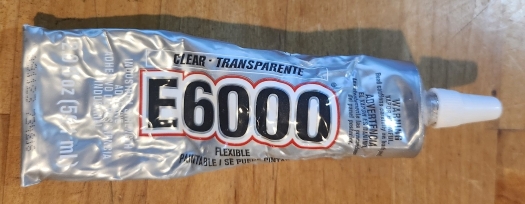
Comments
(Jump to bottom of comments)Posted by: Skip at October 25, 2026 01:58 PM (Ia/+0)
Posted by: Skip at October 25, 2026 02:00 PM (Ia/+0)
Posted by: Skip at October 25, 2026 02:01 PM (Ia/+0)
Posted by: Braenyard - some Absent Friends are more equal than others _ at October 25, 2026 02:03 PM (51ygH)
2 uses.
I have used them a second time, but rarely.
We do a lot of our own engine work. Gasket maker is the same thing. I end up poking a hole in the tube side to get a second use out of it. Sometimes we have 3 or 4 holes all over that cheap sucker.
Costs more to go get more than to use it all up.
Posted by: MkY at October 25, 2026 02:05 PM (ik4bQ)
Although, that would be funny....both seeing such a warning, or someone using it to brush their teeth. Equally entertaining.
Posted by: Orson at October 25, 2026 02:05 PM (dIske)
Posted by: Oddbob at October 25, 2026 02:06 PM (jxozk)
Posted by: AZ deplorable moron at October 25, 2026 02:06 PM (NnhvP)
Posted by: Pawl at October 25, 2026 02:07 PM (1z+WB)
Posted by: ballistic at October 25, 2026 02:07 PM (oqH4h)
Posted by: Dr_No at October 25, 2026 02:08 PM (ayRl+)
Posted by: Skip at October 25, 2026 02:09 PM (Ia/+0)
Posted by: Orson at October 25, 2026 02:05 PM (dIske)
Remember Gorilla Glue Girl?
Posted by: Idaho Spudboy at October 25, 2026 02:09 PM (CSQvy)
Posted by: Skip
---
When it gets down to it cut the top off with your pocket knife.
You'll get two more uses.
Posted by: Braenyard - some Absent Friends are more equal than others _ at October 25, 2026 02:10 PM (51ygH)
Posted by: Skip at October 25, 2026 02:01 PM
I always support Big Caulk!
Posted by: Pete Bootyjudge at October 25, 2026 02:10 PM (DyLV2)
Posted by: Dr_No at October 25, 2026 02:10 PM (ayRl+)
And I took my car out of the garage so I could mow lawns. The battery died. Less than 80,000 miles.
Of course the car is 11 years old, that was the original battery and the car has only about 132,000 kms. So I guess that was a good run.
Posted by: Stateless - Ralphy - 106 years old! Puppy at heart! at October 25, 2026 02:11 PM (Sco7b)
Posted by: Big Glue at October 25, 2026 02:11 PM (qKP++)
Works for me...
Posted by: Jackson K. at October 25, 2026 02:12 PM (ENxVw)
Posted by: Erebus- Ex Killer Whale at October 25, 2026 02:13 PM (qKP++)
Posted by: bluebell at October 25, 2026 02:13 PM (uyuYG)
Posted by: AZ deplorable moron at October 25, 2026 02:06 PM (NnhvP)
Harbor Freight, and the big box stores sell caulking tube caps, made of a steel spike bonded to a stretchy orange plastic sleeve that seals air out of the tube. I have had good luck with them.
Posted by: Alberta Oil Peon at October 25, 2026 02:13 PM (1z+WB)
Nerk – you’re gonna’ need a bigger drill.
It’s going to take more than a day to find my old two handed Black and Decker.
Posted by: Braenyard - some Absent Friends are more equal than others _ at October 25, 2026 02:13 PM (51ygH)
Posted by: Captain Josepha Sabin at October 25, 2026 02:14 PM (DK5Sh)
Posted by: Dr_No at October 25, 2026 02:14 PM (ayRl+)
Posted by: Eromero at October 25, 2026 02:14 PM (LHPAg)
Posted by: Eromero at October 25, 2026 02:16 PM (LHPAg)
Posted by: bluebell at October 25, 2026 02:16 PM (uyuYG)
Posted by: Dr_No at October 25, 2026 02:10 PM (ayRl+)
1. the stuff works pretty well, if the glass and the fixture are both scrupulously cleaned
2. it's a lot cheaper than having an auto glass shop do it
Posted by: Alberta Oil Peon at October 25, 2026 02:16 PM (1z+WB)
________________________
2. it's a lot cheaper than having an auto glass shop do it
Posted by: Alberta Oil Peon at October 25, 2026 02:16 PM (1z+WB)
________________________
You are RIGHT!, Sir … !
Posted by: Dr_No at October 25, 2026 02:19 PM (ayRl+)
Posted by: bluebell
---
Hey, hey, feels good when a plan comes together.
Posted by: Braenyard - some Absent Friends are more equal than others _ at October 25, 2026 02:20 PM (51ygH)
Posted by: Mike Hammer, etc., etc. at October 25, 2026 02:20 PM (XeU6L)
Which has happened a couple times.
Posted by: Martini Farmer at October 25, 2026 02:20 PM (RORbl)
Posted by: She Hobbit at October 25, 2026 02:20 PM (ftFVW)
Posted by: RandomDave at October 25, 2026 02:20 PM (aJQbY)
Posted by: Braenyard - some Absent Friends are more equal than others _ at October 25, 2026 02:13 PM (51ygH)
Get a death grip on that drill before pulling the trigger. Some engines may kick back, and tear the drill out of your grip.
Posted by: Alberta Oil Peon at October 25, 2026 02:21 PM (1z+WB)
Posted by: Skip at October 25, 2026 02:01 PM (Ia/+0)
-
Works for me. Ali Express:
https://tinyurl.com/4z8ju5sw
Posted by: Biden's Dog sniffs a whole lotta malarkey, at October 25, 2026 02:21 PM (74zY1)
At last. Something that makes sense.
Posted by: Case at October 25, 2026 02:21 PM (Dd7BU)
OK that's a new one on me. Does putting it in the fridge preserve it or just make it possible to find the next time you want to use it?
Posted by: Oddbob at October 25, 2026 02:22 PM (zVLs3)
Posted by: Weasel at October 25, 2026 02:22 PM (dvMey)
Posted by: Casper at October 25, 2026 02:22 PM (Bdsel)
Posted by: Skip at October 25, 2026 02:23 PM (Ia/+0)
Get a death grip on that drill before pulling the trigger. Some engines may kick back, and tear the drill out of your grip.
Posted by: Alberta Oil Peon
---
Bosch tried to break my wrist. I learned a lesson.
Posted by: Braenyard - some Absent Friends are more equal than others _ at October 25, 2026 02:24 PM (51ygH)
Posted by: Aetius451AD work phone, LINDSEY GRAHAM WAS GAY?!!? at October 25, 2026 02:24 PM (zZu0s)
Buy smaller tubes.
Posted by: Casper at October 25, 2026 02:22 PM (Bdsel)
_________
Never buy anything but the single-use size.
Posted by: Hadrian the Seventh at October 25, 2026 02:24 PM (eRlcH)
No civilian needs that many Es.
Posted by: Oddbob at October 25, 2026 02:25 PM (zVLs3)
Posted by: Oddbob
From my very poorly remembered chem classes, every 10 degree F drop in temp cuts reaction speed in half.
Posted by: AZ deplorable moron at October 25, 2026 02:25 PM (NnhvP)
Posted by: Skip at October 25, 2026 02:23 PM (Ia/+0)
-------
Really, Skip? I'm surprised. It's not even that cold where you live. I guess 5 years might be okay, but I would be really unhappy with 3.5.
Posted by: bluebell at October 25, 2026 02:27 PM (uyuYG)
Unresolveable.
Posted by: From about That Time at October 25, 2026 02:27 PM (sl73Y)
Posted by: RandomDave at October 25, 2026 02:27 PM (aJQbY)
The re-sealable packaging, with the easy-open tear strips, are really one of the miniscule wonders of the modern world. Very convenient in many ways.
But in recent years, a weird trend. They don't work. Meaning you rarely can open them without a scissors, and they won't reseal without an inordinate amount of effort.
Varies by brand. Some haven't changed. Just wonder about those that have. Poor material? Poor manufacturing?
It's truly a First World Problem, but encounter it almost daily, so pretty annoying.
Posted by: rhomboid at October 25, 2026 02:27 PM (U/Byj)
Posted by: Elmer's is my favorite flavor of glue at October 25, 2026 02:28 PM (5NDL0)
Posted by: Joe Kidd at October 25, 2026 02:28 PM (08OqX)
The gel form makes it much easier to control--you can drop a dab of it on a piece of paper and use a toothpick to apply it to even the tiniest places, or just use it from the applicator tip. Also, it keeps for months without the top clogging up.
I go through at least one bottle a month. It's spendy--about $6 or $7 for a tiny bottle, but it goes a long way without the waste of most other super glues.
Posted by: IrishEi ?! at October 25, 2026 02:28 PM (3ImbR)
Posted by: Skip at October 25, 2026 02:23 PM (Ia/+0)
-----
In the Texas heat, if you get 3 years out of a battery, you're ahead of the curve.
Posted by: ballistic at October 25, 2026 02:28 PM (oqH4h)
Posted by: Biden's Dog sniffs a whole lotta malarkey, at October 25, 2026 02:28 PM (74zY1)
Posted by: bluebell at October 25, 2026 02:16 PM (uyuYG)
Bluebell's Plumbing And Pie Crust Service
Posted by: CharlieBrown'sDildo at October 25, 2026 02:28 PM (k5CNB)
EVERYTHING under the hood is designed to shred you.
Posted by: Eromero at October 25, 2026 02:29 PM (LHPAg)
If you have ever used POR15 paint, you know it works very well, is expensive, and is wont to harden in the can once opened. I have had great success preserving it by filling the airspace in the can with CO2 from the gas tank on my MIG welder. Put the lid on loosely, flip one side up, introduce the MIG nozzle, and let a stream of gas run for ten seconds or so. Displaces air the the can, getting rid of oxygen and moisture than can catalyze POR15 into hardening in the can. If you don't have a welding cylinder handy, one of those "air duster" aerosol cans might work, too.
Posted by: Alberta Oil Peon at October 25, 2026 02:30 PM (1z+WB)
Posted by: Oddbob
From my very poorly remembered chem classes, every 10 degree F drop in temp cuts reaction speed in half.
Posted by: AZ deplorable moron
----
Batteries. There's an argument around here about AA and AAA batteries. I say put them in the fridge. They say that the fridge damages new style batteries. Anyone have an opinion?
Posted by: Braenyard - some Absent Friends are more equal than others _ at October 25, 2026 02:31 PM (51ygH)
Posted by: CharlieBrown'sDildo at October 25, 2026 02:28 PM (k5CNB)
---------
And Reupholsterer. Well, not really, but my next project is recovering some chair cushions for some old but solid chairs I have. I found some beautiful wool upholstery fabric in a thrift store that's perfect. 4 yards for $12 and I actually only need half that so I can recover them again in 10 years or so.
Posted by: bluebell at October 25, 2026 02:32 PM (uyuYG)
Posted by: Skip at October 25, 2026 02:23 PM (Ia/+0)
-------
Really, Skip? I'm surprised. It's not even that cold where you live. I guess 5 years might be okay, but I would be really unhappy with 3.5.
Posted by: bluebell at October 25, 2026 02:27 PM (uyuYG)
My friend said it was the one that came with the car and I don't recall EVER changing it when Mom and Dad were alive. So 11 years I guess and I'll count myself lucky.
Posted by: Stateless - Ralphy - 106 years old! Puppy at heart! at October 25, 2026 02:33 PM (Sco7b)
There's an argument around here about AA and AAA batteries. I say put them in the fridge. They say that the fridge damages new style batteries. Anyone have an opinion?
Posted by: Braenyard - some Absent Friends are more equal than others
__________
You are making a dreadful mistake.
Posted by: Hadrian the Seventh at October 25, 2026 02:33 PM (eRlcH)
The back seat seatbelt release on my truck failed to release. Daughter #2 of Diogenes was trapped but finally was able to slip out. There is a little red plastic button you push to release the belt. Local Ford dealer charged my $130 just to tell me it would cost $930 to repair the seatbelt. WTF???
So I took it apart myself (with help of SnL). I glued the part back together then wrapped in heavy tape. Works like a charm.
I could have ordered a new seat belt assembly for about a hundred bucks but by now I was pissed.
Eff you Ford dealer.
Posted by: Diogenes at October 25, 2026 02:33 PM (2WIwB)
Posted by: Skip at October 25, 2026 02:33 PM (Ia/+0)
Posted by: Stateless - Ralphy - 106 years old! Puppy at heart! at October 25, 2026 02:33 PM (Sco7b)
--------
Wow! That makes my thrifty heart happy.
Posted by: bluebell at October 25, 2026 02:34 PM (uyuYG)
Pricy. And it sits in a small box up by the passenger side windshield. Requires significant disassembly to remove.
Stupid design, but it is what it is.
Posted by: Martini Farmer at October 25, 2026 02:35 PM (RORbl)
Posted by: rhomboid at October 25, 2026 02:27 PM (U/Byj)
~~~~~
I'm with you, rhomboid. Annoying. The easiest ones to open and close are those on Sargento Cheese slices.
And while we're at it, who designed the inner wrappers on graham crackers? You practically have to crush all the crackers to get it open.
Posted by: IrishEi ?! at October 25, 2026 02:35 PM (3ImbR)
I don't have a point. Just chuckling at the cerebrally impaired.
Posted by: Elmer's is my favorite flavor of glue at October 25, 2026 02:35 PM (5NDL0)
Posted by: IrishEi ?! at October 25, 2026 02:35 PM (3ImbR)
------
Hear, hear. Everything is like that. I keep multiple pairs of scissors all over the house because nothing is easy to open any more and I don't need stuff flying through the air.
Posted by: bluebell at October 25, 2026 02:36 PM (uyuYG)
I finally found a brand that's in good packaging and easy application.
https://tinyurl.com/msky3ht3
Posted by: SMH at God's mercy at October 25, 2026 02:37 PM (e1gAD)
Posted by: From about That Time at October 25, 2026 02:37 PM (sl73Y)
~~~~~
Neurosurgeons use it to treat arteriovenous malformations in the brain.
Posted by: IrishEi ?! at October 25, 2026 02:37 PM (3ImbR)
You get something like say dog treats. You get the bigger size because you work out you save literally pennies on the dollar by buying the larger size. OK.
You get the resealable package one. The one where you tear open, but it has a built in zip lock closure.
And then, before you have distributed or consumed the contents, the ziploc closure separates from the inner wall of the container.
This has happened with numerous products I have gotten. Almost to the point that I have said fuck the original bag and just opened new, transferred to gallon zip loc, then thrown away original packaging.
We shouldn't have to live like this.
Posted by: Aetius451AD work phone, LINDSEY GRAHAM WAS GAY?!!? at October 25, 2026 02:38 PM (zZu0s)
I don't have a point. Just chuckling at the cerebrally impaired.
Posted by: Elmer's is my favorite flavor of glue at October 25, 2026 02:35 PM (5NDL0)
---------
I think there actually is a brand of hair gel called (begging pardon in advance) Gorilla Snot. Maybe she got confused. Although who would buy something with that name anyway.
Posted by: bluebell at October 25, 2026 02:38 PM (uyuYG)
I don't have a point. Just chuckling at the cerebrally impaired.
Posted by: Elmer's is my favorite flavor of glue at October 25, 2026 02:35 PM (5NDL0)
___
I read the Bell Curve when it first came out in the 90s.
She confirmed that book's premise.
Posted by: SMH at God's mercy at October 25, 2026 02:38 PM (e1gAD)
She confirmed that book's premise.
Posted by: SMH at God's mercy at October 25, 2026 02:38 PM (e1gA
-----
Ha!
Posted by: bluebell at October 25, 2026 02:39 PM (uyuYG)
Posted by: Hadrian the Seventh at October 25, 2026 02:33 PM (eRlcH)
Alkaline batteries are routinely used in equipment that must be used outdoors in sub-zero weather. They work. Output will be reduced, because cold slows chemical reactions, but they will work. And once rewarmed, they return to their nominal capacity.
A fully-charged flooded lead-acid battery (your car) will survive any cold that North America can throw at it. But should it be exposed to sub-zero weather while discharged, it will freeze and split the case, guaranteed.
Posted by: Alberta Oil Peon at October 25, 2026 02:39 PM (1z+WB)
Posted by: Aetius451AD work phone, LINDSEY GRAHAM WAS GAY?!!? at October 25, 2026 02:40 PM (zZu0s)
Posted by: IrishEi ?!
Not that any Moron would experience a malformation in his brain.
Just saying.
Posted by: Tonypete at October 25, 2026 02:40 PM (4cqyH)
Posted by: bluebell
___
Anything with the word 'snot' is not going in my hair.
Posted by: SMH at God's mercy at October 25, 2026 02:40 PM (e1gAD)
Posted by: IrishEi ?! at October 25, 2026 02:40 PM (3ImbR)
Posted by: Aetius451AD work phone, LINDSEY GRAHAM WAS GAY?!!? at October 25, 2026 02:41 PM (zZu0s)
Posted by: Mike Hammer, etc., etc. at October 25, 2026 02:41 PM (XeU6L)
Seatbelt/window breaker combo knives are inexpensive.
There are two in the center console, one for the driver and
one for the passenger.
A friend died because she couldn't loosen her seat belt.
I have a thing about it.
Posted by: Braenyard - some Absent Friends are more equal than others _ at October 25, 2026 02:42 PM (51ygH)
Posted by: Aetius451AD work phone
My favorite has been the few times when the zipper was *above* the tear line. Tear doesn't work, must cut with scissors, and ALAS! the zipper is gone. It just doesn't seem like a complicated thing to design or fabricate.
Posted by: She Hobbit at October 25, 2026 02:42 PM (ftFVW)
Again, I find them mysterious. The very excellent designs that worked for years now ...... just don't work. Has to be quality of materials or QC of manufacture, logically speaking?
And ditto Irish and bluebell about the wrapping on many comparatively fragile items like cookies or crackers. Some are still great - open with your hands, they peel apart and you can easily transfer contents to airtight containers. Others? Need a scissors. And that's not the end of the problems. They don't naturally tear apart even after opening.
Gotta think packaging goes through evaluation and QC for design and manufacturing, same as the contents. WTF, America?
Posted by: rhomboid at October 25, 2026 02:42 PM (U/Byj)
Just saying.
Posted by: Tonypete at October 25, 2026 02:40 PM (4cqyH)
---------
I was thinking more along the lines of "I hope no Morons are going to try to do brain surgery with superglue."
Posted by: bluebell at October 25, 2026 02:43 PM (uyuYG)
Posted by: Aetius451AD work phone, LINDSEY GRAHAM WAS GAY?!!? at October 25, 2026 02:40 PM (zZu0s)
Got my batteries in the garage fridge.
Posted by: Mr Aspirin Factory at October 25, 2026 02:43 PM (r2Icn)
They don't work. Meaning you rarely can open them without a scissors, and they won't reseal without an inordinate amount of effort.
Varies by brand. Some haven't changed. Just wonder about those that have. Poor material? Poor manufacturing?
It's truly a First World Problem, but encounter it almost daily, so pretty annoying.
Posted by: rhomboid at October 25, 2026 02:27 PM (U/Byj)
My similar complaint is meat that is packed in a plastic tray sealed with a plastic top that is form-fitted to the meat. I see it most often when I get lamb chops. Slicing through the plastic requires a box cutter, or a very sharp paring knife, which you will need to resharpen after opening two or three of those infernal packages..
Posted by: Joe Kidd at October 25, 2026 02:44 PM (08OqX)
Posted by: bluebell at October 25, 2026 02:38 PM (uyuYG)
In the auto mechanic trade, Gorilla Snot is the nickname for 3M Yellow Super Weatherstrip Adhesive, which is often used to stick troublesome gaskets to one part to make them easier to install, thermostat gaskets being a prime example. I always keep a tube on hand. Sometimes, it even gets used for its intended purpose!
Posted by: Alberta Oil Peon at October 25, 2026 02:44 PM (1z+WB)
Posted by: bluebell at October 25, 2026 02:44 PM (uyuYG)
Posted by: IrishEi ?! at October 25,
What size bottle, and how many surgeries do they get per bottle?
Posted by: From about That Time at October 25, 2026 02:44 PM (sl73Y)
Posted by: She Hobbit at October 25, 2026 02:42 PM (ftFVW)
Thats because the bags are made as a sleeve of rolled plastic. They got the indexing wrong for the zipper enclosure there and it was in the wrong spot. Shitty qc. Id usually write them up for not doing their checks on time and containing the bad lots.
Posted by: Aetius451AD work phone, LINDSEY GRAHAM WAS GAY?!!? at October 25, 2026 02:45 PM (zZu0s)
Posted by: bluebell at October 25, 2026 02:46 PM (uyuYG)
Posted by: IrishEi ?!
Not that any Moron would experience a malformation in his brain.
Just saying.
Posted by: Tonypete
-------
If we ever meet, you can feel the deformations of my skull, post-craniotomy. Even I find it creepy.
Posted by: Mike Hammer, etc., etc. at October 25, 2026 02:46 PM (XeU6L)
Correct? Anyone have specific brand recos?
Posted by: rhomboid at October 25, 2026 02:46 PM (U/Byj)
Posted by: bluebell at October 25, 2026 02:38 PM
Gorilla Snot girl in ewetoob ad was happy.
Posted by: Eromero at October 25, 2026 02:46 PM (LHPAg)
You'll get two more uses.
Posted by: Braenyard - some Absent Friends are more equal than others _ at October 25, 2026 02:10 PM (51ygH)
_____________________
I found one of those little plastic ovals with a slit through the center that allows you to slip it onto the tail end of the tube. Then, as you use it up, you just slide the piece of plastic forward and it pushes the tube contents towards the cap. It works well. And gives you a better idea when you need to get a new one.
Posted by: Orson at October 25, 2026 02:47 PM (dIske)
Posted by: SMH at God's mercy at October 25, 2026 02:40 PM (e1gAD)
It is so much easier being a dude. Long enough to curl means I need a haircut. Done.
Posted by: Aetius451AD work phone, LINDSEY GRAHAM WAS GAY?!!? at October 25, 2026 02:47 PM (zZu0s)
25 years ago I had a bridge put in on two upper teeth. Last Wednesday the tooth holding the bridge broke. Just snapped off at the gum line. Tomorrow I go in for the root canal and in a week or so they begin to rebuild the bridge.
This is intolerable. Seems to me 25 years is kinda short.
And the cost!!!
Whoa is me.
Posted by: Diogenes at October 25, 2026 02:47 PM (2WIwB)
...
We shouldn't have to live like this.
Posted by: Aetius451AD work phone, LINDSEY GRAHAM WAS GAY?!!?
---
Binder Clips get the job done and work forever.
Posted by: Braenyard - some Absent Friends are more equal than others _ at October 25, 2026 02:48 PM (51ygH)
Posted by: Mike Hammer, etc., etc. at October 25, 2026 02:41 PM (XeU6L)
I feel dumber for having read that.
Posted by: Alberta Oil Peon at October 25, 2026 02:48 PM (1z+WB)
Posted by: Case at October 25, 2026 02:49 PM (Dd7BU)
Posted by: SMH at God's mercy at October 25, 2026 02:40 PM (e1gAD)
It is so much easier being a dude. Long enough to curl means I need a haircut. Done.
Posted by: Aetius451AD work phone, LINDSEY GRAHAM WAS GAY?!!? at October 25, 2026 02:47 PM (zZu0s)
***
Hair is over rated.
Posted by: Diogenes at October 25, 2026 02:49 PM (2WIwB)
Posted by: Anonosaurus Wrecks, Where's My Cookie? at October 25, 2026 02:49 PM (ndZc7)
Correct? Anyone have specific brand recos?
Posted by: rhomboid
No recommendation, but one of the times we had to get middle boy's face glued together the docs told me it was really was just super glue with color added so they could see where it went and we could tell when it was gone.
Posted by: She Hobbit at October 25, 2026 02:50 PM (ftFVW)
Posted by: Braenyard - some Absent Friends are more equal than others _ at October 25, 2026 02:48 PM (51ygH)
Hear, hear! Binder clip on my toothpaste tube. Binder clips on food packages. Binder clip on the sugar sack.
Posted by: Alberta Oil Peon at October 25, 2026 02:51 PM (1z+WB)
Posted by: IrishEi ?! at October 25, 2026 02:52 PM (3ImbR)
Posted by: Alberta Oil Peon
----
Thus the 'FWIW'
There are some contradictions, and the guy seems to just be expressing opinion, rather than absolute facts. It's as if he's just reading the labels.
Posted by: Mike Hammer, etc., etc. at October 25, 2026 02:52 PM (XeU6L)
Posted by: AZ deplorable moron at October 25, 2026 02:52 PM (NnhvP)
Anyway me and glue have a longstanding love/hate relationship.
Posted by: Yudhishthira's Dice at October 25, 2026 02:52 PM (BI5O2)
https://tinyurl.com/ms55zmvc
Posted by: Anonosaurus Wrecks, Where's My Cookie? at October 25, 2026 02:49 PM (ndZc7)
LOL!
Posted by: Alberta Oil Peon at October 25, 2026 02:53 PM (1z+WB)
And Braenyard's correct, binder clips can help remedy poorly made self-sealing bags.
For this kind of thing, everyone should be able to shop in Japan. An incredible array of very clever little things like clips and other useful items. Always well designed, always incredibly compact and space-efficient.
If you have a Daiso store in your AO, check it out. Basically a dollar store, but with Japanese stuff.
Posted by: rhomboid at October 25, 2026 02:53 PM (U/Byj)
Posted by: Buck (Ofama) at October 25, 2026 02:53 PM (z6ONu)
Posted by: IrishEi
-----
Get out the scissors...you're gonna need them.
Posted by: Mike Hammer, etc., etc. at October 25, 2026 02:54 PM (XeU6L)
Anything with the word 'snot' is not going in my hair.
Posted by: SMH at God's mercy at October 25, 2026 02:40 PM (e1gAD)
_________
*A-CHOOOO!!!*
Sorry
Posted by: Hadrian the Seventh at October 25, 2026 02:54 PM (eRlcH)
That's what we called the yellow 3M adhesive. And cursed people who used it on oil and transmission pan gaskets.
Posted by: Oddbob at October 25, 2026 02:55 PM (PTxQD)
Posted by: Mike Hammer, etc., etc. at October 25, 2026 02:52 PM (XeU6L)
And it reads like Kamala Harris wrote it. Very repetitive. And he repeats himself. And says thing twice, too.
Posted by: Alberta Oil Peon at October 25, 2026 02:55 PM (1z+WB)
Posted by: Braenyard - some Absent Friends are more equal than others _ at October 25, 2026 02:48 PM (51ygH)
Thirty plus years a CPA, my pantry is replete with binder clips, with a lifetime supply in the baseu.
Posted by: From about That Time at October 25, 2026 02:55 PM (sl73Y)
Posted by: Buck (Ofama) at October 25, 2026 02:53 PM (z6ON
----------
Well hello there! I do hope you come back next year. I was just thinking about your brother this morning and hoping he is doing well.
Posted by: bluebell at October 25, 2026 02:57 PM (uyuYG)
I have several of them.
Posted by: SpeakingOf at October 25, 2026 02:57 PM (6ydKt)
Posted by: bluebell at October 25, 2026 02:58 PM (uyuYG)
We shouldn't have to live like this!
Posted by: All Hail Eris, She-Wolf of the 'Ettes 'Ettes at October 25, 2026 02:58 PM (kpS4V)
Unless I imagined it, the blister packaging on electronics etc - which is similar or worse - led to so many self-inflicted cuts that it became a reportable CDC health stat for ERs and clinics.
As always I am wide open to enlightenment for something I don't get: what is the rationale for packaging that is very difficult to open? Theft/pilferage? Shipping/handling hardening? Neither would seem to call for the little over-built plastic fortresses in which you buy a flashlight or consumer electronics.
Posted by: rhomboid at October 25, 2026 02:59 PM (U/Byj)
Posted by: Anonosaurus Wrecks, Where's My Cookie? at October 25, 2026 02:59 PM (ndZc7)
Posted by: Oddbob at October 25, 2026 02:55 PM (PTxQD)
That's me! I use it to stick the gasket to the pan. And regular sealant on the other face. Remove the pan, and the gasket (mostly) comes with it. Then you clean the old gasket and gorilla snot off the pan on the wire wheel. Easy-peasy.
Caveat: used to be the best way to install the old cork composition gaskets. The new molded rubber gaskets used on modern transmissions are vastly better, and don't need that.
Posted by: Alberta Oil Peon at October 25, 2026 03:00 PM (1z+WB)
Posted by: IrishEi ?! at October 25, 2026 02:52 PM (3ImbR)
Dear God, you ain't lying. Its like packaging designed to hold nuclear launch codes. It is some of the toughest plastic known to man. Shears needed.
Posted by: Aetius451AD work phone, LINDSEY GRAHAM WAS GAY?!!? at October 25, 2026 03:01 PM (zZu0s)
https://tinyurl.com/3ayekjnn
Posted by: She Hobbit at October 25, 2026 03:01 PM (ftFVW)
Posted by: Mike Hammer, etc., etc. at October 25, 2026 02:46 PM
Top of my head looks like a plowed-up field.
Posted by: Eromero at October 25, 2026 03:01 PM (LHPAg)
The original packaging sucks.
Posted by: Martini Farmer at October 25, 2026 03:02 PM (RORbl)
When the machines are brand new and set up perfectly the bags come out perfect every time.
Then as time goes on and more and more maintenance schedules are skipped because they don’t want to shit the machines down, the entire process gets out of alignment are your bags are getting glued in the wrong place or the zipper breaks and everything goes tits up.
Posted by: SpeakingOf at October 25, 2026 03:02 PM (6ydKt)
Correct? Anyone have specific brand recos?
Posted by: rhomboid
Sold at Dollar and a quarter Tree. I bought 3 tubes. Works pretty good.
Posted by: Mr Aspirin Factory at October 25, 2026 03:03 PM (r2Icn)
I am guessing tampering, but why just batteries. What could you do to a battery except replace it with a used one and then return it to the store?
Posted by: Aetius451AD work phone, LINDSEY GRAHAM WAS GAY?!!? at October 25, 2026 03:03 PM (zZu0s)
https://tinyurl.com/56yzkjwu
Posted by: Anonosaurus Wrecks, Where's My Cookie? at October 25, 2026 03:04 PM (ndZc7)
Posted by: Dr_No at October 25, 2026 03:04 PM (ayRl+)
Posted by: SpeakingOf at October 25, 2026 03:02 PM (6ydKt)
Usually any type of manufacturing of that type is monitored and adjusted on the fly. Techs grab samples. Measure where the cuts are. Whether the graphics are centered. How far is the zipper enclosure from the tear point. Where is the tear point from the end of the bag. The tech measures it and then compares to a spec range. Good? Gtg. Bad? Hold and isolate.
Posted by: Aetius451AD work phone, LINDSEY GRAHAM WAS GAY?!!? at October 25, 2026 03:05 PM (zZu0s)
Posted by: rhomboid at October 25, 2026 03:05 PM (U/Byj)
FYI, if ever passing through or visiting there, Local Ocean restaurant, really really good. From photos of the ammonia thing, I would guess evacuation radius would encompass that side of the harbor, so don't try going to that restaurant today lol.
Posted by: rhomboid at October 25, 2026 03:07 PM (U/Byj)
As always I am wide open to enlightenment for something I don't get: what is the rationale for packaging that is very difficult to open? Theft/pilferage? Shipping/handling hardening? Neither would seem to call for the little over-built plastic fortresses in which you buy a flashlight or consumer electronics.
Posted by: rhomboid at October 25, 2026 02:59 PM (U/Byj)
I was never so happy thanks to “climate change” as when a lot if electronics manufacturers went with eco-friendly packaging instead of plastic shells as hard as kevlar that took scissors, razor blades, and a cutting torch to get open.
Those plastic hardshells are mostly for shipping protection and shoplift protection.
Posted by: SpeakingOf at October 25, 2026 03:07 PM (6ydKt)
Well, since you know with a 99% certainty who is going to have to replace it the next time, you get a pass. The best pan gaskets are the ones that have a few holes smaller than normal so you can stuff the bolts through to hold it in place.
Posted by: Oddbob at October 25, 2026 03:08 PM (tsCIO)
Posted by: rhomboid at October 25, 2026 03:08 PM (U/Byj)
Posted by: Aetius451AD work phone, LINDSEY GRAHAM WAS GAY?!!? at October 25, 2026 03:03 PM (zZu0s)
Stop and think for a moment. Those button batteries are little discs. One pole is the entire case, save for one face, which is the other pole. Those two poles are separated by a narrow plastic ring. What would happen if the packaging failed, and several of those button cells got wedged together between the two layers of plastic on the card? Damned good chance of a fire. And that card is one of 400 or so in a big carton, which is one of several hundred in a sea can. Can you say "fire at sea"?
Posted by: Alberta Oil Peon at October 25, 2026 03:09 PM (1z+WB)
----
Tape is an essential kitchen and household item.
Packaging tape 2", get the application tool.
(I've used to to hold the tail light assembly on my Ford
for a year.)
Those big plastic chip bags that when nicked tear all
the way? Not if you have one wrap of tape around the top.
Also 1/2" or 3/4" is handy. Cuts? Its sterile. Cut? in a pinch wrap
a piece of paper towel around the cut and tape it.
Dollar store tape is generally better than name brand.
Posted by: Braenyard - some Absent Friends are more equal than others _ at October 25, 2026 03:09 PM (51ygH)
Posted by: Aetius451AD work phone, LINDSEY GRAHAM WAS GAY?!!? at October 25, 2026 03:05 PM (zZu0s)
I bet they do but that guy starts missing a lot of misalignment at some point because I’m getting 1 out of 10 screwed up bags and other packaging.
They’ve probably replaced him with an AI camera and automation by now.
Posted by: SpeakingOf at October 25, 2026 03:11 PM (6ydKt)
Posted by: IrishEi
Hearing aid.
Posted by: Eromero at October 25, 2026 03:11 PM (LHPAg)
No matter how deadly and permanent these super-glu products are, they never do the job for me. Oh, I'm sure if I glued my thumb and fingertip together I'd have to go to the ER to get them separated, but that doesn't happen with fixing anything that's broken. That's my fwp.
Posted by: Blonde Morticia at October 25, 2026 03:12 PM (mmrXZ)
Posted by: rhomboid at October 25, 2026 03:08 PM (U/Byj)
Its not so much shoddy manufacture as it is shitty quality control. The guys running the machine are usually not able to see whether the stuff is right- it is moving too fast (although when I worked with baby good packaging the production guys were cintabtly supposed to be checking samples as you could make a lot of bad product if things went out of spec for even a few minutes.
Posted by: Aetius451AD work phone, LINDSEY GRAHAM WAS GAY?!!? at October 25, 2026 03:12 PM (zZu0s)
Making the exterior as impenetrable as the blister packaging on consumer electronics doesn't seem necessary.
Posted by: rhomboid at October 25, 2026 03:13 PM (U/Byj)
Posted by: Alberta Oil Peon at October 25, 2026 03:09 PM (1z+WB)
Huh. That does make sense. Thanks.
I still have to use tin snips to get them open.
Posted by: Aetius451AD work phone, LINDSEY GRAHAM WAS GAY?!!? at October 25, 2026 03:14 PM (zZu0s)
They were a warning.
Posted by: Case at October 25, 2026 03:15 PM (Dd7BU)
-Rhomboid
Like people slicing bagels on Sunday morning ending up in the ER.
Posted by: Eromero at October 25, 2026 03:15 PM (LHPAg)
Posted by: Eromero
The mandoline has entered the chat.
Posted by: She Hobbit at October 25, 2026 03:17 PM (ftFVW)
~~~~~
Dollar store Crystal Clear Tape is just as good as Scotch brand.
And any tape in the world is better than Scotch Magic tape. Won't hold on foil wrapping paper, doesn't "disappear" on every surface "like magic," and is very heat sensitive--curls up and off.
Posted by: IrishEi ?! at October 25, 2026 03:17 PM (3ImbR)
Posted by: rhomboid at October 25, 2026 03:13 PM (U/Byj)
It would not surprise me to learn that the big maritime insurers have set some rigorous standards for packaging and shipping such items. Regular old flashlight batteries, the terminals are on opposite ends, and it is much harder to imagine a scenario in which they could self-short.
Posted by: Alberta Oil Peon at October 25, 2026 03:17 PM (1z+WB)
Posted by: IrishEi
Hearing aid.
Posted by: Eromero at October 25, 2026 03:11 PM (LHPAg)
***
This. X1,000,000!!!
Between the scissors, exacto-knife, and nail clippers, those packages are a slashed wrist waiting to happen.
Posted by: Diogenes at October 25, 2026 03:18 PM (2WIwB)
Posted by: IrishEi ?! at October 25, 2026 02:52 PM (3ImbR)
I ranted about that several years ago. Last week I had to swap a button battery and the new packaging was actually significantly worse!
Posted by: CharlieBrown'sDildo at October 25, 2026 03:18 PM (k5CNB)
Posted by: Aetius451AD work phone, LINDSEY GRAHAM WAS GAY?!!? at October 25, 2026 03:12 PM (zZu0s)
Yeah it’s like running a newspaper press. Once something is screwed up it gets repeated very quickly hundreds or thousands of times depending on how long it takes to get back from the break room.
Posted by: SpeakingOf at October 25, 2026 03:19 PM (6ydKt)
---------
Some of the manufacturers of those "taint" them with a bitter substance because some retards tried to eat them.
Little retards. With zero parental control.
See also... Tide Pods.
Posted by: Martini Farmer at October 25, 2026 03:19 PM (RORbl)
Posted by: Mike Hammer, etc., etc. at October 25, 2026 02:46 PM (XeU6L)
Any man caught practicing recreational phrenology spends a night in the box.
Posted by: Carr, the Floorwalker at October 25, 2026 03:19 PM (Ucgf4)
~~~~~
Also, little kids eat them.
I hope someone is gathering all these FWPs and forwarding them to the various culprit corporations.
Posted by: IrishEi ?! at October 25, 2026 03:20 PM (3ImbR)
Posted by: IrishEi
Hearing aid.
Posted by: Eromero at October 25, 2026 03:11 PM (LHPAg)
---------
What?
Posted by: Captain Obvious, Laird o' the Sea at October 25, 2026 03:20 PM (amcLV)
Posted by: Ronster at October 25, 2026 03:20 PM (QQf1O)
See also... Tide Pods.
Posted by: Martini Farmer at October 25, 2026 03:19 PM (RORbl)
It occurred to me that hearing aid batteries could be packaged in something like a Pez dispenser. Oh, wait!
Posted by: Alberta Oil Peon at October 25, 2026 03:20 PM (1z+WB)
Posted by: Big Glue at October 25, 2026 03:20 PM (FhXTo)
Posted by: IrishEi ?! at October 25, 2026 03:17 PM (3ImbR)
Is that the kind with the totally clear tape or it has a sort of matte finish?
I can’t remember which kind I had one year trying to wrap Christmas presents. It would tear so easily or stick so together easily and then you couldn’t pull it apart without ripping it.
Drove me nuts.
Posted by: SpeakingOf at October 25, 2026 03:22 PM (6ydKt)
Posted by: rhomboid at October 25, 2026 03:25 PM (U/Byj)
Posted by: SpeakingOf at October 25, 2026 03:25 PM (6ydKt)
Slip a blade between the plastic and the cardboard. Blade facing away from you. Take the battery and tape the opening shut.
Keeps the other batteries safe in place.
Take batteries out of tools not often used. (leaks prevention)
Posted by: Braenyard - some Absent Friends are more equal than others _ at October 25, 2026 03:28 PM (51ygH)
If you’ve got some serious wounds then I’d be trying for the medical grade stuff.
It’s probably a big crapshoot on what is actually in consumer superglue. I bet a lot is made in China and contains stuff you might not want to apply to an open wound.
Posted by: SpeakingOf at October 25, 2026 03:28 PM (6ydKt)
Posted by: Ronster at October 25, 2026 03:20 PM (QQf1O)
~~~~~
You can replace the motor for about $80. Just did one myself.
Posted by: IrishEi ?! at October 25, 2026 03:29 PM (3ImbR)
Posted by: rhomboid
---
Many AI answers are corporate - not real world.
Posted by: Braenyard - some Absent Friends are more equal than others _ at October 25, 2026 03:30 PM (51ygH)
It's more or less clear nail polish. Works for small cuts on joints like fingers, toes, etc.
Stings like shit. But once dry it keeps stuff out, is water proof, flexes, etc.
Posted by: Martini Farmer at October 25, 2026 03:32 PM (RORbl)
We old timers remember the days when you had to be a man and use the manual arm if you wanted to relax with your feet up and watch football.
I still have one in the living room.
Works fine, no motor to break, you just have to put some ass into it to make it recline.
Soft times make soft men.
Posted by: SpeakingOf at October 25, 2026 03:33 PM (6ydKt)
~~~~~
Magic tape has the matte finish. I'm not a fan.
Dollar store tape is great but their dispensers are crap. I'm guessing that may have been your problem. I buy the multipack of rolls and use my own desktop dispenser.
Posted by: IrishEi ?! at October 25, 2026 03:33 PM (3ImbR)
Posted by: Mike Hammer, etc., etc. at October 25, 2026 03:33 PM (XeU6L)
Posted by: IrishEi
Hearing aid.
Posted by: Eromero at October 25, 2026 03:11 PM (LHPAg)
---------
What?
Posted by: Captain Obvious, Laird o' the Sea at October 25, 2026 03:20 PM (amcLV)
-------------
Where's BEN ROETHLISBERGER when you need him?
Posted by: I am the Shadout Mapes, the Housekeeper at October 25, 2026 03:33 PM (Ucgf4)
Posted by: Martini Farmer
The sting is how you know it's working. Or something.
Posted by: She Hobbit at October 25, 2026 03:34 PM (ftFVW)
It's more or less clear nail polish. Works for small cuts on joints like fingers, toes, etc.
Stings like shit. But once dry it keeps stuff out, is water proof, flexes, etc.
Posted by: Martini Farmer
-------
It's Cyanoacrylate, generically 'super glue'.
Posted by: Mike Hammer, etc., etc. at October 25, 2026 03:36 PM (XeU6L)
From bing:
Common types include methyl, ethyl (Super Glue, Krazy Glue), n‑butyl, and octyl cyanoacrylate (used medically for wound closure).
Posted by: Aetius451AD work phone, LINDSEY GRAHAM WAS GAY?!!? at October 25, 2026 03:36 PM (zZu0s)
Posted by: Aetius451AD work phone, LINDSEY GRAHAM WAS GAY?!!? at October 25, 2026 03:37 PM (zZu0s)
Posted by: Admirale's Mate at October 25, 2026 03:38 PM (/enuJ)
Posted by: rhomboid at October 25, 2026 03:25 PM
I've been using 'super glue' to close wounds and glue teeth back on partials for over 25 years.
Posted by: Eromero at October 25, 2026 03:38 PM (LHPAg)
Posted by: Aetius
-------
Especially when spelling 'Cyanoacrylate'. I lucked out.
Posted by: Mike Hammer, etc., etc. at October 25, 2026 03:38 PM (XeU6L)
Posted by: Yudhishthira's Dice at October 25, 2026 03:39 PM (BI5O2)
Posted by: Aetius451AD work phone, LINDSEY GRAHAM WAS GAY?!!? at October 25, 2026 03:40 PM (zZu0s)
Posted by: Eromero
------
You're younger than I thought. Oh,wait...'over 25 years'.
Posted by: Mike Hammer, etc., etc. at October 25, 2026 03:41 PM (XeU6L)
Posted by: Yudhishthira's Dice at October 25, 2026 03:39 PM (BI5O2)
People still huff shit. Had one guy a few years ago who was huffing Goo Gone. Idiot.
Posted by: Aetius451AD work phone, LINDSEY GRAHAM WAS GAY?!!? at October 25, 2026 03:41 PM (zZu0s)
Posted by: Yudhishthira's Dice at October 25, 2026 03:39 PM (BI5O2)
I think whippets and the like have taken over for the inhalant crowd, especially queers.
Posted by: SpeakingOf at October 25, 2026 03:42 PM (6ydKt)
Posted by: Yudhishthira's Dice
-------
Tide pods seem to have fallen from favor also.
Posted by: Mike Hammer, etc., etc. at October 25, 2026 03:42 PM (XeU6L)
Posted by: Idaho Spudboy at October 25, 2026 02:09 PM (CSQvy)
_______________________
Actually, no. Who is Gorilla Glue Girl?
Posted by: Orson at October 25, 2026 03:44 PM (dIske)
A swab with 91% isopropyl on the wound will make it just fine for sealing up with common household superglue.
Posted by: Yudhishthira's Dice at October 25, 2026 03:44 PM (BI5O2)
Some people’s kids…
Posted by: SpeakingOf at October 25, 2026 03:44 PM (6ydKt)
Posted by: Aetius451AD work phone, LINDSEY GRAHAM WAS GAY?!!? at October 25, 2026 03:45 PM (zZu0s)
Posted by: Yudhishthira's Dice at October 25, 2026 03:39 PM (BI5O2)
People still huff shit. Had one guy a few years ago who was huffing Goo Gone. Idiot.
Posted by: Aetius451AD work phone, LINDSEY GRAHAM WAS GAY?!!? at October 25, 2026
On my drive to church this am, saw one of two panhandlers, the one on break, smoking a j. This was on the second most busy street in town. When I was coming home I saw them walking toward Salvation Army for lunch.
Posted by: Eromero at October 25, 2026 03:46 PM (LHPAg)
Posted by: Case at October 25, 2026 03:46 PM (Dd7BU)
Not sure what was in them but I had to buy some for classes and those things would almost clear your sinuses just taking off the cap.
Posted by: SpeakingOf at October 25, 2026 03:48 PM (6ydKt)
Apparently, there are entire channels on Tik Tok devoted to them.
Posted by: Orson at October 25, 2026 03:51 PM (dIske)
Posted by: Yudhishthira's Dice at October 25, 2026 03:51 PM (BI5O2)
Posted by: Case at October 25, 2026 03:46 PM (Dd7BU)
It’s all good. I was just being a wise-ass.
My Dad sat in the living room.
That was his chair.
I have set in it exactly one time since he died.
It didn’t feel right.
Posted by: SpeakingOf at October 25, 2026 03:51 PM (6ydKt)
Posted by: Ronster
I'd buy the motor, but that's me.
Cheap!
Posted by: MkY at October 25, 2026 03:52 PM (ik4bQ)
Posted by: San Franpsycho at October 25, 2026 03:53 PM (RIvkX)
Posted by: nurse ratched at October 25, 2026 03:53 PM (Nqi3p)
OT
Livestream coming up in 6 minutes of DOJ’s emergency request for California officials to sequester mail ballots of 20,000 likely noncitizens.
https://www.ca9.uscourts.gov/cases/
streams-videos/streaming?id=16150658843109
Posted by: Blonde Morticia at October 25, 2026 03:53 PM (mmrXZ)
Posted by: Eromero at October 25, 2026 03:54 PM (LHPAg)
Posted by: Skip at October 25, 2026 03:54 PM (Ia/+0)
Posted by: Orson at October 25, 2026 03:51 PM (dIske)
They have been around awhile.
I remember people doing them when I was a teenager.
I don’t think I ever tried one.
It’s like laughing gas from what I understand.
Posted by: SpeakingOf at October 25, 2026 03:54 PM (6ydKt)
Posted by: toby928(c) at October 25, 2026 03:55 PM (6AeDY)
Posted by: SpeakingOf at October 25, 2026 03:56 PM (6ydKt)
Cheap!
Would love to do that, but the motor is permanently attached to some screw device and the manufacturer is unknown.
Posted by: Ronster at October 25, 2026 03:57 PM (QQf1O)
Posted by: Big Penguin at October 25, 2026 03:58 PM (0sNs1)
OT
Livestream coming up in 6 minutes of DOJ’s emergency request for California officials to sequester mail ballots of 20,000 likely noncitizens.
https://www.ca9.uscourts.gov/cases/
streams-videos/streaming?id=16150658843109
Posted by: Blonde Morticia
----
Request?
They're going to go stompy feet if denied?
Posted by: Braenyard - some Absent Friends are more equal than others _ at October 25, 2026 03:58 PM (51ygH)
Posted by: Skip at October 25, 2026 03:54 PM
Whatever it takes to get your motor running.
Posted by: John Kay & Steppenwolf at October 25, 2026 03:59 PM (0sNs1)
Amazingly, my phone can detect and translate it.
Despite all, we live in some amazing times.
Posted by: toby928(c) at October 25, 2026 03:59 PM (6AeDY)
And that’s just up go now?
Imagine how many they could add to that by election day, and the week after in California?
50,000?
70,000?
Posted by: SpeakingOf at October 25, 2026 04:01 PM (6ydKt)
Posted by: SpeakingOf at October 25, 2026 04:02 PM (6ydKt)
Posted by: Duncanthrax at October 25, 2026 04:02 PM (0sNs1)
Posted by: Big Penguin at October 25, 2026 03:58 PM
You are learing, Grasshopper.
Posted by: Somali Shaolin Monk at October 25, 2026 04:04 PM (UTaEc)
Posted by: SpeakingOf at October 25, 2026 04:04 PM (6ydKt)
Posted by: Eromero at October 25, 2026 02:14 PM
There is iron in the words of Eromero for all Morons to see.
Posted by: Duncanthrax Ten Bears at October 25, 2026 04:06 PM (0sNs1)
Posted by: Yudhishthira's Dice at October 25, 2026 04:07 PM (BI5O2)
The title is pretty simple, it’s what it says on the label:
The Girl That Got Glue Stuck in Her Hair
https://tinyurl.com/2p2z2bne
Posted by: SpeakingOf at October 25, 2026 04:08 PM (6ydKt)
Request?
They're going to go stompy feet if denied?
Posted by: Braenyard
==========
Pretty maddening, but I bet a "request" is all the forces of reason are entitled to.
Livestreamed hearing also at:
youtube.com/watch?v=rIrq3cRGbDs
Posted by: Blonde Morticia at October 25, 2026 04:09 PM (mmrXZ)
Tessica Brown (born October 20, 1980), also known as the Gorilla Glue Girl, is an American Internet celebrity. She is best known for her TikTok videos in 2021 that documented the aftermath of her substituting hair spray with Gorilla Glue and putting the adhesive in her hair.
Posted by: SpeakingOf
================
So she didn't just cut it?
Posted by: Blonde Morticia at October 25, 2026 04:10 PM (mmrXZ)
Had not heard much on this one. On the scale of historical destruction, I do not much care on this one- although any is bad.
Posted by: Aetius451AD work phone, LINDSEY GRAHAM WAS GAY?!!? at October 25, 2026 04:14 PM (zZu0s)
Posted by: Aetius451AD work phone, LINDSEY GRAHAM WAS GAY?!!? at October 25, 2026 04:16 PM (zZu0s)
Seems just about right. Symbolism.
Posted by: Aetius451AD work phone, LINDSEY GRAHAM WAS GAY?!!? at October 25, 2026 04:19 PM (zZu0s)
Posted by: Aetius451AD work phone, LINDSEY GRAHAM WAS GAY?!!? at October 25, 2026 04:20 PM (zZu0s)
Posted by: Cooter Brown. at October 25, 2026 05:56 PM (EdP2u)
Posted by: Your Shell Answer Man at October 25, 2026 06:07 PM (EdP2u)
Posted by: Preznit Depends Emeritus! at October 25, 2026 06:15 PM (EdP2u)
Drove me nuts.
Posted by: SpeakingOf
With some of us, it's a very short drive.
Posted by: Fugitive From The Board of Mental Health at October 25, 2026 06:29 PM (EdP2u)
Posted by: Oddbob at October 25, 2026 06:43 PM (vTZFs)
Posted by: Mike Hammer, etc., etc. at October 25, 2026 06:43 PM (XeU6L)
Posted by: Fred4D at October 26, 2026 07:02 AM (bzs/2)
Modern Immigration Is A Far Cry From That Of Our Ancestors
The lives that many of our ancestors lived before they made the sometimes arduous trek to America were difficult for many reasons. Poverty of course, but religious persecution figured prominently, and the simple almost world-wide limitation on upward mobility was a huge driver of immigration. No matter our great-great-grandfather's intelligence and drive and desire to better himself, he was stuck as a serf or a blacksmith or a tenant farmer, and it was very difficult to change those circumstances.
Thus the allure of America! But to get there was difficult and expensive, and there was no guarantee that when he arrived he wouldn't be put right back on the ship and sent back to Russia or Germany or Sweden or Italy or... And that was just the beginning! He had to work...hard, and learn English, and fit into the culture that was American Exceptionalism. There was no welfare or immigration assistance or government payments for new arrivals or public medical care or public housing or any of the myriad services that current immigrants are given. So who came to America? The smart ones. The tough ones. The ones who truly valued freedom and chafed under the Czar or the Kaiser or the King or the Emperor. The great mass of people who were miserable, but unwilling to challenge themselves with the great unknown of leaving what they had, no matter how pitiful, stayed, and were gobbled up by the cataclysms that shook Europe. That selection turbocharged America, which was already the destination of the best and the brightest from its beginning. But all of that changed with modern transportation, the burgeoning welfare state, and the radical change in our immigration policies that began in the 1960s. No longer did America want immigration to be a reflection of the country. No...the progressives wanted a flood of new voters who would support their cradle-to-grave welfare dreams. And where to find those people? In countries without a foundation of personal freedom, the rule of law, and at least some sense of entrepreneurship and personal responsibility. And that's what we got! People who came here to be cared for by government, not to expand their lives and enjoy the fruits of liberty. It's as simple as that, and the progressive cant that claims the new immigrants (both legal and illegal) are functionally identical to the great immigrations of the 19th and into the early 20th century is arrant nonsense. A peasant from central America or China without education or any political conviction other than a desire to be cared for is a radically different person than the 19th century immigrant from Germany or Russia who came to America with nothing, built a small business, sent his children to college, and created vast wealth for America. And that filter of expense and difficulty and fear of the unknown has largely been removed, so there is no impediment to armies of societal leeches invading our country. Hell, there are American charities that teach illegals how to navigate the welfare systems for maximum payout, even before they get here! How to fix it? President Trump has tightened restrictions on legal immigration, and has simply enforced the law on illegal immigration. It is an excellent start, but the societal modifications necessary to return America to the concept of the melting pot are still very much in flux. Love of country, respect for individual responsibility, freedom as a powerful driver of political behavior...all need to return to the fore. And that begins with education, which has been completely hijacked by the rabid progressives of the educational establishment. Yes, it is a tall order, but the indications are modestly positive!Comments
(Jump to bottom of comments)Posted by: Skip at October 25, 2026 12:00 PM (Ia/+0)
Posted by: Nazdar at October 25, 2026 12:00 PM (NcvvS)
President Trump has tightened restrictions on legal immigration
___________
Is it the tightening of restrictions or is it no longer tolerating the non-enforcement allowed to grow?
Posted by: Hadrian the Seventh at October 25, 2026 12:04 PM (eRlcH)
Yes, it's important to remember that 'illegal' immigration is the problem and we must enforce the law that already exists.
Posted by: dantesed at October 25, 2026 12:06 PM (Oy/m2)
Posted by: Hadrian the Seventh at October 25, 2026 12:06 PM (eRlcH)
Posted by: Biden's Dog sniffs a whole lotta malarkey, at October 25, 2026 12:06 PM (DGD6U)
As to the leeches, they are enabled by a class of people who get rich by 'helping' them.
Posted by: Nazdar at October 25, 2026 12:06 PM (NcvvS)
1/3 of the country is non American and they’re young and love to pump out babies that we pay for. Half the actual American population hates itself and wants cultural suicide.
We’re just a decade or so behind Europe’s descent.
Posted by: Lucky Pierre Delecto at October 25, 2026 12:07 PM (cFp1s)
So if you came to America you had to work...or starve.
Now ALL illegals and a significant portion of legal immigrants cross the border and start collecting benefits that equal what the upper class back home would have.
Its insane. We had debates in the old days about how generous our welfare net should be for citizens...and the government now gives way way more then that to foreigners
Posted by: 18-1 at October 25, 2026 12:08 PM (sKqQm)
Posted by: Bertram Cabot, Jr. at October 25, 2026 12:09 PM (Cqx++)
Posted by: Skip at October 25, 2026 12:11 PM (Ia/+0)
But the left says we aren't reproducing and need new bodies.
Posted by: Bertram Cabot, Jr. at October 25, 2026 12:09 PM (Cqx++)
__________
The Left is also asking how can we bring babies into a world doomed by Climate Change and Trump.
Posted by: Hadrian the Seventh at October 25, 2026 12:11 PM (eRlcH)
They also say American living standards are unsustainable and need to be curtailed while arguing we should bring those millions of foreigners here and elevating them to American living standards
Posted by: 18-1 at October 25, 2026 12:11 PM (sKqQm)
Close to a million legal immigrants become citizens every year. Their first act after becoming citizens is registering as Democrats and filing out welfare applications. Or for the more advanced ones taking over every tech job.
We need an end to ALL immigration. Not a year from now, but tomorrow. It will never happen though. Congress loves immigration. Chamber of commerce loves cheap labor, Democrats love the votes.
Posted by: Lucky Pierre Delecto at October 25, 2026 12:13 PM (cFp1s)
Posted by: Racially Ambiguous Honky at October 25, 2026 12:13 PM (f3KQn)
Posted by: Racially Ambiguous Honky at October 25, 2026 12:14 PM (f3KQn)
And yet they are wildly enthusiastic about eugenics and abortion.
As Musk said the other day, it's objectively true that the Great Replacement has already happened in parts of Europe.
When people accept this has been the plan of globalists for a very long time it all makes sense. We should stop them.
Posted by: JackStraw at October 25, 2026 12:14 PM (viF8m)
America was a "melting pot." Canada tried to be a "Salad bowl." See where that got them.
We have to make sure immigrants:
1. Have marketable job skills and will not be "public charges.
2. Come here to assimilate.
3. Never forget 1. and 2.
Posted by: no one of any consequence at October 25, 2026 12:14 PM (LOvBA)
It didn't help that our political betters made a point to advertise that... far and wide. Plus, get massive kickbacks.
Posted by: Martini Farmer at October 25, 2026 12:16 PM (RORbl)
While we're at it, no more bilingual education. No language except English in any government office or publication. Learn English or leave.
Posted by: Hadrian the Seventh at October 25, 2026 12:17 PM (eRlcH)
Posted by: Hadrian the Seventh at October 25, 2026 12:18 PM (eRlcH)
When the Italians, etc. came in the 19th century, most had marketable job skills.
When Ted Kennedy and his gang of assholes opened the country to the great unwashed, it has since deteriorated.
The big lie is that America is bad/evil.
If that is true, why does most everyone want to come here?
Posted by: no one of any consequence at October 25, 2026 12:19 PM (LOvBA)
Disclose.tv
@disclosetv
NOW - Obama says that Iran is "in a stronger strategic position now than before the war started."
Posted by: Anonosaurus Wrecks, Where's My Cookie? at October 25, 2026 12:19 PM (ndZc7)
Cut off those freebies and most would leave or not come here at all.
Posted by: Somali Joe at October 25, 2026 12:19 PM (Ssbab)
Trump has do nothing except enforce the laws that congress wrote. The next democrat president is going to open the flood gates wide open the same day they they get sworn in.
This is going to be the pattern we will face going forward. democrats will allow uncontrolled legal and illegal immigration and republican presidents will turn it off and not a single law has changed.
Posted by: Mister Scott (Formerly GWS) at October 25, 2026 12:19 PM (I43vL)
NOW - Obama says that Iran is "in a stronger strategic position now than before the war started."
Posted by: Anonosaurus Wrecks, Where's My Cookie? at October 25, 2026 12:19 PM (ndZc7)
___________
Must mean Trump is doing the right things.
Posted by: Hadrian the Seventh at October 25, 2026 12:20 PM (eRlcH)
Posted by: no one of any consequence at October 25, 2026 12:20 PM (LOvBA)
That about sums it up. We think our government is smart?
Our government is full of fools and con men/women. Downright disgusting.
Posted by: Case at October 25, 2026 12:21 PM (Dd7BU)
Posted by: Anonosaurus Wrecks, Where's My Cookie? at October 25, 2026 12:22 PM (ndZc7)
Posted by: no one of any consequence at October 25, 2026 12:22 PM (LOvBA)
Posted by: Stateless - Ralphy - 106 years old! Puppy at heart! at October 25, 2026 12:23 PM (Sco7b)
Disclose.tv
@disclosetv
NOW - Obama says that Iran is "in a stronger strategic position now than before the war started."
Posted by: Anonosaurus Wrecks, Where's My Cookie? at October 25, 2026 12:19 PM (ndZc7)
-
https://youtu.be/a8yZKMow0ME?t=47
Posted by: Biden's Dog sniffs a whole lotta malarkey, at October 25, 2026 12:23 PM (DGD6U)
Disclose.tv
@disclosetv
NOW - Obama says that Iran is "in a stronger strategic position now than before the war started."
Posted by: Anonosaurus Wrecks
Wow, just wow. smdh
Posted by: She Hobbit at October 25, 2026 12:23 PM (ftFVW)
Posted by: Anonosaurus Wrecks, Where's My Cookie? at October 25, 2026 12:19 PM (ndZc7)
Does that mean more pallets of cash will solve the problem?
Posted by: dantesed at October 25, 2026 12:25 PM (Oy/m2)
Posted by: no one of any consequence
There you go, quoting me again.
Posted by: Olson Johnson at October 25, 2026 12:25 PM (d1f3k)
Obama is literally doing the "it's only a flesh wound" thing. The only strategy he knows is "picking up dudes at a gay nightclub".
Posted by: Ian S. at October 25, 2026 12:25 PM (QZThv)
The MEALS Act is the legislation that opened the doors to massive fraud mostly by the Somalian community in Minnesota. It was advertised as a bill that would help feed children and the poor during the lockdowns when schools were closed.
In reality it removed all the safeguards for overseeing how and where the money was going and hundreds of millions of dollars were shoveled into that program. Do you know who sponsored the MEALS Act in the House?
Ilhan Nur Said Elmi aka Ilhan Omar.
Posted by: JackStraw at October 25, 2026 12:25 PM (viF8m)
Western Lensman
@WesternLensman
Talarico is asked about his prior woke comments.
His response?
He was "inarticulate."
"I think what I've regretted is kind of how I phrased certain things."
"When you pull out maybe the most inarticulate of those things to make an attack ad, I certainly regret not articulating my position more clearly."
Posted by: Anonosaurus Wrecks, Where's My Cookie? at October 25, 2026 12:25 PM (ndZc7)
Posted by: Martini Farmer at October 25, 2026 12:26 PM (RORbl)
The first season of "Temperatures Rising" was hilarious. James Whitmore was the chief of surgery. Just effing great.
Posted by: no one of any consequence at October 25, 2026 12:27 PM (LOvBA)
Posted by: Olson Johnson at October 25, 2026 12:28 PM (d1f3k)
Posted by: Skip at October 25, 2026 12:29 PM (Ia/+0)
Posted by: Buck (Ofama) at October 25, 2026 12:30 PM (z6ONu)
The Minnesota Star Tribune
@StarTribune
Minnesota sues L’Oréal for selling toxic hair products to Black girls and women
. . . .
"Building off historic racist stereotypes, the largest cosmetics company in the world knowingly marketed and sold hair products that increased cancer risks to Black women and girls, according to a lawsuit filed Thursday by Minnesota Attorney General Keith Ellison.
-
OK, definitely bullshit.
Posted by: Anonosaurus Wrecks, Where's My Cookie? at October 25, 2026 12:31 PM (ndZc7)
Posted by: man at October 25, 2026 12:32 PM (pfXMo)
Canadians love tossing salad.
They're gayer than Elric.
Posted by: Fartbringer at October 25, 2026 12:33 PM (v0bWZ)
Wait until they find out who the Jheri Curl was named after...
Posted by: man at October 25, 2026 12:34 PM (pfXMo)
Posted by: Anonosaurus Wrecks, Where's My Cookie? at October 25, 2026 12:34 PM (ndZc7)
Posted by: Ben Had at October 25, 2026 12:34 PM (ua/lL)
>>the societal modifications necessary to return America to the concept of the melting pot are still very much in flux.
=================
Yes. That awful future congresswoman who is literally from Ethiopia has stated that Americans need to LEARN SOME MANNERS AND MORALS and FIX THEIR CHARACTERS and that the people to teach it to us are those "from the South," by which she of course means south of our border. She's literally said this.
A little about her, since it's another name we'll have to get used to: Melat Kiros, defeated a long-time white female incumbent in a solid blue CO district, 29 years old, currently a student ("the efficacy of reparations, universal basic income and regulatory reform in achieving social, economic, and environmental equity") and she's a member of the DSA. She'll be a great replacement for Ilhan.
Posted by: Blonde Morticia at October 25, 2026 12:35 PM (mmrXZ)
Posted by: Anonosaurus Wrecks, Where's My Cookie? at October 25, 2026 12:19 PM (ndZc7)
+++
What's really sad is that anybody still gives a rat's ass what that lying pos has to say.
Posted by: Florida Peasant at October 25, 2026 12:36 PM (Lo97M)
Toxic? Is that why Target and Walmart put them in locked cases?
Posted by: PabloD at October 25, 2026 12:36 PM (mXZsC)
Nobody in any position of power or influence does, which is close enough to total irrelevancy.
Posted by: Ian S. at October 25, 2026 12:36 PM (QZThv)
It was "how to maintain power".
Worked for Tammany...
Posted by: man at October 25, 2026 12:37 PM (pfXMo)
GOP Lawmaker Warns DSA Movement “Rooted in Antisemitism and Jew Hatred, Marxist Theory”
Posted by: Anonosaurus Wrecks, Where's My Cookie? at October 25, 2026 12:39 PM (ndZc7)
Of all of the ways the CIA/USAID tries to force the entire world to fit through the prism of the DNC, "the global south" is the most retarded. Not least of which because the US south they're referencing was Democratic when it was bad, and now largely isn't.
Posted by: Ian S. at October 25, 2026 12:40 PM (QZThv)
What's really sad is that anybody still gives a rat's ass what that lying pos has to say.
Posted by: Florida Peasant at October 25, 2026 12:36 PM (Lo97M)
____________
Nobody except the MSM does. The Kennedy Democrat is extinct. The Clinton Democrat is nearly extinct. Even the Obama Democrat is an endangered species.
Posted by: Hadrian the Seventh at October 25, 2026 12:40 PM (eRlcH)
Posted by: man at October 25, 2026 12:40 PM (pfXMo)
I think he's a lot more involved behind the scenes than is reported. He supercharged the open borders globalist shit. He's enraged Trump is tearing it apart.
Posted by: JackStraw at October 25, 2026 12:41 PM (viF8m)
The leftists I know here in my overrun hometown (overrun by leftists and illegals) think that anyone who criticizes any illegal is racist. No matter what evidence is in front of them or what history is told to them, it won't matter. That's what we are up against
Posted by: Smell the Glove at October 25, 2026 12:42 PM (vJPf4)
America was a "melting pot." Canada tried to be a "Salad bowl." See where that got them.
That sounds like the race relations class I attended while in the Navy. They said that we should not think of a melting pot but rather as a Mulligan stew where each ingredient has its own unique flavor.
That was in 1974
Posted by: Bertram Cabot, Jr. at October 25, 2026 12:42 PM (Cqx++)
Posted by: Anonosaurus Wrecks, Where's My Cookie? at October 25, 2026 12:42 PM (ndZc7)
Valerie Jarrett and Susan Rice birthed the Democrat Party's Islamism and "free Palestine" bullshit, so in that sense the Obama Democrat hangs on. But I doubt those ladies can pass the purity tests their own ideological children are going to subject them to.
Posted by: Ian S. at October 25, 2026 12:42 PM (QZThv)
PhD candidate in organic chemistry? Theoretical physics research?
No? Hmm.
Posted by: man at October 25, 2026 12:43 PM (pfXMo)
https://tinyurl.com/5d7sxj7z
הבא להרגך, השכם להורגו
Posted by: Biden's Dog sniffs a whole lotta malarkey, at October 25, 2026 12:43 PM (DGD6U)
In my AO they say the same then complain about increasing rates of crime, traffic, housing prices and urbanization. "Why isn't anyone doing something about the real issues we face not immigration?!?"
Posted by: 18-1 at October 25, 2026 12:43 PM (sKqQm)
Posted by: no one of any consequence at October 25, 2026 12:44 PM (LOvBA)
Posted by: man at October 25, 2026 12:44 PM (pfXMo)
Ilhan Omar Defends Her “Real Name” During Confrontation at Mall of Somalia
-
Rumpelstilskin?
Posted by: Anonosaurus Wrecks, Where's My Cookie? at October 25, 2026 12:42 PM (ndZc7)
________
Goldberg
Posted by: Hadrian the Seventh at October 25, 2026 12:44 PM (eRlcH)
Posted by: man at October 25, 2026 12:46 PM (pfXMo)
Posted by: man at October 25, 2026 12:44 PM
Someone on X pointed out that Greta Thunberg and Abigail Spanberger have the same face if you ignore their hair (or paste Greta's Lord Farquaad onto Spanberger), and now I can't unsee it.
Posted by: Ian S. at October 25, 2026 12:46 PM (QZThv)
Posted by: Skip at October 25, 2026 12:46 PM (Ia/+0)
But I doubt those ladies can pass the purity tests their own ideological children are going to subject them to.
Posted by: Ian S. at October 25, 2026 12:42 PM (QZThv)
___________
Like Nadezhda Krupskaya, they'll survive but be utterly marginalized.
Posted by: Hadrian the Seventh at October 25, 2026 12:46 PM (eRlcH)
That about sums it up. We think our government is smart?
Our government is full of fools and con men/women. Downright disgusting.
Posted by: Case
=========
Too many people treat organizations as its own living and breathing entity. It isn't. Some people in government are smart, some are dumb and most are average.
What is true is that all of them in the organization are responding to incentive structures and seeking to maximize their own gains while pawning off losses off to the collective society.
That applies to The Gay Old Party, the Democrat Communist Party, the FBI, etc.
To get organizations to operate properly, you have to change the incentive structures embedded in these organizations. Thus, Trump is dragging the GOPe kicking and screaming away from its Chamber of Commerce donor incentives, Hegseth is dragging the DoW away from its Globo Homo societal change agenda to that of winning wars, etc. etc.
Changing organizational incentive structures is hard which is why a lot of reform attempts fail--the people in the organization benefitting from the current incentive structure do everything possible to derail and destroy reform.
Posted by: whig at October 25, 2026 12:48 PM (E4rtv)
___
The Democrat-Communists figured out long ago that people are both easily manipulated and intellectually lazy. Including all the "Republicans" who apparently have decided to sit this election out.
Posted by: Earth: The Final Season at October 25, 2026 12:48 PM (Ovx+P)
What veteran actor Mandy Patinkin did Friday, though, is another matter.
The Jewish star, best known for movies like “The Princess Bride” and “Yentl,” threw his support behind Abdul El-Sayed. The Michigan Democrat is running for the Senate, and he has more baggage than most politicians.
That’s being kind.
What’s far less kind? His unsavory connections. He’s on record writing a letter supporting the Muslim Brotherhood, a designated terrorist group. That missive begged the organization to “purge the media and the police.”
-
Must be some BDSM thing.
Posted by: Anonosaurus Wrecks, Where's My Cookie? at October 25, 2026 12:49 PM (ndZc7)
Posted by: JackStraw at October 25, 2026 12:52 PM (viF8m)
Posted by: Ian S. at October 25, 2026 12:52 PM (QZThv)
Trump has do nothing except enforce the laws that congress wrote. The next democrat president is going to open the flood gates wide open the same day they they get sworn in.
This is going to be the pattern we will face going forward. democrats will allow uncontrolled legal and illegal immigration and republican presidents will turn it off and not a single law has changed.
Posted by: Mister Scott
==============
Exactly. I'd like to see the next the Republican president of 2028 go on a purge that will go down as a phase in American history. The Purification, I don't care what you call it. Milk our existing laws for every possible denaturalization, denial of entry, cancelation of green cards, etc. Ooh, I said "milk," that's racist.
IANAL, and I'd like to know how many of our immigration laws and statutes can be changed.
Posted by: Blonde Morticia at October 25, 2026 12:53 PM (mmrXZ)
Bill Maher: “We’re Heading Down the Same Road” as “Nation of Moochers” England
Posted by: Anonosaurus Wrecks, Where's My Cookie? at October 25, 2026 12:53 PM (ndZc7)
C'mon man. The Princess Bride was a one-hit-wonder for him.
Nobody watched Yentl.
Posted by: no one of any consequence at October 25, 2026 12:53 PM (LOvBA)
Let's say we waved a magic wand and transformed all the peoples of the world, from the pirate Somalis to the indolent masses of Latin America, into rugged individualists with the work ethic of the Protestants, the rigorous faith of the Catholics, and the family values of the Jews.
We still can't take anymore. The staggering load of undesirables we've already taken in has torn all our social safety nets it didn't already obliterate. It has fragmented our society and destabilized our political system. We have foreign swine at war with our customs police in the hearts of our cities. They crawl around our campuses poisoning our youth against the country, and intimidating those who won't rebel.
We have more foreigners than we can deal with as it is.
Sorry, Mary, there's no more room at the inn.
Posted by: Yudhishthira's Dice at October 25, 2026 12:54 PM (BI5O2)
+++
I think they have overdone it with the racist and everything phobic.
When everything is racist or some sort of phobic nothing is.
It's all just background noise.
Posted by: Florida Peasant at October 25, 2026 12:56 PM (Lo97M)
-
The good news is it doesn't appear to be terrorism. Just good, old fashion thug violence at a homecoming party.
Posted by: Anonosaurus Wrecks, Where's My Cookie? at October 25, 2026 12:57 PM (ndZc7)
Jews are supposed to be smart right? Yet they support people like el Sayed who would slit their throat and smile while doing it.
Posted by: Lucky Pierre Delecto at October 25, 2026 12:58 PM (cFp1s)
Ilhan whats-her-name sings a song. Libs of TikTok translates:
https://tinyurl.com/5d7sxj7z
הבא להרגך, השכם להורגו
Posted by: Biden's Dog sniffs a whole lotta malarkey
===============
And those aren't just standard anti-social rap lyrics. The Powerline guy who got tips on Ilhan back in 2016 from terrified Somalis says they're contacting him again to report her continued threats and coded messages, some originating from European accounts this time.
Posted by: Blonde Morticia at October 25, 2026 12:59 PM (mmrXZ)
Trans Furry Sex Offender, 29, Busted Trying to Enroll in High School as Teen Girl — And It’s Not His First Time
Posted by: Anonosaurus Wrecks, Where's My Cookie? at October 25, 2026 01:00 PM (ndZc7)
—
Also Bill Maher: But Trump says mean things so I’ll still vote D across the board.
Fuck that worthless piece of shit.
Posted by: Lucky Pierre Delecto at October 25, 2026 01:01 PM (cFp1s)
Imagine Washington or Oregon suddenly flipping GOP at that scale.
Posted by: Alberta Oil Peon at October 25, 2026 01:01 PM (1z+WB)
The Jewish star, best known for movies like “The Princess Bride” and “Yentl,” threw his support behind Abdul El-Sayed. The Michigan Democrat is running for the Senate, and he has more baggage than most politicians.
He was fantastic in 'Dead Like Me' - stealing every scene he was in but the writing was great too.
Since we're on Michigan. NBC had 'Meet the Press' on this morning. 2.5 million weekly viewers. ONLY 16.5% below the age of 54.
Mike Rogers was on. Man, that Welker chick was a BITCH. Constantly trying to get in her points and arguing something he said 12 years ago. Rogers was great and got out his talking points though. And he did mention the prominent Dems and blacks who are supporting him.
And because I was folding laundry and it was too early to start cutting myself, I left it on to see Gretchen Whitmer. For some reason, despite Welker telling Rogers she wasn't on any side, that interview was so friendly. If they were in a studio together they would have been stroking each other's hair after the scissoring. What a disgusting love fest.
2.5 million viewers. 83.5% above age 54.
Posted by: Stateless - Ralphy - 106 years old! Puppy at heart! at October 25, 2026 01:01 PM (Sco7b)
Posted by: Skip at October 25, 2026 01:02 PM (Ia/+0)
Jews are supposed to be smart right? Yet they support people like el Sayed who would slit their throat and smile while doing it.
Posted by: Lucky Pierre Delecto
They're special and connected. That would never happen. Besides, the goatrapers were brought here to spit our throats.
Posted by: Mr Aspirin Factory at October 25, 2026 01:03 PM (r2Icn)
-
The good news is it doesn't appear to be terrorism. Just good, old fashion thug violence at a homecoming party.
Posted by: Anonosaurus Wrecks
+++
Just some future doctors and engineers blowing off a little steam at an HBCU.
Posted by: Florida Peasant at October 25, 2026 01:04 PM (Lo97M)
Posted by: Mr Aspirin Factory at October 25, 2026 01:04 PM (r2Icn)
. . . .
Manuel Otto, a German influencer who created the popular multiplayer game Stick Run, has died at 30 after setting himself on fire during a Twitch livestream.
. . . .
In the video, which can be found by searching “Stick Run” or his name on X, Otto can be seen dressed in feminine clothing, then laying down on a couch where he lights himself on fire.
-
Better or worse than feeding yourself to a tiger?
Posted by: Anonosaurus Wrecks, Where's My Cookie? at October 25, 2026 01:04 PM (ndZc7)
Posted by: JoshO at October 25, 2026 01:05 PM (xL2KH)
Short tour of the cllck tower building now destroyed in France
Posted by: Skip at October 25, 2026 01:06 PM (Ia/+0)
Posted by: rhomboid at October 25, 2026 01:09 PM (U/Byj)
Posted by: nurse ratched at October 25, 2026 01:10 PM (yEz+x)
We have more foreigners than we can deal with as it is.
Sorry, Mary, there's no more room at the inn.
Posted by: Yudhishthira's Dice at October 25, 2026 12:54 PM (BI5O2)
I respectfully disagree. Your scenario negates my objection to the open door policy we've had in place since the early '60's. Had all who entered been of the stock you describe, this country would be the envy of the world and no one would dare mess with us.
Our current scenario is due to overwhelmed services that should not have been offered in the first place. Had immigration consisted of the individuals you describe, I'll argue that our landmass would expand into other territories to accommodate the increase..
Posted by: Joe Kidd at October 25, 2026 01:10 PM (08OqX)
Just some future doctors and engineers blowing off a little steam at an HBCU.
Posted by: Florida Peasant at October 25, 2026 01:04 PM (Lo97M)
__________
Sad to say, HBCUs, which once had standards and a purpose, are admitting anyone who can fog glass.
Posted by: Hadrian the Seventh at October 25, 2026 01:10 PM (eRlcH)
Posted by: Smell the Glove at October 25, 2026 01:11 PM (vJPf4)
Posted by: Skip at October 25, 2026 01:12 PM (Ia/+0)
The American Catholic church, two weeks before the election, has Exodus 22:21 as the Old Testament reading this week: "...for you were aliens in the land of Egypt...."
So naturally the backup priest includes this in the homily -- the parish priest would have known his audience. Please point to the place in the Bible where it says migrants and their offspring are entitled to free healthcare, loans, welfare, etc.
My kid warned me not to get my blood pressure up. I already had a shitty day with work before I went to church.
I swear to God, I fucking hope I live to see the day they take away the Catholic tax exempt status.
Posted by: Big Fat Meanie at October 25, 2026 01:13 PM (qwx/I)
Toddler feeds carrots to horses.
https://tinyurl.com/bdfdce7j
Hippos eat watermelons whole.
https://tinyurl.com/69nxnhev
Baby pygmy hippo.
https://tinyurl.com/4b255c8s
Posted by: Anonosaurus Wrecks, Where's My Cookie? at October 25, 2026 01:13 PM (ndZc7)
Posted by: Anonosaurus Wrecks, Where's My Cookie? at October 25, 2026 12:19 PM (ndZc7)
Kinda explains his complete failure in foreign policy.
Posted by: Diogenes at October 25, 2026 01:14 PM (2WIwB)
Posted by: man at October 25, 2026 01:14 PM (pfXMo)
Was it a failure? From our standpoint the answer is pretty clear but I think Obama and his puppet masters got exactly what they wanted.
Posted by: JackStraw at October 25, 2026 01:15 PM (viF8m)
Hey, that's our standard. Well, that and if the prospective student can get student loans...
/ your State college...
Posted by: man at October 25, 2026 01:16 PM (pfXMo)
I respectfully disagree. Your scenario negates my objection to the open door policy we've had in place since the early '60's. Had all who entered been of the stock you describe, this country would be the envy of the world and no one would dare mess with us.
Our current scenario is due to overwhelmed services that should not have been offered in the first place. Had immigration consisted of the individuals you describe, I'll argue that our landmass would expand into other territories to accommodate the increase..
Posted by: Joe Kidd at October 25, 2026 01:10 PM (08OqX)
I think we're in agreement for the most part. I'm saying that that was then, and this is now, and it's too late. IOW, we can no longer offset the bad immigrants with good ones, and immigration reform can't address it.
We need a moratorium. I think 25 years would be a good amount of time to sort out our problems before taking a second look at immigration policies.
Posted by: Yudhishthira's Dice at October 25, 2026 01:17 PM (BI5O2)
Posted by: rhomboid at October 25, 2026 01:09 PM (U/Byj)
Well. the BC Conservative party is not exactly fire-breathing Trumpian conservative. But the incoming Premier, Lorne Doerkson has pledged to triple LNG exports, which would mean a bunch of new drilling and pipeline construction
Posted by: Alberta Oil Peon at October 25, 2026 01:18 PM (1z+WB)
Left off the do not "mistreat" or "oppress" (depending on translation) part, huh?
Posted by: man at October 25, 2026 01:19 PM (pfXMo)
*********
I'm not sure what to make of this, but my daughter-in-law, a naturalized citizen originally from Colombia, has lived in the States for ~25 years. Her employment outside the home in that time has been almost all in the realm of helping immigrants navigate the system (housing, health care, etc.) working for various "non-profits". She is hard working, diligent, earnest and bilingual. For the last two years, she has not been able to find employment in that sector.
Could be the closing of the southern border or a temporary delay hoping for a Dem/Socialist return to power. Maybe a decrease in funding from USAID or NGOs. Maybe a demographic shift away from Latin Americans.
I don't know if that is a positive development or not.
Posted by: muldoon at October 25, 2026 01:19 PM (I0N4X)
I swear to God, I fucking hope I live to see the day they take away the Catholic tax exempt status.
Posted by: Big Fat Meanie at October 25, 2026 01:13 PM (qwx/I)
___________
In the nine years I've been a parishioner at my TLM church, I've never heard any politics from the pulpit. And today was the Feast of Christ the King. Nothing about immigration in the Introit, Lesson, Epistle, Gospel, Secret, Communion or Post-Communion readings.
Posted by: Hadrian the Seventh at October 25, 2026 01:20 PM (eRlcH)
Posted by: Big Fat Meanie at October 25, 2026 01:20 PM (qwx/I)
Correct. The Church should be telling these illegal invaders to stop breaking the law and stay in their own shithouses and make them into not a shithouse. But all they can do is babble about global warmering, how great gay ass sex is and how peaceful muslims are...
Posted by: Stop The Madness at October 25, 2026 01:22 PM (Ssbab)
I'm not that concerned for myself. I'm 82. I'm almost outa here. It's my daughters and their families I'm concerned about 'cos they're they ones who'll be left behind to deal with this shit. I'd really like to see a genuinely SERIOUS 'alien-immigrant-terrorist' removal process begin immediately, but then there are a lot of things that fall in that category.
Posted by: Dr_No at October 25, 2026 01:23 PM (ayRl+)
Posted by: Big Fat Meanie at October 25, 2026 01:23 PM (qwx/I)
Posted by: man at October 25, 2026 01:23 PM (pfXMo)
The first season of "Temperatures Rising" was hilarious. James Whitmore was the chief of surgery. Just effing great.
Posted by: no one of any consequence
You been watching FredFlix, too?
Posted by: OrangeEnt at October 25, 2026 01:24 PM (Tgu1F)
That's sad, really.
Posted by: man at October 25, 2026 01:25 PM (pfXMo)
Mostly because its wasted
Posted by: Skip at October 25, 2026 01:25 PM (Ia/+0)
Posted by: muldoon at October 25, 2026 01:28 PM (I0N4X)
Mostly because its wasted
Posted by: Skip
So Pritzker is immortal?
Posted by: Anonosaurus Wrecks, Where's My Cookie? at October 25, 2026 01:29 PM (ndZc7)
Posted by: muldoon at October 25, 2026 01:28 PM
Karl Benz?
Posted by: RedMindBlueState at October 25, 2026 01:33 PM (DyLV2)
Posted by: Clause at October 25, 2026 01:33 PM (qw50h)
Posted by: Anonosaurus Wrecks, Where's My Cookie? at October 25, 2026 01:34 PM (ndZc7)
Posted by: The West Virginia Employment Commission at October 25, 2026 01:35 PM (qw50h)
Posted by: Skip at October 25, 2026 01:36 PM (Ia/+0)
*********
'Tis the story of "Many the Moochers"
They were some lowdown hoochy coochers!
Posted by: muldoon at October 25, 2026 01:36 PM (I0N4X)
We need a moratorium. I think 25 years would be a good amount of time to sort out our problems before taking a second look at immigration policies.
Posted by: Yudhishthira's Dice at October 25, 2026 01:17 PM (BI5O2)
Ah, I misunderstood the power of your magic wand. If the sluggards get to stay, or are not transformed, then I agree that a no vacancy policy is warranted until their numbers are thinned..
Posted by: Joe Kidd at October 25, 2026 01:36 PM (08OqX)
We few. We happy few. We band of morons.
https://tinyurl.com/56h7udy9
Posted by: JackStraw at October 25, 2026 01:37 PM (viF8m)
Quick, let's weaken them by airlifting pallets of cash to them.
Posted by: Oddbob at October 25, 2026 01:38 PM (fFjM7)
Posted by: Clause at October 25, 2026 01:33 PM (qw50h
You're totally dependent on all those elves who make the toys.
Posted by: The Great Pumpkin at October 25, 2026 01:40 PM (euUL9)
____________________________________________
Aaaaaaaaand … the point IS … ? All non-Egyptians are aliens in Egypt.
Posted by: Dr_No at October 25, 2026 01:40 PM (ayRl+)
--------
Obama always had a knack for seeing what we knuckledraggers couldn't see. He's a genius. Just ask him.
Posted by: Cicero (@cicero43) at October 25, 2026 01:41 PM (4Je4D)
Posted by: Cicero (@cicero43) at October 25, 2026 01:43 PM (4Je4D)
Well he always was a liar.. I see nothings changed...
Posted by: It's me donna at October 25, 2026 01:44 PM (+gK6I)
**********
Who were taken there and held against their will for as long as 400 years.
Posted by: muldoon at October 25, 2026 01:44 PM (I0N4X)
There's a vid of Omar yelling about getting rid of "those people". She was talking about the Somali clan that helped Frey win the mayoral election over Omar Fateh who is from her clan. She's a murderous loon just like her real father
Posted by: Smell the Glove
================
In fact, she was blaming his loss on intra-Somali tribalism and shaming them for not voting as united Somalis instead of Hawiye (the "bad" tribe -- she and Fateh are Daarood, which is something we'd better start learing about). She made that angry statement in Somali and said “we need to get rid of these people.”
So we've imported Somali tribal conflict, same as we import Indian caste behavior and other stupid old world shyte that directly attack American ideals.
Posted by: Blonde Morticia at October 25, 2026 01:47 PM (mmrXZ)
Posted by: Oddbob at October 25, 2026 01:48 PM (WXPGO)
Posted by: Eromero at October 25, 2026 01:50 PM (LHPAg)
Posted by: Alberta Oil Peon
How badly can the central government ruin them?
Posted by: weft cut-TR at October 25, 2026 01:50 PM (nEUC6)
Posted by: Blonde Morticia at October 25, 2026 01:47 PM (mmrXZ
Canada's multi'cultural festivals in the summer are apparently touted as beautiful.
After they separate the warring groups...
Lefty news channels - redundant I know - are still all upset about the mean, mean Ohio ad by Acton's mother who apparently did the ad without a gun to her head.
No one's asking the obvious question. What if her Mom is right and she's a crazy, lying witch....
Posted by: Stateless - Ralphy 106 years old - puppy at heart at October 25, 2026 01:51 PM (Sco7b)
We few. We happy few. We band of morons.
https://tinyurl.com/56h7udy9
Posted by: JackStraw at October 25, 2026 01:37 PM
Aye.
Posted by: Eromero at October 25, 2026 01:56 PM (LHPAg)
Posted by: I really haven't settled on a nic at October 25, 2026 01:58 PM (nGjyj)
Posted by: Skip at October 25, 2026 01:58 PM (Ia/+0)
·
1h
>>BREAKING:
>>🇻🇪 Venezuelan opposition leader and Nobel Peace Prize laureate María Corina Machado has returned to Venezuela from exile.
>>Machado announced her arrival on social media, writing, “I am here. With you.”
Posted by: JackStraw at October 25, 2026 02:00 PM (viF8m)
----------
And put several of these idiots in Congress. Which, to me, is worse than them "just being here."
Posted by: Martini Farmer at October 25, 2026 02:01 PM (RORbl)
**********
Who were taken there and held against their will for as long as 400 years.
__________________
Did they have 400-year green cards 'in the day', then … ?
Posted by: Dr_No at October 25, 2026 02:06 PM (ayRl+)
Posted by: no one of any consequence at October 25, 2026 02:07 PM (LOvBA)
We few. We happy few. We band of morons.
https://tinyurl.com/56h7udy9
Posted by: JackStraw at October 25, 2026 01:37 PM
I bet it won't Artra Skin Tone Cream.
Posted by: Eromero at October 25, 2026 02:09 PM (LHPAg)
Posted by: Eromero at October 25, 2026 02:13 PM (LHPAg)
Eliminate gimmees for immigrants.
My people came to Upstate New York in the 1600s and early 1700s. They worked or starved.
Posted by: Butch at October 25, 2026 03:21 PM (98xTj)
The libertarian institute estimates total federal state and local taxes paid by migrants 1.3 trillion.
Migrants do not receive EBT or Social Security or the $100, per adult cash assistance in NY or in any other state.
All 4 of my grandparents came from Ireland.2 from western ireland and spoke English as a 2nd language. Immigrants today are better educated and more likely to speak some English.
The right-wing conservatives have always hated migrants. That is one reason why American Jews vote overwhelmingly left. They remember when on the 30s who refused to allow them to escape the Nazis.
Does CBD remember ?
In flag blue NYC there are currently about 535000 in documented .
In the city shelter system there are about 45000 non citizens. Over 1/2 are women and children.
Posted by: Paul at October 25, 2026 03:22 PM (u4ii+)
Is that dementia or stupidity ?
Posted by: Paul at October 25, 2026 03:26 PM (u4ii+)
Posted by: toby928(c) at October 25, 2026 03:49 PM (6AeDY)
Posted by: Skip at October 25, 2026 04:01 PM (Ia/+0)
Posted by: Der Volkischer Beobachter at October 25, 2026 05:54 PM (EdP2u)
Posted by: Haboob at October 25, 2026 05:55 PM (EdP2u)
We are a group of volunteers andd starrting a new initiative in a commubity in the same niche.
Your blog provided us beneficial information too work on. You
have done a womderful job! xnxx
Posted by: https://online.xvideoszone.cc at October 25, 2026 09:27 PM (yijmM)
The Book Thread: October 25th, 2026 [MP4]


Comments
(Jump to bottom of comments)Posted by: Skip at October 25, 2026 09:00 AM (Ia/+0)
Posted by: Nazdar at October 25, 2026 09:00 AM (NcvvS)
Still working through "1776."
Posted by: OrangeEnt at October 25, 2026 09:01 AM (1Ff7Z)
Posted by: All Hail Eris, She-Wolf of the 'Ettes 'Ettes at October 25, 2026 09:01 AM (kpS4V)
Paul Wiegler, English reprint 1929
His parents were King Frederick William III and Queen Louise.
Becoming King himself one day
Posted by: Skip at October 25, 2026 09:02 AM (Ia/+0)
Posted by: San Franpsycho at October 25, 2026 09:02 AM (RIvkX)
There's a couple of antique shops in So. Utah that always have books available. That's the last place I've been.
PS: now that Sarah posted about your latest Theda Bara book, MP, now you can track the sales boost.
Posted by: OrangeEnt at October 25, 2026 09:05 AM (1Ff7Z)
Posted by: Skip at October 25, 2026 09:05 AM (Ia/+0)
Posted by: Just Some Guy at October 25, 2026 09:05 AM (q3u5l)
=====
Ace-level cruelty
Posted by: San Franpsycho at October 25, 2026 09:06 AM (RIvkX)
I thought Larry McMurtry's bookstores in his home town of Archer City, TX, would be a good visit in 2014 when I was coming back from Palo Duro Canyon. Not in late May, it wasn't. No air-conditioning (though it was relatively dry there). The books were almost all hardcovers and thus out of my price range. I never thought I'd leave a bookstore quickly, but those two I did.
There were several nice places with used books, chairs and tables, and even coffee in Denver in '97-'01. No idea if they are still there, or what they might have become (probably, considering Denver's politics, they're much like the one MP4 describes). There was a coffee/bookshop in Salina, KS, when I was there in April this year.
Posted by: Wolfus Aurelius, Dreaming of Elsewhere at October 25, 2026 09:06 AM (wzUl9)
Congrats MP4. I'll be picking it up this week on Kindle+.* If I understood correctly the last time I asked, that means you get paid about the same as a purchase as long as I read it through, which I certainly will.
* (apparently the new name for Kindle Unlimited, I guess because it was never actually "unlimited.")
Posted by: Oddbob at October 25, 2026 09:07 AM (vTZFs)
Congratulations to MP4 for releasing a new Theda Bara mystery novel!
As for my own reading, I finished Robin Hobb's Farseer Trilogy and I'm about 70% of the way through Book 1 of the Liveship Traders series. Should get through Book 2 by the next Sunday Morning Book Thread, I think.
Posted by: "Perfessor" Squirrel at October 25, 2026 09:08 AM (FZ29D)
Used book stores are neat in. You'll never know what gem you will find. Besides Ebooks, used books are my main source, don't think I have been in a new book store at least 20 years.
Posted by: Skip at October 25, 2026 09:09 AM (Ia/+0)
Howdy, Horde.
Posted by: Just Some Guy at October 25, 2026 09:05 AM (q3u5l)
He's also promo'd on Sarah's site.
https://accordingtohoyt.com/
Posted by: OrangeEnt at October 25, 2026 09:09 AM (1Ff7Z)
Posted by: Quarter Twenty at October 25, 2026 09:09 AM (ujjRM)
Charlotte Armstrong, Mischief (made into a good film, Don't Bother to Knock w/ Richard Widmark and Marilyn Monroe). Exciting.
Patricia Highsmith, The Blunderer, filmed as A Kind of Murder w/ Patrick Wilson. As always with Highsmith, for me anyway, the book and film start out on a high and interesting note, and fall into chaos and seem to be dragged out by the end.
(cont.)
Posted by: Wolfus Aurelius, Dreaming of Elsewhere at October 25, 2026 09:10 AM (wzUl9)
Posted by: All Hail Eris, She-Wolf of the 'Ettes 'Ettes at October 25, 2026 09:01 AM (kpS4V)
I'm sporting a black armband in honor of Miss Lindsey.
I know it's a shock, but Sen. Graham... was gay. I'm sure he won't win re-election now.
Posted by: OrangeEnt at October 25, 2026 09:11 AM (1Ff7Z)
I've been to some wonderful examples:
The granddaddy of used book emporiums has got to be John K. King Used and Rare Books in Detroit. Levels of wondrous things! I'd be there most weekends if it wasn't a bit of a drive.
Gramp's Attic Books in Ellicott City was/is a small store with a terrific spread of goodies. History, travel, nautical, children's classics, literature and poetry. Gramps was usually there reading away himself and there was no pressure to buy.
Ann Arbor has a couple nice stores.
Posted by: All Hail Eris, She-Wolf of the 'Ettes 'Ettes at October 25, 2026 09:12 AM (kpS4V)
Posted by: dantesed at October 25, 2026 09:12 AM (Oy/m2)
Posted by: Trimegistus at October 25, 2026 09:13 AM (78a2H)
Margaret Millar's Beast in View, a study of multiple personality. Not bad, and certainly readable, with a better payoff than Highsmith's.
Fools' Gold by Dolores Hitchens, in which two young punks with a record plan to steal cash from an old woman's closet. I haven't finished it yet, but it's quite readable as well.
Posted by: Wolfus Aurelius, Dreaming of Elsewhere at October 25, 2026 09:13 AM (wzUl9)
Basically, large very old houses were gutted, bookshelves put up in every room in the house and it was a beautiful giant maze.
Columbus, Ohio had a nice store like that too.
Posted by: Stateless - Ralphy - 106 years old! Puppy at heart! at October 25, 2026 09:13 AM (Sco7b)
As a general rule, if I'm looking for some specific thing, I search online. If I just want to roll the dice, I go some place like Jackson St.
Posted by: Oddbob at October 25, 2026 09:14 AM (vTZFs)
Posted by: OrangeEnt at October 25, 2026 09:14 AM (1Ff7Z)
Posted by: All Hail Eris, She-Wolf of the 'Ettes 'Ettes at October 25, 2026 09:15 AM (kpS4V)
I'm reading the Hound of the Baskervilles. I need to start earlier in the day; at bedtime, when I'm already tired, the language is too much.
I had started it on audio, but there was too much Acting! Yes! Thank you! for me, so switched to print.
Posted by: Dash my lace wigs! at October 25, 2026 09:16 AM (CjHsb)
Posted by: Zoltan at October 25, 2026 09:16 AM (KUWG/)
Posted by: dantesed at October 25, 2026
***
I don't visit the one on my side of the river much. Their magazine racks have quite a range of subjects, but the ones I'd be most interested in buying are no longer carried or are always out. They have loads of "fantasy" books (read: romantasy or huge trilogies), manga, and a certain amount of mystery. Good luck trying to find an Ian Fleming (unless i's just reissued), a John Dickson Carr, or an Ellery Queen there.
Posted by: Wolfus Aurelius, Dreaming of Elsewhere at October 25, 2026 09:16 AM (wzUl9)
If the selections were good, that was enough. Didn't pay too much attention to any flyers.
Posted by: Just Some Guy at October 25, 2026 09:17 AM (q3u5l)
Posted by: OrangeEnt at October 25, 2026
***
OE, thanks, I looked at the YT channel and his website. I can try writing him. Franklin, IN, does not seem to have a lot of properties in my price range, at least via Zillow. Perhaps he will know of something.
Posted by: Wolfus Aurelius, Dreaming of Elsewhere at October 25, 2026 09:18 AM (wzUl9)
Posted by: Biff Pocoroba at October 25, 2026 09:18 AM (JzUSu)
Posted by: San Franpsycho at October 25, 2026 09:02 AM (RIvkX)
Many thanks. Sarah's always been good to me. Hope is translates into sales!
Posted by: Mary Poppins' Practically Perfect Piercing (aka Eloquent Depression) at October 25, 2026 09:18 AM (qRla/)
Instalanche, incoming?
Posted by: Way, Way Downriver at October 25, 2026 09:19 AM (zdLoL)
Congrats, MP4 on the new book and the excellent
highlighting over at Insty's that will definitely help sales.
Nice!
Posted by: naturalfake at October 25, 2026 09:19 AM (YSUhf)
But ... a book that I've had for a couple of years caught my eye. Horror story sidelined by "Bulldog Drummond," a 1920 thriller by Sapper, the pen name for Herman Cyril McNeile, who was a British Army officer in the Royal Engineers at the time.
The story thus far: A small group of industrialists sponsor a mastermind's plan to bring down Britain through means not yet specified. Former British officer Hugh "Bulldog" Drummond, bored with peacetime, advertises for employment that must be adventurous. He takes an assignment from a young woman whose father is under the thumb of a master criminal whom she suspects is behind sensational homicides. Much adventure awaits, I hope.
Posted by: Weak Geek at October 25, 2026 09:19 AM (BIvcv)
I went to a clone of that shop in Flagstaff AZ. After being sneered at - twice - over a simple question, I got a cart, rounded up a few thousand bucks worth of cheap books and took them Sneery McManBun to check out. After he scanned and rang up my hundreds of books, I told Sneery "Never mind, asshole" and walked out.
The Most Petty Chickenshit Passive Aggressive moment of my life. Still makes me smile.
Posted by: retropox at October 25, 2026 09:20 AM (PMboN)
Posted by: Trimegistus at October 25, 2026 09:20 AM (78a2H)
Posted by: Emmie, celebrating 250 years of God's grace at October 25, 2026 09:21 AM (OlzlW)
Posted by: San Franpsycho at October 25, 2026 09:21 AM (RIvkX)
Posted by: All Hail Eris, She-Wolf of the 'Ettes 'Ettes at October 25, 2026 09:22 AM (kpS4V)
Posted by: Oddbob at October 25, 2026 09:22 AM (vTZFs)
It was Book Mill. And Greenfield was such an annoying town just to drive through that I turned for home and didn't stop until I got there.
Posted by: Mary Poppins' Practically Perfect Piercing (aka Eloquent Depression) at October 25, 2026 09:22 AM (qRla/)
Posted by: Just Some Guy at October 25, 2026 09:23 AM (q3u5l)
Now? Who knows, but back in the day it was fantastic!
Posted by: CharlieBrown'sDildo at October 25, 2026 09:23 AM (k5CNB)
Posted by: JTB at October 25, 2026 09:23 AM (yTvNw)
Back to feeding my Joe Pickett series addiction.
Posted by: Quarter Twenty at October 25, 2026 09:24 AM (ujjRM)
They don't have a lot of used paperbacks, and their hardcovers are not cheap, but I've bought a couple of items there.
Posted by: Wolfus Aurelius, Dreaming of Elsewhere at October 25, 2026 09:24 AM (wzUl9)
Posted by: Biff Pocoroba at October 25, 2026 09:18 AM (JzUSu)
---
Do it! You'll need a map, which they provide.
Posted by: All Hail Eris, She-Wolf of the 'Ettes 'Ettes at October 25, 2026 09:24 AM (kpS4V)
I'll get a copy of the new Theda Bara, in a bit! I've enjoyed the previous installments!
Currently making an effort to sit outside in the covered screen porch in the afternoons, now that it has cooled off - and reread some of the classic books in print that I have on my shelves. Currently about two-thirds through Tolkien's The Two Towers. The cats keep me company, and I try to keep them from nibbling on the potted plants...
Posted by: Sgt. Mom at October 25, 2026 09:24 AM (Ew3fm)
Posted by: San Franpsycho at October 25, 2026 09:25 AM (RIvkX)
Posted by: SaveYer Books at October 25, 2026 09:26 AM (d1f3k)
The story itself is about two human pathways. The Earth was scorched by a solar flare, then scarred by nuclear war. Now only scattered outposts remain. On the moon, a domed colony retains its tenuous civilization but is dependent on covert trips to Earth for fissionable material to keep the system running.
Now one young man is traveling back to get the fuel and capture the ruthless barbarian attacking their salvage trips -- his father, who refused to return years ago and is now an emperor of a savage land.
Posted by: All Hail Eris, She-Wolf of the 'Ettes 'Ettes at October 25, 2026 09:26 AM (kpS4V)
The story thus far: A small group of industrialists sponsor a mastermind's plan to bring down Britain through means not yet specified. Former British officer Hugh "Bulldog" Drummond, bored with peacetime, advertises for employment that must be adventurous. He takes an assignment from a young woman whose father is under the thumb of a master criminal whom she suspects is behind sensational homicides. Much adventure awaits, I hope.
Posted by: Weak Geek at October 25, 2026
***
Drummond, along with John Buchan's Richard Hannay, is a direct literary ancestor of James Bond.
Posted by: Wolfus Aurelius, Dreaming of Elsewhere at October 25, 2026 09:26 AM (wzUl9)
Posted by: Stateless - Ralphy - 106 years old! Puppy at heart! at October 25, 2026 09:13 AM (Sco7b)
Sounds like the Book Loft in German Village, south side of Columbus. I haven't been there in years.
I kinda like shops like that, but kinda not. They overwhelm me. But the finds can be worth it.
Posted by: Dash my lace wigs! at October 25, 2026 09:27 AM (CjHsb)
The best bookstore does not need political posters or other stupid shit- it just has to have good books, presented appealingly.
There were two Hawley-Cooke book stores in Louisville. One in St Matthews and one off... Bardstown Rd, iirc. The one in St Matthews is the one I normally went to before I could drive. It was a converted dept store (think one big room like a Penny's or Sears.) And it was just books. Books as far as the eye could see. My Mom and Aunt would drop me off before they went on to the two malls right near by.
Sci-Fi and fantasy were on the left hand side in the rear corner area. History was on the right corner. And I never got tired of browsing those and everything in between. No coffee (except what you brang with you.)
The other one was a more store store as it was more deep than wide. I liked it, but it also was not the 'here, find something you like' presentation.
The 'chain' (two stores) was bought out by Borders in the late 90s/early 2000s. And coffee and other shit came in.
Posted by: Aetius451AD at October 25, 2026 09:27 AM (Y/06r)
Posted by: All Hail Eris, She-Wolf of the 'Ettes 'Ettes at October 25, 2026 09:27 AM (kpS4V)
Posted by: CharlieBrown'sDildo at October 25, 2026 09:23 AM (k5CNB)
=====
No Books in Oakland.
Posted by: San Franpsycho at October 25, 2026 09:27 AM (RIvkX)
Half-Price Books here in Texas used to be uniformly excellent.
Books new, old, very old could be found when roaming the packed aisles. Great prices and printings from every corner of the Anglosphere.
Buuuuuut, I guess the ownership changed and went corporate because it's almost all best-sellers new or a few years old.
I guess they just pulp the books they don't expect to sell by next wednesday.
Posted by: naturalfake at October 25, 2026 09:27 AM (YSUhf)
The new Theda Bara book arrived a couple of day ago but haven;t had a chance to start it. That's this week's reading and I'm looking forward to it.
Posted by: JTB at October 25, 2026 09:27 AM (yTvNw)
I thought the photo at the top of the post was it!
it's awesome
there's an incredible one in Eagles Mere PA
and every year Arden Fair in Arden DE hosts a huge book sale - always get something pretty great for very little. they also have an area of "bag full" for $5
Posted by: Black Orchid (j+aD2) at October 25, 2026 09:28 AM (qBivk)
Your best bet is to find the ones run by obsessive book nerds. Cheap location, no amenities. In western Massachusetts I recommend Quaboag Book Shop (formerly Book Bear) in West Brookfield, and Grey Matter/Troubador Used Books in Hadley. Neither one has coffee or even a place to sit down, but they both do have a hell of a lot of books.
Posted by: Trimegistus at October 25, 2026 09:28 AM (78a2H)
Posted by: UnKindled at October 25, 2026 09:28 AM (d1f3k)
That was the coolest one! And there was another place in an old Victorian somewhere nearby. Those two were my introduction to used books shops.
Posted by: Oddbob at October 25, 2026 09:28 AM (vTZFs)
=====
If you liked that you will probably like Millenium
Posted by: San Franpsycho at October 25, 2026 09:29 AM (RIvkX)
Arden (an amazing little artists' community) is just down the road
and Eagles Mere is where we vacation at least once a year
I have way too many books as a result!
Posted by: Black Orchid (j+aD2) at October 25, 2026 09:30 AM (qBivk)
Posted by: JTB at October 25, 2026 09:31 AM (yTvNw)
Posted by: Tom Servo at October 25, 2026 09:31 AM (jTKPp)
Don't forget to leave a review, please!
And don't forget all the other wonderful Horde authors!
Posted by: Mary Poppins' Practically Perfect Piercing (aka Eloquent Depression) at October 25, 2026 09:31 AM (qRla/)
not woke
Posted by: Black Orchid (j+aD2) at October 25, 2026 09:32 AM (qBivk)
Posted by: Just Some Guy at October 25, 2026 09:33 AM (q3u5l)
Posted by: Anonosaurus Wrecks, Where's My Cookie? at October 25, 2026 09:34 AM (ndZc7)
Lost its lease and moved to N 2d Street in in Old City, to very cramped premises.
Posted by: Wethal at October 25, 2026 09:34 AM (3itbc)
[ ... ]
I guess they just pulp the books they don't expect to sell by next wednesday.
I guess it varies by store but most of the newer ones have become basically a giant remainder rack. As for the unsold/unsellable they used to hold an annual giant "by the pound" sale in San Antonio. They also sort by size and color to sell to interior decorators, which somehow offends me more than pulping even though it's none of my business either way.
Posted by: Oddbob at October 25, 2026 09:35 AM (vTZFs)
Posted by: dantesed at October 25, 2026 09:35 AM (Oy/m2)
Posted by: Black Orchid (j+aD2) at October 25, 2026 09:35 AM (qBivk)
One could speculate that the author felt forced to include The Message(tm) in his book in order to get published, but tried to do so in the most limited way possible. Or maybe I'm just overthinking things...
Posted by: Castle Guy at October 25, 2026 09:35 AM (3v7ra)
Posted by: Obi at October 25, 2026 09:35 AM (BoGgW)
As he story opens, Dorian is having his portrait painted by Basil Hallwood, and through him Dorian is introduced to Lord Henry Wotton. Wotton's motto is that the pursuit of pleasure is the only goal in life, and Dorian becomes enthralled with the idea. He offers to sell his soul in return for his portrait to age and suffer the temporal effects of his lifestyle, and indeed as Dorian falls into a life of sensuality the painting ages instead of him for the next several years.
When Basil later visits him to warn him about his lifestyle, Dorian shows him the portrait suffering all of the effects, horrifying him, and to keep the secret Dorian kills Basil. By now, he has an evil reputation everywhere, and he is being stalked by a man whose love killed herself over him. Dorian resolves to redeem his life, and goes to his attic to see if his portrait might recover. When he sees it is worse than ever, he stabs the portrait with the very knife he used on Basil. Reacting to his scream, his servants find his body, disfigured horribly, but his portrait is pristine.
Posted by: Vashta Nerada at October 25, 2026 09:36 AM (0U5gm)
467 Rodman Rd, Hillsdale, NY 12529
Phone: (51
325-3610
Rodgersbookbarn dot com
Best book store I ever set foot in!
Posted by: Biblion Scolakes at October 25, 2026 09:36 AM (d1f3k)
Posted by: All Hail Eris, She-Wolf of the 'Ettes 'Ettes
_________
How is the neighborhood? Looked sketchy from online search.
Posted by: Biff Pocoroba at October 25, 2026 09:37 AM (JzUSu)
Star Books in Royersford is another
Posted by: Skip at October 25, 2026 09:37 AM (Ia/+0)
Posted by: Oddbob at October 25, 2026 09:37 AM (vTZFs)
Bramble has a cat
Posted by: Skip at October 25, 2026 09:38 AM (Ia/+0)
I like alliteration. (SWIDT?)
Posted by: Oddbob at October 25, 2026 09:37 AM (vTZFs)
Like there's no lunatic right, yeah right!
Posted by: Biblion Scolakes at October 25, 2026 09:38 AM (d1f3k)
Posted by: Castle Guy at October 25, 2026 09:39 AM (3v7ra)
Posted by: Mary Poppins' Practically Perfect Piercing (aka Eloquent Depression) at October 25, 2026 09:41 AM (qRla/)
Posted by: Tom Servo at October 25, 2026
***
There was an attempt to revive interest in the character with Deadlier Than the Male, a 1960s Bond-era flick with Richard Johnson (who would have made a good Bond, and was considered for it) and Elke Sommer. Not sure if it's enjoyable on its own or as a Bond spoof.
Posted by: Wolfus Aurelius, Dreaming of Elsewhere at October 25, 2026 09:41 AM (wzUl9)
Posted by: San Franpsycho at October 25, 2026 09:27 AM (RIvkX)
Is that the name of a store, or a comment about the reading habits of Oaklanders?
Posted by: CharlieBrown'sDildo at October 25, 2026 09:41 AM (k5CNB)
Posted by: Mary Poppins' Practically Perfect Piercing (aka Eloquent Depression) at October 25, 2026 09:22 AM (qRla/)
Yeah, anything Greenfield has gotta suck.
Posted by: OrangeEnt at October 25, 2026 09:41 AM (1Ff7Z)
There was another Old and Rare Books spot in the Rice Village many years ago, which carried many hardbacks and full sets of classic series. I purchased my first set of Churchill's WWII books there. Conveniently, it was just a short walk from my favorite watering hole back then, 'The Gingerman.' Good times...
Posted by: Brewingfrog at October 25, 2026 09:43 AM (nqTZF)
Posted by: Oddbob at October 25, 2026 09:44 AM (vTZFs)
Posted by: OrangeEnt at October 25, 2026 09:44 AM (1Ff7Z)
Posted by: CharlieBrown'sDildo at October 25, 2026 09:41 AM (k5CNB)
=====
If you have to ask, my snark has failed.
Posted by: San Franpsycho at October 25, 2026 09:45 AM (RIvkX)
Posted by: Biff Pocoroba at October 25, 2026 09:45 AM (JzUSu)
Deep sadness that another favorite, Whitlock's, closed a couple of months ago. They were in an old turkey shed and a barn. The shed had a floor like a dirt bike oval. Many good books obtained there over the years as they would get to clean out Yale professor collections when they came up for grabs. I have a signed copy of Whitman's complete poems, some old fairy tale books, a Dana edition on geology of New Haven when he was a Yale professor when the state of knowledge was pretty rudimentary, and many others. Book Barn is definitely worth a trip.
Posted by: diana pool at October 25, 2026 09:45 AM (2ftGe)
Posted by: Weak Geek at October 25, 2026 09:19 AM (BIvcv)
Unchecked barbarian immigration?
Posted by: OrangeEnt at October 25, 2026 09:46 AM (1Ff7Z)
Posted by: Trimegistus at October 25, 2026 09:20 AM (78a2H)
Nobunga is on Xitter. Such a delight to run across his posts!
Posted by: Dash my lace wigs! at October 25, 2026 09:46 AM (CjHsb)
Posted by: Uncle Slayton at October 25, 2026 09:46 AM (qGRps)
Posted by: Wolfus Aurelius, Dreaming of Elsewhere at October 25, 2026 09:46 AM (wzUl9)
Powerline link. It's a good one!
https://is.gd/NYjZhJ
Posted by: CharlieBrown'sDildo at October 25, 2026 09:47 AM (k5CNB)
And congratulations on your new book, featured this morning by Sarah Hoyt!
Posted by: Legally Sufficient at October 25, 2026 09:47 AM (D/6p1)
Posted by: Mary Poppins' Practically Perfect Piercing (aka Eloquent Depression) at October 25, 2026 09:48 AM (qRla/)
Posted by: Vashta Nerada at October 25, 2026 09:48 AM (0U5gm)
Haven't been there in forever, but Frugal Muse in Darien (Chicago suburb) had a pretty good selection. Think there was a Half-Price not too far from there which was also pretty good.
THE book shop for me wasn't a used book store. That was Kroch's & Brentano's main store on Wabash in the Chicago Loop. I was a steady customer there from the mid 60s until I left Chicago in 85, and the last 9 of those years I worked there. That place was great.
Posted by: Just Some Guy at October 25, 2026 09:48 AM (q3u5l)
Things got markedly better at the halfway point, when the title finally got a long-term writer. This writer toned down the stakes, kept a bit more consistency from one story to the next, and had everything lead up to a big climax. Ironically, the 'good' writer was Warren Ellis, who in any other context would be on my personal blacklist. He is bitter, vulgar, and his stories and characters revel in depravity. But he was decent here, presumably because the editor told him that an X-Men comic was no place for his natural filth. And he may have been in a better mood because he was allowed to put a self-insert character in the book, and to ship his OC with the team hottie...
Posted by: Castle Guy at October 25, 2026 09:48 AM (3v7ra)
-
Someone should write a mirror image book, The Media on Joe Biden, a wise philosopher king on screen, a corrupt, degenerate, drooling idiot in life.
Posted by: Anonosaurus Wrecks, Where's My Cookie? at October 25, 2026 09:49 AM (ndZc7)
Posted by: Bilwis - Wizard of Clwyd at October 25, 2026 09:49 AM (r7+Q7)
Posted by: JTB at October 25, 2026 09:49 AM (yTvNw)
I don't get up to spring city very often
maybe if we go to the outlets!
Posted by: Black Orchid (j+aD2) at October 25, 2026 09:50 AM (qBivk)
Posted by: Black Orchid (j+aD2) at October 25, 2026 09:50 AM (qBivk)
Posted by: Castle Guy at October 25, 2026 09:50 AM (3v7ra)
I'd say a balance of new releases but with a hefty backlog of used books is ideal. I mostly read old books as there has been little in modern Sci Fi worth reading and modern fantasy, though it has a few standouts still working, is also fraught. The cream rises to the top and I prefer to let time sort out the quality from the crap. But honestly, the 70's and 80's 'crap' is still way better than most anything written today.
I admit to a soft spot in my heart for 80's sci fi and fantasy, if a bookstore has a lot of them, I'll cut them slack for their politics.
Posted by: Mark Andrew Edwards, Buy ammo at October 25, 2026 09:51 AM (s1VwS)
they are ..goofy
Posted by: Black Orchid (j+aD2) at October 25, 2026 09:50 AM (qBivk)
A lot of my younger relatives love it.
I'm...hesitant. The author basically went from sucking up to Critical Drinker to bashing him once his book deal took off. I know most authors are....well never mind, if you know you know....but it rubbed me the wrong way.
I still won't buy S. M. Stirling books, after meeting him.
Posted by: Mark Andrew Edwards, Buy ammo at October 25, 2026 09:52 AM (s1VwS)
Posted by: Weak Geek at October 25, 2026 09:19 AM (BIvcv)
*
Unchecked barbarian immigration?
Posted by: OrangeEnt at October 25, 2026
***
It could be. Drummond's creator was very much a pro-British, anti-foreigner type, I've read, having served in WWI. Wiki says he liked to describe villains with double adjectives, "such as 'filthy, murdering Boche,' and 'stinking, cowardly Bolshevik.' "
Posted by: Wolfus Aurelius, Dreaming of Elsewhere at October 25, 2026 09:53 AM (wzUl9)
not woke
Posted by: Black Orchid (j+aD2) at October 25, 2026 09:32 AM (qBivk)
----
That one near the naval academy? It's beautiful! Great selection of antiquarian books.
Posted by: All Hail Eris, She-Wolf of the 'Ettes 'Ettes at October 25, 2026 09:53 AM (kpS4V)
not woke
Posted by: Black Orchid (j+aD2) at October 25, 2026 09:32 AM (qBivk)
---
Eh, it's fine. Even dined at a hipster cafe nearby.
I'm still here, right?
Posted by: All Hail Eris, She-Wolf of the 'Ettes 'Ettes at October 25, 2026 09:56 AM (kpS4V)
they are ..goofy
Posted by: Black Orchid (j+aD2) at October 25, 2026 09:50 AM (qBivk)
---
My boss turned the freshman composition class she teaches into a "Dungeon Crawler Carl" themed course. Apparently the students really enjoy it.
Posted by: "Perfessor" Squirrel at October 25, 2026 09:57 AM (FZ29D)
Posted by: San Franpsycho at October 25, 2026 09:57 AM (RIvkX)
Posted by: JTB at October 25, 2026 09:31 AM (yTvNw)
I like the one in the bottom left corner. Would wear. If I must wear a hat, I'm choosing the short stovepipe instead.
Posted by: Dash my lace wigs! at October 25, 2026 09:58 AM (CjHsb)
https://tinyurl.com/mr2rjcvd
I wonder if Biden had it to do all over again, would he name Hunter Buzz?
Posted by: Anonosaurus Wrecks, Where's My Cookie? at October 25, 2026 09:58 AM (ndZc7)
they are ..goofy
Posted by: Black Orchid (j+aD2) at October 25, 2026 09:50 AM (qBivk)
A lot of my younger relatives love it.
I'm...hesitant. The author basically went from sucking up to Critical Drinker to bashing him once his book deal took off. I know most authors are....well never mind, if you know you know....but it rubbed me the wrong way.
I still won't buy S. M. Stirling books, after meeting him.
Posted by: Mark Andrew Edwards, Buy ammo at October 25, 2026 09:52 AM (s1VwS)
Never meet your heroes...or something like that.
All of the kiddos are reading or perhaps have finished reading the Dungeon Crawler Carl books.
They really plowed through them and loved the series.
I haven't read them yet but from their descriptions, it sounds like the writer was clever enough to get that big hill of suspension of disbelief out of the way right at the beginning.
If you buy into that, the rest follows "logically', plus being humorous is a nice bonus always.
.
Posted by: naturalfake at October 25, 2026 09:59 AM (YSUhf)
I'm still here, right?
Posted by: All Hail Eris, She-Wolf of the 'Ettes 'Ettes at October 25, 2026 09:56 AM (kpS4V)
=====
Tofu Loaf?
Posted by: San Franpsycho at October 25, 2026 09:59 AM (RIvkX)
I still buy kindle books though, that's a different discussion
Posted by: Mark Andrew Edwards, Buy ammo at October 25, 2026 09:59 AM (s1VwS)
Posted by: mustbequantum at October 25, 2026 09:59 AM (qGmRV)
I still buy kindle books though, that's a different discussion
Posted by: Mark Andrew Edwards, Buy ammo at October 25, 2026 09:59 AM (s1VwS)
----
I'm starting to get the same way, though I do make exceptions if my recent purchase of 15 or so Robin Hobb books is any indication...
Posted by: "Perfessor" Squirrel at October 25, 2026 10:01 AM (FZ29D)
crocs and cravats?
Posted by: Bilwis - Wizard of Clwyd at October 25, 2026 09:49 AM (r7+Q7)
----
Go-to-hell pants!
https://tinyurl.com/yc8xty9p
Posted by: All Hail Eris, She-Wolf of the 'Ettes 'Ettes at October 25, 2026 10:01 AM (kpS4V)
Here's one more recommendation for The Book Guy in Joplin. The city has a second used-book store just north of town, but I don't recall its name.
I will never stop promoting my home away from home, Gardner's in Tulsa. Books, comics, CDs, and LPs. The room arrangement is a maze, but you can eventually get to the checkout counter.
My ideal bookstore would have the wares solely on the middle shelves, so I would not have to crane or kneel to see the titles. As it would waste shelf space, that will never happen.
It also would have every comic in perfect alphabetical order. Yes, I'm a dreamer.
Posted by: Weak Geek at October 25, 2026 10:02 AM (ej74d)
Posted by: Just Some Guy at October 25, 2026 10:02 AM (q3u5l)
Posted by: Wolfus Aurelius, Dreaming of Elsewhere at October 25, 2026 10:03 AM (wzUl9)
Posted by: Tom Servo at October 25, 2026 09:31 AM (jTKPp)
Saw a parody play, Bullshot Crummond.
https://tinyurl.com/y7xnv3n5
It was funnier the further away I got from it.
Posted by: OrangeEnt at October 25, 2026 10:03 AM (1Ff7Z)
Posted by: Mary Poppins' Practically Perfect Piercing (aka Eloquent Depression) at October 25, 2026 09:31 AM (qRla/)
Maybe Perfessor could make a list, like the recommended by.
Posted by: OrangeEnt at October 25, 2026 10:05 AM (1Ff7Z)
Kiwi's apparently don't use the short 'e' sound; Debbie (deh' bee) is Deebee, etc. I was thinking of the toquesters (tohk) north of us and their 'oo' (took) and oot and aboot.
Any other English-based country pronunciations?
Posted by: mustbequantum at October 25, 2026 10:06 AM (qGmRV)
Posted by: Quarter Twenty at October 25, 2026 09:24 AM (ujjRM)
I read a lot of 'a boy and his dog' books when I was growing up. "Where the Red Fern Grows" was the only one that I remember actively disliking. Although that may have been for the ending, rather than what made you give up on it...
Posted by: Castle Guy at October 25, 2026 10:06 AM (3v7ra)
I have discovered some of my favorite authors completely by chance at the Volunteers of America.
Posted by: Dash my lace wigs! at October 25, 2026 10:06 AM (CjHsb)
Posted by: Anonosaurus Wrecks, Where's My Cookie? at October 25, 2026 09:34 AM (ndZc7)
Mayberry North Carolina, was it? Had to wait on a part from Mount Pilot?
Posted by: OrangeEnt at October 25, 2026 10:07 AM (1Ff7Z)
Posted by: All Hail Eris, She-Wolf of the 'Ettes 'Ettes at October 25, 2026 10:08 AM (kpS4V)
The Archives was a spillover location that closed not long ago. The staff are appropriately snooty because the have the honor of working for a local legend.
Posted by: Ace-Endorsed Author A.H. Lloyd at October 25, 2026 10:09 AM (ZOv7s)
they are ..goofy
Posted by: Black Orchid (j+aD2) at October 25, 2026 09:50 AM (qBivk)
I'll cop to enjoying these. I got sucked in. I read the first three in a binge, but they get pretty intense, so now I take a break in between volumes. I've never been a video gamer, but I used to watch the kids play, and it feels like that.
I suspect it's going to veer into hard-left antifa territory soon, but I hope not.
Posted by: Dash my lace wigs! at October 25, 2026 10:09 AM (CjHsb)
Seems like there was one but it hasn't been mentioned in years. I was thinking the same thing about the book shop recommendations.
And I just had the best idea that will never happen. We could have a nationwide roving Book-ron MiniMoMe at used bookshops. Just pick a shop and a date once a month and whoever shows up, shows up.
Posted by: Oddbob at October 25, 2026 10:10 AM (vTZFs)
Posted by: Dash my lace wigs! at October 25, 2026
***
The occasional serendipitous thrift-store find. Just this year at a thrift/antique place benefitting animal rescues, I bought a hardcover edition of Richard Bradford's Red Sky at Morning, one of my favorite novels, even though I already have a paperback.
Posted by: Wolfus Aurelius, Dreaming of Elsewhere at October 25, 2026 10:11 AM (wzUl9)
Posted by: mustbequantum at October 25, 2026 10:06 AM (qGmRV)
---
In the African ex-colonies, if you ask for "water" the locals will not know what you are talking about. They drink "wattah."
Posted by: Ace-Endorsed Author A.H. Lloyd at October 25, 2026 10:11 AM (ZOv7s)
The wife was in Boston a few years back and send me some pics from Brattle Book Shop (in business since 1825 or something). I picked out five books just from her pics and had her grab them. She said I would love it. Haven't been yet because Boston.
Posted by: Taro Tsujimoto at October 25, 2026 10:11 AM (5YmYl)
We've two local used book shops - one pays $ or trades for credit on future purchases, the other for trade credits only. My preference is the money trader - .50 to $2.00 for paperbacks (usually $1) and $2-4 for hard covers (he says people now hate heavy/unwieldy books, and is quite picky about book condition. He's a trustafarian prog, but posts no leftist gibberish on doors or street placards.
Posted by: 13times at October 25, 2026 10:12 AM (fnZRl)
Posted by: naturalfake at October 25, 2026 10:13 AM (YSUhf)
I obtained a lot of excellent out of print sources, including Pu0Yi's memoirs, From Emperor to Citizen, which is an excellent read. One of the fascinating aspects as that when it shifts into his time under communism, the voice changes completely and it is obvious that his masters are writing the text. But the first part they pretty much left alone.
Posted by: Ace-Endorsed Author A.H. Lloyd at October 25, 2026 10:14 AM (ZOv7s)
Basically some nerds started jokingly speculating about what if Draco Malfoy was a girl, so that the character's rivalry with Harry Potter covered a romantic tension (in effect, "normalwashing" the VAST corpus of gay Harry-and-Draco porn fanfic).
What I find interesting is that this makes the whole Potter story a LOT better thematically. When she finally takes his side to help destroy Voldemort it completes the circle of his mother's sacrifice.
It also fixes the utterly lame romance with Ginny Weasley. ("Harry Potter and the Girl Whose Entire Family Already Liked Him" isn't an exciting title.)
The switch also works because Rowling didn't do a good job of writing how boys bully each other. Draco in the books is already a Mean Girl anyway, so Draconica can basically do all the same stuff and say all the same things -- just with a lot more furtive backward glances afterward.
Probably the best "for beginners" intro is Malcolm and Simone Collins's "Based Camp" episode on the topic.
Posted by: Trimegistus at October 25, 2026 10:14 AM (78a2H)
Brattle has been on my list for years. I keep meaning to go, but the hassle of getting into Boston and parking keeps me away.
Posted by: Mary Poppins' Practically Perfect Piercing (aka Eloquent Depression) at October 25, 2026 10:15 AM (qRla/)
Posted by: OrangeEnt
You could just go to Floyd's and read back issues of magazines.
Posted by: Anonosaurus Wrecks, Where's My Cookie? at October 25, 2026 10:15 AM (ndZc7)
I like alliteration. (SWIDT?)
Posted by: Oddbob at October 25, 2026 09:37 AM (vTZFs)
Luckily, we duly love it.
Posted by: OrangeEnt at October 25, 2026 10:15 AM (1Ff7Z)
mustbequantum,
Thanks for the suggestion. Mrs. JTB is a fan of the Brokenwood Mystery program. Just ordered a Kindle edition of the first in the Retired Assassin series. Sounds like something she would enjoy.
Posted by: JTB at October 25, 2026 10:16 AM (yTvNw)
yes! I agree with all points. Having Draco be a girl fixes some of JK's weakest plot mechanics
Posted by: Black Orchid (j+aD2) at October 25, 2026 10:17 AM (qBivk)
I read a lot of 'a boy and his dog' books when I was growing up. "Where the Red Fern Grows" was the only one that I remember actively disliking. Although that may have been for the ending, rather than what made you give up on it... Posted by: Castle Guy at October 25, 2026 10:06 AM (3v7ra)
=====
NO MORE DEAD DOGS! (Title of a very good middle-school novel.)
Posted by: mustbequantum at October 25, 2026 10:17 AM (qGmRV)
Posted by: San Franpsycho at October 25, 2026 09:27 AM (RIvkX)
Is that the name of a store, or a comment about the reading habits of Oaklanders?
Posted by: CharlieBrown'sDildo at October 25, 2026 09:41 AM (k5CNB)
Redin? Dat white stuff.
Posted by: Sarsaparilla Jones-Jones at October 25, 2026 10:18 AM (1Ff7Z)
Kamala: "I was a United States Senator, so I know what happens in those rooms. In those rooms there are conversations that happen, where it's important for certain people to stand up and speak, to help at least encourage a certain conscience about what we should care about, in terms of the work we do in the halls of Washington D.C., and with some clarity about how it will actually play out in the streets of America."
Posted by: Anonosaurus Wrecks, Where's My Cookie? at October 25, 2026 10:19 AM (ndZc7)
Congrats on the new book and the book pimps, MP4! Another copy will be going to my Kindle.
Posted by: Helena Handbasket at October 25, 2026 10:19 AM (jb8Ss)
Posted by: Wolfus Aurelius, Dreaming of Elsewhere at October 25, 2026 10:19 AM (wzUl9)
Posted by: Dr. Pork Chops & Bacons at October 25, 2026 10:19 AM (g8Ew8)
Robert's has various pikes and spears hung above the cash register, and before the daughter started taking more time working there he had Dillon Precision Blue Press calendars hung behind the cashier's station.
They will also sell you a "mystery box" of sci-fi if you are willing to take a chance of reading through not so wonderful books.
Another is Escape Books on Triangle street in Salem, OR. Scotty and Maria work hard and have a good used bookstore. Lots of science fiction, and all quality books
Posted by: Kindltot at October 25, 2026 10:20 AM (rbvCR)
I'm currently reading a mystery that I'm having trouble getting through, because -
although the mystery is interesting, the writing is clean and excellent, the people seem real,
the pace is deadly, at least for me. A very casually told story. Negative bonus -I think I may already have it figured out. Negative bonus 2 - Lots of 12 Step stuff which I don't find interesting at all.
the book is "A Long Line of Dead Men" by Lawrence Block, with his Mathtew Scudder character.
The plot centers around a men's club of 30 men that meet annually until they all die. Then the last surviving member sets up a new group of 30 and so on and so on.
Now, it appears that someone may be murdering the members.
I'm about 70% through it. Hopefully it finally picks up in the last third.
Posted by: naturalfake at October 25, 2026 10:20 AM (YSUhf)
Posted by: mustbequantum at October 25, 2026
***
I recall a novel in the Reader's Digest Condensed Books in the Sixties: A Day No Pigs Would Die. Not sure I read it, and if I did I remember nothing but the title.
Posted by: Wolfus Aurelius, Dreaming of Elsewhere at October 25, 2026 10:21 AM (wzUl9)
Posted by: naturalfake at October 25, 2026 10:20 AM (YSUhf)
AA is for quitters!
Posted by: CharlieBrown'sDildo at October 25, 2026 10:21 AM (k5CNB)
Posted by: Amelia Bedelia Plays Baseball at October 25, 2026 10:22 AM (/mANu)
Posted by: Wolfus Aurelius, Dreaming of Elsewhere at October 25, 2026 10:22 AM (wzUl9)
Manly Wade Wellman. That name just made me laugh. Doubly so because it's an actual name, rather than a pen-name. I think his work was brought up on this thread last year. Anyways, I may just pick up the featured e-book..
Posted by: Castle Guy at October 25, 2026 10:23 AM (3v7ra)
Posted by: Dr. Pork Chops & Bacons at October 25, 2026 10:23 AM (g8Ew8)
Posted by: Anonosaurus Wrecks, Where's My Cookie? at October 25, 2026 10:23 AM (ndZc7)
Please don't quote Kamala Harris in the book thread. The quotes upset my digestion after a pleasant breakfast. And her attempts, probably her best efforts, to use the English language is a cause of existential despair.
I think I'll go read some Thomas Sowell and get the Kamala taste out of my head.
Posted by: JTB at October 25, 2026 10:25 AM (yTvNw)
Posted by: Mary Poppins' Practically Perfect Piercing (aka Eloquent Depression) at October 25, 2026 10:25 AM (qRla/)
1768 Bucksport Road
Ellsworth, Maine 04605
Coastal Route 1
207-667-7308
Went to Maine several weeks back and stumbled on this mega used book store.
Posted by: book worm at October 25, 2026 10:25 AM (d1f3k)
Posted by: Wolfus Aurelius, Dreaming of Elsewhere at October 25, 2026 10:22 AM (wzUl9)
De gustibus and all that jazz.
Posted by: naturalfake at October 25, 2026 10:26 AM (YSUhf)
Posted by: Trimegistu
---
So that's what was buzzing all over X and filling it with AI slop. Never read the books but my wife and kids loved them, though they hated it when the one guy got killed apparently arbitrarily just to raise dramatic tension.
My sense was that she just rewrote the same book seven times with a new Maguffin and then had people die because there was Danger. While I generally hate the gal-swapping, in some instances it works really well.
See also: The Front Page vs His Girl Friday. The latter is much superior and Rosalind Russel was hawt.
Posted by: Ace-Endorsed Author A.H. Lloyd at October 25, 2026 10:26 AM (ZOv7s)
Any other English-based country pronunciations?
Posted by: mustbequantum at October 25, 2026 10:06 AM (qGmRV)
When I met New Zealand Frank a few years ago at the big shindig in Corsicana, he said "happy to meet you." But all I heard was "hippie," and I had to ask him to repeat himself three times! I didn't think I was dressed like a hippie, and I wasn't sure what he was getting at. NZ accent meets hearing impairent. LOL
Posted by: Dash my lace wigs! at October 25, 2026 10:27 AM (CjHsb)
Posted by: 13times at October 25, 2026 10:27 AM (fnZRl)
I'm almost done with William Forstchen's One Second After series.
My next book will be Lonesome Dove for my book club. I watched the mini-series.
Posted by: lin-duh at October 25, 2026 10:28 AM (VCgbV)
And this past June in Fort Worth -- where I went to see Rush -- a found a real prize: a hardback collection of Chuck Dixon's Winterworld comics. These are rare.
Such nice, clean shops. I wish we could get one.
Posted by: Weak Geek at October 25, 2026 10:28 AM (FfG3x)
Manly Wade Wellman. That name just made me laugh. Doubly so because it's an actual name, rather than a pen-name. I think his work was brought up on this thread last year. Anyways, I may just pick up the featured e-book..
Posted by: Castle Guy at October 25, 2026
***
Wellman's work goes back to the late Twenties. Says Wiki, "In 1946 Wellman won the Ellery Queen Mystery Magazine Award over William Faulkner for his Native American detective tale 'A Star for a Warrior.' Apparently Faulkner was quite upset to be second fiddle to a science fiction and horror writer. Faulkner indignantly wrote to the editors of the magazine, proclaiming that he was the father of the French literary movement and the most important American writer in Europe."
I've read the Faulkner story ("An Error in Chemistry") and the Wellman. Wellman's was better.
Posted by: Wolfus Aurelius, Dreaming of Elsewhere at October 25, 2026 10:28 AM (wzUl9)
They really plowed through them and loved the series.
Posted by: naturalfake at October 25, 2026 09:59 AM (YSUhf)
Isn't that the one with a lot of profanity in it? Or is that some other set of books?
Posted by: OrangeEnt at October 25, 2026 10:29 AM (1Ff7Z)
Ohhhh, is that what the kerfuffle is about? I have seen a mention of Malfoid while browsing other pop media related Youtube content but not being aware of the fanfic angle, it made no sense to me.
Posted by: Oddbob at October 25, 2026 10:29 AM (vTZFs)
Posted by: Trimegistus at October 25, 2026 10:29 AM (78a2H)
Posted by: Just Some Guy at October 25, 2026 10:29 AM (q3u5l)
Posted by: Ace-Endorsed Author A.H. Lloyd at October 25, 2026 10:29 AM (ZOv7s)
------
A section in the back with a door made of beads. Publications wrapped in brown paper. Etc.
Posted by: Yudhishthira's Dice at October 25, 2026 10:30 AM (BI5O2)
Reading The Hall of Uselessness by Simon Leys (the pseudonym of Pierre Ryckmans), a Belgian-born Australian Sinologist. A collection of essays covering China (old and new), authors (Chesterton, Gide, Hugo, Balzac), plus the politest and most devastating essays on Christopher Hitchens' book on Mother Theresa and on the life of André Malraux.
Posted by: Hadrian the Seventh at October 25, 2026 10:32 AM (eRlcH)
1768 Bucksport Road
Ellsworth, Maine 04605
Three hours north of me. That's definitely a weekend trip.
Posted by: Mary Poppins' Practically Perfect Piercing (aka Eloquent Depression) at October 25, 2026 10:32 AM (qRla/)
Posted by: Castle Guy
----
Jake from the channel BookMortem loved the way that name rolled off the tongue, and spent one episode randomly saying "Manly Wade Wellman!"
Posted by: All Hail Eris, She-Wolf of the 'Ettes 'Ettes at October 25, 2026 10:32 AM (kpS4V)
Posted by: Ace-Endorsed Author A.H. Lloyd at October 25, 2026 10:29 AM (ZOv7s)
LOL
"Excuse me, Miss, I speak Kamala."
Posted by: Helena Handbasket at October 25, 2026 10:32 AM (jb8Ss)
I've read several of the original Tom Swift books as an adult. They are still a fun read because they capture the sense of wonder and excitement of the 'new' technology as Tom deals with adventure. I wonder if it was a influence when Clive Cussler started his Isaac Bell series, which I have always enjoyed.
Posted by: JTB at October 25, 2026 10:32 AM (yTvNw)
Posted by: Trimegistus at October 25, 2026 10:33 AM (78a2H)
Posted by: Trimegistus at October 25, 2026 10:14 AM (78a2H)
That's been all over my feed. Almost makes we wish I cared about Harry Potter. Some of the associated artwork is pretty good. Even if most of it is a bit too 'anime' for my tastes...
On a surface level, it's kind of ironic that Malfoid is blowing up right when Black Snape is causing such a furor. But, if actually think about it, one is purely a fanfic phenomenon, while the other is an attempt at changing the official cannon of the story. I'll bet that 95% of Malfoid enthusiasts would throw a fit if that was actually put in the upcoming HBO show....
Posted by: Castle Guy at October 25, 2026 10:33 AM (3v7ra)
First, Long Live Death remains essential reading, especially in light of the coup preparations. It is worth comparing how cautious and competent the Spanish generals were compared to these lunatics, who put the whole plan in writing and then just left it lying around. Pros vs amateurs.
The revision Conqueror: Fields of Victory is picking up speed as I refamiliarize myself with the mechanics (math is involved). The system is pretty solid, but the rules could use some expansion, better graphics, more units and of course a cover that wasn't drawn by a high school kid.
Posted by: Ace-Endorsed Author A.H. Lloyd at October 25, 2026 10:33 AM (ZOv7s)
It appears that all of the Harry Potter stories could be improved by the simple addition of Trump.
Like so-
https://www.youtube.com/watch?v=0bk5PhCvqN8
Posted by: naturalfake at October 25, 2026 10:34 AM (YSUhf)
Posted by: naturalfake at October 25, 2026 10:20 AM (YSUhf)
AA is for quitters!
Posted by: CharlieBrown'sDildo at October 25, 2026 10:21 AM (k5CNB)
"Gary, you've failed at alcohol."
Posted by: Castle Guy at October 25, 2026 10:35 AM (3v7ra)
Posted by: Oddbob at October 25, 2026 10:10 AM (vTZFs)
Not a bad idea, but I'd hate to be nowhere near a shop, travel to one and find no one else there.
Posted by: OrangeEnt at October 25, 2026 10:36 AM (1Ff7Z)
Posted by: Trimegistus at October 25, 2026 10:33 AM (78a2H)
---
The Man of Destiny series was me re-writing the Star Wars prequels and fixing all the stuff tht Lucas screwed up. The story he hinted at in the originals was much better than the slop he churned out, which required a lot of retconning.
Someone might profitably write a knock-off with various improvements.
Posted by: Ace-Endorsed Author A.H. Lloyd at October 25, 2026 10:36 AM (ZOv7s)
Posted by: All Hail Eris, She-Wolf of the 'Ettes 'Ettes at October 25, 2026 10:36 AM (kpS4V)
Posted by: Ace-Endorsed Author A.H. Lloyd at October 25, 2026 10:37 AM (ZOv7s)
They really plowed through them and loved the series.
Posted by: naturalfake at October 25, 2026 09:59 AM (YSUhf)
Isn't that the one with a lot of profanity in it? Or is that some other set of books?
Posted by: OrangeEnt at October 25, 2026 10:29 AM (1Ff7Z)
Dunno.
They didn't mention it, and honestly probably wouldn't be all that disturbed by it.
Posted by: naturalfake at October 25, 2026 10:38 AM (YSUhf)
Posted by: Sabrina Chase at October 25, 2026 10:38 AM (ee9bx)
Posted by: US Senator With Shigella at October 25, 2026 10:40 AM (BI5O2)
Posted by: Wolfus Aurelius, Dreaming of Elsewhere at October 25, 2026 10:28 AM (wzUl9)
Good idea: try to win an argument by saying "I'm important in France!" I'm sure that will carry a lot of weight to an American...
Posted by: Castle Guy at October 25, 2026 10:40 AM (3v7ra)
Posted by: Oddbob at October 25, 2026 10:40 AM (vTZFs)
Posted by: Trimegistus at October 25, 2026 10:29 AM (78a2H)
Haven't bought it yet, but this thread is pretty much making it a guaranteed purchase.
Posted by: Castle Guy at October 25, 2026 10:41 AM (3v7ra)
the book is "A Long Line of Dead Men" by Lawrence Block, with his Mathtew Scudder character.
Posted by: naturalfake at October 25, 2026 10:20 AM (YSUhf)
I think you're not wrong. I prefer the Matthew Scudder series on audio, because I feel like I'm just listening in on a conversation, and I enjoy it that way. If I read these in print, I might feel the same way, but I love them on audio.
Posted by: Dash my lace wigs! at October 25, 2026 10:42 AM (CjHsb)
Posted by: Oddbob at October 25, 2026 10:40 AM (vTZFs)
---
And then convert that map to Middle Earth style, like it's a quest.
Posted by: All Hail Eris, She-Wolf of the 'Ettes 'Ettes at October 25, 2026 10:43 AM (kpS4V)
Good idea: try to win an argument by saying "I'm important in France!" I'm sure that will carry a lot of weight to an American...
Posted by: Castle Guy at October 25, 2026 10:40 AM (3v7ra)
You mean it doesn't?
That makes me hoit in my gespinkel!!! Lady!!!!
Posted by: Jerry Lewis at October 25, 2026 10:43 AM (YSUhf)
MiniMoMes are more-or-less events of convenience rather than planning and expedition like The MoMe. But in the worst case, hey, you're at a book store.
Posted by: Oddbob at October 25, 2026 10:44 AM (vTZFs)
Posted by: Amelia Bedelia Plays Baseball at October 25, 2026 10:22 AM (/mANu)
Now, wait aminit. Wasn't nothing wrong with RDCBs! I found plenty of good reads in them.
Posted by: OrangeEnt at October 25, 2026 10:44 AM (1Ff7Z)
Posted by: Weak Geek at October 25, 2026 10:28 AM (FfG3x)
Oooh, Chuck Dixon. You can rarely go wrong with him. A quick glance through ebay shows some good looking cover art. But....I know enough to know that good covers don't always translate into good interior art.
Well, hope you enjoy the read!
Posted by: Castle Guy at October 25, 2026 10:45 AM (3v7ra)
If memory serves, in some other magazine contest (I forget which), Theodore Sturgeon's "Bianca's Hands" beat a story by Graham Greene for first place.
Posted by: Just Some Guy at October 25, 2026 10:46 AM (q3u5l)
Posted by: Taro Tsujimoto at October 25, 2026 10:47 AM (5YmYl)
Posted by: sock_rat_eez at October 25, 2026 10:47 AM (VyBeY)
Posted by: Wolfus Aurelius, Dreaming of Elsewhere at October 25, 2026
*
Good idea: try to win an argument by saying "I'm important in France!" I'm sure that will carry a lot of weight to an American...
Posted by: Castle Guy at October 25, 2026
***
WF's "An Error in Chemistry" is not a *bad* mystery story. It's also the best in his short series about Gavin Knight, a lawyer who chases down mysteries in Faulkner's unpronounceable mythical county in MS. Faulkner was not a fan of the clever twist, or didn't come up with any for most of the GK stories. Maybe he thought such trickery beneath him.
Posted by: Wolfus Aurelius, Dreaming of Elsewhere at October 25, 2026 10:48 AM (wzUl9)
Posted by: JTB at October 25, 2026 10:25 AM (yTvNw)
One could make a very dirty joke about that. But I won't. Not today anyway....
Posted by: OrangeEnt at October 25, 2026 10:48 AM (1Ff7Z)
Posted by: Mary Poppins' Practically Perfect Piercing (aka Eloquent Depression) at October 25, 2026 10:49 AM (qRla/)
I kind of doubt that this lie was ever something a significant number of Americans believed, but if it ever was, the level of corruption and its media exposure long ago made that impossible.
Posted by: Yudhishthira's Dice at October 25, 2026 10:49 AM (BI5O2)
Posted by: Oddbob at October 25, 2026 10:40 AM (vTZFs)
---
And then convert that map to Middle Earth style, like it's a quest.
Posted by: All Hail Eris, She-Wolf of the 'Ettes 'Ettes at October 25, 2026 10:43 AM (kpS4V)
Geocache: find a select title with a signed book marker for proofs!
Posted by: 13times at October 25, 2026 10:50 AM (fnZRl)
If memory serves, in some other magazine contest (I forget which), Theodore Sturgeon's "Bianca's Hands" beat a story by Graham Greene for first place.
Posted by: Just Some Guy at October 25, 2026
***
If it was a genre magazine like Fantasy & Science Fiction, it was probably because Sturgeon understood the genre conventions better than Greene did. When a "literary" author tries his hand at genre, it rarely works well. Faulkner (who bores me too) didn't understand mystery, and Greene may not have "gotten" fantasy or SF.
Posted by: Wolfus Aurelius, Dreaming of Elsewhere at October 25, 2026 10:50 AM (wzUl9)
Posted by: Trimegistus at October 25, 2026 10:51 AM (78a2H)
-----
Most artists are incredibly petty and vain.
Posted by: Yudhishthira's Dice at October 25, 2026 10:52 AM (BI5O2)
Posted by: Just Some Guy at October 25, 2026 10:52 AM (q3u5l)
Posted by: Mary Poppins' Practically Perfect Piercing (aka Eloquent Depression) at October 25, 2026 10:25 AM (qRla/)
I figured most of those type of books from the early 20th century are that way. Like Frank Reade, Jr. or the Rover Boys.
Posted by: OrangeEnt at October 25, 2026 10:53 AM (1Ff7Z)
Posted by: Wolfus Aurelius, Dreaming of Elsewhere at October 25, 2026 10:54 AM (wzUl9)
Posted by: Just Some Guy at October 25, 2026 10:55 AM (q3u5l)
Faulkner apparently lacked a sense of perspective.
Posted by: Yudhishthira's Dice at October 25, 2026 10:56 AM (BI5O2)
That sentence is going to play hell with my autocorrect suggestions.
Posted by: Toad-0 at October 25, 2026 10:58 AM (rBcbZ)
the book is "A Long Line of Dead Men" by Lawrence Block, with his Mathtew Scudder character.
Posted by: naturalfake at October 25, 2026 10:20 AM (YSUhf)
I think you're not wrong. I prefer the Matthew Scudder series on audio, because I feel like I'm just listening in on a conversation, and I enjoy it that way. If I read these in print, I might feel the same way, but I love them on audio.
Posted by: Dash my lace wigs! at October 25, 2026 10:42 AM (CjHsb)
That's a great idea.
Block's really mastered the art of telling a story like an amiable friend or acquaintance might.
If I "read" another, I'll give the audiobook a try.
Posted by: naturalfake at October 25, 2026 10:59 AM (YSUhf)
They didn't mention it, and honestly probably wouldn't be all that disturbed by it.
Posted by: naturalfake at October 25, 2026 10:38 AM (YSUhf)
A comment or two above mine said lots of F words. Nah, won't get any for my teen. Pass.
Posted by: OrangeEnt at October 25, 2026 11:00 AM (1Ff7Z)
And yet, he's also famous for the massive chip on his shoulder about his lack of industry awards.
There's a whole lot of ego tied up in these baubles for certain people.
Posted by: Yudhishthira's Dice at October 25, 2026 11:01 AM (BI5O2)
Faulkner apparently lacked a sense of perspective.
Posted by: Yudhishthira's Dice at October 25, 2026
***
Was Faulkner that well thought of in America in '47, though? I suppose his books were literary darlings, as they continue to be, but was he all that famous to most readers? He'd worked in Hollywood for money, and he got the Nobel Prize in '49, but two years before was he well recognized?
Wiki sez, "By the time of The Portable Faulkner's publication in 1946, most of his novels had been out of print." Sounds like his major recognition was still to come.
Posted by: Wolfus Aurelius, Dreaming of Elsewhere at October 25, 2026 11:01 AM (wzUl9)
Posted by: All Hail Eris, She-Wolf of the 'Ettes 'Ettes
https://tinyurl.com/ypmtfn23
Posted by: Anonosaurus Wrecks, Where's My Cookie? at October 25, 2026 11:02 AM (ndZc7)
That sentence is going to play hell with my autocorrect suggestions.
Posted by: Toad-0 at October 25, 2026 10:58 AM (rBcbZ)
It's like listening to a joke story from a couple of drunk Scotsmen.
Posted by: Dr. Pork Chops & Bacons at October 25, 2026 11:03 AM (g8Ew8)
Posted by: Castle Guy at October 25, 2026 10:41 AM (3v7ra)
I think I've read a couple of his short stories through Deej at RacPress. They were ok. Maybe I'm just not a good judge of "great" writing? Too low-brow, I guess. Like the crap I do.
Posted by: OrangeEnt at October 25, 2026 11:03 AM (1Ff7Z)
Posted by: All Hail Eris, She-Wolf of the 'Ettes 'Ettes
https://tinyurl.com/ypmtfn23
Posted by: Anonosaurus Wrecks, Where's My Cookie? at October 25, 2026 11:02 AM (ndZc7)
Alternate title:
"The Return of the Rape Rose"
Posted by: naturalfake at October 25, 2026 11:05 AM (YSUhf)
Posted by: Oddbob at October 25, 2026 10:44 AM (vTZFs)
Alone? In a book store with low prices? Dangerous ground I'd be treading there.
Posted by: OrangeEnt at October 25, 2026 11:05 AM (1Ff7Z)
Posted by: Wolfus Aurelius, Dreaming of Elsewhere at October 25, 2026 11:06 AM (wzUl9)
Apparently. Maybe something along the lines of: "Okay, the audience likes what I do, but pleasing the audience is what I'm supposed to do at a bare minimum. How about some recognition from my colleagues in the business? What am I, chopped liver?"
Posted by: Just Some Guy at October 25, 2026 11:06 AM (q3u5l)
-
Sylvester Stallone Fires Back at Nepotism Critics Over Daughter’s “Tulsa King” Role: “Of Course It’s Nepotism, You Idiot”
Posted by: Anonosaurus Wrecks, Where's My Cookie? at October 25, 2026 11:07 AM (ndZc7)
"The Green Girl" was a pretty good lost world story.
Posted by: All Hail Eris, She-Wolf of the 'Ettes 'Ettes at October 25, 2026 11:08 AM (kpS4V)
Posted by: Yudhishthira's Dice
________
Liar and bit of an egoist, but still one of, if not the best, American writer of the 20th century.
Posted by: Biff Pocoroba at October 25, 2026 11:09 AM (JzUSu)
Thanks to all of you who've bought my book. It means a lot to me. Hope you all have a wonderful day.
Posted by: Mary Poppins' Practically Perfect Piercing (aka Eloquent Depression) at October 25, 2026 11:09 AM (qRla/)
I'd never read Michener before. This was so good! It was nice to read a War World II novel that was patriotic and heroic. I had a childhood friend whose dad was a SeeBee, so I especially enjoyed that angle.
I've been meaning to read the Georgics since I read Book I & IV in a Latin post-baccalaureate, almost twenty years ago. This time around it was Dryden. I enjoyed it, but Vergil is better. In Latin the Orpheus story just tore my heart out.
Posted by: frammish at October 25, 2026 11:10 AM (rcENI)
Posted by: Yudhishthira's Dice at October 25, 2026 11:01 AM (BI5O2)
I think it was Sarah Hoyt who suggested that the way publishing and awards were going at the time, the thing is to stop striving for industry awards and focus on the "Franklin" awards; you earned Benjamins like the industry award winner and that award comes from the people who buy your books.
Posted by: Kindltot at October 25, 2026 11:10 AM (rbvCR)
Many thanks. Sarah's always been good to me. Hope is translates into sales!
Posted by: Mary Poppins' Practically Perfect Piercing (aka Eloquent Depression) at October 25, 2026 09:18 AM (qRla/)
_________
Anyone pronounce your last name as "Disgrazia"?
Posted by: Hadrian the Seventh at October 25, 2026 11:10 AM (eRlcH)
Posted by: Just Some Guy at October 25, 2026 11:13 AM (q3u5l)
I don't get it.
Posted by: Tom "Digger" Cruise at October 25, 2026 11:14 AM (vTZFs)
Posted by: Wolfus Aurelius, Dreaming of Elsewhere at October 25, 2026 11:01 AM (wzUl9)
In that case, I know exactly how I'd react. I was up for an award at my company recently. I was frankly expecting it. I'd earned it. I was surprised when it went to a brand new hire with less than a year in, who'd accomplished little. But her father was a big wheel at the firm. That's life. I congratulated her and moved on with my life within minutes.
*shrugs*
None of that stuff matters much.
Posted by: Yudhishthira's Dice at October 25, 2026 11:14 AM (BI5O2)
Posted by: Dr. Pork Chops & Bacons at October 25, 2026 11:03 AM (g8Ew
It reminds me of the dialect humor of the Petroleum V. Nasby narratives by David Ross Locke, or the few Uncle Remus stories I have read.
They both are well recommended, but the dialect spelling drives me up the wall.
Posted by: Kindltot at October 25, 2026 11:16 AM (rbvCR)
What town was the bookstore in?
Posted by: 18-1 at October 25, 2026 11:16 AM (sKqQm)
Posted by: Toad-0 at October 25, 2026 11:17 AM (rBcbZ)
Posted by: Anonosaurus Wrecks, Where's My Cookie? at October 25, 2026 11:19 AM (ndZc7)
Posted by: I am the Shadout Mapes, the Housekeeper at October 25, 2026 11:19 AM (1xgjY)
Posted by: Dash my lace wigs!
=====
We don't have closed captions IRL.
Posted by: mustbequantum at October 25, 2026 11:20 AM (qGmRV)
Posted by: Who Knew at October 25, 2026 11:23 AM (+ViXu)
Posted by: Wolfus Aurelius, Dreaming of Elsewhere at October 25, 2026 11:24 AM (wzUl9)
-
I see there's a Pride and Prejudice and Zombies movie now.
https://m.youtube.com/watch?v=syjfmdvLu9c
Posted by: Anonosaurus Wrecks, Where's My Cookie? at October 25, 2026 11:28 AM (ndZc7)
Also, the Hendersonville library, a bit farther south, has a used bookstore that's very nice.
Posted by: I am the Shadout Mapes, the Housekeeper at October 25, 2026 11:28 AM (1xgjY)
Posted by: nckate at October 25, 2026 11:29 AM (enNUy)
All the mentions of used book stores remind me of a short story by Russell Kirk "What Shadows We Pursue". One of his ghostly tales it concerns a used book dealer who has purchased the library of a Dr. Corr. It comprises some eleven thousand volumes; the result of obsessive collecting. Dr. Corr is no longer around and his family (which took a distinctly secondary place in his regard to his books) is anxious to dispose of the volumes overwhelming their house. Kirk had worked for a time as a used book dealer and writes as someone who experienced the sheer physical labor that was involved in handling such a mass of books. It is an eerie tale with an ending that will give the reader a grue.
The story can be found the collection of Kirk's short stories "Ancestral Shadows" 2004.
Posted by: John F. MacMichael at October 25, 2026 11:30 AM (/GVA9)
Posted by: Who Knew at October 25, 2026 11:31 AM (+ViXu)
-
This book and Enemy at the Gates are two books that Hollywood used very small pieces of to make movies so named from.
Posted by: Anonosaurus Wrecks, Where's My Cookie? at October 25, 2026 11:35 AM (ndZc7)
Posted by: Who Knew at October 25, 2026 11:35 AM (+ViXu)
Then there are Falkenberg's Rifles which became Pournelle's Falkenberg's Legion.
A more tenuous connection is an officer of the Uller Chartered Company name Reteif. Did Keith Laumer borrow the name?
Posted by: Anna Puma at October 25, 2026 11:35 AM (yhskY)
The story can be found the collection of Kirk's short stories "Ancestral Shadows" 2004.
Posted by: John F. MacMichael at October 25, 2026
***
Also in his The Surly Sullen Bell, a collection from around 1964. That one has "Sorworth Place," a short about a soldier of fortune defending a young widow from her husband's ghost. If it sounds familiar, it's because it was done on Night Gallery w/ Richard Kiley in the lead.
Posted by: Wolfus Aurelius, Dreaming of Elsewhere at October 25, 2026 11:37 AM (wzUl9)
For the 'serious' works they publish, like the Malcolm Guite Arthuriad, the hardcover editions are beautifully bound with gorgeous illustrations. I regard them as heirloom quality.
Posted by: JTB at October 25, 2026 11:39 AM (yTvNw)
Posted by: Just Some Guy at October 25, 2026 11:40 AM (q3u5l)
“The Moon Under Water” GEORGE ORWELL Saturday, February 9, 1946
My favourite public house, the Moon Under Water, is only two minutes from a bus stop, but it is on a side-street, and drunks and rowdies never seem to find their way there, even on Saturday nights. Its clientele, though fairly large, consists mostly of “regulars” who occupy the same chair every evening and go there for conversation as much as for the beer.
If you are asked why you favour a particular public-house, it would seem natural to put the beer first, but the thing that most appeals to me about the Moon Under Water is what people call its “atmosphere.”
To begin with, its whole architecture and fittings are uncompromisingly Victorian. It has no glass-topped tables or other modern miseries, and, on the other hand, no sham roof-beams, ingle-nooks or plastic panels masquerading as oak. The grained woodwork, the ornamental mirrors behind the bar, the cast-iron fireplaces, the florid ceiling stained dark yellow by tobacco-smoke, the stuffed bull’s head over the mantelpiece – everything has the solid, comfortable ugliness of the nineteenth century. (there's more, but …
Posted by: Dr_No at October 25, 2026 11:40 AM (ayRl+)
Posted by: Wolfus Aurelius, Dreaming of Elsewhere at October 25, 2026 11:40 AM (wzUl9)
7734 Lee Hwy,
Chattanooga, TN
I have wondered in this place more than once back in the day.
Might have picked up a CD there.
Posted by: Biblion Scolakes at October 25, 2026 11:41 AM (d1f3k)
Posted by: Ex Rex Reeder at October 25, 2026 11:46 AM (QaH55)
Posted by: Wolfus Aurelius, Dreaming of Elsewhere at October 25, 2026 11:46 AM (wzUl9)
Posted by: Hadrian the Seventh at October 25, 2026 11:47 AM (eRlcH)
Posted by: I am the Shadout Mapes, the Housekeeper
He was a 33 deg free mason.
They say, in the initiation ritual, one is passed thru the uterus of a cow, naked, with a ribbon tied around his nut sack, to symbolize castration. In Lindsey's case, I'm a betting man that says he opted for the full chop!
Posted by: Inquiring Mind at October 25, 2026 11:49 AM (d1f3k)
Posted by: Just Some Guy at October 25, 2026 11:50 AM (q3u5l)
But, sadly, AVHB is now only an online business.
I miss the AVH and its resident cat.
There's supposed to be a good bookstore in Henniker, NH, west of Concord. The Old Number Six Book Depot, iirc. It's pn my to do list next time I'm in that neck of the woods.
Posted by: RedMindBlueState at October 25, 2026 11:50 AM (DyLV2)
Posted by: RedMindBlueState
Ditto!
Posted by: Book worm at October 25, 2026 11:54 AM (d1f3k)
Posted by: From about That Time at October 25, 2026 11:55 AM (sl73Y)
Snowcrash touches on the problem of technology subverting central authority by making the traditional prerogatives of the state available to the individual, with the countering discussion on how this turns out on the street level with differing concepts of governance playing out on the neighborhood scale, and the needs for "intergroup diplomacy". (they shoot each other a lot to make each other stop shooting)
It also touches on how modes of thought are infectious, and can be used as a form of control, and posits a VR internet world underlaying the real world.
It also violates Chekov's gun in that elements at the beginning of the story -- for one a biometrically linked nuke -- are ignored at the end of the story.
It is still a silly story.
Posted by: Kindltot at October 25, 2026 11:56 AM (rbvCR)
Posted by: Who Knew at October 25, 2026 11:56 AM (+ViXu)
I got stuck in Purgatorio. Pride. Pride of accomplishment and Pride of ancestry. I will resume soon, but not today.
I also bought the Scott Hahn "Ignatius Catholic Study Bible." It is really quite impressive. Reading the footnotes is mandatory. I am in Exodus 16. I just don't care about the ancient Israelites.
Pray for me. Perhaps I kill off too many gray cells and I cannot sit a read anymore.
Or, I need to spend some $$$ and buy books that I have never read? Yes! That might work. I am somewhat of a stickler about classics. Why read crap when there is a classic to be read?
Posted by: no one of any consequence at October 25, 2026 11:57 AM (LOvBA)
Posted by: no one of any consequence at October 25, 2026 11:58 AM (LOvBA)
Posted by: Nazdar at October 25, 2026 11:59 AM (NcvvS)
Posted by: All Hail Eris, She-Wolf of the 'Ettes 'Ettes at October 25, 2026 11:59 AM (kpS4V)
MP4, thanks for the thread and congrats again on the new Theda Bara.
Have a good one, gang.
Posted by: Just Some Guy at October 25, 2026 11:59 AM (q3u5l)
Posted by: Book worm at October 25, 2026 12:00 PM (d1f3k)
And Thanxs for the book thread!
Posted by: Diogenes at October 25, 2026 12:00 PM (2WIwB)
Posted by: Nazdar at October 25, 2026 12:00 PM (NcvvS)
Posted by: Skip at October 25, 2026 12:01 PM (Ia/+0)
Posted by: Who Knew at October 25, 2026 12:03 PM (+ViXu)
Posted by: Weak Geek at October 25, 2026 09:19 AM (BIvcv)
I have a Bulldog Drummond book, might have been my father's. Ripping good yarns, they are. Got made into movies back in the day, too.
Posted by: Alberta Oil Peon at October 25, 2026 12:03 PM (1z+WB)
A good friend and neighbor met him at a bookshow. My friend was a former Green Beret Special Forces officer. My friend gave Vince his card and Vince says "Oh, you're one of the real guys."
I loved his book. The film left a lot of important stuff out.
Posted by: no one of any consequence at October 25, 2026 12:03 PM (LOvBA)
Posted by: I am the Shadout Mapes, the Housekeeper at October 25, 2026 12:04 PM (1xgjY)
Was is discussion with Commissar Hrothgar recently. Could we establish some sort of Horde book-swap. Participants would donate a book to the pool, with no expectation of getting it back. Could it be done by mail, or has "book rate" gone away?
Posted by: Alberta Oil Peon at October 25, 2026 12:36 PM (1z+WB)
Posted by: no one of any consequence at October 25, 2026 12:50 PM (LOvBA)
--------
Well, to be fair, Sturgeon was a hell of a writer. I re-read his short story "The Man Who Lost the Sea" every year or so, aloud, to savor the language.
Posted by: Taro Tsujimoto at October 25, 2026 12:56 PM (5YmYl)
Posted by: Who Knew at October 25, 2026 11:23 AM"
------
Can't tell from your nic if you're a dude or a chick, but I'm a dudely dude and couldn't believe how much I enjoyed it as a reading assignment. Went ahead and read all of her novels after that. So yeah, I dig guns, motorcycles, military history, war movies and Jane Austen.
Posted by: Taro Tsujimoto at October 25, 2026 01:01 PM (5YmYl)
Posted by: Castle Guy
By that logic, Jerry Lewis is the greatest actor of all time.
Posted by: Vashta Nerada at October 25, 2026 01:24 PM (0U5gm)
I’m a capitalist and it’s creative destruction but sometimes it’s sad to see something beautiful totally go. If I had the money I would keep it open just because it’s been a bookstore for 60 years. But like horse drawn fire engines its time has passed.
Posted by: 42 at October 25, 2026 01:31 PM (khqLW)
https://www.oldinletbookshop.com
Posted by: KnownIssue at October 25, 2026 01:39 PM (cmDLx)
Posted by: Castle Guy
By that logic, Jerry Lewis is the greatest actor of all time.
Posted by: Vashta Nerada
--------
Coneheads.
Posted by: Mike Hammer, etc., etc. at October 25, 2026 01:55 PM (XeU6L)
Should you be passing through Madison, Wisconsin, the Frugal Muse bookstore is worth a visit: knowledgeable staff, good selection,and lots of weird stuff and old gems. Also, a really good selection of reprinted comics and graphic novels; I picked up a nice collection of Simon and Kirby's "Sandman" comics from the late 1930s. There is some woke crap - this is Mad City, after all - but I find it to be in tolerable levels; YMMV.
Also, I find that the Half-Price Books outlets are a nice place to drop in and browse.
Posted by: Nemo at October 25, 2026 02:50 PM (4RPgu)
Posted by: waelse1 at October 25, 2026 03:53 PM (oOSlr)
Posted by: Prof.Drout at October 25, 2026 04:50 PM (qVjH3)
Posted by: madmike46 at October 25, 2026 08:22 PM (2vsXJ)
Posted by: Grand Rapids Howie at October 25, 2026 08:31 PM (k3bEy)
Daily Tech News 25 October 2026
Top Story
- How did a couple of bugs in one minor programming language that nobody bothers with anymore almost destroy civilisation? (Tech Crunch)
The language Tech Crunch is referring to is PHP, which is literally as old as the web - it first appeared in 1993, the same year as HTML itself, the language that every single web page is written.
Tech Crunch runs on WordPress.
WordPress is written in PHP.
Around 70% of all websites run on software written in PHP, 40% of them on WordPress alone.
Inertia is a hell of a drug.
Tech News
- If you're struggling with modern hardware costs why not take a trip back to the early days of the web yourself with some 1996 PC hardware? (Tom's Hardware)
The example system has 32MB of memory, which even in today's market costs around 40 cents.
- Or if that's a little too retro, Raspberry Pi's flavour of Linux, PiOS, has received an update for PC hardware. (The Register)
Tested on a laptop PC from 2007 with just 2GB of RAM it ran slowly but it did run. Compared with Intel's current entry-level CPU that laptop is between six and twenty times slower. PiOS is potato-certified.
- Having watched Android manufacturers struggle with and slowly improve folding displays in recent years, how do Apple's new (and extremely expensive) folding iPhone models hold up to the same tests? They don't. (Notebook Check)
Do not fold folding iPhone.
- Well, that's a stress test with someone deliberately trying to break the device. Surely they hold up better under normal everyday use? (Notebook Check)
Oh.
Musical Interlude
Disclaimer: Two two two for the price of none!
Comments
(Jump to bottom of comments)Posted by: sock_rat_eez at October 25, 2026 04:06 AM (VyBeY)
Posted by: Skip at October 25, 2026 04:06 AM (Ia/+0)
Posted by: sock_rat_eez at October 25, 2026 04:07 AM (VyBeY)
Posted by: m at October 25, 2026 04:08 AM (odBC9)
Posted by: sock_rat_eez at October 25, 2026 04:10 AM (VyBeY)
Posted by: m at October 25, 2026 04:16 AM (odBC9)
Serious tech thread material. I asked Grok to explain to morons what exactly happened:
https://tinyurl.com/4ptrkh25
Posted by: Biden's Dog sniffs a whole lotta malarkey, at October 25, 2026 04:16 AM (8schn)
Posted by: m at October 25, 2026 04:21 AM (odBC9)
Please explain in layman's terms.
That's a cool function.
Posted by: m at October 25, 2026 04:21 AM (odBC9)
-
That was me.
I'm the cool one here. Get it straight!

Posted by: Biden's Dog sniffs a whole lotta malarkey, at October 25, 2026 04:23 AM (8schn)
Grok: *explanation*
Biden's Dog: Please explain in layman's terms.
Grok: Here's the whole thing in simple everyday language: *everyday language explanation*
That's a cool function.
Posted by: m at October 25, 2026 04:23 AM (odBC9)
Posted by: m at October 25, 2026 04:24 AM (odBC9)
is better than the original!
Posted by: m
Check who makes a cameo appearance right at the end.
Posted by: Pixy Misa at October 25, 2026 04:24 AM (BLOW1)
they seem to be taking the threat to the revenue stream pretty seriously ... and I suppose the panopticon supporters are right behind it, too ...
Posted by: sock_rat_eez at October 25, 2026 04:24 AM (VyBeY)
is better than the original!
Posted by: m
Check who makes a cameo appearance right at the end.
Posted by: Pixy Misa at October 25, 2026 04:24 AM (BLOW1)
Disclaimer: Two two two for the price of none!
haha!
Posted by: m at October 25, 2026 04:30 AM (odBC9)
Posted by: Skip at October 25, 2026 04:32 AM (Ia/+0)
Posted by: Skip at October 25, 2026 04:32 AM (Ia/+0)
That's a cool function.
Posted by: m at October 25, 2026 04:23 AM (odBC9)
-
Grok has been able to do this from day 1, if I recall correctly. It also often summarizes a long reply at the end.
Posted by: Biden's Dog sniffs a whole lotta malarkey, at October 25, 2026 04:33 AM (8schn)
Posted by: Biden's Dog sniffs a whole lotta malarkey, at October 25, 2026 04:35 AM (8schn)
Posted by: Skip at October 25, 2026 04:32 AM (Ia/+0)
-
"Do better, Skip. Do better." - Ace
Posted by: Biden's Dog sniffs a whole lotta malarkey, at October 25, 2026 04:37 AM (8schn)
Posted by: Skip at October 25, 2026 04:37 AM (Ia/+0)
Posted by: m at October 25, 2026 04:38 AM (odBC9)
Posted by: Puddleglum at work at October 25, 2026 04:41 AM (BW+Gb)
Dare to Be Stupid: The Weird Al Musical was announced in development in May 2026.
Alex Timbers is set to direct with Yankovic, Scott Brown and Anthony King writing the musical.
The musical will feature works from throughout Yankovic's musical catalog.
As of October 2026, Yankovic said that while they were practicing the musical, they were waiting for music rights to be cleared before pushing forward with it.
Posted by: m at October 25, 2026 04:41 AM (odBC9)
Apple has 8 generations of folding phone tech to catch up with.
Posted by: Defenestratus at October 25, 2026 04:52 AM (WYStd)
Inertia is a hell of a drug.
I think WordPress caught on because it’s relatively easy to build sites with, and it has an extensive library of plugins that make completing sites with all the extras somewhat easier.
The other biggest reason, is that it allows for responsive web design in the block editor. So if you want to build a website in 2026 that looks good and fits the viewport/screen sizes of desktop, mobile, and tablets then using something like WordPress, Joomla, or Drupal is often the most straight-forward and simplest way to do it.
It’s inertia, too, nearly everybody is doing it that way, but also it’s much less friction to pump out a website for most people.
Posted by: SpeakingOf at October 25, 2026 04:55 AM (6ydKt)
See also: Wired magazine.
Posted by: Rodrigo Borgia at October 25, 2026 05:05 AM (qlLNh)
I’m betting this is the odd assembly screwup.
These phones are the most complicated to manufacture devices that Apple has ever tried to produce at scale.
I bet there are going to be quite a few screwups where the hinge or screen was installed incorrectly, it makes it through QA and then shows up when the customer opens there’s after about 20 times.
Posted by: SpeakingOf at October 25, 2026 05:06 AM (6ydKt)
Posted by: m at October 25, 2026 05:06 AM (odBC9)
Posted by: sock_rat_eez at October 25, 2026 05:08 AM (VyBeY)
(Tech Crunch)
That eat figs.
Stepping on the figs.
That the apes eat.
Eat, they crunch.
Posted by: m at October 25, 2026 05:17 AM (odBC9)
Around 70% of all websites run on software written in PHP, 40% of them on WordPress along.
-->
Around 70% of all websites run on software written in PHP, 40% of them on WordPress alone.
Posted by: m at October 25, 2026 05:18 AM (odBC9)
The New Yorker has it like this:
That eat figs.
Stepping on the figs.
That the apes.
Eat, they crunch.
Posted by: m at October 25, 2026 05:22 AM (odBC9)
Ummm, no, TechCruch.
It caused computers around the world that used CrowdStrike security software to crash, not most of the world’s Windows computers.
I happened to be around way, way, back in 2024, and I can assure you children, from personal experience, that my Windows PC did not crash back then in the dark ages because I wasn’t using CrowdStrike for security.
Posted by: SpeakingOf at October 25, 2026 05:22 AM (6ydKt)
Gregory Stanley Kihn was an American rock musician, radio personality, and novelist. He founded and led the Greg Kihn Band and he wrote several popular horror novels. He is best known for the hits "The Breakup Song" in 1981 and "Jeopardy" in 1983.
Born
July 10, 1949
Died
August 13, 2024 (age 75 years)
Wikipedia
Posted by: m at October 25, 2026 05:24 AM (odBC9)
Sure, but developers have given so little thought to memory efficiency over the years that it takes that and more to run Notepad, something that used to take just one or two megabytes.
It's not just Microsoft, either. Why does aoshq eat up more than a a GB of RAM?
Posted by: Ace's liver at October 25, 2026 05:26 AM (8Y4BB)
Posted by: Pixy Misa at October 25, 2026 05:30 AM (BLOW1)
Posted by: Ace's liver at October 25, 2026 05:26 AM (8Y4BB)
We are NOT fat!
We are simply a very ROBUST group of people who are very VERBOSE which requires a lot of RAM to hold us all in.
Posted by: SpeakingOf at October 25, 2026 05:30 AM (6ydKt)
Posted by: m at October 25, 2026 05:31 AM (odBC9)
Posted by: Ace's liver at October 25, 2026 05:26 AM (8Y4BB)
We are NOT fat!
We are simply a very ROBUST group of people who are very VERBOSE which requires a lot of RAM to hold us all in.
Posted by: SpeakingOf at October 25, 2026 05:30 AM (6ydKt)
Rubenesque
Posted by: m at October 25, 2026 05:32 AM (odBC9)
Posted by: olddog in mo at October 25, 2026 05:40 AM (PwmH2)
Posted by: m at October 25, 2026 05:32 AM (odBC9)
The 'ettes.
Peter Paul Rubens.
Not Jen Rubin.
Posted by: m at October 25, 2026 05:49 AM (odBC9)
Posted by: fluffy at October 25, 2026 05:52 AM (V0/Sp)
Posted by: Pee Wee Herman at October 25, 2026 05:55 AM (V0/Sp)
Posted by: Just Wondering at October 25, 2026 06:03 AM (ujjRM)
Posted by: m at October 25, 2026 06:05 AM (odBC9)
Posted by: m at October 25, 2026 05:32 AM (odBC9)
The 'ettes.
Peter Paul Rubens.
Not Jen Rubin.
Posted by: m at October 25, 2026 05:49 AM (odBC9)
-
First thing that came to my mind was the sandwich. Yeh, yeh, missing "e" and I can't have it with cheese.
Back from exercise, sweating like a
Music that came on that always speeds up my exercise for me:
Disco Inferno:
https://youtu.be/u5lSeYd_riw
Posted by: Biden's Dog sniffs a whole lotta malarkey, at October 25, 2026 06:08 AM (C6GAH)
Posted by: Nazdar at October 25, 2026 06:08 AM (NcvvS)
Posted by: m at October 25, 2026 05:32 AM (odBC9)
First thing that came to my mind was the sandwich. Yeh, yeh, missing "e" and I can't have it with cheese.
Posted by: Biden's Dog sniffs a whole lotta malarkey, at October 25, 2026 06:08 AM (C6GAH)
Now I want one!
Posted by: m at October 25, 2026 06:10 AM (odBC9)
Pronounced ‘Ki-see’.
First time I’ve gotten her name after seeing her occasionally in his clips.
She’s a cutie.
Posted by: SpeakingOf at October 25, 2026 06:10 AM (6ydKt)
Posted by: Captain Obvious, Laird o' the Sea at October 25, 2026 06:11 AM (amcLV)
Posted by: m at October 25, 2026 06:10 AM (odBC9)
-
No fooling. How do you think I feel?!
Posted by: Biden's Dog sniffs a whole lotta malarkey, at October 25, 2026 06:12 AM (C6GAH)
Posted by: m at October 25, 2026 06:13 AM (odBC9)
Posted by: m at October 25, 2026 06:10 AM (odBC9)
-
No fooling. How do you think I feel?!
Posted by: Biden's Dog sniffs a whole lotta malarkey, at October 25, 2026 06:12 AM (C6GAH)
I have a jar of hotdogs in the fridge. Similar?
Posted by: m at October 25, 2026 06:13 AM (odBC9)
No workout for me this morning. An evening of sitting on the ground yesterday, listening and (at a distance) watching Amanda Shaw and Gretchen Wilson perform at the free concert, has left me worn down a bit. I do not recommend concrete as a place to park one's keister. Grass is better, but not by much.
Whatcha doin'?
Posted by: Wolfus Aurelius, Dreaming of Elsewhere at October 25, 2026 06:14 AM (wzUl9)
Posted by: m at October 25, 2026 06:16 AM (odBC9)
Posted by: fluffy at October 25, 2026 06:16 AM (V0/Sp)
Pronounced ‘Ki-see’.
First time I’ve gotten her name after seeing her occasionally in his clips.
She’s a cutie.
Posted by: SpeakingOf at October 25, 2026
***
I skimmed through the video and didn't see her.
Posted by: Wolfus Aurelius, Dreaming of Elsewhere at October 25, 2026 06:17 AM (wzUl9)
Posted by: sock_rat_eez at October 25, 2026 06:18 AM (VyBeY)
Posted by: Wolfus Aurelius, Dreaming of Elsewhere at October 25, 2026 06:17 AM (wzUl9)
Her video is here:
https://tinyurl.com/ynewhm29
Posted by: m at October 25, 2026 06:19 AM (odBC9)
https://www.youtube.com/@KaiseNaise
Posted by: m at October 25, 2026
***
Oh, so she was the AI-looking girl interviewing Asmongold in the first video. Hokay.
And for the record, I tried the wedding ring thing in the late '80s when I was single again . . . and it acted on women like I had "Poison Ivy, Do Not Approach" plastered on my forehead.
Posted by: Wolfus Aurelius, Dreaming of Elsewhere at October 25, 2026 06:23 AM (wzUl9)
Posted by: Skip at October 25, 2026 06:25 AM (Ia/+0)
I'm debating going out to breakfast, but that can't be for almost two hours. I dunno if I want to wait that long. And I have eggs and stuff right here.
Posted by: Wolfus Aurelius, Dreaming of Elsewhere at October 25, 2026 06:30 AM (wzUl9)
Spent two days putting down some Thompson's Water Seal on the deck. Moving all the furniture and stuff out there was... a chore.
My back's not real happy this morning.
Posted by: Martini Farmer at October 25, 2026 06:30 AM (RORbl)
Posted by: Wolfus Aurelius, Dreaming of Elsewhere at October 25, 2026 06:41 AM (wzUl9)
Posted by: fd at October 25, 2026 06:47 AM (MWfyi)
Posted by: fd at October 25, 2026 06:52 AM (MWfyi)
Posted by: fd at October 25, 2026
***
I gave up on AI answers when I asked Qwant (the search engine) about a certain street here in town. I simply wanted to know who it was named after. The Flash Answer it gave me was wrong in almost every particular about the street, its orientation, which avenues or streets it crosses, and the kind of neighborhoods it runs through. Pffft.
Posted by: Wolfus Aurelius, Dreaming of Elsewhere at October 25, 2026 06:54 AM (wzUl9)
I got Starlink and didn't see about that in the terms of service, so maybe they should have gotten Starlink instead.
Posted by: fd at October 25, 2026 06:56 AM (MWfyi)
Posted by: SpeakingOf at October 25, 2026 07:02 AM (6ydKt)
Oh, Kquayperrious De-Bobbian-Aunterrio Renfroe got picked up again. What a surprise.
Posted by: fd at October 25, 2026 07:04 AM (MWfyi)
Posted by: Blutarski, Gradually then Suddenly at October 25, 2026 07:05 AM (l26NL)
Oh, Kquayperrious De-Bobbian-Aunterrio Renfroe got picked up again. What a surprise.
Posted by: fd at October 25, 2026 07:04 AM (MWfyi)
The 'K' seems redundant to me.
Posted by: SpeakingOf at October 25, 2026 07:06 AM (6ydKt)
Posted by: fd at October 25, 2026 07:06 AM (MWfyi)
Posted by: fd at October 25, 2026
***
Also, racism.
Posted by: Wolfus Aurelius, Dreaming of Elsewhere at October 25, 2026 07:09 AM (wzUl9)
Posted by: fd at October 25, 2026 07:10 AM (MWfyi)
Posted by: SpeakingOf at October 25, 2026 07:11 AM (6ydKt)
Posted by: fd at October 25, 2026 07:13 AM (MWfyi)
Posted by: fd at October 25, 2026 07:10 AM (MWfyi)
-
Workers said they were quaking in their boots.
Posted by: Biden's Dog sniffs a whole lotta malarkey, at October 25, 2026 07:13 AM (ebJJx)
Posted by: Puddleglum, cheer up for the worst is yet to come at October 25, 2026 07:14 AM (sAmhv)
Posted by: fd at October 25, 2026 07:13 AM (MWfyi)
Who let the old dogs out?
Posted by: SpeakingOf at October 25, 2026 07:14 AM (6ydKt)
Posted by: Kquayperrious' mother at October 25, 2026 07:15 AM (ujjRM)
Posted by: fd at October 25, 2026 07:10 AM (MWfyi)
-
Workers said they were quaking in their boots.
Posted by: Biden's Dog sniffs a whole lotta malarkey, at October 25, 2026 07:13 AM (ebJJx)
Punster!
Posted by: m at October 25, 2026 07:16 AM (odBC9)
Posted by: Puddleglum at October 25, 2026 07:14 AM
+++++
We're none too happy, either.
Posted by: The local squirrels at October 25, 2026 07:17 AM (ujjRM)
Posted by: fd at October 25, 2026
***
Were they trying to mix nitroglycerine with the oatmeal to give it a little kick?
Posted by: Wolfus Aurelius, Dreaming of Elsewhere at October 25, 2026 07:17 AM (wzUl9)
Posted by: San Franpsycho at October 25, 2026 07:18 AM (RIvkX)
Posted by: fd at October 25, 2026
-
Workers said they were quaking in their boots.
Posted by: Biden's Dog sniffs a whole lotta malarkey, at October 25, 2026
***
Mush and nonsense!
Posted by: Wolfus Aurelius, Dreaming of Elsewhere at October 25, 2026 07:18 AM (wzUl9)
Posted by: Puddleglum, cheer up for the worst is yet to come at October 25, 2026 07:14 AM (sAmhv)
Eh? They're just little chippies.
Posted by: m at October 25, 2026 07:18 AM (odBC9)
"11 people, including 6 kids, shot in bloody altercation at Florida A&M University homecoming party"
The same kind of thing happened at the "HBC" near here. I suppose the one thing they don't teach is "don't shoot each other".
Posted by: fd at October 25, 2026 07:19 AM (MWfyi)
Free vacay!!!
Posted by: A random guy on the net at October 25, 2026 07:19 AM (dyMal)
Posted by: Grumpy and Recalcitrant, a Moron behind enemy lines at October 25, 2026 07:19 AM (O7YUW)
Posted by: fd at October 25, 2026 07:19 AM (MWfyi)
----
That must be a graduate-level course.
Posted by: "Perfessor" Squirrel at October 25, 2026 07:20 AM (FZ29D)
Posted by: Nazdar at October 25, 2026 07:20 AM (NcvvS)
Who makes the cameo appearance at the end of Weird Al's "I lost on Jeopardy"?
Posted by: Grumpy and Recalcitrant, a Moron behind enemy lines at October 25, 2026 07:19 AM (O7YUW)
34 Aw, man.
Gregory Stanley Kihn was an American rock musician, radio personality, and novelist. He founded and led the Greg Kihn Band and he wrote several popular horror novels. He is best known for the hits "The Breakup Song" in 1981 and "Jeopardy" in 1983.
Born
July 10, 1949
Died
August 13, 2024 (age 75 years)
Wikipedia
Posted by: m at October 25, 2026 05:24 AM (odBC9)
Posted by: m at October 25, 2026 07:20 AM (odBC9)
Posted by: T. Howell the third at October 25, 2026 07:21 AM (ujjRM)
Posted by: Nazdar at October 25, 2026 07:21 AM (NcvvS)
Posted by: "Perfessor" Squirrel"
If they survive that long.
Posted by: fd at October 25, 2026 07:21 AM (MWfyi)
Posted by: fd at October 25, 2026 07:22 AM (MWfyi)
Posted by: m at October 25, 2026 07:23 AM (odBC9)
Posted by: Quarter Twenty at October 25, 2026 07:25 AM (ujjRM)
Posted by: m at October 25, 2026 07:25 AM (odBC9)
is better than the original!
Posted by: m
Check who makes a cameo appearance right at the end.
Posted by: Pixy Misa at October 25, 2026 04:24 AM (BLOW1)
Posted by: m at October 25, 2026 07:26 AM (odBC9)
Posted by: Grumpy and Recalcitrant, a Moron behind enemy lines at October 25, 2026 07:27 AM (O7YUW)
Posted by: Sean You Know Who at October 25, 2026 07:27 AM (ujjRM)
I've got a box of generic/plain instant oatmeal that needs something, like honey or berries to make it palatable. I think it's still unopened.
Posted by: Martini Farmer at October 25, 2026 07:27 AM (RORbl)
Posted by: fd at October 25, 2026 07:22 AM (MWfyi)
She's only 129 years old, ring the water out of her and she'll be fine, good as new.
Posted by: SpeakingOf at October 25, 2026 07:28 AM (6ydKt)
I discovered my cats knocked over the water fountain in the library, so now I have damp carpet to deal with.
Why do I keep them around?
Posted by: "Perfessor" Squirrel at October 25, 2026 07:28 AM (FZ29D)
I'd bet money it should actually pronounced "my retarded and illiterate mother was going for 'Casey', but was too retarded and illiterate to pull it off".
Same deal as "Beyon-say". Her retarded and illiterate mother was going for "Bianca" and came up with "Beyonce".
At some point both "Ki-see" and "Beyon-say" just gave up and accepted people pronouncing the barbarism as the illiterate spelling would indicate.
Posted by: Rodrigo Borgia at October 25, 2026 07:28 AM (qlLNh)
Posted by: Defenestratus at October 25, 2026 07:29 AM (WYStd)
I'd bet money it should actually pronounced "my retarded and illiterate mother was going for 'Casey', but was too retarded and illiterate to pull it off".
Same deal as "Beyon-say". Her retarded and illiterate mother was going for "Bianca" and came up with "Beyonce".
At some point both "Ki-see" and "Beyon-say" just gave up and accepted people pronouncing the barbarism as the illiterate spelling would indicate.
Posted by: Rodrigo Borgia at October 25, 2026 07:28 AM (qlLNh)
She's Chinese.
Posted by: m at October 25, 2026 07:29 AM (odBC9)
Posted by: Nazdar at October 25, 2026 07:30 AM (NcvvS)
Posted by: San Franpsycho at October 25, 2026 07:31 AM (RIvkX)
Not Jen Rubin.
Just "Paul" is fine. Or "Peewee". No need to bring my peter into it.
I wonder if today's kids can fully comprehend that in the Before Times some people went to movie theaters to watch porn.
Posted by: Paul Reubens at October 25, 2026 07:31 AM (qlLNh)
Don't leave your luggage in a van parked on the street.
Posted by: fluffy at October 25, 2026 07:31 AM (V0/Sp)
Posted by: San Franpsycho at October 25, 2026 07:33 AM (RIvkX)
Posted by: m at October 25, 2026 07:29 AM (odBC9)
...and spicy, only a small amount of MSG added.
Posted by: SpeakingOf at October 25, 2026 07:33 AM (6ydKt)
Posted by: m at October 25, 2026 07:29 AM (odBC9)
And?
"Kaise" isn't a real Chinese name, either, or at least Google turns up no examples of anyone else using that name.
Posted by: Paul Reubens at October 25, 2026 07:34 AM (qlLNh)
That seems kind of underachieving. Notice they did not try to put a spell on PDT again. Maybe they figured out that it just makes him stronger.
Posted by: fd at October 25, 2026 07:34 AM (MWfyi)
I discovered my cats knocked over the water fountain in the library, so now I have damp carpet to deal with.
Why do I keep them around?
Posted by: "Perfessor" Squirrel at October 25, 2026
***
Both of my freeloaders were at the screen door just now. I stepped out to give them their dry food handout and found a slice of pizza on my walkway. I guess Linda dropped it last night when she left.
It looked a little chewed. Somebody got a snack.
Posted by: Wolfus Aurelius, Dreaming of Elsewhere at October 25, 2026 07:35 AM (wzUl9)
Posted by: Just the punchline at October 25, 2026 07:36 AM (ujjRM)
Posted by: the cat at October 25, 2026 07:36 AM (MWfyi)
Posted by: Brother Tim sez at October 25, 2026 07:38 AM (+QrUn)
Posted by: Wolfus Aurelius, Dreaming of Elsewhere at October 25, 2026 07:18 AM (wzUl9)
-
Obligatory Sunday morning entertainment:
https://youtu.be/YbVc9cUg51U
Posted by: Biden's Dog sniffs a whole lotta malarkey, at October 25, 2026 07:38 AM (ebJJx)
Good morning everyone, from beautiful Smith Lake, Alabama in Winston County. Smash and I rented an air bnb cabin in the woods along the lake for our 43rd anniversary (tomorrow). Yesterday's motorcycle ride through the country exploring new back roads, and byways was very relaxing with the fall colors beginning to show somewhat. Stopped in Westpoint, AL for lunch, then back to the cabin to watch the sunset on the water. Today, we're going to checkout the Historic Clarkson Covered Bridge. Evidently it was the site if a nearby small battle in the civil war, and was designated a National Historic Landmark in '74.
Have a good day!
Posted by: BifBewalski - at October 25, 2026 07:39 AM (Ra6EG)
====
Mazal tov to you and Mrs.
Posted by: San Franpsycho at October 25, 2026 07:46 AM (RIvkX)
Posted by: m at October 25, 2026 07:46 AM (odBC9)
Posted by: Chairman LMAO at October 25, 2026 07:49 AM (tMSK/)
Let's smile & be happy & strike fear in the hearts of killjoy leftists everywhere.
Posted by: NaCly Dog at October 25, 2026 07:51 AM (u82oZ)
Posted by: fd at October 25, 2026 06:56 AM (MWfyi)
-
Elon Musk @elonmusk
5h
Replying to @FilmLadd
This is indeed one of the main reasons that Starlink must remain a civilian operation.
It can be used for infrastructure that is military, but it cannot be used for unequivocally offensive strikes that make it fair game to be struck back.
An adversary blowing up Starlink satellites would create a domino effect of destruction that would generate a vast field of debris making space unusable.
Posted by: Biden's Dog sniffs a whole lotta malarkey, at October 25, 2026 07:55 AM (ebJJx)
Posted by: NaCly Dog at October 25, 2026 08:01 AM (u82oZ)
Posted by: Biden's Dog sniffs a whole lotta malarkey, at October 25, 2026 07:55 AM (ebJJx)
And with approximately 11,000 Starlink mini-satellites in orbit that would take a lot of time and effort to hit them all.
Posted by: SpeakingOf at October 25, 2026 08:02 AM (6ydKt)
Posted by: Skip at October 25, 2026 08:08 AM (Ia/+0)
Posted by: Dr Evil at October 25, 2026 08:12 AM (Q+gd/)
On almost any given night, if it's clear, I'll see a couple or several of his satellites overhead. Toyed with ditching the fiber we've got now.
Posted by: Martini Farmer at October 25, 2026 08:15 AM (RORbl)
Posted by: Savage Henry, digging the scene at October 25, 2026 08:23 AM (ZxPkt)
Is it happening to everyone with an Outlook account?
Posted by: OrangeEnt at October 25, 2026 08:23 AM (1Ff7Z)
On almost any given night, if it's clear, I'll see a couple or several of his satellites overhead. Toyed with ditching the fiber we've got now.
Posted by: Martini Farmer at October 25, 2026 08:15 AM (RORbl)
You'll have more latency on Starlink, which may not be a problem for you if you don't use it for gaming online or something where latency is important.
Posted by: SpeakingOf at October 25, 2026 08:23 AM (6ydKt)
Posted by: OrangeEnt at October 25, 2026 08:23 AM (1Ff7Z)
No problems here.
Posted by: A random guy on the net at October 25, 2026 08:25 AM (dyMal)
Posted by: Savage Henry, digging the scene at October 25, 2026 08:23 AM (ZxPkt)
I don't have one, but if you like a larger screen size to work on without needing to grab a tablet or laptop it's perfect for that.
Otherwise it's only useful at $2000 if you want to impress somebody with your phone.
Posted by: SpeakingOf at October 25, 2026 08:25 AM (6ydKt)
A nice 29° when waking up in the Mid Hudson. Nice early winter temps
Posted by: Smell the Glove at October 25, 2026 08:30 AM (vJPf4)
How to continue to extract money from our customers.
Posted by: Apple at October 25, 2026 08:30 AM (MWfyi)
Posted by: dantesed at October 25, 2026 08:39 AM (Oy/m2)
Posted by: dantesed at October 25, 2026 08:39 AM (Oy/m2)
====
It's 4th down and 34,596,909 cm to go.
Posted by: San Franpsycho at October 25, 2026 08:42 AM (RIvkX)
Posted by: Skip at October 25, 2026 08:43 AM (Ia/+0)
Posted by: Savage Henry, digging the scene at October 25, 2026 08:43 AM (ZxPkt)
https://instapundit.com/831412/
Congrats, MP4! I'm sure this will be the talk of the Book Thread in a few minutes.
Posted by: Oddbob at October 25, 2026 08:44 AM (vTZFs)
'heat storms'
https://tinyurl.com/yzyauvrx
goes to Reuters
Posted by: Savage Henry, digging the scene at October 25, 2026 08:47 AM (ZxPkt)
Posted by: Rodrigo Borgia at October 25, 2026 07:28 AM (qlLNh)
I was a Bey once.
Posted by: Turhan Gilbert Selahattin Sahultavi at October 25, 2026 08:49 AM (1Ff7Z)
'heat storms'
https://tinyurl.com/yzyauvrx
goes to Reuters
Posted by: Savage Henry, digging the scene at October 25, 2026 08:47 AM (ZxPkt)
They pretty much admit they've just renamed "Heat Wave" to "Heat Storm" if you scroll down and every historical map is listed as a Heat Wave.
Storm sounds a lot scarier than wave so of course.
Posted by: SpeakingOf at October 25, 2026 08:52 AM (6ydKt)
Posted by: OrangeEnt at October 25, 2026 08:52 AM (1Ff7Z)
It has the appearance of W7, which in some people's opinion, is peak windows.
Add some ArtCraft applications, and this opens a new set of doors to cloned applications like PSP, PDFviewers, cad program that really works.
If your thinking of Linux, tune in to Andrea Borman on YouTube for tutorials.
Posted by: Hacker at October 25, 2026 08:52 AM (d1f3k)
We just chased a peregrine falcon off the deck rail. It can feast on the chipmunks but they seem to have a taste for blue jay.
Away with you, foul bounder!
Posted by: fluffy at October 25, 2026 08:52 AM (V0/Sp)
Posted by: Sloppiest Joe at October 25, 2026 08:57 AM (EdP2u)
Damn, you have to watch AI like a freaking hawk.
None of this "Just trust AI because it's smart" crap.
Given how the internet can make anyone with a slight ache somewhere feel like they're going to die, I wonder how AI and it's most severe assumptions on every situation - just to be safe - freaks people out.
And in what numbers.
Posted by: Stateless - Ralphy - 106 years old! Puppy at heart! at October 25, 2026 08:58 AM (Sco7b)
Posted by: Nazdar at October 25, 2026 09:00 AM (NcvvS)
BOOK NOOD
Posted by: Skip at October 25, 2026 09:01 AM (Ia/+0)
>> Is it happening to everyone with an Outlook account?
You can bypass that crap by using a local mail client.
I use the Apple mail app for all of my accounts.
If you don’t have outlook locally installed, you could use something like Thunderbird
Posted by: Thomas Bender at October 25, 2026 09:02 AM (I06Mp)
Posted by: Crone From Bleak Hill Boarding School at October 25, 2026 09:02 AM (EdP2u)
Posted by: Illiterate, Innumerate, Sometimes Incontinent at October 25, 2026 09:03 AM (EdP2u)
Posted by: M. Gaga at October 25, 2026 11:08 AM (3p/KU)
The fact that 70% of the web runs on PHP shouldn't surprise anyone who's ever encountered the Node.js community. Developers choose what's easy first, foremost and always.
Posted by: Daniel Ream at October 25, 2026 12:16 PM (LgYtf)
Saturday Night Club ONT - October 24, 2026 [Disco & Dino]


Ingredients
2 ounces vodka 3/4 ounce orange liqueur 3/4 ounce lime juice, freshly squeezed
Directions
Add the vodka, orange liqueur and lime juice to a shaker with ice, and shake thoroughly until well-chilled. Strain into two shot glasses.
Amateur sculptors descended on a Philadelphia market to create works of art from scrapple - a breakfast mush of pork scraps and organ meat - in an annual contest. The Reading Terminal Market hosted its third annual Scrapple Sculpting Contest on Thursday, with sculptors competing to see who could form the most appealing masterpiece out of 6 pounds of meat mush in the 90-minute time limit. The market itself was this year's theme, and the judge's vote went to Toni Lee, who created a scrapple sculpture of market mascot Philbert the pig.
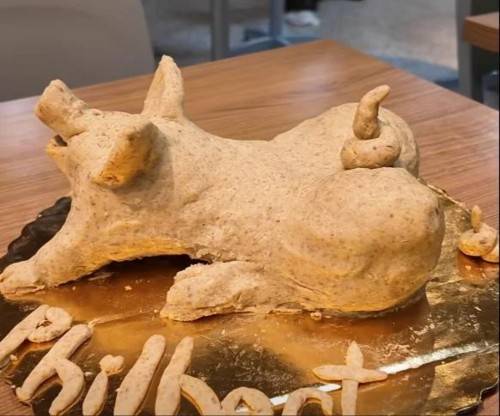
A discovery in tiny algae led to a Nobel Prize-winning breakthrough that allows scientists to switch brain cells on and off using light. The revolutionary technique has already helped researchers activate memories and is opening new possibilities for restoring vision and treating brain disorders.See also: Men in Black Neuralyzer
.





Comments
(Jump to bottom of comments)Posted by: Piper at October 24, 2026 10:09 PM (ZdaMQ)
Posted by: Tonypete at October 24, 2026 10:09 PM (4R/FS)
Incest! A game the whole family can play.
By Milton-Bradley.
Posted by: 80s TV voiceover guy at October 24, 2026 10:09 PM (VHUov)
Posted by: From about That Time at October 24, 2026 10:09 PM (sl73Y)
Posted by: Stateless - Ralphy - 106 years old! Puppy at heart! at October 24, 2026 10:10 PM (Sco7b)
Posted by: Blanco Basura - Z28.310 at October 24, 2026 10:11 PM (+9wcF)
Posted by: mikeski at October 24, 2026 10:11 PM (VHUov)
Posted by: Mr Aspirin Factory at October 24, 2026 10:12 PM (6vuXd)
Posted by: Euphemisms For All Occasions at October 24, 2026 10:13 PM (EdP2u)
Posted by: The Grateful at October 24, 2026 10:13 PM (XfIK1)
Posted by: All In The Fambly at October 24, 2026 10:15 PM (EdP2u)
Posted by: San Franpsycho at October 24, 2026 10:15 PM (RIvkX)
I've eaten, so it's time for ONT, Bible reading and prayers, shower, and bed. In some order. Some might get interleaved.
Supposed to have an interview early next week but... depends on them coordinating on their end. Wish I knew when so I could schedule the other days for subbing.
Looking forward to church tomorrow, for sure. That's one thing I've gotten from this - a church that feels alive, and cares. It's why it would be nice to come out of this with a job that's local or remote.
Posted by: RandomDave at October 24, 2026 10:16 PM (aJQbY)
Posted by: Savage Henry has cashed his check at October 24, 2026 10:16 PM (ZxPkt)
Posted by: Puddleglum at work at October 24, 2026 10:16 PM (BW+Gb)
Posted by: OrangeEnt at October 24, 2026 10:17 PM (1Ff7Z)
Posted by: AZ deplorable moron at October 24, 2026 10:17 PM (NnhvP)
Posted by: JQ at October 24, 2026 10:17 PM (rdVOm)
Posted by: San Franpsycho at October 24, 2026 10:18 PM (RIvkX)
Posted by: nerdygirl at October 24, 2026 10:18 PM (0Htd1)
Posted by: Lurking Cheshirecat at October 24, 2026 10:19 PM (w3u3d)
Posted by: Savage Henry has cashed his check at October 24, 2026 10:19 PM (ZxPkt)
Cute Saturday Night joke!
The kamikaze drink looks potent and dangerous...
Nice to see scrapple put to a good use!
Posted by: Legally Sufficient at October 24, 2026 10:20 PM (D/6p1)
Posted by: Tonypete at October 24, 2026 10:20 PM (4R/FS)
Those are fine!
Posted by: AZ deplorable moron at October 24, 2026 10:17 PM (NnhvP)
Pix or... Wait. Wrong double Ds.
Posted by: OrangeEnt at October 24, 2026 10:21 PM (1Ff7Z)
Posted by: nerdygirl
I'd use both for catfish bait, but that's all it's fit for.
Posted by: The Galloping Gourmet at October 24, 2026 10:21 PM (EdP2u)
https://tinyurl.com/3mwmks3v
Posted by: nerdygirl at October 24, 2026 10:21 PM (0Htd1)
Posted by: Aetius451AD at October 24, 2026 10:21 PM (Y/06r)
.......
What a nag.
Posted by: wth at October 24, 2026 10:21 PM (oq9dX)
Posted by: San Franpsycho at October 24, 2026 10:22 PM (RIvkX)
Posted by: Blanco Basura - Z28.310 at October 24, 2026 10:22 PM (+9wcF)
Posted by: Mr Aspirin Factory at October 24, 2026 10:23 PM (6vuXd)
Posted by: Ducks for Trump at October 24, 2026 10:23 PM (oq9dX)
Posted by: Some Rat at October 24, 2026 10:23 PM (BJzO2)
Posted by: All In The Fambly
After the lovely Mrs. and I got married we started to compare our family lines. Not too far back there are more than a few too many shared kin.
Rut row. . . .
Posted by: Tonypete at October 24, 2026 10:24 PM (4R/FS)
Posted by: nerdygirl
I'd use both for catfish bait, but that's all it's fit for.
Posted by: The Galloping Gourmet
I thought scapple was a board game.
Posted by: Some Rat at October 24, 2026 10:25 PM (BJzO2)
ABC News
@ABC
Blistering record heat in Europe this summer killed more than 50,000 people, with nearly two-thirds of that death toll blamed on human-caused climate change, a new study found.
-
I guess they've got one of those Star Trek Tricorders to separate out the natural deaths from the human-caused climate change deaths. It's probably something in the pancreas or something.
Posted by: Anonosaurus Wrecks, Where's My Cookie? at October 24, 2026 10:25 PM (ndZc7)
Got a bunch of work done on the little Honda generator, but still no spark. Spark plug appears to be brand new. Maybe that hints at a problem?
Posted by: Alberta Oil Peon at October 24, 2026 10:25 PM (n7Dzq)
Posted by: Alberta Oil Peon
You didn't let out the blue smoke, did you?
Posted by: Tonypete at October 24, 2026 10:26 PM (4R/FS)
Posted by: nerdygirl at October 24, 2026 10:18 PM (0Htd1)
=====
At least liverwurst doesn't hide what it is behind euphemisms.
Posted by: San Franpsycho at October 24, 2026 10:27 PM (RIvkX)
Posted by: Anonosaurus Wrecks, Where's My Cookie?
Given enough statistics and selectively applying them, I can prove Rhode Island is bigger than Texas.
Posted by: Some Rat at October 24, 2026 10:28 PM (BJzO2)
"There are destructive forces in our society, that are nothing but destructive, since they are not trying to alter things, but to annihilate them, basing themselves on an inner anarchy that denies all the moral distinctions on which mere rebels base themselves. The most dangerous criminal now is the entirely lawless modern philosopher. The enemy arises not from among the people, but from the educated and well-off, those who unite intellectualism and ignorance, and who are helped on their way by a weak worship of force." - Chesterton
Posted by: Hadrian the Seventh at October 24, 2026 10:28 PM (eRlcH)
Good evening! We morons may be kicking back and sliding into the second half of the weekend, but court is in order tomorrow as the Ninth Circuit hears DOJ’s emergency request to sequester California ballots flagged as probable noncitizens. Livestreaming from San Francisco.
Posted by: Blonde Morticia at October 24, 2026 10:28 PM (mmrXZ)
Blistering record heat in Europe this summer killed more than 50,000 people, with nearly two-thirds of that death toll blamed on human-caused climate change, a new study found.
____________
Together, brothers Henry and Tommie Aaron hit 768 home runs.
Posted by: Hadrian the Seventh at October 24, 2026 10:29 PM (eRlcH)
Posted by: San Franpsycho at October 24, 2026 10:29 PM (RIvkX)
ABC News
@ABC
Blistering record heat in Europe this summer killed more than 50,000 people, with nearly two-thirds of that death toll blamed on
----
Fixed.
Posted by: ballistic at October 24, 2026 10:30 PM (oqH4h)
Posted by: She Hobbit at October 24, 2026 10:31 PM (ftFVW)
@ABC
Blistering record heat in Europe this summer killed more than 50,000 people, with nearly two-thirds of that death toll blamed on
fix'd
Posted by: JQ at October 24, 2026 10:31 PM (rdVOm)
Probably skipped for space. Just like UFO's "Shoot, shoot".
Posted by: Blanco Basura - Z28.310 at October 24, 2026 10:22 PM (+9wcF)
Pat Benatar, "Hit Me With Your Best Shot".
Posted by: Alberta Oil Peon at October 24, 2026 10:31 PM (n7Dzq)
Posted by: RI Red at October 24, 2026 10:31 PM (qEeiR)
-----
Given enough statistics and selectively applying them, I can prove Rhode Island is bigger than Texas.
Posted by: Some Rat at October 24, 2026 10:28 PM (BJzO2)
Those A&E shows exploring Scientology were funny along these lines.
Scientology was building a LOT of churches. The people were truthfully told that scientology was the FASTEST growing religion as measured as a percentage of square foot expansion or something to that effect.
Posted by: Stateless - Ralphy - 106 years old! Puppy at heart! at October 24, 2026 10:32 PM (Sco7b)
Posted by: JQ at October 24, 2026 10:32 PM (rdVOm)
----
Fixed.
Posted by: ballistic
But, but, EVERYTHING in europe is FREE!
Posted by: Some Rat at October 24, 2026 10:33 PM (BJzO2)
****
iirc, Hondas use a common plug. If you have something that runs that plug, switch it out and see. Looks like new does not always mean good, especially if the equipment has been unused for a long time. btdt.
Posted by: clarence at October 24, 2026 10:33 PM (LOuD5)
x.com vimal4USA/status/2113351551003562340
Posted by: 88C+u at October 24, 2026 10:33 PM (88C+u)
Posted by: She Hobbit at October 24, 2026 10:31 PM (ftFVW)
Sounds like uncased sausage meat to me. Would eat.
Posted by: Alberta Oil Peon at October 24, 2026 10:33 PM (n7Dzq)
Posted by: RI Red
---
She wasn't even there this year...
Posted by: lin-duh at October 24, 2026 10:34 PM (VCgbV)
Posted by: YellowBird at October 24, 2026 10:34 PM (MEbkQ)
Cause Bob Marley.
https://tinyurl.com/3uuszy63
Posted by: JackStraw at October 24, 2026 10:34 PM (viF8m)
Posted by: Some Rat at October 24, 2026 10:28 PM (BJzO2)
=====
I can prove Rhode Island doesn't exist.
Posted by: San Franpsycho at October 24, 2026 10:35 PM (RIvkX)
Posted by: Alberta Oil Peon
No, no, no my good Man. Scrapple has a ton of cornmeal mixed into the pork bits.
Posted by: Tonypete at October 24, 2026 10:36 PM (4R/FS)
Posted by: Alberta Oil Peon
You didn't let out the blue smoke, did you?
Posted by: Tonypete at October 24, 2026 10:26 PM (4R/FS)
Might be a bit early to suggest this, but try putting gas in the tank..
Posted by: Joe Kidd at October 24, 2026 10:36 PM (08OqX)
Posted by: Hadrian the Seventh at October 24, 2026 10:37 PM (eRlcH)
Posted by: clarence at October 24, 2026 10:33 PM (LOuD5)
I tried a couple of different automobile plugs, no joy. Disconnected the on/off switch, no joy. Internet tells me there is a low oil switch. Engine is full of oil, over-full in fact. Will check that tomorrow. I probably do have another of those little Honda plugs somewhere, too.
Posted by: Alberta Oil Peon at October 24, 2026 10:37 PM (n7Dzq)
Posted by: RI Red at October 24, 2026 10:38 PM (z1SIt)
Posted by: Savage Henry has cashed his check at October 24, 2026 10:38 PM (ZxPkt)
Posted by: Tonypete at October 24, 2026 10:36 PM (4R/FS)
Bratwurst has bread mixed into it. Not all sausage is 100% meat. I have never had scrapple, but I have had head cheese. Would definitely try scrapple, if the opportunity arose. I've had Rocky Mountain oysters.
Posted by: Alberta Oil Peon at October 24, 2026 10:40 PM (n7Dzq)
And I find that A BRAND NEW STATION WAGON was once...
$8014.
American dollars.
Crap, she didn't win. Maybe the showcase round...
Posted by: Stateless - Ralphy - 106 years old! Puppy at heart! at October 24, 2026 10:41 PM (Sco7b)
Pat Benatar, "Hit Me With Your Best Shot".
Posted by: Alberta Oil Peon
or (not a cover).....
Delain - Hit Me With Your Best Shot
https://youtu.be/JALGLd92QmU
and.....
The Pineapple Thief - Take Your Shot
https://youtu.be/Dp9ydNFNWqg
Nana Mizuki - Take a Shot
https://youtu.be/uD0VGGtwLVM
Posted by: Jukebox B-Sides at October 24, 2026 10:42 PM (VHUov)
Posted by: Alberta Oil Peon at October 24, 2026 10:40 PM (n7Dzq)
Golly no! That's how they turned Lindsay Graham!
Posted by: OrangeEnt at October 24, 2026 10:42 PM (1Ff7Z)
Posted by: Hadrian the Seventh at October 24, 2026 10:42 PM (eRlcH)
"Gott im Himmel!! Ya, zum Deifel, du dummi Maedel!”
Posted by: Tonypete at October 24, 2026 10:42 PM (4R/FS)
Posted by: San Franpsycho
Oops: Troy Jackson’s Campaign Features ‘Kate From Norwich’ — A Town That Doesn’t Exist in Maine
-
He's a real nowhere man
Sitting in his nowhere land
Making all his nowhere plans for nobody
Posted by: Anonosaurus Wrecks, Where's My Cookie? at October 24, 2026 10:43 PM (ndZc7)
One thing you have to say about a lot of Cajun music, it's fast-paced. Amanda was fun and high-energy, capering about the stage in her little red high-heel boots and short skirt, fiddling away for all she was worth. She told a story about meeting Dolly Parton a couple of years ago, and said Dolly gave her a song. Which Amanda then sang in true Dolly fashion.
Gretchen looked like she was having fun as well. I didn't know any of her songs, including one she said she had done with Merle Haggard, other than her finish, "Redneck Woman." But she and her band hit some rock numbers, and I know there was a snippet of Heart's "Crazy on You" in there.
Posted by: Wolfus Aurelius, Dreaming of Elsewhere at October 24, 2026 10:44 PM (wzUl9)
You better hope not. Or you might have ever existed.
https://tinyurl.com/4sseju28
Posted by: JackStraw at October 24, 2026 10:45 PM (viF8m)
Posted by: Some Rat
I can prove Rhode Island doesn't exist.
Posted by: San Franpsycho
And publius will be along shortly to explain in which dimension and coordinate system both of those things can be true.
Posted by: mikeski at October 24, 2026 10:45 PM (VHUov)
Posted by: Hokey Pokey at October 24, 2026 10:47 PM (xOE/M)
Posted by: Anonosaurus Wrecks, Where's My Cookie? at October 24, 2026 10:48 PM (ndZc7)
Posted by: Joe Kidd at October 24, 2026 10:48 PM (08OqX)
Posted by: Wolfus Aurelius, Dreaming of Elsewhere at October 24, 2026 10:49 PM (wzUl9)
Posted by: Anonosaurus Wrecks
The smell emanating from the box should be a clue.Or does that only work for cats?
Posted by: She Hobbit at October 24, 2026 10:50 PM (ftFVW)
I forgot the salt in the dough. Other than that it is the sort of thing that is hard to stop eating once you start.
Posted by: Kindltot at October 24, 2026 10:50 PM (rbvCR)
Posted by: clarence at October 24, 2026 10:50 PM (LOuD5)
Posted by: Alberta Oil Peon
Bad coil?
Posted by: He Said, Hopefully at October 24, 2026 10:50 PM (EdP2u)
Posted by: lin-duh at October 24, 2026 10:50 PM (VCgbV)
Posted by: Blanco Basura - Z28.310 at October 24, 2026 10:50 PM (+9wcF)
https://tinyurl.com/4sseju28
Posted by: JackStraw at October 24, 2026 10:45 PM (viF8m)
=====
I keed I keed! I fact I have many happy memories of Rhode Island, not all of them on drugs.
Posted by: San Franpsycho at October 24, 2026 10:52 PM (RIvkX)
Posted by: Braenyard - some Absent Friends are more equal than others _ at October 24, 2026 10:53 PM (BzKNL)
Wolfus, sent you an email today.
Posted by: OrangeEnt at October 24, 2026 10:54 PM (1Ff7Z)
Posted by: He Said, Hopefully
My brain went to some safety switch doing its job too well.
Posted by: Some Rat at October 24, 2026 10:54 PM (BJzO2)
Posted by: clarence at October 24, 2026 10:50 PM (LOuD5)
Champion Z9Y, IIRC. Smaller than a mower plug, 10 mm thread.
Posted by: Alberta Oil Peon at October 24, 2026 10:54 PM (n7Dzq)
Posted by: Braenyard - some Absent Friends are more equal than others _ at October 24, 2026 10:55 PM (BzKNL)
I forgot the salt in the dough. Other than that it is the sort of thing that is hard to stop eating once you start.
Posted by: Kindltot at October 24, 2026 10:50 PM (rbvCR)
=====
Imma casually mention this to Mrs. F.
Posted by: San Franpsycho at October 24, 2026 10:55 PM (RIvkX)
****
And, if you are feeling daring, you could use lime vodka rather than lime juice. DO NOT ask how I know.
Posted by: clarence at October 24, 2026 10:55 PM (LOuD5)
Posted by: Blanco Basura
Fewer diamonds, more whites?
Posted by: Some Rat at October 24, 2026 10:55 PM (BJzO2)
Come back and visit. The Touro Synagogue is still here. We make sure of it.
Posted by: JackStraw at October 24, 2026 10:55 PM (viF8m)
Posted by: Blanco Basura - Z28.310 at October 24, 2026 10:56 PM (+9wcF)
Posted by: Blanco Basura
----------
No Ridgebacks in Rhode Island.
Posted by: Mike Hammer, etc., etc. at October 24, 2026 10:56 PM (XeU6L)
Posted by: Got Stoned And I Missed It. at October 24, 2026 10:57 PM (EdP2u)
Bought it. A tool to chuck it up in the drill with a ½” square drive is necessary. Bought it. Hot dang, it’s ready to go. Nope. All the ½” drives around here are SAE and the stupit flywheel nut is metric, 24mm the caliper says. Bought the last one Homely Depot had in stock. Now I’m cookin’. Connected all the parts, chucked them up, put the socket on the nut, pulled the trigger and ...no go.
Nerk – you’re gonna’ need a bigger drill.
It’s going to take more than a day to find my old two handed B&D.
Posted by: Braenyard - some Absent Friends are more equal than others _ at October 24, 2026 10:57 PM (BzKNL)
Posted by: San Franpsycho at October 24, 2026 10:58 PM (RIvkX)
Posted by: Blanco Basura - Z28.310 at October 24, 2026 10:50 PM (+9wcF)
--------
Only one is an island?
I mean, an "island"
Posted by: Cicero (@cicero43) at October 24, 2026 10:58 PM (vBZcw)
Bad coil?
Posted by: He Said, Hopefully at October 24, 2026 10:50 PM (EdP2u)
Well, there is a coil, right there on top, fed by an "igniter" mounted on the fan shroud, and under the flywheel, there is a pickup coil that puts out a voltage spike in the millivolt range to trigger the igniter. I should be able to meter the pickup, and see if it outputs a signal, and check the primary and secondary resistance of the coil, and see if they are in spec.
Posted by: Alberta Oil Peon at October 24, 2026 10:59 PM (n7Dzq)
Posted by: Drain Pan Alley at October 24, 2026 11:00 PM (EdP2u)
Posted by: Mike Hammer, etc., etc. at October 24, 2026 11:00 PM (XeU6L)
Posted by: Mike Hammer, etc., etc. at October 24, 2026 10:56 PM (XeU6L)
But plenty of wetbacks?
Posted by: Alberta Oil Peon at October 24, 2026 11:00 PM (n7Dzq)
Posted by: JackStraw at October 24, 2026 11:00 PM (viF8m)
Posted by: Lonely Guild Navigator at October 24, 2026 11:01 PM (+n72I)
Posted by: JackStraw at October 24, 2026 11:00 PM (viF8m)
Simple. "island": is land
Ocean: is not.
Posted by: Alberta Oil Peon at October 24, 2026 11:02 PM (n7Dzq)
Id rather sit here and watch the tide roll away.
Posted by: Blanco Basura - Z28.310 at October 24, 2026 11:02 PM (+9wcF)
Posted by: Handy Capable at October 24, 2026 11:02 PM (EdP2u)
Posted by: clarence at October 24, 2026 10:55 PM (LOuD5)
At a bachelor party, we got the guest of honor smashed on kamikazes while we did shots of Rose's Lime Juice after each toast..
Posted by: Joe Kidd at October 24, 2026 11:03 PM (08OqX)
Posted by: Mike Hammer, etc., etc. at October 24, 2026 11:04 PM (XeU6L)
Posted by: ballistic at October 24, 2026 11:04 PM (oqH4h)
Posted by: San Franpsycho at October 24, 2026 10:55 PM (RIvkX)
I made it with a sweet dough, but I started with sourdough starter, and used kefir instead of milk.
Posted by: Kindltot at October 24, 2026 11:04 PM (rbvCR)
Posted by: She Hobbit at October 24, 2026 10:31 PM (ftFVW)
No camper this year meant no scrapple. Hopefully both return next year!
Posted by: Doof at October 24, 2026 11:04 PM (QMAsf)
Posted by: JackStraw at October 24, 2026 11:04 PM (viF8m)
Posted by: San Franpsycho at October 24, 2026 11:04 PM (RIvkX)
Posted by: BeckoningChasm at October 24, 2026 11:05 PM (CHHv1)
Posted by: JackStraw at October 24, 2026 11:00 PM (viF8m)
----------
Bit you don't need a weatherman to know which way the wind blows.
Posted by: Cicero (@cicero43) at October 24, 2026 11:06 PM (vBZcw)
Posted by: Dark Lixtiquatal at October 24, 2026 11:06 PM (Fv808)
Posted by: Orson at October 24, 2026 11:07 PM (dIske)
Posted by: JackStraw at October 24, 2026 11:07 PM (viF8m)
Posted by: Cicero (@cicero43) at October 24, 2026 11:09 PM (vBZcw)
Posted by: Braenyard - some Absent Friends are more equal than others _ at October 24, 2026 11:09 PM (BzKNL)
I tried a couple of different automobile plugs, no joy. Disconnected the on/off switch, no joy. Internet tells me there is a low oil switch. Engine is full of oil, over-full in fact. Will check that tomorrow. I probably do have another of those little Honda plugs somewhere, too.
Posted by: Alberta Oil Peon at October 24, 2026 10:37 PM (n7Dzq)
Sounds like the last guy discovered it has no spark, so tried a new plug, which didn't fix it. He then learned about about the low oil switch and added a bunch of oil, which also didn't fix it. At that point he gave up and hauled it to the dump, where you found it. Does it have points or a magneto?
We all have faith that you will find the problem and fix it.
Posted by: a.moron at October 24, 2026 11:10 PM (X5Jzz)
Posted by: Dark Lixtiquatal at October 24, 2026 11:06 PM (Fv80
I love tongue burritos. It is so expensive now.
Posted by: Kindltot at October 24, 2026 11:10 PM (rbvCR)
ROFL, okay smarty pants. You can make Rhode Island bigger than Texas. Choose a reference frame moving at 0.999998c moving tangent to Texas (we're going so fast we can ignore rotation) at just the right angle. The Erf wil squashed into nearly a flat pancake. Rhode Island, is tilted enough that, it will be more on top of the flat pancake, at that speed, Rhode Island becomes the same area as Texas.
While I did think of Lorentz contraction squashing the earth, I didn't know if you could make it work, so put Grok on it, and yes you can.
Posted by: publius, Rascally Mr. Miley (w6EFb) at October 24, 2026 11:11 PM (w6EFb)
Posted by: Mike Hammer, etc., etc. at October 24, 2026 11:12 PM (XeU6L)
Posted by: San Franpsycho at October 24, 2026 11:12 PM (RIvkX)
The feminists were arguing that because 1/4 when claim they were sexually assaulted all men are rapists.
And he went down the path of "hey feminists, if we looked at the pictures of those actual rapists you'd say it was racist"
But the part that more bothers me in these sort of discussions is the politicians those same feminists support turn around and let rapists out with minimal jail time.
The problem isn't "all men are rapists". The problem is 1% of men are uncontrollable psychopaths and not only so we not jail them any more we spent 4 years bringing millions of those 1%ers from all over the globe
Posted by: 18-1 at October 24, 2026 11:12 PM (sKqQm)
Posted by: Orson
---
Hang the engineers.
Notice, as you watch a video and the camera focuses on the drummer, one of his sticks is hitting a cymbal - you will not hear it.
Posted by: Braenyard - some Absent Friends are more equal than others _ at October 24, 2026 11:13 PM (BzKNL)
Posted by: Dark Lixtiquatal at October 24, 2026 11:14 PM (Fv808)
Nope.
He found somehow there was a void behind my shingles in one space and busted through the shingle above it. And then he took a bunch of insulation out and started making himself a nest.
I've never seen something quite like it before...
Posted by: 18-1 at October 24, 2026 11:14 PM (sKqQm)
We all have faith that you will find the problem and fix it.
Posted by: a.moron at October 24, 2026 11:10 PM (X5Jzz)
Basically my read on it, too. Except it looks like he dragged it to the dump, on a rope behind a truck. Two of the rubber feet were ground off, and the face plate with the AC outlet and switches was half ground away. And a big gash in the fuel tank, LOL. Fixed most of that today. No points. Electronic ignition. Coil, "igniter module", various Murphy switches, and spark plug.
Posted by: Alberta Oil Peon at October 24, 2026 11:15 PM (n7Dzq)
Posted by: Braenyard - some Absent Friends are more equal than others _ at October 24, 2026 11:15 PM (BzKNL)
RI is just a slightly seeder MA anyway
Posted by: 18-1 at October 24, 2026 11:15 PM (sKqQm)
Posted by: Mon Dieu at October 24, 2026 11:16 PM (UedRb)
He's fine as a commenter on the news of the day but we have no shortage of those on the right
Posted by: 18-1 at October 24, 2026 11:16 PM (sKqQm)
Spectacular. One of those crisp but not cold and sunny days with an early offshore breeze in the morning and a typical onshore breeze in the afternoon but a brilliant sunshine with high, wispy clouds. Visibility was at least 20 miles.
https://tinyurl.com/4b8fkkch
Greetings from the sailing capital of the world.
Posted by: JackStraw at October 24, 2026 11:17 PM (viF8m)
-------
"And Home for the Dissolute" didn't fit on the flag?
Posted by: Cicero (@cicero43) at October 24, 2026 11:17 PM (vBZcw)
Posted by: Kindltot at October 24, 2026 11:10 PM (rbvCR)
And you cannot eat them with chopsticks; gotta use tongue tongs.
Posted by: Alberta Oil Peon at October 24, 2026 11:17 PM (n7Dzq)
Posted by: Mon Dieu at October 24, 2026 11:18 PM (UedRb)
Hey, we just opened up a new service out of Providence. Low low rates? Want to come aboard?
Posted by: The Skipper and Gilligan at October 24, 2026 11:18 PM (sKqQm)
Posted by: Sandra Fluke at October 24, 2026 11:19 PM (sKqQm)
I've never seen something quite like it before...
Posted by: 18-1 at October 24, 2026 11:14 PM (sKqQm)
It is hard to convince them to go somewhere else, they don't frighten like other birds.
The only thing I can suggest to try is to put a large rubber snake in the hole
Posted by: Kindltot at October 24, 2026 11:19 PM (rbvCR)
Posted by: ballistic at October 24, 2026 11:20 PM (oqH4h)
---------
Be still my beating heart.
Posted by: James Talarico at October 24, 2026 11:20 PM (vBZcw)
Posted by: Pete Bootyjudge at October 24, 2026 11:20 PM (UedRb)
Posted by: Mon Dieu at October 24, 2026 11:16 PM
Deport all of the violent Jihadist illegal immigrants ... voila, the spaces in the schools are now perfectly fitted to the remaining populace.
I am a helper!
Posted by: Pillage Idiot at October 24, 2026 11:21 PM (HlyYF)
I am a helper!
Posted by: Pillage Idiot
---
One of the clips, 'Riot police running from the rioters'.
The absurdity. Just fucking shoot them.
Posted by: Braenyard - some Absent Friends are more equal than others _ at October 24, 2026 11:23 PM (BzKNL)
The feminists were arguing that because 1/4 when claim they were sexually assaulted all men are rapists.
And he went down the path of "hey feminists, if we looked at the pictures of those actual rapists you'd say it was racist"
But the part that more bothers me in these sort of discussions is the politicians those same feminists support turn around and let rapists out with minimal jail time.
The problem isn't "all men are rapists". The problem is 1% of men are uncontrollable psychopaths and not only so we not jail them any more we spent 4 years bringing millions of those 1%ers from all over the globe
Posted by: 18-1 at October 24, 2026 11:12 PM (sKqQm)
Sure rape is illegal and immoral. But we never take the positives into consideration.
Posted by: Therapist at October 24, 2026 11:24 PM (+n72I)
There are entire websites devoted to that sort of thing.
Posted by: Tonypete at October 24, 2026 11:25 PM (4R/FS)
It’s an equal mix of “there are whites doting as well” and “so what if it’s Africans and Arabs, they’re simply embracing France’s history of protest so it proves they’re assimilating”. No I’m not kidding.
Posted by: Pete Bootyjudge at October 24, 2026 11:25 PM (UedRb)
___________________
Hey, I just saw that the Mayoral race for Providence won't just be an unopposed Socialist. Even though they cancelled the Republican primary it looks like some guy stepped up to run. He hasn't much of a chance, but I admire the fact that at least someone in that city wasn't willing to surrender.
Posted by: Orson at October 24, 2026 11:25 PM (dIske)
The absurdity. Just fucking shoot them.
Posted by: Braenyard - some Absent Friends are more equal than others _ at October 24, 2026 11:23 PM (BzKNL)
Snipers. Instruct them to shoot anyone waving a Pali flag, or any flag other than the legit Tricolor. Shoot anyone brandishing a weapon, even sticks. Shoot the guy giving directions to the jerk with the bullhorn. Shoot anyone carrying a firebomb. Shoot looters.
Posted by: Alberta Oil Peon at October 24, 2026 11:27 PM (n7Dzq)
Unfortunately, I can think of no way to make Rhode Island cease to exist. Best I can do is to completely causally disconnect it.
We simply get in a magic rocket and accelerate from the earth at some very high acceleration. From our POV, Rhode Island and the rest of the Erf, just fall into a coordinate event horizon (Killing horizon is the correct term, IIRC) and their clocks freeze. They can no longer have any causal influence on us.
Posted by: publius, Rascally Mr. Miley (w6EFb) at October 24, 2026 11:28 PM (w6EFb)
At least Rhode Island has the mansions in Newport. Delaware, on the other hand, lacks any reason to exist.
Posted by: Hadrian the Seventh at October 24, 2026 11:29 PM (eRlcH)
Be still my beating heart.
Posted by: James Talarico
Oh?
Posted by: Pete Bootyjudge
There are entire websites devoted to that sort of thing.
Posted by: Tonypete
This place.....
Posted by: mikeski at October 24, 2026 11:31 PM (VHUov)
Okay. That worked for both. I even made cookies from scratch. No date. Finally I gave up and left to go do something else with my otherwise blown Saturday afternoon. Note on the door... not coming because she "doesn't go to men's apartments".
Err... wouldn't the time to say that have been when I asked for the date? And if she did get last-minute cold feet about going to a man's apartment, wouldn't it have been common courtesy to knock on the door and, you know, let me know that?
I don't get it. If she'd wanted to ghost me from the beginning, she wouldn't have suggested an alternate night. And if she was gonna ghost me tonight, I don't think she'd have come all the way over here to leave a note. She just wouldn't have come.
Having moral compunctions about going to a dude's apartment I get, but for God's sake tell me up front. I'd have been happy to go to a coffee shop or something.
Now? I'm going to put that one down and leave it lying there.
Posted by: Rodrigo Borgia at October 24, 2026 11:31 PM (qlLNh)
Antifa has been using signal flags a lot in recent years.
Flag bearers? Light 'em up.
Posted by: Rodrigo Borgia at October 24, 2026 11:32 PM (qlLNh)
Thanks for the condolences about my mother last night, and to Mindful Webworker as well. I meant to respond last night but got distracted with the rambling.
Posted by: publius, Rascally Mr. Miley (w6EFb) at October 24, 2026 11:33 PM (w6EFb)
Cops on the line with the rioters. They know who's the problem.
Let them all see the cops pull their pistols so that they may retreat to their hovels and tell their compatriots. Respect every cop.
Posted by: Braenyard - some Absent Friends are more equal than others _ at October 24, 2026 11:33 PM (BzKNL)
Posted by: Kindltot at October 24, 2026 11:19 PM (rbvCR)
I love that game.
Posted by: Barack "Gaylord" Obama at October 24, 2026 11:34 PM (qlLNh)
Posted by: Barack at October 24, 2026 11:35 PM (qlLNh)
Posted by: Savage Henry has cashed his check at October 24, 2026 11:35 PM (ZxPkt)
Posted by: Rodrigo Borgia at October 24, 2026 11:35 PM (qlLNh)
Posted by: Hadrian the Seventh at October 24, 2026 11:35 PM (eRlcH)
Posted by: Savage Henry has cashed his check at October 24, 2026 11:35 PM (ZxPkt)
If I'm making food from scratch? It certainly is.
The point is, she accepted it.
Posted by: Rodrigo Borgia at October 24, 2026 11:36 PM (qlLNh)
Posted by: publius, Rascally Mr. Miley (w6EFb) at October 24, 2026 11:36 PM (w6EFb)
Cops on the line with the rioters. They know who's the problem.
Let them all see the cops pull their pistols so that they may retreat to their hovels and tell their compatriots. Respect every cop.
Posted by: Braenyard - some Absent Friends are more equal than others _ at October 24, 2026 11:33 PM (BzKNL)
I think the mob, seeing a few of their number drop dead when hit by a slug from a suppressed rifle "somewhere", might suddenly remember a forgotten root canal appointment.
Posted by: Alberta Oil Peon at October 24, 2026 11:36 PM (n7Dzq)
Posted by: Hadrian the Seventh at October 24, 2026 11:35 PM (eRlcH)
Cues up "A Merry Little Minuet".
Posted by: Alberta Oil Peon at October 24, 2026 11:38 PM (n7Dzq)
The reason I am such a loudmouth warning about socialism, communism, fascism .. whatever is because I live in a 1 party state. Once it happens there is no way out other than guns. And as much as people talk about it that rarely happens.
I love my beautiful state. I despise the people who govern it. Don't let it happen to your state.
Posted by: JackStraw at October 24, 2026 11:38 PM (viF8m)
Posted by: Orson at October 24, 2026 11:39 PM (dIske)
Posted by: Rodrigo Borgia
On the bright side,
1) you can claim "dumped by post-it note," which is a tough square to fill on your bingo card, and
b) that sounds like the sort of woman of whose shit you would grow tired quite quickly.
Posted by: mikeski at October 24, 2026 11:42 PM (VHUov)
...
... but by late afternoon, most shops had opened, ...
---
From the clips it appears that the Italian police know how to
use their billy clubs.
Posted by: Braenyard - some Absent Friends are more equal than others _ at October 24, 2026 11:43 PM (BzKNL)
As we noted last night, today is the 80th anniversary of the first photo of earth taken from space, from a camera aboard a V-2 rocket launched from White Sands:
https://t.ly/4pvrG
Posted by: publius, Rascally Mr. Miley (w6EFb) at October 24, 2026 11:47 PM (w6EFb)
Posted by: mikeski at October 24, 2026 11:42 PM (VHUov)
Indeed. I have no time for that, certainly not at this stage of my life. I'm not gonna take any coy "come hither/go away" bullshit from a woman in (I'd guess) her 60s. This ain't high school, honey.
One of the few compensations of being an old man is that the dating pool starts expanding (due to women living longer). A very small compensation, but one takes what one can get. I've already got several other prospects to explore.
Posted by: Rodrigo Borgia at October 24, 2026 11:48 PM (qlLNh)
Posted by: Hadrian the Seventh at October 24, 2026 11:50 PM (eRlcH)
b) that sounds like the sort of woman of whose shit you would grow tired quite quickly.
Posted by: mikeski
---
Elliptical.
Drives to the apartment, puts a note on the door.
Why go out of the way to do that? A phone call, a text, it's goofy.
Maybe she didn't like the smell of the cookies?
What kind of cookies were they?
Posted by: Braenyard - some Absent Friends are more equal than others _ at October 24, 2026 11:52 PM (BzKNL)
@Breaking911 6m
BREAKING: Multiple victims were reported after a shooting at a Florida A&M University homecoming event.
Posted by: weft cut-TR at October 24, 2026 11:53 PM (nEUC6)
Posted by: Braenyard - some Absent Friends are more equal than others _ at October 24, 2026 11:52 PM (BzKNL)
Oatmeal raisin, but I don't think you could smell them through the door.
Posted by: Rodrigo Borgia at October 24, 2026 11:54 PM (qlLNh)
--
Yeah, we got that.
Posted by: Braenyard - some Absent Friends are more equal than others _ at October 24, 2026 11:55 PM (BzKNL)
Now? I'm going to put that one down and leave it lying there.
Posted by: Rodrigo Borgia at October 24, 2026 11:31 PM (qlLNh)
*******
Be thankful. She probably had a herpes flare.
Posted by: ChristyBlinkyTheGreat at October 24, 2026 11:56 PM (hzuYO)
"All y'all law-abiding frogs best have your asses behind closed doors by 7. If you're out, you're busted. Straight to jail. You can explain it to the judge.
If you're looting, you're dead as disco. If you're burning? We have flamethrowers, and we will light you the fuck up, son."
It's simple. It's just hard.
Posted by: Yudhishthira's Dice at October 24, 2026 11:56 PM (BI5O2)
Posted by: Bertram Cabot, Jr. at October 25, 2026 12:00 AM (Cqx++)
Posted by: ChristyBlinkyTheGreat at October 24, 2026 11:56 PM (hzuYO)
Possible, I suppose, but in that case I'd expect something like "I'm not feeling good today Can we try again next week?"
This shit is complicated. Until quite recently the last date I went on (that wasn't with my late wife) would've been... shit, late '80s? I met the wife-to-be in '90 and never looked at anyone else after that.
Posted by: Rodrigo Borgia at October 25, 2026 12:01 AM (qlLNh)
Posted by: Rodrigo Borgia at October 24, 2026 11:54 PM (qlLNh)
Maybe it was the bullet holes in the door that were badly covered with duck tape? The gangsta rap being blasted? The very large dark stain on the carpet right outside your door?
Posted by: Idaho Spudboy at October 25, 2026 12:03 AM (Rojyb)
Apparently, other than Honey Boo Boo's family, Harry picked the trashiest family in the USA to marry into. They may even be worse than the Boo Boo's (can you tell I never watched it as I don't know their last name? It could Be Boo Boo?).
I could summarize, but it's not worth it and I need to go to bed. Let's just say the last names alone of the Markle related relatives/inlaws/travelers/trash are good enough for a soap opera or a reality show: Ragland and Loveless (a new one).
Some people are thinking it could be like Dallas and Bobby Ewing will wake from a dream state. Or an identical twin could arrive to totally flip everyone out (Loveless sent the letter to Duchass after not being married to Sr. dikhead for 44yrs). Every hour there is more barnyard manure to wade through.[Barnyard manure is what my grandmother would say in anger vs shite]
Duchass is thinking any news and spotlight is good! Well, no, it ain't. I hope people run from her from now on.
It is as nasty as the honeybadger feeding on the cobra video.
Posted by: ChristyBlinkyTheGreat at October 25, 2026 12:04 AM (hzuYO)
Here's another link that works:
https://youtu.be/wIH0Kes_Gtg?t=2205
Posted by: Grumpy and Recalcitrant, a Moron behind enemy lines at October 25, 2026 12:05 AM (O7YUW)
Posted by: Braenyard - some Absent Friends are more equal than others _ at October 25, 2026 12:05 AM (BzKNL)
Posted by: Hour of the Wolf at October 25, 2026 12:06 AM (qx7Zg)
https://tinyurl.com/Panzer-of-the-lake
Posted by: Hour of the Wolf at October 25, 2026 12:09 AM (qx7Zg)
Is it cooked or full of pork parasite worms?
I hope I don't dream about this and projectile harf across the room.
Posted by: ChristyBlinkyTheGreat at October 25, 2026 12:10 AM (hzuYO)
Posted by: Toll House Teddy at October 25, 2026 12:10 AM (EdP2u)
Posted by: Hour of the Wolf at October 25, 2026 12:11 AM (qx7Zg)
Posted by: JQ at October 25, 2026 12:11 AM (rdVOm)
Posted by: ChristyBlinkyTheGreat
---
You were supposed to drink only one of those Kamikazes.
Posted by: Braenyard - some Absent Friends are more equal than others _ at October 25, 2026 12:12 AM (BzKNL)
Posted by: 18-1 at October 25, 2026 12:12 AM (sKqQm)
Posted by: Diogenes at October 25, 2026 12:13 AM (2WIwB)
Posted by: JQ at October 25, 2026 12:11 AM (rdVOm)
It does indeed.
Now I have to figure out what to do with these extra cookies. The diabeeetus isn't gonna like it if I eat them all myself.
Posted by: Rodrigo Borgia at October 25, 2026 12:16 AM (qlLNh)
With the so-called tollhouse "cookies" you might as well just shovel brown sugar and chips straight from their bags and into your mouth, and skip the trouble of baking.
Posted by: Rodrigo Borgia at October 25, 2026 12:19 AM (qlLNh)
Put them into plastic bags, leave them out front on a cheap folding table you don't mind losing with a cardboard box and a sign saying "Cookies, 25 cents each." Someone will "steal" at least the cookies.
Posted by: Blanco Basura - Z28.310 at October 25, 2026 12:20 AM (+9wcF)
Posted by: ChristyBlinkyTheGreat at October 24, 2026 11:56 PM (hzuYO)
_________________
This made me laugh (loudly).
I wasn't expecting that. Posted by: Orson at October 25, 2026 12:20 AM (dIske)
It's a Family Affiar
1971
Sly and the Family Stone
https://tinyurl.com/3hccefrt
Good night and have a pleasant tomorrow.
Posted by: ChristyBlinkyTheGreat at October 25, 2026 12:20 AM (hzuYO)
Posted by: JQ at October 25, 2026 12:20 AM (rdVOm)
Posted by: Dark Lixtiquatal at October 25, 2026 12:20 AM (Fv808)
Posted by: Rodrigo Borgia
And this is a problem, how?
Posted by: Sweet Relief at October 25, 2026 12:22 AM (EdP2u)
Posted by: JQ at October 25, 2026 12:20 AM (rdVOm)
Good idea, thanks!
They're already in quart zip bags so they don't dry out.
Posted by: Rodrigo Borgia at October 25, 2026 12:23 AM (qlLNh)
Posted by: Rodrigo Borgia at October 25, 2026 12:19 AM (qlLNh)
What’s yer point?
Posted by: tcn in AK at October 25, 2026 12:24 AM (5WPt1)
Next time I made oatmeal cookies, I only brought 2 per day for Dad. They were his *favorite* and he had no self-control with them.
Posted by: JQ at October 25, 2026 12:24 AM (rdVOm)
Posted by: Sweet Relief at October 25, 2026 12:22 AM (EdP2u)
Oh, it's not a problem. To each his own.
I just don't understand why you'd dirty up mixer blades, bowls, pans, etc. when you could just eat the ingredients straight of the bags in the first place.
Posted by: Rodrigo Borgia at October 25, 2026 12:24 AM (qlLNh)
Posted by: Rodrigo Borgia at October 25, 2026 12:19 AM (qlLNh)
What’s yer point?
Posted by: tcn in AK at October 25, 2026 12:24 AM (5WPt1)
Is he using real chocolate, or fake chocolate, chips? If it's the fake ones, they belong in the trash.
Posted by: Hour of the Wolf at October 25, 2026 12:26 AM (qx7Zg)
Posted by: Toll House Teddy at October 25, 2026 12:10 AM (EdP2u)
You have never had Keith Haley World Famous Oatmeal cookies. I guess I will bring those to the next MoMe to prove the point. They are divine.
Posted by: tcn in AK at October 25, 2026 12:26 AM (5WPt1)
Now. that's interesting. For me, oatmeal seems to help with what the old commercials called "occasional irregularity".
It's weird how different people will react to the same thing in dramatically different ways.
The human body still has its mysteries, to be sure.
Posted by: Rodrigo Borgia at October 25, 2026 12:27 AM (qlLNh)
Posted by: tcn in AK at October 25, 2026 12:28 AM (5WPt1)
And this is a problem, how?
Posted by: Sweet Relief at October 25, 2026 12:22 AM
HA! That was what I was thinking.
Posted by: Bertram Cabot, Jr. at October 25, 2026 12:28 AM (Cqx++)
Posted by: JQ at October 25, 2026 12:30 AM (rdVOm)
The human body still has its mysteries, to be sure.
Posted by: Rodrigo Borgia at October 25, 2026 12:27 AM (qlLNh)
Even in the same family. Benadryl gives me the human equivalent of the zoomies, but everyone else, Zzzzzzzzzzz.
Posted by: Hour of the Wolf at October 25, 2026 12:30 AM (qx7Zg)
It's simple. It's just hard.
Posted by: Yudhishthira's Dice
---
My aunt road the bus to school after work. School located in the most notorious neighborhood in the city. Class ended at 9PM; nineteen year old woman riding the bus home through the worst neighborhood in the city. Never a thought of harm.
Justice works.
Posted by: Braenyard - some Absent Friends are more equal than others _ at October 25, 2026 12:31 AM (BzKNL)
Posted by: Rodrigo Borgia at October 25, 2026 12:32 AM (qlLNh)
Rural early cote count abysmal
GOP cooked
55 d senate 245 d house likely
Tmj in shambles
lol
Sad!
Posted by: AOS cope at October 25, 2026 12:34 AM (FGwup)
Posted by: 18-1 at October 25, 2026 12:12 AM (sKqQm)
________________________________
The most disturbing thing about that entire thing is that the arrest (and yes, there was an arrest) was at the request of the politician he was ridiculing. AND, that politician was Simon Bennett, a Conservative councillor.
CONSERVATIVE...there is the problem with the UK right there. Their CONSERVATIVE members act just like the whiny little Socialists.
Posted by: Orson at October 25, 2026 12:34 AM (dIske)
Gee, the British Pol got kinda touchy sending in the cops. The kid could have used a skunk instead.
Posted by: Case at October 25, 2026 12:35 AM (Dd7BU)
Bystander: How'd it turn out?
Mad scientist: Things went sideways really fast.
Posted by: Hour of the Wolf at October 25, 2026 12:38 AM (qx7Zg)
Maybe the kid was sending some kind of message?
youtu.be/yu-YvBUpruc
Posted by: JQ at October 25, 2026 12:39 AM (rdVOm)
Posted by: wth at October 25, 2026 12:39 AM (oq9dX)
Gee, the British Pol got kinda touchy sending in the cops. The kid could have used a skunk instead.
Posted by: Case at October 25, 2026 12:35 AM (Dd7BU)
Or roadkill. Or a turtle. Perhaps a lemming jumping off a cliff.
Posted by: Hour of the Wolf at October 25, 2026 12:40 AM (qx7Zg)
Posted by: Rodrigo Borgia
---
Milk, man. Must have milk with wonderful oatmeal cookies.
Posted by: Braenyard - some Absent Friends are more equal than others _ at October 25, 2026 12:40 AM (BzKNL)
Posted by: JQ at October 25, 2026 12:41 AM (rdVOm)
It wouldn't be an ONT without a visit from The Faggot, would it?
Posted by: Alberta Oil Peon at October 25, 2026 12:41 AM (n7Dzq)
Hope you've got books full of the great European art, because those books will be the last evidence. All those works will be destroyed because they're not Islamic enough.
Welcome to 1984. Just not the 1984 you were expecting.
Posted by: BeckoningChasm at October 25, 2026 12:41 AM (CHHv1)
Posted by: Braenyard
Dad likely had a few sips of milk with his cookies. All 12 of them...
Posted by: JQ at October 25, 2026 12:42 AM (rdVOm)
There are bands of footballers and real men banding together,
roaming the streets, beating thugs and driving them away.
Posted by: Braenyard - some Absent Friends are more equal than others _ at October 25, 2026 12:43 AM (BzKNL)
It wouldn't be an ONT without a visit from The Faggot, would it?
Posted by: Alberta Oil Peon at October 25, 2026 12:41 AM (n7Dzq)
Ukraine must not have hit its AI host's data center.
Posted by: Hour of the Wolf at October 25, 2026 12:43 AM (qx7Zg)
Posted by: Braenyard - some Absent Friends are more equal than others _ at October 25, 2026 12:44 AM (BzKNL)
Hope you've got books full of the great European art, because those books will be the last evidence. All those works will be destroyed because they're not Islamic enough.
Welcome to 1984. Just not the 1984 you were expecting.
Posted by: BeckoningChasm at October 25, 2026 12:41 AM (CHHv1)
Kinda their own fault for not gunning up and shooting the motherfuckers and any...any that would stop them or stand in the way.
Posted by: Berserker-Dragonheads Division at October 25, 2026 12:44 AM (vzuC7)
youtu.be/yu-YvBUpruc
Posted by: JQ at October 25, 2026 12:39 AM (rdVOm)
He should depict some Bobbies as worms.
Posted by: Alberta Oil Peon at October 25, 2026 12:44 AM (n7Dzq)
Just saw on the listings that MeTV will be running the very first episode of Voyage to the Bottom of the Sea tonight at 2AM EDT slot. They've been running this on Saturdays for a few years, now, and haven't switched the Saturday night sci-fi lineup up much at all in a while.
It's basically Irwin Allen night.
Posted by: publius, Rascally Mr. Miley (w6EFb) at October 25, 2026 12:44 AM (w6EFb)
At least Rhode Island has the mansions in Newport. Delaware, on the other hand, lacks any reason to exist.
Posted by: Hadrian the Seventh
(thinks for a moment)
Georgetown Speedway. A 1/4 mile oval dirt track.
That's all I can think of.
Posted by: Puddleglum at work at October 25, 2026 12:46 AM (BW+Gb)
The first season of Voyage to the Bottom of the Sea was more a Cold-Warish type of thing, although set in the future (80s I think), but then transformed into more monster of the week in later seasons.
Posted by: publius, Rascally Mr. Miley (w6EFb) at October 25, 2026 12:47 AM (w6EFb)
Posted by: BeckoningChasm at October 25, 2026 12:47 AM (CHHv1)
Posted by: Piercello at October 25, 2026 12:48 AM (Ht/sz)
Ukraine must not have hit its AI host's data center.
Posted by: Hour of the Wolf at October 25, 2026 12:43 AM (qx7Zg)
Shitmaggot is probably a Paki. It's 9:47 A.M. in Pakistan right now. Fucker never shows up in the daywalker threads, because it's asleep in its cardboard box at that hour.
Posted by: Alberta Oil Peon at October 25, 2026 12:48 AM (n7Dzq)
There are bands of footballers and real men banding together,
roaming the streets, beating thugs and driving them away.
Posted by: Braenyard - some Absent Friends are more equal than others
.......
That sounds like fun.
Posted by: wth at October 25, 2026 12:48 AM (oq9dX)
Cheeseheads up two? That'll leave a mark.
Wild win convincingly. Nice. Gophers beat Iowa. Nice times two.
Posted by: Zeera , Damn Right I voted for all of this! at October 25, 2026 12:48 AM (9vU69)
Man steals urine sample from hospital to pass drug test. Fails when the lab tells him he's pregnant.
Posted by: Hour of the Wolf at October 25, 2026 12:48 AM (qx7Zg)
Ukraine must not have hit its AI host's data center.
Posted by: Hour of the Wolf
----
I did some looking on that fiasco.
GP-6 Luna:
...Ukraine imports more goods than it exports, ... It also relies heavily on foreign government and institutional financing to support public spending and wartime needs; the World Bank describes continued external financing as essential.
You said
'plus weapons and other military aid'; What countries are doing this?
The main military donors are the United States and European countries, with the balance shifting toward Europe in recent years. ...The EU supports weapons and training through its institutions as well as through member states.
Posted by: Braenyard - some Absent Friends are more equal than others _ at October 25, 2026 12:51 AM (BzKNL)
Posted by: Sad Cope at October 25, 2026 12:51 AM (BW+Gb)
There are bands of footballers and real men banding together,
roaming the streets, beating thugs and driving them away.
Posted by: Braenyard - some Absent Friends are more equal than others
.......
That sounds like fun.
Posted by: wth at October 25, 2026 12:48 AM (oq9dX)
Sounds like those guys could use a baseball bat lend-lease.
Posted by: Hour of the Wolf at October 25, 2026 12:51 AM (qx7Zg)
55 d senate
250 d house
In play
TJM in shambles
lol
Sad!
Posted by: AOS cope at October 25, 2026 12:53 AM (FGwup)
There is nobody that can scream like a little girl better than Dr. Smith. Not even little girls.
Posted by: publius, Rascally Mr. Miley (w6EFb) at October 25, 2026 12:53 AM (w6EFb)
It's basically Irwin Allen night.
Posted by: publius, Rascally Mr. Miley (w6EFb) at October 25, 2026 12:44 AM (w6EFb)
Damn, my MeTV listing shows episodes of Hunter, Hardon&McCormick, and route66. That sucks.
Posted by: Berserker-Dragonheads Division at October 25, 2026 12:54 AM (vzuC7)
Posted by: Sad Cope at October 25, 2026 12:55 AM (BW+Gb)
Posted by: wth at October 25, 2026 12:55 AM (oq9dX)
Posted by: Puddleglum at work at October 25, 2026 12:57 AM (BW+Gb)
Posted by: Hour of the Wolf
---
Clips of the confrontations were fuzzy but videos of them running away were clear. They should be so afraid of the cops.
Posted by: Braenyard - some Absent Friends are more equal than others _ at October 25, 2026 12:58 AM (BzKNL)
Posted by: publius, Rascally Mr. Miley (w6EFb) at October 25, 2026 12:53 AM (w6EFb)
Being able to shove that miserable conniving fuck out of an airlock would be all the incentive I needed to get the Jupiter 2 off that frigging rock.
Posted by: Berserker-Dragonheads Division at October 25, 2026 12:59 AM (vzuC7)
Fireworks and tear gas as protesters and riot police clash in Paris
The BBC's Europe correspondent reports from Paris where MOSTLY PEACEFUL PROTESTS turned into unrest after nightfall.
Posted by: m at October 25, 2026 12:59 AM (odBC9)
Posted by: Case at October 25, 2026 01:00 AM (Dd7BU)
Split screen
Nick Beake wears a black hat talking to the camera and a protester is about to throw a fence at police
Posted by: m at October 25, 2026 01:01 AM (odBC9)
Posted by: m
Well, there's a lot of downtime between each molotov, so they are mostly peaceful.
Posted by: mikeski at October 25, 2026 01:01 AM (VHUov)
That's strange. I thought they pretty much had a national schedule, and only varied it with time zones.
Posted by: publius, Rascally Mr. Miley (w6EFb) at October 25, 2026 01:02 AM (w6EFb)
Posted by: m
Well, there's a lot of downtime between each molotov, so they are mostly peaceful.
Posted by: mikeski at October 25, 2026 01:01 AM (VHUov)
Good point, mikeski! You might have a future in headline writing.
Posted by: m at October 25, 2026 01:04 AM (odBC9)
Posted by: Sad Cope at October 25, 2026 12:51 AM (BW+Gb)
Posted by: Sad Cope at October 25, 2026 12:55 AM (BW+Gb)
Posted by: m at October 25, 2026 01:06 AM (odBC9)
That's strange. I thought they pretty much had a national schedule, and only varied it with time zones.
Posted by: publius, Rascally Mr. Miley (w6EFb) at October 25, 2026 01:02 AM (w6EFb)
Publius is seeing MeTV, while Bers is seeing MeTV+. I'm in an area where I might get both, if the signal is strong enough.
Posted by: Hour of the Wolf at October 25, 2026 01:07 AM (qx7Zg)
Posted by: Puddleglum at work at October 25, 2026 01:07 AM (BW+Gb)
I did not know MeTV+ existed. I wonder if it's available here....
Posted by: publius, Rascally Mr. Miley (w6EFb) at October 25, 2026 01:08 AM (w6EFb)
Apparently, other than Honey Boo Boo's family, Harry picked the trashiest family in the USA to marry into. They may even be worse than the Boo Boo's (can you tell I never watched it as I don't know their last name? It could Be Boo Boo?).
I could summarize, but it's not worth it and I need to go to bed. Let's just say the last names alone of the Markle related relatives/inlaws/travelers/trash are good enough for a soap opera or a reality show: Ragland and Loveless (a new one).
Some people are thinking it could be like Dallas and Bobby Ewing will wake from a dream state. Or an identical twin could arrive to totally flip everyone out (Loveless sent the letter to Duchass after not being married to Sr. dikhead for 44yrs). Every hour there is more barnyard manure to wade through.[Barnyard manure is what my grandmother would say in anger vs shite]
Duchass is thinking any news and spotlight is good! Well, no, it ain't. I hope people run from her from now on.
It is as nasty as the honeybadger feeding on the cobra video.
Posted by: ChristyBlinkyTheGreat at October 25, 2026 12:04 AM (hzuYO)
Thank you for reading that slop for us!
Posted by: m at October 25, 2026 01:09 AM (odBC9)
Posted by: m
Ouch. 😅
I did take "journalism" in high school back (mumble) years ago. But my skills are way out-of-date. I'd put actual information in the headlines.
Modern headlines are all written as clickbait, so you have to go give them credit on their ad servers to find out what the story was even about.
Strangely, that's not true here on the HQ.....
Posted by: mikeski at October 25, 2026 01:09 AM (VHUov)
Posted by: BeckoningChasm at October 25, 2026 01:11 AM (CHHv1)
That's strange. I thought they pretty much had a national schedule, and only varied it with time zones.
Posted by: publius, Rascally Mr. Miley (w6EFb) at October 25, 2026 01:02 AM (w6EFb)
Yup, I fucked up. I was seeing MeTV+. I found the regular MeTV after doing some digging. You would think the assholes would put them close to each other.
Posted by: Berserker-Dragonheads Division at October 25, 2026 01:12 AM (vzuC7)
Well, I see Hannity and Ainsley Earhardt got married Saturday.
Posted by: publius, Rascally Mr. Miley (w6EFb) at October 25, 2026 01:12 AM (w6EFb)
Posted by: m
.......
COULD YOU KEEP IT DOWN OUT THERE SOME OF US ARE TRYING TO SLEEP
Posted by: wth at October 25, 2026 01:13 AM (oq9dX)
272 >> Damn, my MeTV listing shows episodes of Hunter, Hardon&McCormick, and route66.
That's strange. I thought they pretty much had a national schedule, and only varied it with time zones.
Posted by: publius, Rascally Mr. Miley (w6EFb) at October 25, 2026 01:02 AM (w6EFb)
Yup, I fucked up. I was seeing MeTV+. I found the regular MeTV after doing some digging. You would think the assholes would put them close to each other.
Posted by: Berserker-Dragonheads Division at October 25, 2026 01:12 AM (vzuC7)
Posted by: m at October 25, 2026 01:13 AM (odBC9)
Will make Dave win Florida Lon like a genius
lol
Sad!
55 d senate
250 d house
Bank it
Posted by: AOS cope at October 25, 2026 01:14 AM (FGwup)
It's not available on Spectrum here, doesn't look like, and not on any broadcast side-channel either. It can be streamed I think, but that would be $$.
Posted by: publius, Rascally Mr. Miley (w6EFb) at October 25, 2026 01:15 AM (w6EFb)
Posted by: publius, Rascally Mr. Miley (w6EFb)
......
The good news is that Ainsley went deaf on Friday.
Posted by: wth at October 25, 2026 01:16 AM (oq9dX)
Posted by: Braenyard - some Absent Friends are more equal than others _ at October 25, 2026 01:17 AM (BzKNL)
Posted by: m at October 25, 2026 01:22 AM (odBC9)
It's getting RIDICULOUS..
riots
1:19:44
https://tinyurl.com/mujhrwdj
Posted by: m at October 25, 2026 01:22 AM (odBC9)
It's like a war zone.
Posted by: m at October 25, 2026 01:26 AM (odBC9)
Posted by: Braenyard - some Absent Friends are more equal than others _ at October 25, 2026 01:27 AM (BzKNL)
riots
1:19:44
https://tinyurl.com/mujhrwdj
Posted by: m
.......
We give up!
We're gonna need smaller classrooms.
Posted by: wth at October 25, 2026 01:31 AM (oq9dX)
--Annie Savoy
She wasn't wrong, although I doubt Walt ever said anything like that.
DH is over the moon about the Brewers. And the Uecker memes are positively delicious.
Posted by: tcn in AK at October 25, 2026 01:32 AM (5WPt1)
Posted by: Debby Doberman Schultz at October 25, 2026 01:34 AM (ibDUx)
Posted by: JQ at October 25, 2026 01:34 AM (rdVOm)
riots
1:19:44
https://tinyurl.com/mujhrwdj
Posted by: m
.......
We give up!
We're gonna need smaller classrooms.
Posted by: wth at October 25, 2026 01:31 AM (oq9dX)
"We give up!"
Something that the Paris policemen might be saying pretty soon.
Posted by: m at October 25, 2026 01:41 AM (odBC9)
Posted by: raimondo at October 25, 2026 01:43 AM (1Dsgg)
It is pretty chilly outside tonight, I'll require an additional blanket.
Posted by: Debby Doberman Schultz at October 25, 2026 01:43 AM (ibDUx)
Posted by: IS ROTH at October 25, 2026 01:44 AM (GwG4q)
Posted by: Truth at October 25, 2026 01:44 AM (ALB/N)
Posted by: tcn in AK at October 25, 2026 01:44 AM (5WPt1)
Maybe Macron should give them Hello Kitty backpacks.
Posted by: wth at October 25, 2026 01:47 AM (oq9dX)
Cat has his own special chair on the back porch-- it's a covered, enclosed space and I put a couple of thick, folded blankets on the chair for him to snuggle down into on those nights he doesn't come indoors.
Posted by: JQ at October 25, 2026 01:48 AM (rdVOm)
Thanks for the condolences about my mother last night, and to Mindful Webworker as well. I meant to respond last night but got distracted with the rambling.
Posted by: publius, Rascally Mr. Miley (w6EFb) at October 24, 2026 11:33 PM (w6EFb)
Publius
You can add me to the list of late condolences-wishers. My mom and dad passed within a month of each other 10 years ago this month.
Posted by: Anonymous Rogue in Kalifornistan (ARiK's phone) at October 25, 2026 01:49 AM (QGaXH)
Thank you so much. It's the end of an era around here with them gone.
Posted by: publius, Rascally Mr. Miley (w6EFb) at October 25, 2026 01:52 AM (w6EFb)
I only know Paris from "Sabrina" -- the original with Audrey Hepburn and the remake with Juliette Binoche.
Posted by: Blonde Morticia at October 25, 2026 01:52 AM (mmrXZ)
Maybe Macron should give them Hello Kitty backpacks.
Posted by: wth at October 25, 2026 01:47 AM (oq9dX)
Snoopy backpacks for those who follow the star and moon prophet.
Posted by: Hour of the Wolf at October 25, 2026 01:52 AM (qx7Zg)
Posted by: m at October 25, 2026 01:53 AM (odBC9)
Posted by: JQ at October 25, 2026 01:54 AM (rdVOm)
publius, condolences. The end of an era indeed. I think of my older, departed relatives as giants who walked the earth.
Posted by: Blonde Morticia at October 25, 2026 01:56 AM (mmrXZ)
Posted by: wth at October 25, 2026 01:58 AM (oq9dX)
Posted by: Debby Doberman Schultz at October 25, 2026 01:59 AM (ibDUx)
Posted by: scampydog at October 25, 2026 02:00 AM (LVaYG)
Mama outlived just about all of her generational level on her side of the family. She's got one first cousin left, who is 91 or 92 herself. And she outlived several of the level below her.
I asked a second cousin on her side to be a pallbearer, but he couldn't do it. Hell, he's in his mid 70s, and has hip problems.
Posted by: publius, Rascally Mr. Miley (w6EFb) at October 25, 2026 02:01 AM (w6EFb)
And then, on Daddy's side, the cousin level started dropping like flies right after he died in 2023. In 2024, we lost three cousins and a cousin-in-law on his side. Only two first cousins on his side left.
Posted by: publius, Rascally Mr. Miley (w6EFb) at October 25, 2026 02:03 AM (w6EFb)
Posted by: JQ at October 25, 2026 02:05 AM (rdVOm)
It will be honorary here, as well. The group I put together, well they ain't gonna be carrying any caskets.
Posted by: publius, Rascally Mr. Miley (w6EFb) at October 25, 2026 02:09 AM (w6EFb)
Posted by: Debby Doberman Schultz at October 25, 2026 02:13 AM (ibDUx)
Posted by: wth at October 25, 2026 02:13 AM (oq9dX)
Posted by: JQ at October 25, 2026 02:14 AM (rdVOm)
And, for the pallbearers, I may raise some eyebrows a little with some of the really old-timers at the church. I had to get some women. There were only women left on Daddy's side to represent his side, and then one of her best friends.
The funeral director said that's done a lot now, and don't worry about it one little bit.
Posted by: publius, Rascally Mr. Miley (w6EFb) at October 25, 2026 02:17 AM (w6EFb)
Posted by: Debby Doberman Schultz at October 25, 2026 01:59 AM (ibDUx)
Dad was 96 and passed the day after mom's 98th b.d. She went about four weeks later almost to the day.
Posted by: Anonymous Rogue in Kalifornistan (ARiK's phone) at October 25, 2026 02:17 AM (QGaXH)
Posted by: Alberta Oil Peon at October 25, 2026 02:18 AM (n7Dzq)
Posted by: JQ at October 25, 2026 02:21 AM (rdVOm)
Posted by: JQ at October 25, 2026 02:24 AM (rdVOm)
Posted by: Biden's Dog sniffs a whole lotta malarkey, at October 25, 2026 02:26 AM (8schn)
And now I am going to bed!
Posted by: Alberta Oil Peon at October 25, 2026 02:32 AM (n7Dzq)
Posted by: JQ at October 25, 2026 02:33 AM (rdVOm)
Sorry I'm late, I…
Never mind, I'm not sorry. I don't care. It is late for me, though.
And, obviously, I've got nothing to contribute.
I'll try again tomorrow. Or not. Life's funny like that.
https://youtu.be/eFvsUWO8mpY
G'nite or G'mornin', depending on your location, y'all.💤
Posted by: mindful webworker *fades away* at October 25, 2026 02:37 AM (uQQoV)
National elections here on Tuesday. Voters remain as dumb as ever.
Posted by: Biden's Dog sniffs a whole lotta malarkey, at October 25, 2026 02:38 AM (8schn)
Posted by: publius, Rascally Mr. Miley (w6EFb) at October 25, 2026 02:39 AM (w6EFb)
Posted by: rhomboid at October 25, 2026 02:40 AM (U/Byj)
BREAKING: Multiple victims were reported after a shooting at a Florida A&M University homecoming event.
Posted by: weft cut-TR at October 24, 2026 11:53 PM (nEUC6)
-
AFAIK, the death penalty should be instituted for attempted murder, too, until society learns to behave.
Posted by: Biden's Dog sniffs a whole lotta malarkey, at October 25, 2026 02:41 AM (8schn)
I've got a *lot* of brass tumbling and reloading to do. Infernal perpetual heat wave and now a temporary physical impairment have prevented reloading for months, and many ammo cans cry out to be fed.
Posted by: rhomboid at October 25, 2026 02:43 AM (U/Byj)
It's almost the full Moon, which will occur tomorrow evening, just about midnight here (will still be the 25th for those in the time zones to the west).
Transit will be at 1 AM. It's rare for the full Moon to happen close to transit, and I like that. Almost exactly full Full at High Loon.
This will the Hunter's Moon per the calendar month convention (and actually the Beaver Moon per the seasonal naming convention, which I actually prefer).
Posted by: publius, Rascally Mr. Miley (w6EFb) at October 25, 2026 02:43 AM (w6EFb)
Posted by: rhomboid at October 25, 2026 02:45 AM (U/Byj)
Founded in 1887, it is the third-largest historically black university in the US by enrollment and the only public historically black university in Florida.
Wikipedia
Posted by: m at October 25, 2026 02:47 AM (odBC9)
*loads dishwasher*
*takes out trash*
*rinses & wrings out bar-mop towels*
*puts another dollar into jukebox*
youtu.be/EPOIS5taqA8
Posted by: JQ at October 25, 2026 03:11 AM (rdVOm)
And then, on Daddy's side, the cousin level started dropping like flies right after he died in 2023. In 2024, we lost three cousins and a cousin-in-law on his side. Only two first cousins on his side left.
Posted by: publius, Rascally Mr. Miley (w6EFb) at October 25, 2026 02:03 AM (w6EFb)
My parents outlived just about... everybody. When my dad's brother died, that nearly ruined him. I think that was the start of the end. His brother was younger by a couple of years, but he had hard miles by comparison. His many, many cousins had been passing rather regularly, and it took its toll. I think it gets kinda lonely, when the people you grew up with aren't there to reminisce.
Mom was the baby of her family, so she was the last to go. She missed her sisters terribly, I think. She also missed being coddled and treated like a princess. Such is life.
Mom outlived dad by a couple of years, but she didn't remember he was gone, so I guess it didn't matter all that much.
I'm rather looking forward to losing my marbles and annoying everyone around me. I was the one who was taught to get out of the way, be quiet, don't rock the boat. I intend to milk my dementia for all it's worth.
Posted by: tcn in AK at October 25, 2026 03:14 AM (5WPt1)
youtu.be/EPOIS5taqA8
Posted by: JQ at October 25, 2026 03:11 AM (rdVOm)
-
You're doing it wrong if you're pumping nickels and dimes into your PC to play YouTube vids.
Posted by: Biden's Dog sniffs a whole lotta malarkey, at October 25, 2026 03:15 AM (8schn)
Posted by: Biden's Dog sniffs a whole lotta
--
I see you haven't tried the drinks she serves.
Posted by: Braenyard - some Absent Friends are more equal than others _ at October 25, 2026 03:16 AM (vPv7/)
Was it safe? Was it not safe? WTF?
Maybe quit solving your differences by shooting, people. Historically black colleges... violence... just fucking stop already.
Posted by: tcn in AK at October 25, 2026 03:17 AM (5WPt1)
Posted by: tcn in AK at October 25, 2026 03:14 AM (5WPt1)
-
You don't want dementia. You'll innocently step outside and get stomped on by momma moose.
Posted by: Biden's Dog sniffs a whole lotta malarkey, at October 25, 2026 03:17 AM (8schn)
Posted by: Biden's Dog sniffs a whole lotta malarkey, at October 25, 2026 03:17 AM (8schn)
Well, if it is inherited, then I'm fucked. Grandma, mom, and then me. My sister is showing signs, too.
Maybe the moose will show some compassion. Or, at least, stay on their side of the fence.
Posted by: tcn in AK at October 25, 2026 03:19 AM (5WPt1)
Posted by: Braenyard - some Absent Friends are more
equal than others _ at October 25, 2026 03:16 AM (vPv7/)
-
Newer notebook PCs no longer have a built-in SD card slots to insert your credit card.
Posted by: Biden's Dog sniffs a whole lotta malarkey, at October 25, 2026 03:20 AM (8schn)
After closing, after all the
The place had an ***awesome*** sound system and we cranked it!
Posted by: JQ at October 25, 2026 03:21 AM (rdVOm)
-
There are things you can do to physically improve yourself that can at a minimum possibly delay dementia onset, potentially for a long time.
Posted by: Biden's Dog sniffs a whole lotta malarkey, at October 25, 2026 03:22 AM (8schn)
Posted by: JQ at October 25, 2026 03:24 AM (rdVOm)
Posted by: JQ at October 25, 2026 03:21 AM (rdVOm)
-
I remember jukeboxes from childhood, especially from the one at the ice cream parlor we frequented during our yearly summer vacation.
Sigh. Very happy times.
Posted by: Biden's Dog sniffs a whole lotta malarkey, at October 25, 2026 03:24 AM (8schn)
Maybe quit solving your differences by shooting, people. Historically black colleges... violence... just fucking stop already.
Posted by: tcn in AK
--
They could base their entrance, teaching and exams on the old Tuskegee Airmen model. That would elevate the whole system
and the students future.
Posted by: Braenyard - some Absent Friends are more equal than others _ at October 25, 2026 03:24 AM (vPv7/)
Posted by: Biden's Dog sniffs a whole lotta malarkey, at October 25, 2026 03:26 AM (8schn)
Posted by: Braenyard - some Absent Friends are more equal than others _ at October 25, 2026 03:27 AM (vPv7/)
***awesome*** sound system!
Posted by: JQ at October 25, 2026 03:30 AM (rdVOm)
Posted by: JQ at October 25, 2026 03:37 AM (rdVOm)
Posted by: JQ at October 25, 2026 03:37 AM (rdVOm)
-
Hey! It really works!
Posted by: Biden's Dog sniffs a whole lotta malarkey, at October 25, 2026 03:41 AM (8schn)
Posted by: JQ at October 25, 2026 03:43 AM (rdVOm)
Posted by: JQ at October 25, 2026 03:43 AM (rdVOm)
Posted by: JQ at October 25, 2026 03:43 AM (rdVOm)
-
In my oldies playlist. So many are!
Posted by: Biden's Dog sniffs a whole lotta malarkey, at October 25, 2026 03:46 AM (8schn)
Nothing worse than being forced to listen to current sh*t music. Thank goodness for that juke's remote controller, what had a "reject" button! Once the customers were gone, we didn't need to hear any selections they'd made before closing time. Heh.
Posted by: JQ at October 25, 2026 03:53 AM (rdVOm)
Posted by: JQ at October 25, 2026 03:55 AM (rdVOm)
Posted by: Skip at October 25, 2026 03:57 AM (Ia/+0)
Posted by: sock_rat_eez at October 25, 2026 03:59 AM (VyBeY)
Posted by: Biden's Dog sniffs a whole lotta malarkey, at October 25, 2026 02:38 AM (8schn)
BBC on that:
Israel to close West Bank crossings on election day as crackdown escalates
The Israeli Defense Forces announces restrictions on the movement of Palestinian workers in the run-up to Tuesday's election.
Posted by: m at October 25, 2026 04:06 AM (odBC9)
Posted by: sock_rat_eez at October 25, 2026 04:06 AM (VyBeY)
Posted by: m at October 25, 2026 04:09 AM (odBC9)
Europe is in revolt because of extreme economic pressure
Diesel costs $9.65 per gallon in Germany right now
Trump promised us the ear would last 4 to 6 weeks.
Did you believe him?
Posted by: Paul at October 25, 2026 12:01 PM (4tReG)
Processing 0.42, elapsed 0.475 seconds.
34 queries taking 0.1207 seconds, 5049 records returned.
Page size 2575 kb.
Powered by Minx 0.8 beta.
Paul Anka Haiku Contest Announcement
Integrity SAT's: Entrance Exam for Paul Anka's Band
AllahPundit's Paul Anka 45's Collection
AnkaPundit: Paul Anka Takes Over the Site for a Weekend (Continues through to Monday's postings)
George Bush Slices Don Rumsfeld Like an F*ckin' Hammer
Democratic Forays into Erotica
New Shows On Gore's DNC/MTV Network
Nicknames for Potatoes, By People Who Really Hate Potatoes
Star Wars Euphemisms for Self-Abuse
Signs You're at an Iraqi "Wedding Party"
Signs Your Clown Has Gone Bad
Signs That You, Geroge Michael, Should Probably Just Give It Up
Signs of Hip-Hop Influence on John Kerry
NYT Headlines Spinning Bush's Jobs Boom
Things People Are More Likely to Say Than "Did You Hear What Al Franken Said Yesterday?"
Signs that Paul Krugman Has Lost His Frickin' Mind
All-Time Best NBA Players, According to Senator Robert Byrd
Other Bad Things About the Jews, According to the Koran
Signs That David Letterman Just Doesn't Care Anymore
Examples of Bob Kerrey's Insufferable Racial Jackassery
Signs Andy Rooney Is Going Senile
Other Judgments Dick Clarke Made About Condi Rice Based on Her Appearance
Collective Names for Groups of People
John Kerry's Other Vietnam Super-Pets
Cool Things About the XM8 Assault Rifle
Media-Approved Facts About the Democrat Spy
Changes to Make Christianity More "Inclusive"
Secret John Kerry Senatorial Accomplishments
John Edwards Campaign Excuses
John Kerry Pick-Up Lines
Changes Liberal Senator George Michell Will Make at Disney
Torments in Dog-Hell
The Ace of Spades HQ Sex-for-Money Skankathon
A D&D Guide to the Democratic Candidates
Margaret Cho: Just Not Funny
More Margaret Cho Abuse
Margaret Cho: Still Not Funny
Iraqi Prisoner Claims He Was Raped... By Woman
Wonkette Announces "Morning Zoo" Format
John Kerry's "Plan" Causes Surrender of Moqtada al-Sadr's Militia
World Muslim Leaders Apologize for Nick Berg's Beheading
Michael Moore Goes on Lunchtime Manhattan Death-Spree
Milestone: Oliver Willis Posts 400th "Fake News Article" Referencing Britney Spears
Liberal Economists Rue a "New Decade of Greed"
Artificial Insouciance: Maureen Dowd's Word Processor Revolts Against Her Numbing Imbecility
Intelligence Officials Eye Blogs for Tips
They Done Found Us Out, Cletus: Intrepid Internet Detective Figures Out Our Master Plan
Shock: Josh Marshall Almost Mentions Sarin Discovery in Iraq
Leather-Clad Biker Freaks Terrorize Australian Town
When Clinton Was President, Torture Was Cool
What Wonkette Means When She Explains What Tina Brown Means
Wonkette's Stand-Up Act
Wankette HQ Gay-Rumors Du Jour
Here's What's Bugging Me: Goose and Slider
My Own Micah Wright Style Confession of Dishonesty
Outraged "Conservatives" React to the FMA
An On-Line Impression of Dennis Miller Having Sex with a Kodiak Bear
The Story the Rightwing Media Refuses to Report!
Our Lunch with David "Glengarry Glen Ross" Mamet
The House of Love: Paul Krugman
A Michael Moore Mystery (TM)
The Dowd-O-Matic!
Liberal Consistency and Other Myths
Kepler's Laws of Liberal Media Bias
John Kerry-- The Splunge! Candidate
"Divisive" Politics & "Attacks on Patriotism" (very long)
The Donkey ("The Raven" parody)