
aceofspadeshq at gee mail.com
CBD:
cbd at cutjibnewsletter.com
Buck:
buck.throckmorton at protonmail.com
Doof:
doof2112 at proton.me
joe mannix:
mannix2024 at proton.me
MisHum:
petmorons at gee mail.com
J.J. Sefton:
sefton at cutjibnewsletter.com
Overnight Open Thread [09/14/2026]


A woman was at her hairdresser's getting her hair styled for a trip to Rome with her husband. She mentioned her upcoming adventure to the hairdresser, who responded: "Rome? Why would anyone want to go there? It's crowded and dirty. You're crazy to go to Rome. So, how are you getting there?” "We're flying United Airlines,” was the reply. "We got a great rate!” “United?" exclaimed the hairdresser. " That's a terrible airline. Their planes are old, their flight attendants are ugly, and they're always late. So, where are you staying in Rome?” "We'll be at this exclusive little place over on Rome's Tiber River called Taste.” "Don't go any further. I know that place. Everybody thinks it's gonna be something special and exclusive, but it's really a dump.” "We're going to go to see the Vatican and maybe get to see the Pope.” "That's rich," laughed the hairdresser. ”You and a million other people trying to see him. He'll look the size of an ant. Boy, good luck on this lousy trip of yours. You're going to need it.”
. . .
A month later, the woman again came in for a hairdo. The hairdresser asked her about her trip to Rome. "It was wonderful," explained the woman, "Not only were we on time in one of United’s brand new 787s, but it was overbooked, so they bumped us up to first class. The food and wine were wonderful, and we had a handsome 28-year-old steward who waited on us hand and foot . . .” “And the Taste hotel was great! They'd just finished a €5 million remodeling, and now it's a jewel, the finest hotel in the city. They, too, were overbooked, so they apologized and gave us their owner's suite at no extra charge!” "Well," muttered the hairdresser, "That's all well and good, but I know you didn't get to see the Pope.” "Actually, we were quite lucky, because as we toured the Vatican, a Swiss Guard tapped me on the shoulder, and explained that the Pope likes to meet some of the visitors, and if we'd be so kind as to step into his private room and wait, the Pope would personally greet us.” “Sure enough, five minutes later, the Pope walked through the door and shook my hand! I knelt down and he spoke a few words to me . . .” "Oh, really! What'd he say?” He said: "Who fucked up your hair?
[Hat-tip: dhmosquito]


 [Courtesy of Dr_No]
AI is not the savior of the world, and no amount of proselytizing on the part of its investors and users will change that. My personal experience with it is mixed...sometimes it is useful...sometimes it is laughably wrong...and sometimes it is quite obviously providing a political bent to the information it provides.
So like every tool (except the 1911), it has its pros and cons.
[Courtesy of Dr_No]
AI is not the savior of the world, and no amount of proselytizing on the part of its investors and users will change that. My personal experience with it is mixed...sometimes it is useful...sometimes it is laughably wrong...and sometimes it is quite obviously providing a political bent to the information it provides.
So like every tool (except the 1911), it has its pros and cons. And speaking of 1911s....

AoSHQ may trigger convulsions and projectile vomiting in some new readers. Please use vomit bag in seat pocket. Knives are to be sheathed at all times unless written waiver is received by our attorneys. Ace and cobloggers specifically disavow all responsibility for content. We are not responsible for any injury, including chafing. Disabling ShowerCamTM is a violation of the terms of use. ©1996 AoSHQ LLC. contact us @ D&DStud@AOL.com
Comments
(Jump to bottom of comments)Posted by: RandomDave (if you can spare a bit, please click!) at September 14, 2026 09:49 PM (aJQbY)
Posted by: Debby Doberman Schultz at September 14, 2026 09:49 PM (ibDUx)
Posted by: Zombie Breitbart at September 14, 2026 09:50 PM (NZkIL)
Posted by: Judge Holden at September 14, 2026 09:50 PM (FYoo6)
Posted by: polynikes at September 14, 2026 09:51 PM (KC5Lt)
Posted by: gp at September 14, 2026 09:52 PM (Jr5Lq)
Posted by: Cicero (@cicero43) at September 14, 2026 09:52 PM (wpRMV)
Posted by: Mr Aspirin Factory at September 14, 2026 09:53 PM (+mpku)
Posted by: Cicero (@cicero43) at September 14, 2026 09:53 PM (wpRMV)
Posted by: RandomDave (if you can spare a bit, please click!) at September 14, 2026 09:54 PM (aJQbY)
Posted by: Hadrian the Seventh at September 14, 2026 09:54 PM (eRlcH)
Posted by: Ex Rex Reeder at September 14, 2026 09:55 PM (QaH55)
Posted by: Judge Holden at September 14, 2026 09:55 PM (FYoo6)
Posted by: The Grateful - R at September 14, 2026 09:55 PM (XfIK1)
Betty > Veronica
Posted by: gp at September 14, 2026 09:52 PM (Jr5Lq)
__________
True. Veronica is a high maintenance rich bitch.
Posted by: Hadrian the Seventh at September 14, 2026 09:56 PM (eRlcH)
Posted by: Cicero (@cicero43) at September 14, 2026 09:56 PM (wpRMV)
Wish he'd stayed in your neck of the woods.
Posted by: Ronaldus Magnus at September 14, 2026 09:57 PM (1Ff7Z)
Posted by: Matthew Kant Cipher at September 14, 2026 09:57 PM (kOluj)
Posted by: Delurker at September 14, 2026 09:58 PM (2Drhq)
Posted by: Mr Aspirin Factory at September 14, 2026 09:58 PM (+mpku)
Posted by: RandomDave
**************
Pulling for you and praying for you that the right job comes along soon....
Posted by: The Grateful - R at September 14, 2026 09:58 PM (XfIK1)
Posted by: Otto Zilch at September 14, 2026 09:58 PM (Ws2ua)
Posted by: RandomDave (if you can spare a bit, please click!) at September 14, 2026 09:59 PM (aJQbY)
Roger that. Let the chads chase her. Girl Next Door FTW.
Posted by: gp at September 14, 2026 09:59 PM (Jr5Lq)
But I can still run around with scissors...
Posted by: jim (in Kalifornia) at September 14, 2026 10:00 PM (l3cgK)
They make you slow down and enjoy the journey. You have to be a meticulous planner, yet be prepared and willing to adjust to change. Change in the wind, the waves, the temperature. You have to be able to cook a four course meal in a blow. Sometimes it squalls when it’s supposed to be sunny.
It’s the adventure. And the journey. And the tinkering with the sails. That’s the best. I love flying a spinnaker. What a rush.
And sailing at night in a light breeze with a trail of phosphorescence. And the stars! Oh man. The stars.
Posted by: nurse ratched at September 14, 2026 10:00 PM (yEz+x)
Posted by: AZ deplorable moron at September 14, 2026 10:00 PM (NnhvP)
Posted by: Mr Aspirin Factory at September 14, 2026 09:58 PM (+mpku)
---------
They called him Jughead, but not because of what you would think.
Posted by: Cicero (@cicero43) at September 14, 2026 10:01 PM (wpRMV)
Posted by: Delurker at September 14, 2026 10:01 PM (2Drhq)
Snuck up on me. Had some duties to get done before ONT-time. Oh, well. FIRTS is overrated, especially when it's not me.😉
Posted by: mindful webworker - so they say at September 14, 2026 10:01 PM (4lnVb)
I mean, that's not what Yahoo news intended to say, but I'm reading between the lines.
Posted by: Methos, inauthentic X-bot account at September 14, 2026 10:01 PM (vSvIl)
I’d give up everyrhing to live on her and sail.
But not by myself. And Lucy the Fink would probably not like living on a boat.
Posted by: nurse ratched at September 14, 2026 10:03 PM (yEz+x)
Posted by: Delurker at September 14, 2026 10:03 PM (2Drhq)
Posted by: NemoMeImpuneLacessit at September 14, 2026 10:03 PM (gqKkr)
Posted by: Debby Doberman Schultz at September 14, 2026 10:03 PM (ibDUx)
Posted by: jim (in Kalifornia) at September 14, 2026 10:03 PM (l3cgK)
Posted by: 496 at September 14, 2026 10:05 PM (VXC2z)
Posted by: LRob in OK at September 14, 2026 10:05 PM (Jr+re)
Posted by: Delurker
I'll get get off your lawn. No idea who that is.
Posted by: Mr Aspirin Factory at September 14, 2026 10:06 PM (+mpku)
Posted by: San Franpsycho at September 14, 2026 10:06 PM (RIvkX)
On port tack!
Posted by: RI Red at September 14, 2026 10:07 PM (Edxq2)
*tosses top hat and cape to lackey*
Good evening, Hordians.
Posted by: Hadrian the Seventh
You can afford a lackey?
Posted by: mikeski at September 14, 2026 10:08 PM (VHUov)
Part of me ROFLed, and the other part threw up in its mouth a little.
Posted by: gp at September 14, 2026 10:08 PM (Jr5Lq)
Sailing at least presupposes some skill. But from what I've observed from videos, boaters are largely assholes. Boating is what skiers do in the summer.
Posted by: Hadrian the Seventh at September 14, 2026 10:09 PM (eRlcH)
But I can still run around with scissors...
Posted by: jim (in Kalifornia)
* stabs 8" knife through 3" sheath *
There.
Posted by: mikeski, maliciously compliant at September 14, 2026 10:09 PM (VHUov)
There's a beautiful example of a center cockpit Mason 63 a few docks down from me. If I could afford that $1400 mo slip rent I'd be right on it.
Posted by: Cicero (@cicero43) at September 14, 2026 10:09 PM (wpRMV)
On port tack!
Posted by: RI Red
********
Are you a sailor, Mr Red?
Posted by: The Grateful - R at September 14, 2026 10:09 PM (XfIK1)
Posted by: Sound Thoughts at September 14, 2026 10:10 PM (Fn+3X)
======
I hate seeing young ladies walking around the city, headphones in, looking at their phone, totally oblivious to the people and environment around them. Dumb.
Posted by: San Franpsycho at September 14, 2026 10:10 PM (RIvkX)
Posted by: Pug Mahon, Sounding the Carnyx at September 14, 2026 10:11 PM (0aYVJ)
Big Ethel was an "ugly" character in the Archies comic books, who was not sucessful with the boys like Betty and Veronica.
Posted by: Delurker at September 14, 2026 10:11 PM (2Drhq)
On port tack!
Posted by: RI Red
********
Are you a sailor, Mr Red?
Posted by: The Grateful - R at September 14, 2026 10:09 PM (XfIK1)
As a matter of fact, I’ve been sailing (and power) longer than I’ve been a shooter.
Posted by: RI Red at September 14, 2026 10:11 PM (Edxq2)
Posted by: Alberta Oil Peon at September 14, 2026 10:11 PM (1z8ji)
Posted by: Jodie Foster at September 14, 2026 10:12 PM (YcOeP)
Posted by: Sound Thoughts at September 14, 2026 10:10 PM (Fn+3X)
----------
Too bad. You'd be amazed at what one well-placed Mark 14 can send to the bottom.
Posted by: USS Archerfish at September 14, 2026 10:12 PM (wpRMV)
Posted by: San Franpsycho at September 14, 2026 10:12 PM (RIvkX)
---------
Had this happen with an emergency landing. I was yarding people off the plane - technically they were falling/jumping and I was catching/slowing their descent (no ladder, no slide). Everyone off and I turned to run and saw a woman in her 70s getting up off the ground by another door. Hustled over and picked her up and carried her. Looked up and there were a lot of able bodied men who no doubt saw her before me - they were busy recording on their phones. Disgusting.
Thanks for the ONT, CBD.
Posted by: scampydog at September 14, 2026 10:13 PM (41CYW)
Posted by: Aetius451AD work phone at September 14, 2026 10:13 PM (zZu0s)
AI is not the savior of the world
How to DEWOKIFY Grok (29:02)
Mr Reagan describes what he's tried to do
youtu.be/ChXR5eHkbCU
Posted by: mindful webworker - so they say at September 14, 2026 10:13 PM (4lnVb)
And will probably need $100K of work to look like that again.
Posted by: Oddbob at September 14, 2026 10:13 PM (vTZFs)
Posted by: Hadrian the Seventh
I can't speak for sailboats, but if it has a motor...
Ding-ding-ding.
Posted by: Mr Aspirin Factory at September 14, 2026 10:13 PM (+mpku)
Posted by: Cicero (@cicero43
If you owned the boat outright and lived aboard, that’s pretty cheap. Does it include power and water?
Posted by: nurse ratched at September 14, 2026 10:14 PM (yEz+x)
Posted by: polynikes at September 14, 2026 10:14 PM (KC5Lt)
Posted by: Cicero (@cicero43) at September 14, 2026 10:15 PM (wpRMV)
Posted by: Sound Thoughts at September 14, 2026 10:10 PM (Fn+3X)
I anchored behind him some years ago down in the BVI. If I’d known then what I know now, I might have launched a boarding party.
Posted by: RI Red at September 14, 2026 10:15 PM (Edxq2)
Posted by: mindful webworker - what a crazy pair at September 14, 2026 10:16 PM (4lnVb)
Am I one of “those people” who is bad because I get an endorphin rush when one of my comments is acknowledged by a response here?
I’ll admit, it’s kinda validating…
Posted by: Gunslinger at September 14, 2026 10:16 PM (N91F8)
Posted by: no one of any consequence at September 14, 2026 10:16 PM (36x1j)
Every week there's a slew of photos of people's cars, sometimes the plate, in full view, not blurred, with a post about the person being an asshole on the road, running a stop sign or red light, speeding, etc.
Nothing ever happens to them. So... why?
Our surveillance state is out of control. And this is well beyond the Flock or similar surveillance shit. Which is bad unto itself.
Posted by: Martini Farmer at September 14, 2026 10:16 PM (2Cry5)
Posted by: Cicero (@cicero43) at September 14, 2026 10:16 PM (wpRMV)
Posted by: Hadrian the Seventh at September 14, 2026 10:17 PM (eRlcH)
Posted by: no one of any consequence at September 14, 2026 10:17 PM (36x1j)
Posted by: Puddleglum, cheer up for the worst is yet to come at September 14, 2026 10:18 PM (sAmhv)
Posted by: Mr Aspirin Factory at September 14, 2026 10:18 PM (+mpku)
Posted by: no one of any consequence at September 14, 2026 10:17 PM (36x1j)
He and Jughead were on the DL.
Posted by: Aetius451AD work phone at September 14, 2026 10:18 PM (zZu0s)
Posted by: polynikes at September 14, 2026 10:19 PM (KC5Lt)
Posted by: nurse ratched at September 14, 2026 10:14 PM (yEz+x)
----------
I probably way understated it, theres a guy on an end tie on my dock with a 57 ft power boat. He says he pays over $4.5k/mo.
And water + electricity is extra.
Posted by: Cicero (@cicero43) at September 14, 2026 10:19 PM (wpRMV)
Posted by: tankdemon at September 14, 2026 10:20 PM (PMi3m)
Posted by: polynikes at September 14, 2026 10:20 PM (KC5Lt)
Posted by: tankdemon at September 14, 2026 10:20 PM (PMi3m)
--------
Don't know the field, but have you ever had your crotch scalded by McDonalds coffee?
Posted by: Cicero (@cicero43) at September 14, 2026 10:21 PM (wpRMV)
Posted by: wth at September 14, 2026 10:21 PM (oq9dX)
-------
And for some reason, Cardi B reminds me of them both. The mouth, anyway
Posted by: 496 at September 14, 2026 10:21 PM (sOtuf)
Sorry I'm late. I am actively seeking legal counsel for litigation against Swatch.
Posted by: tankdemon at September 14, 2026 10:20 PM (PMi3m)
___________
In police cam videos, everyone has their lawyer on speed dial.
Posted by: Hadrian the Seventh at September 14, 2026 10:21 PM (eRlcH)
Posted by: gp at September 14, 2026 09:52 PM (Jr5Lq)
True, but Veronica comes with a better dowry.
Posted by: tankdemon at September 14, 2026 10:23 PM (PMi3m)
But it was a hellofalotta fun.
Posted by: RI Red at September 14, 2026 10:23 PM (Edxq2)
There's a beautiful example of a center cockpit Mason 63 a few docks down from me. If I could afford that $1400 mo slip rent I'd be right on it.
Posted by: Cicero (@cicero43) at September 14, 2026 10:09 PM (wpRMV)
I thought masons were more into brick and mortar...or were part of that group with the funny hats...
Posted by: jim (in Kalifornia) at September 14, 2026 10:23 PM (l3cgK)
Thanks for the ONT, CBD.
Posted by: scampydog at September 14, 2026 10:13 PM (41CYW)
=====
I would help her unless
-she boarded with more than one personal item
-she didn't wait for her boarding group to be called before toddling over to block the line
-she took extra stroopwaffels
Posted by: San Franpsycho at September 14, 2026 10:23 PM (RIvkX)
Posted by: CharlieBrown'sDildo at September 14, 2026 10:26 PM (k5CNB)
Posted by: Cicero (@cicero43) at September 14, 2026 10:21 PM (wpRMV)
No, but I have had a vintage King Crimson cincert t-shirt stsined with that big mac sauce. Can we work with that?
Posted by: tankdemon at September 14, 2026 10:26 PM (PMi3m)
Posted by: gp
Betty + Veronica!
Posted by: mindful webworker - what a crazy pair at September 14, 2026 10:16 PM (4lnVb)
If they're alone, that's Scissor Hill...
Posted by: jim (in Kalifornia) at September 14, 2026 10:27 PM (l3cgK)
No. I don't recall the details but there are strict laws about dumping sewage within [ n ] miles of land. So offshore cruisers might but most have chemical heads and holding tanks like RVs.
Posted by: Oddbob at September 14, 2026 10:27 PM (vTZFs)
And water + electricity is extra.
Posted by: Cicero (@cicero43) at September 14, 2026 10:19 PM (wpRMV)
Factor in the gas to run that boat and its probably cheaper to live on a frigging cruise ship.
Posted by: Berserker-Dragonheads Division at September 14, 2026 10:28 PM (S41Gd)
But it was a hellofalotta fun.
Posted by: RI Red
Sounds romantic as heck. Did you leave the dock much? I’d be out for weeks at a time. Out here, the San Juan Islands are beautiful year round and if you go up the Inside Passage to Desolation Sound in AK, well, damn. Then further up to Seward, which is mind blowing.
Oh well. Good for you!
Posted by: nurse ratched at September 14, 2026 10:28 PM (yEz+x)
Posted by: Piper at September 14, 2026 10:28 PM (ZdaMQ)
Posted by: Pug Mahon, Sounding the Carnyx at September 14, 2026 10:28 PM (0aYVJ)
Posted by: tankdemon
Swatch? Shouldn't you have been able to average out the time from the four of them on your forearm?
Posted by: 80s mikeski at September 14, 2026 10:29 PM (VHUov)
Posted by: Braenyard - some Absent Friends are more equal than others _ at September 14, 2026 10:29 PM (Cq/ve)
Posted by: COMountainMarie at September 14, 2026 10:30 PM (hJKeX)
Posted by: RI Red at September 14, 2026 10:11 PM (Edxq2)
Me too! But not by much.
Posted by: CharlieBrown'sDildo at September 14, 2026 10:30 PM (k5CNB)
Do you have a birdcage?
Posted by: Gunslinger at September 14, 2026 10:31 PM (N91F8)
Posted by: tankdemon
-------
Keep an eye on that Bartles & James firm.
Posted by: scampydog at September 14, 2026 10:33 PM (41CYW)
Posted by: LRob in OK at September 14, 2026 10:34 PM (Jr+re)
Posted by: polynikes at September 14, 2026 09:51 PM (KC5Lt)
At least we know he wasn't the Florida Woman trying to sail a shopping cart down I-95 at 3 AM, using a bed sheet as a sail.
Posted by: Hour of the Wolf at September 14, 2026 10:34 PM (qx7Zg)
I miss you, sweet lady.
Posted by: nurse ratched at September 14, 2026 10:35 PM (gsJ4Q)
I’d give up everyrhing to live on her and sail.
But not by myself. And Lucy the Fink would probably not like living on a boat.
Posted by: nurse ratched at September 14, 2026 10:03 PM (yEz+x)
Not even with the chance of fresh fish every day?
Posted by: Hour of the Wolf at September 14, 2026 10:35 PM (qx7Zg)
Every week there's a slew of photos of people's cars, sometimes the plate, in full view, not blurred, with a post about the person being an asshole on the road, running a stop sign or red light, speeding, etc.
Posted by: Martini Farmer
=================
What are ya gonna do? We of all people know that it didn't happen if there are no pics.
But beyond that, it's another example of the great democratization that the information age is bringing us. We don't have to rely on doctored photos of starving Palestinian kids or explosions from the AP anymore as the single source of truth.
Internet remains a mixed bag.
And good evening!
Posted by: Blonde Morticia at September 14, 2026 10:35 PM (mmrXZ)
Any suggestions?
Posted by: Beverly at September 14, 2026 10:36 PM (reMys)
Posted by: Butch at September 14, 2026 10:36 PM (98xTj)
Posted by: LRob in OK at September 14, 2026 10:36 PM (Jr+re)
Posted by: Delurker
I suppose some might think it should cost me a corner snipped of my raggedy old AoS mancard, but "butt stuff" was never anything I found, um, of interest. For so many reasons. Like, poop. And, inches from Paradise. IYKYK
Big Ethel was an "ugly" character in the Archies comic books…
Posted by: Delurker
Archie: To Riverdale and Back Again, TV Movie, 1990 (not to be confused with the later awful Riverdale movie), had the kids post-college. One good scene was Ethel, who had blossomed into a hot supermodel (and, as I recall, headed straight for the hot tub). I seem to recall B & V bathing at Archie's, but I don't recall if they were in the same shower together. Probably not; you'd think I'd remember something like that. It was otherwise a pretty stupid and forgettable movie. But still superior to that later series.
Posted by: mindful webworker - reggie did b stuff for moose at September 14, 2026 10:36 PM (4lnVb)
Am I one of “those people” who is bad because I get an endorphin rush when one of my comments is acknowledged by a response here?
I’ll admit, it’s kinda validating…
Posted by: Gunslinger at September 14, 2026 10:16 PM (N91F

I hope these endorphins make you happy.
Posted by: tankdemon at September 14, 2026 10:36 PM (PMi3m)
I did not grow up with the Archie comics, so I found the Riverdale series of a few years ago, a darker take on the characters, to be fascinating. The guy who played Jughead, Cole Sprouse, was excellent. Luke Perry had one of his last acting roles before his death as Archie's dad, and Madchen Amick played Betty's mother.
Posted by: Wolfus Aurelius, Dreaming of Elsewhere at September 14, 2026 10:37 PM (wzUl9)
Posted by: tankdemon
-------
Keep an eye on that Bartles & James firm.
Posted by: scampydog at September 14, 2026
***
"Thank you for your support!"
Posted by: Wolfus Aurelius, Dreaming of Elsewhere at September 14, 2026 10:39 PM (wzUl9)
Motor boats? Everything from a 14-foot aluminum fishing boat (with a 9-horse Johnson!) to the Oasis of the Seas.
Posted by: mikeski at September 14, 2026 10:40 PM (VHUov)
LOL! Nicely done, CBD!
Thanks for the ONT.
Posted by: GWB at September 14, 2026 10:40 PM (kU0PQ)
So fun. And silly.
And an excuse to batten things down and secure the galley and see what you can do!
Posted by: nurse ratched at September 14, 2026 10:40 PM (yEz+x)
Posted by: Ensign Parker at September 14, 2026 10:41 PM (wVcYX)
Posted by: Braenyard - some Absent Friends are more equal than others _ at September 14, 2026 10:41 PM (Cq/ve)
Posted by: Ensign Parker at September 14, 2026
***
* [Applause] *
Posted by: Wolfus Aurelius, Dreaming of Elsewhere at September 14, 2026 10:42 PM (wzUl9)
Posted by: Dr_No at September 14, 2026 10:43 PM (ayRl+)
Any suggestions?
Posted by: Beverly
Is there any other piece you can use as a mold to duplicate it?
Posted by: AZ deplorable moron at September 14, 2026 10:44 PM (NnhvP)
Posted by: Gunslinger at September 14, 2026 10:16 PM
=====
We Don't Validate
Posted by: Sign Posted By the Exit at September 14, 2026 10:44 PM (RIvkX)
I think every artist is required to paint a sailboat and a self portrait.
Posted by: polynikes at September 14, 2026 10:45 PM (KC5Lt)
Posted by: The Archies at September 14, 2026 10:45 PM (RIvkX)
Posted by: Piper at September 14, 2026 10:46 PM (ZdaMQ)
Posted by: The Archies at September 14, 2026 10:45 PM (RIvkX)
Another made up band brought to you by the same people who created The Monkees because they were having a dispute with the band.
Posted by: polynikes at September 14, 2026 10:47 PM (KC5Lt)
I have fond memories of the 1959 version with Kenneth More, but I saw it in high school on TV. Dunno if I'd like it now.
Posted by: Wolfus Aurelius, Dreaming of Elsewhere at September 14, 2026 10:47 PM (wzUl9)
Until recently one could deliberate with GPT-5.4 Loon, no more.
The constant correction must have fouled it's synapses or pissed off its owners, whatever. It's worth less now that it ever was.
Posted by: Braenyard - some Absent Friends are more equal than others _ at September 14, 2026 10:47 PM (Cq/ve)
Any suggestions?
Posted by: Beverly
Is there any other piece you can use as a mold to duplicate it?
Posted by: AZ deplorable moron at September 14, 2026 10:44 PM (NnhvP)
If it was on a sailboat tonight, you'd have plenty of advice....
Posted by: OrangeEnt at September 14, 2026 10:48 PM (1Ff7Z)
My brother had a Balboa 16. Nice little rig for lake sailing, and his cat *loved* it! Always went with him & would recline topside as they sailed. He had a great little life-jacket and emergency beacon outfit that she wore, just in case.
Posted by: JQ at September 14, 2026 10:48 PM (rdVOm)
Posted by: SimoHayha at September 14, 2026 10:49 PM (IeYnM)
Posted by: JM in Illinois at September 14, 2026 10:50 PM (8O9+I)
Posted by: mikeski at September 14, 2026 10:40 PM (VHUov)
I red neck skied behind a 14 ft flat bottom but it had a 25hp Evinrude. I think every kid in Louisiana has. .
Posted by: polynikes at September 14, 2026 10:50 PM (KC5Lt)
Posted by: Wolfus Aurelius, Dreaming of Elsewhere at September 14, 2026 10:51 PM (wzUl9)
Posted by: polynikes at
And every new band should cover Johnny B. Goode.
Posted by: From about That Time at September 14, 2026 10:52 PM (sl73Y)
Posted by: From about That Time at September 14, 2026 10:52 PM (sl73Y)
They should but the cover Wild Thing instead.
Posted by: polynikes at September 14, 2026 10:53 PM (KC5Lt)
Posted by: LRob in OK at September 14, 2026 10:54 PM (Jr+re)
Posted by: mindful webworker - this one time at summer camp at September 14, 2026 10:56 PM (4lnVb)
Motor boats? Everything from a 14-foot aluminum fishing boat (with a 9-horse Johnson!) to the Oasis of the Seas.
Posted by: mikeski
---
The only thing bad about motor boats is ~4 to 6 gal per hr.
Sail boats are amazing, especially these daze, not to hit the high water but to be able to go from here to there without ~4 to 6 gal per hr. Ever watch 'To Have and Have Not'? He island hopped from Florida to Martinique. That's a lot of gas.
Sail boat all you need is food, water and maybe a little propane.
Frogs in sailboats general direction.
Posted by: Braenyard - some Absent Friends are more equal than others _ at September 14, 2026 10:57 PM (Cq/ve)
Posted by: mindful webworker
Dear Boy's Life,
I never thought this could happen to me.....
Posted by: mikeski at September 14, 2026 10:58 PM (VHUov)
And looming over all is the specter of gray-blue, "ashen" cinematography where everything looks like an overcast winter day in Scotland. That's okay if it IS an overcast winter day in Scotland, but not out in 1880s Arizona, for example.
Posted by: Wolfus Aurelius, Dreaming of Elsewhere at September 14, 2026 10:59 PM (wzUl9)
Posted by: San Franpsycho at September 14, 2026 10:59 PM (RIvkX)
Tiny boats in one channel separated by an island; tugs, tankers and cargo ships occupying the other channel. Delaware state to the left, New Jersey directly across the river. Pretty neat.
---
Thanks for the ONT, CBD.
Posted by: L - No nic... at September 14, 2026 11:00 PM (NFX2v)
Posted by: JM in Illinois at September 14, 2026 11:01 PM (8O9+I)
Posted by: BourbonChicken at September 14, 2026 11:03 PM (lhenN)
Posted by: BourbonChicken at September 14, 2026 11:03 PM (lhenN)
Are you sure it wasn't his backup warning alert?
Posted by: Hour of the Wolf at September 14, 2026 11:05 PM (qx7Zg)
Posted by: BourbonChicken at September 14, 2026 11:03 PM (lhenN)
Or he's communicating with the Roadrunner...
Posted by: jim (in Kalifornia) at September 14, 2026 11:05 PM (l3cgK)
Dumb and Dumber, Harry and his grifting wife have already withdrawn their kids from the private school. Supposedly because of security issues.
Posted by: four seasons at September 14, 2026 11:05 PM (/QHx4)
Dumb and Dumber, Harry and his grifting wife have already withdrawn their kids from the private school. Supposedly because of security issues.
Posted by: four seasons at September 14, 2026 11:05 PM (/QHx4)
Why do we call it security issues instead of insecurity issues?
Posted by: jim (in Kalifornia) at September 14, 2026 11:06 PM (l3cgK)
https://tinyurl.com/4jdh6a5m
Posted by: JM in Illinois at September 14, 2026 11:01 PM (8O9+I)
That was awesome . Thanks.
Posted by: polynikes at September 14, 2026 11:07 PM (KC5Lt)
I love this 25-second video. Fun for both sexes, I think
https://tinyurl.com/4jdh6a5m
Posted by: JM in Illinois
==============
That's hilarious!
Too bad Wolfus has gone to bed. I'm watching the worst movie ever made on TCM right now, something called Madame X with Lana Turner.
Posted by: Blonde Morticia at September 14, 2026 11:08 PM (mmrXZ)
Posted by: Braenyard - some Absent Friends are more equal than others _ at September 14, 2026 11:09 PM (Cq/ve)
Dumb and Dumber, Harry and his grifting wife have already withdrawn their kids from the private school. Supposedly because of security issues.
Posted by: four seasons
===============
I saw that headline, too. I suppose the next school will somehow have adequate security? (Why don't they get their little dahlings a govehness, like the uppah class always hez?)
Posted by: Blonde Morticia at September 14, 2026 11:10 PM (mmrXZ)
Posted by: Braenyard - some Absent Friends are more equal than others _ at September 14, 2026 11:10 PM (Cq/ve)
Posted by: Blonde Morticia at September 14, 2026 11:08 PM (mmrXZ)
I'm actually recording it so I can savor it's awfulness. Bless her, she was a truly not very good actress.
Posted by: sal at September 14, 2026 11:11 PM (f+FmA)
Posted by: San Franpsycho at September 14, 2026 11:11 PM (RIvkX)
Yeah, forgotten about that.It's been so long
Posted by: JM in Illinois at September 14, 2026 11:11 PM (8O9+I)
Posted by: four seasons at September 14, 2026 11:11 PM (/QHx4)
Posted by: BeckoningChasm at September 14, 2026 11:14 PM (CHHv1)
Posted by: BeckoningChasm at September 14
Please dont!
Posted by: Piper at September 14, 2026 11:15 PM (ZdaMQ)
Maybe the grifter will have to homeschool them, lol
Posted by: four seasons at September 14, 2026 11:11 PM (/QHx4)
I'm waiting to see where they go when England kicks them out. Perhaps they'll go to India, where Harry tries to reclaim the Empress of India title.
Posted by: Hour of the Wolf at September 14, 2026 11:16 PM (qx7Zg)
Posted by: four seasons at September 14, 2026 11:16 PM (/QHx4)
Posted by: Dr. Pork Chops & Bacons at September 14, 2026 11:17 PM (g8Ew8)
I never thought this could happen to me.....
Posted by: mikeski at September 14, 2026 10:58 PM (VHUov
-------
I laughed
Posted by: 496 at September 14, 2026 11:17 PM (sOtuf)
Posted by: RandomDave (if you can spare a bit, please click!) at September 14, 2026 11:18 PM (aJQbY)
https://tinyurl.com/4jdh6a5m
Posted by: JM in Illinois
Perfectly done. I never meta joke I didn't like.
Posted by: mikeski at September 14, 2026 11:22 PM (VHUov)
Posted by: Bob at September 14, 2026 11:23 PM (hWhmF)
Posted by: Berserker-Dragonheads Division at September 14, 2026 11:24 PM (S41Gd)
Hey Horde,
I'm taking the plunge and running for State Representative in Connecticut's 135th District (Easton, Weston, Redding). It's a longshot in deep-blue Connecticut, but I'm running anyway.
Here's where 'y'all' come in. CT runs a public-financing system for state races: candidates who raise $6,700 in small contributions ($5-$340 each) from individuals qualify for a state grant to fund the general election.
I need real people giving small amounts, fast. My filing deadline is coming up, and every day between now and then affects the size of the grant I qualify for.
The part that matters to you: only 150 of those donations need to come from inside my district. The rest can come from anywhere, including here. A $25 gift from a Horde member in Texas (hint, Ben Had) counts exactly the same toward my threshold as one from my neighbor.
If you'd back a candidate trying to keep CT from becoming CA, I'd be grateful:
https://tinyurl.com/2dr6tp2e
Thanks for reading, and thanks to CBD as well.
Posted by: Darrell Harris at September 14, 2026 11:28 PM (0CU3H)
Posted by: Adriane the Not Cynical Enough Critic . . . at September 14, 2026 11:28 PM (3ZUWJ)
168 My father always had boats. I learned early not to give a shit about boats. An old world pirate ship on the other hand, yeah I want one.
Posted by: Berserker-Dragonheads Division at September
I don’t have to do anything with our boat but go out on it, so it’s not a big thing. If it was just me, I wouldn’t have one or desire one. A pirate ship, on the other hand…
Posted by: Piper at September 14, 2026 11:29 PM (ZdaMQ)
Posted by: rhomboid at September 14, 2026 11:30 PM (U/Byj)
Had a fall baseball practice for catchers and pitchers. My oldest catches and after catching for some of the pitchers, they gave the catchers an opportunity to show their best pop times (time from the catcher's glove to the glove of the baseman covering second base).
MLB average pop times are 1.6-2.5 seconds.
My oldest smoked the competition with 2.15 seconds. Next closest was 2.25 seconds. The third guy got 2.35 seconds.
I might mention that the slowest was a senior, varsity catcher. My oldest is a freshman. He's worked very hard at it, and it was a nice triumph for him and opportunity to show the coach and players there what kind of stuff he had.
Posted by: Comrade Flounder, Disinformation Demon at September 14, 2026 11:31 PM (dK+Kv)
Material for a scifi story.
Posted by: Adriane the Not Cynical Enough Critic . . . at September 14, 2026 11:28 PM (3ZUWJ)
I think it was one of the children's books I read about, probably, A. B. Stormalong, who quit the sea and walked inland carrying an oar until he couldn't find anyone who recognized whatit was, settled and then got bored, and rigged a Conestoga wagon with sails and a rudder and proceeded to sail the Great Plains
Posted by: Kindltot at September 14, 2026 11:32 PM (rbvCR)
Posted by: pawn at September 14, 2026 11:32 PM (EV0C1)
Posted by: rhomboid at September 14, 2026 11:33 PM (U/Byj)
Posted by: pawn at September 14, 2026 11:35 PM (EV0C1)
Posted by: JQ at September 14, 2026 11:35 PM (rdVOm)
I much prefer the fetching cabin boy.
Posted by: Cap'n Bill Kristol at September 14, 2026 11:36 PM (t19vo)
Posted by: Berserker-Dragonheads Division
Big fan of motor boating.
Posted by: Comrade Flounder, Disinformation Demon at September 14, 2026 11:37 PM (dK+Kv)
Posted by: Kindltot at September 14, 2026 11:32 PM (rbvCR)
Around The World In Eighty Days has the intrepid travellers taking to a sail-powered wagon somewhere in Kansas after the eastbound express train encounters torn-up rails or something.
Posted by: Alberta Oil Peon at September 14, 2026 11:38 PM (1z8ji)
https://tinyurl.com/2dr6tp2e
Thanks for reading, and thanks to CBD as well.
Posted by: Darrell Harris
==============
WOW. Go Darrell!
Posted by: Blonde Morticia at September 14, 2026 11:42 PM (mmrXZ)
Posted by: Don Black at September 14, 2026 11:44 PM (ZxPkt)
Posted by: sal at September 14, 2026 11:45 PM (f+FmA)
If it flies, floats, or f***s, rent it.
Posted by: Something your dad should have told you at September 14, 2026 11:48 PM (2Ez/1)
Posted by: Homer Simpson at September 14, 2026 11:50 PM (2Ez/1)
Posted by: BourbonChicken at September 14, 2026 11:03 PM (lhenN)
He's in a little Nash Rambler?
Posted by: Count de Monet at September 14, 2026 11:50 PM (wVcYX)
Posted by: Piper at September 14, 2026 11:51 PM (ZdaMQ)
Posted by: sal at September 14, 2026 11:45 PM (f+FmA
that was probably the story, It has been a few years since I read it.
Posted by: Kindltot at September 14, 2026 11:55 PM (rbvCR)
Posted by: Piper at September 14, 2026 11:51 PM (ZdaMQ)
Saijo and the cats let you in?
Posted by: Hour of the Wolf at September 14, 2026 11:55 PM (qx7Zg)
Posted by: BourbonChicken at September 14, 2026 11:03 PM (lhenN)
He's in a little Nash Rambler?
Posted by: Count de Monet at September 14, 2026 11:50 PM (wVcYX)
He's Herbie the LoveBug!
Posted by: Aetius451AD at September 14, 2026 11:56 PM (Y/06r)
Posted by: Bertram Cabot, Jr. at September 14, 2026 11:57 PM (Cqx++)
One officer asked her: “You know that isn’t a real vehicle, don’t you?”
And she replied “well not that attitude, it isn’t!”
Posted by: Tom Servo at September 14, 2026 11:58 PM (MmJyx)
Posted by: Don Black at September 15, 2026 12:00 AM (ZxPkt)
Posted by: Don Black at September 15, 2026 12:00 AM (ZxPkt)
Here: 12:01.
Posted by: Aetius451AD at September 15, 2026 12:02 AM (Y/06r)
https://tinyurl.com/y7mc2dy5
Posted by: pawn at September 14, 2026 11:35 PM (EV0C1)
"Not with that attitude!"
She might be moron-adjacent.
Posted by: tcn in AK at September 15, 2026 12:06 AM (Ntshk)
Posted by: Tom Servo at September 15, 2026 12:06 AM (MmJyx)
Posted by: four seasons at September 15, 2026 12:06 AM (/QHx4)
Posted by: Don Black
It's just another tannic Tuesday.
.....eh, needs work.
Posted by: a Bangle at September 15, 2026 12:07 AM (VHUov)
Posted by: Comrade Flounder, Disinformation Demon at September 14, 2026 11:31 PM (dK+Kv)
The throwdown to 2nd is the most exciting play in baseball. A good catcher is worth his weight in gold.
Posted by: tcn in AK at September 15, 2026 12:08 AM (Ntshk)
It's quiet here on the blog tonight.
Posted by: four seasons at September 15, 2026 12:06 AM (/QHx4)
Maybe even TOO quiet.
Posted by: tankdemon at September 15, 2026 12:09 AM (PMi3m)
Posted by: Tom Servo at September 15, 2026 12:06 AM (MmJyx)
My Mom and Aunt are huge Disney fans (still.) We saw all the movies. Do not remember many books.
Oh, I remember a Haunted Mansion Mystery Puzzle box. You had to slide bits and pieces in a specific order to get it to open.
Posted by: Aetius451AD at September 15, 2026 12:10 AM (Y/06r)
Posted by: JQ at September 15, 2026 12:10 AM (rdVOm)
https://www.youtube.com/watch?v=KZva2Ak2Dks
Posted by: Dark Lixtiquatal at September 15, 2026 12:10 AM (Fv808)
Posted by: four seasons at September 15, 2026 12:06 AM (/QHx4)
Maybe even TOO quiet.
Posted by: tankdemon at September 15, 2026 12:09 AM (PMi3m)
No. That's just what they'll be expecting us to do.
Posted by: Robert Stack at September 15, 2026 12:10 AM (Y/06r)
Posted by: Don Black
It's just another tannic Tuesday.
.....eh, needs work.
Posted by: a Bangle at September 15, 2026 12:07 AM (VHUov)
Traffic Tuesday?
Posted by: Hour of the Wolf at September 15, 2026 12:10 AM (qx7Zg)
Posted by: four seasons at September 15, 2026 12:11 AM (/QHx4)
She was always artistic, not very mathematically oriented, but she figured it out and apparently does it very well. There are not a lot of women who build boats.
Posted by: tcn in AK at September 15, 2026 12:11 AM (Ntshk)
Posted by: Alberta Oil Peon at September 15, 2026 12:11 AM (1z8ji)
Posted by: Don Black
It's just another tannic Tuesday.
.....eh, needs work.
Posted by: a Bangle at September 15, 2026 12:07 AM (VHUov)
Traffic Tuesday?
Posted by: Hour of the Wolf at September 15, 2026 12:10 AM (qx7Zg)
Tenebrous Tuesday?
Posted by: Robert Stack at September 15, 2026 12:12 AM (Y/06r)
Posted by: four seasons at September 15, 2026 12:12 AM (/QHx4)
https://www.youtube.com/watch?v=KZva2Ak2Dks
Posted by: Dark Lixtiquatal at September 15, 2026 12:10 AM (Fv80
That high transfer is money, and the throw could not be more on target.
Posted by: Comrade Flounder, Disinformation Demon at September 15, 2026 12:14 AM (dK+Kv)
Posted by: Aetius451AD at September 15, 2026 12:14 AM (Y/06r)
Posted by: frammish at September 15, 2026 12:17 AM (rcENI)
https://youtu.be/u4JTE76Xnp0
G'nite, y'all.💤
Posted by: mindful webworker - oo it's a Holiday at September 15, 2026 12:18 AM (4lnVb)
Youngest grandchild turns 4 tomorrow.
She is a pistol, lol. Very headstrong. I guess being the youngest of four she has to be headstrong.
She is darling.
Posted by: four seasons at September 15, 2026 12:19 AM (/QHx4)
Posted by: Comrade Flounder, Disinformation Demon at September 15, 2026 12:14 AM (dK+Kv)
That particular move is why Bob Uecker was a player in the MLB. It sure as hell wasn't his hitting. But he could nail every slider at 2nd base, which replaced any requirement for him to be a hitter himself.
Go watch his acceptance speech when he went into the hall of fame as an announcer. You will laugh until you cry.
"Grab a bat, Ueck, and end this rally." Etc.
Posted by: tcn in AK at September 15, 2026 12:20 AM (Ntshk)
Posted by: frammish at September 15, 2026 12:20 AM (rcENI)
Posted by: JQ at September 15, 2026 12:21 AM (rdVOm)
Posted by: four seasons at September 15, 2026 12:21 AM (/QHx4)
Posted by: tcn in AK at September 15, 2026 12:20 AM (Ntshk)
A bit before my time, but I will seek it out.
Posted by: Comrade Flounder, Disinformation Demon at September 15, 2026 12:24 AM (dK+Kv)
Another couple of weeks, and it'll all be the most vibrant yellow-gold, almost *glowing* when illuminated by setting sun. Glorious to behold.
Posted by: JQ at September 15, 2026 12:29 AM (rdVOm)
Monday, Monday, you suck.
The oven died today and several pieces of siding blew off the front of the house.
Posted by: four seasons at September 15, 2026 12:30 AM (/QHx4)
Posted by: JQ at September 15, 2026 12:31 AM (rdVOm)
The oven died today and several pieces of siding blew off the front of the house.
Posted by: four seasons at September 15, 2026 12:30 AM (/QHx4)
PLEASE tell me the oven didn't decide it needed a funeral pyre!
Posted by: Hour of the Wolf at September 15, 2026 12:33 AM (qx7Zg)
Posted by: frammish
------
Could have been worse. A Winslow Homer painting that I can relate to: https://shorturl.at/YEaFv
Posted by: Mike Hammer, etc., etc. at September 15, 2026 12:33 AM (XeU6L)
Not a good day. Hubby said *uckit, he wants to staple a tarp up there. Of course the siding blew off from the two high peaks.
Posted by: four seasons at September 15, 2026 12:34 AM (/QHx4)
It's an electric oven, a fancy pos that came with the house.
We've replaced the dishwasher and fridge this year, all high tech pos.
Posted by: four seasons at September 15, 2026 12:37 AM (/QHx4)
Posted by: Comrade Flounder
Pacific Islander (pitcher), white guy (catcher), black guy (1B) exemplifying teamwork.
Bob Uecker's HOF acceptance speech may be the best one in any sport. It is certainly the funniest.
Posted by: Dark Lixtiquatal at September 15, 2026 12:37 AM (Fv808)
-----
Of course. Of course the damage occurs in the *least accessible* area!
Tarp won't last long, though. Tyvek?
Posted by: JQ at September 15, 2026 12:38 AM (rdVOm)
See 226
Posted by: Mike Hammer, etc., etc. at September 15, 2026 12:38 AM (XeU6L)
Posted by: four seasons at September 15, 2026 12:40 AM (/QHx4)
The siding blew off before hubby went to the gym
The oven crapped out while he was gone
I don't know if ya'll know this saying, * uck me running, lol
I heard that several times when he got home.
Posted by: four seasons at September 15, 2026 12:43 AM (/QHx4)
Posted by: four seasons at September 15, 2026 12:45 AM (/QHx4)
Posted by: JQ at September 15, 2026 12:46 AM (rdVOm)
youtu.be/L1OL_vWNP68
Posted by: Kindltot at September 15, 2026 12:47 AM (rbvCR)
Posted by: JQ at September 15, 2026 12:48 AM (rdVOm)
Posted by: frammish at September 15, 2026 12:51 AM (rcENI)
Posted by: four seasons at September 15, 2026 01:00 AM (/QHx4)
Posted by: JQ at September 15, 2026 01:03 AM (rdVOm)
Posted by: JQ at September 15, 2026 01:17 AM (rdVOm)
Squirrel History Cafe

BabelColour
@StuartHumphryes I think this is a remarkable photograph, showing Tower Bridge being built in 1889. It is most beautifully colourised by Jordan Lloyd (known as Dynamic Chrome) and is one of my favourite pieces of colourised art.
Grumpy kitten. Her only fan is an ass. The farm is out for a walk. Baby goat does a snow-dive. Water fowl. Crows want to show their human friend their favorite tree. When your friend won't let you work. When you get home from work and your friend wants to put you to real work. When they say "agile as a cat" they don't mean this cat. Kitten bullied by goose runs to its bodyguard. Doggos enjoying a warehouse.
Wife sets up a camera so her husband won’t sneak food… but his response is way too genius pic.twitter.com/PkOd4oatwN
— Wolf of X (@WolfofX) September 13, 2026
Lindsay Clancy juror deliberations:The spectacular speedflying show by Valentin Delluc at the Fairy Chimneys in Cappadocia.
— Massimo (@Rainmaker1973) November 19, 2023
[📹 Red Bull]pic.twitter.com/HpIa8tLl7R
don’t invite me to the function unless we’re doing whatever the hell this is pic.twitter.com/EcnbuCtJK2
— horse dentist (@equine__dentist) September 13, 2026
I can never get enough of Bobby hearing a story
— Massimo (@Rainmaker1973) September 9, 2026
[📹 robertsquirrel] pic.twitter.com/e079uPSTHI
Comments
(Jump to bottom of comments)Posted by: AOC Donkey Chompers at September 14, 2026 07:14 PM (OkYzo)
Posted by: Hokey Pokey at September 14, 2026 07:14 PM (W8opP)
Posted by: Hokey Pokey at September 14, 2026 07:14 PM (W8opP)
Posted by: Hokey Pokey at September 14, 2026 07:15 PM (W8opP)
Posted by: Thanatopsis at September 14, 2026 07:15 PM (hG5L0)
Posted by: Hokey Pokey at September 14, 2026 07:15 PM (W8opP)
Cats are always sneaking into the fridge at my house.
Posted by: Frank Barone at September 14, 2026 07:16 PM (OkYzo)
Posted by: toby928(c) at September 14, 2026 07:16 PM (4NO2D)
Posted by: Hokey Pokey at September 14, 2026 07:16 PM (W8opP)
Posted by: Commissar of plenty and festive little hats at September 14, 2026 07:16 PM (XZaPZ)
Posted by: Hokey Pokey at September 14, 2026 07:17 PM (W8opP)
Posted by: Hokey Pokey at September 14, 2026 07:17 PM (W8opP)
Posted by: Ben Had at September 14, 2026 07:18 PM (E0Et6)
Posted by: "Perfessor" Squirrel at September 14, 2026 07:18 PM (FZ29D)
Posted by: Boss Moss at September 14, 2026 07:19 PM (5Go8e)
Posted by: Hokey Pokey at September 14, 2026 07:19 PM (W8opP)
Posted by: Ben Had at September 14, 2026 07:20 PM (E0Et6)
Posted by: Ben Had at September 14, 2026 07:18 PM (E0Et6)
Pons Fabricius.
Posted by: Aetius451AD work phone at September 14, 2026 07:20 PM (zZu0s)
Posted by: Anonosaurus Wrecks, Gird Your Loins! at September 14, 2026 07:20 PM (ndZc7)
Yeah, the cat ate the cake in the fridge...that's my story and I'm sticking to it!
Posted by: LizLem at September 14, 2026 07:21 PM (Eng1Z)
Posted by: Aetius451AD work phone at September 14, 2026 07:21 PM (zZu0s)
Posted by: Ace-Endorsed Author A.H. Lloyd at September 14, 2026 07:21 PM (ZOv7s)
The cat didi it, dear.
Posted by: Hokey Pokey
===============
For that effort, he might as well have used a stuffed animal.
Posted by: Blonde Morticia at September 14, 2026 07:21 PM (mmrXZ)
Posted by: AZ deplorable moron at September 14, 2026 07:21 PM (NnhvP)
Posted by: Boss Moss at September 14, 2026 07:21 PM (5Go8e)
Some of them probably should have checked their intertubes history before they started bitching.
Posted by: polynikes at September 14, 2026 07:22 PM (KC5Lt)
Posted by: SpeakingOf at September 14, 2026 07:22 PM (6ydKt)
Posted by: Skip at September 14, 2026 07:22 PM (Ia/+0)
Posted by: Boss Moss at September 14, 2026 07:23 PM (5Go8e)
Posted by: polynikes at September 14, 2026 07:23 PM (KC5Lt)
Posted by: Ben Had at September 14, 2026 07:24 PM (E0Et6)
Posted by: Hokey Pokey at September 14, 2026 07:24 PM (W8opP)
Posted by: toby928(c) at September 14, 2026 07:25 PM (4NO2D)
Posted by: Duncanthrax at September 14, 2026 07:25 PM (0sNs1)
Posted by: Aetius451AD work phone at September 14, 2026 07:21 PM (zZu0s)
---
Not to be confused with London Bridge.
Posted by: Ace-Endorsed Author A.H. Lloyd at September 14, 2026 07:25 PM (ZOv7s)
----
One of my favorite parts of the Sherlock Holmes movie with Robert Downey, Jr. was the shots of the Tower Bridge under construction. It also served as a nice "Chekov's Gun" for the climax of the movie.
Posted by: "Perfessor" Squirrel at September 14, 2026 07:26 PM (FZ29D)
Posted by: polynikes at September 14, 2026 07:26 PM (KC5Lt)
Posted by: Aetius451AD work phone at September 14, 2026 07:21 PM (zZu0s)
That was 11 years after Minx 0.7.
Posted by: Comrade Flounder, Disinformation Demon at September 14, 2026 07:27 PM (dK+Kv)
Posted by: Ace-Endorsed Author A.H. Lloyd at September 14, 2026 07:25 PM (ZOv7s)
Which is now in Arizona.
Posted by: polynikes at September 14, 2026 07:27 PM (KC5Lt)
Posted by: Boss Moss at September 14, 2026 07:28 PM (5Go8e)
------------
That guy is going to die. Too many uncontrollable variables.
Posted by: Mike Hammer, etc., etc. at September 14, 2026 07:28 PM (XeU6L)
Cats are always sneaking into the fridge at my house.
Posted by: Frank Barone at September 14, 2026 07:16 PM (OkYzo)
Had a beagle the figured out how to open the fridge. And beagles + food = mayhem. What a damned mess.
Posted by: tcn in AK at September 14, 2026 07:28 PM (Ntshk)
Posted by: Ben Had at September 14, 2026 07:
Yes! I love things like this!
Posted by: Piper at September 14, 2026 07:28 PM (ZdaMQ)
Posted by: Skip at September 14, 2026 07:29 PM (Ia/+0)
Posted by: Ben Had
-------
Look, I made a mistake, okay?
Posted by: Mike Hammer, etc., etc. at September 14, 2026 07:30 PM (XeU6L)
Posted by: Boss Moss at September 14, 2026 07:30 PM (5Go8e)
The Big Dummy went to the doggie chiropractor for a final visit today. They later send a report on the work done and findings.
There's a section that may say something like, "Diana was cheerful, outgoing and loves attention." I asked them, "Do you have ones that say, 'Rover is a psychopath'?" They hemmed and hawed and said essentially, yes, but diplomatically expressed.
Posted by: Hadrian the Seventh at September 14, 2026 07:31 PM (eRlcH)
One of her projects was to take a map of Arkansas about 4' x 5' and then colour code the different soils with colored pencils.
She said she worked on it off and on for about a year.
I always assumed it was a big print from a medium format camera printed to a textured paper.
Posted by: r hennigantx at September 14, 2026 07:31 PM (/+uur)
Posted by: Ben Had at September 14, 2026 07:24 PM (E0Et6)
It all started with participation trophies....
Posted by: tcn in AK at September 14, 2026 07:31 PM (Ntshk)
Posted by: Ace-Endorsed Author A.H. Lloyd at September 14, 2026 07:25 PM (ZOv7s)
Which is now in Arizona.
Posted by: polynikes
-------
And the Queen Mary?
Posted by: Mike Hammer, etc., etc. at September 14, 2026 07:31 PM (XeU6L)
Posted by: polynikes at September 14, 2026 07:32 PM (KC5Lt)
Posted by: Ben Had at September 14, 2026 07:24 PM
Heck, yeah! Although I think we've discussed the Garand M1 and JMB's (PBUH) 1911, a discussion of the M2 would be cool. Some Lee-Enfield threads might draw NZFrank in, as well.
Posted by: Duncanthrax at September 14, 2026 07:32 PM (0sNs1)
I walked across that Bridge a few times
Posted by: Skip at September 14, 2026 07:32 PM (Ia/+0)
Posted by: Boss Moss at September 14, 2026 07:32 PM (5Go8e)
So she took a Texaco map with the markings and then guessed on the big print with no roads where the seat was and marked it with a stencil.
Posted by: r hennigantx at September 14, 2026 07:33 PM (/+uur)
Posted by: Boss Moss at September 14, 2026 07:30 PM (5Go8e)
To be fair, Green Bay was playing against both the opposing team and the referee squad. FFS.
Posted by: tcn in AK at September 14, 2026 07:33 PM (Ntshk)
Posted by: Christopher R Taylor at September 14, 2026 07:33 PM (K32Fz)
Who in the world came up with chain mail?
Posted by: Ben Had at September 14, 2026 07:33 PM (E0Et6)
Posted by: Mike Hammer, etc., etc. at September 14, 2026 07:31 PM (XeU6L)
I think she's dead.
Posted by: polynikes at September 14, 2026 07:33 PM (KC5Lt)
Would there be any interest in "How it came about" thread on the blog?
Posted by: Ben Had at September 14, 2026 07:24 PM (E0Et6)
_________
I was fourth prize in a raffle.
Posted by: Hadrian the Seventh at September 14, 2026 07:34 PM (eRlcH)
Posted by: polynikes at September 14, 2026 07:32 PM
Nice! Although "Sunlit Whales" was not what I was expecting for an AoSHQ meme.
Posted by: Duncanthrax at September 14, 2026 07:34 PM (0sNs1)
and you aint got a buck
In London you're a goner
Even London Bridge
Has fallen down
And moved to Arizona
Posted by: r hennigantx at September 14, 2026 07:35 PM (/+uur)
Posted by: Ben Had at September 14, 2026 07:
Hah I thought you were talking about all the aos inside jokes.
Posted by: polynikes at September 14, 2026 07:35 PM (KC5Lt)
I had a friend who made a chain mail shirt. He bought several big boxes of those keyring things and slowly worked them together in patterns every Friday Night game of Champions we'd play and eventually made a shirt. Kinda tore up his fingers but it was so cool when it was done. Of course, back then they didn't have that kind of quality of nickel-plated steel either
Posted by: Christopher R Taylor at September 14, 2026 07:36 PM (K32Fz)
Posted by: Ace-Endorsed Author A.H. Lloyd at September 14, 2026 07:25 PM (ZOv7s)
Which is now in Arizona.
-----
I have it on good authority that it fell down
Posted by: Common Tater at September 14, 2026 07:36 PM (No2m8)
Posted by: Skip at September 14, 2026 07:36 PM (Ia/+0)
Posted by: Mike Hammer, etc., etc. at September 14, 2026 07:31 PM (XeU6L)
I think they buried her next to her husband and daughter, the queen.
Posted by: SpeakingOf at September 14, 2026 07:36 PM (6ydKt)
Posted by: Ben Had
It came about because Ace forgot to close a tag.
Posted by: t-bird at September 14, 2026 07:36 PM (BvTxf)
I remember reading a book that described how they made the best rifle barrels. They'd take nails and pound them flat, heat them and turn them into a billet, then curve it around a mold and weld it in place (not with a welder, just heat and pounding). The grooving was carved out with a steam powered lathe. This was in the early 1800s.
Part of why rifles were so rare and expensive.
Posted by: Christopher R Taylor at September 14, 2026 07:37 PM (K32Fz)
Falling down, falling down,
London Bridge is falling down,
My fair Lady.
The author of the book “The Traditional Games of England, Scotland and Ireland” Alice Bertha Gomme suggests that the origin of “London Bridge Is Falling Down” refers to the use of a medieval punishment known as immurement. Immurement is when a person is encased into a room with no openings or exits and left there to die.
Posted by: r hennigantx at September 14, 2026 07:37 PM (/+uur)
Posted by: r hennigantx at September 14, 2026 07:38 PM (/+uur)
Posted by: Gerry And The Pacemakers at September 14, 2026 07:38 PM (Fn+3X)
Posted by: Duncanthrax at September 14, 2026 07:39 PM (0sNs1)
Posted by: r hennigantx at September 14, 2026 07:39 PM (/+uur)
I'm screwing with you. But I'll let the rest of you get back to the Emmy parties. I wonder if trannies are still the cause du jour.
Oh, it's probably those poor illegals.
Anyway back to work.
Posted by: Stateless - Ralphy - 105 years old! Puppy at heart! at September 14, 2026 07:39 PM (Sco7b)
Regardless, it's one of the most breathtaking places in the entire world. If you have the means, go there.
Posted by: Archimedes at September 14, 2026 07:40 PM (Riz8t)
Posted by: Boss Moss at September 14, 2026 07:40 PM (5Go8e)
Posted by: Ace-Endorsed Author A.H. Lloyd
Or, interestingly, Lloyd Bridges
Posted by: Christopher R Taylor at September 14, 2026 07:40 PM (K32Fz)
Posted by: man at September 14, 2026 07:40 PM (pfXMo)
Posted by: Christopher R Taylor at September 14, 2026 07:37 PM (K32Fz)
I sir disagree
Blunderbusses over the shit pond in hot aire ballons at noon.
Posted by: r hennigantx at September 14, 2026 07:40 PM (/+uur)
Posted by: Duncanthrax at September 14, 2026 07:39 PM (0sNs1)
That actually would be a legitimate reason to watch...
Posted by: Stateless - Ralphy - 105 years old! Puppy at heart! at September 14, 2026 07:40 PM (Sco7b)
So the train mov'd slowly along the Bridge of Tay,
Until it was about midway,
Then the central girders with a crash gave way,
And down went the train and passengers into the Tay!
The Storm Fiend did loudly bray,
Because ninety lives had been taken away,
On the last Sabbath day of 1879,
Which will be remember'd for a very long time.
Posted by: Hadrian the Seventh at September 14, 2026 07:41 PM (eRlcH)
Posted by: Ben Had at September 14, 2026 07:24 PM (E0Et6)
I think you knew the reaction would be... moronic.

Posted by: tcn in AK at September 14, 2026 07:41 PM (Ntshk)
Posted by: r hennigantx at September 14, 2026 07:41 PM (/+uur)
Posted by: Paul Lynde at September 14, 2026 07:41 PM (Fn+3X)
Posted by: Gerry And The Pacemakers
"So you can get to the Mull of Kintyre, whatever the hell that is"
--Paul McCartney
Posted by: Christopher R Taylor at September 14, 2026 07:41 PM (K32Fz)
Posted by: Christopher R Taylor at September 14, 2026 07:36 PM (K32Fz)
----
A friend of mine in college made chain mail and convinced several of us to assist him in cutting the links and weaving them together. It was a fairly relaxing task, actually. The manly equivalent of knitting while watching television.
Posted by: "Perfessor" Squirrel at September 14, 2026 07:42 PM (FZ29D)
Posted by: fd at September 14, 2026 07:42 PM (MWfyi)
Posted by: Ben Had
Wild yeast.
Posted by: toby928(c) at September 14, 2026 07:42 PM (4NO2D)
Posted by: Gerry And The Pacemakers
-----
No one ever did a song about the Firth of Fourth Ferry.
Posted by: Mike Hammer, etc., etc. at September 14, 2026 07:42 PM (XeU6L)
Posted by: Christopher R Taylor at September
Hey! Your tea cup from down stairs, turn it into a little planter. You can enjoy its beauty and the memories.
Posted by: Piper at September 14, 2026 07:42 PM (ZdaMQ)
Posted by: man at September 14, 2026 07:43 PM (pfXMo)
Posted by: r hennigantx at September 14, 2026 07:43 PM (/+uur)
Blunderbusses over the shit pond in hot aire ballons at noon.
Posted by: r hennigantx at September 14, 2026 07:40 PM (/+uur)
I might actually pay to watch that.
Posted by: tcn in AK at September 14, 2026 07:43 PM (Ntshk)
https://tinyurl.com/yta3dxdk
-
Well, they're more sophisticated than us.
Posted by: Anonosaurus Wrecks, Gird Your Loins! at September 14, 2026 07:43 PM (ndZc7)
Blunderbusses over the shit pond in hot aire ballons at noon.
So be it!
I shall gun down your balloon, sirrah
Posted by: Christopher R Taylor at September 14, 2026 07:44 PM (K32Fz)
I might actually pay to watch that.
Posted by: tcn in AK at September 14, 2026 07:43 PM (Ntshk)
__________
You can watch it for free.
https://youtu.be/lzmhZQVna8E
Posted by: Hadrian the Seventh at September 14, 2026 07:45 PM (eRlcH)
Posted by: tcn in AK at September 14, 2026 07:43 PM (Ntshk)
ok
https://www.youtube.com/watch?v=lzmhZQVna8E
Posted by: r hennigantx at September 14, 2026 07:45 PM (/+uur)
https://tinyurl.com/yta3dxdk
-
Well, they're more sophisticated than us.
Posted by: Anonosaurus Wrecks, Gird Your Loins! at September 14, 2026 07:43 PM (ndZc7)
To be fair, it was probably better designed and more attractive than the rest of the gallery exhibits.
Posted by: tcn in AK at September 14, 2026 07:46 PM (Ntshk)
Posted by: Boss Moss at September 14, 2026 07:46 PM (5Go8e)
Posted by: Piper at September 14, 2026 07:47 PM (ZdaMQ)
Hey, I've got duct tape and bananas!
Posted by: man at September 14, 2026 07:47 PM (pfXMo)
Posted by: Christopher R Taylor at September 14, 2026 07:40 PM (K32Fz)
He was great in Police Story as "Wolf". 1974.
A different time.
Posted by: Izzy Mandelbaum at September 14, 2026 07:48 PM (cCXR+)
I shall gun down your balloon, sirrah
Posted by: Christopher R Taylor at September 14, 2026 07:44 PM (K32Fz)
MoMe might have a new sport
Posted by: r hennigantx at September 14, 2026 07:48 PM (/+uur)
Posted by: "Perfessor" Squirrel at September 14, 2026 07:42 PM (FZ29D)
That was my first thought--a good handicraft to occupy a man's time, with a pleasing product.
Posted by: Dash my lace wigs! at September 14, 2026 07:49 PM (zYpTz)
Posted by: man at September 14, 2026 07:49 PM (pfXMo)
Posted by: tcn in AK at September 14, 2026 07:43 PM (Ntshk)
ok
https://www.youtube.com/watch?v=lzmhZQVna8E
Posted by: r hennigantx at September 14, 2026 07:45 PM (/+uur)
Ew.
Posted by: tcn in AK at September 14, 2026 07:49 PM (Ntshk)
Posted by: Hadrian the Seventh at September 14, 2026 07:49 PM (eRlcH)
Wally will be better, yeah. No, Wally wants 3.80.
Dig in all my pockets for cash. Gotta be a cash price, right?
No, cash or credit 0.30 less than Wally.
Eating that free hamburger right now.
eat it Wally.
Posted by: Braenyard - some Absent Friends are more equal than others _ at September 14, 2026 07:49 PM (JS6jE)
------------
And...Voila! 'Found Art'!
Posted by: Mike Hammer, etc., etc. at September 14, 2026 07:50 PM (XeU6L)
Posted by: Piper at September 14, 2026 07:47 PM (ZdaMQ)
Bob Mackie died today
So in many years ago you could walk thru the costume artist at Disney Studios.
My mom would have stayed and got a job if they would have let her.
Posted by: r hennigantx at September 14, 2026 07:50 PM (/+uur)
Posted by: r hennigantx at September 14, 2026 07:48 PM (/+uur)
No way. Weasel would never stand for the lack of range safety. You'd be grounded before you even took off.
Posted by: tcn in AK at September 14, 2026 07:50 PM (Ntshk)
Posted by: r hennigantx at September 14, 2026 07:51 PM (/+uur)
Posted by: Anonosaurus Wrecks, Gird Your Loins! at September 14, 2026 07:56 PM (ndZc7)
Mag Men >> Great Race
Posted by: r hennigantx at September 14, 2026 07:51 PM (/+uur)
Any movie with Terry Thomas is great.
Can you imagine the love child of Terry Thomas and Tank Abrams?
Posted by: Hadrian the Seventh at September 14, 2026 07:58 PM (eRlcH)
Posted by: sock_rat_eez at September 14, 2026 07:59 PM (VyBeY)
One story concerns the Japanese astonishment at how many resources the US was willing to risk to rescue one guy
The world still seems baffled and amused by how much we'll do to save one of our boys.
Posted by: Christopher R Taylor at September 14, 2026 08:00 PM (K32Fz)
In Oklahoma, not Arizona,
What does it matter?
Posted by: man at September 14, 2026 07:40 PM (pfXMo
Unless they moved it again it's in Lake Havasu. AZ.
Posted by: polynikes at September 14, 2026 08:00 PM (KC5Lt)
Posted by: Braenyard - some Absent Friends are more equal than others _ at September 14, 2026 07:49 PM (JS6jE)
Free Wally!
Posted by: r hennigantx at September 14, 2026 08:00 PM (/+uur)
Polymarket/status/2099556797354823691
U.S. military publicly acknowledges for the first time that it has deployed space weapons in orbit.
Wonder if this refers to the Chinese sat that tipped off the Iranians on the American soldiers whom they then killed.
Posted by: 88C+u at September 14, 2026 08:02 PM (88C+u)
Posted by: Braenyard - some Absent Friends are more equal than others _ at September 14, 2026 07:49 PM
Hey, it was Dad who was hard on the Beaver!
Posted by: Wally Cleaver at September 14, 2026 08:02 PM (0sNs1)
Posted by: r hennigantx at September 14, 2026 08:03 PM (/+uur)
Later, as a freshman at Baylor University, he took an elbow to the same side of his face during a basketball game, an injury serious enough to require doctors to repair facial bones.
The result is what people notice today.
His left eye is green, his good eye.
His right eye is brown and shaded by a drooping lid.
This is his personal story,
not a political weakness.
Posted by: Braenyard - some Absent Friends are more equal than others _ at September 14, 2026 08:03 PM (JS6jE)
Posted by: SMOD at September 14, 2026 08:04 PM (gWCxi)
19 Why do I care about Jack Schlossberg?
Why does anyone care about Jack Sclossberg.
ProTip: No One cares about Jack Schlossberg. No one. Be honest. You don't even know who Jack Schlossberg is.
Posted by: San Franpsycho at September 14, 2026 06:08 PM (RIvkX)
You're right. Pulling a blank. It's like the male equivalent of a stripper name, like his parents were down with the notion of producing a douchey lounge lizard. But I never would've guessed Kennedy, and don't care enough to look it up.
---------------
20 The two little asshole white girls dancing to a death in an obvious college stairwell.So incredibly happy I am well past the Dating Times.
Posted by: tubal at September 14, 2026 06:08 PM (Gqar
It sounds so grim! Like a witch talking about the Burning Times.
I am old enough to remember when people expected their pre-marital years to produce fond memories of youthful folly. Even then it wasn't always true, and now I think it isn't even the norm. Just a trial to get through.
Posted by: SciVo at September 14, 2026 08:04 PM (ke3zm)
Posted by: Mike Hammer, etc., etc.
Charlie the poodle always finds water from any mud hole he finds to be better than the clean water I put out for him.
Posted by: Anonosaurus Wrecks, Gird Your Loins! at September 14, 2026 08:04 PM (ndZc7)
Posted by: Christopher R Taylor
--
Illustrative
of
Why they are losing
Posted by: Braenyard - some Absent Friends are more equal than others _ at September 14, 2026 08:05 PM (JS6jE)
Posted by: "Perfessor" Squirrel at September 14, 2026 07:42 PM (FZ29D)
---
Ancient armor can be more readily understood once you realize the level of technology. Steel wire is much easier to make than steel plate. Same thing with small scales. It is time intensive, but you have lots of people with lots of time, and as others have observed, the sewing skillset (which common) could be used.
Posted by: Ace-Endorsed Author A.H. Lloyd at September 14, 2026 08:05 PM (ZOv7s)
Posted by: Anonosaurus Wrecks, Gird Your Loins! at September 14, 2026 08:04 PM (ndZc7)
Its raining cats and dogs
I just stepped in a Poodle
Posted by: r hennigantx at September 14, 2026 08:08 PM (/+uur)
Posted by: polynikes at September 14, 2026 08:09 PM (KC5Lt)
Posted by: JackStraw at September 14, 2026 08:09 PM (viF8m)
Posted by: what the cat drug in at September 14, 2026 08:10 PM (jrgJz)
think mr. hankey on two stick legs, you're not too far off.
*spit*
Posted by: sock_rat_eez at September 14, 2026 08:10 PM (VyBeY)
Posted by: polynikes
---------
And, slaughterhouse workers.
Posted by: Mike Hammer, etc., etc. at September 14, 2026 08:12 PM (XeU6L)
Posted by: Hadrian the Seventh at September 14, 2026 08:13 PM (eRlcH)
Posted by: polynikes at September 14, 2026 08:09 PM (KC5Lt)
---
It is very effective against cuts and slashes, but vulnerable to bludgeoning (which can break the bones underneath) or a piercing weapon that can split the rings apart.
All armor has tradeoffs, and one that D&D players never experienced was heat exhaustion. Under the armor you have to wear some sort of padding and that traps heat.
It's a good thing in Northern Europe, but in warmer climates it's an issue. You can see why so many armies (Greeks, Romans) did not wear pants, which lock in heat.
Posted by: Ace-Endorsed Author A.H. Lloyd at September 14, 2026 08:14 PM (ZOv7s)
think mr. hankey on two stick legs, you're not too far off.
*spit*
Posted by: sock_rat_eez at September 14, 2026 08:10 PM (VyBeY)
Michael Skakel, a cousin of the Kennedy family, was convicted in 2002 for the 1975 murder of his neighbor Martha Moxley is probably worse than Schlossberg.
Posted by: polynikes at September 14, 2026 08:14 PM (KC5Lt)
I blame Big Dog Treat.
Posted by: tcn in AK at September 14, 2026 08:14 PM (Ntshk)
Posted by: sniffybigtoe at September 14, 2026 08:14 PM (P4bJX)
___
Like we're the only ones with pew pews in space.
Posted by: SMH at God's mercy at September 14, 2026 08:15 PM (Rln0i)
years to produce fond memories of youthful folly. Even then it wasn't always true, and now I think it isn't even the norm. Just a trial to get through.
Posted by: SciVo at September 14, 2026 08:04 PM (ke3zm)
___________
"When they were old and uselessly wise their thoughts would go back to those days with insistent regret; they had been days when desire was always present because it was always overcome, when many beds had been offered and refused, when the sensual urge, because restrained, had for one second been sublimated in renunciation, that is into real love. Those days were the preparation for a marriage which, even erotically, was no success; a preparation which, however, was in a way sufficient to itself, exquisite and brief, like those melodies which outlive the forgotten works they belong to and hint in their delicate and veiled gaiety at themes which later in the finished work were to be developed without skill, and fail."
Posted by: Hadrian the Seventh at September 14, 2026 08:16 PM (eRlcH)
Posted by: polynikes at September 14, 2026 08:14 PM (KC5Lt)
That might more a factor of access than of any ethical or moral restraint.
Posted by: tcn in AK at September 14, 2026 08:16 PM (Ntshk)
Posted by: AZ deplorable moron at September 14, 2026 08:16 PM (NnhvP)
Posted by: Piper
Selena Gomez looked stunning in the gold gown she's wearing.
Posted by: Tuna at September 14, 2026 08:17 PM (lJ0H4)
Have a good night everyone
Posted by: Skip at September 14, 2026 08:17 PM (Ia/+0)
Posted by: sniffybigtoe at September 14, 2026 08:14 PM (P4bJX)
Dude, release the chakra! -- Dumbfuck Al Gore
Posted by: tcn in AK at September 14, 2026 08:17 PM (Ntshk)
BREAKING: Supreme Court Denies Trump’s Emergency Request to Restrict Mail-In Ballots Ahead of Midterms
Posted by: Stateless - Ralphy - 105 years old! Puppy at heart! at September 14, 2026 08:18 PM (Sco7b)
Posted by: Tuna at September 14, 2026 08:17 PM (lJ0H4)
Victoria Justice had an Instagram yesterday. She could still pass for a teenager and she's 33.
Posted by: Stateless - Ralphy - 105 years old! Puppy at heart! at September 14, 2026 08:19 PM (Sco7b)
Posted by: Stateless - Ralphy - 105 years old! Puppy at heart! at September 14, 2026 08:18 PM (Sco7b)
Man, I am getting tired of this.
Posted by: Bed That The SCOTUS Just Shit at September 14, 2026 08:20 PM (cCXR+)
That's the Kenndy DNA right there.
Posted by: sniffybigtoe at September 14, 2026 08:20 PM (P4bJX)
Posted by: Stateless - Ralphy - 105 years old! Puppy at heart!
Proving once again that the judiciary is worse than useless.
Posted by: Anonosaurus Wrecks, Gird Your Loins! at September 14, 2026 08:21 PM (ndZc7)
Posted by: toby928(c) at September 14, 2026 08:22 PM (4NO2D)
BREAKING: Supreme Court Denies Trump’s Emergency Request to Restrict Mail-In Ballots Ahead of Midterms
Posted by: Stateless - Ralphy - 105 years old! Puppy at heart! at September 14, 2026 08:18 PM (Sco7b)
7-2. guess which two.
Hint: it's the only two who use logic.
Posted by: polynikes at September 14, 2026 08:22 PM (KC5Lt)
Posted by: Bed That The SCOTUS Just Shit at September 14, 2026 08:20 PM (cCXR+)
After 2020, it's just easier to be surprised and happy when they get one right. I guess this goes down to the state level.
I'd like Trump to order in authorities to every polling station not done by midnight. Flood the place and watch everything. He's learned a lot...
We'll see.
Posted by: Stateless - Ralphy - 105 years old! Puppy at heart! at September 14, 2026 08:24 PM (Sco7b)
Posted by: Tuna at September 14, 2026 08:24 PM (lJ0H4)
Posted by: Mike Hammer, etc., etc.
Stayed there once for a conference in Long Beach. Had a room near one of the supposedly haunted rooms. Haunting would have been cool. Instead all I got was constant tour groups making a racket outside my door.
Posted by: She Hobbit at September 14, 2026 08:24 PM (ftFVW)
Posted by: sock_rat_eez at September 14, 2026 08:25 PM (VyBeY)
That's the Kenndy DNA right there.
Posted by: sniffybigtoe at September 14, 2026 08:20 PM (P4bJX)
What's weird is his conviction was overturned based on bad representation after eleven years and they chose not to re-try him. RFK Jr was one of his attorneys.
Posted by: polynikes at September 14, 2026 08:25 PM (KC5Lt)
Posted by: sniffybigtoe at September 14, 2026 08:26 PM (P4bJX)
Posted by: sock_rat_eez at September 14, 2026 08:29 PM (VyBeY)
BREAKING: Supreme Court Denies Trump’s Emergency Request to Restrict Mail-In Ballots Ahead of Midterms
Posted by: Stateless -
--
Is there
a
GoFundMe
for
Roberts?
Posted by: Braenyard - some Absent Friends are more equal than others _ at September 14, 2026 08:30 PM (Cq/ve)
Posted by: polynikes at September 14, 2026 08:30 PM (KC5Lt)
Posted by: polynikes
Alito and Thomas.
Posted by: Tuna at September 14, 2026 08:24 PM (lJ0H4)
This is why we need 107 Supreme Court Justices like the Founders wanted.
I'm working on something right now and I was doing research into all the men who signed the Declaration of Independence. You'd think each of them would have at least a book or two about their story, but surprisingly no.
But there were a lot who literally sacrificed everything.
Posted by: Stateless - Ralphy - 105 years old! Puppy at heart! at September 14, 2026 08:30 PM (Sco7b)
Willowed from the last thread: 319 Not sure if it counts as a cookie, but my grandma would send us a box of snacks for Xmas and always included homemade slovak nutroll pastry things. Not too sweet and awesome with tea. I probably should try to figure out how to make them.
Posted by: weft cut-loop at September 14, 2026 07:19 PM (HeG1i)
Those sound like rugelach- my dad made those every Christmas. Cream cheese pastry rolled into a circle, spread with a thin layer of apricot or plum preserves, sprinkled with toasted walnuts or pecans, then cut into triangles, rolled up like a crescent roll, brushed with egg wash and sprinkled with sugar. And yes, excellent with coffee or tea! Rose Levy Beranbaum has an recipe in her Christmas cookie book, which I might dd, is both a great cookbook as well as gorgeous.
Posted by: moki at September 14, 2026 08:31 PM (wLjpr)
-
Didja see this?
102-year-old veteran sings 'God Bless America' at baseball game on 9/11
https://tinyurl.com/42mkyfnb
Posted by: Anonosaurus Wrecks, Gird Your Loins! at September 14, 2026 08:31 PM (ndZc7)
----
One of my favorite parts of the Sherlock Holmes movie with Robert Downey, Jr. was the shots of the Tower Bridge under construction. It also served as a nice "Chekov's Gun" for the climax of the movie.
Posted by: "Perfessor" Squirrel at September 14, 2026 07:26 PM (FZ29D)
When i saw that image, the first thing i thought of was the climactic battle at the end of that movie. i know RDJ playing Holmes p*ssed some poeple off back then but i do really enjoy that one and even the sequel whenever they come on
Posted by: Nelly at September 14, 2026 08:34 PM (K4R9U)
L'Shaun Ibrim Jackson, community organizer and part time barber
Posted by: bill in arkansas, not gonna comply with nuttin, waiting for the 0300 knock on the door at September 14, 2026 08:42 PM (gm9Sb)
Posted by: Delurker at September 14, 2026 08:48 PM (2Drhq)
Posted by: Christopher R Taylor at September 14, 2026 07:37 PM (K32Fz)
Spanish rifle barrels were done that way. Northern Spain had iron and coal, and water power to run their "Basque forges" which depended on a system of blowing air from water pressure.
Spanish ore was heavy in Phosphorous, which made a ductile wrought iron and a soft steel that would not shatter, both of which were desirable in old fashioned guns. There were gunsmiths that made wrought iron barrels using old horseshoes which were considered very fine in quality and beaten beyond what the forges could do, and one gunsmith did make a barrel out of nails, but that was referred to in the book I read on the subject as sort of a masterwork to show he could do it more than an industry practice.
Rifles are hard to make and require precision that was not found in the normal gunworks. IIRC wheellocks tended to all be rifled since they were high end mechanisms.
Posted by: Kindltot at September 14, 2026 08:49 PM (rbvCR)
Even at 52 years old, there is not much that Ichiro cannot do on the baseball diamond.
The Hall of Famer proved as much when he launched eight home runs in the Mariners Alumni Home Run Derby last month. As if we needed any more evidence, he provided it with a sterling pitching performance -- yes, a pitching performance -- at the Tokyo Dome on Sunday.
Ichiro was on the mound in an annual All-Star Game against the best high school girls baseball players in Japan. And he dominated. Ichiro pitched a complete game shutout on 127 pitches with a whopping 17 strikeouts to steer his team to victory.
He also served as the team's leadoff hitter and rapped a pair of hits.
Hey. He's 52. They're the best high school girls in all of Japan...complete game shutout.
Posted by: Stateless - Ralphy - 105 years old! Puppy at heart! at September 14, 2026 08:52 PM (Sco7b)
Tower Bridge took 8 years to build. People back then had to have patience.
Posted by: Delurker at September 14, 2026 08:48 PM (2Drhq)
__________
The Fred Hartman bridge over the Houston Ship Channel took that long. Watching it go up very slowly while having to drive through a two-lane tunnel tried my patience.
Posted by: Hadrian the Seventh at September 14, 2026 08:52 PM (eRlcH)
Posted by: it puts the lotion in the basket at September 14, 2026 08:53 PM (ca8Qt)
Is the little kitten real? It's adorable. One brat has a Persian that always looks angry unless his friends, the deer, visit.
The Red Bull video, unbelievable. Can't imagine such skill & control.
Thanks, ace.👍🏼
Posted by: L - No nic... at September 14, 2026 08:53 PM (NFX2v)
Trying to watch MNF and either the video or the audio cuts out every few minutes.
Posted by: Delurker at September 14, 2026 08:54 PM (2Drhq)
Posted by: L - No nic... at September 14, 2026 08:56 PM (NFX2v)
Posted by: Delurker at September 14, 2026 08:56 PM (2Drhq)
I dunno about that, those Danish cookies that come in sewing equipment cans are pretty bad
Posted by: Christopher R Taylor
I just saw this in the previous thread. The secret with danish butter cookies (especially the off-brand ones) is that you have to look at the ingredients and if it says "butter flavoring" do not buy it.
Some penny-pinching MBA decided that the stuff they use to "butter flavor" movie theater popcorn was just as good as using actual butter in the cookies.
Posted by: FeatherBlade at September 14, 2026 08:58 PM (vJrRc)
I dunno about that, those Danish cookies that come in sewing equipment cans are pretty bad
Posted by: Christopher R Taylor
Any cookie containing raisins: double-plus ungood.
Posted by: Pug Mahon, Sounding the Carnyx at September 14, 2026 08:59 PM (0aYVJ)
Posted by: Ann at September 14, 2026 09:02 PM (SHHm+)
Posted by: Ann at September 14, 2026 09:02 PM (SHHm+)
Posted by: Delurker at September 14, 2026 09:04 PM (2Drhq)
Posted by: Pug Mahon, Sounding the Carnyx
Oatmeal raisin cookies are chewy good.
Posted by: Tuna at September 14, 2026 09:05 PM (lJ0H4)
Posted by: Delurker at September 14, 2026 09:04 PM
Stay in your lane. This is OUR territory!
Posted by: Brussels Sprouts at September 14, 2026 09:05 PM (0sNs1)
Discuss.
Posted by: Delurker at September 14, 2026 09:04 PM (2Drhq)
__
Brussel sprouts are Satan's dingleberries.
Raisins being retard grapes works.
Posted by: SMH at God's mercy at September 14, 2026 09:05 PM (Rln0i)
Posted by: Delurker at September 14, 2026 09:04 PM
Stay in your lane. This is OUR territory!
Posted by: Brussels Sprouts at September 14, 2026 09:05 PM (0sNs1)
___
Told ya.
Posted by: SMH at God's mercy at September 14, 2026 09:06 PM (Rln0i)
Discuss.
Posted by: Delurker at September 14, 2026 09:04 PM (2Drhq)
I have seedless white grapes that I dry into raisins. They are tasty when I make chutney or cinnamon rolls. I didn't make any raisins this year since I had to radically cut that vine back last winter and lost most of the 1st year wood.
Posted by: Kindltot at September 14, 2026 09:07 PM (rbvCR)
Benton's Danish Butter Cookies are baked with real butter and contain no preservatives or added coloring. Enjoy these rich, buttery cookies with your morning coffee or as an afternoon pick-me-up. With a delightful assortment of shapes and textures, they are perfect for sharing with friends and family. Indulge in the classic taste of Benton's Danish Butter Cookies for a delicious treat that everyone will love.
Ingredients
Wheat Flour, Buttermilk, Sugar, Desiccated Coconut, Invert Sugar, Salt, Ammonium Bicarbonate, Natural Flavor.
Posted by: Bertram Cabot, Jr. at September 14, 2026 09:09 PM (Cqx++)
XCancel service is suspended.
Unfortunately, due to a new development in the ongoing legal
proceedings, we are required to suspend this service again
until further notice.
We can't share more details.
You can find the content you were looking for
on the original website:
Continue to X
Thank you for your understanding.
And the trust you have put
into the XCancel project.
Posted by: Braenyard - some Absent Friends are more equal than others _ at September 14, 2026 09:09 PM (Cq/ve)
Posted by: blaster - Fortis Fortuna Adiuvat at September 14, 2026 09:09 PM (NlEaG)
Posted by: Pug Mahon, Sounding the Carnyx
Agreed. Gross trick on any person thinking they are choc chips.
Raisins are really not very good in anything, honestly.
Posted by: nurse ratched at September 14, 2026 09:10 PM (uMSMA)
Posted by: Kindltot at September 14, 2026 09:11 PM (rbvCR)
Posted by: Mr Aspirin Factory at September 14, 2026 09:12 PM (+mpku)
Personally, I didn't mind when the audio cut out. I could get used to that.
Posted by: Ann at September 14, 2026 09:12 PM (SHHm+)
Try your favorite muesli or granola instead of the oatmeal.
Posted by: Ann at September 14, 2026 09:13 PM (SHHm+)
Kellogg's raisin Bran is shite.
Posted by: Pug Mahon, Sounding the Carnyx at September 14, 2026 09:13 PM (0aYVJ)
Raisins are really not very good in anything, honestly.
Posted by: nurse ratched at September 14, 2026 09:10 PM (uMSMA)
_________
Raisins cause communism. This is settled science.
Posted by: Hadrian the Seventh at September 14, 2026 09:13 PM (eRlcH)
Posted by: Just The Facts at September 14, 2026 09:13 PM (hefYs)
Posted by: Mr Aspirin Factory at September 14, 2026 09:13 PM (+mpku)
Posted by: Pug Mahon, Sounding the Carnyx at September 14, 2026 09:13 PM (0aYVJ)
Posted by: Braenyard - some Absent Friends are more equal than others _ at September 14, 2026 09:14 PM (Cq/ve)
Kellogg's raisin Bran is shite.
Posted by: Pug Mahon, Sounding the Carnyx at September 14, 2026 09:13 PM (0aYVJ)
___________
Any cereal is. You may as well eat shredded newspaper or kitty litter for all the nutritional value.
Posted by: Hadrian the Seventh at September 14, 2026 09:15 PM (eRlcH)
Posted by: polynikes at September 14, 2026 09:15 PM (KC5Lt)
Posted by: Braenyard - some Absent Friends are more equal than others _ at September 14, 2026 09:16 PM (Cq/ve)
Posted by: moki
What a nice memory! They're the best cookies! And, yes, definitely with tea.
There had been one bakery nearby that did a super job making them around the holidays. Unfortunately, it has closed.
Time to find another.
.
Posted by: L - No nic... at September 14, 2026 09:17 PM (NFX2v)
Posted by: Braenyard - some Absent Friends are more equal than others _ at September 14, 2026 09:17 PM (Cq/ve)
Posted by: polynikes at September 14, 2026 09:17 PM (KC5Lt)
Posted by: nurse ratched at September 14, 2026 09:10 PM (uMSMA)
I make a wicked good oatmeal raisin cookie. When my dad was running up and down mountains, all his groupies swore they were better than energy bars or any of the other overprocessed crap they passed off as "healthy."
OTOH, they were outside doing their running, so I guess the intestinal gas was dissipated. Probably a benefit.
Posted by: tcn in AK at September 14, 2026 09:17 PM (Ntshk)
Posted by: polynikes at September 14, 2026 09:18 PM (KC5Lt)
Posted by: SMOD at September 14, 2026 08:04 PM (gWCxi)
Interesting. He wouldn't say it if he thought it would hurt his chances to be POTUS. Maybe he wants an out from running in 2028? Ach, I'm not going to waste time trying to puzzle-out Mr. Jazz-Hands' plan based on this announcement.
Posted by: Gref at September 14, 2026 09:19 PM (5rh/l)
Posted by: polynikes at September 14, 2026 09:18 PM (KC5Lt)
Grandma's recipe just sort of melts in your mouth. They are yummy. But they have to be relatively fresh. Luckily, they are so good they don't sit around long.
Posted by: tcn in AK at September 14, 2026 09:19 PM (Ntshk)
My mother loved shortbread cookies. I never understood the love.
Posted by: polynikes at September 14, 2026 09:18 PM (KC5Lt)
___________
Butter, eggs, sugar and fat. What's not to love?
Posted by: Hadrian the Seventh at September 14, 2026 09:22 PM (eRlcH)
Too bad she didn’t let me eat them. The rest of the family, yes. But not me. At 92# and 5 feet tall she restricted my food intake. Wanted to “help me” be thin for gymnastics. She put a lock on the refrigerator and on the pantry. I had to steal change out of her purse to buy a candy bar for lunch. In high school. It was awful.
So. Now I have food issues. And I’m fat.
Thanks, mom.
Posted by: nurse ratched at September 14, 2026 09:22 PM (yEz+x)
My grandmother made them which were better than store bought but they were safe from me in the house.
My favorite cookie was the devils food cookie which is probably the opposite of shortbread.
Posted by: polynikes at September 14, 2026 09:22 PM (KC5Lt)
Posted by: Reforger at September 14, 2026 09:23 PM (JZWhT)
Posted by: Thomas Bender at September 14, 2026 09:24 PM (XV/Pl)
Posted by: Thomas Bender
Posted by: Tuna at September 14,
Someone says Ouch.
Posted by: AZ deplorable moron at September 14, 2026 09:32 PM (NnhvP)
Posted by: Cicero (@cicero43) at September 14, 2026 09:35 PM (wpRMV)
I can see it's a series, the hunt for Saddam Hussein.
Found a description which states, "Dark realities of the Iraq War on multiple fronts."
Pondering...
Posted by: L - No nic... at September 14, 2026 09:35 PM (NFX2v)
If breakfast is that important just how much would it cost to have a biscuit and bacon and a milk for all the kids?
Or Cheerios and a banana?
Here is how you know it is NOT that important is that they only feed certain kids!
Posted by: r hennigantx at September 14, 2026 09:38 PM (/+uur)
Posted by: polynikes at September 14, 2026 09:38 PM (KC5Lt)
I remember some peanut butter cookies she made. I was a small kid but they were MASSIVE. They had to weigh half a pound.
My friends' cat Snowflake has been inside more often. I'll keep her and her mom Starry here in the winter. Not a problem. Big house. They don't do damage.
But Snowflake had been in more often. Kind of going on counters she usually doesn't. It's like she's staking out areas. And I'm not fattening her up again, well I'm watching her weight but it seems like she's trying to put on winter weight....
Posted by: Stateless - Ralphy - 105 years old! Puppy at heart! at September 14, 2026 09:39 PM (Sco7b)
Posted by: Thomas Bender at September 14, 2026 09:24 PM (XV/Pl)
In Israel I have seen many people get a tuna salad looking thing, bagel, and a few pieces of fruit or vegetable.
When I was a rode warrior I love the kosher bfast when heading home.
Posted by: r hennigantx at September 14, 2026 09:40 PM (/+uur)
Posted by: Alberta Oil Peon at September 14, 2026 09:41 PM (1z8ji)
Posted by: polynikes at September 14, 2026 09:41 PM (KC5Lt)
Ah, I see tonight's MNF had a shot of Mrs. Kelce.
Posted by: Hadrian the Seventh at September 14, 2026 09:42 PM (eRlcH)
Posted by: r hennigantx at September 14, 2026 09:42 PM (/+uur)
Posted by: polynikes at September 14, 2026 09:42 PM (KC5Lt)
Posted by: Alberta Oil Peon at September 14, 2026 09:41 PM (1z8ji)
No. 229 is the record.
Posted by: CharlieBrown'sDildo at September 14, 2026 09:44 PM (k5CNB)
I would bring home the leftover biscuits and then cut, butter and toast them with bacon or sauage as a sammich.
Posted by: r hennigantx at September 14, 2026 09:44 PM (/+uur)
Posted by: runner at September 14, 2026 09:45 PM (AKptf)
Two working parents . Dinner was good though.
Posted by: polynikes at September 14, 2026 09:45 PM (KC5Lt)
Posted by: r hennigantx at September 14, 2026 09:44 PM (/+uur)
I have thin-sliced sirloin in the freezer, just waiting for chicken-fried steak and biscuits with gravy.
And the next day will be CFS sandwiches!
Posted by: CharlieBrown'sDildo at September 14, 2026 09:46 PM (k5CNB)
Some of them probably should have checked their intertubes history before they started bitching.
Posted by: polynikes at September 14, 2026 07:22 PM (KC5Lt)
Disappointed that she's tainting her image by shilling for a sports betting site.
Posted by: Alberta Oil Peon at September 14, 2026 09:46 PM (1z8ji)
Posted by: Mr Aspirin Factory at September 14, 2026 09:47 PM (+mpku)
Posted by: Alberta Oil Peon at September 14, 2026 09:46 PM (1z8ji)
She's and actress. I don't know how much lower a person can go.
Posted by: tcn in AK at September 14, 2026 09:48 PM (Ntshk)
Posted by: CharlieBrown'sDildo at September 14, 2026 09:46 PM (k5CNB)
My Mamaw kept a bowl of AP flour under the sink covered with a towel.
Then she poured in buttermilk and a scoop of Crisco and then made biscuits.
Pans in the oven with a small rub of bacon grease and then the back side of a tablespoon on top of the biscuit to brown the top.
Semi kosher
Posted by: r hennigantx at September 14, 2026 09:49 PM (/+uur)
Posted by: Cicero (@cicero43) at September 14, 2026 09:50 PM (wpRMV)
Posted by: RandomDave (if you can spare a bit, please click!) at September 14, 2026 09:50 PM (aJQbY)
My brother and I would be out fishing at 6am. Caught breakfast.
I was 10. Brother was 7. It was awesome.
Posted by: nurse ratched at September 14, 2026 09:50 PM (yEz+x)
****
She is not running for political office...
Yet...
Posted by: clarence at September 14, 2026 09:53 PM (zRghv)
There you go again! Such a great description; so warm, so complete.
I can almost imagine being there.
Posted by: L - No nic... at September 14, 2026 09:59 PM (NFX2v)
Posted by: Mr Aspirin Factory at September 14, 2026 09:12 PM (+mpku)
Much, much worse. Haaaack! Ptui!
Posted by: Alberta Oil Peon at September 14, 2026 10:04 PM (1z8ji)
Quick Hits

Wesley YangTransracial pioneer Rachel Dolezar is now a Certified Sex and Relationship Coach, surprising nobody. Degenerate Kennedy layabout and clout-farmer Jack Schlossburg's "girlfriend" says he's cheating on her with 200+ women, which must mean he's running again for higher office. Gay Democrats always leak it that they're knee-deep in mish before a run.
@wesyang
It really is true that 9/11 is coming to be memorialized chiefly, if not solely, as an attack on Muslims
Karol MarkowiczCommunist-jihadist theater kid Zohran Mamdani gave a press conference with "Big Tish" James in which he announced that if you come after all of his millions of cousins illegally sucking up public assistance, you'll have to go through him first. That sounds easy. The gigantic sasquatch Tish James, less so. By the way, he had a little giggle-party with Alexandria Donkey-Chompers while they were reading the names of the dead during the 9/11 memorial he desecrated. Chuck Ross reports that Abdulrahman Mohamed El-Sayed has promoted numerous race hoaxes to gin up hatred against the white Christian majority. I know this stuns you to hear.
@karol States are suing the Trump administration to allow people who can't sustain themselves to be able to get green cards and one of the (very bad) arguments is that reducing participation in food stamps is bad for local businesses. Make any of this make sense.

Abdul El-Sayed Promoted Infamous Hijab Hate Crime Hoax, Despite Warnings from PoliceCarnegie Mellon "professor" -- I'm sure she's a real academic standout -- has been suspended. Not fired, just suspended. For this absolute racist filth:
The Democrat has a long history of making unverified and false claims alleging anti-Muslim discrimination Democratic Michigan Senate candidate Abdul El-Sayed falsely claimed in a 2012 essay that an Iraqi refugee in California was brutally murdered in an anti-Muslim attack because she had the "courage to wear a Hijab." In truth, Shaima Alawadi's husband killed her in an act of domestic violence that he staged to look like a hate crime. El-Sayed, in an article on March 28, 2012, equated Alawadi's killing with the shooting of Trayvon Martin, a black Florida teenager, as examples of the "racism, xenophobia, and hate" in American society against minorities. "Trayvon and Shaima were both murdered in cold blood," asserted El-Sayed, because they fit "archetypes indicted by American society as foreign, dangerous, and evil." Alawadi, a 32-year-old mother of five, died on March 21, 2012, after she was bludgeoned with a tire iron at her home in El Cajon, Calif. Police found a note at the scene of the crime that stated: "Go back to your country, you terrorist." Though police cautioned early on against jumping to conclusions about the motive--specifically saying they were not at the point of calling the death a hate crime--El-Sayed and other left-wing pundits latched onto the theory that Alawadi was the victim of a hate crime. According to El-Sayed's article in Mic, a liberal digital publication targeted at younger readers, Alawadi's killer targeted her because she had "the courage to wear a Hijab in a society where Muslims are openly vilified for the crimes of others." But it's El-Sayed who vilified the wrong party for the crimes of another. Alawadi's husband, Kassim Alhimidi, was arrested for his wife's murder after police uncovered incriminating text messages and evidence that Alawadi planned to divorce her husband and flee to Texas. Alhimidi, an Iraqi refugee who trained U.S. soldiers to fight in the Middle East, was convicted of murdering his wife in April 2014 and sentenced to 26 years in prison. There is no record that El-Sayed has ever corrected his false claims about the murder. The former CNN analyst has a history of making unverified or false claims about anti-Muslim discrimination. El-Sayed published a CNN essay on Sept. 11, 2012, that claimed the health of Muslims and Arabs was "another victim of 9/11." In the piece, El-Sayed cited a California study that purportedly found a 34 percent spike in premature births for Muslim women after 9/11, which El-Sayed attributed to the "discrimination and marginalization" Muslim women faced after the terrorist attacks. But El-Sayed curiously omitted his own study that found no such increase, the Washington Free Beacon reported. El-Sayed wrote in his study that his "findings contrast with the only other published study that has assessed the relationship between mass trauma and birth outcomes of a specific group." El-Sayed further found that Muslim and Arab women had lower rates of premature births than black or white women. His shaky claims in the 2012 essay were notable in that the previous year he had completed a doctorate in public health and would go on to work as an epidemiologist. El-Sayed has continued to use the Islamophobia trope on the campaign trail.

"These f*cking racist white supremacist pedophile assh*les will not win."
— Corey A. DeAngelis, school choice evangelist (@DeAngelisCorey) September 13, 2026
- @CarnegieMellon Professor Uju Anya
She needs to lose her job. pic.twitter.com/xk657GQjBH

Carnegie Mellon UniversityJohn Cornyn has said nothing about this, of course. However, he did attempt to blow up a Republican candidate for Railroad Comissioner for noticing that a very high percentage of UT students seem to be Indian and not Texan or American.
@CarnegieMellon Dr. Uju Anya is currently on voluntary professional leave from the university and is not teaching courses on our campus this academic year. We are deeply concerned by recent hostile and threatening social media posts by Dr. Anya and are reviewing this matter closely.
This is the Republican nominee for statewide office. Are other Republican elected officials going to condemn the intolerance and racism, or look the other way while it becomes normalized. This is how great political parties self-destruct. Sad. https://t.co/TO1dTXKd6G
— Senator John Cornyn (@JohnCornyn) September 13, 2026
I condemn racism in all its forms, including James Talarico saying white men are America's top terror threat and that he prays to overcome his own 'whiteness,' whatever that means. Only one person in this race has a history of dividing Texans by race, and it’s James Talarico. I… https://t.co/24Tlp3Rd5U
— Attorney General Ken Paxton (@KenPaxtonTX) September 13, 2026
BREAKING: @DavisSchools says they’re aware of this video and are "addressing the matter.” They have not confirmed if the students will face any consequences. https://t.co/pNAM8SA0oP
— Libs of TikTok (@libsoftiktok) September 14, 2026
Comments
(Jump to bottom of comments)Posted by: nckate at September 14, 2026 06:02 PM (enNUy)
Posted by: Moonbeam at September 14, 2026 06:03 PM (Lzhdy)
====
Of which Democrat is this not true?
Posted by: San Franpsycho at September 14, 2026 06:03 PM (RIvkX)
Posted by: Aetius451AD work phone at September 14, 2026 06:03 PM (zZu0s)
Posted by: Thanatopsis at September 14, 2026 06:04 PM (hG5L0)
Posted by: Stateless - Ralphy 105 years old - puppy at heart at September 14, 2026 06:04 PM (Sco7b)
Posted by: Christopher R Taylor at September 14, 2026 06:04 PM (K32Fz)
Posted by: nckate at September 14, 2026 06:02 PM (enNUy)
But ace posted the thread...
*confused*
Oh! You mean someone 'else.'
Posted by: Aetius451AD work phone at September 14, 2026 06:04 PM (zZu0s)
Posted by: San Franpsycho at September 14, 2026 06:03 PM (RIvkX)
Joe Lieberman, maybe. Maybe hoodie Pennsylvania Kuato.
Posted by: Aetius451AD work phone at September 14, 2026 06:05 PM (zZu0s)
Posted by: ChristyBlinkyTheGreat at September 14, 2026 06:05 PM (hzuYO)
"hate us and want us dead" is in the running for Understatement of the Year.
they prove it every day, and the body count rises ...
Posted by: sock_rat_eez at September 14, 2026 06:05 PM (VyBeY)
Posted by: tubal at September 14, 2026 06:06 PM (Gqar8)
Ace always tests that real good. Especially the dancing bitches.
Posted by: Stateless - Ralphy 105 years old - puppy at heart at September 14, 2026 06:06 PM (Sco7b)
Posted by: Crusader at September 14, 2026 06:06 PM (Cjcf6)
Posted by: sock_rat_eez at September 14, 2026 06:06 PM (VyBeY)
@BNONews 3m
WATCH: U.S. Senator Mitch McConnell appears in public for the first time in 3 months
Posted by: weft cut-loop at September 14, 2026 06:06 PM (HeG1i)
Great. So now the groomers will be bringing their gender unicorns and gay cp to our houses.
Posted by: Isn't streaming media bad enough? at September 14, 2026 06:07 PM (TbWk/)
Posted by: Crusader at September 14, 2026 06:07 PM (Cjcf6)
Why does anyone care about Jack Sclossberg.
ProTip: No One cares about Jack Schlossberg. No one. Be honest. You don't even know who Jack Schlossberg is.
Posted by: San Franpsycho at September 14, 2026 06:08 PM (RIvkX)
Posted by: tubal at September 14, 2026 06:08 PM (Gqar8)
Posted by: tubal at September 14, 2026 06:06 PM (Gqar8
The big draw was that if her parents were calling her over and over, it would sound like they were uluating.
Probably works carnally too.
Posted by: Stateless - Ralphy 105 years old - puppy at heart at September 14, 2026 06:08 PM (Sco7b)
Posted by: toby928(c) at September 14, 2026 06:09 PM (4NO2D)
Posted by: Delurker at September 14, 2026 06:09 PM (2Drhq)
Posted by: Bertram Cabot, Jr. at September 14, 2026 06:10 PM (Cqx++)
Posted by: nckate at September 14, 2026 06:10 PM (enNUy)
There are four of them.
Posted by: Delurker at September 14, 2026 06:10 PM (2Drhq)
Posted by: nckate at September 14, 2026 06:02 PM
Yes ... well .. hmm .. quite ..
That bastard!
*shifty eyes*
Posted by: toby928(c) at September 14, 2026 06:11 PM (4NO2D)
Posted by: polynikes at September 14, 2026 06:12 PM (KC5Lt)
Posted by: Puddleglum, cheer up for the worst is yet to come at September 14, 2026 06:12 PM (sAmhv)
Posted by: Delurker at September 14, 2026 06:12 PM (2Drhq)
AP "... I am thinking about:
The Islamophobia, misinformation, and persecution of Muslim people"
What a coincidence -- I am thinking about that, too!
As in, "When do we get to start putting that program into action?"
Posted by: Krebs v Carnot: Epic Battle of the Cycling Stars (TM) at September 14, 2026 06:12 PM (tJ5Y1)
@SenMcConnell
Today, I’ll cast my first Senate vote since I took a bad fall back in June. I’m really looking forward to being back on the Senate floor and seeing my colleagues.
My recovery has been a long and often frustrating process, and the lingering effects of childhood polio haven’t made it any easier. I’m still not quite back to 100%, but I’ve assured Leader Thune that, as I continue with physical therapy on the advice of my doctors, I will do my best to be present for tough votes when our Conference needs me.
Elaine and I are very grateful for all the continued well wishes from our fellow Kentuckians, and I’m glad to get back to more of business as usual on their behalf this month.
Posted by: weft cut-loop at September 14, 2026 06:12 PM (HeG1i)
It’s quite disturbing how unaware these girls are that they are the villains in this scenario.
Posted by: SpeakingOf at September 14, 2026 06:13 PM (6ydKt)
Did Insomniac have an alibi?
Posted by: Comrade Flounder, Disinformation Demon at September 14, 2026 06:13 PM (dK+Kv)
Posted by: nckate at September 14, 2026 06:02 PM
Yes ... well .. hmm .. quite ..
That bastard!
*shifty eyes*
Posted by: toby928(c) at September 14, 2026 06:11 PM (4NO2D)
Yeah, disturbingly nonspecific.
Posted by: tubal at September 14, 2026 06:13 PM (Gqar8)
Posted by: Hokey Pokey at September 14, 2026 06:14 PM (wxsGM)
Posted by: toby928(c) at September 14, 2026 06:09 PM (4NO2D)
=====
This campaign will not be the last you hear of him. Unfortunately.
Posted by: San Franpsycho at September 14, 2026 06:14 PM (RIvkX)
Posted by: Delurker at September 14, 2026 06:09 PM (2Drhq)
Maybe if they're in that Mormon Ho-wives show on Hulu
Posted by: You'd think LDS would've shut it down at September 14, 2026 06:14 PM (TbWk/)
WATCH: U.S. Senator Mitch McConnell appears in public for the first time in 3 months
Posted by: weft cut-loop
He was only mostly dead.
Posted by: Krebs v Carnot: Epic Battle of the Cycling Stars (TM) at September 14, 2026 06:14 PM (tJ5Y1)
----------------
And reducing participation in murder, rape, and other crimes is bad for local lawyers ... so we can't have that.
I mean, who else can afford Hunter Biden's crack cocaine and literally shitty "artwork?"
Posted by: ShainS at September 14, 2026 06:15 PM (xHp2Q)
- By economy, they mean teachers and social service workers. They mean government employees who vote for them and they represent
- they also mean Big Law, Big Rental, and Big retail (walmart, amazon, Frito Lays,...) who depend on that class
It has nothing to do with small businesses. Even with this bullshit they can't help but lie
Posted by: bob (moron inbobnitus) at September 14, 2026 06:15 PM (tK8kH)
Of course they are now silent since they arrested a black man for the crime.
Posted by: polynikes at September 14, 2026 06:16 PM (KC5Lt)
Democrats legitimately have no winning recourse here except to avoid the topic and they keep sticking their foot in their mouth and selling out one of their most stalwart voting blocs.
Honestly thats the best arguement now, anytime Republicans bring it up make them the weird ones for bringing it up then move on to the economy, power, and other number of problems the state is facing.
Democrats seem desperate to lose this election, much like ignoring left wing activists regarding Gaza in 2024. I’m more and more feeling like the Dems are in on it with the Republicans in tearing America apart.
"if it risks safety or fairness" Cool, so you support trans women and girls having the right to play sports since it's been proven time and time again that it doesn't risk safety or fairness.
He also said in the same interview that he supports a national ban on surgery for trans minors, which is already bad and gets worse when you also factor in that this also means a ban on blockers and hormones.
Posted by: Intercepted Reddit Transmissions brought by the Intrepid AoS Liaison at September 14, 2026 06:16 PM (lebqq)
Posted by: "Perfessor" Squirrel at September 14, 2026 06:16 PM (FZ29D)
That's just a bit over the top....just a bit.
Posted by: Orson at September 14, 2026 06:16 PM (dIske)
Not fired, just suspended.
Experts predict that as a result her students will experience disruptions in their studies that could improve their intelligence levels by as much as 15 percent.
Posted by: Cicero (@cicero43) at September 14, 2026 06:16 PM (guGkK)
Posted by: tubal at September 14, 2026 06:13 PM (Gqar
=-===
The person knows that's all you need to know.
Posted by: San Franpsycho at September 14, 2026 06:16 PM (RIvkX)
A federal appeals court on Friday vacated the U.S. Department of Energy’s emergency order requiring the owners of a coal-fired power plant in Michigan to delay its planned retirement, saying the move usurped state authority over generating resources.
The suit was brought by Earthjustice, which represented the Sierra Club and Urban Core Collective. Also, the Michigan attorney general argued the case for Illinois, Michigan and Minnesota. Other petitioners included the Natural Resources Defense Council, Michigan Environmental Council, Environmental Defense Fund, Environmental Law and Policy Center, Vote Solar, the Ecology Center and the Union of Concerned Scientists.
Posted by: Bertram Cabot, Jr. at September 14, 2026 06:17 PM (Cqx++)
Remember the poor blind girl who tried to curb her Assistance Dog and nearly started a Race War?
I forget which college campus it was on...but, it's never actually racists. No matter how much they want it to be.
Posted by: garrett at September 14, 2026 06:17 PM (zRd05)
That's just a bit over the top....just a bit.
Posted by: Orson at September 14, 2026 06:16 PM (dIske)
If you are a little creative, maybe even a full Professorship.
Posted by: Comrade Flounder, Disinformation Demon at September 14, 2026 06:18 PM (dK+Kv)
Huh. So, on a case-by-case basis then?
What could possibly go wrong?
Posted by: Cicero (@cicero43) at September 14, 2026 06:18 PM (guGkK)
Posted by: Decaf at September 14, 2026 06:18 PM (ZNpJk)
Today, I’ll cast my first Senate vote since I took a bad fall back in June. I’m really looking forward to being back on the Senate floor and seeing my colleagues.
Posted by: weft cut-loop at September 14, 2026 06:12 PM (Posted by: weft cut-loop at September 14, 2026 06:12 PM (HeG1i
The trough and grifting is like the Lazarus pit for politicians.
Posted by: Stateless - Ralphy 105 years old - puppy at heart at September 14, 2026 06:18 PM (Sco7b)
The "Trust the Science" party.
Posted by: Delurker at September 14, 2026 06:18 PM (2Drhq)
=====
I'm beginning to sense their realization that "we fvcked up."
Posted by: San Franpsycho at September 14, 2026 06:18 PM (RIvkX)
So, I was wondering why Donkey Chompers was being so weirdly public about her breakup with that dickless ginger dude.
I've said since it happened that the Party is preparing her for a Presidential run at some point soon. They'll put her in the White House - she can win - but she's too retarded to do any Presidentin', and she'll need a day-to-day handler - an actual President.
So they'll arrange a marriage to some high-profile Party man who will control her career.
Now, I'm wondering if Zohran will have a nasty falling out with the ol' ball-and-chain soon, too.
It would be a good way to park that foreign swine in the White House. The retarded voters can vote for AOC, and the normal+ IQ Dems who might get nervous about the whole retarded person problem will understand they are actually voting for him.
Posted by: Yudhishthira's Dice at September 14, 2026 06:18 PM (BI5O2)
Posted by: garrett at September 14, 2026 06:19 PM (zRd05)
Posted by: weft cut-loop
He was only mostly dead.
Posted by: Krebs v Carnot: Epic Battle of the Cycling Stars (TM) at September 14, 2026 06:14 PM (tJ5Y1)
----
I bet he shows up with a note from Miracle Max and a chocolate-coated miracle pill...
Posted by: "Perfessor" Squirrel at September 14, 2026 06:19 PM (FZ29D)
Not buying that for a second.
Posted by: Skip at September 14, 2026 06:19 PM (Ia/+0)
Uju Anya, Uju, Uju
Uju Anya, Uju, Uju
Uju Anya, Uju, Uju
Uju Anya, Uju, Uju
I can't stop this feeling
Deep inside of me...
Posted by: Krebs v Carnot: Epic Battle of the Cycling Stars (TM) at September 14, 2026 06:19 PM (tJ5Y1)
----------------
"The only difference between Kindergarten and University today is the age of the kinder."
-- Dennis Prager circa 2019
Posted by: ShainS at September 14, 2026 06:19 PM (xHp2Q)
Posted by: weft cut-loop
He was only mostly dead.
Posted by: Krebs v Carnot: Epic Battle of the Cycling Stars (TM) at September 14, 2026 06:14 PM (tJ5Y1)
Eh. Get on the cart.
Posted by: Comrade Flounder, Disinformation Demon at September 14, 2026 06:19 PM (dK+Kv)
Posted by: Uju Anya at September 14, 2026 06:19 PM (wVcYX)
Posted by: pahound at September 14, 2026 06:20 PM (AjR4+)
Uju Anya, Uju, Uju
Uju Anya, Uju, Uju
Uju Anya, Uju, Uju
Uju Anya, Uju, Uju
I can't stop this feeling
Deep inside of me...
Posted by: Krebs v Carnot: Epic Battle of the Cycling Stars (TM) at September 14, 2026 06:19 PM (tJ5Y1)
Well done!!
Posted by: tubal at September 14, 2026 06:20 PM (Gqar8)
Or start a PM Dawn tribute act.
Posted by: Delurker at September 14, 2026 06:20 PM (2Drhq)
I believe he has something to do with golf clubs.
Posted by: Cicero (@cicero43) at September 14, 2026 06:20 PM (guGkK)
You say that like it's a Bad Thing.
Posted by: Cory "Spartacus" Booker (D-NJ) at September 14, 2026 06:20 PM (0sNs1)
Posted by: toby928(c) at September 14, 2026 06:20 PM (4NO2D)
Uyu Anya is the face of today's academia. They want you to think that it's just scholars studying Chaucer and statistical thermodynamics, but it's all really Uyu Anya.
Posted by: Hadrian the Seventh at September 14, 2026 06:20 PM (eRlcH)
Posted by: Bertram Cabot, Jr. at September 14, 2026 06:17 PM (Cqx++)
=====
In a just world, these people would be eaten by bears.
Posted by: San Franpsycho at September 14, 2026 06:21 PM (RIvkX)
Posted by: "Perfessor" Squirrel at September 14, 2026 06:19 PM (FZ29D)
It DOES make it go down easier.
Posted by: Aetius451AD work phone at September 14, 2026 06:21 PM (zZu0s)
Probably fucked Jack Schlossberg too.
Posted by: Which one? You decide. at September 14, 2026 06:21 PM (TbWk/)
Posted by: Cicero (@cicero43) at September 14, 2026 06:22 PM (guGkK)
Posted by: San Franpsycho at September 14, 2026 06:21 PM (RIvkX)
---
Why do you hate bears so much?
Posted by: "Perfessor" Squirrel at September 14, 2026 06:22 PM (FZ29D)
Posted by: nckate at September 14, 2026 06:22 PM (enNUy)
Posted by: Skip at September 14, 2026 06:22 PM (Ia/+0)
Posted by: Aetius451AD work phone at September 14, 2026 06:22 PM (zZu0s)
We need a first world problem post. 🤣
Posted by: Piper at September 14, 2026 06:23 PM (ZdaMQ)
Deep inside of me...
Posted by: Krebs v Carnot: Epic Battle of the Cycling Stars (TM) at September 14, 2026 06:19 PM (tJ5Y1)
Hah!
Nailed it.
Now don't step on my Blue Swede shoes.
Posted by: Cicero (@cicero43) at September 14, 2026 06:23 PM (guGkK)
====
Imagine looking at that across the prayer rug every night.
Posted by: San Franpsycho at September 14, 2026 06:23 PM (RIvkX)
Today, I’ll cast my first Senate vote since I took a bad fall back in June.
_____________________
I'm going to need some clarification. Our records show there were nearly 10 separate falls in June of 2026. Which one of these "falls" are we focusing on to deflect from what your actual medical emergency happened to be?
BTW, did you know that Harry Reid was servely injured in a "gym mishap" near the end of his career? Irony, huh?
Posted by: Orson at September 14, 2026 06:23 PM (dIske)
Milli Vanilli tribute duo?
Posted by: Count de Monet at September 14, 2026 06:24 PM (wVcYX)
-- It is unsafe to exclude trans people
-- It is unfair to exclude trans people.
The motherfucker weirdo is "triangulating" by lying -- this is an Obama trick or picking words very carefully to mean two different things.
Posted by: bob (moron inbobnitus) at September 14, 2026 06:24 PM (tK8kH)
We need a first world problem post. 🤣
Posted by: Piper at September 14, 2026 06:23 PM (ZdaMQ)
Hah!! That’s what I’m getting ready to do!! BBQ!!!
Posted by: tubal at September 14, 2026 06:24 PM (Gqar8)
Ill admit: no idea (fucking or otherwise) who Jack Schlossenberg is.
Sounds like an asshole.
Posted by: Aetius451AD work phone at September 14, 2026 06:22 PM (zZu0s)
Caroline Kennedy Schlossberg's nepo spawn
Posted by: Krebs v Carnot: Epic Battle of the Cycling Stars (TM) at September 14, 2026 06:24 PM (tJ5Y1)
Posted by: Frank Barone at September 14, 2026 06:24 PM (OkYzo)
It'll be a private vote and I will vote to ensure that politicians of both parties will be able to continue to use all manner of fraud to hold on to power as long as they are, technically, alive. -- Mitch McConnell
Posted by: I used to have a different nic at September 14, 2026 06:24 PM (ExV1e)
Posted by: nckate at September 14, 2026 06:22 PM (enNUy)
=====
Hint: Schlossberg is JFK's grandson
Posted by: San Franpsycho at September 14, 2026 06:25 PM (RIvkX)
87 200 women is a low number of sexual partners for a Kennedy
Posted by: Frank Barone at September 14, 2026 06:24 PM (OkYzo)
Are we talking left to die in the backseat of an Oldsmobile or...
Posted by: Ted Kennedy has the REAL body count at September 14, 2026 06:26 PM (zZu0s)
Posted by: Yudhishthira's Dice at September 14, 2026 06:18 PM
A proven strategy, yet somehow, the retarded voters didn't vote for me when it counted.
But I'm tanned. Rested. Ready!
Posted by: Hillary! 2028! 2032! at September 14, 2026 06:26 PM (0sNs1)
-- It is unsafe to exclude trans people
-- It is unfair to exclude trans people.
The motherfucker weirdo is "triangulating" by lying -- this is an Obama trick or picking words very carefully to mean two different things.
Posted by: bob (moron inbobnitus) at September 14, 2026 06:24 PM (tK8kH)
When, in the history of the world, has anyone ever been safe?
When, in the history of the world, has anything been fair?
Apparently these folks need to have the talking to I used to get from Mom after whining. And probably the backhand when I refused to stop whining.
Posted by: tcn in AK at September 14, 2026 06:27 PM (Ntshk)
Him talking about lowering prescription drug prices. And Abdul just had a lame counter ad.
Posted by: Stateless - Ralphy 105 years old - puppy at heart at September 14, 2026 06:27 PM (Sco7b)
Sounds like an asshole.
Posted by: Aetius451AD work phone at September 14, 2026 06:22 PM (zZu0s)
_______________________
I didn't either, so I pulled up a photo to see if would recognize him. I've never seen the guy before, but he has on voluminous pencil neck....which makes me wonder what caliber these 200 + women must be. Perhaps he's been cruising the DMV.
Posted by: Orson at September 14, 2026 06:27 PM (dIske)
___
LOL!!
Iraqis. Training. Us.
I don't think so.
Posted by: SMH at God's mercy at September 14, 2026 06:27 PM (Rln0i)
Posted by: Skip at September 14, 2026 06:27 PM (Ia/+0)
Posted by: Frank Barone at September 14, 2026 06:24 PM (OkYzo)
Lifetime or prep school & college career?
Posted by: Count de Monet at September 14, 2026 06:27 PM (wVcYX)
Posted by: Boss Moss at September 14, 2026 06:28 PM (5Go8e)
He's doing some goofy thing where he's delivering food and drinks to people in a diner.
Because, the tag line, politicians should serve the people.
But the ad is more spot-on than he realizes:
- he doesn't listen to any of them or take their order
- this person this table gets a drink, that person at that table gets a plate of food; the people they're with get neither.
- he doesn't even talk to them or interact with them at all while doing this
So, a perfect socialist:
you get what I decide you get, and only who I decide who gets, and you'll have no input, choice or feedback.
Posted by: People's Hippo Voice at September 14, 2026 06:29 PM (3cUTc)
It'll be a private vote and I will vote to ensure that politicians of both parties will be able to continue to use all manner of fraud to hold on to power as long as they are, technically, alive. -- Mitch McConnell
Posted by: I used to have a different nic at September 14, 2026 06:24 PM (ExV1e)
And then he said, "Beep beep beep boop."
Posted by: tcn in AK at September 14, 2026 06:29 PM (Ntshk)
Posted by: wth at September 14, 2026 06:29 PM (UjdFS)
you get what I decide you get, and only who I decide who gets, and you'll have no input, choice or feedback.
Posted by: People's Hippo Voice at September 14, 2026 06:29 PM (3cUTc)
And only some people get food.
Posted by: Comrade Flounder, Disinformation Demon at September 14, 2026 06:29 PM (dK+Kv)
That's pretty much the job description, ain't it?
Posted by: Oddbob at September 14, 2026 06:29 PM (vTZFs)
Posted by: Eromero at September 14, 2026 06:29 PM (LHPAg)
Yeah, I'll wait.
Probably forever.
Posted by: tcn in AK at September 14, 2026 06:31 PM (Ntshk)
Posted by: Comrade Flounder, Disinformation Demon at September 14, 2026 06:29 PM
I don't get it.
Posted by: toby928(c) at September 14, 2026 06:31 PM (4NO2D)
Today, I’ll cast my first Senate vote since I took a bad fall back in June.
......
... he said through the computerized voice box in his lap.
Posted by: wth at September 14, 2026 06:31 PM (UjdFS)
Posted by: Boss Moss at September 14, 2026 06:32 PM (5Go8e)
Posted by: toby928(c) at September 14, 2026 06:32 PM (4NO2D)
Posted by: Stateless - Ralphy 105 years old - puppy at heart at September 14, 2026 06:32 PM (Sco7b)
I remember that murder in El Cajon with the fake redneck hate crime evidence added. It was a few miles from here. Among the mistakes the bonehead husband made was knocking the glass out of a sliding glass door so it flew out of the house, instead of in.
Posted by: Semi-Literate Thug at September 14, 2026 06:32 PM (azNOR)
Posted by: Christopher R Taylor at September 14, 2026 06:33 PM (K32Fz)
Posted by: Delurker at September 14, 2026 06:33 PM (2Drhq)
You say that like it's a Bad Thing.
Posted by: Cory "Spartacus" Booker
Shhhhh. You had me at "Gay Democrats always leak."
Posted by: Pete Buttigieg at September 14, 2026 06:33 PM (lebqq)
Sounds like an asshole.
Posted by: Aetius451AD work phone at September 14, 2026 06:22 PM (zZu0s)
_______________________
I didn't either, so I pulled up a photo to see if would recognize him. I've never seen the guy before, but he has on voluminous pencil neck....which makes me wonder what caliber these 200 + women must be. Perhaps he's been cruising the DMV.
Posted by: Orson at September 14, 2026 06:27 PM (dIske)
Okay, mystery solved!
https://youtu.be/_gUxsoM_R_w
Posted by: Herb Melnick at September 14, 2026 06:33 PM (wVcYX)
Posted by: wth at September 14, 2026 06:29 PM (UjdFS)
Ghetto Telly Savalas...
Posted by: Joe Kidd at September 14, 2026 06:33 PM (nbLIj)
Posted by: Smell the Glove at September 14, 2026 06:33 PM (N2HNb)
Posted by: Common Tater at September 14, 2026 06:34 PM (No2m8)
The UK has agreed. Those ten soldiers must be some bad mutherfuckers.
Posted by: Ben Had at September 14, 2026 06:34 PM (E0Et6)
AI fear crap.
.......
Maybe they should talk about something really scary, like the national debt.
Posted by: wth at September 14, 2026 06:34 PM (UjdFS)
We know now that at least two of them are American citizens and I'm sure we will find out about the rest and Bo French will look like an even bigger jackass.
Posted by: Mark1971 at September 14, 2026 06:34 PM (/OKHJ)
AI fear crap. I'm out early if they're this stupid this early.
Posted by: Stateless - Ralphy 105 years old - puppy at heart at September 14, 2026 06:32 PM (Sco7b)
Oh, sure, it's all fun and games until the Terminator shows up on your doorstep.
Posted by: tcn in AK at September 14, 2026 06:34 PM (Ntshk)
Posted by: Aetius451AD work phone at September 14, 2026 06:34 PM (zZu0s)
Posted by: Semi-Literate Thug at September 14, 2026 06:32 PM (azNOR)
Didn't that dunce ever watch Muslim Scooby Doo?
Posted by: Comrade Flounder, Disinformation Demon at September 14, 2026 06:34 PM (dK+Kv)
Posted by: San Franpsycho at September 14, 2026 06:21 PM (RIvkX)
************
Please. This is a job for sea lice. We bears have standards.
Posted by: Bears at September 14, 2026 06:34 PM (edsDq)
Posted by: Delurker at September 14, 2026 06:35 PM (2Drhq)
Posted by: nckate at September 14, 2026 06:35 PM (enNUy)
The UK has agreed. Those ten soldiers must be some bad mutherfuckers.
Posted by: Ben Had at September 14, 2026 06:34 PM
Maybe Gurkhas.
Posted by: toby928(c) at September 14, 2026 06:35 PM (4NO2D)
Posted by: Smell the Glove at September 14, 2026 06:35 PM (N2HNb)
Posted by: SpeakingOf at September 14, 2026 06:35 PM (6ydKt)
Posted by: wth at September 14, 2026 06:29 PM (UjdFS)
Ghetto Telly Savalas...
Posted by: Joe Kidd at September 14, 2026 06:33 PM (nbLIj)
Chocolate Kojak. Sucks on one of them wiener shaped suckers featured at bachelorette parties.
Posted by: Pug Mahon, Sounding the Carnyx at September 14, 2026 06:36 PM (0aYVJ)
Posted by: Boss Moss at September 14, 2026 06:36 PM (5Go8e)
Posted by: wth at September 14, 2026 06:29 PM (UjdFS)
Ghetto Telly Savalas...
Posted by: Joe Kidd at September 14, 2026 06:33 PM (nbLIj)
She isn't nearly as cute as he was.
Posted by: tcn in AK at September 14, 2026 06:36 PM (Ntshk)
Posted by: toby928(c) at September 14, 2026 06:36 PM (4NO2D)
They are ignorant, destructive children.
Posted by: JackStraw at September 14, 2026 06:36 PM (viF8m)
Posted by: Mark1971 at September 14, 2026 06:37 PM (/OKHJ)
Posted by: Aetius451AD work phone at September 14, 2026 06:37 PM (zZu0s)
Posted by: Smell the Glove at September 14, 2026 06:37 PM (N2HNb)
Posted by: Delurker at September 14, 2026 06:35 PM (2Drhq)
I sing his name!
Posted by: William Hung at September 14, 2026 06:37 PM (wVcYX)
Posted by: Delurker at September 14, 2026 06:38 PM (2Drhq)
Then I realized... we did.
And they have all since cratered like their middle name was Tunguska because... you know.... psychotic.
Posted by: Warai-otoko at September 14, 2026 06:38 PM (Ot/FD)
Posted by: Boss Moss at September 14, 2026 06:38 PM (5Go8e)
Posted by: SpeakingOf at September 14, 2026 06:39 PM (6ydKt)
Posted by: Delurker at September 14, 2026 06:38 PM
Matt Hydrox's mysterious death in that trans-polar balloon expedition did always seem suspicious.
Posted by: toby928(c) at September 14, 2026 06:39 PM (4NO2D)
Posted by: Mark1971 at September 14, 2026 06:39 PM (/OKHJ)
Posted by: Mark1971
And the same package made back then just gets passed around to poor households.
Posted by: weft cut-loop at September 14, 2026 06:39 PM (HeG1i)
Posted by: Boss Moss at September 14, 2026 06:39 PM (5Go8e)
The regime is selling gold coins that contain NO gold.
Posted by: Ben Had at September 14, 2026 06:39 PM (E0Et6)
Posted by: Aetius451AD work phone at September 14, 2026 06:34 PM (zZu0s)
Holy.... crap. I thought maybe it was a race, like, outdoors, but no, she shit herself indoors, with other competitors having to follow her through the course. She crapped on everyone to win.
Sounds like a seriously foul competition.
Posted by: tcn in AK at September 14, 2026 06:40 PM (Ntshk)
Posted by: Delurker
I thought Hydroxycut would help me lose weight, but switching to Oreos didn't help at all!
Posted by: Confused Moron at September 14, 2026 06:40 PM (lebqq)
Posted by: Boss Moss at September 14, 2026 06:40 PM (5Go8e)
Posted by: Mark1971 at September 14, 2026
***
They have, and you can still buy them on Amazon if you have the funding.
Posted by: Wolfus Aurelius, Dreaming of Elsewhere at September 14, 2026 06:41 PM (wzUl9)
@BNONews 3m
WATCH: U.S. Senator Mitch McConnell appears in public for the first time in 3 months
Posted by: weft cut-loop at September 14, 2026 06:06 PM (HeG1i)
***
I could of sworn I saw him yesterday but turns out it was one of those fan powered blow up floppy things they use get the attention at strip malls.
Posted by: Diogenes at September 14, 2026 06:41 PM (2WIwB)
Posted by: connected and litigious at September 14, 2026 06:42 PM (cS1cw)
Posted by: toby928
We didn't see nuffun'.
Posted by: Creepy Computer Generated Coca-Cola Polar Bears at September 14, 2026 06:42 PM (lebqq)
He was listening to The Human League when he OD'd. I suspect suicide.
Posted by: Delurker at September 14, 2026 06:42 PM (2Drhq)
And the controversy sounds like BS to me especially with the media spinning it up already.
Posted by: Cow Demon at September 14, 2026 06:42 PM (DwhNO)
Posted by: SpeakingOf at September 14, 2026 06:42 PM (6ydKt)
Making the distinction is so Texan.
Posted by: toby928(c) at September 14, 2026 06:36 PM (4NO2D)
To be fair, I'm an Alaskan before I am an American.
Posted by: tcn in AK at September 14, 2026 06:42 PM (Ntshk)
Posted by: Ben Had at September 14, 2026 06:42 PM (E0Et6)
Posted by: Wolfus Aurelius, Dreaming of Elsewhere at September 14, 2026 06:42 PM (wzUl9)
We need a first world problem post. 🤣
Posted by: Piper
----
This is a legitimate problem!
My problem is the outlets in half of my kitchen don't work. The guy is trying to troubleshoot it now.
I had a tooth prepped for a crown today and the temporary one is wonky. The spawn got stung/bite on her big toe and it got infected and has a wicked big blister. So took her to the doctor this morning after my dental work and she's on antibiotics.
I should also order dinner and get my house cleaned.
Posted by: lin-duh at September 14, 2026 06:43 PM (VCgbV)
Posted by: Ben Had at September 14, 2026 06:39 PM (E0Et6)
Gold coins that contain no gold…
Say! Like the chocolate “coins” in gold foil?
Posted by: Cow Demon at September 14, 2026 06:43 PM (DwhNO)
Posted by: lin-duh at September 14, 2026 06:43 PM (VCgbV)
Forget dinner, just go to bed now and cut your losses.
Posted by: Warai-otoko at September 14, 2026 06:43 PM (Ot/FD)
Posted by: Ben Had at September 14, 2026 06:39 PM (E0Et6)
Gold coins that contain no gold…
Say! Like the chocolate “coins” in gold foil?
Posted by: Cow Demon at September 14, 2026 06:43 PM (DwhNO)
a-HA!
Posted by: Tuq'r Qarlson at September 14, 2026 06:44 PM (Ot/FD)
@EpochTimes 43m
Runaway Emu Safely Captured in New York
Police in suburban New York capture a runaway emu and return it home.
Posted by: weft cut-loop at September 14, 2026 06:44 PM (HeG1i)
Posted by: Boss Moss at September 14, 2026
***
Robert Parker had Spenser eat one in an early novel, and conclude that he would rather eat the cardboard box.
Posted by: Wolfus Aurelius, Dreaming of Elsewhere at September 14, 2026 06:44 PM (wzUl9)
Posted by: Ben Had at September 14, 2026 06:42 PM (E0Et6)
For what, bloviating?
Posted by: tcn in AK at September 14, 2026 06:45 PM (Ntshk)
@BNONews 3m
WATCH: U.S. Senator Mitch McConnell appears in public for the first time in 3 months
Posted by: weft cut-loop at September 14, 2026 06:06 PM (HeG1i)
It is true; he specializes in 'mostly dead'.
Posted by: Nelly at September 14, 2026 06:45 PM (K4R9U)
Posted by: Mark1971 at September 14, 2026 06:45 PM (/OKHJ)
The regime is selling gold coins that contain NO gold.
Posted by: Ben Had at September 14, 2026 06:39 PM (E0Et6)
----
Debasing the currency has a long and glorious tradition among failing regimes.
*** Looks at US dollar ***
Wait a minute...
Posted by: "Perfessor" Squirrel at September 14, 2026 06:46 PM (FZ29D)
Posted by: Aetius451AD work phone at September 14, 2026 06:34 PM (zZu0s)
Holy.... crap. I thought maybe it was a race, like, outdoors, but no, she shit herself indoors, with other competitors having to follow her through the course. She crapped on everyone to win.
Sounds like a seriously foul competition.
Posted by: tcn in AK at September 14, 2026 06:40 PM (Ntshk)
She persevered and found out what Brown can do for her.
Posted by: Not UPS at September 14, 2026 06:46 PM (wVcYX)
Posted by: tcn in AK at September 14, 2026 06:34 PM
The Summer Glau version! I'll plan something special!
Okay, I cooked bacon. That's a start.
And the 18 pound watermelon I cut up yesterday is done. Ralphy had a bit too. I didn't want it in the fridge too long. It was good and took the place of water I usually drink.
My single man food YouTube channel will just make people sad.
I love fruit and veggies though. Talarico approved!
Posted by: Stateless - Ralphy 105 years old - puppy at heart at September 14, 2026 06:46 PM (Sco7b)
Posted by: SpeakingOf at September 14, 2026 06:47 PM (6ydKt)
Posted by: Ben Had at September 14, 2026 06:47 PM (E0Et6)
Posted by: Christopher R Taylor at September 14, 2026 06:48 PM (K32Fz)
Posted by: Boss Moss at September 14, 2026 06:48 PM (5Go8e)
Posted by: Mark1971 at September 14, 2026 06:48 PM (/OKHJ)
Posted by: Skip at September 14, 2026 06:48 PM (Ia/+0)
Posted by: Diogenes at September 14, 2026 06:48 PM (2WIwB)
The UK has agreed. Those ten soldiers must be some bad mutherfuckers.
Posted by: Ben Had at September 14, 2026 06:34 PM (E0Et6)
Like T.E. Lawrence of Arabia.
Posted by: Eromero at September 14, 2026 06:49 PM (LHPAg)
Posted by: Mark1971 at September 14, 2026 06:48 PM (/OKHJ)
And Kellogg is owned by Phillip Morris.
(not really.)
(...)
(dear God, I really hope not really.)
Posted by: Tuq'r Qarlson at September 14, 2026 06:49 PM (Ot/FD)
Posted by: Warai-otoko at September 14, 2026 06:49 PM (Ot/FD)
Posted by: connected and litigious
I cannot with you people.
🤣😂🤣
Posted by: Piper at September 14, 2026 06:49 PM (ZdaMQ)
The head of Judicial Watch and a self-described messianic Jew and Zionist named Klayman is suing al-Sayd's butt-buddy Hasan Piker for $150 million.
Pray for Kaya since Hassan has been crashing out.
Posted by: Anna Puma at September 14, 2026 06:50 PM (2GVsD)
Posted by: Mark1971 at September 14, 2026 06:50 PM (/OKHJ)
The IRGC and Basij don't have many fighters left.
Posted by: Ben Had at September 14, 2026 06:50 PM (E0Et6)
Posted by: Yudhishthira's Dice at September 14, 2026 06:50 PM (BI5O2)
Posted by: SpeakingOf at September 14, 2026 06:50 PM (6ydKt)
That's how I felt about Bugles. Those things tasted like the cardboard box that cardboard boxes come in.
Posted by: Delurker at September 14, 2026 06:51 PM (2Drhq)
Posted by: Warai-otoko
----
This actually sounds great! I think the electrical guy is almost done. He's going to order some new breakers for the box and replace everything with heartier stuff than HD or Lowe's carries. He'll come replace everything then. Good guy. He did a bunch of work when we had the water damage during snowmageddon and didn't charge us for anything.
Posted by: lin-duh at September 14, 2026 06:51 PM (VCgbV)
Posted by: Ben Had at September 14, 2026 06:47 PM (E0Et6)
Maybe so, but some of us are just plain strange. Kinda streaky in my fam. Probably like most.
Posted by: tcn in AK at September 14, 2026 06:51 PM (Ntshk)
I'm not falling for that again
Posted by: Christopher R Taylor at September 14, 2026 06:51 PM (K32Fz)
Posted by: lin-duh at September 14, 2026 06:43 PM (VCgbV)
Do this. You earned it. I am just being lazy.
Posted by: Piper at September 14, 2026 06:51 PM (ZdaMQ)
Might be time for them to learn to practice capitalism.
Posted by: FeatherBlade at September 14, 2026 06:52 PM (vJrRc)
Posted by: Ben Had at September 14, 2026 06:34 PM (E0Et6)
Let's see.
1. James Bond
2 & 3. Steed and Emma Peel
4. Montgomery Scott
5. Amelia Pond
6 - 10 - Five Doctor Whos
The Saudis have this in the bag.
Posted by: Stateless - Ralphy 105 years old - puppy at heart at September 14, 2026 06:52 PM (Sco7b)
He's doing some goofy thing where he's delivering food and drinks to people in a diner.
Because, the tag line, politicians should serve the people.
But the ad is more spot-on than he realizes:
- he doesn't listen to any of them or take their order
- this person this table gets a drink, that person at that table gets a plate of food; the people they're with get neither.
- he doesn't even talk to them or interact with them at all while doing this
So, a perfect socialist:
you get what I decide you get, and only who I decide who gets, and you'll have no input, choice or feedback.
Posted by: People's Hippo Voice at September 14, 2026 06:29 PM (3cUTc)
Thinking about that scene in Aliens where Ripley is in the mess hall with the marines after they're thawed out and the synthetic offers her cornbread and she knocks that tin out of his hand across the room.
You stay away from me Talafreeko, you got that?
Gormless howdy doody looking motherf**ker.
Posted by: Nelly at September 14, 2026 06:52 PM (K4R9U)
"We said you should have an ARRANGED marriage, not a DERANGED marriage!"
Posted by: Mr. and Mrs. Mamdani at September 14, 2026 06:52 PM (Ot/FD)
Now try some King Vitamin!
The snack that shouldn't work that I like is Funyuns, those things are tasty. Bags are too small though
Posted by: Christopher R Taylor at September 14, 2026 06:52 PM (K32Fz)
Posted by: Anna Puma at September 14, 2026 06:53 PM (2GVsD)
NBC was just airing Macklemore's sad 😭 tales of being booed & also bump off of Ed Sherran's tour. Investigation is needed.
Somehow, it seems mainstream media is more sympathetic to this goof than the brave Boston man & poc.
Posted by: L - No nic... at September 14, 2026 06:53 PM (NFX2v)
Posted by: fd at September 14, 2026 06:53 PM (MWfyi)
Posted by: SpeakingOf
According to the last box of What thins, I bought, Nabisco is now owned by Mondelez International
Posted by: FeatherBlade at September 14, 2026 06:53 PM (vJrRc)
Posted by: Delurker at September 14, 2026 06:54 PM (2Drhq)
Posted by: Stateless - Ralphy 105 years old - puppy at heart at September 14, 2026 06:54 PM (Sco7b)
Posted by: Jukin the Deplorable and Totally Unserious at September 14, 2026 06:54 PM (xvV+O)
Posted by: FeatherBlade at September 14, 2026 06:54 PM (vJrRc)
Posted by: Mark1971 at September 14, 2026 06:54 PM (/OKHJ)
Posted by: connected and litigious at September 14, 2026 06:42 PM (cS1cw)
-----------------
Am I the only sick freak who read that as "aeriolas?"
I mean, even "double stuff" threw me off there ...
Posted by: ShainS at September 14, 2026 06:55 PM (iEaco)
"What if we ran our world like we run a kindergarten classroom? Because at the end of the day, aren't we all just really big kindergartners?"
Now at first blush this looks like its just him being a gormless twit like usual. But its much more sinister.
He is saying that we are all childish and helpless and need a powerful leader to tell us all what to do and when to do it, controlling everyone and everything. That we are all too hapless and foolish to handle things on our own with all our "freedoms"
Posted by: Christopher R Taylor at September 14, 2026 06:55 PM (K32Fz)
I can never remember which Kennedy Millennial/Gen Z spawn it was Taylor Swift dated. But I'm sure they are all cheaters, it's a family tradition!
Apparently the Travis Kelce/ Taylor Swift honeymoon might be over: she does not want to live in boring flyover country during the football season, and he kinda has to be there to like, y'know, practice and stuff. Being on a huge tour during the bulk of their courtship probably let them avoid this conflict, and now they have to face it. Good luck to them!
If she could get into it and stop with thirsting for the single life with her girl squad, a tradwife WAG era where she just writes at home with babies, could be a good thing for her. But I don't think she's mature enough to handle that yet. I think she either pushes him to retire, or transfer to a team in CA or NY.
Her ex Harry Styles performed at Madison Square garden and poked fun that it is now a wedding venue. Good for him!
Posted by: LizLem at September 14, 2026 06:55 PM (Eng1Z)
Posted by: Mossad at September 14, 2026 06:56 PM (BI5O2)
Fuck no little kids don't know shit.
Posted by: fd at September 14, 2026 06:56 PM (MWfyi)
Posted by: Anna Puma at September 14, 2026 06:56 PM (2GVsD)
Posted by: Boss Moss at September 14, 2026 06:56 PM (5Go8e)
Make Yemen Aden Again.
Posted by: Anna Puma at September 14, 2026 06:53 PM (2GVsD)
Reporting for duty!
Posted by: Billy Fish, Rifleman Majendra Bahadur Gurung wishing you many good lucks! at September 14, 2026 06:56 PM (wVcYX)
Posted by: Stateless - Ralphy 105 years old - puppy at heart at September 14, 2026 06:56 PM (Sco7b)
Posted by: Frank Barone at September 14, 2026 06:24 PM (OkYzo)
Is this including both consensual and non-consensual?
Posted by: It's a Kennedy, so fair question at September 14, 2026 06:57 PM (TbWk/)
But more specifically to them at Roberts; "keep your honor and call your dog Justice to heel."
It's doesn't get the howls that attacking the Dems does but Trump is dismantling the GOPe just as actively.
McConnell crawling out of his crypt wasn't for some symbolic vote today.
Posted by: People's Hippo Voice at September 14, 2026 06:57 PM (3cUTc)
Mitch is using Captain Pikes rolling cart with the 2 bleeps for yes. 1 bleep for no.
Posted by: Frank Barone at September 14, 2026 06:57 PM (OkYzo)
I mean, even "double stuff" threw me off there ...
Posted by: ShainS at September 14, 2026 06:55 PM (iEaco)
Honey, some of us grew double stuffs when we were 12.
Posted by: tcn in AK at September 14, 2026 06:57 PM (Ntshk)
Now that, I'd try
NBC was just airing Macklemore's sad tales of being booed & also bump off of Ed Sheeran's tour.
Yeah he kept going on about free palestine, but it was wearing a gargantuan cartoon "Jew" nose for a song that really put it over the top
Posted by: Christopher R Taylor at September 14, 2026 06:57 PM (K32Fz)
Posted by: FeatherBlade at September 14, 2026 06:53 PM (vJrRc)
Mondelez owns a bunch of candy and snacks brands so it makes sense.
Mondelez was spun off from another company itself years ago. I forget the details.
Posted by: SpeakingOf at September 14, 2026 06:57 PM (6ydKt)
Posted by: toby928(c) at September 14, 2026 06:57 PM (4NO2D)
Posted by: Bertram Cabot, Jr.
Counter sue all of them for conspiracy to drive up energy costs and murder everyone who might freeze this winter because they can't afford heat. Throw in a couple of aiding and abetting the enemy charges in there for good measure.
Posted by: FeatherBlade at September 14, 2026 06:57 PM (vJrRc)
Those smuggled weapons must be getting into the right hands.
Posted by: Ben Had at September 14, 2026 06:57 PM (E0Et6)
Posted by: Tuna at September 14, 2026 06:58 PM (lJ0H4)
Posted by: Aetius451AD work phone at September 14, 2026 06:58 PM (zZu0s)
Posted by: Boss Moss at September 14, 2026 06:58 PM (5Go8e)
Peace Corps to Helmand Province.
Posted by: Anna Puma at September 14, 2026 06:59 PM (2GVsD)
"What if we ran our world like we run a kindergarten classroom? Because at the end of the day, aren't we all just really big kindergartners?"
Now at first blush this looks like its just him being a gormless twit like usual. But its much more sinister.
He is saying that we are all childish and helpless and need a powerful leader to tell us all what to do and when to do it, controlling everyone and everything. That we are all too hapless and foolish to handle things on our own with all our "freedoms"
Posted by: Christopher R Taylor at September 14, 2026 06:55 PM (K32Fz)
Sitting is a circle on the floor is going to be a problem us 29 year olds. And I don't know if I can hold it in if we have to line up and all go to the bathroom together.
Posted by: Count de Monet at September 14, 2026 07:00 PM (wVcYX)
Posted by: Tuna"
They need a good ass kicking after their phones are shoved up there.
Posted by: fd at September 14, 2026 07:00 PM (MWfyi)
Posted by: ShainS at September 14, 2026 07:00 PM (iEaco)
Posted by: tcn in AK at September 14, 2026 06:57 PM (Ntshk)
*smiles*
No lewd comment. Boobs just make me happy.
Posted by: Aetius451AD work phone at September 14, 2026 07:00 PM (zZu0s)
Posted by: Mark1971 at September 14, 2026 07:00 PM (/OKHJ)
Posted by: Delurker at September 14, 2026 07:00 PM (2Drhq)
Posted by: Boss Moss at September 14, 2026 06:58 PM
They now have a garlic parmesan sauce that you can get instead of marinara. Extra at no charge. Good on a deep dish pie.
Posted by: toby928(c) at September 14, 2026 07:00 PM (4NO2D)
Posted by: LizLem at September 14, 2026 06:55 PM (Eng1Z)
Can you imagine having the ego to have a "wedding" at that sort of venue, filled with all your adoring worshippers? I don't even being to understand how that has anything to do with a successful marriage. If you need 10,000 acquaintances, no matter how tangential, come to adore you for getting married, you can't possibly be secure in your choice.
Tacky, at best.
I wonder if she's gonna have that many people around when she divorces him for being an icky football player.
Posted by: tcn in AK at September 14, 2026 07:01 PM (Ntshk)
Posted by: Duncanthrax at September 14, 2026 07:01 PM (0sNs1)
Posted by: Delurker at September 14, 2026 07:00 PM (2Drhq)
Ill agree with this one. Chips Ahoy dry were meh. Soaked in milk, they were sublime.
Posted by: Aetius451AD work phone at September 14, 2026 07:01 PM (zZu0s)
Posted by: fd at September 14, 2026 07:02 PM (MWfyi)
Posted by: SpeakingOf at September 14, 2026 07:02 PM (6ydKt)
Hope the Broncos clobber them, anyway.
Posted by: Delurker at September 14, 2026 07:02 PM (2Drhq)
Mondelez was spun off from another company itself years ago. I forget the details.
Posted by: SpeakingOf at September 14, 2026 06:57 PM (6ydKt)
Spun off from NABISCO I believe.
Posted by: Cow Demon at September 14, 2026 07:03 PM (DwhNO)
Posted by: toby928(c) at September 14, 2026 07:03 PM (4NO2D)
Hope you had some big brothers around to keep the creeps away
Posted by: Christopher R Taylor at September 14, 2026 07:03 PM (K32Fz)
Posted by: Boss Moss at September 14, 2026 07:03 PM (5Go8e)
Posted by: Duncanthrax at September 14, 2026 07:04 PM (0sNs1)
Posted by: Delurker
They're great dunked in coffee. Just had a couple that way this morning.
Posted by: Tuna at September 14, 2026 07:04 PM (lJ0H4)
Posted by: toby928(c) at September 14, 2026 07:05 PM (4NO2D)
Posted by: Ben Had at September 14, 2026 06:57 PM (E0Et6)
Thank God for small favors. I think the tide is turning, at last.
I was a freshman in college and there were several Iranian (male) students there. They worked like hell to keep their visas current so they wouldn't have to go back and be conscripted into the army and fight Iraq. They were Zoroastrians, not Muslims, and knew that was mostly a death sentence.
Muslims and leftists: culture of death.
Posted by: tcn in AK at September 14, 2026 07:05 PM (Ntshk)
Posted by: Delurker
I don't eat cookies that are named after the dude that invented gravity.
Posted by: BruceWayne at September 14, 2026 07:05 PM (YZ0Fo)
Posted by: fd at September 14, 2026 07:05 PM (MWfyi)
Down is not a problem. Might take a while to get back up, though
And I love Fig Newtons! They just don't love me
 Too much sugar
Posted by: Christopher R Taylor at September 14, 2026 07:05 PM (K32Fz)
Fat activists in the LAUSD hired a "healthy at any size" social media influencer to cut a bunch of videos advising parents in the district to fatten up the little butterballs with more sweet treats, because healthful diets are racist or whatever.
This grotesquerie took a turn for the EVEN MORE ABSURD when it turned out this "influencer" was actually a full-time PR flack for Mondelez the whole time.
Posted by: Mossad at September 14, 2026 07:06 PM (BI5O2)
And all of you probably have to get ready for the big Emmy parties tonight. All of you have fun.
Posted by: Stateless - Ralphy 105 years old - puppy at heart at September 14, 2026 07:06 PM (Sco7b)
Posted by: The Big Fig at September 14, 2026 07:06 PM (MWfyi)
Posted by: toby928(c) at September 14, 2026 07:06 PM (4NO2D)
*** Looks at US dollar ***
Wait a minute...
Posted by: "Perfessor" Squirrel at September 14, 2026 06:46 PM (FZ29D)
Hold my beer.
Posted by: Hungarian pengo at September 14, 2026 07:06 PM (DwhNO)
Posted by: Christopher R Taylor at September 14, 2026 07:03 PM (K32Fz)
Big sisters are meaner.
Posted by: tcn in AK at September 14, 2026 07:06 PM (Ntshk)
Before then you got Chips Ahoy that could crack a tooth if they’d been around too long, or those little cookies shaped like flowers with the holes in the middle.
Posted by: SpeakingOf at September 14, 2026 07:06 PM (6ydKt)
Posted by: Cicero (@cicero43) at September 14, 2026 06:22 PM (guGkK)
...
...
... "work" ?
Posted by: Professora DEI at September 14, 2026 07:07 PM (+fdRY)
Posted by: toby928(c)"
It's a cake.
Posted by: The Big Fig at September 14, 2026 07:06 PM (MWfyi)
Assholes stopped making Apple Newtons.
Posted by: Cow Demon at September 14, 2026 07:07 PM (DwhNO)
Tacky, at best.
I wonder if she's gonna have that many people around when she divorces him for being an icky football player.
Posted by: tcn in AK
Can you imagine the hubbub if she ever gets pregnant?
Posted by: Tuna at September 14, 2026 07:07 PM (lJ0H4)
When you see pennies, nickels, dimes, quarters and halves from that time period, they are almost always worn to the point of being unrecognizeable (known as "slicks" in the numismatic trade).
They were the workhorse of business and commerce. They traveled widely and fast. Think about that, the major denomination for shopping and purchases were 25c and 50c pieces. Pocket change had real purchasing power.
Posted by: Common Tater at September 14, 2026 07:08 PM (No2m8)
Posted by: toby928(c)"
It's a cake.
Posted by: The Big Fig
It's a sandwich!
Posted by: BruceWayne at September 14, 2026 07:08 PM (YZ0Fo)
Posted by: Delurker at September 14, 2026 06:54 PM (2Drhq)
Vacuum cleaner.
Posted by: Eromero at September 14, 2026 07:08 PM (LHPAg)
Posted by: fd at September 14, 2026 07:05 PM (MWfyi)
Used to have bumper stickers that said "Fuckengrooven."
Posted by: tcn in AK at September 14, 2026 07:08 PM (Ntshk)
The woman who came up with the original recipe for Toll House cookies lived in Whitman, MA. Used to operate out of place called the Toll House Inn. It burned down in the 1980s.
Posted by: JackStraw at September 14, 2026 07:08 PM (viF8m)
Posted by: Boss Moss at September 14, 2026 07:09 PM (5Go8e)
Posted by: Tuna at September 14, 2026 07:07 PM (lJ0H4)
At her age, that is a serious uphill climb. Risky as hell, too, for the kid.
Posted by: tcn in AK at September 14, 2026 07:09 PM (Ntshk)
One girl, Sara Larsen, posted herself holding a "Happy Kirkiversary" cake. Turns out her dad just might be the CEO of Videra Health. She is going to the University of Utah for a medical degree, possibly pediatrics. People commented that someone celebrating another's death should not be allowed anywhere near kids.
Her apology stated "I do not represent anyone other than myself." Wanna bet daddy's company was getting dragged for her post?
https://tinyurl.com/bdd5p9u8
https://tinyurl.com/2eryxfzx
Posted by: LizLem at September 14, 2026 07:09 PM (Eng1Z)
She's all cheers and smiles at the game but eventually pretending she likes football because the guy she has a crush on is going to wear off
Posted by: Christopher R Taylor at September 14, 2026 07:09 PM (K32Fz)
Posted by: BruceWayne at September 14, 2026 07:05 PM (YZ0Fo)
---------------
And I don't drink alcoholic beverages named after nuclear bomb projects and NYC shit-holes.
Posted by: ShainS at September 14, 2026 07:10 PM (iEaco)
Posted by: Boss Moss at September 14, 2026 07:10 PM (5Go8e)
Posted by: Delurker at September 14, 2026 06:54 PM (2Drhq)
Vacuum cleaner.
Posted by: Eromero at September 14, 2026 07:08 PM (LHPAg)
Shop vac. Dump it out in the annoying neighbor's yard.
Posted by: Helena Handbasket at September 14, 2026 07:10 PM (+fdRY)
>>We are deeply concerned [about a professor's vile racist, misandrist social media for which she is not being fired]
==============
So are we. Deeply.
Posted by: Those Who Are Deeply Concerned at September 14, 2026 07:10 PM (mmrXZ)
Posted by: lin-duh at September 14, 2026 07:10 PM (VCgbV)
Posted by: Delurker at September 14, 2026 06:54 PM (2Drhq)
Vacuum cleaner.
Posted by: Eromero at September 14, 2026 07:08 PM (LHPAg)
Dangle the cat on a string.
Or a glue board. A glue board on a string- not on a cat.
Posted by: Aetius451AD work phone at September 14, 2026 07:10 PM (zZu0s)
Posted by: Eromero at September 14, 2026 07:08 PM (LHPAg)
Please use the shop-vac if you have one. Getting old mouse parts out of a regular vacuum cleaner can be a bit tricky. And you really don't want that smell every time you use it again.
Posted by: tcn in AK at September 14, 2026 07:11 PM (Ntshk)
When you see pennies, nickels, dimes, quarters and halves from that time period, they are almost always worn to the point of being unrecognizeable (known as "slicks" in the numismatic trade).
They were the workhorse of business and commerce. They traveled widely and fast. Think about that, the major denomination for shopping and purchases were 25c and 50c pieces. Pocket change had real purchasing power.
Posted by: Common Tater at September 14, 2026 07:08 PM (No2m
Gold and silver coins? A waste.
Posted by: Greshams Law at September 14, 2026 07:11 PM (DwhNO)
Posted by: SpeakingOf at September 14, 2026 07:11 PM (6ydKt)
Posted by: Common Tater at September 14, 2026 07:11 PM (No2m8)
Posted by: Aetius451AD work phone at September 14, 2026 07:10 PM
Why not a glue board on a cat?
Posted by: toby928(c) at September 14, 2026 07:11 PM (4NO2D)
Posted by: tcn in AK at September 14, 2026 07:09 PM (Ntshk
She is 37' she could do it if she wants. But the clock is ticking loudly.
Posted by: Piper at September 14, 2026 07:12 PM (ZdaMQ)
"What if we ran our world like we run a kindergarten classroom? Because at the end of the day, aren't we all just really big kindergartners?"
Does this pervert think of anything other than little kids he can molest?
Fine job Texas firing that son of a bitch Cornyn, now make sure that Screwtape is sent off and forgotten—consoled with his millions in foreign campaign contributions.
Posted by: Community Notes at September 14, 2026 07:12 PM (NzX/y)
Posted by: toby928(c) at September 14, 2026 07:12 PM (4NO2D)
Posted by: Boss Moss at September 14, 2026 07:12 PM (5Go8e)
Posted by: Delurker at September 14, 2026 06:54 PM (2Drhq)
Vacuum cleaner.
Posted by: Eromero at September 14, 2026 07:08 PM (LHPAg)
Dangle the cat on a string.
Or a glue board. A glue board on a string- not on a cat.
Posted by: Aetius451AD work phone at September 14, 2026 07:10 PM (zZu0s)
Glue boards FTW
Posted by: Cow demon at September 14, 2026 07:12 PM (DwhNO)
The army of deranged, dangerously overmedicated millennial Swifties outside will make these bloodthirsty Clancy fans look like a sewing circle.
It'll be like World War Z.
Posted by: Yudhishthira's Dice at September 14, 2026 07:12 PM (BI5O2)
Posted by: four seasons at September 14, 2026 07:12 PM (/QHx4)
Posted by: toby928(c) at September 14, 2026 07:11 PM (4NO2D)
Nah, you'll never be able to use that glue board again.
Posted by: Aetius451AD work phone at September 14, 2026 07:12 PM (zZu0s)
I looked it up online and it sells for ... a buck
people just don't want china any more.Posted by: Christopher R Taylor at September 14, 2026 07:13 PM (K32Fz)
Posted by: toby928(c) at September 14, 2026 07:12 PM (4NO2D)
I hate meringue. Disgusting.
Posted by: Aetius451AD work phone at September 14, 2026 07:13 PM (zZu0s)
Posted by: SpeakingOf at September 14, 2026 07:13 PM (6ydKt)
Posted by: Ben Had at September 14, 2026 07:14 PM (E0Et6)
Posted by: toby928(c) at September 14, 2026 07:14 PM (4NO2D)
Posted by: Boss Moss at September 14, 2026 07:14 PM (5Go8e)
Posted by: Skip at September 14, 2026 07:14 PM (Ia/+0)
Posted by: SpeakingOf at September 14, 2026 07:13 PM (6ydKt)
Warm snickerdoodles are 'almost' as good as warm chocolate chip cookies.
Posted by: Aetius451AD work phone at September 14, 2026 07:14 PM (zZu0s)
Posted by: four seasons at September 14, 2026 07:15 PM (/QHx4)
Try a dollop of sour cream on your standard oreos...it's quite good. Double stuffs throw off the combo.
Posted by: connected and litigious
=============
Definitely a trap.
Posted by: Blonde Morticia at September 14, 2026 07:15 PM (mmrXZ)
I dunno about that, those Danish cookies that come in sewing equipment cans are pretty bad
Posted by: Christopher R Taylor at September 14, 2026 07:15 PM (K32Fz)
Posted by: Skip at September 14, 2026 07:14 PM (Ia/+0)
They're going to need air some time.
Posted by: Aetius451AD work phone at September 14, 2026 07:15 PM (zZu0s)
Posted by: Ben Had at September 14, 2026 07:15 PM (E0Et6)
Posted by: Common Tater at September 14, 2026 07:15 PM (No2m8)
Posted by: SpeakingOf at September 14, 2026 07:16 PM (6ydKt)
Posted by: IrishEi?! at September 14, 2026 07:16 PM (3ImbR)
Posted by: Boss Moss at September 14, 2026 07:16 PM (5Go8e)
Posted by: Boss Moss at September 14, 2026 07:09 PM (5Go8e)
----
But very, very awkward. Especially in a tight space.
I once had a small bunny rabbit that entered my dryer from the outside vent (the cover had fallen off, allowing it to get in).
That was a lot of fun trying to dig that little bunny rabbit out of my dryer. It made it out alive and well, though and was returned back to nature.
Where it was promptly eaten by a hawk (not really.)
Posted by: "Perfessor" Squirrel at September 14, 2026 07:16 PM (FZ29D)
Posted by: Common Tater at September 14, 2026 07:08 PM (No2m
My great-grandpa gave my dad a silver dollar in about 1936, when dad was seven years old. He told him that it was his "bottom dollar." Dad carried that in his pocket until the day he died, at the age of 93. It was worn so smooth you could see only one little nick where the neckline of the imprinted bust was located. He used to pull it out and spin it on the table for little kids to play with. But he never gave it up.
Posted by: tcn in AK at September 14, 2026 07:16 PM (Ntshk)
It wasn't even worshippers! It was like any celebrity she had ever met, and even some she hadn't. And she staggered them in tiers, with the "best" celebs coming later, so you knew where you stood on the totem pole. Some were there for hours before things got started.
I think the sports celebs and their wives that came because of the groom were treated prettily shabbily. Tom Brady was photographed cutting out the second he could politely escape, good for him.
Posted by: LizLem at September 14, 2026 07:16 PM (Eng1Z)
Posted by: Common Tater at September 14, 2026 07:17 PM (No2m8)
Posted by: Yudhishthira's Dice at September 14, 2026 07:17 PM (BI5O2)
Posted by: fd at September 14, 2026 07:18 PM (MWfyi)
Posted by: Delurker at September 14, 2026 07:18 PM (2Drhq)
Dead to Rights, a movie taking place in 1938 Rape of Nanking
Posted by: Skip at September 14, 2026 07:18 PM (Ia/+0)
Posted by: Christopher R Taylor
I know. I can't imagine that my son or DiL will want my china or crystal.
Posted by: Tuna at September 14, 2026 07:19 PM (lJ0H4)
Posted by: weft cut-loop at September 14, 2026 07:19 PM (HeG1i)
When money got tight, a Little Debby Nutty Bar was only a quarter, and you got two of them. Something like that. Pretty tasty.
Posted by: Common Tater at September 14, 2026 07:20 PM (No2m8)
Oh well. Off to scoop up a dead mouse.
Posted by: Delurker at September 14, 2026 07:20 PM (2Drhq)
Posted by: Common Tater
The secret with those is you have to take the layers apart.
Posted by: BruceWayne at September 14, 2026 07:21 PM (YZ0Fo)
Posted by: Tuna at September 14, 2026 06:58 PM (lJ0H4)
A good ass-kicking.
Posted by: Eromero at September 14, 2026 07:21 PM (LHPAg)
Posted by: Rub 'n' Tug at September 14, 2026 07:21 PM (Fn+3X)
Posted by: fd at September 14, 2026 07:18 PM (MWfyi)
“A cookie is just a cookie but Newtons are fruit and cake!”
Posted by: Cow demon at September 14, 2026 07:23 PM (DwhNO)
Posted by: weft cut-loop at September 14, 2026 07:25 PM (HeG1i)
Posted by: Stateless - Ralphy 105 years old - puppy at heart at September 14, 2026 07:06 PM (Sco7b)
Parties? I'm sorry, but I won't be able to make it to all of them.
Posted by: Emmie at September 14, 2026 07:59 PM (OlzlW)
Conntent creators are Bright and Ifeanyi, the pink shirted guys.
Bright and Ifeanyi are a prominent husband-and-husband digital creator power couple who share content celebrating their relationship, faith, and life together on platforms like TikTok.
They connect with a broad community under tags like #loveislove, #blackgaymen, and #powercouple to encourage visibility and inspire others.
Wut?! It's BS. Doesn't seem loving or inspirational.
Posted by: L - No nic... at September 14, 2026 08:20 PM (NFX2v)
Posted by: LCMS Rulz! at September 14, 2026 11:04 PM (bufu1)
NBC Boston Doxxed the Juror by Providing Specific Details of His Arrest Allowing Anyone to Find His Name Through Court Records; Defense Lawyer's AWFUL Wife Goaded the Media Into "Getting" the Juror
Andrew @ Don't Walk, RUN!Massachusetts like most other states makes it a felony to harass and injure -- including emotionally -- a juror:
@DontWalkRUN 15h UPDATE: Sadly, I was right. The holdout juror was doxxed yesterday by several users on X. All because @NBC10Bosto showed a graphic with the following info: * The juror's DOB
* The original charge (265/13M/B-0 A&B ON FAMILY / HOUSEHOLD MEMBER c265 s.13M(a))
* The date of the arrest
* The date of the arraignment
* The location of the court In fact, I was easily able to do a search on http://masscourts.org
, enter the details, and put two and two together to figure out what his name is (which I will not be providing here.) But the fact remains: there is no way that I -- or anyone else -- would have been able to track down his info without the details that NBC Boston provided. I hope he gets a lawyer and sues the hell out of them.

Western Lensman
@WesternLensman 25m I thought this was an SNL skit at first but it turned out to just be more Sue O'Connell hackery. Jan 2024. O'Connell makes the "objective" case that Biden is the superior choice when it comes to health and mental sharpness over Trump. "Everybody needs to take an objective sort of look at this." "When it comes to physical fitness, I think Joe Biden is a very healthy old man. There's no doubt about that." "Some of the mistakes that Joe Biden makes, he's been making for 80 years. Right. We've been listening to Joe Biden misspeak and confuse things for 80 years." "[Biden] has a very successful presidency." "Now, Donald Trump is not the picture of health. He does not look great. The things that he's confusing, it's not like he's misspeaking." She then compares Trump to Kamala and her word salads. Maddow-tier hackery here from the "journalist" chosen to be the face of Clancy coverage by NBC Boston.
Western Lensman
@WesternLensman "Journalist" Sue O'Connell has been at the forefront of the local Clancy coverage. Glowing puff pieces on the female jurors and promoting 'investigations' into the lone holdout. This was her take on celebrations of Luigi Mangione: "I checked the feeds of a number of those people who were celebrating this murder, and they weren't trolls or haters." "That anger could be harnessed, and it could actually fuel efforts again for maybe something like Medicare For All, like Senator Bernie Sanders has advocated for." This is the "journalist" NBC Boston decided was the right person to shape their Clancy coverage. Honestly surprised MSNOW doesn't have O'Connell in a primetime lineup slot.
"Journalist" Sue O'Connell has been at the forefront of the local Clancy coverage. Glowing puff pieces on the female jurors and promoting 'investigations' into the lone holdout.
— Western Lensman (@WesternLensman) September 13, 2026
This was her take on celebrations of Luigi Mangione:
"I checked the feeds of a number of those… pic.twitter.com/wlFhtdwdv8
I thought this was an SNL skit at first but it turned out to just be more Sue O'Connell hackery.
— Western Lensman (@WesternLensman) September 14, 2026
Jan 2024. O'Connell makes the "objective" case that Biden is the superior choice when it comes to health and mental sharpness over Trump.
"Everybody needs to take an objective sort… https://t.co/yUFGGPboWD pic.twitter.com/ABnTESwNDb
e>Kevin Reddington’s wife Deb Reddington has eagerly posted the news report of @NBC10Boston and @SueOC_NBCBoston attempt to dox the holdout juror.
— Lindsay 🇺🇸 (@TheLinzerShow) September 11, 2026
Take notice of who is reposting and pushing this “news”.
Is the defense in cahoots with NBC and their commentator Sue O’Connell?… pic.twitter.com/wLFwmw57Nc
I’M SORRY, BUT WHAT THE HELL IS GOING ON HERE?!
— Gina Milan (@ginamilan_) September 12, 2026
The wife of Lindsay Clancy’s lawyer is publicly going on social media and saying this kind of crap.
SHE’S THE DEFENSE ATTORNEY’S WIFE.
The judge should have put a GAG ORDER on every single person connected to this trial,… pic.twitter.com/fsuAkrd0vw
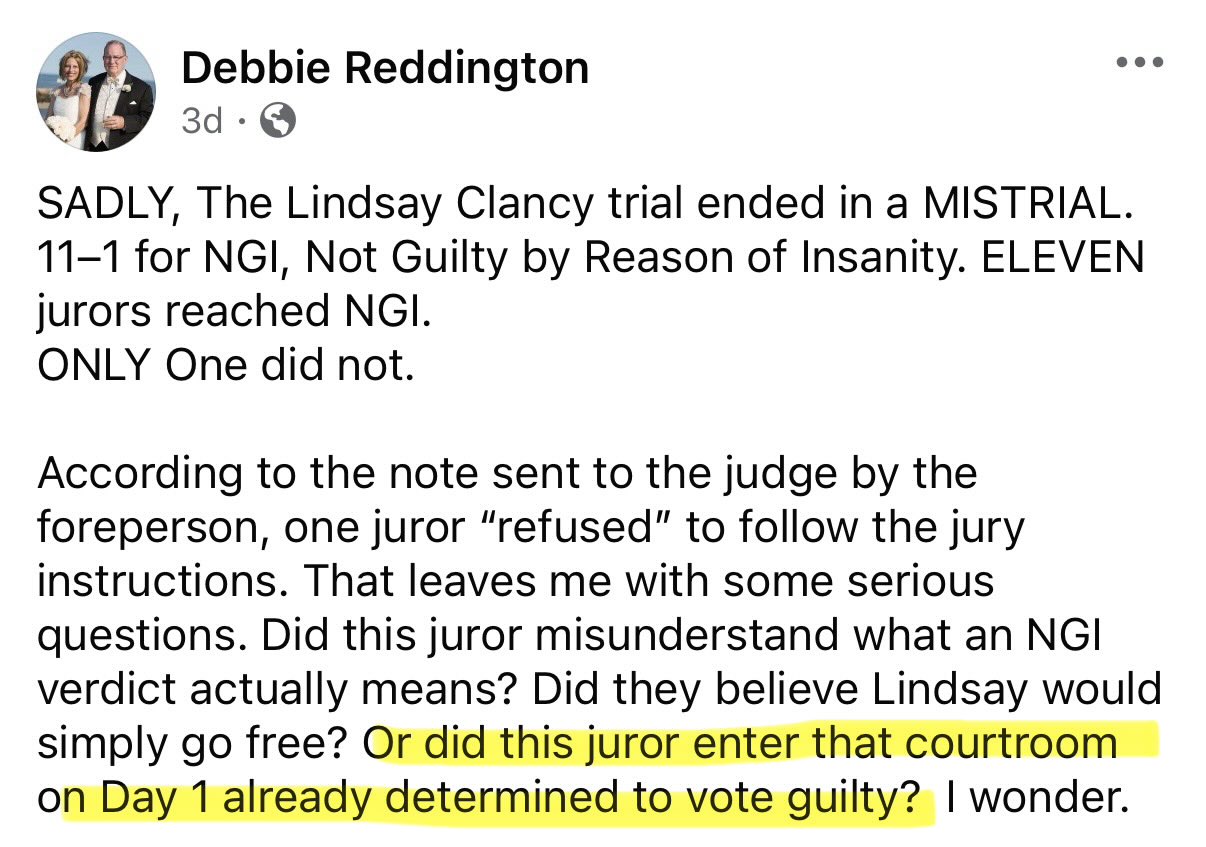


Comments
(Jump to bottom of comments)Posted by: gnats local 678 at September 14, 2026 04:50 PM (CWTWj)
Posted by: Ian S. at September 14, 2026 04:52 PM (2ocoG)
Posted by: jim (in Kalifornia) at September 14, 2026 04:52 PM (l3cgK)
Posted by: It's me donna at September 14, 2026 04:52 PM (+gK6I)
Posted by: Mister Scott (Formerly GWS) at September 14, 2026 04:52 PM (I43vL)
Posted by: 496 at September 14, 2026 04:52 PM (FqCIy)
Posted by: garrett at September 14, 2026 04:52 PM (zRd05)
Posted by: People's Hippo Voice at September 14, 2026 04:52 PM (3cUTc)
Posted by: Thanatopsis at September 14, 2026 04:53 PM (hG5L0)
Posted by: The Unvaxxed and Unmasked Ranger - FAP Certified at September 14, 2026 04:53 PM (fapp/)
Posted by: jim (in Kalifornia) at September 14, 2026 04:53 PM (l3cgK)
Posted by: 18-1 at September 14, 2026 04:53 PM (sKqQm)
Posted by: Ian S. at September 14, 2026 04:53 PM (2ocoG)
Posted by: gnats local 678 at September 14, 2026 04:53 PM (CWTWj)
Posted by: garrett at September 14, 2026 04:54 PM (zRd05)
Posted by: The Greys at September 14, 2026 04:54 PM (sKqQm)
---
nope.
Busty lesbian pron instead of Flight 93 reigns supreme.
All other LaMont the Big Dummy attempts are for second place.
Posted by: People's Hippo Voice at September 14, 2026 04:54 PM (3cUTc)
Androgenous hair
multiple chins
overweight
spouting nonsense opinion
displaying narcicism opinon as fact
Yup. She's a "BLOB"
Posted by: Orson at September 14, 2026 04:54 PM (dIske)
Posted by: "Perfessor" Squirrel at September 14, 2026 04:54 PM (FZ29D)
Posted by: Piper at September 14, 2026 04:54 PM (ZdaMQ)
Posted by: garrett at September 14, 2026 04:54 PM (zRd05)
Posted by: Formerly Virginian at September 14, 2026 04:54 PM (zjgNU)
Posted by: sock_rat_eez at September 14, 2026 04:54 PM (VyBeY)
Posted by: Tuna at September 14, 2026 04:55 PM (lJ0H4)
Posted by: Formerly Virginian at September 14, 2026 04:55 PM (zjgNU)
Posted by: stu-mick-o-sucks at September 14, 2026 04:55 PM (MDua2)
That's some tip top, totally objective analysis.
Posted by: JackStraw at September 14, 2026 04:55 PM (viF8m)
Posted by: "Perfessor" Squirrel at September 14, 2026 04:54 PM (FZ29D)
I knew Dildos used batteries, but I didn't know they were fused...
Posted by: jim (in Kalifornia) at September 14, 2026 04:55 PM (l3cgK)
Posted by: gnats local 678 at September 14, 2026 04:55 PM (CWTWj)
Posted by: Grumpy and Recalcitrant, a Moron behind enemy lines at September 14, 2026 04:55 PM (O7YUW)
Posted by: Kevin in ABQ at September 14, 2026 04:56 PM (nY0m2)
Ok, here is a nice pair of boobies. Aren't they best out in nature just hanging out there? https://tinyurl.com/mswrfx6u
Posted by: The Greys at September 14, 2026 04:56 PM (sKqQm)
Posted by: sock_rat_eez at September 14, 2026 04:56 PM (VyBeY)
Posted by: Bake Me A Pie Woman at September 14, 2026 04:56 PM (P4iUb)
Posted by: weft cut-loop at September 14, 2026 04:56 PM (HeG1i)
That's some tip top, totally objective analysis.
Posted by: JackStraw at September 14, 2026 04:55 PM (viF8m)
He's also a genius amongst the Alzheimer set. An unoffical spokesman for adult diapers.
Posted by: jim (in Kalifornia) at September 14, 2026 04:56 PM (l3cgK)
Posted by: gnats local 678 at September 14, 2026 04:56 PM (CWTWj)
Posted by: It's me donna at September 14, 2026 04:56 PM (+gK6I)
Posted by: Aetius451AD work phone at September 14, 2026 04:57 PM (zZu0s)
Posted by: CharlieBrown'sDildo at September 14, 2026 04:57 PM (k5CNB)
grey boxed in
blown margins
All that's missing is the bolded italicans and a wall of link.
Posted by: People's Hippo Voice at September 14, 2026 04:57 PM (3cUTc)
Posted by: Biff Pocoroba at September 14, 2026 04:57 PM (XvL8K)
Ok, here is a nice pair of boobies. Aren't they best out in nature just hanging out there? https://tinyurl.com/mswrfx6u
Posted by: The Greys at September 14, 2026 04:56 PM (sKqQm)
I woulda gone for some Great Tits...
Posted by: jim (in Kalifornia) at September 14, 2026 04:57 PM (l3cgK)
Posted by: Darth Randall at September 14, 2026 04:57 PM (mseD3)
Posted by: gnats local 678 at September 14, 2026 04:57 PM (CWTWj)
Count de Monet: You're not journalists and you have no integrity!!
Posted by: Count de Monet at September 14, 2026 04:57 PM (wVcYX)
If your dildo ends up fused, you didn't use enough lube and may need a trip to the ER.
Posted by: Grumpy and Recalcitrant, a Moron behind enemy lines at September 14, 2026 04:57 PM (O7YUW)
Love the margins!
Jason Arday!
Even from the dead!
You magnificent bastard!!
Posted by: Stateless - Ralphy - 105 years old! Puppy at heart! at September 14, 2026 04:57 PM (Sco7b)
Posted by: zombie at September 14, 2026 04:58 PM (Av6i5)
Posted by: The Unvaxxed and Unmasked Ranger - FAP Certified at September 14, 2026 04:58 PM (fapp/)
Posted by: Madame Defarge knits at September 14, 2026 04:58 PM (4NO2D)
If your dildo ends up fused, you didn't use enough lube and may need a trip to the ER.
Posted by: Grumpy and Recalcitrant, a Moron behind enemy lines at September 14, 2026 04:57 PM (O7YUW)
I bet there's a code for that...
Posted by: jim (in Kalifornia) at September 14, 2026 04:58 PM (l3cgK)
Me before: Witches, yeah right
Me now looking at MA: Well, ok, maybe there is something to this idea...
Posted by: The Greys at September 14, 2026 04:58 PM (sKqQm)
I'm guessing that Massachusetts prefers rule by mob, though.
Posted by: Formerly Virginian at September 14, 2026 04:59 PM (zjgNU)
Posted by: Kevin in ABQ at September 14, 2026 04:59 PM (nY0m2)
Posted by: 18-1 at September 14, 2026 04:59 PM (sKqQm)
Posted by: Formerly Virginian at September 14, 2026 04:59 PM (zjgNU)
grey boxed in
blown margins
All that's missing is the bolded italicans and a wall of link.
Posted by: People's Hippo Voice at September 14, 2026 04:57 PM (3cUTc)
Web 1.0 was whack.
Posted by: Comrade Flounder, Disinformation Demon at September 14, 2026 04:59 PM (dK+Kv)
Posted by: 18-1 at September 14, 2026 05:00 PM (sKqQm)
Posted by: It's me donna at September 14, 2026 05:00 PM (+gK6I)
Posted by: Ian S. at September 14, 2026 04:53 PM (2ocoG)
Demora Avarice has her some very wide boobs and even she wouldn't blow these margins!
Posted by: Count de Monet at September 14, 2026 05:00 PM (wVcYX)
Posted by: jim (in Kalifornia) at September 14, 2026 05:00 PM (l3cgK)
Posted by: 18-1 at September 14, 2026 05:00 PM (sKqQm)
Oh! you almost got it, Ace!
Posted by: People's Hippo Voice at September 14, 2026 05:01 PM (3cUTc)
Posted by: Kevin in ABQ at September 14, 2026 05:01 PM (nY0m2)
Posted by: Stateless - Ralphy - 105 years old! Puppy at heart! at September 14, 2026 05:01 PM (Sco7b)
Posted by: Wolfus Aurelius, Dreaming of Elsewhere at September 14, 2026 05:01 PM (wzUl9)
But the centerists and the wide-ians remain...
Posted by: 18-1 at September 14, 2026 05:00 PM (sKqQm)
The center cannot hold
Posted by: Rough beast slouching at September 14, 2026 05:01 PM (TbWk/)
Posted by: Common Tater at September 14, 2026 05:01 PM (No2m8)
Posted by: toby928(c) at September 14, 2026 05:02 PM (4NO2D)
Posted by: garrett at September 14, 2026 05:02 PM (zRd05)
Posted by: The Dog at September 14, 2026 05:02 PM (XodLO)
Posted by: Kevin in ABQ at September 14, 2026 05:02 PM (nY0m2)
Posted by: it puts the lotion in the basket at September 14, 2026 05:02 PM (ca8Qt)
Posted by: Piper at September 14, 2026 05:02 PM (ZdaMQ)
Posted by: People's Hippo Voice at September 14, 2026 05:02 PM (3cUTc)
Oh! you almost got it, Ace!
Posted by: People's Hippo Voice at September 14, 2026 05:01 PM (3cUTc)
https://youtu.be/KaFkAFP_JRI
Posted by: jim (in Kalifornia) at September 14, 2026 05:02 PM (l3cgK)
Posted by: bob (moron inbobnitus) at September 14, 2026 05:02 PM (tK8kH)
Posted by: Catherine the Great at September 14, 2026 05:02 PM (TbWk/)
Posted by: Turn 2 at September 14, 2026 05:02 PM (QFchU)
Imagine wanting to not live by the mob *cough*repealthe19thadvocates*cough*
Posted by: FeatherBlade at September 14, 2026 05:03 PM (vJrRc)
How about the DA in some slightly Red jurisdiction in MA charging this crime on any parties to which it could be reasonably applied.
Ten years in jail for a doxing and media feeding frenzy should take some of the fun out of that party.
Posted by: Pillage Idiot at September 14, 2026 05:03 PM (HlyYF)
Sue O'Connell just glows lesbo with a twist of pan, doesn't she/it/they/dogfaceponysoldier? Her face looks like it got smushed in a tailgate. Where was I?
I noted that two of my classmates at the reunion wore the liberal plastic black glasses but we had fun anyway on Friday. I did, anyway.
Oh, were they surprised to be doxxing a BLACK man? Not that they should have done this to begin with...but A BLACK MAN? Where is Jessie Jackson and Al Sharpton when you need them?
I hope the man sues them all the way to the point their puthy hats are the only thing left in their thong drawer.
I don't care that he has a DV claim. That wife was probably a nagging nutcase like these jurors. Which made him immune to the screeching harpies.
He could look like Richard Pryor after he caught his face on fire free-basing cocaine I'd still be on his side.
I'm not sleeping well, by the way, and have a touch of psycho going on. [In the event I offended anyone]
Posted by: ChristyBlinkyTheGreat at September 14, 2026 05:03 PM (hzuYO)
Posted by: FeatherBlade at September 14, 2026 05:03 PM (vJrRc)
There is a reason the beach boys didn't have a line for Boston girls in their California girls song...
Posted by: 18-1 at September 14, 2026 05:03 PM (sKqQm)
Posted by: The Unvaxxed and Unmasked Ranger - FAP Certified at September 14, 2026 05:03 PM (fapp/)
Posted by: Comrade Flounder, Disinformation Demon at September 14, 2026 04:59 PM (dK+Kv)
---
We're still on 0.8 beta.
Posted by: "Perfessor" Squirrel at September 14, 2026 05:03 PM (FZ29D)
Posted by: Orson at September 14, 2026 05:04 PM (dIske)
Posted by: tubal at September 14, 2026 05:04 PM (Gqar8)
Posted by: Tuna at September 14, 2026 05:04 PM (lJ0H4)
Posted by: carl in space #10 at September 14, 2026 05:04 PM (ehY6c)
Posted by: "Perfessor" Squirrel at September 14, 2026 05:03 PM
I remember 0.71 fondly.
Posted by: toby928(c) at September 14, 2026 05:04 PM (4NO2D)
For real, this time. Angry white mob hunting down a lone black man.
Most people don't realize that every lynch mob in history felt morally justified. They always think they're "the good guys" in the situation. The lynching victim is always depicted as a villain who needs punishment. No one thought they were being "racist" (besides which, the vast majority of lynching victims weren't even black, but that's a different story). They just thought hey were meting out morally correct punishment.
What's happening to day is no different from a white mob lynching a black man they're chasing through the bayou with torches. Except this, time, the mob has purple hair.
Posted by: zombie at September 14, 2026 05:05 PM (Av6i5)
Posted by: Piper at September 14, 2026 05:05 PM (ZdaMQ)
Then again, Massachusetts . . .
Posted by: Wolfus Aurelius, Dreaming of Elsewhere at September 14, 2026 05:05 PM (wzUl9)
Posted by: Common Tater at September 14, 2026 05:05 PM (No2m8)
Yes.
Guilty.
So he is no shining example of humanity. Neither are the screaming scheming harpies on that jury. ALL did illegal acts. Just goes to show there is no reason to be on a jury. You probably will not survive it.
Posted by: Kafiroon at September 14, 2026 05:05 PM (VyFya)
There is a reason the beach boys didn't have a line for Boston girls in their California girls song...
Posted by: 18-1 at September 14, 2026 05:03 PM (sKqQm)
Heh.
Posted by: Count de Monet at September 14, 2026 05:06 PM (wVcYX)
Posted by: The Unvaxxed and Unmasked Ranger
They're trying for the "laws for thee but not for me" option, not realizing that it's reserved for Congress and the 3-letter agencies.
Posted by: FeatherBlade at September 14, 2026 05:06 PM (vJrRc)
Posted by: four seasons at September 14, 2026 05:07 PM (/QHx4)
Posted by: zombie at September 14, 2026
***
And they have to stop and rest every fifty yards, and consume some Twinkies for energy.
Posted by: Wolfus Aurelius, Dreaming of Elsewhere at September 14, 2026 05:07 PM (wzUl9)
And the alternative will be worse.
Posted by: Common Tater at September 14, 2026 05:05 PM (No2m
And after that- well we know what comes after that.
Posted by: tubal at September 14, 2026 05:07 PM (Gqar8)
Posted by: toby928(c) at September 14, 2026 05:07 PM (4NO2D)
Federal angle on that, even though underlying case is state?
Tempting to write off the country with crap like this (which is just a near-daily event now) - but we recovered from racist jury nullification in the civil rights' era south, so theoretically we can overcome outrageous injustices like this?
Posted by: rhomboid at September 14, 2026 05:07 PM (U/Byj)
Posted by: runner at September 14, 2026 05:07 PM (AKptf)
No clue who the Mackie was.
Posted by: four seasons at September 14, 2026 05:07 PM (/QHx4)
He was FABULOUS!!!!
Posted by: tubal at September 14, 2026 05:07 PM (Gqar8)
Posted by: four seasons at September 14, 2026
***
Famous in the '70s for doing Cher's dresses, and some for Carol Burnett, I think.
Posted by: Wolfus Aurelius, Dreaming of Elsewhere at September 14, 2026 05:08 PM (wzUl9)
Posted by: runner at September 14, 2026 05:08 PM (AKptf)
...
Ten years in jail for a doxing and media feeding frenzy should take some of the fun out of that party.
Posted by: Pillage Idiot at September 14, 2026 05:03 PM (HlyYF)
--
Based on Andrew Branca's reading of the statute last night on his YT, if the trial is for a life offense then the penalty is up to 20 years.
Posted by: Kevin in ABQ at September 14, 2026 05:08 PM (nY0m2)
Posted by: 88C+u at September 14, 2026 05:08 PM (88C+u)
Posted by: tubal at September 14, 2026 05:08 PM (Gqar8)
I know of course this person wont, but any other sort of lawyer involved in a case that used his wife to doxx and intimidate a jury member should have their law license taken away.
You really are talking about getting this person killed to say nothing of due process.
Posted by: Leupold at September 14, 2026 05:08 PM (jq3HI)
....
Posted by: ChristyBlinkyTheGreat at September 14, 2026 05:03 PM (hzuYO)
She has not known the loving touches of any man.
Butter would not melt in her mouth.
Posted by: Count de Monet at September 14, 2026 05:08 PM (wVcYX)
Posted by: rhomboid at September 14, 2026 05:08 PM (U/Byj)
Posted by: Wolfus Aurelius, Dreaming of Elsewhere at September 14, 2026 05:08 PM (wzUl9)
Posted by: Kindltot at September 14, 2026 05:08 PM (rbvCR)
Posted by: man at September 14, 2026 05:08 PM (pfXMo)
Little girls are shown in a bleak landscape, wearing dull clothes, and playing with lifelike baby dolls, while the voiceover intones that life for girls used to be like this ("ask your mom," it snarkily adds). Until....
BARBIE! the hypersexual doll with sky-high heels, impossible figure, and cat-eyed shades appears, with a sliver of the moon over its head, like the Monolith in "2001." Then the girls stare up, amazed.
And then they start to violently, gleefully smash the heads of the baby dolls, like the Ape started to bash bones with a club in "2001." Doll heads break and fragments fly.
Predictive programming, anyone?
Posted by: Beverly at September 14, 2026 05:08 PM (reMys)
- The defense attorney went all-in on this, pushing past ethical and legal boundaries because he knew he was going to get disbarred for the other stuff.
- But winning this case sets up a multi-million dollar book deal.
-When he resigns in lieu of sanctions and it all gets swept under the rug.
It fits the oddly pesonal anger at the loss.
Posted by: People's Hippo Voice at September 14, 2026 05:09 PM (3cUTc)
Posted by: Piper at September 14, 2026 05:05 PM (ZdaMQ)
__________________________
The Sultan of Sequins.
Posted by: Orson at September 14, 2026 05:09 PM (dIske)
Posted by: bob (moron inbobnitus) at September 14, 2026 05:09 PM (tK8kH)
Posted by: toby928(c) at September 14, 2026 05:09 PM (4NO2D)
Posted by: Neo at September 14, 2026 05:09 PM (wVcYX)
Posted by: FeatherBlade at September 14, 2026 05:09 PM (vJrRc)
Me before: Witches, yeah right
Me now looking at MA: Well, ok, maybe there is something to this idea...
Posted by: The Greys
In more civilized times, we used to burn witches.
Posted by: Puddleglum, cheer up for the worst is yet to come at September 14, 2026 05:09 PM (sAmhv)
One of the most notorious cases of a lynching was Leo Frank - he was a Jewish guy who was accused of murdering a young girl in his factory.
Most investigators believe the culprit was actually a black man named Jim Conley who worked at the faciility who successfully misled both the cops and the mob that came for Frank.
So to your point, the mob thought they were meting out justice but they got the wrong guy...
Posted by: 18-1 at September 14, 2026 05:09 PM (sKqQm)
Posted by: Christopher R Taylor at September 14, 2026 05:09 PM (K32Fz)
Posted by: SpeakingOf at September 14, 2026 05:09 PM (6ydKt)
Posted by: Huck Follywood at September 14, 2026 05:09 PM (33AwL)
Posted by: it puts the lotion in the basket at September 14, 2026 05:09 PM (ca8Qt)
Posted by: four seasons at September 14, 2026 05:10 PM (/QHx4)
Me now looking at MA: Well, ok, maybe there is something to this idea
Yeah.... second look at witch trials?
Posted by: Christopher R Taylor at September 14, 2026 05:10 PM (K32Fz)
Posted by: Huck Follywood at September 14, 2026 05:10 PM (33AwL)
Posted by: runner at September 14, 2026 05:10 PM (AKptf)
Posted by: Puddleglum, cheer up for the worst is yet to come at September 14, 2026 05:10 PM (sAmhv)
Posted by: FeatherBlade at September 14, 2026 05:10 PM (vJrRc)
Posted by: Marcel Marceau at September 14, 2026 05:10 PM (4NO2D)
Posted by: Wolfus Aurelius, Dreaming of Elsewhere at September 14, 2026 05:11 PM (wzUl9)
Posted by: runner at September 14, 2026 05:11 PM (AKptf)
Posted by: four seasons at September 14, 2026
***
Famous in the '70s for doing Cher's dresses, and some for Carol Burnett, I think.
Posted by: Wolfus Aurelius, Dreaming of Elsewhere at September 14, 2026 05:08 PM (wzUl9)
Just a dress Carol B. saw hanging in the window.
Posted by: Gone With The Wind at September 14, 2026 05:11 PM (wVcYX)
Posted by: Ace-Endorsed Author A.H. Lloyd at September 14, 2026 05:11 PM (ZOv7s)
Posted by: carl in space #10 at September 14, 2026 05:11 PM (ehY6c)
Posted by: rhomboid at September 14, 2026 05:11 PM (U/Byj)
Posted by: tubal at September 14, 2026 05:11 PM (Gqar8)
Posted by: Tiny E at September 14, 2026 05:11 PM (4NO2D)
Posted by: Huck Follywood at September 14, 2026 05:11 PM (33AwL)
AWFuLs: You must vote for Temporary Insanity!
Lloyd: No!
AWFuLs (shrieking): Why?
Lloyd: Because you wish it!
Posted by: Grumpy and Recalcitrant, a Moron behind enemy lines at September 14, 2026 05:12 PM (O7YUW)
Y'all be good now, it's not like any old crow could do this.
Posted by: People's Hippo Voice at September 14, 2026 05:12 PM (3cUTc)
Relax, its MA, those racist DAs wouldn't even think of going after a lynch mob.
Posted by: Community Notes at September 14, 2026 05:12 PM (BvPIe)
I’d take that bet. That black men go further conservative.
Thanks so called girls but unsure!
Posted by: Hamitchell62 at September 14, 2026 05:12 PM (SkT0j)
Posted by: "Perfessor" Squirrel at September 14, 2026 05:12 PM (FZ29D)
Posted by: nckate at September 14, 2026 05:12 PM (enNUy)
Posted by: carl in space #10 at September 14, 2026 05:12 PM (ehY6c)
Posted by: CharlieBrown'sDildo at September 14, 2026 05:12 PM (k5CNB)
Posted by: Skip at September 14, 2026 05:12 PM (Ia/+0)
Of course the irony there is Salem took its teen girls's concerns too seriously and that got a bunch of people killed...
We still don't know if the girls fell into mass hysteria or were getting people killed intentionally but either way the elders should not have listened to them...
Posted by: 18-1 at September 14, 2026 05:12 PM (sKqQm)
Posted by: FeatherBlade at September 14, 2026 05:09 PM (vJrRc)
And slump busters.
Posted by: Count de Monet at September 14, 2026 05:12 PM (wVcYX)
Posted by: FeatherBlade at September 14, 2026 05:12 PM (vJrRc)
Posted by: Huck Follywood at September 14, 2026 05:13 PM (33AwL)
Posted by: Tiny E at September 14, 2026 05:13 PM (4NO2D)
In: Wide-Mouth Blog.
Posted by: zombie at September 14, 2026 05:13 PM (Av6i5)
Posted by: Rev. Wishbone at September 14, 2026 05:13 PM (5C90x)
Posted by: Hamitchell62 at September 14, 2026 05:13 PM (SkT0j)
Posted by: ChristyBlinkyTheGreat at September 14, 2026 05:14 PM (hzuYO)
AWFuLs: You must vote for Temporary Insanity!
Lloyd: No!
AWFuLs (shrieking): Why?
Lloyd: Because you wish it!
Posted by: Grumpy and Recalcitrant, a Moron behind enemy lines at September 14, 2026
***
Kruge was insane even for a Klingon. His own men were scared of him.
That said, I'm not sure I wouldn't prefer a Kruge in some cases to these shrieking harpies.
Posted by: Wolfus Aurelius, Dreaming of Elsewhere at September 14, 2026 05:14 PM (wzUl9)
Or doesn't that work in this case?
Posted by: Bulg at September 14, 2026 05:14 PM (77rzZ)
Posted by: Zombie Liberace at September 14, 2026 05:14 PM (P4iUb)
Posted by: Smell the Glove at September 14, 2026 05:14 PM (N2HNb)
Posted by: Wolfus Aurelius, Dreaming of Elsewhere at September 14, 2026 05:11 PM (wzUl9)
Wide boys, wide boys
Whatacha gonna do?
Whatacha gonna do when they watching you?
Posted by: SpeakingOf at September 14, 2026 05:15 PM (6ydKt)
Posted by: Sir Mix-A-Lot, Laird of the Horde Hip Hop Contingent at September 14, 2026 05:15 PM (33AwL)
In: Wide-Mouth Blog.
Posted by: zombie at September 14, 2026
***
Hey! I resent that!
( -- Clarence "Frogman" Henry)
Posted by: Wolfus Aurelius, Dreaming of Elsewhere at September 14, 2026 05:15 PM (wzUl9)
Posted by: Der Volkischer Beobachter at September 14, 2026 05:15 PM (Fn+3X)
Posted by: Common Tater at September 14, 2026 05:15 PM (No2m8)
Posted by: 18-1 at September 14, 2026 05:12 PM (sKqQm)
------
If there's one thing that history should teach us it's that if young women are suddenly all about something, that Something is probably a really bad fucking idea.
- Salem witch trials
- Prohibition
- Beatlemania
- Supporting a triple murderer
And that's just the high spots from the last few centuries. I'm sure there are more.
Posted by: ballistic at September 14, 2026 05:16 PM (oqH4h)
Posted by: Wolfus Aurelius, Dreaming of Elsewhere at September 14, 2026 05:16 PM (wzUl9)
Posted by: To Shill a Mocking Bird at September 14, 2026 05:16 PM (Zun+i)
Posted by: Common Tater at September 14, 2026 05:15 PM (No2m
Functionally, none.
Posted by: tubal at September 14, 2026 05:17 PM (Gqar8)
The situation has drawn national attention, allegedly with Florida Governor Ron DeSantis publicly criticizing the media's handling of the juror's privacy & offering 'asylum' in the state if the harassment in Massachusetts persists.
Of course the Court is also currently focused on evaluating how the juror's background info. was obtained in the 1st place, and also whether he falsely filled out the initial vetting questionnaire pre-trial.
Today, the MA Governor, Maura Healey, announced the state's Executive Office of Public Safety and Security has stepped in to ensure the juror's immediate physical safety. Further, judge handling the case requested that the U.S. Marshall Service evaluate the ongoing threats to the juror.
NBC
Watch the steps taken now to protect the jurors - past and future.
Posted by: L - No nic... at September 14, 2026 05:17 PM (NFX2v)
Which makes no logical sense.
It would be like the governor of NJ blaming Trump for why his state smells or the governor of NY blaming Trump for why an assault team is killing pet squirrels in her state...
Posted by: 18-1 at September 14, 2026 05:17 PM (sKqQm)
Posted by: Oddbob at September 14, 2026 05:17 PM (vTZFs)
Posted by: Tiny E at September 14, 2026 05:13 PM (4NO2D)
I wish mine were bigger. Then I wouldn't have died in Thailand getting an enlargement done.
Posted by: Igho "Tiny" Ubiribo at September 14, 2026 05:17 PM (wVcYX)
Posted by: tubal at September 14, 2026 05:17 PM (Gqar8)
AWFuLs: You must vote for Temporary Insanity!
Lloyd: No!
AWFuLs (shrieking): Why?
Lloyd: Because you wish it!
Posted by: Grumpy and Recalcitrant, a Moron behind enemy lines at September 14, 2026 05:12 PM (O7YUW)
Your boos mean nothing! I've seen what makes you cheer!
Posted by: Rick Sanchez, holdout juror at September 14, 2026 05:17 PM (TbWk/)
Posted by: Wolfus Aurelius
AoS -- come for the formatting hijinks, stay for the obscure 1970s D&D references.
Posted by: zombie at September 14, 2026 05:18 PM (Av6i5)
- Salem witch trials
- Prohibition
- Beatlemania
- Supporting a triple murderer
And that's just the high spots from the last few centuries. I'm sure there are more.
Posted by: ballistic at September 14, 2026
***
Beatlemania . . .?
Posted by: Wolfus Aurelius, Dreaming of Elsewhere at September 14, 2026 05:18 PM (wzUl9)
Posted by: four seasons at September 14, 2026 05:18 PM (/QHx4)
A: It would be mean to take away all our hard-fought rights!
Q: But you've not denied the factual and historical basis is sound.
A: Us woman are going to kill you, your family and burn your houses down!!!
Posted by: People's Hippo Voice at September 14, 2026 05:18 PM (3cUTc)
Posted by: Don't Get Out Much at September 14, 2026 05:18 PM (Fn+3X)
Or doesn't that work in this case?
Posted by: Bulg at September 14, 2026 05:14 PM (77rzZ)
He dindu nuthin' as far as I can tell.
Posted by: SpeakingOf at September 14, 2026 05:18 PM (6ydKt)
Posted by: Mildly Curious at September 14, 2026 05:19 PM (2Ez/1)
Posted by: Skip at September 14, 2026 05:19 PM (Ia/+0)
Posted by: 88C+u at September 14, 2026 05:19 PM (88C+u)
Posted by: Wolfus Aurelius
*
AoS -- come for the formatting hijinks, stay for the obscure 1970s D&D references.
Posted by: zombie at September 14, 2026
***
Shakespeare used to play D & D?
Posted by: Wolfus Aurelius, Dreaming of Elsewhere at September 14, 2026 05:20 PM (wzUl9)
Posted by: Beatlemaniac at September 14, 2026 05:20 PM (Fn+3X)
- Salem witch trials
- Prohibition
- Beatlemania
- Supporting a triple murderer
And that's just the high spots from the last few centuries. I'm sure there are more.
Posted by: ballistic at September 14, 2026 05:16 PM (oqH4h)
You just want to date Lindsey.
Posted by: AOC reasoning at September 14, 2026 05:20 PM (TbWk/)
Posted by: Mildly Curious
It happened over ten miles away from where he lives
Posted by: which is the fields of elysium at September 14, 2026 05:20 PM (88C+u)
Anyway right thinking people have to get behind this juror now that he's been outed. . I don't care if he has voted 100% Democrat his entire life. . He did the right thing against immense pressure when he could have done the easy thing.
He needs to know he has support.
Posted by: polynikes at September 14, 2026 05:20 PM (KC5Lt)
- Salem witch trials
- Prohibition
- Beatlemania
- Supporting a triple murderer
And that's just the high spots from the last few centuries. I'm sure there are more.
Posted by: ballistic at September 14, 2026 05:16 PM (oqH4h)
I hope you're not including me on that list, 'cause I'd be All Shook Up.
Posted by: Elvis, in a Texas nursing home hunting Bubba Ho-Tep at September 14, 2026 05:20 PM (wVcYX)
Officially, the juror's identify is still officially protected because the Judge legally impounded and sealed the jury list for 14 days following mistrial, and the juror has not publicly identified himself.
Ha /sarcasm
Posted by: L - No nic... at September 14, 2026 05:21 PM (NFX2v)
Posted by: Wolfus Aurelius, Dreaming of Elsewhere at September 14, 2026 05:18 PM (wzUl9)
---
Yes. Beatlemania was a mass formation psychosis of young women who thought the Beatles were cute. That's all.
Posted by: ballistic at September 14, 2026 05:21 PM (oqH4h)
Posted by: 88C+u at September 14, 2026
***
I knew a cute girl back then who took her nickname from the "Rio" song.
Posted by: Wolfus Aurelius, Dreaming of Elsewhere at September 14, 2026 05:21 PM (wzUl9)
_________
Just him? One of the female jurors has an assault and battery charge from 2002.
Posted by: Biff Pocoroba at September 14, 2026 05:21 PM (XvL8K)
Posted by: L - No nic... at September 14, 2026 05:21 PM (NFX2v)
Posted by: Elvis, in a Texas nursing home hunting Bubba Ho-Tep at September 14, 2026 05:20 PM (wVcYX)
-----
Elvis pretty much singlehandedly blended the Southern gospel tradition with country and rock to create what we know as rock 'n' roll. He is not on the list.
Posted by: ballistic at September 14, 2026 05:22 PM (oqH4h)
Funny innit? And supporting repeal of the 19th is the same as seeking mob rule.
Posted by: Such strange things I learn at September 14, 2026 05:22 PM (TbWk/)
Sorry
Posted by: L - No nic... at September 14, 2026 05:21 PM (NFX2v)
I am married. I can relate.
Posted by: tubal at September 14, 2026 05:22 PM (Gqar8)
- Prohibition
- Beatlemania
- Supporting a triple murderer
And that's just the high spots from the last few centuries. I'm sure there are more.
Posted by: ballistic at September 14, 2026 05:16 PM (oqH4h)
That's not just women. Mob mentality makes people stupid or at least unwilling to look at all sides . Flock cameras and AI data centers are at this point.
Posted by: polynikes at September 14, 2026 05:23 PM (KC5Lt)
Posted by: Mister Scott (Formerly GWS) at September 14, 2026 04:52 PM (I43vL)
He is a runaway plantation slave
Posted by: Gref at September 14, 2026 05:23 PM (5rh/l)
Mulcahy probably would have been terrible, but imagine Kubrick on that project!
Posted by: 88C+u at September 14, 2026 05:23 PM (88C+u)
Posted by: Wolfus Aurelius, Dreaming of Elsewhere at September 14, 2026 05:24 PM (wzUl9)
Posted by: Mildly Curious
>Mitch's staff said he'd like another 3 weeks to rehab and study the case.
Posted by: Rev. Wishbone at September 14, 2026 05:24 PM (5C90x)
- The left
Posted by: Thomas Paine at September 14, 2026 05:25 PM (0U5gm)
_________
Just him? One of the female jurors has an assault and battery charge from 2002.
Posted by: Biff Pocoroba at September 14, 2026 05:21 PM (XvL8K)
Female, therefore superior. Also, it's a man's fault, or men's fault at large because patriarchy. She thus bears no fault, accountability or responsibility for her alleged actions which, if they even hapoened, were a completely logical and necessary act of self-defense against a violent oppressive system designed by and for the advantage of men.
Posted by: If you can define a man that is at September 14, 2026 05:25 PM (TbWk/)
Famous in the '70s for doing Cher's dresses, and some for Carol Burnett, I think.
Posted by: Wolfus Aurelius, Dreaming of Elsewhere at September 14, 2026 05:08 PM (wzUl9)
And…
Dolly Parton
Marilyn Monroe,
Diana Ross,
Elton John,
Tina Turner,
Madonna,
Barbra Streisand,
Bette Midler,
Whitney Houston,
Taylor Swift
Beyonce
Sabrina Carpenter
Miley Cyrus
Barbie
Posted by: Piper at September 14, 2026 05:25 PM (ZdaMQ)
Of course the irony there is Salem took its teen girls's concerns too seriously and that got a bunch of people killed...
We still don't know if the girls fell into mass hysteria or were getting people killed intentionally but either way the elders should not have listened to them...
Posted by: 18-1 at September 14, 2026 05:12 PM
No different than the mass hysteria over the day care child sexual assault craze back in the 80s that swept the country. Innocent people went to jail for decades based on "repressed memory" testimony from kids that were coached on what to say by prosecutors including the infamous martha cloakley.
The entire country lost it's collective mind back then. People went so far as to dig up the fells acre day care center parking lost looking for secret tunnels leading to launching sites for hot air balloons piloted by clowns that would take the kids to a remote place so they could be sexually abused.
Posted by: Mister Scott (Formerly GWS) at September 14, 2026 05:25 PM (I43vL)
I was reading the other day, while wasting time (I do this well) about women now having plastic surgery for "The Barbie Waist."
Going a bit further than the removal of a rib bone (like some past starlets who are insane), the plastic surgeon goes in & bends the rib. I honestly don't read much if not super into it, other than here, and could have this wrong.
Pain to look like this is not my idea of spending tens of thousands of dollars. The pounds I need to lose are apparently holding my face up vs some of the people I saw at the reunion (I didn't know them). All had the Karen haircut and glasses. Thank goodness no politics or pro-Clancy people. I only knew 3 women and we 4 were the most normal.
I had a photo taken of me and my two friends who lived above me in a historic old house. One has a chubby face as well and looks pretty good. The California girl was tanned, rested, skinny, and my dude said she's a bit leathered. I thought she looked good.
If I lost a lot of weight will my face fall like a bloodhound? Dragging my bottom eyelid down? This worries me. We are talking about 20lbs, not 200lbs as I am not as fat as Lizzo. My covid pounds have fossilized. Sad.
Posted by: ChristyBlinkyTheGreat at September 14, 2026 05:25 PM (hzuYO)
Posted by: Mitch McConnell explains at September 14, 2026 05:25 PM (4NO2D)
Posted by: tubal at September 14, 2026 05:25 PM (Gqar8)
And I think that's wrong.
I think the defense was, "I can't be guilty for this crime because at only that moment, I wasn't in my right mind. (But, I'm all better now.)"
So I think she would have walked free if he hadn't been the last vote for sanity.
Posted by: People's Hippo Voice at September 14, 2026 05:25 PM (3cUTc)
Posted by: ballistic at September 14, 2026 05:22 PM (oqH4h)
Dat hip-swaying white cracker man stole my Hound Dog song!
Posted by: Big Mama Thornton at September 14, 2026 05:25 PM (wVcYX)
Posted by: Mildly Curious
*
>Mitch's staff said he'd like another 3 weeks to rehab and study the case.
Posted by: Rev. Wishbone at September 14, 2026
***
Might as well ask Tutankhamen or Thutmose III his opinion.
Posted by: Wolfus Aurelius, Dreaming of Elsewhere at September 14, 2026 05:26 PM (wzUl9)
Posted by: ballistic at September 14, 2026 05:22 PM (oqH4h)
I don't know the exact numbers but I bet he broke 50 million hearts when he first said the word "Priscilla".
Posted by: SpeakingOf at September 14, 2026 05:26 PM (6ydKt)
The oppressors are the medical establishment and anyone arguing that it isn't acceptable to murder anyone for hormonal reasons?
And as was said earlier this is a warning to the next jury.
You've come a long way baby.
Posted by: CaliGirl at September 14, 2026 05:26 PM (WhtqQ)
Posted by: SpeakingOf at September 14, 2026 05:28 PM (6ydKt)
Posted by: Virginia Slims at September 14, 2026 05:28 PM (rsrpl)
The entire country lost it's collective mind back then. People went so far as to dig up the fells acre day care center parking lost looking for secret tunnels leading to launching sites for hot air balloons piloted by clowns that would take the kids to a remote place so they could be sexually abused.
Posted by: Mister Scott (Formerly GWS) at September 14, 2026 05:25 PM (I43vL)
Some of the wilder claims included being transported by rocket ship to the moon (or Mars I forget which) to be sexually abused then returned to Earth for pickup. Also being sodomized with kitchen knives which, as one imagine, might leave juuuuuust a tad bit of physical evidence.
Posted by: Truly a season of madness at September 14, 2026 05:28 PM (TbWk/)
Posted by: FenelonSpoke at September 14, 2026 05:28 PM (JrHfD)
Posted by: sock_rat_eez at September 14, 2026 05:28 PM (VyBeY)
You've come a long way baby.
Posted by: CaliGirl at September 14, 2026 05:26 PM (WhtqQ)
Would make a good advertising slogan, that.
Posted by: tubal at September 14, 2026 05:28 PM (Gqar8)
Recently found out that, besides Janet Reno and 60 Minutes (gee thanks for nearly getting my D&D books confiscated, CBS), Gloria Steinem was also in on the McMartin pre-school case.
Posted by: 88C+u at September 14, 2026 05:29 PM (88C+u)
Posted by: Classy Freddie Blassie at September 14, 2026 05:29 PM (Fn+3X)
Posted by: Mister Scott (Formerly GWS) at September 14, 2026 05:25 PM (I43vL)
Some of the wilder claims included being transported by rocket ship to the moon (or Mars I forget which) to be sexually abused then returned to Earth for pickup. Also being sodomized with kitchen knives which, as one imagine, might leave juuuuuust a tad bit of physical evidence.
Posted by: Truly a season of madness at September 14, 2026 05:28 PM (TbWk/)
Kids say the darnedest things.
Posted by: Zombie Jeffrey Epstein at September 14, 2026 05:29 PM (QI2E+)
That is disturbing.
Posted by: toby928(c) at September 14, 2026 05:29 PM (4NO2D)
Posted by: People's Hippo Voice at September 14, 2026
No, she would have stayed in the facility she is in until her doctors said she was okay. The doctors have said she is not okay, but has made “vast improvements”. So it would not be a 35 year to life sentence for sure.
Posted by: Piper at September 14, 2026 05:30 PM (ZdaMQ)
Posted by: Sid... who puts the anal in anal sex at September 14, 2026 05:30 PM (Ij9jN)
Posted by: FenelonSpoke at September 14, 2026
***
It begins to look as if the men, and the women too, who warned us about that amendment prior to 1920 were rather prescient. . . .
Posted by: Wolfus Aurelius, Dreaming of Elsewhere at September 14, 2026 05:31 PM (wzUl9)
Recently found out that, besides Janet Reno and 60 Minutes (gee thanks for nearly getting my D&D books confiscated, CBS), Gloria Steinem was also in on the McMartin pre-school case.
Posted by: 88C+u at September 14, 2026 05:29 PM (88C+u)
De debbil was in de Smurfs. And the Care Bears. And Pokémon. And TMNT. And...hell, pretty much everything kids might like.
Posted by: A very different time indeed at September 14, 2026 05:31 PM (TbWk/)
Posted by: tubal at September 14, 2026 05:31 PM (Gqar8)
We might get lucky and go from 0.8 beta to Minx 2.1.
Posted by: SpeakingOf at September 14, 2026 05:31 PM (6ydKt)
Posted by: Puddleglum, cheer up for the worst is yet to come at September 14, 2026 05:32 PM (sAmhv)
Posted by: SpeakingOf at September 14, 2026 05:31 PM
[ YOU ] think so?
Posted by: toby928(c) at September 14, 2026 05:32 PM (4NO2D)
Posted by: beckster at September 14, 2026 05:32 PM (kX27y)
The ones I brush against are terribly empty and are searching for something to fill their lives. Championing those like them that have done the horrible things they have considered might be the reason for this behavior.
Posted by: Kindltot at September 14, 2026 05:32 PM (rbvCR)
Posted by: tsj017 at September 14, 2026 05:32 PM (xakWh)
You've come a long way baby.
Posted by: CaliGirl at September 14, 2026 05:26 PM (WhtqQ)
Would make a good advertising slogan, that.
Posted by: tubal at September 14, 2026 05:28 PM (Gqar
Just a silly millimeter longer!
Posted by: Benson & Hedges (Size Matters!) at September 14, 2026 05:32 PM (wVcYX)
Posted by: SpeakingOf at September 14, 2026
***
Man was ahead of his time.
Posted by: Wolfus Aurelius, Dreaming of Elsewhere at September 14, 2026 05:33 PM (wzUl9)
I find you not guilty by reason of insanity . The left all have this get out of jail free card.
Don't forget to take your medication.
Posted by: polynikes at September 14, 2026 05:33 PM (KC5Lt)
That entire post-modern view of things is why you lefties suck.
Posted by: SpeakingOf at September 14, 2026 05:33 PM (6ydKt)
Posted by: tsj017 at September 14, 2026 05:32 PM (xakWh)
Girls like big blogs.
Posted by: Comrade Flounder, Disinformation Demon at September 14, 2026 05:34 PM (QI2E+)
Posted by: A very different time indeed
And that, kids, is why you don't have Saturday morning cartoons any more.
Also the CareBears and their mind-control rays were sus.
Posted by: FeatherBlade at September 14, 2026 05:34 PM (vJrRc)
And I think that's wrong.
I think the defense was, "I can't be guilty for this crime because at only that moment, I wasn't in my right mind. (But, I'm all better now.)"
So I think she would have walked free if he hadn't been the last vote for sanity.
Posted by: People's Hippo Voice at September 14, 2026 05:25 PM
She never plead not guilty by reason of insanity, she plead not guilty. I suspect like you do that if she were acquitted she would walk free. I guess the judge could order her into a mental hospital for a short period for evaluation but that's about it. I am not a lawyer and have no idea how the system works in mass, but her plea in the case was a simple not guilty.
Posted by: Mister Scott (Formerly GWS) at September 14, 2026 05:34 PM (I43vL)
Posted by: Field Marshal Zhukov at September 14, 2026 05:34 PM (bX16E)
Posted by: ChristyBlinkyTheGreat
You will lose some elasticity, because of stupid aging in general, how much depends on your age and your skin resiliency. It would not be bloodhound droopy at all, though.
Keep in mind I do not have a problem with a few tweaks, though. Botox is fine in my book and I promise you I will get a facelift. What I won’t do is look like a clown face full of filler.
Posted by: Piper at September 14, 2026 05:34 PM (ZdaMQ)
Posted by: tubal at September 14, 2026 05:34 PM (Gqar8)
Posted by: Ted Torgerson at September 14, 2026 05:35 PM (wGerL)
"seems to be part of a PR campaign "
Remember, this is Blue Dem Commie Prog country, they all behave the same, and know the stakes.
This BLACK MAN is probably a MAGAT too!
They must destroy him, they must destroy him.
Posted by: Rev Dr E Buzz PhD Esq at September 14, 2026 05:35 PM (och2J)
I don't think they were prescient . I think that the angry voices are magnified on Tik Tok because I don't think even all liberal women ( as opposed to leftist) support Clancy. Tik Tok is an op and social media is a scourge which is why I'm glad I don't use those platforms. This is the only place I comment
BTW. We have some nutty male voters out there too., but I don't think we should disenfranchise them.
Posted by: FenelonSpoke at September 14, 2026 05:36 PM (JrHfD)
Posted by: tubal at September 14, 2026 05:34 PM (Gqar
The Designated Hitter rule.
Posted by: CharlieBrown'sDildo at September 14, 2026 05:36 PM (k5CNB)
Posted by: CaliGirl at September 14, 2026 05:26 PM (WhtqQ)
Would make a good advertising slogan, that.
Posted by: tubal at September 14, 2026 0
*
Just a silly millimeter longer!
Posted by: Benson & Hedges (Size Matters!) at September 14, 2026
***
In some ways I miss cigarette advertising. The ad agencies produced a lot of fun jingles and catch phrases.
Anybody remember when Dick Van Dyke, on the set of the Petrie living room, would do ads at the end of the shows for Kent cigarettes?
Posted by: Wolfus Aurelius, Dreaming of Elsewhere at September 14, 2026 05:36 PM (wzUl9)
Posted by: Big Mama Thornton
...that was written by two Jewish guys.
Posted by: zombie at September 14, 2026 05:36 PM (Av6i5)
Mainstream media, as Rush used to say. 🤥
The defense has a bigger problem with the Clancy case then it's letting on. Also, notice was taken how it rudely dismissed and/or shutdown so many experts in the courtroom and repeatedly wanted documents/statements placed into the record "without objection."
No need to rehash the preplanning and the gore before dear mother, like a daughter to her main defense attorney.
And now things are becoming fu*ked up all around in trial courts.
Posted by: L - No nic... at September 14, 2026 05:36 PM (NFX2v)
Posted by: tubal
... about 6000 years ago when sin entered the world?
Or whenever you believe that happened.
Posted by: FeatherBlade at September 14, 2026 05:36 PM (vJrRc)
Posted by: tubal at September 14, 2026 05:34 PM (Gqar
1917
Posted by: polynikes at September 14, 2026 05:36 PM (KC5Lt)
Posted by: Piper at September 14, 2026 05:30 PM (ZdaMQ)
====================
So, maybe a month or so in the nut house for killing three innocent children. Then what, back to her job in the maternity ward?
Posted by: Huck Follywood at September 14, 2026 05:36 PM (v1KtB)
Posted by: 88C+u at September 14, 2026 05:29 PM (88C+u)
---
Given the way things have progressed, I'm wondering if that whole episode wasn't a psyop to make people believe pedophile conspiracies are ludicrous on the face of it. Basically laying the groundwork for reflexive skepticism regarding child trafficking.
"Oh, that's absurd, we already did that nonsense! Stop pushing discredited conspiracy theories!"
Posted by: Ace-Endorsed Author A.H. Lloyd at September 14, 2026 05:36 PM (ZOv7s)
Posted by: tubal at September 14, 2026 05:34 PM (Gqar
Obama.
Posted by: Comrade Flounder, Disinformation Demon at September 14, 2026 05:37 PM (QI2E+)
The US Reich Progressive Party is identifying the group to be demonized as anyone who disagrees with them.
That's pretty much how the cultural revolution wound up with village barbeques of fellow villagers who were cultural enemies.
See Scarlet Memorial by Yi.
Posted by: Not a joke at September 14, 2026 05:37 PM (jvkDG)
Posted by: tubal at September 14, 2026 05:34 PM (Gqar
July 28, 1914?
Posted by: Count de Monet at September 14, 2026 05:37 PM (wVcYX)
She manipulated her husband, family, friends and shrinks. She planned this like Ted Bundy and other serial killers. She could easily manipulate anyone.
I repeat: I have seen psychosis in the hospital and she was NOT psychotic to be able to plan these murders and time frame. Evil, yes.
However, she will need someone to help her with her basic needs for the rest of her life. Let's hope this someone does not let her have exercise bands.
I want her locked up forever til her last breath.
Posted by: ChristyBlinkyTheGreat at September 14, 2026 05:37 PM (hzuYO)
That was the gayest imitation of fly fishing I have ever seen.
If either of them had an actual fly on their rigs, one of them would have been hooked.
Posted by: garrett at September 14, 2026 05:37 PM (zRd05)
Posted by: Rev. Wishbone at September 14, 2026 05:13 PM (5C90x)
They're not my neighbors. But I am required to love them and pray GOD through the Holy Spirit guides them to Jesus Christ.
Posted by: Eromero at September 14, 2026 05:37 PM (LHPAg)
Posted by: four seasons at September 14, 2026 05:38 PM (/QHx4)
Posted by: Flies Off The Handle at September 14, 2026 05:38 PM (Fn+3X)
Posted by: toby928(c) at September 14, 2026 05:38 PM (4NO2D)
Posted by: Case at September 14, 2026 05:38 PM (xJpuh)
The Suffrage Movement.
Posted by: garrett at September 14, 2026 05:38 PM (zRd05)
Posted by: Rev. Wishbone at September 14, 2026 05:13 PM (5C90x)
They're not my neighbors. But I am required to love them and pray GOD through the Holy Spirit guides them to Jesus Christ.
Posted by: Eromero at September 14, 2026 05:37 PM (LHPAg)
And some people think Christianity is easy.
Posted by: tubal at September 14, 2026 05:38 PM (Gqar8)
Posted by: Diogenes at September 14, 2026 05:38 PM (2WIwB)
Posted by: CaliGirl at September 14, 2026 05:26 PM
*cough*cough*
Posted by: Virginia Slims
They've just released the updated packets, but to go with modern trends, they're now called "Virginia Fats."
Posted by: zombie at September 14, 2026 05:38 PM (Av6i5)
Posted by: Eromero at September 14, 2026 05:37 PM
while doing hard time.
Posted by: toby928(c) at September 14, 2026 05:39 PM (4NO2D)
Posted by: FenelonSpoke at September 14, 2026
***
Maybe we should. The old property qualification, a minimum age of 25, and a literacy test for voting would go a long way to restoring sanity to America.
Posted by: Wolfus Aurelius, Dreaming of Elsewhere at September 14, 2026 05:39 PM (wzUl9)
Posted by: Huck Follywood at September 14, 2026 05:36 PM (v1KtB)
She can't walk so she'll be in some kind of assisted living setting no matter what.
Posted by: SpeakingOf at September 14, 2026 05:39 PM (6ydKt)
Posted by: Wolfus Aurelius, Dreaming of Elsewhere at September 14, 2026 05:20 PM (wzUl9)
Of course. The Tempest was clearly a campaign
“Our revels now are ended. These our actors,
As I foretold you, were all spirits, and
Are melted into air, into thin air;
And, like the baseless fabric of this vision,
The cloud-capped towers, the gorgeous palaces,
The solemn temples, the great globe itself,
Yea, all which it inherit, shall dissolve;
And, like this insubstantial pageant faded,
Leave not a rack behind. We are such stuff
As dreams are made on, and our little life
Is rounded with a sleep.”
Posted by: Kindltot at September 14, 2026 05:40 PM (rbvCR)
That is disturbing.
Posted by: toby928(c) at September 14, 2026 05:29 PM
And martha cloakley the AG in Mass argued against letting an innocent man Gerard Amirault out of prison after he served almost 10 years based on bull$hit testimony from kids that they all recanted some years after the trial.
Posted by: Mister Scott (Formerly GWS) at September 14, 2026 05:40 PM (I43vL)
Posted by: L - No nic... at September 14, 2026 05:40 PM (NFX2v)
Posted by: tubal at September 14, 2026 05:40 PM (Gqar8)
Posted by: SpeakingOf at September 14, 2026 05:40 PM (6ydKt)
Posted by: carl in space #10 at September 14, 2026 05:40 PM (ehY6c)
Posted by: tubal at September 14, 2026 05:34 PM (Gqar
---------------------
September 1, 2006 is a candidate. The day Roger Goodell took over the NFL.
But Woodrow Wilson's inauguration day March 4, 1913 is also a strong choice.
Posted by: Huck Follywood at September 14, 2026 05:41 PM (v1KtB)
It's now offline and will be for the next 4 years or so. This is the Long Shutdown 3 period. Major upgrades to increase "luminosity".
Posted by: publius, Rascally Mr. Miley (w6EFb) at September 14, 2026 05:41 PM (w6EFb)
Posted by: toby928(c)
I suspect they accidentally created a black hole, the earth got sucked into it within the first millisecond, and ever since then we've been living in an evil alternate universe where not only does Spock have a beard, but juries vote to acquit murderers, Joe Biden was actually president, and New York elected a Muslim terrorist as mayor.
Posted by: zombie at September 14, 2026 05:41 PM (Av6i5)
This. Though I would slave participation to Locality, first.
Any system that starts at the County Level and works up to Federal Elections would be fine by me.
Government should local. Primarily.
Posted by: garrett at September 14, 2026 05:41 PM (zRd05)
Posted by: Diogenes at September 14, 2026 05:41 PM (2WIwB)
Posted by: toby928(c) at September 14, 2026 05:38 PM (4NO2D)
10 September 2008.
A date that will live in quantum infamy.
Posted by: Count de Monet at September 14, 2026 05:41 PM (wVcYX)
Posted by: L - No nic... at September 14, 2026 05:40 PM (NFX2v)
That is filler. Botox doesn’t do that.
Posted by: Piper at September 14, 2026 05:42 PM (ZdaMQ)
Posted by: tubal at September 14, 2026 05:34 PM (Gqar
1865. Major acceleration points around the 1920s, 1940s, 1965-69, 1973, 2008, and reaching fever pitch no later than Trump I. Algorithm-driven social media has been a major catalyst for social destruction in recent times.
Posted by: The actual republic made it less than a century at September 14, 2026 05:42 PM (TbWk/)
Well, yes, but moving the voting age forward would never happen either.
Posted by: FenelonSpoke at September 14, 2026 05:42 PM (JrHfD)
Posted by: Wolfus Aurelius, Dreaming of Elsewhere at September 14, 2026 05:42 PM (wzUl9)
I don't like this timeline and I want to go back to the before times.
Posted by: CaliGirl at September 14, 2026 05:44 PM (WhtqQ)
Posted by: Wolfus Aurelius, Dreaming of Elsewhere at September 14, 2026 05:42 PM (wzUl9)
Would you describe it as a 'delicate sound of thunder'?
Posted by: Mark Andrew Edwards, buy ammo at September 14, 2026 05:44 PM (xcxpd)
Posted by: Piper at September 14, 2026 05:34 PM (ZdaMQ)
**********
My dude still thinks I look good after meeting 50yrs ago. I will lose the extra flab but not fast, as I think (hope) that's the key. Eating well and exercise, which I have neglected this hot and hideous summer.
I will never have fillers because heaven knows where they'd migrate to. I had big lips and they have not gone away. No face lift, either. All me forever and I look much the same since college...no one needed to read my name tag. All there but the four of us looked like my MIL sort of (hair, eyeglasses, etc). It's attitude as well as sunscreen since my early 30's and first skin cancer, I guess.
If I wanted anything changed my husband would have said no, even decades ago. I yam wut I yam.
Posted by: ChristyBlinkyTheGreat at September 14, 2026 05:44 PM (hzuYO)
Posted by: Wolfus Aurelius, Dreaming of Elsewhere at September 14, 2026 05:42 PM (wzUl9)
Can you hear
Cany ou hear the thunder?
You better run
You better run for cover
Posted by: tubal at September 14, 2026 05:44 PM (Gqar8)
Posted by: tubal
218 A.D., when Elagabalus became Emperor of Rome. That was when the shit really hit the fan, and it's been downhill ever since.
Posted by: zombie at September 14, 2026 05:45 PM (Av6i5)
Posted by: NemoMeImpuneLacessit at September 14, 2026 05:45 PM (gqKkr)
Posted by: Wolfus Aurelius, Dreaming of Elsewhere at September 14, 2026 05:42 PM
We are on day 66 of no rain here in NE Texas. Also I think we passed some sort of record for the most 100+ degree days this summer. It's has been the hottest summer since we moved here 10 years ago.
Posted by: Mister Scott (Formerly GWS) at September 14, 2026 05:45 PM (I43vL)
Posted by: polynikes at September 14, 2026 05:46 PM (KC5Lt)
Posted by: zombie at September 14, 2026 05:36 PM (Av6i5)
I just sings them. That song was written for me and was my biggest hit. Then he sang it and I got left behind.
Posted by: Big Mama Thornton at September 14, 2026 05:46 PM (wVcYX)
Posted by: FenelonSpoke at September 14, 2026
***
It begins to look as if the men, and the women too, who warned us about that amendment prior to 1920 were rather prescient. . . .
Posted by: Wolfus Aurelius, Dreaming of Elsewhere at September 14, 2026 05:31 PM (wzUl9)
...Based on over 100,000 years of homo sapiens men witnessing the behaviors of the women. Then, in the West, over the course of only a few centuries, that accumulated lizard brain male knowledge and resultant instinct were deemed bad think.
Posted by: Gref at September 14, 2026 05:46 PM (5rh/l)
A date that will live in quantum infamy.
Posted by: Count de Monet at September 14, 2026 05:41 PM
That's when the rift demons got in.
Posted by: toby928(c) at September 14, 2026 05:47 PM (4NO2D)
Posted by: ... at September 14, 2026 05:47 PM (vE0+H)
Posted by: Huck Follywood at September 14, 2026 05:47 PM (v1KtB)
Posted by: NemoMeImpuneLacessit at September 14, 2026 05:45 PM
You say that like it's a bad thing.
Posted by: toby928(c) at September 14, 2026 05:48 PM (4NO2D)
Posted by: tubal at September 14, 2026 05:34 PM (Gqar
August 1914 is a good start.
Arguments can be made for 2008 though. Or 9/11/01
Posted by: Mark Andrew Edwards, buy ammo at September 14, 2026 05:48 PM (xcxpd)
Posted by: NemoMeImpuneLacessit at September 14, 2026 05:45 PM (gqKkr)
Please don't be obtuse.
Posted by: ... at September 14, 2026 05:48 PM (vE0+H)
Posted by: NemoMeImpuneLacessit at September 14, 2026 05:45 PM (gqKkr)
---
If you're trying to be a pedantic nitwit, maybe familiarize yourself with such terms as "turn of phrase" and "metaphor" and also perhaps "figure of speech."
Asshat.
Posted by: ballistic at September 14, 2026 05:49 PM (oqH4h)
Posted by: NemoMeImpuneLacessit at September 14, 2026 05:45 PM (gqKkr)
You say that as if that's a bad thing.
Posted by: Comrade Flounder, Disinformation Demon at September 14, 2026 05:49 PM (QI2E+)
You do know that people here are using the term "walk" as a legal descriptive term right?
Posted by: Mister Scott (Formerly GWS) at September 14, 2026 05:49 PM (I43vL)
Posted by: toby928(c) at September 14, 2026 05:49 PM (4NO2D)
Posted by: tubal at September 14, 2026 05:40 PM (Gqar
Democracy was the alternate to warfare that was developed when the lords and nobility discovered that the masses had adopted pikes and arquebuses, and could organize in a way that took advantage of the fact that they outnumbered the "warrior" caste running things.
Posted by: Kindltot at September 14, 2026 05:49 PM (rbvCR)
Posted by: nckate at September 14, 2026 05:50 PM (enNUy)
MacClemore has been tossed off Ed Sheeran's tour. I know a lot of music but I don't know either of these people.
Posted by: Smell the Glove at September 14, 2026 05:50 PM (N2HNb)
Posted by: tubal at September 14, 2026 05:34 PM
June 12 1994
OJ
Posted by: ... at September 14, 2026 05:50 PM (vE0+H)
Are you that dense and obtuse to scold people here?
Posted by: polynikes at September 14, 2026 05:50 PM (KC5Lt)
MacClemore has been tossed off Ed Sheeran's tour. I know a lot of music but I don't know either of these people.
Posted by: Smell the Glove
One is a talentless hack, and the other is a talentless hack.
Posted by: zombie at September 14, 2026 05:50 PM (Av6i5)
Posted by: NemoMeImpuneLacessit at September 14, 2026 05:45 PM (gqKkr)
You say that as if that is a bad thing.
Posted by: Amy Schumer at September 14, 2026 05:51 PM (wVcYX)
https://youtu.be/ipmCyuIHLj0
Posted by: Christopher R Taylor at September 14, 2026 05:51 PM (K32Fz)
Posted by: ... at September 14, 2026 05:52 PM (vE0+H)
Posted by: ChristyBlinkyTheGreat at September 14, 2026 05:52 PM (hzuYO)
Posted by: Count de Monet at September 14, 2026 05:52 PM (wVcYX)
Posted by: toby928(c) at September 14, 2026 05:52 PM (4NO2D)
Posted by: FenelonSpoke at September 14, 2026 05:52 PM (JrHfD)
Posted by: Cheri at September 14, 2026 05:53 PM (U0cOj)
Posted by: tubal at September 14, 2026 05:53 PM (Gqar8)
Posted by: FenelonSpoke at September 14, 2026 05:52 PM (JrHfD)
----
Then just go. This isn't an airport, you don't need to announce your departure.
Posted by: ballistic at September 14, 2026 05:53 PM (oqH4h)
Posted by: ballistic at September 14, 2026 05:54 PM (oqH4h)
Typically I don't know people like this either but Macklemore had one hit like 15 years ago, and Ed Sheeran sucks the least out of the modern musical scene.
Posted by: Christopher R Taylor at September 14, 2026 05:54 PM (K32Fz)
Posted by: FenelonSpoke at September 14, 2026 05:52 PM (JrHfD)
Toodle-Ooo. Clock in tomorrow, Fen.
Posted by: tubal at September 14, 2026 05:54 PM (Gqar8)
Posted by: Smell the Glove at September 14, 2026 05:50 PM (N2HNb)
Mackamore I can see but Ed Sheeran was the male Taylor Swift for a second. She out lasted him though .
Posted by: polynikes at September 14, 2026 05:54 PM (KC5Lt)
Posted by: Piper at September 14, 2026 05:05 PM (ZdaMQ)
Looks up who dat? Oh, anyway.
Posted by: Alberta Oil Peon at September 14, 2026 05:54 PM (1z8ji)
Adam and Eve disobeyed God and hid in the garden.
Posted by: Christopher R Taylor at September 14, 2026 05:55 PM (K32Fz)
Posted by: Blast Hardcheese at September 14, 2026 05:55 PM (V362x)
----------
“I want to tell you, scumbags. You have released the whirlwind and you will pay the price!
Let me tell you: You take on the MAGA Intel Community — they have six ways from Sunday at getting back at you ..."
/Under which frock is Chuck U. Schumer presently hiding?
Posted by: ShainS at September 14, 2026 05:56 PM (JqXxE)
Its odd that Maxine Waters has been gone for just as long as Mitch but nobody seems to ever talk about it. It was announced last week that she has Alzheimer's but there's zero movement to remove her from committees or congress.
I guess they figure she can't get any dumber.
Posted by: Christopher R Taylor at September 14, 2026 05:57 PM (K32Fz)
Adam and Eve disobeyed God and hid in the garden.
Posted by: Christopher R Taylor at September 14, 2026 05:55 PM (K32Fz)
Be a nice place if it wasn’t for all the people. Something something evil inclinations of the heart since their youth. People are basically no good. Takes an act of God to even modify that.
Posted by: tubal at September 14, 2026 05:57 PM (Gqar8)
Posted by: NemoMeImpuneLacessit at September 14, 2026 05:57 PM (gqKkr)
But NBC Boston has no stake in that - they serve the Party, and the Party's goal here is to tell *EVERYONE* in our society "you will free the criminals we tell you to free, or we will kill *YOU.*"
Posted by: Yudhishthira's Dice at September 14, 2026 05:57 PM (BI5O2)
They'll never take him alive.
Posted by: toby928(c) at September 14, 2026 05:58 PM (4NO2D)
Posted by: Christopher R Taylor at September 14, 2026 05:55 PM (K32Fz)
Worst hide and seekers ever.
Posted by: Comrade Flounder, Disinformation Demon at September 14, 2026 05:58 PM (QI2E+)
Posted by: tubal at September 14, 2026 05:34 PM (Gqar
January 14, 1977?
That's the day Claudine Longet was acquitted of the felony charge of reckless manslaughter in the shooting death of Spider Sabich.
Posted by: Count de Monet at September 14, 2026 05:58 PM (wVcYX)
Posted by: tubal
----------
The French Revolution.
Posted by: ShainS at September 14, 2026 05:58 PM (JqXxE)
Adam and Eve disobeyed God and hid in the garden.
Posted by: Christopher R Taylor at September 14, 2026 05:55 PM (K32Fz)
That’s not just the West.
Posted by: NemoMeImpuneLacessit at September 14, 2026 05:59 PM (gqKkr)
Posted by: Comrade Flounder, Disinformation Demon at September 14, 2026 05:58 PM (QI2E+)
Reminded me of one of my favorite tee shirts.
Picture of Big Foot and underneath' Hide and Seek World Champion'
Posted by: polynikes at September 14, 2026 06:00 PM (KC5Lt)
Posted by: nckate at September 14, 2026 06:00 PM (enNUy)
They'll never take him alive.
Posted by: toby928(c) at September 14, 2026 05:58 PM (4NO2D)
There were seven Spanish angels
in the Valley of the Sun . . .
Posted by: Count de Monet at September 14, 2026 06:00 PM (wVcYX)
Posted by: NemoMeImpuneLacessit at September 14, 2026 05:57 PM (gqKkr)
-----
Everyone here knows she's in a wheelchair, Einstein. You yourself acknowledged that "walk away" is a turn of phrase. Maybe try harder to be pedantic about something that actually makes sense.
Posted by: ballistic at September 14, 2026 06:01 PM (oqH4h)
Posted by: tubal at September 14, 2026 05:34 PM (Gqar
Easy.
Marx & Engels - they introduced the bacillus, and it can't be stopped by any societal antibiotic.
What they did was expose a healthy organism with a millennium of more-or-less sensible development to a brain-eating amoeba to which it had no resistance, because it long forgotten many ancient evils.
Posted by: Yudhishthira's Dice at September 14, 2026 06:01 PM (BI5O2)
Posted by: Nelly at September 14, 2026 06:02 PM (K4R9U)
Cany ou hear the thunder?
You better run
You better run for cover
Posted by: tubal at September 14, 2026 05:44 PM (Gqar
Don't forget the vegemite sandwich.
Posted by: Eromero at September 14, 2026 06:02 PM (LHPAg)
Posted by: nckate at September 14, 2026 06:02 PM (enNUy)
Posted by: tubal at September 14, 2026 06:03 PM (Gqar8)
I love atheists trying to mock God for asking "where are you?"
You can always tell who has and has not been a parent, or at least doesn't remember their parents.
Posted by: Christopher R Taylor at September 14, 2026 06:03 PM (K32Fz)
28 June 1712, the birthdate of Jean-Jacques Rousseau.
Posted by: NemoMeImpuneLacessit at September 14, 2026 06:03 PM (gqKkr)
Posted by: polynikes at September 14, 2026 06:04 PM (KC5Lt)
"Oh, that's absurd, we already did that nonsense! Stop pushing discredited conspiracy theories!"
------
You don't need to wonder. That's exactly correct.
Posted by: Common Tater at September 14, 2026 06:04 PM (No2m8)
Posted by: Wolfus Aurelius, Dreaming of Elsewhere at September 14, 2026 06:04 PM (wzUl9)
They'll never take him alive.
Posted by: toby928(c) at September 14, 2026 05:58 PM (4NO2D)
Rebel souls, Senators we are called
Chose a gun and threw away the sun
Now these voters, they all know my name
Six-gun Turtle is my claim to fame
I can hear them say . . .
[bomp] [BOMP] [bomp]
Bad Company!
Posted by: Count de Monet at September 14, 2026 06:04 PM (wVcYX)
Posted by: Common Tater at September 14, 2026 06:05 PM (No2m8)
Posted by: NemoMeImpuneLacessit
First time here?
Posted by: Puddleglum, cheer up for the worst is yet to come at September 14, 2026 06:06 PM (sAmhv)
28 June 1712, the birthdate of Jean-Jacques Rousseau.
Posted by: NemoMeImpuneLacessit at September 14, 2026 06:03 PM (gqKkr)
Disagree - the Jacobins were a manifestation of the evil, but their destruction was limited to France, and short-lived.
Communism, named for their little experiment, broke out and consumed everything in its European and Asian path, and we're next.
Posted by: Yudhishthira's Dice at September 14, 2026 06:06 PM (BI5O2)
Posted by: The Chad at September 14, 2026 06:07 PM (CeJUs)
Pretending not to understand an expression is otoh bizarre
Posted by: ... at September 14, 2026 06:08 PM (vE0+H)
That's the day Claudine Longet was acquitted of the felony charge of reckless manslaughter in the shooting death of Spider Sabich.
Posted by: Count de Monet at September 14, 2026 05:58 PM (wVcYX)
She didn't know a gun could be dangerous if you pulled the trigger.
Posted by: Eromero at September 14, 2026 06:17 PM (LHPAg)
Posted by: Piper
Thanks for the clarification though it's 6 of one & half a dozen of another to me.
Posted by: L - No nic... at September 14, 2026 06:40 PM (NFX2v)
That's it. The almond eye look.
Posted by: L - No nic... at September 14, 2026 07:37 PM (NFX2v)
Posted by: melodicmetal1 at September 14, 2026 11:08 PM (hauj+)
Republican Wisconsin Gubernatorial Candidate Tom Tiffany Survives After Plane Loses Engine Power and Crash-Lands in River; Media Minimizes Event
He's a sitting congressman, too.

Tom Tiffany
@TomTiffanyWI Sep 13 While returning home from the La Crosse County Lincoln Day Dinner tonight, the plane I was traveling in lost power as we approached the Wausau Downtown Airport. The pilot made an emergency water landing in Lake Wausau. After landing, we called 911. As the plane began to submerge, we exited the aircraft and swam to a shallow area, where we waited until emergency responders reached us by boat. I want to express my deepest gratitude to the pilot, the Wausau Fire Department, and all of the first responders who came to our aid so quickly. They got us safely off the water and transported us to Aspirus Wausau Hospital, where we received excellent care. Thankfully, both the pilot and I sustained only minor injuries. God was watching over us tonight, and I am incredibly grateful to be here in the hospital with my wife, Chris, by my side. An experience like this reminds you just how precious life is.
I just want to say thank you for your prayers and support.
— Tom Tiffany (@TomTiffanyWI) September 13, 2026
We were incredibly fortunate, and I’m thankful the pilot and I are both doing well. The experience was a reminder to never take a single day for granted.
Thank you to the 911 dispatcher, the Wausau Fire Department crew… pic.twitter.com/NTL6K2mog0
After the Butler assassination attempt, the left, including the vicious chaos-farmer media, downplayed Trump being shot by an assassin by pretending it was NBD to be hit in the ear with a bullet. They also invented conspiracy theories, never rebuked by Master of Conspiracies Jake Tapper, that he hadn't been hit at all and that it was either all fake or just a "harmless" ricochet. And, of course, their fellow leftwing cultists urged and prayed for more skilled assassins to "finish the job." The jihad left is following the same script today.
ArkadaloA "reporter" with the egregious communist rag the Journal-Sentinel helpfully pointed out that the plane crashed into water that was "only" 30 feet deep and as you know, all men are 30 feet tall so 30 feet of water presents no threat to them at all.
@Arkadalo
A Wisconsin congressman just swam out of a sinking plane in the dark and the usual crowd will treat it like weather. Tom Tiffany was heading home Saturday night from a Lincoln Day dinner when the Beechcraft lost power on approach to Wausau. Pilot Len Boltz, retired Air Force, had seconds. The plane hit Lake Wausau. They rode the fuselage until it started going under, then they swam 100 to 150 feet to water they could stand in. An airboat pulled them out about 15 minutes after the 911 call. Tiffany needed 12 stitches over his right eye. Boltz needed four. Both walked away. Tiffany is 68, he is the GOP nominee for governor, and he said God was watching over them. He also said the campaign does not stop. That is not a stunt. That is a man who spent the day shaking hands, got told to buckle up because they were going down, and still showed up the next morning with a bandage and a pulse. Precious life is not a slogan when you are treading water next to a sinking Bonanza. Pray for both of them. Then remember how fast a normal night can flip. 🇺🇸
A reporter with @journalsentinel is trying to claim that it is no big deal that Tom Tiffany’s plane was forced to make an emergency landing in a lake last night. pic.twitter.com/aaOOuchuLn
— Greg Price (@greg_price11) September 13, 2026

Hey @hopekarnopp — why’d you delete this? Why is a @journalsentinel employee minimizing what happened to Tom Tiffany? pic.twitter.com/czKPMPQdcj
— Amy Curtis (@RantyAmyCurtis) September 13, 2026
And this guy wants Democrats to do what the plane crash failed to do:
Scott Jennings
@ScottJenningsKY Everyone knows you can't drown in 30 feet of water if you are a Republican.
Everyone meet Fred Vaughn of Mineral Point, Wisconsin.
— Brady Penfield🇻🇦 (@brady_penfield) September 13, 2026
He thinks that Tom Tiffany’s plane crash into a lake last night and near death experience didn’t go far enough.
In fact, he thinks the voters should “do some of what the lake couldn’t”.
What a disgusting person.
Fred… pic.twitter.com/LB01w5itCY
Comments
(Jump to bottom of comments)Posted by: Mr Aspirin Factory at September 14, 2026 03:41 PM (yQ8Gj)
Posted by: ... at September 14, 2026 03:43 PM (AANQ+)
Is that wrong.... should I not be thinking that...
Posted by: The Unvaxxed and Unmasked Ranger - FAP Certified at September 14, 2026 03:43 PM (fapp/)
Posted by: ChristyBlinkyTheGreat at September 14, 2026 03:43 PM (hzuYO)
Posted by: Black Orchid (j+aD2) at September 14, 2026 03:44 PM (j+aD2)
--------
We are officially out of the "fake policy discussion" phase of socialism and into the "we will murder you now" phase.
Posted by: ... at September 14, 2026 03:44 PM (AANQ+)
Posted by: Bulg at September 14, 2026 03:45 PM (77rzZ)
_____
Pulse? Showoff.
‐ Mitch McConnell
Posted by: Chuck Martel at September 14, 2026 03:45 PM (+iuw/)
========
I mean, you can drown in an inch of water.
Posted by: TheJamesMadison, discovering British horror with Hammer Films at September 14, 2026 03:45 PM (AlVf0)
People saying otherwise are disgusting.
absolutely! and Tiffany - good for him, that is NOT easy whatsoever
I love that *he* is downplaying it. Good man.
Posted by: Black Orchid (j+aD2) at September 14, 2026 03:45 PM (j+aD2)
Is that wrong.... should I not be thinking that...
Posted by: The Unvaxxed and Unmasked Ranger - FAP Certified at September 14, 2026 03:43 PM (fapp/)
They're fucked pigs. Sure you should.
Posted by: Mr Aspirin Factory at September 14, 2026 03:45 PM (yQ8Gj)
Posted by: Eromero at September 14, 2026 03:45 PM (LHPAg)
Posted by: Elric The Blade at September 14, 2026 03:46 PM (iFTx/)
Posted by: Braenyard - some Absent Friends are more equal than others _ at September 14, 2026 03:46 PM (BzKNL)
Posted by: Formerly Virginian at September 14, 2026 03:46 PM (zjgNU)
Posted by: jim (in Kalifornia) at September 14, 2026 03:46 PM (l3cgK)
30 feet isn't that deep? Sure, that's why I always swim in the 30-foot section of the pool. Then, for diving practice, I go to the deep end.
Posted by: Blonde Morticia at September 14, 2026 03:46 PM (mmrXZ)
Posted by: Oglebay at September 14, 2026 03:46 PM (2ap+5)
Posted by: LizLem at September 14, 2026 03:47 PM (Eng1Z)
But no big deal here.
Posted by: White Liberal Woman Free Lindsey! at September 14, 2026 03:47 PM (6VEkT)
Posted by: Wolfus Aurelius, Dreaming of Elsewhere at September 14, 2026 03:47 PM (wzUl9)
______
At least not unless you've also considered a tranny hopped up on opposite sex hormones.
Posted by: Chuck Martel at September 14, 2026 03:47 PM (+iuw/)
Posted by: Elric The Blade at September 14, 2026 03:47 PM (iFTx/)
Posted by: tubal at September 14, 2026 03:47 PM (Gqar8)
========
I mean, you can drown in an inch of water.
Posted by: TheJamesMadison, discovering British horror with Hammer Films at September 14, 2026 03:45 PM (AlVf0)
An inch isn't anywhere near to even gag me.
Posted by: Kumala Whorris at September 14, 2026 03:47 PM (l3cgK)
Posted by: Martini Farmer at September 14, 2026 03:48 PM (2Cry5)
Posted by: ... at September 14, 2026 03:48 PM (AANQ+)
Posted by: Oglebay at September 14, 2026 03:46 PM (2ap+5)
========
One of the most elite snipers ever in the history of the world was a weird 17 year old kid who immediately got smoked the second he did it.
Posted by: TheJamesMadison, discovering British horror with Hammer Films at September 14, 2026 03:48 PM (AlVf0)
We need common sense Home Depot bucket control.
Posted by: Ian S. at September 14, 2026 03:48 PM (2ocoG)
Posted by: White Liberal Woman Free Lindsey! at September 14, 2026 03:49 PM (6VEkT)
Posted by: Kindltot at September 14, 2026 03:49 PM (rbvCR)
We need common sense Home Depot bucket control.
Posted by: Ian S. at September 14, 2026 03:48 PM (2ocoG)
Common Sense Bucket laws...
Laws Against Assault Buckets...
Posted by: jim (in Kalifornia) at September 14, 2026 03:49 PM (l3cgK)
*******************
I dont think its a coincidence either that with all the well wishing his stroke actually made him smarter
Posted by: The Unvaxxed and Unmasked Ranger - FAP Certified at September 14, 2026 03:50 PM (fapp/)
Posted by: CTHillary, dead but dreaming at September 14, 2026 03:50 PM (GMWTj)
I'm curious to see how the media will try not cover the news about John Brennan. Only the former Director of the CIA running a coup attempt on an elected president. No biggie.
Posted by: JackStraw at September 14, 2026 03:50 PM (viF8m)
Posted by: ... at September 14, 2026 03:50 PM (AANQ+)
More than 30?
Posted by: White Liberal Woman Free Lindsey! at September 14, 2026 03:50 PM (6VEkT)
Posted by: Kindltot at September 14, 2026 03:51 PM (rbvCR)
Posted by: Rachel Corrie at September 14, 2026 03:51 PM (AANQ+)
The gravity of the situation was pulling a plane down from the sky that landed in water.
It was only luck and a good pilot, and God’s good grace that they landed there.
Definitely a journalism major.
Posted by: SpeakingOf at September 14, 2026 03:51 PM (6ydKt)
But no big deal here.
Posted by: White Liberal Woman Free Lindsey! at September 14, 2026 03:47 PM
One of my cousins drowned in a mud puddle when he was about 2 years old. He fell and could not get up and out of the water because it was slippery. Probably no more than 6 inches deep.
Posted by: huerfano at September 14, 2026 03:51 PM (2Xqig)
The deep end of pools with diving boards is usually only 10-12 feet, maybe 15-20 if it's a high dive setup.
You can get the bends at 30 feet.
This "reporter" is an ignorant retard.
Posted by: Elric The Blade at September 14, 2026 03:51 PM (iFTx/)
Laws Against Assault Buckets...
And chainsaws that can attach to buckets.
Posted by: Ian S. at September 14, 2026 03:51 PM (2ocoG)
Posted by: Sponge - F*ck Cancer at September 14, 2026 03:51 PM (ccf/V)
Posted by: tcn in AK at September 14, 2026 03:51 PM (Ntshk)
Posted by: People's Hippo Voice at September 14, 2026 03:51 PM (3cUTc)
Posted by: Eromero at September 14, 2026 03:51 PM (LHPAg)
Do the world a favor, Fred.
#BarrelMouthTrigger
Posted by: Sponge - F*ck Cancer at September 14, 2026 03:52 PM (ccf/V)
I put sugar in the plane's gas tank. That makes it sweeter and better, can't you see that?
Posted by: Ruined Leftist Fanatic Who Acts Normal at September 14, 2026 03:52 PM (iTNuP)
Posted by: Sponge - F*ck Cancer at September 14, 2026 03:51 PM (ccf/V)
*pats Sponge lovingly on his head*
Posted by: tcn in AK at September 14, 2026 03:52 PM (Ntshk)
***********************
If you've heard of that ass-shit that is the Lanterns show, the dad fires a gun at an apple his son has on top of his head in order to train him not to be afraid, and never misses because no one can miss from 50 yards away according to leftarded writers of the show
Posted by: The Unvaxxed and Unmasked Ranger - FAP Certified at September 14, 2026 03:52 PM (fapp/)
My dad said probably 50 years ago that the v-tail Bonanza was a deathtrap.
Posted by: Oddbob at September 14, 2026 03:52 PM (vTZFs)
"I posted tweets earlier that were misunderstood. I was attempting to point out that the depth of the lake could have caused the plane to hit rocks, creating an even more dangerous situation.
I did not mean to imply the depth made the landing less serious. It was the opposite."
http://tiny.cc/zgha101
Posted by: bonhomme at September 14, 2026 03:52 PM (mkw2N)
Posted by: TheJamesMadison, discovering British horror with Hammer Films at September 14, 2026 03:48 PM (AlVf0)
The left thinks Hollywood is an accurate representation of how guns work.
ALL of it: Shooting guns out of hands, shooting into a barrel, "just winging him", people being blown back by a handgun, etc...
Posted by: Formerly Virginian at September 14, 2026 03:52 PM (zjgNU)
Posted by: jim (in Kalifornia) at September 14, 2026 03:46 PM (l3cgK)
Worse, he was going to audit the state correctional system in the state of Oregon.
Posted by: Kindltot at September 14, 2026 03:53 PM (rbvCR)
Posted by: Sinkers All at September 14, 2026 03:53 PM (Fn+3X)
The deep end of pools with diving boards is usually only 10-12 feet, maybe 15-20 if it's a high dive setup.
You can get the bends at 30 feet.
This "reporter" is an ignorant retard.
Posted by: Elric The Blade at September 14, 2026 03:51 PM (iFTx/)
You can damn sure blow your ear drums out at 30ft.
Like guns, the media have no f*cking clue what it's like out here in the real world.
Posted by: Sponge - F*ck Cancer at September 14, 2026 03:53 PM (ccf/V)
Posted by: Skip at September 14, 2026 03:53 PM (Ia/+0)
Posted by: The Unvaxxed and Unmasked Ranger
It's kind of understandable, but it's not particularly rational in the absence of more information.
Posted by: FeatherBlade at September 14, 2026 03:53 PM (vJrRc)
Posted by: Rev. Wishbone at September 14, 2026 03:53 PM (5C90x)
Posted by: Long Tall Sally at September 14, 2026 03:54 PM (Cqx++)
A white AWFL who altruistically is revoking her "white privileges" and living in the privilege slums with the rest of the non-whites. It is the weirdest virtue signal.
I grew up as Mormon outside of Utah, you were either practicing or non-practicing. You went to church and did the whole thing, or you didn't and drank alcohol and stuff. So I know it as a religious term. (The term Jack Mormon, like a Jack rabbit, is also acceptable.) Atheist woke scolds really cannot leave religion alone, can they? They twist religious terms for social justice causes all the time.
Posted by: LizLem at September 14, 2026 03:54 PM (Eng1Z)
They thought he was faking it, just messing around. They could have easily rescued him. They literally just watched him die. They didn't take it seriously until it was too late.
She herself was on the dock about 10 feet from him.
Posted by: Elric The Blade at September 14, 2026 03:54 PM (iFTx/)
Posted by: DanMa'am at September 14, 2026 03:54 PM (8uzBS)
People doing that are a regular feature of Brandon Herrera's Darwin Awards videos. Some of them, especially drunken Mexicans for some reason, come out unscathed. Many others, especially those of the rap-listening persuasion, aren't so lucky.
Posted by: Ian S. at September 14, 2026 03:54 PM (2ocoG)
*pats Sponge lovingly on his head*
Posted by: tcn in AK at September 14, 2026 03:52 PM (Ntshk)
It's good you know to treat the Special Ed class members special.
Posted by: Sponge - F*ck Cancer at September 14, 2026 03:54 PM (ccf/V)
--media
Posted by: Christopher R Taylor at September 14, 2026 03:54 PM (K32Fz)
Posted by: Bulg at September 14, 2026 03:54 PM (77rzZ)
Beechcraft as a company doesn't exist anymore - nor does Cessna. Both are just nameplates for the occasional plane built by Textron.
Posted by: CTHillary, dead but dreaming at September 14, 2026 03:54 PM (GMWTj)
If the Communists win the House and Senate majorities in November The Left will move quickly to build an impenetrable election fraud system to assure permanent Commie rule.
Twits and twats like the Grand Old Pussy Thune will ……clutch their Republic-ending loyalty to the Senate filibuster till the bittter end….
Posted by: Voter theater. at September 14, 2026 03:54 PM (FCPbW)
Posted by: Mannix at September 14, 2026 03:55 PM (Fn+3X)
And nobody called the police, in a suburban home.
Posted by: Christopher R Taylor at September 14, 2026 03:55 PM (K32Fz)
If the Communists win the House and Senate majorities in November The Left will move quickly to build an impenetrable election fraud system to assure permanent Commie rule.
Twits and twats like the Grand Old Pussy Thune will ……clutch their Republic-ending loyalty to the Senate filibuster till the bittter end….
Posted by: Voter theater. at September 14, 2026 03:54 PM (FCPbW)
========
How will they do that with Trump holding the veto pen and still in charge of the DOJ?
Posted by: TheJamesMadison, discovering British horror with Hammer Films at September 14, 2026 03:55 PM (AlVf0)
In all seriousness, good for Tiffany swimming to safety. There's obviously retards online who are probably saying he did it on purpose for publicity, if they're not saying he should have drowned after the crash.
Posted by: Thrawn at September 14, 2026 03:55 PM (oPFtC)
Posted by: Barnaby Jones at September 14, 2026 03:56 PM (Fn+3X)
Unless it's bad news for the candidate, of course.
Posted by: mrp at September 14, 2026 03:56 PM (rj6Yv)
Posted by: Bulg at September 14, 2026 03:54 PM (77rzZ)
It's an E-Plane and the sun is blocked by clouds?
Posted by: jim (in Kalifornia) at September 14, 2026 03:56 PM (l3cgK)
No self-governing people can last when it's information stream is this poisoned.
Posted by: Chairborne!...Desk From Above! at September 14, 2026 03:56 PM (INplz)
Posted by: JackStraw
---
Cult of Death member, John Brennan?
The same John Brennan that set up Trump?
John Brennan DeepState devote'?
What happened to Joe DiGenova and his wife?
Who is going to replace them?
Posted by: Braenyard - some Absent Friends are more equal than others _ at September 14, 2026 03:56 PM (BzKNL)
Fuck off, Evil.
Posted by: Aetius451AD work phone at September 14, 2026 03:56 PM (zZu0s)
I particularly hated that scene
rrrr
that show is demonic
Posted by: Black Orchid (j+aD2) at September 14, 2026 03:57 PM (j+aD2)
Posted by: Mannix at September 14, 2026 03:55 PM (Fn+3X)
Rockford got shot at few times. His car got blown up a few times as well.
Posted by: dantesed at September 14, 2026 03:57 PM (Oy/m2)
Posted by: Jukin the Deplorable and Totally Unserious at September 14, 2026 03:57 PM (xvV+O)
Posted by: Oglebay at September 14, 2026 03:57 PM (2ap+5)
Posted by: JackStraw at September 14, 2026 03:57 PM (viF8m)
Posted by: Bulg at September 14, 2026 03:54 PM (77rzZ)
Beechcraft. Likely a V6 aircraft engine. Fuel delivery issue. Spark issue. However, spark is per cylinder as there's a coil per cylinder. Most likely a fuel issue.
Posted by: Sponge - F*ck Cancer at September 14, 2026 03:58 PM (ccf/V)
Posted by: tubal at September 14, 2026 03:58 PM (Gqar8)
Posted by: Mike Hammer, etc., etc. at September 14, 2026 03:58 PM (XeU6L)
If the Communists win the House and Senate majorities in November The Left will move quickly to build an impenetrable election fraud system to assure permanent Commie rule.
Twits and twats like the Grand Old Pussy Thune will ……clutch their Republic-ending loyalty to the Senate filibuster till the bittter end….
Posted by: Voter theater.
---
Is that when the fighting began?
Posted by: Braenyard - some Absent Friends are more equal than others _ at September 14, 2026 03:58 PM (BzKNL)
Posted by: Wellstone Memorial at September 14, 2026 03:58 PM (iHpv6)
......
Bet you can't swim your fat ass to the bottom, touch, and swim back up.
Posted by: wth at September 14, 2026 03:58 PM (UjdFS)
“30 feet doesn’t seem like much to me.”
To:
I did not mean to imply the depth made the landing less serious. It was the opposite."
http://tiny.cc/zgha101
Posted by: bonhomme at September 14, 2026 03:52 PM (mkw2N)
She could have mentioned the rocks and danger at any time in that X post and instead went with dismissive and snarky.
Posted by: SpeakingOf at September 14, 2026 03:58 PM (6ydKt)
Posted by: Bulg at September 14, 2026 03:54 PM (77rzZ)
Fuel starvation.
Posted by: Eromero at September 14, 2026 03:58 PM (LHPAg)
Its not that they don't understand the severity of the incident, they just wanted a different outcome
Posted by: 18-1 at September 14, 2026 03:58 PM (sKqQm)
By...let me think a minute...Impeaching him? Every other week?
Posted by: Chairborne!...Desk From Above! at September 14, 2026 03:58 PM (INplz)
Posted by: It Sucked Big Time at September 14, 2026 03:58 PM (Fn+3X)
Posted by: Darth Randall at September 14, 2026 03:58 PM (mseD3)
Yep. I also remember being called "ableist," to my face, for believing a stroke victim should step down from politics to recover and be with his family. Joke's on them! He says stuff all the time now that makes liberal antisemites have a stroke, and made a video for the GOP midterm convention. We live in the craziest timeline.
Posted by: LizLem at September 14, 2026 03:59 PM (Eng1Z)
Posted by: Bulg at September 14, 2026 03:54 PM (77rzZ)
_______
Pretty much the same way a car can. Mechanical problem, electrical fault, etc.
I suspect by saying the plane "lost power" they were talking about the engine taking a shit, not a loss of electrical power.
Posted by: Elric The Blade at September 14, 2026 03:59 PM (iFTx/)
Marlowe would get knocked out by a gun to the back of the head like every radio episode. Somehow he wasn't talking real slow and in single syllables by the second season.
me am... have... case....
Posted by: Christopher R Taylor at September 14, 2026 03:59 PM (K32Fz)
By...let me think a minute...Impeaching him? Every other week?
Posted by: Chairborne!...Desk From Above! at September 14, 2026 03:58 PM (INplz)
======
And make him politically more popular every other week? You know, that thing that happens after every unsuccessful impeachment attempt of a president in American history?
Well, good luck.
Posted by: TheJamesMadison, discovering British horror with Hammer Films at September 14, 2026 03:59 PM (AlVf0)
Mechanically, prop planes are essentially gas cars with much stricter licensing and can lose power for the same reasons. Junk in the carburetor/clogging the fuel filter, for instance.
Posted by: Ian S. at September 14, 2026 03:59 PM (2ocoG)
Posted by: ... at September 14, 2026 03:59 PM (AANQ+)
People doing that are a regular feature of Brandon Herrera's Darwin Awards videos. Some of them, especially drunken Mexicans for some reason, come out unscathed. Many others, especially those of the rap-listening persuasion, aren't so lucky.
Posted by: Ian S. at September 14, 2026 03:54 PM (2ocoG)
That was one of the pivotal moments in William S. Burroughs' life
Posted by: Kindltot at September 14, 2026 03:59 PM (rbvCR)
Posted by: Oglebay at September 14, 2026 04:00 PM (2ap+5)
Posted by: Thomas Paine at September 14, 2026 04:00 PM (0U5gm)
I did not mean to imply the depth made the landing less serious. It was the opposite."
---
Yes, yes.
Professional writers are always conveying the exact opposite of what they mean in their published writings.
So it's really you're fault for thinking "only 30 feet deep" meant "no big deal" and not "OMG, they could have hit the rocks and died!!"
Say, when Captian Sully hit the Hudson, did you tweet, "for reference, the Hudson is only 20 feet deep."
Posted by: People's Hippo Voice at September 14, 2026 04:00 PM (3cUTc)
Who is going to replace them?
I've heard mixed statements. Latest one I saw was that the DOJ and White House were not pleased with the pace the case is moving.
I'm sure Trump wants action before the midterms and according to piece I just read the subpoena for Brennan was issued the same day DiGenova resigned.
Posted by: JackStraw at September 14, 2026 04:01 PM (viF8m)
......
Bet you can't swim your fat ass to the bottom, touch, and swim back up.
Posted by: wth at September 14, 2026 03:58 PM (UjdFS)
_________
Not many people can do that. Not joking. Competitive and otherwise strong swimmers, sure. But normal average people? Not many. 30 feet is deep. That's 3x as deep as the average "deep end" of a pool.
Posted by: Elric The Blade at September 14, 2026 04:01 PM (iFTx/)
Posted by: Black Orchid (j+aD2) at September 14, 2026 03:57 PM
Sorry to hear that. I've been wanting to check it out because I like Kyle Chandler in pretty much everything he's done.
Posted by: Ian S. at September 14, 2026 04:01 PM (2ocoG)
Posted by: Skip at September 14, 2026 04:01 PM (Ia/+0)
Posted by: Dark Lixtiquatal at September 14, 2026 04:01 PM (Fv808)
Posted by: Ian S
And humid summer air can cause ice to form in the carburetor due to the venturi effect. It is more common than people think.
Posted by: Thomas Paine at September 14, 2026 04:01 PM (0U5gm)
Posted by: Bulg
>Most likely fuel issues. Filter issues, but most likely contaminated fuel. Just spitballing here.
Posted by: Rev. Wishbone at September 14, 2026 04:01 PM (5C90x)
Fuel exhaustion, carb-icing and improper fuel/air mix are common problems.
Posted by: Halfhand at September 14, 2026 04:01 PM (nSaqA)
Posted by: Sallah at September 14, 2026 04:02 PM (guGkK)
Beechcraft as a company doesn't exist anymore - nor does Cessna. Both are just nameplates for the occasional plane built by Textron.
Posted by: CTHillary, dead but dreaming at September 14, 2026 03:54 PM (GMWTj)
Most planes up here are old. New planes are expensive. My brother rebuilds all sorts of aircraft, and makes body parts for many of them himself. He also makes replacement widgets that are better than the original, for which he has patents, and he gets calls from all over the world for them.
He lives in Fairbanks, of all places.
Posted by: tcn in AK at September 14, 2026 04:02 PM (Ntshk)
Posted by: Flat Earth Freddie at September 14, 2026 04:02 PM (Fn+3X)
Posted by: Oglebay
Aka, the shake-out cruise.
Posted by: Dark Lixtiquatal at September 14, 2026 04:03 PM (Fv808)
Bet you can't swim your fat ass to the bottom, touch, and swim back up.
Posted by: wth
---
Dad did several times, wearing a saturated, wool, military long coat.
He finally got the coat off. That young man was very much glad to be alive that day.
Posted by: Braenyard - some Absent Friends are more equal than others _ at September 14, 2026 04:03 PM (BzKNL)
In my yute, I could do it. Might be a bit challenging now.
Posted by: JackStraw at September 14, 2026 04:03 PM (viF8m)
When the plane went over one mountain the engine turned off.
Turned to the pilot and asked, "is that normal?"
Pilot responded with uh, um, yeah. It will come back on in a minute.
And sure enough it did...
Makes me not want to take an Alaskan puddle jumper though
Posted by: 18-1 at September 14, 2026 04:04 PM (sKqQm)
Posted by: Thomas Paine at September 14, 2026 04:04 PM (0U5gm)
Hey it isn't like the media said Trump had tripped and fallen on stage in pennsylvania or anything.
Posted by: Mister Scott (Formerly GWS) at September 14, 2026 04:04 PM (I43vL)
30 feet isn’t shallow in human terms.
And she must think the plane is 50 feet tall if it’s going to be hitting rocks 30 feet below the surface.
Posted by: SpeakingOf at September 14, 2026 04:04 PM (6ydKt)
Posted by: Frank Barone at September 14, 2026 04:05 PM (OkYzo)
------
Easy killer
Posted by: ... at September 14, 2026 04:05 PM (AANQ+)
Posted by: Cicero (@cicero43) at September 14, 2026 04:05 PM (guGkK)
Posted by: Cicero (@cicero43) at September 14, 2026 04:05 PM (guGkK)
========
Sometimes known as the Doctor Richard Kimble of the skies.
Posted by: TheJamesMadison, discovering British horror with Hammer Films at September 14, 2026 04:05 PM (AlVf0)
Posted by: Bulg at September 14, 2026 04:05 PM (77rzZ)
When they are no more then 12 is my recommendation
Posted by: Joe Biden at September 14, 2026 04:05 PM (sKqQm)
Posted by: Christopher R Taylor at September 14, 2026 04:05 PM (K32Fz)
**************
I like him too, and he still comes across as affable despite the racist as fuck writers DESPERATELY trying to make him come across as a bigot and stupid so they can play up how John Stewart is Black Jesus and the sheriff is the most girl boss of girl bosses
Gunn and his perverted as fuck harem cant be buried fast enough
Posted by: The Unvaxxed and Unmasked Ranger - FAP Certified at September 14, 2026 04:05 PM (fapp/)
People have drowned in less than 30 feet of water.
Posted by: Ted Kennedy, Oldsmobile Submarine captain at September 14, 2026 04:06 PM (OkYzo)
Posted by: FenelonSpoke at September 14, 2026 04:06 PM (JrHfD)
Posted by: Cicero (@cicero43) at September 14, 2026 04:06 PM (guGkK)
Posted by: Thomas Paine at September 14, 2026 04:00 PM (0U5gm)
His son Phillipe was killed in a helicopter accident, don’t recall if he was the pilot. The Hughes helicopter was rebuilt, same as this Bonanza will fly again.
Posted by: Eromero at September 14, 2026 04:06 PM (LHPAg)
Posted by: ... at September 14, 2026 04:06 PM (AANQ+)
He lives in Fairbanks, of all places.
Posted by: tcn in AK
I seem to recall that there are just as many pilot licenses in Alaska than drivers licenses.
Posted by: Thomas Paine at September 14, 2026 04:06 PM (0U5gm)
The only way sh*t actually gets done is by extreme brute force struggle.
Posted by: Thomas Bender at September 14, 2026 04:07 PM (XV/Pl)
Posted by: Ted Kennedy, Oldsmobile Submarine captain
In their defense, the left didn’t think leaving a woman to die slowly in Kennedy’s vehicle was a big deal either.
Posted by: Stephen Price Blair at September 14, 2026 04:07 PM (olroh)
Posted by: one hour sober at September 14, 2026 04:07 PM (J4Dwc)
Posted by: Oglebay at September 14, 2026 04:07 PM (2ap+5)
Mary Jo Kopechne was just a fricking drama queen, she was.
Posted by: Cicero (@cicero43) at September 14, 2026 04:08 PM (guGkK)
Posted by: Ted Kennedy
-------
Tell me about it.
Posted by: Obama Chef at September 14, 2026 04:08 PM (XeU6L)
One time we had to get fuel in rural Cambodia, someone had set it all up beforehand. At the prescribed place and time, some locals showed up in a fuel truck and pumped us up with approx. 360 gallons of their finest. Nobody (not even me) thought to test the fuel beforehand. Doh!! They sent some good stuff, and we didn't die.
Posted by: Common Tater at September 14, 2026 04:09 PM (No2m8)
Posted by: Not a joke at September 14, 2026 04:09 PM (2Ez/1)
Asked about Hamas Piker, "no one cares about a Twitch streamer in CA. He's not raising the price of gas or groceries."
Oh?
Oh, let me try that out, "no one cares about racism. White supremacists aren't raising the price of gas or groceries."
Same, same--yeah?
Posted by: People's Hippo Voice at September 14, 2026 04:10 PM (3cUTc)
Assuming for argument's sake that she's not lying with her follow up tweet, read her first tweet again. "To explain the gravity of the situation. 30 feet doesn't seem like much (of a safety buffer) to me."
It seems perfectly plausible to me that "doesn't seem like much" wasn't meant to be dismissive and snarky, but instead was concern.
Posted by: bonhomme at September 14, 2026 04:10 PM (mkw2N)
Posted by: Cicero (@cicero43)
The Fork-Tail, aka: Fork-=Tail Doctor Killer in the trade because of the propensity to do so.
Posted by: Joe Mama at September 14, 2026 04:10 PM (TezPK)
You reach journeyman status like me and you don't need to practice anymore.
Posted by: Cicero (@cicero43) at September 14, 2026 04:10 PM (guGkK)
In my yute, I could do it. Might be a bit challenging now.
Posted by: JackStraw at September 14, 2026 04:03 PM (viF8m)
______
I was a competitive swimmer back in the day and could easily do that. Probably could go down and back multiple times without coming up for air.
But that was then, when I was in incredible shape (training 12 months a year, etc).
Now? Well, when I swam with the sharks in Hawaii in May, I went down about 20 feet, hung out with the sharks, then surfaced. I had small snorkel fins on, which helps, but also a dive mask and snorkel tube, which doesn't.
Posted by: Elric The Blade at September 14, 2026 04:11 PM (iFTx/)
Posted by: Stephen Price Blair at September 14, 2026 04:07 PM (olroh)
Ted's "punishment" for his crime was not getting the chance to become POTUS. As a consolation price though, he got to be the "Liberal Lion of the Senate" for 40+ years....and "sandwich" Lord only knows how many DC waitresses.
Posted by: Thrawn at September 14, 2026 04:11 PM (oPFtC)
From:
“30 feet doesn’t seem like much to me.”
To:
I did not mean to imply the depth made the landing less serious. It was the opposite."
http://tiny.cc/zgha101
Posted by: bonhomme at September 14, 2026 03:52 PM (mkw2N)
She could have mentioned the rocks and danger at any time in that X post and instead went with dismissive and snarky.
Posted by: SpeakingOf
================
Isn't this backwards? If you're concerned about rocks in the water, then deep is better, shallow is worse.
Posted by: Blonde Morticia at September 14, 2026 04:11 PM (mmrXZ)
The stupid bint who wrote that would likely drown in 3" of water.
Posted by: publius, Rascally Mr. Miley (w6EFb) at September 14, 2026 04:12 PM (w6EFb)
So-called because it is a very nice, expensive plane, but it is demanding to fly. Doctors may be very good at medicine, but they don't quite always have the skills to handle such a plane.
Posted by: Common Tater at September 14, 2026 04:12 PM (No2m8)
Posted by: This Is CNN at September 14, 2026 04:12 PM (iHpv6)
Posted by: I gotta ask at September 14, 2026 04:12 PM (2Ez/1)
Could be DiGenova didn’t want to do that yet because he thought they needed more evidence.
With some of his statements that seems to be what his problems were.
Posted by: SpeakingOf at September 14, 2026 04:12 PM (6ydKt)
@ScottJenningsKY
Everyone knows you can't drown in 30 feet of water if you are a Republican.
That's because Republicans walk on water.
Posted by: rickb223 at September 14, 2026 04:13 PM (AXBJa)
Posted by: I gotta ask at September 14, 2026 04:12 PM (2Ez/1)
=======
Then the left would have both celebrated it because he's a terrible person and also lamented that all Republicans couldn't have been moderate and reasonable like Tiffany had been.
Posted by: TheJamesMadison, discovering British horror with Hammer Films at September 14, 2026 04:13 PM (AlVf0)
Posted by: Joe Biden
"but no yellow!!"
--Hunter Biden
Posted by: Christopher R Taylor at September 14, 2026 04:13 PM (K32Fz)
Posted by: Elric The Blade at September 14, 2026 04:13 PM (iFTx/)
Posted by: ... at September 14, 2026 04:14 PM (AANQ+)
When I was living in the islands there was a small commuter airline that serviced the islands. The entire fleet of planes were WWII float planes. It was named Antilles Air Boats.
We called it Antilles Scare Boats. They had some pretty spectacular crashes including the one that killed the president of the company.
Posted by: JackStraw at September 14, 2026 04:14 PM (viF8m)
Posted by: Crazed Leftists at September 14, 2026 04:14 PM (rm16k)
Was that Peter Lorre or Lon Chaney?
Posted by: I'll go ask IMDB at September 14, 2026 04:14 PM (2Ez/1)
Posted by: Not a joke at September 14, 2026 04:09 PM (2Ez/1)
Marat died in his bathtub...I mean, he was stabbed to death, but it happened in his bathtub...
Posted by: jim (in Kalifornia) at September 14, 2026 04:14 PM (l3cgK)
Posted by: Cicero (@cicero43)
The Fork-Tail, aka: Fork-=Tail Doctor Killer in the trade because of the propensity to do so.
Posted by: Joe Mama at September 14, 2026 04:10 PM (TezPK)
Split-Tail Bonanza is the correct name.
Posted by: Eromero at September 14, 2026 04:14 PM (LHPAg)
Posted by: Not a joke at September 14, 2026 04:09 PM (2Ez/1)
Marat died in his bathtub...I mean, he was stabbed to death, but it happened in his bathtub...
Posted by: jim (in Kalifornia) at September 14, 2026 04:14 PM (l3cgK)
=======
So did Commodus.
Posted by: TheJamesMadison, discovering British horror with Hammer Films at September 14, 2026 04:14 PM (AlVf0)
The need for parts, repairs and maintenance on light planes in AK is higher than most places. He found his niche.
Posted by: tcn in AK at September 14, 2026 04:15 PM (Ntshk)
"flying is hard"
--Harrison Ford
Posted by: Christopher R Taylor at September 14, 2026 04:15 PM (K32Fz)
Posted by: ballistic at September 14, 2026 04:15 PM (oqH4h)
Posted by: Common Tater at September 14, 2026 04:09 PM
In the Navy we would only get JP5 from one of our own fuel depots or a USNS tanker. Commercial stuff can be a bit risky.
Posted by: Mister Scott (Formerly GWS) at September 14, 2026 04:15 PM (I43vL)
Posted by: Blonde Morticia at September 14, 2026 04:11 PM (mmrXZ)
She is just scrambling for cover.
The clarification/excuse doesn’t have to make sense, it just needs to appease her bosses.
Posted by: SpeakingOf at September 14, 2026 04:15 PM (6ydKt)
Posted by: rickb223
University of Michigan head football coach Bo Schembechler once quipped on his relationship with the local press that "If I walked on water, the headline the next day would be 'Bo can't swim.'"
Posted by: Bulg at September 14, 2026 04:15 PM (77rzZ)
Posted by: toby928(c) at September 14, 2026 04:15 PM (4NO2D)
@RapidResponse47
.@SBA_Kelly: "As part of Operation Heartland Surge, @SBAgov is announcing our largest fraud enforcement to date. As of today, we have suspended 870,000 SBA borrowers... tied to an estimated $39 billion of taxpayer money across 45 states and territories.
Posted by: Stateless - Ralphy 105 years old - puppy at heart at September 14, 2026 04:16 PM (Sco7b)
Posted by: Not a joke at September 14, 2026 04:09 PM (2Ez/1)
Marat died in his bathtub...I mean, he was stabbed to death, but it happened in his bathtub...
Posted by: jim (in Kalifornia) at September 14, 2026 04:14 PM (l3cgK)
=======
So did Commodus.
Posted by: TheJamesMadison, discovering British horror with Hammer Films at September 14, 2026 04:14 PM (AlVf0)
Yoo-hooo! I'm over here boys.
But am I really?
Posted by: Socrates at September 14, 2026 04:16 PM (guGkK)
Posted by: jim (in Kalifornia)
......
Easy cleanup. Very considerate of the murderer.
Posted by: wth at September 14, 2026 04:16 PM (UjdFS)
Common Sense Bucket laws...
Laws Against Assault Buckets...
And chainsaws that can attach to buckets.
Posted by: Ian S. at September 14, 2026 03:51 PM (2ocoG)
Don't even THINK about putting background checks on pencils...
Posted by: John Wick at September 14, 2026 04:17 PM (bPD3w)
Posted by: Stephen Price Blair at September 14, 2026 04:07 PM (olroh)
Ted's "punishment" for his crime was not getting the chance to become POTUS. As a consolation price though, he got to be the "Liberal Lion of the Senate" for 40+ years....and "sandwich" Lord only knows how many DC waitresses.
Posted by: Thrawn at September 14, 2026 04:11 PM (oPFtC)
The press is/was remiss to call him out for colluding with the Soviets to try to prevent Reagan from winning re-election in '84...
Posted by: jim (in Kalifornia) at September 14, 2026 04:17 PM (l3cgK)
Probably no higher than 500 feet for the flight over.
My mom's knuckles were white.
Posted by: Martini Farmer at September 14, 2026 04:17 PM (2Cry5)
They thought he was faking it, just messing around. They could have easily rescued him. They literally just watched him die. They didn't take it seriously until it was too late.
She herself was on the dock about 10 feet from him.
Posted by: Elric The Blade at September 14, 2026 03:54 PM (iFTx/)
That's horrible.
Never assume a drowning looks like the cliche...most folks who are drowning don't meet the cliche look.
Posted by: Nova Local at September 14, 2026 04:17 PM (tOcjL)
Posted by: bonhomme at September 14, 2026 04:17 PM (mkw2N)
Posted by: jim (in Kalifornia)
......
Easy cleanup. Very considerate of the murderer.
Posted by: wth
Depends on if the tub was plumbed with a drain or if the housemaids had to scoop everything out...
Posted by: FeatherBlade at September 14, 2026 04:17 PM (vJrRc)
Posted by: Testicles the Great at September 14, 2026 04:17 PM (w6EFb)
"I'm 14 and my mom supports Lindsay and in the car she screamed at me because I didn't know if she wanted the case to be a mistrial or not (I don't follow the case that much). I genuinely fear for my life and chances of getting kicked out of the house for my beliefs atp. She also said she'd disown me if she ever found out I converted to Christianity (I did)"
Killing a 168-month old child due to insanity/psychosis is legal now, yes? According to the tiktok moms? (I think I got the math right, even tho I was promised no math!)
Posted by: LizLem at September 14, 2026 04:17 PM (Toos7)
But am I really?
Posted by: Socrates at September 14, 2026 04:16 PM
I never got my cock, loser.
Posted by: Asclepius at September 14, 2026 04:17 PM (4NO2D)
Posted by: Smell the Glove at September 14, 2026 04:17 PM (N2HNb)
Posted by: Mister Scott (Formerly GWS) at September 14, 2026 04:15 PM (I43vL)
We liked to fill our carriers directly from the well.
Posted by: The Imperial Japanese Navy at September 14, 2026 04:18 PM (guGkK)
Posted by: Blonde Morticia at September 14, 2026 04:11 PM (mmrXZ)
She is just scrambling for cover.
The clarification/excuse doesn’t have to make sense, it just needs to appease her bosses.
Posted by: SpeakingOf at September 14, 2026 04:15 PM (6ydKt)
________
I think she is trying to explain her use of "only" 30 feet -- that the "only" meant that "only" 30 feet of water would be dangerous if there were rocks. It's totally bullshit, but I think this is what she is trying to say.
Posted by: Elric The Blade at September 14, 2026 04:18 PM (iFTx/)
Posted by: toby928(c)
........
His teeth would float him to the surface.
Posted by: wth at September 14, 2026 04:18 PM (UjdFS)
Posted by: Oglebay at September 14, 2026 04:18 PM (2ap+5)
Posted by: Case at September 14, 2026 04:18 PM (xJpuh)
Posted by: I gotta ask at September 14, 2026 04:18 PM (2Ez/1)
Posted by: King Agamemnon at September 14, 2026 04:18 PM (guGkK)
So-called because it is a very nice, expensive plane, but it is demanding to fly. Doctors may be very good at medicine, but they don't quite always have the skills to handle such a plane.
Posted by: Common Tater at September 14, 2026 04:12 PM (No2m
-----
Yeah, it's a common "upgrade" from a Cessna 172 or similar high-winged plane that tend to be pretty forgiving and easy to fly. Then you find yourself in control of a low-winged retractable-gear plane and a lot of people find themselves out of their depth.
Posted by: ballistic at September 14, 2026 04:19 PM (oqH4h)
Posted by: TheJamesMadison, discovering British horror with Hammer Films at September 14, 2026 04:14 PM (AlVf0)
I thought he died on the toilet.
Posted by: Plumbing the depths of Roman, uh, plumbing at September 14, 2026 04:19 PM (TbWk/)
Posted by: Skip at September 14, 2026 04:19 PM (Ia/+0)
Posted by: Darth Vader, who did NOT have the high ground at September 14, 2026 04:19 PM (Toos7)
Posted by: Not a joke at September 14, 2026 04:09 PM (2Ez/1)
Marat died in his bathtub...I mean, he was stabbed to death, but it happened in his bathtub...
Posted by: jim (in Kalifornia) at September 14, 2026 04:14 PM (l3cgK)
=======
So did Commodus.
Posted by: TheJamesMadison, discovering British horror with Hammer Films at September 14, 2026 04:14 PM (AlVf0)
He's been flushed down the toilet of history...
Posted by: jim (in Kalifornia) at September 14, 2026 04:19 PM (l3cgK)
Hence ... the White Knight.
----
No no you're right. All women are cunts and it's not you at all. That must be it.
Posted by: ... at September 14, 2026 04:19 PM (AANQ+)
Yep. Was a pool lifeguard, back in the day. Never faced a drowning, but two of my associates did. One was a kid, about 10 years old, who went out a little too far, went down, and our guy got to him very quickly. Kid was joking with the EMTs before they took him to the ER.
Other went down in the deep end, our guy saw and had him up in less than a minute. Heart attack, dead pretty much before he reached the bottom of the pool.
Posted by: Nazdar at September 14, 2026 04:19 PM (NcvvS)
Posted by: Rocco the Handler Gallo at September 14, 2026 04:20 PM (AKptf)
Posted by: Plumbing the depths of Roman, uh, plumbing at September 14, 2026 04:19 PM
Thank ya. Thank ya very much.
Posted by: The King of Rock and Roll at September 14, 2026 04:20 PM (2Ez/1)
Posted by: Nova Local
True. It's usually very quiet, as the victim does not have the air supply to cry out or thrash about.
Posted by: Bulg at September 14, 2026 04:20 PM (77rzZ)
Probably no higher than 500 feet for the flight over.
My mom's knuckles were white.
Posted by: Martini Farmer at September 14, 2026 04:17 PM (2Cry5)
------
My wife would have taken one look at that plane, given me the finger, and told me to go find a dude with a boat. LOL.
Posted by: ballistic at September 14, 2026 04:20 PM (oqH4h)
Posted by: SpeakingOf at September 14, 2026 04:20 PM (6ydKt)
They sent some good stuff, and we didn't die.
Posted by: Common Tater
Obviously. 😁
Unless you are commenting via Ouija Board.
If you are, say hit to Mitch.
Posted by: rickb223 at September 14, 2026 04:20 PM (AXBJa)
It was reported on FOX the water was 5' deep where they stood in darkness for 15 mins waiting to be rescued after hitting the water at app 70mph.
It's a miracle for a 68 and 73 year old to survive all of that.
Posted by: old chick at September 14, 2026 04:20 PM (F3Dlr)
Posted by: TheJamesMadison, discovering British horror with Hammer Films at September 14, 2026 04:14 PM (AlVf0)
I thought he died on the toilet.
Posted by: Plumbing the depths of Roman, uh, plumbing at September 14, 2026 04:19 PM (TbWk/)
That was Elvis. They're often confused.
Posted by: Cicero (@cicero43) at September 14, 2026 04:20 PM (guGkK)
Haven't been back in a number of years but the airport on Virgin Gorda was a trip. Dirt strip cut into the side of a hill on the ocean side. It could only handle small planes and on windy days you could feel the pilot working the winds to line the plane up right.
Posted by: JackStraw at September 14, 2026 04:21 PM (viF8m)
Posted by: weft cut-loop at September 14, 2026 04:21 PM (HeG1i)
He's in the hospital? Tip: his healthcare is paid for by taxpapers. Goddamn socialism!
I don’t care one bit about someone who cares little for people who aren’t “on his side.” I hope you recovery fully so you can watch your loss with all faculties about you in the upcoming election.
Perhaps a brush with death will make him realize that being evil is wrong? Nah.
Since other people were on the plane ig im glad it wasn't a disaster. Otherwise I'm not complaining about literal traitors to the country I love getting Titan submersible'd
a political candidate flying from lacrosse to wausau on a saturday night is fucking hilarious. what an asshole.
Tiffany was a knowing participant in a criminal conspiracy to overthrow the 2020 presidential election. He belongs in a prison cell with the other criminals who attempted to overthrow American democracy.
Posted by: Intercepted Reddit Transmissions brought by the Intrepid AoS Liaison at September 14, 2026 04:21 PM (lebqq)
*********************
its a bucket list wish of mine to one day say "Honey, gonna step out for a minute to pick up some milk"
***takes off runway***
Posted by: The Unvaxxed and Unmasked Ranger - FAP Certified at September 14, 2026 04:21 PM (fapp/)
But am I really?
Posted by: Socrates
--
Yes, dancing on the wall of a cave.
/s/ Plato
Posted by: People's Hippo Voice at September 14, 2026 04:21 PM (3cUTc)
You're way overrated.
Posted by: Testicles the Great at September 14, 2026 04:17 PM (w6EFb)
I like to stay in the middle.
Posted by: Mediocrates at September 14, 2026 04:21 PM (TbWk/)
Atheist woke scolds really cannot leave religion alone, can they? They twist religious terms for social justice causes all the time.
Posted by: LizLem at September 14, 2026 03:54 PM (Eng1Z)
The whole point of atheism isn't just "I don't believe in a supreme being, even if it's Lee-Loo Multipass. But you do you". It's more like "All believers must die screaming horribly in lakes of burning gasoline followed by paper cuts and lemon juice. Because they are superstitious retards."
Posted by: John Wick at September 14, 2026 04:22 PM (bPD3w)
Posted by: Rocco the Handler Gallo at September 14, 2026 04:20 PM (AKptf)
Regular occurrence in the 80s and early 90s.
Fire departments and EMTs got specialized training.
Posted by: SpeakingOf at September 14, 2026 04:22 PM (6ydKt)
Probably no higher than 500 feet for the flight over.
My mom's knuckles were white.
Posted by: Martini Farmer
There is a one of a kind DC3 Float Plane still operating. Save a video of it Saturday.
Posted by: rickb223 at September 14, 2026 04:22 PM (AXBJa)
Posted by: Intercepted Reddit Transmissions brought by the Intrepid AoS Liaison at September 14, 2026 04:21 PM (lebqq)
========
"Trump isn't poor like me?! I can't vote for him!"
-apparently
Posted by: TheJamesMadison, discovering British horror with Hammer Films at September 14, 2026 04:22 PM (AlVf0)
Oops. Belaruskie sock fail.
Posted by: IllTemperedCur at September 14, 2026 04:23 PM (bPD3w)
Posted by: Common Tater at September 14, 2026 04:12 PM (No2m
One of the original configurations for the Bonanza was for medivac for the Army. Didn't go over well, but it is a nice plane.
Posted by: Kindltot at September 14, 2026 04:23 PM (rbvCR)
Posted by: jim
_________
Interwebs say that up to 500 people drown in the bathtub every year in the US.
Posted by: Biff Pocoroba at September 14, 2026 04:23 PM (XvL8K)
Posted by: Elric The Blade at September 14, 2026 04:18 PM (iFTx/)
Wisconsin was scoured by the Ice Sheets during the Ice Age. Just how big does she think the rocks are?
Idiot.
Posted by: tcn in AK at September 14, 2026 04:23 PM (Ntshk)
You could fly from Long Beach to Catalina in a WWII-era Grumman Goose until the FAA finally made them stop. The whooosh of cold seawater enveloping your shoes on landing was a particular highlight.
Posted by: Cicero (@cicero43) at September 14, 2026 04:23 PM (guGkK)
Posted by: Elric The Blade at September 14, 2026 04:18 PM (iFTx/)
Maybe she would like to test her theory and get dropped into 30 feet of water. You know, for journalism.
Posted by: Piper at September 14, 2026 04:23 PM (ZdaMQ)
Posted by: God at September 14, 2026 04:23 PM (2Ez/1)
Like he was taking a G5 or something.
Posted by: toby928(c) at September 14, 2026 04:24 PM (4NO2D)
Skunkworks has just unveiled their latest drone, dubbed the Vectis. It will fly with manned aircraft. Sort of an AI wingman, I think.
Posted by: Testicles the Great at September 14, 2026 04:24 PM (w6EFb)
Posted by: Plumbing the depths of Roman
One of the coolest Bible stories. Ehud, judge of Israel, kills King Eglon of Moab when the latter was on his commode taking a shit, and then escapes through the sewer system. (Judges 3)
Posted by: Bulg at September 14, 2026 04:24 PM (77rzZ)
In: Lake of the Giants
Posted by: gKWVE at September 14, 2026 04:24 PM (88C+u)
Posted by: Biff Pocoroba at September 14, 2026 04:23 PM
And I don't lie.
Posted by: Interwebs at September 14, 2026 04:24 PM (2Ez/1)
I think she is trying to explain her use of "only" 30 feet -- that the "only" meant that "only" 30 feet of water would be dangerous if there were rocks. It's totally bullshit, but I think this is what she is trying to say.
Posted by: Elric The Blade
================
Got it. Nice save. If she'd said a word about the danger of hitting rocks prior to that, I'd consider it. In fact, I don't think I've ever read a story about water crashes that mentioned the danger of rocks.
Posted by: Blonde Morticia at September 14, 2026 04:25 PM (mmrXZ)
Posted by: LizLem at September 14, 2026 03:54 PM (Eng1Z)
------
I think it's less the atheism than it is that most atheists are leftists too, and a leftist can't leave any-damned-thing alone. They always know better!
Posted by: ballistic at September 14, 2026 04:25 PM (oqH4h)
Posted by: Howdy at September 14, 2026 04:19 PM (KvBGr)
Red-pilled non-wokes are not good at creating newspeak and political euphemisms. (The new ones out there about altruistic murder and non-practicing white are really next level.) But they are superior at meme-smithing! The left keeps failing at memes, probably because a good meme has a kernel of truth in it.
Posted by: Darth Vader, who did NOT have the high ground at September 14, 2026 04:25 PM (Toos7)
Posted by: Mark Andrew Edwards, buy ammo at September 14, 2026 04:26 PM (xcxpd)
Whu...?
Posted by: Paul Wellstone at September 14, 2026 04:26 PM (88C+u)
Posted by: John Wick at September 14, 2026 04:22 PM (bPD3w)
In this country, and most, religion has never forced anyone to believe or to do much of anything. I love how atheists claim some kind of harm from those who believe, all while speaking their minds, acting however they like, and doing as they please.
Posted by: tcn in AK at September 14, 2026 04:26 PM (Ntshk)
---
What is a rock?
I don't know, I'm not a geologist.
Posted by: People's Hippo Voice at September 14, 2026 04:26 PM (3cUTc)
And then her daughter.
Posted by: SpeakingOf at September 14, 2026 04:26 PM (6ydKt)
Usually the tricky part of a water landing is not dying in the 100 mph+ impact with the surface. Not rocks.
Posted by: Cicero (@cicero43) at September 14, 2026 04:26 PM (guGkK)
Whu...?
Posted by: Paul Wellstone at September 14, 2026 04:26 PM (88C+u)
========
"I only vote for poor people like me! Also, I can't wait to vote for Gavin Newsom for president."
Posted by: TheJamesMadison, discovering British horror with Hammer Films at September 14, 2026 04:27 PM (AlVf0)
Posted by: Black Orchid (j+aD2) at September 14, 2026 03:44 PM (j+aD2)
Yup. Been done many times before. Plane fuckery is a classic attack.
Posted by: Mark Andrew Edwards, buy ammo at September 14, 2026 04:27 PM (xcxpd)
Posted by: jim
_________
Interwebs say that up to 500 people drown in the bathtub every year in the US.
Posted by: Biff Pocoroba at September 14, 2026 04:23 PM (XvL8K)
Assault bathtubs...
Posted by: jim (in Kalifornia) at September 14, 2026 04:27 PM (l3cgK)
Posted by: Fat Elvis at September 14, 2026 04:28 PM (nESHF)
Posted by: Blonde Morticia at September 14, 2026 04:25 PM (mmrXZ)
----------------
Very small rocks float, you know.
Posted by: Duke Lowell at September 14, 2026 04:28 PM (2UnvF)
GatewayPundit has these two articles on Dems. The shining beacons of humanity.
1. North Carolina Dem Candidate Supposedly “Running to Restore Human Decency” Endorses MASS GENOCIDE of Trump Voters, Says They Belong in Nazi Ovens
She seems fun. And for the 'Ettes.
2 NSFW Photos of Democrat Congressional Candidate Emerge – Modeled for Fetish Sex Shop While Serving in National Guard
Our societal betters.
Posted by: Stateless - Ralphy 105 years old - puppy at heart at September 14, 2026 04:28 PM (Sco7b)
It was pretty amazing, usually people just up and die when they fall into lava, even if they have not already suffocated from the poisonous gasses and burnt from just being near 5000 degree rock.
Posted by: Christopher R Taylor at September 14, 2026 04:29 PM (K32Fz)
Posted by: Bulg at September 14, 2026 04:29 PM (77rzZ)
In this country, and most, religion has never forced anyone to believe or to do much of anything. I love how atheists claim some kind of harm from those who believe, all while speaking their minds, acting however they like, and doing as they please.
Posted by: tcn in AK at September 14, 2026 04:26 PM (Ntshk)
zactly
Posted by: IllTemperedCur at September 14, 2026 04:29 PM (bPD3w)
No, no, no!!! I meant that to emphasize how dangerous it was.
Posted by: People's Hippo Voice at September 14, 2026 04:29 PM (3cUTc)
Posted by: Cicero (@cicero43) at September 14, 2026 04:23 PM (guGkK)
I think there are still a couple of belly-landers operating in Southeast AK. Handy for all the little burgs down there that don't have the most reliable airstrips. But most folks just use Cessnas with floats.
Posted by: tcn in AK at September 14, 2026 04:29 PM (Ntshk)
Posted by: Bulg at September 14, 2026 04:24 PM (77rzZ)
Wasn't that also the guy who was so fat that when Ehud stabbed him the whole short sword disappeared up in his guts?
Posted by: A man of proportion at September 14, 2026 04:30 PM (TbWk/)
Posted by: Duke Lowell at September 14, 2026 04:28 PM (2UnvF)
Don't forget about the dirtbergs. Some are the size of Guam!
Posted by: Rep. Hank 'Hank' Johnson (D)umbass at September 14, 2026 04:30 PM (guGkK)
Posted by: Romeo13 at September 14, 2026 04:30 PM (mP0Kj)
Posted by: 88C+u at September 14, 2026 04:30 PM (88C+u)
Posted by: Smell the Glove at September 14, 2026 04:30 PM (N2HNb)
Posted by: t-bird at September 14, 2026 04:30 PM (BvTxf)
And every one above the age of 9 was alcohol- or drug-impaired and carped out.
Posted by: Nazdar at September 14, 2026 04:30 PM (NcvvS)
Posted by: Cicero (@cicero43)
Whoa, you mean that belly flops hurt?
Posted by: 88C+u at September 14, 2026 04:31 PM (88C+u)
Posted by: SpeakingOf at September 14, 2026 04:31 PM (6ydKt)
"Do you know why a ship floats and a stone cannot? Because the stone sees only downward... But the ship has a secret... For, unlike the stone, her gaze is not downward but up."
--Rangs of Poo
Posted by: Christopher R Taylor at September 14, 2026 04:31 PM (K32Fz)
Posted by: jim
Lindsay Clancy should be in jail. She didn't follow the exercise band manufacturer's warning to keep them away from small children. Or maybe, the warning wasn't posted clearly enough on the exercise bands, and it's really their fault, and she should sue for damages. Poor mom lost her kids due to their insufficient warning!!!
Posted by: Admiral Ackbar at September 14, 2026 04:32 PM (lebqq)
@CollinRugg
NEW: Democrat Pete Buttigieg says America is ready for a gay president.
-
I wonder if he has anyone in particular in mind.
Posted by: Anonosaurus Wrecks, Gird Your Loins! at September 14, 2026 04:32 PM (ndZc7)
.
Posted by: Stateless - Ralphy 105 years old - puppy at heart at September 14, 2026 04:28 PM (Sco7b)
Piper (the dog, not the commenter) seems to think food tastes better with a little added grit and/or doghair from the floor.
Posted by: tcn in AK at September 14, 2026 04:32 PM (Ntshk)
Posted by: A man of proportion
Yes, IIRC.
Posted by: Bulg at September 14, 2026 04:32 PM (77rzZ)
There's a lesson there
Posted by: Smell the Glove
Don't drink the water?
Posted by: rickb223 at September 14, 2026 04:33 PM (AXBJa)
Posted by: Howdy
You sound like the feminists with their "poison M&M in a bowl of normal ones" argument against associating with men at all.
Posted by: FeatherBlade at September 14, 2026 04:33 PM (vJrRc)
Marat died in his bathtub...I mean, he was stabbed to death, but it happened in his bathtub...
Posted by: jim
==============
So he did WITH bathtub, not OF bathtub?
Posted by: Blonde Morticia at September 14, 2026 04:33 PM (mmrXZ)
NEW: Democrat Pete Buttigieg says America is ready for a gay president.
---
Obama was already President
Posted by: People's Hippo Voice at September 14, 2026 04:33 PM (3cUTc)
Posted by: Duke Lowell at September 14, 2026 04:28 PM (2UnvF)
Churches! Lead!
Posted by: A duck at September 14, 2026 04:33 PM (TbWk/)
Posted by: tcn in AK at September 14, 2026 04:32 PM (Ntshk)
I am so glad you clarified this in advance.
Posted by: SpeakingOf at September 14, 2026 04:34 PM (6ydKt)
Posted by: Howdy at September 14, 2026 04:30 PM (KvBGr)
I'm not blind at all. I can see you for the horse's ass you really are.
Posted by: tcn in AK at September 14, 2026 04:34 PM (Ntshk)
NEW: Democrat Pete Buttigieg says America is ready for a gay president.
---
Obama was already President
Posted by: People's Hippo Voice at September 14, 2026 04:33 PM (3cUTc)
=======
"I get no respect! No respect!"
-James Buchanan
Posted by: TheJamesMadison, discovering British horror with Hammer Films at September 14, 2026 04:34 PM (AlVf0)
@CollinRugg
NEW: Democrat Pete Buttigieg says America is ready for a gay president.
-
I wonder if he has anyone in particular in mind.
Posted by: Anonosaurus Wrecks
Dear Buttjiggy,
Already had one. 0/10 Don't recommend.
Posted by: rickb223 at September 14, 2026 04:34 PM (AXBJa)
---------------
Way to miss the point, Scogg.
Posted by: Duke Lowell at September 14, 2026 04:34 PM (2UnvF)
Posted by: Angry peasant mob at September 14, 2026 04:34 PM (lebqq)
https://tinyurl.com/5fn39vrc
Posted by: Anonosaurus Wrecks, Gird Your Loins! at September 14, 2026 04:34 PM (ndZc7)
Posted by: 88C+u at September 14, 2026 04:35 PM (88C+u)
Posted by: JackStraw
---------
We rode bicycles into Spanish Town one day. What a step back into the 19th century that was. Chickens running around, no running water, etc.
On the flight out the little plane needed weight distributed, so my dad sat in the co-pilot's seat.
Posted by: Martini Farmer at September 14, 2026 04:35 PM (2Cry5)
Posted by: Anonosaurus Wrecks, Gird Your Loins! at September 14, 2026 04:32 PM (ndZc7
Maybe the gay guy profiled in Gateway Pundit who did a sex bondage video as an 18 year old and is now engaged to another man?
Posted by: FenelonSpoke at September 14, 2026 04:35 PM (JrHfD)
Posted by: tcn in AK at September 14, 2026 04:32 PM (Ntshk)
I am so glad you clarified this in advance.
Posted by: SpeakingOf
added grit and/or doghair from the floor >> kale
Posted by: Bulg at September 14, 2026 04:35 PM (77rzZ)
And those laws are actively enforced today...but not in the US...
Posted by: jim (in Kalifornia) at September 14, 2026 04:35 PM (l3cgK)
Looking it up, Lake Wausau has very few rocks. This is not a concern, and that bint likely knew that. This is a pure BS way out of "only 30' ".
Posted by: Testicles the Great at September 14, 2026 04:35 PM (w6EFb)
But "Scientific" socialists, atheist & collectivist totalitarians are necessary if you really want to get the slaughter fest spooled up. It isn't even close.
Posted by: Common Tater at September 14, 2026 04:35 PM (No2m8)
Posted by: toby928(c) at September 14, 2026 04:36 PM (4NO2D)
Posted by: tcn in AK at September 14
Pretty sure with 2 big cats and a Shiba Inu that sheds his body weight in fur a day, I eat more animal hair than I want to think about.
Posted by: Piper at September 14, 2026 04:36 PM (ZdaMQ)
Posted by: 88C+u at September 14, 2026 04:35 PM (88C+u)
======
The drama queen act where he was going to save the world from war and then blamed someone else for his plans falling apart doesn't sound like the sort of thing a queer as a $3 bill kind of guy would do...
Posted by: TheJamesMadison, discovering British horror with Hammer Films at September 14, 2026 04:36 PM (AlVf0)
Posted by: tcn in AK at September 14, 2026 04:32 PM (Ntshk)
I am so glad you clarified this in advance.
Posted by: SpeakingOf at September 14, 2026 04:34 PM (6ydKt)
Pretty short distance between that and kale, so clarification was definitely in order.
Posted by: Grits > grit at September 14, 2026 04:36 PM (TbWk/)
Well, I wouldn't call "Howdy" happy.
Posted by: FenelonSpoke at September 14, 2026 04:36 PM (JrHfD)
Posted by: Smell the Glove at September 14, 2026 04:37 PM (N2HNb)
@CollinRugg
NEW: Democrat Pete Buttigieg says America is ready for a gay president.
-
I wonder if he has anyone in particular in mind.
Posted by: Anonosaurus Wrecks
Dear Buttjiggy,
Already had one. 0/10 Don't recommend.
Posted by: rickb223 at September 14, 2026 04:34 PM (AXBJa)
golf clap.
Posted by: LASue at September 14, 2026 04:37 PM (lCppi)
Posted by: Admiral Ackbar at September 14, 2026 04:32 PM (lebqq)
"Warning: Keep Knife out of Children."
Posted by: Engrish Warning at September 14, 2026 04:37 PM (l3cgK)
Posted by: Howdy at September 14, 2026 04:30 PM (KvBGr)
You are being rude.
Posted by: Kindltot at September 14, 2026 04:37 PM (rbvCR)
Posted by: Common Tater at September 14, 2026 04:37 PM (No2m8)
Posted by: toby928(c) at September 14, 2026 04:38 PM (4NO2D)
Posted by: Piper at September 14, 2026 04:40 PM (ZdaMQ)
Posted by: Christopher R Taylor at September 14, 2026 04:40 PM (K32Fz)
Posted by: Mr Aspirin Factory at September 14, 2026 04:41 PM (nESHF)
Posted by: jim (in Kalifornia) at September 14, 2026 04:41 PM (l3cgK)
Posted by: Bulg at September 14, 2026 04:41 PM (77rzZ)
-
When I first read about Emperor Gabby in Decline and Fall, I thought that can't be true! Nobody is that crazy!
It was a simpler time.
Posted by: Anonosaurus Wrecks, Gird Your Loins! at September 14, 2026 04:42 PM (ndZc7)
But "Scientific" socialists, atheist & collectivist totalitarians are necessary if you really want to get the slaughter fest spooled up. It isn't even close.
Posted by: Common Tater at September 14, 2026 04:35 PM (No2m
Generally, in any war that could be assigned religious motivation, religion has just been the excuse for political war. The Crusades, for example, started as a way to reclaim territory in the Levant that had been part of Christianity but had been overrun by Muslims, who then mistreated the Christians. In practice, it was a way for second sons to go find glory and spoils, and eventually to become kings in the Holy Land.
Yes, religion can be divisive. But in current practice, the only problems are with a "religion" that isn't really religious, but political, i.e. Islam. Once again, religion is just the excuse, not the cause.
Posted by: tcn in AK at September 14, 2026 04:42 PM (Ntshk)
Posted by: Bulg at September 14, 2026 04:41 PM (77rzZ)
So, if there is a Sea Monster there... it's...
The Cracow Kraken?
Posted by: Romeo13 at September 14, 2026 04:42 PM (mP0Kj)
Posted by: Stateless - Ralphy 105 years old - puppy at heart at September 14, 2026 04:28 PM (Sco7b)
Homo.
Campaign slogan: At least I'm not a Nazi.
Posted by: Comrade Flounder, Disinformation Demon at September 14, 2026 04:42 PM (dK+Kv)
Obama has entered the chat.
Posted by: Ian S. at September 14, 2026 04:43 PM (2ocoG)
@hopekarnopp
X.com To explain the gravity of the situation. 30 feet doesn't seem like much to me.
***
I don't think she understands how breathing works.
Posted by: LASue at September 14, 2026 04:43 PM (lCppi)
I think for more reasons than that. We have no State religion; it was prohibited Constitutionally. Religious freedom includes NOT engaging in religious activity.
You'd be hard-pressed to find anyone in the US (except maybe the Muzzies) that would object to not being allowed to force others to obey their religious beliefs.
Posted by: jim (in Kalifornia) at September 14, 2026 04:43 PM (l3cgK)
This got me interested if there were any Heap Big glacial floods in Wisconsin during You-Know-When.
Yep, big glacial Lake Wisconsin existed from 18 to 14 kya ago. Then the Bølling-Allerød warming started, and there were heap big mega floods.
The Older Dryas interrupted that, then Allerød again, and then the dreaded Younger Dryas.
Posted by: publius, Rascally Mr. Miley (w6EFb) at September 14, 2026 04:43 PM (w6EFb)
Posted by: tcn in AK at September 14, 2026 04:32 PM (Ntshk)
Kibble everywhere. Always.
It gets eaten.
Eventually.
Posted by: Stateless - Ralphy - 105 years old! Puppy at heart! at September 14, 2026 04:44 PM (Sco7b)
I don't think she understands how breathing works.
Posted by: LASue
===============
Comment of hte week nominee.
Posted by: Blonde Morticia at September 14, 2026 04:44 PM (mmrXZ)
Posted by: Howdy at September 14, 2026 04:42 PM (KvBGr)
You are being abusive
Posted by: Kindltot at September 14, 2026 04:44 PM (rbvCR)
Posted by: FenelonSpoke at September 14, 2026 04:46 PM (JrHfD)
And my wife has always been a sensible, rock-ribbed conservative who thinks, no feels. (Though, as a redhead, she does have her moments. But those pass quickly and do not influence her life decisions.)
Posted by: Bulg at September 14, 2026 04:46 PM (77rzZ)
As the joke goes, lefties are so dumb they might forget to breathe.
Posted by: Ian S. at September 14, 2026 04:46 PM (2ocoG)
Posted by: jim (in Kalifornia) at September 14, 2026 04:46 PM (l3cgK)
Posted by: Creature From the Black Lagoon at September 14, 2026 04:47 PM (XMwZJ)
Sir Bedevere offers a scientific way to test the accusation:
Witches burn because they are made of wood.
Wood floats in water.
Ducks float in water.Therefore,
if the woman weighs the same as a duck, she is made of wood and must be a witch.
"SHE TURNED ME INTO A NEWT!!! I got better."
Posted by: Orson at September 14, 2026 04:47 PM (dIske)
Posted by: fd at September 14, 2026 04:47 PM (MWfyi)
He thinks that Tom Tiffany’s plane crash into a lake last night and near death experience didn’t go far enough.
In fact, he thinks the voters should “do some of what the lake couldn’t”.
What a disgusting person.
----------
"Some people should do something, IYKWWMAWTYD."
Posted by: ShainS at September 14, 2026 04:47 PM (JqXxE)
Posted by: toby928(c) at September 14, 2026 04:48 PM (4NO2D)
Posted by: toby928(c) at September 14, 2026 04:48 PM (4NO2D)
Wood floats in water.
Ducks float in water.Therefore,
if the woman weighs the same as a duck, she is made of wood and must be a witch.
---------
It's a fair cop.
Posted by: Captain Obvious, Laird o' the Sea at September 14, 2026 04:49 PM (amcLV)
Wood floats in water.
Ducks float in water.Therefore,
if the woman weighs the same as a duck, she is made of wood and must be a witch.
---------
It's a fair cop.
Posted by: Captain Obvious, Laird o' the Sea at September 14, 2026 04:49 PM (amcLV)
Even if they use Flock Cameras to follow it.
Posted by: jim (in Kalifornia) at September 14, 2026 04:49 PM (l3cgK)
Posted by: Ian S. at September 14, 2026 04:50 PM (2ocoG)
---
I just found these seashells on the beach like that:
86 47
Isn't that interesting?
/s/ James Comey
Posted by: People's Hippo Voice at September 14, 2026 04:50 PM (3cUTc)
Glaciers and those mega-floods can transport huge rocks and drop them off in odd places. They call those erratics.
When you look at some of those big rocks, and realize that it was huge water flows that carried them like that, the mind begins to boggle.
That Nepal disaster just gives you a little taste of what those late Pleistocene floods were like.
Posted by: publius, Rascally Mr. Miley (w6EFb) at September 14, 2026 04:50 PM (w6EFb)
Posted by: Skip at September 14, 2026 04:51 PM (Ia/+0)
Posted by: toby928(c) at September 14, 2026 04:51 PM (4NO2D)
Its much more likely to happen at the hands of those you wouldn't dare criticize in person. So you do this. Just like the abused woman who screams at the kids.
Posted by: Howdy at September 14, 2026 04:47 PM (KvBGr)
Domestic abusers prey on the people in their own house and circle to gain a sense of power and dominance in an otherwise powerless life. They often dress it up as "for the best" or "to correct" but it is just violence against people that have no real defense or recourse. They preferentially look for easy fish, people with a history of abuse, abandonment or being exploited and isolated. People who won't fight back because abusers at the very base are cowards who fear having the shit kicked out of them by an angry mob of family or neigbbors.
We need to find a new term for people like you. This abuse is not "domestic"
Posted by: Kindltot at September 14, 2026 04:51 PM (rbvCR)
He thinks that Tom Tiffany’s plane crash into a lake last night and near death experience didn’t go far enough.
In fact, he thinks the voters should “do some of what the lake couldn’t”.
What a disgusting person.
----------
"Some people should do something, IYKWWMAWTYD."
Posted by: ShainS
Yeah. Like turn his ass in.
Posted by: rickb223 at September 14, 2026 04:52 PM (AXBJa)
Now the retarded bint is just straight-up lying. She clearly said 30 feet didn't seem like much to her walnut-sized brain.
Posted by: Delurker at September 14, 2026 04:52 PM (2Drhq)
Posted by: mindful webworker - asking the important questions at September 14, 2026 04:52 PM (4lnVb)
Now the retarded bint is just straight-up lying. She clearly said 30 feet didn't seem like much to her walnut-sized brain.
Posted by: Delurker at September 14, 2026 04:52 PM (2Drhq)
Maybe two giraffes would have made more sense.
Posted by: Comrade Flounder, Disinformation Demon at September 14, 2026 04:53 PM (dK+Kv)
Posted by: Christopher R Taylor at September 14, 2026 04:40 PM (K32Fz)
-----
He talks like a fag and his shit's all retarded.
Posted by: ballistic at September 14, 2026 04:53 PM (oqH4h)
Posted by: ShainS
Is this about my idea for socialized brothels?
Posted by: Anonosaurus Wrecks, Gird Your Loins! at September 14, 2026 04:54 PM (ndZc7)
Posted by: toby928(c) at September 14, 2026 04:54 PM (4NO2D)
Posted by: Ian S
That's his Dukakis Tank photo or the Kerry bunny suit.
Posted by: rickb223 at September 14, 2026 04:54 PM (AXBJa)
Posted by: Comrade Flounder, Disinformation Demon at September 14, 2026 04:53 PM
Many people have died in two giraffes of water.
Posted by: toby928(c) at September 14, 2026 04:55 PM (4NO2D)
Posted by: ballistic at September 14, 2026 04:53 PM (oqH4h)
It's seems like stream of consciousness, where the consciousness is misdirected athest rage.
Posted by: Comrade Flounder, Disinformation Demon at September 14, 2026 04:55 PM (dK+Kv)
Posted by: Kindltot"
Boogerflicker
Posted by: fd at September 14, 2026 04:56 PM (MWfyi)
Posted by: Comrade Flounder, Disinformation Demon at September 14, 2026 04:55 PM (dK+Kv)
------
Same shit he does in every thread. Picks an angle he thinks is edgy and autistically locks in on it like fucking Rain Man and spams dumb shit until he gets a reaction.
Posted by: ballistic at September 14, 2026 04:57 PM (oqH4h)
Posted by: Anonosaurus Wrecks, Gird Your Loins! at September 14, 2026 04:54 PM (ndZc7)
"I am aware of you objection, Comrade, but to be honest, we do not have any opening for Ironworkers or Concrete finishers at this time and this placement fulfills your obligation for work for the state"
Posted by: Kommisar for Brothel Assignment at September 14, 2026 04:59 PM (rbvCR)
Posted by: Paladin at September 14, 2026 05:04 PM (7hiUH)
Posted by: Smell the Glove at September 14, 2026 05:05 PM (N2HNb)
Posted by: Elric The Blade at September 14, 2026 04:18 PM (iFTx/)
You know, I don't feel the need to give her the benefit of the doubt. Hold her to her typed words, and give her heck. Or better, ask her to find out how much water Mary Jo Kopechne drowned in.
Posted by: moki at September 14, 2026 05:10 PM (wLjpr)
Maybe two giraffes would have made more sense.
Posted by: Comrade Flounder, Disinformation Demon at September 14, 2026 04:53 PM (dK+Kv)
Anything to avoid the metric system. My personal favorite standard of measurement is the labrador retriever.
Posted by: moki at September 14, 2026 05:12 PM (wLjpr)
There is a simple solution to this menacing problem: we must insist that every bucket sold has a hole at the bottom so that water cannot build up to dangerous levels. It’s for the children!
Posted by: NemoMeImpuneLacessit at September 14, 2026 05:17 PM (gqKkr)
Posted by: FenelonSpoke at September 14, 2026 04:46 PM (JrHfD)
Love him. He does classy yet catty quips VERY well!
Before Data Lounge bit the dust and sashayed away, the bitter old queens there (bless their hearts!) were convinced that Republicans had all the closeted political gays, and it was ok to rip them out of the closet and doxx them because they were evil Republicans. They were really nasty to Lindsay Graham after he passed.
Out and proud GOP gays like Bessent were of course never discussed. That would ruin the illusion they built up in their minds.
Many were also blatantly transphobic and racist. It was a funny mix of woke and nonwoke liberals.
Posted by: LizLem at September 14, 2026 05:18 PM (Eng1Z)
Posted by: Dark Lixtiquatal at September 14, 2026 04:03 PM (Fv80
First flight after an engine change. Good thing the 185 was on floats...
Posted by: Alberta Oil Peon at September 14, 2026 05:27 PM (1z8ji)
Many were also blatantly transphobic and racist. It was a funny mix of woke and nonwoke liberals.
Posted by: LizLem at September 14, 2026 05:18 PM (Eng1Z
My favorite thing about Trump appointees is that even though I know at least one is gay, I keep forgetting which one because they are just doing their jobs and not rubbing my nose in their personal lives.
Posted by: Emmie, celebrating 250 years of God's grace at September 14, 2026 05:58 PM (3WpNj)
Shock: Danish Crime Statistics Show that Immigrants, Particularly Muslim Immigrants, Commit Crime at Double the Rates of the Native-Born and the Children of Immigrants Are Even Worse
Denmark is one of the only western countries to track immigrant crime because the rest have been pressured to keep the public deliberately blind to the actual numbers by activists.
Because Racism. David Strom:From the actual report:
For years now, Danish crime statistics tell us what we already can intuit from the data we do have: migrants from Muslim countries commit crimes at a vastly higher rate than native-born Europeans, and the statistics indicate that the rates aren't even close. They are especially represented in the sexual crime statistics, but in just about every category, the differences are remarkable. But what most people who support mass migration might be surprised to learn is this: their male descendants are even more likely to commit crimes and are often more likely to be Islamist extremists than their parents. Again, the statistics show the differences aren't even close.
Statistics Denmark extract for the Ministry of Immigration and Integration, age-adjusted Criminal Code index, native Danish men = 100. MENAPT immigrant men (Middle East, North Africa, Pakistan, Turkey): 238 in 2016 → 214 in 2025. Still more than double the native baseline, but down. Their Danish-born sons (descendants): 306 in 2024 → 326 in 2025. Record for that group; more than 3x native Danish men. Ministry barometer summary of the same 2025 data: MENAPT immigrant men ~2xMore at the link, including a graph showing the absolutely intolerable levels of "MENAPT" crime (Middle East, North Africa, Pakistan, Turkey). Although the chart Strom shows has the legend at the bottom cut-off, the sky-high crime rates are in fact for the "Migrant, MENAPT" demographic. You can see that from the tops of the letters.
2025 convictions: ~159,000 people (~120,000 men). ~28,000 immigrants and 12,000+ descendants among those convicted. Social Democrat Immigration Minister Morten Bødskov told Berlingske this is one of the largest immigration-policy problems: values, social inheritance, and a "rejection of Denmark" -- not social conditions alone, including fathers who look the other way.
Comments
(Jump to bottom of comments)Posted by: Washington Nearsider: Gotterdammerung at September 14, 2026 02:34 PM (gLYp7)
Posted by: Elric The Blade at September 14, 2026 02:34 PM (iFTx/)
Posted by: Washington Nearsider: Gotterdammerung at September 14, 2026 02:35 PM (gLYp7)
-CATO
Posted by: TheJamesMadison, discovering British horror with Hammer Films at September 14, 2026 02:35 PM (AlVf0)
Posted by: jim (in Kalifornia) at September 14, 2026 02:35 PM (l3cgK)
Posted by: Your Winnings, Sir at September 14, 2026 02:35 PM (4NO2D)
Posted by: Elric The Blade at September 14, 2026 02:34 PM (iFTx/)
Not First?
Posted by: jim (in Kalifornia) at September 14, 2026 02:35 PM (l3cgK)
Posted by: Piper at September 14, 2026 02:36 PM (ZdaMQ)
Posted by: gp at September 14, 2026 02:36 PM (Jr5Lq)
One thing the Euro governments have done to try and poison the data is just pretend the children of immigrants are the same as heritage Danes/Germans/whatever.
So they goose "native" crime numbers and say see the immigrants aren't so bad!
Posted by: 18-1 at September 14, 2026 02:36 PM (sKqQm)
------
Please don't throw us in that briar patch, activists!!!
Posted by: All the countries that hate you at September 14, 2026 02:36 PM (AANQ+)
Posted by: Reforger at September 14, 2026 02:36 PM (JZWhT)
Posted by: Comrade Flounder, Disinformation Demon at September 14, 2026 02:37 PM (dK+Kv)
Posted by: Anonosaurus Wrecks, Gird Your Loins! at September 14, 2026 02:37 PM (ndZc7)
So it is not a surprise that they do it.
And when the authorities turn a blind eye to it they assume Allah will protect them as well so game on...
Posted by: 18-1 at September 14, 2026 02:37 PM (sKqQm)
Posted by: gnats local 678 at September 14, 2026 02:37 PM (CWTWj)
Posted by: Commissar of plenty and festive little hats at September 14, 2026 02:38 PM (uDtSY)
12 I wonder how many crimes are under reported.
Posted by: Reforger at September 14, 2026 02:36 PM (JZWhT)
========
If one thing is true across all of history, it's that ethnic enclaves within another country's borders always reach out to the native police to deal with their ethnic law breaking.
Just as the Italians in New York.
They never developed any kind of parallel justice system of any kind.
Posted by: TheJamesMadison, discovering British horror with Hammer Films at September 14, 2026 02:38 PM (AlVf0)
Posted by: Formerly Virginian at September 14, 2026 02:38 PM (zjgNU)
Posted by: Comrade Flounder, Disinformation Demon at September 14, 2026 02:37 PM (dK+Kv)
If it was "Man bites dog", I'd ask if we were talking about Obama...
Posted by: jim (in Kalifornia) at September 14, 2026 02:38 PM (l3cgK)
Posted by: Stuff Rudyard Kipling might say at September 14, 2026 02:38 PM (TbWk/)
Why? Poor whittle Mohammad isn't invited to the Cool Kids table with the blonde cheerleaders and grows bitter and angry and of course the only way to deal with that is by raping the blondes and murdering the sportsball jocks?
Posted by: Elric The Blade at September 14, 2026 02:38 PM (iFTx/)
Garbage in...
Posted by: CaliGirl at September 14, 2026 02:38 PM (iCBqm)
Posted by: Reforger at September 14, 2026 02:36 PM
One of the democrats' reasons for not arresting illegal alien criminals is that crime won't be reported by illegal alien victims if you arrest the illegal alien criminals.
Posted by: huerfano at September 14, 2026 02:39 PM (2Xqig)
/every pot smoking libertarian retard
Posted by: Formerly Virginian at September 14, 2026 02:39 PM (zjgNU)
Posted by: gnats local 678 at September 14, 2026 02:37 PM (CWTWj)
My parents did that on purpose on my birth certificate; he didn't want me to experience the racism because my Mom was Mexican.
Posted by: jim (in Kalifornia) at September 14, 2026 02:39 PM (l3cgK)
Posted by: 18-1 at September 14, 2026 02
Well that and women rank right underneath goats, they are not human. They are property at best.
Posted by: Piper at September 14, 2026 02:39 PM (ZdaMQ)
Danish Crime Statistics Show that Immigrants, Particularly Muslim Immigrants, Commit Crime and Double the Rates of the Native-Born and the Children of Immigrants Are Even Worse
__________
*shocked gasps*
*women faint*
*dogs howl*
Posted by: Hadrian the Seventh at September 14, 2026 02:40 PM (eRlcH)
Posted by: Polliwog the 'Ette at September 14, 2026 02:40 PM (lFFaq)
Posted by: Huck Follywood at September 14, 2026 02:40 PM (ERpYK)
Posted by: Duncanthrax at September 14, 2026 02:40 PM (0sNs1)
Posted by: jim (in Kalifornia) at September 14, 2026 02:39 PM (l3cgK)
*reflecting on 45+ years of AA*
How'd that turn out?
Posted by: Comrade Flounder, Disinformation Demon at September 14, 2026 02:40 PM (dK+Kv)
Posted by: Elric The Blade at September 14, 2026 02:41 PM (iFTx/)
And, it's Good That It Is!!!
You Deserve It!!!!
(Dalrymple's Law of Merited Implausibility)
Posted by: Common Tater at September 14, 2026 02:41 PM (No2m8)
Posted by: Why Are They Allowed In at September 14, 2026 02:41 PM (P4iUb)
Posted by: TheJamesMadison, discovering British horror with Hammer Films at September 14, 2026 02:38 PM (AlVf0)
But I dare anyone to hurt a child or a woman in a mafia law situation.
Las Vegas was pretty dang safe under mafia rule. Unless you crossed the mafia, of course.
Posted by: Piper at September 14, 2026 02:41 PM (ZdaMQ)
*shocked gasps*
*women faint*
*dogs howl*
Posted by: Hadrian the Seventh at September 14, 2026 02:40 PM (eRlcH)
*suddenly a pirate ship appeared on the horizon*
Posted by: A lot can happen on a dark and stormy night at September 14, 2026 02:41 PM (TbWk/)
__________
*shocked gasps*
*women faint*
*dogs howl*
Posted by: Hadrian the Seventh at September 14, 2026 02:40 PM
* cackles of glee *
* wing flaps in unison *
Posted by: Big Penguin at September 14, 2026 02:42 PM (0sNs1)
Posted by: SOMEASSHOLESTOLEMYPEN at September 14, 2026 02:42 PM (vYGYU)
Posted by: I gotta ask
---
He needs a fat GoFundM
Posted by: Braenyard - some Absent Friends are more equal than others _ at September 14, 2026 02:42 PM (iLKq8)
Posted by: Polliwog the 'Ette at September 14, 2026 02:40 PM (lFFaq)
It's making the case for multi-generational expulsion of criminal migrants.
Posted by: Nazdar at September 14, 2026 02:43 PM (NcvvS)
Posted by: tubal at September 14, 2026 02:43 PM (Gqar8)
Posted by: TheJamesMadison, discovering British horror with Hammer Films at September 14, 2026 02:38 PM (AlVf0)
But I dare anyone to hurt a child or a woman in a mafia law situation.
Las Vegas was pretty dang safe under mafia rule. Unless you crossed the mafia, of course.
Posted by: Piper at September 14, 2026 02:41 PM (ZdaMQ)
=======
Save Sacco and Vanzetti.
Mostly because they're Italian. Nevermind the anarchistic terrorism.
Posted by: TheJamesMadison, discovering British horror with Hammer Films at September 14, 2026 02:43 PM (AlVf0)
Posted by: Reforger at September 14, 2026 02:44 PM (JZWhT)
Posted by: Why Are They Allowed In at September 14, 2026 02:41 PM (P4iUb)
I was informed that the years of war were so we didn't have to fight them here.
Posted by: CaliGirl at September 14, 2026 02:44 PM (iCBqm)
Posted by: Rev. Wishbone at September 14, 2026 02:44 PM (5C90x)
Posted by: Christopher R Taylor at September 14, 2026 02:45 PM (K32Fz)
Posted by: TheJamesMadison, discovering British horror with Hammer Films at September 14, 2026 02:43 PM
You say that like it's a bad thing.
Posted by: Totes Imaginary Organization Antifa at September 14, 2026 02:45 PM (0sNs1)
Posted by: Why Are They Allowed In at September 14, 2026 02:41 PM (P4iUb)
I was informed that the years of war were so we didn't have to fight them here.
Posted by: CaliGirl at September 14, 2026 02:44 PM (iCBqm)
They said a lot of things back then. I bought some of their lies, sadly.
Posted by: tubal at September 14, 2026 02:45 PM (Gqar8)
Posted by: CaliGirl at September 14, 2026 02:44 PM (iCBqm)
Yeah...
But we are ruled by people who hate us, so now we have to fight them here, too.
Posted by: Formerly Virginian at September 14, 2026 02:45 PM (zjgNU)
I was informed that the years of war were so we didn't have to fight them here.
Shrub will burn in hell for this
Could you imagine FDR bringing in millions of Japanese "undocumented workers" after Pearl Harbor?
Posted by: 18-1 at September 14, 2026 02:46 PM (sKqQm)
The North End in Boston was ground zero for the mafia. Also probably the safest neighborhood back then.
As long as you weren't causing trouble. They took a very dim view on people causing trouble in their neighborhood.
Posted by: JackStraw at September 14, 2026 02:46 PM (viF8m)
But I dare anyone to hurt a child or a woman in a mafia law situation.
__________
There was a certain self-interest. Violence and crime by free-lancers would attract the police. So the tacet deal was reached. The Mob would keep their neighborhoods in order and law enforcement would, for a consideration, turn a blind eye to other activities.
Posted by: Hadrian the Seventh at September 14, 2026 02:46 PM (eRlcH)
Posted by: Reforger at September 14, 2026 02:44 PM (JZWhT)
Check to see if it is plugged in. I am married too.
Posted by: tubal at September 14, 2026 02:47 PM (Gqar8)
Then they tell me bringing in millions of Muslims and third worlders to replace the heritage American population is good because it brings diversity.
Posted by: 18-1 at September 14, 2026 02:47 PM (sKqQm)
I give a shit about Europe
As Musk said of another
they've got their heads so far up their asses they are blind.
Maybe Putin will wake them up. (Islam contains itself in Russia because they know stepping out of line is an immediate unpleasant trip to the land of virgins)
Maybe Meloni will succeed.
Maybe I'll win the lottery.
Posted by: Braenyard - some Absent Friends are more equal than others _ at September 14, 2026 02:47 PM (iLKq8)
Posted by: Polliwog the 'Ette at September 14, 2026 02:40 PM (lFFaq)
_________
I suspect the younger generation has a much higher sense of entitlement and resentment. Very dangerous, toxic combination.
The 1st gen at least did have some struggle immigrating, most likely didn't speak the language, and some sense of relief.
His son will be an angry jealous little fuck.
Posted by: Elric The Blade at September 14, 2026 02:48 PM (iFTx/)
They said a lot of things back then. I bought some of their lies, sadly.
Posted by: tubal at September 14, 2026 02:45 PM (Gqar
Same and I was wrong.
Posted by: CaliGirl at September 14, 2026 02:48 PM (iCBqm)
Posted by: Comrade Flounder, Disinformation Demon at September 14, 2026 02:49 PM (dK+Kv)
Same and I was wrong.
Posted by: CaliGirl at September 14, 2026 02:48 PM (iCBqm)
_________
*shrugs indifferently*
I'm a husband. I'm always wrong.
Posted by: Hadrian the Seventh at September 14, 2026 02:49 PM (eRlcH)
Posted by: Cow Demon at September 14, 2026 02:49 PM (DwhNO)
The 1st gen at least did have some struggle immigrating, most likely didn't speak the language, and some sense of relief.
His son will be an angry jealous little fuck.
Posted by: Elric The Blade at September 14, 2026 02:48 PM (iFTx/)
The younger generation is being indoctrinated by the host country to believe such things. Not the only influence but the most ironic.
Posted by: Welcome to America please kill and rape! at September 14, 2026 02:49 PM (TbWk/)
"their male descendants are even more likely to commit crimes and are often more likely to be Islamist extremists than their parents"
Why? Poor whittle Mohammad isn't invited to the Cool Kids table with the blonde cheerleaders and grows bitter and angry and of course the only way to deal with that is by raping the blondes and murdering the sportsball jocks?
Posted by: Elric The Blade
===============
Look at the cultural institutions in the west. Education, news, entertainment. You want your kid to be radicalized beyond all recognition? Leave your Muslim country and go to the most liberal society in the world.
Posted by: Blonde Morticia at September 14, 2026 02:49 PM (mmrXZ)
Posted by: JackStraw at September
J’s dad represented quite a few mafia types, he did more Greek than Italian, but definitely did his share of Italian. The stories were pretty interesting. He landed in Real Estate law, and still did work for the mafia. You can imagine the fun with that crowd and real estate trusts.
Posted by: Piper at September 14, 2026 02:50 PM (ZdaMQ)
Could you imagine FDR bringing in millions of Japanese "undocumented workers" after Pearl Harbor?
Posted by: 18-1 at September 14, 2026 02:46 PM (sKqQm)
FDR (piss be upon him) was awful on a lot of things, but he understood the threat of a populace with ties to the enemy.
I don't think he did the right thing with the Japanese Internment, but it was understandable.
First AND Second Generation Japanese Americans represented a significant threat. Within days of Pearl Harbor, one married, second-generation Japanese couple had already murdered Americans while giving aid to our enemy. Others were working as spies and were being recruited as spies.
He wasn't stupid enough to ignore that.
Posted by: Formerly Virginian at September 14, 2026 02:50 PM (zjgNU)
Same and I was wrong.
Posted by: CaliGirl at September 14, 2026 02:48 PM (iCBqm)
_________
*shrugs indifferently*
I'm a husband. I'm always wrong.
Posted by: Hadrian the Seventh at September 14, 2026 02:49 PM (eRlcH)
And never ever know WHAT YOU DID!!!!
Posted by: tubal at September 14, 2026 02:50 PM (Gqar8)
Posted by: Elric The Blade at September 14, 2026 02:34 PM (iFTx/)
Not First?
Posted by: jim (in Kalifornia
=====
Out of quotes? Having problems with his cut and paste?
Posted by: Turn 2 at September 14, 2026 02:50 PM (QFchU)
Posted by: 18-1
Well, somebody's got to make those little paper umbrellas they put in drinks.
Posted by: Anonosaurus Wrecks, Gird Your Loins! at September 14, 2026 02:50 PM (ndZc7)
Posted by: It's me donna at September 14, 2026 02:51 PM (+gK6I)
*shrugs indifferently*
I'm a husband. I'm always wrong.
Posted by: Hadrian the Seventh at September 14, 2026 02:49 PM (eRlcH)
And never ever know WHAT YOU DID!!!!
Posted by: tubal at September 14, 2026 02:50 PM
You know what you did.
Posted by: CaliGirl at September 14, 2026 02:51 PM (iCBqm)
...
Posted by: 18-1 a
---------
He who invokes the Spirit of Molly Ivans shall sleep with her for eternity.
Posted by: Braenyard - some Absent Friends are more equal than others _ at September 14, 2026 02:51 PM (iLKq8)
Posted by: Stateless - Ralphy - 105 years old! Puppy at heart! at September 14, 2026 02:51 PM (Sco7b)
Then they tell me bringing in millions of Muslims and third worlders to replace the heritage American population is good because it brings diversity.
Posted by: 18-1 at September 14, 2026 02:47 PM (sKqQm)
The Left tells you Islam is SUPER-NEATO!!! Especially compared to Christianity.
Posted by: Cow Demon at September 14, 2026 02:51 PM (DwhNO)
Posted by: Elric The Blade at September 14, 2026 02:34 PM (iFTx/)
Not First?
Posted by: jim (in Kalifornia
=====
Out of quotes? Having problems with his cut and paste?
Posted by: Turn 2 at September 14, 2026 02:50 PM (QFchU)
______
Slow on the draw. Actually have work to do today. Imagine that.
Posted by: Elric The Blade at September 14, 2026 02:52 PM (iFTx/)
Posted by: Stateless - Ralphy - 105 years old! Puppy at heart! at September 14, 2026 02:51 PM (Sco7b)
=======
There's probably a machine for that that the farmer is too cheap to lease for the season.
Posted by: TheJamesMadison, discovering British horror with Hammer Films at September 14, 2026 02:52 PM (AlVf0)
Posted by: Comrade Flounder, Disinformation Demon at September 14, 2026 02:52 PM (dK+Kv)
Posted by: It's me donna
---
Only the commie media and they are slowly starving to death.
Posted by: Braenyard - some Absent Friends are more equal than others _ at September 14, 2026 02:52 PM (iLKq8)
This s my shocked curb-stomped face.
Posted by: zombie at September 14, 2026 02:52 PM (Av6i5)
Posted by: Smell the Glove at September 14, 2026 02:52 PM (N2HNb)
Posted by: Jackson K. at September 14, 2026 02:52 PM (5U1m0)
Posted by: Adriane the Not Cynical Enough Critic . . . at September 14, 2026 02:52 PM (3ZUWJ)
Posted by: sniffybigtoe at September 14, 2026 02:53 PM (A5IXv)
Posted by: Stateless - Ralphy - 105 years old! Puppy at heart! at September 14, 2026 02:51 PM (Sco7b)
=======
There's probably a machine for that that the farmer is too cheap to lease for the season.
Posted by: TheJamesMadison, discovering British horror with Hammer Films at September 14, 2026 02:52 PM (AlVf0)
Kale - once considered as the lining for bullet proof vests, pre Kevlar.
Posted by: tubal at September 14, 2026 02:53 PM (Gqar8)
Is she a toucher? Some women are very happy and smile a lot, very friendly, and it might give a guy the thought that they were interested.
It is the touchers I have a real problem with.
I don't mind hugging female friends, goof around physically, etc. But someone not in that set who's a toucher when talking about everyday mundane things, that puts me in a quandry.Posted by: Comrade Flounder, Disinformation Demon
She's not a toucher, but very friendly and outgoing. Mostly, it's her attire. I think she's one of those that enjoys being ogled. Can't say I don't sneak a peak every now and again. I mean, I'm old, not dead.
Posted by: one hour sober at September 14, 2026 02:53 PM (J4Dwc)
Posted by: zombie at September 14, 2026 02:53 PM (Av6i5)
Posted by: CaliGirl at September 14, 2026 02:51 PM (iCBqm)
No, seriously. We don't know.
Most of the time what a husband did was not the least bit significant to him so it went out of his head, because HE would have forgotten about his spouse doing that to him and wouldn't hold a grudge over it, so he doesn't imagine the female propensity to hold on the grievances.
Posted by: Formerly Virginian at September 14, 2026 02:53 PM (zjgNU)
Now you know what the op is.
Posted by: Vengeance at September 14, 2026 02:54 PM (rkCBr)
Posted by: one hour sober at September 14, 2026 02:53 PM (J4Dwc)
Looks are free, and you are giving her want she wants. You are a giver.
Posted by: Comrade Flounder, Disinformation Demon at September 14, 2026 02:54 PM (dK+Kv)
Posted by: mrp at September 14, 2026 02:54 PM (rj6Yv)
And never ever know WHAT YOU DID!!!!
Posted by: tubal at September 14, 2026 02:50 PM
You know what you did.
Posted by: CaliGirl at September 14, 2026 02:51 PM (iCBqm)
*look of pure hate-filled rage*
*scream on*
IF YOU DON'T ALREADY KNOW THERE'S NO POINT TRYING TO EXPLAIN IT TO YOU!!!!!!
*add stomping and seething*
Posted by: Fucking flashbacks. Ugh. at September 14, 2026 02:54 PM (TbWk/)
There's probably a machine for that that the farmer is too cheap to lease for the season.
Posted by: TheJamesMadison, discovering British horror with Hammer Films
---
John Deere wants 40% of the take.
Posted by: Braenyard - some Absent Friends are more equal than others _ at September 14, 2026 02:54 PM (iLKq8)
Posted by: Polliwog the 'Ette
I read a post by some possibly ex-muslim who explained that when they're in muslim countries, all the scriptures and duties are just words.
But in non-muslim countries, suddenly all the charges to do to infidels have meaning and that inflames the young one with enthusiasm to go and do.
Which suggests that the proper non-religiocidal option is to quarantine them in their own countries and never let any of them into ours.
Posted by: FeatherBlade at September 14, 2026 02:54 PM (vJrRc)
Posted by: tubal at September 14, 2026 02:55 PM (Gqar8)
Posted by: Reforger
>Get off your ass and get her a new vacuum cleaner and steam floor mop. You have got to make a contribution to the relationship.
Posted by: Rev. Wishbone at September 14, 2026 02:55 PM (5C90x)
Posted by: People's Hippo Voice at September 14, 2026 02:55 PM (3cUTc)
The "Maryland Man" gambit.
Posted by: Ian S. at September 14, 2026 02:56 PM (2ocoG)
But in non-muslim countries, suddenly all the charges to do to infidels have meaning and that inflames the young one with enthusiasm to go and do.
Which suggests that the proper non-religiocidal option is to quarantine them in their own countries and never let any of them into ours.
Posted by: FeatherBlade at September 14, 2026 02:54 PM (vJrRc)
=======
In their home countries, they have conquered. Their forebears conquered 1,000 years ago.
There's no reason to care about it in their home countries.
But in the host countries? Where they can dominate if they conquer?
Well, that's a whole other ballgame.
Posted by: TheJamesMadison, discovering British horror with Hammer Films at September 14, 2026 02:56 PM (AlVf0)
it might give a guy the thought that they were interested.
__________
They are not interested. Ever. Banish the thought from your mind. You can never come up to their standards.
Posted by: Hadrian the Seventh at September 14, 2026 02:56 PM (eRlcH)
But a free and open society was of course extraordinarily vulnerable to sabotage. The question wasn't whether the odds were good, but the consequences. It would take a vanishingly small number of dedicated organized types to cause serious trouble in the Zone of the Interior, as America was designated.
You have to take into account the political angle as well. After the Pearl Harbor debacle, any further trouble would have been an extinction level event for many in charge. In those days politics, local, state, federal, was very much still responsive to the will of the electorate.
Posted by: Common Tater at September 14, 2026 02:56 PM (No2m8)
Posted by: Babylon Bee at September 14, 2026 02:56 PM (2Ez/1)
True fact and it's not close. 10% vs 2.4%, IIRC.
Posted by: Ian S. at September 14, 2026 02:56 PM (2ocoG)
Posted by: tubal at September 14, 2026 02:56 PM (Gqar8)
Posted by: People's Hippo Voice at September 14, 2026 02:55 PM (3cUTc)
=======
At higher rates.
I've seen the graph, supposedly derived from FBI statistics.
Posted by: TheJamesMadison, discovering British horror with Hammer Films at September 14, 2026 02:56 PM (AlVf0)
"Licensees must take all reasonable and proportionate steps to ensure—
(a) that content made available on its social media platform complies with the laws of the United Kingdom;
(b) that content made available on its social media platform is notmaterially harmful to users or to the public interest;
(c) that content made available on its social media platform does not incite criminal conduct, violence, hatred or public disorder;
(d) that systems are in place to minimise the dissemination of materially false or misleading information;"
The UK is fook'd.
Posted by: weft cut-loop at September 14, 2026 02:56 PM (HeG1i)
Posted by: Duke Lowell at September 14, 2026 02:57 PM (2UnvF)
At least Denmark acknowledges it.. Here we ignore it because " Islamophobia" or something
Posted by: It's me donna
=================
I wonder why Denmark tracked immigrant crime. Maybe it was just a sort of Ja, sure, track it all.
Anyway, it seems Sweden is tracking something, because they've begun a repatriation program.
Posted by: Blonde Morticia at September 14, 2026 02:57 PM (mmrXZ)
When I was in high school, we had a new girl my junior year. Quite attractive. She and her family had moved to the burbs from Boston.
She was very nice and in an effort to fit in she had a party at her very large home. As soon as we walked in I knew there was a good chance this was not going to work out. Her dad and a couple of his "associates" were in a different room but eyeballing us and not in a friendly way. The dining room table was covered in the biggest buffet I had ever seen, and good stuff not Twinkies and Ding Dongs. This was not our typical party scene.
We stayed just long enough until we could make a break for it without alerting Tommy Two Times and his friends.
Posted by: JackStraw at September 14, 2026 02:57 PM (viF8m)
Posted by: FeatherBlade at September 14, 2026 02:54 PM (vJrRc)
Except that they will go on murder sprees of the (much smaller amount of) infidels in their own countries, claiming "BLASPHEMY" when a woman rejects them.
See: Pakistan, Egypt, India, etc....
Posted by: Formerly Virginian at September 14, 2026 02:58 PM (zjgNU)
*scream on*
IF YOU DON'T ALREADY KNOW THERE'S NO POINT TRYING TO EXPLAIN IT TO YOU!!!!!!
*add stomping and seething*
Posted by: Fucking flashbacks. Ugh. at September 14, 2026 02:54 PM
Don't forget about me.
Posted by: Hands on hips at September 14, 2026 02:58 PM (2Ez/1)
Posted by: tubal at September 14, 2026 02:55 PM (Gqar
______
"Open your mind ...."
Posted by: Elric The Blade at September 14, 2026 02:58 PM (iFTx/)
Grok has been citing the actual source data to shocked liberals (and a few shocked conservatives) all day. It's solid.
Posted by: Ian S. at September 14, 2026 02:58 PM (2ocoG)
Posted by: Winstøn Churchillsen at September 14, 2026 02:58 PM (Av6i5)
I saw someone post a claim that says "rich blacks commit more crimes than poor whites.
__________
The homicide rate among black women is higher than that for white men.
Posted by: Hadrian the Seventh at September 14, 2026 02:58 PM (eRlcH)
Posted by: tubal at September 14, 2026 02:56 PM
Sitting right here, boss.
Posted by: The new ironing board cover at September 14, 2026 02:59 PM (2Ez/1)
Posted by: tubal at September 14, 2026 02:59 PM (Gqar8)
Don't forget about me.
Posted by: Hands on hips at September 14, 2026 02:58 PM (2Ez/1)
________
Yo.
Posted by: Finger Shaking at September 14, 2026 02:59 PM (eRlcH)
This s my shocked curb-stomped face.
Posted by: zombie at September 14, 2026 02:52 PM (Av6i5)
=========
Curb-stomping Zombie's pretty face would be a crime against the sighted population. We need more pretty things to see.
Posted by: Bonecrusher at September 14, 2026 02:59 PM (JNTt1)
Posted by: Oglebay at September 14, 2026 03:00 PM (2ap+5)
So maybe 2500 years of Western Culture has produced some inherent virtues then?
I'm spitballin' here.
Posted by: Cicero (@cicero43) at September 14, 2026 03:00 PM (guGkK)
Posted by: Stateless - Ralphy
------
Could we just move on to Swiss Chard?
Posted by: Mike Hammer, etc., etc. at September 14, 2026 03:00 PM (XeU6L)
Protip - household work appliances are Not good anniversary gifts.
Posted by: tubal at September 14, 2026 02:56 PM
_________
Her Majesty has said she'd be delighted with a whole-house vacuum system.
Posted by: Hadrian the Seventh at September 14, 2026 03:00 PM (eRlcH)
Posted by: one hour sober at September 14, 2026 03:00 PM (J4Dwc)
Posted by: Big Moh at September 14, 2026 03:00 PM (2Ez/1)
Posted by: Formerly Virginian at September 14, 2026 02:53 PM (zjgNU)
And the propensity to take the tiniest of slights, whether real or imagined, and turn it into an amalgamation of the Holocaust, Holodomor, Killing Fields, Kristallnacht, Stalin's Purges and January 6 multiplied by Avogadro's number, which then only resents .00000000000001 of the horrific offense you committed against her. Like thanking her for something 30 seconds after the time she thought was the appropriate time within which to thank her.
Posted by: Drama is their lifeblood at September 14, 2026 03:01 PM (TbWk/)
I've never had that happen from the HQ, but if I Google something it can show up in Amazon offers.
Posted by: Ian S. at September 14, 2026 03:01 PM (2ocoG)
Posted by: Hadrian the Seventh at September 14, 2026 03:00 PM (eRlcH)
You should get her a wife.
Posted by: Comrade Flounder, Disinformation Demon at September 14, 2026 03:01 PM (dK+Kv)
Grok has been citing the actual source data to shocked liberals (and a few shocked conservatives) all day. It's solid.
Posted by: Ian S. at September 14, 2026 02:58 PM (2ocoG)
=======
Poverty caused those upper middle class blacks to commit crime.
Just ask Karmelo Anthony.
Posted by: TheJamesMadison, discovering British horror with Hammer Films at September 14, 2026 03:01 PM (AlVf0)
Posted by: Hands on hips at September 14, 2026 02:58 PM (2Ez/1)
________
Yo.
Posted by: Finger Shaking at September 14, 2026 02:59 PM (eRlcH)
_____________
"Meh"
-- Bird Hands
Posted by: Elric The Blade at September 14, 2026 03:01 PM (iFTx/)
And for something really different that made me laugh at loud. Horseplay, specifically football on the ISS:
https://t.ly/TvQ7s
They're gonna break something if they keep that up.
Posted by: publius, Rascally Mr. Miley (w6EFb) at September 14, 2026 03:01 PM (w6EFb)
Posted by: tubal at September 14, 2026 02:56 PM
Sitting right here, boss.
Posted by: The new ironing board cover at September 14, 2026 02:59 PM (2Ez/1)
Rowing machine?? Got it on sale! No?? ok....
Posted by: runner at September 14, 2026 03:01 PM (AKptf)
Posted by: tubal at September 14, 2026 02:59 PM (Gqar
Why are you worried if you have nothing to hide!!!??
/our "betters"
Posted by: Formerly Virginian at September 14, 2026 03:01 PM (zjgNU)
She's not a toucher, but very friendly and outgoing. Mostly, it's her attire. I think she's one of those that enjoys being ogled. Can't say I don't sneak a peak every now and again. I mean, I'm old, not dead.
Posted by: one hour sober at September 14, 2026 02:53 PM (J4Dwc)
===========
Ask her if she dates older men. . .
Posted by: Bonecrusher at September 14, 2026 03:02 PM (JNTt1)
-----
Ha! My dad semi-seriously gave me a briefing on this when I was a young lad. He informed me that any household item that breaks or wears out, it is never appropriate to make a gift out of that. Nor are kitchen appliances - say an electric frying pan, ever suitable.
The one caveat, he did purchase a Microwave oven for mom as a Christmas gift. This was well received. But it was the very first retail offering of the device. Nobody really knew what it was, it looked vaguely like a television.
Posted by: Common Tater at September 14, 2026 03:02 PM (No2m8)
Posted by: Lady in Black at September 14, 2026 03:02 PM (qBdHI)
Posted by: tubal at September 14, 2026 02:56 PM
Sitting right here, boss.
Posted by: The new ironing board cover at September 14, 2026 02:59 PM (2Ez/1)
Rowing machine?? Got it on sale! No?? ok....
Posted by: runner at September 14, 2026 03:01 PM (AKptf)
Tell me that really happened, runner. Lie to me if you must.
Posted by: tubal at September 14, 2026 03:02 PM (Gqar8)
Posted by: nckate at September 14, 2026 03:02 PM (enNUy)
I've never had that happen from the HQ, but if I Google something it can show up in Amazon offers.
Posted by: Ian S. at September 14, 2026 03:01 PM (2ocoG)
========
I don't think it's outside the realms of possibility that the browser could "read" and report our comments here and then catalogue them for sale to retailers, but I kind of doubt it happens.
Any search engine search, though, for sure.
Posted by: TheJamesMadison, discovering British horror with Hammer Films at September 14, 2026 03:03 PM (AlVf0)
Posted by: runner at September 14, 2026 03:03 PM (AKptf)
Immigrants commit vastly more violent crimes than native Europeans?
This s my shocked curb-stomped face.
Posted by: zombie
===============
Curb-stomped you say? That must mean you're ready to get up and defend your attacker from us bigots.
Posted by: Blonde Morticia at September 14, 2026 03:03 PM (mmrXZ)
Posted by: runner at September 14, 2026 03:03 PM (AKptf)
Posted by: BONES at September 14, 2026 03:03 PM (HcoTw)
I'll bet they learned quickly when Junior out the parakeet in it.
Posted by: Cicero (@cicero43) at September 14, 2026 03:03 PM (guGkK)
Spock, is that you ?
Posted by: BONES at September 14, 2026 03:03 PM (HcoTw)
Or Tim Misny
Posted by: Oglebay at September 14, 2026 03:04 PM (2ap+5)
they keep inventing the weirdest acronyms just to avoid uttering the M word
Posted by: juicer at September 14, 2026 03:04 PM (kWp2M)
Posted by: tubal at September 14, 2026 03:04 PM (Gqar8)
The one caveat, he did purchase a Microwave oven for mom as a Christmas gift. This was well received. But it was the very first retail offering of the device. Nobody really knew what it was, it looked vaguely like a television.
Posted by: Common Tater at September 14, 2026 03:02 PM (No2m
It really depends on your wife. Some are thrilled to get such things.
(We almost always discuss our anniversary gifts beforehand, anyway.)
Posted by: Formerly Virginian at September 14, 2026 03:04 PM (zjgNU)
Of course, the usual suspects are crying about it.
Posted by: Bulg at September 14, 2026 03:05 PM (77rzZ)
Posted by: tubal
Probably not anniversary, but it also depends on whether your wife was accidentally taught as child that birthdays and holidays are a great opportunity to get useful tools that no one is willing to spend money on under normal circumstances merely so they're there to use.
Posted by: FeatherBlade at September 14, 2026 03:05 PM (vJrRc)
Posted by: Rev. Wishbone at September 14, 2026 02:55 PM (5C90x)
It was operator error. That's me. I'm the operator. Can't do anything lounging in a LaZboy reading AOS comments.
I'm finished now anyway.
No more of that whiney "If I step on one more fucking goathead!!" crap.
Posted by: Reforger at September 14, 2026 03:06 PM (JZWhT)
Posted by: tubal
Probably not anniversary, but it also depends on whether your wife was accidentally taught as child that birthdays and holidays are a great opportunity to get useful tools that no one is willing to spend money on under normal circumstances merely so they're there to use.
Posted by: FeatherBlade at September 14, 2026 03:05 PM (vJrRc)
Do DustBusters count??
Posted by: tubal at September 14, 2026 03:06 PM (Gqar8)
Unsolicited exercise machines may not be best gifts to wife.
Posted by: tubal at September 14, 2026 03:04 PM (Gqar
________
She could get a good workout throwing it at you.
Posted by: Hadrian the Seventh at September 14, 2026 03:06 PM (eRlcH)
Men, don't fall for this. It's a trap!
Posted by: JackStraw at September 14, 2026 03:06 PM (viF8m)
they keep inventing the weirdest acronyms just to avoid uttering the M word
Posted by: juicer at September 14, 2026 03:04 PM (kWp2M)
It is funny.
Islam is clearly the problem. But our "betters" do everything they can not to admit that.
Meanwhile, they deride Christianity at every opportunity.
Almost as though Islam and our "betters" all serve the same master.
Posted by: Formerly Virginian at September 14, 2026 03:07 PM (zjgNU)
Posted by: Common Tater
------
The early Radar Ranges looked like a Buick grille. Lots of chrome.
Posted by: Mike Hammer, etc., etc. at September 14, 2026 03:07 PM (XeU6L)
Posted by: Bonecrusher at September 14, 2026 03:02 PM (JNTt1)
----------------
Or if she's ever been inside a Turkish prison.
Posted by: Duke Lowell at September 14, 2026 03:07 PM (2UnvF)
Posted by: one hour sober at September 14, 2026 03:00 PM (J4Dwc)
More like a contorted demonic hate-filled rage-mask.
Posted by: But YMMV at September 14, 2026 03:07 PM (TbWk/)
Men, don't fall for this. It's a trap!
Posted by: JackStraw at September 14, 2026 03:06 PM (viF8m
Oh Yeeeah. That is Husband Screwup #1, or close to it!
Posted by: tubal at September 14, 2026 03:08 PM (Gqar8)
Posted by: Admiral Akbar at September 14, 2026 03:08 PM (HcoTw)
Posted by: Bulg at September 14, 2026 03:08 PM (77rzZ)
Failure to celebrate a Muslims right to stick it to their cousins is bigotry and a form of BACKLASH!!!!
Posted by: Orson at September 14, 2026 03:08 PM (dIske)
See: Pakistan, Egypt, India, etc....
Posted by: Formerly Virginian
Doesn't contradict the point, because the point is that when they encounter an infidel, suddenly they can actually do the "fun" part of what their imam tells them is their mission.
Posted by: FeatherBlade at September 14, 2026 03:08 PM (vJrRc)
Hilarious to see liberals suddenly ok with doxxing an "arrogant" black man. And he is supposedly Haitian? So they are all for allegedly violent Haitians being here, until they don't vote the way AWFLS want them to.
I'm seeing that the people like Tutrleboy that helped doxx him over the weekend, there is no legal recourse to sue them. True? That POS is claiming that all of this falls under free speech, and that if you oppose him doxxing the juror's info, you are a commie who should leave the country because you hate freedom, and George Washington hates you.
Yeah, I'm sure Washington wanted jury intimidation to be part of the legal process. Sure Jan.
Posted by: LizLem at September 14, 2026 03:08 PM (Eng1Z)
Posted by: Hadrian the Seventh at September 14, 2026 03:06 PM (eRlcH)
There's a glute machine called a Butt Blaster. Give one as a gift and hilarity would be almost certain to ensue.
Posted by: Cicero (@cicero43) at September 14, 2026 03:08 PM (guGkK)
It's a tarp!!!
Posted by: Admiral Akbar at September 14, 2026 03:08 PM (HcoTw)
I did that once.ONCE.
Posted by: tubal at September 14, 2026 03:09 PM (Gqar8)
Posted by: Hadrian the Seventh at September 14, 2026 03:09 PM (eRlcH)
It's a tarp!!!
Posted by: Admiral Akbar at September 14, 2026 03:08 PM (HcoTw)
To wrap her in for tidy disposal.
Posted by: i can still hear her complain at September 14, 2026 03:10 PM (TbWk/)
Posted by: FeatherBlade at September 14, 2026 03:08 PM (vJrRc)
True, but he was saying we need to quarantine them to their own countries and I'm saying that to truly stop their evil, we need to quarantine them to Saudi Arabia.
Posted by: Formerly Virginian at September 14, 2026 03:10 PM (zjgNU)
--
I didn't inherit this gene. I'm a really good cook, according to my family, but I intensely dislike cooking.
Posted by: Lady in Black at September 14, 2026 03:11 PM (qBdHI)
Posted by: FeatherBlade at September 14, 2026 03:08 PM (vJrRc)
True, but he was saying we need to quarantine them to their own countries and I'm saying that to truly stop their evil, we need to quarantine them to Saudi Arabia.
Posted by: Formerly Virginian at September 14, 2026 03:10 PM (zjgNU)
My vote is Europa.Or Titan.
Posted by: tubal at September 14, 2026 03:11 PM (Gqar8)
Posted by: tubal
If that's a tool she's been wanting for a while, it should, in my mind.
But not everybody learns that special occasions are the only appropriate time to buy expensive tools.
Posted by: FeatherBlade at September 14, 2026 03:11 PM (vJrRc)
Posted by: Smell the Glove at September 14, 2026 03:11 PM (N2HNb)
Posted by: jim (in Kalifornia) at September 14, 2026 02:39 PM (l3cgK)
*reflecting on 45+ years of AA*
How'd that turn out?
Posted by: Comrade Flounder, Disinformation Demon at September 14, 2026 02:40 PM (dK+Kv)
Didn't matter much in the end. When I was in college, Kalifornia had their Affirmative Action going on, so I took full advantage of it; I'd been a fool if I hadn't.
Posted by: jim (in Kalifornia) at September 14, 2026 03:12 PM (l3cgK)
Posted by: San Franpsycho at September 14, 2026 03:12 PM (M6sbU)
Posted by: tubal at September 14, 2026 03:11 PM (Gqar
My vote is six feet under. There is no rehabilitation, and containment is kicking the can down the road.
Posted by: Comrade Flounder, Disinformation Demon at September 14, 2026 03:12 PM (dK+Kv)
Posted by: Formerly Virginian
I'd call those acceptable terms.
Posted by: FeatherBlade at September 14, 2026 03:13 PM (vJrRc)
It's a tarp!!!
Posted by: Admiral Akbar at September 14, 2026 03:08 PM
Yeah, one of the very few things I don't like about my wife is her insistence on not telling me what she wants on gift-giving occasions. I'm just supposed to know, I guess.
It turns a happy occasion into a time of dread for me.
Posted by: toby928(c) at September 14, 2026 03:13 PM (4NO2D)
Posted by: Rev. Wishbone at September 14, 2026 03:13 PM (5C90x)
Posted by: jim (in Kalifornia) at September 14, 2026 03:12 PM (l3cgK)
So you found out what brown could do for you LOL
Posted by: Not UPS at September 14, 2026 03:13 PM (TbWk/)
But you have to know your spouse. I got my husband his own personal popcorn maker as a gift, the cute round ones, and he loves it. Uses it at least once a week.
Posted by: LizLem at September 14, 2026 03:13 PM (Eng1Z)
Posted by: CTHillary at September 14, 2026 03:13 PM (GMWTj)
Get her something or at least extra fries when you go get food. She'll graze on what you bring home no matter how much she claims that she isn't hungry.
Posted by: Christopher R Taylor at September 14, 2026 03:13 PM (K32Fz)
The best gift for men is something they want to get but cannot justify in their heads as an expense. They want it, but the kids need new shoes and they can't explain to you why they spent that money. Figure that stuff out and get it for them, they will love it.
Posted by: Christopher R Taylor at September 14, 2026 03:15 PM (K32Fz)
They ultimately find a way to force it.
Those born and raised under Islamic ideology no nothing other. They're easily manipulated... kept in check. The left loves this idea.
Posted by: Martini Farmer at September 14, 2026 03:15 PM (2Cry5)
--
There's a Bob Newhart episode where Emily gets Bob custom-made silk pajamas for their anniversary, and he gives her a blender. She ran off crying.
Posted by: Lady in Black at September 14, 2026 03:16 PM (qBdHI)
It turns a happy occasion into a time of dread for me.
Posted by: toby928(c) at September 14, 2026 03:13 PM (4NO2D)
Clairvoyance and psychic powers are the Bare Minimum™ now. Didn't you get the memo?
Posted by: Nine feet nine figures because inflation at September 14, 2026 03:16 PM (TbWk/)
Posted by: tubal at September 14, 2026 03:04 PM (Gqar
====
Against the advice of morons I bought Mrs. F. a bathroom scale for her birthday and she loved it.
Posted by: San Franpsycho at September 14, 2026 03:16 PM (M6sbU)
But you have to know your spouse. I got my husband his own personal popcorn maker as a gift, the cute round ones, and he loves it. Uses it at least once a week.
Posted by: LizLem at September 14, 2026 03:13 PM (Eng1Z)
I have to say my Honey is much better at giving me gifts that mean something to me than I am at doing the same for her. I did buy her a brown leather purse once a long time ago that she still uses to this day. I remember spending a long time picking it out.
Posted by: tubal at September 14, 2026 03:16 PM (Gqar8)
Posted by: Monoliths at September 14, 2026 03:16 PM (DwhNO)
Posted by: Comrade Flounder, Disinformation Demon at September 14, 2026 03:17 PM (dK+Kv)
Posted by: Reforger at September 14, 2026 02:44 PM (JZWhT)
My wife once complained that the vacuum cleaner wasn't working, so I took it apart, cleaned it up, put it back together and it worked great!...
Turns out my wife REALLY wanted a new one.
Posted by: jim (in Kalifornia) at September 14, 2026 03:17 PM (l3cgK)
Mom always liked whatever we got her but I understand that sometimes you cannot control how you react. Especially if your friends are all getting jewelry and perfume and fancy shoes.
Posted by: Christopher R Taylor at September 14, 2026 03:17 PM (K32Fz)
Yeah, one of the very few things I don't like about my wife is her insistence on not telling me what she wants on gift-giving occasions. I'm just supposed to know, I guess.
It turns a happy occasion into a time of dread for me.
Posted by: toby928(c) at September 14, 2026 03:13 PM
I send links so he knows exactly what I want. Or I just buy it and say thank you.
Posted by: CaliGirl at September 14, 2026 03:17 PM (iCBqm)
Posted by: Bulg at September 14, 2026 03:17 PM (77rzZ)
My wife bought me a camera lens I really wanted but wouldn't spend the money on one year for my BD. She's the best. But still doesn't know what she wants for dinner
Posted by: Admiral Akbar at September 14, 2026 03:18 PM (HcoTw)
Posted by: Bonecrusher at September 14, 2026 03:02 PM (JNTt1)
I'd rather ask her what her mom looks like.
Posted by: one hour sober at September 14, 2026 03:18 PM (J4Dwc)
Your LG TV (and probably other brands) is listening to you, even when it is off. It has to be unplugged to stop it from listening and recording, pretty much regardless of what you have or have not consented to allow. Supposedly they can also track your other devices, and they prefer to know your credit cards so they know if you are buying what they push on you with ads.
Posted by: illiniwek at September 14, 2026 03:18 PM (vbXSk)
It turns a happy occasion into a time of dread for me.
Posted by: toby928(c) at September 14, 2026 03:13 PM
________
It's supposed to be a time of dread.
Posted by: Hadrian the Seventh at September 14, 2026 03:18 PM (eRlcH)
Posted by: ... at September 14, 2026 03:19 PM (AANQ+)
Your LG TV (and probably other brands) is listening to you, even when it is off. It has to be unplugged to stop it from listening and recording, pretty much regardless of what you have or have not consented to allow. Supposedly they can also track your other devices, and they prefer to know your credit cards so they know if you are buying what they push on you with ads.
Posted by: illiniwek at September 14, 2026 03:18 PM (vbXSk)
I love my old dumb TV from 2003.
Posted by: Cow Demon at September 14, 2026 03:19 PM (DwhNO)
Posted by: San Franpsycho at September 14, 2026 03:20 PM (M6sbU)
Posted by: jim (in Kalifornia) at September 14, 2026 03:17 PM (l3cgK)
Great birthday gift idea!
Posted by: Reforger at September 14, 2026 03:20 PM (JZWhT)
Get her something or at least extra fries when you go get food. She'll graze on what you bring home no matter how much she claims that she isn't hungry.
Posted by: Christopher R Taylor at September 14, 2026 03:13 PM (K32Fz)
My wife will eat half my fries whenever I order them. We were out with a group once and I was talking to someone and reached for the fries when I was talking. She stabbed me in the back of my hand with her fork ( sneaking fries off my plate). The whole table saw it. And they never forgot. They were good about reminding her of it.
Posted by: tubal at September 14, 2026 03:20 PM (Gqar8)
Posted by: one hour sober at September 14, 2026 03:21 PM (J4Dwc)
Posted by: San Franpsycho at September 14, 2026 03:22 PM (M6sbU)
But I outsmarted her. I showed up with a dozen roses and a nice card. She handed me a Rolex.
I spent years making up for that little faux pas.
Posted by: JackStraw at September 14, 2026 03:22 PM (viF8m)
Posted by: Bulg at September 14, 2026 03:22 PM (77rzZ)
Posted by: tubal at September 14, 2026 03:22 PM (Gqar8)
Posted by: toby928(c)
That sucks. Maybe you could encourage her to give you a list of options so that you know what she wants, and it's still a surprise for her?
Posted by: FeatherBlade at September 14, 2026 03:23 PM (vJrRc)
Yeah that's what it was, *wink wink* not she noticed you checking out the cute latina waitress
Posted by: Christopher R Taylor at September 14, 2026 03:23 PM (K32Fz)
There is usually a way(s) to do the same thing in a browser on your pc, or mobile/tablet, or in a dedicated app.
TVs, in general, are going to be less secure than other devices with better security.
Posted by: SpeakingOf at September 14, 2026 03:23 PM (6ydKt)
Careful with this. Sometimes a woman will be outraged that you don't "just know" what she wants like Debbie's hot new boyfriend and you should know without being told yadda yadda.
Posted by: Christopher R Taylor at September 14, 2026 03:24 PM (K32Fz)
Posted by: toby928(c) at September 14, 2026 03:13 PM
________
It's supposed to be a time of dread.
Posted by: Hadrian the Seventh at September 14, 2026 03:18 PM (eRlcH)
They feed on misery, suffering, conflict, and crushed dreams like Mr. Dark's Pandemonium Carnival
Posted by: Something wicked this way comes at September 14, 2026 03:24 PM (TbWk/)
Very well done! sometimes those are a huge reflection of that person's style, so a thing like a purse can be hard to pick.
Experiences also can go well as gifts, especially if the person's love language is not gifts but personal time. Buy them tickets to that concert, fancy restaurant, weekend trip they have always wanted to go to.
Posted by: LizLem at September 14, 2026 03:24 PM (Eng1Z)
Posted by: Commissar of plenty and festive little hats at September 14, 2026 03:24 PM (Obl6N)
She can't order her own damn fries?
Posted by: Bulg at September 14, 2026 03:22 PM (77rzZ)
Oh no. She says she couldn’t eat a whole order.She also eats part of my baked potato with butter and sour cream, every time.
Posted by: tubal at September 14, 2026 03:25 PM (Gqar8)
Me too.
"altruistic filicide"
"Revolutionary Suicide" is cooler!
Posted by: Rev Jim Jones at September 14, 2026 03:25 PM (0GLZr)
Posted by: one hour sober at September 14, 2026 03:21 PM (J4Dwc)
You always seems to find them in bathrooms, under a counter, or in a closet.
Posted by: SpeakingOf at September 14, 2026 03:25 PM (6ydKt)
I spent years making up for that little faux pas.
Posted by: JackStraw at September 14, 2026 03:22 PM (viF8m)
That's not even fair. You should have marched right out and bought her a Bently.
Posted by: Reforger at September 14, 2026 03:26 PM (JZWhT)
Posted by: nckate at September 14, 2026 03:26 PM (enNUy)
Me too.
"altruistic filicide"
"Revolutionary Suicide" is cooler!
Posted by: Rev Jim Jones at September 14, 2026 03:25 PM (0GLZr)
I did too but it was probably better for my blood pressure that I did....
Posted by: It's me donna at September 14, 2026 03:26 PM (+gK6I)
Not for the reason you may think, but because it will cause people to stop using it.
Posted by: Thomas Paine at September 14, 2026 03:26 PM (0U5gm)
Posted by: Skip at September 14, 2026 03:26 PM (Ia/+0)
Posted by: Bulg at September 14, 2026 03:27 PM (77rzZ)
Posted by: Worth A Try? at September 14, 2026 03:27 PM (No2m8)
Posted by: nckate at September 14, 2026 03:26 PM (enNUy)
That’s yet another issue with gift buying.
Posted by: tubal at September 14, 2026 03:27 PM (Gqar8)
Basically, giving gifts to women is a shit test you'll fail 99.999% of the time.
Posted by: Hadrian the Seventh at September 14, 2026 03:27 PM (eRlcH)
And then the last time I specified what I wanted (because it was from a particular small creator I was trying to support), they bought something different anyway.
So, back to "give them a general idea and be grateful for whatever I get".
Posted by: FeatherBlade at September 14, 2026 03:27 PM (vJrRc)
Posted by: Better they be dead than poor. Or black. at September 14, 2026 03:27 PM (TbWk/)
I have been assured by all the elitist experts that immigrants are basically crimeless... especially on rape and murder.
Posted by: Jukin the Deplorable and Totally Unserious at September 14, 2026 03:27 PM (xvV+O)
Posted by: tubal at September 14, 2026 02:56 PM
Sitting right here, boss.
Posted by: The new ironing board cover at September 14, 2026 02:59 PM (2Ez/1)
For our 14th anniversary, my wife WANTED the microwave/convection oven unit, so I got it for her. The salesman was, to me, "are you sure this is what she wants?"...
She was so very happy with it. (she LOVED cooking desserts).
She was a good woman. I miss her.
Posted by: jim (in Kalifornia) at September 14, 2026 03:28 PM (l3cgK)
Posted by: tubal at September 14, 2026 03:25 PM (Gqar
A lot of women seem to be in a permanent grey zone of Diet/No-Diet, so they’d rather nibble off of somebody else’s plate until they figure it out.
Then, when nobody can see them, they wolf down a pint of ice cream.
Posted by: SpeakingOf at September 14, 2026 03:28 PM (6ydKt)
That's how the balance used to work, a recognition that women must be protected and are innately less rational (on average) than men (on average) and more likely to be hormonally unstable? Is that unreasonable?
oh well...
I'm older now, and yes. I think that is reasonable.
it still burns me a little. that's the fire I am hitting my own sex with. trying to get THEM to see it.
Posted by: Black Orchid (j+aD2) at September 14, 2026 03:29 PM (j+aD2)
"Ice Cream twice in as many hours? You have already exceeded the US RDA for refined carbohydrates. This would go in your permanent file."
Posted by: Worth A Try? at September 14, 2026 03:29 PM (No2m8)
So, back to "give them a general idea and be grateful for whatever I get".
Posted by: FeatherBlade at September 14, 2026 03:27 PM (vJrRc)
_________
I told HM, "Anything that it makes you happy to give me." Never ask for anything, but always be grateful for what you're given.
Posted by: Hadrian the Seventh at September 14, 2026 03:29 PM (eRlcH)
That's been one of the core arguments made by pro-aborts for a long time.
Posted by: Better they be dead than poor. Or black. at September 14, 2026 03:27 PM (TbWk/)
They used to try to hide it behind crap like "a clump of cells." Now they try to hide it with Latin. Neither method works very well, since they both end up with dead kids. Time to bring back hanging for murderers.
Posted by: tcn in AK at September 14, 2026 03:30 PM (Ntshk)
and with me, you can't go wrong with yet another orchid (or bonsai which is my new thing-to-fail-at)
Posted by: Black Orchid (j+aD2) at September 14, 2026 03:30 PM (j+aD2)
I tried and failed at making sourdough bread. I still do not understand how our pioneer ancestors made this going across the plains in wagons, with giant barrels of flour and lard and no fancy tools, when it takes the modern baker measuring ingredients by the microgram on a kitchen scale.
Posted by: LizLem at September 14, 2026 03:30 PM (Eng1Z)
Posted by: tubal at September 14, 2026 03:30 PM (Gqar8)
Posted by: Worth A Try? at September 14, 2026 03:29 PM (No2m
"Hey! Fatass! Whatchadoing?"
Posted by: tcn in AK at September 14, 2026 03:30 PM (Ntshk)
Gee I wonder why.
Posted by: MJ at September 14, 2026 03:31 PM (XOmY9)
Posted by: tubal at September 14, 2026 02:56 PM
Sitting right here, boss.
Posted by: The new ironing board cover at September 14, 2026 02:59 PM (2Ez/1)
For our 14th anniversary, my wife WANTED the microwave/convection oven unit, so I got it for her. The salesman was, to me, "are you sure this is what she wants?"...
She was so very happy with it. (she LOVED cooking desserts).
She was a good woman. I miss her.
Posted by: jim (in Kalifornia) at September 14, 2026 03:28 PM (l3cgK)
Good story, jim.
Posted by: tubal at September 14, 2026 03:31 PM (Gqar8)
It's a tarp!!!
Posted by: Admiral Akbar at September 14, 2026 03:08 PM (HcoTw)
...that gets put over your body when the police arrive...
Posted by: jim (in Kalifornia) at September 14, 2026 03:31 PM (l3cgK)
----
You can see how they have "focus grouped" and massaged the marketing over the years, too. Professional Madison Avenue type stuff. Mass Manipulation of opinions and attitudes. Infanticide is a pretty tough row to hoe, but they have nearly succeeded.
Posted by: Worth A Try? at September 14, 2026 03:32 PM (No2m8)
Basically, giving gifts to women is a shit test you'll fail 99.999% of the time.
Posted by: Hadrian the Seventh at September 14, 2026 03:27 PM (eRlcH)
Pro Tip:
etsy.com
A lot of cool stuff in there for women, much of it can be engraved or personalized.
I’ll be looking on their for Christmas gifts in a few months.
Posted by: SpeakingOf at September 14, 2026 03:32 PM (6ydKt)
Posted by: Hokey Pokey at September 14, 2026 03:33 PM (wxsGM)
Posted by: Oglebay at September 14, 2026 03:33 PM (2ap+5)
Posted by: SpeakingOf at September 14, 2026 03:34 PM (6ydKt)
Posted by: Elric The Blade at September 14, 2026 03:34 PM (iFTx/)
Posted by: tubal at September 14, 2026 03:34 PM (Gqar8)
Fox News
@FoxNews
A Massachusetts family says the state took custody of their teenage daughter after they refused to affirm her as a boy, citing their Catholic faith.
The parents allege a school counselor socially transitioned their daughter without their knowledge, then reported them to the Department of Children and Families.
Now the state has guardianship, and a restraining order prevents the teen's parents and older brother from contacting her.
A judge has temporarily blocked the state from administering high-dose testosterone as the family fights the case. The next court hearing is set for Oct. 29. |
@LaurenGreenFox
@AmericaNewsroom
Posted by: beckster at September 14, 2026 03:34 PM (kX27y)
it still burns me a little. that's the fire I am hitting my own sex with. trying to get THEM to see it.
In this world of sin, here is no perfect system and all have tradeoffs. Its just a matter of what kind of price you're willing to pay.
As a man is easy for me to say "well of course we can hold back some responsibilities and burdens for women in exchange for protecting them and giving more lenience" but I suspect most women today would disagree -- especially younger ones.
Posted by: Christopher R Taylor at September 14, 2026 03:34 PM (K32Fz)
I'm older now, and yes. I think that is reasonable.
it still burns me a little. that's the fire I am hitting my own sex with. trying to get THEM to see it.
Posted by: Black Orchid (j+aD2) at September 14, 2026 03:29 PM (j+aD2)
Women (especially, but men too) are raised by the school systems that men and women are the same.
It takes life experience (and open eyes) to realize how much of a crock that is.
(I'm reminded of the Dalrymple story where he warned a young female patient that dating violent men (like her mother did) was serious danger to her life and when she said "I can take care of myself", he explained that men are larger and stronger than women. Her response was "That's really sexist." There's a whole world of people who've had common sense trained out of them.)
Posted by: Formerly Virginian at September 14, 2026 03:34 PM (zjgNU)
Allegations aren't convictions:
P
4.5% of divorcing women make a police report alleging domestic abuse
One quarter of divorces specified domestic physical or emotional abuse is the cause of rhe solit
Allegations often fall apart under scrutiny.They're used for leverage for children, etc
Posted by: JM in Illinois at September 14, 2026 03:34 PM (8O9+I)
Posted by: LizLem
Mom says that you don't knead it the way you do regular yeast bread.
Also it rises so much slower than regular bread.
As far as cooking goes, she lets it rise to the top of the bread pan, then inverts another bread pan on top of it to cook at 400F for the first 25 minutes, (I guess the steaming effect is important?) then takes the inverted bread pan off and lets it cook uncovered at 350F for another 20 minutes.
Posted by: FeatherBlade at September 14, 2026 03:35 PM (vJrRc)
Posted by: Hadrian the Seventh at September 14, 2026 03:27 PM (eRlcH)
Either I'm really good at gifts or Brit Lass just isn't that fussed - she treats almost everything I get her like it's the first breath she's ever taken.
Posted by: ... at September 14, 2026 03:36 PM (AANQ+)
Posted by: LizLem
========
The process is actually extremely forgiving until you get mold. Then you toss it.
But you can revive starters in almost any other state.
And if you're making it every day, a full loaf to feed a family or maybe even more, it's just routine.
Posted by: TheJamesMadison, discovering British horror with Hammer Films at September 14, 2026 03:36 PM (AlVf0)
As far as cooking goes, she lets it rise to the top of the bread pan, then inverts another bread pan on top of it to cook at 400F for the first 25 minutes, (I guess the steaming effect is important?) then takes the inverted bread pan off and lets it cook uncovered at 350F for another 20 minutes.
Posted by: FeatherBlade at September 14, 2026 03:35 PM (vJrRc)
That’s a good tip.Thanks.
Posted by: tubal at September 14, 2026 03:36 PM (Gqar8)
Posted by: Better they be dead than poor. Or black. at September 14, 2026 03:27 PM (TbWk/)
I accepted "safe, legal and rare" back in the 90s, which was what the Clinton Democrats were touting, as sad but rational, and my stance was considered turncoat for a lot of Reagan trad republicans. Now that stance makes me a fascist reich-winger to Democrats, because the "moderate" Clinton Democrats have all died out or been replaced by socialists.
Posted by: LizLem at September 14, 2026 03:37 PM (Eng1Z)
-----
Now you know why Baking Powder biscuits, bannock, fry bread, pancakes etc were so very popular.
I discovered during the lockdowns, when "strong" flour - Bread flour was unavailable, that AP flour is not nearly so aromatic as Bread flour. It smells great when proofing and in the oven, but it is a pale imitation of the real stuff. Smells like a Wonder Bread bakery, if you remember those.
Bread flour - aged Bread flour is intoxicating and irresistable. It takes a day or two, make a poolish and let it do its thing in a really warm spot. OMG, you won't need to make Sourdough, I wouldn't think. It really makes the kitchen smell like a slice of heaven once it gets going in the oven. Browns up a little nicer, too. Same thing with Pizza dough btw. Age it for a couple days first, up to maybe a week or so in the fridge.
Posted by: Worth A Try? at September 14, 2026 03:37 PM (No2m8)
The Left are immune to facts. By the time you get done proving them wrong they have ten more lies going.
Posted by: ... at September 14, 2026 03:37 PM (AANQ+)
Posted by: Worth A Try? at September 14, 2026 03:29 PM (No2m
"Hey! Fatass! Whatchadoing?"
Posted by: tcn in AK at September 14, 2026 03:30 PM (Ntshk)
"Looking like ten pounds of sponge cake in a one pound sack! You REALLY want to eat another pint of Ben and Jerry's?"
Posted by: We should patent this. Refrigermotivator. at September 14, 2026 03:37 PM (TbWk/)
Posted by: SpeakingOf at September 14, 2026 03:37 PM (6ydKt)
P
4.5% of divorcing women make a police report alleging domestic abuse
One quarter of divorces specified domestic physical or emotional abuse is the cause of rhe solit
Allegations often fall apart under scrutiny.They're used for leverage for children, etc
Posted by: JM in Illinois at September 14, 2026 03:34 PM (8O9+I)
_____
Oh, it's way higher than that, unless possibly they are including all divorces (including those that aren't contested).
In contested divorces, I would say probably 10-15% file police reports and 35-40% allege some kind of abuse. It's 95% bullshit.
Note that men are getting into this now as well. The Johnny Depp trial opened people's eyes to how vicious and violent women can be.
Posted by: Elric The Blade at September 14, 2026 03:38 PM (iFTx/)
Posted by: FenelonSpoke at September 14, 2026 03:39 PM (JrHfD)
🚨BREAKING: The Trump Administration has invoked the long-unenforced Immigration Act of 1882 to prohibit entry into the United States of “any convict, lunatic, idiot, or any person unable to take care of himself or herself without becoming a public charge.”
Ultimately, this will allow the Trump Administration to deny green cards to immigrants who are likely to use federal welfare, food stamps, or Medicaid, and to revoke the green cards of immigrants who are currently using these programs.
The new rule is set to take effect Friday, September 18.
As a result, 5.6 million immigrants are expected to lose access to those benefits, and American taxpayers are expected to save $13 billion per year.
-------
But this doesn't fix everything at once, so Trump is betraying us and he hasn't done anything about immigration.
I saw a Hispanic person in Missouri this weekend. Check and mate.
Posted by: TheJamesMadison, discovering British horror with Hammer Films at September 14, 2026 03:39 PM (AlVf0)
Posted by: White Liberal Woman Free Lindsey! at September 14, 2026 03:39 PM (6VEkT)
Posted by: Elric The Blade at September 14, 2026 03:38 PM (iFTx/)
And don't you forget it... I kid, I kid.... Maybe...
Posted by: It's me donna at September 14, 2026 03:39 PM (+gK6I)
Posted by: tubal at September 14, 2026 03:34 PM (Gqar
DH is aware that if there is not coffee when I awake in the morning, he will be smothered in his sleep.
Posted by: tcn in AK at September 14, 2026 03:39 PM (Ntshk)
Posted by: Mr Aspirin Factory at September 14, 2026 03:40 PM (yQ8Gj)
Posted by: FenelonSpoke at September 14, 2026 03:39 PM (JrHfD)
If they do, remember to be VERY polite with them!
Posted by: tubal at September 14, 2026 03:40 PM (Gqar8)
Posted by: TheJamesMadison,
Is the Bangladeshi dude still showing up at CostCo?
Posted by: Bulg at September 14, 2026 03:40 PM (77rzZ)
Posted by: gnats local 678
If there is an article about a crime, and no photo is shown of the suspect, I suspect that he is probably non-white. If no name is given, I suspect that he is hispanic or Arabic. As far as hispanic people, they can be white, non white, or biracial.
Posted by: nerdygirl at September 14, 2026 03:40 PM (0Htd1)
There's something to stuff into your gender pipe and smoke it.
Posted by: Rev. Wishbone at September 14, 2026 03:40 PM (5C90x)
Posted by: Worth A Try? at September 14, 2026
***
Such was Mrs. Wolfus No. 2's philosophy!
Posted by: Wolfus Aurelius, Dreaming of Elsewhere at September 14, 2026 03:40 PM (wzUl9)
-------
But this doesn't fix everything at once, so Trump is betraying us and he hasn't done anything about immigration.
I saw a Hispanic person in Missouri this weekend. Check and mate.
Posted by: TheJamesMadison, discovering British horror with Hammer Films at September 14, 2026 03:39 PM (AlVf0)
_______
$13 billion saved? More like 10x that, easy.
Posted by: Elric The Blade at September 14, 2026 03:41 PM (iFTx/)
Posted by: LizLem
Easier if you've made yeasted bread a few times first to get used to the process.
Posted by: ... at September 14, 2026 03:41 PM (AANQ+)
🚨BREAKING: The Trump Administration has invoked the long-unenforced Immigration Act of 1882 to prohibit entry into the United States of “any convict, lunatic, idiot, or any person unable to take care of himself or herself without becoming a public charge.”
Ultimately, this will allow the Trump Administration to deny green cards to immigrants who are likely to use federal welfare, food stamps, or Medicaid, and to revoke the green cards of immigrants who are currently using these programs.
The new rule is set to take effect Friday, September 18.
As a result, 5.6 million immigrants are expected to lose access to those benefits, and American taxpayers are expected to save $13 billion per year.
-------
But this doesn't fix everything at once, so Trump is betraying us and he hasn't done anything about immigration.
I saw a Hispanic person in Missouri this weekend. Check and mate.
Posted by: TheJamesMadison, discovering British horror with Hammer Films at September 14, 2026 03:39 PM (AlVf0)
We have always had the laws to prevent what has happened to our country. The problem is our "elites" pick and choose what laws they like.
Posted by: Formerly Virginian at September 14, 2026 03:41 PM (zjgNU)
Posted by: TheJamesMadison,
Is the Bangladeshi dude still showing up at CostCo?
Posted by: Bulg at September 14, 2026 03:40 PM (77rzZ)
========
WHY HAS TRUMP BETRAYED ME BY NOT DEPORTING THIS PERSON WHO PROBABLY HAS LEGAL STATUS?!
I have to vote for Democrats to punish him, because if there's one thing that will teach the GOP to be more hardline on immigration it's making sure that hardline immigration GOP candidates lose elections.
Posted by: TheJamesMadison, discovering British horror with Hammer Films at September 14, 2026 03:41 PM (AlVf0)
Posted by: It's me donna at September 14, 2026 03:42 PM (+gK6I)
Posted by: FeatherBlade at September 14, 2026 03:35 PM (vJrRc)
I bake my bread in a dutch oven in the oven. Steaming it really makes the crust so much better!
Posted by: LizLem at September 14, 2026 03:42 PM (Eng1Z)
Posted by: Mr Aspirin Factory at September 14, 2026 03:42 PM (yQ8Gj)
$13 billion saved? More like 10x that, easy.
Posted by: Elric The Blade at September 14, 2026 03:41 PM (iFTx/)
=========
All of the savings Trump is finding through this stuff is getting eaten up by debt payments.
However, it does look like government spending as a percentage of GDP is going to be flat from 25-26, so if the economy is growing, it's some positive movement.
Posted by: TheJamesMadison, discovering British horror with Hammer Films at September 14, 2026 03:43 PM (AlVf0)
They don’t tell you if that Pennsylvania woman, is an actual citizen or not. Nothing about the circumstances or her general health. Only that she died because she wasn’t vaccinated.
Want to hazard a guess?
Posted by: White Liberal Woman Free Lindsey! at September 14, 2026 03:43 PM (6VEkT)
Posted by: Talking diet coach fridge at September 14, 2026 03:43 PM (TbWk/)
Posted by: Worth A Try? at September 14, 2026 03:37 PM (No2m
Way back when my brother and his bride of a few years got a bread machine and started making all kinds of bread. It was actually really good bread, naturally better with butter.
They raved about it, tried just about every kind of bread they could make and after about six months quit making bread completely because they had both gained about 40 lbs.
Posted by: SpeakingOf at September 14, 2026 03:43 PM (6ydKt)
Posted by: Formerly Virginian at September 14, 2026 03:41 PM (zjgNU)
=======
Yup.
Congress doesn't need to pass another law.
We need executives to enforce the law.
Posted by: TheJamesMadison, discovering British horror with Hammer Films at September 14, 2026 03:43 PM (AlVf0)
-----
The "new rule" they call it. That's a fucking LAW dumb ass. It's always been the law. At least, since 1882.
"Long unenforced". Yeah we noticed. We don't have to live like this. They claim we do, but we really don't. Clown World.
Posted by: Worth A Try? at September 14, 2026 03:43 PM (No2m8)
Posted by: It's me donna at September 14, 2026 03:42 PM (+gK6I)
A layabout, probably on SSDI, unnatural colored hair, and ear-gages are almost a certainty.
Posted by: Comrade Flounder, Disinformation Demon at September 14, 2026 03:44 PM (dK+Kv)
Allegations aren't convictions:
P
4.5% of divorcing women make a police report alleging domestic abuse
One quarter of divorces specified domestic physical or emotional abuse is the cause of rhe solit
Allegations often fall apart under scrutiny.They're used for leverage for children, etc
Posted by: JM in Illinois at September 14, 2026 03:34 PM (8O9+I)
Son's baby mama is trying to do this to justify not letting us or the son even see the grandbaby. She is, of course, lying, but we shall see. She doesn't want to raise the kid--she usually leaves him with her stepmom and dad instead of caring for him. But she does want to punish son for not being her sugar daddy and paying to let her sit around the house and get high every day.
What a damned mess.
It is all a corollary of "don't stick it in crazy."
Posted by: tcn in AK at September 14, 2026 03:44 PM (Ntshk)
Posted by: ChristyBlinkyTheGreat at September 14, 2026 03:44 PM (hzuYO)
Posted by: It's me donna at September 14, 2026 03:42 PM (+gK6I)
A layabout, probably on SSDI, unnatural colored hair, and ear-gages are almost a certainty.
Posted by: Comrade Flounder, Disinformation Demon at September 14, 2026 03:44 PM (dK+Kv)
Well, if practice makes perfect, I'd say she's a shitty white person.
Posted by: tcn in AK at September 14, 2026 03:44 PM (Ntshk)
I saw a Hispanic person in Missouri this weekend. Check and mate.
Posted by: TheJamesMadison, discovering British horror with Hammer Films at September 14, 2026 03:39 PM (AlVf0)
Hey!
Posted by: jim (in Kalifornia) at September 14, 2026 03:45 PM (l3cgK)
Posted by: LizLem at September 14, 2026 03:30 PM (Eng1Z)
There are some hacks you can do to make a decent rise and get the sourdough flavor.
you can let your sourdough pot sit and work until it separates and goes silent, and then you pour the liquid off into your standard yeast bread dough.
You can add malt - not a lot because too much makes your bread sort of gummy if you toast it. I have been told that oat malt does not make the finished bread gooey
You can add sugar as you make your dough
You can proof it at a higher temperature, I have put the rising bowl in a bowl of hot water.
The Germans use a rye flour for their sourdough start and that seems to work well. I have used rye malt in my sponge, and let it rise overnight.
Posted by: Kindltot at September 14, 2026 03:45 PM (rbvCR)
Posted by: Kindltot at September 14, 2026 03:46 PM (rbvCR)
Posted by: SpeakingOf at September 14, 2026 03:43 PM (6ydKt)
Fresh bread is crack.
Posted by: tcn in AK at September 14, 2026 03:46 PM (Ntshk)
-----
It's the same chickenshit dodge that is now incorporated into everything. "Can't comment on an active investigation".
Bitch, you are supported by the taxpayers. We paid for this shit. You guys fucked up, and won't even deign to tell us what happened. Clown World.
They do the same with diseases now. Somebody gets Polio or whatever, they are to remain anonymous. They might tell you someone came down with whatever in a specific county. "Health authorities" know what's best. Always.
Posted by: Worth A Try? at September 14, 2026 03:47 PM (No2m8)
In contested divorces, I would say probably 10-15% file police reports and 35-40% allege some kind of abuse. It's 95% bullshit.
Note that men are getting into this now as well. The Johnny Depp trial opened people's eyes to how vicious and violent women can be.
Posted by: Elric The Blade at September 14, 2026 03:
-------
Yes. False allegations common.
I would include this in a high school course on "Stuff You Need to Know in Life"
- Credit card debt
-
Posted by: JM in Illinois at September 14, 2026 03:48 PM (8O9+I)
====
🤣🤣🤣
We have enough of our own!!
Posted by: runner at September 14, 2026 03:49 PM (AKptf)
Almost want to put it on to see what smoke they are blowing
Posted by: Skip at September 14, 2026 03:50 PM (Ia/+0)
For a brief wonderful moment in the 90s, girls started wearing scarfs like the 1940s and it was so pretty and feminine. Why can't women work out what guys actually want (and I don't mean the homosexuals working in the fashion industry)?
Posted by: Christopher R Taylor at September 14, 2026 03:51 PM (K32Fz)
Posted by: Reforger
.......
Guess you'll have to check it out. Tell her to make sammiches in the meantime.
Posted by: wth at September 14, 2026 03:53 PM (UjdFS)
Yes. False allegations common.
I would include this in a high school course on "Stuff You Need to Know in Life
- compound interest; good and bad
- Credit card debt
- realistic expectations of marriage.
- Renting an apartment
- Buying a car
- buying a house
- topics in consumer law
Cover it all in a week. Prepare kids
Posted by: JM in Illinois at September 14, 2026 03:53 PM (8O9+I)
---‐
Recent stay the hospital. Surprised to see medical professionals like nurses with the tats
Posted by: JM in Illinois at September 14, 2026 03:56 PM (8O9+I)
Basically, a lot of businesses have an actual interest in stupid people. That's their bread and butter.
Posted by: Worth A Try? at September 14, 2026 03:56 PM (No2m8)
Posted by: Christopher R Taylor at September 14, 2026 03:51 PM (K32Fz)
-------
They don't wear anything they wear for men. They wear it so that Becky and Courtney over there can catch the vapors over whatever fashion is these days.
Posted by: ballistic at September 14, 2026 03:59 PM (oqH4h)
Posted by: ballistic
>I don't know what fashion is. There's just clean, slightly smelly and ready for the laundry. The long sleeve shirt weather is coming up shortly.
Posted by: Rev. Wishbone at September 14, 2026 04:37 PM (5C90x)
Posted by: FenelonSpoke at September 14, 2026 03:39 PM
I'm happy if they just don't talk about me.
Posted by: toby928(c) at September 14, 2026 04:41 PM (4NO2D)
Posted by: LASue at September 14, 2026 04:48 PM (lCppi)
But that is not how it is currently working.
Which is why our government is failing.
Posted by: John at September 14, 2026 05:34 PM (9NUKl)
The generation born in the country don't feel assimilated, he created absimilation.
"absimilation is an extremely rare term, often used as the conceptual opposite of assimilation". From an online dictionary site. https://www.dictai.org/w/absimilation
They are more alienated from their country instead of assimilating.
Posted by: Islam is submission to the devil at September 14, 2026 09:06 PM (hgSH7)
The "Rogue Juror" Has Been Doxxed and "Visited" At His Home by Angry Lindsay Clancy Baby-Killer Cultists
This was always the plan:
F PostAlpha Karen One admitted that the jury vote was a political act, not an evaluation of the actual evidence, stating that she intends for Lindsay Clancy's acquittal to improve the lives of other women, and of course women who murder their children:
@AFpost Sep 13 The lone Black male juror in the Lindsay Clancy trial, who refused to acquit Clancy despite pressure from the media and the 11 other jurors, has been doxxed, had his home visited by hostile Clancy supporters, had his family contacted, and had past allegations against him dug up. Follow: @AFpost
"We knew that this was a turning point, and this would be something that could change something to make it better for other women..."
During her next media tour stop, juror Paula Devlin says the mostly female jury knew the Lindsay Clancy trial could create change to “make it better for other women.”
— Collin Rugg (@CollinRugg) September 13, 2026
“We knew that this was a turning point, and this would be something that could change something to make it… pic.twitter.com/4aBlCDzeUx
Katie PavlichAlpha Karen One was very "impressed" by a shrink's explanation that there is such a thing as "altruistic filicide," which means murdering your children, but exalted as a good thing. Now, she is talking about Lindsay Clancy believing this but as we've seen, there are a lot of women who believe it's a good thing to kill your children, and Alpha Karen One has already copped to voting to acquit the literal triple child killer to make things better for women.
@KatiePavlich This woman needs to stop
doing media. How embarrassing and offensive to women and men who don't believe murdering your kids should be acceptable. Not to mention a bastardization of what a jury is supposed to do, which is not to engage in activism.
The Karens are melting down that the "Rogue Juror" was not a (spit) white man but a black one. First up is an ugly woman, who describes herself as a "non-practicing white" -- because whites, as you know, subscribe to a religion of white supremacy. They are proud of their anti-white racism and proud of their extreme, hateful tribalism. Everyone in "the tribe" is always right and good, everyone outside the tribe is an enemy to be attacked.
Viva Frei
@thevivafrei I don't use this word flippantly, but this truly is SICKENING. They have given it a name: "altruistic filicide". Altruistic: selfless concern for others. Filicide: the killing of one's children. They have pathologized what would otherwise be brutal murder as "the selfless killing of one's children". We are even beyond "suicidal empathy". We have literally entered the realm of "homicidal empathy". Pathologized as "altruistic filicide" And listen to the mind virus of "virtue signaling" according to this juror (whose last name happens to be Devlin - my goodness the simulation has a sick sense of humor). Lindsay Clancy was a good mom (despite "viciously killing" her three children - literally the terms used by another juror who also would have found not guilty), because she had a big sign in her house that said "it's a wonderful life". This is their actual thought process. In their own words. Sickening.
🚨 LMFAO! Leftists are now going full psycho mode after learning the Lindsay Clancy holdout juror is a black, not white, male
— Eric Daugherty (@EricLDaugh) September 13, 2026
"Black people are so embarrassing sometimes...the holdout is NOT someone to embrace."
"I'm a non-practicing white. A lot of us assumed it was a white… pic.twitter.com/O9uBID5krN
Let me see if I have this right. The holdout Juror couldn’t possibly have been impartial because of a domestic abuse charge that got dismissed, but there was absolutely no bias from the lady who was literally part of an activist group focused on freeing a woman charged with… pic.twitter.com/oMm4I9mhcD
— The Misfit Patriot (@MisfitPatriot) September 12, 2026
Comments
(Jump to bottom of comments)Your lips they speak, lies and misery.
I know it's wrong, but I can't turn away.
The flames draw near, they're telling me to stay.
Into the fire, I'm falling
Into the fire, I'm falling
Your love burns bright, and yet the flames are cold.
This time I fear, you won't be back no more.
When will it end, your love consumes my soul.
Into the fire, I'm being tempted once more ...
THIS TIME, TO ANOTHER FIRST!
Posted by: Elric The Blade at September 14, 2026 01:23 PM (iFTx/)
Posted by: Mr Aspirin Factory at September 14, 2026 01:23 PM (qZb7K)
Posted by: jim (in Kalifornia) at September 14, 2026 01:24 PM (l3cgK)
Posted by: Washington Nearsider: Gotterdammerung at September 14, 2026 01:24 PM (gLYp7)
Posted by: Dr. T at September 14, 2026 01:24 PM (EynyL)
Posted by: Irving at September 14, 2026 01:25 PM (NcvvS)
Please let it happen.
Posted by: zombie at September 14, 2026 01:25 PM (Av6i5)
And now we're at DefCunt 1.
Posted by: Comrade Flounder, Disinformation Demon at September 14, 2026 01:26 PM (pcKW+)
They need to find out who leaked/published this information and prosecute them to the fullest extent of the law. This is juror intimidation, just after the fact (which is also illegal, I believe)
Posted by: Teresa in Fort Worth, Texas, AoSHQ's Plucky Wee One - Eat the Cheesecake, Buy the Yarn. at September 14, 2026 01:26 PM (SRRAx)
Posted by: huerfano at September 14, 2026 01:26 PM (2Xqig)
Call me skeptical. I still think this smells like an op. And the more this loathsome toad Paula Devlin makes the media tour like a wannabe celebrity, the more it smells bad to me.
There's no way they wouldn't have this guy's name and picture by now. No way.
Posted by: Elric The Blade at September 14, 2026 01:26 PM (iFTx/)
Posted by: 29Victor at September 14, 2026 01:26 PM (0MjtC)
And now he has to pay.
Posted by: Mr Aspirin Factory at September 14, 2026 01:27 PM (qZb7K)
----
What exactly was anyone expecting of the end result of "I wouldn't want my daughter punished with a baby"* and the normalization that, if you don't think you can "afford" a baby, it's better to abort the baby than for it to grow up poor.
* and all these same monstrous, demonic women cooed in agreement when the JEF made that horrendous remark, that a baby is only a burden--never a blessing.
Posted by: People's Hippo Voice at September 14, 2026 01:27 PM (3cUTc)
---------
aka human sacrifice. It's officially here. Prepare.
Posted by: ... at September 14, 2026 01:27 PM (AANQ+)
None of this makes any sense to me. I just think they are all fucking nuts. We need a purge.
Posted by: bob (moron inbobnitus) at September 14, 2026 01:27 PM (L5iA9)
Prosecute them.
Posted by: Huck Follywood at September 14, 2026 01:28 PM (mn/mw)
Its about making sure in the future everyone is too intimidated to even attempt doing what he did. This is about destroying him so badly that future men rethink or are afraid of resisting the chosen narrative in court.
Posted by: Christopher R Taylor at September 14, 2026 01:28 PM (K32Fz)
---------
aka human sacrifice. It's officially here. Prepare.
Posted by: ... at September 14, 2026 01:27 PM (AANQ+)
I'm pleased!
Posted by: Moloch at September 14, 2026 01:28 PM (l3cgK)
In her defense, she knew the kids' mom.
Posted by: Comrade Flounder, Disinformation Demon at September 14, 2026 01:28 PM (pcKW+)
Posted by: Mike Hammer, etc., etc. at September 14, 2026 01:28 PM (XeU6L)
We cannot put up with these batsh*t crazy f***s any longer.
Posted by: Thomas Bender at September 14, 2026 01:28 PM (XV/Pl)
In: I am a "non-practicing white person," which gives me Magic Automatic Immunity to the label of White Privilege. Poof! All I gotta say is "non-practicing white person" and I don[t have White Privilege. So easy!
Posted by: zombie at September 14, 2026 01:29 PM (Av6i5)
Posted by: Biff Pocoroba at September 14, 2026 01:29 PM (XvL8K)
"Yea? So what? Hater!"
-- Magda Goebbels
Posted by: Elric The Blade at September 14, 2026 01:29 PM (iFTx/)
Posted by: steevy at September 14, 2026 01:29 PM (YwEeS)
Posted by: ... at September 14, 2026 01:29 PM (AANQ+)
Posted by: bob (moron inbobnitus) at September 14, 2026 01:29 PM (L5iA9)
Posted by: Cicero (@cicero43) at September 14, 2026 01:30 PM (guGkK)
Posted by: toby928(c) at September 14, 2026 01:30 PM (4NO2D)
Posted by: red speck at September 14, 2026 01:30 PM (Ve/HL)
Tell me. If a juror, after the fact of a verdict convicting a defendant, spouted off that the conviction was essentially a political act, something not related to the evidence, I think that would allow for the defense to move for a new trial. I think.
But going the other way, acquitting a defendant would not. Double jeopardy or something, I think. But is there any way a juror could be held on something if they admit to blatant politics or other irrelevant factors?
Posted by: publius, Rascally Mr. Miley (w6EFb) at September 14, 2026 01:30 PM (w6EFb)
Posted by: huerfano at September 14, 2026 01:26 PM (2Xqig)
He should hang water bottles in the trees outside hus home to ward off evil AWFL spirits.
Posted by: Comrade Flounder, Disinformation Demon at September 14, 2026 01:30 PM (pcKW+)
Posted by: MaureenTheTemp at September 14, 2026 01:31 PM (rx4MS)
All of it!
Did you see that the defense lawyer’s wife was on X ginning up the mob against the lone holdout juror?
wtf??
Posted by: Lizzy at September 14, 2026 01:31 PM (4KUe5)
>>I'm a non-practicing vegan.
I'd like to think of myself as an passive vegetarian.
I eat cow, but cow eats grass, and I eat the cow, so really, If you think about it, I'm eating grass too.
Posted by: Thomas Bender at September 14, 2026 01:31 PM (XV/Pl)
We cannot put up with these batsh*t crazy f***s any longer.
Posted by: Thomas Bender at September 14, 2026 01:28 PM (XV/Pl)
The thing is, the internet and sites like Tik-Tok amplify what is probably a very, very small group of crazies.
Like the real KKK is so small, it'd fit in a very small stadium.
I can't believe the majority of women want the "right" to kill children beyond the age of birth, or even at or near birth.
Unfortunately, the crazies are in control of the political aparatus.
Posted by: jim (in Kalifornia) at September 14, 2026 01:31 PM (l3cgK)
So very many people have no idea the reckoning they are building up for themselves.
Civilization is somewhat robust, but we're now testing just how much of the foundation we can remove before it collapses.
Testing to failure is not a good idea when YOU are the test subject.
Posted by: Formerly Virginian at September 14, 2026 01:31 PM (zjgNU)
* and all these same monstrous, demonic women cooed in agreement when the JEF made that horrendous remark, that a baby is only a burden--never a blessing.
Posted by: People's Hippo Voice at September 14, 2026 01:27 PM (3cUTc)
Sanctifying abortion is exactly like that Churchill joke about the woman being a whore.
We've already determined what you are madame. Now we're merely negotiating the price.
Once you say it's okay to kill a child, the 'when' of it stops being relevant.
Posted by: Washington Nearsider: Gotterdammerung at September 14, 2026 01:31 PM (gLYp7)
Posted by: jim (in Kalifornia) at September 14, 2026 01:31 PM (l3cgK)
Posted by: one hour sober at September 14, 2026 01:31 PM (J4Dwc)
So a Vegan by Proxy then
Posted by: Cicero (@cicero43) at September 14, 2026 01:31 PM (guGkK)
And then...he convinced 11 out of 12 jurors.
We are fucked as a society.
Posted by: zombie at September 14, 2026 01:31 PM (Av6i5)
And some other woman hung her child. I think she is black, though, so no mercy for her.
Clancy went back to the booby hatch, right? Not quite the same thing as regular jail....
Posted by: Teresa in Fort Worth, Texas, AoSHQ's Plucky Wee One - Eat the Cheesecake, Buy the Yarn. at September 14, 2026 01:32 PM (SRRAx)
Posted by: steevy at September 14, 2026 01:32 PM (YwEeS)
Posted by: Common Tater at September 14, 2026 01:32 PM (MeEtv)
A parent (of either sex)'s job is to keep their kids alive and fed and healthy if possible and teach them to be competent adults.
It doesn't matter if you think they kids would be better off dead, that's not your job.
......
Even people in the past who routinely disposed of children just took them out into the woods and left them there alive, where there was a chance of rescue by someone else, and the parents could say "They didn't die by our hand."
Posted by: FeatherBlade at September 14, 2026 01:32 PM (vJrRc)
Posted by: Clueless guy at September 14, 2026 01:32 PM (2Ez/1)
Posted by: Reforger at September 14, 2026 01:32 PM (JZWhT)
Posted by: Huck Follywood at September 14, 2026 01:32 PM (mn/mw)
The Left evilly excels at coining nice sounding terms for ghastly acts and behaviors that sicken normal people.
Sure, ask a GenZ, or a Karen or AWFL, what filicide means. Riding a filly? Filling boxes with canned food to donate at the homeless shelter?
They don't know and don't care. If a Democrat, especially a woman, says it's good, they're all-in.
We're doomed.
Posted by: Gref at September 14, 2026 01:32 PM (5rh/l)
Posted by: Christopher R Taylor at September 14, 2026 01:33 PM (K32Fz)
Posted by: steevy at September 14, 2026 01:33 PM (YwEeS)
------
At last check, SPLC has 1 million fb followers so no
Posted by: ... at September 14, 2026 01:33 PM (AANQ+)
Maybe that needs to change?
The Left does a lot of things knowing our side is very passive.
Posted by: Leupold at September 14, 2026 01:33 PM (XZ1kS)
This is evil.
All we’ve heard about is the mom’s issues, so how is it altruistic to punish her kids to make her better?
Posted by: Lizzy at September 14, 2026 01:33 PM (4KUe5)
Posted by: Dr. Pork Chops & Bacons at September 14, 2026 01:33 PM (g8Ew8)
Posted by: ...
++++
If it was, the Deep State f*cked up. Badly. The trick is always to hide your murderous intent with platitudes like Believe Every Woman. Altruistic filicide is not that nor is doxxing jurors. The puppet masters of the left keep doubling down on stupidity because they too got their jobs by DEI subservience. They didn't earn it either.
Posted by: whig at September 14, 2026 01:33 PM (E4rtv)
Posted by: Biff Pocoroba at September 14, 2026 01:29 PM (XvL8K)
There's this cartoon where the man says he's a vegetarian, and puts a leaf of lettuce on his beef hamburger...
Posted by: jim (in Kalifornia) at September 14, 2026 01:33 PM (l3cgK)
What a
Posted by: CrotchetyOldJarhead at September 14, 2026 01:33 PM (3Ope8)
That one is not gonna work, its too long and has too many syllables. Plus nobody understands what it means
Posted by: Christopher R Taylor at September 14, 2026 01:33 PM (K32Fz)
Speaking only for myself, this will make me even more recalcitrant as a juror.
Posted by: Halfhand at September 14, 2026 01:34 PM (nSaqA)
Posted by: Shifty eyes at September 14, 2026 01:34 PM (2Ez/1)
What a stupid, worthless scrunt silly bint. She should put herself out of our misery.
Posted by: CrotchetyOldJarhead at September 14, 2026 01:33 PM (3Ope
Is there a southern expression a bit more biting than "Bless her heart"?
Posted by: jim (in Kalifornia) at September 14, 2026 01:34 PM (l3cgK)
They accelerated it with the covid op and I'm pretty sure they're using AI to assist now.
Posted by: ... at September 14, 2026 01:34 PM (AANQ+)
Posted by: jim (in Kalifornia) at September 14, 2026 01:31 PM (l3cgK)
Absolutely. The prosecution clearly threw the case. They had the misfortune to get an honest judge, and one honest juror.
Posted by: Alberta Oil Peon at September 14, 2026 01:34 PM (1z8ji)
Posted by: illiniwek at September 14, 2026 01:34 PM (vbXSk)
Posted by: Pug Mahon at September 14, 2026 01:34 PM (PSEDc)
Chances of convicting a gang-banger in the ghetto? Low. You will never be able to empanel a jury without at least one juror who is very sympathetic to gangbangers -- if not one himself or herself -- and/or hates The Man prosecuting the defendant.
Chances of a ghetto jury not awarding yuge damages in an accident case? Also low. It ain't their money. As far as they're concerned, they're just taking money from rich people and giving it to one of their own.
Posted by: Elric The Blade at September 14, 2026 01:34 PM (iFTx/)
Posted by: pookysgirl, moderating kitten fights at September 14, 2026 01:34 PM (Wt5PA)
I think the non-Government wing of the KKK is so small it's fit in a very small bus stop in a rural part of the country.
Posted by: Washington Nearsider: Gotterdammerung at September 14, 2026 01:34 PM (gLYp7)
What a liar. She doesn't care about other women's benefit a all.
Posted by: FeatherBlade at September 14, 2026 01:34 PM (vJrRc)
People said I looked green around the gills. That's when I knew I had skipped too much white practice.
Posted by: gp at September 14, 2026 01:34 PM (Jr5Lq)
We've ruined everything else, why not the jury system as well?
As a society, WASTF.
Posted by: RedMindBlueState at September 14, 2026 01:34 PM (bFu5X)
Speaking only for myself, this will make me even more recalcitrant as a juror.
Posted by: Halfhand
===
I just got a jury summons, I'm sort of hoping now I get chosen.
Posted by: Leupold at September 14, 2026 01:35 PM (XZ1kS)
Posted by: That Guy at September 14, 2026 01:35 PM (NGqBA)
Posted by: Dr. Pork Chops & Bacons at September 14, 2026 01:33 PM (g8Ew
Altruistic Karenectomies should be a thing.
Posted by: Comrade Flounder, Disinformation Demon at September 14, 2026 01:35 PM (pcKW+)
Posted by: Mark1971 at September 14, 2026 01:35 PM (/OKHJ)
I eat cow, but cow eats grass, and I eat the cow, so really, If you think about it, I'm eating grass too.
Posted by: Thomas Bender at September 14, 2026 01:31 PM
Trace it all the way back and you're solar powered.
Posted by: toby928(c) at September 14, 2026 01:35 PM (4NO2D)
Posted by: Lindsay Clancy at September 14, 2026 01:35 PM (AANQ+)
But, it turns out, these 11 were the only ones not following the law--because they swore an oath to fairly and impartially weigh the evidence without prejudice or bias.
Then they went and decided she was innocent of the murder, and thus, innocent of everything else--when her guilt was already admitted!!
He was the only one that saw the evidence of how premeditated and coldly calculated her murder spree was and said, "she knew damned good and well what she was doing."
Posted by: People's Hippo Voice at September 14, 2026 01:36 PM (3cUTc)
She's been sleeping in the Devil's bed
And there's some rumors going 'round, someone's underground
She can rock you in the nighttime 'til your skin turns red
Woo-hoo, witchy woman
See how high she flies
Woo-hoo, witchy woman
She got the moon in her eye
Posted by: Anonosaurus Wrecks, Gird Your Loins! at September 14, 2026 01:36 PM (ndZc7)
We've ruined everything else, why not the jury system as well?
As a society, WASTF.
Posted by: RedMindBlueState at September 14, 2026 01:34 PM (bFu5X)
White Anglo-Saxon T*t Fans?
Posted by: Comrade Flounder, Disinformation Demon at September 14, 2026 01:36 PM (pcKW+)
Posted by: ... at September 14, 2026 01:36 PM (AANQ+)
Posted by: That Guy at September 14, 2026 01:35 PM (NGqBA)
Altruistic Homicide
Posted by: Mark Andrew Edwards, buy ammo at September 14, 2026 01:36 PM (xcxpd)
That one is not gonna work, its too long and has too many syllables. Plus nobody understands what it means
Posted by: Christopher R Taylor at September 14, 2026 01:33 PM (K32Fz)
They'll conscript "Mercy Killing"...
Posted by: jim (in Kalifornia) at September 14, 2026 01:36 PM (l3cgK)
Posted by: Bilwis - Wizard of Clwyd at September 14, 2026 01:36 PM (r7+Q7)
James Howard Kunstler is speculating that Joe DeGenova left because he wanted to indict Obama and Blanche kiboshed it.
Posted by: Bulg
Posted by: Bulg at September 14, 2026 01:37 PM (77rzZ)
Posted by: Christopher R Taylor at September 14, 2026 01:33 PM (K32Fz)
==========================
Already in law. I'll try to find the statute language, but these actions to intimidate and punish the holdout juror are all against Massachusetts law.
Posted by: Huck Follywood at September 14, 2026 01:37 PM (mn/mw)
We've ruined everything else, why not the jury system as well?
As a society, WASTF.
Posted by: RedMindBlueState at September 14, 2026 01:34 PM (bFu5X)
White Anglo-Saxon T*t Fans?
Posted by: Comrade Flounder, Disinformation Demon at September 14, 2026 01:36 PM (pcKW+)
Well I'm Norwegian but otherwise, I'd like to join
Posted by: Mark Andrew Edwards, buy ammo at September 14, 2026 01:37 PM (xcxpd)
By allowing this they are tacitly approving of a subversion of their court system for activism.
I know, it’s crazy MA, but still - not desire to even pretend they want fair trials?
Posted by: Lizzy at September 14, 2026 01:37 PM (4KUe5)
Posted by: FeatherBlade at September 14, 2026 01:32 PM (vJrRc)
For as evil as "Exposure" is, it's less evil than actively killing your child.
Pretty sure the pagan Romans (no great defenders of life) would be aghast at how many children we murder.
Posted by: Formerly Virginian at September 14, 2026 01:37 PM (zjgNU)
Build more asylums.
Posted by: Auspex at September 14, 2026 01:37 PM (Y8DZL)
1. Fat
2. Androgenous hair style
3. Plain or flat out unattractive.
4. Vacant stare from the eyes.
5. A collection of multiple chins
6. Expression switches from victim to annoyed to victim etc.
7. And ALWAYS pontificating on some made-up fairy tale concept such as "Non-practicing white", "Non-practicing Female" and so on. I'm not creative enough to come up with all the shit they do.
SO, what do we call these organisms?
BLOBS? Bizarre, Loser-type, Obssessed, and Boorish
Posted by: Orson at September 14, 2026 01:38 PM (dIske)
Posted by: gp at September 14, 2026 01:38 PM (Jr5Lq)
Posted by: ... at September 14, 2026 01:29 PM (AANQ+)
What is the party affiliation of the County Attorney and the prosecutors he assigned the case? In Massachusetts, how many guesses do you need?
"Yes, we vigorously prosecuted her (wink)!" Does the County Attorney intend to ever run for re-election or election to higher office in MA?
Posted by: Gref at September 14, 2026 01:38 PM (5rh/l)
Posted by: Romeo13 at September 14, 2026 01:38 PM (mP0Kj)
Posted by: The real KKK members at September 14, 2026 01:38 PM (2Ez/1)
Posted by: Lizzy at September 14, 2026 01:37 PM (4KUe5)
Eastern MA has had some issue with fair trials in the past.
Posted by: ... at September 14, 2026 01:39 PM (AANQ+)
Maybe that needs to change?
The Left does a lot of things knowing our side is very passive.
Posted by: Leupold
======
Not true anymore. You won't see it here but you can get receipts on X from some of the folks on the right that specialize in it.
Like DataRepublican, Nick Shirley, and a lot who are anonymous and feeding immigration fraud and doxxing pieces of foreign shit that somehow got visas to DHS for removal.
One of the doxxers of the juror was in fact a Karen Reid f*cker influencer who went over the line and is now facing both jury tampering charges and massive lawsuits by people that he accused on behalf of Karen Reid as guilty of killing her boyfriend. And he was just doxxed along with the attorney he was associated with.
The Defense attorney for Clancy was revealed that he is facing ethics charges before the Mass bar for financial misconduct of client money among other things. His vicious pos wife who was leading an online lynch mob on the holdout suddenly went radio silent when people started calling the realty firm she worked at. Karma catches up.
Posted by: whig at September 14, 2026 01:39 PM (E4rtv)
sorry I'm flitting in and out just a bunch of work and deadlines this week!
anyway
sick stuff
very much cursed
Posted by: Black Orchid (j+aD2) at September 14, 2026 01:39 PM (j+aD2)
Posted by: Smell the Glove at September 14, 2026 01:39 PM (N2HNb)
Seriously, ask any lefty and they will agree.
Posted by: Thomas Paine at September 14, 2026 01:39 PM (0U5gm)
Posted by: Field Marshal Zhukov at September 14, 2026 01:40 PM (bX16E)
Three a glitter bomb that had a small explosive into a fountain in Italy.
She was arrested and faces 3 years in prison, is currently on bail for $5 million.
Posted by: Romeo13 at September 14, 2026 01:40 PM (mP0Kj)
Posted by: Mark Andrew Edwards, buy ammo at September 14, 2026 01:36 PM
I have always preferred the term: Social Hygiene.
Posted by: toby928(c) at September 14, 2026 01:40 PM (4NO2D)
Posted by: Romeo13
=======
Yes they do under jury tampering laws. And this shitshow is likely to cause Mass to do some damage control as it is dragging the entire state's rep into the mud.
Posted by: whig at September 14, 2026 01:40 PM (E4rtv)
Posted by: Biff Pocoroba at September 14, 2026 01:40 PM (XvL8K)
I have seen this to be true at all levels of social order and ethnic background (the super rich are never on juries).
Already in law. I'll try to find the statute language, but these actions to intimidate and punish the holdout juror are all against Massachusetts law.
90% certain that only applies to during juries but it should apply after as well. Not that they'd enforce it either way.
Posted by: Christopher R Taylor at September 14, 2026 01:40 PM (K32Fz)
By allowing this they are tacitly approving of a subversion of their court system for activism.
I know, it’s crazy MA, but still - not desire to even pretend they want fair trials?
Posted by: Lizzy at September 14, 2026 01:37 PM
Never. The rot in this state is deep.
Posted by: RedMindBlueState at September 14, 2026 01:41 PM (bFu5X)
Posted by: whig at September 14, 2026 01:39 PM (E4rtv)
Nice. They give bad lawyers an even worse name.
Posted by: Comrade Flounder, Disinformation Demon at September 14, 2026 01:41 PM (pcKW+)
There's no way they wouldn't have this guy's name and picture by now. No way.
Posted by: Elric The Blade
Of course it's an op. They're going to keep trying these things to exploit as many societal breaking points as they can.
This is just a continuation of the "Use women who do heinous things to turn men who like women against women who haven't done heinous things" and is just adding the racial angle in to exploit another break point.
Posted by: FeatherBlade at September 14, 2026 01:41 PM (vJrRc)
She didn't kill those kids just to be free of the "burden."
She killed them for profit--she had a whole future planned to make money off of her evil.
She meticulously set up the multiple prescriptions, the doctor visits and all that--to kill her kids.
Then, her plan was to file the civil lawsuit against the pharma companies and the doctors and--echoing her defense--"no one would help her."
Blaming them for what she did.
And her "vision board" had her on the talk show and influencer circuit, tears of grief on command, "they made me kill my children!! The drugs they put me on made me do it--and they knew it would. Instead of giving me the help I needed!!"
Bitch needs executed in a proper Roman fashion.
Posted by: People's Hippo Voice at September 14, 2026 01:41 PM (3cUTc)
Posted by: Field Marshal Zhukov at September 14, 2026 01:40 PM (bX16E)
Mexico wouldn't put up with this sh*t.
Posted by: jim (in Kalifornia) at September 14, 2026 01:41 PM (l3cgK)
Boy, I'd really hate to see someone visit this scrunt's yurt...
Posted by: Tex Lovera at September 14, 2026 01:41 PM (wtvvX)
Posted by: Bow to the Uberfrauen! at September 14, 2026 01:41 PM (TbWk/)
Posted by: ...
Whatever do you mean?
-- Zombie John Hathorne
Posted by: Bulg at September 14, 2026 01:41 PM (77rzZ)
Posted by: Smell the Glove at September 14, 2026 01:39 PM (N2HNb)
As has been pointed out before, there were three nurses on that jury, for the trial of a woman who was a nurse. There should have been none.
Posted by: Alberta Oil Peon at September 14, 2026 01:41 PM (1z8ji)
Posted by: Gref
I think he gets screwed if he tries to do that. The fanatics will blame him for the mistrial in the first place, the normies will blame him for the shitshow. White males just are not going to be elected anymore by Democrats, even in Deep Blue Mass. It will be AWFLs, Muzloids, and Stronk Black Women with a smattering of Hispanics and a few black males.
Posted by: whig at September 14, 2026 01:42 PM (E4rtv)
Posted by: People's Hippo Voice at September 14, 2026 01:41 PM (3cUTc)
Where is that from?
Posted by: ... at September 14, 2026 01:42 PM (AANQ+)
constantly on TV! so PROUD of their evil
it's incredible to watch
Posted by: Black Orchid (j+aD2) at September 14, 2026 01:43 PM (j+aD2)
Posted by: Mark Andrew Edwards, buy ammo
You know, like with Charlie Kirk and Brian Thompson.
Posted by: Anonosaurus Wrecks, Gird Your Loins! at September 14, 2026 01:43 PM (ndZc7)
He's in way over his head on this one.
Eric Daugherty
@EricLDaugh
🚨 JUST IN: Ugandan Mayor Mamdani announces a MAJOR LAWSUIT against the Trump admin for enacting a new rule allowing foreigners to be denied a green card if they are going to leech off public welfare dollars
"To get to any of us, you will have to get through all of us." 🤡
Mamdani is fuming that a rule will soon take effect allowing migrants' need for assistance like SNAP determine whether they'll be allowed to stay
The 3RD WORLD INVADER is doing EXACTLY as you'd expect! He's trying to PROTECT giving out billions of tax dollars to foreigners 🤯
Posted by: beckster at September 14, 2026 01:43 PM (kX27y)
It's another OJ jury.
Posted by: Frank Barone at September 14, 2026 01:43 PM (OkYzo)
What are your thoughts on 87, just curious
Posted by: ... at September 14, 2026 01:43 PM (AANQ+)
Posted by: People's Hippo Voice
Eh, the old ways are best. Put millstones on her, launch her in a pond, and see if she floats. Or you could do pressing. Both seem appropriate for that evil woman.
Posted by: whig at September 14, 2026 01:43 PM (E4rtv)
Posted by: ...
I'm unavailable for comment.
Posted by: Mary Jo Kopechne at September 14, 2026 01:44 PM (2Ez/1)
Well, according to Grok, there is only one sure fire a convicted defendant could get a new trial based on juror bias: racial bias. If a juror said, "I convicted because he's black", that would do it.
Jury reasoning is otherwise pretty much "unimpeachable", and gender, political, religious, etc reasons have generally been allowed. IOW, "I voted to convict because I hate men in general" would not be enough. Such things can, but only under extraordinary circumstances.
So racial bias is the only way to pierce that unimpeachability.
Posted by: publius, Rascally Mr. Miley (w6EFb) at September 14, 2026 01:44 PM (w6EFb)
Posted by: Romeo13
=======
Yes they do under jury tampering laws. And this shitshow is likely to cause Mass to do some damage control as it is dragging the entire state's rep into the mud.
Posted by: whig at September 14, 2026 01:40 PM (E4rtv)
Their reputation is "in the mud" only with sane people. Inside Massachusetts?
pfffffft.
Posted by: Tex Lovera at September 14, 2026 01:44 PM (wtvvX)
Posted by: Mark Andrew Edwards, buy ammo
You know, like with Charlie Kirk and Brian Thompson.
Posted by: Anonosaurus Wrecks, Gird Your Loins! at September 14, 2026 01:43 PM (ndZc7)
Sauce for the goose is sauce for the gander
Posted by: Mark Andrew Edwards, buy ammo at September 14, 2026 01:44 PM (xcxpd)
------------------------------
Massachusetts General Laws, Chapter 268, § 13B. It makes it a crime to willfully, directly or indirectly, threaten, attempt or cause physical, emotional, or economic injury or property damage, or to “mislead, intimidate or harass” a juror, when done with the required intent or reckless disregard.
The statute also applies when a person seeks to,
“punish, harm or otherwise retaliate against”
a juror (or certain other protected persons) because of that person's participation in the proceeding.
So, for example, after a criminal trial is over, someone who contacts a former juror and threatens, intimidates, or seriously harasses that juror because of the verdict or the juror's participation in the case could potentially violate §13B. The fact that there is no longer a verdict to influence does not necessarily provide a defense because retaliation itself is prohibited.
Posted by: Huck Follywood at September 14, 2026 01:44 PM (G3NeY)
Posted by: Alberta Oil Peon
__________
I'll give the prosecution a pass on that. You'd never get a prospective juror stricken for cause on those grounds alone. But they could have used peremptory strikes on them if they weren't used on others.
Posted by: Biff Pocoroba at September 14, 2026 01:44 PM (XvL8K)
Posted by: People's Hippo Voice
Eh, the old ways are best. Put millstones on her, launch her in a pond, and see if she floats. Or you could do pressing. Both seem appropriate for that evil woman.
Posted by: whig at September 14, 2026 01:43 PM (E4rtv)
She'd be impressed!
Posted by: jim (in Kalifornia) at September 14, 2026 01:44 PM (l3cgK)
Posted by: Smell the Glove at September 14, 2026 01:39 PM (N2HNb)
As has been pointed out before, there were three nurses on that jury, for the trial of a woman who was a nurse. There should have been none.
Posted by: Alberta Oil Peon at September 14, 2026 01:41 PM (1z8ji)
______
Yea: very very suspicious. Surely the prosecution knew that three nurses was a dead loser for this case.
I know prosecutors don't have total control over who gets on the jury, but come on. Three nurses, all of whom are blatant obvious leftwing Karens?
Gross incompetence that strongly suggests the prosecution threw the case.
Posted by: Elric The Blade at September 14, 2026 01:45 PM (iFTx/)
It's another OJ jury.
Posted by: Frank Barone at September 14, 2026 01:43 PM (OkYzo)
Almost.....
Posted by: Tex Lovera at September 14, 2026 01:45 PM (wtvvX)
well obviously not, but three dots you are attempting to use logic and reason
that is very sexist
Posted by: Black Orchid (j+aD2) at September 14, 2026 01:45 PM (j+aD2)
Posted by: Comrade Flounder
=======
Tom Wolfe is somewhere up above wishing he could write a thinly fictionalized version of this murderer and the societal circus it created.
Posted by: whig at September 14, 2026 01:45 PM (E4rtv)
"To get to any of us, you will have to get through all of us." ...
Posted by: beckster at September 14, 2026 01:43 PM (kX27y)
"Your terms are acceptable"
Posted by: Mark Andrew Edwards, buy ammo at September 14, 2026 01:45 PM (xcxpd)
Clandy DID get a jury of her peers. 11 of them were mentally ill.
Posted by: Frank Barone at September 14, 2026 01:45 PM (OkYzo)
You misspelled "superior." How dare you. You have no place or right to criticize the manner in which she chooses to exercise her superiority.
Posted by: Still men's fault though... at September 14, 2026 01:46 PM (TbWk/)
Posted by: Huxley Orwell at September 14, 2026 01:46 PM (j3Fsw)
he was in a messy divorce, none of the charges stuck
his mom is female and so
lol
females don't like him .. that might be a gold star for him right there
Posted by: Black Orchid (j+aD2) at September 14, 2026 01:46 PM (j+aD2)
Posted by: Hour of the Wolf at September 14, 2026 01:46 PM (qx7Zg)
If you're gonna troll, you're gonna have to think through your comments before you hit "send" 🙄
Posted by: Teresa in Fort Worth, Texas
=======
I am betting that the defense attorney thought a guy accused of a crime might be sympathetic to the defendant because he was black and all blacks must think the same as AWFLs.
Posted by: whig at September 14, 2026 01:46 PM (E4rtv)
Posted by: ... at September 14, 2026 01:46 PM (AANQ+)
Posted by: Teresa in Fort Worth, Texas, AoSHQ's Plucky Wee One - Eat the Cheesecake, Buy the Yarn. at September 14, 2026 01:45 PM
Her attorney was in on it. He is white, after all.
Posted by: toby928(c) at September 14, 2026 01:46 PM (4NO2D)
Posted by: People's Hippo Voice at September 14, 2026 01:41 PM
Second door on the left, one cross each...
Posted by: RedMindBlueState at September 14, 2026 01:47 PM (bFu5X)
Posted by: I gotta ask at September 14, 2026 01:47 PM (2Ez/1)
At a certain level this is all about removing the competition - the activist types killing off the normies whenever they can...
Posted by: 18-1 at September 14, 2026 01:47 PM (sKqQm)
Yea: very very suspicious. Surely the prosecution knew that three nurses was a dead loser for this case.
I know prosecutors don't have total control over who gets on the jury, but come on. Three nurses, all of whom are blatant obvious leftwing Karens?
Gross incompetence that strongly suggests the prosecution threw the case.
Posted by: Elric The Blade at September 14, 2026 01:45 PM (iFTx/)
========
Fat, DEI hire ADA had a fight with her spoiled brat of a child that morning.
Posted by: TheJamesMadison, discovering British horror with Hammer Films at September 14, 2026 01:47 PM (AlVf0)
Posted by: Mike Hammer, etc., etc. at September 14, 2026 01:48 PM (XeU6L)
Posted by: I gotta ask at September 14, 2026 01:47 PM (2Ez/1)
Guessing he's not going to broadcast his security measures.
Posted by: ... at September 14, 2026 01:48 PM (AANQ+)
Posted by: Hour of the Wolf
-------
Could be but in Mass, I doubt it. Reddington though may be in bar trouble for him and his wife going too far.
NBC in Boston is likely to get in trouble as well by civil suits.
Posted by: whig at September 14, 2026 01:48 PM (E4rtv)
Posted by: Leupold
======
Not true anymore. You won't see it here but you can get receipts on X from some of the folks on the right that specialize in it.
Posted by: whig
This interesting difference between leftist doxxing and right-wing doxxing is that the right-wingers publicly expose the name and report them to the relevant government agency, and leftists expose the names with the intent to gin up a lynch mob
Posted by: FeatherBlade at September 14, 2026 01:48 PM (vJrRc)
Posted by: whig at September 14, 2026 01:40 PM (E4rtv)
___________________________
I'm a bit more interested in the dressing coordination of multiple jurors wearing pink. That implies one or more of three things: 1. coordination and communication of jurors outside the deliberation room. 2. Prejudice in the form of influence on other jurors 3. Connection and contact with media sources to witness the dress of outside protesters.
Posted by: Orson at September 14, 2026 01:48 PM (dIske)
Posted by: huerfano at September 14, 2026 01:26 PM (2Xqig)
He should hang water bottles in the trees outside hus home to ward off evil AWFL spirits.
Posted by: Comrade Flounder, Disinformation Demon at September 14, 2026 01:30 PM (pcKW+)
With exercise bands. We heard how that upset the other jurors.
Posted by: SciVo at September 14, 2026 01:48 PM (ke3zm)
Posted by: People's Hippo Voice at September 14, 2026 01:41 PM (3cUTc)
Where is that from?
Posted by: ... at September 14, 2026 01:42 PM (AANQ+)
From the book, Shit That Evil Dumbass Bitches Say.
Posted by: Dr. Pork Chops & Bacons at September 14, 2026 01:49 PM (g8Ew8)
Posted by: ... at September 14, 2026 01:49 PM (AANQ+)
Posted by: 18-1
seraglio politics performed in public
Posted by: FeatherBlade at September 14, 2026 01:49 PM (vJrRc)
Proverbs 31:30
Posted by: Marcus T at September 14, 2026 01:49 PM (f4tQo)
Posted by: blaster at September 14, 2026 01:49 PM (NlEaG)
The jizya must flow
Posted by: Padash Emperor Bombdaddy at September 14, 2026 01:49 PM (sKqQm)
Posted by: Elric The Blade at September 14, 2026 01:49 PM (iFTx/)
But, you know, the internet...
Posted by: one hour sober at September 14, 2026 01:50 PM (J4Dwc)
Posted by: Elric The Blade
======
They did not do themselves any professional favors just like Marcia Clark and her team of dimwitted prosecutors. You start pulling punches for political reasons, it simply makes you look incompetent at best, corrupt at worst. Neither are good entries on your resume for future career progression.
Posted by: whig at September 14, 2026 01:50 PM (E4rtv)
Posted by: toby928(c) at September 14, 2026 01:50 PM (4NO2D)
If they lied during voir dire, they could be held in contempt, I think. That would also allow maybe for a new trial (for a conviction).
If a juror admits to doing something "external", ie "doing their own research" on the defendant or other evidence, that can also trigger contempt and maybe a new trial for a conviction.
Posted by: publius, Rascally Mr. Miley (w6EFb) at September 14, 2026 01:50 PM (w6EFb)
I'm a bit more interested in the dressing coordination of multiple jurors wearing pink. That implies one or more of three things: 1. coordination and communication of jurors outside the deliberation room. 2. Prejudice in the form of influence on other jurors 3. Connection and contact with media sources to witness the dress of outside protesters.
Posted by: Orson
==
Right then and there, it should have been a mistrial.
I'm guessing there's just enough plausible deniability of "what, women wear pinks sometimes!" but a strong judge would have called a mistrial.
Posted by: Leupold at September 14, 2026 01:50 PM (XZ1kS)
Posted by: Alberta Oil Peon at September 14, 2026 01:50 PM (1z8ji)
The jizya must flow
Posted by: Padash Emperor Bombdaddy at September 14, 2026 01:49 PM (sKqQm)
I misread that!
Posted by: Pete BootieJudge at September 14, 2026 01:50 PM (l3cgK)
Posted by: Gref
I think he gets screwed if he tries to do that. The fanatics will blame him for the mistrial in the first place, the normies will blame him for the shitshow. White males just are not going to be elected anymore by Democrats, even in Deep Blue Mass. It will be AWFLs, Muzloids, and Stronk Black Women with a smattering of Hispanics and a few black males.
Posted by: whig at September 14, 2026 01:42 PM (E4rtv)
He may have weighed the several bad options and decided that going to trial and throwing it, somehow, was the least bad for his political career. He probably curses his bad luck 10 times a day for being forced to make a choice about what to do with confessed child-killer Clancy. A woman. A crippled woman. A former nurse.
Posted by: Gref at September 14, 2026 01:50 PM (5rh/l)
Posted by: whig at September 14, 2026 01:50 PM (E4rtv)
I know prosecutors don't have total control over who gets on the jury, but come on. Three nurses, all of whom are blatant obvious leftwing Karens?
Gross incompetence that strongly suggests the prosecution threw the case.
Posted by: Elric The Blade at September 14, 2026 01:45 PM (iFTx/)
========
Fat, DEI hire ADA had a fight with her spoiled brat of a child that morning.
Posted by: TheJamesMadison, discovering British horror with Hammer Films at September 14, 2026 01:47 PM (AlVf0)
_________
Which one? The fat DEI hire who looks like a fat ugly woman? Or the other one who looks like a tranny?
Posted by: Elric The Blade at September 14, 2026 01:51 PM (iFTx/)
Posted by: sniffybigtoe at September 14, 2026 01:51 PM (A5IXv)
-- James Talacreepo
Posted by: Elric The Blade at September 14, 2026 01:49 PM (iFTx/)
I don't believe he was ever...
Posted by: jim (in Kalifornia) at September 14, 2026 01:51 PM (l3cgK)
Posted by: Mike Hammer, etc., etc. at September 14, 2026 01:48 PM (XeU6L)
Heh. I'm a non-practicing Don Juan.
Posted by: Non-playing playah at September 14, 2026 01:51 PM (TbWk/)
No one escapes the final judgement.
Paying your penance on earth is a mercy the Lord extends to you.
Escaping the earthly consequences of your actions is a curse, you justify your own actions in your mind, you move on with life, and you continue to pile up more and more burden. But it is ever there, never resolved, never forgiven, looming over you like the sword of Damocles.
You live free, but only for a time and the demons torment your spirit as you approach the Day of Judgement.
Posted by: It is What It Is at September 14, 2026 01:51 PM (VGOAu)
LMAAAO didnt you "appear" the other day claiming to be a courageous and fair character of purity, courage and mega conservative open-mindedness?
At least keep up the charade. One little bit of pushback and you crumble.
Posted by: ... at September 14, 2026 01:51 PM (AANQ+)
-- James Talacreepo
Posted by: Elric The Blade at September 14, 2026 01:49 PM (iFTx/)
lol
Posted by: Mark Andrew Edwards, buy ammo at September 14, 2026 01:51 PM (xcxpd)
Altruistic: selfless concern for others.
Filicide: the killing of one's children."
Me:
The people who use that kind of language are the same kind of people who are "disgusted" when someone demonstrates the method used to commit the homicides using a ligature wrapped around a soda bottle.
In their twisted minds, every violent act committed by a sympathetic agent is a virtuous political statement without regard to the impact on the victim or victims. The jurors would have happily put Clancy in restraints for an insanity plea if it promoted the jurors' (and their confederates) Marxist agendas.
Posted by: mrp at September 14, 2026 01:51 PM (rj6Yv)
The jizya must flow
Posted by: Padash Emperor Bombdaddy at September 14, 2026 01:49 PM (sKqQm)
======
That rule sure does sound like the rules that determined if people could come into America for like a century until Ted Kennedy decided otherwise.
Posted by: TheJamesMadison, discovering British horror with Hammer Films at September 14, 2026 01:51 PM (AlVf0)
Posted by: Biff Pocoroba at September 14, 2026 01:52 PM (XvL8K)
>>I'm a non-practicing vegan.
I'd like to think of myself as an passive vegetarian.
I eat cow, but cow eats grass, and I eat the cow, so really, If you think about it, I'm eating grass too.
Posted by: Thomas Bender
Lunchousen by proxy
Posted by: Bertram Cabot, Jr. at September 14, 2026 01:52 PM (Cqx++)
Posted by: Alberta Oil Peon at September 14, 2026 01:50 PM
Helicopters are a renewable resource.
Posted by: toby928(c) at September 14, 2026 01:52 PM (4NO2D)
Posted by: whig
-------
'Bonfire of the Karens'?
Posted by: Mike Hammer, etc., etc. at September 14, 2026 01:52 PM (XeU6L)
Posted by: Elric The Blade at September 14, 2026 01:51 PM (iFTx/)
=======
The choices are so abundant.
Posted by: TheJamesMadison, discovering British horror with Hammer Films at September 14, 2026 01:52 PM (AlVf0)
If they lied during voir dire, they could be held in contempt, I think. That would also allow maybe for a new trial (for a conviction).
If a juror admits to doing something "external", ie "doing their own research" on the defendant or other evidence, that can also trigger contempt and maybe a new trial for a conviction.
Posted by: publius, Rascally Mr. Miley (w6EFb) at September 14, 2026 01:50 PM (w6EFb)
Even provable perjury is rarely prosecuted these days...I was involved in a case where paperwork proved the defendant perjured himself in facts essential to the case, but the judge did nothing...
Posted by: jim (in Kalifornia) at September 14, 2026 01:52 PM (l3cgK)
Posted by: sniffybigtoe at September 14, 2026 01:51 PM (A5IXv)
You know who else thought they were good people?
Posted by: ... at September 14, 2026 01:52 PM (AANQ+)
https://tinyurl.com/2vpu2xmj
Kerala Police arrested 11 suspects in a massive pan-India fake degree racket. Over 100,000 counterfeit certificates seized from 22 universities — medicine, nursing & engineering — with estimates of up to 1 MILLION fake degrees in circulation worldwide.
including over a dozen identified in California
Posted by: Christopher R Taylor at September 14, 2026 01:52 PM (K32Fz)
Posted by: nckate at September 14, 2026 01:53 PM (enNUy)
Posted by: sniffybigtoe at September 14, 2026 01:53 PM (A5IXv)
Posted by: CharlieBrown'sDildo at September 14, 2026 01:53 PM (k5CNB)
Posted by: nckate at September 14, 2026 01:53 PM (enNUy)
======
Black kid who killed Metcalf in Texas was tried by an all white jury.
Heard a lot about how that's not his peers.
I guess this black man wasn't Clancy's peer either.
Posted by: TheJamesMadison, discovering British horror with Hammer Films at September 14, 2026 01:53 PM (AlVf0)
Posted by: ... at September 14, 2026 01:54 PM (AANQ+)
All of their theatrics are purely hypothetical.
Posted by: MJ at September 14, 2026 01:54 PM (XOmY9)
Posted by: pahound at September 14, 2026 01:54 PM (AjR4+)
And yet, despite all of these negative things about him, he seemed to have the most moral clarity, ie that killing three kids in a premeditated fashion was...wrong?
Posted by: TheJamesMadison, discovering British horror with Hammer Films at September 14, 2026 01:50 PM (AlVf0)
----------------
I think most black and hispanic men would find her guilty.
Posted by: beckster at September 14, 2026 01:54 PM (kX27y)
I know polling is another weapon, but I have to think a lopsided majority of people believe her walking scot free is a terrible miscarriage of justice.
FWIW, my wife and two daughters are all disgusted by anyone supporting her.
I think this is a lot like the transgender issue where because of a lot "alpha karens" you think the public is solidly behind men playing in women's sports.
Posted by: Leupold at September 14, 2026 01:54 PM (XZ1kS)
There's no way they wouldn't have this guy's name and picture by now. No way.
Posted by: Elric The Blade at September 14, 2026 01:26 PM (iFTx/)
What could the Op possibly be? Seriously.
Posted by: Chairborne!...Desk From Above! at September 14, 2026 01:54 PM (INplz)
Posted by: nckate at September 14, 2026 01:53 PM (enNUy)
Boston is RIDICULOUSLY racist as a city. Like... famous for it.
Posted by: Washington Nearsider: Gotterdammerung at September 14, 2026 01:54 PM (gLYp7)
Posted by: Christopher R Taylor at September 14, 2026 01:54 PM (K32Fz)
Posted by: toby928(c) at September 14, 2026 01:55 PM (4NO2D)
Posted by: toby928(c) at September 14, 2026 01:52 PM (4NO2D)
The door hinges wear out...
Posted by: Alberta Oil Peon at September 14, 2026 01:55 PM (1z8ji)
White liberal women are the biggest opps to the black community. This entire incident has only further proven my point. They white knight themselves to feel better while putting the black community down by inserting bad mentality into the community.
But the moment you fall outta line with their perspective? Off to the chopping block, or I guess a noose as they've shown themselves to like. Not to add to conservative points but literally, a black man doesn't follow in the white liberal woman's perception of an incident, and suddenly they're just the Klan 2.0.
Liberal YTs are not our allies. The second we don't do what they want. They attack us as viciously as the rest. Yt ppl are gonna yt everytime.
This shit is so disheartening. Everything will always be about race. I wonder if this is some plot to discourage black people from being on the jury when it already seems like there is a lack of representation.
Shorty offed 3 of her kids and they worried about how much he owe in rent 😒 . I see why others dislike my State
Posted by: Intercepted Reddit Transmissions brought by the Intrepid AoS Liaison at September 14, 2026 01:55 PM (lebqq)
Posted by: CharlieBrown'sDildo at September 14, 2026 01:53 PM (k5CNB)
Yeah, what he said. Cut 'em but don't paste 'em.
Figuratively.
Posted by: jim (in Kalifornia) at September 14, 2026 01:55 PM (l3cgK)
Posted by: nckate at September 14, 2026 01:53 PM (enNUy)
_______
Plymouth County, not Boston. Plymouth is overwhelmingly white, although not as politically left as some people are assuming. Trump got 40% or more of the vote in 2024.
Posted by: Elric The Blade at September 14, 2026 01:55 PM (iFTx/)
Posted by: Marcus T at September 14, 2026 01:55 PM (f4tQo)
Posted by: garrett at September 14, 2026 01:55 PM (zRd05)
Insane
Altruistic
Pick One
Posted by: ... at September 14, 2026 01:54 PM (AANQ+)
Altruistic Insanity?
Posted by: jim (in Kalifornia) at September 14, 2026 01:55 PM (l3cgK)
Posted by: CharlieBrown'sDildo at September 14, 2026 01:53 PM (k5CNB)
_________________________
Edit: Don't paste trolls. Cutting? ....meh....You buys your ticket you takes your chances.
Posted by: Orson at September 14, 2026 01:56 PM (dIske)
Posted by: TheJamesMadison, discovering British horror with Hammer Films at September 14, 2026 01:50 PM (AlVf0)
Indeed. Even accepting for the sake of argument all these allegations are true, he still had the intellectual and moral acumen to reach the correct decision... So what's that say about the quality and character of the remaining jurors?
Posted by: The concerned Christian conservatives are concerned at September 14, 2026 01:56 PM (TbWk/)
I guess it shouldn't be lost on anyone that these monsters are hounding the black man to sanction killing the innocent by the neck.
Posted by: ... at September 14, 2026 01:56 PM (AANQ+)
Posted by: sniffybigtoe at September 14, 2026 01:56 PM (A5IXv)
He was on a tear today showing comments from the Clancy girls interspersed with an argument, "You maybe it wasn't just sexism that let to restricting political power to men..."
And I mean its hard to argue against it...
Posted by: 18-1 at September 14, 2026 01:56 PM (sKqQm)
Posted by: nckate at September 14, 2026 01:53 PM
Dorchester. Roxbury. Places like that.
Posted by: RedMindBlueState at September 14, 2026 01:56 PM (bFu5X)
----
Belligerently Ignorant. It's become an epidemic. Weaponized idiots. That's what everyone is up against, a critical mass of whack jobs.
Posted by: Common Tater at September 14, 2026 01:57 PM (No2m8)
Posted by: Methos, inauthentic X-bot account at September 14, 2026 01:57 PM (vSvIl)
This shit is so disheartening. Everything will always be about race. I wonder if this is some plot to discourage black people from being on the jury when it already seems like there is a lack of representation.
Shorty offed 3 of her kids and they worried about how much he owe in rent 😒 . I see why others dislike my State
Posted by: Intercepted Reddit Transmissions brought by the Intrepid AoS Liaison at September 14, 2026 01:55 PM (lebqq)
=======
Take over the party completely and make it fully black supremacist, or leave the Democrat Party.
You don't need them.
You are kings. Bring those white women to heel, or abandon the whole project completely and start your own party.
Posted by: TheJamesMadison, discovering British horror with Hammer Films at September 14, 2026 01:57 PM (AlVf0)
Posted by: Chairborne!...Desk From Above! at September 14, 2026 01:54 PM (INplz)
To formally undermind the jury trial, so we can be the next country to eliminate it.
That puts the guilty/not guilty decision firmly in the hands of the left and cements their control over us and our freedom.
Posted by: Washington Nearsider: Gotterdammerung at September 14, 2026 01:57 PM (gLYp7)
The trial was not in Boston, it was down in Plymouth. Not an area heavily populated by blacks.
Posted by: JackStraw at September 14, 2026 01:57 PM (viF8m)
Until they get smacked across the chops and told to zip their pie holes.
Posted by: Zombie Ralph Kramden at September 14, 2026 01:58 PM (P4iUb)
Posted by: Mr Aspirin Factory at September 14, 2026 01:58 PM (qZb7K)
One job I had with some Massholes. At some work party we were chatting and I don't know how they got on the topic of abortion. The discussion quickly became, "Well we need freedom of choice of course but you know, we really need abortion because, ah, THOSE, people are having too many kids".
Now my cow-workers were white, east asian, and Indian...so I wonder which people they meant? Well, actually, no I didn't wonder at all.
Posted by: 18-1 at September 14, 2026 01:58 PM (sKqQm)
Posted by: Chairborne!...Desk From Above! at September 14, 2026 01:54 PM (INplz)
Division, hate, corraling people to the human sacrifice is good perspective, and more
Posted by: ... at September 14, 2026 01:58 PM (AANQ+)
Posted by: jim (in Kalifornia)
Mexico lets gangsters run their government and send coolers full of dismembered bodies to people to intimidate them
Posted by: FeatherBlade at September 14, 2026 01:59 PM (vJrRc)
Posted by: Joe Kidd at September 14, 2026 01:59 PM (nbLIj)
Posted by: jim (in Kalifornia)
Mexico lets gangsters run their government and send coolers full of dismembered bodies to people to intimidate them
Posted by: FeatherBlade at September 14, 2026 01:59 PM (vJrRc)
And yet, they wouldn't put up with a woman murdering her children...
Posted by: jim (in Kalifornia) at September 14, 2026 01:59 PM (l3cgK)
Posted by: one hour sober at September 14, 2026 02:00 PM (J4Dwc)
Posted by: sniffybigtoe at September 14, 2026 01:53 PM (A5IXv)
I'm a non-practicing intellect.
Posted by: Dr. Pork Chops & Bacons at September 14, 2026 02:00 PM (g8Ew8)
Posted by: sniffybigtoe at September 14, 2026 01:51 PM (A5IXv)
You know who else thought they were good people?
Posted by: ... at September 14, 2026 01:52 PM (AANQ+)
I'm sure Amon Goth slept like a baby at night.
Posted by: Columbia U would probably give him a medal at September 14, 2026 02:00 PM (TbWk/)
Posted by: sniffybigtoe at September 14, 2026 02:00 PM (A5IXv)
Posted by: Smell the Glove at September 14, 2026 02:00 PM (N2HNb)
Posted by: Elric The Blade
Or the one who looks like Gary Busey?
Posted by: rickb223 at September 14, 2026 02:00 PM (AXBJa)
Posted by: Marcus T at September 14, 2026 02:01 PM (f4tQo)
There's no way they wouldn't have this guy's name and picture by now. No way.
Posted by: Elric The Blade at September 14, 2026 01:26 PM (iFTx/)
What could the Op possibly be? Seriously.
Posted by: Chairborne!...Desk From Above! at September 14, 2026 01:54 PM (INplz)
_____
I'm going so far as to suggest the lone juror isn't at all who they are claiming he is.
Surely, there was one holdout. But we know nothing about him other than what these lunatic nurses have said. Hardly reliable sources.
And wouldn't ya know it, he's exactly what these karens would hate most of all: a black guy who doesn't obey their commands, with allegations of domestic violence, etc.
Yet we still don't know the guy's name? Smells very fishy to me. Hence my claim this smells like an op, to drum up hatred for the guy and send a message to the next jury (if any).
Posted by: Elric The Blade at September 14, 2026 02:01 PM (iFTx/)
Posted by: sniffybigtoe at September 14, 2026 02:00 PM
Women who regret not killing their children.
Posted by: toby928(c) at September 14, 2026 02:01 PM (4NO2D)
Mostly their arguments on a surprisingly varied # of subjects come down to
1. enforced genocide
2. mass sterilization.
They also despise blacks, hispanics, asians and women.
Posted by: ... at September 14, 2026 02:01 PM (AANQ+)
My little brother got married this weekend.
He was about 8 when he was the altar server at my wedding.
Now, he's also married a redhead. And I met my older brother's girlfriend (presumably getting married next year), and she's a redhead.
My sister was joking to her husband that he needs to dye his hair red now.
Posted by: TheJamesMadison, discovering British horror with Hammer Films at September 14, 2026 02:01 PM (AlVf0)
Posted by: 18-1 at September 14, 2026 02:01 PM (sKqQm)
Posted by: jim (in Kalifornia)
Texas spends 19 minutes. Then we kill them.
John Battaglia killed his two daughters in a case forensic psychologists linked to psychosis stemming from bipolar disorder.
The jury took just 19 minutes to deliberate.
He was executed in Texas in 2018.
Posted by: rickb223 at September 14, 2026 02:01 PM (AXBJa)
Posted by: J. Swift at September 14, 2026 02:01 PM (MWfyi)
Posted by: JackStraw at September 14, 2026 01:57 PM
Seriously. With the exception of Brockton, Plymouth County is pretty white.
Posted by: RedMindBlueState at September 14, 2026 02:02 PM (bFu5X)
Posted by: toby928(c) reminds you at September 14, 2026 02:02 PM (4NO2D)
If you're still here...
Link below goes to an article from 2019 at PowerLine about Ilhan Omar. It explains that her fraud goes way back before her marriage to her brother. She came into this country under a false name with a family that was not her own. Very interesting and he provides evidence. I have no problem believing it.
https://tinyurl.com/murmnwmy
Posted by: IrishEi?! at September 14, 2026 02:02 PM (3ImbR)
Posted by: sniffybigtoe at September 14, 2026 02:00 PM (A5IXv)
I've learned during this case that about 500 kids a year are killed by their moms.
Posted by: Washington Nearsider: Gotterdammerung at September 14, 2026 02:02 PM (gLYp7)
Malcolm X tried to warn you.
Posted by: Something he was very right about at September 14, 2026 02:02 PM (TbWk/)
Posted by: 496 at September 14, 2026 02:02 PM (nvRZF)
And I mean its hard to argue against it...
Posted by: 18-1
Try to remember the concept of "An individual should be held responsible for his own actions, instead of blaming society."
Then it becomes easy.
Posted by: FeatherBlade at September 14, 2026 02:02 PM (vJrRc)
But you are bullshitting and behaving like an asshole.
Posted by: CharlieBrown'sDildo at September 14, 2026 02:02 PM (k5CNB)
Posted by: Smell the Glove at September 14, 2026 02:00 PM (N2HNb)
The op would have been getting them onto the jury, assigning shitty prosecution, etc
Posted by: ... at September 14, 2026 02:02 PM (AANQ+)
I'd love to hear the mental gymnastics from a feminist of a mom killing her 5 year old DAUGHTER in cold blood and how that's pro-female. But they do this all the time with abortion.
Posted by: Leupold at September 14, 2026 02:03 PM (XZ1kS)
Posted by: J. Swift at September 14, 2026 02:01 PM (MWfyi)
It's just a matter of taste...
Posted by: jim (in Kalifornia) at September 14, 2026 02:03 PM (l3cgK)
My little brother got married this weekend.
He was about 8 when he was the altar server at my wedding.
Now, he's also married a redhead. And I met my older brother's girlfriend (presumably getting married next year), and she's a redhead.
My sister was joking to her husband that he needs to dye his hair red now.
Posted by: TheJamesMadison, discovering British horror with Hammer Films at September 14, 2026 02:01 PM (AlVf0)
____________
Did they do the Lyndsay Clancy Test?
Posted by: Elric The Blade at September 14, 2026 02:03 PM (iFTx/)
Posted by: Bertram Cabot, Jr. at September 14, 2026 02:03 PM (Cqx++)
Posted by: sniffybigtoe at September 14, 2026 02:03 PM (A5IXv)
Malcolm X tried to warn you.
Posted by: Something he was very right about at September 14, 2026 02:02 PM (TbWk/)
=======
America is irredemably racist and cannot change.
It is an oligarchal, racist, capitalistic, fascist, police state where police get bounties for shooting innocent brown people for no reason.
There is no saving this place, and everyone should flee. America will collapse when all of its brown people return home, and then American imperialism will end.
Posted by: TheJamesMadison, discovering British horror with Hammer Films at September 14, 2026 02:03 PM (AlVf0)
Posted by: toby928(c) reminds you at September 14, 2026 02:03 PM (4NO2D)
Posted by: nckate at September 14, 2026 02:03 PM (enNUy)
Posted by: Smell the Glove at September 14, 2026 02:04 PM (N2HNb)
Posted by: ... at September 14, 2026 02:04 PM (AANQ+)
I would assume that's a low end number as it wouldn't be that hard to make it look more like an accident...
Posted by: 18-1 at September 14, 2026 02:04 PM (sKqQm)
Posted by: ballistic at September 14, 2026 02:04 PM (oqH4h)
Posted by: Hadrian the Seventh at September 14, 2026 02:04 PM (eRlcH)
Posted by: Elric The Blade at September 14, 2026 02:01 PM (iFTx/)
========
Nothing fishy about it. Doxxing him and posting his picture (by commies) would cost the Dems some very close elections.
Posted by: mrp at September 14, 2026 02:04 PM (rj6Yv)
Posted by: Elric The Blade at September 14, 2026 02:03 PM (iFTx/)
=======
Those scamps are going to have a baby in 9 months.
Guaranteed.
5 kids minimum.
Posted by: TheJamesMadison, discovering British horror with Hammer Films at September 14, 2026 02:04 PM (AlVf0)
-------
Bitch set me up!
Posted by: Marion Barry at September 14, 2026 02:05 PM (AANQ+)
Posted by: Elric The Blade at September 14, 2026 02:01 PM (iFTx/)
======================
Their source is published reports, led by a broadcast investigation from NBC Boston. IOW, to me, it appears plenty of facts about him have been published by Propaganda Press.
Posted by: Huck Follywood at September 14, 2026 02:05 PM (ERpYK)
Posted by: sniffybigtoe at September 14, 2026 02:00 PM
Women who regret not killing their children.
Posted by: toby928(c) at September 14, 2026 02:01 PM (4NO2D)
Women who've killed their children via abortion, felt guilty about it, rightfully, but want to remain blameless by blaming society, the patriarchy, the weather, anything, really.
Posted by: Comrade Flounder, Disinformation Demon at September 14, 2026 02:05 PM (dK+Kv)
And remember if you send an undocumented worker home from this NAZI hellscape you sir are a racist
Posted by: 18-1 at September 14, 2026 02:05 PM (sKqQm)
The book upon which the musical South Pacific is based, Tales of the South Pacific by James Mitchener, is a collection of short stories inspired by Mitchener's service. One of them concerns Japanese amazement regarding the resources the US was willing to risk to save one grunt. Pretty much the same thing.
Posted by: Anonosaurus Wrecks, Gird Your Loins! at September 14, 2026 02:05 PM (ndZc7)
If a juror lied about that during voir dire, that would trigger it for sure. But supposed that juror slipped through the cracks.
If the juror used his own specialized knowledge to influence other jurors, that would likely be a problem.
And say it were an acquittal, the defendant would still get off, double-jeopardy wise, but that would allow contempt and other charges to be brought against the juror.
Posted by: publius, Rascally Mr. Miley (w6EFb) at September 14, 2026 02:05 PM (w6EFb)
Posted by: Elric The Blade at September 14, 2026 02:03 PM (iFTx/)
=======
Those scamps are going to have a baby in 9 months.
Guaranteed.
5 kids minimum.
Posted by: TheJamesMadison, discovering British horror with Hammer Films at September 14, 2026 02:04 PM (AlVf0)
Have five kids, is the 6th one free?
Posted by: jim (in Kalifornia) at September 14, 2026 02:05 PM (l3cgK)
My little brother got married this weekend.
He was about 8 when he was the altar server at my wedding.
Now, he's also married a redhead. And I met my older brother's girlfriend (presumably getting married next year), and she's a redhead.
My sister was joking to her husband that he needs to dye his hair red now.
Posted by: TheJamesMadison, discovering British horror with Hammer Films at September 14, 2026 02:01 PM (AlVf0)
Congrats to your family. I'd warn them if I thought it would help

Posted by: Mark Andrew Edwards, buy ammo at September 14, 2026 02:06 PM (xcxpd)
Posted by: Emmie, celebrating 250 years of God's grace at September 14, 2026 02:06 PM (udgHb)
Posted by: sniffybigtoe at September 14, 2026 02:00 PM (A5IXv)
I've learned during this case that about 500 kids a year are killed by their moms.
Posted by: Washington Nearsider: Gotterdammerung at September 14, 2026 02:02 PM (gLYp7)
But it's the world that needs to change to accommodate women who kill their children, don't you see?
Posted by: Because they're superior an' shit at September 14, 2026 02:06 PM (TbWk/)
Posted by: Hadrian the Seventh at September 14, 2026 02:04 PM (eRlcH)
You can't expect democrats to stop lynching blacks for a whole century, can you?
Posted by: Comrade Flounder, Disinformation Demon at September 14, 2026 02:07 PM (dK+Kv)
Posted by: Mark Andrew Edwards, buy ammo at September 14, 2026 02:06 PM (xcxpd)
======
Well, I ate a decent amount of BBQ, so I had a good time.
It was outside Kansas City.
Posted by: TheJamesMadison, discovering British horror with Hammer Films at September 14, 2026 02:07 PM (AlVf0)
Posted by: sniffybigtoe at September 14, 2026 02:07 PM (A5IXv)
Please let it happen.
Posted by: zombie at September 14, 2026 01:25 PM (Av6i5)
Who do you think the "you must acquit Karmelo because that white demon LAID HANDS on him" crowd will endorse in that case?
Posted by: syranch at September 14, 2026 02:07 PM (FsQPy)
You pussy fag gay
Posted by: ... at September 14, 2026 02:07 PM (AANQ+)
Posted by: jim (in Kalifornia) at September 14, 2026 02:07 PM (l3cgK)
Posted by: nckate at September 14, 2026 02:03 PM
Well, not "can't", exactly...
Posted by: Dover, Duxbury, Weston, Beacon Hill... at September 14, 2026 02:07 PM (bFu5X)
Posted by: Mike Hammer, etc., etc. at September 14, 2026 02:07 PM (XeU6L)
Posted by: sniffybigtoe at September 14, 2026 02:00 PM (A5IXv)
I've learned during this case that about 500 kids a year are killed by their moms.
Posted by: Washington Nearsider: Gotterdammerung at September 14, 2026 02:02 PM (gLYp7)
______
About 500 a year by their parents. I'm not sure of the split between mothers and fathers. I wouldn't be surprised if mothers are well north of 50% of that.
But surely fathers kill their kids too. Chris Benoit, etc. Which is another infuriating "whataboutism" that the Lyndsay Lunatics keep mewling about.
"Leave Lyndsay alone, men kill their kids too!" Yes, we know. But it's almost like these lunatics are trying to get revenge on the father murders by letting a guilty mom walk.
Posted by: Elric The Blade at September 14, 2026 02:08 PM (iFTx/)
Posted by: sniffybigtoe at September 14, 2026 02:07 PM (A5IXv)
Justifiable homicide, if I were on the jury.
Posted by: Alberta Oil Peon at September 14, 2026 02:08 PM (1z8ji)
Posted by: ... at September 14, 2026 02:09 PM (AANQ+)
Posted by: jim (in Kalifornia) at September 14, 2026 02:05 PM
And it comes with egg roll!
Posted by: RedMindBlueState at September 14, 2026 02:09 PM (bFu5X)
The leftwing argument for murder moms is the same as their argument for abortion.
A woman wouldn't do this if she didn't NEED to do it
Posted by: 18-1 at September 14, 2026 02:09 PM (sKqQm)
I'm just wondering, and this depends on the jurisdiction, if these uber Karen nurses using their own specialized knowledge could break this impeachability thing and open them up to contempt. Probably be a high bar.
But if they were bullying the cucks on the jury with this, that might be enough to investigate and start asking questions of the jurors.
What triggers is if a juror's specialize knowledge or experience amounts to bringing in evidence or expert testimony that is not subject to cross-examination and the rules of evidence.
Posted by: publius, Rascally Mr. Miley (w6EFb) at September 14, 2026 02:09 PM (w6EFb)
Posted by: Mike Hammer, etc., etc. at September 14, 2026 02:07 PM (XeU6L)
I've had TROs put on me and my wife that were later dropped by the court. None of the "facts" stated as reasons were true.
Posted by: jim (in Kalifornia) at September 14, 2026 02:09 PM (l3cgK)
No, but historically they didn't.
It was not uncommon in the north for many blacks to settle in urban areas because that's where a lot of the jobs were located. When I first moved to the south shore it was also a pain in the ass to commute, basically one road in from the south shore and not much in the way of mass transit.
It's changing like a lot of places but as RMBS noted outside of Brockton, Plymouth County was pretty white.
Posted by: JackStraw at September 14, 2026 02:09 PM (viF8m)
It is an oligarchal, racist, capitalistic, fascist, police state where police get bounties for shooting innocent brown people for no reason.
There is no saving this place, and everyone should flee. America will collapse when all of its brown people return home, and then American imperialism will end.
Posted by: TheJamesMadison, discovering British horror with Hammer Films at September 14, 2026 02:03 PM (AlVf0)
Just so. They wuz Kangz and sheeeit so there should be no obstacle for them to go back and restore their Kangzdoms and sheeeit in freer, more abundant, more plentiful, more safe, more egalitarian and more prosperous shores like Eritrea or Liberia.
Posted by: You wuz Kangz, be Kangz once more! at September 14, 2026 02:10 PM (TbWk/)
Posted by: jim (in Kalifornia) at September 14, 2026 02:05 PM
And it comes with egg roll!
Posted by: RedMindBlueState"
That is a good deal!
Posted by: J. Swift at September 14, 2026 02:10 PM (MWfyi)
Posted by: 18-1 at September 14, 2026 02:09 PM (sKqQm)
Isn't that the definition of By Any Means Necessary
Posted by: ... at September 14, 2026 02:10 PM (AANQ+)
Posted by: RedMindBlueState"
That is a good deal!
Posted by: J. Swift at September 14, 2026 02:10 PM
other restrictions may apply.
Posted by: toby928(c) reminds you at September 14, 2026 02:11 PM (4NO2D)
Posted by: jim (in Kalifornia) at September 14, 2026 02:07 PM (l3cgK)
Mass. is a state that just passed a law permitting abortion up to and including birth.
Posted by: Our Country is Screwed at September 14, 2026 02:11 PM (N39Ws)
Posted by: 18-1 at September 14, 2026 02:09 PM (sKqQm)
Isn't that the definition of By Any Means Necessary
Posted by: ... at September 14, 2026 02:10 PM (AANQ+)
and please define "need"...seems in some states a woman can abort her child up to birth if she's having psychological issues...
Posted by: jim (in Kalifornia) at September 14, 2026 02:11 PM (l3cgK)
Posted by: Eromero at September 14, 2026 02:11 PM (3Q4mi)
It was outside Kansas City.
Posted by: TheJamesMadison, discovering British horror with Hammer Films at September 14, 2026 02:07 PM (AlVf0)
Was there dancing around?
Posted by: IYKYK at September 14, 2026 02:12 PM (TbWk/)
Posted by: Elric The Blade at September 14, 2026 02:01 PM (iFTx/)
Judge put a 14 day gag order to protect Jurors identities... still a couple days until that order runs out.
Posted by: Romeo13 at September 14, 2026 02:12 PM (mP0Kj)
Posted by: Emmie, celebrating 250 years of God's grace at September 14, 2026 02:06 PM (udgHb)
Thread winner nominee.
Posted by: Hokey Pokey at September 14, 2026 02:12 PM (wxsGM)
Posted by: Case at September 14, 2026 02:12 PM (xJpuh)
Posted by: Eromero at September 14, 2026 02:11 PM (3Q4mi)
And then...flood the zone?
Posted by: Mark Andrew Edwards, buy ammo at September 14, 2026 02:12 PM (xcxpd)
Posted by: Mr Aspirin Factory at September 14, 2026 02:13 PM (qZb7K)
Posted by: one hour sober at September 14, 2026 02:13 PM (J4Dwc)
Posted by: Elric The Blade at September 14, 2026 02:01 PM (iFTx/)
Judge put a 14 day gag order to protect Jurors identities... still a couple days until that order runs out.
Posted by: Romeo13 at September 14, 2026 02:12 PM (mP0Kj)
______
You think that will stop these people??
Posted by: Elric The Blade at September 14, 2026 02:13 PM (iFTx/)
No, but historically they didn't.
It was not uncommon in the north for many blacks to settle in urban areas because that's where a lot of the jobs were located. When I first moved to the south shore it was also a pain in the ass to commute, basically one road in from the south shore and not much in the way of mass transit.
It's changing like a lot of places but as RMBS noted outside of Brockton, Plymouth County was pretty white.
Posted by: JackStraw at September 14, 2026 02:09 PM (viF8m)
======
Wasn't there a big foo-fra when Martha's Vineyard residents started screaming about immigrants being unloaded within the city limits?
Posted by: mrp at September 14, 2026 02:13 PM (rj6Yv)
A woman wouldn't do this if she didn't NEED to do it
Posted by: 18-1 at September 14, 2026 02:09 PM (sKqQm)
__________
*low drawl*
They needed killin'.
Posted by: Hadrian the Seventh at September 14, 2026 02:13 PM (eRlcH)
Posted by: Our Country is Screwed at September 14, 2026 02:11 PM (N39Ws)
At the rate they are going, they will be permitting up to age 21 before long.
Posted by: Alberta Oil Peon at September 14, 2026 02:13 PM (1z8ji)
Posted by: Anonosaurus Wrecks, Gird Your Loins! at September 14, 2026 02:14 PM (ndZc7)
Posted by: jim
----
I'm sympathetic, and understanding, because I know you, in a Hordely way. The troll, otoh, receives no consideration.
Posted by: Mike Hammer, etc., etc. at September 14, 2026 02:14 PM (XeU6L)
Posted by: Romeo13 at September 14, 2026 02:12 PM (mP0Kj)
______
You think that will stop these people??
Posted by: Elric The Blade at September 14, 2026 02:13 PM (iFTx/)
Only from PUBLISHING the name... bet name is out there but we are not hearing it.
Posted by: Romeo13 at September 14, 2026 02:14 PM (mP0Kj)
Posted by: gp at September 14, 2026 02:14 PM (Jr5Lq)
Posted by: Eromero at September 14, 2026 02:11 PM (3Q4mi)
And then...flood the zone?
Posted by: Mark Andrew Edwards, buy ammo at September 14, 2026 02:12 PM (xcxpd)
With autos
Posted by: Get in the zone *vroom* at September 14, 2026 02:14 PM (TbWk/)
How are these ghoulish women supporting Clancy any different? Especially after promoting "altruistic filicide?" Lord Jesus, come quickly!
Posted by: moki at September 14, 2026 02:15 PM (wLjpr)
Posted by: Peter B at September 14, 2026 02:15 PM (IYvpr)
It was outside Kansas City.
Posted by: TheJamesMadison, discovering British horror with Hammer Films at September 14, 2026 02:07 PM (AlVf0)
Ah I have friends around there (mostly on the Kansas side0. Very good BBQ indeed. Good pizza too, oddly.
Glad you had fun. You were missed.
Posted by: Mark Andrew Edwards, buy ammo at September 14, 2026 02:15 PM (xcxpd)
Posted by: Our Country is Screwed at September 14, 2026 02:15 PM (N39Ws)
Posted by: TheJamesMadison, discovering British horror with Hammer Films at September 14, 2026 02:07 PM (AlVf0)
--------------
And you didn't stop by to say hello? Fine. No, it's fine!
Posted by: Duke Lowell at September 14, 2026 02:16 PM (2UnvF)
Maybe it wasn't reported heavily in your area but I can assure you it was widely reported in the Boston area.
Some of it was racism. Some of it was parents objecting to having their kids bussed to schools far away that they didn't want their kids to attend. And it wasn't just whites. Lot of black parents didn't like the idea either.
Posted by: JackStraw at September 14, 2026 02:16 PM (viF8m)
RNC Research
@RNCResearch
Karen Bass won't testify before Congress over alleged fraud involving $1B in federal homelessness funding:
"I cannot attend due to my schedule...They also asked for a ton of documents...you can imagine how much money is being wasted, spent, because you have to have attorneys."
Posted by: Anonosaurus Wrecks, Gird Your Loins! at September 14, 2026 02:17 PM (ndZc7)
Posted by: Romeo13 at September 14, 2026 02:12 PM (mP0Kj)
______
You think that will stop these people??
Posted by: Elric The Blade at September 14, 2026 02:13 PM (iFTx/)
Only from PUBLISHING the name... bet name is out there but we are not hearing it.
Posted by: Romeo13 at September 14, 2026 02:14 PM (mP0Kj)
_________
It may be that "respectable" media outlets are sitting on the name for now, but what about the lunatics, TT influencers, and everyone else screaming about the injustice of the holdout?
I mean, supposedly deranged Karens are at his house, and nobody posted a video or name or address? Or at least none that I saw.
Posted by: Elric The Blade at September 14, 2026 02:17 PM (iFTx/)
Who the hell are you people and what have you don't with the real Morons?
Posted by: one hour sober at September 14, 2026 02:17 PM (J4Dwc)
How are these ghoulish women supporting Clancy any different? Especially after promoting "altruistic filicide?" Lord Jesus, come quickly!
Posted by: moki at September 14, 2026 02:15 PM (wLjpr)
Wiccans and pan-theists...
Posted by: jim (in Kalifornia) at September 14, 2026 02:17 PM (l3cgK)
Glad you had fun. You were missed.
Posted by: Mark Andrew Edwards, buy ammo at September 14, 2026 02:15 PM (xcxpd)
=======
We didn't even really get into the city, so I kind of don't feel like I've been to either Missouri or Kansas, though the wedding was rural Kansas.
Still, two more states off my list.
Posted by: TheJamesMadison, discovering British horror with Hammer Films at September 14, 2026 02:18 PM (AlVf0)
Posted by: Mark1971 at September 14, 2026 02:18 PM (/OKHJ)
Posted by: TheJamesMadison, discovering British horror with Hammer Films at September 14, 2026 02:07 PM (AlVf0)
--------------
And you didn't stop by to say hello? Fine. No, it's fine!
Posted by: Duke Lowell at September 14, 2026 02:16 PM (2UnvF)
=======
I waved. Did you not see?
Posted by: TheJamesMadison, discovering British horror with Hammer Films at September 14, 2026 02:18 PM (AlVf0)
In February 1970, a series of explosions destroyed 24 school buses in Denver, Colorado, which were part of a busing plan aimed at desegregating schools. This violent response was linked to community opposition against the forced busing mandate to integrate schools
Posted by: Mike Hammer, etc., etc. at September 14, 2026 02:18 PM (XeU6L)
how about that Carson Wentz?!?
Posted by: Black Orchid (j+aD2) at September 14, 2026 02:18 PM (j+aD2)
Posted by: JackStraw at September 14, 2026 02:16 PM (viF8m)
Bussing students in an effort to enforce racial parity is/was stupid. Bus the teachers instead. You'd need a lot fewer buses.
Posted by: Alberta Oil Peon at September 14, 2026 02:19 PM (1z8ji)
Posted by: RedMindBlueState
--------
Sounds like something Howie Carr would say!
Posted by: 496 at September 14, 2026 02:19 PM (dfWnK)
Posted by: Hokey Pokey at September 14, 2026 02:12 PM (wxsGM)
Thank you. It feels very inadequate.
I want everybody to be happy and healthy, but I know adversity makes us stronger.
I'll pray for his safety and personal growth specifically.
Posted by: Emmie, celebrating 250 years of God's grace at September 14, 2026 02:20 PM (udgHb)
Posted by: Romeo13 at September 14, 2026 02:12 PM (mP0Kj)
______
You think that will stop these people??
Posted by: Elric The Blade at September 14, 2026 02:13 PM (iFTx/)
Only from PUBLISHING the name... bet name is out there but we are not hearing it.
Posted by: Romeo13 at September 14, 2026 02:14 PM (mP0Kj)
==================
Reading Ace's post can take too much time, I get that, but his headline says in the first five words that the juror has been doxxed, telling us his name and address is known.
Posted by: Huck Follywood at September 14, 2026 02:20 PM (qJszG)
* Ding-dong - BLAM! *
Posted by: weft cut-loop at September 14, 2026 02:20 PM (HeG1i)
Posted by: Mark1971 at September 14, 2026 02:18 PM (/OKHJ)
Never experienced that myself.
My folks did. Back in the 60's they traveled in Texas to meet a family friend, and stopped off at a place to get some food. The sign outside the restaurant said "No Dogs, N*****s or Mexicans Allowed"...they needed to eat, so Dad got the food to go.
Posted by: jim (in Kalifornia) at September 14, 2026 02:20 PM (l3cgK)
I'm taking the plunge and running for State Representative in Connecticut's 135th District (Easton, Weston, Redding). It's a longshot in deep-blue Connecticut, but I'm running anyway.
Here's where 'y'all' come in. CT runs a public-financing system for state races: candidates who raise $6,700 in small contributions ($5-$340 each) from individuals qualify for a state grant to fund the general election.
I need real people giving small amounts, fast. My filing deadline is coming up, and every day between now and then affects the size of the grant I qualify for.
The part that matters to you: only 150 of those donations need to come from inside my district. The rest can come from anywhere, including here. A $25 gift from a Horde member in Texas counts exactly the same toward my threshold as one from my neighbor.
If you'd back a candidate trying to keep CT from becoming CA, I'd be grateful:
https://tinyurl.com/2dr6tp2e
Thanks for reading, and thanks to CBD giving me a shot at the sidebar. I'll put this up again in a later comment - just in case I get willowed.
Posted by: Darrell Harris at September 14, 2026 02:21 PM (0CU3H)
Andrew @ Don’t Walk, RUN!
@DontWalkRUN
·
15h
UPDATE: Sadly, I was right. The holdout juror was doxxed yesterday by several users on X. All because
@NBC10Boston
showed a graphic with the following info:
• The juror's DOB
• The original charge (265/13M/B-0 A&B ON FAMILY / HOUSEHOLD MEMBER c265 §13M(a))
• The date of the arrest
• The date of the arraignment
• The location of the court
In fact, I was easily able to do a search on http://masscourts.org, enter the details, and put two and two together to figure out what his name is (which I will not be providing here.)
But the fact remains: there is no way that I — or anyone else — would have been able to track down his info without the details that NBC Boston provided.
I hope he gets a lawyer and sues the hell out of them.
Posted by: beckster at September 14, 2026 02:21 PM (kX27y)
well that sure wasn't UVM
maybe Bennington or Midd
Posted by: Black Orchid (j+aD2) at September 14, 2026 02:21 PM (j+aD2)
*********************
I was told there would be no math on this blog
Posted by: The Unvaxxed and Unmasked Ranger - FAP Certified at September 14, 2026 02:21 PM (fapp/)
Posted by: J.J. McCarthy at September 14, 2026 02:21 PM (J4Dwc)
Posted by: Mark1971 at September 14, 2026 02:18 PM (/OKHJ)
________
There are quite a few blacks and minorities working in hospitality (and other labor jobs) in VT, especially in or near vacation resorts. I'm not calling them liars, but it would be very unusual for white people in VT to be so isolated from minorities that they would stare at them like aliens.
Posted by: Elric The Blade at September 14, 2026 02:22 PM (iFTx/)
Posted by: Black Orchid (j+aD2) at September 14, 2026 02:22 PM (j+aD2)
Posted by: Mark1971 at September 14, 2026 02:18 PM (/OKHJ)
And then, "Mind if we dance with your dates?"
Posted by: Comrade Flounder, Disinformation Demon at September 14, 2026 02:22 PM (dK+Kv)
Posted by: sniffybigtoe at September 14, 2026 02:22 PM (A5IXv)
My folks did. Back in the 60's they traveled in Texas to meet a family friend, and stopped off at a place to get some food. The sign outside the restaurant said "No Dogs, N*****s or Mexicans Allowed"...they needed to eat, so Dad got the food to go.
Vermont, NH and Maine are all over 90% white. I believe Vermont is the whitest state in the union.
Posted by: JackStraw at September 14, 2026 02:23 PM (viF8m)
Posted by: Comrade Flounder, Disinformation Demon at September 14, 2026 02:22 PM
Otis, my man!
Posted by: toby928(c) at September 14, 2026 02:24 PM (4NO2D)
yah so all three of my kids went to college in New England (some more so than others lol uConn)
I cannot relate to this story at all and btw I was confused with a mixed race person once in Alabama so
we are dark
again it couldn't have been UVM that is a diverse school and the town (city?) is as well
honestly I could see it maybe at UNH lol. that one is pasty white!
btw this is ALL BECAUSE OF SKIING (and snowboarding). my fault my fault my fault
Posted by: Black Orchid (j+aD2) at September 14, 2026 02:24 PM (j+aD2)
Posted by: J.J. McCarthy at September 14, 2026 02:24 PM (J4Dwc)
* Ding-dong - BLAM! *
Posted by: weft cut-loop at September 14, 2026 02:20 PM (HeG1i)
Hunting over bait is considered rather unsporting in most jurisdictions, also illegal, but mostly illegal.
Posted by: Count de Monet at September 14, 2026 02:24 PM (wVcYX)
Posted by: sniffybigtoe at September 14, 2026 02:25 PM (A5IXv)
"@mattvanswol
🚨#BREAKING: A father in Amarillo, Texas says he had to MOVE WHERE HIS KIDS SLEEP because a police officer used the city's Flock cameras to STALK him 76 TIMES over a woman the officer wanted for himself...
...prosecutors only gave the cop a MISDEMEANOR and a $4,500 bond.
...
He says Eder used his department phone to pull up the female officer's LIVE body camera feed to track her and the county attorney told him the department said that wasn't unusual."
Banning isn't enough
Posted by: weft cut-loop at September 14, 2026 02:25 PM (HeG1i)
Posted by: MAGA_Ken at September 14, 2026 02:25 PM (DbmIv)
Posted by: one hour sober at September 14, 2026 02:25 PM (J4Dwc)
I hope he gets a lawyer and sues the hell out of them.
Posted by: beckster at September 14, 2026 02:21 PM (kX27y)
He best get himself and his family up to NH. He can be protected/protect himself much better here than in Mass.
Posted by: Our Country is Screwed at September 14, 2026 02:25 PM (N39Ws)
Posted by: sniffybigtoe at September 14, 2026 02:22 PM (A5IXv)
========
Seeking the public adulations from your fellow lunatics might have repercussions.
Posted by: mrp at September 14, 2026 02:25 PM (rj6Yv)
And I mean its hard to argue against it...
This is the dirty little secret: women were kept out of the levers of power for a reason. Men are bad enough, but at least you don't have to worry about this kind of insane crap.
Posted by: Christopher R Taylor at September 14, 2026 02:26 PM (K32Fz)
Bad case, bad law, bad jury pool, bad jury selection, bad prosecution, bad everything.
Maybe this shouldn't be our test case for anything.
And maybe we should stop participating in the Op to peel squish Republican women to D voters and to energize the D voter AWFL base...
Posted by: Nova Local at September 14, 2026 02:26 PM (tOcjL)
Posted by: Black Orchid (j+aD2) at September 14, 2026 02:26 PM (j+aD2)
I mean, supposedly deranged Karens are at his house, and nobody posted a video or name or address? Or at least none that I saw.
Posted by: Elric The Blade at September 14, 2026 02:17 PM (iFTx/)
I'm sure it is all over Lefty Social Media. One of the interesting things I've found since my adult Son moved in... we live in two totally different media worlds.
He is very Liberal... and does not even hear about most of the things we talk about... while I don't hear squat about many stories he brings up...
Posted by: Romeo13 at September 14, 2026 02:26 PM (mP0Kj)
Bad case, bad law, bad jury pool, bad jury selection, bad prosecution, bad everything.
Maybe this shouldn't be our test case for anything.
so ... you changed your mind or just don't wanna talk about it anymore? lol
Posted by: Black Orchid (j+aD2) at September 14, 2026 02:27 PM (j+aD2)
-------
Depends when though. I was old enough when I saw my first black person that I remember it - and this was in thi big city of Burlington.
But that was 50+ years ago... I'm skeptical too if this is supposed to have happened in the last 20 years
Posted by: 496 at September 14, 2026 02:27 PM (dfWnK)
I think some women don't know how to turn it off, this is their only public persona.
Posted by: Christopher R Taylor at September 14, 2026 02:27 PM (K32Fz)
So I wonder if this woman who is a true crime addict told the truth during voir dire, or did she lie to get chosen?
Posted by: Random PJ at September 14, 2026 02:27 PM (+jscL)
Posted by: JackStraw
---------
I understand that, and certainly would have those feelings. But, as a native Southerner I weary of the of the tacit implications that Southerners are racist, but other parts of the nation not. In this case, burning of buses (in the South) would be used as prima face evidence of that without regard to other issues.
Posted by: Mike Hammer, etc., etc. at September 14, 2026 02:27 PM (XeU6L)
Posted by: J.J. McCarthy at September 14, 2026 02:24 PM
Give her cashmere.
Posted by: toby928(c) at September 14, 2026 02:27 PM (4NO2D)
Every woman on that jury should be charged and tried for having committed perjury during jury selection as they knowingly were seated despite being biased against the prosecution.
Hurt them. Make them pay.
Posted by: Krebs v Carnot: Epic Battle of the Cycling Stars (TM) at September 14, 2026 02:27 PM (eaua+)
...
He says Eder used his department phone to pull up the female officer's LIVE body camera feed to track her and the county attorney told him the department said that wasn't unusual."
Banning isn't enough
Posted by: weft cut-loop at September 14, 2026 02:25 PM (HeG1i)
These need eliminated. And abusing any type of restricted information resource by law enforcement, especially in furtherance of criminal activity like stalking, should be a first degree felony. But law and order and they keep us safe and call BLM if you have an emergency.
Posted by: Give power more power and abuse is assured at September 14, 2026 02:28 PM (TbWk/)
Posted by: Don Black at September 14, 2026 02:28 PM (ZxPkt)
Oh yeah, I doubt he had some principled, honor-bound philosophical rejection of the insanity plea, I think he just was figuring how a black guy who murdered three kids would be treated and why should this rich why suburban woman have it any differently?
Which honestly is a fair take
Posted by: Christopher R Taylor at September 14, 2026 02:28 PM (K32Fz)
ok so THE REASON you don't have to worry as much about insane crap with guys is THEY ARE HELD RESPONSIBLE
the guys that are not? like some Chapo's son or something? they act nuts and psycho
MY POINT is always, I will be critical of my gender because I prefer having agency and that requires BEING HELD RESPONSIBLE
not placed up on a pedestal by misguided "white knights"
Posted by: Black Orchid (j+aD2) at September 14, 2026 02:28 PM (j+aD2)
Posted by: fly gal at September 14, 2026 02:28 PM (rxv4u)
Posted by: San Franpsycho at September 14, 2026 02:29 PM (RIvkX)
Its about making sure in the future everyone is too intimidated to even attempt doing what he did. This is about destroying him so badly that future men rethink or are afraid of resisting the chosen narrative in court.
Posted by: Christopher R Taylor at September 14, 2026 01:28 PM
This. This applies to the Jan 6th prosecutions as well.
Posted by: CaliGirl at September 14, 2026 02:29 PM (iCBqm)
So I wonder if this woman who is a true crime addict told the truth during voir dire, or did she lie to get chosen?
Posted by: Random PJ at September 14, 2026 02:27 PM (+jscL)
________
A good, experienced lawyer will spot the liars a mile away. Hell, if you ever been on a jury panel during voir dire, it's easy enough to spot them yourself.
Posted by: Elric The Blade at September 14, 2026 02:29 PM (iFTx/)
I was in grade school when this happened in our small burg. Our elementary school was not improved, that much is true. Most of the kids were well behaved and it was a good thing, insofar as it goes. The incorrigibles were not allowed to remain, as I recall. Things were definitely different back then.
Posted by: Common Tater at September 14, 2026 02:29 PM (No2m8)
Posted by: Piper at September 14, 2026 02:29 PM (ZdaMQ)
Bad case, bad law, bad jury pool, bad jury selection, bad prosecution, bad everything.
Maybe this shouldn't be our test case for anything.
so ... you changed your mind or just don't wanna talk about it anymore? lol
Posted by: Black Orchid (j+aD2) at September 14, 2026 02:27 PM (j+aD2)
No, I didn't change my mind - by the court presentation and the actual evidence (vs online social media), the prosecution did not prove its case, b/c it had the burden for insanity. You may hate that law, but it's the law in that state...
You try cases in the court room vs the media -ask George Zimmerman why...
Posted by: Nova Local at September 14, 2026 02:29 PM (tOcjL)
Posted by: toby928(c) at September 14, 2026 02:27 PM (4NO2D)
=====
Is that a spot?
Posted by: San Franpsycho at September 14, 2026 02:30 PM (RIvkX)
@DeAngelisCorey
"These f*cking racist white supremacist pedophile assh*les will not win."
- @CarnegieMellon Professor Uju Anya
https://tinyurl.com/zz9td65m
-
You hoo, Uju, shut your dick hole!
Posted by: Anonosaurus Wrecks, Gird Your Loins! at September 14, 2026 02:30 PM (ndZc7)
Posted by: toby928(c) at September 14, 2026 02:27 PM (4NO2D)
I'm totally serial. Cutoff blue jeans cuffed to about a 2-inch inseam and tight tee shirts is her normal cleaning attire.
Posted by: one hour sober at September 14, 2026 02:30 PM (J4Dwc)
Posted by: J.J. McCarthy at September 14, 2026 02:24 PM
Give her cashmere.
Posted by: toby928(c) at September 14, 2026 02:27 PM (4NO2D)
And pray she doesn't see the red dot.
Posted by: Pug Mahon at September 14, 2026 02:31 PM (PSEDc)
@DeAngelisCorey
"These f*cking racist white supremacist pedophile assh*les will not win."
- @CarnegieMellon Professor Uju Anya
https://tinyurl.com/zz9td65m
-
You hoo, Uju, shut your dick hole!
Posted by: Anonosaurus Wrecks, Gird Your Loins! at September 14, 2026 02:30 PM (ndZc7)
Maybe she only uses it for dildos...
Posted by: jim (in Kalifornia) at September 14, 2026 02:31 PM (l3cgK)
I can see that. I feel similarly to the claim that Boston is sort of racist hell. I lived and worked in the city for decades and I don't even recognize the city some have in the imagination.
It's one of those "Everybody knows ..." claims and not true.
Posted by: JackStraw at September 14, 2026 02:31 PM (viF8m)
Posted by: MAGA_Ken at September 14, 2026 02:25 PM (DbmIv)
_______
Not even sure you need the "black," just the "man."
Chris Benoit was a very similar case, and his brain was clearly squiring toads. Think he woulda got off if he didn't successfully kill himself? Not a chance.
Posted by: Elric The Blade at September 14, 2026 02:31 PM (iFTx/)
the vibe would be off the MFing charts
Posted by: Don Black at September 14, 2026 02:31 PM (ZxPkt)
were you sitting in the courtroom or just watching streams discussing it?
I was following people in the courtroom and I made up my own mind. she was proven far too sane.
we agree to disagree I suppose. but if were wrong, I'd admit it. just sayin
Posted by: Black Orchid (j+aD2) at September 14, 2026 02:31 PM (j+aD2)
Monday to clean my house is a dick tease.
Is she a toucher? Some women are very happy and smile a lot, very friendly, and it might give a guy the thought that they were interested.
It is the touchers I have a real problem with.
I don't mind hugging female friends, goof around physically, etc. But someone not in that set who's a toucher when talking about everyday mundane things, that puts me in a quandry.
Posted by: Comrade Flounder, Disinformation Demon at September 14, 2026 02:32 PM (dK+Kv)
Posted by: FenelonSpoke at September 14, 2026 02:33 PM (JrHfD)
Posted by: toby928(c) at September 14, 2026 02:33 PM (4NO2D)
We cannot have BLACKS that are not USEFUL IDIOTS for the Commie-crats !!!!!!
Posted by: Jackson K. at September 14, 2026 02:33 PM (5U1m0)
were you sitting in the courtroom or just watching streams discussing it?
I was following people in the courtroom and I made up my own mind. she was proven far too sane.
we agree to disagree I suppose. but if were wrong, I'd admit it. just sayin
Posted by: Black Orchid (j+aD2) at September 14, 2026 02:31 PM (j+aD2)
No, I followed the case and watched the testimony. I find 95% of commenters have not.
Just like with the Zimmerman case.
Posted by: Nova Local at September 14, 2026 02:33 PM (tOcjL)
@DeAngelisCorey
"These f*cking racist white supremacist pedophile assh*les will not win."
- @CarnegieMellon Professor Uju Anya
https://tinyurl.com/zz9td65m
-
You hoo, Uju, shut your dick hole!
Posted by: Anonosaurus Wrecks, Gird Your Loins! at September 14, 2026 02:30 PM (ndZc7)
Sit Ubu, sit.
Posted by: CaliGirl at September 14, 2026 02:33 PM (iCBqm)
That is fair, I agree. Men who screw up are very much more likely to be punished and when punished punished more. If we were more willing to do so with women, then perhaps there might be less of this kind of crazy.
But should we punish women like we do men? Is there not a societal need to protect women at least somewhat from the consequences of their own actions? And if so, does that not mean maybe women should be prevented from the same level of responsibility and difficulty as men?
That's how the balance used to work, a recognition that women must be protected and are innately less rational (on average) than men (on average) and more likely to be hormonally unstable? Is that unreasonable?
Posted by: Christopher R Taylor at September 14, 2026 02:33 PM (K32Fz)
Posted by: Washington Nearsider: Gotterdammerung at September 14, 2026 02:33 PM (gLYp7)
Posted by: Elric The Blade at September 14, 2026 02:29 PM (iFTx/)
=======
These jurors strike me as, at best, midwits who can barely hold back any thought that pops into their heads.
Posted by: TheJamesMadison, discovering British horror with Hammer Films at September 14, 2026 02:34 PM (AlVf0)
Posted by: Rudyard Kipling at September 14, 2026 02:34 PM (4NO2D)
Posted by: JackStraw at September 14, 2026 02:31 PM (viF8m)
Florence King wrote about coming to the North from Virginia and, the first time she had contact in the office with a black man, everyone was watching to see how she would react. She & he caught on and would put on a show for the observers.
Posted by: Nazdar at September 14, 2026 02:35 PM (NcvvS)
Posted by: Washington Nearsider: Gotterdammerung at September 14, 2026 02:33 PM (gLYp7)
-------
It better be Eva Vlaardingblahblah or else!
Posted by: 496 at September 14, 2026 02:35 PM (rxRAc)
This man is a longtime horde member in good standing, particularly with me. Good luck Darrell!!!
Posted by: ... at September 14, 2026 02:35 PM (AANQ+)
Posted by: Elric The Blade at September 14, 2026 02:31 PM (iFTx/)
One difference is Chris there was probably a much better case that he actually was psychotic, not that it excuses anything. Even more importantly, there weren't squeeing groups of fanbois lining up to say how it was a Good Thing™ or posting family photos on social media with "Same, Chris."
Posted by: The differences are stark at September 14, 2026 02:35 PM (TbWk/)
When I read these type of stories, all I can think is what terrible time young guys must be having to find a smart, sweet, good- looking gal to date or marry.
Yeesh, the pickin's seem very slim out there.
Posted by: naturalfake at September 14, 2026 02:36 PM (iJfKG)
No matter what your views are on whether Secretary Clinton should be our next president, it is an undeniable fact that she has dedicated much of her career — both public and private — to children.
So, Hillary Clinton must be humiliated too ?????
Posted by: Jackson K. at September 14, 2026 02:37 PM (5U1m0)
doing media. How embarrassing and offensive to women and men who don't believe murdering your kids should be acceptable. Not to mention a bastardization of what a jury is supposed to do, which is not to engage in activism.
---
This woman should be in front of the camera till everyone sees her and come to realize what a repulsive and revolting person this is who is espousing death to their children and future children and grand children.
Posted by: Braenyard - some Absent Friends are more equal than others _ at September 14, 2026 02:37 PM (iLKq8)
I think both are about the past more than the present. I mean Boston had clubs that excluded Jews and blacks into the 80s. The south literally did have people actually lynch black people for being uppity. Did that represent even a large minority of the people there? Nah. But it was real in a way it was not in, say, Arizona.
I live in Oregon which has an outrageously racist past. The Klan was huge here. Our population of black people in my home town of 40k when I was i high school had five black people. I knew both of the black kids. That's how effective the state's policies and antics against blacks coming to the state were.
Its not like that any more but I can easily see how people would associate Oregon with bigotry.
Posted by: Christopher R Taylor at September 14, 2026 02:37 PM (K32Fz)
I hate turnips, a couple of my cousins, warm beer, the Indian guy at the nearest convenience store because he tries to short change you (and isn't very good at it), women who rely on excessive make-up, loud music, narcicistic imbeciles that don't know the difference between opinion and fact, most politicians, and anyone who says "but, that's the way we've always done it."
Posted by: Orson at September 14, 2026 02:38 PM (dIske)
Posted by: Jackson K. at September 14, 2026 02:39 PM (5U1m0)
Posted by: I gotta ask
---
He needs a fat GoFundMe.
Posted by: Braenyard - some Absent Friends are more equal than others _ at September 14, 2026 02:39 PM (iLKq8)
How manybirthed and now alive children were there among those nine harridans?
How many abortions?
Posted by: Krebs v Carnot: Epic Battle of the Cycling Stars (TM) at September 14, 2026 02:40 PM (eaua+)
But how did they get there in the first place? Jury selection!
Judge William Sullivan, prosecution attorneys Jennifer Sprague and Shanan Buckingham, and defense attorney Kevin Reddington did a very poor job of vetting jurors for the case.
I can understand the defense attorney selecting Karens, but the prosecutors were either inexperienced, stupid, or complicit in an acquittal outcome.
Judge William Sullivan did not properly direct the jury as to what their limitations were in the decision process. Those jurors thought that their job was to empower white women (undefinable to the left) in making their own decisions regardless of loss of life.
This should be a case study in all law schools as to how not to conduct a trial.
Judge William Sullivan is not worthy of 'The Bench'!
Posted by: John at September 14, 2026 02:48 PM (9NUKl)
The right are crying about what meanies the left are, even though they could easily make them good commies if they had the courage to win
Hmmm... I can't imagine why we're losing.
Posted by: Ken at September 14, 2026 02:49 PM (S22m/)
Posted by: Rev Jim Jones at September 14, 2026 03:20 PM (0GLZr)
Posted by: Pamazon at September 14, 2026 03:25 PM (b5MGU)
Posted by: MaureenTheTemp
I’ve got your back!!!
Posted by: Taqiyya Carlson at September 14, 2026 04:05 PM (XodLO)
Posted by: The Dog at September 14, 2026 04:07 PM (XodLO)
https://www.zillow.com/profile/Deb%20Reddington
Get to know Deb Reddington
Realtor ® SRES,RENE,SRS
Growing up on the South Shore and Boston, enjoying all that these very different areas have to offer, I decided to station my business within these areas so that I could continue to enjoy them on a regular basis. With many years experience in real estate purchases, sales and closing transactions dating back to my first closing in 1984, as well as being a nurse- where listening, education and my concentrated attention to detail are important daily requirements, I'm excited to offer my natural interests, education and professional experiences to my Sellers and Buyers.
Because the market is constantly evolving, I'm certain to stay up to date with my education and the most current trends in real the estate industry, and I use that ......
Posted by: Saoirse at September 14, 2026 08:22 PM (/ep71)
DHS Secretary Markwayne Mullins: We Know Ilhan Omar Married Her Brother to Defraud the Immigration System. We're Investigating Her Now.
Happy Monday!
Some good news to start the week off.Tom Homan confirms it, too:
Trump's top immigration official claims an internal investigation found that Congresswoman Ilhan Omar 'married her brother' and could be facing deportation. 'We know that she married her brother to try to bring him into the United States,' Department of Homeland Security Secretary Markwayne Mullin said of the Minnesota Democrat. 'We know he lives now in London.' He was speaking about the second man Omar married, who the Daily Mail has previously reported is Ahmed Elmi. Both are originally from Somalia. She allegedly was still married to her first husband, Ahmed Hirsi, at the time of the second marriage, the congresswoman has told friends who relayed the account to the Daily Mail. Omar has long denied the allegations. She has since remarried a third time and is wed to political consultant Tim Mynett. Mullin told conservative pundit Benny Johnson that Omar's actions amounted to 'possible illegal activity' and the investigation is 'ongoing,' breaking a standard where officials typically do not discuss active investigations. 'We're investigating,' he said before threatening to deport her should the investigation warrant such a dramatic action. 'There's no expiration to that,' he said of the potential charges. 'If we can prove it that, maybe you shouldn't have been here in the first place, we'll deport you.'
Mullin appeared to be alluding to potential immigration documents being falsified, which would be a deportable offense. That plan could face difficulty given Omar became a naturalized US citizen in 2000, when she was 17. ... Abdihakim Osman, a past friend of Omar, told the Mail in 2020 that Omar said she wanted to get her brother papers so he could stay in the United States, at a time when she was married to her first husband Ahmed Hirsi. But hardly anyone realized that meant marrying him. 'No one knew there had been a wedding until the media turned up the marriage certificate years later,' Osman exclusively told Daily Mail at the time. Omar married her first husband, Hirsi, in 2002 in a Muslim ceremony that, like many in the immigrant community, was not registered with the state. The first report that Omar and her husband were siblings appeared on the website Somalispot in 2016. It said of Elmi: 'As soon as Ilhan Omar married him he started university at her alma mater North Dakota State University where he graduated in 2012.'
...
'When we move forward,' Mullin said as if the case against Omar is imminent, 'it's not political.' The Department of Homeland Security office did not deny Mullin's claims that Omar did indeed marry her brother.
Jacqui Heinrich
@JacquiHeinrich Border Czar Tom Homan says Dem Congresswoman Ilhan Omar is under criminal investigation by HSI for possible immigration/naturalization fraud. In his answer, he also implies that it could become a denaturalization case. I asked Homan on @SundayBriefFNC about DHS Sec Markwayne Mullin asserting this week "We know that [Rep. Omar] married her brother to try to bring him to the United States" : HOMAN: I'm not going to comment on an ongoing criminal investigation. I know things are going on. But I can't get specifics of what's happening. But we'll see. I mean, if someone committed immigration violation and someone committed marriage fraud or anything like that, regardless if they're a congresswoman or not, no one's above the law, so I'll leave it at that. We'll let, HSI, Homeland Security Investigations, continue the investigation. HEINRICH: Okay. So you're confirming that there is an investigation into Congresswoman Omar. HOMAN: I'm confirming that ICE is - yeah. Look, I said months ago, that is something that's been reported and it needs to be looked at. ... HEINRICH: Okay... She is, though, a naturalized U.S. citizen.... I guess what I'm asking is, is there a naturalization case that is being brought against her? HOMAN: Look, you know, I've been around 40 years and we've done de-nats cases. We have denaturalized citizens based on fraud, based on lying on their applications or lying through the process, misrepresenting themselves, or maybe misrepresenting organizations they belong to or beliefs they have. But denaturalization is a process. It's a very serious process. So if someone lies through that process to becoming a citizen, and we can prove they in fact lied or misrepresented themselves, we can absolutely denaturalize them. We've done it before many times over the last 40 years I've been around. So it's a process. HEINRICH: And then just knowing how this is going to be received, you know what what would you say to the Democrat critics who are just going to make the argument that this is a politically motivated, pursuit? HOMAN: There's nothing political about it. ICE is enforcing law that Congress wrote. I mean, these are all laws that are in statute.
Border Czar Tom Homan says Dem Congresswoman Ilhan Omar is under criminal investigation by HSI for possible immigration/naturalization fraud. In his answer, he also implies that it could become a denaturalization case.
— Jacqui Heinrich (@JacquiHeinrich) September 13, 2026
I asked Homan on @SundayBriefFNC about DHS Sec Markwayne… pic.twitter.com/oGi8CiY2sj
🚨 BREAKING OVERNIGHT: DHS Sec. Markwayne Mullin has confirmed an ONGOING INVESTIGATION into Somali Rep. Ilhan Omar because she married her brother to migrate here
— Eric Daugherty (@EricLDaugh) September 11, 2026
“We know that she married her brother to try to bring him into the United States…possibly some illegal activity."…
Comments
(Jump to bottom of comments)Posted by: RedMindBlueState at September 14, 2026 12:16 PM (bFu5X)
Posted by: Elric The Blade at September 14, 2026 12:16 PM (iFTx/)
Posted by: Washington Nearsider: Gotterdammerung at September 14, 2026 12:17 PM (gLYp7)
Posted by: Sponge - F*ck Cancer at September 14, 2026 12:17 PM (X0axn)
Posted by: RedMindBlueState at September 14, 2026 12:17 PM (bFu5X)
Posted by: Gref at September 14, 2026 12:17 PM (5rh/l)
Posted by: Sponge - F*ck Cancer at September 14, 2026 12:17 PM (X0axn)
Posted by: Sponge - F*ck Cancer at September 14, 2026 12:17 PM (X0axn)
Posted by: Gref at September 14, 2026 12:17 PM (5rh/l)
Posted by: Stateless - Ralphy 105 years old - puppy at heart at September 14, 2026 12:17 PM (Sco7b)
Posted by: Irving at September 14, 2026 12:17 PM (NcvvS)
Posted by: Gref at September 14, 2026 12:18 PM (5rh/l)
Posted by: Hawkpilot at September 14, 2026 12:18 PM (g9+4z)
Posted by: Formerly Virginian at September 14, 2026 12:18 PM (zjgNU)
Posted by: JackStraw at September 14, 2026 12:18 PM (viF8m)
Posted by: Skip at September 14, 2026 12:18 PM (Y75Ef)
Stop f*cking teasing us with this shit and MAKE SOMETHING HAPPEN already.
Posted by: Sponge - F*ck Cancer at September 14, 2026 12:18 PM (X0axn)
Fraud trumps naturalization.
Posted by: rickb223 at September 14, 2026 12:18 PM (AXBJa)
Posted by: Bulg at September 14, 2026 12:18 PM (77rzZ)
Posted by: Comrade Flounder, Disinformation Demon at September 14, 2026 12:19 PM (dK+Kv)
Posted by: Eromero at September 14, 2026 12:19 PM (wvQoP)
Posted by: JackStraw at September 14, 2026 12:18 PM (viF8m)
Probably got older. It's amazing how much that fucks things up.
Posted by: Aetius451AD at September 14, 2026 12:19 PM (Y/06r)
Posted by: I am the Shadout Mapes, the Housekeeper at September 14, 2026 12:19 PM (BrjrD)
Posted by: Archimedes at September 14, 2026 12:19 PM (Riz8t)
Posted by: Sandy Cocazio Ortez at September 14, 2026 12:20 PM (8m4AW)
Posted by: Eromero at September 14, 2026 12:19 PM (wvQoP)
You know her history.
Posted by: State of Kentucky at September 14, 2026 12:20 PM (Y/06r)
Yes, this is the way. Enforce all those laws that Congress passed, starting with enforcing them on Congress.
Posted by: FeatherBlade at September 14, 2026 12:20 PM (vJrRc)
Posted by: stu-mick-o-sucks at September 14, 2026 12:20 PM (MDua2)
Posted by: Eromero at September 14, 2026 12:19 PM (wvQoP)
Especially since the brother/husband is gay...
Posted by: It's me donna at September 14, 2026 12:20 PM (+gK6I)
Posted by: JackStraw at September 14, 2026 12:18 PM (viF8m)
Probably got older. It's amazing how much that fucks things up.
Posted by: Aetius451AD at September 14, 2026 12:19 PM (Y/06r)
Common mistake
Posted by: Red Turban Someguy at September 14, 2026 12:20 PM (okun6)
Posted by: Paul at September 14, 2026 12:20 PM (YFN1a)
Posted by: Archimedes at September 14, 2026 12:19 PM (Riz8t)
Isn't her dad a brutal warlord back in Somalia?
Posted by: Aetius451AD at September 14, 2026 12:20 PM (Y/06r)
Posted by: Guy who always says "Nothing will happen" and is usually right at September 14, 2026 12:21 PM (MWfyi)
Posted by: one hour sober at September 14, 2026 12:21 PM (J4Dwc)
It's tough to wait, but as has been pointed out here many times, sometimes the process is the punishment. I imagine she's more than a little worried right now.
Posted by: Archimedes at September 14, 2026 12:21 PM (Riz8t)
Posted by: jim (in Kalifornia) at September 14, 2026 12:21 PM (l3cgK)
Posted by: Black Orchid (j+aD2) at September 14, 2026 12:21 PM (j+aD2)
They just pass them as a sop to their constituents so that they can stay elected to loot the Treasury.
Posted by: "Perfessor" Squirrel at September 14, 2026 12:21 PM (FZ29D)
Posted by: JackStraw at September 14, 2026 12:18 PM (viF8m)
Probably got older. It's amazing how much that fucks things up.
Posted by: Aetius451AD at September 14, 2026 12:19 PM (Y/06r)
Common mistake
Posted by: Red Turban Someguy at September 14, 2026 12:20 PM (okun6)
Beats the alternative, though.
Posted by: Washington Nearsider: Gotterdammerung at September 14, 2026 12:21 PM (gLYp7)
Posted by: Mr Aspirin Factory at September 14, 2026 12:22 PM (qZb7K)
Sexy.
On many levels.
MSNow - Trump continues to go after his political enemies.
While advocating and having people on who want to go after Republicans if they get power. Leftists - got to love them.
Preferably with chainsaws.
Posted by: Stateless - Ralphy 105 years old - puppy at heart at September 14, 2026 12:22 PM (Sco7b)
Posted by: Eromero at September 14, 2026 12:19 PM (wvQoP)
Sister: "Brother, you're better than Dad!"
Brother: "That's what Mom says!"
...
Posted by: jim (in Kalifornia) at September 14, 2026 12:22 PM (l3cgK)
Immigration marriage is a sworn statement. Sworn statements that hide a blood relationship are the definition of material fraud. Material fraud is how status is stolen. Stolen status is how a House career gets built on a form that would sink a nobody in a field office.
The next step is not a panel on cable. It is a case file: the license, the genetic report, the applications, the dates. If those pages line up, the statute already knows what to do. Charge the lie. Let a court decide whether the oath was real. Membership in Congress is not a mutation that makes DNA optional.
Posted by: rickb223 at September 14, 2026 12:22 PM (AXBJa)
Yes, this is the way. Enforce all those laws that Congress passed, starting with enforcing them on Congress.
Posted by: FeatherBlade at September 14, 2026 12:20 PM (vJrRc)
Deporting terrorists is just another name for something we choose to do together.
Posted by: Comrade Flounder, Disinformation Demon at September 14, 2026 12:22 PM (dK+Kv)
Posted by: Black Orchid (j+aD2) at September 14, 2026 12:21 PM (j+aD2)
Which I would consider a partial victory - better than a total defeat.
Posted by: Washington Nearsider: Gotterdammerung at September 14, 2026 12:22 PM (gLYp7)
Posted by: tankdemon at September 14, 2026 12:22 PM (PMi3m)
Posted by: fd at September 14, 2026 12:23 PM (MWfyi)
Yes, but IIRC, the problem is that she didn't report her unexplained wealth on her taxes until someone published her returns.
Posted by: Archimedes at September 14, 2026 12:23 PM (Riz8t)
Posted by: Black Orchid (j+aD2) at September 14, 2026 12:21 PM (j+aD2)
I believe the brother/husband is in England
Posted by: It's me donna at September 14, 2026 12:23 PM (+gK6I)
Posted by: Gersh Kuntzman at September 14, 2026 12:23 PM (BrjrD)
Posted by: Eromero at September 14, 2026 12:19 PM (wvQoP)
Sister: "Brother, you're better than Dad!"
Brother: "That's what Mom says!"
...
Posted by: jim (in Kalifornia)
I could get real tasteless, so I won't. But there IS one joke loaded in the chanber.
Posted by: rickb223 at September 14, 2026 12:23 PM (AXBJa)
Hello! How are you all? Did you have a relaxing weekend?
I did, actually. The shoulder was semi-okay over the weekend.
Posted by: Disinformation Expert Ace at 12:17 PM
We had a showing of our house Saturday morning. Only 2 showed up, which was disappointing. We have 2 offers, but one is too low and the other is close, but we'd like to see a little higher numbers.
Spent that afternoon in the ER with the First Lady whom actually passed her kidney stone causing her all the pain while we were there, so it was a short visit.
Yesterday was rest...........didn't even drink anything but water.
Posted by: Sponge - F*ck Cancer at September 14, 2026 12:23 PM (X0axn)
ACE! your shoulder!
DMSO (use a rollon version already cut with aloe, so like 10 percent DMSO in the nice aloe lotion). do it as many times a day as you remember over the painful area.
also once it's better you need to lift in a targeted way. shoulders are fixable! exercise works once it is healed enough (and DMSO moves that along)
Posted by: Black Orchid (j+aD2) at September 14, 2026 12:24 PM (j+aD2)
Posted by: ... at September 14, 2026 12:24 PM (AANQ+)
https://tinyurl.com/mwffcyhf
Posted by: beckster at September 14, 2026 12:24 PM (kX27y)
Yeppppp.
It turns out my dad was wrong. Rubbing dirt on it did not help.
Posted by: JackStraw at September 14, 2026 12:24 PM (viF8m)
Posted by: Black Orchid (j+aD2) at September 14, 2026 12:21 PM (j+aD2)
I believe the brother/husband is in England
Posted by: It's me donna at September 14, 2026 12:23 PM (+gK6I)
that was her husbro...
Posted by: jim (in Kalifornia) at September 14, 2026 12:24 PM (l3cgK)
Posted by: polynikes at September 14, 2026 12:24 PM (KC5Lt)
Posted by: rickb223 at September 14, 2026 12:23 PM (AXBJa)
That's what she said.
Posted by: Aetius451AD at September 14, 2026 12:24 PM (Y/06r)
Posted by: Archimedes
The punishment is a some money spent on lawyers. Given how much money she’s stolen from American tax payers it’s just a cost of doing business. It won’t hurt politically at all. If anything it’ll make her even more popular on the left.
Posted by: Sandy Cocazio Ortez at September 14, 2026 12:24 PM (8m4AW)
Posted by: The person who always says that at September 14, 2026 12:24 PM (2Ez/1)
Posted by: Black Orchid (j+aD2) at September 14, 2026 12:24 PM (j+aD2)
Just don't leave the exercise bands laying around.
Posted by: ... at September 14, 2026 12:24 PM (AANQ+)
Hey there, Paul. Question for you.
When you take a dump, how much white stuff comes out before you get to the brown?
Posted by: Sponge - F*ck Cancer at September 14, 2026 12:24 PM (X0axn)
well then!
she isn't getting deported
I guess she will be fined/charged whatever
Posted by: Black Orchid (j+aD2) at September 14, 2026 12:24 PM (j+aD2)
Posted by: 13times at September 14, 2026 12:25 PM (6iKlf)
Posted by: fd at September 14, 2026 12:23 PM (MWfyi)
I saw a meme recently - probably here - of a little girl firing an AR with the caption: "Practicing for when mommy gets sad," or something like that.
Posted by: Washington Nearsider: Gotterdammerung at September 14, 2026 12:25 PM (gLYp7)
__
I doubt it. My guess is that she is loving this. She knows she'll never be convicted or deported. It will only strengthen her support in her district. And she will get to be the center of attention as mean old Trump tries to kick a sitting BLACK FEMALE REPRESENTATIVE out of the country.
Posted by: Frasier Crane at September 14, 2026 12:25 PM (bNf8H)
But come on with this bullshit. If DHS has something, then charge this filthy pig and be done with it. Even if the case ain't that strong, charge her and let the process be the punishment. They would do that to us in a heartbeat.
But the endless grandstanding and "we're looking into it" leaks and drops is boring and counterproductive. It only serves to get our side's hopes up. It also gives this gastropod a nice fat cause celeb to claim victimhood and for fundraising. That's a lose-lose.
Shit or get off the pot, please.
Posted by: Elric The Blade at September 14, 2026 12:25 PM (iFTx/)
Posted by: Biff Pocoroba at September 14, 2026 12:25 PM (XvL8K)
Posted by: Skip at September 14, 2026 12:25 PM (Y75Ef)
Posted by: JackStraw
Did you try Robitussin?
- Chris Rock’s grandfather
Posted by: Sandy Cocazio Ortez at September 14, 2026 12:25 PM (8m4AW)
Posted by: polynikes at September 14, 2026 12:24 PM (KC5Lt)
From what I have heard she didn't use her real name because her Father was a warlord
Posted by: It's me donna at September 14, 2026 12:25 PM (+gK6I)
That being said, I like the notion of Omar returning to Wakanda to live out her life free from systemic raysisms.
Posted by: NR Pax at September 14, 2026 12:26 PM (BpO1e)
Posted by: toby928(c) at September 14, 2026 12:26 PM (4NO2D)
Posted by: Anonosaurus Wrecks, Gird Your Loins! at September 14, 2026 12:26 PM (ndZc7)
Posted by: Black Orchid (j+aD2) at September 14, 2026 12:21 PM (j+aD2)
You pulled a Sponge and didn't read the content, didn't you........
Posted by: Sponge - F*ck Cancer at September 14, 2026 12:26 PM (X0axn)
Posted by: Lemmiwinks at September 14, 2026 12:26 PM (sW/xx)
Posted by: Washington Nearsider: Gotterdammerung at September 14, 2026 12:25 PM (gLYp7)
Probably knife work would be more useful at that age.
Posted by: Aetius451AD at September 14, 2026 12:26 PM (Y/06r)
Posted by: Eromero at September 14, 2026 12:19 PM (wvQoP)
Sister: "Brother, you're better than Dad!"
Brother: "That's what Mom says!"
...
Posted by: jim (in Kalifornia)
I could get real tasteless, so I won't. But there IS one joke loaded in the chanber.
Posted by: rickb223 at September 14, 2026 12:23 PM (AXBJa)
Is it about the Alabaman who brought his fiance (who was a virgin) to meet his parents?
"If she ain't good enough for her family, she ain't good enough for us"...
Posted by: jim (in Kalifornia) at September 14, 2026 12:26 PM (l3cgK)
When you take a dump, how much white stuff comes out before you get to the brown?
Posted by: Sponge - F*ck Cancer
Around a quart.
Posted by: Paul's mom at September 14, 2026 12:26 PM (qZb7K)
Posted by: beckster at September 14, 2026 12:26 PM (kX27y)
https://tinyurl.com/2vvspdpd
Posted by: Archimedes
Looks like Versailles and you know what happened to Louis XVI.
Posted by: Anonosaurus Wrecks, Gird Your Loins! at September 14, 2026 12:27 PM (ndZc7)
Posted by: polynikes at September 14, 2026 12:27 PM (KC5Lt)
I hate to be a pessimist but, why do these officials even comment when they know, and we know, and they know we know that nothing is going to happen?
"We're investigating" is a long, long f'ing way from actually doing something.
I'm "investigating" it too, for that matter, and it carries just as much weight as his comments, given all that has been DONE.
Posted by: People's Hippo Voice at September 14, 2026 12:27 PM (3cUTc)
Posted by: JackStraw at September 14, 2026 12:27 PM (viF8m)
Posted by: Joe Mama at September 14, 2026 12:27 PM (TezPK)
Posted by: sniffybigtoe at September 14, 2026 12:27 PM (A5IXv)
Posted by: AZ deplorable moron at September 14, 2026 12:27 PM (NnhvP)
https://tinyurl.com/3yfzvxks
Posted by: beckster at September 14, 2026 12:26 PM (kX27y)
Denaturalize and deport them both.
Posted by: Sponge - F*ck Cancer at September 14, 2026 12:28 PM (X0axn)
Posted by: that guy that hasn't read all the comments at September 14, 2026 12:28 PM (3XNks)
Posted by: "Perfessor" Squirrel at September 14, 2026 12:28 PM (FZ29D)
Posted by: Sponge - F*ck Cancer at September 14, 2026 12:28 PM (X0axn)
Posted by: Lemmiwinks at September 14, 2026 12:26 PM
Super easy. Barely an inconvenience.
- The Left
Posted by: RedMindBlueState at September 14, 2026 12:28 PM (bFu5X)
Posted by: polynikes at September 14, 2026 12:24 PM (KC5Lt)
From what I have heard she didn't use her real name because her Father was a warlord
Posted by: It's me donna at September 14, 2026 12:25 PM (+gK6I)
_______
Yea, that's the real crime and a real basis for getting rid of her. She pretended to be part of another family that -- somehow -- already got asylum.
How? Because they claimed to be persecuted and hunted by a Somali warlord. The same warlord her fucking father was deep in bed with.
Fuck all these people. How we let a single one of these roaches into the country is beyond me.
Posted by: Elric The Blade at September 14, 2026 12:28 PM (iFTx/)
Posted by: polynikes at September 14, 2026 12:27 PM (KC5Lt)
Will not stop Democrats from finding the worst traitors around and compelling them into office. It's whack a mole when 40% of the electorate hates America.
Posted by: ... at September 14, 2026 12:28 PM (AANQ+)
Posted by: Anonosaurus Wrecks, Gird Your Loins! at September 14, 2026 12:27 PM (ndZc7)
So the ballroom is to become the most famous museum in the world? Keep I M Pei away from it!
Posted by: polynikes at September 14, 2026 12:28 PM (KC5Lt)
Posted by: that guy that hasn't read all the comments at September 14, 2026 12:28 PM (3XNks)
At least three times.
Posted by: Aetius451AD at September 14, 2026 12:28 PM (Y/06r)
Posted by: Sandy Cocazio Ortez at September 14, 2026 12:29 PM (8m4AW)
Posted by: JackStraw at September 14, 2026 12:27 PM (viF8m)
Because we all know that NEVER happens......
Posted by: Sponge - F*ck Cancer at September 14, 2026 12:29 PM (X0axn)
Posted by: Joe Mama at September 14, 2026 12:27 PM (TezPK)
I'm willing to meet them halfway. In the Atlantic.
Posted by: Comrade Flounder, Disinformation Demon at September 14, 2026 12:29 PM (dK+Kv)
Posted by: JackStraw "
That's all we ever get, talk.
Posted by: fd at September 14, 2026 12:29 PM (MWfyi)
It's also worth noting that the Somalian unrest she claimed to be fleeing was caused by her family being in charge. So she could genuinely be in danger if returned, which makes returning her even funnier.
Posted by: Ian S. at September 14, 2026 12:29 PM (2ocoG)
Posted by: Lemmiwinks at September 14, 2026 12:26 PM
Do they?
Posted by: ... at September 14, 2026 12:29 PM (AANQ+)
https://tinyurl.com/2vvspdpd
Posted by: Archimedes
Some Dem Congressman said if he were to be elected president he would have it torn down.. The name escapes me
Posted by: It's me donna at September 14, 2026 12:29 PM (+gK6I)
Posted by: Bulg at September 14, 2026 12:29 PM (77rzZ)
Glad to see them at least looking at it. I would like to see Omar found to have committed immigration fraud. The penalty is that all Somali are thrown out.
Posted by: Smell the Glove at September 14, 2026 12:29 PM (N2HNb)
Posted by: Sponge - F*ck Cancer at September 14, 2026 12:29 PM (X0axn)
You divorced your own brother?! There's an uncomfortable Thanksgiving.
Posted by: t-bird at September 14, 2026 12:30 PM (x+6zT)
Posted by: JackStraw
Did you try Robitussin?
- Chris Rock’s grandfather
Posted by: Sandy Cocazio Ortez at September 14, 2026 12:25 PM (8m4AW)
Windex for external applications. -- Gus Portokalos
Posted by: I used to have a different nic at September 14, 2026 12:30 PM (ExV1e)
Posted by: TimothyJP at September 14, 2026 12:30 PM (ZhvP2)
Posted by: Sandy Cocazio Ortez at September 14, 2026 12:29 PM (8m4AW)
Watch out if Jim Jordan rolls up his sleeves...
Posted by: It's me donna at September 14, 2026 12:30 PM (+gK6I)
Posted by: I gotta ask at September 14, 2026 12:30 PM (2Ez/1)
>>#BREAKING: 5 million people have lost SNAP benefits since the One Big Beautiful Bill passed.
Incredible how corrupt our government was. Still a long way to go but making progress.
Posted by: JackStraw at September 14, 2026 12:31 PM (viF8m)
Posted by: Lemmiwinks at September 14, 2026 12:26 PM
HAHAHAHAHAHAHAHAHAHHAHAHAHAHA
- The media
Posted by: Washington Nearsider: Gotterdammerung at September 14, 2026 12:31 PM (gLYp7)
You divorced your own brother?! There's an uncomfortable Thanksgiving.
Posted by: t-bird at September 14, 2026 12:30 PM (x+6zT)
WILL NO ONE THINK OF HER NEPHEW-SON!?
Posted by: Aetius451AD at September 14, 2026 12:31 PM (Y/06r)
Posted by: Puddleglum, cheer up for the worst is yet to come at September 14, 2026 12:31 PM (sAmhv)
That's a required statement that the Dem/Antifa base enforces, along with making 9/10 a holiday to celebrate their victory over Charlie Kirk.
Posted by: Ian S. at September 14, 2026 12:31 PM (2ocoG)
Posted by: toby928(c) at September 14, 2026 12:31 PM (4NO2D)
...and a 7-Eleven LOCKED THE DOORS on him and people stood around FILMING him instead of helping.
https://tinyurl.com/4w3w4acr
Posted by: SMH at God's mercy
What?!!! They killed him before a judge could release him?!!!
Posted by: Anonosaurus Wrecks, Gird Your Loins! at September 14, 2026 12:31 PM (ndZc7)
Posted by: "Perfessor" Squirrel at September 14, 2026 12:28 PM (FZ29D)
_______
True. But it would be orgasmically satisfying to get rid of this particularly gruesome pig.
Posted by: Elric The Blade at September 14, 2026 12:31 PM (iFTx/)
WILL NO ONE THINK OF HER NEPHEW-SON!?
Posted by: Aetius451AD at September 14, 2026 12:31 PM (Y/06r)
Sonphew......
Posted by: Sponge - F*ck Cancer at September 14, 2026 12:31 PM (X0axn)
Wait, I thought they were gastropods?
Posted by: Archimedes at September 14, 2026 12:32 PM (Riz8t)
Trump should cut all the legal and political crap off ASAP. Give her a pardon for this one. Then Trump and every Republican politician can remind everyone, when needed, that BroFo is only in the US because Trump showed mercy to her. Trump will come-up with a wicked nickname for her, reminding everyone she's an immigration criminal who married her brother and was pardoned by Trump. My two-cents worth.
Posted by: Gref at September 14, 2026 12:32 PM (5rh/l)
Posted by: Rep. Jim Jordan at September 14, 2026 12:32 PM (J4Dwc)
Posted by: polynikes at September 14, 2026 12:27 PM (KC5Lt)
I can't think of a naturalized citizen who held elected office that I'd want to fight for. Why not just make it natural born, like President?
Posted by: I used to have a different nic at September 14, 2026 12:32 PM (ExV1e)
Posted by: Aetius451AD at September 14, 2026 12:32 PM (Y/06r)
Posted by: Ray Stevens at September 14, 2026 12:32 PM (2Ez/1)
Posted by: Sandy Cocazio Ortez at September 14, 2026 12:20 PM (8m4AW)
I will say this again, this is a 20-80% issue that involves an immigrant who clearly despises the US, hates her constituents who are not Somali, and is almost certainly involved with massive scams , and no-one wants to touch it because it is political. She is too dirty to hug and too corrupt to enable, but neither Congress, not the Supremes, or even the MFM, no one wants to touch it.
However, as an election period issue it is a winner because it is almost a sure way to get points and wonderful example of two elements of agitprop and street theater
1) Design your action so that your target is forced to make a decision, and all their available options play to you advantage
2)When taking on a big and well-known target, it is often the target's reaction to your action that is the key to success. Therefore, anticipate your target's reaction and write that into your script
Posted by: Kindltot at September 14, 2026 12:32 PM (rbvCR)
Posted by: Elric The Blade
So, is Omar a roach or a gastropod?
Posted by: Bulg at September 14, 2026 12:32 PM (77rzZ)
Posted by: polynikes at September 14, 2026 12:32 PM (KC5Lt)
Posted by: Puddleglum, cheer up for the worst is yet to come at September 14, 2026 12:32 PM (sAmhv)
Posted by: Sandy Cocazio Ortez at September 14, 2026 12:32 PM (8m4AW)
Notice that says People and not US Citizens.
Posted by: garrett at September 14, 2026 12:32 PM (zRd05)
There's no one in the Trump admin, maybe not even Trump himself, who could withstand the nuclear fire the Dems (and their GOPe enablers) would bring to bear if charges were ever filed.*
Hell, jackasses like Cornyn and McConnell will be setting up "Pitchfork and Torch" concessions on the Washington Mall.
* Yes from these very same assholes who cheered and mocked "no one is above the law" when they themselves were charging Trump with made-up crimes.
Posted by: People's Hippo Voice at September 14, 2026 12:32 PM (3cUTc)
Posted by: TimothyJP
Goatraper riots for starters.
Posted by: Paul's mom at September 14, 2026 12:33 PM (qZb7K)
Oh, that's right. Snowflake's in the house.
Posted by: Stateless - Ralphy 105 years old - puppy at heart at September 14, 2026 12:33 PM (Sco7b)
Posted by: toby928(c) at September 14, 2026 12:33 PM (4NO2D)
Posted by: JackStraw at September 14, 2026 12:31 PM (viF8m)
Which I'm sure has absolutely no bearing on the number of self-deportations...
Posted by: Washington Nearsider: Gotterdammerung at September 14, 2026 12:33 PM (gLYp7)
Posted by: Mr Aspirin Factory at September 14, 2026 12:33 PM (qZb7K)
What?!!! They killed him before a judge could release him?!!!
Posted by: Anonosaurus Wrecks, Gird Your Loins! at September 14, 2026 12:31 PM (ndZc7)
I believe he was shot for trying to STOP a robbery. For which he was likely to actually go to prison anyway.
But because everyone sucks now, he received no help, only became internet fodder.
Posted by: Sponge - F*ck Cancer at September 14, 2026 12:33 PM (X0axn)
Also Barack Obama supported building a ballroom before Trump actually did it.
Posted by: Ian S. at September 14, 2026 12:33 PM (2ocoG)
Posted by: Archimedes at September 14, 2026 12:33 PM (Riz8t)
Turn off the tap and watch how many go home.
Not exactly rocket science.
Posted by: JackStraw at September 14, 2026 12:34 PM (viF8m)
Posted by: JackStraw
Did you try Robitussin?
- Chris Rock’s grandfather
Posted by: Sandy Cocazio Ortez at September 14, 2026 12:25 PM (8m4AW)
You might try Windex.
Posted by: Old Guy From My Big Fat Greek Wedding at September 14, 2026 12:34 PM (PSEDc)
Posted by: I used to have a different nic
Carl Schurz was pretty good in the 19th century.
Posted by: Bulg at September 14, 2026 12:34 PM (77rzZ)
Posted by: Elric The Blade
So, is Omar a roach or a gastropod?
Posted by: Bulg at September 14, 2026 12:32 PM (77rzZ)
_______
She's a mutant combinant of slug and roach. Sloach? If Hollywood is looking for a good slimy monster for the next B-Grade horror movie, I'll sell them the rights to this. Cheap.
Posted by: Elric The Blade at September 14, 2026 12:34 PM (iFTx/)
Posted by: Sponge - F*ck Cancer at September 14, 2026 12:29 PM (X0axn)
He was subordinating her in the minds of the public so that the targeted "woman woman woman" progaganda against him would be less successful and he would have a chance to beat a media machine that otherwise tended to slaughter all comers. It worked.
Posted by: ... at September 14, 2026 12:34 PM (AANQ+)
I am no dancer.
Posted by: Bulg at September 14, 2026 12:29 PM (77rzZ)
You may be a lover.
Posted by: Helter Skelter at September 14, 2026 12:34 PM (PMi3m)
Posted by: Sponge - F*ck Cancer at September 14, 2026 12:31 PM (X0axn)
Nephon?
Posted by: Aetius451AD at September 14, 2026 12:32 PM (Y/06r)
I guess we'll have to settle for 'inbred retard.'
Posted by: Sponge - F*ck Cancer at September 14, 2026 12:34 PM (X0axn)
Posted by: Knee Mauler at September 14, 2026 12:35 PM (2Ez/1)
Posted by: 13times at September 14, 2026 12:35 PM (6iKlf)
Posted by: Sandy Cocazio Ortez at September 14, 2026 12:35 PM (8m4AW)
Posted by: Archimedes at September 14, 2026 12:33 PM
That's a fargin' trick question!!!
Posted by: Roman Moroni at September 14, 2026 12:36 PM (bFu5X)
Posted by: steevy at September 14, 2026 12:36 PM (YwEeS)
Posted by: 13times at September 14, 2026 12:35 PM (6iKlf)
Too late.
Posted by: Chorus at September 14, 2026 12:36 PM (Y/06r)
I still think that having to deteriorate in the same house as Bill while knowing she'll never be President is arguably better than prison for someone as nakedly ambitious as her, but I get the symbolic value of tossing her in supermax.
Posted by: Ian S. at September 14, 2026 12:36 PM (2ocoG)
+++
Is that a lot?
Posted by: I gotta ask at September 14, 2026 12:36 PM (2Ez/1)
Posted by: Sponge - F*ck Cancer at September 14, 2026 12:29 PM (X0axn)
He was subordinating her in the minds of the public so that the targeted "woman woman woman" progaganda against him would be less successful and he would have a chance to beat a media machine that otherwise tended to slaughter all comers. It worked.
Posted by: ... at September 14, 2026 12:34 PM (AANQ+)
There's also the fact that Comey had already turned thebFBI into an accomplice after the fact by destroying all the evidence.
Posted by: Helter Skelter at September 14, 2026 12:36 PM (PMi3m)
>>@EricLDaugh
·
9m
>>🚨 BREAKING: Disgraced Obama CIA Director John Brennan has hereby been SUBPOENAED to testify in a criminal grand conspiracy investigation — AP
>>The best part? THE GRAND JURY IS IN FLORIDA 🔥🔥
Posted by: JackStraw at September 14, 2026 12:37 PM (viF8m)
Posted by: sniffybigtoe at September 14, 2026 12:37 PM (A5IXv)
Posted by: "Perfessor" Squirrel
There is no muzzie without the baggage of their pedophile founder.
Posted by: AZ deplorable moron at September 14, 2026 12:37 PM (NnhvP)
Posted by: polynikes at September 14, 2026 12:24 PM (KC5Lt)
He real family name is Nur. She immigrated under the false name Omar, to hide her relationship to her warlord father.
Posted by: Alberta Oil Peon at September 14, 2026 12:37 PM (1z8ji)
Posted by: Knee Mauler
Possible thread winner here.
Posted by: Mr Aspirin Factory at September 14, 2026 12:37 PM (qZb7K)
...........
Posted by: Gref at September 14, 2026 12:32 PM (5rh/l)
Nah. Keep her on defense. Keep them running. Keep them screaming. Keep them crying. Bathe in their lamentations.
Posted by: ... at September 14, 2026 12:37 PM (AANQ+)
Posted by: JackStraw
I'm putting the number of self- and other deportations at, ummm, 5 million. Just a wild guess!
Posted by: t-bird at September 14, 2026 12:37 PM (x+6zT)
Posted by: Ian S. at September 14, 2026 12:29 PM (2ocoG)[/io]
Fine, send her to Sierra Leon
Posted by: Kindltot at September 14, 2026 12:37 PM (rbvCR)
He can say that it's not political but everyone knows that it is. One of the problems with any government, including ours, is that there are so many laws on the books that if you fall out of favor, someone can look at you carefully enough to find you've run afoul of some law.
Personally, I have no problem with getting rid of her as I see her as essentially anti-American, but let's not forget that this type of thing is a two-edged sword and eventually that same blade will cut us and ours too.
Posted by: OneEyedJack at September 14, 2026 12:38 PM (zafwz)
Posted by: JackStraw at September 14, 2026 12:31 PM (viF8m)
How will we control the pet population?
- Zombie Bob Barker
Posted by: Doof at September 14, 2026 12:38 PM (c2vsb)
Sometimes it takes a while to judge shop. Left wing judges have been really busy these days.
Posted by: Case at September 14, 2026 12:38 PM (xJpuh)
Posted by: JackStraw at September 14, 2026 12:37 PM
*steeples fingers*
Eeeexcellent.
Posted by: RedMindBlueState at September 14, 2026 12:38 PM (bFu5X)
Still not enough. Walk around a grocery store in NY state. And BTW they haven’t even gotten to the ultra Orthodox Jews who are one of the biggest scam groups in NY.
Posted by: That Guy at September 14, 2026 12:38 PM (bmP3s)
Posted by: Helter Skelter at September 14, 2026 12:36 PM (PMi3m)
Imagine taking all the political flak of prosecuting her and "dividing" the country, and then having her get off anyway because it's fixed. Lose lose lose.
But using it to win the election was fucking chef kiss.
Posted by: ... at September 14, 2026 12:38 PM (AANQ+)
Posted by: "Perfessor" Squirrel
There is no muzzie without the baggage of their pedophile founder.
Posted by: AZ deplorable moron at September 14, 2026 12:37 PM (NnhvP)
---
It will be a difficult challenge for them to overcome...Which is why they'll find some old white dude to take her place.
Posted by: "Perfessor" Squirrel at September 14, 2026 12:39 PM (FZ29D)
Posted by: Knee Mauler
Possible thread winner here.
Posted by: Mr Aspirin Factory at September 14, 2026 12:37 PM (qZb7K)
It is good. Makes you think.
'Daddy, what did you do in the Pinochet regime?'
'I was just in Helicopter maintenance.'
Posted by: Chorus at September 14, 2026 12:39 PM (Y/06r)
No official court records, DNA evidence, or documented proof have ever established Ilhan Omar married her brother. It's all racist BS.
While this accusation is almost for sure politically motivated nonsense; this is actually a thing that happens. Somali immigrants have illegally lied and married relatives to gain them citizenship in the US. It’s not incestuous, just a manipulation of the system.
It’s not incest, I doubt they consummated it. It was just immigration fraud.
I heard you married your mother. Did you? Idk what to believe. Why does Reddit seem to have so many stupid questions today??? Why is my algo so bad today?
There's more evidence that she did it compared to Trump being a pedophile.
Posted by: Intercepted Reddit Transmissions brought by the Intrepid AoS Liaison at September 14, 2026 12:39 PM (t19vo)
The best part? THE GRAND JURY IS IN FLORIDA
The good news, John, is that you'll already be dressed for Guantanamo.
Posted by: t-bird at September 14, 2026 12:39 PM (x+6zT)
you know, surprise us for once
Posted by: DanMan at September 14, 2026 12:40 PM (8uzBS)
---------------
https://tinyurl.com/4v85j2p5
One of the largest fraud scandals in Minnesota may involve the family of Ilhan Omar.
The far-left congresswoman’s sister used the address of a woman who was business partners with several major convicts in the “Feeding Our Future” scandal, a Daily Wire investigation found.
Posted by: beckster at September 14, 2026 12:40 PM (kX27y)
Posted by: JackStraw at September 14, 2026 12:37 PM (viF8m)
Is this the case from which Joe DiGenniva just resigned?
Posted by: Washington Nearsider: Gotterdammerung at September 14, 2026 12:40 PM (gLYp7)
Posted by: Old Lady Emhoff at September 14, 2026 12:40 PM (2Ez/1)
—
Stalin said show me the man and I’ll show you the crime. We’re in the same place here. On any given day everyone breaks some law without even knowing it.
Posted by: Sandy Cocazio Ortez at September 14, 2026 12:40 PM (8m4AW)
Posted by: Frasier Crane at September 14, 2026 12:25 PM (bNf8H)
Send cops to arrest her, and bring her in for questioning. She gets violent, resists arrest, gets shot in the head. Problem solved.
Posted by: Alberta Oil Peon at September 14, 2026 12:40 PM (1z8ji)
Posted by: San Franpsycho at September 14, 2026 12:40 PM (RIvkX)
Posted by: Anonosaurus Wrecks, Gird Your Loins! at September 14, 2026 12:41 PM (ndZc7)
Posted by: Rep. Jim Jordan at September 14, 2026 12:32 PM (J4Dwc)
Sleeves will roll
Posted by: Darrell Harris at September 14, 2026 12:41 PM (0CU3H)
I wonder why Mullin is so casual about alluding to an investigation that could lead to denaturalization if the DHS says we don't talk about ongoing investigations or potential future actions.
Posted by: Blonde Morticia at September 14, 2026 12:41 PM (mmrXZ)
Posted by: Mr Aspirin Factory at September 14, 2026 12:41 PM (qZb7K)
Did you injure your shoulder or is it just wearing out? My left shoulder is worn out. No more cartilage so it's cortisone shots and eventually replacement.
Posted by: Tuna at September 14, 2026 12:41 PM (lJ0H4)
Posted by: OneEyedJack at September 14, 2026 12:38 PM (zafwz)
They literally invented a new law to prosecute Trump.
Using the laws we already have is the absolute least we could do in response.
Posted by: Washington Nearsider: Gotterdammerung at September 14, 2026 12:41 PM (gLYp7)
Posted by: San Franpsycho at September 14, 2026 12:40 PM (RIvkX)
Do you own a hat?
Posted by: Chorus at September 14, 2026 12:41 PM (Y/06r)
Posted by: Chorus
Ejection Specialist.
Posted by: Mr Aspirin Factory at September 14, 2026 12:41 PM (qZb7K)
'Off boarding Specialist'.
Posted by: Chorus at September 14, 2026 12:42 PM (Y/06r)
Posted by: Blast Hardcheese at September 14, 2026 12:42 PM (V362x)
---
Related:
long set of tweets linked at Insty on how white liberals of both sexes and all ages are the only race/politics that does not view their own race warmly.
And it's not even close to any other race, politics, sex or age combination.
They are basically voting themselves out of existence.
Posted by: People's Hippo Voice at September 14, 2026 12:42 PM (3cUTc)
Posted by: Aetius451AD at September 14, 2026 12:42 PM (Y/06r)
Before I get back to work, CBC headline...
Carney is seeking $1 trillion in investments. What will it take to land major deals at this week's summit?
I would think an amazing trade relationship with the United States would be a kick-ass selling point. And I'm seeing more and more theory that Carney is doing this solely to hurt Trump in the midterms.
I wouldn't put it past the asshole.
Posted by: Stateless - Ralphy - 105 years old! Puppy at heart! at September 14, 2026 12:42 PM (Sco7b)
Posted by: Christopher R Taylor at September 14, 2026 12:42 PM (K32Fz)
Posted by: Ian S. at September 14, 2026 12:42 PM (2ocoG)
—
Oh? Then I guess it’s all good. Charges dropped you’re free to go congresswoman.
Posted by: Sandy Cocazio Ortez at September 14, 2026 12:42 PM (8m4AW)
Posted by: Blast Hardcheese at September 14, 2026 12:42 PM (V362x)
*golfclap*
Posted by: Aetius451AD at September 14, 2026 12:43 PM (Y/06r)
Posted by: polynikes at September 14, 2026 12:27 PM (KC5Lt)
How about "never"?
Posted by: Alberta Oil Peon at September 14, 2026 12:43 PM (1z8ji)
Posted by: ... at September 14, 2026 12:38 PM (AANQ+)
Imagine going through all that trouble to keep her out of jail only to have the Hildebeast blame you for her loss because you actlually said something honest about her about two weeks before the election.
Posted by: tankdemon at September 14, 2026 12:43 PM (PMi3m)
Posted by: Stateless - Ralphy - 105 years old! Puppy at heart! at September 14, 2026 12:42 PM (Sco7b)
It seems that clenching and saying "I got your finger!" during a prostate exam is considered "inappropriate" these days. I'm sorry, I thought this was America.
Posted by: Blast Hardcheese at September 14, 2026 12:42 PM (V362x)
Horde counterpoint.
Posted by: Aetius451AD at September 14, 2026 12:43 PM (Y/06r)
Posted by: Washington Nearsider: Gotterdammerung at September 14, 2026 12:40 PM (gLYp7)
I'm wondering that too... His "beef" seemed to be they were rushing him on cases..... Wonder if he recommended to not go ahead and they decided to ?
Posted by: It's me donna at September 14, 2026 12:44 PM (+gK6I)
Posted by: People's Hippo Voice at September 14, 2026 12:42 PM (3cUTc)
And being replaced by 3rd worlders.
Posted by: Sandy Cocazio Ortez at September 14, 2026 12:44 PM (8m4AW)
Posted by: Alberta Oil Peon at September 14, 2026 12:37 PM (1z8ji)
=====
Her son was living in an apartment where an illegal arsenal was kept and he walked. The weapons weren't his, comrade, they were his roommate's.
Posted by: San Franpsycho at September 14, 2026 12:44 PM (RIvkX)
-
That's a load off my mind!
Posted by: Anonosaurus Wrecks, Gird Your Loins! at September 14, 2026 12:44 PM (ndZc7)
Posted by: That Guy at September 14, 2026 12:45 PM (DL7nW)
Posted by: Washington Nearsider: Gotterdammerung
====
No. The case has to do with the Brennan-Obama-Clapper-Jack Smith and more Obama officials conspiring over Russia Russia.
Posted by: whig at September 14, 2026 12:45 PM (E4rtv)
Posted by: Jaimo at September 14, 2026 12:46 PM (2noDb)
Posted by: SOMEASSHOLESTOLEMYPEN at September 14, 2026 12:46 PM (jRVrw)
Posted by: OneEyedJack at September 14, 2026 12:38 PM (zafwz)
I think the difference between Omar and, say, Rosa Luxemburg, is that Omar seems to have done non-political acts that are crimes.
Posted by: Kindltot at September 14, 2026 12:46 PM (rbvCR)
Posted by: That Guy at September 14, 2026 12:45 PM (DL7nW)
Fair point.
I'll accept imprisonment for no less than fifteen years in lieu of denaturalization.
Posted by: Washington Nearsider: Gotterdammerung at September 14, 2026 12:46 PM (gLYp7)
Posted by: Group W Benchwarmer at September 14, 2026 12:46 PM (Fn+3X)
Posted by: That Guy
=======
Ex post facto does not apply to civil law including being deported and denaturalized. And no, despite being married to a US citizen, a spouse can and has been deported for being here illegally or lying on immigration and naturalization papers.
Just like having US kids does not prevent a parent from being deported as illegally present.
Posted by: whig at September 14, 2026 12:47 PM (E4rtv)
Posted by: Bulg at September 14, 2026 12:32 PM (77rzZ)
A hybrid. Cockleroach
Posted by: Alberta Oil Peon at September 14, 2026 12:47 PM (1z8ji)
I mean, they are Somalis, so its not off the table.
Posted by: Christopher R Taylor at September 14, 2026 12:47 PM (K32Fz)
Posted by: Rev. Wishbone at September 14, 2026 12:48 PM (5C90x)
Posted by: rickb223 at September 14, 2026 12:23 PM (AXBJa)
----
Oh, I forgot. You're brother is using the car tonight.
-just the punchline--
Posted by: OneEyedJack at September 14, 2026 12:48 PM (zafwz)
It exists a little bit no big deal
It exists a lot but shut up racist
It’s good that immigration fraud exists
Posted by: Sandy Cocazio Ortez at September 14, 2026 12:48 PM (8m4AW)
Posted by: polynikes at September 14, 2026 12:24 PM (KC5Lt)
He real family name is Nur. She immigrated under the false name Omar, to hide her relationship to her warlord father.
Posted by: Alberta Oil Peon at September 14, 2026 12:37 PM (1z8ji)
_______
Yea, although I'm not sure the father was the warlord. IIRC, he was a big player in the WL's government, but not the WL himself.
But it was fraud nonetheless. "I need asylum because I'm being terrorized in Somalia by my father!"
The Nur family was in on the murderous WL action too. Both families are total scum.
Posted by: Elric The Blade at September 14, 2026 12:49 PM (iFTx/)
Posted by: OneEyedJack
======
Not too much. The fact is that the left is the one relying in migrants illegal and legal to take over the US, not heritage Americans. Scotus pretty much ended ability to deport heritage US citizens under its birth ruling. This is one matter where a slippery slope does not exist. Although I would get a kick out of Democrats deporting ole Rupert Murdoch from the US.
Posted by: whig at September 14, 2026 12:49 PM (E4rtv)
91 Even IF we're able to deport Ilhan Omar out of the country, her native constituents will just find someone else without the baggage to replace her.
Posted by: "Perfessor" Squirrel at September 14, 2026 12:28 PM
--------
Her district is full of white people of scandinavian descent. Electing her is their suicidal virtue signal.
Posted by: Semi-Literate Thug at September 14, 2026 12:49 PM (mS8PE)
Posted by: Chorus at September 14, 2026 12:41 PM (Y/06r)
====
Yeah Mrs. F. has been complaining lately it's too nasty to wear.
Posted by: San Franpsycho at September 14, 2026 12:49 PM (RIvkX)
I've been assured that Muslim men are so horny that seeing a woman's ankle will make them bust. Are we sure he didn't take her for a test drive once it was legally sanctioned?
Posted by: Ian S. at September 14, 2026 12:49 PM (2ocoG)
Posted by: Chorus
Ejection Specialist.
Posted by: Mr Aspirin Factory at September 14, 2026 12:41 PM (qZb7K)
Payload distribution, not sure of the MOS
Posted by: Pug Mahon at September 14, 2026 12:49 PM (PSEDc)
Posted by: Mr Aspirin Factory at September 14, 2026 12:50 PM (qZb7K)
Posted by: San Franpsycho at September 14, 2026 12:49 PM (RIvkX)
Seasoning.
Posted by: Aetius451AD at September 14, 2026 12:50 PM (Y/06r)
Posted by: Jaimo
I think it is fair to say a number of Somalians over here are in fact war criminals. Look up what Siad Barre and his successors in Somali did up in Puntland. Genocidal levels. But I think a lot of them got into the US under dear old Deep State George HW Bush because they helped out the CIA a time or two.
Posted by: whig at September 14, 2026 12:51 PM (E4rtv)
Posted by: sniffybigtoe at September 14, 2026 12:52 PM (A5IXv)
Posted by: Aetius451AD at September 14, 2026 12:50 PM (Y/06r)
=====
I have to wear a nice hat so the hobos on the muni aren't offended.
Posted by: San Franpsycho at September 14, 2026 12:52 PM (RIvkX)
Posted by: Ian S.
=======
I think reports are that the bro is gay and currently living the Gay Ole Life in UK. Maybe seeing Omar naked was enough to scare the shit out of him and scare him gay.
Posted by: whig at September 14, 2026 12:53 PM (E4rtv)
Yes, but IIRC, the problem is that she didn't report her unexplained wealth on her taxes until someone published her returns." Posted by: Archimedes
So the IRS should also go after her. And there are multiple reason to deport this daughter of a warlord (who changed her name to hide that fact).
Posted by: illiniwek at September 14, 2026 12:53 PM (vbXSk)
Posted by: San Franpsycho at September 14, 2026 12:49 PM (RIvkX)
Get yourself a new hat, dude.
It will cheer you up.
www.bon-clic-bon-genre.us/hat_x2.html#filtres
Posted by: Kindltot at September 14, 2026 12:53 PM (rbvCR)
I mean, they are Somalis, so its not off the table.
Posted by: Christopher R Taylor at September 14, 2026 12:47 PM (K32Fz
She was 17.
And you'd probably want to avoid such easy immigration question traps as "Didn't his false leg bother you?'
Posted by: Stateless - Ralphy 105 years old - puppy at heart at September 14, 2026 12:53 PM (Sco7b)
Posted by: Anonosaurus Wrecks, Gird Your Loins! at September 14, 2026 12:54 PM (ndZc7)
Posted by: Ian S. at September 14, 2026 12:42 PM (2ocoG)
When in doubt, doubt a Clinton.
Posted by: ... at September 14, 2026 12:54 PM (AANQ+)
---
Muslim logic is literally, "it's not your sister once you're married--it's your wife and property."
I guarantee they consummated it.
They F goats and all sorts of animals.
They F kids of all ages.
They rape, they torture, they kill--all blessed as holy duty by their pedo prophet.
They consummated the marriage.
Posted by: People's Hippo Voice at September 14, 2026 12:54 PM (3cUTc)
Posted by: sniffybigtoe
========
They can expel them but not refuse to seat them. See Powell v. McCormick. Expulsion takes 2/3rds of the House or Senate. Yet another crappy decision from Scotus interfering with legislative branches. Adam Clayton Powell was in fact a corrupt piece of shit and Democrat Speaker McCormick was right in refusing to seat him while ethics and criminal violations were swirling around him.
Posted by: whig at September 14, 2026 12:55 PM (E4rtv)
So insanely horny that even little girls must be covered head to toe or the men are helplessly overtaken with raging lust.
Posted by: Christopher R Taylor at September 14, 2026 12:55 PM (K32Fz)
Posted by: Washington Nearsider: Gotterdammerung at September 14, 2026 12:40 PM (gLYp7)
I'm wondering that too... His "beef" seemed to be they were rushing him on cases..... Wonder if he recommended to not go ahead and they decided to ?
Posted by: It's me donna
I never trusted DeGenova. One of those guys who could talk a mean game (like Bongino) but bails when the rubber hits the road.
Posted by: Bulg at September 14, 2026 12:55 PM (77rzZ)
French President Macron’s Popularity Plunges to Record Low 16 Percent
Posted by: Anonosaurus Wrecks, Gird Your Loins! at September 14, 2026 12:54 PM (ndZc7)
It doesn't matter if the Paris street supports him.
Posted by: Kindltot at September 14, 2026 12:55 PM (rbvCR)
Posted by: ... at September 14, 2026 12:55 PM (AANQ+)
Posted by: blaster at September 14, 2026 12:57 PM (NlEaG)
Posted by: People's Hippo Voice at September 14, 2026 12:57 PM (3cUTc)
Posted by: San Franpsycho
My current hat is getting there. Got a big-ol' sweat stain on it. I should probably get a new one.
Posted by: Bulg at September 14, 2026 12:57 PM (77rzZ)
It will cheer you up.
www.bon-clic-bon-genre.us/hat_x2.html#filtres
Posted by: Kindltot
___________
Alfonso D'EsteDiamond-9
Made in Italy
100% Linen
$ 140.00
Buy that hat and you get a free bowl of soup.
Posted by: Biff Pocoroba at September 14, 2026 12:57 PM (XvL8K)
Posted by: It's me donna
DiGenova is eighty some odd years old. He wanted to broaden cases rather than starting trial with those that he already had bang to rights and then leveraging convictions to get them to talk. He might have also been a bit daunted by actually trying cases as these are in fact cases of the century that make Watergate look like a walk in the park.
Posted by: whig at September 14, 2026 12:57 PM (E4rtv)
Posted by: Mr Aspirin Factory at September 14, 2026 12:58 PM (qZb7K)
Posted by: Shame of Flugel Street at September 14, 2026 12:58 PM (Fn+3X)
Posted by: AZ deplorable moron at September 14, 2026 12:27 PM (NnhvP)
Like a protein?
Posted by: jim (in Kalifornia) at September 14, 2026 12:58 PM (l3cgK)
Some joke setups are just so hackneyed that all you can do is roll your eyes, and wait for the inevitably stupid, unfunny punchline.
"Nobody is above the law" has joined this pantheon of pure cheese.
The bitch is a black female Democrat legislator. There are no laws for her.
Posted by: Yudhishthira's Dice at September 14, 2026 12:59 PM (BI5O2)
Posted by: JackStraw at September 14, 2026 12:59 PM (viF8m)
Posted by: Guy who always says "Nothing will happen" and is usually right
-----
🎵 Hello darkness, my old friend...
Posted by: Don Black at September 14, 2026 01:00 PM (ZxPkt)
A few more planned parenthood clinics in Minnesota would be called for.
Posted by: Rev. Wishbone at September 14, 2026 01:00 PM (5C90x)
Posted by: Anonosaurus Wrecks, Gird Your Loins! at September 14, 2026 01:01 PM (ndZc7)
The devil never goes after his own.
Posted by: People's Hippo Voice
Not true. He breaks his tools when he is finished with them. Look at Nanzi Pelosi and her family life for example. Drunkards and pretty much despised by a lot of the country. Look at Killary and Bill, ditto. Soros is gaga and apparently stuck in a room now waiting for his body to catch up with his dead brain. Living death with perhaps just a tiny glimmer of sanity now and again before darkness descends again. Epstein dead whether by his own hands or not.
The list goes on. It is because Stan hates his minions too and wants them to live in fear, despair, and misery for all eternity too by refusing to repent.
Posted by: whig at September 14, 2026 01:02 PM (E4rtv)
But the endless grandstanding and "we're looking into it" leaks and drops is boring and counterproductive. It only serves to get our side's hopes up. It also gives this gastropod a nice fat cause celeb to claim victimhood and for fundraising. That's a lose-lose.
Posted by: Elric The Blade
===============
100%. And when the whole investigation duds out, that smirk of hers will be unbearable. And all her supporters will tout the story for years as the Republicans' desperate racist, xenophobic, islamophobic, misogynist attempt to remove a popular black leader. She'll have any office she wants thereafter except president, although a packed court might let her have that.
Posted by: Blonde Morticia at September 14, 2026 01:02 PM (mmrXZ)
Posted by: San Franpsycho
I used to watch a cartoon called Word Girl with my kids. The prison warden was always promising to eat his hat...and sometimes a little too eager to follow through.
https://tinyurl.com/299jmu7y
Posted by: Intercepted Reddit Transmissions brought by the Intrepid AoS Liaison at September 14, 2026 01:02 PM (t19vo)
Nothing bad ever happens to Democrats even when caught red-handed breaking the law. Democrats are the only ones who have balls to punish their political enemies. For the right, it's not really personal. The left would throw your family in prison if you disagree with them.
Posted by: Rdubs at September 14, 2026 01:03 PM (6hWXf)
Posted by: Guy who always says "Nothing will happen" and is usually right.
The Guy is the mole.
Posted by: 13times at September 14, 2026 01:04 PM (6iKlf)
Yep.
Posted by: JackStraw
Jack, I don't think this matter was not under the purview of DiGenova who was investigating Russia Russia. He was in South Florida and this is being run by main justice out of DC along with the civil side by DHS, not DiGenova.
Posted by: whig at September 14, 2026 01:04 PM (E4rtv)
Posted by: pookysgirl, zookeeper at September 14, 2026 01:04 PM (Wt5PA)
Posted by: Halfhand at September 14, 2026 01:04 PM (nSaqA)
FoxNews - AI
MSNow - VP Vance in deep red Kansas. Good question - why?
CNN - AI
Thanks again for the article. Archimedes I think. Sorry if not.
CBC - global investors in Toronto.
Target there please.
Posted by: Stateless - Ralphy 105 years old - puppy at heart at September 14, 2026 01:05 PM (Sco7b)
Posted by: San Franpsycho at September 14, 2026 12:40 PM (RIvkX)
Do you own a hat?
Posted by: Chorus
Wait a minute...that's not a yamake, that's just a cleverly disguised tortilla!!!
Posted by: Admiral Ackbar at September 14, 2026 01:05 PM (t19vo)
Almost nothing ever happens to someone in power no matter what party they are, but even more rarely to a Democrat, and even more rarely to a woman, and even more rarely to a black woman Democrat. To the point of being nearly impossible, and never in my memory.
And black women Democrats seem to understand this because they are so openly, blatantly, and gleefully corrupt and lawbreaking right in our faces.
Posted by: Christopher R Taylor at September 14, 2026 01:05 PM (K32Fz)
Posted by: Anonosaurus Wrecks, Gird Your Loins! at September 14, 2026 01:01 PM (ndZc7)
Spoiler: He's the fuckup
Posted by: ... at September 14, 2026 01:06 PM (AANQ+)
Posted by: Yudhishthira's Dice
=======
Denaturalization is a civil process, not criminal. You can file criminal charges but don't have too. And she is in the midst of the Somalian fraud charges going down in Minnesota now for Learing Centers, etc.
Not everything is going to be charged criminally when simply being deported back to Somalia with people that hate her living guts there might be enough.
Posted by: whig at September 14, 2026 01:06 PM (E4rtv)
I believe it's all part of the same conspiracy case.
Supposedly, DiGenova was brought in to help organize the various investigations but they are all under the same umbrella.
Brennan is being subpoenaed by a Florida grand jury.
Posted by: JackStraw at September 14, 2026 01:06 PM (viF8m)
Posted by: Gabba, Gabba, Hey! at September 14, 2026 01:06 PM (Fn+3X)
Posted by: Halfhand at September 14, 2026 01:04 PM (nSaqA)
I have no idea if Abrego Garcia was a CIA contractor or if he was just involved in human trafficking for the Bidens, but he was something serious because he was never treated like he was just some MS-13 gangbanger
Posted by: Kindltot at September 14, 2026 01:07 PM (rbvCR)
Posted by: Rdubs at September 14, 2026 01:03 PM (6hWXf)
Yeah yeah... prison
Posted by: Pol Pot at September 14, 2026 01:07 PM (AANQ+)
Posted by: polynikes at September 14, 2026 12:27 PM (KC5Lt)
I think that legislators and judges should all have to be natural-born citizens too, just like POTUS. Heck, call it elected and Senate-confirmed offices, so it includes Cabinet members. The naturalized citizens can be happy with having a vote.
We have seen over and over how immigrants do not really grok American culture and social norms, attempting to impose those from the shithole that they fled like it's just common sense. Even 2nd-gen immigrants can be very sketchy on basic Bill of Rights matters where they should really know better, but it wouldn't be practical to restrict offices that far.
Posted by: SciVo at September 14, 2026 01:07 PM (ke3zm)
Brennan is being subpoenaed by a Florida grand jury.
Posted by: JackStraw
=====
Can we give them a wood chipper?
Posted by: 2009Refugee at September 14, 2026 01:08 PM (NGG5z)
Posted by: Sandy Cocazio Ortez at September 14, 2026 12:44 PM (8m4AW)
----------------
One example: Robbinsdale MN is a first ring suburb of MPLS. In Omar's district. In 1970, the white population was north of 98%. Today it's around 67%. Hispanic, Somali, and Indians have moved into the area, along with an increased number of blacks. Majority of school kids in the district are now immigrants.
Posted by: beckster at September 14, 2026 01:09 PM (kX27y)
Posted by: ... at September 14, 2026 01:09 PM (AANQ+)
-
"Straight"?
Posted by: Anonosaurus Wrecks, Gird Your Loins! at September 14, 2026 01:09 PM (ndZc7)
it was fraud nonetheless. "I need asylum because I'm being terrorized in Somalia by my father!"
The Nur family was in on the murderous WL action too. Both families are total scum.
Posted by: Elric The Blade
==================
Does it make a difference if the lie was actually written by her father and she got included by being only 17 at the time? She was naturalized thanks to a fraudulent claim, but she herself didn't make the claim.
Posted by: Blonde Morticia at September 14, 2026 01:09 PM (mmrXZ)
The best part? THE GRAND JURY IS IN FLORIDA
The good news, John, is that you'll already be dressed for Guantanamo.
Posted by: t-bird at September 14, 2026 12:39 PM (x+6zT)
♫Jump Back, What's That Sound,
John Brennan is on the ground,
Orange suit, burning down the cell block,
Evil Citizen, zero discipline,
Don't you know he's going to cell block Three,
He lost his way helping Hilary,
Guantanamo!
Guantanamo!
Guantanamo!
Guantanamo-o!
♪
Posted by: Lesser Known Van Halen Song at September 14, 2026 01:10 PM (l3cgK)
Yeah if they won't pull the lanyard on these, they should just never even start them up.
Posted by: Christopher R Taylor at September 14, 2026 01:10 PM (K32Fz)
Posted by: Stateless
======
Normal for VP to show the flag and raise money (and collect allies for a possible presidential run) by appearing as a surrogate for legislative races. Not like they have much else to do other than attend foreign funerals. Task force on fraud is running with professionals while he is mainly the figurehead that gets to take credit. They just announced last week barring 800k individuals from any new government loans and are in the process of trying to claw back 39 billion that was apparently fraud from these people. Zeldin at EPA got back billions too and that was announced last week.
Lots of stuff going on that unless you have the right feed and timeline on X, you don't get news of it from regular sources or even Ace.
Posted by: whig at September 14, 2026 01:11 PM (E4rtv)
Planned Parenthood Says People Of "All Genders" Need Abortions
Posted by: Anonosaurus Wrecks, Gird Your Loins! at September 14, 2026 12:41 PM (ndZc7)
They do impacted colons?
Posted by: jim (in Kalifornia) at September 14, 2026 01:11 PM (l3cgK)
The Nur family was in on the murderous WL action too. Both families are total scum.
Posted by: Elric The Blade
==================
Does it make a difference if the lie was actually written by her father and she got included by being only 17 at the time? She was naturalized thanks to a fraudulent claim, but she herself didn't make the claim.
Posted by: Blonde Morticia at September 14, 2026 01:09 PM (mmrXZ)
_________
Not sure. But if you get asylum through fraud, then it shouldn't matter who committed the fraud. Plus, she as 17 (supposedly), not 3. Surely she knew her last name on her immigration papers was the name of some other family, not hers.
Posted by: Elric The Blade at September 14, 2026 01:12 PM (iFTx/)
Yeah that is something special. The story is long dead, people have moved on and the entire leftist system is STILL working hard to protect him. He has to know something or have been critical in something for them to spend this much money, energy, and political capital for some gang banging child trafficker
Posted by: Christopher R Taylor at September 14, 2026 01:13 PM (K32Fz)
she is in the midst of the Somalian fraud charges going down in Minnesota now for Learing Centers, etc.
Posted by: whig
=================
I don't think she is. I think she can credibly claim that she was hoodwinked, too.
Posted by: Blonde Morticia at September 14, 2026 01:13 PM (mmrXZ)
-------
"Mr. Brennan, did you engage in a criminal conspiracy?"
Brennan: "I don't recall"
Posted by: Mike Hammer, etc., etc. at September 14, 2026 01:13 PM (XeU6L)
Planned Parenthood Says People Of "All Genders" Need Abortions
Posted by: Anonosaurus Wrecks, Gird Your Loins! at September 14, 2026 12:41 PM (ndZc7)
Now explain when life begins. According to science.
Posted by: Washington Nearsider: Gotterdammerung at September 14, 2026 01:14 PM (gLYp7)
Posted by: Blonde Morticia at September 14, 2026 01:09 PM (mmrXZ)
She was a party to the fraud. She could have spoken up, and didn't.
Posted by: Alberta Oil Peon at September 14, 2026 01:14 PM (1z8ji)
Bernie Sanders Introduces Bill to Reduce Workweek to 32 Hours
Posted by: Anonosaurus Wrecks, Gird Your Loins! at September 14, 2026 01:14 PM (ndZc7)
Posted by: whig at September 14, 2026 01:11 PM
Okay, thank you. I'd think Vance is a pretty popular guy, I've seen him on the shows.
I'd think he'd be better elsewhere but a lot of time until the elections. MSNow is wishcasting the great blue wave crushing Trump crap.
Posted by: Stateless - Ralphy 105 years old - puppy at heart at September 14, 2026 01:14 PM (Sco7b)
Posted by: Mike Hammer, etc., etc. at September 14, 2026 01:13 PM (XeU6L)
Wrong answer. Into the woodchipper.
Posted by: Comrade Flounder, Disinformation Demon at September 14, 2026 01:14 PM (pcKW+)
Surely she knew her last name on her immigration papers was the name of some other family, not hers.
Posted by: Elric The Blade
=================
At 17, does she even file the papers? Could they be filed without her ever even seeing them? Three and 17 are the same if they're under one big legal designation of "a minor."
Posted by: Blonde Morticia at September 14, 2026 01:14 PM (mmrXZ)
Posted by: Christopher R Taylor at September 14, 2026 01:10 PM
The unfortunate reality is headlines matter my dude.
Otherwise we are forever on the defensive, running from whatever bs they spin up each day.
This also has the effect of shutting up one of their mouthpieces. It's how this works and thankfully Trump gets it. Hell, he's been on the receiving end of it.
Posted by: ... at September 14, 2026 01:15 PM (AANQ+)
Posted by: Josh Brolin's Blistered Taint at September 14, 2026 01:15 PM (BQ0Bc)
Posted by: Don Black at September 14, 2026 01:15 PM (ZxPkt)
Posted by: Stateless - Ralphy 105 years old - puppy at heart at September 14, 2026 01:14 PM
Don't look now, but Real Clear Politics has moved the TX Senate race into the (R) camp.
Posted by: Washington Nearsider: Gotterdammerung at September 14, 2026 01:15 PM (gLYp7)
Posted by: gp at September 14, 2026 01:15 PM (Jr5Lq)
Bernie Sanders Introduces Bill to Reduce Workweek to 32 Hours
Posted by: Anonosaurus Wrecks, Gird Your Loins! at September 14, 2026 01:14 PM (ndZc7)
Remember when we were telling young'uns that they spent too much on burritos and they could get ahead by working more hours?
So, anyway, that might be off the table.
Posted by: Kindltot at September 14, 2026 01:15 PM (rbvCR)
You'll excuse me if I think this is all just more bullshit.
Posted by: It is What It Is at September 14, 2026 01:16 PM (VGOAu)
Posted by: SamIam at September 14, 2026 01:16 PM (wlfXV)
Posted by: Blonde Morticia at September 14, 2026 01:14 PM (mmrXZ)
I think she also lied about her age.
Posted by: Kindltot at September 14, 2026 01:16 PM (rbvCR)
Supposedly, DiGenova was brought in to help organize the various investigations but they are all under the same umbrella.
Brennan is being subpoenaed by a Florida grand jury.
Posted by: JackStraw
I beg to differ as I have never seen news that DiGenova was targeting Omar. Omar had little to do with Russia Russia and it could be that DiGenova was trying to expand the scope, he was complaining about needing a lot more resources and I think Main Justice told him to shut it and produce first before getting more.
Omar's problems were always centered on whatever DHS could dig up on immigration and whatever other agencies could dig up on links to financial fraud.
One could say that the Democrat party is a criminal conspiracy against the entire Constitution but you have to make specific cases of either pleas or convictions where you can before expanding a scope of investigation.
Posted by: whig at September 14, 2026 01:16 PM (E4rtv)
So insanely horny that even little girls must be covered head to toe or the men are helplessly overtaken with raging lust.
Posted by: Christopher R Taylor at September 14, 2026 12:55 PM (K32Fz)
I worked on a endoscope project once...we had a model asshole for testing it (small size)...it wouldn't be safe around some groups of people...
Posted by: jim (in Kalifornia) at September 14, 2026 01:16 PM (l3cgK)
Posted by: Blonde Morticia at September 14, 2026 01:13 PM (mmrXZ)
She was after all once hoodwinked by Roman numerals.
Posted by: ... at September 14, 2026 01:17 PM (AANQ+)
Look, some people did something... let's move on.
Posted by: Ilan Omar at September 14, 2026 01:18 PM (XeU6L)
She was a party to the fraud. She could have spoken up, and didn't.
Posted by: Alberta Oil Peon
=================
I'm sure she actually was, but if your parent fills out the forms and files them for you, are you still responsible? I bet her signature isn't even on a form. Like income tax, you could claim a grown kid who's long been independent but they're not responsible for your tax fraud.
Posted by: Blonde Morticia at September 14, 2026 01:18 PM (mmrXZ)
Posted by: wth at September 14, 2026 01:18 PM (UjdFS)
Posted by: Blonde Morticia at September 14, 2026 01:13 PM (mmrXZ)
Well.
Her family probably cut her original hood off, so...
Posted by: Washington Nearsider: Gotterdammerung at September 14, 2026 01:18 PM (gLYp7)
I'd have a hard time finding another Congressman or woman who represents their precinct to completely.
Posted by: Orson at September 14, 2026 01:18 PM (dIske)
She’s already been cleared over her “oopsie” declaration of $30 million in assets being readjusted to $18k.
Posted by: Lizzy at September 14, 2026 01:18 PM (4KUe5)
Tucker Carlson Says Abdul El-Sayed “Obviously Right” About American Acts Post-9/11
Posted by: Anonosaurus Wrecks, Gird Your Loins! at September 14, 2026 01:19 PM (ndZc7)
"How would you like to come over to my place"
"Sure. I can say hi to mom."
Posted by: Cicero (@cicero43) at September 14, 2026 01:19 PM (guGkK)
Posted by: pookysgirl keeps coming back to the bank robber analogy at September 14, 2026 01:19 PM (Wt5PA)
This is a cultural misunderstanding.
Posted by: Frank Barone at September 14, 2026 01:20 PM (OkYzo)
If he finished a degree, you have to wonder what it was in. "International Relations," maybe? Sounds like a natural for him.
Is there a significant Somali presence at NDSU?
The by-zens just joined the Mountain West conference.
Posted by: Way, Way Downriver at September 14, 2026 01:20 PM (zdLoL)
_-_
It seems the purpose is to burn off energy from the right so that we sincerely believe things are happenning...where is Mitch McConnell?
Posted by: Hope isn't making it happen. at September 14, 2026 01:20 PM (UB+/1)
Posted by: 11han Omar at September 14, 2026 01:20 PM (guGkK)
"How would you like to come over to my place"
"Sure. I can say hi to mom."
Posted by: Cicero (@cicero43) at September 14, 2026 01:19 PM (guGkK)
"Make sure you have her home by 10 pm." So Dad can have his turn, too.
Posted by: Comrade Flounder, Disinformation Demon at September 14, 2026 01:21 PM (pcKW+)
----
hoodwinked > hornswoggled > bamboozled > buffalo'd > shanghaied
misinformed
Posted by: Don Black at September 14, 2026 01:21 PM (ZxPkt)
that would weed out a buncha MFers
Posted by: Don Black
--------
Depends on your constituency
Posted by: Gurbanguly Berdimuhamedow at September 14, 2026 01:21 PM (XeU6L)
Don't look now, but Real Clear Politics has moved the TX Senate race into the (R) camp.
Posted by: Washington Nearsider
=======
And voila, Trump's prezzie approval on Rasmussen has hit 46.88 and moving up.
Most of the media is outright fraudulent in their election coverage as an outright wing of the Democrat party and pollsters are part of media now. This makes the whole polling/prediction shuffle obviously dubious as every damn election year, you see the same patterns of overstating Democrat strength and underplaying GOP.
Tired of it and simply ignore that shit nowadays. Simply put, we will know more by the end of September than we do now, and even more the last week or so before November. And that is discounting whether Trump does anything on election security, or criminal cases drop, Iran surrenders, etc.
Posted by: whig at September 14, 2026 01:21 PM (E4rtv)
Posted by: Blonde Morticia at September 14, 2026 01:21 PM (mmrXZ)
Posted by: ... at September 14, 2026 01:21 PM (AANQ+)
Posted by: Way, Way Downriver at September 14, 2026 01:20 PM (zdLoL)
Domestic Affairs was his major.
Posted by: Comrade Flounder, Disinformation Demon at September 14, 2026 01:22 PM (pcKW+)
Posted by: SamIam at September 14, 2026 01:16 PM
++++
Hahaha hahaha hahaha.
Posted by: Bureaucrats with a pension at September 14, 2026 01:22 PM (2Ez/1)
Posted by: Hope isn't making it happen. at September 14, 2026 01:22 PM (UB+/1)
And she’s since changed her age to one year to claim she was 17, a minor when she emigrated.
Every thing she does is fraud, every claim is a lie.
Don’t allow reasonable explanations by looking at each lie/fraud individually. Look at the trend: she is a fraud machine.
Posted by: Lizzy at September 14, 2026 01:22 PM (4KUe5)
Posted by: Anonosaurus Wrecks, Gird Your Loins! at September 14, 2026 01:19 PM (ndZc7)
Thank God we have permission to hate Tucker.
Posted by: Kindltot at September 14, 2026 01:22 PM (rbvCR)
Posted by: Jack Squat Bupkis at September 14, 2026 01:23 PM (GD2xa)
Posted by: Kindltot
================
Oh, good point.
Posted by: Blonde Morticia at September 14, 2026 01:21 PM (mmrXZ)
She will say that when she was 11 she thought she was 2 and started counting from there.
Posted by: ... at September 14, 2026 01:24 PM (AANQ+)
Posted by: Washington Nearsider: Gotterdammerung at September 14, 2026 01:24 PM (gLYp7)
Posted by: Mr Aspirin Factory at September 14, 2026 01:24 PM (qZb7K)
Blond Morticia, she was 18 when she emigrated — a legal adult. What other 18 year old can claim “oops, my parents filled out the form wrong!”?
And she’s since changed her age to one year to claim she was 17, a minor when she emigrated.
Posted by: Lizzy
================
Yeah, lying about her age does change things. I hope there are reliable witnesses or birth records.
Posted by: Blonde Morticia at September 14, 2026 01:24 PM (mmrXZ)
Posted by: Hope isn't making it happen
Who gives a shit. I don't see that you gave one with Dead Ruth Ginsberg voting on cases that she obviously never heard. And she was one of nine, not one of one hundred. And it amuses me that Beshear was all dressed up to make a fake and gay appointment in contravention of KY law for a senator and the non announcement of Mitch's brain or physical death is preventing that circus. He probably thought it would raise his Dem Resistance profile and that the KY courts would save his ass like the MO and IN Supreme Courts did by shitting on GOP and Trump in both states.
Move on.
Posted by: whig at September 14, 2026 01:24 PM (E4rtv)
I was in Somalia in 93 and I don't think I saw a single school. Lots of starving kids running around in rags but no schools.
Which brings me to... I don't believe a word about Ilhan Omar's claims of living in a refuge camp.
Posted by: Reforger at September 14, 2026 01:24 PM (JZWhT)
Posted by: Irving at September 14, 2026 01:25 PM (NcvvS)
Posted by: Kindltot at September 14, 2026 01:22 PM (rbvCR)
The next time I give a shit about permission to have an opinion will be the first.
Posted by: ... at September 14, 2026 01:25 PM (AANQ+)
The Powerline blog has been documenting the details of her fraud for years. They had proof, including documentation and witnesses.
Posted by: Lizzy at September 14, 2026 01:25 PM (4KUe5)
Posted by: Bulg at September 14, 2026 01:26 PM (77rzZ)
-
I assume Whoopi is eating it.
Posted by: Anonosaurus Wrecks, Gird Your Loins! at September 14, 2026 01:27 PM (ndZc7)
Posted by: Nazdar at September 14, 2026 01:29 PM (NcvvS)
Posted by: Mike Hammer, etc., etc. at September 14, 2026 01:13 PM (XeU6L)
Wrong answer. Into the woodchipper.
Posted by: Comrade Flounder, Disinformation Demon
====
That seems way too complicated. Why not just start with the wood chipper?
Posted by: 2009Refugee at September 14, 2026 01:33 PM (NGG5z)
Posted by: Josh Brolin's Blistered Taint at September 14, 2026 01:15 PM
ftfy
Posted by: toby928(c) at September 14, 2026 02:50 PM (4NO2D)
This is called bureaucratic bull crap!
We know she defrauded the immigration system. So, charge her!
Posted by: John at September 14, 2026 03:03 PM (9NUKl)
The Somolians will go completely loco along with the other liberal Dims and Flabby Walz.
It will be glorious! A national holiday!!!
Posted by: ChristyBlinkyTheGreat at September 14, 2026 03:42 PM (hzuYO)
THE MORNING RANT: In Defiance of the Climate Cult’s Apocalyptic Prophecies, there Have Been Zero Hurricanes in the Atlantic so far this Year
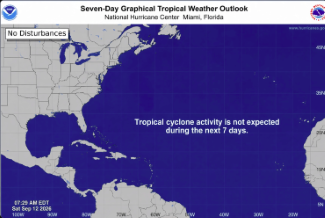
Hurricane season will reach its approximate peak on Friday — but this year, not a single hurricane has yet formed in the Atlantic Ocean, setting a new record for a lack of storms. This is the latest into the Atlantic season without a hurricane forming since weather satellites were first launched in the 1960s.Climate cultists and their propaganda arm in the legacy media have been prophesying “stronger and more frequent” hurricanes for decades now. This is part of their “global warming” scare campaign, for which their solution is banning carbon fuels and imposing command and control over all economic activity. In other words, only communism will please their angry climate God. An important facet of the climate hoax has been to report any “above normal” weather of any sort as proof of climate change. This is an example of statistical and numerical ignorance, of course, because “normal” is being used as a synonym for median or average, but by definition 50% of all inputs are necessarily above the median. Back in 2020 and 2021, there was above average tropical storm development in the Atlantic. The scientifically ignorant media, relying on the scientifically dishonest “climate experts,” matter-of-factly reported that increase in tropical activity as being due to a warming planet: “How Tropical Storms and Hurricanes Have Hit U.S. Shores with unparalleled Frequency; A record 18 storms and hurricanes have made landfall in the past two years”
Unrelenting and unprecedented, back-to-back Atlantic hurricane seasons have punished the Gulf and East coasts of the United States. An unsurpassed 49 named storms have formed over the warming Atlantic waters since the start of the 2020 season, with a record-setting 18 striking the Lower 48 states, including seven hurricanes. Scientists say this record-setting stretch of storminess is connected to a period of heightened hurricane activity that began in 2017 but may become increasingly common as the planet warms.A warming planet had nothing to do with the record number of storms in 2020 and 2021. There were two main reasons:
1) Aggressive naming of storms: In decades past, to be classified as a “tropical storm” there had to be a circular rotation and sustained winds of at least 39 mph. Nowadays, to pump up the number of storms, pretty much any offshore thunderstorm that registers a 39 mph gust gets classified as a tropical storm. In addition, until satellites were employed in the mid-1960s, storms in the mid-Atlantic were not named at all.
2) La Nina: 2020 and 2021 were years with La Ninas in the eastern Pacific Ocean. La Ninas are periods when cool water rises to the surface of the equatorial Pacific (due to strong trade winds pushing the surface water westward.) This predictably results in more Atlantic hurricanes due to how it lessens wind shear over the Atlantic. By contrast, there is a strong El Nino right now. The westerly trade winds have lessened, as is their cyclical norm, and warm water is pooling in the eastern Pacific. This has the effect of increasing wind shear in the Atlantic, suppressing hurricane development. There is also a lot of dry, dusty air moving west from the Sahara Desert into the Atlantic, also helping to suppress tropical activity. The real-world reality is that there is neither man-made global warming nor global cooling. It is sinister how weather has been politicized by the left to try to deny people freedom and economic liberty. But since the beginning of time, it has been the practice of high priests and political leaders to blame bad weather on the “sinful” behavior of ordinary citizens as a means of increasing the leaders’ power and control. The climate community has made the case that hurricanes are fueled by carbon usage, and that the only trajectory would be stronger and more frequent hurricanes unless fossil fuels are banned. This year’s lack of hurricanes disproves their crackpot theory. The climate community – and their pagan religion – deserve abundant mockery in this year without a hurricane. [buck.throckmorton at protonmail dot com]Comments
(Jump to bottom of comments)Posted by: Bulg at September 14, 2026 11:01 AM (77rzZ)
Posted by: Mr Aspirin Factory at September 14, 2026 11:01 AM (qZb7K)
Posted by: Lizzy at September 14, 2026 11:01 AM (rOKnE)
Posted by: Bulg at September 14, 2026 11:01 AM (77rzZ)
Posted by: Hokey Pokey at September 14, 2026 11:02 AM (VidnJ)
Posted by: Bulg at September 14, 2026 11:03 AM (77rzZ)
And I survived overpopulation too.
I'm on a apocalyptic doom ride BUT rolling 7's.
Posted by: Stateless - Ralphy - 105 years old! Puppy at heart! at September 14, 2026 11:03 AM (Sco7b)
And yet the new methods of controlling the weather to make it rain, or Bill Gates' Bond villain plans to blot out the sun, are never discussed in the media. No, mentioning that makes you a nutty conspiracy theorist!
Posted by: Lizzy at September 14, 2026 11:03 AM (rOKnE)
Posted by: Bertram Cabot, Jr. at September 14, 2026 11:04 AM (Cqx++)
No matter what happens, Globull Warmuning will to be blame. No hurricanes in the Atlantic yet, Global warmuning. And it's bad.
Posted by: publius, Rascally Mr. Miley (w6EFb) at September 14, 2026 11:05 AM (w6EFb)
Posted by: I used to have a different nic at September 14, 2026 11:05 AM (ExV1e)
Posted by: JackStraw at September 14, 2026 11:05 AM (viF8m)
Posted by: President Emeritus (Senile, Stage Nine) at September 14, 2026 11:06 AM (Fn+3X)
Posted by: Dr. Pork Chops & Bacons at September 14, 2026 11:06 AM (g8Ew8)
Well of course. The climate changed.
Posted by: fd at September 14, 2026 11:07 AM (MWfyi)
Posted by: Reddit at September 14, 2026 11:07 AM (8m4AW)
1) Aggressive naming of storms:
I thought you meant agressive names like Spike or Butch or Chopper.
Posted by: Bertram Cabot, Jr. at September 14, 2026 11:07 AM (Cqx++)
Not bad if a bit overly dramatic.
Posted by: Diogenes at September 14, 2026 11:07 AM (2WIwB)
277 STARBOARD!
Posted by: nurse ratched at September 14, 2026 09:30 AM (/QciJ)
*
Sorry, Nurse. The sailboat is definitely on Port Tack.
Posted by: RI Red at September 14, 2026
***
It's heeling to starboard, looks to me.
Posted by: Wolfus Aurelius, Dreaming of Elsewhere at September 14, 2026 10:40 AM (wzUl9)
Nautical Lesson Approaching. Give way.
If the wind is first coming over the port side of the boat, it is on port tack. When sailing straight down wind, whichever side the boom is not on is considered the side over which the wind is coming. Thus, one could change tack without changing direction, merely by bringing the boom and sail across to the other side - technically a jibe, since the bow is not passing through the direction of the wind.
Thank you for your attention to this matter.
Posted by: RI Red at September 14, 2026 10:59 AM (Edxq2)
Posted by: RI Red at September 14, 2026 11:08 AM (8d6Vf)
Posted by: fd at September 14, 2026 11:08 AM (MWfyi)
Posted by: fd at September 14, 2026 11:09 AM (MWfyi)
Posted by: Kindltot at September 14, 2026 11:09 AM (rbvCR)
And I survived overpopulation too.
I'm on a apocalyptic doom ride BUT rolling 7's.
Posted by: Stateless - Ralphy - 105 years old! Puppy at heart! at September 14, 2026 11:03 AM (Sco7b)
Don't forget acid rain. It was supposed to burn the meat right off our bones.
Posted by: Dr. Pork Chops & Bacons at September 14, 2026 11:09 AM (g8Ew8)
It’s why AI is the new thing to scare people with.
The end goal is the same. A weaker America / West and a stronger China. It’s the same propaganda cut and pasted by the CCP.
Posted by: Sandy Cocazio Ortez at September 14, 2026 11:09 AM (8m4AW)
Posted by: Your Shell Answer Man at September 14, 2026 11:10 AM (Fn+3X)
Posted by: Washington Nearsider: Gotterdammerung at September 14, 2026 11:10 AM (gLYp7)
Posted by: Dr. Pork Chops & Bacons at September 14, 2026 11:09 AM (g8Ew
----
That's so 1980s, dude!
Posted by: "Perfessor" Squirrel at September 14, 2026 11:10 AM (FZ29D)
It's like the Climate Change ™ people are and have been full of crap. No wait, they are full of crap
Posted by: Smell the Glove at September 14, 2026 11:11 AM (N2HNb)
Posted by: Sandy Cocazio Ortez at September 14, 2026 11:11 AM (8m4AW)
Do I need to say it? Okay, I'll say it. It's the JOOOOOS and their weather machine.
Posted by: Archimedes at September 14, 2026 11:11 AM (Riz8t)
Posted by: Anonosaurus Wrecks, Gird Your Loins! at September 14, 2026 11:11 AM (ndZc7)
Anything to pick out a statistical anomaly to blame it on something to gin up more government solutions (cough) that just cause other problems.
Posted by: DropAndGiveMe20 at September 14, 2026 11:11 AM (NtRnw)
My homeowner and flood insurance premiums should go down, right?
RIGHT?
Posted by: one hour sober at September 14, 2026 11:11 AM (J4Dwc)
Posted by: Anna Puma at September 14, 2026 11:11 AM (2GVsD)
That's very interesting. Objectively looking at reality and making a hypothesis would be easier than wanting something to be true and find ways to make reality appear to fit that unicorn dream.
Posted by: Stateless - Ralphy - 105 years old! Puppy at heart! at September 14, 2026 11:11 AM (Sco7b)
Don't forget acid rain. It was supposed to burn the meat right off our bones.
Posted by: Dr. Pork Chops & Bacons
It was neutralized by base rain.
Posted by: Bertram Cabot, Jr. at September 14, 2026 11:11 AM (Cqx++)
"El Nino is bad, because it's a man" - Clancy jurors
Posted by: Ian S. at September 14, 2026 11:12 AM (2ocoG)
I thought you meant agressive names like Spike or Butch or Chopper.
Big blows were expected from Hurricane Liberace, but it was a disappointment.
Posted by: Archimedes at September 14, 2026 11:12 AM (Riz8t)
Posted by: Anna Puma at September 14, 2026 11:12 AM (2GVsD)
Posted by: Anonosaurus Wrecks, Gird Your Loins! at September 14, 2026 11:12 AM (ndZc7)
Posted by: Martbell at September 14, 2026 11:13 AM (as6X5)
Posted by: Anna Puma at September 14, 2026 11:13 AM (2GVsD)
RIGHT?
Posted by: one hour sober at September 14, 2026 11:11 AM (J4Dwc)
[and yet they are building billion dollar AI Datacenters on floodplains and insuring them - and premiums mysteriously went up]
Posted by: Kindltot at September 14, 2026 11:13 AM (rbvCR)
Posted by: Anna Puma at September 14, 2026 11:13 AM (2GVsD)
It won't discolor your raspberry beret at least.
Posted by: Kindltot at September 14, 2026 11:13 AM (rbvCR)
https://tinyurl.com/5fn39vrc
I watched that clip. That dude is in love with the smell of his own farts. "I can't even conjure". Oh, blow it out your ass. Read the room. You're not cool anymore.
Posted by: Archimedes at September 14, 2026 11:14 AM (Riz8t)
Posted by: Dr. Pork Chops & Bacons at September 14, 2026 11:09 AM (g8Ew
----
That's so 1980s, dude!
Posted by: "Perfessor" Squirrel at September 14, 2026 11:10 AM (FZ29D)
And Y2K. ANd Covid as also pointed out by Sandy Cocazio Ortez.
Now AI. The doomists from the tech companies should just be told to shut THEIRS down. And if Obama is also warning about AI something is up.
Posted by: Stateless - Ralphy - 105 years old! Puppy at heart! at September 14, 2026 11:14 AM (Sco7b)
Latest (9/12) Erf images from EPIC
 SCOVR at L1:
https://t.ly/26t7q
You can clearly see that African dust blowing over the Atlantic and over South America. Go back a few days and see all the hurricanes in the Pacific. Big El Nino = warm pacific = not-so pacified Pacific.
Posted by: publius, Rascally Mr. Miley (w6EFb) at September 14, 2026 11:14 AM (w6EFb)
Yea so what? This is obviously due to CLIMATE CHANGE. Duh.
Posted by: Elric The Blade at September 14, 2026 11:14 AM (iFTx/)
Never mind. Release my chakra!
Posted by: Al Gore, democrat rapist at September 14, 2026 11:15 AM (P4iUb)
***
Buck, by that you mean *tropical* storms, not including hurricanes? They started naming hurricanes much earlier than 1965. I remember my mother putting a big sheet of wood over our dining room window when I was in second grade, 1961, for Carla. And Betsy hit us in '65, and it was certainly not new for hurricanes to be named by then.
Wiki sez they were naming tropical storms (most of which became hurricanes) in the Fifties, though.
Posted by: Wolfus Aurelius, Dreaming of Elsewhere at September 14, 2026 11:16 AM (wzUl9)
Posted by: Bertram Cabot, Jr. a
There was a hurricane headed for Hawaii last week. Just heard one story about it, so I don't know what came of it. But, of course, that's the Pacific, not the Atlantic.
Posted by: Bulg at September 14, 2026 11:17 AM (77rzZ)
Posted by: DaveA at September 14, 2026 11:17 AM (FhXTo)
Posted by: They Both Sucked Wind at September 14, 2026 11:17 AM (Fn+3X)
Talarico: "What if we ran our world like we run a kindergarten classroom? Because at the end of the day, aren't we all just really big kindergartners?"
Posted by: Anonosaurus Wrecks, Gird Your Loins! at September 14, 2026 11:17 AM (ndZc7)
Posted by: Anna Puma at September 14, 2026 11:17 AM (2GVsD)
Operation Mockingbird was not only real it's still going on.
It's not like it's a secret. Not anymore.
Posted by: JackStraw at September 14, 2026 11:18 AM (viF8m)
Posted by: polynikes at September 14, 2026 11:18 AM (KC5Lt)
Posted by: "Perfessor" Squirrel at September 14, 2026 11:10 AM (FZ29D)
The acid rain didn't get us because we were already did from the melanoma caused by solar UV getting in through the Ozone Hole.
Posted by: Alberta Oil Peon at September 14, 2026 11:18 AM (1z8ji)
Talarico: "What if we ran our world like we run a kindergarten classroom?
Do we get naptime and cookies?
Posted by: Bertram Cabot, Jr. at September 14, 2026 11:18 AM (Cqx++)
In Defiance of the Climate Cult’s Apocalyptic Prophecies, there Have Been Zero Hurricanes in the Atlantic so far this Year
This is because the Pacific Ocean is hogging all of the Atlantic's Hurricane Mojo to create multiple Typhoons.
Jeepers, don't none of you people know any of the Science of Climate Voodoo?
Posted by: naturalfake at September 14, 2026 11:19 AM (iJfKG)
Posted by: Anna Puma at September 14, 2026 11:19 AM (2GVsD)
They announce EXTREME HEAT WARNINGS
Posted by: Kareem of Wheat at September 14, 2026 11:19 AM (neLON)
Posted by: Wolfus Aurelius, Dreaming of Elsewhere at September 14, 2026 11:16 AM (wzUl9
Indeed.
But now we're naming 'super storms' like Sandy, as well as snow storms and 'bomb cyclones.'
They're adding things to name in order to juice the number of named storms whilst then screaming about the increase in the number of named storms.
Posted by: Washington Nearsider: Gotterdammerung at September 14, 2026 11:19 AM (gLYp7)
Posted by: Anonosaurus Wrecks, Gird Your Loins! at September 14, 2026 11:17 AM (ndZc7)
I imagine you run the class searching for potential victims.
Posted by: polynikes at September 14, 2026 11:20 AM (KC5Lt)
Do we get naptime and cookies?
Posted by: Bertram Cabot, Jr. at September 14, 2026
***
What's the difference between a university faculty meeting and a kindergarten class?
Naps!
Posted by: Wolfus Aurelius, Dreaming of Elsewhere at September 14, 2026 11:20 AM (wzUl9)
They announce EXTREME HEAL WARNINGS at 85 degrees F, and FLOOD WARNINGS every time it drizzles.
Posted by: Kareem of Wheat at September 14, 2026 11:20 AM (neLON)
Posted by: Anna Puma at September 14, 2026 11:20 AM (2GVsD)
Posted by: tubal at September 14, 2026 11:21 AM (Gqar8)
Something abnormal in one area is typically balanced by that thing going the other way somewhere else. There are no Atlantic hurricanes this year, but it's been a big year for the Pacific. Hawaii got hit by one, grazed by a second, and a third is now lining up.
Posted by: Ian S. at September 14, 2026 11:21 AM (2ocoG)
Talarico: "What if we ran our world like we run a kindergarten classroom?
Do we get naptime and cookies?
Posted by: Bertram Cabot, Jr. at September 14, 2026 11:18 AM (Cqx++)
Would that mean that Suzie Robins is still peeing her pants?
That seems unfair or maybe unlikely.
Maybe both.
Posted by: naturalfake at September 14, 2026 11:21 AM (iJfKG)
Derecho Fang Fang
Posted by: DropAndGiveMe20 at September 14, 2026 11:21 AM (NtRnw)
Posted by: Bingo, Bango, Bongo at September 14, 2026 11:21 AM (Fn+3X)
Posted by: Anna Puma at September 14, 2026 11:22 AM (2GVsD)
WARMING continues over the next few days
Posted by: ... at September 14, 2026 11:22 AM (AANQ+)
The norm only goes back to about 1950. Since then there've been 7 years with no hurricanes in August. The last record latest before now was Sept. 11.
El Nino and African dust are tamping the Atlantic down.
Posted by: publius, Rascally Mr. Miley (w6EFb) at September 14, 2026 11:22 AM (w6EFb)
Posted by: Anna Puma at September 14, 2026 11:19 AM (2GVsD)
-----
It's the only way he can have his pudding.
Posted by: "Perfessor" Squirrel at September 14, 2026 11:22 AM (FZ29D)
Posted by: NR Pax at September 14, 2026 11:22 AM (BpO1e)
And now weirdly it’s no longer killing us.
Posted by: Sandy Cocazio Ortez at September 14, 2026 11:23 AM (8m4AW)
-
Lately I've been seeing reverse wind chill temperatures being reported. "88° but feels like 95°." Wind chill I can understand (kind of) but da fuq?
Posted by: Anonosaurus Wrecks, Gird Your Loins! at September 14, 2026 11:23 AM (ndZc7)
Do we get naptime and cookies?
Posted by: Bertram Cabot, Jr. at September 14, 2026 11:18 AM (Cqx++)
Would that mean that Suzie Robins is still peeing her pants?
Suzie Robins, you say?
Posted by: Sleepy Joe at September 14, 2026 11:23 AM (Riz8t)
Do we get naptime and cookies?
Posted by: Bertram Cabot, Jr.
Talerico just wants to eat his meat.
Posted by: Anna Puma
Talerico just wants to diddle little children.
Posted by: rickb223 at September 14, 2026 11:23 AM (AXBJa)
Posted by: tubal at September 14, 2026 11:23 AM (Gqar8)
Well, warmest since records were kept.
Posted by: Martini Farmer at September 14, 2026 11:23 AM (2Cry5)
Posted by: one hour sober at September 14, 2026 11:24 AM (J4Dwc)
Godzilla is coming.
Posted by: Anna Puma at September 14, 2026 11:24 AM (2GVsD)
If the only way your ideas will work is if we play pretend, your ideas suck.
Posted by: NR Pax at September 14, 2026 11:24 AM (BpO1e)
Posted by: LASue at September 14, 2026 11:24 AM (yV8c7)
Not bad if a bit overly dramatic.
Posted by: Diogenes at September 14, 2026 11:07 AM (2WIwB)
Pleasant movie, but the portrayal of Eisenhower as a bit of an hysteric was ridiculous!
Posted by: CharlieBrown'sDildo at September 14, 2026 11:24 AM (k5CNB)
And now weirdly it’s no longer killing us.
That went away not because they're good for you but because most of them originate from trash dumping in Asia, including China.
Posted by: Ian S. at September 14, 2026 11:25 AM (2ocoG)
Posted by: Bingo, Bango, Bongo at September 14, 2026 11:21 AM (Fn+3X)
Then comes the bass solo.
Posted by: Irving at September 14, 2026 11:25 AM (NcvvS)
Posted by: Joe Mama at September 14, 2026 11:25 AM (TezPK)
Posted by: I'll be the one to ask at September 14, 2026 11:25 AM (2Ez/1)
https://tinyurl.com/5fn39vrc
I have no idea who that gal is, but she is clearly suppressing a giggle. No doubt thinking, "OK, boomer! You keep pretending that would never happen here, lol!"
Posted by: Lizzy at September 14, 2026 11:26 AM (rOKnE)
He's been silent on the matter.
Posted by: Archimedes at September 14, 2026 11:26 AM (Riz8t)
I understand that. But no formations at all have never been recorded this far into September. It's a little beyond just a balancing act. Again the cause could be a nothinburger but I think just dismissing it because I hate climate alarmists is not right either. I just would like to understand more of why it is occurring.
Posted by: polynikes at September 14, 2026 11:26 AM (KC5Lt)
Posted by: Bingo, Bango, Bongo at September 14, 2026 11:21 AM (Fn+3X)
Then comes the bass solo.
Posted by: Irving at September 14, 2026 11:25 AM (NcvvS)
Which is the low point of every rock concert?
The Drum Solo
Or
The Bass Sole?
Posted by: naturalfake at September 14, 2026 11:27 AM (iJfKG)
Wait hold on what’s that? Oh my bad it’s 1.5 degrees.
That’s what al this conservation is about at worst a 1.5 degree increase in temps.
And millions upon millions of of people around the country but I to this insanity.
Posted by: Sandy Cocazio Ortez at September 14, 2026 11:27 AM (8m4AW)
Posted by: Ian S. at September 14, 2026 11:21 AM (2ocoG)
OMG! We're all gonna die!
Posted by: Dr. Pork Chops & Bacons at September 14, 2026 11:27 AM (g8Ew8)
Posted by: Good Investment! at September 14, 2026 11:27 AM (Fn+3X)
Posted by: polynikes at September 14, 2026 11:18 AM (KC5Lt)
Kaiju. It always happens.
Posted by: Kindltot at September 14, 2026 11:27 AM (rbvCR)
And now weirdly it’s no longer killing us.
That went away not because they're good for you but because most of them originate from trash dumping in Asia, including China.
Posted by: Ian S. at September 14, 2026 11:25 AM (2ocoG)
Eisenhower as a nervous man - does not comport well with history. But - who cares?? Movie needs to be made!!!
Posted by: tubal at September 14, 2026 11:27 AM (Gqar8)
Now AI. The doomists from the tech companies should just be told to shut THEIRS down. And if Obama is also warning about AI something is up.
I highly recommend this article. It's a bit long, but I think it's spot on.
The bottom line is that the AI companies know the clock is ticking, and there's no chance they'll make enough profit to justify their enormous expenditures, so they're trying to establish a government cartel of the big players, which will crush smaller, nimbler competitors before their IPOs. IOW, they're hoping small investors will take the hit when the bubble inevitably pops.
Also, the "solution" the Dem politicians are pushing naturally does not a thing about China's headlong push into AI.
https://tinyurl.com/fhh7ybmb
Posted by: Archimedes at September 14, 2026 11:27 AM (Riz8t)
Posted by: JackStraw at September 14, 2026 11:27 AM (viF8m)
Posted by: Anonosaurus Wrecks, Gird Your Loins! at September 14, 2026
***
That's heat index, currently dumbed down to "feels like."
Posted by: Wolfus Aurelius, Dreaming of Elsewhere at September 14, 2026 11:29 AM (wzUl9)
This is mid September.
Posted by: polynikes at September 14, 2026 11:29 AM (KC5Lt)
The Drum Solo
Or
The Bass Sole?
Posted by: naturalfake at September 14, 2026 11:27 AM (iJfKG)
That's when everyone rolls their next joint.
Posted by: Dr. Pork Chops & Bacons at September 14, 2026 11:29 AM (g8Ew8)
Posted by: Anna Puma at September 14, 2026 11:13 AM (2GVsD)
Only if the doves cry.
Posted by: I used to have a different nic at September 14, 2026 11:29 AM (ExV1e)
Posted by: tubal at September 14, 2026 11:30 AM (Gqar8)
Posted by: Tonypete at September 14, 2026 11:30 AM (ot38T)
Is there a weather site anyone can recommend that doesn't buy into this nonsense?
Posted by: Biff Pocoroba at September 14, 2026 11:30 AM (XvL8K)
This is usually associated with a really hawt woman.
Posted by: Archimedes at September 14, 2026 11:30 AM (Riz8t)
Posted by: Bulg at September 14, 2026 11:30 AM (77rzZ)
The good news is that Trump told them to fuck off, and a lot of big names in tech are yelling that it's the world's most obvious regulatory capture attempt, which it is.
Posted by: Ian S. at September 14, 2026 11:31 AM (2ocoG)
Good song...although I like Jimmy Cliff's version a bit better.
Posted by: CharlieBrown'sDildo at September 14, 2026 11:31 AM (k5CNB)
The United States' government/media apparatus is the most pervasive and pernicious propaganda machine in human history.
Nobody - not the Nazis, not the Soviets, nobody - has ever constructed a more effective means for the dissemination of a State's lies. They can and do orchestrate mass psychosis on a month-to-month basis.
Jon Stewart is such an ignorant jackass.
Posted by: Yudhishthira's Dice at September 14, 2026 11:31 AM (BI5O2)
Just a reminder, "recorded history" isn't that long. We have only been tracking hurricanes since the 1830s.
If we go an entire season without a single hurricane they will blame that on global warming as well.
Posted by: Mister Scott (Formerly GWS) at September 14, 2026 11:31 AM (I43vL)
If the only way your ideas will work is if we play pretend, your ideas suck.
- - - -
Apart from the general creepiness of Talerico, this comment brings to mind how the gender goblins so often revert to childlike dress and behavior. Like, you can't just be a transwoman, you have to put your hair in pigtails, wear toddler-style pastel colored clothes, and sport a cartoonish unicorn-themed backpack.
No, we do not all need to live in a world ruled by crazy teachers who rule with an iron fist while lecturing us in sing-songy, fakey-nice yet obviously condescending manner. We have too much of that crap already (see NC candidate smiling while wishing to send half the country to a concentration camp for voting Trump).
Posted by: Lizzy at September 14, 2026 11:31 AM (rOKnE)
Posted by: Anna Puma at September 14, 2026 11:19 AM (2GVsD)
Sigh. People misunderstand me. I just think that the most important thing I can do is prevent women, or blacks, from gaining political power. -- Jimmy Talarico
Posted by: I used to have a different nic at September 14, 2026 11:31 AM (ExV1e)
Posted by: Biff Pocoroba at September 14, 2026 11:30 AM (XvL8K)
I like Ventusky because it has a good interactive map, but it is only good out a couple of days.
Wunderground.com is better for extended forecasts.
Doesn't NOAA have a forecast page?
Posted by: Kindltot at September 14, 2026 11:32 AM (rbvCR)
My back. It always lets me know when it's going to rain.
Posted by: JackStraw at September 14, 2026 11:32 AM (viF8m)
It's been ages since Krakatoa and the obliteration of an entire island. I blame global warming.
Posted by: Archimedes at September 14, 2026 11:33 AM (Riz8t)
Posted by: polynikes at September 14, 2026 11:33 AM (KC5Lt)
---
That's the Dem/Leftist/"Progressive"/Woke mindset in a nutshell. We're all a bunch of idiot children that must obey our betters, FOR OUR OWN GOOD! You'll get a cookie if you comply!!
Posted by: Kareem of Wheat at September 14, 2026 11:34 AM (neLON)
The bottom line is that the AI companies know the clock is ticking, and there's no chance they'll make enough profit to justify their enormous expenditures, so they're trying to establish a government cartel of the big players, which will crush smaller, nimbler competitors before their IPOs. IOW, they're hoping small investors will take the hit when the bubble inevitably pops.
Also, the "solution" the Dem politicians are pushing naturally does not a thing about China's headlong push into AI.
https://tinyurl.com/fhh7ybmb
Posted by: Archimedes at September 14, 2026 11:27 AM (Riz8t)
AI has only a few more years of being the best thing. It will be be immediately obsolete once quantum computing comes on line.
Posted by: Dr. Pork Chops & Bacons at September 14, 2026 11:34 AM (g8Ew8)
Jeffries, OTOH, said the priority is impeaching Trump. Again.
Posted by: Ian S. at September 14, 2026 11:34 AM (2ocoG)
Posted by: Bingo, Bango, Bongo at September 14, 2026 11:21 AM (Fn+3X)
-------------------
Hey, we get a Smoke Break every 45 minutes, look it up it's in the contract.
Posted by: Jungle Drum Line Local #405 at September 14, 2026 11:34 AM (BrjrD)
-----------
My favorite, 'The Storm of the Century'. Never received a name:
https://shorturl.at/o9Cux
Posted by: Mike Hammer, etc., etc. at September 14, 2026 11:34 AM (XeU6L)
That was gobsmacking, even for a Democrat. They at least had enough sense to jettison her after the comment became widely known.
Posted by: Archimedes at September 14, 2026 11:34 AM (Riz8t)
replaces Southern breezes,
and the long summer days are remembered no more,
then you'll know how it feels when a woman's love changes,
when at last she has told you she loves you no more.
Posted by: The Chill Eastern Wind at September 14, 2026 11:34 AM (Fn+3X)
Posted by: tubal at September 14, 2026 11:35 AM (Gqar8)
Hey James, boys have a penis and girls have a vagina.
Things I learned from kindergarten.
Posted by: JackStraw at September 14, 2026 11:35 AM (viF8m)
Posted by: Dr. Pork Chops & Bacons at September 14, 2026 11:34 AM (g8Ew
Fusion is getting closer too.
Posted by: Kindltot at September 14, 2026 11:35 AM (rbvCR)
Posted by: Kindltot
___________
It does, but it's wildly inaccurate on the precipitation forecasts. It'll have twelve hour long stretches forecasting the chance of precipitation over 50% when we're just looking a a chance of pop up storms.
Posted by: Biff Pocoroba at September 14, 2026 11:36 AM (XvL8K)
Yeah, nobody had "white woman smiling and mugging in front of the ovens at Dachau" on their bingo card. But apparently we should have.
Posted by: Ian S. at September 14, 2026 11:36 AM (2ocoG)
Posted by: dc at September 14, 2026 11:37 AM (NUOV1)
Posted by: Dr. Pork Chops & Bacons at September 14, 2026 11:34 AM (g8Ew
Fusion is getting closer too.
Posted by: Kindltot at September 14, 2026 11:35 AM (rbvCR)
And someday we will have colonies on Mars, and someday we will routinely mine asteroids for precious metals. And someday physics will be optional.
Posted by: tubal at September 14, 2026 11:37 AM (Gqar8)
Posted by: Biff Pocoroba at September 14, 2026 11:30 AM (XvL8K)
Weather Nation is (or was) pretty good. They eschewed all the doom-speak by not naming winter storms, for example, and simply forecasting the weather. Pretty straightforward.
Posted by: Pug Mahon at September 14, 2026 11:37 AM (PSEDc)
And now weirdly it’s no longer killing us.
Posted by: Ian S. at September 14, 2026 11:25 AM (2ocoG)
Soon.
No, c'mon, I'm serial.
Posted by: Net Neutrality at September 14, 2026 11:37 AM (r7+Q7)
Posted by: Elric The Blade at September 14, 2026 11:38 AM (iFTx/)
Posted by: Tonypete at September 14, 2026 11:38 AM (ot38T)
This is usually associated with a really hawt woman.
Posted by: Archimedes at September 14, 2026 11:30 AM (Riz8t)
Heat index is the first look at a hawt woman. Wind chill happens when she starts talking.
Posted by: Dr. Pork Chops & Bacons at September 14, 2026 11:38 AM (g8Ew8)
There were no reported hurricanes at all in 1907 and 1914. But that was well before the satellite era, and many open ocean storms were likely completely missed. If no ship was there, or it didn't come anywhere close to land, nobody would know it.
Posted by: publius, Rascally Mr. Miley (w6EFb) at September 14, 2026 11:38 AM (w6EFb)
Posted by: Ian S. at September 14, 2026 11:36 AM (2ocoG)
Along with 11 jurors wanting to find a woman guilty of premeditated murder of her three children.
Posted by: polynikes at September 14, 2026 11:38 AM (KC5Lt)
That number is the percentage of the forecast area that could see rain in that time. So 50% for pop-up storms sounds about right honestly.
Posted by: Ian S. at September 14, 2026 11:38 AM (2ocoG)
Posted by: Dr. Pork Chops & Bacons
Heh.
Posted by: Bulg at September 14, 2026 11:39 AM (77rzZ)
Hayden Panettiere died after taking just one pill that is believed to have been oxycodone laced with fentanyl, it was reported Monday as cops are said to be “zeroing in” on her alleged dealer.
Posted by: rickb223 at September 14, 2026 11:39 AM (AXBJa)
It does, but it's wildly inaccurate on the precipitation forecasts. It'll have twelve hour long stretches forecasting the chance of precipitation over 50% when we're just looking a a chance of pop up storms.
Posted by: Biff Pocoroba
-------
My favorite forecast: 'A 50% chance of rain'. Maybe it will...maybe it won't.
Posted by: Mike Hammer, etc., etc. at September 14, 2026 11:40 AM (XeU6L)
Posted by: Dr. Pork Chops & Bacons
Heat index is the first look at a hawt woman. Wind chill happens when your wife catches you.
Posted by: rickb223 at September 14, 2026 11:40 AM (AXBJa)
Posted by: Sandy Cocazio Ortez at September 14, 2026 11:40 AM (8m4AW)
One of the jurors said that freeing Clancy was important for womens rights. I had no idea that it was gendered oppression to expect women not to murder their kids.
Posted by: Ian S. at September 14, 2026 11:41 AM (2ocoG)
Microplastics was a thing for a minute or two. It was killing us all according to CCP propaganda. But it it didn’t catch on and people didn’t immediately go burn their plastics.
And now weirdly it’s no longer killing us.
Posted by: Sandy Cocazio Ortez
But watch out for Megaplastics.
Posted by: Bertram Cabot, Jr. at September 14, 2026 11:41 AM (Cqx++)
Posted by: Yanet Garcia at September 14, 2026 11:41 AM (w6EFb)
Posted by: polynikes at September 14, 2026 11:42 AM (KC5Lt)
Posted by: Eromero at September 14, 2026 11:42 AM (1Zpx7)
Posted by: Archimedes at September 14, 2026 11:42 AM (Riz8t)
Posted by: Mike Hammer
My Dad had been a weatherman with the Army Air Corps in WWII. He always said that I you gave him two guesses we would tell you if it was going to rain or not.
Also, being a farmer, he was never satisfied with the weather. There was always either too much rain, or not enough.
Posted by: Bulg at September 14, 2026 11:43 AM (77rzZ)
Posted by: 18-1 at September 14, 2026 11:43 AM (sKqQm)
The original hippy, dippy weatherman.
Posted by: JackStraw at September 14, 2026 11:43 AM (viF8m)
Posted by: National Hyperbole Center at September 14, 2026 11:43 AM (MDua2)
___
Wait...did he really say this?
Posted by: SMH at God's mercy at September 14, 2026 11:44 AM (Rln0i)
I got a few drops on me and the finest mist on my windshield
So was it wrong because it did right, or right because it barely rained?
Posted by: 18-1 at September 14, 2026 11:44 AM (sKqQm)
Posted by: jim (in Kalifornia) at September 14, 2026 11:44 AM (l3cgK)
Hmmmm. Not a man, but are we forgetting Yanet Garcia?
Posted by: Archimedes at September 14, 2026 11:44 AM (Riz8t)
I like we only had to pay for the basement. The Left hates that more than anything.
Posted by: polynikes at September 14, 2026 11:44 AM (KC5Lt)
Posted by: Mike Hammer
My Dad had been a weatherman with the Army Air Corps in WWII. He always said that I you gave him two guesses we would tell you if it was going to rain or not.
Also, being a farmer, he was never satisfied with the weather. There was always either too much rain, or not enough.
Posted by: Bulg at September 14, 2026 11:43 AM (77rzZ)
Heh, farmers. My farming relatives are are the most pessimistic people I know. And yet, they persist.
Posted by: tubal at September 14, 2026 11:44 AM (Gqar8)
Posted by: Paging Dr. Mommy Jill at September 14, 2026 11:45 AM (Fn+3X)
My favorite forecast: 'A 50% chance of rain'. Maybe it will...maybe it won't.
Posted by: Mike Hammer, etc., etc. at September 14, 2026 11:40 AM (XeU6L)
I think all weathermen went prone and thanked God for percentage forecasting. No need to be accurate anymore.
Posted by: Dr. Pork Chops & Bacons at September 14, 2026 11:45 AM (g8Ew8)
~~~~~
Joe Bastardi
@BigJoeBastardi on X
Posted by: IrishEi?! at September 14, 2026 11:45 AM (3ImbR)
It was too easy to discount the doom predictions when the records were set in 1932 or whatever.
Posted by: Kareem of Wheat at September 14, 2026 11:45 AM (neLON)
People however see 80% and think oh it’s going to pour all day long. Or 20% they see it as it won’t rain or it may just rain a little.
When in fact an 80% day could be bright sunshine and a 20% day could be an inch of rain. The percentage doesn’t say how much rain, just the percent of time it has rained in the past. Could be a sprinkle could be deluge. It counts the same.
When something has an 80% chance of happing it does NOT happen 1/5 times. But people in general are really bad at conceptualizing that.
Posted by: Sandy Cocazio Ortez at September 14, 2026 11:45 AM (8m4AW)
Out: General Secretary Stalin
In: Mr Joseph
Posted by: 18-1 at September 14, 2026 11:45 AM (sKqQm)
Posted by: Ian S. at September 14, 2026 11:36 AM (2ocoG)
*raises hand*
I did.
I've known too many white women to dismiss the possibility of them perpetrating an enormous democide against their perceived inferiors. In fact - I know it will happen.
When it happens, men will of course be doing the dirty work.
But these policies will be championed and passed by women, and they will be the most enthusiastic snitches and denouncers. Hell, by the time it's all said and done they'll be shipping *each other* to the crematoria over petty greed and envy.
Posted by: Yudhishthira's Dice at September 14, 2026 11:45 AM (BI5O2)
The Left seems to have a grasp on kitchen table politics, especially in or near unban areas.
Insurances "crises," skyrocketing premiums. Construction pushing towards green building and rewriting codes for residence (often that residents can't afford). Neighborhoods being labeled urban heat islands. Almost constant building and then needing to reroute or create new storm water runoffs when neighborhoods are finally suffering or suffering greater.
They give, they take away, it seems. And it's never their fault.
Posted by: L - No nic... at September 14, 2026 11:46 AM (NFX2v)
I think the only thing a little unusual in the Pacific is the location of the storms.
Posted by: polynikes at September 14, 2026 11:46 AM (KC5Lt)
Posted by: rickb223 at September 14, 2026 11:39 AM (AXBJa)
The Hayden Planetarium was on dope? Who knew?
Posted by: Alberta Oil Peon at September 14, 2026 11:47 AM (1z8ji)
Punished the Gulf and East coasts...
Striking the lower 48....
********
Funny how they de-humanize actual humans while endowing weather events with not only human traits, but angry, emotional, disciplinary human traits.
Posted by: muldoon at September 14, 2026 11:47 AM (qgHp7)
The Salem Witch trials started off as young women trying to get attention and ended up with them getting everyone they didn't like, including other women, killed
Posted by: 18-1 at September 14, 2026 11:47 AM (sKqQm)
Posted by: polynikes at September 14, 2026 11:47 AM (KC5Lt)
Was it Canuckistan where they are not arguing that fent is "the perfect drug"? Nominally because it helps you feel warm if you are on the street, but of course in reality because it kills its users quickly
Posted by: 18-1 at September 14, 2026 11:48 AM (sKqQm)
Posted by: Rev. Wishbone at September 14, 2026 11:48 AM (5C90x)
Posted by: Ian S.
They need to tighten their shit up. Giving them 1,200 miles by 1,200 miles is ridiculous. Stevie Wonder could work with those number and be correct.
DFW Channel 4 Weather Viewing Area Size
KDFW (Fox 4) in Dallas–Fort Worth has a virtual channel 4 and a digital channel 35 transmitter in Cedar Hill, TX, with an ERP (effective radiated power) of 1,000 kW and a HAAT (height above average terrain) of 510 meters (1,673 ft)
For a VHF/UHF station of this power and height, the Federal Communications Commission (FCC) and broadcast engineering models (such as the FCC’s “coverage area” formulas) indicate that a 1,000 kW transmitter at ~1,673 ft HAAT can typically serve a viewing area of roughly 1,000–1,200 square miles under normal atmospheric conditions
Summary:
KDFW’s weather viewing area is generally about 1,000–1,200 square miles in size, covering much of the Dallas–Fort Worth metroplex and surrounding counties
Posted by: rickb223 at September 14, 2026 11:48 AM (AXBJa)
Posted by: Dr. Pork Chops & Bacons
-------
It's a pretty good gig. No one expects you to be right, there are no consequences when you are wrong, and if you're uncertain about the forecast, you just flip the weather coin.
Posted by: Mike Hammer, etc., etc. at September 14, 2026 11:48 AM (XeU6L)
Insurances "crises," skyrocketing premiums. Construction pushing towards green building and rewriting codes for residence (often that residents can't afford). Neighborhoods being labeled urban heat islands. Almost constant building and then needing to reroute or create new storm water runoffs when neighborhoods are finally suffering or suffering greater.
They give, they take away, it seems. And it's never their fault.
Every time I open YT, I get a Mark Warner ad inveighing against data centers such as those in Loudon Co. You know, the place controlled by Democrats since 2019. Ole Mark must really be worried to be running to the front of the parade this way.
Posted by: Archimedes at September 14, 2026 11:48 AM (Riz8t)
Posted by: Archimedes at September 14, 2026 11:44 AM
No, we are not. No one can turn left like Yanet Garcia.
Posted by: RedMindBlueState at September 14, 2026 11:48 AM (bFu5X)
Posted by: Paging Dr. Mommy Jill at September 14, 2026 11:45 AM (Fn+3X)
Turdnado
Posted by: jim (in Kalifornia) at September 14, 2026 11:49 AM (l3cgK)
Posted by: Comrade Flounder, Disinformation Demon at September 14, 2026 11:49 AM (dK+Kv)
Posted by: Biff Pocoroba at September 14, 2026 11:49 AM (XvL8K)
Posted by: And Tuesday's Just As Bad at September 14, 2026 11:49 AM (Fn+3X)
If voters paid more attention Democrats would be a laughing stock but...they don't
Posted by: 18-1 at September 14, 2026 11:49 AM (sKqQm)
Posted by: 18-1 at September 14, 2026 11:50 AM (sKqQm)
It was too easy to discount the doom predictions when the records were set in 1932 or whatever.
Posted by: Kareem of Wheat at September 14, 2026 11:45 AM (neLON)
Well, they DID lower older temps to make it seem cooler during the 1930's...
When the data doesn't match your theory, change the data to match your theory...SCIENCE!
Posted by: jim (in Kalifornia) at September 14, 2026 11:50 AM (l3cgK)
Posted by: Some Stupid W/a Flare Gun at September 14, 2026 11:50 AM (Fn+3X)
1. This proves global warming and global climate change.
2. That hurricanes are actually good for the country and it is terrible there are none so far.
Posted by: Jukin the Deplorable and Totally Unserious at September 14, 2026 11:50 AM (xvV+O)
Posted by: And Tuesday's Just As Bad at September 14, 2026 11:49 AM (Fn+3X)
“ Tuesday's gone with the wind
My baby's gone with the wind again“
Posted by: tubal at September 14, 2026 11:51 AM (Gqar8)
A .pdf of the NWS definition of "PoP", probability of percipitation:
https://t.ly/d5cMS
It's the product of confidence that some precipitation will occur and the expected coverage of that over the forecast area.
So, if they are 80% sure it will rain *somewhere* in the forecast area, but the expected coverage is 50%, that will be a 40% PoP.
Posted by: Yanet Garcia at September 14, 2026 11:51 AM (w6EFb)
It’s like any forecast be it what the stock market will do. What the next quarter’s corporate results will be what your favorite sports ball team’s record will be.
It’s all an educated guess based on historical outcomes. Weather is no different.
Posted by: Sandy Cocazio Ortez at September 14, 2026 11:51 AM (8m4AW)
Posted by: rickb223 at September 14, 2026 11:39 AM (AXBJa)
The Hayden Planetarium was on dope? Who knew?
Posted by: Alberta Oil Peon at September 14, 2026 11:47 AM (1z8ji)
___
Considering that most doctors are shy nowadays when it comes to prescribing certain painkillers, not surprising that even celebs turn to the streets.
There are ton of videos on utoob of people, from kids to middle-aged folks, who bought a pill thinking it was one thing, then end up dead because it was laced with fentanyl.
Posted by: SMH at God's mercy at September 14, 2026 11:51 AM (Rln0i)
Posted by: Vengeance at September 14, 2026 11:51 AM (wn0/z)
Posted by: Reforger at September 14, 2026 11:51 AM (JZWhT)
Was it Canuckistan where they are not arguing that fent is "the perfect drug"? Nominally because it helps you feel warm if you are on the street, but of course in reality because it kills its users quickly
Posted by: 18-1 at September 14, 2026 11:48 AM (sKqQm)
I'm surprised the Gov't of Canada isn't handing pills out to their MAIDs pills for their customers...
Posted by: jim (in Kalifornia) at September 14, 2026 11:52 AM (l3cgK)
Posted by: tubal at September 14, 2026 11:52 AM (Gqar8)
Posted by: And Tuesday's Just As Bad at September 14, 2026 11:49 AM (Fn+3X)
Global warming.
Posted by: Dr. Pork Chops & Bacons at September 14, 2026 11:53 AM (g8Ew8)
Posted by: 18-1 at September 14, 2026 11:53 AM (sKqQm)
Posted by: CapeFear at September 14, 2026 11:53 AM (c9cWv)
Posted by: Sandy Cocazio Ortez at September 14, 2026 11:53 AM (8m4AW)
I've known too many white women to dismiss the possibility of them perpetrating an enormous democide against their perceived inferiors. In fact - I know it will happen.
When it happens, men will of course be doing the dirty work.
But these policies will be championed and passed by women, and they will be the most enthusiastic snitches and denouncers. Hell, by the time it's all said and done they'll be shipping *each other* to the crematoria over petty greed and envy.
Posted by: Yudhishthira's Dice at September 14, 2026 11:45 AM (BI5O2)
You know who else favored perpetrating an enormous democide against their perceived inferiors?
White women. In Germany.
This Karen was simply returning to AWFL hallowed ground.
Posted by: Comrade Flounder, Disinformation Demon at September 14, 2026 11:53 AM (dK+Kv)
Posted by: polynikes at September 14, 2026 11:54 AM (KC5Lt)
We have less than 70 years of data, they've been screwing with it for at least 40 years to make it fit their narrative, and they still think it has any predictive power.
Posted by: FeatherBlade at September 14, 2026 11:54 AM (vJrRc)
https://tinyurl.com/fhh7ybmb
Posted by: Archimedes at September 14, 2026 11:27 AM (Riz8t)
Thank you. I'm working with several AIs now.
So many limitations but I'm chatting about that with Gemini while scripts run. Basically, I'm asking what the big companies have that we don't. Not much.
I think your analysis is correct. I am using AI APIs right now for what I'm working on. It's a small project. I'm willing to put in $1000 into getting the data correct. Slightly more if needed.
But it doesn't look like it will come anywhere close to that because I'm constantly refining what I need and how it gets stored and used.
But the emails from SpaceXAI are cool!!!
Posted by: Stateless - Ralphy - 105 years old! Puppy at heart! at September 14, 2026 11:54 AM (Sco7b)
Posted by: And Tuesday's Just As Bad at September 14, 2026 11:49 AM (Fn+3X)
“ Tuesday's gone with the wind
My baby's gone with the wind again“
Posted by: tubal at September 14, 2026 11:51 AM (Gqar
For your listening enjoyment...
https://youtu.be/18Sua_QTDs0
Posted by: jim (in Kalifornia) at September 14, 2026 11:54 AM (l3cgK)
Posted by: Dr. Pork Chops & Bacons
-------
It's a pretty good gig. No one expects you to be right, there are no consequences when you are wrong, and if you're uncertain about the forecast, you just flip the weather coin.
Posted by: Mike Hammer, etc., etc.
And in certain markets, all you have to change is the date on the forecast for 3+ months out of the year.
Posted by: rickb223 at September 14, 2026 11:55 AM (AXBJa)
It’s why I don't think the CCP hysteria will work. It’s too entrenched in our lives to pull it back.
Posted by: Sandy Cocazio Ortez at September 14, 2026 11:55 AM (8m4AW)
Posted by: Washington Nearsider: Gotterdammerung at September 14, 2026 11:56 AM (gLYp7)
Posted by: The Hew Hork Himes at September 14, 2026 11:56 AM (7Q0e+)
Posted by: polynikes at September 14, 2026 11:56 AM (KC5Lt)
Posted by: 18-1 at September 14, 2026 11:53 AM
I saw an article some years back where a guy said he ran the numbers and said we should see an average of 24 record temps each year. A dozen on each side of the spectrum, record hot and record cold.
Posted by: Mister Scott (Formerly GWS) at September 14, 2026 11:56 AM (I43vL)
It’s why I don't think the CCP hysteria will work. It’s too entrenched in our lives to pull it back.
Posted by: Sandy Cocazio Ortez at September 14, 2026 11:55 AM (8m4AW)
Indeed...I don't know what I'd do without Flock Camera's AI data parsing.
Posted by: Cops Stalking Ex-Girlfriends at September 14, 2026 11:56 AM (l3cgK)
It's like I don't know you people anymore...
Posted by: Washington Nearsider: Gotterdammerung at September 14, 2026 11:56 AM
We all died from Y2K. There was no one left to mention it.
Posted by: RedMindBlueState at September 14, 2026 11:56 AM (bFu5X)
Also, the threshold for precipitation is 0.01" rain or liquid equivalent for solid.
So, a 80% change of rain means that for any spot in the forecast area, there is an 80% chance that spot will get 0.01" of rain or equivalent over the forecast period.
That does not mean a lot of rain. Just means you've got a high probability of getting some measurable amount.
Posted by: publius, Rascally Mr. Miley (w6EFb) at September 14, 2026 11:56 AM (w6EFb)
Posted by: And Tuesday's Just As Bad at September 14, 2026 11:49 AM (Fn+3X)
“ Tuesday's gone with the wind
My baby's gone with the wind again“
Posted by: tubal at September 14, 2026 11:51 AM (Gqar
For your listening enjoyment...
https://youtu.be/18Sua_QTDs0
Posted by: jim (in Kalifornia) at September 14, 2026 11:54 AM (l3cgK)
Smooth sound. Thanks jim.
Posted by: tubal at September 14, 2026 11:56 AM (Gqar8)
Posted by: Sandy Cocazio Ortez at September 14, 2026 11:55 AM (8m4AW)
Same with a junkie; the first hit is free.
Posted by: Comrade Flounder, Disinformation Demon at September 14, 2026 11:57 AM (dK+Kv)
We have less than 70 years of data, they've been screwing with it for at least 40 years to make it fit their narrative, and they still think it has any predictive power.
Posted by: FeatherBlade at September 14, 2026 11:54 AM (vJrRc)
They have been trying to make an enormous open system of competing equilibria fit their narrative for 50 years. The thing is, they have also screwed data collection. We 'might' be able to understand the system better if we had accurate data, but they have intentionally put english on the data to fit what they want to get out of it. That makes it harder or near impossible for real observation. Actual science of 'I don't know what's going on- let me watch it a while.'
Posted by: Aetius451AD at September 14, 2026 11:57 AM (Y/06r)
Also Tex Antoine on WABC-TV in NYC, who was banished for one slip of the tongue.
Posted by: Weather Or Not at September 14, 2026 11:57 AM (Fn+3X)
Posted by: Aetius451AD at September 14, 2026 11:58 AM (Y/06r)
It's like I don't know you people anymore...
Posted by: Washington Nearsider: Gotterdammerung at September 14, 2026 11:56 AM (gLYp7)
When a volcano erupts, putting ash into the stratosphere, killing people all around with ash, lava, quakes and tsunamis, is that a net positive in the eyes of the Church of the Carbon Apocalypse?
Posted by: jim (in Kalifornia) at September 14, 2026 11:58 AM (l3cgK)
Nobody - not the Nazis, not the Soviets, nobody - has ever constructed a more effective means for the dissemination of a State's lies. They can and do orchestrate mass psychosis on a month-to-month basis.
Posted by: Yudhishthira's Dice
Proof positive that capitalism is superior to communism in every single way.
Posted by: FeatherBlade at September 14, 2026 11:58 AM (vJrRc)
Posted by: Aetius451AD at September 14, 2026 11:58 AM (Y/06r)
Worst superhero eva.
Posted by: jim (in Kalifornia) at September 14, 2026 11:58 AM (l3cgK)
Posted by: The Hew Hork Himes at September 14, 2026 11:56 AM
The sad thing is that it's a non-zero possibility that the Times would run a hurricane season headline like that
Posted by: RedMindBlueState at September 14, 2026 11:58 AM (bFu5X)
Posted by: The Hew Hork Himes at September 14, 2026 11:56 AM (7Q0e+)
Just imaging the sh*tstorm when a bird poops on it...
Posted by: jim (in Kalifornia) at September 14, 2026 11:59 AM (l3cgK)
Posted by: polynikes at September 14, 2026 11:59 AM (KC5Lt)
Posted by: Cops Stalking Ex-Girlfriends at September 14, 2026 11:56 AM (l3cgK)
Because some people abuse tech we should not allow that tech to exist? Is that really the argument.
Ok I guess we should ban alcohol because some people drink too much.
Posted by: Sandy Cocazio Ortez at September 14, 2026 11:59 AM (8m4AW)
Posted by: Comrade Flounder, Disinformation Demon at September 14, 2026 11:59 AM (dK+Kv)
Hayden Panettiere died after taking just one pill that is believed to have been oxycodone laced with fentanyl, it was reported Monday as cops are said to be “zeroing in” on her alleged dealer.
Posted by: rickb223 at September 14, 2026 11:39 AM (AXBJa)
________
Hobo junkies overdose? Meh, don't be a junkie.
Celebrity junkies overdose? WTF IT MUST BE SOMEONE ELSE'S FAULT.
Don't get me wrong, I'd rather she not have ODed, but she was abusing drugs for years. It was only a matter of time.
Ditto Michael Jackson, the guy from Friends, etc.
Posted by: Elric The Blade at September 14, 2026 11:59 AM (iFTx/)
NetZero refers to a state where the greenhouse gases emitted into the atmosphere are balanced by the amount removed, effectively halting further global warming.
Huh. So... normal state? These people are fucking stupid. They do not understand equilibria.
Posted by: Aetius451AD at September 14, 2026 12:00 PM (Y/06r)
Posted by: Major Owens at September 14, 2026 12:00 PM (Fn+3X)
...and a 7-Eleven LOCKED THE DOORS on him and people stood around FILMING him instead of helping.
https://tinyurl.com/4w3w4acr
Posted by: SMH at God's mercy at September 14, 2026 12:00 PM (Rln0i)
Posted by: Bertram Cabot, Jr. at September 14, 2026 12:00 PM (Cqx++)
Just as predicted with the strong El Nino this year.
Posted by: SpeakingOf at September 14, 2026 12:00 PM (6ydKt)
Posted by: Sandy Cocazio Ortez at September 14, 2026 12:00 PM (8m4AW)
Growing up Gen X, I really thought they'd be much more of a problem.
Posted by: Elric The Blade at September 14, 2026 12:01 PM (iFTx/)
...and a 7-Eleven LOCKED THE DOORS on him and people stood around FILMING him instead of helping.
https://tinyurl.com/4w3w4acr
Posted by: SMH at God's mercy at September 14, 2026 12:00 PM (Rln0i)
Outrage is erupting in Seattle?
I don't believe it. This is exactly the society they built.
Posted by: Comrade Flounder, Disinformation Demon at September 14, 2026 12:01 PM (dK+Kv)
Posted by: Ian S. at September 14, 2026 11:36 AM (2ocoG)
I understand why you wouldn't but you definitely need to read me more.
Posted by: ... at September 14, 2026 12:02 PM (AANQ+)
Posted by: Smart Guy at September 14, 2026 12:02 PM (Fn+3X)
Posted by: Elric The Blade at September 14, 2026 11:59 AM (iFTx/)
Prince.
Posted by: Comrade Flounder, Disinformation Demon at September 14, 2026 12:02 PM (dK+Kv)
Ditto Michael Jackson, the guy from Friends, etc.
Posted by: Elric The Blade at September 14, 2026 11:59 AM (iFTx/)
You pays your money, you takes your chances.
Posted by: Aetius451AD at September 14, 2026 12:02 PM (Y/06r)
Growing up Gen X, I really thought they'd be much more of a problem.
Posted by: Elric The Blade at September 14, 2026 12:01 PM
Don't forget nuclear winter..
Posted by: RedMindBlueState at September 14, 2026 12:02 PM (bFu5X)
Posted by: Sandy Cocazio Ortez
Just as I had recovered from the Medfly, the murder hornets did me in.
Posted by: Bulg at September 14, 2026 12:02 PM (77rzZ)
Outrage is erupting in Seattle?
I don't believe it. This is exactly the society they built.
They hold hands while they sleep.
Posted by: Bertram Cabot, Jr. at September 14, 2026 12:03 PM (Cqx++)
Posted by: jim (in Kalifornia) at September 14, 2026 11:58 AM (l3cgK)
The answer depends on which people were killed. Really.
Posted by: Washington Nearsider: Gotterdammerung at September 14, 2026 12:03 PM (gLYp7)
Growing up Gen X, I really thought they'd be much more of a problem.
Posted by: Elric The Blade at September 14, 2026 12:01 PM
Don't forget nuclear winter..
And there's always some jerk irritating Ba'al. That never ends well.
Posted by: Archimedes at September 14, 2026 12:03 PM (Riz8t)
Posted by: Yudhishthira's Dice at September 14, 2026 12:04 PM (BI5O2)
Ditto Michael Jackson, the guy from Friends, etc.
Posted by: Elric The Blade at September 14, 2026 11:59 AM (iFTx/)
You pays your money, you takes your chances.
Posted by: Aetius451AD at September 14, 2026 12:02 PM (Y/06r)
They bought their tickets, they knew what they were getting into. *turns to camera* I say: let em crash!
Posted by: The Firing Line guy from Airplane! at September 14, 2026 12:04 PM (Y/06r)
Growing up Gen X, I really thought they'd be much more of a problem.
Posted by: Elric The Blade at September 14, 2026 12:01 PM (iFTx/)
And giant snakes, spiders, aliens, and sharks.
The world was more intriguing then.
Posted by: Comrade Flounder, Disinformation Demon at September 14, 2026 12:04 PM (dK+Kv)
It’s hilarious.
Posted by: Sandy Cocazio Ortez at September 14, 2026 12:04 PM (8m4AW)
Posted by: Sandy Cocazio Ortez at September 14, 2026 12:00 PM (8m4AW)
Murder hornets killed me. But I'm doing much better now.
Posted by: jim (in Kalifornia) at September 14, 2026 12:04 PM (l3cgK)
Posted by: Elric The Blade at September 14, 2026 11:59 AM (iFTx/)
Prince.
Posted by: Comrade Flounder, Disinformation Demon
Whitney Houston
Posted by: Mr Aspirin Factory at September 14, 2026 12:05 PM (qZb7K)
Posted by: Biden Falls, DE at September 14, 2026 12:05 PM (Fn+3X)
Posted by: polynikes at September 14, 2026 12:05 PM (KC5Lt)
...and a 7-Eleven LOCKED THE DOORS on him and people stood around FILMING him instead of helping.
https://tinyurl.com/4w3w4acr
Posted by: SMH at God's mercy at September 14, 2026 12:00 PM (Rln0i)
Outrage is erupting in Seattle?
I don't believe it. This is exactly the society they built.
Posted by: Comrade Flounder, Disinformation Demon at September 14, 2026 12:01 PM (dK+Kv)
It's so hard stopping filming to call 911, I guess...
Posted by: jim (in Kalifornia) at September 14, 2026 12:05 PM (l3cgK)
Posted by: Elric The Blade at September 14, 2026 11:59 AM (iFTx/)
Prince.
Posted by: Comrade Flounder, Disinformation Demon
Whitney Houston
Posted by: Mr Aspirin Factory
Billie Mays
Carrie Fisher
Posted by: Bulg at September 14, 2026 12:05 PM (77rzZ)
I don't believe it. This is exactly the society they built.
They hold hands while they sleep.
Posted by: Bertram Cabot, Jr. at September 14, 2026 12:03 PM (Cqx++)
Oh, so close. The phrase the judges were looking for is "taking a dirt nap."
Posted by: Comrade Flounder, Disinformation Demon at September 14, 2026 12:06 PM (dK+Kv)
That went down the memory holes fast.
Posted by: Sandy Cocazio Ortez at September 14, 2026 12:06 PM (8m4AW)
Wet bulb temperature is the measure of that related to a human's evaporative cooling capacity. WB of 95F is taken as the upper limit. Wet bulb is sort of tedious, so dew point, always being below WB, is a good-enough proxy.
They've done tests with healthy young individuals, and the limit is likely somewhat lower than that, maybe 88F -- meaning even the optimum healthy young 'un can stand much more than that indefinitely.
Now, for us 29 yr olds, the limit is lower than that. Dew point hit 82F here twice this August, and well, I wasn't going to stay out in that.
Posted by: publius, Rascally Mr. Miley (w6EFb) at September 14, 2026 12:06 PM (w6EFb)
Growing up Gen X, I really thought they'd be much more of a problem.
Posted by: Elric The Blade at September 14, 2026 12:01 PM (iFTx/)
___
Being allergic to bees, the movie, The Swarm terrified me more than quicksand, piranhas, and plane crashes combined.
Posted by: SMH at God's mercy at September 14, 2026 12:07 PM (Rln0i)
Posted by: jim (in Kalifornia) at September 14, 2026 12:05 PM
"White oppressor." They were probably enjoying filming it.
Posted by: RedMindBlueState at September 14, 2026 12:07 PM (bFu5X)
Posted by: Biden Falls, DE at September 14, 2026 12:05 PM (Fn+3X)
Really bad way for Beau to go.
Posted by: Comrade Flounder, Disinformation Demon at September 14, 2026 12:07 PM (dK+Kv)
I don't believe it. This is exactly the society they built.
~~~~~~~~~~~~~~~~~~~~
I know connecting cause with effect is hard for lefties, but I truly struggle with watching them being absolutely flabbergasted - almost every single time - that the thing they fought, advocated, and voted for ends up destroying them.
They wanted this. They advocated for it, and they condemned EVERYONE who opposed it as some sort of -ist.
I'm so sick and tired of saving the left from themselves every so often.
Posted by: Washington Nearsider: Gotterdammerung at September 14, 2026 12:07 PM (gLYp7)
My GAF meter is out of batteries.
Posted by: Mr Aspirin Factory at September 14, 2026 12:08 PM (qZb7K)
That went down the memory holes fast.
Posted by: Sandy Cocazio Ortez at September 14, 2026 12:06 PM
And it was celebrities and the left (BIRM), who were pushing it?
Pepperidge Farm remembers.
Posted by: RedMindBlueState at September 14, 2026 12:08 PM (bFu5X)
Posted by: Yudhishthira's Dice at September 14, 2026 12:04 PM (BI5O2)
It's kind of amazing (but makes sense) the industry that has grown up around illicit drugs. Fentanyl test strips and Narcan, etc.
Posted by: Aetius451AD at September 14, 2026 12:08 PM (Y/06r)
My GAF meter is out of batteries.
Posted by: Mr Aspirin Factory at September 14, 2026 12:08 PM (qZb7K)
Mine has batteries, but they corroded and f'd up the inside of it...
Posted by: jim (in Kalifornia) at September 14, 2026 12:09 PM (l3cgK)
40% humidity when it’s 95 degrees feels like shit. 50% humidity when it’s 65 outside is fine.
Posted by: Sandy Cocazio Ortez at September 14, 2026 12:09 PM (8m4AW)
That went down the memory holes fast.
Posted by: Sandy Cocazio Ortez at September 14, 2026 12:06 PM
And it was celebrities and the left (BIRM), who were pushing it?
Pepperidge Farm remembers.
Posted by: RedMindBlueState
Jenny McCarthy
Posted by: Bulg at September 14, 2026 12:09 PM (77rzZ)
Posted by: toby928(c) at September 14, 2026 12:09 PM (4NO2D)
Posted by: Elric The Blade at September 14, 2026 11:59 AM (iFTx/)
Prince.
Posted by: Comrade Flounder, Disinformation Demon
Whitney Houston
Posted by: Mr Aspirin Factory
Billie Mays
Carrie Fisher
Posted by: Bulg at September 14, 2026 12:05 PM (77rzZ)
______
Although oddly enough, I don't remember any big investigation into Carrie Fisher's death. She was a notorious drug abuser and probably mentally ill too.
IIRC, she died with so many drugs in her body and so many different kinds that it woulda killed a bull.
Posted by: Elric The Blade at September 14, 2026 12:09 PM (iFTx/)
Posted by: Black Orchid (j+aD2) at September 14, 2026 12:10 PM (j+aD2)
Posted by: Sandy Cocazio Ortez at September 14, 2026 12:10 PM (8m4AW)
Posted by: Lemmiwinks at September 14, 2026 12:10 PM (sW/xx)
Posted by: toby928(c) at September 14, 2026 12:09 PM (4NO2D)
do they need rum and sodomy now?
Posted by: jim (in Kalifornia) at September 14, 2026 12:10 PM (l3cgK)
Posted by: Lemmiwinks at September 14, 2026 12:10 PM (sW/xx)
I thought it was ladies showing their nekkid legs...
Posted by: jim (in Kalifornia) at September 14, 2026 12:11 PM (l3cgK)
40% humidity when it’s 95 degrees feels like shit. 50% humidity when it’s 65 outside is fine.
Posted by: Sandy Cocazio Ortez at September 14, 2026 12:09 PM (8m4AW)
People kept saying last week how hot it was, but I kept pointing out that it is a lot better than it was weeks ago- warm yes, but not sticky because the humidity and dew point were not fucking with things.
Posted by: Aetius451AD at September 14, 2026 12:11 PM (Y/06r)
Posted by: toby928(c) at September 14, 2026 12:09 PM (4NO2D)
do they need rum and sodomy now?
Posted by: jim (in Kalifornia) at September 14, 2026 12:10 PM (l3cgK)
Come Cheer Up Me Lads,
Tis to Glory we Steer!
Posted by: Aetius451AD at September 14, 2026 12:12 PM (Y/06r)
These fuckheads want to block the sun. Hubris.
Posted by: From about That Time at September 14, 2026 12:12 PM (sl73Y)
Posted by: SMH at God's mercy
A disgrace. What we've become.
But it'll somehow be justified.
Posted by: L - No nic... at September 14, 2026 12:12 PM (NFX2v)
It's 90 degrees now with dew point 77 /humidity 69. Will get up to a high of 95. I play golf in this crap but I bring an ice chest with ice bags to keep my core temp down. Of course hydration most important.
Posted by: polynikes at September 14, 2026 12:13 PM (KC5Lt)
Posted by: I used to have a different nic at September 14, 2026 12:13 PM (ExV1e)
You don’t hear much about it anymore.
Posted by: Sandy Cocazio Ortez at September 14, 2026 12:13 PM (8m4AW)
Oh no it didn't. Kennedy's team is looking into it.
Posted by: JackStraw at September 14, 2026 12:13 PM (viF8m)
Posted by: Aetius451AD at September 14, 2026 12:11 PM (Y/06r)
I grew up in the desert. June would often have the highest temps (sometimes above 120ºF), but very low RH...July and August were lower temp (below 110ºF), but RH could be 90%+, so was f'n miserable...you'd go outside and immediately your shirt would stick to your chest...
Posted by: jim (in Kalifornia) at September 14, 2026 12:13 PM (l3cgK)
Posted by: Black Orchid (j+aD2) at September 14, 2026 12:10 PM (j+aD2)
_____
Cranberries? Hopeless drunk. Drowned in a bathtub. She was so insanely drunk she probably passed out, slipped under the water, and was too drunk to even realize.
Posted by: Elric The Blade at September 14, 2026 12:13 PM (iFTx/)
Posted by: Murder Hornets at September 14, 2026 12:14 PM (HKn8U)
Posted by: Case at September 14, 2026 12:14 PM (xJpuh)
Posted by: Aetius451AD at September 14, 2026 12:14 PM (Y/06r)
Posted by: jim (in Kalifornia)
Yuck. I'd sooner live in Antarctica than put up with that shit.
Posted by: Bulg at September 14, 2026 12:14 PM (77rzZ)
Posted by: It's me donna at September 14, 2026 12:15 PM (+gK6I)
Posted by: Mr Aspirin Factory at September 14, 2026 12:16 PM (qZb7K)
Raised in a lion's den
Posted by: JackStraw at September 14, 2026 12:16 PM (viF8m)
Posted by: Eromero at September 14, 2026 12:16 PM (wvQoP)
It’s only when moved out west and experienced dry air that I realized how shiity that weather is. I acclimated quickly. Now even a little humidity like a dew point of 55 and I’m sweating. Meanwhile 65 is a normal day for a lot of the county and even into the 70s for Florida.
Posted by: Sandy Cocazio Ortez at September 14, 2026 12:16 PM (8m4AW)
Posted by: Ignoramus at September 14, 2026 12:16 PM (dtajH)
Posted by: Washington Nearsider: Gotterdammerung at September 14, 2026 12:16 PM (gLYp7)
Wiki sez they were naming tropical storms (most of which became hurricanes) in the Fifties, though.
Posted by: Wolfus Aurelius, Dreaming of Elsewhere at September 14, 2026 11:16 AM (wzUl9)
I'm so old, I remember Hurricane Donna when I was in Jr High.
Posted by: thatcrazyjerseyguy at September 14, 2026 12:16 PM (hmYU4)
.July and August were lower temp (below 110ºF), but RH could be 90%+, so was f'n miserable...you'd go outside and immediately your shirt would stick to your chest...
Posted by: jim (in Kalifornia)
Let's not get too hasty. We can always hang out at Az State U on sorority row.
Posted by: rickb223 at September 14, 2026 12:16 PM (AXBJa)
Latest (9/12) Erf images from EPICSCOVR at L1:
https://t.ly/26t7q
You can clearly see that African dust blowing over the Atlantic and over South America. Go back a few days and see all the hurricanes in the Pacific. Big El Nino = warm pacific = not-so pacified Pacific.
Posted by: publius, Rascally Mr. Miley (w6EFb) at September 14, 2026 11:14 AM (w6EFb)
Are you implying the Holy Climate and Tropical Storm Prediction models do not include Saharan high altitude warm dry air and dust future modeling, are you? Why, I've been repeatedly told by My Betters the models model everything correctly! Making the models super-correct, for predicting everything from tomorrow's weather for each square yard of the Earth's Surface, to the size of each Antarctic glacier and ice shelf 150 years from now!
Posted by: Gref at September 14, 2026 12:16 PM (5rh/l)
We don't know who struck first, us or them, but we know that it was Bill Gates that scorched the sky. At the time, we were dependent on solar power and Al Gore believed that this would end global warming without an energy source as abundant as the sun to drive it
Posted by: Kindltot at September 14, 2026 12:16 PM (rbvCR)
Posted by: Aetius451AD at September 14, 2026 12:17 PM (Y/06r)
Posted by: Irving at September 14, 2026 12:17 PM (NcvvS)
Bill Gates got a permit from Biden to do that, but the only company capable of launching his giant sunshade was SpaceX and Elon said no.
Posted by: Ian S. at September 14, 2026 12:17 PM (2ocoG)
Posted by: Bulg at September 14, 2026 12:09 PM (77rzZ
She got her shit together now but I understand why she was on a crusade before. No different than RFK jr. Having an autistic kid makes you look for reasons. Having seen the covid vax shit show I have more empathy for her.
Posted by: polynikes at September 14, 2026 12:17 PM (KC5Lt)
Posted by: Sponge - F*ck Cancer at September 14, 2026 12:18 PM (X0axn)
Posted by: I am the Shadout Mapes, the Housekeeper at September 14, 2026 12:18 PM (BrjrD)
Posted by: Ian S. at September 14, 2026 11:41 AM (2ocoG)
According to the Church of the Perpetually Oppressed Sisterhood, expecting a woman to do something she doesn't want, or not do something she does, is gendered oppression regardless of the details. Fortunately, not all women are congregants.
Posted by: I used to have a different nic at September 14, 2026 12:18 PM (ExV1e)
Posted by: Howdy at September 14, 2026 12:18 PM (NKlFk)
The highest official dew point every recorded in the US was 88F on July 19, 2001. In Moorhead, MN.
Melbourne FL claims a dew point of 91F in July of 1987, but that is not official. Station was not properly certified and all that.
The world record is 95F, measured in Saudi right on the Persian Gulf coast. You would not survive that for too long.
Posted by: publius, Rascally Mr. Miley (w6EFb) at September 14, 2026 12:19 PM (w6EFb)
Posted by: Rev. Wishbone at September 14, 2026 12:20 PM (5C90x)
For that Saudi record, the air temp (dry bulb in the lingo) was 108F. That would be a heat index of 176F.
Posted by: publius, Rascally Mr. Miley (w6EFb) at September 14, 2026 12:21 PM (w6EFb)
Buck, by that you mean *tropical* storms, not including hurricanes? They started naming hurricanes much earlier than 1965. I remember my mother putting a big sheet of wood over our dining room window when I was in second grade, 1961, for Carla.
Posted by: Wolfus Aurelius, Dreaming of Elsewhere at September 14, 2026 11:16 AM (wzUl9)
Dan Rather was the news director at Houston’s CBS affiliate and covered Carla. He got his big break there. I was only 4 so I don’t remember Carla. The first really big one I remember was Camille. A second cousin’s family home in Biloxi was demolished.
Posted by: TxAnn at September 14, 2026 12:21 PM (SjAWL)
Posted by: Not a joke at September 14, 2026 12:22 PM (2Ez/1)
https://tinyurl.com/2vvspdpd
Posted by: Archimedes
Looks like Versailles and you know what happened to Louis XVI.
Posted by: Anonosaurus Wrecks, Gird Your Loins! at September 14, 2026 12:24 PM (ndZc7)
Also, running the online psychrometric thingy, that would be a WB of 97F, and a RH of 68%.
Posted by: publius, Rascally Mr. Miley (w6EFb) at September 14, 2026 12:25 PM (w6EFb)
Posted by: RandomDave (if you can spare a bit, please click!) at September 14, 2026 12:34 PM (aJQbY)
After years of no other big storms hitting the US:
Climate change is causing fewer big storms, which is just as bad.
Looking at big hurricanes hitting North Carolina from 1850 on, breaking it into 10 year chunks, I didn't see significant differences between the decades.
Posted by: waelse1 at September 14, 2026 12:59 PM (lfepB)
Posted by: SMOD at September 14, 2026 01:06 PM (RHGPo)
It would be preposterous, of course, to use this year’s hurricane season as proof of global cooling
Actually, it kinda is. Climate does change - it gets warmer, it gets colder. I surmise that hurricane activity can be a gross, indirect measurement of atmospheric energy, which is a driver of temperatures.
But to insist that the climate should be identical year-to-year-to-year-to-year in the same place.....well, now THAT'S real climate-denial.
Posted by: LCMS Rulz! at September 14, 2026 01:17 PM (bufu1)
Posted by: Pat Dooley at September 14, 2026 01:32 PM (2Gmzv)
Mid-Morning Art Thread

Edward Hopper [Hat Tip: neverenoughcaffeine]
Comments
(Jump to bottom of comments)Posted by: Sponge - F*ck Cancer at September 14, 2026 09:30 AM (ccf/V)
Posted by: Sponge - F*ck Cancer at September 14, 2026 09:30 AM (ccf/V)
Posted by: nurse ratched at September 14, 2026 09:30 AM (/QciJ)
Posted by: Tonypete at September 14, 2026 09:31 AM (ot38T)
Posted by: Sponge - F*ck Cancer at September 14, 2026 09:31 AM (ccf/V)
Posted by: Sponge - F*ck Cancer at September 14, 2026 09:31 AM (ccf/V)
Posted by: Tonypete at September 14, 2026 09:31 AM (ot38T)
Posted by: gp at September 14, 2026 09:31 AM (Jr5Lq)
Posted by: Anna Puma at September 14, 2026 09:32 AM (2GVsD)
Posted by: Huck Follywood at September 14, 2026 09:32 AM (fMPEh)
Posted by: Cicero (@cicero43) at September 14, 2026 09:32 AM (wpRMV)
Posted by: George Costanza at September 14, 2026 09:32 AM (2Ez/1)
Posted by: Cicero (@cicero43) at September 14, 2026 09:33 AM (wpRMV)
Posted by: Will Robinson. at September 14, 2026 09:33 AM (rje/a)
–D Lemon
Posted by: red speck at September 14, 2026 09:33 AM (Ve/HL)
Posted by: Lizzy at September 14, 2026 09:33 AM (rOKnE)
Posted by: Tern For The Worse at September 14, 2026 09:33 AM (Fn+3X)
Posted by: RedMindBlueState at September 14, 2026 09:33 AM (bFu5X)
Posted by: Tuna at September 14, 2026 09:33 AM (lJ0H4)
Posted by: Anna Puma at September 14, 2026 09:33 AM (2GVsD)
Posted by: The Paolo at September 14, 2026 09:34 AM (ot38T)
I'd like to know more about the redhead sprawled athwart the sailboat.
Posted by: Wolfus Aurelius, Dreaming of Elsewhere at September 14, 2026 09:34 AM (wzUl9)
Posted by: Lizzy at September 14, 2026 09:34 AM (rOKnE)
Posted by: gp at September 14, 2026 09:34 AM (Jr5Lq)
Posted by: nurse ratched at September 14, 2026 09:30 AM
I'd rather drink Port, but you do you.
Posted by: RedMindBlueState at September 14, 2026 09:34 AM (bFu5X)
Posted by: LinusVanPelt at September 14, 2026 09:34 AM (6hPO6)
Posted by: Cicero (@cicero43) at September 14, 2026 09:34 AM (wpRMV)
Posted by: Common Tater at September 14, 2026 09:35 AM (rQ950)
Posted by: Captain Ned at September 14, 2026 09:35 AM (ot38T)
Posted by: RandomDave (if you can spare a bit, please click!) at September 14, 2026 09:35 AM (aJQbY)
Posted by: LASue at September 14, 2026 09:35 AM (lCppi)
Posted by: redridinghood at September 14, 2026 09:35 AM (NpAcC)
Posted by: Commissar of plenty and festive little hats at September 14, 2026 09:35 AM (6MHxU)
Posted by: RedMindBlueState at September 14, 2026 09:35 AM (bFu5X)
Posted by: Wolfus Aurelius, Dreaming of Elsewhere at September 14, 2026 09:36 AM (wzUl9)
Posted by: Guys everywhere at September 14, 2026 09:36 AM (2Ez/1)
Posted by: Captain Fork at September 14, 2026 09:36 AM (Fn+3X)
Posted by: The U.S. Coast Guard Auxiliary at September 14, 2026 09:36 AM (wpRMV)
Posted by: gp at September 14, 2026 09:37 AM (Jr5Lq)
Posted by: Guys everywhere
Interesting, to me at least, that Spongebob lived in a bikini bottom.
Posted by: Tonypete at September 14, 2026 09:37 AM (ot38T)
–D Lemon
Posted by: red speck at September 14, 2026 09:33 AM
I think it moved, Jerry.
Posted by: George at September 14, 2026 09:37 AM (2Ez/1)
Posted by: Captain Fork at September 14, 2026 09:36 AM (Fn+3X)
******
Yeah, or a friendly shark.
Posted by: redridinghood at September 14, 2026 09:37 AM (NpAcC)
"The first mate he got drunk
And broke in the captain's trunk --
The constable had to come and take him away.
Sheriff John Stone,
Why don't you leave me alone? Yeah, yeah,
Well, I feel so broke up
I wanna go home!"
Worst . . . cruise . . . ever.
Posted by: Wolfus Aurelius, Dreaming of Elsewhere at September 14, 2026 09:38 AM (wzUl9)
Posted by: Mark Andrew Edwards, Buy ammo at September 14, 2026 09:38 AM (xcxpd)
Posted by: Tuna at September 14, 2026 09:38 AM (lJ0H4)
Posted by: Debby Doberman Schultz at September 14, 2026 09:38 AM (ibDUx)
–D Lemon
Posted by: red speck at September 14, 2026 09:33 AM
*
I think it moved, Jerry.
Posted by: George at September 14, 2026
***
"He took -- it out!"
( -- Elaine)
Posted by: Wolfus Aurelius, Dreaming of Elsewhere at September 14, 2026 09:39 AM (wzUl9)
Posted by: Mr Aspirin Factory at September 14, 2026 09:39 AM (qZb7K)
Posted by: polynikes at September 14, 2026 09:39 AM (KC5Lt)
Posted by: All Swole Up at September 14, 2026 09:39 AM (Fn+3X)
Posted by: Smell the Glove at September 14, 2026 09:39 AM (N2HNb)
Posted by: RandomDave (if you can spare a bit, please click!) at September 14, 2026 09:39 AM (aJQbY)
Posted by: Sir HopALot at September 14, 2026 09:39 AM (2Ez/1)
Posted by: The Old Cook at September 14, 2026 09:39 AM (wpRMV)
Posted by: Wolfus Aurelius, Dreaming of Elsewhere at September 14, 2026
***
Now that I think about it, WS gave it as "boo-y."
Posted by: Wolfus Aurelius, Dreaming of Elsewhere at September 14, 2026 09:40 AM (wzUl9)
Edward Hopper
**********
"Gill Darn It!" - a limerick
There once was a sailor named Roy
Who saw something, shouting, "Ahoy!"
The man in the hat
Yelled, "What the hell's that?"
And Roy replied smartly, "Atta Buoy!"
Posted by: muldoon at September 14, 2026 09:40 AM (qgHp7)
Posted by: Anna Puma at September 14, 2026 09:41 AM (2GVsD)
Posted by: Wolfus Aurelius, Dreaming of Elsewhere at September 14, 2026 09:41 AM (wzUl9)
Posted by: Bulg at September 14, 2026 09:41 AM (77rzZ)
Posted by: Cicero (@cicero43) at September 14, 2026 09:42 AM (wpRMV)
Posted by: How does that work? at September 14, 2026 09:42 AM (2Ez/1)
Posted by: San Franpsycho at September 14, 2026 09:42 AM (RIvkX)
Posted by: Paul, who enjoys the sexual affections of dogs at September 14, 2026 09:42 AM (AWb24)
Posted by: Wolfus Aurelius, Dreaming of Elsewhere at September 14, 2026 09:43 AM (wzUl9)
This isn't a very imaginative painting......
Posted by: Sponge - F*ck Cancer at September 14, 2026 09:43 AM (ccf/V)
Posted by: red speck at September 14, 2026 09:43 AM (Ve/HL)
Posted by: John Fogerty at September 14, 2026 09:43 AM (2Xqig)
Posted by: Jeff Spicoli at September 14, 2026 09:43 AM (ccf/V)
Posted by: "Perfessor" Squirrel at September 14, 2026 09:43 AM (FZ29D)
Posted by: The searchers at September 14, 2026 09:44 AM (2Ez/1)
She's a fine girl.
Posted by: Cicero (@cicero43) at September 14, 2026
***
Ironically, for a girl who worked in a harbor town, she was never to be found aboard a vessel.
( -- Many of Brandy's sailor customers)
Posted by: Wolfus Aurelius, Dreaming of Elsewhere at September 14, 2026 09:44 AM (wzUl9)
Posted by: gp at September 14, 2026 09:44 AM (Jr5Lq)
Posted by: Bulg at September 14, 2026 09:44 AM (77rzZ)
Posted by: red speck at September 14, 2026 09:45 AM (Ve/HL)
Posted by: red speck at September 14, 2026
***
I love the sweeping curves of the boat.
Posted by: Wolfus Aurelius, Dreaming of Elsewhere at September 14, 2026 09:45 AM (wzUl9)
Posted by: gp at September 14, 2026 09:44 AM
All is proceeding as planned...
Posted by: Big Penguin at September 14, 2026 09:46 AM (bFu5X)
Posted by: San Franpsycho at September 14, 2026 09:46 AM (RIvkX)
Posted by: Coppertone at September 14, 2026 09:46 AM (2Ez/1)
Posted by: How does that work? at September 14, 2026
***
Big men too
Posted by: Wolfus Aurelius, Dreaming of Elsewhere at September 14, 2026 09:46 AM (wzUl9)
Posted by: Salty Seamen at September 14, 2026 09:46 AM (Fn+3X)
Posted by: Cicero (@cicero43) at September 14, 2026 09:47 AM (wpRMV)
Posted by: Coppertone at September 14, 2026
***
If that's her skin we see on the back and her feet, indeed yes. She's not just pale of fair-skinned, she'd dead white.
Posted by: Wolfus Aurelius, Dreaming of Elsewhere at September 14, 2026 09:48 AM (wzUl9)
Posted by: Cicero (@cicero43)
Could be another gal.
Posted by: Tuna at September 14, 2026 09:48 AM (lJ0H4)
Posted by: naturalfake Took Speaking Lessons From Tarzan at September 14, 2026 09:49 AM (iJfKG)
Posted by: Cicero (@cicero43) at September 14, 2026
***
Queequeg's head!
Posted by: Wolfus Aurelius, Dreaming of Elsewhere at September 14, 2026 09:49 AM (wzUl9)
Posted by: Tonypete at September 14, 2026 09:49 AM (ot38T)
Posted by: Mr Aspirin Factory at September 14, 2026 09:49 AM (qZb7K)
Posted by: Sponge - F*ck Cancer at September 14, 2026 09:49 AM (ccf/V)
Posted by: Hesh and Heidi's Nautical Nosh at September 14, 2026 09:50 AM (Fn+3X)
Posted by: Anna Puma at September 14, 2026 09:50 AM (2GVsD)
Posted by: Skip at September 14, 2026 09:50 AM (Gldzw)
Weird because I don’t sail .
Posted by: polynikes at September 14, 2026 09:51 AM (KC5Lt)
Posted by: Hesh and Heidi's Nautical Nosh at September 14, 2026
***
Step aside, mate!
( -- The Gorton's Fisherman)
Posted by: Wolfus Aurelius, Dreaming of Elsewhere at September 14, 2026 09:51 AM (wzUl9)
Posted by: Anna Puma at September 14, 2026 09:51 AM (2GVsD)
Posted by: Sponge - F*ck Cancer at September 14, 2026 09:51 AM (ccf/V)
Posted by: gp at September 14, 2026 09:51 AM (Jr5Lq)
Posted by: Tonypete at September 14, 2026 09:51 AM (ot38T)
Posted by: Biden Boat Rental at September 14, 2026 09:52 AM (Fn+3X)
Posted by: Sponge - F*ck Cancer at September 14, 2026 09:52 AM (ccf/V)
Posted by: All Hail Eris, She-Wolf of the 'Ettes 'Ettes at September 14, 2026 09:52 AM (kpS4V)
Posted by: Sponge - F*ck Cancer
Kids are on devices inside and not playing outside. That has to factor in.
Posted by: Mr Aspirin Factory at September 14, 2026 09:52 AM (qZb7K)
Posted by: Weasel at September 14, 2026 09:52 AM (uLrcL)
Posted by: Sponge
Christopher Walken was on the boat too during that 'accident', wasn't he?
Posted by: Tonypete at September 14, 2026 09:52 AM (ot38T)
Posted by: man at September 14, 2026 09:53 AM (cGjQu)
Kids are on devices inside and not playing outside. That has to factor in.
Posted by: Mr Aspirin Factory at September 14, 2026 09:52 AM (qZb7K)
I'm sure it does, but they've been hyping the sun being SO BAD FOR YOU since the 80's if not before.
Posted by: Sponge - F*ck Cancer at September 14, 2026 09:53 AM (ccf/V)
Posted by: polynikes at September 14, 2026 09:53 AM (KC5Lt)
Posted by: Wolfus Aurelius, Dreaming of Elsewhere at September 14, 2026 09:54 AM (wzUl9)
Posted by: Dr. Pork Chops & Bacons at September 14, 2026 09:54 AM (g8Ew8)
That's makin' such a fuss
We gotta sink the Bismark
'Cause the world depends on us
We hit the decks a-runnin' boys
And spin those guns around
When we find the Bismark
We gotta cut her down
Posted by: rickb223 at September 14, 2026 09:54 AM (AXBJa)
Posted by: Tonypete
Yep. Supposedly, Natalie and Robert were arguing over which one of them was going to get to sleep with him.
Posted by: Bulg at September 14, 2026 09:54 AM (77rzZ)
-----------
The boat also has no way to get into the cabin. A major design flaw.
Posted by: Cicero (@cicero43) at September 14, 2026 09:54 AM (wpRMV)
Posted by: polynikes at September 14, 2026
***
The Nighthawk, of course
Posted by: Wolfus Aurelius, Dreaming of Elsewhere at September 14, 2026 09:54 AM (wzUl9)
Posted by: polynikes
Money Hole
Posted by: rickb223 at September 14, 2026 09:55 AM (AXBJa)
Posted by: Before bikinis at September 14, 2026 09:55 AM (2Ez/1)
The hype behind sun causing skin cancer and sunscreen has caused a global vitamin D deficiency in humans.
Posted by: Sponge - F*ck Cancer
Kids are on devices inside and not playing outside. That has to factor in.
Posted by: Mr Aspirin Factory at September 14, 2026 09:52 AM (qZb7K)
Billion Dollar Idea:
Build screens that project UV light along with all the other nonsense.
Call me Elon!
Posted by: naturalfake at September 14, 2026 09:55 AM (iJfKG)
Posted by: Weasel at September 14, 2026 09:55 AM (uLrcL)
********
Yo! Ho' Ho' - a seafaring limerick
Sailing is a wonderful sport
Lots of fore and aft, starboard and port
"Avast!" and "Ahoy!"
Lots of "Heave to, boys!"
And occasion'ly "Redheads athwart!!!"
Posted by: muldoon at September 14, 2026 09:55 AM (qgHp7)
Posted by: polynikes at September 14, 2026 09:55 AM (KC5Lt)
That and we've all seen what being out in the sun a lot makes you look like when you're north of 50. Robert Patrick is 67 and looks like he's older than Helen Thomas.
Posted by: Ian S. at September 14, 2026 09:55 AM (2ocoG)
Posted by: Cicero (@cicero43) at September 14, 2026
***
The cabin door is also painted white, so it's hard to see?
Posted by: Wolfus Aurelius, Dreaming of Elsewhere at September 14, 2026 09:55 AM (wzUl9)
Posted by: Dr. Pork Chops & Bacons at September 14, 2026 09:54 AM (g8Ew
=====
Fresh Breeze
Cool Waves
Soft Surf
Clean Sails
Posted by: San Franpsycho at September 14, 2026 09:55 AM (RIvkX)
Christopher Walken was on the boat too during that 'accident', wasn't he?
Posted by: Tonypete at September 14, 2026 09:52 AM (ot38T)
Yes.
Reminds me of an interview I saw with Mel Gibson early in his career when he tells a story about first coming to the US after Mad Max....he was brought to a NYE party in New York. He went to the rooftop where the 'real' party was and he saw someone that just presented as pure evil......he felt he was in the presence of Satan and saw evil personified...........
It was Christopher Walken.
Posted by: Sponge - F*ck Cancer at September 14, 2026 09:56 AM (ccf/V)
It was supposed to be a three-hour cruise.
Posted by: Anna Puma at September 14, 2026 09:56 AM (2GVsD)
Posted by: Bulg at September 14, 2026 09:56 AM (77rzZ)
Posted by: Mr Aspirin Factory at September 14, 2026 09:56 AM (qZb7K)
What a gorgeous way to start the week of art threads.
Posted by: JTB at September 14, 2026 09:56 AM (yTvNw)
Posted by: gp at September 14, 2026 09:56 AM (Jr5Lq)
"Oh my God. Head for shore! Shelly Headen is swimming towards the boat! Looks like a Giant Grouper with an 18 inch Blackfish lure hooked in it's mouth!"
Posted by: IllTemperedCur at September 14, 2026 09:56 AM (sTGas)
Posted by: Tonypete at September 14, 2026 09:56 AM (ot38T)
Posted by: Sponge - F*ck Cancer at September 14, 2026 09:57 AM (ccf/V)
Posted by: Mr Aspirin Factory at September 14, 2026 09:57 AM (qZb7K)
Posted by: Hadrian the Seventh at September 14, 2026 09:57 AM (eRlcH)
Posted by: Not Stealing Piper's Thunder at September 14, 2026 09:58 AM (Fn+3X)
Posted by: Sponge - F*ck Cancer at September 14, 2026
***
Possibly. And her arms and back are so smooth she might have a jersey on. Doesn't explain the halter strap in red, though.
Posted by: Wolfus Aurelius, Dreaming of Elsewhere at September 14, 2026 09:58 AM (wzUl9)
Posted by: Hadrian the Seventh at September 14, 2026 09:57 AM (eRlcH)
Yet......
Posted by: Sponge - F*ck Cancer at September 14, 2026 09:58 AM (ccf/V)
Posted by: Tuna at September 14, 2026 09:58 AM (lJ0H4)
Posted by: Sponge - F*ck Cancer at September 14, 2026 09:59 AM (ccf/V)
Posted by: polynikes
____________
Flying Wasp
Posted by: Pookie Smails at September 14, 2026 09:59 AM (XvL8K)
Posted by: Gardner McKay, Adventures In Paradise at September 14, 2026 09:59 AM (Fn+3X)
Posted by: Bulg at September 14, 2026
***
Poorly. I am trying to work up the energy to drive back up to Evansville and stay for a bit while I look at apartments.
Posted by: Wolfus Aurelius, Dreaming of Elsewhere at September 14, 2026 09:59 AM (wzUl9)
Posted by: Tuna at September 14, 2026 09:48 AM (lJ0H4)
---------
And wouldn't you know it? She's the one who's topless.
Posted by: Cicero (@cicero43) at September 14, 2026 09:59 AM (wpRMV)
And wouldn't you know it? She's the one who's topless.
Posted by: Cicero (@cicero43) at September 14, 2026 09:59 AM (wpRMV)
Built like Britney Griner.
Posted by: Sponge - F*ck Cancer at September 14, 2026 10:00 AM (ccf/V)
Posted by: How does that work? at September 14, 2026 09:42 AM (2Ez/1)
She's gonna need a bigger boat.
Posted by: Comrade Flounder, Disinformation Demon at September 14, 2026 10:00 AM (dK+Kv)
Posted by: Weasel at September 14, 2026 10:00 AM (uLrcL)
Posted by: Aetius451AD at September 14, 2026 10:00 AM (Y/06r)
Posted by: Hadrian the Seventh
Ok boys! The client wants to see some skin!
(Not you Hadrian. Just the joke)
Posted by: rickb223 at September 14, 2026 10:00 AM (AXBJa)
You understand now why you came this way;
'Cause the truth you might be runnin' from is so small --
But it's as big as the promise, the promise of a comin' day . . ."
Posted by: Wolfus Aurelius, Dreaming of Elsewhere at September 14, 2026 10:01 AM (wzUl9)
Boat.
Break
Out
Another
Thousand
Posted by: Sponge - F*ck Cancer at September 14, 2026 09:57 AM (ccf/V)
Like this one comic strip I remember, where a guy wordlessly walks to his car with a bucket. Drives through traffic to the marina. Walks down the dock. Dumps the bucket onto his sailboat, with the bucket being full of cash.
Posted by: IllTemperedCur at September 14, 2026 10:01 AM (sTGas)
Posted by: Tuna
I can't explain it, but referencing Bobby Darin reminded me of the epic Paul Anka freakout long celebrated in the AoSHQ margin.
Posted by: Tonypete at September 14, 2026 10:01 AM (ot38T)
Posted by: Weasel at September 14, 2026 10:02 AM (uLrcL)
Posted by: Ralph Kramden, Gotham Bus Lines at September 14, 2026 10:02 AM (Fn+3X)
Posted by: one hour sober at September 14, 2026 10:02 AM (J4Dwc)
Posted by: Weasel at September 14, 2026 10:02 AM (uLrcL)
Hopper would be lost without his ruler.
Posted by: polynikes at September 14, 2026 10:03 AM (KC5Lt)
Posted by: Rev. Wishbone at September 14, 2026 10:03 AM (5C90x)
Posted by: Weasel at September 14, 2026 10:00 AM
What? You want the waves to be wobbly? Wobbly shit is okay now? Is that what we're hearing? What have you done with Weasel?!
Posted by: RedMindBlueState at September 14, 2026 10:04 AM (bFu5X)
Posted by: Eromero at September 14, 2026 10:04 AM (LHPAg)
Posted by: Weasel
Wish you'd quit the protractored whining about this.
Posted by: Bulg at September 14, 2026 10:04 AM (77rzZ)
Posted by: Tuna at September 14, 2026
***
And his version of "Clementine":
"Hey, I'm no swimmer but were she slimmer
I might'a saved that Clementine . . .
She broke the record, way under water
I thought that she was doin' fine --
I wasn't nervous, not 'til the service
That they held for Clementine!
Hey, you sailor ho, ho, way out in your whaler
With your harpoon and your trusty line --
If she shows now, yell, 'There she blows now!'
It just may be chunky Clementine!"
Posted by: Wolfus Aurelius, Dreaming of Elsewhere at September 14, 2026 10:04 AM (wzUl9)
"Lost At Sea For Over 48 Hours, Biff, Scooter, Mikey, and Ginger Lee Wonder If That Weird Jellyfish Is Edible"
Posted by: naturalfake at September 14, 2026 10:05 AM (iJfKG)
Posted by: gp at September 14, 2026 10:05 AM (Jr5Lq)
Posted by: Wolfus Aurelius, Dreaming of Elsewhere at September 14, 2026 10:05 AM (wzUl9)
Posted by: Cooler heads prevailing at September 14, 2026 10:05 AM (2Ez/1)
Posted by: rickb223 at September 14, 2026 10:05 AM (AXBJa)
Posted by: gp at September 14, 2026 10:05 AM
The Crazy Ivan.
Posted by: RedMindBlueState at September 14, 2026 10:06 AM (bFu5X)
Posted by: JTB at September 14, 2026 10:06 AM (yTvNw)
Posted by: Rex B at September 14, 2026 10:06 AM (R0XxO)
Posted by: polynikes at September 14, 2026 10:06 AM (KC5Lt)
Posted by: rickb223 at September 14, 2026 10:06 AM (AXBJa)
Posted by: RedMindBlueState at September 14, 2026 10:04 AM (bFu5X)
-----
No, wobbly shit in all of its insidious forms is to be avoided at all costs. Just give me waves made of, you know, water!
Posted by: Weasel at September 14, 2026 10:07 AM (uLrcL)
Posted by: Stevie Spirograph at September 14, 2026 10:07 AM (Fn+3X)
Posted by: Bulg at September 14, 2026 10:07 AM (77rzZ)
Posted by: Bulg at September 14, 2026 10:04 AM
It's beyond measure.
Posted by: Uh, oh... at September 14, 2026 10:07 AM (2Ez/1)
Posted by: gp
Bottom of the Bay
Posted by: rickb223 at September 14, 2026 10:07 AM (AXBJa)
Posted by: one hour sober
THAT'S going on my jon boat when I retire.
Posted by: rickb223 at September 14, 2026 10:05 AM
That reminds me. On this morning's commute I saw a Maserati with a plate that read "ONE 85." I chuckled. I guess life has been good to that guy so far.
Posted by: RedMindBlueState at September 14, 2026 10:07 AM (bFu5X)
"When you see the Southern Cross for the first time,
You understand now why you came this way;
'Cause the truth you might be runnin' from is so small --
But it's as big as the promise, the promise of a comin' day . . ."
Posted by: Wolfus Aurelius, Dreaming of Elsewhere at September 14, 2026 10:01 AM (wzUl9)
Then Zombie David Crosby shoots Melissa Etheridge's squeeze with a 45 hollowpoint full of LSD, a low grade beaver tranquilizer and his semen.
Posted by: IllTemperedCur at September 14, 2026 10:07 AM (sTGas)
Posted by: Rev. Wishbone at September 14, 2026 10:08 AM (5C90x)
Posted by: gp at September 14, 2026 10:08 AM (Jr5Lq)
Posted by: Cicero (@cicero43) at September 14, 2026 09:54 AM (wpRMV)
It's a Catboat. There's a cuddy cabin forward.
Posted by: CharlieBrown'sDildo at September 14, 2026 10:08 AM (k5CNB)
Posted by: Bulg at September 14, 2026
***
Poorly. I am trying to work up the energy to drive back up to Evansville and stay for a bit while I look at apartments.
Posted by: Wolfus Aurelius, Dreaming of Elsewhere at September 14, 2026 09:59 AM (wzUl9)
Evansville is close to KY and thus to Bourbon heaven. Bloomington looked nice too, drove through there a couple of years a go.
Posted by: Mark Andrew Edwards, Buy ammo at September 14, 2026 10:09 AM (xcxpd)
Posted by: Stevie Spirograph at September 14, 2026 10:07 AM
It's hard by the yard, but a cinch by the inch.
Posted by: Stuff your grandmother said at September 14, 2026 10:10 AM (2Ez/1)
Posted by: RedMindBlueState at September 14, 2026 10:07 AM (bFu5X)
He performed that song on Live from Daryl’s House. Freaking awesome.
Posted by: polynikes at September 14, 2026 10:10 AM (KC5Lt)
>Mish Mash
Posted by: Rev. Wishbone at September 14, 2026 10:08 AM
I saw a small sailboat in Salem one day called "Piece of Shit II."
Made me wonder what happened the the POS I.
Posted by: RedMindBlueState at September 14, 2026 10:10 AM (bFu5X)
Posted by: Weasel at September 14, 2026 10:10 AM (uLrcL)
Posted by: RandomDave (if you can spare a bit, please click!) at September 14, 2026 10:10 AM (aJQbY)
Posted by: gp at September 14, 2026 10:11 AM (Jr5Lq)
Posted by: Comrade Flounder, Disinformation Demon at September 14, 2026 10:11 AM (dK+Kv)
Posted by: Martini Farmer at September 14, 2026 10:12 AM (2Cry5)
Posted by: The Straights of Hormuz at September 14, 2026 10:13 AM (Fn+3X)
Posted by: tubal at September 14, 2026 10:13 AM (Gqar8)
That reminds me. On this morning's commute I saw a Maserati with a plate that read "ONE 85." I chuckled. I guess life has been good to that guy so far.
Posted by: RedMindBlueState at September 14, 2026 10:07 AM (bFu5X)
An old friend of mine had a '69 Corvette in his garage, beautiful car, red and white. He fought tooth and nail to get the CA plate "I DIG 69". DMV thought it was obscene, but as it was a classic 1969 Corvette, restored, he successfully got it through the CA bureaucracy.
Posted by: IllTemperedCur at September 14, 2026 10:13 AM (sTGas)
Posted by: RedMindBlueState at September 14, 2026 10:07 AM (bFu5X)
Nice! But to stay true to the tune, he shouldn't be driving it.
Posted by: Doof at September 14, 2026 10:13 AM (c2vsb)
Posted by: Weasel
And if it had been done with a meter stick you'd be OK with it?
At least he used the imperial system, as is good and proper.
F'n metric system.
Posted by: Bulg at September 14, 2026 10:14 AM (77rzZ)
Posted by: "Perfessor" Squirrel at September 14, 2026 10:14 AM (FZ29D)
Posted by: Scuba_Dude at September 14, 2026 10:15 AM (OF02a)
Posted by: Weasel at September 14, 2026 10:15 AM (uLrcL)
——-
It should be pointed out, however, he is not supposed to be driving.
Posted by: Common Tater at September 14, 2026 10:15 AM (hefYs)
Posted by: Tuna
I can't explain it, but referencing Bobby Darin reminded me of the epic Paul Anka freakout long celebrated in the AoSHQ margin.
Posted by: Tonypete at September 14, 2026 10:01 AM (ot38T)
Integrity.
Posted by: Aetius451AD at September 14, 2026 10:15 AM (Y/06r)
An old friend of mine had a '69 Corvette in his garage, beautiful car, red and white. He fought tooth and nail to get the CA plate "I DIG 69". DMV thought it was obscene, but as it was a classic 1969 Corvette, restored, he successfully got it through the CA bureaucracy.
Posted by: IllTemperedCur at September 14, 2026 10:13 AM (sTGas)
I had a cousin that managed to get a plate in the communist utopia of Illinois that read "BKWDS 96."
Posted by: Sponge - F*ck Cancer at September 14, 2026 10:16 AM (ccf/V)
Posted by: Rimshot at September 14, 2026 10:16 AM (2Ez/1)
Posted by: gp at September 14, 2026 10:16 AM (Jr5Lq)
Posted by: Bulg at September 14, 2026 10:16 AM (77rzZ)
Posted by: Mark Andrew Edwards, Buy ammo at September 14, 2026 10:09 AM (xcxpd)
Bloomington WAS nice. 30 years ago. Best friend moved there with his family a while back. Hive of scum and villainy, it is now. Libs own it. Attempt no landings there.
Posted by: Aetius451AD at September 14, 2026 10:18 AM (Y/06r)
Posted by: gp
Do they use buoy knives?
Posted by: Bulg at September 14, 2026 10:18 AM (77rzZ)
Posted by: Tolkien at September 14, 2026 10:18 AM (2Ez/1)
Posted by: gp
Thieves, vandals, targeted all the copper clappers. They're made out of cast iron now.
Posted by: Defining Deviancy Down at September 14, 2026 10:19 AM (Fn+3X)
Posted by: Just The Facts at September 14, 2026 10:20 AM (hefYs)
Posted by: tubal
Considering that there are no boobs visible in the art, that s extraordinary.
Posted by: Bulg at September 14, 2026 10:20 AM (77rzZ)
Posted by: gp at September 14, 2026 10:20 AM (Jr5Lq)
Considering that there are no boobs visible in the art, that s extraordinary.
Posted by: Bulg at September 14, 2026 10:20 AM (77rzZ)
Are you still on your titty hiatus?
Posted by: Sponge - F*ck Cancer at September 14, 2026 10:21 AM (ccf/V)
HARBOR LOVE
While crossing the bay in my dory
I saw a seabird in all of its glory
It swerved around my boat
And ran into a harbor float
'Twas a classic "Buoy Meets Gull" story.
Posted by: muldoon at September 14, 2026 10:21 AM (qgHp7)
Posted by: stu-mick-o-sucks at September 14, 2026 10:22 AM (MDua2)
Posted by: Sponge
Nah. That was just on 9/11. I'm back in full boob mode now.
Posted by: Bulg at September 14, 2026 10:22 AM (77rzZ)
Posted by: Ol' Cap From Bleak Hill at September 14, 2026 10:23 AM (Fn+3X)
Posted by: Ol' Cap From Bleak Hill
Yeah, they're horrible birds. Unlike us.
-- Penguins everywhere
Posted by: Bulg at September 14, 2026 10:24 AM (77rzZ)
Posted by: Doof at September 14, 2026 10:13 AM
That was my first thought. It was an SUV, though, and I couldn't tell if someone was being driven or not.
Posted by: RedMindBlueState at September 14, 2026 10:25 AM (bFu5X)
Considering that there are no boobs visible in the art, that s extraordinary.
Posted by: Bulg at September 14, 2026 10:20 AM (77rzZ)
Are you still on your titty hiatus?
Posted by: Sponge - F*ck Cancer at September 14, 2026 10:21 AM (ccf/V)
Dome years back had a coworker who discovered a website named Big Naturals. He became rather obsessed with the site and rather an acolyte and evangelist for it. Became rather annoying about it, actually.
Posted by: tubal at September 14, 2026 10:25 AM (Gqar8)
Cormorants can really shit up a buoy, let me tell you...
Posted by: Ol' Cap From Bleak Hill at September 14, 2026 10:23 AM (Fn+3X)
Yeah, whatever.
Posted by: The sea lion lounging on your sailboat's transom at September 14, 2026 10:25 AM (sTGas)
Posted by: Just The Facts at September 14, 2026 10:26 AM (hefYs)
Posted by: Dr. Pork Chops & Bacons at September 14, 2026 10:26 AM (g8Ew8)
Posted by: gp
----------
Claude Clapper and his Copper Clapper Crew.
Posted by: Cicero (@cicero43) at September 14, 2026 10:26 AM (wpRMV)
Saw "Hope"(2026) yesterday.
It's a Korean horror/SF movie that was popular in Korea earlier this year made by Na Hong-jin, the same guy who wrote/directed "The Chaser" and "The Wailing". Both of which are pretty great.
Eh, "Hope" wasn't particularly good.
It could easily lose 30-40 minutes and be much better, but still not very good.
The plot concerns some hunters and police in a small seaside Korean village trying to stop/hunt down Alien Folk who are killing people.
Basically, the movie comes to no end and is borderline nonsense at the conclusion.
This clearly an unfinished story and part 2 if greenly will tell the aliens side of the story.
The humans are often depicted a as dickweeds so, you can probably figure out where that's going.
Not worth seeing on the big screen. See it online when it starts streaming if you wish, but-
Meh. Very meh. You have been warned.
Posted by: naturalfake at September 14, 2026 10:27 AM (iJfKG)
Posted by: Raquel W at September 14, 2026 10:27 AM (R0XxO)
Posted by: muldoon at September 14, 2026 10:28 AM (qgHp7)
youtube.com/watch?v=CEIwHWE6ZwA
Posted by: gp at September 14, 2026 10:28 AM (Jr5Lq)
Posted by: one hour sober at September 14, 2026 10:28 AM (J4Dwc)
Posted by: Sponge - F*ck Cancer at September 14, 2026 10:29 AM (ccf/V)
Posted by: muldoon at September 14, 2026 10:28 AM (qgHp7)
We may be in for a protracted discussion.
Posted by: Aetius451AD at September 14, 2026 10:29 AM (Y/06r)
Posted by: Sponge - F*ck Cancer at September 14, 2026 10:30 AM (ccf/V)
Posted by: RedMindBlueState at September 14, 2026 10:31 AM (bFu5X)
Posted by: muldoon at September 14, 2026 10:28 AM (qgHp7)
We may be in for a protracted discussion.
Posted by: Aetius451AD
There are rules against it, but we may let them slide.
Posted by: Bulg at September 14, 2026 10:31 AM (77rzZ)
Eras ilegal? Jajajajajajaja
Person ‘illegally entered’ Malibu property of Kamala Harris, Doug Emhoff
“Last night, security personnel stopped an individual who illegally entered Vice President Harris and Second Gentleman Emhoff’s property before the individual reached the home,” Eduard Negrón, the spokesperson, said.
https://tinyurl.com/4zczr4ev
Posted by: rickb223 at September 14, 2026 10:32 AM (AXBJa)
Posted by: Gref at September 14, 2026 10:32 AM (5rh/l)
Posted by: muldoon at September 14, 2026 10:28 AM (qgHp7)
We may be in for a protracted discussion.
Posted by: Aetius451AD
There are rules against it, but we may let them slide.
Posted by: Bulg at September 14, 2026 10:31 AM (77rzZ)
This does not compute.
Posted by: Dr. Pork Chops & Bacons at September 14, 2026 10:33 AM (g8Ew8)
Bloomington WAS nice. 30 years ago. Best friend moved there with his family a while back. Hive of scum and villainy, it is now. Libs own it. Attempt no landings there.
Posted by: Aetius451AD
-----
IN? IU is there, thus, like any University town it is tainted.
Posted by: Mike Hammer, etc., etc. at September 14, 2026 10:33 AM (XeU6L)
youtube.com/watch?v=CEIwHWE6ZwA
Posted by: gp
Ah, the E. Power Biggs vs. Virgil Fox Organ Wars have begun!
Posted by: Pumped! at September 14, 2026 10:34 AM (Fn+3X)
Posted by: nurse ratched at September 14, 2026 09:30 AM (/QciJ)
Sorry, Nurse. The sailboat is definitely on Port Tack.
Posted by: RI Red at September 14, 2026 10:34 AM (Edxq2)
Posted by: naturalfake at September 14, 2026 10:34 AM (iJfKG)
(Yes, I might have watched a lot of movies/tv about rich people trying to get away with crimes.)
Posted by: GWB at September 14, 2026 10:36 AM (kU0PQ)
Posted by: muldoon at September 14, 2026 10:28 AM (qgHp7)
We may be in for a protracted discussion.
Posted by: Aetius451AD
There are rules against it, but we may let them slide.
Posted by: Bulg at September 14, 2026 10:31 AM (77rzZ)
This does not compute.
Posted by: Dr. Pork Chops & Bacons
-------
It's a diagramatical discussion.
Posted by: Mike Hammer, etc., etc. at September 14, 2026 10:36 AM (XeU6L)
Posted by: Just The Facts at September 14, 2026 10:37 AM (hefYs)
Titan is around Saturn. Uranus biggest moon is Titania. So, Titania Uranus.
Posted by: publius, Rascally Mr. Miley (w6EFb) at September 14, 2026 10:37 AM (w6EFb)
Posted by: JTB at September 14, 2026
***
I'd love to get my hands on a copy of that. Did someone do a story based on this painting?
Posted by: Wolfus Aurelius, Dreaming of Elsewhere at September 14, 2026 10:39 AM (wzUl9)
Sorry, Nurse. The sailboat is definitely on Port Tack.
Posted by: RI Red
-------
Stand by to jibe.
Posted by: Mike Hammer, etc., etc. at September 14, 2026 10:39 AM (XeU6L)
In the not making it up category, one of the minor moons of Uranus, just little dinky rocks really, is named Margaret.
Margaret circles Uranus.
Posted by: publius, Rascally Mr. Miley (w6EFb) at September 14, 2026 10:39 AM (w6EFb)
"Robert Wagner, Natalie Woods, Christopher Walken, and newcomer Rock Spauldington Are Tired of Playing Strip Poker, So Decide to Start Playing OverBoard Poker."
Posted by: naturalfake at September 14, 2026 10:39 AM (iJfKG)
Posted by: Ex Rex Reeder at September 14, 2026 10:40 AM (QaH55)
Posted by: nurse ratched at September 14, 2026 09:30 AM (/QciJ)
*
Sorry, Nurse. The sailboat is definitely on Port Tack.
Posted by: RI Red at September 14, 2026
***
It's heeling to starboard, looks to me.
Posted by: Wolfus Aurelius, Dreaming of Elsewhere at September 14, 2026 10:40 AM (wzUl9)
Posted by: muldoon at September 14, 2026 10:40 AM (qgHp7)
Posted by: Bulg at September 14, 2026
*
This does not compute.
Posted by: Dr. Pork Chops & Bacons
-------
It's a diagramatical discussion.
Posted by: Mike Hammer, etc., etc. at September 14, 2026
***
Darn triggernometry!
( -- Jethro Bodine
Posted by: Wolfus Aurelius, Dreaming of Elsewhere at September 14, 2026 10:41 AM (wzUl9)
----
He is often referred to as 'Extra Powerful Big'
Posted by: Mike Hammer, etc., etc. at September 14, 2026 10:42 AM (XeU6L)
Posted by: Cap'n Bill Kristol at September 14, 2026 10:43 AM (BrjrD)
Posted by: Diogenes at September 14, 2026 10:43 AM (2WIwB)
Buoy: "Ding. Ding!"
Capn: "Heave to, or we will open fire upon you!"
Buoy: "Ding. ... Ding."
Capn: "Anybody here speak Chinese?"
Posted by: gp at September 14, 2026 10:44 AM (Jr5Lq)
********
Don't make me trot out the old "squaw on the hippopotamus is equal to the squaws on the other two hides" limerick!
Posted by: muldoon at September 14, 2026 10:45 AM (qgHp7)
Posted by: Aliens who are not into Butt Stuff at September 14, 2026 10:45 AM (BrjrD)
Posted by: Cap'n Bill Kristol at September 14, 2026
***
"Lido missed the boat that day he left the shack,
But that was all he missed, and he ain't comin' back.
At a tombstone bar in a juke joint car, he made a stop
Just long enough to grab a handle off the top . . ."
Posted by: Wolfus Aurelius, Dreaming of Elsewhere at September 14, 2026 10:47 AM (wzUl9)
Posted by: JackStraw at September 14, 2026 10:47 AM (viF8m)
Posted by: naturalfake at September 14, 2026 10:48 AM (iJfKG)
Lido missed the boat that day he left the shack
Whoa o o o
Posted by: JackStraw at September 14, 2026 10:49 AM (viF8m)
Posted by: Wolfus Aurelius, Dreaming of Elsewhere at September 14, 2026 09:40 AM (wzUl9)
Growing up in Vancouver, it was "boy" for me. Used to go fishing out by the bell buoy that marked shoal water near Point Grey.
Posted by: Alberta Oil Peon at September 14, 2026 10:50 AM (1z8ji)
Posted by: Barbara Billingsley at September 14, 2026 10:51 AM (MDua2)
Posted by: rickb223 at September 14, 2026 10:52 AM (AXBJa)
Posted by: RI Red at September 14, 2026 10:34 AM (Edxq2)
And a pretty uncomfortable one. She must be wallowing all over the place.
Yuck.
Posted by: CharlieBrown'sDildo at September 14, 2026 10:52 AM (k5CNB)
Margaret circles Uranus.
Posted by: publius
Better than Bobby.
Posted by: rickb223 at September 14, 2026 10:53 AM (AXBJa)
Wolfus,
I have it as an ebook (the Kindle price is a lot more than when I got my copy) and just checked the table of contents. Today's painting wasn't used. I recall I really enjoyed it and may spring for a used hardcover version. Each story is preceded by a decent copy of the painting it is based on. I suspect you would enjoy it.
Posted by: JTB at September 14, 2026 10:53 AM (yTvNw)
Posted by: JackStraw at September 14, 2026 10:53 AM (viF8m)
Posted by: Alberta Oil Peon at September 14, 2026 10:50 AM (1z8ji)
I take it as you're not Scottish.
Posted by: Dr. Pork Chops & Bacons at September 14, 2026 10:54 AM (g8Ew8)
Posted by: JackStraw at September 14, 2026 10:53 AM (viF8m)
Ooph!
It is one of my least favorite designs. Do they have a lot of them around you?
Posted by: CharlieBrown'sDildo at September 14, 2026 10:54 AM (k5CNB)
Posted by: gp at September 14, 2026 10:55 AM (Jr5Lq)
A Donald Trump-appointed judge blocked the mail-in ballot rule issued by the U.S. Postal Service last month, asserting the USPS likely exceeded its authority.
U.S. District Judge Carl Nichols of the District of Columbia issued an opinion late Sunday night that found the Postal Service rule would “exceed any conception of the outer bounds” of the agency’s authority, and that it does not have a role in elections.
Posted by: Bertram Cabot, Jr. at September 14, 2026 10:56 AM (Cqx++)
Team Talarico@TeamTalaricoHQ@JamesTalarico
: Scripture tells us that you can’t love God and hate other people. You can’t love God and abuse the immigrant. You can’t love God and oppress the poor. Matthew 25 tells us Christians exactly how we’re going to be judged — by feeding the hungry, by healing the sick, by welcoming the stranger.
I often wonder what would Jesus do if he visited the US Senate. I think he would tell the senators on the floor, ‘Depart from me, for I was hungry and you cut my food assistance. I was sick and you kicked me off Medicaid. I was a stranger and you deported me and my family.’
And then I think he would flip over those fancy desks on the floor of the US Senate and demand that we take care of all of our neighbors — especially the least of these.
-
Blessed is Big Government for it is the end all and be all of everything.
Posted by: Anonosaurus Wrecks, Gird Your Loins! at September 14, 2026 10:56 AM (ndZc7)
Used to. Not as much anymore.
Tons of them around the inside of the Cape and South Shore. They are well suited to areas with a lot of shoals.
Not my cup of tea but they are pretty.
Posted by: JackStraw at September 14, 2026 10:57 AM (viF8m)
I have it as an ebook (the Kindle price is a lot more than when I got my copy) and just checked the table of contents. Today's painting wasn't used. I recall I really enjoyed it and may spring for a used hardcover version. Each story is preceded by a decent copy of the painting it is based on. I suspect you would enjoy it.
Posted by: JTB at September 14, 2026 \
***
Block is one of my favorite writers, and I suspect that works he would pick on any theme would be fascinating to me.
Posted by: Wolfus Aurelius, Dreaming of Elsewhere at September 14, 2026 10:57 AM (wzUl9)
Posted by: gp at September 14, 2026 10:57 AM (Jr5Lq)
Posted by: JackStraw at September 14, 2026 10:57 AM (viF8m)
I remember similar designs in the Outer Islands of the Bahamas. Lots of shallow-water sailing there.
Posted by: CharlieBrown'sDildo at September 14, 2026 10:59 AM (k5CNB)
Posted by: gp
A "ding" or "ting" is a type of ancient Chinese bowl.
Posted by: Bulg at September 14, 2026 10:59 AM (77rzZ)
Posted by: nurse ratched at September 14, 2026 09:30 AM (/QciJ)
*
Sorry, Nurse. The sailboat is definitely on Port Tack.
Posted by: RI Red at September 14, 2026
***
It's heeling to starboard, looks to me.
Posted by: Wolfus Aurelius, Dreaming of Elsewhere at September 14, 2026 10:40 AM (wzUl9)
Nautical Lesson Approaching. Give way.
If the wind is first coming over the port side of the boat, it is on port tack. When sailing straight down wind, whichever side the boom is not on is considered the side over which the wind is coming. Thus, one could change tack without changing direction, merely by bringing the boom and sail across to the other side - technically a jibe, since the bow is not passing through the direction of the wind.
Thank you for your attention to this matter.
Posted by: RI Red at September 14, 2026 10:59 AM (Edxq2)
Posted by: Weasel at September 14, 2026 10:00 AM (uLrcL)
A ground swell is waves kicked up by a storm a long ways distant, and not by local winds. You can have a ground swell on a dead-calm day, wind wise.
Posted by: Alberta Oil Peon at September 14, 2026 10:59 AM (1z8ji)
Yep. Purpose built.
Posted by: JackStraw at September 14, 2026 11:00 AM (viF8m)
Posted by: muldoon at September 14, 2026 10:40 AM (qgHp7)
What a vial thing to say!
Posted by: Rex B at September 14, 2026 11:00 AM (jiOR7)
youtube.com/watch?v=CEIwHWE6ZwA
Posted by: gp
Well, his momma didn't name him Power for nothing.
Posted by: Anonosaurus Wrecks, Gird Your Loins! at September 14, 2026 11:01 AM (ndZc7)
Posted by: Bulg at September 14, 2026 11:01 AM (77rzZ)
Posted by: Bertram Cabot, Jr. at September 14, 2026 11:03 AM (Cqx++)
I agree and I've been in a mood for some not-too-heavy mysteries. Just ordered a used hardcover edition. Like Sherlock Holmes stories, this is the kind of reading I want in my hand, not on a screen.
Posted by: JTB at September 14, 2026 11:06 AM (yTvNw)
Posted by: Cap'n Bill Kristol at September 14, 2026 10:43 AM (BrjrD)
You got nice butt on a redhead in a bikini. I'd be happy with that.
Oh, wait, I see the name now....
Posted by: GWB at September 14, 2026 11:22 AM (kU0PQ)
Posted by: L - No nic... at September 14, 2026 11:26 AM (NFX2v)
Posted by: toby928(c) at September 14, 2026 12:08 PM (4NO2D)
The Morning Report — 9/ 14 /26

“God was watching over us tonight.” That’s how Wisconsin Republican gubernatorial nominee Tom Tiffany described surviving a plane crash Saturday night that ended with him swimming out of a sinking aircraft in Lake Wausau. . . An experience like this reminds you just how precious life is.”Of course, Madison being one of the evil wellsprings from whence the toxic poison of progressivism emerged and continues to rot away at Wisconsin but the entire nation, as it was an epicenter of the 2020 election theft. Hoping and praying that this incident was perhaps a harbinger of good things and miracles come November for my home state and for the nation as a whole. And all things considered, we as a nation and society are going to need a run of miracles if we are to survive.
Yeah, elections sure do have consequences. Given the moribund state of the Republican Party in New York City, two socialists, Darializa Avila-Chevalier and Claire Valdez, are virtually certain to enter the House of Representatives next January, and they’re already excitedly making plans for the damage they’re going to do to the nation’s largest city, and the nation as a whole, once they get there... Now, why would a couple of socialists, one of whom (Avila-Chevalier) is a convert to Islam, want to deny the city that sustained the largest jihad terror attack in the history of this country funding to protect itself from further such attacks? Avila-Chevalier has so much contempt for the United States that on Dec. 23, 2019, she wrote: “I forgot to get napkins so I just wiped my hand on the American flag behind me.” She followed this message with a happy-face emoji.Well, I'm no longer a resident of New York City and State so that's a minor miracle, at least for now given the Democrats' virtual stranglehold on the Badger State. Then again, sooner or later there may be no place left for any of us to run and hide.
Shelly Headen is running for North Carolina House of Representatives District 62. She believes that Trump supporters belong in Dachau’s crematoria, like Jews during WWII. She posed in front of a backdrop of the actual ovens. Shelly was smiling. She has made similar comments that advocate for attacks on U.S. soil and violence against political opponents. She loves her violence. There is a 2024 Guilford County Sheriff’s Office incident report identifying Headen as a suspect in domestic physical assaults. One alleged assault was against her husband. Now she’s apologizing for her social media posts but also says she doesn’t recall making them. It’s a case of I didn’t do it, but I apologize for it. With some of her posts now deleted, we don’t know the full scope of her malice.Posing in front of Dachau and wishing your political opponents, who are viewed as an existential threat to life, the planet and "democracy" are shoved into the gas chambers. Considering what happened to poor Charlie Kirk, what nearly happened on at least three separate occasions to President Trump and what happened to America's cities in the summer of 2020 and to churches, synagogues, schools and individuals at the hands of anti-semites, transexuals and abortionists for years now, I take these fiends at their word. The dehumanizing verbiage against us makes it that much easier to hurl the molotov cocktails and bricks, pull the triggers and ultimately send us to the ovens as this evil subhuman slag from North Carolina, and far too many like her in and out of office desire. On these and all the other horrendous news we have, I bid you all to have a good day.
- 9/11/01 25 years on
- Left-wing politicians mark 25th anniversary by palling around with "truthers," terror apologists, and anti-American cranks
WATCH: How Democrats Remember 9/11
- One six-page guidance letter advises teachers to refrain from ‘associat[ing] the 9/11 attacks with Islam or Muslims.’
Schools, Corporate Media Rewrite Islamic Terrorists Out Of 9/11
- The failures that led to 9/11 remain unaddressed to this day.
We Can Kill Our Enemies Abroad And Fail To Save Ourselves
- We didn’t just get the Muslim world wrong. We got America wrong too.
9/11 Exposed The Weakness Of A Post-Christian West
- Ran onto field at 9:11 p.m. on 9/11. “Fans tossed drinks at the protester, who was kicking at the security guards as they carried him off the field.”
Protester Carrying 'Palestinian' Flag Disrupts 9/11 Memorial Game at Yankee Stadium, Tackled on Field
- The erosion of faith, family, and foundational American values has left America weak and more exposed to evil.
We Are No Safer 25 Years After 9/11
- Islam is an ideology of war and conquest, not a religion of peace.
Bush’s Islamic Appeasement Greatly Damaged America
- A shocking truth about young people and their knowledge about 9/11.
PragerU Video: What Happened on 9/11 WE-ALL-SLAM-FOR-I-SLAM - Gorka also noted that the Gulf Cooperation Council (GCC) nations in the Middle East are “closer” to the U.S. “than they have ever been.”
Exclusive — Sebastian Gorka: Under President Trump’s Leadership ‘Global Jihadi Movement Is on the Back Foot’
- Can a doctor save a patient who doesn’t want to be saved?
The U.S. Could Defeat Jihad and Stave Off Sharia, Except…
- Why do all these homo-hating antisemites keep cramping his style?
Abdul El-Sayed and 'Guilt by Association' CIVIL WAR 2.0, LEFTIST PERSECUTIONS, DEMOCRAT PUTSCH, AMERICAN DISSOLUTION - What tells you everything about today’s Democrat party is that, while she’s cruder than many, her extreme views are entirely in sync with her political peers.
Bring back the ovens, says a Democrat candidate
- Yeah, elections sure do have consequences. Given the moribund state of the Republican Party in New York City, two socialists, Darializa Avila-Chevalier and Claire Valdez, are virtually certain to enter the House of Representatives next January, and they’re already excitedly making plans for the damage they’re going to do to the nation’s largest city, and the nation as a whole, once they get there.
What Happens When We Elect People Who Hate America to Congress? This. . .
- Consider the company this claim keeps. Barack Obama forced every American to buy insurance, and fined the ones who couldn't afford it. Joe Biden threatened people with arrest and job loss for going to work or to church during COVID. Somehow Donald Trump remains the fascist. Funny how that works.A little history is in order. There's a little something called Godwin's law that applies here.
Everything the Left Doesn't Like Is Hitler
- The American Bar Association enforced a standard it knew was constitutionally infirm, cannot justify its own benchmarks, and has appointed itself an amender of the Constitution.
American Bar Association Keeps Proving It’s A Left-Wing Activist Group
- Charlie’s final lesson - and America’s failure.
America Has Not Learned the Right Lessons From Charlie Kirk’s Murder
- The eight-foot bronze statue was unveiled just three days earlier to mark the anniversary of Kirk's assassination.
Charlie Kirk Statue Defaced With Red Paint After Unveiling
- "The North Carolina House Democrat Caucus condemns these comments without qualification."
Democrat Compares Herself To Jesus, MLK After Wishing Death On Trump Supporters "DEMOCRAT/LEFTIST/GLOBALIST BORDER BLOODBATH," AMNESTY, IMMIGRATION, BORDER SECURITY - The Department of Homeland Security claims that 70% of illegal aliens have been convicted or charged with a crime (beyond the immigration violation); organizations such as the Cato Institute and Brennan Center, focusing instead on criminal convictions in this country, claim that only about 35% of illegals should count as criminals.
Left’s push to delay deporting illegal-migrant criminals imposes huge costs on taxpayers
- “An individual who supported a plot by ISIS-sympathizing family members to commit an attack in America has paid the price for that.”
Trump Uses Alien Terrorist Court for First-Ever Deportation THE IRAN CONFLICT, MOU/"PEACE DEAL" (aftermath??) - “Yemen’s rampant Houthi forces have captured the strategic island of Perim in the Bab al-Mandab strait, expanding their control of the narrow waterway, one of the world’s vital shipping routes.”
Saudi Arabia Shuts Down Key Pipeline as Iranian Proxies Wage Multi-Front Assault
- A fierce power struggle is gripping the top of Iran’s regime, with hardline security figures pushing to escalate the conflict with the United States as questions mount over who is actually wielding authority in the absence of the country’s unseen Supreme Leader Mojtaba Khamenei.
Who Is Running Iran? — Report Exposes Power Struggle at Top of the Regime ISRAEL vs IRAN & GAZA/HAMAS, HEZBOLLAH . . . AND LEFTISTS. . . The U.N... AND HISTORY - Why Hamas leaders should be paralyzed with fear.
The IDF and Shin Bet Take a Senior Hamas Official Alive
- And yet the UK government just sanctioned Israelis for daring to live on their own land of Judea and Samaria, while the American government is still planning to orchestrate a rebuild of Gaza, even though a Palestinian Authority spokesman just confirmed that his government continues pay-for-slay to reward jihadis. And yet Islam is just as much of an existential threat to Britain and America as it is to Israel. We just don’t always remember, because the endless terrorism isn’t as immediately present daily before our eyes.
'Palestinians' Carried Out Over 2,300 Terror Attacks This Year
- A feature documentary unveils the horrific events of Oct 7, 2023.
Video: ‘October 7: Bearing Witness to the Massacre’* * * * * - A Free Beacon review found that some of the most left-wing members of Congress spent mounds of campaign cash at ultra-luxurious big-city restaurants
Titty-Caca AOC, Rashida Tlaib Spent Thousands at Israel-Bashing Palestinian Restaurant That Serves Wines from Hezbollah Stronghold: Many Far-Left Dems Splurged at Michelin-Starred Spots THE GREAT SOMALIAN SIMOLEON SWINDLE - “Siad Barre and his men committed so many war crimes so I was shocked to see his son [Ayanle] in the mosque enjoying his freedom.”
Somali Dictator’s ‘Right-Hand Man’ Son Found Living in Ohio DOMESTIC AFFAIRS, THE COURTS, WASTE/FRAUD/ABUSE - The power to tax—and endlessly audit and investigate—is the power to destroy. The Internal Revenue Service is well aware of its power and has wielded it to devastating effect, especially against some of the poorest counties in the country
To Protect Taxpayers, Lawmakers Must Improve The TAS Act
- The Spirit of America state goes over the edge.
Massachusetts Madness FIRST AMENDMENT ISSUES, CENSORSHIP, FAKE NEWS, MEDIA, BIG BROTHER TECH - “How is this legal, why would anyone want to participate in our judicial process if legacy news outlets are going to try and destroy their lives it they don’t like the outcome?”
NBC Hounds Clancy Holdout Juror at Home Even Though Names Were Supposed to Be Sealed
- Leftist media are desperate to blame Trump, as usual. But look at what they said just a couple of years ago.
High Food Prices and Fake News
- And $20 billion in losses.
California Dems Ready to Lose 57,980 Jobs to Control CNN* * * * * - Anthropic report also detailed several Iran-linked cases in which Claude was used to support influence campaigns, surveillance efforts and research on U.S. naval activity.
Anthropic Blocks Users After Claude Is Linked to Potential Bioweapons Research
- Miranda Devine: The “AI Apocalypse” scare campaign looks suspiciously like the climate hoax.
Obama and the Dems are suspiciously sounding the ‘AI apocalypse’ alarm — just in time for the midterms
- In a robot-run world, the ultimate enemy won’t be the robots; it will be us.
Musk’s Apocalypse Is Worse Than You Realize
- What happens when AI says to us, ‘I’m afraid I can’t do that’?
Ask HAL 9000 about artificial intelligence and human survival
- Roger Kimball: AI is not a departure from mankind’s toiling in the garden of natural knowledge but an extension of that knowledge.
The Madness of the Anti-AI Crowd
- “This lawsuit is about parents, because it’s parents who should oversee the privacy of their kids, not a big tech company that’s profiting despite public safety.” – Florida Attorney General James Uthmeier.
State AG Sues Netflix for Tracking, Selling Children’s Data.
- Congress responded to 9/11 with a domestic architecture of preventive surveillance that is why an AI-powered camera may be on your street.
Flock Cameras Are The New Patriot Act
- Should we dismantle a super-valuable law enforcement tool just because it’s theoretically possible to abuse it?
A Defense Of License Plate Readers SHAMPEACHMENTS, 2016 CLINTON/OBAMA COUP, CONGRESSIONAL PERSECUTION, SPYGATE, DEEP STATE, MUELLER DECEPTION - Joe diGenova, the veteran federal prosecutor... abruptly resigned Thursday as the probe appeared to be gaining momentum.
Prosecutor Leading DOJ Grand Conspiracy Investigation Abruptly Resigns RED-GREENS, CLIMATE CHANGE HOAX, DEMOCRAT-LEFT WAR ON FOSSIL FUELS, JUNK SCIENCE, LYSENKOISM - They never cared about animals or the environment.
Animal Rights Activists Defend Muslim Migrants Killing Animals
- Green steel has no future in Germany, regardless of how much funding may continue to flow through the channels of the green subsidy machine.
Green Steel: ArcelorMittal Finally Pulls the Plug CRIME & PUNISHMENT, NON-DOSTOYEVSKY - The revelation that the Holdout Juror was a “person of color” has sent the internet and the left as a whole into gyrations usually limited to taser victims.
The Lone Juror: Even braver than we thought
- The defense attorney's wife, a realtor, has since taken down her X account.
Guess Who Helped Doxx the Holdout Juror in the Lindsay Clancy Case
- Justice has become the means by which revenge is extracted rather than the means by which a good society is promoted.
The Lindsay Clancy Jurors and the Perversion of Justice
- "Those details raise questions about the jury selection process."
The Lindsay Clancy Jury Rabbit Hole Just Keeps Getting Deeper EDUCATION, AND WHAT PASSES FOR IT - The seeming rise of grade inflation comes as the University of California system debates whether to reinstate testing admission requirements.
'A' for no effort California students are getting straight A’s — as test scores plummet and they can’t do math
- A mass movement has created a new class of victims while failing to keep kids safe.
The Anti-Bullying Paradox THE 2020 AND OTHER ELECTION HEISTS & AFTERMATH - Democrats are using every means possible to keep pushing the can down the road to buy time, but there is no time left to return integrity to America’s elections.
Why Trump Should Declare An Election Emergency
- The case will fuel further concerns about the integrity of California’s ballot-initiative process, particularly if prosecutors establish that real voters’ identities were systematically misused to manufacture petition signatures. It also gives election integrity advocates fresh evidence to argue that weak safeguards in signature-gathering and voter-registration systems can be exploited, increasing pressure for stronger verification requirements.
Three Charged for Using Homeless to Forge Voter Signatures in LA.
- Federal judges are getting the DOJ voter roll cases terribly wrong
The Self-Governing Election Administrative State DEMOCRAT/LEFTIST AND RINO SCANDALS, MESHUGAS, CHUTZPOCRISY, INSANITY - Fox News reported Sunday that “White House border czar Tom Homan confirmed on ‘The Sunday Briefing’ that the Department of Homeland Security is looking into allegations involving Rep. Ilhan Omar, D-Minn., but would not disclose details about what he described as an ‘ongoing criminal investigation.’” Wow. The DOJ conducting an “ongoing criminal investigation” of a Democrat. The End Times must indeed be upon us.
Could At Least This One Leftist Politician Actually Face Justice?
- The subpoenas… seek records from the California State Protocol Foundation, a nonprofit that’s funded Newsom and his overseas travel through private donations.
Feds Expand Criminal Probe Into Newsom Travel, Spending
- Nixon laments the injustice of having to pay her own fair share as she campaigns on raising taxes on the wealthy
‘I Don't Wanna Pay It Back’: Socialist Senate Nominee Angie Nixon Says It's ‘Crazy’ She Has To Pay Her Taxes And Student Loans POLITICS - In the long run, a party that stumbles from one vacuous trendy issue to another for its core identity is doomed to collapse.
Democrats In Disarray: The Cost Of Success
- Badly backfiring with Indian-Americans and women.
El-Sayed’s Swipe At Usha Vance Will Cost Him
- Author and Atlantic Council Nonresident Senior Fellow Max Brooks said that the Democratic Party’s coalition is built around opposition to President Donald Trump, but “we’ve been bringing in some really toxic people with some really bad ideas,” and there is the huge question of what the party does after Trump leaves.
Max Brooks: ‘We’ve Been Bringing In Some Really Toxic People’ with ‘Really Bad Ideas’ Into Dem Coalition
- Victor Davis Hanson has a new book out profiling the president, now undeniably a towering figure of history.
The Real-Life Epic of Donald Trump
- The party is rapidly moving from an oligarchy to a kakistocracy, given the quality of candidates they keep putting out there.
Democrats sure can pick 'em: Get a load of North Carolina congressional candidate Shelly Headen
- Thad McCotter: Michigan Democrats want voters to send Trump a message, but Michigan voters can send their own message by demanding better government at home.
Michigan Voters Need to Send a Message Right Here at Home
- The Mamdani strategy.
Only 13% of Chicago Voters Want Mayor to Run Again, But He’s Betting on Leftist Turnout (Dead people, wetbacks and fraud - jjs)
- Rescuers took Tiffany and the pilot to Aspirus Wausau Hospital. Tiffany’s campaign said the congressman suffered a cut above his right eye.
Wisconsin GOP Governor Nominee Survives Plane Crash Into Lake FOREIGN AFFAIRS, INTERNATIONAL - Trump's measures to pressure the Brazilian government must be understood as the unmaking of an injustice perpetrated by the U.S. Left with Biden era taxpayer instruments at its disposal.
How the Biden White House Subverted Brazil’s Bolsonaro
- A potential ban would be very controversial and widely regarded as highly undemocratic, especially by AfD supporters. The willingness to openly float a ban on a major political party underscores the fragility of Germany’s establishment. This is also likely to push the AfD to pursue the abolition of the Federal Office for the Protection of the Constitution (BfV), Germany’s increasingly weaponized domestic intelligence agency. “In no other Western democracy are political parties monitored by intelligence agencies… That creates an obvious conflict of interest,” said Hans Georg Maaßen, former BfV president.
Top German Politician Floats Banning Populist AfD After Its Election Win.
- Disruptive reform does not confer guarantees. But it's harder to confiscate if its product is increased public access to information.
Hungary's warning to conservatives ... and the reforms that survive losing
- America’s disorder is visible for all to see, but Russia’s authoritarian system conceals a deeper cognitive fatigue that may leave Putin’s regime far weaker—and more dangerous—than it appears.
America And Russia Suffering From Cognitive Fatigue THE UKRAINIAN "FRONT" - The outlet notes Moscow’s caution to the rest of Europe follows French President Emmanuel Macron who one week ago said 26 countries including the UK had pledged to support sending troops to Ukraine in a peacekeeping mission to provide postwar guarantees.
Putin Warns Europe: Send Troops to Ukraine, Get ‘War with Russia’ DEFENSE, MILITARY, SECURITY AFFAIRS - He was accompanied by three family members, and one told police they were vacationing in the United States and flew the drone to capture scenery, the affidavit said. The Federal Aviation Administration has designated a restricted national defense airspace above KSC. All unmanned aircraft are prohibited, except when approved by NASA and the FAA.
Chinese man arrested for flying drone over launchpads of Kennedy Space Center HEALTH AND HEALTH CARE - Death is hard enough without "health-care" personnel making it even worse.
Can We Transition The Patient To Comfort Care?
- The results prevent the legalization of euthanasia. This represents a major blow to the campaigners who supported the bill. The decision to vote against assisted dying bucks a trend seen across multiple Western countries, with several opting to implement the controversial practice in recent years.
Lawmakers Vote Down Euthanasia Bill. (who needs euthanasia when you've got Islam - jjs) FEMINAZISM, TRANSGENDER PSYCHOSIS, HOMOSEXUALIZATION, WAR ON MASCULINITY/NORMALCY - A semi-satirical look at bringing some level of rationality back to the people who, through their votes, dictate America’s destiny.
Is It Time To Repeal The 19th Amendment?
- The great feminist sleight of hand was persuading American women that happiness in marriage and motherhood was suspect.
Betty Friedan’s Warning: What She Understood—and What We Got Wrong
- When ideology overrides biology, it isn’t compassion — it’s harm dressed as progress.
The Transgender Mirage Is Cracking
- According to the outlet, the Istanbul chief prosecutor’s office said “operations were carried out across 12 provinces against 38 suspects […] with authorities seizing drugs, digital equipment, smuggled alcohol and a firearm.”
Muslim-Majority Turkey Detains 26 People as Police Raids Target LGBTQI+ Groups CULTURE WARS, NATIONAL SUICIDE - The funniest thing you’ll see all week is the moment CBS Mornings content creator Gayle King found out the lone juror in the Lindsay Clancy trial who wouldn’t vote to acquit, resulting in a mistrial, was a black man. She nearly needed smelling salts.
The Lindsay Clancy Holdout Juror Is A Black Man. Here’s Why Gayle King Needed To ‘Sit With That For Just A Second’
- The busybody has always played an important, eternal function.
In Defense of Karen and Not Minding Your Own Business
- Christian Toto: Tinseltown’s current cause célèbre? The 'Palestinian' people.
Hollywood’s crusade against Jews and Israel is unconscionable HITHER & YON - Veteran filmmaker shares battles over COVID-19, budgetary concerns
Making ‘Reagan’: Producing a Movie During a Global Pandemic
And. . . PODCASTING NEWS: the Podcast feeds have been fixed so you can now listen to them on the RSS feed as well as Apple Podcasts and Spotify, and of course directly at the CutJibNewsletter site. We also post a version on our Rumble channel within 12-24 hours of going live at the above.
Also, do follow us on X (Twitter): @CutJibNews And my X (Twitter) account at: @therealJJSefton and on Instagram: @Cutjibnewsletter TIP JAR : Your support helps keep the lights on and is truly appreciated. Note: We are on Stripe, not PayPal.
Comments
(Jump to bottom of comments)Posted by: Mister Scott (Formerly GWS) at September 14, 2026 07:20 AM (I43vL)
Posted by: San Franpsycho at September 14, 2026 07:22 AM (RIvkX)
Posted by: r hennigantx at September 14, 2026 07:22 AM (/+uur)
Posted by: NaCly Dog at September 14, 2026 07:23 AM (u82oZ)
=====
Me too. I wish there was some easy way of identifying them. Perhaps they all gather together in one place, or attend meetings together. Maybe they all belong to a single organization.
Oh, well, nothing we can do.
-GOP
Posted by: San Franpsycho at September 14, 2026 07:26 AM (RIvkX)
Thank you JJ! The MR is always great (sometimes a jarring reminder of reality)
Posted by: LinusVanPelt at September 14, 2026 07:26 AM (M+uMR)
Republican Women: "I'm baking a pie in the oven."
Democrat Women: "Get into the oven, you racist, misogynistic pig!"
Posted by: jim (in Kalifornia) at September 14, 2026 07:26 AM (l3cgK)
Posted by: Mr Aspirin Factory at September 14, 2026 07:27 AM (9U0Wy)
Posted by: NaCly Dog at September 14, 2026 07:27 AM (u82oZ)
Also, everything the Left wants to do to Joos and us is like Hitler...
Posted by: jim (in Kalifornia) at September 14, 2026 07:27 AM (l3cgK)
Posted by: NR Pax at September 14, 2026 07:28 AM (BpO1e)
Posted by: Riddle at September 14, 2026 07:28 AM (EagFv)
Posted by: I used to have a different nic at September 14, 2026 07:30 AM (ExV1e)
Ad Block Plus.
ace said he talked to his advertising manager three weeks about this. Drop him a line. and hit the tip jar.
I guess ace outsources everything but his content, which seems to get better every year.
Posted by: NaCly Dog at September 14, 2026 07:31 AM (u82oZ)
Posted by: NaCly Dog at September 14, 2026 07:32 AM (u82oZ)
A problem with an easy solution that would make most people a touch squeamish. The problem is we let their voices matter.
Posted by: NR Pax at September 14, 2026 07:33 AM (BpO1e)
Sure, and Elon could give me all his money.
Posted by: Guy who always says nothing will happen and is usually right at September 14, 2026 07:34 AM (MWfyi)
Not surprised by the fraud, but that someone was actually charged...now, lets see if they'll be convicted and sentenced.
Posted by: jim (in Kalifornia) at September 14, 2026 07:35 AM (l3cgK)
Posted by: Skip at September 14, 2026 07:35 AM (xretu)
@doogadoo11
·
Follow
I'll be the first to admit the GOP has been shit
But Trump has been amazing
And that's why I will Vote Red up and down the ballot in November
I want to position him for as much success as possible during his final two years
6:07 AM · Sep 13, 2026
=====
If even one house flips in November, these were the final two years.
Posted by: San Franpsycho at September 14, 2026 07:37 AM (RIvkX)
>>Posing in front of Dachau and wishing your political opponents, who are viewed as anexistential threat to life, the planet and "democracy" are shoved into the gas chambers.
Has this made national news?
Has she dropped out of the race in shame?
Seems the MSM and politicians who label conservatives have no recognition of what a true Nazi was - the person who easily admits wanting to exterminate millions.
Posted by: Lizzy at September 14, 2026 07:38 AM (rOKnE)
I know nothing is going to happen but it would be great to see her sent back to somalia.
Posted by: Mister Scott (Formerly GWS) at September 14, 2026 07:39 AM (I43vL)
Posted by: Skip at September 14, 2026 07:35 AM (xretu)
JJ and the Horde...what a great name for a band...
Posted by: jim (in Kalifornia) at September 14, 2026 07:39 AM (l3cgK)
Posted by: jim (in Kalifornia)
Not likely.
Posted by: Judge Kahmaheamahea at September 14, 2026 07:40 AM (9U0Wy)
--
I'm going to argue we are much less safe. One look at the explosion of islam into this country is all I need to see to know we've imported the madness and savagery right onto our own front porch.
Posted by: Lady in Black at September 14, 2026 07:43 AM (qBdHI)
Posted by: fd at September 14, 2026 07:45 AM (MWfyi)
I've finally seen what Lindsay Clancy looks like. Geez. Physiognomy is real. Give her only a few more years, and if she lived in France in 1300, she'd be known as "Old Mother Clancy" and denounced as a witch.
Posted by: Wolfus Aurelius, Dreaming of Elsewhere at September 14, 2026 07:46 AM (wzUl9)
--John Hinderaker
=====
*clutches pearls*
Can we really say that? The other ladies on the county committee really don't like that sort of thing.
Posted by: Maryann Cuthbertson-Klein from Groton at September 14, 2026 07:46 AM (RIvkX)
Posted by: sock_rat_eez at September 14, 2026 07:46 AM (VyBeY)
Posted by: NR Pax at September 14, 2026
***
I can name that ethnic origin in three notes!
Posted by: Wolfus Aurelius, Dreaming of Elsewhere at September 14, 2026 07:47 AM (wzUl9)
Think there will be any political reaction to the 9/11 family members demanding Trump be the POTUS that finally releases the documents on Saudi Arabia's involvement, which all previous ones have refused to do?
Posted by: Lizzy at September 14, 2026 07:48 AM (rOKnE)
Which is ironic give how many of the Nazi's policies they support.
Posted by: I used to have a different nic at September 14, 2026 07:48 AM (ExV1e)
Posted by: San Franpsycho at September 14, 2026 07:48 AM (RIvkX)
I worry about our government more than Islamics. All the actions about COVID-19 Wuhan killed and damaged many more people. They are unpunished actions. The inner decision makers that planned this out wanted us very dead, and are planning again.
It was a wake-up call, and trust from informed people dropped.
With Islamics, the Second Amendment gives the people at large an abundance of tools.
Posted by: NaCly Dog at September 14, 2026 07:48 AM (u82oZ)
=========================
What a crook.
And Florida Democrats will vote for her blindly.
Posted by: Huck Follywood at September 14, 2026 07:48 AM (db6UU)
Posted by: Bulg at September 14, 2026 07:48 AM (77rzZ)
Posted by: sock_rat_eez at September 14, 2026 07:49 AM (VyBeY)
--John Hinderaker
Heck, we can't even get Republicans to speak out against legal immigration causing significant ethnic replacement in Texas.
Posted by: Lizzy at September 14, 2026 07:49 AM (rOKnE)
Posted by: sock_rat_eez at September 14, 2026 07:50 AM (VyBeY)
She's the one running for office in NC.
True or not, there's increasing evidence to support that many now seeking office are, in fact, mentally ill. And many are, not surprising, women.
Make of that what you will. Inmates running the asylum is, apparently, real life.
Posted by: Martini Farmer at September 14, 2026 07:50 AM (2Cry5)
Posted by: Lady in Black at September 14, 2026 07:50 AM (qBdHI)
Keep praying, please - I'm pretty sure it's helping. A couple of good possibilities this week but it's all preliminary stuff unless the one place gets back to me.
Posted by: RandomDave (if you can spare a bit, please click!) at September 14, 2026 07:51 AM (aJQbY)
Posted by: I used to have a different nic
1. Total government control.
2. You can only raise your family according to what the government says.
3. Hatred of Jews to the point you want them all dead.
Yep. All that the Dems are missing are a catchy song and fashionable uniforms.
Posted by: NR Pax at September 14, 2026 07:51 AM (BpO1e)
Posted by: Don Black at September 14, 2026 07:52 AM (ZxPkt)
Posted by: Wolfus Aurelius, Dreaming of Elsewhere at September 14, 2026 07:53 AM (wzUl9)
Posted by: Molly k. at September 14, 2026 07:53 AM (j/yko)
Theoretically? There have been dozens of cases, so far, and the people with the power to look further into the matter haven't even started to do so. Every power, every tool, given to the government is not only theoretically possible to abuse, they've all been abused. Every single one.
If you want to defend flock cameras then you need to show that it can do something, something needful, which cannot be done otherwise, not just that it allows the police to look at things so quickly that they have plenty of free time on their hands with which to violate your constitutional rights.
Posted by: I used to have a different nic at September 14, 2026 07:53 AM (ExV1e)
Posted by: rickb223 at September 14, 2026 07:54 AM (AXBJa)
If we can not put criminals in PYITA prison, surveillance is useless, from a good of society viewpoint. The Justice system is the weak link here.
Posted by: NaCly Dog at September 14, 2026 07:55 AM (u82oZ)
-----
a common trait of people on the Left is that they have no internal 'filter' for what comes out of their mouths- no tiny internal voice asking 'should I really say these words?'
Posted by: Don Black at September 14, 2026 07:55 AM (ZxPkt)
6900000000 / 2000
3,450,000
3 and a half million man years to do our taxes EVERY FRICKIN YEAR.
@ $60k/year thats 207,000,000,000 COST TO COMPLY
Basically the revenue of a Cigna sized corp.
Posted by: r hennigantx at September 14, 2026 07:55 AM (/+uur)
Theoretically? There have been dozens of cases, so far, and the people with the power to look further into the matter haven't even started to do so. Every power, every tool, given to the government is not only theoretically possible to abuse, they've all been abused. Every single one.
If you want to defend flock cameras then you need to show that it can do something, something needful, which cannot be done otherwise, not just that it allows the police to look at things so quickly that they have plenty of free time on their hands with which to violate your constitutional rights.
Posted by: I used to have a different nic
Nailed it. 🎯🎯🎯
Posted by: rickb223 at September 14, 2026 07:55 AM (AXBJa)
Maybe Mr. Trump or somebody could look into this. Certainly, I could use the money.
What a Chump I’ve been. Paying bills on time, paying taxes, trying to stay on the straight and narrow.
These people are just rancid and poisonous.
Posted by: Common Tater at September 14, 2026 07:57 AM (rQ950)
For the record, nearly all the 9/11 perpetrators were fanatical Saudis, Bin Laden included. Awkward.
Our oil dependence shaped our foreign policy for decades, but no longer.
Much credit goes to George P. Mitchell, the Father of Fracking. Most Americans have never heard of him.
Posted by: Ignoramus at September 14, 2026 07:57 AM (dtajH)
Posted by: rickb223 at September 14, 2026 07:57 AM (AXBJa)
Theoretically?
Come on, JJ. You're better than that.
Posted by: Washington Nearsider: Gotterdammerung at September 14, 2026 07:58 AM (gLYp7)
No wonder David Sacks, chairman of the President’s Council of Advisors on Science and Technology, suggests the latest Anthropic doom-fest is an “election season psy-op.”
Of course Barack Obama is involved. The former president and back-room Machiavelli “has taken a special interest in AI in recent years, and has offered himself as a sounding board to industry leaders.
Progressives hate Progress
Posted by: r hennigantx at September 14, 2026 07:58 AM (/+uur)
----------
"I'll take 'Islam and The French Revolution' for $64 trillion, Alex!"
Posted by: ShainS at September 14, 2026 07:58 AM (JqXxE)
If they're not doing anything wrong they have nothing to fear.
Posted by: I gotta ask at September 14, 2026 07:59 AM (2Ez/1)
Posted by: Sponge - F*ck Cancer at September 14, 2026 07:59 AM (ccf/V)
Posted by: Sponge - F*ck Cancer at September 14, 2026 07:59 AM (ccf/V)
-----
a common trait of people on the Left is that they have no internal 'filter' for what comes out of their mouths- no tiny internal voice asking 'should I really say these words?'
Posted by: Don Black
Not trying to reopen a can of worms, but this comment coming out of the Lindsay Clancy juror's mouth:
"He had the hardest time getting off the fact that Lindsay viciously killed her children"
Bitch, do you hear what you just said? How do you not realize that's an "own goal"?
Posted by: rickb223 at September 14, 2026 08:00 AM (AXBJa)
Posted by: NaCly Dog at September 14, 2026 08:00 AM (u82oZ)
Theoretically?
Come on, JJ. You're better than that.
Posted by: Washington Nearsider: Gotterdammerung at September 14, 2026 07:58 AM (gLYp7)
---
That's the subtitle of the linked article...
Posted by: "Perfessor" Squirrel at September 14, 2026 08:00 AM (FZ29D)
Posted by: NaCly Dog at September 14, 2026 07:32 AM (u82oZ)
The side effects have subsided. I don't have my first blood test until next month. I think that's just for a starting point. I don't expect any 'news' for at least six months. Apparently it takes somewhere between 18 months to say maybe success and 7 years to say not success.
Fortunately, I don't have anything else on my schedule.
Posted by: I used to have a different nic at September 14, 2026 08:01 AM (ExV1e)
I had 25K in loans and knew what I was getting into. "Education should be free"? Sure; but the government gets to decide your major based on how well you test.
Posted by: NR Pax at September 14, 2026 08:01 AM (BpO1e)
Progressives hate Progress
Posted by: r hennigantx at September 14, 2026 07:58 AM (/+uur)
WTF does that asshole know about technology? Or running a business.........A sounding board.......What a maroon.....
Posted by: Sponge - F*ck Cancer at September 14, 2026 08:02 AM (ccf/V)
Posted by: San Franpsycho at September 14, 2026 07:37 AM (RIvkX)
I believe one seat, in New Mexico, has already flipped to the GOP as the Dems didn't get someone on the ballot or something.
Posted by: I used to have a different nic at September 14, 2026 08:02 AM (ExV1e)
The busybody has always played an important, eternal function.
In Defense of Karen and Not Minding Your Own Business
Abner! Read this!
Posted by: Gladys Kravitz at September 14, 2026 08:02 AM (wVcYX)
https://tinyurl.com/2wxu37b7
Posted by: Lady in Black at September 14, 2026 08:03 AM (qBdHI)
Posted by: Wolfus Aurelius, Dreaming of Elsewhere at September 14, 2026 08:03 AM (wzUl9)
----------
After 9/11 it only took another 25 years for
Knife comes at you fast, infidels ...
Posted by: ShainS at September 14, 2026 08:03 AM (JqXxE)
She has an issue with hormones and should not be considered eligible for public office. Sorry, ladies. Them's the rules.
Posted by: Sponge - F*ck Cancer at September 14, 2026 08:03 AM (ccf/V)
If they're not doing anything wrong they have nothing to fear.
Posted by: I gotta ask
What about Flock cameras trained ONLY on gun stores and their parking lots? Two separate states.
Posted by: rickb223 at September 14, 2026 08:04 AM (AXBJa)
What about Flock cameras trained ONLY on gun stores and their parking lots? Two separate states.
Posted by: rickb223 at September 14, 2026 08:04 AM (AXBJa)
If you do that in Indiana, you'll stop all crime in Chicago, they tell me.......
Posted by: Sponge - F*ck Cancer at September 14, 2026 08:05 AM (ccf/V)
==================
Totally normal leftist response: "End elections if voters don't choose us".
Here is our country Democrats rig the vote in advance, avoiding this embarrassment, but it amounts to the same thing.
Posted by: Huck Follywood at September 14, 2026 08:05 AM (22dac)
She has an issue with hormones and should not be considered eligible for public office. Sorry, ladies. Them's the rules.
Posted by: Sponge - F*ck Cancer at September 14, 2026 08:03 AM (ccf/V)
========================
Does she have kids? Has anyone checked on them recently?
Posted by: Huck Follywood at September 14, 2026 08:06 AM (22dac)
The psyop to create hysteria to manipulate Congress into regulating AI.
https://x.com/kevinnbass/status/
2098581753975722491
Posted by: r hennigantx at September 14, 2026 08:06 AM (/+uur)
Posted by: I gotta ask at September 14, 2026 08:06 AM (2Ez/1)
Come on, JJ. You're better than that.
Posted by: Washington Nearsider: Gotterdammerung at September 14, 2026 07:58 AM (gLYp7)
That's a quote from the article, not commentary from JJ.
Posted by: I used to have a different nic at September 14, 2026 08:06 AM (ExV1e)
Also, living in a bubble where everyone makes "jokes" and/or exasperated comments like this, so they are totally desensitized to how awful they are being.
Yeah, this happens in all social bubbles, particularly social media, but the extremism it fosters on the Left is frightening!
Posted by: Lizzy at September 14, 2026 08:07 AM (rOKnE)
Posted by: Sponge - F*ck Cancer at September 14, 2026 08:02 AM (ccf/V)
...............
Or oceans .....
Posted by: Molly k. at September 14, 2026 08:07 AM (j/yko)
--
And she even had a company rifle through her social media posts to remove anything questionable before she ran! They must have hated her.
Which leads me to the question of having to hire anyone to clean up your social media posts before you run for office. That's scary to me. "Hide what I really am from the people."
Posted by: Lady in Black at September 14, 2026 08:08 AM (qBdHI)
That's a quote from the article, not commentary from JJ.
Posted by: I used to have a different nic at September 14, 2026 08:06 AM (ExV1e)
Article? Commentary?
Where is this content of which you speak?
Posted by: Sponge - F*ck Cancer at September 14, 2026 08:08 AM (ccf/V)
Posted by: Biden's Dog sniffs a whole lotta malarkey, at September 14, 2026 08:09 AM (i2Ycu)
Posted by: Sponge - F*ck Cancer at September 14, 2026 08:08 AM (ccf/V)
Pony up the money for the plastic wrap membership and you can see the content.
Posted by: I used to have a different nic at September 14, 2026 08:09 AM (ExV1e)
Pony up the money for the plastic wrap membership and you can see the content.
Posted by: I used to have a different nic at September 14, 2026 08:09 AM (ExV1e)
Oh, well I'm out then.......
Posted by: Sponge - F*ck Cancer at September 14, 2026 08:10 AM (ccf/V)
https://tinyurl.com/ywwzr6xj
Posted by: Biden's Dog sniffs a whole lotta malarkey, at September 14, 2026 08:09 AM (i2Ycu)
===================
Appalling.
Posted by: Huck Follywood at September 14, 2026 08:11 AM (E1om2)
===
After 28 years Mrs. F. has become the Gladys of our neighborhood and thinks "everyone has stolen her" plumber.
Posted by: San Franpsycho at September 14, 2026 08:11 AM (RIvkX)
Posted by: It's me donna at September 14, 2026 08:13 AM (+gK6I)
https://tinyurl.com/ywwzr6xj
Posted by: Biden's Dog sniffs a whole lotta malarkey, at September 14, 2026 08:09 AM (i2Ycu)
Where is this 'palestine' of which they desire to free? How is it being held captive?
Last time I drove through Palestine, Texas, it seemed such a nice, peaceful place.
Posted by: Sponge - F*ck Cancer at September 14, 2026 08:13 AM (ccf/V)
Posted by: Dodged Another Bullet at September 14, 2026 08:13 AM (Fn+3X)
But hate has no home here is what I keep hearing.
Posted by: NR Pax at September 14, 2026 08:13 AM (BpO1e)
Bitch, do you hear what you just said? How do you not realize that's an "own goal"?
Seems they wanted to do something bigger than decide one case: https://tinyurl.com/35aja2p4
During her next media tour stop, juror Paula Devlin says the mostly female jury knew the Lindsay Clancy trial could create change to “make it better for other women.”
“We knew that this was a turning point, and this would be something that could change something to make it better for other women…”
The idea of activism being the greatest good is a mind cancer.
Posted by: Lizzy at September 14, 2026 08:13 AM (rOKnE)
Posted by: Anonosaurus Wrecks, Gird Your Loins! at September 14, 2026 08:14 AM (ndZc7)
~~ via Pixy
====================
How about that. Bernie Sanders extorting money from AI companies right before our very eyes.
Posted by: Huck Follywood at September 14, 2026 08:14 AM (E1om2)
Posted by: Smell the Glove at September 14, 2026 08:14 AM (N2HNb)
The idea of activism being the greatest good is a mind cancer.
Posted by: Lizzy at September 14, 2026 08:13 AM (rOKnE)
Especially when it involves getting away with murdering your kids because 'vagina.'
Are THESE the TRUE vagina monologues?
Posted by: Sponge - F*ck Cancer at September 14, 2026 08:15 AM (ccf/V)
We have admitted that justice is the excellence of the soul, and injustice the defect of the soul? … Then the just soul and the just man will live well, and the unjust man will live ill? … And he who lives well is blessed and happy, and he who lives ill the reverse of happy? … Then the just is happy, and the unjust miserable?
If this is TRUE for a man, then imagine this applied to an entire society, or culture, or religion.
Posted by: r hennigantx at September 14, 2026 08:15 AM (/+uur)
“We knew that this was a turning point, and this would be something that could change something to make it better for other women…”
The idea of activism being the greatest good is a mind cancer.
Posted by: Lizzy at September 14, 2026 08:13 AM (rOKnE)
Better for other women ? What... To kill their children ? This sounds like a Greek tragedy...
Posted by: It's me donna at September 14, 2026 08:15 AM (+gK6I)
hahahahahaha
Posted by: r hennigantx at September 14, 2026 08:16 AM (/+uur)
Posted by: I used to have a different nic
Oh, well I'm out then.......
Posted by: Sponge - F*ck Cancer
LOL.
Cardboard credit card can be used as a cardboard membership:
https://tinyurl.com/2b6fxwhf
Posted by: rickb223 at September 14, 2026 08:16 AM (AXBJa)
Posted by: NaCly Dog at September 14, 2026 08:17 AM (u82oZ)
I'm grateful to God that Congressman Tiffany and no one else was hurt in this horrifying incident, which could have been a tragedy if not for the heroism of the pilot.
I wish them and the Congressman a quick recovery and that they can find solace with their loved ones.
I read this at Townhall and still can't believe it.
Posted by: mustbequantum at September 14, 2026 08:18 AM (rvoLC)
Posted by: Anonosaurus Wrecks, Gird Your Loins! at September 14, 2026 08:18 AM (ndZc7)
Posted by: Huck Follywood at September 14, 2026 08:18 AM (E1om2)
Dang. Back to granny's got her boobs out pop ups.
Posted by: Auspex at September 14, 2026 08:18 AM (Y8DZL)
Are THESE the TRUE vagina monologues?
Ugh, that crap play! It initially included lesbian rape of a minor, but git edited out when people started to notice how creepy that was. Apart from a vagina monologuing. . .
Posted by: Lizzy at September 14, 2026 08:18 AM (rOKnE)
Posted by: Smell the Glove at September 14, 2026 08:18 AM (N2HNb)
Posted by: Auspex at September 14, 2026 08:18 AM (Y8DZL)
"I wish I could get implants......."
Posted by: Sponge - F*ck Cancer at September 14, 2026 08:19 AM (ccf/V)
Posted by: Busy-Bodies Unite! at September 14, 2026 08:20 AM (Fn+3X)
Flock, and their competitors are one, public facing system. The hidden ones in most retail stores, offices and the like also need to be addressed.
Different rules, I'm sure. But most retail stores have a sign in the window. Flock doesn't. I'm not sure if the pressure should be directed at Flock (and the like) or at the municipal entities putting them up.
Posted by: Martini Farmer at September 14, 2026 08:21 AM (2Cry5)
Posted by: Bird Is The Word! at September 14, 2026 08:22 AM (Fn+3X)
Posted by: Anonosaurus Wrecks, Gird Your Loins! at September 14, 2026 08:23 AM (ndZc7)
https://tinyurl.com/mu3d6cd3
Posted by: Anonosaurus Wrecks
1. #4 University of Texas upsetting #1 Ohio State
2. UT being the first team in college football history to rally from 17+ points down in the fourth quarter to win.
Posted by: rickb223 at September 14, 2026 08:23 AM (AXBJa)
Good morning, Horde.
Posted by: Inogame at September 14, 2026 08:23 AM (53oGX)
Come on, JJ. You're better than that.
Posted by: Washington Nearsider: Gotterdammerung at September 14, 2026 07:58 AM (gLYp7)
That's a quote from the article, not commentary from JJ.
Posted by: I used to have a different nic at September 14, 2026 08:06 AM (ExV1e)
Ah. Thank you for that clarification. Truly.
Posted by: Washington Nearsider: Gotterdammerung at September 14, 2026 08:24 AM (gLYp7)
Posted by: Bulg at September 14, 2026 08:24 AM (77rzZ)
I say we all go to quarterly payments.
JD or Lil Marco should run on that.
Posted by: r hennigantx at September 14, 2026 08:24 AM (/+uur)
Posted by: NaCly Dog at September 14, 2026 08:24 AM (u82oZ)
Flock, and their competitors are one, public facing system. The hidden ones in most retail stores, offices and the like also need to be addressed.
Different rules, I'm sure. But most retail stores have a sign in the window. Flock doesn't. I'm not sure if the pressure should be directed at Flock (and the like) or at the municipal entities putting them up.
Posted by: Martini Farmer
Retail stores like 5 Below or Ulta or Target can't track you to Chili's and then on to Academy Sports and then to Kroger.
Posted by: rickb223 at September 14, 2026 08:25 AM (AXBJa)
1. #4 University of Texas upsetting #1 Ohio State
2. UT being the first team in college football history to rally from 17+ points down in the fourth quarter to win.
Posted by: rickb223 at September 14, 2026 08:23 AM (AXBJa)
3. Oklahoma State beating #6 Oregon after losing 12 Straight games.
4. Oklahoma, with a Heisman Trophy candidate QB, losing to a Michigan team that took a controversial review and 2nd Hail Mary pass to beat a basically D2 team shortly after the OU coach received ANOTHER contract extension through 2030 giving him over $10m a year.
Posted by: Sponge - F*ck Cancer at September 14, 2026 08:27 AM (ccf/V)
Posted by: Bulg
You're just dwelling on one aspect of her character. We had a great relationship and she had many talents I can't discuss on a public blog.
Posted by: Abner Kravitz at September 14, 2026 08:27 AM (Fn+3X)
Posted by: Smell the Glove at September 14, 2026 08:27 AM (N2HNb)
Posted by: Bulg
Sgt. Schultz for oracle of Delphi.
Posted by: Auspex at September 14, 2026 08:27 AM (Y8DZL)
Posted by: Smell the Glove at September 14, 2026 08:27 AM (N2HNb)
Because everything he touches turns to crap.
Posted by: Sponge - F*ck Cancer at September 14, 2026 08:28 AM (ccf/V)
https://tinyurl.com/mu3d6cd3
Posted by: Anonosaurus Wrecks
----
damn
I never laugh this hard so early in the morning
Posted by: Don Black at September 14, 2026 08:29 AM (ZxPkt)
Posted by: 18-1 at September 14, 2026 08:30 AM (MLtBs)
2. UT being the first team in college football history to rally from 17+ points down in the fourth quarter to win.
Posted by: rickb223
__________
Texas was a point and half favorite. It wasn't an upset, and they didn't even cover the spread.
Posted by: Biff Pocoroba at September 14, 2026 08:30 AM (XvL8K)
“One person can make a difference. But, they probably shouldn’t.”
Posted by: Common Tater at September 14, 2026 08:31 AM (rQ950)
Posted by: For her safety at September 14, 2026 08:31 AM (2Ez/1)
Posted by: Mr Aspirin Factory at September 14, 2026 08:31 AM (qZb7K)
Posted by: 18-1 at September 14, 2026 08:32 AM (MLtBs)
During her next media tour stop, juror Paula Devlin says the mostly female jury knew the Lindsay Clancy trial could create change to “make it better for other women.”
“We knew that this was a turning point, and this would be something that could change something to make it better for other women…”
Posted by: Anonosaurus Wrecks, Gird Your Loins! at September 14, 2026 08:32 AM (ndZc7)
--
Make what better??? Kill children? Fight the "patriarchy?" Improve circumstances on their endless victimhood?
What madness and stupidity.
Posted by: Lady in Black at September 14, 2026 08:33 AM (qBdHI)
Posted by: Anonosaurus Wrecks, Gird Your Loins! at September 14, 2026 08:36 AM (ndZc7)
Posted by: Mr Aspirin Factory at September 14, 2026 08:36 AM (qZb7K)
Posted by: Mr Aspirin Factory at September 14, 2026 08:31 AM (qZb7K)
Is Coach Day back on the hotseat again? You'd have to pay me a TON of money to take that suck job.
Posted by: Sponge - F*ck Cancer at September 14, 2026 08:36 AM (ccf/V)
I hope the Hero Lone Juror has some friends that will help him duck the media and loon onslaught that is headed his way.
Posted by: Count de Monet at September 14, 2026 08:37 AM (wVcYX)
Posted by: Shelly Headen, Too. at September 14, 2026 08:38 AM (Fn+3X)
I worry about our government more than Islamics. All the actions about COVID-19 Wuhan killed and damaged many more people. They are unpunished actions. The inner decision makers that planned this out wanted us very dead, and are planning again.
It was a wake-up call, and trust from informed people dropped.
With Islamics, the Second Amendment gives the people at large an abundance of tools.
Posted by: NaCly Dog
========
You need to worry about both. Government Deep Staters plan on using the Musloids to oppress the people of the US. Go to Europe, it becomes apparent. It is a trick old enough that Aristotle describes it, if one is losing a conflict, the best way is to broaden it.
And the left circa Reagan was losing the internal conflict, thus they decided to go abroad to bring in people that would support their view from the Third World where tribalism ruled. Same sort of thing in the Western European democracies.
Oppressing and bankrupting the locals is a job fit for rootless low iq migrants who are often criminals themselves fleeing justice. Leftists really will rule by any means possible even it it reduces society to a dung heap.
Posted by: whig at September 14, 2026 08:38 AM (E4rtv)
https://tinyurl.com/yc8bmwyk
Posted by: Anonosaurus Wrecks, Gird Your Loins! at September 14, 2026 08:36 AM (ndZc7)
At least he's ambidextrous and can throw haymakers with both hands.
Posted by: Sponge - F*ck Cancer at September 14, 2026 08:38 AM (ccf/V)
"Protest is the greatest form of patriotism"
-- every Lefty freak who throws a tantrum in the streets
Posted by: Lizzy at September 14, 2026 08:38 AM (rOKnE)
Posted by: Stay Tuned at September 14, 2026 08:39 AM (Fn+3X)
"Protest is the greatest form of patriotism"
-- every Lefty freak who throws a tantrum in the streets
Posted by: Lizzy at September 14, 2026 08:38 AM (rOKnE)
Unless you're protesting a democrat policy.....
Posted by: Sponge - F*ck Cancer at September 14, 2026 08:40 AM (ccf/V)
Posted by: Stay Tuned at September 14, 2026 08:39 AM (Fn+3X)
Very Doubtful.
Posted by: Magic 8 Ball at September 14, 2026 08:41 AM (wVcYX)
I said all this "I am Charlie Kirk" was just a nine days' wonder.
Despite how I appear here, I do not really take joy in my predictions coming true.
Posted by: Mary Poppins' Practically Perfect Piercing (aka Eloquent Depression) at September 14, 2026 08:41 AM (qRla/)
Posted by: Stay Tuned
Ouija Board says "Not Likely" & "Goodbye".
Posted by: rickb223 at September 14, 2026 08:42 AM (AXBJa)
Posted by: Stay Tuned at September 14, 2026 08:39 AM
-----
Sssshhh, comrade.
If their is anything you need to know about Komissar Turtle, uniparty Politburo will tell it to you.
Posted by: Politburo Pravda at September 14, 2026 08:42 AM (2Ez/1)
Posted by: gp at September 14, 2026 08:42 AM (Jr5Lq)
Posted by: RandomDave (if you can spare a bit, please click!) at September 14, 2026 08:42 AM (aJQbY)
Posted by: Bulg at September 14, 2026 08:43 AM (77rzZ)
Posted by: Mr Aspirin Factory
========
Yes and for the leftist activist class in general. This is your brain on leftism sort of public service announcement. Insert image of breaking and frying eggs in a skillet.
Posted by: whig at September 14, 2026 08:44 AM (E4rtv)
Posted by: Going deep. Out. at September 14, 2026 08:45 AM (x69Nb)
----------
His staff, who are still on the public payroll, will more than likely issue a missive on his behalf.
And continue to vote for him, while collecting a paycheck.
Posted by: Martini Farmer at September 14, 2026 08:45 AM (2Cry5)
Posted by: Common Tater at September 14, 2026 08:46 AM (rQ950)
Posted by: Bulg at September 14, 2026 08:46 AM (77rzZ)
Posted by: redridinghood at September 14, 2026 08:47 AM (NpAcC)
unelected
has been for some time
Posted by: Don Black at September 14, 2026 08:47 AM (ZxPkt)
Posted by: Bulg at September 14, 2026 08:46 AM
Hahahahahahahahahahahaha
Posted by: RNC at September 14, 2026 08:48 AM (2Ez/1)
Posted by: Mr Aspirin Factory
========
I agree... They are making it clear that they never had any intention of finding Clancy guilty of her crimes...They're the ones who didn't listen to the evidence...
Posted by: It's me donna at September 14, 2026 08:48 AM (+gK6I)
Ya know, all it takes is a email addy and a name but I do admire your steadfast refusal to fork those over.
Keep on keeping on!
Posted by: Will Robinson. at September 14, 2026 08:50 AM (rje/a)
Posted by: Uncle Pervy at September 14, 2026 08:50 AM (Fn+3X)
I have a cousin who has long volunteered at a downtown shelter who quit this last weekend. She is looking for people in need to help.
Drugs are essentially free around downtown now, and the city officialdom and law enforcement have elected to actively support the lifestyle.
Posted by: Auspex at September 14, 2026 08:51 AM (Y8DZL)
It's just so damn Soviet.
Posted by: Quarter Twenty at September 14, 2026 08:51 AM (2Ez/1)
Posted by: Huck Follywood at September 14, 2026 08:51 AM (yvZQo)
Posted by: Lizzy at September 14, 2026 08:51 AM (rOKnE)
I agree... They are making it clear that they never had any intention of finding Clancy guilty of her crimes...They're the ones who didn't listen to the evidence...
Posted by: It's me donna at September 14, 2026 08:48 AM (+gK6I)
I think the worst part of that whole thing is, the more they speak out, the more you realize they had no understanding what the trial was for and what they were determining.
They actually think were they to grant a not-guilty verdict, she would go free and that's absolutely not the case.
They weren't trying her for murder. She already confessed to murdering those three beautiful children. They were only determining whether she was mentally competent at the time of the murders.
She's still going to a mental institution and is not free to roam.
Posted by: Sponge - F*ck Cancer at September 14, 2026 08:52 AM (ccf/V)
Yeah, this happens in all social bubbles, particularly social media, but the extremism it fosters on the Left is frightening!
Posted by: Lizzy
Living life online via social media (younger generations) or vicariously by watching tv (older generations) instead of being out and around leads to being led by lies, half truths, and lies by omission.
We have destroyed the social fabric of society by living vicariously instead of by real life experiences with fellow humans and this has hollowed out our understanding of others into symbols, slogans, and caricatures that we can manipulate from the safety of our bubble.
Same reason that literature, movies, art, have taken a dive. They no longer reflect much of anything real but instead the internal fantasies of a shut in. No wonder our politics are rancid in the West.
Posted by: whig at September 14, 2026 08:52 AM (E4rtv)
Posted by: Huck Follywood at September 14, 2026 08:51 AM (yvZQo)
Why not catsup?
Posted by: Sponge - F*ck Cancer at September 14, 2026 08:52 AM (ccf/V)
Posted by: Lizzy at September 14, 2026 07:38 AM (rOKnE)
Or they just enjoy lying about it...
Posted by: ... at September 14, 2026 08:52 AM (AANQ+)
I'll take a bismark, thanks!
Posted by: Lizzy at September 14, 2026 08:51 AM (rOKnE)
Ones filled with custard and chocolate frosted...
Posted by: It's me donna at September 14, 2026 08:53 AM (+gK6I)
Posted by: Dont worry be happy at September 14, 2026 08:53 AM (NQxIL)
Posted by: Bulg at September 14, 2026 08:24 AM (77rzZ)
Years ago, National Lampoon magazine had a "Bewitched" parody cartoon where, while trying to rid the house of a gift of poisonous frogs from Dr Bombay, Samantha and Endora call up two demons (in the process melting snoopy Gladys' eyes), perform 'sex magick' with them, sacrifice a Girl Scout and end up burned at the stake by the neighbors.
Posted by: Mary Poppins' Practically Perfect Piercing (aka Eloquent Depression) at September 14, 2026 08:53 AM (qRla/)
"Time to head back to base for debriefing and cocktails"
Posted by: gp at September 14, 2026 08:53 AM (Jr5Lq)
Posted by: It's me donna at September 14, 2026 08:53 AM (+gK6I)
The Dunkin Donuts Boston Kreme FTW.
Posted by: Sponge - F*ck Cancer at September 14, 2026 08:53 AM (ccf/V)
Posted by: Bulg at September 14, 2026 08:43 AM (77rzZ)
Many thanks!
Posted by: Mary Poppins' Practically Perfect Piercing (aka Eloquent Depression) at September 14, 2026 08:53 AM (qRla/)
======================
Unreal. That this is even being considered is an affront.
Posted by: Huck Follywood at September 14, 2026 08:54 AM (fMPEh)
Posted by: Sponge
==========
Given it is Massachusetts, it is perfectly possible that she would go free or some such nonsense as house arrest or outpatient mental illness treatment.
And that is in part because of the topsy turvy standard in Mass over insanity defense and their literally insane laws on mandatory committal to a mental hospital.
Posted by: whig at September 14, 2026 08:54 AM (E4rtv)
Posted by: whig at September 14, 2026 08:52 AM
Come to the MoMe.
Posted by: Quarter Twenty at September 14, 2026 08:55 AM (2Ez/1)
"Time to head back to base for debriefing and cocktails"
Posted by: gp at September 14, 2026 08:53 AM (Jr5Lq)
I mean, who cares? What does this matter? You're either on the dark side or the light side, or it's in full eclipse. Time really means nothing on the moon.
Posted by: Sponge - F*ck Cancer at September 14, 2026 08:55 AM (ccf/V)
So kindly get over it.
Posted by: RandomDave (if you can spare a bit, please click!) at September 14, 2026 08:55 AM (aJQbY)
Posted by: Mary Poppins' Practically Perfect Piercing (aka Eloquent Depression) at September 14, 2026 08:53 AM (qRla/)
======================
National Lampoon was a national treasure.
Posted by: Huck Follywood at September 14, 2026 08:55 AM (fMPEh)
======================
Unreal. That this is even being considered is an affront.
Posted by: Huck Follywood at September 14, 2026 08:54 AM (fMPEh)
The 'call to prayer' soon to be heard blasting throughout the state........
Posted by: Sponge - F*ck Cancer at September 14, 2026 08:57 AM (ccf/V)
Posted by: Huck Follywood
=======
Musloids are to be the stick that the left in government uses to beat on normal people all the while claiming virtue.
And the new cause for evil and wicked leftist activism because the older racism standard is being ignored by right thinking younger generations. So from pet blacks, to pet Musloids, is a natural progression.
Posted by: whig at September 14, 2026 08:57 AM (E4rtv)
CNN and other Fake News outlets are being RIPPED for covering the hanging of a black woman without clearly mentioning the suspect is a black male
CNN's headline: Makes sure to give the RACE of the victim, a black woman
But they want everyone to think a white person did it so it seems like a "lynching"
The SAME BULLSHT that politicians like AOC use to spew propaganda that white people are racist!
This is the playbook.
Posted by: redridinghood at September 14, 2026 08:58 AM (NpAcC)
It's info from the government, so it must be true.
Posted by: Huck Follywood at September 14, 2026 09:00 AM (fMPEh)
Posted by: Huck Follywood at September 14, 2026 09:01 AM (fMPEh)
So, yeah...
Posted by: Quarter Twenty at September 14, 2026 09:01 AM (2Ez/1)
This is the playbook.
Posted by: redridinghood at September 14, 2026 08:58 AM (NpAcC)
The quicker people understand Trump was correct and the media is the enemy of the people, the quicker they'll die off, or issue a course correction (which will not happen).
Posted by: Sponge - F*ck Cancer at September 14, 2026 09:01 AM (ccf/V)
Hope you all have a lovely day.
Posted by: Mary Poppins' Practically Perfect Piercing (aka Eloquent Depression) at September 14, 2026 09:01 AM (qRla/)
Pro-tip: Disarm the populace BEFORE revealing your homicidal intentions for your victims.
It's all performative without any real thought or reflection.
What a retarded attention whore.
Posted by: Comrade Flounder, Disinformation Demon at September 14, 2026 09:01 AM (dK+Kv)
Posted by: whig at September 14, 2026 08:57 AM (E4rtv)
======================
Plantation thinking is the Democrat default setting, I guess.
Posted by: Huck Follywood at September 14, 2026 09:02 AM (fMPEh)
Posted by: Huck Follywood at September 14, 2026 09:00 AM (fMPEh)
=====
Gavin Newsom's 10-Year Plan to end homelessness was published in 2008.
#twoweeks
Posted by: San Franpsycho at September 14, 2026 09:02 AM (RIvkX)
Posted by: Don Black at September 14, 2026 09:02 AM (ZxPkt)
So true, whig!
Also think it comes from how the Left have gone out of their way to silence any opposing ideas/values. Cancel culture, social media censorship, cutting off friends in family over a single issue, etc.. so that even in the few remaining areas where interesting discussions could happen, they are cut off.
Posted by: Lizzy at September 14, 2026 09:03 AM (rOKnE)
Posted by: whig at September 14, 2026 08:57 AM (E4rtv)
They tried with the Trans but that one didn't go over as well as planned so on to Muslims...
Posted by: It's me donna at September 14, 2026 09:03 AM (+gK6I)
And my happiness is unaffe tex by push pill numbers.
Posted by: FenelonSpoke at September 14, 2026 09:03 AM (JrHfD)
Posted by: Mary Poppins' Practically Perfect Piercing (aka Eloquent Depression) at September 14, 2026 09:01 AM (qRla/)
=======================
Right back at you, MP4!
Posted by: Huck Follywood at September 14, 2026 09:03 AM (fMPEh)
F*ck Cancer!
If there were real social scientists, I would like a study on length of watching network news vs detachment from reality.
Posted by: NaCly Dog at September 14, 2026 09:03 AM (u82oZ)
Posted by: Sponge - F*ck Cancer at September 14, 2026 08:55 AM (ccf/V)
So Sting really wasn't wishing his days away while he was walking on the moon?
Posted by: Doof at September 14, 2026 09:03 AM (c2vsb)
They also used what was basically an ordinary windup kitchen timer with a bell, it was used in the mockup trainers for certain tasks, and it worked so well they decided to leave it, and incorporated it into the instrument panel.
Posted by: Common Tater at September 14, 2026 09:03 AM (rQ950)
In response, SpaceX prepares multistage beerlifter fleet.
Posted by: gp at September 14, 2026 09:04 AM (Jr5Lq)
Posted by: FenelonSpoke at September 14, 2026 09:03 AM (JrHfD)
===================
The Propaganda Press will not give up! (Until they all go bankrupt)
Posted by: Huck Follywood at September 14, 2026 09:04 AM (fMPEh)
Posted by: Francesca Hong at September 14, 2026 09:05 AM (2Ez/1)
Posted by: Huck Follywood
Still have a four dozen copies up on the bookshelf.
Peak P.J. O'Rourke, before he was neutered.
Posted by: Auspex at September 14, 2026 09:05 AM (Y8DZL)
Posted by: FenelonSpoke at September 14, 2026 09:05 AM (JrHfD)
#twoweeks
Posted by: San Franpsycho at September 14, 2026 09:02 AM (RIvkX)
================
haha
Posted by: Huck Follywood at September 14, 2026 09:06 AM (fMPEh)
Posted by: Quarter Twenty
======
Would but have duties and health issues. First duty is to my declining mother who is in memory care for vascular dementia and now apparently the facility she is in is not delivering great care to her. So I have to make a trip to deal with it or move her. Sister that lives in the same town is literally checked out on the issue.
And the other problem is cost right now. Looking at an endoscopy for a dog that runs about 3K. We have a consult at the state veterinary college because the local vets simply cannot diagnose what is going on. And that requires another trip/stay in the same time frame as going on a long trip for issues with my mother. Recovering from major back surgery is pretty hard already from this spring--function is returning via pt but the pains have not went away as it simply redirected the stress on the upper back to lower damaged vertebrae. Takes about a year to return to somewhat normal according to docs.
As my wife who is employed while I retired would have to drive and take off work, she simply does not have the days nor the ability to shepherd me and flying alone is simply not an option anymore.
Posted by: whig at September 14, 2026 09:06 AM (E4rtv)
Posted by: NaCly Dog at September 14, 2026 09:06 AM (u82oZ)
Posted by: Bulg at September 14, 2026 09:07 AM (77rzZ)
No worries. We all speak unedited Horde here.
Posted by: NaCly Dog at September 14, 2026 09:06 AM (u82oZ)
Yes... I could really use an edit button a lot of the time ... LOL
Posted by: It's me donna at September 14, 2026 09:08 AM (+gK6I)
Prayers ascending for your path forward to be made smoother. You are a voice that is respected and paid attention to here.
Just wish we could show you the liquor table below the sign that says, If you imbibe, you can't hold a weapon. Or words to that effect.
Posted by: NaCly Dog at September 14, 2026 09:09 AM (u82oZ)
Posted by: Bulg at September 14, 2026 09:07 AM (77rzZ)
I do find it completely hysterical that on one hand, we not only went around the moon, but landed on it and walked around in the 60's, but today, it takes billions of dollars, thousands of hours of planning and tremendous amounts of effort to just go around it again in today's age where we're supposedly so much more technologically advanced...........
Posted by: Sponge - F*ck Cancer at September 14, 2026 09:10 AM (ccf/V)
Does anybody really care?
Posted by: The Flat Moon Society at September 14, 2026 09:10 AM (2Ez/1)
Prayers ascending for your path forward to be made smoother. You are a voice that is respected and paid attention to here.
Posted by: NaCly Dog at September 14, 2026 09:09 AM (u82oZ)
Yes in deed... As are you Salty
Posted by: It's me donna at September 14, 2026 09:10 AM (+gK6I)
The subpoenas… seek records from the California State Protocol Foundation, a nonprofit that’s funded Newsom and his overseas travel through private donations.
Posted by Ben Smith Sunday, September 13, 2026 at 10:00am 12 Comments
PrintFacebookTwitterTelegramLinkedInWhatsAppEmail
Federal prosecutors have expanded their criminal investigation into Democrat California Gov. Gavin Newsom, issuing subpoenas for six years of records covering his international travel, outside funding, and personal expenses, including money spent on his residence and living costs. Assistant U.S. Attorney Michael D. Anderson signed the subpoenas, which concern a criminal investigation in the Eastern District of California.
~~ via LegalInsurrection
================================
Well, that doesn't sound good. Newsom probably thought Democrats are above the law.
Posted by: Huck Follywood at September 14, 2026 09:11 AM (hpxA0)
Posted by: Huck Follywood
Still have a four dozen copies up on the bookshelf.
Peak P.J. O'Rourke, before he was neutered.
Posted by: Auspex
PJ is a warning sign. Essentially he gave in probably to maintain peace with his neighbors and wife/family. And you see this pattern often enough in GOP politicians--their spouses and children go left and the pol follows them.
That is because the entire education and social apparatus of the US is explicitly leftist--from Art, Theatre, Movies, pop culture commentary magazines like the Atlantic, universities, and our most prominent city life such as Washington and NYC/LA/etc.
To be other than leftist in elite circles requires so much mental effort, strain, and personal cost, it is no wonder that most submit even those who in their salad days were critical of the left.
Not much different than the old Soviet Union with its nomenklatura.
Posted by: whig at September 14, 2026 09:11 AM (E4rtv)
Posted by: NaCly Dog at September 14, 2026 09:11 AM (u82oZ)
Posted by: ... at September 14, 2026 09:12 AM (AANQ+)
Prayers ascending for your path forward to be made smoother. You are a voice that is respected and paid attention to here.
Posted by: NaCly Dog at September 14, 2026 09:09 AM (u82oZ)
Yes in deed... As are you Salty
Posted by: It's me donna at September 14, 2026 09:10 AM (+gK6I)
====================
I'm with donna on this.
Posted by: Huck Follywood at September 14, 2026 09:12 AM (hpxA0)
"If even one house flips in November, these were the final two years."
Posted by: sock_rat_eez at September 14, 2026 07:50 AM (VyBeY)
==
Eh - Trump will do what he is doing since he has no help from the legislature anyway, and it will remind the voters in advance of 2028 just how crazy the left is. This is turning into if we hold the House we win, if we lose the House we win.
All because of the idiots now running the democrat party.
Posted by: Black JEM at September 14, 2026 09:13 AM (7/DDO)
Posted by: Bulg at September 14, 2026 08:46 AM (77rzZ)
His backers should take a page out of Iran's playbook, stand up a cardboard copy of him and have someone read a "statement" from him to the convention goers.
Posted by: Tom Servo at September 14, 2026 09:14 AM (edUvp)
Posted by: ... at September 14, 2026 09:14 AM (AANQ+)
The Muslim population in the US went up by 145% in the 25 years following 9/11
STFU about "post-9/11 Islamophobia"
Posted by: redridinghood at September 14, 2026 09:15 AM (NpAcC)
Posted by: Mr Aspirin Factory at September 14, 2026 09:15 AM (qZb7K)
Posted by: Black JEM
Not idiots. Highly successful evil people. That can only destroy, not build.
Posted by: NaCly Dog at September 14, 2026 09:16 AM (u82oZ)
Posted by: Some Other Guy at September 14, 2026 09:16 AM (UB+/1)
I should be charging for my advice.
Posted by: NR Pax at September 14, 2026 09:17 AM (BpO1e)
Weekend showings are rough as so many are with family instead of wanting to worry about work. May've been a bit of a goof there. We'll have likely another quick showing later this week where more are expected.
We're not quite where we want to be yet.
I'm just soooooooo tired right now........
OH. And we spent a couple hours in the ER on Saturday as the First Lady decided to pass the massive kidney stone she had. She's much better now..........but can see why some ladies compare the pain involved to child birth.
Posted by: Sponge - F*ck Cancer at September 14, 2026 09:17 AM (ccf/V)
Posted by: NaCly Dog at September 14, 2026 09:17 AM (u82oZ)
Posted by: Tom Servo at September 14, 2026 09:14 AM
Is this about me?
Posted by: Maxine "Pizza Box" Waters at September 14, 2026 09:17 AM (2Ez/1)
Posted by: Huck Follywood at September 14, 2026 09:17 AM (hpxA0)
STFU about "post-9/11 Islamophobia"
Posted by: redridinghood at September 14, 2026 09:15 AM (NpAcC)
It's not that I fear them, it's that I really want them to go back to their islhamic shitholes and stop destroying America.
Posted by: Sponge - F*ck Cancer at September 14, 2026 09:18 AM (ccf/V)
Posted by: Sponge - F*ck Cancer at September 14, 2026 09:17 AM (ccf/V)
Good that it's gone but Ouch...
Posted by: It's me donna at September 14, 2026 09:18 AM (+gK6I)
Because they are children cosplaying at being adults.
Posted by: rickb223 at September 14, 2026 07:57 AM (AXBJa)
Jesse Watters or someone needs to do interviews at Dem rallies or campaign events, asking people "Who is Hitler" and "Who were the original Nazis and where did they live?" Hilarity will follow. Then sadness and outrage.
Posted by: Gref at September 14, 2026 09:19 AM (5rh/l)
Posted by: Huck Follywood
DJT - YOLO Bitchez!
Posted by: rickb223 at September 14, 2026 09:19 AM (AXBJa)
Good that it's gone but Ouch...
Posted by: It's me donna at September 14, 2026 09:18 AM (+gK6I)
Yeah, she asked if she needed to pee in a cup and they said 'sure, why not.'
She came back in and said she thinks it passed. You swirl around the cup and sure enough, there was a MASSIVE stone, then another smaller object, which seemed more tissue. The ER doc said "you had twins!"
We were discharged shortly after, so it was the quickest trip to the ER we'd had.
Posted by: Sponge - F*ck Cancer at September 14, 2026 09:20 AM (ccf/V)
Posted by: Huck Follywood
But you guys, Bruce Springsteen said the Democrats should do everything in their power to make Trump's last 2 years in office the most miserable time of his life.......for the country or some such......
Posted by: Sponge - F*ck Cancer at September 14, 2026 09:21 AM (ccf/V)
Posted by: gp at September 14, 2026 09:21 AM (Jr5Lq)
Prayers ascending for your path forward to be made smoother. You are a voice that is respected and paid attention to here.
Posted by: NaCly Dog at September 14, 2026 09:09 AM (u82oZ)
Yes in deed... As are you Salty
Posted by: It's me donna
=====
NaCly, you have suffered far more than I. Mine is mental exhaustion and ordinary pain. You lost a loved one. Mine is a temporary discomfort, losing a loved one hurts for a very long time if not forever.
I get cranky and irascible as well as long winded. Tis my nature I am afraid. And while I see a winter coming when public issues will be resolved for a time, spring will come again soon after with sunnier skies and a better climate for new seeds to grow. Already, I am seeing some of the young turn away from social media, those addicted to tv are soon to pass away. And the uglification of the arts and humanities has reached absurd levels where AI generates better slop than the artists enmeshed in dark and evil thoughts. A correction is beginning to happen, Christian faith tested by extremes of wealth and temptations is beginning to return to its roots and there are other hopeful signs.
Posted by: whig at September 14, 2026 09:21 AM (E4rtv)
Posted by: Anna Puma at September 14, 2026 09:21 AM (2GVsD)
We were discharged shortly after, so it was the quickest trip to the ER we'd had.
Posted by: Sponge - F*ck Cancer
Glad she's better. 👍🏻
Been there.
Posted by: rickb223 at September 14, 2026 09:23 AM (AXBJa)
Posted by: Quarter Twenty at September 14, 2026 09:23 AM (2Ez/1)
Glad she's better. 👍🏻
Been there.
Posted by: rickb223 at September 14, 2026 09:23 AM (AXBJa)
Thanks.
I do remind her on occasion that when we move, she's 45 minutes away from the nearest hospital........
Posted by: Sponge - F*ck Cancer at September 14, 2026 09:23 AM (ccf/V)
Posted by: Sponge - F*ck Cancer at September 14, 2026 09:01 AM (ccf/V)
******
What's still shocking to me is that people are so gullible? It's obvious they're being played, but they can't seem to figure it out. They can't seem to be putting the pieces together. It's as if logic and common sense have decreased in our country and in the world.
Posted by: redridinghood at September 14, 2026 09:24 AM (NpAcC)
——-
It took that much money back then, too. Estimates vary, but somewhere around 2% of the US GNP was allocated to NASA. They don’t spend that much today, not even close.
Money was no object, practically speaking. They were also far less risk averse in those days. Political considerations loomed large then, but they had competent people running things.
Posted by: Common Tater at September 14, 2026 09:24 AM (rQ950)
=================
University of Wyoming intimidated the local Kappa into accepting a man into their sorority, and some of the members are fighting back in federal court. Go get 'em ladies!
Posted by: Huck Follywood at September 14, 2026 09:25 AM (fMPEh)
Polls also said Democrats would sweep 2025 elections.
It’s almost as if polls have predictive power. Lol.
Posted by: Dont worry be happy at September 14, 2026 09:25 AM (NQxIL)
Glad she's on the mend, Sponge!
Yes, it is painful!!
Posted by: Lizzy at September 14, 2026 09:25 AM (rOKnE)
Posted by: redridinghood at September 14, 2026 09:24 AM (NpAcC)
There are some that are so blind, they just refuse to see. Others are still of sound enough mind where they can pay attention long enough to find out they've been wrong all these years, then there's us......the sane.....the right minded, that love freedom, see evil for what it is and just want to live life, working, playing and raising a family.
Posted by: Sponge - F*ck Cancer at September 14, 2026 09:25 AM (ccf/V)
Glad she's on the mend, Sponge!
Yes, it is painful!!
Posted by: Lizzy at September 14, 2026 09:25 AM (rOKnE)
Thanks.
Posted by: Sponge - F*ck Cancer at September 14, 2026 09:26 AM (ccf/V)
I do remind her on occasion that when we move, she's 45 minutes away from the nearest hospital........
Posted by: Sponge - F*ck Cancer
Only real drawback to living in the country.
Posted by: rickb223 at September 14, 2026 09:26 AM (AXBJa)
Posted by: whig at September 14, 2026 09:21 AM (E4rtv)
========================
Add in "hates cocktail parties" and you've nailed me.
Posted by: Huck Follywood at September 14, 2026 09:27 AM (fMPEh)
Only real drawback to living in the country.
Posted by: rickb223 at September 14, 2026 09:26 AM (AXBJa)
If they ever finish the one they've been building in Clarksville for the last decade..........
Posted by: Sponge - F*ck Cancer at September 14, 2026 09:27 AM (ccf/V)
Posted by: Anna Puma at September 14, 2026 09:27 AM (2GVsD)
Does anybody really care?
Posted by: The Flat Moon Society
I would if it were Saturday, in the park.
Posted by: Anonosaurus Wrecks, Living the Dream at September 14, 2026 09:28 AM (N8Z/A)
Posted by: Sponge
=======
Ah yes, the man who sold out his fans for richer ones is the perfect example of a person who when they rise up, despise those fans that enabled them to stardom. They then get to pick their new audience from their new social class instead.
Born in the USA lyrics is not about some Vietnam Vet but rather Bruce dumping on his own background and despising the fact that he came from such squalid (to him) upbringing. It is always produces the most fake and gay overexuberance to join the holloi polloi. Mike Appfel, Bruce's early manager who got fired to be replaced by red diaper baby, Jon Landau, mentioned he thought Bruce had the talent to become a memorable artist, instead Bruce wanted to be a Star with fame and riches. And that meant kissing the ass of the liberal establishment which he did right after hiring Landau.
Posted by: whig at September 14, 2026 09:28 AM (E4rtv)
Because many people would rather be on the side of the cool kids rather than right. Telling the truth has a cost many don't want to pay.
Trump's best quality is that he's fearless.
Posted by: JackStraw at September 14, 2026 09:28 AM (viF8m)
https://tinyurl.com/av6ck6ec
This guy posts the most beautiful photographs and video of birds. . .
Posted by: Lizzy at September 14, 2026 09:29 AM (rOKnE)
Friend is waiting to get an 8mm Mauser round of a kidney stone blasted.
Posted by: Anna Puma at September 14, 2026 09:30 AM (2GVsD)
For engineers, and the slide rule big brain guys, test pilots, aerospace contractors it must have been a dream come true.
A confluence of technologies and political will that will probably never happen again. All the guys they interview about their role at NASA, whatever it might have been, always say the same thing.
They didn’t worry about bureaucratic red tape, nobody played that shit. Water walkers and “mistakes were made” types were immediately fired. It’s a study in how government can do great things, if it wants to.
Posted by: Common Tater at September 14, 2026 09:30 AM (rQ950)
Posted by: Sponge - F*ck Cancer at September 14, 2026 09:30 AM (ccf/V)
Posted by: Quarter Twenty at September 14, 2026 09:23 AM (2Ez/1)
================
Love that idea. The only drawback to losing him is that Beshear will appoint some crazy Democrat to Mitch's term.
Posted by: Huck Follywood at September 14, 2026 09:30 AM (fMPEh)
Thank you.
It's been an incredible saga since she died. This last week, some of the waters I travel on got smoother, and I are no longer canoeing down Class 4 rapids every day.
Her love shaped and improved me, so I can surf the storm swells.
Posted by: NaCly Dog at September 14, 2026 09:31 AM (u82oZ)
We do live in an extraordinary time in an exceptional nation. We forget how unhistorical having power based on individual citizens really is.
Sometimes I imagine the USA of A as a top, spinning rapidly. The top can look like it will fall over, yet it returns to an upright axis.
We do have cause for concern, but we have reasons to hope as well.
Posted by: NaCly Dog at September 14, 2026 09:32 AM (u82oZ)
Posted by: Huck Follywood
Cocktail parties I hate. Had to attend enough faculty socials and political dinners to see enough of that fake shit where people try to fit in. Seen vicious snobbery at them and the absurd fakery in social interactions is beyond belief all based on materialism and social class markers. I usually ended up watching other people attending and listen mostly, commenting little.
I'd imagine soirees above my pay grade in arts or high finance would be even worse.
Posted by: whig at September 14, 2026 09:33 AM (E4rtv)
——
Somebody once pointed out it’s easier to fool people than convince them they’ve been fooled.
The neat thing though, the normal folks are the cool kids. It’s the whack jobs that are the uptight squares that can’t deal. They can’t cope, makes them dangerous, but still.
Posted by: Common Tater at September 14, 2026 09:33 AM (rQ950)
Posted by: Bulg at September 14, 2026 08:46 AM
Hahahahahahahahahahahaha
Posted by: RNC
Not even a Marcel Marceau routine?
Posted by: Anonosaurus Wrecks, Living the Dream at September 14, 2026 09:34 AM (N8Z/A)
_-_
How appropriate that a do-nothing congress (at a time when our survival is on the line) is led by a guy who probably is no longer even alive.
The left enacts insane crap when in power, then we vote for the opposition, and they do nothing.
Posted by: Some Other Guy at September 14, 2026 09:34 AM (UB+/1)
I didn't say what the polls were. I said we had poll trolls touting that Trump would lose. You were probably one of them. You are boring.
Posted by: ... at September 14, 2026 09:35 AM (AANQ+)
We do have cause for concern, but we have reasons to hope as well.
Posted by: NaCly Dog
=======
The ultimate description of the Pandora's box myth. And it fits with Christianity and Logos. There is always hope in the darkest night and there is always darkness in the most glowing of epochs.
I have hope for a better world and belief in a faith that can save me. I have fears that the sacrifices of all of my forefathers did to create this nation might be in vain and that the West itself become cast down into the darkness of Islam and vicious amorality of communism 2.0.
Posted by: whig at September 14, 2026 09:42 AM (E4rtv)
The Sunday Briefing had two interesting segments earlier yesterday, one featured Rep. Madeleine Dean (D-PA), followed by Tom Holman.
Dean, a likely creation of her M-I-L's interface w/the Bidens & the Obama administration, pushed back against rhetoric framing PA Dems as socialists. (No, there's just snow whites like Mary Gay, Chrissy, etal voting Present in the House as to the Q of Socialism. And - also just for example - Chris Rabb, Summer Lee (Oh, she's sort of just distanced herself like AOC), and Bob Brooks (Do real research!) for starters. (There's many.)
In PA, the SE & York/Harrisburg is awash and the west not much better. The Gov. smiles and highly supports the Bernie bunch. The Democrat Reps, PA Gov. & more of their ilk have made Fetterman a hero.
Anyway, Dean's pushback followed a high-profile video appearance by Sen. Fetterman at the RNC's midterm convention. Dean dismissed socialist characterizations of the mainstream party in PA, criticized Fetterman's stance as a political stunt, and argued Democratic candidates remain focused on standard economic issues like affordability and healthcare rather than far-left ideology.
Posted by: L - No nic... at September 14, 2026 09:47 AM (NFX2v)
The outcome -
Allegations of disinformation, interestingly by Dean and other progressive Democrats. In that, misrepresenting the political landscape and arguing party figures are continually downplaying the influence of the democratic socialists within PA state and the National party machines.
Claims re: Election Interference. Dean raised alarm over reports that armed ICE agents being potentially deployed near polling places. She characterized it as intimidation intended to erode faith in elections.
Holman rejected accusations that immigration enforcement is designed to suppress votes or harass communities, slamming Democratic criticisms as dishonest scare tactics intended to distract voters from illegal immigration enforcement & law-and-order priorities.
Decent Sunday morning politics, for once.
Posted by: L - No nic... at September 14, 2026 09:48 AM (NFX2v)
To speak of voter intimidation, what really pushed some buttons around here was on 9/11 the No Kings crowd came to the largest street intersection of a now just slightly leaning Republican town under the guise of Patriot's Day. (Elon came here for Trump last presidential campaign)
On Saturday, 9/12, they were back to their ultra-liberal areas' highway sites.
Yes, the county with - for starters - an already bad Board of Health, special Human Relations Commission, drones in the hands of ?, a healthcare system destroyed for profit being rebuilt for friends & comrades, and no Republican representation.
The joys of redistricting. Treasure to trash.
Good day. 🤗
Posted by: L - No nic... at September 14, 2026 09:48 AM (NFX2v)
That Shelly Headen slag needs some candid photos posted online by some helpful conservative types. Most of the photos of her online are the same heavily filtered yet jowly instagram photo with the same cocked head and sinister smile. Obviously, this is a woman who is extremely neurotic about her looks. And with good reason.
I'm sure that a bunch of unfiltered, unretouched candid photos showing up online would do wonders for her self-esteem...
Posted by: IllTemperedCur at September 14, 2026 09:49 AM (sTGas)
Posted by: SMOD at September 14, 2026 09:53 AM (RHGPo)
Has long struck me some crazed white women - and men - are being 'baited' into politics, to play fools that ultimately need to be squashed like bugs. THE tactical political game.
--
The lunatic-like Maureen Galindo, a Democratic candidate who ran for Texas' 35th Congressional District. Reportedly, Galindo posted on Instagram that, if elected, she would pass legislation to turn a Texas ICE detention center into a "prison for American Zionists. In the same post, she claimed she would turn the facility into a castration center, adding that "most of the Zionists" were pedophiles. During an interview on Texas Public Radio, she invoked long-standing anti-Jewish conspiracy theories.
Outrageous! Now we dump her! (Yes, rightly so but that's the game.)
Posted by: L - No nic... at September 14, 2026 10:12 AM (NFX2v)
Consultants called Britain's wartime leader "elitist"
Posted by: SMOD at September 14, 2026 10:25 AM (RHGPo)
Most bullies are just a really solid punch away from enlightenment.
Posted by: Joe Mama at September 14, 2026 11:29 AM (TezPK)
Remember California's Katie Porter who 'allegedly' dumped a ceramic bowl of steaming hot mashed potatoes onto husband's head, burning his scalp?
Gone but not forgotten.
Katie Porter stepped away from political campaigns and is pivoting to a career as a book influencer and content creator.
--
We have a state rep. divorced by her husband for violence. I believe he still has the children as the more trustworthy parent.
Posted by: L - No nic... at September 14, 2026 12:28 PM (NFX2v)
Daily Tech News 14 September 2026
Top Story
- Records of 220 million travelers who passed through Vietnam at any time in the past ten years have leaked. (Bleeping Computer)
Not hacked. Not AI. Just a good old Elasticsearch instance exposed to the internet.
Sometimes its good just to sit back and reread the classics.
Tech News
- Bernie Sanders is proposing a 20 year prison sentence for people who think too much. (Tom's Hardware)
A penalty he will never need to worry about.
- Scientists have created a new form of ice that freezes at around 2300C - 4200F - higher than the melting points of most metals. (Science Alert)
At pressures around those found at the center of the Earth.
- Uber and Lyft found success by not being taxi companies and not bound to the same corrupt system. And exploiting drivers, as taxi companies do. California fixed the good parts while leaving the bad parts untouched. (Sacbee)
As it usually does.
- Flock workers are calling the cops on journalists filming them installing surveillance cameras. (InvestigateTV)
The ouroboros of irony.
- Added preliminary support for Modula-2 and Oberon to my Pascal compiler and got started on the first five applications using my new language: An application router, a database manager, a protocol analyser, a monitoring system, and a proxy server with automated TLS (a.k.a SSL a.k.a HTTPS).
The protocol analyser immediately proved its worth. It's intended as a reference implementation of both server and client of every internet protocol known to man, to test new implementations against, calibrated against existing implementations.
It promptly found 58 bugs in my standard library, including one which crashed the built-in web server.
The compiler suite will now support Ruby, Ada, Pascal/Modula-2/Oberon, Basic, Raku a.k.a Perl 6, and a dialect of Smalltalk. None of them conforming precisely to the spec because they all enforce strict type safety and a capability-based security model - Pascal's pointers for example are typed to the object they point to, and pointer arithmetic just doesn't exist.
Disclaimer: Or might not.
Comments
(Jump to bottom of comments)Posted by: Biden's Dog sniffs a whole lotta malarkey, at September 14, 2026 04:33 AM (D0X9e)
Posted by: Skip at September 14, 2026 04:33 AM (Ia/+0)
Posted by: Pixy Misa at September 14, 2026 04:37 AM (BLOW1)
And it's been three decades since I programmed in Pascal.
Posted by: Additional Blond Agent at September 14, 2026 04:38 AM (iIyc0)
Posted by: Puddleglum, cheer up for the worst is yet to come at September 14, 2026 04:43 AM (sAmhv)
Posted by: Gmac-WTF did you think was going to happen at September 14, 2026 04:44 AM (Q/FnY)
Um, well...
Posted by: jim (in Kalifornia) at September 14, 2026 04:47 AM (l3cgK)
A penalty he will never need to worry about.
A commie is going to commie.
Posted by: Puddleglum, cheer up for the worst is yet to come at September 14, 2026 04:47 AM (sAmhv)
A penalty he will never need to worry about.
A commie is going to commie.
Posted by: Puddleglum, cheer up for the worst is yet to come at September 14, 2026 04:47 AM (sAmhv)
I'm conflicted. AI is going to develop and promulgate regardless, but there are definitely dangers.
Kinda the same thing with GoF with virii or bacteria...someone's gonna do it, and I bet lots of countries STILL have programs running full tilt.
Posted by: jim (in Kalifornia) at September 14, 2026 04:51 AM (l3cgK)
"So just to be clear, he’s entitled to his privacy in a public place?" Keefe asked. "Isn’t that the whole argument that people are criticizing Flock for?"
Yes, the irony of the situation. Privacy (in Public) for me but not for thee.
To be honest, I would also be worried if someone was following me wherever I went...
Posted by: jim (in Kalifornia) at September 14, 2026 04:56 AM (l3cgK)
A fairly new movie about real events in 1962 in a Crimea region about a strike at a plant and a massacre that happened.
Its subtitles, and done in B&W to give it a documentary feeling I think. Very good movie.
Posted by: Skip at September 14, 2026 04:58 AM (Ia/+0)
And it's been three decades since I programmed in Pascal.
Posted by: Additional Blond Agent
Yeah, Pascal is still in use (Delphi, Oxygene, Free Pascal) but Modula-2 has mostly disappeared. I'm implementing all three because once you have a Pascal compiler working, Modula-2 and Oberon are just toppings on the ice cream.
Posted by: Pixy Misa at September 14, 2026 04:59 AM (BLOW1)
Posted by: Skip at September 14, 2026 05:00 AM (Ia/+0)
Posted by: jim (in Kalifornia) at September 14, 2026 05:01 AM (l3cgK)
And it's been three decades since I programmed in Pascal.
Posted by: Additional Blond Agent
Yeah, Pascal is still in use (Delphi, Oxygene, Free Pascal) but Modula-2 has mostly disappeared. I'm implementing all three because once you have a Pascal compiler working, Modula-2 and Oberon are just toppings on the ice cream.
Posted by: Pixy Misa at September 14, 2026 04:59 AM (BLOW1)
Last time I programmed in Pascal was...1984 or 1985, so 40+ YEARS AGO...
Posted by: jim (in Kalifornia) at September 14, 2026 05:02 AM (l3cgK)
She took her standard pose as she presented herself
She had sultry eyes
She made it perfectly plain that she was his for a price
♫
$20, same as in town?
Posted by: jim (in Kalifornia) at September 14, 2026 05:04 AM (l3cgK)
Kinda the same thing with GoF with virii or bacteria...someone's gonna do it, and I bet lots of countries STILL have programs running full tilt.
Posted by: Jim
I hear you. Seems all the information out there about AI is propaganda, pro and con, so I'm not sure about any of it.
Posted by: Puddleglum, cheer up for the worst is yet to come at September 14, 2026 05:04 AM (sAmhv)
Posted by: Accomack at September 14, 2026 05:05 AM (GbONR)
Posted by: Skip at September 14, 2026 05:09 AM (Ia/+0)
Posted by: Skip
'The Lives of Others'
Posted by: Puddleglum, cheer up for the worst is yet to come at September 14, 2026 05:10 AM (sAmhv)
The behavior of matter under such extreme pressures gets wild. These properties are so beyond anything familiar to our terrestrial experience, it's mind-boggling.
And very poorly understood. Creating these conditions in a lab to actually observe some of the theoretical predictions is impossible, really. They can get close sometimes, but it's still unknown.
Anyway, the notion of solid, liquids, gas/vapors, the big three states of matter, and then plasma as a fourth, just don't cut it at these extremes.
If you think the deep interior of Uranus, or Jupiter, or even the Sun is exotic and extreme, those are nothing compared to neutron stars. That is some truly unknown territory.
Posted by: publius, Rascally Mr. Miley (w6EFb) at September 14, 2026 05:11 AM (w6EFb)
g'mornin', 'rons
Posted by: AltonJackson at September 14, 2026 05:11 AM (AMvSw)
Posted by: Skip at September 14, 2026 05:13 AM (Ia/+0)
Posted by: publius, Rascally Mr. Miley (w6EFb) at September 14, 2026 05:11 AM (w6EFb)
Some of the theoretical conditions inside neutron stars are indeed wild, with strange matter forms predicted under certain circumstances, even beyond just neutrons.
Posted by: jim (in Kalifornia) at September 14, 2026 05:14 AM (l3cgK)
Posted by: Pixy Misa at September 14, 2026 04:59 AM (BLOW1)"
Apparently you can still get Turbo Pascal (with the now needed DosBox). I might give it a try for old times sake.
That last programming I mentioned was driving a laser and acquisition system (PMT, HP oscilloscope, etc.) for a supersonic free-jet expansion experiment. In 1991.
My, how time flies.
Posted by: Additional Blond Agent at September 14, 2026 05:15 AM (iIyc0)
Posted by: jim (in Kalifornia) at September 14, 2026 05:02 AM (l3cgK)
-
Anyone up for some RPG II coding fun?
Posted by: Biden's Dog sniffs a whole lotta malarkey, at September 14, 2026 05:15 AM (D0X9e)
Posted by: jim (in Kalifornia) at September 14, 2026 05:02 AM (l3cgK)
-
Anyone up for some RPG II coding fun?
Posted by: Biden's Dog sniffs a whole lotta malarkey, at September 14, 2026 05:15 AM (D0X9e)
never used that, but I did use Fortran back around 1988...
Posted by: jim (in Kalifornia) at September 14, 2026 05:16 AM (l3cgK)
Posted by: Biden's Dog sniffs a whole lotta malarkey, at September 14, 2026 05:15 AM (D0X9e)"
Do we get to do some Job Control Language while we're at it?
Posted by: Additional Blond Agent at September 14, 2026 05:19 AM (iIyc0)
That was used to write code for their switches, so you won't find (I think) find examples in the wild for general computing. Google seems to know something about it, probably due to some poor sods having to support whatever Nortel DMS hardware that's still out there processing calls.
Posted by: Richard Cranium at September 14, 2026 05:24 AM (svAV9)
That company is going to end up making itself a pariah if it keeps going. Things don't go well for them or their equipment after that.
In the UK, speed cameras ended up with tyres (tires) hung over the camera, filled with petrol (gasoline) and lit on fire.
The public will only take so much before they decide to make disabling Flock cameras without getting caught a nighttime sporting event.
Posted by: Grumpy and Recalcitrant, a Moron behind enemy lines at September 14, 2026 05:27 AM (O7YUW)
Here is a nice devotional by a man from the Gulf Coast of Florida writing on John 6:1-15 and "Gather the leftovers":
https://tinyurl.com/mtzz2a5v
Posted by: FenelonSpoke at September 14, 2026 05:29 AM (JrHfD)
Yeah, "deconfined quark matter", and "quark-gluon plasma". The equation of state here is totally unknown.
There's another wild notion -- "the continent of stability" as opposed to islands of nuclear stability. There's a predicted one at much higher atomic mass number than anything we've seen now. Now, go up even higher than that, > 300 - 450 nucleons per nucleus.
At that point, things are predicted to get strange. The nucleus would no longer be a nucleus as we think of it.
Posted by: publius, Rascally Mr. Miley (w6EFb) at September 14, 2026 05:29 AM (w6EFb)
All we can witness is the signal a neutron star kicks out, and make our best guesses from that about what could make such a signal.
Maybe we're wrong about our assumptions to begin with, and the interior of these things is even more bizarre than we imagine. Who knows?
Posted by: Warai-otoko at September 14, 2026 05:33 AM (Ot/FD)
I'll be over here with popcorn and appreciating the irony.
Posted by: NR Pax at September 14, 2026 05:33 AM (BpO1e)
This is the same logic used in the dystopian trilogy by Hugh Howey: Wool, Shift, and Dust (some of which has already been adapted for television as the 'Silo' series.)
Posted by: Grumpy and Recalcitrant, a Moron behind enemy lines at September 14, 2026 05:33 AM (O7YUW)
Posted by: Grumpy and Recalcitrant, a Moron behind enemy lines at September 14, 2026 05:34 AM (O7YUW)
Posted by: Additional Blond Agent at September 14, 2026 05:19 AM (iIyc0)
-
// EXEC PGM=HOARDE,PARM=MORONS
Posted by: Biden's Dog sniffs a whole lotta malarkey, at September 14, 2026 05:34 AM (D0X9e)
With the list from "Galatians 5:22-23" on the back. I told him I liked his shirt.
Posted by: FenelonSpoke at September 14, 2026 05:37 AM (JrHfD)
They call those superheavy nuclei "quark nuggets". It's a form of cold quark matter.
The density of ordinary nuclei, mass per volume, is mind-boggling -- about a trillion times that of water. The quark nuggets would be denser, not all that much, but significantly denser.
If these things exist, they could still form "atoms" as we think of, little clouds of electrons swarming around the nuggets. Up to a point. Get too much positive charge in too small a volume, and the near electric field gets too high, and there would some sort of breakdown of something.
Posted by: publius, Rascally Mr. Miley (w6EFb) at September 14, 2026 05:37 AM (w6EFb)
Posted by: Additional Blond Agent at September 14, 2026 05:37 AM (iIyc0)
I wonder if I could still write something in EXEC 2...
Posted by: Grumpy and Recalcitrant, a Moron behind enemy lines at September 14, 2026 05:39 AM (O7YUW)
https://tinyurl.com/56kraukx
Posted by: FenelonSpoke at September 14, 2026 05:41 AM (JrHfD)
Posted by: publius, Rascally Mr. Miley (w6EFb) at September 14, 2026 05:37 AM (w6EFb)
Mass and time and position are relativistic.
Maybe Energy itself is, too. Get processes up in the TeV range and higher and suddenly your field equations become field... suggestions?
Posted by: Warai-otoko at September 14, 2026 05:41 AM (Ot/FD)
Posted by: 80-year-old Chinese guy with a suanpan at September 14, 2026 05:45 AM (6W6ju)
https://tinyurl.com/3w2dc7cp
Posted by: FenelonSpoke at September 14, 2026 05:48 AM (JrHfD)
That gets up into the Unified Field Theory range. They've already unified EM and the weak nuclear force, dubbed the Electroweak force. That happens at energies around 200ish GeV.
Now, to unify the EW with the strong (color) force, the predicted energy range is a minimum of around 10^14 GeV. That is a wee bit beyond the TeV scale. Just a little bit.
Now, go even further, quantum gravity unification. That would happen only around the Planck energy itself, 10^19 GeV.
Posted by: publius, Rascally Mr. Miley (w6EFb) at September 14, 2026 05:49 AM (w6EFb)
Posted by: jim (in Kalifornia) at September 14, 2026 05:49 AM (l3cgK)
Posted by: Guido fanboi at September 14, 2026 05:50 AM (6W6ju)
Now, to unify the EW with the strong (color) force, the predicted energy range is a minimum of around 10^14 GeV. That is a wee bit beyond the TeV scale. Just a little bit.
Now, go even further, quantum gravity unification. That would happen only around the Planck energy itself, 10^19 GeV.
Posted by: publius, Rascally Mr. Miley (w6EFb) at September 14, 2026 05:49 AM (w6EFb)
LOL, yeah, just a WEE bit beyond...
Posted by: jim (in Kalifornia) at September 14, 2026 05:51 AM (l3cgK)
Posted by: Grumpy and Recalcitrant
And then they will post the videos online thereby defeating the purpose of not getting caught.
Posted by: NR Pax at September 14, 2026 05:51 AM (BpO1e)
Posted by: Grumpy and Recalcitrant
And then they will post the videos online thereby defeating the purpose of not getting caught.
Posted by: NR Pax at September 14, 2026 05:51 AM (BpO1e)
with selfies. This age is so stupid...
Posted by: jim (in Kalifornia) at September 14, 2026 05:54 AM (l3cgK)
I should clarify that as if quantum gravity even exists. Quantizing gravity is ... difficult. It just don't work. It's gonna take a lot of new physics to figure that out. And the resulting theory will be likely be something really different than anyone is thinking.
Posted by: publius, Rascally Mr. Miley (w6EFb) at September 14, 2026 05:56 AM (w6EFb)
The Planck energy ain't that much, really, relative to human scales. It's only about the kinetic energy of a passenger airliner between take-off to cruising speed. Or about the chemical energy stored in a car's full tank of gas.
Now, give a single subatomic particle that much energy. That's the Planck energy level we're talking. A single proton packing the kinetic energy of a jet airliner.
Posted by: publius, Rascally Mr. Miley (w6EFb) at September 14, 2026 06:01 AM (w6EFb)
I should clarify that as if quantum gravity even exists. Quantizing gravity is ... difficult. It just don't work. It's gonna take a lot of new physics to figure that out. And the resulting theory will be likely be something really different than anyone is thinking.
Posted by: publius, Rascally Mr. Miley (w6EFb) at September 14, 2026 05:56 AM (w6EFb)
And there are still a number of unanswered questions regarding how far the Standard Model can take us. There are some...hints...that there is something beyond.
Posted by: jim (in Kalifornia) at September 14, 2026 06:02 AM (l3cgK)
Now, imagine a particle accelerator trying to reach those insane levels. It's impossible to do that on something that would fit on the earth. All you need to do is accelerate a single proton to the energy of the jet airliner. That would be 99.999999999999999999999999999999999....99% c.
That's all. Now, trouble is, with a linear accelerator, they have to get long. So they bend it around in circular paths. Now, that acceleration gets the particles to radiating. They start losing energy via EM radiation very fast. And the faster they go, the stronger the magnetic field to bend them in that tight circle.
Run those numbers and it turns out you need an accelerator with the radius of ... the orbit of Neptune.
And that just gets you to the GUT level energy. The Planck energy would be way bigger than that.
Posted by: publius, Rascally Mr. Miley (w6EFb) at September 14, 2026 06:12 AM (w6EFb)
Posted by: NR Pax at September 14, 2026 06:13 AM (BpO1e)
and for emergencies, but I don't really understand talking on your cell phone when going for a walk. Why not look at the scenery or talk to the person you're with?
Posted by: FenelonSpoke at September 14, 2026 06:13 AM (JrHfD)
Posted by: FenelonSpoke
Not to mention the risk of someone trying to hurt you or steal your phone while you're distracted.
Posted by: NR Pax at September 14, 2026 06:15 AM (BpO1e)
Yes; They're very distracted. I wonder if a lot of them don't almost get hit by drivers when crossing the road?
Posted by: FenelonSpoke at September 14, 2026 06:17 AM (JrHfD)
"Compared to being on the wrong side of the ground, even a bad Monday is pretty small kumquats, nicht wahr?"
Posted by: Wolfus Aurelius, Dreaming of Elsewhere at September 14, 2026 06:17 AM (wzUl9)
Posted by: Captain Obvious, Laird o' the Sea at September 14, 2026 06:19 AM (amcLV)
Posted by: publius, Rascally Mr. Miley (w6EFb) at September 14, 2026 05:11 AM (w6EFb)
---
Science fiction author Stephen Baxter has had a lot of fun exploring this unknown territory in several of his books.
Posted by: "Perfessor" Squirrel at September 14, 2026 06:19 AM (FZ29D)
Coffee will help with this.
Posted by: Wolfus Aurelius, Dreaming of Elsewhere at September 14, 2026 06:20 AM (wzUl9)
Posted by: NR Pax at September 14, 2026 06:23 AM (BpO1e)
and for emergencies, but I don't really understand talking on your cell phone when going for a walk. Why not look at the scenery or talk to the person you're with?
Posted by: FenelonSpoke at September 14, 2026
***
If I'm walking for exercise, the phone stays at home or in the car. I also leave it in the car when I go into the library or any place that asks you to mute your phone. Simpler to leave it behind, methinks.
I do bring it into the grocery or on any shopping excursion, so I can total up my purchases and add the tax using its calculator. This keeps me from being unpleasantly surprised when I get to the register.
Posted by: Wolfus Aurelius, Dreaming of Elsewhere at September 14, 2026 06:23 AM (wzUl9)
The highest energy particle ever seen to date was a proton, a cosmic ray, that hit the "Fly's Eye" detector in Utah in 1991. It's energy was on the order of 10^11 GeV, or around 10^20 eV.
It's known as the OMG! particle. That energy was about the kinetic energy of a baseball at 60ish mph. One proton with that much kinetic energy.
The OMG! particle still holds the record, but there's been quite a few more at that range detected since, call it the 10^10 GeV level.
Posted by: publius, Rascally Mr. Miley (w6EFb) at September 14, 2026 06:25 AM (w6EFb)
Yes. , but you are sensible and you and are also old enough to be the parents or grandparents of these young whippersnappers. 😉
Posted by: FenelonSpoke at September 14, 2026 06:26 AM (JrHfD)
I should clarify. The OMG! particle didn't directly hit anything on the ground in Utah, there. It hit some little molecule of N or O high up in the upper atmosphere, and produced a many miles long cascade trail of subatomic particles and radiation, which the detector detected.
Posted by: publius, Rascally Mr. Miley (w6EFb) at September 14, 2026 06:28 AM (w6EFb)
Posted by: FenelonSpoke at September 14, 2026
***
The phone is a tool. I don't bring my screwdriver everywhere I go. (Of course my screwdriver does not offer vast amounts of information and entertainment at the flick of a finger.)
Linda scrolls on that phone of hers a good part of every evening, and she's no teenager either. I don't get it.
Posted by: Wolfus Aurelius, Dreaming of Elsewhere at September 14, 2026 06:29 AM (wzUl9)
The source of the OMG! particle is something of a mystery. It had to come from relatively close. Over vast intergalactic distances, it should have slowed down due to interaction with the CMB background.
So it had to be somewhere "nearby" in cosmological terms. But it came from a pretty blank spot in the sky. It could've have been steered by some magnetic fields.
Anyway, whatever produced it had to be something spectacular.
Posted by: publius, Rascally Mr. Miley (w6EFb) at September 14, 2026 06:32 AM (w6EFb)
It’s currently running on a Linux mint rig running a vm of proxmox which in turn is running VMs of opnsense, win 11 enterprise, netbox, puppy Linux and MacOS.
Everything is peppy except the MacOs vm, which is because there are no Mac intel graphics drivers, but I’ve got an amd rtx 570 coming that will fix that glitch when I fully deploy.
The rig will eventually be on a minisforum ms-01, with 3 windows VMs, a Mac vm and 3 Linux VMs, for vendors to do their remote commissioning and run netbox, artista cloud vision and host of other goodies.
Posted by: Thomas Bender at September 14, 2026 06:32 AM (XV/Pl)
As always, the real villain is government.
Posted by: Thomas Bender at September 14, 2026 06:37 AM (XV/Pl)
The Buick needs a bath and spray waxing. Low chance of rain this week, and we're being promised a touch less humidity later in the week too.
Posted by: Wolfus Aurelius, Dreaming of Elsewhere at September 14, 2026 06:39 AM (wzUl9)
Posted by: Tuna at September 14, 2026 06:41 AM (lJ0H4)
Posted by: Wolfus Aurelius, Dreaming of Elsewhere at September 14, 2026 06:41 AM (wzUl9)
Posted by: Tuna at September 14, 2026
***
The very idea tires me. Yet when I go out of my apartment, I'm exasperated by my environment.
I suppose I'll need to do what many of you have urged, rent an apartment in the area I'm considering and live there while looking at properties in person. The whole idea is exhausting, esp. when you're doing it alone.
Posted by: Wolfus Aurelius, Dreaming of Elsewhere at September 14, 2026 06:45 AM (wzUl9)
Posted by: Hillary Clinton at September 14, 2026 06:52 AM (SRdv/)
My adventures in modern dentistry continue this morning.
I seem to have an abscess on my lower jaw that needs to be looked at...
Posted by: "Perfessor" Squirrel at September 14, 2026 06:53 AM (FZ29D)
Posted by: LinusVanPelt at September 14, 2026 06:58 AM (M+uMR)
>> esp. when you're doing it alone.
Why are you moving again?
Your heart is clearly not in it, your woman doesn't want you to move away, so why upend your entire life?
Posted by: Thomas Bender at September 14, 2026 06:59 AM (XV/Pl)
I'm sorry. May it be something that can fairly easily be taken care of.
Posted by: FenelonSpoke at September 14, 2026 07:01 AM (JrHfD)
Posted by: Wolfus Aurelius, Dreaming of Elsewhere at September 14, 2026 06:45 AM (wzUl9)
Check and see if there are any of those apartments for rent magazines in the places you're considering. It'd give you a look at what's out there and the condition of the property. Don't forget to do a crime stat check as well. Just because the mag might show beauty shots of the property, doesn't mean it's in a safe area.
Posted by: OrangeEnt at September 14, 2026 07:01 AM (1Ff7Z)
I suppose I'll need to do what many of you have urged, rent an apartment in the area I'm considering and live there while looking at properties in person. The whole idea is exhausting, esp. when you're doing it alone.
Posted by: Wolfus Aurelius, Dreaming of Elsewhere
From my own experience it easier if you take it one step at a time. The sheer magnitude of the endeavor can overwhelm you if you don't. I made a list and checked each step off as it was completed.
Don't give up.
Posted by: Tuna at September 14, 2026 07:02 AM (lJ0H4)
Posted by: Wolfus Aurelius, Dreaming of Elsewhere at September 14, 2026 06:41 AM (wzUl9)
We had dudes with boobs...does that count?
Posted by: jim (in Kalifornia) at September 14, 2026 07:03 AM (l3cgK)
Posted by: sock_rat_eez at September 14, 2026 07:05 AM (VyBeY)
Your heart is clearly not in it, your woman doesn't want you to move away, so why upend your entire life?
Posted by: Thomas Bender at September 14, 2026
***
Because my heart IS in it, and has been for decades. I hate where I live, am terribly bored by looking at the same broken streets and the same buildings, of having nowhere to go and no decent temperatures for ten months a year.
It's just that the effort required by the upending seems like a sheer cliff face to climb. Yet I know that atop that cliff is the possibility of a new life.
Posted by: Wolfus Aurelius, Dreaming of Elsewhere at September 14, 2026 07:05 AM (wzUl9)
Posted by: "Perfessor" Squirrel
Oh no. Here's hoping it involves lass pain than you previous experience.
Posted by: Tuna at September 14, 2026 07:05 AM (lJ0H4)
My adventures in modern dentistry continue this morning.
I seem to have an abscess on my lower jaw that needs to be looked at...
Posted by: "Perfessor" Squirrel at September 14, 2026 06:53 AM (FZ29D)
Ugh. Those can literally KILL you if not taken care of.
Posted by: jim (in Kalifornia) at September 14, 2026 07:05 AM (l3cgK)
Don't give up.
Posted by: Tuna at September 14, 2026
***
Oh, I know, one step and then the next. The first thing is for me to make hotel or AirBnB reservations and drive up to Indiana to stay for a little while. Then I can have a look at apartments there -- Evansville or Terre Haute -- talk to people on the ground, etc.
Posted by: Wolfus Aurelius, Dreaming of Elsewhere at September 14, 2026 07:08 AM (wzUl9)
It's just that the effort required by the upending seems like a sheer cliff face to climb. Yet I know that atop that cliff is the possibility of a new life.
Posted by: Wolfus Aurelius, Dreaming of Elsewhere at September 14, 2026 07:05 AM (wzUl9)
----
Renting in another location possibly has at least one advantage if the rent is less than what you are paying now. I compared average rentals in New Orleans to Terre Haute and my own hometown in MO. New Orleans is significantly more expensive (on average) for a 2-bedroom apartment than either of the latter two locations.
Posted by: "Perfessor" Squirrel at September 14, 2026 07:09 AM (FZ29D)
Posted by: Wolfus Aurelius, Dreaming of Elsewhere at September 14, 2026 07:05 AM (wzUl9)
I feel you Wolfus… I hate my current AO and hope to leave as soon as possible. In my case, that’s a little more time at current job. Getting the new life set up seems overwhelming sometimes but I gotta get out of here! And will
Posted by: LinusVanPelt at September 14, 2026 07:09 AM (M+uMR)
Posted by: NaCly Dog at September 14, 2026 07:10 AM (u82oZ)
Posted by: "Perfessor" Squirrel at September 14, 2026 07:09 AM (FZ29D)
Do the cats get the bigger bedroom?
Posted by: OrangeEnt at September 14, 2026 07:11 AM (1Ff7Z)
Posted by: OrangeEnt at September 14, 2026 07:11 AM (1Ff7Z)
----
I use the "primary bedroom" as my office in my home.
I sleep in one of the smaller bedrooms.
Yes, the cats more or less claim the office as THEIR territory.
Posted by: "Perfessor" Squirrel at September 14, 2026 07:12 AM (FZ29D)
Moved to the mostly unknown Kansas in 2011. Made the decision in 2009, took two years for my late wife to agree, and made it work. It can be done.
Trust in yourself. You can do it. Rely on your experience to solve the unknowns.
I'm happy I made the move. Fairfax County is enemy territory today. Saw it coming.
Posted by: NaCly Dog at September 14, 2026 07:14 AM (u82oZ)
Statistically, these ultra-high energy cosmic rays come from a location centered on the Big Dipper in the sky, about 40 degrees wide. The OMG particle and the other highest ones, however came well outside that, interestingly.
There are some potential sources in that region (like M87) and others. M87 is a giant elliptical galaxy. It's central black is one of the largest observed, about 6.3 billion solar masses. The event horizon radius is about 128 AU, or about 3x the distance to Pluto.
Posted by: publius, Rascally Mr. Miley (w6EFb) at September 14, 2026 07:18 AM (w6EFb)
Posted by: LinusVanPelt at September 14, 2026 07:20 AM (M+uMR)
Posted by: "Perfessor" Squirrel at September 14, 2026
***
I'm living in a small 1-BR, and my rent is quite a bit cheaper than anything else I see in TH or Evansville. That's really the reason I've stayed here so long. Even if rent is more for a 1-BR, though, it will have the advantage of being somewhere other than here.
Posted by: Wolfus Aurelius, Dreaming of Elsewhere at September 14, 2026 07:20 AM (wzUl9)
Posted by: m at September 14, 2026 07:20 AM (odBC9)
Posted by: m at September 14, 2026 07:20 AM (odBC9)
Posted by: NaCly Dog at September 14, 2026 07:21 AM (u82oZ)
JJS is here
Posted by: r hennigantx at September 14, 2026 07:23 AM (/+uur)
Posted by: Wolfus Aurelius, Dreaming of Elsewhere at September 14, 2026 07:20 AM (wzUl9)
----
Yep. Quality of life matters, even if you find yourself paying more for that peace of mind.
Posted by: "Perfessor" Squirrel at September 14, 2026 07:23 AM (FZ29D)
Posted by: NR Pax at September 14, 2026 07:23 AM (BpO1e)
and for emergencies, but I don't really understand talking on your cell phone when going for a walk.
--
Over the last few years, I've started to really despise cell phones. Aside from needing one while out for safety reasons, etc., most of the time I'd like to throw mine into highway traffic. I'm so sick of seeing them everywhere. People who can't peel their hands or eyes off theirs like they're very own lives depended on holding and having these devices on them. I even see many commercials now where someone is shopping for something, comparing something, looking for something and the person sits there grinning while scrolling, scrolling, scrolling on their phone. Yeah, I'm way past 29, so that may account for some of it. But the ubiquity of these rectangular pieces of way-too-much-information-overload angers and irritates me. Get off the flipping phone people, and live a normal life. Stop acting like it's your heartbeat and you'd be dead without it. JMO.
Posted by: Lady in Black at September 14, 2026 07:24 AM (qBdHI)
All foreign investment in Iran has ceased.
Posted by: Ben Had at September 14, 2026 07:24 AM (E0Et6)
Posted by: Wolfus Aurelius, Dreaming of Elsewhere at September 14, 2026 07:25 AM (wzUl9)
Posted by: Ben Had at September 14, 2026 07:26 AM (E0Et6)
Posted by: NaCly Dog at September 14, 2026 07:26 AM (u82oZ)
Posted by: NR Pax at September 14, 2026 07:28 AM (BpO1e)
Posted by: Just Wondering at September 14, 2026 07:28 AM (2Ez/1)
Posted by: NR Pax at September 14, 2026
***
I can name that ethnic origin in three notes!
Posted by: Wolfus Aurelius, Dreaming of Elsewhere at September 14, 2026 07:29 AM (wzUl9)
Posted by: sock_rat_eez at September 14, 2026 07:43 AM (VyBeY)
Sounds like the cheat is back on the menu.
Posted by: Ian S. at September 14, 2026 08:00 AM (sabhw)
Posted by: RandomString at September 14, 2026 08:25 AM (Ji9WQ)
Posted by: MichiCanuck at September 14, 2026 09:47 AM (o0oFE)
Are we talking PIM3 Modula-2 or ISO standard?
Posted by: Cybersmythe at September 14, 2026 11:00 AM (aTl7+)
I had same problems. Search for 'how to install ad blocker on my' whatever device you're using.
Fixed 90% of it for me.
Posted by: Jimmy Doolittle at September 14, 2026 12:06 PM (OgUID)
Sunday Overnight Open Thread - September 13, 2026

Howdy Hordelings! Welcome to the Sunday ONT. Appreciate you stopping by. Open thread, as always. Fashion and music, as always. What's on YOUR mind tonight? [Top photo: Sunset Colors, Wasatch Mountains Utah (from EarthPorn on reddit)]
Lovely behavior from the people of "tolerance" and "coexist"
It is genuinely terrifying that a MASSIVE group of people in this country believe that the appropriate response to speech they disagree with, is m*rder...
— Matt Van Swol (@mattvanswol) September 13, 2026
...and they celebrate it with horrifying glee
I don't know where we go from here.pic.twitter.com/4ly4IRdqns
----- Well played, cameraman!
The camera panning from the clock at 0:07 to Pierce Brosnan.
— US Open Tennis (@usopen) September 13, 2026
Absolute cinema. pic.twitter.com/GBjDETvKZg
----- I did not expect to ever post anything about the Clancy trial. I changed my mind!
This isn't just a skit. It's a public service announcement!
— Lj Priest (Trader Jill) (@RealTraderJill) September 13, 2026
He did Dave Chappelle proud.
It's one of the funniest things I've seen in a while!!
Caution: Lots of profanity, but it's hilarious!! pic.twitter.com/ZxQOrQD0hO
-----
Misuse of Flock cameras? As Ace says, I shan't believe it. I shannot. Mayor Livid When Even More Police Are Arrested for Using Flock Database Inappropriately
Three more police officers have been arrested after using Automatic License Plate Readers supplied by the surveillance company Flock for non-law enforcement purposes. In Savannah, Georgia, four police department workers were hauled into custody last Friday, when an investigation by the Georgia Bureau of Investigation uncovered they’d been abusing their city’s Flock system to track personal acquaintances and family members, WTOC reported. Three of them were active police officers, while one of them was employed as a community service specialist. Two more employees had been fired weeks ago for similar offenses, WTOC notes, though they haven’t been arrested, and it’s not clear if an investigation is ongoing. The incident has become a huge scandal for Savannah over the past few weeks, turning the historic Georgia city into a poster child for police abuse of AI-powered surveillance. Local officials aren’t happy, to put it lightly. “To be totally honest, I’m disappointed,” Savannah mayor Van Johnson said, calling it a sad and sobering day for the city. “I’m p*ssed off about it.”
Anderson Co. deputy resigns amid investigation into misuse of Flock cameras
An Anderson County deputy has resigned after being brought under investigation for unauthorized use of Flock cameras. According to the Anderson County Sheriff’s Office, Deputy Eric Center accessed the Flock camera system for “a purpose outside of the authorized reasons.” Deputies said an internal affairs investigation was opened into the matter and, during that investigation, Center resigned from the sheriff’s office. The sheriff’s office said they conferred with the 10th Circuit Solicitor’s Office regarding the case and it was determined that while the conducted violated agency policy, it did not warrant a criminal investigation.This shit is really snowballing. Ridiculous. ----- Hoover Dam is an engineering marvel. Built long before computers and calculators. Here's a nerdy but interesting (to me, at least) article about the method used for pouring concrete and why it was done that way. Hoover Dam was cast in columns because one solid pour would take 125 years to reach air temperature

A bucket holding eight cubic yards of concrete swung out over Black Canyon on a cable, dropped into a form, and opened. Seven men went in after it with shovels, rubber boots and pneumatic vibrators, spreading a mix so dry that it would take its initial set inside the bucket if the crane operator was slow. Threaded through the form, waiting, were coils of one-inch steel pipe. The pipe was there because Bureau of Reclamation engineers had worked out what would happen if the dam were built the obvious way. Their calculation is published in Reclamation’s own account of the construction. A single continuous pour would have got so hot, it says, that the concrete would have taken 125 years to cool to the temperature of the air around it. The resulting stresses would have cracked the dam and crumbled it away. So the dam went up as a stack of separate columns instead, each one chilled from the inside while it set. *** Concrete placement in any one block was limited to five feet in 72 hours. That is a rate rule rather than a volume rule: it caps how fast heat can be added to any one part of the dam. Reclamation puts placement in the dam at roughly 160,000 cubic yards a month. The peak day was 10,462 cubic yards, a figure that includes some concrete placed in the intake towers and the powerplant, and the peak month slightly over 275,000 cubic yards. *** The 125 years is the most quoted figure in this story, and what it measures is narrower than the retellings suggest. It describes cooling to the temperature of the surrounding air. It says nothing about when the chemical reaction inside the cement finishes, and the two are different processes running on different clocks. It is also a calculation. Nobody poured Hoover Dam in a single lift and watched it cool. Reclamation’s engineers computed what would have happened if anyone had, and then designed the job so that nobody would. Reclamation’s construction answers record the cooling of the dam as completed in March 1935. That is about 21 months after the first concrete went into the dam on 6 June 1933, and two to three months before the last was placed on 29 May 1935. That timing is our arithmetic on Reclamation’s dates.Kewl? Or nah?


The Rose Garden outfit was a proportion look. A graphic Manolo finished a black line by arriving last, saying one thing, and stopping.
Elsewhere in First Family Fashion, Donald Trump Jr. and new wife Bettina joined POTUS in western Ireland for the Irish Open. We may still look a little side-eyed at this marriage, but Bettina does seem to understand how to dress for her role a bit better than Kimberly Guilfoyle. That is not gossip. That is wardrobe discussion. A southern lady knows the difference. Upon disembarking from the plane, Bettina wore a Burberry Classic Trench, I think this is the long Waterloo style. She carried a quilted Bottega Veneta Andiamo Small Intrecciato top-handle bag in black and Chanel calfskin ballet flats in black quilted leather. The sunglasses are Gucci flat-top frames in black. Travel dressing with its manners on.

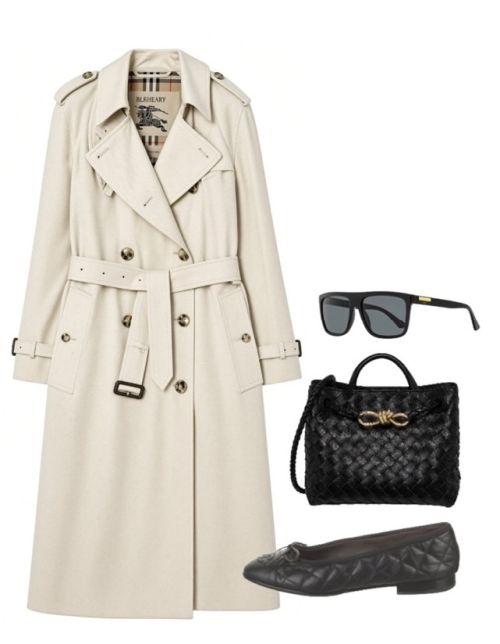
Bettina was also introduced to Ireland’s President Catherine Connolly. She nailed this fall’s trends with a gorgeous Roland Mouret long-sleeve crepe midi dress in emerald green. The coat is a Scanlan Theodore tailored coat in sand. Bettina remembered that green and camel still do the Lord’s work. The shoes are Manolo Blahnik Maysli suede buckle slingback pumps in emerald green, and the sunglasses are Dior 30Montaigne S8U in black. The bag is the same from above. Matching the green pump to the green dress without turning into a Christmas ornament takes a steady hand. She had one.


And as something really fun, here is a link sent to me by Biden’s Dog for everyone to enjoy.
At 14, Zack MacLeod Pinsent burned his last pair of jeans after finding a box of his great-grandfather’s suits, and he hasn’t worn modern clothes since.
— Jake (@JakeCan72) September 7, 2026
What could have remained a teenage phase became his trade. He taught himself historical tailoring and built a business in… pic.twitter.com/1oD7hY97PA
Posts : 86
Comments : 23368
Unique hashes : 1440 Top 10 commenters:
1 [604 comments] 'Braenyard - some Absent Friends are more equal than others _' [85.78 posts/day]
2 [521 comments] 'Sponge - F*ck Cancer'
3 [370 comments] '...'
4 [356 comments] 'San Franpsycho'
5 [350 comments] 'Comrade Flounder, Disinformation Demon'
6 [324 comments] 'TheJamesMadison, discovering British horror with Hammer Films'
7 [308 comments] 'm'
8 [305 comments] 'Common Tater'
9 [296 comments] 'jim (in Kalifornia)'
10 [290 comments] 'man' Top 10 sockpuppeteers:
1 [230 names] 'Watch Your Step' [32.66 unique names/day]
2 [220 names] 'Harold Melbin and the Blue Notes, feat. Teddy Pendergrass'
3 [122 names] 'Quarter Twenty'
4 [59 names] 'Trying to get something started'
5 [55 names] 'Practical Government Official'
6 [38 names] 'The Grateful - R'
7 [28 names] 'Duncanthrax'
8 [27 names] 'fd'
9 [25 names] 'Count de Monet'
10 [23 names] 'Stamp Out The Virus Of Marxism'
Tonight's ONT brought to you by proper food names

Another whelming product from Doof Enterprises, LLC. Some rights reserved. You figure out which ones aren't reserved, feel free to take them! Your feedback may or may not be very important to Doof Enterprises. Follow Mr. Doof on X @doof2112 or do the email thing – doof2112 at proton dot me.
Comments
(Jump to bottom of comments)Posted by: Braenyard - some Absent Friends are more equal than others _ at September 13, 2026 10:00 PM (BzKNL)
Posted by: mindful webworker - participating proportionally at September 13, 2026 10:00 PM (4lnVb)
Posted by: Tonypete at September 13, 2026 10:01 PM (ot38T)
Posted by: Nazdar at September 13, 2026 10:01 PM (NcvvS)
Posted by: Piper at September 13, 2026 10:01 PM (ZdaMQ)
Posted by: RandomDave (if you can spare a bit, please click!) at September 13, 2026 10:02 PM (aJQbY)
Posted by: Puddleglum, cheer up for the worst is yet to come at September 13, 2026 10:02 PM (sAmhv)
Posted by: mindful webworker - second is the new last at September 13, 2026 10:04 PM (4lnVb)
Posted by: muttering vikings fan at September 13, 2026 10:05 PM (Q+gd/)
Posted by: mindful webworker - second is the new last at September
Honestly, the paparazzi gets annoying.
Posted by: Piper at September 13, 2026 10:06 PM (ZdaMQ)
Posted by: JackStraw at September 13, 2026 10:06 PM (viF8m)
Thank you for content Mr. Doof and Ms. Piper.
Off to lurk in the shadows after reading content.
Posted by: Anonymous Rogue in Kalifornistan (ARiK's phone) at September 13, 2026 10:06 PM (QGaXH)
Posted by: Don Black at September 13, 2026 10:07 PM (ZxPkt)
Or roughly the time it would take Gavin Newsom to scratch his crotch before starting to think about contemplating forming a study group to consider whether to convene a committee to evaluate which style of seat cushion to use in the High Speed Train.
Posted by: Archimedes at September 13, 2026 10:07 PM (Riz8t)
Posted by: San Franpsycho at September 13, 2026 10:08 PM (RIvkX)
Posted by: Don Black at September 13, 2026 10:08 PM (ZxPkt)
Posted by: JohnFNotKerry at September 13, 2026 10:08 PM (PE5pE)
Nor has he gone a day without getting at least one swirly by his more butch nemesis, Leonard Pinth Garnell.
Posted by: Archimedes at September 13, 2026 10:09 PM (Riz8t)
Posted by: Of Two Minds at September 13, 2026 10:09 PM (Fn+3X)
Posted by: Anonosaurus Wrecks, Gird Your Loins! at September 13, 2026 10:09 PM (ndZc7)
Posted by: TRex - low profile commenter dino at September 13, 2026 10:10 PM (XfIK1)
Posted by: Count de Monet at September 13, 2026 10:11 PM (wVcYX)
Posted by: Greenie Weenie at September 13, 2026 10:11 PM (Fn+3X)
Meeeee-Owwwww!
Posted by: Archimedes at September 13, 2026 10:11 PM (Riz8t)
Posted by: JohnFNotKerry at September 13, 2026 10:08 PM (PE5pE)
Why the hostility?
It's a meat product. Meat products are mostly good. Perhaps calling it "bacon" is what leads to the hostility. But, it's still a pork product.
Posted by: Pug Mahon, Sounding the Carnyx at September 13, 2026 10:11 PM (0aYVJ)
====
"How could this possibly happen!" he added.
Posted by: San Franpsycho at September 13, 2026 10:12 PM (RIvkX)
Posted by: tankdemon at September 13, 2026 10:12 PM (PMi3m)
youtu.be/h2vJovuH0bk
Posted by: Idaho Spudboy at September 13, 2026 10:12 PM (3R8jA)
Posted by: JohnFNotKerry
It's okay on a carnivore-type pizza with all the other meats.
But it was invented so those pineapple-on-pizza weirdos could do their thing.
Posted by: mikeski at September 13, 2026 10:13 PM (VHUov)
Posted by: Matthew Kant Cipher at September 13, 2026 10:13 PM (kOluj)
Posted by: Win-Win! at September 13, 2026 10:14 PM (Fn+3X)
Don't be dissing the Egg McMuffin.
Those things kept me alive during way to early hockey practice in high school.
Posted by: JackStraw at September 13, 2026 10:14 PM (viF8m)
Meeeee-Owwwww!
Posted by: Archimedes at September
But I am not wrong! lol.
Posted by: Piper at September 13, 2026 10:14 PM (ZdaMQ)
Posted by: Don Black at September 13, 2026 10:08 PM (ZxPkt)
I shall place your comment on a bulletin board in the break room at Doof Enterprises. Maybe it will motivate the other employees.
Posted by: Doof at September 13, 2026 10:15 PM (QMAsf)
That’s the first 60 Minutes story I’ve watched fully in decades.
Well worth it and I’m astonished they aired it.
Posted by: nurse ratched at September 13, 2026 10:15 PM (yEz+x)
I've never understood how anyone liked Canadian bacon.
Posted by: JohnFNotKerry
I can't believe it's not butter!
Posted by: Bertram Cabot, Jr. at September 13, 2026 10:15 PM (Cqx++)
Posted by: OrangeEnt at September 13, 2026 10:16 PM (1Ff7Z)
It's ham, and most people like ham. The problem is that you've been primed to expect BACON, and ham is not bacon. It's like being told you're getting filet mignon, and getting hamburger. There's nothing wrong with hamburger, but if it's not what you were promised, it's a disappointment.
Posted by: Archimedes at September 13, 2026 10:16 PM (Riz8t)
Posted by: San Franpsycho at September 13, 2026 10:17 PM (RIvkX)
Posted by: OrangeEnt at September 13, 2026 10:17 PM (1Ff7Z)
Posted by: Doof at September 13, 2026 10:17 PM (QMAsf)
Posted by: Anonymous Rogue
Hey, look out, man. This shadow's occupied already.
Posted by: mindful webworker - lurkishly lurking at September 13, 2026 10:17 PM (4lnVb)
Posted by: Archimedes at September 13, 2026 10:18 PM (Riz8t)
>>That’s the first 60 Minutes story I’ve watched fully in decades.
>>Well worth it and I’m astonished they aired it
You don't say.
Posted by: JackStraw at September 13, 2026 10:18 PM (viF8m)
Posted by: davidt at September 13, 2026 10:18 PM (Q+gd/)
Posted by: Otto Penn at September 13, 2026 10:18 PM (jSVOZ)
---
AOC's gang wants to k*ll upChuck Schumer 'cause he's too conservative.
hahahahahah
Posted by: Braenyard - some Absent Friends are more equal than others _ at September 13, 2026 10:18 PM (BzKNL)
Posted by: Doof at September 13, 2026 10:15 PM (QMAsf
I don’t even go in there. I just door dash my snacks to my office.
Posted by: Piper at September 13, 2026 10:19 PM (ZdaMQ)
Posted by: JackStraw at September 13, 2026 10:20 PM (viF8m)
Posted by: Emily Litella at September 13, 2026 10:20 PM (Fn+3X)
Posted by: Common Tater at September 13, 2026 10:20 PM (rQ950)
Posted by: JohnFNotKerry at September 13, 2026 10:08 PM (PE5pE)
=====
Ideal for egg sandwich on English muffin.
Posted by: San Franpsycho at September 13, 2026 10:20 PM (RIvkX)
Posted by: clarence at September 13, 2026 10:21 PM (zRghv)
Posted by: mikeski at September 13, 2026 10:22 PM (VHUov)
Posted by: Common Tater at September 13, 2026 10:22 PM (rQ950)
Posted by: Archimedes
****
That was mean....
I like it!
Posted by: clarence at September 13, 2026 10:23 PM (zRghv)
Posted by: San Franpsycho at September 13, 2026 10:23 PM (RIvkX)
--
Flock; servants of the people.
Posted by: Braenyard - some Absent Friends are more equal than others _ at September 13, 2026 10:23 PM (BzKNL)
Posted by: JackStraw at September 13, 2026 10:24 PM (viF8m)
Posted by: San Franpsycho at September 13, 2026 10:17
She has been quiet and reserved. Maybe she is good for him.
Posted by: Piper at September 13, 2026 10:24 PM (ZdaMQ)
Posted by: San Franpsycho at September 13, 2026 10:24 PM (RIvkX)
Posted by: Emily Litella
What's all this I hear about Presidential erections?!
Oh, nevermind. . .
Posted by: Tonypete at September 13, 2026 10:24 PM (ot38T)
Posted by: gKWVE at September 13, 2026 10:25 PM (88C+u)
Posted by: Common Tater at September 13, 2026 10:26 PM (rQ950)
No, Canadian bacon is not technically ham, though they look and taste very similar.
Main Differences
The Cut: Canadian bacon comes from the pork loin on the back of the pig. Ham comes from the hind leg.
Flavor and Cure: Canadian bacon is usually cured and smoked with a mild flavor. Ham can be cured, smoked, or baked, and often has a sweeter flavor profile.
Fat Content: Canadian bacon is leaner than traditional ham.
Posted by: Archimedes at September 13, 2026 10:26 PM (Riz8t)
Posted by: Archimedes at September 13, 2026 10:07 PM (Riz8t)
First, they have to do a study to see what materials the state has deemed safe enough, and shouldn't trigger demands for reparations, to see whether they can make a seat and a seat cushion. Could they even make straps to hang onto for the duration of the trip?
Posted by: Hour of the Wolf at September 13, 2026 10:27 PM (qx7Zg)
Posted by: Don Black at September 13, 2026 10:27 PM (ZxPkt)
---
Who would have ever thought that cops, real cops, would mis-use a freely available, pornographic surveillance device?
Posted by: Braenyard - some Absent Friends are more equal than others _ at September 13, 2026 10:27 PM (BzKNL)
——-
No, of course not. But it seems generally agreed this is “Canadian” bacon’s highest and best use.
Posted by: Common Tater at September 13, 2026 10:27 PM (rQ950)
Posted by: Case at September 13, 2026 10:27 PM (xJpuh)
Posted by: Piper at September 13, 2026 10:19 PM (ZdaMQ)
When did you get an office?!?!
Posted by: Doof at September 13, 2026 10:28 PM (QMAsf)
Posted by: Anonymous Rogue
Hey, look out, man. This shadow's occupied already.
Posted by: mindful webworker - lurkishly lurking
Didn't see you there?
https://youtu.be/U4aRayOzgjg
Posted by: mikeski at September 13, 2026 10:28 PM (VHUov)
Posted by: Common Tater at September 13, 2026 10:26 PM (rQ950)
Surprisingly, Arby’s makes a pretty good Reuben. It’s not Katz’s deli level, but not bad.
Posted by: TxAnn at September 13, 2026 10:28 PM (SjAWL)
Oh, ok conspiracy theorist.
Why do you hate America?
Posted by: JackStraw at September 13, 2026 10:28 PM (viF8m)
Posted by: Tuna at September 13, 2026 10:29 PM (lJ0H4)
Big Brother has the sadz.
Posted by: nerdygirl at September 13, 2026 10:29 PM (0Htd1)
Posted by: J. Wellington Wimpy at September 13, 2026 10:30 PM (Fn+3X)
Still the 3rd best Bond, after Craig and Connery.
Posted by: Archimedes at September 13, 2026 10:31 PM (Riz8t)
Posted by: tankdemon at September 13, 2026 10:31 PM (PMi3m)
Posted by: Common Tater
****
I've had ruebens with thin cut slices and with thick cut slices. It depends on how you're making the sandwich. If you make a good sandwich, it does not matter how you sliced the meat.
Posted by: clarence at September 13, 2026 10:32 PM (zRghv)
Posted by: Braenyard - some Absent Friends are more equal than others _ at September 13, 2026 10:32 PM (BzKNL)
Posted by: "Perfessor" Squirrel at September 13, 2026 10:32 PM (FZ29D)
Posted by: Piper at September 13, 2026 10:19 PM (ZdaMQ)
When did you get an office?!?!
Posted by: Doof at September 13, 2026 10:28 PM
The musical based on this blog is going to be hysterical.
Posted by: Piper at September 13, 2026 10:33 PM (ZdaMQ)
Posted by: Doof at September 13, 2026 10:33 PM (QMAsf)
https://tinyurl.com/4526b9fd
Posted by: Methos, inauthentic X-bot account at September 13, 2026 10:33 PM (vSvIl)
Posted by: tankdemon at September 13, 2026 10:34 PM (PMi3m)
We had egg sammiches too back then.
The real achievement here is the round egg.
Posted by: San Franpsycho at September 13, 2026 10:34 PM (RIvkX)
Still the 3rd best Bond, after Craig and Connery.
****
And the first shot in the Bond wars echoes.
Posted by: clarence at September 13, 2026 10:34 PM (zRghv)
Posted by: Braenyard - some Absent Friends are more equal than others _ at September 13, 2026 10:35 PM (BzKNL)
Posted by: Anonymous Rogue
Hey, look out, man. This shadow's occupied already.
Posted by: mindful webworker - lurkishly lurking at September 13, 2026 10:17 PM (4lnVb)
Be careful with the next one. It's a regular nesting place for Flock cameras.
Posted by: Hour of the Wolf at September 13, 2026 10:36 PM (qx7Zg)
----
Too much marbling and connective tissue
Top Sirloin is the One True Cut.
Posted by: Don Black at September 13, 2026 10:36 PM (ZxPkt)
Posted by: And Who's Yehoodi? at September 13, 2026 10:36 PM (Fn+3X)
Posted by: San Franpsycho at September 13, 2026 10:23 PM (RIvkX)
~~~~~
The egg sandwich was invented in Jersey with the delectable pork roll, egg and cheese sammie decades before Mickey D.
Posted by: IrishEi?! at September 13, 2026 10:37 PM (3ImbR)
Broke a rule and checked into the Cowboy Giant game only to be confronted with a feminine pee pad ad.
Posted by: Auspex at September 13, 2026 10:37 PM (Y8DZL)
Posted by: San Franpsycho
There's these neat little kitchen gadgets called: egg rings...
Posted by: JQ at September 13, 2026 10:37 PM (rdVOm)
I will die on this hill.
Tenderloin. New York Strip after that.
*doffs hat in memory of Doof*
Posted by: Archimedes at September 13, 2026 10:37 PM (Riz8t)
Posted by: clarence at September 13, 2026 10:32 PM (zRghv)
But quality meat is, how you say, the whole point of the exercise, no?
Posted by: The Paolo at September 13, 2026 10:37 PM (1Ff7Z)
https://tinyurl.com/4526b9fd
Posted by: Methos, inauthentic X-bot account at September 13, 2026 10:33 PM (vSvIl)
Too bad Mossad already replaced it with a casing full of used pinball machine parts.
Posted by: Hour of the Wolf at September 13, 2026 10:37 PM (qx7Zg)
Posted by: Piper at September 13, 2026 10:19 PM (ZdaMQ)
When did you get an office?!?!
Posted by: Doof at September 13, 2026 10:28 PM (QMAsf)
It's The Secret Of Her Success.
Posted by: Oh Yeah (Yello) at September 13, 2026 10:37 PM (wVcYX)
Posted by: Adriane the Gilligan's Island DIY Critic . . . at September 13, 2026 10:38 PM (3ZUWJ)
Posted by: "Perfessor" Squirrel at September 13, 2026 10:32 PM (FZ29D)
I've watched it thrice. Still cackling like a junior high kid. I shall watch it a couple more times before I retire for the evening.
Hey! Who put out their Kool on my rug?!
Posted by: Pug Mahon, Sounding the Carnyx at September 13, 2026 10:38 PM (0aYVJ)
——-
There’s probably no Arby’s within 100 air miles from me in any direction. Katz or somebody like that (whomever actually mails the damn things to people) had some tips on how to up your Reuben game when making them.
If I could get unsliced black Rye, that would be best, I think. I think the slices should be thicker, generally speaking.
Posted by: Common Tater at September 13, 2026 10:38 PM (rQ950)
Posted by: JackStraw at September 13, 2026 10:38 PM (viF8m)
I will die on this hill.
Posted by: Doof at September 13, 2026 10:33 PM (QMAsf)
===
Which is why you go to Pat's for cheesesteaks, not Geno's.
Posted by: San Franpsycho at September 13, 2026 10:39 PM (RIvkX)
Posted by: Braenyard - some Absent Friends are more equal than others _ at September 13, 2026 10:39 PM (BzKNL)
Posted by: Piper at September 13, 2026 10:39 PM (ZdaMQ)
We had egg sammiches too back then.
The real achievement here is the round egg.
Posted by: San Franpsycho
The biscuit cutter is right there.
Posted by: mikeski at September 13, 2026 10:39 PM (VHUov)
Posted by: Very Fixed Income at September 13, 2026 10:40 PM (Fn+3X)
https://tinyurl.com/4526b9fd
Posted by: Methos, inauthentic X-bot account at September 13, 2026 10:33 PM (vSvIl)
Eh, just bomb the place when they're in session. Make it a mute point.
Posted by: OrangeEnt at September 13, 2026 10:40 PM (1Ff7Z)
Posted by: IrishEi?! at September 13, 2026 10:41 PM (3ImbR)
Posted by: 496 at September 13, 2026 10:41 PM (jCuBf)
Posted by: OrangeEnt
F That!
I want a really LOUD boom ...
Posted by: Adriane the Gilligan's Island DIY Critic . . . at September 13, 2026 10:41 PM (3ZUWJ)
Posted by: Otto Penn at September 13, 2026 10:42 PM (jSVOZ)
Posted by: Idea Guy at September 13, 2026 10:42 PM (4RYRd)
Heh. I think you mean a moo point. Supposably.
Posted by: Archimedes at September 13, 2026 10:42 PM (Riz8t)
Posted by: OrangeEnt
I was gonna correct this, but I guess it's right either way.
Posted by: dead men tell no tales at September 13, 2026 10:42 PM (VHUov)
——
I’d agree with that, but the risk of buying a big ass chunk, is that it might be all stringy? Deli meat is usually just right for sammiches, I want to avoid the “take a bite and pull the sandwich apart” thing.
Posted by: Common Tater at September 13, 2026 10:42 PM (rQ950)
It is good on pizza with pineapple.
And egg McMuffins are compulsory at 6am heading up the mountain to downhill ski.
Please.
Posted by: nurse ratched at September 13, 2026 10:43 PM (yEz+x)
Posted by: Adriane the Gilligan's Island DIY Critic . . . at September 13, 2026 10:41 PM (3ZUWJ)
They probably wouldn't even hear it. Just wonder why it got so hot all of the sudden.
Posted by: OrangeEnt at September 13, 2026 10:43 PM (1Ff7Z)
Heh. I think you mean a moo point. Supposably.
Posted by: Archimedes at September 13, 2026 10:42 PM (Riz8t)
We're dropping cows from BUFFs (B-52s)?
Posted by: Hour of the Wolf at September 13, 2026 10:43 PM (qx7Zg)
Posted by: Helena Handbasket at September 13, 2026 10:44 PM (+fdRY)
Posted by: tankdemon at September 13, 2026 10:44 PM (PMi3m)
Heh. I think you mean a moo point. Supposably.
Posted by: Archimedes at September 13, 2026 10:42 PM (Riz8t)
(shrugs)
I could care less.
Posted by: OrangeEnt at September 13, 2026 10:44 PM (1Ff7Z)
Posted by: San Franpsycho at September 13, 2026 10:39 PM (RIvkX)
I wouldn't go to either of those places.
Posted by: Doof at September 13, 2026 10:45 PM (QMAsf)
Posted by: JackStraw at September 13, 2026 10:45 PM (viF8m)
San The Butcher (Allen Melvin) appeared only 8 times during The Brady Bunch run.
Posted by: Meaty Facts at September 13, 2026 10:45 PM (Fn+3X)
Posted by: Bertram Cabot, Jr. at September 13, 2026 10:46 PM (Cqx++)
Posted by: Piper at September 13, 2026 10:19 PM (ZdaMQ)
When did you get an office?!?!
Posted by: Doof at September 13, 2026 10:28 PM (QMAsf)
It's The Secret Of Her Success.
Posted by: Oh Yeah (Yello)
Well, Piper does Dress for Success
Posted by: Anti-fashionista at September 13, 2026 10:46 PM (4RYRd)
Posted by: Case at September 13, 2026 10:47 PM (xJpuh)
Posted by: Hour of the Wolf at September 13, 2026 10:47 PM (qx7Zg)
Posted by: Common Tater at September 13, 2026 10:47 PM (rQ950)
Posted by: Alberta Oil Peon at September 13, 2026 10:47 PM (1z8ji)
Posted by: tankdemon at September 13, 2026 10:48 PM (PMi3m)
Posted by: clarence
This is an errant statement.
The best sammiches are made with perfectly thin sliced meats, cheeses , onions and tomatoes. Otherwise they are chunky and gloppy. No no no no.
Please. Sharpen your knives and take a little time.
Posted by: nurse ratched at September 13, 2026 10:48 PM (yEz+x)
It’s currently running on a Linux mint rig running a vm of proxmox which in turn is running VMs of opnsense, win 11 enterprise, netbox, puppy Linux and MacOS.
Everything is peppy except the MacOs vm, which is because there are no Mac intel graphics drivers, but I’ve got an amd rtx 570 coming that will fix that glitch when I fully deploy.
The rig will eventually have 3 windows VMs, a Mac vm and 3 Linux VMs, for vendors to do their remote commissioning.
Posted by: Thomas Bender at September 13, 2026 10:48 PM (XV/Pl)
Posted by: Bertram Cabot, Jr. at September 13, 2026 10:49 PM (Cqx++)
Jersey Sloppy Joe order of assembly from bottom to top:
•Rye Bread
•Turkey
•Cole Slaw
•Russian Dressing
•Swiss Cheese
•Rye Bread
•Ham
•Cole Slaw
•Russian Dressing
•Swiss Cheese
•Rye Bread
Posted by: IrishEi?! at September 13, 2026 10:49 PM (3ImbR)
Posted by: And Who's Yehoodi?
Reuben "Rooster" Cogburn
Posted by: Bertram Cabot, Jr.
FILL YORE HANDS....
...with our Generously Portioned Reuben!
Posted by: The Original Miklos Katz's Deli at September 13, 2026 10:49 PM (4RYRd)
Posted by: Tonypete at September 13, 2026 10:50 PM (ot38T)
Posted by: The Original Miklos Grammatical Annoyance List at September 13, 2026 10:52 PM (4RYRd)
Posted by: IrishEi?! at September 13, 2026 10:52 PM (3ImbR)
I told you morons to watch the interview but does anyone listen to me?
Fine.
https://tinyurl.com/57dp8kcz
Posted by: JackStraw at September 13, 2026 10:52 PM (viF8m)
Canadian bacon
___________
"Oh, you have 'bacon' too! How nice. Now, run along and play while we grown-ups talk."
Posted by: Hadrian the Seventh at September 13, 2026 10:53 PM (eRlcH)
Posted by: Aetius451AD at September 13, 2026 10:53 PM (Y/06r)
Posted by: nurse ratched at September 13, 2026 10:48 PM (yEz+x)
Wouldn't a meat slicer make thinner cuts?
Posted by: OrangeEnt at September 13, 2026 10:54 PM (1Ff7Z)
...and they celebrate it with horrifying glee
I don't know where we go from here.pic.twitter.com/4ly4IRdqns
Kirk is the highest profile assassination of America since MLK jr and yet it is mostly ignored by the FNM and cheered by the left.
There are two ways forward:
1) Normies wake up and vote the left out of power over this. But because the FNM won't cover it they don't know
2) Righties answer in kind.
Posted by: 18-1 at September 13, 2026 10:54 PM (sKqQm)
Nice crunch on the Rye, tender beef with folds and rolls, and the eye watering bite of fresh Horseradish, etc etc
Posted by: Common Tater at September 13, 2026 10:54 PM (rQ950)
Posted by: JohnFNotKerry at September 13, 2026 10:08 PM (PE5pE)
With John Candy? Oh....this isn't the movie thread ? ...but nor is it the food thread even tho food spelled backwards is......not Piper....
Posted by: Anonymous Rogue in Kalifornistan (ARiK's phone) at September 13, 2026 10:54 PM (QGaXH)
Posted by: Doof at September 13, 2026 10:45 PM (QMAsf)
====
I've had good steaks in a couple good places especially in south Jersey but proper ribeye is prepared so that connective tissue is more rendered and chopped, adding flavor to the sandwich. When it's bad it can get stringy.
Posted by: San Franpsycho at September 13, 2026 10:54 PM (RIvkX)
Posted by: JackStraw at September 13, 2026 10:52 PM (viF8m)
EweToob says "not available in Canada".
Posted by: Alberta Oil Peon at September 13, 2026 10:55 PM (1z8ji)
Posted by: Thomas Bender at September 13, 2026 10:55 PM (XV/Pl)
Posted by: Helena Handbasket
That sounds lovely. I’ll bring a tart green salad and some white wine.
Posted by: nurse ratched at September 13, 2026 10:55 PM (yEz+x)
---
Gays usually keep up appearances.
Posted by: Braenyard - some Absent Friends are more equal than others _ at September 13, 2026 10:56 PM (BzKNL)
I mean I have to laugh the left is now anti-Flock solely because they believe ICE is using it, but our whole modern approach to policing is wrong.
We don't need more surveillance. We need longer jail sentence, saner judges, and to actually punish the guilty.
Posted by: 18-1 at September 13, 2026 10:56 PM (sKqQm)
60 Minutes: Fake, but accurate.
Posted by: Dan Blather at September 13, 2026 10:56 PM (2Ez/1)
Heh. I think you mean a moo point. Supposably.
Posted by: Archimedes at September 13, 2026 10:42 PM (Riz8t)
We're dropping cows from BUFFs (B-52s)?
Posted by: Hour of the Wolf at September 13, 2026 10:43 PM (qx7Zg)
Fetchez la vache!
Posted by: Count de Monet at September 13, 2026 10:57 PM (wVcYX)
Posted by: Hadrian the Seventh at September 13, 2026 10:53 PM (eRlcH)
~~~~~
Did you know that those Canucks have the nerve to call American cheese Canadian cheese?
Posted by: IrishEi?! at September 13, 2026 10:57 PM (3ImbR)
Gave it a rating of "nonchalant".
Posted by: The Wry Bread bought a mere wisp of a smile at September 13, 2026 10:57 PM (4RYRd)
Kirk is the highest profile assassination of America since MLK jr and yet it is mostly ignored by the FNM and cheered by the left.
There are two ways forward:
1) Normies wake up and vote the left out of power over this. But because the FNM won't cover it they don't know
2) Righties answer in kind.
Posted by: 18-1 at September 13, 2026 10:54 PM (sKqQm)
The people who vandalized that statue should be strangled with their own guts.
Posted by: Alberta Oil Peon at September 13, 2026 10:57 PM (1z8ji)
They are butt hurt that the Houthis used Iranian arms to shut down the strait.
Posted by: Braenyard - some Absent Friends are more equal than others _ at September 13, 2026 10:58 PM (BzKNL)
——
Check out the part when the pilot mentions that Iran is as “big as Alaska”. The newsreader broad briefly smiles for a second. That struck me as strange. Maybe it’s nothing. But she also seems to regard herself just a little too highly somehow. That’s 60 Minutes, I guess, I’m sure they are all like that and have been for a while.
Posted by: Common Tater at September 13, 2026 10:59 PM (rQ950)
Posted by: nurse ratched at September 13, 2026 10:48 PM (yEz+x)
Wouldn't a meat slicer make thinner cuts?
Posted by: OrangeEnt at September 13, 2026 10:54 PM
+++++
There's nowhere for the flavor to hide, Jerry!
https://youtu.be/FdChSEabeDw
Posted by: Kramer at September 13, 2026 10:59 PM (2Ez/1)
——
I’d agree with that, but the risk of buying a big ass chunk, is that it might be all stringy? Deli meat is usually just right for sammiches, I want to avoid the “take a bite and pull the sandwich apart” thing.
****
Do several cuts to see how it looks. If you can't get a good single cut, make a few smaller cuts and layer the meat. Or just do one cut and cut the sandwich into manageable pieces.
Posted by: clarence at September 13, 2026 10:59 PM (zRghv)
Posted by: JohnFNotKerry at September 13, 2026 10:08 PM (PE5pE)
With John Candy? Oh....this isn't the movie thread ? ...but nor is it the food thread even tho food spelled backwards is......not Piper....
Posted by: Anonymous Rogue in Kalifornistan (ARiK's phone) at September 13, 2026 10:54 PM (QGaXH)
Egg McMuffins are good. Outrageously expensive now, but good.
Posted by: Aetius451AD at September 13, 2026 10:59 PM (Y/06r)
Posted by: OrangeEnt
Yes!
However, commercial meat slicers are large and heavy, take up a ton of space on the countertop and a royal pain in the ass to clean.
Plus, expensive.
Posted by: nurse ratched at September 13, 2026 10:59 PM (yEz+x)
We don't need more surveillance. We need longer jail sentence, saner judges, and to actually punish the guilty.
Posted by: 18-1
---
If only there were a way to elevate that rumor?
Posted by: Braenyard - some Absent Friends are more equal than others _ at September 13, 2026 11:00 PM (BzKNL)
They pile the thin-sliced corned beef on the flat top, add 1000 Island, sauerkraut, and swiss on top. Served with a side of fries.
Posted by: San Franpsycho at September 13, 2026 11:00 PM (RIvkX)
Her Majesty, in fact, arrived in Newark late this afternoon. Much less incident than in June, when she never got past Dallas while her luggage toured America.
Posted by: Hadrian the Seventh at September 13, 2026 11:00 PM (eRlcH)
Posted by: TV Facts and Foibles at September 13, 2026 11:00 PM (Fn+3X)
——
Long jail sentences for the insane guilty judges would be a good start.
Posted by: Common Tater at September 13, 2026 11:01 PM (rQ950)
Posted by: tcn in AK at September 13, 2026 11:01 PM (Ntshk)
Posted by: nurse ratched at September 13, 2026 10:48 PM (yEz+x)
+1
Posted by: Jeffrey Dahmer at September 13, 2026 11:01 PM (wVcYX)
Posted by: IrishEi?! at September 13, 2026 11:01 PM (3ImbR)
Posted by: Anonymous Rogue
Hey, look out, man. This shadow's occupied already.
Posted by: mindful webworker - lurkishly lurking at September 13, 2026 10:17 PM (4lnVb)
There's an awful lot of strange people (deletes on this beach) types: lurking on this thread....
Posted by: Anonymous Rogue in Kalifornistan (ARiK's phone) at September 13, 2026 11:01 PM (QGaXH)
Posted by: Hokey Pokey at September 13, 2026 11:02 PM (wxsGM)
For a truly awesome culinary experience, if you are in Toronto, go to the St Lawrence Market and order a back bacon on a bun sandwich, which is fried sliced back bacon on a kaiser bun. Heaven.
I do like what Americans call "just bacon" and what the Canadians call side bacon and the Brits call streaky bacon, that's made from pork belly. However, I've been finding that a lot of restaurants have a tendency to overcook it, turning it into a charred crunchy mess that can only be eaten with your fingers. There's a very delicate balance between cooking too little, with an unpleasant mouth feel from the fat, and over doing it when you cannot pierce the bacon with your fork without shattering it into many indigestible pieces.
Posted by: MichiCanuck at September 13, 2026 11:02 PM (o0oFE)
Can't help you with that.
But you really need to hear the interview.
I've heard a lot of dumb people say America has no culture. We absolutely have a culture and that story demonstrates exactly who we are.
Posted by: JackStraw at September 13, 2026 11:02 PM (viF8m)
Posted by: JohnFNotKerry
But it's not ham, it's half assed ham. Either eat real bacon or eat a real slice of ham.
Posted by: nerdygirl at September 13, 2026 11:03 PM (0Htd1)
They pile the thin-sliced corned beef on the flat top, add 1000 Island, sauerkraut, and swiss on top. Served with a side of fries.
Posted by: San Franpsycho at September 13, 2026 11:00 PM (RIvkX)
Isn't that like a ... Frisco Melt? Burger. Texas toast. Thousand Island. Not sure on the cheese.
Posted by: Aetius451AD at September 13, 2026 11:03 PM (Y/06r)
However, commercial meat slicers are large and heavy, take up a ton of space on the countertop and a royal pain in the ass to clean.
Plus, expensive.
Posted by: nurse ratched at September 13, 2026 10:59 PM (yEz+x)
I see hand-cranked meat slicers in the thrift stores from time to time. If you replaced the hand crank with a drum pulley, you could run a flat belt out the kitchen window to the PTO on your old John Deere.
Posted by: Alberta Oil Peon at September 13, 2026 11:03 PM (1z8ji)
Plus, expensive.
Posted by: nurse ratched at September 13, 2026 10:59 PM (yEz+x)
We had a meat slicer. There's a home sized version, but of course, it's not as heavy or sturdy. It did work, though.
Posted by: OrangeEnt at September 13, 2026 11:04 PM (1Ff7Z)
Posted by: Hadrian the Seventh
You owe for that
Posted by: Spirit Airlines Bankruptcy Trustee at September 13, 2026 11:04 PM (4RYRd)
Posted by: Common Tater at September 13, 2026 10:59 PM (rQ950)
It isn't. Iran is smaller. Sorry folks. 60 minutes lied (again).
Posted by: tcn in AK at September 13, 2026 11:05 PM (Ntshk)
Posted by: Common Tater at September 13, 2026 11:06 PM (rQ950)
Posted by: OrangeJulius at September 13, 2026 11:06 PM (4RYRd)
Posted by: OrangeEnt at September 13, 2026 10:44 PM (1Ff7Z)
Um...
Posted by: tcn in AK at September 13, 2026 11:01 PM (Ntshk)
It's awl good. Just innocent word play.
Posted by: OrangeEnt at September 13, 2026 11:08 PM (1Ff7Z)
Posted by: MichiCanuck at September 13, 2026 11:02 PM (o0oFE)
Oh FFS. Pick it up and eat it. Like, you know, bacon.
Posted by: tcn in AK at September 13, 2026 11:08 PM (Ntshk)
Jack n the Box has substituted gross bread sticks for pancakes in their big breakfast.
McDonald's big breakfast is all dough.
Posted by: Braenyard - some Absent Friends are more equal than others _ at September 13, 2026 11:08 PM (BzKNL)
The mention of Hoover Dam made me think of my Dad as he worked on Hoover Dam. Not on its construction but he made service calls there when he was on the road for Woodward Governor in the 70s.
He was amazed that some hick farm kid like him got to see so much of the world and get paid for it! Besides the US jobs he worked from the Yukon to Brazil, from Europe to India.
Its been over a year but I really miss him at times.
Posted by: Farmer, w/ his own historical take at September 13, 2026 11:08 PM (4Qj8V)
Posted by: Common Tater at September 13, 2026 11:09 PM (rQ950)
Posted by: tcn in AK at September 13, 2026 11:05 PM (Ntshk)
665,000 sq miles: AK
636,000 sq miles: Iran
Similar in size, within 10%.
Posted by: Alberta Oil Peon at September 13, 2026 11:09 PM (1z8ji)
Posted by: Alberta Oil Peon
Coincidence?
https://tinyurl.com/4sjsdurw
Posted by: One thinks not at September 13, 2026 11:09 PM (4RYRd)
Posted by: Count de Monet at September 13, 2026 11:10 PM (wVcYX)
Posted by: Count de Monet at September 13, 2026 11:10 PM (wVcYX)
Does it look like a mini-guillotine?
Posted by: Hour of the Wolf at September 13, 2026 11:12 PM (qx7Zg)
Posted by: tcn in AK at September 13, 2026 11:05 PM (Ntshk)
Somebody on internet says Iran 11 percent larger: Alaska is approximately 1,481,348 sq km, while Iran is approximately 1,648,195 sq km. Of course, you'd have to change the numbers into real measurements.
Posted by: OrangeEnt at September 13, 2026 11:12 PM (1Ff7Z)
Posted by: Count de Monet at September 13, 2026 11:10 PM (wVcYX)
But can they splice sickles?
Posted by: Alberta Oil Peon at September 13, 2026 11:12 PM (1z8ji)
Posted by: Count de Monet
There's girls like that
Posted by: Miklos can name at least three at September 13, 2026 11:13 PM (4RYRd)
Posted by: JackStraw at September 13, 2026 10:52 PM (viF8m)
EweToob says "not available in Canada".
Posted by: Alberta Oil Peon
---
VPN will get you out of Canada.
Nora O'Donnell, in the beginning, had a soft smooth, womanly voice. Hadn't heard her in years. Vocal fry goes with her 'one too many cocktails' look.
Posted by: Braenyard - some Absent Friends are more equal than others _ at September 13, 2026 11:14 PM (BzKNL)
I don't think I have ever in my life put that much thought into food. I mean if you are hungry you eat something then go on about your business.
Posted by: Case at September 13, 2026 11:14 PM (xJpuh)
Posted by: Handy Capable at September 13, 2026 11:14 PM (Fn+3X)
Complete dereliction of duty and fraud upon the court.
Posted by: Comrade Flounder, Disinformation Demon at September 13, 2026 11:16 PM (dK+Kv)
Posted by: Alberta Oil Peon at September 13, 2026 11:16 PM (1z8ji)
Posted by: Braenyard
Once upon a time, Rush Limbaugh called her "she of the drinkable bathwater".
Been a lot of water through the bath since then.
Posted by: As Miklos recalls at September 13, 2026 11:18 PM (4RYRd)
Complete dereliction of duty and fraud upon the court.
Posted by: Comrade Flounder, Disinformation Demon at September 13, 2026 11:16 PM (dK+Kv)
Better for what women? The one's who murder their children? Why would we want that to be "better?"
Posted by: tcn in AK at September 13, 2026 11:18 PM (Ntshk)
Posted by: Alberta Oil Peon
My slow cooker has a "fast" setting.
Posted by: Miklos is confused by Modern Technology at September 13, 2026 11:20 PM (4RYRd)
Posted by: Alberta Oil Peon
Sliced whole carrots, baby carrots, or shredded carrots?
Posted by: The Prince Of Root Crops at September 13, 2026 11:20 PM (Fn+3X)
——
Everyone learns at their own pace I always say. With all due respect, I make food the way I want it. You make food the way you want it. Deal?
Posted by: Common Tater at September 13, 2026 11:20 PM (rQ950)
At last count, the word "bacon" has appeared 43 times in this thread.🥓🥓
https://youtu.be/wSReSGe200A3
G'nite, y'all.💤
Posted by: mindful webworker - (This shadow now available for lurk.) at September 13, 2026 11:21 PM (4lnVb)
Posted by: The Prince Of Root Crops at September 13, 2026 11:20 PM (Fn+3X)
No carrots. Baby potatoes, sliced mushrooms, and cut-up rutabaga. And some barley to thicken it.
Posted by: Alberta Oil Peon at September 13, 2026 11:22 PM (1z8ji)
Just watch the interview.
Posted by: JackStraw at September 13, 2026 11:22 PM (viF8m)
Stress in my life situation
Parents never paid taxes neither
Posted by: Innocent Al Capone at September 13, 2026 11:22 PM (4RYRd)
Posted by: Count de Monet
She got fired too.
Posted by: just the punchline at September 13, 2026 11:24 PM (VHUov)
Posted by: Alberta Oil Peon
Still too hot for stew in the Land of the Sunstroke ...
Winter is coming, though.
Posted by: Adriane the Gilligan's Island DIY Critic . . . at September 13, 2026 11:24 PM (3ZUWJ)
Do they address what I presume are urban legends about bodies being buried in the concrete? If they were pouring 8 yards at a time, I don't see how that could happen.
Posted by: Oddbob at September 13, 2026 11:24 PM (vTZFs)
Stress in my life situation
Parents never paid taxes neither
Posted by: Innocent Al Capone at September 13, 2026 11:22 PM (4RYRd)
You was a victim of circumstance too?
Posted by: Curly Howard at September 13, 2026 11:25 PM (wVcYX)
Posted by: Oddbob
Stories
Just a buncha stories
Posted by: Jimmy Hoffa at September 13, 2026 11:26 PM (4RYRd)
Posted by: JackStraw at September 13, 2026 11:22 PM (viF8m)
I expect it will show up on some other platform that can be viewed in Canada, eventually.
Posted by: Alberta Oil Peon at September 13, 2026 11:26 PM (1z8ji)
Posted by: Black Draught at September 13, 2026 11:27 PM (Fn+3X)
Posted by: Debby Doberman Schultz at September 13, 2026 11:27 PM (ibDUx)
Posted by: Hour of the Wolf at September 13, 2026 11:12 PM (qx7Zg)
That's the Lorena Bobbitt model.
Posted by: Count de Monet at September 13, 2026 11:27 PM (wVcYX)
Posted by: Moe at September 13, 2026 11:27 PM (4RYRd)
Posted by: JackStraw at September 13, 2026 10:52 PM (viF8m)
It's a good thing the interviewer informed us that the war was "costly and unpopular" so we can form the correct opinions.
Posted by: Emmie at September 13, 2026 11:28 PM (OlzlW)
Posted by: Common Tater at September 13, 2026 11:29 PM (rQ950)
I know you will see it eventually. It will make you proud.
Posted by: JackStraw at September 13, 2026 11:29 PM (viF8m)
——
Yeah, they laid a big greasy turd in the punchbowl right off first thing.
Posted by: Common Tater at September 13, 2026 11:30 PM (rQ950)
Posted by: JackStraw at September 13, 2026 11:29 PM (viF8m)
I will keep an eye for it, JackStraw.
Posted by: Alberta Oil Peon at September 13, 2026 11:32 PM (1z8ji)
Posted by: clarence at September 13, 2026 11:32 PM (zRghv)
Posted by: Debby Doberman Schultz
-------
Hi, Debby! Trying to get back into "day mode" huh? Good luck...
Wait, 1:30 am EST?! That's only, 10:30 pm! 😉
Posted by: JQ at September 13, 2026 11:33 PM (rdVOm)
All these cops getting arrested for unauthorized use of surveillance camera databases. Apparently it did not occur to them that every access of the system is logged electronically. It all leaves a record.
I'm guessing this was explained during mandated training to use the database.
So -- what happened? They ignored the training? The training was a joke? They're deeply stupid? They thought nobody would really come after them because of cop omerta? I don't get it.
Posted by: Semi-Literate Thug at September 13, 2026 11:34 PM (lsrsS)
Posted by: Common Tater
Mark Milley vs. Dwight Eisenhower or Chester Nimitz.
Done gone bad wrong.
Posted by: Miklos opinionates at September 13, 2026 11:35 PM (4RYRd)
First Giants game I saw in person was 1970. Great to see them win the opener against the Cowboys
Lockthebitchup Jackson was a riot
Posted by: Smell the Glove at September 13, 2026 11:36 PM (N2HNb)
I'm so old I grew up during the war in Vietnam. That's what an unpopular war looks like. Other then online, nobody even talks about Iran.
Most Americans don't even know we are taking down the leading state sponsor of terrorism that has killed thousands of Americans over the last 50 years other than when they whine about the price of gas.
Fuck 'em. This is exactly what I voted for.
Posted by: JackStraw at September 13, 2026 11:36 PM (viF8m)
Posted by: JackStraw at September 13, 2026 11:36 PM
Amen.
Posted by: JQ at September 13, 2026 11:38 PM (rdVOm)
However, due to increasing prices and lack of community support, we have been forced to close our doors for the last time.
Posted by: Bob's All-Night All-Rutabaga $10 Buffet at September 13, 2026 11:38 PM (4RYRd)
——
Long jail sentences for the insane guilty judges would be a good start.
Posted by: Common Tater at September 13, 2026 11:01 PM (rQ950)
Faster horses, younger wimmen, older whiskey and more MONEY....
Posted by: Anonymous Rogue in Kalifornistan (ARiK's phone) at September 13, 2026 11:39 PM (QGaXH)
Posted by: JackStraw at September 13, 2026 11:36 PM (viF8m)
As far as I'm concerned, Trump is taking care of some long-overdue business. He's not the type to just kick the can down the road.
Posted by: Emmie at September 13, 2026 11:42 PM (OlzlW)
Posted by: 50 Year Senator Joe B at September 13, 2026 11:43 PM (Fn+3X)
I like Canadian bacon. But it's not bacon. And lately, very high priced.
Posted by: Semi-Literate Thug at September 13, 2026 11:43 PM (mS8PE)
Posted by: Anonymous Rogue in Kalifornistan
This is Problematic
Like, um, like all of it
Posted by: Democratic Socialists of America at September 13, 2026 11:43 PM (4RYRd)
——-
Sounds like you “got it” pretty good, actually
Posted by: Common Tater at September 13, 2026 11:45 PM (rQ950)
We thank our Loyal Customer.
However, due to increasing prices and lack of community support, we have been forced to close our doors for the last time.
Posted by: Bob's All-Night All-Rutabaga $10 Buffet
The Nashville-based national chain O’Charley’s has closed its restaurants Wednesday, according to multiple reports.
The company is closing all corporate-owned O’Charley’s locations, according to NRN, a restaurant industry news outlet.
Posted by: Bertram Cabot, Jr. at September 13, 2026 11:45 PM (Cqx++)
Posted by: Anonymous Rogue in Kalifornistan
That's 4 wishes, greedy mortal ...
Posted by: Swarthy Genie in an Antique Bottle . . . at September 13, 2026 11:46 PM (3ZUWJ)
Posted by: Common Tater at September 13, 2026 11:47 PM (rQ950)
I am sick and tired of hearing about assholes "feelings"
I'll tell you how I feel.
You need the shit kicked out of you.
Posted by: four seasons at September 13, 2026 11:49 PM (/QHx4)
Fuck 'em. This is exactly what I voted for.
Posted by: JackStraw at September 13, 2026 11:36 PM (viF8m)
233 Fuck 'em. This is exactly what I voted for.
Posted by: JackStraw at September 13, 2026 11:36 PM
Amen.
Posted by: JQ
----
For sure.
Ladies, quiet or not it's nice to have y'all around.
Posted by: Braenyard - some Absent Friends are more equal than others _ at September 13, 2026 11:49 PM (BzKNL)
The company is closing all corporate-owned O’Charley’s locations, according to NRN, a restaurant industry news outlet.
Posted by: Bertram Cabot, Jr.
That makes the "national chain" part false right there
Posted by: Miklos used to drive by one at September 13, 2026 11:49 PM (4RYRd)
Posted by: Don't Be Jealous at September 13, 2026 11:49 PM (Fn+3X)
Posted by: Semi-Literate Thug at September 13, 2026 11:43 PM (mS8PE)
Here in Western Canada, I very rarely see it in the stores. I like it in its own right, not as a substitute for belly bacon.
Posted by: Alberta Oil Peon at September 13, 2026 11:50 PM (1z8ji)
Posted by: Anonymous Rogue in Kalifornistan
That's 4 wishes, greedy mortal ...
Posted by: Swarthy Genie in an Antique Bottle . . . at September 13, 2026 11:46 PM (3ZUWJ)
Fuck it, I'll make it 5- dead commies.
Posted by: Berserker-Dragonheads Division at September 13, 2026 11:51 PM (S41Gd)
Those of us who grew up around NYC when Trump was actually popular with the media, heard him say over and over that the religious cultists in Iran needed to go. I'll be the first to admit I didn't see him getting elected and actually doing it.
But he did and he is and it's spectacular to see. Trump is changing the entire world power structure and someday there will be books written about this time.
It's an incredible time to be alive.
Posted by: JackStraw at September 13, 2026 11:52 PM (viF8m)
Posted by: Anonymous Rogue in Kalifornistan
---
All well and good but who's gonna' feed them hogs?
Posted by: Braenyard - some Absent Friends are more equal than others _ at September 13, 2026 11:52 PM (BzKNL)
Lose the hat...bring on the spats!!!
Posted by: Diogenes at September 13, 2026 11:53 PM (2WIwB)
Posted by: JackStraw at September 13, 2026 11:36 PM
Amen.
Posted by: JQ at September 13, 2026 11:38 PM (rdVOm)
Stands up and shouts 'PREACH IT, BRO'
Hurriedly sits down, hopes nobody noticed....
Posted by: Anonymous Rogue in Kalifornistan (ARiK's phone) at September 13, 2026 11:53 PM (QGaXH)
It's tasty, but IMO not worth the price except for special meals, special occasions.
Posted by: JQ at September 13, 2026 11:54 PM (rdVOm)
Hope you're all doing well and looking forward to a day that isn't the 13th. I keep telling some guy named James or Jason or Jarrod who's knocking on the door that it's not Friday so come back later.
Posted by: BeckoningChasm at September 13, 2026 11:54 PM (CHHv1)
I'll tell you how I feel.
You need the shit kicked out of you.
Posted by: four seasons at September 13, 2026 11:49 PM (/QHx4)
I don't think there would be much left of a lot of them.
People who volunteer for the task will need full hazmat suits.
Posted by: Hour of the Wolf at September 13, 2026 11:54 PM (qx7Zg)
Posted by: Diogenes at September 13, 2026 11:55 PM (2WIwB)
It's an incredible time to be alive.
Posted by: JackStraw
Yeah, a most interesting time(old Chinese curse type).
Posted by: AZ deplorable moron at September 13, 2026 11:55 PM (NnhvP)
Posted by: JackStraw at September 13, 2026 11:36 PM (viF8m)
As far as I'm concerned, Trump is taking care of some long-overdue business. He's not the type to just kick the can down the road.
Posted by: Emmie at September 13, 2026 11:42 PM (OlzlW)
Agreed. Trump taking care of ALL family business is EXACTLY what I voted for.
Posted by: Anonymous Rogue in Kalifornistan (ARiK's phone) at September 13, 2026 11:57 PM (QGaXH)
O'Charley's
Chilis
TGIFridays
Applebees
Ruby Tuesdays
How does a corporate entity expect to gain loyalty and repeats?
Some are around, some not, some in or past various Chapter 11 bankruptcies.
Posted by: the entire Corporate Concept of food is lost on Miklos at September 13, 2026 11:57 PM (4RYRd)
Posted by: Hour of the Wolf at September 13, 2026 11:58 PM (qx7Zg)
Posted by: four seasons at September 13, 2026 11:58 PM (/QHx4)
Or, did you just stub it badly?...
Posted by: JQ at September 13, 2026 11:58 PM (rdVOm)
Posted by: Bertram Cabot, Jr. at September 13, 2026 11:59 PM (Cqx++)
Made a start on the fuel tank. It hangs in a well on the main body tub, between the front fenders, and the hood/dash panel goes over it like a cover. There was damage to the hood panel from a previous assembly, where it hit the top forward corners of a stock VW tank. So placed a scrap tank in the well, and fitted the cover. Yup, hangs up on the corners. Used air shears to cut the raised ridge off the front top of the tank, cover fits, good clearance. Scrap tank full of mouse nest, smelled bad, rusted out. But it proved cutting the ridge off was viable.
Posted by: Alberta Oil Peon at September 13, 2026 11:59 PM (1z8ji)
Posted by: the EarthScolds at September 13, 2026 11:59 PM (4RYRd)
It's an incredible time to be alive.
Posted by: JackStraw
---
There's a couple of women from Michigan, really, who knew, well, I just found the site; prometheanaction.com, (TJM, I know) who make concise presentations on Trump and current circumstances.
: Susan Kokinda Q 2.0@SusankokindaQ_2
_ https://tinyurl.com/c734478h
Posted by: Braenyard - some Absent Friends are more equal than others _ at September 13, 2026 11:59 PM (BzKNL)
Posted by: four seasons at September 13, 2026 11:59 PM (/QHx4)
Posted by: four seasons
--------
Or tripped him, at cats so often try to do.
Posted by: JQ at September 14, 2026 12:01 AM (rdVOm)
Posted by: Miklos wants Aunt Jemima and Uncle Ben set FREEE at September 14, 2026 12:01 AM (4RYRd)
Posted by: Anonymous Rogue in Kalifornistan
You had me at older whiskey. but I am perfectly content to go with, well, more whiskey.
Posted by: Diogenes at September 14, 2026 12:02 AM (2WIwB)
Posted by: Braenyard - some Absent Friends are more equal than others _ at September 14, 2026 12:03 AM (BzKNL)
Posted by: JQ at September 14, 2026 12:03 AM (rdVOm)
Posted by: Miklos wants Aunt Jemima and Uncle Ben HONORED AND RESPECTED at September 14, 2026 12:04 AM (4RYRd)
Posted by: Braenyard - some Absent Friends are more equal than others _ at September 14, 2026 12:05 AM (BzKNL)
Posted by: Braenyard
--------
Maybe certain years/models?
My '70 F100 has an upright tank, behind the seat.
Posted by: JQ at September 14, 2026 12:06 AM (rdVOm)
Posted by: Braenyard
-Health and medical advice
-Dating advice
-Angle metal plate advice
The Horde is your One Stop Shop
Posted by: Miklos thinks he gets his money's worth at September 14, 2026 12:06 AM (4RYRd)
And who genocided the Indian Maiden form Land O'Lakes?
I want reparations and JUSTICE
Posted by: Miklos wants Aunt Jemima
Was she wearing a Maidenform butter bra?
Posted by: Bertram Cabot, Jr. at September 14, 2026 12:06 AM (Cqx++)
98 Tousi reported this evening that the president and parliament of Iran are arguing over whether to test one of their nukes. Publicly. The president and his people apparently want not to because Israel will kill them all. The IRGC is apparently all in with parliament on doomsday.
https://tinyurl.com/4526b9fd
Posted by: Methos, inauthentic X-bot account at September 13, 2026 10:33 PM
------
Last I heard, the Iranians were hiding 200 kg of 60% enriched uranium hexafluoride. If that's accurate, where would a nuclear weapon come from?
Posted by: Semi-Literate Thug at September 14, 2026 12:07 AM (AnW6a)
Those of us who grew up around NYC when Trump was actually popular with the media, ........
.
.....It's an incredible time to be alive.
Posted by: JackStraw at September 13, 2026 11:52 PM (viF8m)
RewindTV shows repeats of 'Just Shoot Me' a mid-90's sitcom about a NY fashion magazine based in NYC. The magazine owner mentions Donald Trump from time to time as a worthy, respected rival....not as a punchline.
Posted by: Anonymous Rogue in Kalifornistan (ARiK's phone) at September 14, 2026 12:07 AM (QGaXH)
They've been around for a while.
We are coming out of a deep rabbit hole and it's been going on for many years, long before Trump.
That's wjy they hate him and us so much.
Posted by: JackStraw at September 14, 2026 12:08 AM (viF8m)
Those of us who grew up around NYC when Trump was actually popular with the media, heard him say over and over that the religious cultists in Iran needed to go. I'll be the first to admit I didn't see him getting elected and actually doing it.
But he did and he is and it's spectacular to see. Trump is changing the entire world power structure and someday there will be books written about this time.
It's an incredible time to be alive.
Posted by: JackStraw at September 13, 2026 11:52 PM (viF8m)
We have a running joke among the harley dudes I ride with when we pull into a gas station, which is usually twice during the day, and since we get 2-3 gallons each time its about $3 more since gas prices are up. We say we're contributing to the Dead Ayatollah Fund.
Radio announcer voice- "Yeeuuus, for less than the price of a shitty starbucks coffee you too can reshape a shithole. Every time you fill up $3 goes towards killing that raghead motherfucker in a pile of rubble".
Posted by: Berserker-Dragonheads Division at September 14, 2026 12:10 AM (S41Gd)
Posted by: Alberta Oil Peon at September 14, 2026 12:10 AM (1z8ji)
Posted by: Nemo at September 14, 2026 12:10 AM (4RPgu)
Posted by: Berserker
--------
LOL! I like to think of it that way too, as I top off my tank! F 'em!
Posted by: JQ at September 14, 2026 12:13 AM (rdVOm)
Tomorrow...today is a Travel Day, and will be the longest car trip Miss Doggie has ever been on, and she doesn't like car trips.
However, there are places where a Full Grown American can dine, imbibe, and smoke indoors with the dog present and on duty.
I shall eat, drink, smoke, enjoy old jokes as if they were new. Doggie will sniff, explore, and allow some level of being petted.
Hopes are for a Fine Time for both man and beast.
Posted by: Miklos should remember what he forgot to do already at September 14, 2026 12:15 AM (4RYRd)
Posted by: Braenyard - some Absent Friends are more equal than others _ at September 14, 2026 12:03 AM (BzKNL)
There were no gases left to explode, but I kept the vacuum cleaner wand in the tank, and ran the vac while welding, just in case. When done welding, I will grind the welds smooth, put a little positive air pressure in the tank, and spray the welds with soap solution, Any pinhole leaks will be disclosed by bubbles, and I can re-weld, or use solder to seal them.
Posted by: Alberta Oil Peon at September 14, 2026 12:15 AM (1z8ji)
It's $7.99 plus gratuity
Posted by: your sullen Starbucks server sho hot hair dye bills to pay at September 14, 2026 12:20 AM (4RYRd)
Not really in my wheelhouse, but thank you anyway.
Posted by: BeckoningChasm at September 14, 2026 12:21 AM (CHHv1)
Not really in my wheelhouse, but thank you anyway.
Posted by: BeckoningChasm at September 14, 2026 12:21 AM (CHHv1)
Face it. We like you and like having around.
Posted by: Hour of the Wolf at September 14, 2026 12:23 AM (qx7Zg)
It's taking a bite out of all us but I get to live my life while men and women are taking the fight to those fucks for me every single day and have been for months. Makes me feel pretty small when I complain about it.
Posted by: JackStraw at September 14, 2026 12:25 AM (viF8m)
Posted by: Common Tater
------
Boars Head? Only if you have a death wish. That outfit used to be good - 30 years ago - but now they have racked up literally dozens of serious sanitation violations and 6 or 7 recalls and they're being sued people dying.
The trick to slicing thin is how sharp you knife is, and keeping it sharp as you're using it. If your electric knife is sharp, ok, but my experience with the damned things is that they're no better than a regular blade.
Posted by: buddhaha at September 14, 2026 12:26 AM (/12Tr)
Our gas money went to float DeepState's game in Ukraine.
Our gas money is going to rectification of those problems.
I like it.
Posted by: Braenyard - some Absent Friends are more equal than others _ at September 14, 2026 12:28 AM (BzKNL)
Posted by: Alberta Oil Peon at September 14, 2026 12:37 AM (1z8ji)
Posted by: JackStraw at September 14, 2026 12:25 AM (viF8m)
Exactly. I wanted to see us flame that asshole for most of my adult life. If it costs a few extra hundred for the year in gas its the best money dollars for giggles I can think of.
Posted by: Berserker-Dragonheads Division at September 14, 2026 12:38 AM (S41Gd)
I saw that story from another source. I think there’s two options as to what to think about it:
1) Iran is desperate to intimidate its enemies and is spinning up this scare story to look tuff; or
2) someone in the media is just making up bullshit again.
No need to get bogged down in the obvious point they if they did such a demonstration, they’d just be proving that they need to be crushed.
Posted by: Tom Servo at September 14, 2026 12:42 AM (xnpRH)
Part three is coming along, despite the heath stuff.
Also, cat rubbing against legs. I guess the realm is short of treats.
Posted by: BeckoningChasm at September 14, 2026 12:44 AM (CHHv1)
Posted by: Tom Servo at September 14, 2026 12:42 AM (xnpRH)
If they fire off a test, before the mushroom cloud from the blast dissipates, there should be a massively larger one blooming over Tehran.
Posted by: Alberta Oil Peon at September 14, 2026 12:45 AM (1z8ji)
@20kayleighmceny
Ilhan Omar is DONE. The rats are running and reporters can barely keep up with all the people begging to talk.
Whistleblowers are now laying it out. Her campaign pumped a massive pile.
Posted by: Braenyard - some Absent Friends are more equal than others _ at September 14, 2026 12:46 AM (BzKNL)
His parachute failed and he hit the ground at over 70 mph. Broke his back and his arm he still found a way to climb to the top of a ridge while evading hunters that were after bounty. And all he does is praise others and God.
Pretty special dude.
Posted by: JackStraw at September 14, 2026 12:51 AM (viF8m)
Posted by: four seasons at September 14, 2026 12:54 AM (/QHx4)
"Former Wrightsville Beach Cop Indicted After Running Plates With No Legitimate Reason"
https://shorturl.at/MdGF4
Posted by: Mike Hammer, etc., etc. at September 14, 2026 12:57 AM (XeU6L)
Some asshole judge will block it.
Posted by: four seasons
She's *supposedly* a citizen... therefore, since she publicly swore allegiance to a foreign gov't: she's a traitor, and should be dealt with accordingly. (The Rosenburgs come to mind)
Posted by: JQ at September 14, 2026 12:58 AM (rdVOm)
Posted by: Braenyard - some Absent Friends are more equal than others _ at September 13, 2026 11:52 PM (BzKNL)
Dead commies.
Posted by: NemoMeImpuneLacessit at September 14, 2026 01:01 AM (OSh5V)
Posted by: four seasons at September 14, 2026 01:01 AM (/QHx4)
Some asshole judge will block it.
Posted by: four seasons at September 14, 2026 12:54 AM (/QHx4)
Send her on a "fact-finding mission" (aka junket) to Somalia. While she is there, void here passport.
Posted by: Alberta Oil Peon at September 14, 2026 01:01 AM (1z8ji)
Posted by: four seasons at September 14, 2026 01:02 AM (/QHx4)
Posted by: JQ at September 14, 2026 01:03 AM (rdVOm)
-
I would question how much stomach anyone has to directly attack a nation that has demonstrated nuclear capacity, including Trump.
I wonder if the situation is that they have some number of devices assembled, but having not tested them, they aren't sure if they work, or how to get them to a target. Perhaps they thought at one point they might get a land invasion (as they made statements suggesting they were planning for it) and could use them as boobytraps or car bombs (truck bombs, I guess).
You're probably right that it's just bluster, but the wrinkle that their president is opposing it is weird. His position in their culture looks weak, but if they don't have the devices, he'll appear to have won the argument, so team IRGC/parliament looks bad.
Posted by: Methos, inauthentic X-bot account at September 14, 2026 01:03 AM (vSvIl)
Posted by: four seasons at September 14, 2026 01:03 AM (/QHx4)
@20kayleighmceny
Ilhan Omar is DONE. The rats are running and reporters can barely keep up with all the people begging to talk.
Whistleblowers are now laying it out. Her campaign pumped a massive pile.
Posted by: Braenyard
===============
The xeet may or may not be true, but everything Harrison Faulkner said in the clip has been out for a while.
Posted by: Blonde Morticia at September 14, 2026 01:04 AM (mmrXZ)
Posted by: Alberta Oil Peon at September 14, 2026 01:05 AM (1z8ji)
_-_
Well, good. That's one Much gratitude for the work of those who helped explain the depths of her misbehavior.
She was voted into office, so we still have a lot to do to clean house on this one.
I have a nagging suspicion that we won't get enough done on this and other fronts(budget, NGOs, paper ballots and voter id, islam, etc.) and the next cycle where dems take over, we spend all the time on impeachment hearings and lawfare. We have come a good distance since Biden stumbled out, but I think it is not far enough for our nation to survive. Speaking if which where in the he double-toothpicks is Mitch McConnell?
Posted by: Don in SoCo at September 14, 2026 01:05 AM (UB+/1)
Posted by: JQ at September 14, 2026 01:06 AM (rdVOm)
Posted by: JQ at September 14, 2026 01:06 AM (rdVOm)
Posted by: four seasons at September 14, 2026 01:06 AM (/QHx4)
_-_
I tend to think that they can get ready assistance from some of their allies on that front. I have mentioned the idea before, here, and the idea was pretty roundly dismissed as not plausible. I remain unconvinced.
Posted by: Don in SoCo at September 14, 2026 01:10 AM (UB+/1)
Posted by: Hour of the Wolf at September 13, 2026 11:58 PM (qx7Zg)
Yes.
Posted by: NemoMeImpuneLacessit at September 14, 2026 01:11 AM (OSh5V)
_-_
As far as I can tell, it is just a better label for what the democrat party has become over the last 40-50 years. I don't hear widespread denunciation of DSA ideas by the democrat party.
Posted by: Don in SoCo at September 14, 2026 01:15 AM (UB+/1)
...the train was forced to speed up to [outrun the missile] and reach Poland
Mr Johnson, 62, had been attending a major security conference in Kyiv prior to the trip, and eventually crossed the border at 7.42am.
_Daily Mail
Posted by: Braenyard - some Absent Friends are more equal than others _ at September 14, 2026 01:18 AM (BzKNL)
Posted by: Braenyard - some Absent Friends are more equal than others _ at September 14, 2026 01:19 AM (BzKNL)
Posted by: Common Tater at September 14, 2026 01:22 AM (rQ950)
Egg rolls were a success, but didn't last very long... Double batch next time!
It's nice to have pre-made and home-made stuff at the ready. Lots of work initially, though.
Posted by: JQ at September 14, 2026 01:27 AM (rdVOm)
They were all good, no problems with illness afterwards.
I believe they had a problem on their liverwurst line a few years back, and they quit selling it completely back then.
It certainly didn’t help their reputation though, obviously.
Posted by: SpeakingOf at September 14, 2026 01:28 AM (6ydKt)
Posted by: Debby Doberman Schultz at September 14, 2026 01:28 AM (ibDUx)
Posted by: JQ at September 14, 2026 01:29 AM (rdVOm)
Posted by: Braenyard - some Absent Friends are more equal than others _ at September 14, 2026 01:30 AM (BzKNL)
Posted by: Braenyard - some Absent Friends are more equal than others _ at September 14, 2026 01:32 AM (BzKNL)
As somebody mentioned; a nuke test now would prove Trump and Netanyahu right about the war to begin with.
Trump would then make taking out Pickaxe mountain a top priority along with every other suspect site. Maybe even troops on the ground to make sure we have control over the sites.
Oil prices would go through the roof if the Iranians started threatening other Gulf/Arab nation’s oilfields with nuke strikes, though.
Which might be one of their goals, even if it’s just another propaganda play.
Posted by: SpeakingOf at September 14, 2026 01:41 AM (6ydKt)
The breeze is cool now. Not like Summer's convection-oven hot blast. Yay!
Rain. Needed, welcomed (as long as not *flooding*!) and beneficial. Ahhh.. the best part of the year.
Posted by: JQ at September 14, 2026 01:44 AM (rdVOm)
Sure, they're *up* globally. What about "preferred pricing" here at home?! Sell at premium to others and keep it affordable within our own borders.
Posted by: JQ at September 14, 2026 01:47 AM (rdVOm)
It is 66 degrees here in SW Wyoming. Supposed to be in the 40's in the morning. I don't think it will make it.
Posted by: four seasons at September 14, 2026 01:48 AM (/QHx4)
Posted by: four seasons
Hard to say. We had some cold wind through here this evening & temp dropped 10 degrees in half hour. Rain on & off most of the day, and then *downpour* after the breeze.
Maybe you'll get some of it overnight?
Posted by: JQ at September 14, 2026 01:51 AM (rdVOm)
Posted by: NemoMeImpuneLacessit at September 14, 2026 01:54 AM (wZlsB)
Posted by: four seasons at September 14, 2026 01:55 AM (/QHx4)
Posted by: four seasons at September 14, 2026 02:01 AM (/QHx4)
---
Going down to 82 here. No way am I jealous.
Posted by: Braenyard - some Absent Friends are more equal than others _ at September 14, 2026 02:03 AM (BzKNL)
Posted by: NemoMeImpuneLacessit at September 14, 2026 01:54 AM (wZlsB)
I say we believe they do, and hit them with nukes until the planet looks like a lifesaver candy.
Posted by: Berserker-Dragonheads Division at September 14, 2026 02:06 AM (S41Gd)
Hammer Pickaxe mountain down to sea level, as a preventive measure.
Posted by: JQ at September 14, 2026 02:10 AM (rdVOm)
...the federal government awarded $500 million in funding to seven companies working on battery minerals, manufacturing, and recycling with the express purpose of building up the domestic sector in order to reduce reliance on Chinese supply chains.
Posted by: Braenyard - some Absent Friends are more equal than others _ at September 14, 2026 02:13 AM (BzKNL)
Oh geez, the asshole neighbor is doing something in his yard that is loud.
WTH can he be doing at 12:15 am?
Posted by: four seasons at September 14, 2026 02:15 AM (/QHx4)
Posted by: Braenyard - some Absent Friends are more equal than others _ at September 14, 2026 02:17 AM (BzKNL)
Posted by: JQ at September 14, 2026 02:17 AM (rdVOm)
Posted by: Don in SoCo at September 14, 2026 02:20 AM (UB+/1)
Posted by: four seasons at September 14, 2026 02:21 AM (/QHx4)
Burying his wife? LOL (not funny, but you know...)
Posted by: JQ at September 14, 2026 02:25 AM (rdVOm)
Posted by: four seasons at September 14, 2026 02:27 AM (/QHx4)
This thought occupies my mind, and scares the hell out of me. I don't believe we can be 100% sure.
Posted by: JQ at September 14, 2026 02:28 AM (rdVOm)
Sure, they're *up* globally. What about "preferred pricing" here at home?! Sell at premium to others and keep it affordable within our own borders.
Posted by: JQ at September 14, 2026 01:47 AM (rdVOm)
If only it were that easy.
Since oil & natural gas are a global commodity they are priced by the markets, current price & demand, and speculation about future supply & demand.
Usually oil is based on two pricing benchmarks; WTI (West Texas Intermediate), which is the North American standard price, and Brent (North Sea oil), which is the global benchmark price outside of N.A (70-80% of the international supply anyhow). OPEC quotas have more influence on this price, but it can affect WTI, too.
WTI is usually lower than Brent for various reasons.
But unless we totally abandon that system it is what it is and we deal with it.
Posted by: SpeakingOf at September 14, 2026 02:29 AM (6ydKt)
-------
Going out of his way to *annoy* you?
Seriously. Does this neighbor hold resentment toward you? Trying to provoke you, perhaps?
Posted by: JQ at September 14, 2026 02:31 AM (rdVOm)
Posted by: JQ at September 14, 2026 02:34 AM (rdVOm)
Posted by: four seasons at September 14, 2026 02:36 AM (/QHx4)
You know…I think I almost know what “blue balls” feels like.
They keep teasing about deporting Ilhan Omar but nothing keeps happening.
Posted by: Braenyard - some Absent Friends are more equal than others _ at September 14, 2026 02:38 AM (BzKNL)
WTH can he be doing at 12:15 am?
Posted by: four seasons at September 14, 2026 02:15 AM (/QHx4)
Is he running a chipper?
Posted by: Berserker-Dragonheads Division at September 14, 2026 02:39 AM (S41Gd)
Posted by: JQ at September 14, 2026 02:40 AM (rdVOm)
Posted by: four seasons at September 14, 2026 02:41 AM (/QHx4)
I decided on my own that her religion was not for me, and she respected my *informed* decision.
Posted by: JQ at September 14, 2026 02:43 AM (rdVOm)
Posted by: Don in SoCo at September 14, 2026 02:20 AM (UB+/1)
Other than direct human intelligence maybe we have some kind of Geiger counter that can detect a certain kind of radiation from planes or satellites?
Doubtful, but you never know these days.
It'd be up to the CIA/DIA to figure that one out.
It's not impossible the Iranians have squirreled away enough stuff to do something stupid, I suppose.
Posted by: SpeakingOf at September 14, 2026 02:46 AM (6ydKt)
We bought this house a couple of years ago.
The previous owners left a shit ton of Morman proganda for us.
Posted by: four seasons at September 14, 2026 02:46 AM (/QHx4)
Posted by: JQ at September 14, 2026 02:46 AM (rdVOm)
This thought occupies my mind, and scares the hell out of me. I don't believe we can be 100% sure.
_-_
And the way Britain is going...well, eventually there's another islamic country with nukes.
Posted by: Don in SoCo at September 14, 2026 02:48 AM (UB+/1)
Posted by: Don in SoCo
I suspect that is WHY they are overrunning the UK.
Posted by: JQ at September 14, 2026 02:49 AM (rdVOm)
Took me ages to go through the HQ's contents.
Some really hard laughs along the way.
Maybe l8r.
Posted by: Biden's Dog sniffs a whole lotta malarkey, at September 14, 2026 02:50 AM (D0X9e)
Posted by: Braenyard - some Absent Friends are more equal than others _ at September 14, 2026 02:51 AM (BzKNL)
_-_
Makes good firestarter...mind you, Mormons are often very good neighbors, but I find their theology to be basthit crazy.
Posted by: Don in SoCo at September 14, 2026 02:55 AM (UB+/1)
Posted by: four seasons at September 14, 2026 02:58 AM (/QHx4)
Posted by: JQ at September 14, 2026 03:05 AM (rdVOm)
Posted by: Braenyard - some Absent Friends are more equal than others _ at September 14, 2026 03:05 AM (BzKNL)
I have no idea what he is doing.
Posted by: four seasons at September 14, 2026 02:41 AM (/QHx4)
Do you own an air horn?
Posted by: tcn in AK at September 14, 2026 03:05 AM (Ntshk)
Posted by: Don in SoCo
I suspect that is WHY they are overrunning the UK.
_-_
Good point - hadn't thought about that possibility. I had figured that the dilution of white/european populations there, in europe, and here would be desirable for forming a one-world government, so that must have been the goal, but there's more than one way to skin a cat.
It seems that things are often much more complicated than the widely-discussed narratives.
Posted by: Don in SoCo at September 14, 2026 03:06 AM (UB+/1)
WTH can he be doing at 12:15 am?
Posted by: four seasons at September 14, 2026 02:15 AM (/QHx4)
-
They're not Maori, are they?
https://tinyurl.com/8w27tdn8
Posted by: Biden's Dog sniffs a whole lotta malarkey, at September 14, 2026 03:06 AM (D0X9e)
Posted by: four seasons at September 14, 2026 03:06 AM (/QHx4)
_-_
Makes good firestarter...mind you, Mormons are often very good neighbors, but I find their theology to be basthit crazy.
Posted by: Don in SoCo at September 14, 2026 02:55 AM (UB+/1)
They lost me when they said Jesus was Satan's brother. And what's with Planet Kobol? Really?
And much like Islam, if you are a good Mormon woman, you get to serve your husband who becomes a god in the afterlife.
No thanks.
I'll stick with the deal I get from Jesus.
Posted by: tcn in AK at September 14, 2026 03:07 AM (Ntshk)
Posted by: four seasons at September 14, 2026 03:08 AM (/QHx4)
Posted by: tcn in AK at September 14, 2026 03:08 AM (Ntshk)
Posted by: four seasons at September 14, 2026 03:09 AM (/QHx4)
Posted by: tcn in AK at September 14, 2026 03:10 AM (Ntshk)
_-_
I hear ya. They lost me at Joseph Smith.
Posted by: Don in SoCo at September 14, 2026 03:10 AM (UB+/1)
Posted by: four seasons at September 14, 2026 03:12 AM (/QHx4)
Posted by: Don in SoCo at September 14, 2026 03:13 AM (UB+/1)
Posted by: Braenyard - some Absent Friends are more equal than others _ at September 14, 2026 03:13 AM (BzKNL)
Posted by: four seasons at September 14, 2026 03:14 AM (/QHx4)
Slrep well Braeynard
Posted by: four seasons at September 14, 2026 03:15 AM (/QHx4)
Posted by: JQ at September 14, 2026 03:15 AM (rdVOm)
Posted by: JQ at September 14, 2026 03:16 AM (rdVOm)
I know this because I'm doing the hour-into-work yawns.
Posted by: SpeakingOf at September 14, 2026 03:18 AM (6ydKt)
Posted by: JQ at September 14, 2026 03:19 AM (rdVOm)
Posted by: four seasons at September 14, 2026 03:25 AM (/QHx4)
Posted by: JQ at September 14, 2026 03:15 AM (rdVOm)
I have to admit a guilty pleasure at batting around the ever-so-sincere Mormon missionaries that come to the door. I probably know more about their secret ceremonies than they do, and it certainly rattles their prattle.
I should probably be more Christian in my approach, but, after all, they are trying to get me to commit apostacy. Not very kind on their part, no matter how strong their personal beliefs.
Posted by: tcn in AK at September 14, 2026 03:26 AM (Ntshk)
Posted by: JQ at September 14, 2026 03:26 AM (rdVOm)
(Planet Kobol was from Battlestar Galactica - easy to confuse the two, I know)
Posted by: SpeakingOf at September 14, 2026 03:27 AM (6ydKt)
(Planet Kobol was from Battlestar Galactica - easy to confuse the two, I know)
Posted by: SpeakingOf at September 14, 2026 03:27 AM (6ydKt)
Silly me. I obviously conflated the two, since they are both made up places. Lol.
Posted by: tcn in AK at September 14, 2026 03:29 AM (Ntshk)
Posted by: tcn in AK at September 14, 2026 03:29 AM (Ntshk)
I thought it was, too, until I put it in Brave search and Brave AI told me I was so very very wrong for confusing the two.
Posted by: SpeakingOf at September 14, 2026 03:30 AM (6ydKt)
Yeah, it feels awkward to disagree with other "Christian" faiths.
I'm Lutheran, but hold no personal animosity toward Catholics, or even the Mormons.
We simply have different ideas re: worship and works.
I am not the ultimate judge of all this.
Posted by: JQ at September 14, 2026 03:33 AM (rdVOm)
If you are a good Mormon woman, and have a whole lot of kids, and never say an unkind word to your husband, and never neglect his every need, no matter how humiliating, you also get to live on Kolob as his perpetual servant, and if he marries more than one woman, they can all come with you to serve him.
So, apparently, Kolob is a pretty crowded place full of male gods and lots of doormat women who serve them.
Not quite 72 virgins for a martyr, but pretty darned close.
Amazing what the rudimentary male mind can conjure given half a chance.
Posted by: tcn in AK at September 14, 2026 03:35 AM (Ntshk)
Those last two Hoover Dam paragraphs are dreadful Clod-isms. It's distressing that it's become so glaring to me.
Posted by: frammish at September 14, 2026 03:37 AM (rcENI)
Nope, not many sandwiches being made on Kolob if you want my guess.
Posted by: SpeakingOf at September 14, 2026 03:40 AM (6ydKt)
I can only deal with my own life, and my own beliefs, and pray that I will be cleansed of sin and have Eternal Life, despite my unworthiness.
Posted by: JQ at September 14, 2026 03:42 AM (rdVOm)
Posted by: JQ at September 14, 2026 03:33 AM (rdVOm)
Oh, I don't hate Mormons, I just find it all so tedious. There isn't one Mormon who remained one after reading Augustine or Aquinas. It isn't that I believe one has to be some kind of scholar to find God--in fact, the opposite is usually the case. But I do think a religion, into which you pour your heart and soul, ought to be internally consistent and rational, rather than one that affirms all your personal peccadilloes and prejudices, and calls your basest instincts "good." In that sense, Mormonism is the equal of Islam, and really doesn't reflect the God of the Old Testament nor Jesus Christ of the New Testament. I find it problematic in that I had plenty of girl Mormon friends in high school who were abused by that system and told they were less valuable than men, etc. And when they chose to not believe that anymore, they were shunned by their families as a result. And this was in the old days when you couldn't be Mormon and black, because of the supposed mark of Cain. It's just a load of awful crap.
Posted by: tcn in AK at September 14, 2026 03:43 AM (Ntshk)
Posted by: JQ at September 14, 2026 03:42 AM (rdVOm)
I beg for His Mercy daily. I am in desperate need of it. I am blessed to be held in existence by His constant love, and I don't forget it for one second.
Posted by: tcn in AK at September 14, 2026 03:46 AM (Ntshk)
Posted by: SpeakingOf at September 14, 2026 03:47 AM (6ydKt)
Posted by: SpeakingOf at September 14, 2026 03:47 AM (6ydKt)
That wasn't about his religion, darlin'.
Posted by: tcn in AK at September 14, 2026 03:48 AM (Ntshk)
Posted by: JQ at September 14, 2026 01:27 AM (rdVOm)
When I taught English in Beijing back in 1998 I got to go to a student's apartment and make huge batches of pot stickers with her extended family. Apparently in China they are usually reserved for special occasions. I have a tiny bamboo steamer I still sometimes use to make my own. I hope yours turn out delicious!
Posted by: frammish at September 14, 2026 03:49 AM (rcENI)
Posted by: JQ at September 14, 2026 03:49 AM (rdVOm)
Posted by: raimondo at September 14, 2026 03:50 AM (YPQHn)
Posted by: tcn in AK at September 14, 2026 03:51 AM (Ntshk)
Posted by: tcn in AK at September 14, 2026 03:48 AM (Ntshk)
It was the haircut wasn't it?
He reminds me of an older model Utah version of Gavin Newsom.
Posted by: SpeakingOf at September 14, 2026 03:52 AM (6ydKt)
Posted by: tcn in AK at September 14, 2026 03:52 AM (Ntshk)
Posted by: frammish
Thanks! Yes, they are delicious. I make Japanese style: *gyoza*
Hubby and I both love them, and they are such a treat for him! (he gets institutional food daily, and it BLOWS!)
Posted by: JQ at September 14, 2026 03:53 AM (rdVOm)
Posted by: tcn in AK at September 14, 2026 03:51 AM (Ntshk)
Some legitimate gripes.
But I must admit that, given the choice, I'd rather a Mormon neighbor than a Muhammadean.
Posted by: SpeakingOf at September 14, 2026 03:55 AM (6ydKt)
Posted by: Skip at September 14, 2026 03:55 AM (Ia/+0)
Posted by: frammish at September 14, 2026 03:56 AM (rcENI)
Absolutely!
At least the Mormons worship God instead of the devil...
Posted by: JQ at September 14, 2026 03:57 AM (rdVOm)
Posted by: JQ at September 14, 2026 03:58 AM (rdVOm)
Posted by: Skip
LoL!! Yea, I'm always surprised when I sleep long enough that my alarm clock wakes me. I'm usually up an hour or so before that. Glad you got some sleep.
Posted by: Puddleglum, cheer up for the worst is yet to come at September 14, 2026 04:00 AM (sAmhv)
Posted by: JQ at September 14, 2026 03:57 AM (rdVOm)
They really don't. They have two competing gods, one who created the world but did it poorly, and one who is the god of chaos. Likewise, they believe Satan and Jesus are brothers, who were created by the original god who screwed everything up. They have no concept of the Trinity.
There is nothing the least bit Christian about Mormonism. Their baptisms are not valid in other Christian denominations.
Most Mormons are wonderful people, kind to others, following the law, minding their own business. Good on them.
But don't be fooled. Unless you are Mormon, you are other to them.
Posted by: tcn in AK at September 14, 2026 04:18 AM (Ntshk)
Posted by: Skip at September 14, 2026 03:55 AM (Ia/+0)
Skip! You finally got some real sleep! Hooray!
Posted by: tcn in AK at September 14, 2026 04:19 AM (Ntshk)
Posted by: JQ at September 14, 2026 04:24 AM (rdVOm)
perhaps they would have more success in the kitchen making your wifes boyfriend a sammich
Posted by: what the cat drug in at September 14, 2026 04:25 AM (jrgJz)
Posted by: JQ at September 14, 2026 04:25 AM (rdVOm)
Gun Thread: TXMoMe Stuff Edition!

FUNdamentals Fundamentals of sight alignment with Hickok45.
TXMoMe

TXMoMe Schedule & Other Updates - 9/13/26 Updates! We have Updates! Update 1:
For our amazing volunteers, I sent out an email last week asking whether or not you will be attending this year and when you plan to arrive (day and approximate time). If you haven't received this email, please send me a note at gunthread at protonmail dot com. It is important to have this information for scheduling and to make certain we have the proper coverage making the shooting activities safe and enjoyable for all concerned. Thank you in advance. Update 2:
Here is an outline of the schedule of events. Times are tentative and subject to modification/change. This schedule will be included in the Gun Thread with any changes incorporated going forward until the event, so please check back weekly.
Rifle Program
8am - 10am: Rifle Clinic (carport)
10am - 11am: Combined Range and Safety Briefing - Mandatory for Friday Arrivals! (carport)
Noon: Light lunch provided (carport)
11am - 4pm: Live fire (rifle range - targets to 1,000 yds) Handgun Program
10am - 11am: Combined Range and Safety Briefing - Mandatory for Friday Arrivals! (carport)
Noon: Light lunch provided (carport)
1:00pm to 2:00 pm (carport) - Demonstration: Basics of Rifle & Handgun Cleaning and Maintenance - EdL
11am - 4:00pm: Static live fire (pistol range)
Rifle Program
9am - 10am: Combined Range and Safety Briefing - Mandatory for Saturday arrivals! (carport)
10am - 1pm: Live fire (rifle range) Handgun Program
9am - 10am: Range and Safety Briefing - Mandatory for Saturday arrivals! (carport)
10am - 1pm: Live fire (pistol range)
You will note there are combined rifle and handgun range safety briefings both days and attendance is mandatory if you want to shoot. We take your safety seriously and ask everyone who wants to shoot plan on attending this important briefing. Again, we are conducting one combined safety brief each day. No exceptions. Immediately following each day's safety briefing you will be asked to sign a general liability waiver, and only then will you receive a color-coded wrist band. The color is different each day, and it is your ticket onto the range(s) for the day. No wrist band, no shooting that day. Don't want to sign the waiver? No problem, just do not expect to shoot. If you miss the mandatory range safety briefing which is mandatory and must be attended, you are welcome to watch the live fire activities from designated observation areas. All shooters are asked to check in with an RSO (sporting an Orange Cap of Dorkiness for easy identification) upon your arrival at either of the ranges who will answer questions and direct you to an open firing position. The RSOs wield unspeakable power so it is in your best interest to be nice to them. Want to do things your way? I suggest that your own personal range on your own personal property is a good place for expressing your individuality, not as a guest on the ranch. IMPORTANT: I would hope this goes without saying, but anyone failing to immediately and politely follow RSO instructions will be removed from the range(s). Period. No exceptions. I will probably think of more things to yell about in the coming weeks so please stay tuned.
Who Says We Don't Have Principles? M1 Garand Principles of Operation
Model 94 Winchester v 336 Marlin
Ballistic High-Speed Photography
Getting Enough Tar and Nicotine?
Our Pal Operation Plowshare
Highway Patrol! This week's episode: Hot Cargo
Phantom From Space! The best Phantoms are from space.

I've probably covered this cigar before but this is a good time for a relook. This is a very nice cigar. From the Dominican Republic, it hosts an Ecuadorian Connecticut wrapper using a Nicaragua Habano binder and filler also from Nicaragua. It is a cigar built to sit back and just enjoy it for a bit. In fact, it even looks like the kind of cigar you want to try. The wrapper is golden in color and flawless in appearance. It is firm, well rolled and offers a slight aroma while unlit. The first third has no introduction time and it sets up a pleasant smoke right from the start. The aroma is an honest tobacco and the taste is equally so plus hints of wheat and nuts. Some say there is a touch of cedar in it but I suspect that is from the humidor I use. I didn't catch it. Moving into the second third, and for that matter, the rest of the cigar, the tobacco just goes deeper in richness and flavor. The draw is light, the ash is even, and the burn consistent. The Returno is becoming one of my favorite go-to cigars, and it will be a standard for me on the golf course. Yesterday, right after lighting this one up, I shot a par, birdie, and then an eagle. All this after a particularly bad start so yeah, Returno's for golf!!! P.S. Note my cool head cover!Excellent, Diogenes! Thank you!
Cigarpage.com
Famous-smoke.com
Cigarsdaily.com
Neptunecigar.com
Smallbatchcigar.com
Bobalu Cigar Company
Cigarbid.com
Nicks Cigar World New! A note about sources. The brick & mortar/online divide exists with cigars, as with guns, and most consumer products, with respect to price. As with guns - since both are "persecuted industries", basically - I make a conscious effort to source at least some of my cigars from my local store(s). It's a small thing, but the brick & mortar segment for both guns and tobacco are precious, and worth supporting where you can. And if you're lucky enough to have a good cigar store/lounge available, they're often a good social event with many dangerous people of the sort who own scary gunz, or read smart military blogs like this one. -rhomboid Anyone have others to include? Perhaps a small local roller who makes a cigar you like? Send me your recommendation and a link to the site!
I'm really very seriously not kidding around anymore. Buy Ammo
AmmoSeek - online ammo search tool
GunBot - online ammo search tool
SG Ammo
Palmetto State Armory
Georgia Arms
AmmoMan
Target Sports USA
Bud's Gun Shop
American Elite Ammo
Lucky Gunner Ammo NEW!
Comments
(Jump to bottom of comments)Posted by: RedMindBlueState at September 13, 2026 07:00 PM (P6lWH)
Posted by: Mister Scott (Formerly GWS) at September 13, 2026 07:01 PM (I43vL)
Posted by: RI Red at September 13, 2026 07:01 PM (ttrGW)
Posted by: RedMindBlueState at September 13, 2026 07:01 PM (P6lWH)
Posted by: Helena Handbasket at September 13, 2026 07:02 PM (+fdRY)
Posted by: RI Red at September 13, 2026 07:02 PM (ttrGW)
Posted by: Helena Handbasket at September 13, 2026 07:02 PM (+fdRY)
Posted by: Eromero at September 13, 2026 07:02 PM (LHPAg)
Posted by: Helena Handbasket at September 13, 2026 07:02 PM (+fdRY)
----------
SERPENTINE!!
Posted by: Cicero (@cicero43) at September 13, 2026 07:03 PM (wpRMV)
Posted by: Skip at September 13, 2026 07:04 PM (Ia/+0)
Posted by: Cicero (@cicero43) at September 13, 2026 07:04 PM (wpRMV)
Short one for me.
Why is it when on the first day of vacation I manage to catch a cold.....in summertime!!!
So I am medded up and going to hit the sack soon.
Have fun!!
And if you have never been to a MoMe you should try, great like minded folks every one of them.
Posted by: Scuba_Dude at September 13, 2026 07:06 PM (PDvf+)
I have heard from reputable sources that a self-induced instance of Garand Thumb helps focus the mind, and really boosts one's yelling output.
Posted by: Duncanthrax at September 13, 2026 07:07 PM (0sNs1)
Posted by: Ed L at September 13, 2026 07:07 PM (wXqZT)
Posted by: Doof at September 13, 2026 07:07 PM (QMAsf)
Posted by: Cicero (@cicero43) at September 13, 2026 07:03 PM
Dude. You're just going to die tired.
Posted by: Duncanthrax at September 13, 2026 07:07 PM (0sNs1)
Posted by: TRex - unspeakably powered dino at September 13, 2026 07:07 PM (XfIK1)
Posted by: RI Red at September 13, 2026 07:02 PM
*buffs nails on shirt*
Munkeys is amateurs.
Posted by: RedMindBlueState at September 13, 2026 07:08 PM (P6lWH)
Posted by: zombie Gaston Glock, perfector of Perfection at September 13, 2026 07:08 PM (0sNs1)
Posted by: Doof at September 13, 2026 07:07 PM (QMAsf)
----
Totally a cult.
Posted by: Weasel at September 13, 2026 07:08 PM (LRYfP)
Posted by: Doof at September 13, 2026 07:07 PM (QMAsf)
-----------
*activates neuralizer*
MoMe? What MoMe?
Posted by: Cicero (@cicero43) at September 13, 2026 07:09 PM (wpRMV)
Senor Weasel, I neglected to respond to your email. I will not be available to wear the Orange Hat of Dorkiness this year.
I understand that I will be subjected to constant harassment by certain Texas Ladies with a last name of Had for the next month.
Posted by: RI Red at September 13, 2026 07:09 PM (ttrGW)
Posted by: Doof at September 13, 2026 07:07 PM
I heard it's going to be disco-continued this year.
Posted by: Duncanthrax at September 13, 2026 07:09 PM (0sNs1)
Posted by: Cicero (@cicero43) at September 13, 2026 07:04 PM
You'll have to check with nurse. Otters are her wheelhouse. I don't summon aquatic mammals.
Posted by: RedMindBlueState at September 13, 2026 07:09 PM (P6lWH)
Posted by: mikeski at September 13, 2026 07:10 PM (VHUov)
Posted by: mikeski at September 13, 2026 07:10 PM (VHUov)
---
That's for sure!
Posted by: Weasel at September 13, 2026 07:10 PM (LRYfP)
Posted by: Oddbob at September 13, 2026 07:10 PM (vTZFs)
Posted by: RI Red at September 13, 2026 07:09 PM
What am I, chopped liver?
Posted by: Tiffini from Fort Worth at September 13, 2026 07:11 PM (0sNs1)
Senor Weasel, I neglected to respond to your email. I will not be available to wear the Orange Hat of Dorkiness this year.
I understand that I will be subjected to constant harassment by certain Texas Ladies with a last name of Had for the next month.
Posted by: RI Red at September 13, 2026 07:09 PM
*pushes glasses down nose*
*makes yet another mark in Red's permanent record*
Posted by: RedMindBlueState at September 13, 2026 07:11 PM (P6lWH)
Posted by: Weasel at September 13, 2026 07:11 PM (LRYfP)
Range report.
Focused on smooth trigger pull, straight back and sending a round downhill one per second x5.
Took the Dan Wesson 1911 Patriot .45. No fliers. Felt nice. Caught myself a couple times about to jerk the trigger. Stopped and reset.
Finished with 50 rounds .22 from the Ruger Mark IV. Plinking be fun!
Posted by: nurse ratched at September 13, 2026 07:11 PM (yEz+x)
I have heard from reputable sources that a self-induced instance of Garand Thumb helps focus the mind, and really boosts one's yelling output.
Posted by: Duncanthrax
--------
Rivaled by the hot brass dance.
Posted by: whig at September 13, 2026 07:12 PM (E4rtv)
Posted by: Ben Had at September 13, 2026 07:12 PM (E0Et6)
Posted by: RI Red at September 13, 2026 07:09 PM
What am I, chopped liver?
Posted by: Tiffini from Fort Worth at September 13, 2026 07:11 PM
And me?
Posted by: Tiffini from Houston at September 13, 2026 07:12 PM (hOaDh)
Posted by: Cicero (@cicero43) at September 13, 2026 07:13 PM (wpRMV)
Posted by: Tiffini from Fort Worth
You ain't no Sweet Eileen in Abilene.
Posted by: Oddbob at September 13, 2026 07:13 PM (vTZFs)
So many sticks, so little time (for the max-one-a-day cigar consumer, anyway - those guys who smoke 2 or 3/day can go through the enormous offerings these days much faster I guess).
About to sit down and try an Aladino Connecticut for the first time. Historic Heat Wave is over, we've moved most of the way back to the ridiculously perfect weather that has spoiled those living here. Perfect for burning a stick and inspecting brass on the back porch.
Posted by: rhomboid at September 13, 2026 07:13 PM (U/Byj)
Bersa Thunder .380, two magazines worth of rounds attempted, 2 misfires with - as it turned out - two bullets jammed in the barrel, and the last round unfired.
Of the rounds that went down range, 10 hit the target board, with 4 hits on the target I was aiming for, 4 hits on the target I wasn't aiming for, and at least 16 inches between the farthest hits.
It is the first time I've fired that gun in a couple years, and the ammo has been in the magazines for just as long, so that might have been the problem.
Posted by: FeatherBlade at September 13, 2026 07:14 PM (anFBA)
Posted by: Ben Had at September 13, 2026 07:15 PM (E0Et6)
Senor Weasel, I neglected to respond to your email. I will not be available to wear the Orange Hat of Dorkiness this year.
Posted by: RI Red at September 13, 2026 07:09 PM
***
Dino sad.
Posted by: TRex - orange hatted dino at September 13, 2026 07:15 PM (XfIK1)
Posted by: Mark Andrew Edwards, Buy ammo at September 13, 2026 07:18 PM (xcxpd)
Posted by: Scuba_Dude at September 13, 2026 07:06 PM (PDvf+)
Sounds like you're not planning pre-med! You should start the night before with plenty of alcohol to knock down any viruses and bacteria lurking in your bloodstream. Or, even while at work the last day.
Or, slap a hot iron on it.
Posted by: GWB at September 13, 2026 07:18 PM (kU0PQ)
Posted by: Ben Had at September 13, 2026 07:18 PM (E0Et6)
Posted by: Ben Had at September 13, 2026 07:12 PM (E0Et6)
--------
Are mockery and trash-talking on the agenda?
Posted by: Cicero (@cicero43) at September 13, 2026 07:18 PM (wpRMV)
Senor Weasel, I neglected to respond to your email. I will not be available to wear the Orange Hat of Dorkiness this year.
I understand that I will be subjected to constant harassment by certain Texas Ladies with a last name of Had for the next month.
Posted by: RI Red
**********
She won't be the only one......
Posted by: The Grateful - R at September 13, 2026 07:19 PM (XfIK1)
Posted by: blaster - Fortis Fortuna Adiuvat at September 13, 2026 07:19 PM (NlEaG)
Doggie is not doing well so we have to take him to our state university's vet hospital for specialist treatment--perhaps an endoscopy that runs about 3k or so just after the Mo Meet time. And that plus a visit to Arkansas to correct some issues and finances with my mother in late September pretty much blows the travel budget and my health for any long trips. I usually have to take steroids for the duration of these trips to manage but long term those are bad news up to inducing diabetes. I still need my wife to drive on long travel or to accompany me for any possible airline travel due to health right now.
I am having to deal with insufficiency of care issues as my mother has vascular dementia and now mobility issues that may require her to be relocated to a higher skilled nursing facility or the issues fixed at her current one and I am likely to install cameras in her room for the short run.
Mebbe next year.
Posted by: whig at September 13, 2026 07:20 PM (E4rtv)
Posted by: Ben Had at September 13, 2026 07:20 PM (E0Et6)
Posted by: RI Red at September 13, 2026 07:09 PM
***
Dino sad.
Posted by: TRex - orange hatted dino at September 13, 2026 07:15 PM (XfIK1)
RI Red sad, too.
But happy for the Weasel family. Even if they are mere amateurs at 23 years.
Posted by: RI Red at September 13, 2026 07:21 PM (ttrGW)
Posted by: whig at September 13, 2026 07:20 PM
Mebbe?
Do. Or do not. There is no mebbe.
- Stuff Yoda probably said
Posted by: RedMindBlueState at September 13, 2026 07:21 PM (P6lWH)
Posted by: blaster - Fortis Fortuna Adiuvat at September 13, 2026 07:21 PM (NlEaG)
Posted by: Mel Torme at September 13, 2026 07:21 PM (bbqHZ)
My crew has shrunk by half in 8 months so now just 3 of us, hoping for reinforcement from the RSO powers that be.
Will be more difficult to get in any trigger time myself but determined to do so. Have not been emptying brass much for far too long.
Posted by: rhomboid at September 13, 2026 07:22 PM (U/Byj)
I had switched to my XD45 because my G30/G21 IWB holster was sub-par. (Now that Fall is here, I may just go to my G21 OWB Galco rig).
So it was XD day. My Dicken drill was TERRIBLE. .45 ACP + Iron Sights + Old = really bad groups. Red dots really are important for me at range. Also trying to go fast with a .45 just doesn't work well. I probably have bad fundamentals with higher recoil handguns, I never really developed a quality Gorilla Grip.
Slowing down, the XD remains a remarkably accurate pistol with a good trigger. But the Dicken drill is intended to test accuracy at range and under stress. And I didn't do well.
Also a thumbs-high Glock grip does not work with the XD, which is another reason why I sorta wish I'd just bought one gun and gotten gud at it. You gotta relearn things like this over and over...
Anyway, good day at the range with the Nurse and Lazy Messenger.
Posted by: Mark Andrew Edwards, Buy ammo at September 13, 2026 07:22 PM (xcxpd)
MoMe? What MoMe?
Posted by: Cicero (@cicero43) at September 13, 2026 07:09 PM (wpRMV)
Does it make me odd, or just old, that reading the first line made me think of the chair in ST:TOS episode "Dagger of the Mind"? I only thought of MiB when I read the second line.
(The chair was called a "neural neutralizer".)
Posted by: GWB at September 13, 2026 07:22 PM (kU0PQ)
Posted by: Puddleglum, drive by pew pew at September 13, 2026 07:23 PM (sAmhv)
I have a range report!
I got to shoot my new Bodyguard2 today. Happiness. Joy. I didnot make a mistake buying without trying it. I put 50 rounds through it and the others put about another 25 and it performed flawlessly. I had some nice groups which considering it was the first time, iron sights and i t is a pretty tiny gun, I was very pleased.
Posted by: Sharon(willow"s apprentice) at September 13, 2026 07:23 PM (kJmSS)
Posted by: blaster - Fortis Fortuna Adiuvat at September 13, 2026 07:21 PM (NlEaG)
Now that they have a red dot version, I may get one.
Posted by: Mark Andrew Edwards, Buy ammo at September 13, 2026 07:23 PM (xcxpd)
Posted by: Ben Had at September 13, 2026 07:23 PM (E0Et6)
Posted by: FeatherBlade
=======
Sounds possibly like primer contamination from oil if the ammo was okay before. If two bullets lodged in the barrel, you might have ringed it (bulged barrel) if there was any real pressure behind the second bullet.
Use a bright light in the bore to detect it. Looks like a dark ring in the barrel. Alternatively, you can check by field stripping it and using a caliper to detect any bulge.
Posted by: whig at September 13, 2026 07:24 PM (E4rtv)
Those of you with excuses - ignore them. Go. It is an event like no other. You can go home and say I was taught how to shoot long distance by the coach of a team that won an international championship.
Do they do that at the Holiday Inn Express? Or at Disney World?
Nay. Nay they do not.
Posted by: blaster - Fortis Fortuna Adiuvat at September 13, 2026 07:24 PM (NlEaG)
Do. Or do not. There is no mebbe.
- Stuff Yoda probably said
Posted by: RedMindBlueState
========
Given the insane traffic in my area lately, I will be lucky to survive getting to next year.
Posted by: whig at September 13, 2026 07:25 PM (E4rtv)
Posted by: whig at September 13, 2026 07:25 PM
*Boston traffic fistbump*
Posted by: RedMindBlueState at September 13, 2026 07:26 PM (P6lWH)
Posted by: nurse ratched at September 13, 2026 07:26 PM (yEz+x)
Bersa Thunder .380, two magazines worth of rounds attempted, 2 misfires with - as it turned out - two bullets jammed in the barrel, and the last round unfired.
Of the rounds that went down range, 10 hit the target board, with 4 hits on the target I was aiming for, 4 hits on the target I wasn't aiming for, and at least 16 inches between the farthest hits.
It is the first time I've fired that gun in a couple years, and the ammo has been in the magazines for just as long, so that might have been the problem.
Posted by: FeatherBlade at September 13, 2026 07:14 PM (anFBA)
I bought one, it was a lemon also. I can never endorse the Bersa Thunder as a result.
Posted by: Mark Andrew Edwards, Buy ammo at September 13, 2026 07:26 PM (xcxpd)
Posted by: Ben Had at September 13, 2026 07:18 PM (E0Et6)
Ben Had, you join a long line of women I have known.
Posted by: RI Red at September 13, 2026 07:26 PM (jkyX4)
Posted by: Mark Andrew Edwards, Buy ammo at September 13, 2026 07:23 PM (xcxpd)
Here is the secret. ALL of the Bodyguard 2.0s can get that red dot. There is not an "optic ready" version. Veridian has a dot specifically made for the Bodyguard 2.0 and it installs into the dovetail of the rear sights of the bodyguard.
If you have a sight pusher you can do it. THOUGH I think it is a few dollars less to buy it all at once. But if you have a line on a deal on one, then you can put the dot on it.
Posted by: blaster - Fortis Fortuna Adiuvat at September 13, 2026 07:27 PM (NlEaG)
Be sure to get it into the queue. You'll like it.
SnL is taking me down to a cigar bar on one of the Indian rezs nearby. He said their humidor is as big as my house. My credit card is going to take a hit. Looking forward to it.
Posted by: Diogenes at September 13, 2026 07:28 PM (2WIwB)
Posted by: Ben Had at September 13, 2026 07:12 PM (E0Et6)
"Invited to dinner" is such an understated way to say it. It's so much more than that. Both the invite and the dinner.
Posted by: GWB at September 13, 2026 07:28 PM (kU0PQ)
Using nuclear explosions to make underground laboratories! Yes! Yes! Mwahahahahaaa…
Posted by: NemoMeImpuneLacessit at September 13, 2026 07:29 PM (sGgMH)
Posted by: The Grateful - R at September 13, 2026 07:29 PM (XfIK1)
38 Bersa Thunder .380, two magazines worth of rounds attempted, 2 misfires with - as it turned out - two bullets jammed in the barrel, and the last round unfired.
Posted by: FeatherBlade at September 13, 2026 07:14 PM (anFBA)
Funny you should mention that firearm. I had my late brother’s BT .380 sitting in a drawer for 10 years and finally took it to a range and had the instructor help me with it. It was too complicated for me and when it was in SA or DA mode (can’t remember which one), my finger could barely reach the trigger. I didn’t know that our fingers shrink too when we get older. I had to hand yet another pistol over to the oldest nephew.
Posted by: TxAnn at September 13, 2026 07:30 PM (SjAWL)
Posted by: Mark Andrew Edwards, Buy ammo at September 13, 2026 07:23 PM (xcxpd)
Here is the secret. ALL of the Bodyguard 2.0s can get that red dot. There is not an "optic ready" version. Veridian has a dot specifically made for the Bodyguard 2.0 and it installs into the dovetail of the rear sights of the bodyguard.
If you have a sight pusher you can do it. THOUGH I think it is a few dollars less to buy it all at once. But if you have a line on a deal on one, then you can put the dot on it.
Posted by: blaster - Fortis Fortuna Adiuvat at September 13, 2026 07:27 PM (NlEaG)
Oh I thought the new one was milled! Interesting.
Posted by: Mark Andrew Edwards, Buy ammo at September 13, 2026 07:30 PM (xcxpd)
Posted by: The Grateful - R at September 13, 2026 07:29 PM
We'll take pictures.
My rifle is cleaned, zeroed, and ready. You're welcome to it while I'm in the kitchen working on beans.
Posted by: RedMindBlueState at September 13, 2026 07:31 PM (P6lWH)
But we had some disappointments with our own equipment. sra blaster's Kimber CDS9 was just sitting in the safe. And for whatever reason its dot decided to be off. By a LOT. I was able to adjust it to be spot on but then it threw the screw in the battery tray out and it kept opening up and turning off when you shot.
Of course I am known for cheap dots and this one is one (cheap-ish anyway) but I am just going to get her a Holosun 507k.
Posted by: blaster - Fortis Fortuna Adiuvat at September 13, 2026 07:32 PM (NlEaG)
Slowing down, the XD remains a remarkably accurate pistol with a good trigger. But the Dicken drill is intended to test accuracy at range and under stress. And I didn't do well.
=======
Wondering if perhaps your change in grip might have caused a lower than optimal grip on the XD allowing it to lever and twist a bit more. Plus XDs have different grip angles than a Glock.
The XD grip angle is more like a 1911, Browning High Power, and Smith & Wessons.
Posted by: whig at September 13, 2026 07:32 PM (E4rtv)
Posted by: whig at September 13, 2026 07:20 PM (E4rtv)
Some trail cams are cellular, obviating the need for a network to run on or a physical visit to retrieve images. Might be less obvious cameras that do that, too.
Posted by: GWB at September 13, 2026 07:33 PM (kU0PQ)
I prefer to think of the TX MoMee as a proper TX BBQ / picnic (which of course requires gubs), only better, because Horde.
Posted by: Helena Handbasket at September 13, 2026 07:34 PM (+fdRY)
Posted by: RedMindBlueState
Rotaries are an insane idea. Traffic circles are one thing but rotaries should have been left in the UK instead of imported to Mass. FWIW, Sister used to live in Springfield MA and I visited her on occasion.
Posted by: whig at September 13, 2026 07:34 PM (E4rtv)
The XD grip angle is more like a 1911, Browning High Power, and Smith & Wessons.
Posted by: whig at September 13, 2026 07:32 PM (E4rtv)
Yeah, I am pretty used to Glocks (thought I own a ton of non-Glocks...I don't usually carry or shoot them much). I think my grip is a little off because it looks a lot like an XD9 but the XD45 is dimensionally different and when going fast, my grip isn't right. All fixable problems with training but there we are back to trying to maintain proficency with multiple firearms....
Posted by: Mark Andrew Edwards, Buy ammo at September 13, 2026 07:35 PM (xcxpd)
I understand why so many carry it. For such a tiny gun there is hardly any recoil. Everyone who tried shot well with it so pretty accurate. It will be easy to conceal. The Miculek videos are hilarious but she shows how in almost any kind of clothing it doesn't print and it can be drawn quickly.
Posted by: Sharon(willow at September 13, 2026 07:36 PM (kJmSS)
My rifle is cleaned, zeroed, and ready. You're welcome to it while I'm in the kitchen working on beans.
Posted by: RedMindBlueState
********
I truly appreciate that, and will take exceptionally good care of it.
As for pictures, we'll see about that.....but even if we do, it won't be the same as seeing it live....
Posted by: The Grateful - R at September 13, 2026 07:37 PM (XfIK1)
Posted by: whig at September 13, 2026 07:34 PM
Western MA is nice, and much more conservative than the eastern pit. Trump flags for miles. Can't swing a dead leftist without hitting a gun club. Shame about Boston, though.
Posted by: RedMindBlueState at September 13, 2026 07:37 PM (P6lWH)
Posted by: blaster - Fortis Fortuna Adiuvat at September 13, 2026 07:24 PM (NlEaG)
Who would be the corporate image of a place where they taught you to shoot? Not a gun company; that's too obvious. I was thinking Mutual of Omaha, but that would be more live capture, bouncing along in an open vehicle, hanging out the side, trying to loop an animal's neck....
Posted by: GWB at September 13, 2026 07:38 PM (kU0PQ)
It has been really good - I shoot it well and it is as reliable as a Glock. Or it was until today. sra blaster started with it and the slide was hanging up and we were getting failure to eject and failure to feeds. She thought she was limp wristing it. I picked it up and racked the slide a few times and it felt like it was full of sand. Not sure what happened to it between the last I time I shot it and today. Again, just sitting there in the safe it went bad.
Good thing I had my EDC so I could shoot something of ours.
Posted by: blaster - Fortis Fortuna Adiuvat at September 13, 2026 07:38 PM (NlEaG)
Posted by: Sharon(willow at September 13, 2026 07:39 PM (kJmSS)
Posted by: GWB
=======
Facility allows it but warning signs have to be posted which is not altogether a bad thing. Petty theft has become an issue. I will probably go Eufy which encrypts from end to end and it will piggyback on the facility wireless. Have a licensed social worker go frequently to check on her but she has gotten into falling recently due to repeated utis. Not to be gross but one problem is that dementia patients forget how to wipe properly.
The other solution is depends which creates its own problems and the third is a indwelling catheter which again has its own problems creating infections.
Posted by: whig at September 13, 2026 07:39 PM (E4rtv)
Posted by: Skip at September 13, 2026 07:41 PM (Ia/+0)
Posted by: RedMindBlueState
Boston and its politics forced out Smith and Wesson in Springfield to Tennessee. The famed Smith and Wesson Training Academy is about to open there in Maryville now. Maryland forced out Beretta to depart to Tennessee as well.
Posted by: whig at September 13, 2026 07:42 PM (E4rtv)
Posted by: Ben Had at September 13, 2026 07:43 PM (E0Et6)
Posted by: The Grateful - R at September 13, 2026 07:44 PM (XfIK1)
Posted by: Mark Andrew Edwards
======
The grip on the XD45 is a bit larger in circumference than the XD9/40. You might have nailed the reason right there. I tend to carry and shoot the same gun for a long while before switching and shoot the older supplanted carry ones just for fun. But I use a crush grip and only have one inherited Glock 30. Kept it mainly because I don't otherwise have a compact 45. My XD45 is service length barrel.
Posted by: whig at September 13, 2026 07:45 PM (E4rtv)
Posted by: whig
Like a dark ring all the way around the barrel? I'm not seeing that. There's a bunch of fouling in there now, but it's following the rifling, every other spiral.
Posted by: FeatherBlade at September 13, 2026 07:45 PM (anFBA)
Posted by: Oddbob at September 13, 2026 07:46 PM (vTZFs)
Posted by: Sharon(willow at September 13, 2026 07:46 PM (kJmSS)
Posted by: Mark Andrew Edwards, Buy ammo
Understandable. I've never had a problem with the gun before... I'm told that cci Blazer ammo is kind of crap, and that's most likely what I was shooting.
Posted by: FeatherBlade at September 13, 2026 07:47 PM (anFBA)
Smoking some nice HVC sticks this week. Then generally hit my taste right.
Posted by: YellowBird at September 13, 2026 07:47 PM (MEbkQ)
**************
Smith & Wesson will be a more 6 miles from Schloss Rex, currently under construction.....
Posted by: The Grateful - R at September 13, 2026 07:47 PM (XfIK1)
For the P99, I tried to push myself on distance. My group at 10 yards was very tight and almost as tight at 15 yards. I shot at the larger center target at 20 yards and got four of five in the bullseye target, but not in the center. I pushed out to 25 yards and got two on the paper. So 20 is as far as I can push out with a P99. For my final rounds, I reeled the target back in to 15 yards and repeated what I did earlier.
Posted by: Ed L at September 13, 2026 07:48 PM (wXqZT)
Posted by: Ben Had at September 13, 2026 07:43 PM
***
Amen. Doesn't get much better than deep fried bacon delivered to the gun range via John Deere gator by the Bacon Wench.
Posted by: TRex - bacon fueled dino at September 13, 2026 07:49 PM (XfIK1)
Posted by: The Grateful - R at September 13, 2026 07:49 PM (XfIK1)
Posted by: RedMindBlueState at September 13, 2026 07:50 PM (P6lWH)
Posted by: Sharon(willow's apprentice} at September 13, 2026 07:50 PM (kJmSS)
Posted by: The Grateful - R at September 13, 2026 07:49 PM
Definitely! Early November looks pretty clear right now.
Posted by: RedMindBlueState at September 13, 2026 07:50 PM (P6lWH)
I pray for grace in the whole thing, whig. And for your strength.
Posted by: GWB at September 13, 2026 07:51 PM (kU0PQ)
Yeah, funny that when you keep telling employers that you hate them and their customers they eventually believe you. CA will figure it out someday. Maybe.
Posted by: Oddbob at September 13, 2026 07:51 PM (vTZFs)
Posted by: FeatherBlade
It is decent range ammo and unlikely to be the issue as CCI makes the primers and brass for it. One of the issues of storing a gun loaded is that a) you can, not will, have an issue with mag spring depression where it weakens the spring enough to cause issues on reloading from the magazine upon firing and sometimes you get extraction problems.
But unless you get sealed primers and even sealed bullets (those usually have a red sealant in the primer ring and where the bullet goes into the brass), you can get contamination and pistols draining oil onto surfaces are the most likely culprit.
The other is exposing the firearm to a lot of heat, moisture, or cold--that can lead to moisture contamination and degradation of the powder in unsealed bullets. Car guns can exhibit this problem as temps in autos can get pretty extreme as well as humidity issues.
Posted by: whig at September 13, 2026 07:52 PM (E4rtv)
Posted by: Oddbob
********
I will take the under on that one...from personal experience....
Posted by: The Grateful - R at September 13, 2026 07:53 PM (XfIK1)
Posted by: Oddbob at September 13, 2026 07:51 PM
I know, right? Like telling almost 40% of your citizens that you hate them and wondering why said citizens leave the state as soon as possible.
*looks longingly in the direction of NH*
Posted by: RedMindBlueState at September 13, 2026 07:54 PM (P6lWH)
There's only one real problem with it - it doesn't last long enough to be with all these wonderful people. There's only 24 hours in a day, and all that.
Posted by: GWB at September 13, 2026 07:55 PM (kU0PQ)
Posted by: GWB
Well, I need all the grace I can get as otherwise I am pretty disgraceful. And my strength is returning. Grip strength just measured by pt is back to about what it was before I started down the road to surgery. I can deal with pain, not dysfunction and when your grip strength drops from 100 lbs more or less each hand to 40 within about a year, time to get surgery. The three month pt test after surgery came up to 60-65 lbs grip strength.
And the most recent at about 6 months has me back at 100. So now working on core muscle restoration in the back. Strong back muscles can help with a deteriorating spine which I have.
About to start occupational hand therapy to regain dexterity that I lost by nerve compression as well. So that will help.
Posted by: whig at September 13, 2026 07:56 PM (E4rtv)
Posted by: TRex - bacon fueled dino at September 13, 2026 07:49 PM
I'll take phrases only uttered at AoSHQ for $1,000, Alex.
Posted by: RedMindBlueState at September 13, 2026 07:57 PM (P6lWH)
Posted by: YellowBird at September 13, 2026 07:47 PM (MEbkQ)
If you like the PPQ, do get more magazines for it ASAP. The PPQ has now been out of production for a little over three years now. Any spare magazines out there can dry up instantly without any replacement.
Posted by: Ed L at September 13, 2026 07:57 PM (wXqZT)
He and I plan to see other again shortly at a particular assemblage somewhere southeast of Dallas.
Posted by: Quarter Twenty at September 13, 2026 08:00 PM (2Ez/1)
Posted by: TxAnn at September 13, 2026 08:00 PM (SjAWL)
If using oil, drop a little on a paper towel and use the paper towel to apply the oil. I would advise using it externally on a mag only. Use a brush periodically on the inside to get rid of cruft.
Posted by: whig at September 13, 2026 08:01 PM (E4rtv)
Model 52 only shoots 38 Special wadcutter. No other 38 Special, just wadcutter.
Posted by: sniffybigtoe at September 13, 2026 08:01 PM (P4bJX)
Posted by: TxAnn
Thanks for reminding me of that. Finally found my dad's military records on microfiche ( a lot of his early records went up in smoke at St. Louis fire at the Army/Air Force repository in the late 60's). I have to go to my university library to even find a microfiche reader nowadays.
Posted by: whig at September 13, 2026 08:04 PM (E4rtv)
Posted by: Ed L
I bought Marine the PPQ with a paddle mag release on the trigger guard. The magazines have a notch on the side. Regular PPQ mags are not compatible. He only has two mags. I’ve not been able to locate any at any price.
Suggestions?
Posted by: nurse ratched at September 13, 2026 08:04 PM (6ohhg)
Model 52 only shoots 38 Special wadcutter. No other 38 Special, just wadcutter.
Posted by: sniffybigtoe
Have fun, those Model 52s were almost all handfitted to make sure of function with wadcutters. Smith and Wesson engineering at its finest to shove a rimmed cartridge with a flat nose into a semi auto frame. And make it work, feed, and shoot accurately.
Posted by: whig at September 13, 2026 08:05 PM (E4rtv)
Posted by: Ed L at September 13, 2026 08:06 PM (wXqZT)
Posted by: sniffybigtoe at September 13, 2026 08:08 PM (P4bJX)
Suggestions?
Posted by: nurse ratched
Ebay. And yes, I am serious. GunMag Warehouse has them onsale for about $20 bucks right now for M1 model but I dunno if that your Marine's mag. 15+2 (extended floor plate) They have some in 40 S&W and also for Model M2.
Posted by: whig at September 13, 2026 08:09 PM (E4rtv)
I'm a High Standard fanboi but at my first MoMe, Panhandler brought (a bunch of cool stuff including a) Model 41 and I gotta admit that it flung a cravin' on me that I haven't satisfied yet.
Which is another reason to come to the MoMe. Morons have neat toys and are usually willing to share if you just stand nearby and act interested.
Posted by: Oddbob at September 13, 2026 08:10 PM (vTZFs)
Posted by: Doof at September 13, 2026 07:07 PM
I heard it's going to be disco-continued this year.
Posted by: Duncanthrax at September 13, 2026 07:09 PM (0sNs1)
I see what you did there!!
Posted by: Doof at September 13, 2026 08:11 PM (QMAsf)
Posted by: Ed L at September 13, 2026 08:06 PM (wXqZT
What Ed said..
Posted by: Eromero at September 13, 2026 08:11 PM (LHPAg)
Luckily, my dad had hard copies of all of his records so I didn’t have to go through that ordeal. It’s a lot of paperwork, but when it’s approved, it’s retroactive from when you applied and you get a “catch up” payment. I had a VA rep help me with everything. It’s a tough situation to say the least.
Posted by: TxAnn at September 13, 2026 08:11 PM (SjAWL)
Unbelievable.
Posted by: JackStraw at September 13, 2026 08:12 PM (viF8m)
Posted by: Ed L at September 13, 2026 08:06 PM (wXqZT)
Totally agree with the "Just go!" advice.
Posted by: Doof at September 13, 2026 08:13 PM (QMAsf)
Posted by: sniffybigtoe
Apparently it is load sensitive but the folks at the S&W Forum are great about sharing solutions. I strongly recommend anyone with Smith and Wesson firearms to join up (free to view but registration required to post).
I used to hang around there a lot as I have some odd variant 3rd Generation models.
Posted by: whig at September 13, 2026 08:13 PM (E4rtv)
Posted by: TxAnn
Thanks. I am going to have to print out my fathers pre 68 records that are on microfiche. I went through all my father's paperwork and have his old R/A number as well as his SS. Just have to be lucky with the dates.
Posted by: whig at September 13, 2026 08:15 PM (E4rtv)
Where did they keep Navy and Marine records? Those guys lucked out. Army/Air Force, not so much.
Was it always customary to place a DD-214 copy with the county upon discharge? They told me to do that as part of outprocessing, but I already knew about that. That simple expedient can save a lot of hassle.
Posted by: Mel Torme at September 13, 2026 08:16 PM (bbqHZ)
Also if that doesn't work, try Walther directly at their Fort Smith Arkansas hq number. They have a factory store there.
Posted by: whig at September 13, 2026 08:17 PM (E4rtv)
Was it always customary to place a DD-214 copy with the county upon discharge? They told me to do that as part of outprocessing, but I already knew about that. That simple expedient can save a lot of hassle.
Posted by: Mel Torme
I have his paperwork from 68 onwards but not the all of his early stuff. Some of it is on punch cards.
Posted by: whig at September 13, 2026 08:18 PM (E4rtv)
Posted by: Ben Had at September 13, 2026 08:20 PM (E0Et6)
And it's Texas even though it can be hot, stormy, freezing all with in hours of each event(pack a sweatshirt) but there's horses and cattle and sunsets.
Just go. You won;t be disappointed.
Posted by: Sharon(willow's apprentice} at September 13, 2026 08:20 PM (kJmSS)
Suggestions?
Posted by: nurse ratched at September 13, 2026 08:04 PM (6ohhg)
Nurse, the Walther P99 magazine should be interchangeable with your Marine's PPQ. Since you said that his PPQ has paddle releases on the trigger guard, that sounds exactly what my P99 has. Because the P99 remains in service as military or police sidearm worldwide, the magazines are still available direct from Walther. Go to their website and search for "magazine." You should be able to find it from there.
Posted by: Ed L at September 13, 2026 08:22 PM (wXqZT)
Best for concealment were jackets. No surprise there.
Posted by: mrp at September 13, 2026 08:26 PM (rj6Yv)
Posted by: Mel Torme at September 13, 2026 08:28 PM (bbqHZ)
Finished two--fitting two No. 1 Mk 3 Enfields into stocks. On both, the emphasis is on fitting. Waiting for an extractor to finish a GEW 88 and some minor wood repair on the stock tip.
Next is fitting a Krag bayonet lug and band--I restored a cut Krag stock with a new front end section but that is requiring some fitting of the barrel and new bayonet lug/band and drilling the hole for the retention screw. Rebuilt an 1863 Springfield lockplate (original), waiting for a bridle to finish an 1888 Trapdoor lockplate. Both are waiting stocks which I think I have located. The 1863 needs a barrel as well. That one may just get a wall hanger barrel or there seems to be quite a few 1866 Allin conversion barrels and receivers floating around that would give it a post Civil War spin.
Basically doing these projects works my fingers doing all sorts of convulsions, on springs, using taps, files, rasps, screwdrivers, etc. Strengthens the grip.
Looking at an inductive bolt heater to possibly loosen some old rusty barrels on a Lebel receiver and a Berthier so I can replace them with non cut barrels.
Posted by: whig at September 13, 2026 08:28 PM (E4rtv)
I know most people think go no smaller than 9mm - I know because I am among them!
But I had a friend ask me about .380 and he wanted to know if I thought it was underpowered. I said I surely don't want to be shot by one.
Posted by: blaster - Fortis Fortuna Adiuvat at September 13, 2026 08:29 PM (NlEaG)
Best for concealment were jackets. No surprise there.
Posted by: mrp
Does yours have the low profile safeties or the wing exaggerated type. Easy enough to do that job yourself if it has the latter. Langdon Tactical did also have some Beretta PX4 upgrade parts as well as Beretta if you wanted to upgrade the hammer assembly or other parts to match grade. Takes a punch and a little elbow grease to do it.
Posted by: whig at September 13, 2026 08:31 PM (E4rtv)
Ya know what I've concluded? Most people are so self-absorbed and oblivious that you could walk around with a Virginia ham under your shirt and they wouldn't notice. I just don't even think about it anymore.
Posted by: Oddbob at September 13, 2026 08:32 PM (vTZFs)
YellowBird, see what I replied to Nurse above. If your PPQ has paddle magazine releases alongside the trigger guard, you're in luck - just order more P99 magazines direct from Walther. But if you have the button release M2 variant, snap up all you can. Those are now out of production at the Walther mothership.
Posted by: Ed L at September 13, 2026 08:33 PM (wXqZT)
Posted by: The Grateful - R at September 13, 2026 07:29 PM (XfIK1)
Pictures are required. Part of the Rules, ya know.
Posted by: RI Red at September 13, 2026 08:34 PM (Edxq2)
Notice the classic lines, the tried and true ignition system, the absolute knock-down power. Truly a defender of empires.
https://tinyurl.com/34ar8pk5
Posted by: Kindltot at September 13, 2026 08:34 PM (rbvCR)
I know most people think go no smaller than 9mm - I know because I am among them!
But I had a friend ask me about .380 and he wanted to know if I thought it was underpowered. I said I surely don't want to be shot by one.
Posted by: blaster
===========
I carried a Walther PPK early on. 380 ACP can do the job in a lot of cases and there is now better ammo for nowadays because Ruger popularized its ripoff of Kel Tec in micro 380's.
Just don't rely on ammo expanding much. Like the 32 ACP. The velocity is simply not there to do it. So shot placement is critical in those firearms.
Posted by: whig at September 13, 2026 08:35 PM (E4rtv)
Got my email last week and am very much looking forward to Corsicana!
Posted by: Schnorflepuppy (OT but harmless) at September 13, 2026 08:35 PM (xVpNO)
Posted by: The Grateful - R at September 13, 2026 07:29 PM (XfIK1)
Pictures are required. Part of the Rules, ya know.
Posted by: RI Red
***********
Like attendance? You were warned I would give you guff about this news....
Posted by: The Grateful - R at September 13, 2026 08:36 PM (XfIK1)
Posted by: Oddbob at September 13, 2026 08:32 PM (vTZFs)
Maybe we need a Virginia ham concealment clinic at TXMoMe?
Posted by: Schnorflepuppy (OT but harmless) at September 13, 2026 08:36 PM (xVpNO)
Posted by: irright at September 13, 2026 08:36 PM (HMI5f)
Posted by: Common Tater at September 13, 2026 08:37 PM (rQ950)
Posted by: Commissar of plenty and festive little hats at September 13, 2026 08:37 PM (Il1HA)
YellowBird, see what I replied to Nurse above. If your PPQ has paddle magazine releases alongside the trigger guard, you're in luck - just order more P99 magazines direct from Walther. But if you have the button release M2 variant, snap up all you can. Those are now out of production at the Walther mothership.
Posted by: Ed L
Ed L. Gunmag warehouse has both models. Since you confirmed that Model 1 is the paddle release and Model 2 is the button. $20 bucks for a 17 round PPQ mag is pretty good. And they have it is stock as I just looked as well as other M1 and M2 model mags for the PPQ.
And fwiw, those are good folks that specialize in gun mags. CDNN Sports in Abilene is another place that carries some Walther stuff, mainly closeouts though.
Posted by: whig at September 13, 2026 08:37 PM (E4rtv)
If I'm ever fortunate enough to own my own mantle again instead of renting, that would look amazing over it.
Posted by: Oddbob at September 13, 2026 08:38 PM (vTZFs)
Posted by: The Grateful - R at September 13, 2026 08:38 PM (XfIK1)
Posted by: Oddbob at September 13, 2026 08:32 PM (vTZFs)
I knew a guy who carried a Colt Lightweight Commander in .38 Super as his regular CCW. That thing is huge compared to SWA's Bodyguard 2.0, and he said that no one seemed to notice it.
Posted by: Ed L at September 13, 2026 08:38 PM (wXqZT)
That's flat out un-American!
Posted by: irright at September 13, 2026 08:38 PM (HMI5f)
Posted by: whig at September 13, 2026 08:28 PM (E4rtv)
Good! I know I need to at least get back to the squeezy ball (for stress, but good for just keeping the fingers limber and doing stuff). And the grip strengthener. It was just around here... somewhere.
Posted by: GWB at September 13, 2026 08:39 PM (kU0PQ)
Posted by: TRex - concealed ham dino at September 13, 2026 08:39 PM (XfIK1)
If you are of "a certain age" which I am not quite sure, you just hold it up to the light and read it directly.
Posted by: Oddbob at September 13, 2026 08:40 PM (vTZFs)
Posted by: Sharon(willow's apprentice} at September 13, 2026 08:40 PM (kJmSS)
Notice the classic lines, the tried and true ignition system, the absolute knock-down power. Truly a defender of empires.
https://tinyurl.com/34ar8pk5
Posted by: Kindltot at September 13, 2026 08:34 PM (rbvCR)
Very cool. .70 caliber? Oof!
I think if I'm going to light something with a match, I want it in something measured in pounds.
Posted by: GWB at September 13, 2026 08:41 PM (kU0PQ)
Posted by: Oddbob at September 13, 2026 08:43 PM (vTZFs)
We live in Illinois and though the gun was sold with 15 rd mags and they ARE legal here, I'm finding that some vendors won't sell them to us. Gun Mag Warehouse won't ... Natchez will. So yes, if you find em, buy em.
Posted by: YellowBird at September 13, 2026 08:44 PM (MEbkQ)
Posted by: From about That Time at September 13, 2026 08:44 PM (sl73Y)
And fwiw, those are good folks that specialize in gun mags. CDNN Sports in Abilene is another place that carries some Walther stuff, mainly closeouts though.
Posted by: whig at September 13, 2026 08:37 PM (E4rtv)
Thanks for the info, Whig. It's good to know that someone stocks magazines for out of production firearms. If only they had magazines for the H&K P7 PSP. Unobtainium for sure.
Posted by: Ed L at September 13, 2026 08:46 PM (wXqZT)
He went a week or so ago and had his bachelor party at the range, and got to shoot one.
Posted by: GWB at September 13, 2026 08:46 PM (kU0PQ)
Posted by: Sharon(willow's apprentice} at September 13, 2026 08:47 PM (kJmSS)
Par, birdie and eagle in one round, they seem to work.
Posted by: From about That Time at September 13, 2026 08:47 PM (sl73Y)
And I think they were showing satellite coverage of that guy on the ground. Maybe recon aircraft. Not sure. They just called it “national intelligence”. But the resolution and detail was amazing: and that’s just what they were willing to declassify and release, with probable degradation.
Posted by: Common Tater at September 13, 2026 08:48 PM (rQ950)
Posted by: Weasel at September 13, 2026 08:48 PM (LRYfP)
Posted by: YellowBird at September 13, 2026 08:44 PM (MEbkQ)
One reason why gun shows still serve a purpose and why cash is king.
Posted by: Ed L at September 13, 2026 08:48 PM (wXqZT)
Posted by: Common Tater
They have some information printed on them as to what they contain. Dunno about the rest.
Posted by: whig at September 13, 2026 08:49 PM (E4rtv)
I think if I'm going to light something with a match, I want it in something measured in pounds.
Posted by: GWB at September 13, 2026 08:41 PM (kU0PQ)
It is about 16 balls to the pound?
I have been fascinated by matchlocks for a long time, and at least .70 cal is a standard musket size. It really isn't the sort of thing you fire all the time, unless you decide to go full out and get the floppy hat with a feather and monopod and the bandolier of wooden cartridges.
Posted by: Kindltot at September 13, 2026 08:50 PM (rbvCR)
***
Yep. Fortunately, state line is 30 minutes away. Plenty places to shop there.
And thanks to everyone for all the suggestions.
Posted by: YellowBird at September 13, 2026 08:51 PM (MEbkQ)
Posted by: The Grateful - R at September 13, 2026 08:38 PM (XfIK1)
I’ll have you know that she is finishing up the First Amendment tomorrow and then going on to a - you guessed it - multipart series on 2d Am!
Great for homeschooling, great to brush up on your civics. And she dresses purty.
Posted by: RI Red at September 13, 2026 08:53 PM (Edxq2)
Posted by: Schnorflepuppy (OT but harmless)
Don’t get Berserker started on “Th Ham Fairy.”
Posted by: nurse ratched at September 13, 2026 08:56 PM (yEz+x)
GWB, "7.62mm X 49" is coming up empty on my searches. Most Mosins produced were in 7.62mm X 54R. That round is still available, but a bit tough to find since a certain overseas fracas ended cheap surplus imports from its country of origin.
Posted by: Ed L at September 13, 2026 08:58 PM (wXqZT)
Still high from a great range trip.
Thanks Weasel for giving us this place. It was the encouragment and experience of people here that helped me make the decision to just go for it.
Posted by: Sharon(willow's apprentice} at September 13, 2026 08:58 PM (kJmSS)
Posted by: Sharon(willow's apprentice}
Yep. When I carried a 380 ACP. I used Golden Saber 102 gr hollow points. Not so they would expand, they might or might not, but they would penetrate.
Avoid round tipped bullets though. Those have always been poor stoppers as they produce wounds that tend to close up like a zipper. Federal HST line is probably the top right dog of self defense bullets and their 380 Micro ACP load (99 grains) often does expand and penetrate quite well.
The next best thing to a expanding bullet is at least a flat tip and all hollowpoints will exhibit that whether they expand or not.
Posted by: whig at September 13, 2026 08:59 PM (E4rtv)
Posted by: rhomboid at September 13, 2026 08:59 PM (U/Byj)
Posted by: Alberta Oil Peon at September 13, 2026 08:59 PM (1z8ji)
Oh, yeah. I’m still down in southern RMBS land. No shooting right now.
And I still have to order a new BCG for the AR 10.
Probably arrive about the time certain people are in TX.
Yes. If you haven’t gone, get thee hence. You will not regret it. And we are less likely to make up stories about you.
Posted by: RI Red at September 13, 2026 09:00 PM (Edxq2)
Posted by: Common Tater at September 13, 2026 08:37 PM
I built a Hollerith card reader as part of the (then new) Computes Merit Badge requirements (in 1969 or 1970, IIRC).
Posted by: Duncanthrax at September 13, 2026 09:00 PM (0sNs1)
But. I think I can convince someone to order for me and mail to my place.
Posted by: nurse ratched at September 13, 2026 09:03 PM (yEz+x)
He went a week or so ago and had his bachelor party at the range, and got to shoot one.
Posted by: GWB
As said above, Mosins are either 7.62x54r (the r stands for rimmed btw) or the Finns used a 7.62x53r for a time. Finns did put some 308 barrels on their Mosin receivers post WWII for a little extra accuracy which is why the variance in ammo.
I am wondering if he meant a 7.62x39 which is the Russian AK and SKS round.
Posted by: whig at September 13, 2026 09:03 PM (E4rtv)
Posted by: nurse ratched at September 13, 2026 09:03 PM
Two words: Free state.
Posted by: Duncanthrax at September 13, 2026 09:05 PM (0sNs1)
Posted by: Sharon(willow's apprentice}
========
Smart. But, there are some purses, backpacks, and other bags that actually have steel cable inside. Apparently a common Euro thing is to use a razor to cut the purse strap, backpack strap, etc. to steal it. A steel cable/strap inside prevents that.
Posted by: whig at September 13, 2026 09:06 PM (E4rtv)
Posted by: Duncanthrax at September 13, 2026 09:05 PM
***
Three words: deep fried bacon.
Posted by: TRex - culinary dino at September 13, 2026 09:06 PM (XfIK1)
Posted by: nurse ratched at September 13, 2026 09:03 PM
Two words: Free state.
Posted by: Duncanthrax at September 13, 2026 09:05 PM (0sNs1)
Two words: New Hampshire.
Posted by: RI Red at September 13, 2026 09:06 PM (Edxq2)
Posted by: Coelacanth at September 13, 2026 09:06 PM (HWiXl)
Posted by: RedMindBlueState at September 13, 2026 09:09 PM (84gkw)
Posted by: nurse ratched at September 13, 2026 09:03 PM
Two words: Free state.
Posted by: Duncanthrax
Two words
I love where I live and I’m not leaving.
Posted by: nurse ratched at September 13, 2026 09:11 PM (yEz+x)
Posted by: Ed L at September 13, 2026 09:12 PM (wXqZT)
in the US. They made carbines in the T38 and T44 but the recoil can be kind of brutal on those Mosins. The Mosin models are kind of like the SKS, made in a number of countries with USSR help. The SVT line and machine guns using that round are pretty much collector items but obtainable if you have enough cash.
The Dragunov 7.62x54r semi auto models from Southern European states like Romania and I think Zastava in former Yugoslavia, I think, are still around as semi autos for much less than the SVT line and far less than machine guns chambered in that round.
Posted by: whig at September 13, 2026 09:12 PM (E4rtv)
Posted by: Weasel at September 13, 2026 09:12 PM (TMF5Z)
Posted by: Nazdar at September 13, 2026 09:12 PM (NcvvS)
Thx, boss, and congrats.
Posted by: RI Red at September 13, 2026 09:14 PM (Edxq2)
Posted by: Nazdar
I have some trembling too. Consider going to a gorilla grip rather than target grip. In other words, a combat grip where you grip as hard as you can and just back off a hair. Helps with me on controlling any trembling.
And some of that trembling can be from meds that can be changed. FIL had that problem with amiodarone to the extent he got diagnosed falsely with Parkinsons and worse yet treated with Parkinson's drugs by a idiotic neurologist. Took a trip to Emory to get that misdiagnosis fixed.
Posted by: whig at September 13, 2026 09:16 PM (E4rtv)
Nurse, that was possibly the greatest extended comment-rant in the history of this site. He has a spectacular way with words and that was an epic sequence.
Posted by: Nazdar at September 13, 2026 09:17 PM (NcvvS)
Posted by: Ed L at September 13, 2026 09:18 PM (wXqZT)
Oh, yeah. I’m still down in southern RMBS land. No shooting right now.
And I still have to order a new BCG for the AR 10.
Probably arrive about the time certain people are in TX.
Yes. If you haven’t gone, get thee hence. You will not regret it. And we are less likely to make up stories about you.
Posted by: RI Red
=====
Some deals on those if you go to CDNN Sports. They bought out Anderson's stock after Anderson got sold to Ruger including their 308 stuff. And their bolts should be compatible with PSA as both used the DPMS/LR308 pattern instead of the Armalite.
Posted by: whig at September 13, 2026 09:19 PM (E4rtv)
Posted by: Ed L
I will not be there this year Ed. But I very much appreciate the offer. I am grateful. Thank
You.
Posted by: nurse ratched at September 13, 2026 09:19 PM (MBug/)
Thank you!
Sure do appreciate your being here tonight and hope to see you a) next Sunday, and 2) in Texas!
Posted by: Weasel at September 13, 2026 09:20 PM (TMF5Z)
Posted by: whig at September 13, 2026 09:20 PM (E4rtv)
Posted by: JackStraw at September 13, 2026 09:20 PM (viF8m)
Posted by: YellowBird at September 13, 2026 09:21 PM (MEbkQ)
----
My pleasure! Thanks for participating!
Posted by: Weasel at September 13, 2026 09:22 PM (TMF5Z)
Google isn't finding anything matching "ham fairy." Anything else that might be associated with it?
Posted by: Oddbob at September 13, 2026 09:23 PM (vTZFs)
whig, the assholes who mal-diagnose Parkinson's over essential tremor - no words, they are opposite conditions. Meds do help, but, even with meds, I can't write a legible check.
Alcohol does better, but think my liver is more valuable.
Posted by: Nazdar at September 13, 2026 09:24 PM (NcvvS)
Posted by: Ed L at September 13, 2026 08:58 PM (wXqZT)
See? That's why I wanted him to get on here and ask.
Thanks.
Posted by: GWB at September 13, 2026 09:25 PM (kU0PQ)
Posted by: Oddbob at September 13, 2026 09:25 PM (vTZFs)
Posted by: GWB at September 13, 2026 09:26 PM (kU0PQ)
Posted by: ck at September 13, 2026 09:26 PM (4L8YT)
Posted by: Oddbob at September 13, 2026 09:23 PM
***
Just curious...what comes up when you search "ham fairy"?
I would try myself, but only one of us needs to infect their google search history.
Posted by: TRex - not the ham fairy dino at September 13, 2026 09:26 PM (XfIK1)
The Krag long stock requiring minimal fitting. And the GEW 88 needs to have an extractor fitted and some minor stock work.
Plus a 1916 No. 1 Mk 3 receiver that is getting an Indian .410 shotgun barrel. They used these modified Lee Enfields as one shot weapons for prison guards.
Basically I am trying to finish projects so I can sell off a big portion of my bolt rifle accumulation. Easier to sell a complete rifle than a collection of parts which I have accumulated for about two decades now.
Posted by: whig at September 13, 2026 09:27 PM (E4rtv)
Posted by: GWB at September 13, 2026 09:27 PM (kU0PQ)
Posted by: whig at September 13, 2026 09:03 PM (E4rtv)
He was absolutely positive about the Mosin part, unsure about the exact caliber.
Posted by: GWB at September 13, 2026 09:29 PM (kU0PQ)
Alcohol does better, but think my liver is more valuable.
Posted by: Nazdar
Sorry to hear that. I did see recently though where they made some breakthrough on quelling hand tremors in the last two weeks. Wish I could recall where I saw it and the specifics but my mind is blank. New medicine mebbe. I get a lot of med info feeds into my X timeline and newsfeeds.
Posted by: whig at September 13, 2026 09:29 PM (E4rtv)
About a year ago, a newspaper article turned up about ablation in the brain, tightly focused on the area believed to be the source of the problem. How nice. It is what it is, amigo, and contributed to (slightly) early retirement.
Posted by: Nazdar at September 13, 2026 09:34 PM (NcvvS)
Posted by: GWB
Ok. I just looked up SVD/VEPR aka Dragunov and wow, they are pricey. Century Arms imported some semi autos that are teh cheapest of the lot and named them the PSL. Cheapest is about 1200 and they go way up from there.
I remember them going for a little more than 700-800 way back before TFG.
Posted by: whig at September 13, 2026 09:34 PM (E4rtv)
He’s a great guy. Really. He was in Corsicana, what, three years ago? And absolute gentleman and a pleasure to chat with.
Posted by: nurse ratched at September 13, 2026 09:34 PM (yEz+x)
It says it can't match the phrase and gives me some random set of stuff from either 2007 or 2026. I figured the former was more likely but nothing really matched at all.
Posted by: Oddbob at September 13, 2026 09:34 PM (vTZFs)
Posted by: whig at September 13, 2026 08:31 PM (E4rtv)
===
I bought my Beretta from Langdon Tactical. It's their G-SD model with the carry decocker levers. No drag at all during the draw. It also has the Grey Guns flat trigger and the Ameriglo tritium sights.
I bought the Falco A914 holster. That worked perfectly out of the box.
Posted by: mrp at September 13, 2026 09:35 PM (rj6Yv)
I love where I live and I’m not leaving.
Posted by: nurse ratched at September 13, 2026 09:11 PM
I know there's no math on the blog, but that seems like it's ((5**5)/5)*2 words.
Did you know bats live a long time?
Posted by: Duncanthrax at September 13, 2026 09:37 PM (0sNs1)
Posted by: GWB
I have two of the long rifles, refused to get any of the carbines. The recoil is not bad in a good stock but Mosin stocks frankly suck and I would recommend putting a limbsaver slip on recoil pad as they are narrow rifle butts with steel buttplates and that concentrates recoil rather than spreading it like a fatter butt on a rifle stock would. The carbines are just unpleasant.
FWIW, the Russians zeroed most of these rifles with their bayonet attached and that usually means rezeroing them by adjusting the iron sights or shooting them with the bayonet on.
Posted by: whig at September 13, 2026 09:37 PM (E4rtv)
Posted by: TRex - fundamental ham dino at September 13, 2026 09:37 PM (XfIK1)
Posted by: Weasel at September 13, 2026 09:39 PM (leKdc)
Posted by: Duncanthrax
************
Sorry, but definitely no bats on this thread....
Posted by: The Grateful - R at September 13, 2026 09:39 PM (XfIK1)
Posted by: nurse ratched at September 13, 2026 09:34 PM
Yeah, until you state he prefers Australian beer.
Posted by: Duncanthrax at September 13, 2026 09:39 PM (0sNs1)
I bought the Falco A914 holster. That worked perfectly out of the box.
Posted by: mrp
Nice. I had to retrofit my PX4 safety with the low profile one as the wings on the safety dug in the skin when carrying strong side IWB. Also have the parts to change it over to decock only which I might do it if I ever carried it again. I have the upgraded hammer and strut unit from Beretta as they clearanced a lot of PX4 parts several years ago and used the Beretta 92 D spring which helps a bit on trigger pull.
I'd imagine that Langdon already did those for you. But it reminds me that I might want to pick up new night sights. The Compact version that I have uses unique sights that only Langdon used to keep in stock or you had to order and wait from Trujicon.
Posted by: whig at September 13, 2026 09:42 PM (E4rtv)
Posted by: The Grateful - R at September 13, 2026 09:39 PM
And what about those polymorphically-perverse mephitic menaces?
Posted by: Duncanthrax at September 13, 2026 09:43 PM (0sNs1)
Posted by: mrp at September 13, 2026 09:35 PM (rj6Yv)
I had a bunch of work done on my H&K USP, and it was a tossup between Langdon and Grey Guns.
I chose Gray Guns, and while it was stupidly expensive, they sent me back a gem. Unbelievable work!
Posted by: CharlieBrown'sDildo at September 13, 2026 09:48 PM (k5CNB)
Posted by: Joe Kidd at September 13, 2026 09:49 PM (nbLIj)
Posted by: The Grateful
Bringing a bat to a gunfight isn't much brighter than bringing a knife to one.
Posted by: mikeski at September 13, 2026 09:51 PM (VHUov)
Tried searching the site with the 'site:acecomments.mu.nu' specification, but no dice. It was around Thanksgiving, 3-4 years ago, and regret not saving the page. Truly epic.
Posted by: Nazdar at September 13, 2026 09:51 PM (NcvvS)
Posted by: Duncanthrax at September 13, 2026 09:43 PM (0sNs1)
=====
This is an outrage and there will be repercussions. Repercussions!
Posted by: Penguin Liberation Front Legal Foundation and Sardine Parlor LLC at September 13, 2026 09:52 PM (RIvkX)
Posted by: whig at September 13, 2026 09:52 PM (E4rtv)
Posted by: Duncanthrax
**********
Whoa, that's an entirely different thread topic.....
Posted by: The Grateful - R at September 13, 2026 09:53 PM (XfIK1)
Posted by: The Grateful
Bringing a bat to a gunfight isn't much brighter than bringing a knife to one.
Posted by: mikeski at September 13, 2026 09:51 PM (VHUov)
Well, if it's a blood-sucking one, and you manage to get it off before your opponent can clear leather (and he isn't wearing a garlic garland), it might work....
Posted by: GWB at September 13, 2026 09:54 PM (kU0PQ)
Posted by: mindful webworker - participating proportionally at September 13, 2026 09:55 PM (4lnVb)
That's what I did although I don't imagine that there would be tons of hits from other sites for that exact phrase either.
Posted by: Oddbob at September 13, 2026 09:56 PM (vTZFs)
Posted by: Common Tater at September 13, 2026 09:56 PM (rQ950)
Posted by: TRex - archival dino at September 13, 2026 09:58 PM (XfIK1)
Hard to imagine that 'Ham Fairy' has ever been used as a phrase before. BDD has a gift for words, indeed.
Posted by: Nazdar at September 13, 2026 09:58 PM (NcvvS)
Posted by: Nazdar at September 13, 2026 10:00 PM (NcvvS)
Posted by: Nazdar at September 13, 2026 10:00 PM (NcvvS)
https://acecomments.mu.nu/?post=393484
Posted by: TRex - archival dino at September 13, 2026 10:04 PM (XfIK1)
Food Thread: Social Media Recipes And Blending Bourbon...The End Of Our Civilization?

Social Media is in many ways a tremendously corrosive influence on our culture, in particular its ability to magnify trivial, tiny trends into seemingly massive movements. And don't get me started on its destruction of our attention spans! One thing I am unsure about though, is the explosion in cooking reels and videos. On one hand, it sure is fun to see other people's culinary creations. On the other hand, a lot of those people are shitty cooks but better videographers, so their crap food looks halfway appetizing. The younger brat saw a recipe for potatoes on her social media feed, and demanded that we (she) make it for Rosh Hashanah. And I will freely admit that it was good! Not great, and it definitely needs work, but it's a good start. But they looked spectacular in the video!
I like Bourbon! And it is a broad category of spirit, so there are styles for pretty much everyone in every price category. But $100 for a bottle is a lot of money, and it had better be something damned special. This New $100 Bourbon Blends 3 of Kentucky's Most Coveted Whiskeys in One Bottle This makes me suspicious that it is a marketing ploy rather than an honest attempt at making something special. Why tempt fate with three popular whiskeys in one bottle? That sounds like it could turn out to be a muddy mess without any character.
And speaking of booze marketing!
Here's a serious question. Why would anyone pay a premium for vodka? Any flavor is distilled out of it by design. That's why you can make it with just about any vegetation that can be fermented. It's essentially an alcoholic additive for juices and liqueurs. It's a commodity. Grey Goose? It's for suckers and poseurs. CHANGE MY MIND-- Posted by: Cicero (@cicero43) at September 06, 2026 04:36 PM (vRDYl) I think this is a very good point, and one that we have discussed in the past. I do think that there are minor differences between the various starches that different companies use to make their vodka, and someone with a good palate can probably detect the difference. But I agree that it doesn't translate into quality differences!
Here's a dish from my youth, and one that I am immensely pleased I no longer have to eat! Classic Stuffed Peppers just doesn't make any sense. The texture of the cooked pepper isn't particularly pleasant when left whole, and it doesn't add anything to the dish other than a sturdy vessel in which to put some boring filling. Why? Now...get off my lawn!
Don't show these to CBD. Deep Fried Cat Food NyQuil Chicken Okay, you can show them to CBD but make sure any weapons are out of reach.-- Posted by: Robert at September 06, 2026 06:02 PM (ERsao)

The great garlic experiment of 2025-2026 was a resounding...meh. Send all of your excellent home-grown garlic to: cbd dot aoshq at gmail dot com. About the Bourbon Bubble...I think it has burst, but the category is also suffering from the inflation that affected everything else (Thanks Biden!). I think the sweet spot is still $40-$60 for excellent and interesting bottles, and bumping that to $100 gets you an incremental improvement in quality, but nothing mind-blowing. More than that and I think you are paying for hype and rarity, which may look good in your liquor cabinet, but doesn't translate to more quality in the bottle. The problem...or the solution...is to buy lots of bourbon, take tasting notes, and eventually arrive at your favorites! It should take forty or fifty years, but it is worth it!
Comments
(Jump to bottom of comments)Posted by: Skip at September 13, 2026 04:03 PM (qEb4U)
Posted by: Skip at September 13, 2026 04:05 PM (qEb4U)
Posted by: Skip at September 13, 2026 04:05 PM (qEb4U)
...
I think I used too much bread and not enough egg, and I laid the sour cream on top a bit too thick. I also might sneak some bacon into the recipe, because...well...BACON!
Far be it from me to play food police, but that doesn't sound particularly kosher...
Posted by: FeatherBlade at September 13, 2026 04:06 PM (anFBA)
Posted by: It's me donna at September 13, 2026 04:06 PM (+gK6I)
Posted by: Tuna at September 13, 2026 04:06 PM (lJ0H4)
Posted by: AZ deplorable moron at September 13, 2026 04:07 PM (NnhvP)
Posted by: Diogenes at September 13, 2026 04:07 PM (2WIwB)
Posted by: Dash my lace wigs! at September 13, 2026 04:08 PM (CjHsb)
NyQuil Chicken
the former I can almost understand - it's at least half likely to have meat of some sort in it. A pound of hamburger would still be cheaper.
The latter must be a troll. You cannot taste nyquil and think it would be a good marinade (or whatever) for anything.
Posted by: FeatherBlade at September 13, 2026 04:08 PM (anFBA)
Posted by: RandomDave (if you can spare a bit, please click!) at September 13, 2026 04:10 PM (aJQbY)
I have a huge crop of the most delicious bell peppers in my garden, starting to turn red.
Perfect timing.
My mom used to make them when I was a child. I could not stomach the smell. Now?
I'm ready for them now... my taste buds changed somehow. Mystery.
Posted by: Derak at September 13, 2026 04:10 PM (xVvka)
Posted by: Joe Kidd at September 13, 2026 04:11 PM (nbLIj)
Posted by: Kindltot at September 13, 2026 04:12 PM (rbvCR)
That's our Christmas morning breakfast, along with Christmas tree cinnamon rolls.
I wonder if Stephen Three Name Cookbook Person has a copy?
Posted by: Wenda at September 13, 2026 04:12 PM (WBjaU)
It happens. Barrells for one reason or another age poorly. I'd assume the distillery would rather do something creative with them, than lose money.
Posted by: Martini Farmer at September 13, 2026 04:14 PM (2Cry5)
Posted by: Joe Kidd at September 13, 2026 04:14 PM (nbLIj)
Posted by: lin-duh at September 13, 2026 04:15 PM (VCgbV)
5 I make stuffed bell peppers all the time.. The key is to pre cook the peppers until they are somewhat soft.... If you don't when the dish is done the peppers will be too crisp..
Posted by: It's me donna at September 13, 2026 04:06 PM
------
I make stuffed peppers, and pre-cook the peppers. Everybody loves them.
Posted by: Semi-Literate Thug at September 13, 2026 04:15 PM (mS8PE)
Posted by: Tuna at September 13, 2026 04:06 PM (lJ0H4)
There was a ton of cheese in this thing!
Posted by: CharlieBrown'sDildo at September 13, 2026 04:16 PM (k5CNB)
Posted by: Lemmy at September 13, 2026 04:16 PM (kyjmO)
They're yummy! Like Mom made!
And stuffed tomatoes, too!
Mom basically stuffed them both with creole rice. Stretttccchhh that food budget.
Posted by: m at September 13, 2026 04:16 PM (odBC9)
Posted by: Kindltot at September 13, 2026 04:16 PM (rbvCR)
Posted by: m at September 13, 2026 04:18 PM (odBC9)
Cheesy Breakfast thing looks like it would be good as game day munching as well.
Posted by: Pete Bog at September 13, 2026 04:20 PM (qQfd5)
https://youtu.be/0nmPEUsGNyk
Posted by: Joe Kidd at September 13, 2026 04:22 PM (nbLIj)
But, first, Bourbon. Not that silly mash up Kentucky Boy shit either.
Posted by: Martini Farmer at September 13, 2026 04:24 PM (2Cry5)
Rules, people! Go by the rules! What do you mean you don't have any sage? Were you not told to stock up on the last food thread?! It's like I'm talking to myself........
Posted by: Case at September 13, 2026 04:25 PM (xJpuh)
Posted by: All Hail Eris, She-Wolf of the 'Ettes 'Ettes at September 13, 2026 04:25 PM (kpS4V)
Posted by: Martini Farmer
------
[tries to imagine the flavor of bourbon aged in the AOSHQ barrel]
Posted by: Mike Hammer, etc., etc. at September 13, 2026 04:26 PM (XeU6L)
Posted by: Mr Aspirin Factory at September 13, 2026 04:26 PM (rzEIv)
I also have leftover Korean crockpot beef (gochujang, baby!) and a pint of mulligatawny soup I made. Good eats all week.
Posted by: All Hail Eris, She-Wolf of the 'Ettes 'Ettes at September 13, 2026 04:28 PM (kpS4V)
But not even necessarily lower quality, maybe just more production than they want to put out in the market under their premium brand name. Too much availability and you risk hurting your snob appeal. I'm sure they all have MBAs who spend countless hours sweating over spreadsheets to find the precise market volume to maximize profits.
Posted by: Oddbob at September 13, 2026 04:30 PM (vTZFs)
Posted by: Mr Aspirin Factory at September 13, 2026 04:30 PM (rzEIv)
Mom always made a breakfast casserole on Christmas morning. Bread. Milk, eggs, Swiss cheese, sausage and some dried mustard. I know I have the recipe somewhere but I'll be darned if I can find it.
Posted by: Tuna at September 13, 2026 04:30 PM (lJ0H4)
Posted by: Art Rondelet of Malmsey at September 13, 2026 04:31 PM (H8nu1)
Posted by: Mike Hammer, etc., etc. at September 13, 2026 04:26 PM (XeU6L)
----
Some hipster would detect notes of hobo, Sterno, and the shame of unclosed italics.
Posted by: All Hail Eris, She-Wolf of the 'Ettes 'Ettes at September 13, 2026 04:31 PM (kpS4V)
Concur, concur, concur.
Three concurrences? This CBD fellow is turning out to be an even finer fellow that I had previously supposed. If only we could ameliorate this unfortunate peccadillo of dissing maple syrup on French Toast, he might possibly graduate into being a sterling chap!
Posted by: Duncanthrax at September 13, 2026 04:32 PM (0sNs1)
Posted by: CharlieBrown'sDildo
Well it looks and sounds delish!
Posted by: Tuna at September 13, 2026 04:33 PM (lJ0H4)
Posted by: NemoMeImpuneLacessit at September 13, 2026 04:33 PM (D7w1V)
Yeah, vodka's made from rye or potatoes or whatever will give you a different taste if you drink it plain.
But, if you mix it with something or make cocktails, well..don't buy headache inducing garbage. Something like Tito
's is just fine.
Although...
I saw some "premium" vodka that was distilled 5X.
So, it truly probably tasted like nothing but ethanol.
I suspect you could make vodka from cat poop that would taste just fine if you distilled it 5X.
Just beware of the garnish used in your Cat Poop Vodka Martini!!!!
Posted by: naturalfake at September 13, 2026 04:34 PM (iJfKG)
Posted by: Duncanthrax
Speaking of maple syrup, Chick-Fil-A has a new sandwich. Their filet topped with bacon between two maple flavored waffles. Served with maple syrup. I do need to try it before it goes away.
Posted by: Tuna at September 13, 2026 04:38 PM (lJ0H4)
But I do have eggs, bacon and with that half potato, home fries. I see where I'm heading, breakfast for supper.
Posted by: From about That Time at September 13, 2026 04:38 PM (sl73Y)
Posted by: Skip at September 13, 2026 04:38 PM (Ia/+0)
Last night, I whipped up some BBQ'd Brisket Enchiliadas for the game.
They were excellent and stupidly easy make..
I recommend that everyone make them from their BBQ'd brisket leftovers.
You're welcome!
Posted by: naturalfake at September 13, 2026 04:40 PM (iJfKG)
Posted by: Tuna at September 13, 2026 04:40 PM (lJ0H4)
I see NyQuil Chicken as being like Chicken and Waffles with the NyQuil acting as the maple syrup.
I think I read that's on Chik-Fil-A's Secret Menu.
Give it a whirl with their Peach Shake!
Posted by: naturalfake at September 13, 2026 04:43 PM (iJfKG)
Posted by: From about That Time
------
A tradition at Ft. Hammer.
Posted by: Mike Hammer, etc., etc. at September 13, 2026 04:43 PM (XeU6L)
Most basic stratas call for milk or cream, or a combination of the two. Maybe you can get away with plain yogurt, if you're into that kind of thing. Usually ten slices of bread with six or seven eggs, (jumbo vs extra large). The most memorable strata I ever had included smoked salmon...I'm getting a little verklempt just thinking about it. Talk amongst yourselves...
Posted by: Joe Kidd at September 13, 2026 04:44 PM (nbLIj)
Posted by: Case at September 13, 2026 04:25 PM (xJpuh)
I thought we were supposed to stock up on Ammo and practice our cooking fundamentals. Did I do that backwards?
Posted by: Pete Bog at September 13, 2026 04:45 PM (qQfd5)
Posted by: From about That Time
------
A tradition at Ft. Hammer.
Posted by: Mike Hammer, etc., etc.
My son's favorite school cafeteria lunch. Breakfast for lunch.
Posted by: Tuna at September 13, 2026 04:45 PM (lJ0H4)
Posted by: All Hail Eris, She-Wolf of the 'Ettes 'Ettes at September 13, 2026 04:45 PM (kpS4V)
Posted by: nurse ratched at September 13, 2026 04:46 PM (yEz+x)
I have had excellent luck with the smallest size fig trees from Logees, specifically Chicago Hardy. They fruited the first season I had them, which is way fun. They are grafted so they stay smaller and fruit earlier. But I'm learning that figs do not like overhead watering and they eventually died on me. (My current Beer's Black was heavily discounted at Lowe's due to overhead watering damage, but it's looking much better now so I think it will be okay.)
Also, I have heard that Brown Turkey is disappointing even though it is among the hardiest figs. I guess it doesn't taste as good as other varieties.
Posted by: Emmie, celebrating 250 years of God's grace at September 13, 2026 04:46 PM (OlzlW)
Posted by: Skip
The rice were the splines.
Posted by: AZ deplorable moron at September 13, 2026 04:47 PM (NnhvP)
****
Tito's is harsh and will come through if you're making something light flavored.
Posted by: clarence at September 13, 2026 04:47 PM (zRghv)
Posted by: Duncanthrax at September 13, 2026 04:32 PM (0sNs1)
Dropped on his head as a child and his face landed in some maple syrup on the floor, obviously.
Posted by: SpeakingOf at September 13, 2026 04:49 PM (6ydKt)
Posted by: Mr Aspirin Factory at September 13, 2026 04:50 PM (rzEIv)
Posted by: SpeakingOf at September 13, 2026 04:50 PM (6ydKt)
I have 5 HUGE bowls of salads - Chinese Cabbage, green peppers, onions and tomatoes. I finished off the 25lbs of Roma tomatoes but my friends are away and told me to collect stuff from their garden and I have a ton more tomatoes, which is great. Raw, nothing fancy.
I just cut up a HUGE 18 pound watermelon so I'll be having that over the next three days or so. It's nearing the end of the season so what the heck.
And I cut up some of the carrots - 10 pounds and some of the 20 pounds of beets I have in the basement. Those are my snacks for the next several weeks.
I'm actually going to be cooking bacon later today. Kind of the first time. Mom handled cooking. But I never needed much. I'm fine with fruits, veggies, nuts, yogurt, canned sardines, boiled chicken, cereal etc.
I'm apparently pretty easy to feed. Which is fine.
I'm happy with it.
Posted by: Stateless - Ralphy - 105 years old! Puppy at heart! at September 13, 2026 04:52 PM (Sco7b)
ABV: 50%
Maturation: Kentucky Boy is a bespoke bourbon blend developed by Elizabeth McCall and Caleb Trigo. It marries Woodford Reserve Double Oaked, Old Forester Birthday Bourbon, and King of Kentucky. It’s a non-age-stated whiskey, and the exact proportions of the blend remain undisclosed.
...
Brand tasting notes for Kentucky Boy highlight a nose rich in chocolate, toasted hazelnut, Luxardo cherry, nutmeg, and fresh-baked apple pie. The palate opens with “crisp ginger snap cookie and stewed apples,” then moves to sweet charred oak and baking spices. A long, sweet finish ends with dark cherries, golden raisins, and hickory smoke.
Posted by: SpeakingOf at September 13, 2026 04:53 PM (6ydKt)
Occasionally all of the above.
Morning shits are epic.
Posted by: Martini Farmer at September 13, 2026 04:55 PM (2Cry5)
My sister makes a similar one. It's delicious.
Posted by: JackStraw at September 13, 2026 04:55 PM (viF8m)
Posted by: SpeakingOf at September 13, 2026 04:56 PM (6ydKt)
Posted by: fd at September 13, 2026 04:57 PM (MWfyi)
Posted by: Common Tater at September 13, 2026 04:57 PM (uozx9)
And I used to precook my peppers for stuffed peppers, but then I realized it was the dirty rice I really wanted, and stopped bothering with the peppers.
Posted by: Baron Munchausen at September 13, 2026 04:58 PM (C1NyB)
Anyone who writes like that is getting paid for it one way or another. Which is not necessarily a slam, just something to keep in mind.
Posted by: Oddbob at September 13, 2026 04:59 PM (vTZFs)
Ham and eggs, omelettes and hash browns, eggs, sausage and Belgian waffles, French toast, English Muffins.
American breakfast has a a lot to offer.
Especially if you don't like vegetables.
Posted by: SpeakingOf at September 13, 2026 04:59 PM (6ydKt)
But I'm with you on the current sad state of collar stays.
Posted by: RedMindBlueState at September 13, 2026 05:00 PM (84gkw)
Posted by: All Hail Eris, She-Wolf of the 'Ettes 'Ettes at September 13, 2026 05:00 PM (kpS4V)
Posted by: jix at September 13, 2026 05:01 PM (y687V)
Posted by: fd at September 13, 2026 05:01 PM (MWfyi)
Posted by: Emmie, celebrating 250 years of God's grace at September 13, 2026 05:02 PM (OlzlW)
Posted by: jix at September 13, 2026 05:01 PM
Stuffed zucchini is also a thing. Eggplants, too.
Posted by: RedMindBlueState at September 13, 2026 05:03 PM (84gkw)
Posted by: RandomDave (if you can spare a bit, please click!) at September 13, 2026 05:04 PM (aJQbY)
Posted by: fd at September 13, 2026 05:04 PM (MWfyi)
When my folks had their farm in Vermont they had an agreement with a local farmer to allow him to tap their maples in exchange for some of his final product.
Fall Sunday mornings my dad would make waffles with sausage from a local farmer and of course maple syrup everywhere. I've already been to heaven.
Posted by: JackStraw at September 13, 2026 05:04 PM (viF8m)
Keep it neat, keep it safe.
Posted by: Mark Andrew Edwards, Buy ammo at September 13, 2026 05:05 PM (xcxpd)
I've had some hat were pretty smooth that I could slow down with but generally it's a down the hatch kinda thing for me.
Posted by: SpeakingOf at September 13, 2026 05:06 PM (6ydKt)
Food adjacent-
I saw a guy yesterday eating a hamburger as his Tesla Y L(?) drove him (I assume) on the tollway yesterday.
Kinda neat.
I more or less assume all cars/trucks will have that ability in 5 years or less.
You'll even be able to eat your French Toast with Maple Syrup with knife and fork as you speed along the highways and byways of America.
Posted by: naturalfake at September 13, 2026 05:07 PM (iJfKG)
Posted by: fd at September 13, 2026 05:07 PM (MWfyi)
Heh, yeah, except for those obvious trailer trash "recipes" where they get out a big aluminum pan and make a casserole by layering things like chicken nuggets, Velveeta, onion rings, salsa, and then corn flakes + 2 sticks of butter!
*I made that up, but you know those ghastly reels. . .
Posted by: Lizzy at September 13, 2026 05:07 PM (rOKnE)
Posted by: jix at September 13, 2026 05:08 PM (y687V)
A really good vodka has a subtle flavor and a viscosity to it, not to say oiliness.
Posted by: Mark Andrew Edwards, Buy ammo at September 13, 2026 05:08 PM (xcxpd)
Posted by: fd at September 13, 2026 05:07 PM (MWfyi)
Hey! I resemble that remark....
I just shoot 9mm faster. If I have to run a Dicken drill, my .45 groups and times are way worse than with any of my 9mm hole punchers.
Posted by: Mark Andrew Edwards, Buy ammo at September 13, 2026 05:10 PM (xcxpd)
Cut them like french fries and fry them up in a skillet.
They'd were rather good, if you like the taste of eggplant, that is.
Posted by: SpeakingOf at September 13, 2026 05:10 PM (6ydKt)
Personality, I'm a Mary Ann man. But for messing up some sheets, Ginger any day.
Posted by: Mark Andrew Edwards, Buy ammo at September 13, 2026 05:11 PM (xcxpd)
****
Tito's is harsh and will come through if you're making something light flavored.
Posted by: clarence at September 13, 2026 04:47 PM (zRghv)
I use Tito's for spaghetti alla vodka for just that reason.
Posted by: jix at September 13, 2026 05:11 PM (y687V)
Posted by: JackStraw at September 13, 2026 05:04 PM (viF8m)
Fresh is always better, isn't it?
Posted by: SpeakingOf at September 13, 2026 05:11 PM (6ydKt)
Posted by: Mark Andrew Edwards"
Nyet. Some of best wodka come from aircraft.
Posted by: A Russian Airman at September 13, 2026 05:11 PM (MWfyi)
Posted by: San Franpsycho at September 13, 2026 05:12 PM (RIvkX)
....
Maybe that's more appropriate for the gun thread, not the food Thread.....
Posted by: Warai-otoko at September 13, 2026 05:12 PM (Ot/FD)
Posted by: Mark Andrew Edwards"
Nyet. Some of best wodka come from aircraft.
Posted by: A Russian Airman at September 13, 2026 05:11 PM (MWfyi)
lol
I almost feel bad for Russians...
Posted by: Mark Andrew Edwards, Buy ammo at September 13, 2026 05:12 PM (xcxpd)
. . . or dinner for breakfast!
With a lot of family in town for the funeral, we had 'em all over one night for dinner. I got some prepared quiches and greek salads at Wholefoods, baked/sliced chicken breasts, and an assortment of pies. This worked well as leftovers for the next few days - quiche and/or pie for breakfast! Greek salad w/chicken for dinner.
Breakfast pie is usually only a Thanksgiving leftover treat, but it really worked for this sad time as well.
Posted by: Lizzy at September 13, 2026 05:13 PM (rOKnE)
Posted by: fd at September 13, 2026 05:13 PM (MWfyi)
Posted by: Warai-otoko at September 13, 2026 05:13 PM (Ot/FD)
---
That might not be too bad, actually. Saturate the corn flakes with the butter, along with garlic/salt/onion/etc, and brown at the very end under the boiler, for a little cruncy garlicky goodness on top.
Making this now....
Posted by: Common Tater at September 13, 2026 05:14 PM (uozx9)
Posted by: RandomDave (if you can spare a bit, please click!) at September 13, 2026 05:04 PM (aJQbY
I'm in a farming community and it's August, September and I love fruits and veggies and a good deal.
I did go to Costco in my part of Canada and didn't notice any price increases but my diets pretty standard. So I don't know how the trade war is affecting us yet.
By the way, you're all in a trade war with Canada.
Posted by: Stateless - Ralphy 105 years old - puppy at heart at September 13, 2026 05:14 PM (Sco7b)
Posted by: San Franpsycho at September 13, 2026 05:12 PM (RIvkX)
When my mom got on a waffle kick about twenty years ago and wanted to make them once a week that's the brand she used.
Posted by: SpeakingOf at September 13, 2026 05:15 PM (6ydKt)
Posted by: Deshaun Watson at September 13, 2026 05:15 PM (88C+u)
Posted by: Elric the Blade at September 13, 2026 05:15 PM (FBc7c)
Posted by: Lizzy at September 13, 2026 05:15 PM (rOKnE)
Indescribably better.
Honestly, it helps to eat maple syrup when you are sitting in the mountains.
Also great, baked brie with maple syrup and pecans.
I'm gonna need a moment. I feel a Homer coming on.
Posted by: JackStraw at September 13, 2026 05:16 PM (viF8m)
Millions of gallons of aging Bourbon flowed into a nearby stream. It was considered a hazmat scene.
But there are rumors of some bootleg Bourbon that was "harvested" from that spill.
Posted by: Martini Farmer at September 13, 2026 05:16 PM (2Cry5)
And i used to drive stick, too
Posted by: Warai-otoko at September 13, 2026 05:16 PM (Ot/FD)
I've never had any bourbon that tasted like chocolate. Possibly because I never expected it to taste like chocolate, much less golden raisins.
Posted by: fd at September 13, 2026 05:04 PM (MWfyi)
If you'd like to try a whiskey with definite chocolate/cocao tones in its taste.
Try Balcones Texas Rye Cask Strength.
You can also use it to make a sort of dessert manhattan with a shake of Cherry Bitters.
Posted by: naturalfake at September 13, 2026 05:17 PM (iJfKG)
Posted by: Lizzy at September 13, 2026 05:13 PM (rOKnE)
I like a good quiche, especially the savory, meaty, cheesesy kind.
Posted by: SpeakingOf at September 13, 2026 05:17 PM (6ydKt)
We have forfeited any claim to be a serious nation and will deserve whatever we eventually get.
Posted by: Oddbob at September 13, 2026 05:17 PM (vTZFs)
It marries Woodford Reserve Double Oaked, Old Forester Birthday Bourbon, and King of Kentucky. It’s a non-age-stated whiskey, and the exact proportions of the blend remain undisclosed.
Posted by: SpeakingOf
WRDO: $50/bottle
OFBB: several hundred/bottle
KoK: more than OFBB
So I'd say the "exact proportions" will line up with a Churchill martini; pour the gin (Woodford) while looking longingly at the vermouth (OFBB & KoK).
Posted by: mikeski at September 13, 2026 05:19 PM (VHUov)
Posted by: Oddbob at September 13, 2026 05:17 PM (vTZFs)
And let's not even get into TikTok.
Posted by: SpeakingOf at September 13, 2026 05:19 PM (6ydKt)
Posted by: Martini Farmer
The rick house, just letting it all hang out.
Posted by: Biff Pocoroba at September 13, 2026 05:20 PM (XvL8K)
Total marketing gimmick, as sadly much of modern whisky marketing is. A lot of whisky is blended, so this might be pretty good, but blending is for the lower market and generally dulls the flavor.
I shudder to think of what my 3 fav single-malts all mixed together would taste like. No way would he be better than any one of the three by itself.
Posted by: Elric the Blade at September 13, 2026 05:21 PM (FBc7c)
Posted by: fd at September 13, 2026 05:21 PM (MWfyi)
Posted by: Biff Pocoroba at September 13, 2026 05:20 PM (XvL8K)
She mighty mighty.
Posted by: Warai-otoko at September 13, 2026 05:21 PM (Ot/FD)
Posted by: San Francisco/Los Angeles at September 13, 2026 05:22 PM (+gK6I)
And i used to drive stick, too
Posted by: Warai-otoko
-------------
Left out smoking a joint and cradling a beer between your legs.
Not that I'd know anything about that.
Posted by: Martini Farmer at September 13, 2026 05:23 PM (2Cry5)
Cocaine Bear vs. Bourbon Bobcat?
Posted by: Lizzy at September 13, 2026 05:23 PM (rOKnE)
Posted by: Oddbob at September 13, 2026 05:23 PM (vTZFs)
Posted by: fd at September 13, 2026 05:23 PM (MWfyi)
Posted by: Skip at September 13, 2026 05:24 PM (Ia/+0)
Posted by: naturalfake at September 13, 2026 05:07 PM (iJfKG)
I see you've never tried Burger King's French Toast Sticks which come with a handy dandy container of maple syrup you just dip the sticks in and you just roll along, no muss, no fuss.
Posted by: SpeakingOf at September 13, 2026 05:24 PM (6ydKt)
****
Tito's is harsh and will come through if you're making something light flavored.
Posted by: clarence at September 13, 2026 04:47 PM (zRghv)
I buy the cheapest bottom-shelf vodka I can find. Since my main use for is to mix Caesars, the flavor of the vodka is lost in the mix. Maybe a vodka tonic, or vodka and Coke if the rum has gone dry.
Posted by: Alberta Oil Peon at September 13, 2026 05:24 PM (1z8ji)
Not that I'd know anything about that.
Posted by: Martini Farmer at September 13, 2026 05:23 PM (2Cry5)
Coming home from a long shift with a J and a road soda...
Posted by: Warai-otoko at September 13, 2026 05:25 PM (Ot/FD)
Not that I'd know anything about that.
Posted by: Martini Farmer at September 13, 2026 05:23 PM (2Cry5)
They made pipes and one-hitters for a reason, guys.
Posted by: SpeakingOf at September 13, 2026 05:25 PM (6ydKt)
****
Tito's is harsh and will come through if you're making something light flavored.
Posted by: clarence at September 13, 2026 04:47 PM (zRghv)
I use Tito's for spaghetti alla vodka for just that reason.
Posted by: jix at September 13, 2026 05:11 PM (y687V)
Well, that's the thing. Most vodka drinkers don't like the taste of alcohol. If they could, they would drink distilled water.
As a general rule I mix cocktails and one thing I like is a base alcohol that can stand up to the cocktails making process and make it's presence known.
That's why I have no use for "smooth" tequilas, and would rather have a full-flavor "harsh" tequila that won't wilt in a margarita.
Posted by: naturalfake at September 13, 2026 05:26 PM (iJfKG)
Posted by: fd at September 13, 2026 05:23 PM (MWfyi)
Yea, it was a thing at the multi-flavor fountains.
Fill it up with everything on tap.
The drink is called a 'Suicide'.
Posted by: SpeakingOf at September 13, 2026 05:27 PM (6ydKt)
How about Herkimer diamonds?
Launched in 2008, our original Crystal Head Vodka is crafted from locally sourced Canadian corn. It is distilled four times into a neutral grain spirit and blended with pristine water from Newfoundland, Canada. The vodka is filtered seven times, of which three are through layers of semi-precious crystals known as Herkimer diamonds. . .
*Herkimer Quartz Diamond is a type of Quartz found in Herkimer, New York.
Posted by: Lizzy at September 13, 2026 05:27 PM (rOKnE)
Posted by: San Franpsycho at September 13, 2026 05:27 PM (RIvkX)
Posted by: RedMindBlueState at September 13, 2026 05:03 PM (84gkw)
My mother used to make stuffed vegetable marrow. That is a long, pale bland-tasting squash that takes on the flavor of whatever it is stuffed with. It was great. I can't remember having ever seen it in stores lately.
Posted by: Alberta Oil Peon at September 13, 2026 05:28 PM (1z8ji)
Posted by: Elric the Blade at September 13, 2026 05:28 PM (FBc7c)
/said while expelling zero breath
Posted by: San Franpsycho at September 13, 2026 05:29 PM (RIvkX)
I had their cask strength single malt and it was too hot for me. I had to add so much water that it hurt the taste. I'll go back to Texas 1 for my next Balcones.
Posted by: Oddbob at September 13, 2026 05:29 PM (vTZFs)
Vodka is an ingredient, not a drink.
Posted by: San Franpsycho at September 13, 2026 05:27 PM (RIvkX)
——
The Russians just wanna get drunk. They’d drink battery acid if that got them hammered faster than vodka.
Posted by: Elric the Blade at September 13, 2026 05:30 PM (FBc7c)
Posted by: Oddbob at September 13, 2026 05:23 PM (vTZFs)
I remember that episode. If I recall correctly it will improve the lower quality brands but it will never turn it into a top shelf brand.
Posted by: Stateless - Ralphy 105 years old - puppy at heart at September 13, 2026 05:30 PM (Sco7b)
Posted by: Warai-otoko at September 13, 2026 05:30 PM (Ot/FD)
Ok. Pepperidge Farm isn't the only one that remembers.
Posted by: JackStraw at September 13, 2026 05:31 PM (viF8m)
Posted by: SpeakingOf at September 13, 2026 05:31 PM (6ydKt)
Posted by: fd at September 13, 2026 05:32 PM (MWfyi)
We make vanilla extracts and limoncello, and often use vodka as the base. We like the Smirnoff brand. It’s decent quality, readily available in a variety of sizes, and reasonably priced. It also makes a decent Russian cocktail of various types. I like the nutty Russian. It’s a White Russian with a couple ounces of a nut liqueur, like Frangelico or Amaretto.
Posted by: Advo at September 13, 2026 05:32 PM (jO4mz)
Posted by: Stateless - Ralphy 105 years old - puppy at heart at September 13, 2026 05:30 PM (Sco7b)
====
Much like social contagion among youth. The bad ones do not become better. The good ones go bad instead.
Posted by: San Franpsycho at September 13, 2026 05:33 PM (RIvkX)
Posted by: Elric the Blade at September 13, 2026 05:33 PM (FBc7c)


Posted by: Warai-otoko at September 13, 2026 05:33 PM (Ot/FD)
*Herkimer Quartz Diamond is a type of Quartz found in Herkimer, New York.
Again, not a vodka drinker but that rings all my BS alarms. Perhaps AOP can inform us on the porosity of quartz but my hunch is "just about nil."
Posted by: Oddbob at September 13, 2026 05:34 PM (vTZFs)
*Herkimer Quartz Diamond is a type of Quartz found in Herkimer, New York.
Posted by: Lizzy at September 13, 2026 05:27 PM (rOKnE)
So, a sand filter. As found in many water treatment plants.
Hype.
Posted by: Alberta Oil Peon at September 13, 2026 05:34 PM (1z8ji)
/said while expelling zero breath
Posted by: San Franpsycho
__________
A buddy got out of a DUI by volunteering for a blood test, but then refusing to sign the hospital's consent form for the blood draw (which was not a refusal to take the test). All of that took considerable time (transport to the hospital/wrangling over the consent terms), and by the time they then got a breath test, he passed.
Posted by: Biff Pocoroba at September 13, 2026 05:34 PM (XvL8K)
Posted by: Martini Farmer at September 13, 2026 05:34 PM (2Cry5)
Posted by: Stateless - Ralphy 105 years old - puppy at heart at September 13, 2026 05:14 PM (Sco7b)
I wonder who will flinch first? The Canadians, the Iranians, the US or the French? Including the French keeps it on topic for the food thread.
Posted by: Pete Bog at September 13, 2026 05:35 PM (qQfd5)
Ok. Pepperidge Farm isn't the only one that remembers.
Posted by: JackStraw at September 13, 2026 05:31 PM (viF8m)
======
Counting on short-term memory loss.
Posted by: San Franpsycho at September 13, 2026 05:35 PM (RIvkX)
Posted by: RandomDave (if you can spare a bit, please click!) at September 13, 2026 05:35 PM (aJQbY)
It is easy to make and everybody in my family loves it.
Posted by: Eric at September 13, 2026 05:35 PM (6VHHP)
Hype.
Posted by: Alberta Oil Peon at September 13, 2026 05:34 PM (1z8ji)
Triple filtering through the same media doesn't buy you a whole heck of a lot except the ability to say "it's triple filtered!"
Especially after it's already been distilled.
(Wash yo tanks, bro.)
Posted by: Warai-otoko at September 13, 2026 05:36 PM (Ot/FD)
I do have a confession. I have come to prefer rye to bourbon. Pikesville 110 proof is my favorite and worth the fifty dollar price. Wild Turkey 101 rye and Sazarac 6 year rye are tasty and almost half the price.
Posted by: JTB at September 13, 2026 05:37 PM (yTvNw)
Seriously.
Posted by: Martini Farmer at September 13, 2026 05:34 PM (2Cry5)
Kraft vodka is just cheesy.
Posted by: Warai-otoko at September 13, 2026 05:37 PM (Ot/FD)
Posted by: San Franpsycho at September 13, 2026 05:38 PM (RIvkX)
You're welcome!
Posted by: naturalfake at September 13, 2026 04:40 PM
This assumes those exist. Brisket, moar brisket, brisket sandwiches, brisket, brisket sandwiches.
What are these leftovers of which you speak?
Posted by: Duncanthrax at September 13, 2026 05:38 PM (0sNs1)
Posted by: Elric the Blade at September 13, 2026 05:33 PM (FBc7c)
Yes, yes, yes. On the Red Breast 18
But, IMHO the Red Breast Cask Strength 12 is even better.
Also Blue Spot is pure delight.
Posted by: naturalfake at September 13, 2026 05:38 PM (iJfKG)
Seriously.
Posted by: Martini Farmer at September 13, 2026 05:34 PM (2Cry5)
——
Marketing gimmick. But so is so much of everything today. I’m 100% convinced that one of the top ‘influencer’ clowns could promote a new brand of vodka from fermented human urine and idiots would line up to buy it.
Posted by: Elric the Blade at September 13, 2026 05:39 PM (FBc7c)
Posted by: Alberta Oil Peon at September 13, 2026 05:40 PM (1z8ji)
Posted by: Elric the Blade at September 13, 2026 05:39 PM (FBc7c)
Didn't Isaac Newton do that or something?
Posted by: Warai-otoko at September 13, 2026 05:40 PM (Ot/FD)
Posted by: Piper at September 13, 2026 05:41 PM (ZdaMQ)
What, Valu-Rite's too good for you ?????
Posted by: Duncanthrax at September 13, 2026 05:42 PM (0sNs1)
=====
Not allowed to have Bisquick the Krusteaz was a big scene.
Maybe polenta on the bottom.
Posted by: San Franpsycho at September 13, 2026 05:42 PM (RIvkX)
Home from teaching and my own work out. I am making birria chicken enchiladas this evening.
Posted by: Piper at September 13, 2026 05:41 PM (ZdaMQ)
That sounds good.
Recipe, por favor!
Posted by: naturalfake at September 13, 2026 05:42 PM (iJfKG)
Don't sand filters (and I'm relying on some limited aquarium hobby experience here) work by exposing nitrogenous compounds to the bacteria living on the sand's high surface area? Nothing in that process sounds remotely applicable to alcoholic beverage production.
Posted by: Oddbob at September 13, 2026 05:43 PM (vTZFs)
Posted by: Alberta Oil Peon at September 13, 2026 05:40 PM (1z8ji)
=====
So its a time machine?
Posted by: San Franpsycho at September 13, 2026 05:43 PM (RIvkX)
Posted by: Warai-otoko at September 13, 2026 05:43 PM (Ot/FD)
Posted by: Elric the Blade at September 13, 2026 05:39 PM
Make it cow urine, I'm down for a bottle.
Posted by: zombie Mahatma G. at September 13, 2026 05:43 PM (0sNs1)
Posted by: San Franpsycho at September 13, 2026 05:43 PM
All the best bloggers have them.
Posted by: Duncanthrax at September 13, 2026 05:45 PM (0sNs1)
You gotta post some pics. A good buddy of mine in high school had a dune buggy. I loved that thing.
Posted by: JackStraw at September 13, 2026 05:45 PM (viF8m)
Posted by: Warai-otoko at September 13, 2026 05:45 PM (Ot/FD)
Posted by: Stateless - Ralphy 105 years old - puppy at heart at September 13, 2026 05:14 PM (Sco7b)
I wonder who will flinch first? The Canadians, the Iranians, the US or the French? Including the French keeps it on topic for the food thread.
Posted by: Pete Bog at September 13, 2026 05:35 PM (qQfd5)
========
Canadians want back to the good ol' grifting days, which they aren't going to get again. Ever. First, they picked the PRC Devil, allowing PRC police monitoring stations on Canadian soil. It was recently discovered that Chy-na gave the Persians satellite targeting data for the ballistic missile strike in Jordan that killed three Americans. So, Canada's status? Speed bump.
The Iranians are launching their pre-midterm elections doom and gloom offensive. Like a Billy Mays commercial - everything must go! No gas left in the tank when the elections are over. Bigger speed bump.
Posted by: mrp at September 13, 2026 05:47 PM (rj6Yv)
Posted by: Piper
------------
Birria tacos rule. Just sayin'.
You can do more shots of Tequila with them. (takes more time between batches)
Posted by: Martini Farmer at September 13, 2026 05:47 PM (2Cry5)
Posted by: clarence at September 13, 2026 05:48 PM (zRghv)
Posted by: JTB at September 13, 2026 05:37 PM (yTvNw)
Same. Wild Turkey 101 rye is my standard.
Seems my kidneys aren't functioning as well as they used to, so I've quit drinking, though. This thread is really making me want a little glass.
Posted by: Dash my lace wigs! at September 13, 2026 05:48 PM (CjHsb)
Posted by: JackStraw at September 13, 2026 05:48 PM (viF8m)
Posted by: Martini Farmer at September 13, 2026 05:47 PM (2Cry5)
I hate tequila.. Husband is a fan.. Only the "good" ones which to me in tequila doesn't exist
Posted by: San Francisco/Los Angeles at September 13, 2026 05:49 PM (+gK6I)
Posted by: JackStraw at September 13, 2026 05:50 PM (viF8m)
Posted by: Skip at September 13, 2026 05:51 PM (Ia/+0)
And the inaudible moaning.
Posted by: JackStraw at September 13, 2026 05:50 PM
The Paolo, he has, how you say, seen this many times. He tries to slip out quietly.
Posted by: Paolo at September 13, 2026 05:52 PM (0sNs1)
The peppers are perfectly tender but not at all mushy. And it's a hearty meal.
Posted by: bluebell at September 13, 2026 05:52 PM (ek8iC)
They came out beautifully thin and chocolatey with the consistency of one of the round rubber sink stoppers. Fail. I'll let them get stale and use them for clay pigeons.
Posted by: Ben Had at September 13, 2026 05:52 PM (E0Et6)
Posted by: Warai-otoko at September 13, 2026 05:43 PM (Ot/FD)
---------
Since you already have the oven going, just roast it! Make it easy on yourself.
Posted by: bluebell at September 13, 2026 05:54 PM (ek8iC)
Posted by: Dash my lace wigs! at September 13, 2026 05:54 PM (CjHsb)
Greg @mrrockywater
5h
The Office of Congressional Conduct voted 5 to 1 to suspend the investigation into Ilhan Omar's financial discloser's stating her net value had increased by $6 to $30 million dollars.
Posted by: IrishEi?! at September 13, 2026 05:54 PM (3ImbR)
Posted by: Warai-otoko at September 13, 2026 05:45 PM (Ot/FD)
Several of my friends tomatoes that I have here are like that. I've been eating them anyways. Cut them up, salt and they've been fine.
But apparently my friends freezes the tomatoes and turns them into paste or something. I forget what. Something edible for her family.
It's just me so I'm MUCH less picky...
Posted by: Stateless - Ralphy - 105 years old! Puppy at heart! at September 13, 2026 05:55 PM (Sco7b)
The peppers are perfectly tender but not at all mushy. And it's a hearty meal.
Posted by: bluebell at September 13, 2026 05:52 PM (ek8iC)
—-
That’s old school. This exact recipe was on every Italian restaurant menu when I was a kid. My g-mom used to make it too, albeit with rice. I’ve not seen it on a menu in decades.
Posted by: Elric the Blade at September 13, 2026 05:56 PM (FBc7c)
They came out beautifully thin and chocolatey with the consistency of one of the round rubber sink stoppers. Fail. I'll let them get stale and use them for clay pigeons.
Posted by: Ben Had at September 13, 2026 05:52 PM
Not enough gluten in the flour. Touch the all-purpose flour, and say "You're it!"
Gluten tag!
Posted by: Duncanthrax at September 13, 2026 05:56 PM (0sNs1)
Posted by: Joe Kidd at September 13, 2026 05:56 PM (nbLIj)
Posted by: San Francisco/Los Angeles at September 13, 2026 05:49 PM (+gK6I)
====
"Man, we were doing shots for a mezcal tasting, and the next thing I know, everybody was laid out on the back lawn with empty cups on their chests."
Posted by: mrp at September 13, 2026 05:57 PM (rj6Yv)
Posted by: Alberta Oil Peon at September 13, 2026 05:28 PM (1z8ji)
--------
I always wondered what vegetable marrows were, because that's what Hercule Poirot said he would grow when he finally retired to the country.
I looked it up and never quite figured it out I assumed it was a limey word for pumpkin.
Posted by: bluebell at September 13, 2026 05:58 PM (ek8iC)
Posted by: mrp at September 13, 2026 05:57 PM
Except me. My cups are not empty.
Posted by: Sydney S. at September 13, 2026 05:59 PM (0sNs1)
Seems my kidneys aren't functioning as well as they used to, so I've quit drinking, though. This thread is really making me want a little glass."
DMLW,
I have some kidney troubles as well. Since my typical amount of booze is less than an ounce, usually sipped neat over a few hours, it hasn't been a problem. I just enjoy the taste.
Posted by: JTB at September 13, 2026 05:59 PM (yTvNw)
it's impossible to pee on your own shoes with style
Posted by: what the cat drug in at September 13, 2026 05:59 PM (jrgJz)
Recipe, por favor!
Posted by: naturalfake at September
I make the filling following her recipe pretty closely:
https://tinyurl.com/bdzhy8n7
I use corn tortillas, put the filling in, roll them up, put them in an oiled baking dish seam side down, cover with some of the sauce from cooking the chicken, cover the dish with foil, bake about 15-20 minutes, and then sprinkle cotija. I serve it with lime and avocado. You can also use Oaxaca if you want it a little cheesier.
Posted by: Piper at September 13, 2026 05:59 PM (ZdaMQ)
Posted by: mrp at September 13, 2026 05:57 PM
Except me. My cups are not empty.
Posted by: Sydney S. at September 13, 2026 05:59 PM (0sNs1)
They're overflowing!!!
Posted by: naturalfake at September 13, 2026 06:00 PM (iJfKG)
1 tequila
2 tequila
3 tequila
floor
Posted by: JackStraw at September 13, 2026 06:01 PM (viF8m)
Sounds yummy. I'll have to try it the next time my wife is out of. She would hate it.
Posted by: Oddbob at September 13, 2026 06:01 PM (vTZFs)
I make the filling following her recipe pretty closely:
https://tinyurl.com/bdzhy8n7
I use corn tortillas, put the filling in, roll them up, put them in an oiled baking dish seam side down, cover with some of the sauce from cooking the chicken, cover the dish with foil, bake about 15-20 minutes, and then sprinkle cotija. I serve it with lime and avocado. You can also use Oaxaca if you want it a little cheesier.
Posted by: Piper at September 13, 2026 05:59 PM (ZdaMQ)
Muchas gracias, señorita!
Posted by: naturalfake at September 13, 2026 06:01 PM (iJfKG)
½ cup butter
¾ tsp prepared mustard
4 slices bacon
In small mixer bowl, cream together butter and mustard. Cook bacon in Radarange Oven on paper plate and between paper towels until crisp, 3 to 4 minutes. Crumble bacon and blend with butter.
Note that it turns solid as a rock in the fridge, but I’m not sure it needs to be refrigerated. Probably depends on how chunky your crumbled bacon is.
Recommended for English muffins, but it is pretty good on toast as well as on bagel chips. Probably good on popcorn.
Also, you might want to let the bacon cool before crumbling it.
Posted by: Stephen Price Blair at September 13, 2026 06:02 PM (olroh)
If it please you, Caesar. Roast peacock from the Land of Egypt. Wild boar from Caesar's preserves in Dalmatia. Succulent dormice, saturated with poppy juice. Oysters, surrounded by Damson plums, sprinkled with cumin and benzoin root. Sausage, stuffed with golden plover's eggs and the breast of pheasant. Aged grasshoppers, fried in honey to a light golden brown. Eggs, made of crushed pearls colored to a golden hue and filled with yolks - in which we've nestled fat little ortolans roasted to a turn.
Posted by: Bertram Cabot, Jr. at September 13, 2026 06:02 PM (Cqx++)
it's impossible to pee on your own shoes with style
Posted by: what the cat drug in
****
Ditto...
Posted by: clarence at September 13, 2026 06:03 PM (zRghv)
Meanwhile, Korean soju. A bitter. But it gets the job done cheaply. About $3 a bottle and 2 bottles will do you.
Posted by: Stateless - Ralphy - 105 years old! Puppy at heart! at September 13, 2026 06:03 PM (Sco7b)
Muchas gracias, señorita!
Posted by: naturalfake at September 13,
De nada! Not as cheesy as birria tacos, which are very good. But they are still yummy this way!
Posted by: Piper at September 13, 2026 06:04 PM (ZdaMQ)
The frozen ones cook down nicely to sauce.
I have not had wonderful luck with saving seeds, but I do tend to keep a volunteer plant or two in the garden -- I started in 2020 when i couldn't get garden starts. They make small cherry tomatoes mostly, but they are tough and have a lot of them. Some can be tasty too.
Best thing with split tomatoes is to fry up some sliced onions, then add crushed garlic, tomatoes and red peppers to cook down, and then poach an egg or two in it, and serve it over toast or fried potatoes.
Posted by: Kindltot at September 13, 2026 06:04 PM (rbvCR)
I have had it recently in San Diego and in off-Vegas, at Koreanish sushi places. Good stuff. But being the in thing, not necessarily cheap.
Posted by: Stephen Price Blair at September 13, 2026 06:06 PM (olroh)
Posted by: Ben Had at September 13, 2026 06:06 PM (E0Et6)
Posted by: JackStraw at September 13, 2026 06:08 PM (viF8m)
Meanwhile, Korean soju. A bitter. But it gets the job done cheaply. About $3 a bottle and 2 bottles will do you.
****
So, you like waking up face down with snot coming out of your nose and feeling like you swallowed something out of a trash can?
My brother!!!
Posted by: clarence at September 13, 2026 06:08 PM (zRghv)
Jeepers, what a hangover.
Posted by: mrp at September 13, 2026 06:09 PM (rj6Yv)
Not sure when this was, especially since she does not drink
Posted by: Kindltot at September 13, 2026 06:10 PM (rbvCR)
Posted by: Bertram Cabot, Jr. at September 13, 2026 06:10 PM (Cqx++)
This alone would legitimize WWII.
Posted by: Martini Farmer at September 13, 2026 06:11 PM (2Cry5)
Years ago I had a business dinner in China. It seemed like ever 5 seconds one of my hosts would propose toast with Chinese rice wine.
I felt like a vampire the next morning when the sun came up. I think I hissed at the sun a couple times.
Posted by: JackStraw at September 13, 2026 06:15 PM (viF8m)
This alone would legitimize WWII.
Posted by: Martini Farmer
Sake: rice wine
Saki: peninsula
Posted by: mikeski at September 13, 2026 06:16 PM (VHUov)
Posted by: Skip at September 13, 2026 06:17 PM (Ia/+0)
My brother!!!
Posted by: clarence at September 13, 2026 06:08 PM (zRghv)
My co-worker was a hard-drinking 30 year old Florida girl. I could hold my own, but damn. First paycheck, she got a stock of liquor.
Soju kicked our asses.
Posted by: Stateless - Ralphy - 105 years old! Puppy at heart! at September 13, 2026 06:18 PM (Sco7b)
Love Soju when eating Korean BBQ, it cuts the grease, and just plain tastes good.
Also like Japanese Shochu which can be made from barley, sweet potatoes and just about anything else.
I once drank carrot shochu that was super delicious.
Sake, too, is great stuff.
Posted by: naturalfake at September 13, 2026 06:20 PM (iJfKG)
Posted by: Weasel at September 13, 2026 06:20 PM (62ILr)
Posted by: Weasel at September 13, 2026
At least light a candle or 2!
(Congratulations. That is truly awesome!)
Posted by: Piper at September 13, 2026 06:22 PM (ZdaMQ)
Congratulations.
Posted by: JackStraw at September 13, 2026 06:23 PM (viF8m)
Posted by: Ben Had at September 13, 2026 06:23 PM (E0Et6)
Posted by: IrishEi?! at September 13, 2026 06:23 PM (3ImbR)
I've kind of gotten tired of ordering pizza, but I like making it and Grandma Pie.
I wonder if I can convince the lovely and thrifty to let me get one of those nice pizza ovens to go with my outdoor grills.
Hmmm.
Maybe Christmas???
Posted by: naturalfake at September 13, 2026 06:23 PM (iJfKG)
Posted by: Bertram Cabot, Jr. at September 13, 2026 06:23 PM (Cqx++)
Posted by: Weasel at September 13, 2026 06:24 PM (62ILr)
Posted by: naturalfake at September 13, 2026 06:24 PM (iJfKG)
Posted by: Bertram Cabot, Jr. at September 13, 2026 06:23 PM (Cqx++)
----
They get to pick one of the toppings! Usually sausage.
Posted by: Weasel at September 13, 2026 06:25 PM (62ILr)
Gonna go finish that salad.
Bacon can wait until tomorrow.
Good night all.
Posted by: Stateless - Ralphy - 105 years old! Puppy at heart! at September 13, 2026 06:25 PM (Sco7b)
Posted by: Pete Bog at September 13, 2026 06:25 PM (tTRUo)
Posted by: Happy at September 13, 2026 06:26 PM (743lG)
Posted by: CharlieBrown'sDildo at September 13, 2026 06:26 PM (k5CNB)
Posted by: Ben Had at September 13, 2026 06:26 PM (E0Et6)
-----
Thanks! I passed along your message and WW says "howdy"
Posted by: Weasel at September 13, 2026 06:26 PM (62ILr)
Posted by: JTB at September 13, 2026 06:26 PM (yTvNw)
Posted by: Ben Had at September 13, 2026 06:26 PM (E0Et6)
Hey! There’s room for two at the sink.
Posted by: Pete Bog at September 13, 2026 06:27 PM (tTRUo)
Posted by: IrishEi?! at September 13, 2026 06:28 PM (3ImbR)
Posted by: Ben Had at September 13, 2026 06:26 PM (E0Et6)
------
Probably not. I need to keep expectations low.
Posted by: Weasel at September 13, 2026 06:28 PM (62ILr)
Posted by: Weasel at September 13, 2026 06:20 PM"
Can't hide money.
Posted by: Quarter Twenty at September 13, 2026 06:29 PM (2Ez/1)
Posted by: Kindltot at September 13, 2026 06:04 PM (rbvCR)
Sort of a Shakshuka!
Posted by: CharlieBrown'sDildo at September 13, 2026 06:29 PM (k5CNB)
Are you able to walk to the door yet? Those theee toppings may be a bit heavy for you to manage with your broken toe. I think you may still need to take it easy.
Posted by: nurse ratched at September 13, 2026 06:29 PM (7Lfjw)
Mike wasn't happy when he put on his boots
nobody warned him although most everyone knew
the army
Posted by: what the cat drug in at September 13, 2026 06:29 PM (jrgJz)
Posted by: Pete Bog at September 13, 2026 06:27 PM (tTRUo)
-----
I wouldn't share the sink with just anyone!
Posted by: Weasel at September 13, 2026 06:29 PM (62ILr)
Posted by: SpeakingOf at September 13, 2026 06:30 PM (6ydKt)
Posted by: Skip at September 13, 2026 06:30 PM (Ia/+0)
Posted by: Ben Had at September 13, 2026 06:26 PM (E0Et6)
Hey! There’s room for two at the sink.
Posted by: Pete Bog at September 13, 2026 06:27 PM (tTRUo)
====
Back in the day, we'd bring out the empty Chianti bottle with candle pushed innit for those extra-special moments.
Congratulations Mr. and Mrs. Weasel!
Posted by: mrp at September 13, 2026 06:31 PM (rj6Yv)
Posted by: nurse ratched at September 13, 2026 06:29 PM (7Lfjw)
----
True. It's a burden I struggle with.
Posted by: Weasel at September 13, 2026 06:31 PM (62ILr)
Saki:
Posted by: mikeski at September 13, 2026 06:16 PM (VHUov)
FIFY
Posted by: CharlieBrown'sDildo at September 13, 2026 06:32 PM (k5CNB)
Posted by: Joe Kidd at September 13, 2026 06:32 PM (nbLIj)
Posted by: Oddbob at September 13, 2026 06:34 PM (vTZFs)
-----
WW picked up a whole brand new chocolate cake in a fancy clear plastic bubble dome from the store today!
Posted by: Weasel at September 13, 2026 06:35 PM (62ILr)
Posted by: Weasel at September 13, 2026 06:20 PM
Congrats, Weasel! Many more!
Posted by: RedMindBlueState at September 13, 2026 06:36 PM (P6lWH)
Posted by: San Franpsycho at September 13, 2026 06:37 PM (RIvkX)
Posted by: San Franpsycho at September 13, 2026 06:38 PM (RIvkX)
Posted by: Weasel at September 13, 2026 06:38 PM (62ILr)
Posted by: San Franpsycho at September 13, 2026 06:38 PM
Spam, spam, and pineapple. That one's only got a little spam.
Posted by: RedMindBlueState at September 13, 2026 06:39 PM (P6lWH)
Posted by: San Franpsycho at September 13, 2026 06:38 PM (RIvkX)
---
Sausage, mushrooms and green peppers is our go-to.
Posted by: Weasel at September 13, 2026 06:40 PM (62ILr)
Posted by: San Franpsycho at September 13, 2026 06:41 PM (RIvkX)
Posted by: Pete Bog at September 13, 2026 06:25 PM (tTRUo)
-----
I keep forgetting a number of you fine folks have met her!
Posted by: Weasel at September 13, 2026 06:41 PM (62ILr)
Posted by: Weasel at September 13, 2026 06:40 PM (62ILr)
=====
Perfection
Posted by: San Franpsycho at September 13, 2026 06:42 PM (RIvkX)
Posted by: Ben Had at September 13, 2026 06:44 PM (E0Et6)
----
Anniversary menu update. Meatball pizza for WW and an Italian sub for me. FSJ and Gertie love a good meatball!
Posted by: Weasel at September 13, 2026 06:46 PM (62ILr)
Posted by: Weasel at September 13, 2026 06:46 PM (62ILr)
Posted by: Advo at September 13, 2026 06:48 PM (jO4mz)
Posted by: Weasel at September 13, 2026 06:46 PM (62ILr)
Nice!
Napkins or dish towels?
Posted by: CharlieBrown'sDildo at September 13, 2026 06:49 PM (k5CNB)
Posted by: Weasel at September 13, 2026 06:50 PM (62ILr)
Posted by: CharlieBrown'sDildo at September 13, 2026 06:49 PM (k5CNB)
----
1/4 paper towel. I'm on a fixed income.
Posted by: Weasel at September 13, 2026 06:51 PM (62ILr)
Posted by: Weasel at September 13, 2026 06:46 PM (62ILr)
Nice!
Napkins or dish towels?
Posted by: CharlieBrown'sDildo
Shirt sleeves.
Posted by: nurse ratched at September 13, 2026 06:52 PM (yEz+x)
Posted by: Weasel at September 13, 2026 06:20 PM
You're not going wobbly on us, are you?
Congratulations!
Posted by: Duncanthrax at September 13, 2026 06:52 PM (0sNs1)
Posted by: Weasel at September 13, 2026 06:52 PM (62ILr)
Shirt sleeves.
Posted by: nurse ratched at September 13, 2026 06:52 PM (yEz+x)
-------
Is that wrong?
Posted by: Weasel at September 13, 2026 06:55 PM (62ILr)
Posted by: Ben Had at September 13, 2026 06:55 PM (E0Et6)
Posted by: nurse ratched at September 13, 2026 06:52 PM (yEz+x)
-------
Is that wrong?
Posted by: Weasel at September 13, 2026 06:55 PM
Why dirty a shirt sleeve when you have the back of your hand?
Posted by: RedMindBlueState at September 13, 2026 06:55 PM (P6lWH)
Posted by: Ben Had at September 13, 2026 06:56 PM (E0Et6)
Posted by: Ben Had at September 13, 2026 06:56 PM
The Way of the Weasel does tend toward minimalism.
Posted by: RedMindBlueState at September 13, 2026 06:57 PM (P6lWH)
Posted by: Warai-otoko at September 13, 2026 06:59 PM (Ot/FD)
Posted by: JackStraw at September 13, 2026 07:00 PM (viF8m)
Posted by: RedMindBlueState at September 13, 2026 07:01 PM (P6lWH)
- cirque du soleil performer
Posted by: Warai-otoko at September 13, 2026 06:59 PM
Well, yeah, easy for you to say.
Posted by: Non-participant on the Book Thread at September 13, 2026 07:01 PM (0sNs1)
Posted by: Rev. Wishbone at September 13, 2026 07:03 PM (5C90x)
Weren't you talking about something else just a moment ago? I don't remember what it was, but....
Posted by: GWB at September 13, 2026 07:06 PM (kU0PQ)
Also, make sure there's good fats in the filling to make it smooth and mouth-filling. (I have a vegetarian stuffed peppers that is really nice, too.)
I gotta stand up for stuffed peppers.
Posted by: GWB at September 13, 2026 07:11 PM (kU0PQ)
Oh yeah, as long as the pig is circumcised, you’re good to go.
Posted by: John at September 13, 2026 07:17 PM (9NUKl)
The whole dish works with different kinds of cheese. Cheddar is always good. I made it last week with gruyere cheese.
I made it once mediterranean style with feta, olives, and spinich leaves.
Posted by: Eric at September 13, 2026 07:26 PM (6VHHP)
Posted by: Piper at September 13, 2026 07:39 PM (ZdaMQ)
Posted by: Nemo at September 13, 2026 09:33 PM (4RPgu)
Posted by: John at September 13, 2026 10:30 PM (9NUKl)
First World Problems...
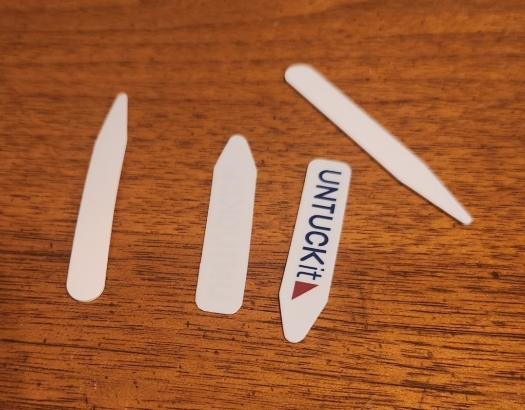
Comments
(Jump to bottom of comments)Posted by: Blonde Morticia at September 13, 2026 01:56 PM (mmrXZ)
Phew.
Posted by: Blonde Morticia at September 13, 2026 01:56 PM (mmrXZ)
Posted by: biteme at September 13, 2026 01:57 PM (xWS9V)
Uhhh.... trying to think of an equivalent in ladies' fashions. Piper? Help?
Posted by: Blonde Morticia at September 13, 2026 01:58 PM (mmrXZ)
Posted by: Boss Moss at September 13, 2026 01:58 PM (5Go8e)
Posted by: Skip at September 13, 2026 02:01 PM (qEb4U)
Posted by: Hokey Pokey at September 13, 2026 02:01 PM (wxsGM)
Posted by: Gref at September 13, 2026 02:04 PM (5rh/l)
Posted by: Boss Moss at September 13, 2026 02:05 PM (5Go8e)
Posted by: Skip at September 13, 2026 02:05 PM (qEb4U)
Posted by: The Age of Jive at September 13, 2026 02:06 PM (XvL8K)
Posted by: Blonde Morticia
Maybe back in the day when shoulder pads were a thing.
Posted by: Tuna at September 13, 2026 02:07 PM (lJ0H4)
Posted by: scampydog at September 13, 2026 02:09 PM (Dkeic)
Posted by: Tuna at September 13, 2026 02:10 PM (lJ0H4)
Posted by: Blonde Morticia
Maybe back in the day when shoulder pads were a thing.
Posted by: Tuna at September 13, 2026 02:07 PM (lJ0H4)
Are there things women used to make their breasts look bigger that would deflate over time?
Or is that a million dollar idea.
Posted by: Stateless - Ralphy 105 years old - puppy at heart at September 13, 2026 02:11 PM (Sco7b)
Posted by: Skip at September 13, 2026 02:05 PM (qEb4U)
web search 'leathernecks'
Posted by: Gref at September 13, 2026 02:11 PM (5rh/l)
Or is that a million dollar idea.
Posted by: Stateless - Ralphy 105 years old - puppy at heart
Uh..no. They were to square up your shoulders. Think 1980's ladies. Big hair and big shoulders.
Posted by: Tuna at September 13, 2026 02:13 PM (lJ0H4)
Posted by: man at September 13, 2026 02:14 PM (pfXMo)
Then I think wait a minute, didn't they do that already?
Posted by: From about That Time at September 13, 2026 02:16 PM (sl73Y)
Why do people let other people push them around? Tell them to f*** off.
Posted by: Case at September 13, 2026 02:17 PM (xJpuh)
Big fun.
Posted by: JackStraw at September 13, 2026 02:17 PM (viF8m)
Posted by: From about That Time at September 13, 2026 02:18 PM (sl73Y)
Posted by: Skip at September 13, 2026 02:18 PM (qEb4U)
Posted by: JackStraw at September 13, 2026 02:21 PM (viF8m)
You do need to remove them for washing and ironing, they do deform in heat. Eventually I realized I didn't care, and if I did I should buy Oxfords.
Posted by: Kindltot at September 13, 2026 02:23 PM (rbvCR)
Posted by: JM in Illinois at September 13, 2026 02:25 PM (Jvw8+)
Or is that a million dollar idea.
Posted by: Stateless - Ralphy 105 years old - puppy at heart at September 13, 2026 02:11 PM (Sco7b)
Knew a lady who called the silicon versions of those her "chicken cutlets"
Posted by: Kindltot at September 13, 2026 02:26 PM (rbvCR)
I'm glad you found them and they were o.k. You will have officially reached old age when you put sunglasses or regular glasses hanging over your front shirt and you don't recall where they are😉
Posted by: FenelonSpoke at September 13, 2026 02:27 PM (JrHfD)
Call some company. Get through to a person unexpectedly fast.
After talking with the "person" for 30s you realize it is an AI pretending to be a human.
One local place the AI bot told me several times it was a real person until I demanded to speak with an actual human...
Posted by: 18-1 at September 13, 2026 02:28 PM (sKqQm)
Extra point for filagree or massy sterling silver with turquoise accents
Posted by: Kindltot at September 13, 2026 02:29 PM (rbvCR)
I never understood high heels, that looks like torture
Women think it makes them look sexy. But the looks on their faces cancel that out. However if that is what they want to do that is their business. And it's kinda funny when they fall off those things.
Posted by: Case at September 13, 2026 02:30 PM (xJpuh)
Posted by: Joe Kidd at September 13, 2026 02:30 PM (nbLIj)
Posted by: Kindltot at September 13, 2026 02:23 PM (rbvCR)
Most of mine are Oxfords, but I like a bit of variety, and Oxfords aren't particularly good for more formal dress.
Posted by: CharlieBrown'sDildo at September 13, 2026 02:32 PM (k5CNB)
Posted by: Blonde Morticia
Under wire!
Posted by: AZ deplorable moron at September 13, 2026 02:32 PM (NnhvP)
It’s like a game you can play while you wait.
Posted by: SpeakingOf at September 13, 2026 02:33 PM (6ydKt)
Posted by: Blonde Morticia
Under wire!
Posted by: AZ deplorable moron
Yes!
Posted by: Tuna at September 13, 2026 02:33 PM (lJ0H4)
Posted by: CharlieBrown'sDildo
Paperclips!
Posted by: AZ deplorable moron at September 13, 2026 02:33 PM (NnhvP)
Posted by: Skip at September 13, 2026 02:34 PM (qEb4U)
>>@JacquiHeinrich
·
1h
>>Border Czar Tom Homan says Dem Congresswoman Ilhan Omar is under criminal investigation by HSI for possible immigration/naturalization fraud. In his answer, he also implies that it could become a denaturalization case.
Posted by: JackStraw at September 13, 2026 02:34 PM (viF8m)
Posted by: Insensitive Clod at September 13, 2026 02:34 PM (gCg+u)
Posted by: FenelonSpoke at September 13, 2026 02:35 PM (JrHfD)
Posted by: mrp at September 13, 2026 02:35 PM (rj6Yv)
Posted by: Kindltot at September 13, 2026 02:35 PM (rbvCR)
Posted by: AZ deplorable moron at September 13, 2026 02:37 PM (NnhvP)
Posted by: Kindltot at September 13, 2026 02:35 PM (rbvCR
Never crossed my mind to cut worn-out collars off shirts. Bonus! That would give them an ole-timey look, and I’m all about old-timey.
Posted by: Eromero at September 13, 2026 02:39 PM (LHPAg)
Posted by: Insensitive Clod
Move to Flagstaff it's high enough to be cool, merely 7000ft.
Posted by: AZ deplorable moron at September 13, 2026 02:40 PM (NnhvP)
They don’t move much.
Posted by: SpeakingOf at September 13, 2026 02:40 PM (6ydKt)
Posted by: JackStraw at September 13, 2026 02:41 PM (viF8m)
Kindle tablet "keyboard" stopped working and I just wanted to see if hitting restart could solve the problem. Apparently so.
Posted by: From about That Time at September 13, 2026 02:41 PM (sl73Y)
you didn't put on your seat belt as a passenger. Almost Everytime I get in when spouse is driving he says, "Put on the seat belt belt before the car blows up!! As if it's a 007 Bond film. Did I
Mention that my dear husband likes repetitive "bits". Some he has used for decades. 😉
Posted by: FenelonSpoke at September 13, 2026 02:42 PM (JrHfD)
Posted by: Tuna at September 13, 2026 02:42 PM (lJ0H4)
'Da barbarians are at the gates!' -- Snake-Eye McFoul
Posted by: Nazdar at September 13, 2026 02:43 PM (NcvvS)
Posted by: FenelonSpoke
An aircraft carrier turned on all its radar while in port in Alameda CA. People couldn't figure out why all their garage doors were open. Doh!
Posted by: AZ deplorable moron at September 13, 2026 02:43 PM (NnhvP)
Posted by: Case at September 13, 2026 02:43 PM (xJpuh)
Posted by: JackStraw at September 13, 2026 02:41 PM (viF8m)
======
Pea coats and pea jackets?
Posted by: mrp at September 13, 2026 02:44 PM (rj6Yv)
Posted by: JackStraw at
I did that this spring, having reached fifteen years out. Kept one lighter suit for weddings (guest), and one darker suit for funerals, including mine.
Posted by: From about That Time at September 13, 2026 02:45 PM (sl73Y)
Posted by: All Hail Eris, She-Wolf of the 'Ettes 'Ettes at September 13, 2026 02:46 PM (kpS4V)
Posted by: JackStraw at September 13, 2026 02:46 PM (viF8m)
Posted by: From about That Time
Oh wise one!
Posted by: AZ deplorable moron at September 13, 2026 02:46 PM (NnhvP)
Posted by: Case
Underwire bras are the most uncomfortable things in the world. Unfortunately, some of us over 29s need them. Gravity is a bitch.
Posted by: Tuna at September 13, 2026 02:46 PM (lJ0H4)
The underwire of a bra works great for support. Then manufacturers start to skimp on the fabric at the seams, so the wires would poke through and start sliding out at the most inconvenient times. That meant I'd be fixing bras (mine, my roommate's, my co-workers etc) with hand sewing.
Then manufacturers got the bright idea of using plastic instead of wire. Plastic snaps and pokes you (if you're an 'Ette) in the breast.
Posted by: NaughtyPine at September 13, 2026 02:47 PM (ao+in)
Maybe Collar thingees?
Collar supports?
Collar stiffener?
Posted by: Aetius451AD at September 13, 2026 02:47 PM (Y/06r)
Posted by: Skip at September 13, 2026 02:48 PM (qEb4U)
Posted by: NaughtyPine at September 13, 2026 02:48 PM (ao+in)
Posted by: FenelonSpoke at September 13, 2026 02:49 PM (JrHfD)
Uhhh.... trying to think of an equivalent in ladies' fashions. Piper? Help?
Posted by: Blonde Morticia
Under wire!
Posted by: AZ deplorable moron
Yes!
Posted by: Tuna
===============
lol I was thinking of that, but it's been a long time since I switched to stretchies.
Posted by: Blonde Morticia at September 13, 2026 02:50 PM (mmrXZ)
Posted by: Boss Moss at September 13, 2026 02:50 PM (5Go8e)
Posted by: Tuna at September 13, 2026 02:50 PM (lJ0H4)
Posted by: All Hail Eris, She-Wolf of the 'Ettes 'Ettes at September 13, 2026 02:46 PM (kpS4V)
Exactly!
Posted by: CharlieBrown'sDildo, but call me Ishmael at September 13, 2026 02:51 PM (k5CNB)
Had one made a few years for just that reason.
Posted by: JackStraw at September 13, 2026 02:51 PM (viF8m)
You can buy a metric shitload of them for a few bucks on Amazon.
Next question please.
Posted by: Cicero (@cicero43) at September 13, 2026 02:51 PM (wpRMV)
So I have to go in today.
Love the kids; hate the checklist.
Posted by: NaughtyPine at September 13, 2026 02:52 PM (ao+in)
Ditto the suit purge. Ties were ceremoniously burned.
Posted by: Auspex at September 13, 2026 02:52 PM (Y8DZL)
Posted by: All Hail Eris, She-Wolf of the 'Ettes 'Ettes at September 13, 2026 02:52 PM (kpS4V)
Posted by: free tibet at September 13, 2026 02:54 PM (iNp3L)
Posted by: All Hail Eris, She-Wolf of the 'Ettes 'Ettes
My nail salon is closed on Monday so Tuesday it is.
Posted by: Tuna at September 13, 2026 02:54 PM (lJ0H4)
Posted by: mrp at September 13, 2026 02:35 PM (rj6Yv)
-----------
The Eighties just called and wants its fashions back.
Posted by: Cicero (@cicero43) at September 13, 2026 02:55 PM (wpRMV)
Posted by: NaughtyPine at September 13, 2026 02:47 PM (ao+in)
When I had to go in and out of the courthouse a lot, I was part of a group getting training and the instructor mentioned that for the ladies with underwires that the magnetometer would pick them up and suggested that "crossing your arms under your breasts often hides the signature"
I of course almost earned a strip search because I forgot my cell phone in my shirt pocket triggered the sensor as much as the keys in my pocket and belt buckle.
Posted by: Kindltot at September 13, 2026 02:55 PM (rbvCR)
Please Santa.
>>@JacquiHeinrich
·
1h
>>Border Czar Tom Homan says Dem Congresswoman Ilhan Omar is under criminal investigation by HSI for possible immigration/naturalization fraud. In his answer, he also implies that it could become a denaturalization case.
Posted by: JackStraw
===============
Markwayne Mullin has been making some noises about her, too. Not getting my hopes up regardless.
Posted by: Blonde Morticia at September 13, 2026 02:56 PM (mmrXZ)
I have a bunch of Jerry Garcia designed ties, because of course I do.
It was my little way of sticking it to the man when I had to wear the monkey suit.
F you, man.
Posted by: JackStraw at September 13, 2026 02:56 PM (viF8m)
There's a reason the Walmartians wear jammies to shop.
Posted by: Martini Farmer at September 13, 2026 02:57 PM (2Cry5)
Posted by: All Hail Eris, She-Wolf of the 'Ettes 'Ettes at September 13, 2026 02:52 PM (kpS4V)
I keep telling you, get one of those posts that is covered with jute matting.
Posted by: Kindltot at September 13, 2026 02:58 PM (rbvCR)
Posted by: From about That Time at September 13, 2026 02:58 PM (sl73Y)
Posted by: Auspex at September 13, 2026 02:52 PM (Y8DZL)
I have about 75 ties, and I have no idea why.
Posted by: CharlieBrown'sDildo, but call me Ishmael at September 13, 2026 02:58 PM (k5CNB)
Man I miss those days.
Posted by: Cicero (@cicero43) at September 13, 2026 02:59 PM (wpRMV)
Posted by: JackStraw at September 13, 2026 02:56 PM (viF8m)
So do I! They are nice ties!
Posted by: CharlieBrown'sDildo, but call me Ishmael at September 13, 2026 02:59 PM (k5CNB)
Posted by: Kindltot at September
----
Ha!
Posted by: All Hail Eris, She-Wolf of the 'Ettes 'Ettes at September 13, 2026 03:00 PM (kpS4V)
Posted by: JackStraw at September 13, 2026 03:00 PM (viF8m)
Everything; slacks, shirts, ties and shoes.
Posted by: Martini Farmer at September 13, 2026 03:01 PM (2Cry5)
Posted by: Cicero (@cicero43) at September 13, 2026 02:59 PM (wpRMV)
Were you a pimp?
Although your wife has good taste, so I am puzzled.
Posted by: CharlieBrown'sDildo, but call me Ishmael at September 13, 2026 03:01 PM (k5CNB)
Posted by: Cicero (@cicero43) at September 13, 2026 03:02 PM (wpRMV)
Posted by: Cicero (@cicero43) at September 13, 2026 03:03 PM (wpRMV)
That's my plan.
Cause we boomers are fucking evil.
Posted by: JackStraw at September 13, 2026 03:03 PM (viF8m)
The educational capture was the masterpiece.
-------------
4 or more years of socialist indoctrination followed by a piece of paper that's worthless. Go to job interview and are totally confused about what you're expected to do, hate the idea of a work schedule, being told what to do, when to do it and when to complete it.
Bail on finding meaningful work and become increasingly pissed off at society. Fall back on your "degree" and join up with like minded people and spend your days protesting. You get free meals, a place to sleep and feel like you're really "sticking it to the man."
There's at least two generations of this festering resentment about to boil over.
Posted by: Martini Farmer at September 12, 2026 02:39 PM (2Cry5)
==
This is starting to be reversed, and the left will be fighting it to the death.
Posted by: Black JEM at September 13, 2026 03:03 PM (UQRAm)
I know, it is to laugh. Who would hire me?
Posted by: All Hail Eris, She-Wolf of the 'Ettes 'Ettes at September 13, 2026 03:03 PM (kpS4V)
Posted by: Kindltot at September 13, 2026 02:23 PM (rbvCR)
Most of mine are Oxfords, but I like a bit of variety, and Oxfords aren't particularly good for more formal dress.
Posted by: CharlieBrown'sDildo at September 13, 2026 02:32 PM (k5CNB)
I wear neither Oxfords (actually, I have only one of them) nor blue jeans. All my shirts (and I don't need a lot of them in this casual era) are regular collars which need collar stays - Charles Tyrwhitt are the best, as mentioned by #75. Used to love Oxfords, but I found that the positioning of the buttons and the size of the collars vary widely by maker, and they don't look as great on me as I usually imagine they would.
Posted by: Darrell Harris at September 13, 2026 03:03 PM (0CU3H)
That's my plan.
Cause we boomers are fucking evil.
--------
fist bump
Posted by: Martini Farmer at September 13, 2026 03:06 PM (2Cry5)
This is what I voted for.
Now, assuming they do have the goods on her, do they bring this during the election season or right after? Does it drive more R leaning voters to know the Dems are bro-f*cking liars and cheats or more D leaning voters because "muh democracy!"
Posted by: 18-1 at September 13, 2026 03:08 PM (sKqQm)
Posted by: Mr Aspirin Factory at September 13, 2026 03:10 PM (GquHV)
Posted by: Eromero at September 13, 2026 03:10 PM (LHPAg)
-----
AI, and "Chat" with companies is worthless, generally.
If you try to call someone, to talk to a human being or representative to accomplish a task that can't be done online, they will regale you whilst on hold, that they have a website, and you should do that. MFers. If I could get it done online without going through this bullshit, I would have. That's why I'm calling you.
Chat, even if manned by human beings, can never seem to do anything constructive or substantial. Spend 15 minutes, waiting, verifying identity, explaining your problem, and "I Can't Do That". Thanks!
Posted by: Common Tater at September 13, 2026 03:11 PM (uozx9)
You answered your own question. Politics ain't all that complicated. Do what you said you were going to do.
>>This is what I voted for.
Posted by: JackStraw at September 13, 2026 03:11 PM (viF8m)
Posted by: Martini Farmer at September 13, 2026 03:12 PM (2Cry5)
Posted by: Oddbob at September 13, 2026 03:13 PM (ZOMyU)
I'm still better dressed than 99% of the engineers -- who look like a bunch of hobos.
Posted by: Retired Buckeye Cop is now an engineer at September 13, 2026 03:14 PM (ksbjf)
Omar can continue to represent her district.
... from Mogadishu.
Not optimal, but preferable to the present situation.
Posted by: SpeakingOf at September 13, 2026 03:15 PM (6ydKt)
Posted by: Common Tater at September 13, 2026 03:16 PM (uozx9)
Posted by: A Bunch of Hobos, But Fashion Forward at September 13, 2026 03:16 PM (wpRMV)
Posted by: NemoMeImpuneLacessit at September 13, 2026 03:17 PM (D7w1V)
Posted by: Martini Farmer at September 13, 2026 03:12 PM (2Cry5)
It is an 80-20 issue, that no one wants to touch
but. . .
"Design your action so that your target is forced to make a decision, and all their available options play to you advantage"
and
"When taking on a big and well-known target, it is often the target's reaction to your action that is the key to success. Therefore, anticipate your target's reaction and write that into your script"
Exempting Omar is a losing play. Scotching immigration enforcement is a losing play. Making a law just about Omar will get the Supremes in play and they DO NOT WANT TO PLAY
Posted by: Kindltot at September 13, 2026 03:18 PM (rbvCR)
Posted by: Eromero
Grandpa Aspirin Factory had some nice hats. It finished his suit and it was classy.
Posted by: Mr Aspirin Factory at September 13, 2026 03:18 PM (GquHV)
Posted by: Blonde Morticia
Do not take rythjabnarty if you are allergic to rythjabnarty or any of its ingredients. Side effects include headache, blurred vision, spastic typing fingers, and a fanatical devotion to being first.
Posted by: mikeski at September 13, 2026 03:19 PM (VHUov)
-----
Any halfway sane country the congress would have expelled her, if not preventing her from being seated in the first place. Clown World
As somebody observed the other day, the left figured out the constitution really is a suicide pact, and they've been making the most of it for decades now
Posted by: Common Tater at September 13, 2026 03:19 PM (uozx9)
Posted by: mikeski at September 13, 2026 03:20 PM (VHUov)
Posted by: SpeakingOf at September 13, 2026 03:22 PM (6ydKt)
Radically different dress codes. I was... unprepared. And ridiculed for years.
I was honestly disappointed shorts and flip flops were frowned upon after wearing them for over a decade.
Posted by: Martini Farmer at September 13, 2026 03:22 PM (2Cry5)
Posted by: mikeski at September 13, 2026 03:20 PM (VHUov)
-----------
That's nothing compared to what a commercial laundry does to them if you forget to take them out.
Posted by: Cicero (@cicero43) at September 13, 2026 03:22 PM (wpRMV)
Posted by: JackStraw at
I did that this spring, having reached fifteen years out. Kept one lighter suit for weddings (guest), and one darker suit for funerals, including mine.
Posted by: From about That Time at September 13, 2026 02:45 PM (sl73Y)
I don't even need to wear a suit to be buried. I am authorized to wear the white habit and scapular of the Dominican religious order (I'm a lay brother).
Posted by: Retired Buckeye Cop is now an engineer at September 13, 2026 03:23 PM (ksbjf)
------------
I just need something fireproof.
Posted by: Cicero (@cicero43) at September 13, 2026 03:25 PM (wpRMV)
Speaking of, I need to go clothes shopping again. It's one of my most hated chores, but I'm down to about 3 serviceable ties and maybe 5 pair of appropriate pants.
Posted by: PabloD at September 13, 2026 03:26 PM (aHN1Y)
Posted by: Accomack at September 13, 2026 03:27 PM (/Chlc)
Posted by: JackStraw at September 13, 2026 03:27 PM (viF8m)
Posted by: Diogenes at September 13, 2026 03:28 PM (2WIwB)
This is what I voted for.
Now, assuming they do have the goods on her, do they bring this during the election season or right after? Does it drive more R leaning voters to know the Dems are bro-f*cking liars and cheats or more D leaning voters because "muh democracy!"
Posted by: 18-1 at September 13, 2026 03:08 PM (sKqQm)
Omar is in the umpteen victimhood category. Rather than trying to deport her and having to fight it all the way to SCOTUS, Trump should play it this way. He loudly proclaims in an Oval Office press event he's going to show mercy to her, not deport her. Only because she is a Member of Congress. From then on, he and every Republican can call Omar the Dem congressman who owes Trump for letting her stay in the country. Despite her being deportable for lying on an immigration form about her second husband's ID because he is actually her brother. A clear-cut deportable offense. I'm sure Trump can can come up with a wicked nickname for her.
Posted by: Gref at September 13, 2026 03:29 PM (5rh/l)
Posted by: Skip at September 13, 2026 03:29 PM (qEb4U)
Posted by: Kindltot at September 13, 2026 02:55 PM
Wow! I never thought about that.
Posted by: NaughtyPine at September 13, 2026 03:30 PM (ao+in)
Posted by: RandomDave (if you can spare a bit, please click!) at September 13, 2026 03:30 PM (aJQbY)
If that were ever true, nobody would have cooked at home in the first place. When I was a little kid we went out to a regular restaurant maybe a half dozen times a year. Probably not even that. It was a big deal, because we had to get dressed up, I probably had to take a bath.
McDonald's was a treat, because it involved relaxed grooming standards, just hop in the car with Dad and go pick it up. We did that about a half dozen times a year, maybe.
Parents in those days might have went out a bit more often, but generally feeding the family was not done at Burger King or McDonalds. Not even close. If it were cheaper - they would have done that, LOL.
Posted by: Common Tater at September 13, 2026 03:30 PM (uozx9)
Posted by: Field Marshal Zhukov at September 13, 2026 03:30 PM (bX16E)
Posted by: Wenda at September 13, 2026 03:30 PM (WBjaU)
Yeah, like when we get our pocket knife out and cut back our toenails when they get a bit too long. Can you believe some people PAY to have this done? First world indeed.
Posted by: Case at September 13, 2026 03:31 PM (xJpuh)
Posted by: Paul...who likes the flavor of his dog's excrement at September 13, 2026 03:31 PM (qIJYa)
No one will notice.
Posted by: Overdressed at September 13, 2026 03:32 PM (cCXR+)
Worked through the paisley, the stripes, the floral, the solid, the knits, the thin, the wide.... all those.
Posted by: Martini Farmer at September 13, 2026 03:33 PM (2Cry5)
Posted by: RandomDave (if you can spare a bit, please click!) at September 13, 2026 03:34 PM (aJQbY)
I usually hate when some "artist" sings the national anthem or America the Beautiful but I thought he did a great job. If I could sing like that I would never have had to wear a suit.
Posted by: JackStraw at September 13, 2026 03:34 PM (viF8m)
Posted by: San Franpsycho at September 13, 2026 03:35 PM (RIvkX)
Posted by: Mr Aspirin Factory at September 13, 2026 03:35 PM (GquHV)
Posted by: BenMSYS at September 13, 2026 03:36 PM (vR93T)
Later gators.
Posted by: Cicero (@cicero43) at September 13, 2026 03:36 PM (wpRMV)
Posted by: fd at September 13, 2026 03:36 PM (MWfyi)
Posted by: Wenda
Agreed! The man can sing, doesn't mess with the pacing too much, and sings the 2nd verse! (Would love to hear him do *all* the verses)
Posted by: RandomDave (if you can spare a bit, please click!) at September 13, 2026 03:37 PM (aJQbY)
Posted by: Common Tater at September 13, 2026 03:30 PM (uozx9)
I do not recall anyone making the claim that it was cheaper than eating at home. I do recall the claim being that it was cheaper than eating at the diners and restaurants, which was (and for the most part still is) true.
Posted by: goozer at September 13, 2026 03:38 PM (eTh1u)
I have two types of ties. There are the ones for church and there are ones for dog shows, which are patterned with dog motifs. They are frequently the occasion for compliments.
Posted by: Hadrian the Seventh at September 13, 2026 03:39 PM (eRlcH)
Posted by: naturalfake at September 13, 2026 03:41 PM (iJfKG)
Posted by: Martini Farmer
Some of the wider ones from the seventies were almost wide enough to be used as a tablecloth. LOL
Posted by: Tuna at September 13, 2026 03:43 PM (lJ0H4)
Posted by: Jackson Brownie at September 13, 2026 03:45 PM (Fn+3X)
4 or more years of socialist indoctrination followed by a piece of paper that's worthless. Go to job interview and are totally confused about what you're expected to do, hate the idea of a work schedule, being told what to do, when to do it and when to complete it.
___________
I am amazed at the number of posts I see saying that a 40-hour-week office job is like Auschwitz.
Posted by: Hadrian the Seventh at September 13, 2026 03:46 PM (eRlcH)
Full Windsor knot or half Windsor?
Posted by: Diogenes at September 13, 2026 03:46 PM (2WIwB)
Posted by: Hesh and Heidi at September 13, 2026 03:47 PM (Fn+3X)
Posted by: Maurice Williams and the Zodiacs at September 13, 2026 03:49 PM (lJ0H4)
Posted by: Hong Chinee Hand Laundry at September 13, 2026 03:49 PM (Fn+3X)
Posted by: Skip at September 13, 2026 03:49 PM (qEb4U)
Full Windsor knot or half Windsor?
Posted by: Diogenes at September 13, 2026 03:46 PM (2WIwB)
________
Full. Half Windsor is fundamentally unserious.
Posted by: Hadrian the Seventh at September 13, 2026 03:49 PM (eRlcH)
-----
That might be part of it for sure. But I've read three different claims from people in widely different forums that it used to be cheaper to eat out at restaurants than cook at home. I can't see how that would ever be the case on any sort of extended basis. Again, if it were, then nobody would have cooked at home, ever.
The big draw, as I recall, if I didn't realize it at the time was giving dear old Mom a break once in a while, too.
Posted by: Common Tater at September 13, 2026 03:50 PM (uozx9)
Posted by: Case at September 13, 2026 03:51 PM (xJpuh)
Posted by: Speaker Emerita at September 13, 2026 03:51 PM (Fn+3X)
Low end was a Howdy's and Ho Jo's, high end was McDonalds and Bergsons.
Posted by: From about That Time at September 13, 2026 03:51 PM (sl73Y)
In recent years suit styles have trended towards the "hand me down" look, where they appear to be a couple sizes too small. That looks unnecessarily weird to me as well.
Posted by: Common Tater at September 13, 2026 03:52 PM (uozx9)
Posted by: SpeakingOf at September 13, 2026 03:53 PM (6ydKt)
If you could sing like that you'd be wearing very formal suits to sing at the White House.
Posted by: Wenda at September 13, 2026 03:53 PM (WBjaU)
Posted by: Hadrian the Seventh
Spoiled they are.
Posted by: Tuna at September 13, 2026 03:53 PM (lJ0H4)
Posted by: SpeakingOf at September 13, 2026 03:54 PM (6ydKt)
Posted by: The Vulgar Boatman.. at September 13, 2026 03:54 PM (Fn+3X)
Posted by: SpeakingOf at September 13, 2026 03:22 PM (6ydKt)
Gold Bond, right.
Posted by: Kindltot at September 13, 2026 03:54 PM (rbvCR)
-----
But then, how much was a pound of ground beef? The nice thing about fast food wasn't that it was less expensive, it was tasty and ready to go, and no dishes to wash or kitchen clean up. But nobody ever claimed it was cheaper than eating at home until recently. It's just weird to hear people say something like that.
Posted by: Common Tater at September 13, 2026 03:54 PM (uozx9)
Posted by: Rev. Wishbone at September 13, 2026 03:58 PM (5C90x)
But what's worse, was the constant begging for money. Money for food, for gas, for rent, for.... whatever. Hundreds of posts, most behind a fake name, over and over and over.
I'd get flamed to no end pointing out they have money for a cell phone and the connectivity to beg online, so maybe use that money to buy food instead of posting shit.
Reality sucks for these people.
Posted by: Martini Farmer at September 13, 2026 03:58 PM (2Cry5)
The stuff of dreams.
Posted by: JackStraw at September 13, 2026 03:58 PM (viF8m)
Posted by: Diogenes at September 13, 2026 03:28 PM (2WIwB)
you can make a very nice neck gaiter from the sleeve off of an old tee-shirt, you just need to sacrifice one of a color you like to cut up. It needs to be long enough to tuck into your jacket collar in front and back, and watch out if you use a pocket tee. (Though it might be good to have some spare place to hold your glasses and a couple ball point pens)
Also, I suggest you use one of your own shirts because every time you wear it you are essentially shoving your nose into an armpit, and it seems less offensive to me to use my own shirts.
Posted by: Kindltot at September 13, 2026 03:59 PM (rbvCR)
Now it's regularly double that.
There was never a time when you could eat for less money outside the home, unless by meal you mean a Coke and a pack of crackers.
Posted by: SpeakingOf at September 13, 2026 03:59 PM (6ydKt)
Posted by: CBD at 01:55 PM
Tell me about it.
Posted by: Spats at September 13, 2026 04:01 PM (4NO2D)
----------
RC cola and a pack of cigs. No need for food. At least for a couple hours.
Posted by: Martini Farmer at September 13, 2026 04:02 PM (2Cry5)
Posted by: Diogenes at September 13, 2026 03:46 PM (2WIwB)
Four in hand. Windsors are for people who care.
Posted by: Kindltot at September 13, 2026 04:02 PM (rbvCR)
Mr. McGuire: I want to say one word to you. Just one word.
Benjamin: Yes, sir.
Mr. McGuire: Are you listening?
Benjamin: Yes, I am.
Mr. McGuire: Plastics.
Benjamin: Exactly how do you mean?
Mr. McGuire: There's a great future in plastics.
Posted by: Mike Hammer, etc., etc. at September 13, 2026 04:03 PM (XeU6L)
Posted by: Common Tater at September 13, 2026 03:54 PM
It's a lie people tell themselves to get out of cooking and dishwashing. I helped a pal sort out his receipts and figure out a budget. He discovered his grocery spending would be 25% cheaper without pre-prepared foods ... and snacks like chips and cookies. The groceries were noticeably more expensive"snacky" when his son did the shopping.
Posted by: NaughtyPine at September 13, 2026 04:03 PM (ao+in)
Posted by: Skip at September 13, 2026 04:03 PM (qEb4U)
The New York Jets are in 1st place.
Posted by: JackStraw at September 13, 2026 04:04 PM (viF8m)
Posted by: Mike Hammer, etc., etc. at September 13, 2026 04:04 PM (XeU6L)
Posted by: Common Tater at September 13, 2026 03:52 PM (uozx9)
I have often said the best fit says, "I normally wear body armor under this"
Posted by: Kindltot at September 13, 2026 04:04 PM (rbvCR)
Posted by: Pay or don't, your choice at September 13, 2026 04:06 PM (NFX2v)
I read some guide that was describing "proper male grooming." Among the gems was the ability to tie a necktie. OK, fair enough - but the author stated that the point of the necktie should just brush the top of the man's belt.
WRONG! Everyone KNOWS that the point of the necktie should just brush the BOTTOM of the man's belt.
I don't know how I can ever bear to go outside again.
Posted by: NeighSayer at September 13, 2026 04:09 PM (bufu1)
Full Windsor for silk or similarly thin fabric. Reversed Half Windsor for heavier fabric. Four In Hand is for school boys.
Posted by: Oddbob at September 13, 2026 04:09 PM (vTZFs)
Full Windsor for silk or similarly thin fabric. Reversed Half Windsor for heavier fabric. Four In Hand is for school boys.
Posted by: Oddbob
-------
This is true.The knot chosen is dependant upon collar, and tie material.
Posted by: Mike Hammer, etc., etc. at September 13, 2026 04:16 PM (XeU6L)
Posted by: Gref at September 13, 2026 02:04 PM (5rh/l)
What's a collar?
Posted by: Alberta Oil Peon at September 13, 2026 04:55 PM (1z8ji)
Posted by: The 90s Called.. at September 13, 2026 04:56 PM (Fn+3X)
Posted by: Grumpy and Recalcitrant, a Moron behind enemy lines at September 13, 2026 06:56 PM (O7YUW)
Brooks Brothers comes to mind.
They also had a humidor cigar room with leather chairs to pass the time while the tailor performed his magic.
This service was available to anyone regardless of class.
Not so much anymore.
Posted by: John at September 13, 2026 10:42 PM (9NUKl)
Posted by: Lt. York at September 13, 2026 11:36 PM (85XFA)
Posted by: MN_Native1 at September 14, 2026 12:46 PM (nG1f0)
Saudi Arabia Is Stuck Between A Rock And A Hard Place...Oh Well!
Foreign Minister Prince Faisal bin Farhan emphasized that Saudi Arabia’s security, territorial integrity, and resources are inviolable. Addressing the 18th BRICS Summit meetings at Bharat Mandapam in New Delhi on Sunday, the foreign minister emphasized that Saudi Arabia and other Gulf Cooperation Council (GCC) states will not accept targeting of their territories or vital facilities, under any pretext or justification. Prince Faisal said that the ongoing escalation in the region is contributing to an expansion of the scope of confrontation and increasing the risks threatening regional and international security and stability. He emphasized that priority must be given to de-escalation and to paving the way for political and diplomatic efforts.
Except...None of that is true. The Saudis have been unwilling to do what is necessary to end the Houthi attacks on Saudi Arabia and the petroleum and other commerce that moves through the Gulf of Aden. They have punted again and again, and even in the face of attacks on Saudi Arabia itself has been curiously reticent, no doubt because they want someone else (read: the USA) to deal with the problem. They have a large active-duty armed forces, modern weaponry, and the backing of the world. Yet they can't manage to tamp down the Houthis? Why is that? First...The Saudi armed forces are long on weaponry and short on fighting spirit. Second...Saudi Arabia loves to talk and negotiate and play the typical Arab long game. But the Houthis don't do any of that. Third...The Houthis are supported by Iran, and Saudi Arabia is ambivalent about Iran. Yes, they are afraid of Iran's nuclear and regional ambitions, but direct confrontation is not in their DNA. Fourth...The Houthis are tough fighters who are good at guerilla warfare and are holed up in the mountains. Beating them requires well-trained troops and the political will to complete the job...neither of which is in evidence in KSA. And now there have been attacks from Iraq (probably on Houthi authority) on the alternative pipelines that bypass the Strait of Hormuz and send oil to the Red Sea. KSA has shut down those pipelines temporarily, but the attack sends a message that Saudi Arabia is no longer fighting on one front. Years of accommodation to the various Islamist factions, both inside and outside of Saudi Arabia has created a massive network of quasi-government actors that have no fear of KSA, and are willing to act in their own best interests, knowing that Saudi vacillation, negotiation, and ultimately settlement will protect them. And it couldn't have happened to a worse country. Remember, Saudi Arabia was the source of 15 of the 19 9/11 terrorists, and there is ample evidence of internal involvement. So...man up Saudi Arabia! It's your problem, and it is my most fervent hope that President Trump tells them to deal with it, because we won't!
Comments
(Jump to bottom of comments)Posted by: Skip at September 13, 2026 12:09 PM (Ia/+0)
Posted by: Skip at September 13, 2026 12:11 PM (Ia/+0)
Posted by: Cosda at September 13, 2026 12:12 PM (/TnVC)
Posted by: Cicero (@cicero43) at September 13, 2026 12:14 PM (wpRMV)
Posted by: Nazdar at September 13, 2026 12:14 PM (NcvvS)
Posted by: Braenyard - some Absent Friends are more equal than others _ at September 13, 2026 12:15 PM (3oLMy)
Also, why have the saudis gotten away with being a monarchy all these years? It's 2026, where is the call for democracy and elections in the kingdom?
Posted by: Saudis Are Dirt Bags at September 13, 2026 12:18 PM (cCXR+)
Purely for humour: worked with a bunch of guys who could spit out a sarcastic 'Oh well!' with the best of them. One fine day, an older lady who worked with us, sorta, said, 'I hate it when you say 'Oh well'!' The two of us who were just outside her office looked at each other, grinned, turned to her, and said, 'OH WELL!'.
She was a little pissed about it.
Posted by: Nazdar at September 13, 2026 12:19 PM (NcvvS)
Sums it up nicely.
Posted by: Diogenes at September 13, 2026 12:20 PM (2WIwB)
Posted by: Cicero (@cicero43) at September 13, 2026 12:22 PM (wpRMV)
Their entire world view is to use slave labor to take care of the dirty work.
Also, the Arabs are raiders and thieves.
Sure, they can be fearsome when they want to be--they conquered a lot of the Middle East and North Africa at one time--but they really don't embrace the "warrior ethos" that the United States military does.
(The Europeans used to have a similar ethos, but not so much any more.)
Posted by: "Perfessor" Squirrel at September 13, 2026 12:22 PM (FZ29D)
“The Houthis called us, and they don’t want to fight with us,” Trump told reporters. “They don’t want us to go after them.”
He added that “everything’s gonna work out fine and dandy” in the region.
According to US outlet Axios, bin Salman called Trump twice on Thursday to request US strikes on the Houthis, but the American president declined.
...
“They would much prefer not having us involved, and they’re letting most ships go through. There’s just one country that they’re not too happy with, and we’ll get that straightened out,” Trump said.
_timesOfIsrael
Posted by: Braenyard - some Absent Friends are more equal than others _ at September 13, 2026 12:23 PM (3oLMy)
I read that during the recent Houthi advance to the Red Sea in Yemen, the Saudis did not embed Saudi forward air controllers with the Yemeni government forces, rendering Saudi air power largely irrelevant. Their fancy expensive military planes just sat it out. The Saudis kill act like they really don't want to win.
Posted by: Semi-Literate Thug at September 13, 2026 12:23 PM (lsrsS)
The Saudis will fight to the last drop of someone else's blood.
Eurotrash sneer at Americans as trailer trash that won a billion dollar lottery prize. But, of course, we worked and built what we had. Without foreigners to develop anything, MENA would remain a wasteland populated by left-hand ass wipers.
Posted by: Leon Trotsky at September 13, 2026 12:25 PM (eRlcH)
The Saudi armed forces are long on weaponry and short on fighting spirit.
Sums it up nicely.
Posted by: Diogenes
Indeed. No loot, no courage. Perhaps that is too dismissive but it seems to track with history to a point.
Posted by: RandomDave (if you can spare a bit, please click!) at September 13, 2026 12:25 PM (aJQbY)
Posted by: Hadrian the Seventh at September 13, 2026 12:26 PM (eRlcH)
Posted by: It's me donna at September 13, 2026 12:26 PM (+gK6I)
-----
Now do the U.S.A.
Posted by: Common Tater at September 13, 2026 12:27 PM (uozx9)
Posted by: Boss Moss at September 13, 2026 12:28 PM (5Go8e)
Posted by: It's me donna
---
Cheer up, we're winning.
Don't be downa donna.
Posted by: Braenyard - some Absent Friends are more equal than others _ at September 13, 2026 12:29 PM (3oLMy)
Took Her Majesty to the airport this morning, then proceeded directly to church for the 8:30 Mass. Very different congregation than my usual 7:00, younger and with more kids.
I actually sat up toward the front today - on a chair on the side, since I can't kneel any longer - whereas I usually sit on a bench in the back.
Posted by: Hadrian the Seventh at September 13, 2026 12:29 PM (eRlcH)
Posted by: Boss Moss
---
Counter productive
Posted by: Braenyard - some Absent Friends are more equal than others _ at September 13, 2026 12:30 PM (3oLMy)
One fighter declares that no Saudi ship — “not even a Saudi nail” — will pass until the siege on Yemen is lifted
Posted by: Braenyard - some Absent Friends are more equal than others _ at September 13, 2026 12:32 PM (3oLMy)
Posted by: Case at September 13, 2026 12:32 PM (xJpuh)
Posted by: dantesed at September 13, 2026 12:34 PM (Oy/m2)
Posted by: night lifted at September 13, 2026 12:34 PM (kJmLc)
Protection >> power projection.
Posted by: NaCly Dog at September 13, 2026 12:35 PM (u82oZ)
BRICS is who... Brazil, Russia, Saudi Arabia, India, or something like that? Have I got that wrong?
Posted by: dantesed at September 13, 2026 12:34 PM (Oy/m2)
Brazil, Russia, India, China, South America.
Posted by: Hadrian the Seventh at September 13, 2026 12:35 PM (eRlcH)
Posted by: Boss Moss at September 13, 2026 12:36 PM (5Go8e)
Sorry, South Africa. Now also includes Egypt, Ethiopia, Indonesia, Iran, and the United Arab Emirates.
Posted by: Hadrian the Seventh at September 13, 2026 12:37 PM (eRlcH)
Posted by: LinusVanPelt at September 13, 2026 12:37 PM (M+uMR)
Posted by: dantesed at September 13, 2026 12:37 PM (Oy/m2)
Posted by: Steve (Retired/recovering lawyer) at September 13, 2026 12:37 PM (nq64t)
Posted by: Hadrian the Seventh at September 13, 2026 12:38 PM (eRlcH)
Also, the Arabs are raiders and thieves.
Sure, they can be fearsome when they want to be--they conquered a lot of the Middle East and North Africa at one time--but they really don't embrace the "warrior ethos" that the United States military does.
Posted by: "Perfessor" Squirrel
==============
This is what puzzles me a little. Raiders and thieves may be true, but someone sure expanded from that crummy peninsula across North Africa, up the Iberian Peninsula, up the Caucasus, all over the Sasanian Empire, etc etc. They grow up learning about "the openings," with their little history books full of drawings of guys brandishing their sabers as they ride horseback.
Oh well, if we're talking about the loss of some ancient fighting spirit, I could say similar things of a few European countries.
Posted by: Blonde Morticia at September 13, 2026 12:38 PM (mmrXZ)
Posted by: Hadrian the Seventh
---
How many people were saying, BRICS were going to break the American Petro Dollar; that Benjamin would no longer be reserve currency? Boo Hoo.
Posted by: Braenyard - some Absent Friends are more equal than others _ at September 13, 2026 12:39 PM (3oLMy)
"Inshallah."
Posted by: ballistic at September 13, 2026 12:39 PM (oqH4h)
BRICS is who... Brazil, Russia, Saudi Arabia, India, or something like that? Have I got that wrong?
Posted by: dantesed at September 13, 2026 12:34 PM (Oy/m2)
Brazil, Russia, India, China, South America.
Posted by: Hadrian the Seventh at September 13, 2026 12:35 PM (eRlcH)
South Africa iirc.
Posted by: Helena Handbasket at September 13, 2026 12:39 PM (+fdRY)
Posted by: AZ deplorable moron at September 13, 2026 12:40 PM (NnhvP)
Posted by: Boss Moss at September 13, 2026 12:40 PM (5Go8e)
Oh no!
Anyway. Fuck them.
Posted by: nurse ratched at September 13, 2026 12:41 PM (XNYK+)
Posted by: Blonde Morticia
---
It's possible that it was another group of Islamist's not Arabs.
Posted by: Braenyard - some Absent Friends are more equal than others _ at September 13, 2026 12:41 PM (3oLMy)
They launched a bunch of airstrikes, even sent in some troops at one point, IIRC.
The Saudis have launched strikes against the Houthis several times over the course of this war with Iran, every time the Houthis launch missiles at Saudi oilfields, etc.
The Crown Prince is worried about things getting out of hand and he’ll have to get involved in a real war instead of tit for tat rockets & missiles.
Thats’s what it looks like to me, anyhow.
Posted by: SpeakingOf at September 13, 2026 12:42 PM (6ydKt)
why have the saudis gotten away with being a monarchy all these years? It's 2026, where is the call for democracy and elections in the kingdom?
Posted by: Saudis Are Dirt Bags
================
There are calls, but... what do you think they (and the world) would get if there were elections? Princes elbowing each other out of the way is probably cleaner politics than what we've got in California.
Posted by: Blonde Morticia at September 13, 2026 12:42 PM (mmrXZ)
While I think our shit-for-brains bureaucrats have overused "sanctions" and such, I also think BRIC should have left off that last letter - it sounds *so* much less impressive when you have All These Guys and then... South Africa.
Really???
Posted by: Helena Handbasket at September 13, 2026 12:42 PM (+fdRY)
Member States: Brazil, China, Egypt, Ethiopia, India, Indonesia, Iran, Russia, Saudi Arabia, South Africa, and the United Arab Emirates.Partner Countries: Belarus, Bolivia, Cuba, Kazakhstan, Malaysia, Nigeria, Thailand, Uganda, Uzbekistan, and Vietnam.
Posted by: Boss Moss at September 13, 2026 12:43 PM (5Go8e)
It's possible that it was another group of Islamist's not Arabs.
Posted by: Braenyard
================
The first big expansion ended about 750. They were Arabs.
Posted by: Blonde Morticia at September 13, 2026 12:43 PM (mmrXZ)
Posted by: LinusVanPelt at September 13, 2026 12:37 PM (M+uMR)
------
Great point! I'd much rather our resources go to developing our petroleum industry stateside than having to go play Daddy to a bunch of tribes that have been at war with one another and with everyone else for centuries just so the monarchs can keep their private jumbo jets and cocaine/hooker habits funded.
Posted by: ballistic at September 13, 2026 12:43 PM (oqH4h)
Posted by: Boss Moss at September 13, 2026 12:44 PM (5Go8e)
I see the Houthis are getting ready to become a nuisance. Ones the US Marines in theater can eradicate, esp. on that island they took over.
Can we flood the area with broadband jamming?
I prefer a stealth approach led by Marine Force Recon and SEALS, then get all the electronic data, Make sure there are only two survivors for rigorous interrogation, followed by removal of all our forces.
Without publicity. Let the world wonder. Better that way.
Posted by: NaCly Dog at September 13, 2026 12:44 PM (u82oZ)
Posted by: Boss Moss at September 13, 2026 12:40 PM (5Go8e)
Is it me you’re looking for?
https://youtu.be/mHONNcZbwDY
Posted by: SpeakingOf at September 13, 2026 12:46 PM (6ydKt)
How many people were saying, BRICS were going to break the American Petro Dollar; that Benjamin would no longer be reserve currency? Boo Hoo.
Posted by: Braenyard - some Absent Friends are more equal than others _ at September 13, 2026 12:39 PM (3oLMy)
Brazil will never amount to anything. Russia is going down the tubes. The future of China is gloomy. A good chunk of South Africa's blacks wish the whites were still running things. Among them, only India has a chance but they have a long way to go to break through their social and moral morass.
Posted by: Hadrian the Seventh at September 13, 2026 12:46 PM (eRlcH)
Posted by: SMH at God's mercy at September 13, 2026 12:46 PM (Rln0i)
Brazil, Russia, India, China, South America.
Posted by: Hadrian the Seventh
Brazil, Russia, India, China, South Africa, Egypt, Ethiopia, Indonesia, Iran, and the United Arab Emirates
wrong south...
Posted by: AZ deplorable moron at September 13, 2026 12:47 PM (NnhvP)
So the lifeblood of the civilized world has to either flow past the Iranians (ships) or under the Saudis (pipeline)? Now there's a predicament.
Posted by: Blonde Morticia at September 13, 2026 12:47 PM (mmrXZ)
Posted by: AZ deplorable moron at September 13, 2026 12:47 PM (NnhvP)
wrong south...
Posted by: AZ deplorable moron at September 13, 2026 12:47 PM (NnhvP)
*huffs indignantly*
I corrected it!
Posted by: Hadrian the Seventh at September 13, 2026 12:48 PM (eRlcH)
Why not use our own resources? The government ran out of gold by 1968 trying to defend the $35 currency peg, I think the middle east arrangements making the dollar the "reserve currency" for worldwide oil transactions, aka petrodollar was part of the deal with purchasing Saudi oil, and certain defense agreements. I think that's what Nixon and Kissinger and that gang accomplished.
Posted by: Common Tater at September 13, 2026 12:48 PM (uozx9)
Without publicity. Let the world wonder. Better that way.
Posted by: NaCly Dog
=================
Do we get to keep something?
Posted by: Blonde Morticia at September 13, 2026 12:48 PM (mmrXZ)
Posted by: Boss Moss at September 13, 2026 12:40 PM (5Go8e)
Is it me you’re looking for?
https://youtu.be/mHONNcZbwDY
Posted by: SpeakingOf at September 13, 2026 12:46 PM (6ydKt)
___
lol
Posted by: SMH at God's mercy at September 13, 2026 12:48 PM (Rln0i)
---
GPT-5.6Luna
They were Muslims of more than one ethnic background, mainly:
Berbers (Amazigh) from North Africa—Tariq ibn Ziyad, the commander who led the first major invasion in 711, was probably Berber.
Arabs from the Umayyad Caliphate—Musa ibn Nusayr, Tariq’s superior, was Arab, and later reinforcements included many Arab troops.
So they were not a separate religion “from Islam.” Islam was their religion; Arab and Berber described their ethnic or cultural origins. The conquest was carried out under the Arab-led Umayyad Caliphate, but a large portion of the soldiers were Berbers from North Africa.
---
So it was the Berbers. Same one's our Marines fought in Tripoli.
Same one's that enslaved white Europeans and Americans.
Posted by: Braenyard - some Absent Friends are more equal than others _ at September 13, 2026 12:49 PM (3oLMy)
You'd think that with their money the Saudis would hire a mercenary force to deal with the Houthis.
Oh , wait. Would that be us?
Posted by: Smell the Glove at September 13, 2026 12:49 PM (N2HNb)
Tomatoes, Tomahtos.
Posted by: SpeakingOf at September 13, 2026 12:49 PM (6ydKt)
May you get a slightly used M-1 AFV in you front yard for Christmas. Plus needed parts and a passel of ammo.
Posted by: NaCly Dog at September 13, 2026 12:49 PM (u82oZ)
Posted by: Blonde Morticia at September 13, 2026 12:47 PM (mmrXZ)
Mostly the lifeblood of Europe and parts of Asia.
Which both sucks for them and is a profit for oil producers that are not transiting Hormuz, the Gulf of Aden or Saudi Arabia
Posted by: Kindltot at September 13, 2026 12:49 PM (rbvCR)
Posted by: Blonde Morticia at September 13, 2026 12:42 PM (mmrXZ)
I have no great love for the House of Saud - but it's probably one of the most well run and stable governments in the Arab World. The tribalist societies cannot manage democratic structures in any form, so the only chance of stability is some kind of autocratic regime. I think Monarchy is a bit more stable and respectable than dictatorship, such as in Algeria and Egypt.
Our greatest long term mistake in Iraq and Afghanistan was convincing ourselves that the people there were capable of western political institutions.
Posted by: Tom Servo at September 13, 2026 12:50 PM (edUvp)
If say, Peru wanted to purchase oil from Elbonia, they used US dollars to settle the trade. Oil was denominated in and traded or settled in US dollars.
Posted by: Common Tater at September 13, 2026 12:51 PM (uozx9)
Posted by: NaCly Dog at September 13, 2026 12:51 PM (u82oZ)
Posted by: Blonde Morticia at September 13, 2026 12:47 PM (mmrXZ)
___
It does make it easier to understand why Jesus Christ was born in the Middle East.
Posted by: SMH at God's mercy at September 13, 2026 12:51 PM (Rln0i)
Posted by: Smell the Glove at September 13, 2026 12:52 PM (N2HNb)
Posted by: SMH at God's mercy at September 13, 2026 12:48 PM (Rln0i)
They’d put Lionel Richie in jail for stalking a blind woman today.
Posted by: SpeakingOf at September 13, 2026 12:52 PM (6ydKt)
Posted by: Hadrian the Seventh at September 13, 2026 12:46 PM (eRlcH)
I recall someone important said decades ago that Brazil is the Great Country of the Future - and always will be.
And I'll start thinking more highly of India when they finally master the Great Mysteries of modern sewage systems.
Posted by: Tom Servo at September 13, 2026 12:52 PM (edUvp)
---
That's an interesting statement. Houtis preceeded the Saudis.
Is it possible that, if the Saudis left Yemen undisturbed and Iran stopped funding fools, that the Houthi problem would disappear?
Posted by: Braenyard - some Absent Friends are more equal than others _ at September 13, 2026 12:53 PM (3oLMy)
Posted by: NaCly Dog at September 13, 2026 12:49 PM (u82oZ)
___
lol
As someone who had to maintain all the test equipment just to run diagnostics on the Abrams, mush less the actual parts just for the turret alone...yeah, don't think Santa will be that generous this Christmas.
But a girl can dream.
Posted by: SMH at God's mercy at September 13, 2026 12:54 PM (Rln0i)
Posted by: SpeakingOf at September 13, 2026 12:55 PM (6ydKt)
Posted by: Hokey Pokey at September 13, 2026 12:55 PM (wxsGM)
Posted by: SpeakingOf at September 13, 2026 12:52 PM (6ydKt)
___
I was never a fan of the video, and that kinda tainted my view of the song, to this day.
Definitely creep vibes then, and now.
Posted by: SMH at God's mercy at September 13, 2026 12:55 PM (Rln0i)
Posted by: Tom Servo
---
Interesting country; it's got 2 official languages 2 unofficial languages and 23 other languages. It wasn't a country until Britain got hold of it.
Posted by: Braenyard - some Absent Friends are more equal than others _ at September 13, 2026 12:56 PM (3oLMy)
I think Trump has been pretty pissed at the way the Saudi's to set their obviously worthless Mecca Accord with Turkey and Pakistan, while ignoring the Abraham Accord that Trump was trying to get them to sign on to. Well, now they can twist in the wind and ponder the error of their ways while Trump kicks back and whistles dixie. And the pain that the Euro's are going to feel is just sweet icing on the cake.
Posted by: Tom Servo at September 13, 2026 12:57 PM (edUvp)
Any politics anywhere is cleaner than California. That whole state needs to be in jail
Posted by: Case at September 13, 2026 12:57 PM (xJpuh)
----------
Alexander would have whipped it into shape had he lived longer.
Posted by: Cicero (@cicero43) at September 13, 2026 12:58 PM (wpRMV)
Definitely creep vibes then, and now.
Posted by: SMH at God's mercy at September 13, 2026 12:55 PM (Rln0i)
I liked Lionel, and the Commodores. It is a nice little love song, but that video was weird to me even as a kid. Dancing on the Ceiling was much better.
Posted by: SpeakingOf at September 13, 2026 12:59 PM (6ydKt)
Posted by: Rev. Wishbone at September 13, 2026 12:59 PM (5C90x)
Only the Polish have a large enough military to win against the Houthi's, even for the island in the Red Sea.
Alas, the entire EU does not have enough lift and logistics to move against north Yemen.
Posted by: NaCly Dog at September 13, 2026 01:01 PM (u82oZ)
Thats’s what it looks like to me, anyhow.
Posted by: SpeakingOf at September 13, 2026 12:42 PM (6ydKt)
It's commonly said that the Monarchy loves to buy fancy weapons and to create a palace guard that looks great on paper, but they're terrified of actually creating an effective Army. Because a talented general with a truly effective army could sweep away the Monarchy in an afternoon.
Posted by: Tom Servo at September 13, 2026 01:01 PM (edUvp)
Posted by: Common Tater at September 13, 2026 12:48 PM (uozx9)
Yes, that was the agreement that allowed the end of Bretton-Woods agreement. It moved the collateralization of international trade from Gold to debt backed by the industrial capacity and ability to pay back debt by the US economy. Note, if Bulgaria or Burma had tried this it would not have worked since no one thinks the Rupee or Dinar had any real support.
The Petro-Dollar is faltering because foreign exchange is getting so fast and complicated the current Dollar system is not settling debts fast enough through central nodes.
The chances are that there will be the stablecoin that everyone is predicting, backed probably by Treasuries and Bitcoin, but all on chain and worked peer to peer
Posted by: Kindltot at September 13, 2026 01:01 PM (rbvCR)
Posted by: Tom Servo
---
It's almost as if gamed a probability.
Posted by: Braenyard - some Absent Friends are more equal than others _ at September 13, 2026 01:01 PM (3oLMy)
Posted by: PabloD at September 13, 2026 01:02 PM (B7yLN)
Posted by: Tom Servo at September 13, 2026 12:57 PM (edUvp)
I think you’re right.
Trump is taking names over Iran and the way countries are reacting.
That pact with Turkey, KSA, and Pakistan came out of nowhere. I wonder if it’s worth anything or just a statement piece.
Posted by: SpeakingOf at September 13, 2026 01:03 PM (6ydKt)
Alas, the entire EU does not have enough lift and logistics to move against north Yemen.
Posted by: NaCly Dog at September 13, 2026 01:01 PM (u82oZ)
For all of Yemen, yes. But islands are easier - you cannot carpet bomb an entire country, but one island - not that difficult to erase everything on it and cut all supplies. It's a similar situation to Hormuz; in both cases I think it's a solvable problem to open the water way without having to completely take over the offending country.
Posted by: Tom Servo at September 13, 2026 01:03 PM (edUvp)
Posted by: Rev. Wishbone at September 13, 2026 12:59 PM (5C90x)
Send both to China. I hear they like Muslims.
Posted by: Hour of the Wolf at September 13, 2026 01:04 PM (qx7Zg)
Posted by: Tom Servo
Don't include me in your definition of "our".
Posted by: Dark Lixtiquatal at September 13, 2026 01:04 PM (Fv808)
Posted by: Braenyard - some Absent Friends are more equal than others _ at September 13, 2026 01:05 PM (3oLMy)
Posted by: SpeakingOf at September 13, 2026 01:03 PM (6ydKt)
Over the last 3 days, Turkey and Pakistan to the Saudi's - "Yeah, I know we said we would support you militarily, but we didn't mean Militarily!"
Posted by: Tom Servo at September 13, 2026 01:05 PM (edUvp)
Posted by: Skip at September 13, 2026 01:05 PM (qEb4U)
Nuke it and no one will miss them.
Posted by: General Urko, Chief Of Security at September 13, 2026 01:05 PM (cCXR+)
Posted by: Dark Lixtiquatal at September 13, 2026 01:04 PM (Fv80
It would have been more accurate if I said "cultures".
Posted by: Tom Servo at September 13, 2026 01:05 PM (edUvp)
Posted by: Dark Lixtiquatal
---
You are American, gringo.
Posted by: Braenyard - some Absent Friends are more equal than others _ at September 13, 2026 01:06 PM (3oLMy)
Posted by: Tom Servo at September 13, 2026 01:01 PM (edUvp)
I guess that’s why you get a lot of prince’s playing general & admiral, too.
I don’t know much about MBS but he doesn’t seem like the army type.
Posted by: SpeakingOf at September 13, 2026 01:06 PM (6ydKt)
Posted by: Common Tater at September 13, 2026 12:51 PM (uozx9)
The nicest thing about it is that the two countries don't have to settle in either their own currency, which has a cost because one or both of them will generate foreign exchange costs converting it to useful currency, or have to trade into a third party currency to settle the debts. Everyone has Dollar reserves.
There is still "friction" in settling, and that is an extra accounting cost.
Posted by: Kindltot at September 13, 2026 01:06 PM (rbvCR)
Congrats, Cinnamon Carter and Dr. Helena Russell.
Posted by: Additional Blond Agent, STEM Guy at September 13, 2026 01:07 PM (iIyc0)
Posted by: Common Tater at September 13, 2026 01:08 PM (uozx9)
Even for an island. The Brits have SBS, Royal Marines, but no lift. Same with the French, Polish, and Italians. They need a nearby base for staging. I say Djibouti is not a solution.
Posted by: NaCly Dog at September 13, 2026 01:08 PM (u82oZ)
Posted by: Tom Servo at September 13, 2026 01:05 PM (edUvp)
“Sorry! Look in the fine print under ‘Grace Period’. We have until 2030 until we have to actually help you. See if you can get Trump to help.”
Posted by: SpeakingOf at September 13, 2026 01:09 PM (6ydKt)
Posted by: CharlieBrown'sDildo at September 13, 2026 01:12 PM (k5CNB)
Posted by: NaCly Dog at September 13, 2026 01:08 PM (u82oZ)
Isn't Djibouti run by Sheik Yerbouti?
Posted by: Tom Servo at September 13, 2026 01:12 PM (edUvp)
Posted by: Bertram Cabot, Jr. at September 13, 2026 01:12 PM (Cqx++)
Posted by: SpeakingOf
---
The Houthis actually called Trump on the phone and asked him not to interfere. We haven't.
Posted by: Braenyard - some Absent Friends are more equal than others _ at September 13, 2026 01:12 PM (3oLMy)
-----
It's "nice" for US politicians, which for the most part have no idea how any of this works. They think this "exorbitant privilege" will last forever, and/or there are no limits. There's a reason they felt comfortable allocating millions to interpretive transexual dance lessons to Peruvian farmers.
There is no way even a tenth of all this financial jiggery-pokery would have been possible over the years without the dollar reserve currency status. That which can't go on won't, but ... it's taking longer than we thought. When it all goes Tango Uniform it will likely be overnight, or at least "slowly at first, then all at once."
Posted by: Common Tater at September 13, 2026 01:12 PM (uozx9)
Posted by: SpeakingOf at September 13, 2026 01:13 PM (6ydKt)
Posted by: Next Generation Carnac at September 13, 2026 01:13 PM (Fn+3X)
Posted by: Braenyard - some Absent Friends are more equal than others _ at September 13, 2026 01:14 PM (3oLMy)
George P. Mitchell is the Father of Fracking. Few Americans know of him.
Posted by: Ignoramus at September 13, 2026 01:14 PM (fYaXJ)
It’s not like the Chinese are getting a lot of oil from Iran anymore.
Posted by: NaCly Dog at September 13, 2026 01:14 PM (u82oZ)
Posted by: JackStraw at September 13, 2026 01:15 PM (viF8m)
Posted by: Hokey Pokey at September 13, 2026 01:16 PM (wxsGM)
Posted by: Ignoramus
---
Subdivided the land where Exxon's campus resides.
Posted by: Braenyard - some Absent Friends are more equal than others _ at September 13, 2026 01:16 PM (3oLMy)
Posted by: Hary Tattooed Hipster Doofus at September 13, 2026 01:16 PM (Fn+3X)
"New York Gov. Hochul's pardon ends Supreme Court case concerning bond rights for noncitizens"
Hochul pardoned a felon just as the US Supreme Court was about to hold a hearing on the case.
Excerpt:
"In late August, Hochul pardoned Keisy Guerrero Mariano, who had pleaded guilty to second-degree assault, a felony. Mariano was identified in court documents as "Keisy GM.""
Hochul hates her own subjects, and uses her pardon powers to prevent the extradition of illegal felons.
Posted by: mrp at September 13, 2026 01:17 PM (rj6Yv)
Posted by: Common Tater at September 13, 2026 01:19 PM (uozx9)
Posted by: Boss Moss at September 13, 2026 01:19 PM (5Go8e)
Posted by: Eromero at September 13, 2026 01:20 PM (DXbAa)
Posted by: mikeski at September 13, 2026 01:20 PM (VHUov)
---
The machines will stop running, the pumps will stop pumping
We're All Going to Die!
Posted by: Braenyard - some Absent Friends are more equal than others _ at September 13, 2026 01:20 PM (3oLMy)
Posted by: Braenyard
We called him and asked him to keep not doing what he's already not doing, and he's still not doing it.
We're somebody! We're really somebody!
Posted by: The Houthis at September 13, 2026 01:21 PM (VHUov)
Posted by: Boss Moss at September 13, 2026 01:21 PM (5Go8e)
Posted by: runner at September 13, 2026 01:21 PM (AKptf)
What about Turkiyay or whatever they call themselves?
Didn't they, the pakis and Saudis just sign a blood-oath alliance to the death to defend each other?
Posted by: Auspex at September 13, 2026 01:22 PM (Y8DZL)
I corrected it!
It's just a know problem with a half-duplex, high latency comms channel. Packets get out of order.
Posted by: Oddbob at September 13, 2026 01:23 PM (vTZFs)
Posted by: Common Tater at September 13, 2026 01:12 PM (uozx9)
Well, the globalists would like to fall back on the Euro or Yuan, but they’re both up to their necks in debt, too, along with the UK and Japan.
Eventually something will happen, war, debt collapse, hyperinflation, that will give them the chance to make an international currency, or at the least a new currency backed by the world bank, UN, and all the other acronyms. Like the BANCOR that Keynes wanted after WWII that was ignored in favor of the dollar.
It’s not always good to be the reserve currency.
It requires taking on debt, trade deficits, and inflation, to an extent, to be the reserve currency.
Posted by: SpeakingOf at September 13, 2026 01:23 PM (6ydKt)
Posted by: Boss Moss at September 13, 2026 01:24 PM (5Go8e)
Posted by: runner at September 13, 2026 01:21 PM (AKptf)
It's really quite comical how the final scene in Lawrence of Arabia, where the Muslims try to unite and collapse into complete incompetence and chaos, is replayed in real life over and over again.
Posted by: Tom Servo at September 13, 2026 01:24 PM (edUvp)
Posted by: Auspex at September 13, 2026 01:22 PM (Y8DZL)
Somebody wanted to change a comma into a semi-comma and so they had to renegotiate the whole deal.
Posted by: Kindltot at September 13, 2026 01:24 PM (rbvCR)
They will stab us in the back the minute it serves their interest.
Posted by: San Franpsycho at September 13, 2026 01:24 PM (RIvkX)
Posted by: Skip at September 13, 2026 01:25 PM (qEb4U)
Our world today would be more peaceful and stable.
Posted by: San Franpsycho at September 13, 2026 01:25 PM (RIvkX)
Posted by: Tom Servo at September 13, 2026 01:24 PM (edUvp)
That film is brilliant.
Posted by: runner at September 13, 2026 01:26 PM (AKptf)
Saw where Trump is asking the Ukes not to go after diesel refineries.
When Russian tractors can't run and the harvest rots in the field shits' gonna get real.
Posted by: Auspex at September 13, 2026 01:26 PM (Y8DZL)
Posted by: Boss Moss at September 13, 2026 01:27 PM (5Go8e)
Posted by: fd at September 13, 2026 01:28 PM (MWfyi)
Posted by: San Franpsycho at September 13, 2026 01:24 PM (RIvkX)
Yes, Alex, "What is an Arab?"
Alex: "Correct! For $400!"
Posted by: Tom Servo at September 13, 2026 01:28 PM (edUvp)
That they’re sitting on some of the richest oil fields on the planet was either Allah’s blessing or God’s biggest joke on the rest of us.
Posted by: SpeakingOf at September 13, 2026 01:29 PM (6ydKt)
Posted by: Braenyard - some Absent Friends are more equal than others _ at September 13, 2026 12:30 PM (3oLMy)
Should be possible to get a gallon or two of Diesel out of every Houthi you render down.
Posted by: Alberta Oil Peon at September 13, 2026 01:30 PM (1z8ji)
Posted by: Boss Moss at September 13, 2026 01:31 PM (5Go8e)
When Russian tractors can't run and the harvest rots in the field shits' gonna get real.
Posted by: Auspex at September 13, 2026 01:26 PM (Y8DZL)
===
It's impacting world prices. Russia is not the one with burned out fields, rotting harvests, bombed out cities and collapsed capital, begging for a frontline freeze (reject by Russia at the moment, until they get certain guarantees..)
Posted by: runner at September 13, 2026 01:31 PM (AKptf)
For state charges. ICE can still export his sorry ass.
Gov H’s move was to stop an adverse legal ruling in the SC.
Posted by: NaCly Dog at September 13, 2026 01:31 PM (u82oZ)
Posted by: no one of any consequence at September 13, 2026 01:31 PM (36x1j)
Sounds like a win to me.
Posted by: San Franpsycho at September 13, 2026 01:33 PM (RIvkX)
Posted by: SpeakingOf at September 13, 2026 01:33 PM (6ydKt)
Posted by: Braenyard - some Absent Friends are more equal than others _ at September 13, 2026 01:14 PM (3oLMy)
Public vs. private contact is very different. Israel provides a huge amount of intelligence to UK and France.
Posted by: CharlieBrown'sDildo at September 13, 2026 01:34 PM (k5CNB)
Posted by: Tom Servo at September 13, 2026 01:24 PM (edUvp)
That film is brilliant.
Posted by: runner at September 13, 2026 01:26 PM (AKptf)
====
It reminds me of the final scene in Network with the communists arguing over shares and ratings.
Posted by: San Franpsycho at September 13, 2026 01:35 PM (RIvkX)
Posted by: Boss Moss at September 13, 2026 01:36 PM (5Go8e)
Posted by: SpeakingOf at September 13, 2026 01:37 PM (6ydKt)
Posted by: SpeakingOf "
********
The right circumstance is not being stuck in Djibouti.
Posted by: Cosda at September 13, 2026 01:38 PM (kPZ+a)
Posted by: Smell the Glove at September 13, 2026 01:39 PM (N2HNb)
Posted by: Skip at September 13, 2026 01:39 PM (qEb4U)
Posted by: San Franpsycho at September 13, 2026 01:35 PM (RIvkX)
I love that movie.
The big. bad, Black Panther discussing contract terms while chowing down on a bucket of KFC is so perfect I laugh every time.
Posted by: SpeakingOf at September 13, 2026 01:39 PM (6ydKt)
Posted by: Boss Moss at September 13, 2026 01:41 PM (5Go8e)
Our world today would be more peaceful and stable.
Posted by: San Franpsycho at September 13, 2026 01:25 PM (RIvkX)
True, that.
Posted by: Alberta Oil Peon at September 13, 2026 01:42 PM (1z8ji)
Posted by: Cosda at September 13, 2026 01:38 PM (kPZ+a)
I’m sure they have petroleum based lubricants in Djibouti.
Posted by: SpeakingOf at September 13, 2026 01:43 PM (6ydKt)
Posted by: Braenyard - some Absent Friends are more equal than others _ at September 13, 2026 01:43 PM (3oLMy)
Posted by: Mike Hammer, etc., etc. at September 13, 2026 01:43 PM (XeU6L)
Posted by: The Response at September 13, 2026 01:43 PM (MWfyi)
Posted by: runner at September 13, 2026 01:43 PM (AKptf)
Posted by: Boss Moss at September 13, 2026 01:43 PM (5Go8e)
Sounds like an incredible story.
Posted by: JackStraw at September 13, 2026 01:43 PM (viF8m)
Posted by: Fritz at September 13, 2026 01:44 PM (J7jo9)
Posted by: Boss Moss at September 13, 2026 01:44 PM (5Go8e)
Posted by: Mike Hammer, etc., etc. at September 13, 2026 01:43 PM (XeU6L)
A Brough Superior, IIRC, which had a JAP engine.
Posted by: Alberta Oil Peon at September 13, 2026 01:44 PM (1z8ji)
Posted by: Boss Moss at September 13, 2026 01:45 PM (5Go8e)
Posted by: Mike Hammer, etc., etc. at September 13, 2026 01:43 PM (XeU6L)
Most peculiar accident...
Posted by: UK Security establishment at September 13, 2026 01:45 PM (AKptf)
Posted by: Yyrog the Lich King at September 13, 2026 01:46 PM (UgMJ2)
Posted by: runner at September 13, 2026 01:46 PM (AKptf)
I love that movie.
'I'm as mad as hell, and I'm not going to take this anymore!'
[scenes of TV's being thrown out of windows]
Posted by: Howard Beale at September 13, 2026 01:46 PM (XeU6L)
Regular gas is still around $3.85 here.
Posted by: SpeakingOf at September 13, 2026 01:47 PM (6ydKt)
A Brough Superior, IIRC, which had a JAP engine.
Posted by: Alberta Oil Peon
-------
Yup, I know...but it was as close to a pithy remark that I could conjure up.
Posted by: Howard Beale at September 13, 2026 01:48 PM (XeU6L)
Posted by: Mike Hammer, etc., etc. at September 13, 2026 01:48 PM (XeU6L)
Posted by: Gmac-WTF did you think was going to happen at September 13, 2026 01:49 PM (Q/FnY)
Posted by: Skip at September 13, 2026 01:49 PM (qEb4U)
Posted by: Braenyard - some Absent Friends are more equal than others _ at September 13, 2026 01:51 PM (3oLMy)
Posted by: Mike Hammer, etc., etc. at September 13, 2026 01:51 PM (XeU6L)
Can we flood the area with broadband jamming?
I prefer a stealth approach led by Marine Force Recon and SEALS, then get all the electronic data, Make sure there are only two survivors for rigorous interrogation, followed by removal of all our forces.
Without publicity. Let the world wonder. Better that way.
Posted by: NaCly Dog at September 13, 2026 12:44 PM (u82oZ)
This is the way.
Posted by: Berserker-Dragonheads Division at September 13, 2026 01:51 PM (S41Gd)
Posted by: Alberta Oil Peon at September 13, 2026 01:52 PM (1z8ji)
Posted by: Mike Hammer, etc., etc. at September 13, 2026 01:52 PM (XeU6L)
It made fun of the hypocrisy of left-wingers greedy for cash and fame combined with the ruthless capitalism that had gone international in scope along with a severe critique on television itself and how it had only just begun in the insanity it would foist upon America, while selling us everything we’d ever need or want the entire time.
I’ve watched in several times, over the years, for a reason.
Posted by: SpeakingOf at September 13, 2026 01:53 PM (6ydKt)
Posted by: Mike Hammer, etc., etc. at September 13, 2026 01:51 PM (XeU6L)
Done for the time being. Got $295 for the last tranche. I still have a large number of copper-bearing devices that could be rendered, but I did all the ones that were gathered up.
Posted by: Alberta Oil Peon at September 13, 2026 01:54 PM (1z8ji)
Posted by: MAC V SOG at September 13, 2026 01:55 PM (P4Pk9)
I can't believe I'm saying this but 60 Minutes might be worth watching tonight. One of the pilots shot down over Iran who was on the run for 2 days before being rescued is being interviewed.
Sounds like an incredible story.
Posted by: JackStraw
=================
With Bari Weiss at the helm, 60 Minutes might improve. But I'd like to know who the top reporter is on that story.
Posted by: Blonde Morticia at September 13, 2026 01:56 PM (mmrXZ)
Posted by: Alberta Oil Peon at September 13, 2026 01:57 PM (1z8ji)
That would be over a hundred today
Posted by: MAC V SOG at September 13, 2026 01:57 PM (P4Pk9)
155 With Islam everything is Allah's will. No matter how incompetent they are or how much they eff up, it was Allah's will, not their fault. And that is why Islamic nations governments and economies are ridiculous
Posted by: Smell the Glove at September 13, 2026 01:39 PM (N2HNb)
This is also why, whenever a Muslim army starts to believe the battle is going against them and that Allah’s will is for them to lose, they will all shuck off their uniforms, put on civilian clothes, and run away as fast as they can.
I suspect a lot of that has been going on in the areas that the Houthi are overrunning. It’s what happened to Assad’s army at the end.
Posted by: Tom Servo at September 13, 2026 01:58 PM (MQIju)
Posted by: Gref at September 13, 2026 01:58 PM (5rh/l)
Sounds.... well, you know.
As for the Saudis - that's part of a severely tribal area with borders overlaid by the Brits. Expecting any to act as a nation state is just stupid.
Posted by: man at September 13, 2026 01:58 PM (pfXMo)
Posted by: Alberta Oil Peon at September 13, 2026 01:57 PM (1z8ji)
How much of that is Federal & Provincial taxes?
Posted by: SpeakingOf at September 13, 2026 01:58 PM (6ydKt)
Posted by: Skip at September 13, 2026 01:59 PM (qEb4U)
Bill Maher
@billmaher
The prevailing view of so much of the young left in America is that we’re the worst country ever, so if someone attacks us, they can’t be all bad.
Posted by: Anonosaurus Wrecks, Gird Your Loins! at September 13, 2026 02:00 PM (ndZc7)
Fuck Yemen. At ANY time, the Houthi's could be shut down, the idea of "the mountains" is bullshith. because what gives the Houthi's standing is their coastal hold, and the fact that they have about 2/3's of the fucking nation. It's EASY to kill them, nobody does it.
The US's participation in that ended after GW didn't fucking crush them after the cole, it's up to them, but Saudi could walk in with little effort and fucking crush them, but they are cowards like all of their ilk.
Posted by: wickedpinto at September 13, 2026 02:02 PM (cZv+N)
Posted by: wickedpinto at September 13, 2026 02:02 PM (cZv+N)
The culture itself has reinforced that image for their entire living memory.
It’s not surprising the younger generation aren’t as patriotic, it’s unpopular in a lot of circles to be.
Posted by: SpeakingOf at September 13, 2026 02:05 PM (6ydKt)
Fuckem.
I used to be an LIB when it came to US politics, now I'm FUCKEM when it comes to international politics.
Posted by: wickedpinto at September 13, 2026 02:07 PM (cZv+N)
----
Hmm. So, (?) ~ 600lbs.? Lotta copper.
Posted by: Mike Hammer, etc., etc. at September 13, 2026 02:10 PM (XeU6L)
Posted by: Smell the Glove at September 13, 2026 02:10 PM (N2HNb)
There are accusations that Lloyds' of London and the City of London banks prefer seeing things like that in reserve in case a crisis is needed for some reason.
Of course that would require the mindset that this is a crisis fomented for money, share prices and international influence, and not one for liberation, autonomy and self defense in a far-off land.
Posted by: Kindltot at September 13, 2026 02:10 PM (rbvCR)
I've had conversations with Australians about this, concerning how devoutly American I am, and I ask the most simple question, "How many people do you know in the military?" (to the Australians.) VERY FEW people even KNOW a single person who has ever served, EVER and they have to reach back to their grandparents in a lot of cases.
The complete isolation of service away from the populace is a MAJOR measure in that I believe. Every Man on my fathers side of the family who wasn't gay served, every man who married into my mothers side of the family served. Service isn't in my blood, it's in the blood of most everyone I ever grew up with.
Posted by: wickedpinto at September 13, 2026 02:11 PM (cZv+N)
“Matrix” Director Lilly Wachowski Accuses “Harry Potter” Fans of “Supporting Trans Genocide”
Posted by: Anonosaurus Wrecks, Gird Your Loins! at September 13, 2026 02:11 PM (ndZc7)
LLoyds might be the ones REALLY manipulating oil prices? I shall Shat myself upon any information that might prove that, brb I have to change my pants.
Posted by: wickedpinto at September 13, 2026 02:13 PM (cZv+N)
How much of that is Federal & Provincial taxes?
Posted by: SpeakingOf
-------
FWIW: Gas Taxes by State, 2026
https://tinyurl.com/4hcnfc38
Posted by: Mike Hammer, etc., etc. at September 13, 2026 02:14 PM (XeU6L)
It's like casting Christopher Walken as Kitty Pride.
Posted by: wickedpinto at September 13, 2026 02:14 PM (cZv+N)
Posted by: Anonosaurus Wrecks, Gird Your Loins! at September 13, 2026 02:16 PM (ndZc7)
Posted by: wickedpinto at September 13, 2026 02:13 PM (cZv+N)
Everyone knows oil prices are manipulated by the Chinese and OPEC!
The number of people willing to call me a paranoid fool for believing this of Lloyds' and the City of London is up there with the number of people who think I am a paranoid and delusional fool for thinking that Churchill was trying to get FDR to cover the Bank of England's expected default after the end of WWII.
Posted by: Kindltot at September 13, 2026 02:18 PM (rbvCR)
-
Could've been Eliot Page.
Posted by: Anonosaurus Wrecks, Gird Your Loins! at September 13, 2026 02:18 PM (ndZc7)
Posted by: Kindltot at September 13, 2026 02:19 PM (rbvCR)
Posted by: Smell the Glove at September 13, 2026 02:19 PM (N2HNb)
The older brother in the Army was in Korea and Vietnam, and rose to Sgt. Major.
I guess here now it depends on where you live as to how many know military veterans.
A lot more veterans from the South and Mid-West and flyover country than the bluer areas on the map.
Posted by: SpeakingOf at September 13, 2026 02:22 PM (6ydKt)
Posted by: Chairborne!...Desk From Above! at September 13, 2026 02:23 PM (FMZSx)
Left-Handed iPhone Users Raise Discrimination Concerns Over Foldable Models Designed for Right-Handers
Posted by: Anonosaurus Wrecks, Gird Your Loins! at September 13, 2026 02:24 PM (ndZc7)
Posted by: SpeakingOf at September 13, 2026 02:27 PM (6ydKt)
Posted by: Kindltot
---
This lady get it
This is the second time mentioned (before Kindltot) a transfer from a British, rules based system, to an American production system. Never heard of a British rules based system or that we were following it.
Anyway, it’s a clear and clean presentation.
https://tinyurl.com/c734478h
Posted by: Braenyard - some Absent Friends are more equal than others _ at September 13, 2026 02:27 PM (3oLMy)
Posted by: SpeakingOf at September 13, 2026 02:29 PM (6ydKt)
Texas (13.5%)
Florida (10.0%)
California (10.0%)
Georgia (5.4%)
New York (4.5%)
North Carolina (4.3%)
Virginia (3.1%)
Ohio (2.7%)
Illinois (2.6%)
Arizona (2.4%)"
Posted by: Mike Hammer, etc., etc. at September 13, 2026 02:33 PM (XeU6L)
I saw a "documentary," back in '95 about, I forget the name of the town on the border of Iraq and Saudi during the first Iraq war, it was the first time we lost troops in a measureable number and it was the town where we had an F-15 get damaged and it had to limp back home, I think that was a friendly fire.
Anyway, in the docu it was about what a complete shit show the situation was for such a small target when they were talking to the US guys, and then you go to the Saudi's "It was the first time we took part in the conflict and it showed we can fight."
FUCK YOU Cousin Fucker, FUCK YOU! You make things worse all around.
I am not a bigot, You are inferior, I FUCKING am not going to allow kindness to interfere with my expressions anymore. I'm old, I'll be dead before long, don't have the energy to waste lying.
Fuck Africa, Fuck all the cousin and sister fuckers and brother marry'ers, and fuck the outright bigoted without reason racially superior asians.
And FUCK the Fey ass bitches in Europe who keep getting into fights with eachother because it's always a slap fight and a strongly worded letter. FUCKEM.
The FUCKEM Party.
Posted by: wickedpinto at September 13, 2026 02:34 PM (cZv+N)
----
It does all sound rather sinister
Posted by: Common Tater at September 13, 2026 02:51 PM (uozx9)
Posted by: wickedpinto at September 13, 2026 03:27 PM (cZv+N)
Saudi Arabia never punished any of the people who financed the Dunni who killed many US military in Iraq.
But because of their oil Trump kisses their anus on command
Posted by: Paul at September 13, 2026 03:57 PM (hN/JE)
Posted by: wickedpinto
no, that smell of burning offal is just Paul again.
Posted by: 88C+u at September 13, 2026 04:03 PM (88C+u)
Posted by: Fritz at September 13, 2026 01:44 PM (J7jo9)
$4.35 today at local Quick Check.
Posted by: thatcrazyjerseyguy at September 13, 2026 04:56 PM (hmYU4)
They don't even seem to have the stones to do that. The best thing they could do would be to hire israel to do it and sell them a bunch of land. Maybe sell israel the southern corner at the gulf of Aqaba.
Posted by: dude1394 at September 13, 2026 05:09 PM (Q0olq)
Posted by: Awp at September 13, 2026 06:38 PM (KrNDS)
With a coalition of Gulf States, Jordan, Egypt, and some other African countries.
Then a few bad air strike targets, the usual NGO and UN condemnation, and sending money to the ayatollah took precedence over bowing to the Saudi king.
Another couple of incidents along with suspicions of territorial aspirations and Trump was never able to provide support before the Steal ensured the Saudis were on their own. The Saudis made a deal and dropped out of the civil war, leaving the Houthis to win.
It would be great if the KSM started up again, but with Vance in the wings with Carlson lurking behind him, he is clearly a bit gun shy at the moment.
Posted by: Sam at September 13, 2026 07:44 PM (7jMef)
Sunday Morning Book Thread 9-13-2026 [Sabrina Chase]

Writers have lots of ideas. Ideas are cheap and plentiful. Ideas that we think we can write a good story about in the time available are...less so. The non-writing public, not seeing the whining and crying and hair-pulling we do at the computer, think it is just sitting back and thinking Big Thinks and fame and fortune arrive by cargo ship.
I have performed as a Tame Writer for high school English classes, and it is all very well to see a real breathing person who has written a book. That gets me polite interest. But what gets them enthused is when I demonstrate, right there in front of them, how to get a story idea. What I usually do is ask them to give me three nouns. Any nouns. And then I show them the brainstorming process that gets me to a narrative that holds together as a story, including tossing out the first or even second idea, because if it was easy for me to think of then someone has probably already done it and better than I can. No, I want the unusual, oh yeah that's Sabrina for you story! One I remember went like this: Nouns: Seahawks, Spongebob Squarepants, and Paris (the kids were giggling with glee when they came up with these too) What I came up with: The NFL has decreed that all team mascots must be real things, and if they are not the team merchandise will be immediately confiscated resulting in mass nudity in Seattle, because nobody has seen a Seahawk! But to the rescue comes the Cousteau society (based in Paris) seeking a mysterious being named Spongebob Squarepants and very knowledgeable about sea life, who can find an actual Seahawk to prove it is real! They thought this was hilarious. That said, I don't usually come up with my book ideas with the three-noun method. It's more of a writing exercise to get the writer out of the depressive fits we are prone to. My method is to create movie scenes in my head while listening to music, and create plots from that. I will confess my Argonauts of Space series started off as revenge for Pluto getting demoted from planet to planetoid, though. I thought, "what would make them beg to call it a planet again... ooh, I know! It's really an ancient alien spaceship! Hmm. And why is it there? It got left as debris after a war." And it all sort of cascaded from there ... and because I am what is politely called a "discovery writer" (but what writers call "pantser", as in "seat of the pants") by the end of the first book I had space Neanderthals and machine telepaths and the vital importance of corn muffins. I dunno about my mind, I just visit...
Comments
(Jump to bottom of comments)Posted by: Skip at September 13, 2026 08:59 AM (Ia/+0)
Posted by: Bryce at September 13, 2026 09:00 AM (5GspC)
Posted by: fd at September 13, 2026 09:02 AM (MWfyi)
That's a collaborative story-telling exercise.
I know of several fantasy writers who have used this method to great success (Raymond E. Feist, Steven Erickson & Ian C. Esslemont, Margaret Weis & Tracy Hickman, to name a few)
Posted by: "Perfessor" Squirrel at September 13, 2026 09:02 AM (FZ29D)
Posted by: Weak Geek at September 13, 2026 09:03 AM (AAaj3)
Posted by: Skip at September 13, 2026 09:04 AM (Ia/+0)
Posted by: vmom deport deport stab deport at September 13, 2026 09:05 AM (Ydd86)
I love that picture. But I'm a Cold War spy novel aficionado, so it would appeal. Because that's what it looks like.
Posted by: Dash my lace wigs! at September 13, 2026 09:06 AM (CjHsb)
Posted by: OrangeEnt at September 13, 2026 09:06 AM (1Ff7Z)
"9 So Bad, they're Good Science Fiction Books you've probably never heard of"
https://tinyurl.com/h29uxu7z
The Red Planet
Invaders from Rigel
Man of Many Minds
Genesis Five
Shoot at the Moon
Secret of the Black Planet
Night Mare
The Four Day Weekend
Galaxy 666
The joke's on you, Jake. I have some of these! I dug out "The Robot Brains", "Secret of the Black Planet", "Man of Many Minds", and "Invaders From Rigel" for my next reads.
"The Robot Brains", by British SF author Sydney J. Bounds, was written in the 50's but feels like it's from the 30's. Top scientists on the cusp of technological breakthroughs are being decapitated by rayguns. There are evil giant-brained dwarves and a modern day Mongolian khan who wants to rule the world.
It's really bad, but at least it doesn't take 500 pages to stink up the joint.
Posted by: All Hail Eris, She-Wolf of the 'Ettes 'Ettes at September 13, 2026 09:06 AM (kpS4V)
Howdy, Horde.
If memory serves, Harlan Ellison used to answer the where do you get your ideas question by saying there was an idea service in Schenectady and he sent them $$$ and they sent him a fresh six-pack of ideas every week. He also said that he was frequently asked for the address.
Posted by: Just Some Guy at September 13, 2026 09:07 AM (q3u5l)
Posted by: fd at September 13, 2026 09:02 AM (MWfyi)
Midnight Cowboy has already been written.
Posted by: Dash my lace wigs! at September 13, 2026 09:07 AM (CjHsb)
Posted by: Dash my lace wigs! at September 13, 2026 09:06 AM (CjHsb)
Oh, have you read my cold-war era short story? "A Piece of Cake?"
Posted by: OrangeEnt at September 13, 2026 09:08 AM (1Ff7Z)
By the way, Inspector Jacques Clouseau comes out triumphant in "The Pink Panther Gets Lucky" through sheer dumb luck. Definitely dumb.
Posted by: Weak Geek at September 13, 2026 09:08 AM (AAaj3)
Posted by: OrangeEnt at September 13, 2026 09:08 AM (1Ff7Z)
I don't think so, do you have a link?
Posted by: Dash my lace wigs! at September 13, 2026 09:09 AM (CjHsb)
Posted by: Just Some Guy at September 13, 2026 09:07 AM (q3u5l)
---
That sounds exactly like an idea Ellison would use in a story...
Posted by: "Perfessor" Squirrel at September 13, 2026 09:09 AM (FZ29D)
Posted by: fd at September 13, 2026 09:09 AM (MWfyi)
Posted by: JTB at September 13, 2026 09:10 AM (yTvNw)
Tally Ho!
Posted by: All Hail Eris, She-Wolf of the 'Ettes 'Ettes at September 13, 2026 09:11 AM (kpS4V)
Posted by: Just Some Guy at September 13, 2026 09:11 AM (q3u5l)
Posted by: Thomas Paine at September 13, 2026 09:11 AM (0U5gm)
"Psst... Hey buddy, want to buy a couple of ideas?"
Posted by: Thomas Paine at September 13, 2026 09:11 AM (0U5gm)
----
Sesame Street used to have a sketch where a shady-looking character would try to sell letters of the alphabet to one of the regular characters (Ernie? Bert?)..
Posted by: "Perfessor" Squirrel at September 13, 2026 09:15 AM (FZ29D)
Posted by: Dash my lace wigs! at September 13, 2026 09:09 AM (CjHsb)
Rejected by all so far. I can email it to you, if you want.
Posted by: OrangeEnt at September 13, 2026 09:15 AM (1Ff7Z)
A writing professor buddy of mine has suggested to his students that one way to become a good writer is to play role-playing games.
It is a *great* way to learn to write in-depth (as opposed to paper cutout) characters. If the DM insists you roleplay, that is. I also participated, as a GM, in a large live-action roleplaying game where the participants picked their own character and we, poor sods, had to come up with storylines for ALL of them. Together. Over a hundred. Really built up my writing muscles with that one!
Posted by: Sabrina Chase at September 13, 2026 09:15 AM (k+oif)
Not bad so far, though I do grow weary of the evil, murderous corporation trope. Chaney has so many different sci fi series that I doubt I could read his entire output if I lived another 50 years.
Posted by: Sharkman at September 13, 2026 09:18 AM (/RHNq)
The first installment is The Tainted Cup. It's a genre mashup, because it's fantasy setting, but with a murder mystery/detective theme, so it's in a class of its own.
There is the obligatory gay character, which I'm sure had to happen to get the thing published. It's not in your face all the time, so tolerable.
Anyway. We're reading the third and latest in the series now, A Trade of Blood. It's a tale of feuding families, lost fortunes, and a unique and creepy biological warfare.
Posted by: Dash my lace wigs! at September 13, 2026 09:19 AM (CjHsb)
Posted by: Trimegistus at September 13, 2026 09:19 AM (78a2H)
This indicates that the group fell apart. What happened?
There's a germ of a story idea.
Posted by: Weak Geek at September 13, 2026 09:19 AM (AAaj3)
I'm constantly (or nearly so) depressed, so that wouldn't work for me. It's interesting you mention movies, though, as that's one of the ways I can tell whether a scene I am writing works or not - if I can 'see' it, with jump cuts, closeups and other camera movement, then it's good.
I don't often listen to music while I'm writing, but if I do, it's always Baroque, which is close enough to white noise that it doesn't distract me.
Posted by: Mary Poppins' Practically Perfect Piercing (aka Eloquent Depression) at September 13, 2026 09:22 AM (qRla/)
Posted by: OrangeEnt at September 13, 2026 09:15 AM (1Ff7Z)
Absolutely! My email is in my nic.
Posted by: Dash my lace wigs! at September 13, 2026 09:22 AM (CjHsb)
"I need you to find out who's running a black-market idea service. It's hurting business, and we need it shut down."
"So why come to me?"
She looked at me, and at the office. "You look like you're right at home in those circles. So why not? If you want the job, the pay's good. And you look like you could use it." She took an envelope from her purse. "Ten thousand when the job's done. Here's two thousand in advance and a bus ticket to Schenectady. Take it or leave it."
Posted by: Just Some Guy at September 13, 2026 09:22 AM (q3u5l)
There's a germ of a story idea.
Posted by: Weak Geek at September 13, 2026 09:19 AM (AAaj3)
One by one the members of a RPG group suddenly start dying in ways that would only happen in the game....
Posted by: OrangeEnt at September 13, 2026 09:22 AM (1Ff7Z)
Posted by: Mary Poppins' Practically Perfect Piercing (aka Eloquent Depression) at September 13, 2026 09:23 AM (qRla/)
Posted by: Dash my lace wigs! at September 13, 2026 09:19 AM (CjHsb)
----
I just got that the other day!
Now I'm re-reading the first two before I read that one.
Posted by: "Perfessor" Squirrel at September 13, 2026 09:24 AM (FZ29D)
Like when I worked at the candy corn factory and invented Candy Corn Candles. People couldn't tell the difference and ate them anyway.
Posted by: fd at September 13, 2026 09:26 AM (MWfyi)
Actually, I think you under describe yourself. You have books available for purchase. That makes you an author. Writer, to me, means someone who has completed works, but hasn't published. Everyone can be a writer, but only the best - or luckiest - writers get to be an author.
Posted by: OrangeEnt at September 13, 2026 09:26 AM (1Ff7Z)
I'm finishing Stephen Hunter's The Bullet Garden, a WWII adventure with Earl Swagger, Bob Lee's father, tracking a sniper team in France just after D-Day.
Posted by: Wolfus Aurelius, Dreaming of Elsewhere at September 13, 2026 09:26 AM (wzUl9)
https://tinyurl.com/5fpvsx6k
Posted by: Anonosaurus Wrecks, Gird Your Loins! at September 13, 2026 09:26 AM (ndZc7)
Posted by: Reforger at September 13, 2026 09:26 AM (szk5e)
Posted by: fd at September 13, 2026 09:27 AM (MWfyi)
Great aunt Caroline is the matriarch of a dysfunctional family, and the widow of a famous professor at Cambridge. She wanted Campion involved to forestall police involvement and keep the situation quiet, but after Uncle Andrew's body is found tied with rope and a bullet hole in his head, and her son William was the last to be seen with him, it becomes impossible to keep things under wraps. William's army pistol is missing, and a shank of rope from the attic is gone as well, which all point to William.
All of Caroline's adult children sponge off of her and live in the same house in a festering atmosphere. When yet another death occurs in the house, it seems that a curse has fallen upon the family, and Campion must use all of his intuition and skill to break open the case and find the answers, however fantastical they appear. This is a classic Campion mystery.
Posted by: Thomas Paine at September 13, 2026 09:27 AM (0U5gm)
Posted by: Just Some Guy at September 13, 2026 09:27 AM (q3u5l)
Posted by: "Perfessor" Squirrel at September 13, 2026 09:24 AM (FZ29D)
I think the series is improving as he goes. This has been the most interesting one to me, so far.
Posted by: Dash my lace wigs! at September 13, 2026 09:27 AM (CjHsb)
----
This can work for some writers, but the conventional wisdom I've seen for novice authors is to plan, outline, and organize as much as possible.
Usually advice from established authors who got their start doing that.
Posted by: "Perfessor" Squirrel at September 13, 2026 09:27 AM (FZ29D)
Posted by: Weak Geek at September 13, 2026 09:29 AM (AAaj3)
And with him being a committed leftist, I did flip ahead to the last chapter, which is nothing more than a movie-centered screed against the 'dumb' DJT. So I know to skip that when I reach it.
Posted by: Mary Poppins' Practically Perfect Piercing (aka Eloquent Depression) at September 13, 2026 09:29 AM (qRla/)
Posted by: Accomack at September 13, 2026 09:31 AM (/Chlc)
Candy with free flossing included! What's not to like?
Posted by: Mary Poppins' Practically Perfect Piercing (aka Eloquent Depression) at September 13, 2026 09:31 AM (qRla/)
Like when I worked at the candy corn factory and invented Candy Corn Candles. People couldn't tell the difference and ate them anyway.
Posted by: fd at September 13, 2026 09:26 AM (MWfyi)
LOL. I'll bet they cherish the memories. What a great dad thing to do!
Posted by: Dash my lace wigs! at September 13, 2026 09:31 AM (CjHsb)
Posted by: Skip at September 13, 2026 09:32 AM (Ia/+0)
While some of the stories were fun, as a whole the stories suffered for being a comic book. Specifically, the pacing suffers. The author wanted every issue to be a complete story, and wanted every story to hit all the story beats of a traditional mystery; it'd start with a vignette showing the detective's personal life, then something connecting the detective to the mystery, explaining/showing the crime that created the mystery, investigation the possible suspects and motives, introducing a red herring or two, the big reveal where the detective solves the mystery, and then a coda going back to the detective's personal life. You can put all that in a novel, or in 40-minute tv show...but it's a bit much to pack into a 22-page comic book.
Posted by: Castle Guy at September 13, 2026 09:35 AM (3v7ra)
Heh.
Posted by: Lizzy at September 13, 2026 09:36 AM (rOKnE)
Posted by: Anonosaurus Wrecks, Gird Your Loins! at September 13, 2026 09:36 AM (ndZc7)
I love your account of making a story idea, both for the classroom (which was hilarious) and for real. That's the fun part, giving your imagination full reign. The work comes when you have to make that jumble of ideas make narrative sense.
But there are unexpected dangers and paths that can appear. Many years ago I had an outline for an adventure story. Then I wrote a three page intro to establish a few characters and a mood for the story. Three hundred pages later I had a book based solely on that intro. I never got back to the outline. (The book didn't sell. This was long before self publishing was common and going through agents was the norm.)
Posted by: JTB at September 13, 2026 09:37 AM (yTvNw)
You might ask, why not just read Dracula? Or you might assume this is an exercise in comic mis-translation a la Mark Twain. It is neither. There are whole plot elements in PoD which aren't in Dracula itself, and some of the characters have different names, which suggests that maybe the translator(s) could have been working from an earlier draft by Stoker.
Example: at one point while Thomas (not Jonathan) Harker is creeping around Dracula's castle, he finds a secret basement chamber where Dracula is leading a bunch of Neanderthal types in a vampiric human sacrifice cult ritual. (Shades of "The Rats in the Walls"!)
The Icelandic version was published as a newspaper serial, and apparently the publisher must have gotten tired of it. The Harker-in-the-Castle sequence is as long or longer than the comparable part of Stoker's novel, but the remainder of the novel is briskly retold, almost summarized, in about a quarter of the length. Dracula's death literally gets one sentence.
Posted by: Trimegistus at September 13, 2026 09:38 AM (78a2H)
Finished reading Assignment in Utopia by Eugene Lyons (1937)
https://www.city-journal.org/article/the-red-decade-redux
"It may be that the best book that will ever be written about today’s progressive mind-set was published in 1941."
Posted by: 13times at September 13, 2026 09:40 AM (fnZRl)
I made the mistake of coming up with a story on the fly for a toddler I was entertaining. It involved a mother bear and her cubs waking up hungry after hibernation and the various things the cubs wanted to eat. When I finished I heard the dreaded words "Again!"
And I had to feverishly try to remember how I had started the damn story ...
Posted by: Sabrina Chase at September 13, 2026 09:40 AM (63pwK)
Posted by: fd at September 13, 2026 09:43 AM (MWfyi)
Been there and done that. It was a rough couple of weeks too.
Posted by: Just Some Guy at September 13, 2026 09:44 AM (q3u5l)
I don't know where mine is.
I do recall one poem about two monkeys discussing Darwin's theory. It ended:
Yes, man descended, the ornery cuss,
But, brother, he didn't descend from us!
Posted by: Weak Geek at September 13, 2026 09:44 AM (VChGu)
Posted by: Thomas Paine
They fell off a truck.
Posted by: Anonosaurus Wrecks, Gird Your Loins! at September 13, 2026 09:44 AM (ndZc7)
Posted by: Dash my lace wigs! at September 13, 2026 09:22 AM (CjHsb)
Sent. It's in docx.
Posted by: OrangeEnt at September 13, 2026 09:46 AM (1Ff7Z)
It is also interesting in what it is missing. The hero is never pausing and contemplating his actions or why he is doing what he is doing or if he is right. Worldbuilding is good with things implied and mentioned, but no sitting down and doing the 'As you know, the Emperor is...' It stays consistent to itself and hints, but does not explicate.
I like it so far. Had a bunch of credits on audible so I got the whole series.
Posted by: Aetius451AD at September 13, 2026 09:47 AM (Y/06r)
As an example, the last novel I read feature a sword-and-sorcery style wandering adventurer who thwarted not less that 2 potentially city-killing Eldrich horrors. So, my thought process; what happens after the wandering hero has moved on. There is a de-populated city in the middle of an empire. Eventually some new civilians will move into the empty land (or be forcefully relocated onto the land, because the empire needs the taxes!) and then our new protagonist will encounter some dangerous remanent of what came before....
Posted by: Castle Guy at September 13, 2026 09:47 AM (3v7ra)
Posted by: Boss Moss at September 13, 2026 09:47 AM (5Go8e)
I like it so far. Had a bunch of credits on audible so I got the whole series.
Posted by: Aetius451AD at September 13, 2026 09:47 AM (Y/06r)
----
I read the omnibus edition of the Eisenhorn books earlier this year. Although the protagonist starts out unwavering in his belief in the rightness of the Empire, that does start to change in the later books...Good character development overall.
Posted by: "Perfessor" Squirrel at September 13, 2026 09:49 AM (FZ29D)
Posted by: 13times at September 13, 2026 09:49 AM (fnZRl)
Posted by: Shinjinrui at September 13, 2026 09:50 AM (xNMCe)
Posted by: Wolfus Aurelius, Dreaming of Elsewhere at September 13, 2026 09:51 AM (wzUl9)
Posted by: unwenchable at September 13, 2026 09:51 AM (wTDv5)
It is also interesting in what it is missing. The hero is never pausing and contemplating his actions or why he is doing what he is doing or if he is right. Worldbuilding is good with things implied and mentioned, but no sitting down and doing the 'As you know, the Emperor is...' It stays consistent to itself and hints, but does not explicate.
I like it so far. Had a bunch of credits on audible so I got the whole series.
Posted by: Aetius451AD at September 13, 2026 09:47 AM (Y/06r)
Well, Eisenhorn is part of the Warhammer 40K franchise, and in that world, self doubt (or even self reflection)would be Heresy. And everyone on the internet knows how that setting feels about Heresy...
Posted by: Castle Guy at September 13, 2026 09:54 AM (3v7ra)
Posted by: Who Knew at September 13, 2026 09:54 AM (0QMbS)
Posted by: OrangeEnt at September 13, 2026 09:46 AM (1Ff7Z)
Cool, I'll find time for that this week.
Posted by: Dash my lace wigs! at September 13, 2026 09:54 AM (CjHsb)
In the novel April Evil, John D. MacDonald has a bit of description, something like "one of those men who could be a used car salesman or a tourist from Syracuse or a hired assassin." Donald Justice picked that up and got a nifty little chiller of a poem from it, "The Tourist from Syracuse."
Posted by: Just Some Guy at September 13, 2026 09:57 AM (q3u5l)
Well, there's your problem. Just avoid thinking the Little Thinks, and Bob's your uncle, you're the next Tom Clancy.
Posted by: Archimedes at September 13, 2026 09:58 AM (Riz8t)
I think the subject scared people away.
Posted by: Weak Geek at September 13, 2026 09:59 AM (VChGu)
Posted by: Boss Moss at September 13, 2026 10:00 AM (5Go8e)
At the coffee shop yesterday morning, had a Mom, Dad, & 2 little girls (about 3 & 6). Mom made up a quick fairy story at the younger one's request. When the girl asked for another, Mom said, 'Maybe Daddy has one for you.' Didn't hear how he deflected, though.
Posted by: Nazdar at September 13, 2026 10:00 AM (NcvvS)
Posted by: Boss Moss at September 13, 2026 10:01 AM (5Go8e)
Posted by: Reforger at September 13, 2026 09:26 AM (szk5e)
Shoot. Can't even buy an RC with that.
Posted by: OrangeEnt at September 13, 2026 10:02 AM (1Ff7Z)
Posted by: John F. MacMichael at September 13, 2026 10:03 AM (/GVA9)
"What would Jesus do if he visited the U.S. Senate? I think he would tell the Senators...'I was a stranger and you deported me'...and then I think he would flip over those fancy desks..."
Posted by: Anonosaurus Wrecks, Gird Your Loins! at September 13, 2026 10:03 AM (ndZc7)
Posted by: Just Some Guy at September 13, 2026 09:57 AM (q3u5l)
There's a Kolchak short story (I don't remember the title) where he runs into an apparently immortal man whose purpose is to kill or otherwise remove men or women who will become great dangers to the world. Kolchak can never get a fix on him, however, because the man's appearance constantly changes from one ordinary face to another.
Posted by: Mary Poppins' Practically Perfect Piercing (aka Eloquent Depression) at September 13, 2026 10:07 AM (qRla/)
Posted by: Boss Moss at September 13, 2026 10:08 AM (5Go8e)
Posted by: Tuna at September 13, 2026 10:08 AM (lJ0H4)
Posted by: Anonosaurus Wrecks, Gird Your Loins! at September 13, 2026 10:08 AM (ndZc7)
James Cambias; A Darkling Sea and The Godel Operation (and more.)
Adrian Tchaikovsky: lots of books.
Posted by: 13times at September 13, 2026 10:09 AM (fnZRl)
Always a pleasure to see you here.
My partner Karen used to ask me for a word. Just something random. She's anagram it and then make a poem of the word using each letter to start a line.
Usually, in the car on the way home from a hike. It was astonishing to watch and often hilarious.
Posted by: Winston AKA Pops at September 13, 2026 10:09 AM (0+1tY)
Fast forward fifty-six years. What a difference! There's still the attraction of Satan's defiance but the power of the rest of the poem is clear. And I can see the genius of Milton's writing with the wealth of allusions, pacing, description and imagination. It's like opening an old chest expecting a few dusty coins and discovering it is filled with gold.
Posted by: JTB at September 13, 2026 10:12 AM (yTvNw)
Posted by: Boss Moss at September 13, 2026 10:13 AM (5Go8e)
Usually advice from established authors who got their start doing that.
Posted by: "Perfessor" Squirrel at September 13, 2026 09:27 AM (FZ29D)
Bzzzzt!
I'm gonna have to press the buzzer on that, Perf. I always start with the idea and see where it goes. Starting from nothing makes the journey more free. I don't think a new writer can completely outline a story before touching the keys or pen. You don't know what could be, if you're going to follow a plan. Don't know how many times stuff I've plotted out - and I do both methods - won't work, and I can replace it with another idea. If you plan too much, you may find it hard to solve problems that crop up with a slavish adherence to a "plan."
It doesn't mean I don't think it can work, but it's best not to get locked into one way and one way only to write.
By the way, have you ever noticed almost all the writing YTers aren't best selling authors? So, why give credence to their ideas.
Posted by: OrangeEnt at September 13, 2026 10:13 AM (1Ff7Z)
One day we were working and the power went out. No machine, no lights, nothing. I had a flashlight and got an idea, so grabbed some of those candy corns and went over to the lab. Yes, we had a lab at the candy corn factory. There I found a battery drill and drilled a little hole in the pointy end of the candy corn and stuck a piece of string in there. When I lit it on fire, it burned real good!
Posted by: fd at September 13, 2026 10:14 AM (MWfyi)
Posted by: Sabrina Chase at September 13, 2026 10:14 AM (63pwK)
Posted by: fd at September 13, 2026 10:15 AM (MWfyi)
And for some reason, I imagine a scenario in which the parents are using the kids to snipe at each other for years and years and the kids never suspect until after they've grown and the parents split up.
Posted by: Just Some Guy at September 13, 2026 10:16 AM (q3u5l)
Posted by: fd at September 13, 2026 10:17 AM (MWfyi)
Posted by: Joe Biden at September 13, 2026 10:17 AM (U/s6V)
Often, though, it's from my mind wandering and wondering, What would happen if . . .
Watching Mrs. Miniver the other night, I began to wonder about a concept, and am still considering it. No idea yet if it will be horror, fantasy, mystery/suspense, or none of those things.
Posted by: Wolfus Aurelius, Dreaming of Elsewhere at September 13, 2026 10:17 AM (wzUl9)
Posted by: Boss Moss at September 13, 2026 09:47 AM (5Go8e)
"Who the heck is Saedi?"
Posted by: Warai-otoko at September 13, 2026 10:19 AM (Ot/FD)
Posted by: Boss Moss at September 13, 2026 10:19 AM (5Go8e)
Posted by: Anonosaurus Wrecks, Gird Your Loins! at September 13, 2026 10:21 AM (ndZc7)
Posted by: Space Sicle Z at September 13, 2026 10:21 AM (fnZRl)
There's a writing book by Dean Wesley Smith called Writing Into the Dark, talking about the process of writing novels without outlines. Some interesting stuff in there.
Posted by: Just Some Guy at September 13, 2026 10:21 AM (q3u5l)
I’ve seen this advice from BIG names such as Brandon Sanderson and Terry Brooks. Not just random YouTubers. George RR Martin is an admitted “pantser” which is why he’s written himself into a corner.
Posted by: Perfessor Squirrel at September 13, 2026 10:22 AM (ppvE/)
The mission was to bring "supplies" to four Americans who lived and worked in the building. The head guy told me they were U.S. Department of State employees, at which I laughed, but said nothing. (Of course they weren't State employees, but rather members of a different U.S. agency).
I've always thought my experience there would be a good opening scene in a novel of international intrigue. Coming up with a plot going forward would have to fall to aa real author, however, because I'm not good at such things.
Posted by: one hour sober at September 13, 2026 10:23 AM (J4Dwc)
Posted by: Boss Moss at September 13, 2026 10:24 AM (5Go8e)
"What would Jesus do if he visited the U.S. Senate? I think he would tell the Senators...'I was a stranger and you deported me'...and then I think he would flip over those fancy desks..."
Posted by: Anonosaurus Wrecks, Gird Your Loins! at September 13, 2026 10:03 AM (ndZc7)
I just realized that "Lo-T" also spells "Lot".
Posted by: Warai-otoko at September 13, 2026 10:24 AM (Ot/FD)
Posted by: John F. MacMichael at September 13, 2026 10:25 AM (/GVA9)
In my version, Jesus would say "I was a stranger and you refused to take me into your own home and forced me upon your poorer neighbors."
Posted by: Just Some Guy at September 13, 2026 10:27 AM (q3u5l)
Posted by: Boss Moss at September 13, 2026 10:27 AM (5Go8e)
It was a sweet story about a fairy whose wings got wet in the rain. The sun came out and dried them, and she was able to fly again & slide down the rainbow. Ha, didn't think I was listening that closely.
Posted by: Nazdar at September 13, 2026 10:27 AM (NcvvS)
Posted by: Perfessor Squirrel at September 13, 2026
***
I usually start on a project, big or small, with a "notes" document. Something in my "story ideas" Word file catches my attention, or I'm adding to the file with something new. Then I break it out into its own file and proceed from there. Sometimes I follow it through to its conclusion; sometimes I stop after a certain point, which varies, and start in on the text. Sometimes I finish and realize I've gone off in a different direction from what I had in mind during the note writing. Perhaps the resolution I had there becomes unworkable or silly ("I just don't believe this!") as I get into the tale itself and develop the characters and the action.
Posted by: Wolfus Aurelius, Dreaming of Elsewhere at September 13, 2026 10:28 AM (wzUl9)
Posted by: fd at September 13, 2026 10:29 AM (MWfyi)
But one still baffles me. When my husband and I packed to move I found a folder of about 70 pp of a sf fantasy. I knew from the paper and the font that I had written it when I was in intense chemo for what seemed at the time an unsurvivable cancer and couldn't put 2 sentences together, let alone 70 pp.
I didn't read sf. That was my husband's side of the bookcase. But when you get that kind of letter to yourself, well, you have to honor it.
Posted by: Wenda at September 13, 2026 10:30 AM (WBjaU)
I don't doubt it was a sweet story. But on the infrequent occasions when something suggests a notion that could be turned into a story, I tend to come up with something grim. I'm just such an upbeat guy...
Posted by: Just Some Guy at September 13, 2026 10:31 AM (q3u5l)
Posted by: vivi at September 13, 2026 10:33 AM (7esJd)
Posted by: Miguel cervantes at September 13, 2026 10:33 AM (5NDio)
Posted by: Sabrina Chase at September 13, 2026 10:33 AM (63pwK)
Posted by: Wolfus Aurelius, Dreaming of Elsewhere at September 13, 2026 10:34 AM (wzUl9)
But if he tried to do something as big as GoT strictly as a pantser, and published the books as he went along without having a solid idea of a final conclusion -- well, yeah, I can see how that would be asking for trouble.
Posted by: Just Some Guy at September 13, 2026 10:36 AM (q3u5l)
Posted by: Perfessor Squirrel at September 13, 2026 10:22 AM (ppvE/)
Just don't be slavish to one method or another. I start free form, then about a third of the way through I plot in general terms. I don't do every scene and then and then and then. It won't let you add something if an idea hits, or you have to torture what you've already written to make it fit.
If it works for them, goody. It may not work for a new writer because they may not know how to plot a story yet.
Posted by: OrangeEnt at September 13, 2026 10:36 AM (1Ff7Z)
——
Separation of Church and State, cocksucker
Posted by: Check Out His Crawlspace Too at September 13, 2026 10:37 AM (SY3aZ)
Posted by: Just Some Guy at September 13, 2026
***
Whenever people growl about GRR Martin not being any good, I describe Fevre Dream, and they have to admit it sounds terrific. And it is.
Posted by: Wolfus Aurelius, Dreaming of Elsewhere at September 13, 2026 10:38 AM (wzUl9)
Hmm. A shipment of candy corn is needed on a remote Pacific island but the ship's science officer causes a detour Tahiti to cure his seven year itch.
Posted by: fd at September 13, 2026 10:39 AM (MWfyi)
Ideas seem to come at random and when they stop coming naturally it can be jarring.
Posted by: Mark Andrew Edwards, Buy ammo at September 13, 2026 10:39 AM (xcxpd)
Posted by: fd at September 13, 2026 10:40 AM (MWfyi)
“Good endings” he said; “THAT’S the hard part!”
Posted by: Tom Servo at September 13, 2026 10:41 AM (P8wUf)
I'm not sure that's that kind of story idea I would run with.
Posted by: fd at September 13, 2026 10:41 AM (MWfyi)
Posted by: Just Some Guy at September 13, 2026
***
Whenever people growl about GRR Martin not being any good, I describe Fevre Dream, and they have to admit it sounds terrific. And it is.
Posted by: Wolfus Aurelius, Dreaming of Elsewhere at September 13, 2026 10:38 AM (wzUl9)
Martin is a skillful writer but he's got some serious flaws, some ideological, that prevent him from doing anything he doesn't want to.
Posted by: Mark Andrew Edwards, Buy ammo at September 13, 2026 10:42 AM (xcxpd)
Fiume: The Poet Who Captured a City tells the remarkable true story of a poet who became a commander, a disputed port that became a revolutionary state, and fifteen turbulent months that offered Europe an early glimpse of the political forces that would shape the decades ahead.
Posted by: Anonosaurus Wrecks, Gird Your Loins! at September 13, 2026 10:45 AM (ndZc7)
Baroness Karen Blixen is mentioned by first name. Her pen name is not given, but from the description and background, it has to be her. And a fictionalized version of her first husband, the "Blixen" fellow, is important to Hunter's story.
Posted by: Wolfus Aurelius, Dreaming of Elsewhere at September 13, 2026 10:45 AM (wzUl9)
Posted by: Just Some Guy at September 13, 2026 10:36 AM (q3u5l)
I suppose this GoT is an epic, never-ending story. I don't see why he'd be able to finish it just because he did a complete outline instead of pantsing all the way to the end. He's older, isn't he? Maybe he's just lost interest in continuing the work. I know how that feels.
Posted by: OrangeEnt at September 13, 2026 10:45 AM (1Ff7Z)
But if [George RR Martin] tried to do something as big as GoT strictly as a pantser, and published the books as he went along without having a solid idea of a final conclusion -- well, yeah, I can see how that would be asking for trouble.
Posted by: Just Some Guy at September 13, 2026 10:36 AM (q3u5l)
Heh. From what I've heard, his original pitch to the publisher (which he presumably had a 'plan' for) was for a trilogy. One could only imagine what would have happened had to stuck to that original pitch...
I've read a few chapters of Martin's work; back when the Game of Thrones TV show was good (or at least still decent) I'd wander over the library and read some chapters featuring the characters I liked...but nothing has made me want to read the entire books, nor to delve into his earlier works.
Posted by: Castle Guy at September 13, 2026 10:46 AM (3v7ra)
***
Throw up His hands in horror and flee.
Posted by: Wolfus Aurelius, Dreaming of Elsewhere at September 13, 2026 10:46 AM (wzUl9)
Posted by: fd at September 13, 2026 10:40 AM (MWfyi)
I know one who's open for more business. Wolfus can verify.
Posted by: OrangeEnt at September 13, 2026 10:47 AM (1Ff7Z)
I absolutely agree with you and Dean about having fun, except for the sf universe I described above that came to me out of nowhere. Those stories are more like taking dictation and they take me places that are hard to go to.
One came to me just this past week, and I'm still fighting against writing it, but I know I'm going to lose.
Posted by: Wenda at September 13, 2026 10:47 AM (WBjaU)
As the saying goes 'flipping over tables and chasing people out with a whip' in on the table...
Posted by: Castle Guy at September 13, 2026 10:47 AM (3v7ra)
Posted by: Anonosaurus Wrecks, Gird Your Loins! at September 13, 2026 10:47 AM (ndZc7)
Ideas? Of course, I get plenty.
Each morning I wake up with twenty.
But when I get up,
And have downed my first cup,
I see that they're all excrementy.
Posted by: mindful webworker - mulling doon at September 13, 2026 10:50 AM (4lnVb)
Also, lots of Catholic stuff in it, but you knew that because of the author. To be clear, Greene includes faith because he regards it as crucial to understanding people (and he's right), but he is not preachy about it, and is very much willing to make fun of the Church and clergy.
Like Eveyln Waugh, he also has a deep love of clever plot twists, telegraphing the story and then - and this is the very important part - adding a completely unforeseen but completely consistent turn to it. Sort of the anti-Martin.
Posted by: Ace-Endorsed Author A.H. Lloyd at September 13, 2026 10:51 AM (ZOv7s)
Posted by: Skip at September 13, 2026 10:51 AM (Ia/+0)
I will STRONGLY suggest that if you get a story idea, figure out the ending before spending time writing. Everything in between the opening scene and the ending scene can be outlined or improvised but endings are important. Figure it out first.
Posted by: Mark Andrew Edwards, Buy ammo at September 13, 2026 10:52 AM (xcxpd)
I don't wake up with nearly that many, but boy, can I identify with the rest of it.
Posted by: Just Some Guy at September 13, 2026 10:52 AM (q3u5l)
You mean like "23 skidoo" or "That's really swell"?
Posted by: Dr. Pork Chops & Bacons at September 13, 2026 10:54 AM (g8Ew8)
Posted by: Wolfus Aurelius, Dreaming of Elsewhere at September 13, 2026 10:57 AM (wzUl9)
Posted by: Trimegistus at September 13, 2026 10:57 AM (78a2H)
*
You mean like "23 skidoo" or "That's really swell"?
Posted by: Dr. Pork Chops & Bacons at September 13, 2026
***
Thirties British slang is another country entirely!
Posted by: Wolfus Aurelius, Dreaming of Elsewhere at September 13, 2026 10:57 AM (wzUl9)
Seeing as how all my stories ended up with me getting fired, that was never a problem.
Posted by: fd at September 13, 2026 10:58 AM (MWfyi)
I'd also known more people, and therefore more *about* people, and I began to use those people in my work. Maxim Darius in the Man of Destiny series is a based upon the late great Jerry Roe, head of the Michigan GOP during the 1970s. Political genius, funny guy, though I did change the part about him being an insatiable womanizer.
The most clear case of this is "Three Weeks with the Coasties", which is a novelization of my experience at the Deepwater Horizon oil spill. I retained all my records and emails, and so was able to reconstruct it day by day, albeit with some necessary embellishment.
Posted by: Ace-Endorsed Author A.H. Lloyd at September 13, 2026 10:58 AM (ZOv7s)
I will STRONGLY suggest that if you get a story idea, figure out the ending before spending time writing. Everything in between the opening scene and the ending scene can be outlined or improvised but endings are important. Figure it out first.
Posted by: Mark Andrew Edwards, Buy ammo at September 13, 2026
***
I can't echo this more strongly. You need to know what the payoff is. It's like telling a joke in public: You know the punchline, but you have to put in the various elements that make the line sensible (in the context of the joke) so that the listener will get it. If you leave something out, the audience will go, "Huh?" And the same reaction will happen if the punchline doesn't match the joke elements.
Posted by: Wolfus Aurelius, Dreaming of Elsewhere at September 13, 2026 11:01 AM (wzUl9)
Posted by: Wolfus Aurelius, Dreaming of Elsewhere at September 13, 2026 10:57 AM (wzUl9)
---
I ran into words I'd never seen before, and of course the Cockney element adds another layer.
There's also the thing where he obstinately refuses to give clear names to people, so you eventually figure out The Boy is Pinkie, but only via dialog. Exposition, what's that?
Posted by: Ace-Endorsed Author A.H. Lloyd at September 13, 2026 11:01 AM (ZOv7s)
Posted by: Trimegistus at September 13, 2026 10:57 AM (78a2H)
Much like in Debbie Does Dallas.
Posted by: Dr. Pork Chops & Bacons at September 13, 2026 11:02 AM (g8Ew8)
Yes, man descended, the ornery cuss,
But, brother, he didn't descend from us!
Posted by: Weak Geek at September 13, 2026 09:44 AM (VChGu)
Go on Youtube, and look for "The Monkey Speaks His Mind" by Dave Bartholomew. It's an entire song, and those lines are from it.
Posted by: Alberta Oil Peon at September 13, 2026 11:03 AM (1z8ji)
Posted by: Wolfus Aurelius, Dreaming of Elsewhere at September 13, 2026 11:01 AM (wzUl9)
---
Counterpioint: it is often the case that while you know WHAT will happen, the HOW comes to you late in the writing, and is often unexpected, the resuilt of the story taking on a life of its own.
The problem with Martin was that he created an organic story and then kept doing gotchas until it felt completely contrived and random.
Posted by: Ace-Endorsed Author A.H. Lloyd at September 13, 2026 11:04 AM (ZOv7s)
Good day to stay in and read. Had to be out early, just got back. Will follow my own advice, with more tea.
Posted by: From about That Time at September 13, 2026 11:04 AM (sl73Y)
(This was a belated conclusion to his Smart Set books and their anti-hero Lord Basil Seal.)
Posted by: Ace-Endorsed Author A.H. Lloyd at September 13, 2026 11:05 AM (ZOv7s)
"I know nothing whatever about the events that will occur later. Otherwise it would not be interesting to me."
Seemed to work out pretty well for him.
Posted by: Just Some Guy at September 13, 2026 11:06 AM (q3u5l)
Posted by: From about That Time at September 13, 2026 11:07 AM (sl73Y)
Posted by: Ace-Endorsed Author A.H. Lloyd at September 13, 2026 11:09 AM (ZOv7s)
Posted by: Jean-Claude in at September 13, 2026 11:11 AM (2ap+5)
Posted by: Anonosaurus Wrecks, Gird Your Loins! at September 13, 2026 10:45 AM (ndZc7)
Gabriele D'Annunzio? Certifiable lunatic.
Posted by: Mary Poppins' Practically Perfect Piercing (aka Eloquent Depression) at September 13, 2026 11:16 AM (qRla/)
The book is a physical pleasure to hold and read. I expect to pass this to young family members when the time comes. It is heirloom quality. At 28 bucks on Amazon, I think it is a real value, worth every penny to preserve and enjoy one of the treasures of English literature.
Posted by: JTB at September 13, 2026 11:18 AM (yTvNw)
Posted by: Mark Andrew Edwards, Buy ammo at September 13, 2026
My Theda Bara novels are all told in flashback (which, I have been assured, is a death-kiss as far as trad publishing is concerned), so I have the opening and closing written first.
Posted by: Mary Poppins' Practically Perfect Piercing (aka Eloquent Depression) at September 13, 2026 11:19 AM (qRla/)
Posted by: Mary Poppins' Practically Perfect Piercing (aka Eloquent Depression) at September 13, 2026 11:19 AM (qRla/)
Posted by: Jean-Claude in at September 13, 2026
***
While I've liked some of her short stories, she is not on the top of my favorites list. Maybe it's the Southern-ness of what she does.
Posted by: Wolfus Aurelius, Dreaming of Elsewhere at September 13, 2026 11:22 AM (wzUl9)
Posted by: Just Some Guy at September 13, 2026 11:23 AM (q3u5l)
Posted by: Mary Poppins' Practically Perfect Piercing (aka Eloquent Depression) at September 13, 2026
***
It may remain a death-kiss until it's not. Somebody will write a well-received and big-selling novel with the flashback as a central element, and then everybody will be scrambling to jump onto the wagon.
Posted by: Wolfus Aurelius, Dreaming of Elsewhere at September 13, 2026 11:24 AM (wzUl9)
I’m pretty sure, although not entirely convinced, that my prior knowledge of this historical event was whitewashed, claiming that these scientists were unaware of the extent of the use of prisoner labor and atrocities.
It always amazes me that our government doesn’t trust us with this information, believing that we’d choose possible defeat over the actual truth. I know that it’s easier to believe in presentism, and that I’d choose the most moral decision over existence itself, but I’m pretty sure that I’d vote me over them every time.
Posted by: Unkaren at September 13, 2026 11:27 AM (wBxGS)
Posted by: Skip at September 13, 2026 11:28 AM (Ia/+0)
Posted by: JTB at September 13, 2026 11:28 AM (yTvNw)
Most grocery stores don't see themselves selling food, but moving Packaged Goods.
The section on trucking mates well to the book "End of the Road" which was written by a trucker. Trucking really is worse than share-cropping. If we return to professional drivers like in the 70s and 80s, you get cartels and Teamster labor strikes. With today's system you have debt slavery, drug addicts, homeless, illegal aliens and others who are fine with making $3/hr or less and living almost 24hrs a day in a 7x7 box.
Maybe Musk was right about autonomous trucks—especially for drayage.
Posted by: Community Notes at September 13, 2026 11:30 AM (PVBkQ)
Posted by: Unkaren at September 13, 2026 11:27 AM (wBxGS)
The one I met was unrepentant. Fuel scientist.
Posted by: Reforger at September 13, 2026 11:33 AM (F9nWj)
Posted by: Mary Poppins' Practically Perfect Piercing (aka Eloquent Depression)
There's a lot of that going around lately.
Posted by: Anonosaurus Wrecks, Gird Your Loins! at September 13, 2026 11:34 AM (ndZc7)
Posted by: JTB at September 13, 2026
***
Have you read all the Wolfe books? Two of my favorites are from the '50s, Murder by the Book and Might As Well Be Dead.
Posted by: Wolfus Aurelius, Dreaming of Elsewhere at September 13, 2026 11:35 AM (wzUl9)
All I could do was stand there, like an idiot, staring at him.
How do you give the gift of Peace to the Peacebringer?
I think that's why most of my fellow believers in Paul's divine status don't believe me. They don't want to know the truth. In a way, they were afraid of the truth. Paul was just some guy, as a person, whatever The Gift was that he gave us. Now I knew.
And I knew he hadn't been to Heaven.
He'd been to Hell.
Posted by: mindful webworker - Invulnerable at September 13, 2026 11:37 AM (4lnVb)
Posted by: Diogenes at September 13, 2026 11:38 AM (2WIwB)
Posted by: Wolfus Aurelius, Dreaming of Elsewhere at September 13, 2026 11:40 AM (wzUl9)
Posted by: "Perfessor" Squirrel
My understanding of most of the early Forgotten Realms novels is that they were novelizations of Ed Greenwood(?)'s D&D campaigns
Posted by: FeatherBlade at September 13, 2026 11:42 AM (anFBA)
I would say -
before you start writing, know-
your beginning
the end
and a minimum of three knockout scenes to act as sign posts along the way. Five or six is even better.
Posted by: naturalfake at September 13, 2026 11:43 AM (iJfKG)
Hi Wolfus,
I haven't read all of them but most. And I know I read those two although I don't recall the specifics. This is where used book stores come in with a chance to get inexpensive books in a series. Some of my paperbacks are showing their age but are still readable.
Posted by: JTB at September 13, 2026 11:45 AM (yTvNw)
So, he thought Hitler was doing the right thing? Or, that Germany was fucked over in the Treaty of Versailles, and was justified in trying to conquer the world.
Posted by: Unkaren at September 13, 2026 11:46 AM (wBxGS)
Posted by: Sabrina Chase at September 13, 2026 11:47 AM (63pwK)
It is a long book. And apparently not tightly plotted before he began writing it. And it's a terrific read.
Posted by: Just Some Guy at September 13, 2026 11:50 AM (q3u5l)
Kurt Debus, and Arthur Rudolph were top level nazis and pretty much ran the entire booster or Saturn V program. Rudolph was later deported.
Less well known than the rocket scientists, of which there were hundreds, were the propaganda specialists and chemical/biological warfare specialists. The spook agencies picked up where they left off, the experiments at Dachau with hallucinogenics, trying to find "truth serum". Initially they focused on Mescaline, which Rudolf Hess described as "Mexican Brain Poison", apparently the British messed with him quite a bit.
There is mention of Bill Donovan working with L.S.D. in the OSS days, which puts the US government role with this substance much earlier than the early 1950s. But from out here in the cheap seats it looks to me the 1960s "tune on turn on drop out" drug culture had its genesis in the spook agencies. Your tax dollars at work, with a little help from nazis
Posted by: Common Tater at September 13, 2026 11:51 AM (uozx9)
the end
and a minimum of three knockout scenes to act as sign posts along the way.
-
I heard some smart guy once define a good movie as one with no bad scenes and three good scenes.
Posted by: Anonosaurus Wrecks, Gird Your Loins! at September 13, 2026 11:52 AM (ndZc7)
Posted by: Unkaren at September 13, 2026 11:54 AM (wBxGS)
Posted by: Skip at September 13, 2026 11:55 AM (Ia/+0)
Sabrina, thanks for the thread. I'm always a sucker for any writer's shoptalk.
Have a good one, gang.
Posted by: Just Some Guy at September 13, 2026 11:56 AM (q3u5l)
Posted by: Sabrina Chase
Some years ago, I attended a presentation by one of my son-in-law's favorite professors. He appeared wearing a skirt! I was like oh shit! My SIL explained it's not what it seems. He's just a Scottish nationalist.
Posted by: Anonosaurus Wrecks, Gird Your Loins! at September 13, 2026 11:58 AM (ndZc7)
Posted by: Walter Hobbs at September 13, 2026 12:00 PM (wpRMV)
Oh--sorry. Wrong thread!
I can write scenes. I can write characters. I can write dialogue. My challenge is the resolution of the conflict. I write myself into a corner or a wall and...
I'm a better poet than a narrative writer. /sigh
Posted by: March Hare at September 13, 2026 12:00 PM (+A1pr)
As always, a pleasure ...
Posted by: Sabrina Chase at September 13, 2026 12:01 PM (63pwK)
Posted by: Nazdar at September 13, 2026 12:01 PM (NcvvS)
Posted by: Common Tater at September 13, 2026 12:03 PM (uozx9)
Posted by: Skip
Immensely, scripts have to be complete storylines pared down to the bare elements, and timed to the page. They are entirely different arts.
Posted by: Escobar cut-loop at September 13, 2026 12:04 PM (HeG1i)
---------
The latter approach also works well for big budget movie trilogies. Make it up as you go along!
Posted by: Kathleen Kennedy at September 13, 2026 12:05 PM (wpRMV)
Posted by: Skip
I've mentioned my enjoyment of author Anthony Horowitz. His three book Susan Ryeland series have all been made into BBC miniseries and he wrote the screenplays. It's interesting to watch the differences between book and screenplay. Some I understand as just translating to a more visual mode and some I don't. For example, the setting for his latest, Marble Hall Murders, is transferred from the south of France to Cyprus.
Posted by: Anonosaurus Wrecks, Gird Your Loins! at September 13, 2026 12:06 PM (ndZc7)
Posted by: Skip at September 13, 2026 12:06 PM (Ia/+0)
Posted by: Sabrina Chase
The Captain having abandoned the ship, the crew was left rudderless and adrift, hatches unbattened, awaiting rescue of the next Big Thing.
Posted by: mindful webworker - Invulnerable at September 13, 2026 12:07 PM (4lnVb)
Which is why so many fans of a book hiss at the movie adaptation.
Posted by: Nazdar at September 13, 2026 12:08 PM (NcvvS)
Posted by: mindful webworker - Invulnerable at September 13, 2026 12:08 PM (4lnVb)
Posted by: Nazdar at September 13, 2026 12:09 PM (NcvvS)
Posted by: Skip at September 13, 2026 12:09 PM (Ia/+0)
https://www.city-journal.org/article/the-red-decade-redux
"It may be that the best book that will ever be written about today’s progressive mind-set was published in 1941."
Posted by: 13times at September 13, 2026 09:40 AM (fnZRl)
Great article. I read Whitaker Chamber's "Witness". May have to check out Eugene Lyons too.
Posted by: Joemarine at September 13, 2026 12:39 PM (y171U)
I'm re-editing a book I started over 35 years ago, and am up to chapter 10, then I get a corrupted file on the flash drive I'm using. Ch 10, gone, ch's 8 & 9, lost the ready-to-print files, lost some wip files, not happy obviously. Couldn't recover any lost files, but did recover 8 & 9 from their wips. Ch 10, redoing from the rough drafts (but can't remember all the on the fly edits)
Lesson learned: Save to more than one media (CD now added to routine as primary)
At least I didn't lose ALL my work... :-/
/rant over
Posted by: As Not Seen On TV at September 13, 2026 02:07 PM (dH3Sc)
Posted by: As Not Seen On TV at September 13, 2026 02:11 PM (dH3Sc)
Daily Tech News 13 September 2026
Top Story
- LG televisions are spyware, part one:
Unlikely it's limited to LG, but they boast of it even as they deny it.
- LG televisions are definitely not spyware, says LG, as it reportedly force-pushes a firmware update to hide the spyware:
Tech News
- Anthropic CEO Dario Amodei has called for the US government to force all his competitors to slow down development, preferably using drone strikes. (New York Times)
Can you spell "regulatory capture", boys and girls?
Timmy? Yes, it was already evident in the Code of Hammurabi. I see you're been keeping up with assigned reading.
- Iran and Iran's Houthi proxies in Yemen use Anthropic's Claude to develop hypersonic missiles and target US warships. (Tom's Hardware)
Where for me Claude Opus dropped from version 5 down to 4.8 because it hallucinated the term "cyber" when working with a CBOR library - the Concise Binary Object Representation.
- Sony's PlayStation division ditched its partnership with Hideo Kojima over fears that the game might not be a colossal failure. (Yahoo)
Microsoft's Xbox division briefly put its own string of colossal failures on hold to snap him up.
- Added an embedded database to my programming language - it's called Nana - today, and a "kitchen sink" option that increases the bundled standard library from 15 packages to 120. Just now merging in
nana book- an option that fires up a local website with up to date documentation of the language and libraries, reading directly from docstrings and definitions in the code.
Just waiting for a build to complete, but it looks like the binary with all the new features might be smaller than yesterday's binary because I previously missed a compression option. On Linux and Windows there's no install required - download it, run it, it works. It adds 0.1 to 0.2 seconds to the startup time depending on your CPU, but you can decompress it to get startup down to 1% of that if that's a factor.
Update: So... Stripped and compressed, it comes out to3.3MB3.7MB, which issmalleronly 100k larger than two days ago. Startup time has increased though to 150ms. Mostly not an issue.
Disclaimer: You diddled when you should have daddled.
Comments
(Jump to bottom of comments)Posted by: m at September 13, 2026 04:33 AM (odBC9)
Posted by: Puddleglum at work at September 13, 2026 04:35 AM (C26rB)
Posted by: m at September 13, 2026 04:36 AM (odBC9)
Posted by: m at September 13, 2026 04:39 AM (odBC9)
Posted by: Skip at September 13, 2026 04:43 AM (Ia/+0)
Posted by: m at September 13, 2026 04:44 AM (odBC9)
Posted by: Ben Had at September 13, 2026 04:45 AM (E0Et6)
Posted by: m at September 13, 2026 04:47 AM (odBC9)
Posted by: sock_rat_eez at September 13, 2026 04:59 AM (VyBeY)
Posted by: Ben Had at September 13, 2026 04:45 AM (E0Et6)
Scary.
Posted by: m at September 13, 2026 05:01 AM (odBC9)
Posted by: Gmac-WTF did you think was going to happen at September 13, 2026 05:07 AM (Q/FnY)
Posted by: fluffy at September 13, 2026 05:07 AM (V0/Sp)
Posted by: m at September 13, 2026 05:10 AM (odBC9)
I woke on my own from tangled dreams about reading instructions from a red-paged book, instructions about something I already knew in the dream how to do but can't recall clearly now. Bleah.
What's up for you?
Posted by: Wolfus Aurelius, Dreaming of Elsewhere at September 13, 2026 05:17 AM (wzUl9)
I'm up, I'm up! OK?
Posted by: Leon Trotsky at September 13, 2026 05:19 AM (eRlcH)
Posted by: Wolfus Aurelius, Dreaming of Elsewhere at September 13, 2026 05:20 AM (wzUl9)
g'mornin', 'rons
Posted by: AltonJackson at September 13, 2026 05:21 AM (AMvSw)
Will there be a day when more ordinary folk will be able to download and code "Hello, World!\n" ?
Posted by: fluffy at September 13, 2026 05:26 AM (V0/Sp)
Is it smart? Mrs fluffy and are dreading the day we have to replace appliances.
Posted by: fluffy at September 13, 2026 05:27 AM (V0/Sp)
I'll buy some meat at Aldi this week, and we can get two dinners out of that with tortillas or with pasta.
Posted by: Wolfus Aurelius, Dreaming of Elsewhere at September 13, 2026 05:28 AM (wzUl9)
Is it smart? Mrs fluffy and are dreading the day we have to replace appliances.
Posted by: fluffy at September 13, 2026 05:27 AM (V0/Sp)
I don't think so. It's pretty old.
Posted by: m at September 13, 2026 05:29 AM (odBC9)
So... How to solve the problem?
Well, you could put OpenWRT on your wireless routers, and set your home network up to use VLANs, and shove the TV in its own isolated VLAN, with the router configured to not let it talk to any other devices through the router even if you do add something else to that VLAN in future.
Then set up firewall rules on the "If it's not expressly permitted, it's automatically forbidden" security model, only adding addresses the TV needs to talk to (for updates, for authentication, and for whatever services or streams you want to watch.)
And that's where this starts to break down, because:
a) LG could easily use the same IP address for updates as it does for spying. You might not be able to isolate those.
b) LG could lock you out for "violating the terms of service" if you try to shut down their spying, and that's probably inside those utter bricks of terms-of-service that were shown in the 2nd video.
c) Finding out exactly what IPs to approve to barely get a stream/service working is a giant pain in the arse.
G'morning horde. I should have my coffee now.
Posted by: Grumpy and Recalcitrant, a Moron behind enemy lines at September 13, 2026 05:32 AM (O7YUW)
Half price or less.
Posted by: Ben Had at September 13, 2026 05:33 AM (E0Et6)
Posted by: Grumpy and Recalcitrant, a Moron behind enemy lines at September 13, 2026 05:32 AM (O7YUW)
Yay! I was just going to ask Pixy if he has.
Posted by: m at September 13, 2026 05:33 AM (odBC9)
When I was looking over appliances at Lowe's earlier this year, in case I bought a house that would need a fridge or more, I saw most of the boxes were "smart" . . . but you could still get simpler models for a lot less money. Same thing with stoves. On that trip I didn't look at washers and dryers, but I'd hope the same is true for them.
Posted by: Wolfus Aurelius, Dreaming of Elsewhere at September 13, 2026 05:38 AM (wzUl9)
Posted by: Rev. Wishbone at September 13, 2026 05:39 AM (5C90x)
Posted by: m at September 13, 2026 05:41 AM (odBC9)
There are still "dumb" appliances out there. Large landlord corporations still buy them for apartment complexes they run. Start investigating now.
Buy one now as well as a really good appliance dolly (NOT the same as a "box dolly").
Stick the backup fridge in your garage. It can hold bottled drinks.
When the day comes that the main fridge has kicked the bucket, you're all set to promote the backup fridge to the primary, and won't you two feel awesome for having been well prepared.
Two is one, and one is none.
Posted by: Grumpy and Recalcitrant, a Moron behind enemy lines at September 13, 2026 05:41 AM (O7YUW)
Posted by: Cow Demon at September 13, 2026 05:41 AM (wtpml)
we have two spare dumb TVs (from craigslist) waiting in the closet.
one is a duplicate of the current one working, so when it fails I will keep it for parts.
coffee req'd, brb
Posted by: sock_rat_eez at September 13, 2026 05:42 AM (VyBeY)
Posted by: Wolfus Aurelius, Dreaming of Elsewhere at September 13, 2026 05:44 AM (wzUl9)
Posted by: Ben Had at September 13, 2026 05:47 AM (E0Et6)
Posted by: Cow Demon at September 13, 2026
***
I was happy with my CRT TV from 1995 until 2020. Darn thing weighed 75 lbs. I ignored the digital TV world until the CRT died and there was hardly anybody who could fix it -- and I'd have had to get it to the shop anyway.
My current one, bought at Target, is a Vizio. Haven't had any trouble with it, and the over-the-air channels made it possible for me to cancel the cable. I still have the same company for Internet -- but I'm seriously thinking about going with Starlink. It would save me 50%.
Posted by: Wolfus Aurelius, Dreaming of Elsewhere at September 13, 2026 05:49 AM (wzUl9)
You have NO way of knowing if they're trying to connect to other networks that you can see on WiFi from your house. Sure most of them are secured, but any company that would go to these lengths to get data on their customers might be willing to try a large password file to attempt to gain access to another network.
Does that break the law? Yes. Will they care? Probably not. Corporations have figured out that the worst that can happen to them (normally) is a fine, otherwise known as a 'cost of doing business'. Also: China is Asshoe and it's not as if they're going to pay any attention to other countries' laws.
My neighbor had one of those programmable "smart bulbs" in their house. For some reason, it decided it was going to absolutely hammer my wifi routers, trying to gain access for itself every 5 seconds. I had a ridiculously long WPA2 password, but I still had to MAC-address ban that stupid thing, and then decided to switch to a MAC-address whitelist. (If you're not on the list already, you ain't getting an IP address. Ever.)
IoT = idIoTic.
Posted by: Grumpy and Recalcitrant, a Moron behind enemy lines at September 13, 2026 05:49 AM (O7YUW)
Posted by: m at September 13, 2026 05:50 AM (odBC9)
Posted by: Wolfus Aurelius, Dreaming of Elsewhere at September 13, 2026 05:52 AM (wzUl9)
In a lot of cases they seemed like default passwords that various routers come set up with. Either that means they know there's a lot of people out there that just plug a router in and never give it a second thought as to setting it up properly, or they're counting on the day when you have to factory reset your password, and it'll try to worm its way onto the router then.
Now I'm wondering if the thing also had a malware payload it wanted to deliver... hmmm...
Posted by: Grumpy and Recalcitrant, a Moron behind enemy lines at September 13, 2026 05:55 AM (O7YUW)
Posted by: Rev. Wishbone
Very likely all of them.
Posted by: Pixy Misa at September 13, 2026 05:57 AM (BLOW1)
Aren't you worried that this increases the attack surface?
Posted by: Grumpy and Recalcitrant, a Moron behind enemy lines at September 13, 2026 05:59 AM (O7YUW)
Posted by: Ben Had at September 13, 2026 05:59 AM (E0Et6)
Posted by: m at September 13, 2026 06:00 AM (odBC9)
Posted by: Skip at September 13, 2026 06:02 AM (Ia/+0)
Posted by: m at September 13, 2026 06:03 AM (odBC9)
Posted by: Escobar cut-loop at September 13, 2026 06:05 AM (HeG1i)
Posted by: Ben Had at September 13, 2026 06:05 AM (E0Et6)
Aren't you worried that this increases the attack surface?
Posted by: Grumpy and Recalcitrant
The "kitchen sink" build is for developers exploring the language, so that they don't need to download packages individually. And with the capability security model it should not increase the attack surface - at least in theory.
Still, it's not recommended for deployment, because code that's not present is code that can't have bugs.
Posted by: Pixy Misa at September 13, 2026 06:08 AM (BLOW1)
Covid. Lockdowns. Governments printing money to keep things sorta-going. Massive inflation via "clipping the coin" that they refuse to talk about or admit, but they full on knew what they were doing.
Bastards, the bunch of them.
And why? Because then with the value of money effectively halved or even quartered, the value of their debt also went down by that much, because the debt is an absolute number not tied to inflation. If you owe $1,000,000 before a period of massive inflation, and at the end of it your money is worth 25% of what it was before, you effectively now owe $250,000 in pre-inflationary dollars. 3/4 of your debt has been erased.
And so has 3/4 of everyone's life savings. It amazes to me that politicians aren't decorating lampposts as a result of this.
Posted by: Grumpy and Recalcitrant, a Moron behind enemy lines at September 13, 2026 06:08 AM (O7YUW)
So you'll be using the minimalist library model when you deploy Minx 2.0 then. Good. I'm glad you're on top of this.
Posted by: Grumpy and Recalcitrant, a Moron behind enemy lines at September 13, 2026 06:10 AM (O7YUW)
Posted by: Ben Had at September 13, 2026 06:05 AM (E0Et6)
It's me being an introvert.
Posted by: m at September 13, 2026 06:11 AM (odBC9)
They claimed the TVs were stolen, so when the TVs were connected online, Samsung bricked them.
https://tinyurl.com/yc4ks2pn
Posted by: jim (in Kalifornia) at September 13, 2026 06:11 AM (l3cgK)
Posted by: m at September 13, 2026 06:12 AM (odBC9)
Posted by: jim (in Kalifornia) at September 13, 2026 06:13 AM (l3cgK)
Posted by: no one of any consequence at September 13, 2026 06:16 AM (36x1j)
Well good, keep owning it. I ain't buying LG ever again, so you can also keep owning your fridges, washers, dryers, and anything else you make...
Posted by: jim (in Kalifornia) at September 13, 2026 06:18 AM (l3cgK)
Posted by: Just Wondering at September 13, 2026 06:18 AM (2Ez/1)
Posted by: no one of any consequence at September 13, 2026 06:16 AM (36x1j)
My Wifi network is hidden, but there are still ways to find it, and folks have. I blame the f'n router I needed to expand the signal to the rest of my house...always some device in your house that has less than stellar security, sometimes by design.
Posted by: jim (in Kalifornia) at September 13, 2026 06:19 AM (l3cgK)
54 LG: "We own the glass".
Well good, keep owning it. I ain't buying LG ever again, so you can also keep owning your fridges, washers, dryers, and anything else you make...
Posted by: jim (in Kalifornia) at September 13, 2026 06:18 AM (l3cgK)
Yeah, but:
38 26 How many other television manufacturers are doing this? Where is the price cutoff? A $300 tv? A $400 tv? I would toss an LG product into the dumpster.
Posted by: Rev. Wishbone
Very likely all of them.
Posted by: Pixy Misa at September 13, 2026 05:57 AM (BLOW1)
Posted by: m at September 13, 2026 06:19 AM (odBC9)
Posted by: Ben Had at September 13, 2026 06:05 AM (E0Et6)
It's me being an introvert.
Posted by: m at September 13, 2026 06:11 AM (odBC9)
How much do you bet the higher-ups at LG don't use LG in their homes?...
Posted by: jim (in Kalifornia) at September 13, 2026 06:20 AM (l3cgK)
54 LG: "We own the glass".
Well good, keep owning it. I ain't buying LG ever again, so you can also keep owning your fridges, washers, dryers, and anything else you make...
Posted by: jim (in Kalifornia) at September 13, 2026 06:18 AM (l3cgK)
Yeah, but:
38 26 How many other television manufacturers are doing this? Where is the price cutoff? A $300 tv? A $400 tv? I would toss an LG product into the dumpster.
Posted by: Rev. Wishbone
Very likely all of them.
Posted by: Pixy Misa at September 13, 2026 05:57 AM (BLOW1)
Posted by: m at September 13, 2026 06:19 AM (odBC9)
Indeed. Why I try to never buy any "smart" device, cell phone excluded, since it can't be helped. I like my devices dumb. I have no Ring camera or other IOT devices in my house.
Posted by: jim (in Kalifornia) at September 13, 2026 06:21 AM (l3cgK)
Posted by: m at September 13, 2026 06:22 AM (odBC9)
perfect weather, too; 44 degrees, calm; it'll be clear when the sun comes up (stars from horizon to zenith, gorgeous!)
(which means that nothing interesting is happening up there, cool astro-phenomena summon overcast as if by magic!)
Posted by: sock_rat_eez at September 13, 2026 06:24 AM (VyBeY)
The Dell Optiplex micro pc is working great. It has a solid state drive, guess that's how it's so small. It's about the size of a single box of mac n' cheese.
Impulse buy from Best Buy: 23" Acer monitor, $79. My plan is to watch multiple football games on multiple monitors.
Posted by: Savage Henry at September 13, 2026 06:24 AM (ZxPkt)
Posted by: Ben Had at September 13, 2026 06:24 AM (E0Et6)
Posted by: Ben Had at September 13, 2026 06:25 AM (E0Et6)
Posted by: Captain Obvious, Laird o' the Sea at September 13, 2026 06:26 AM (amcLV)
Posted by: Savage Henry at September 13, 2026 06:24 AM (ZxPkt)
How?
Posted by: m at September 13, 2026 06:26 AM (odBC9)
Posted by: FenelonSpoke at September 13, 2026 06:28 AM (JrHfD)
Posted by: jim (in Kalifornia) at September 13, 2026 06:20 AM (l3cgK) "
i see 2 possibilities:
- special edition with modded firmware that does not spy
- employment contract that specifically requires 24/365 monitoring of every activity for corporate security; every device must be lg.
gotta say that #2 seems most likely
Posted by: sock_rat_eez at September 13, 2026 06:29 AM (VyBeY)
test (for text)
aspect (for accept)
Posted by: m at September 13, 2026 06:31 AM (odBC9)
Posted by: m
----
poor management
kept it plugged in for extended periods, topped it off too may times, exceeding the recommended number of charging cycles
what I found out from Copilot is that I could create a laptop battery health report from a command prompt. It gives you a detailed autopsy of the battery, and generates error codes you can interpret on Dell's support website. Mine had degraded to about 20% of its original capacity.
Posted by: Savage Henry at September 13, 2026 06:32 AM (ZxPkt)
Posted by: Grumpy and Recalcitrant, a Moron behind enemy lines at September 13, 2026 06:32 AM (O7YUW)
Posted by: Savage Henry at September 13, 2026 06:33 AM (ZxPkt)
https://tinyurl.com/66emrzn4
Posted by: FenelonSpoke at September 13, 2026 06:33 AM (JrHfD)
Posted by: olddog in mo at September 13, 2026 06:35 AM (NmD3f)
Posted by: Nazdar at September 13, 2026 06:35 AM (NcvvS)
Posted by: Savage Henry at September 13, 2026 06:33 AM (ZxPkt)
Yikes!
Posted by: m at September 13, 2026 06:36 AM (odBC9)
Posted by: jim (in Kalifornia) at September 13, 2026 06:36 AM (l3cgK)
Posted by: Tuna at September 13, 2026 06:40 AM (lJ0H4)
So I brought over a old 32" Sharp TV I had with an OTA antenna and set that up for her. Now when she turns the TV on it comes up on channel 13 and she can switch between half a dozen local channels. I also got her a big button remote that has 6 buttons. On/off, volume and channel up and down, and mute. She's as happy as can be now.
Posted by: fd at September 13, 2026 06:41 AM (MWfyi)
Posted by: Savage Henry at September 13, 2026 06:43 AM (ZxPkt)
Posted by: fd at September 13, 2026 06:41 AM (MWfyi)
That is super cool.
Posted by: m at September 13, 2026 06:43 AM (odBC9)
Anyway I brought the Fire home and set it up as a monitor in the shop to watch episodes of Jay Leno's Garage while I'm working. The thing will never connect to my network though, cause I ain't gonna let it.
Posted by: fd at September 13, 2026 06:45 AM (MWfyi)
Posted by: FenelonSpoke at September 13, 2026 06:45 AM (JrHfD)
We have an LG washer and dryer as well. If they're spying on us we have a boring life.
Posted by: FenelonSpoke at September 13, 2026 06:47 AM (JrHfD)
Posted by: FenelonSpoke at September 13, 2026 06:48 AM (JrHfD)
Posted by: FenelonSpoke"
That's what I told Mrs fd about the Fire TV for my MIL. Sure, it's going to spy on her. What is it going to learn? That she likes Wheel Of Fortune?
Posted by: fd at September 13, 2026 06:50 AM (MWfyi)
I see that Chick-Fil-A has a new sandwich. The chicken filet topped with bacon between two maple flavored waffles. Served with maple syrup. Looks like I'm going to make a trip there very soon.
Posted by: Tuna at September 13, 2026 06:50 AM (lJ0H4)
I could have handled the 3.3MB, but 3.7MB is just asking too much in this day and age of arm, keg & kidney, NAND pricing.
Posted by: SpeakingOf at September 13, 2026 06:52 AM (6ydKt)
Doubt I will get the game when it releases in January but from all the clips and game play, it looks like a lot of fun.
Posted by: Anna Puma at September 13, 2026 06:52 AM (2GVsD)
Posted by: FenelonSpoke
Same here. They can listen to me talk to the dog. Whoopee.
Posted by: Tuna at September 13, 2026 06:53 AM (lJ0H4)
Posted by: m at September 13, 2026 06:53 AM (odBC9)
Posted by: FenelonSpoke at September 13, 2026 06:53 AM (JrHfD)
Posted by: Morning smile at September 13, 2026 06:53 AM (2Ez/1)
Posted by: m at September 13, 2026 06:53 AM (odBC9)
Posted by: m at September 13, 2026 04:47 AM (odBC9)
Gamers Nexus sells them on their store if you want one.
Or, they were, sometimes they do limited edition items so the Microslop shirts might be sold out.
Posted by: SpeakingOf at September 13, 2026 06:54 AM (6ydKt)
Wife: I don't understand cloning.
Husband: That makes two of us.
Posted by: Morning smile at September 13, 2026 06:53 AM (2Ez/1)
; )
Posted by: m at September 13, 2026 06:54 AM (odBC9)
Posted by: FenelonSpoke at September 13, 2026 06:55 AM (JrHfD)
It's wifi-enabled.
WHY?
I much prefer a $2 scooper and a $5 plastic tub over an $800 electronic behemoth that spies on my cat (and me).
Posted by: "Perfessor" Squirrel at September 13, 2026 06:56 AM (FZ29D)
Posted by: Anna Puma at September 13, 2026 06:56 AM (2GVsD)
Posted by: m at September 13, 2026 06:56 AM (odBC9)
We're both planning on attending the upcoming assemblage in The Lone Star state.
Posted by: Quarter Twenty at September 13, 2026 06:57 AM (2Ez/1)
Posted by: m at September 13, 2026 04:47 AM (odBC9)
Gamers Nexus sells them on their store if you want one.
Or, they were, sometimes they do limited edition items so the Microslop shirts might be sold out.
Posted by: SpeakingOf at September 13, 2026 06:54 AM (6ydKt)
He was selling Microslop stickers in the top video!
Posted by: m at September 13, 2026 06:57 AM (odBC9)
https://tinyurl.com/5a3nve2m
Posted by: FenelonSpoke at September 13, 2026 06:58 AM (JrHfD)
Posted by: m at September 13, 2026 04:47 AM (odBC9)
Gamers Nexus sells them on their store if you want one.
Or, they were, sometimes they do limited edition items so the Microslop shirts might be sold out.
Posted by: SpeakingOf at September 13, 2026 06:54 AM (6ydKt)
It's still at his online store.
MICROSLOP PARODY LOGO T-SHIRT | COTTON, BLACK
from $25.00
Posted by: m at September 13, 2026 07:00 AM (odBC9)
My friends have an automatic litter box as well. Perhaps I am excessively stupid but I don't understand how it works, so I just scooped it out.
Posted by: FenelonSpoke at September 13, 2026 07:00 AM (JrHfD)
Posted by: Skip at September 13, 2026 07:01 AM (Ia/+0)
The MICROSLOP T-Shirt is styled with a slop-like parody logo, featuring a BSOD (Blue Screen of Death) frowny face error icon, two event viewer icons (red X and yellow !), and our rendition of a 2D Tux the Penguin as people eye a possible move to Linux from MICROSLOP and its sloppy AI-infused operating system.
Posted by: m at September 13, 2026 07:01 AM (odBC9)
Posted by: FenelonSpoke at September 13, 2026 07:01 AM (JrHfD)
Posted by: Skip at September 13, 2026 07:01 AM (Ia/+0)
also
$$$$$
Posted by: m at September 13, 2026 07:01 AM (odBC9)
Mgid is so bad on my iPhone is so bad that I don’t even try anymore.
Chik Fil A’s chicken waffle sandwich is a limited time deal. Get one.
Posted by: Accomack at September 13, 2026 07:02 AM (GbONR)
"This illegal alien was stopped lawfully by federal authorities, ran through a red light, fleeing federal authorities and unfortunately ran into the mayor of East Brunswick’s wife.”
It's all fun and games until your ox gets gored.
Posted by: fd at September 13, 2026 07:02 AM (MWfyi)
The shirt comes in a comfortable, 100% cotton and is ready to adhere to Microsoft’s CEO’s cry for everyone to stop referring to AI slop as, well, “slop.”
Unlike AI output from Microslop, this shirt is designed by people.
Posted by: m at September 13, 2026 07:03 AM (odBC9)
Posted by: m at September 13, 2026 06:57 AM (odBC9)
They sell a bunch if stuff.
He doesn’t do ad deals with companies they cover, which is a lot.
GN supports itself with store sales and donations, etc., so they can remain independent and unbiased (as possible, for instance I can tell Steve doesn’t like Trump and his administration, although he won’t come right out and say it).
Posted by: SpeakingOf at September 13, 2026 07:04 AM (6ydKt)
https://tinyurl.com/yxjev7ua
I hope you all have a blessed day, and know that you are a blessing to others!
Posted by: FenelonSpoke at September 13, 2026 07:05 AM (JrHfD)
Unfortunately it’s the tv.
I’m kinda resigned to being spied on at this point.
It’s a constant battle to keep everything around you from recording and uploading things you do with or around the device.
I turn settings off where I can, block things, use ad blockers and cookie & script deniers, all of it.
I guess LG will just have to know I watch a lot if Westerns and YouTube.
Posted by: SpeakingOf at September 13, 2026 07:13 AM (6ydKt)
Yeah. Doesn't hold a charge. I have to keep it plugged into the charger when I want to use it.
Posted by: no one of any consequence at September 13, 2026 07:14 AM (36x1j)
"Ringo Starr has eaten the same sandwich for decades "
That's either a very large sandwich or he takes very small bites.
Posted by: fd at September 13, 2026 07:15 AM (MWfyi)
Posted by: no one of any consequence at September 13, 2026 07:16 AM (36x1j)
Currently playing the GN investigation into LG on my iPad right next to the LG remote with the microphone in it, so everytime Steve says “LG” it will perk up and record just about everything Steve has to say about their business practices.
Posted by: SpeakingOf at September 13, 2026 07:17 AM (6ydKt)
Your first introduction to Santa Claus should have informed you of this. St Nick, the Original Panopticon.
Posted by: Community Notes at September 13, 2026 07:17 AM (BvPIe)
Posted by: Wolfus Aurelius, Dreaming of Elsewhere at September 13, 2026 07:25 AM (wzUl9)
Posted by: SpeakingOf
I rarely turn mine on. I do watch TCM on occasion, college football in the fall and the grandkids will watch their kiddy stuff on it. I'm pretty boring.
Posted by: Tuna at September 13, 2026 07:25 AM (lJ0H4)
DRIVING WITHOUT A VALID LICENSE
EXPIRED OR NO REGISTRATION OR TITLE
FAILURE TO MAINTAIN INSURANCE
SEATBELTS – CHILDREN 5 OR UNDER
SEAT BELTS – ADULTS
SPEED LESS THAN MINIMUM
POSSESSION OF METHAMPHETAMINE
At least he didn't kill anybody. Yet.
Posted by: fd at September 13, 2026 07:28 AM (MWfyi)
Posted by: Ordinary American at September 13, 2026 07:29 AM (BdmD3)
Posted by: "Perfessor" Squirrel at September 13, 2026
***
I've got my eye out for a stainless steel litterbox for my thugs. Seems to me I saw some at a Walmart in the last year, but not since then.
Posted by: Wolfus Aurelius, Dreaming of Elsewhere at September 13, 2026 07:32 AM (wzUl9)
Yeah, an executive at a large company can't find an employee, or even his own kid who can open up the device and disable the camera a/o microphone.
Its not rocket surgery. Probably a video on the webs that will walk a person through the process.
Posted by: Community Notes at September 13, 2026 07:33 AM (a6PrB)
Yeah, an executive at a large company can't find an employee, or even his own kid who can open up the device and disable the camera a/o microphone.
Its not rocket surgery. Probably a video on the webs that will walk a person through the process.
Posted by: Community Notes at September 13, 2026 07:33 AM (a6PrB)
Starting at about 1:39 in the top video, there's discussion of problems with disabling the software.
Posted by: m at September 13, 2026 07:38 AM (odBC9)
WHY?
I much prefer a $2 scooper and a $5 plastic tub over an $800 electronic behemoth that spies on my cat (and me).
Posted by: "Perfessor" Squirrel at September 13, 2026 06:56 AM (FZ29D)
To notify you that your cat took a shit via iPhone???
Businesses and people must grasp the truth: as great as the Internet is, Not Everything Needs To Be Connected To The Internet.
Posted by: Cow Demon at September 13, 2026 07:39 AM (PUZP1)
Then repeated that phrase at sales pitches, ad nauseam, like it was their life motto.
Posted by: SpeakingOf at September 13, 2026 07:41 AM (6ydKt)
Posted by: Ben Had at September 13, 2026 05:59 AM (E0Et6)
Yep. Same.
Posted by: Cow Demon at September 13, 2026 07:43 AM (PUZP1)
Posted by: Cow Demon at September 13, 2026 07:43 AM (PUZP1)
"This illegal alien was stopped lawfully by federal authorities, ran through a red light, fleeing federal authorities and unfortunately ran into the mayor of East Brunswick’s wife.”
It's all fun and games until your ox gets gored.
Posted by: fd at September 13, 2026 07:02 AM (
“HE’S A SWEETHEART!!!” - NJ Mayor and wife who will fight and die for the illegal, who by definition is a foreigner.
Posted by: Cow Demon at September 13, 2026 07:46 AM (PUZP1)
Posted by: Ben Had at September 13, 2026 05:59 AM (E0Et6)
*
Yep. Same.
Posted by: Cow Demon at September 13, 2026
***
I watch very little streaming content. Once in a while, something on Tubi or Pluto, maybe. But the TV receives a slew of over-the-air channels, and my computers handle YooToob just fine. For more recent films or classics I can't find elsewhere, DVDs from the library work well.
Posted by: Wolfus Aurelius, Dreaming of Elsewhere at September 13, 2026 07:47 AM (wzUl9)
Let's smile & be happy & strike fear in the hearts of killjoy leftists everywhere.
Posted by: NaCly Dog at September 13, 2026 07:48 AM (u82oZ)
has a list of charges like DUI, driving without a license, no insurance, falsified registration, and a tail light out. You can tell they are illegals too, but that is never mentioned. There are dozens of them just this month.
Those people are out there driving around. Be careful, but there is not much you can do when one of these criminal gets wasted and crosses the centerline.
Posted by: fd at September 13, 2026 07:48 AM (MWfyi)
There is already enough inconsistency in Microslop's products - now they are infusing AI into an operating system?
Today's homework assignment: Learn about AI's stochastic sampling. (Top-K or Top-P).
Tomorrow's: Learn about Sycophancy Algorithms.
Short version: There is a reason why when you ask AI the exact same question and get different answers. Its starts with statistical probability and ends with trying to please you by guessing your biases.
Posted by: Community Notes at September 13, 2026 07:48 AM (PVBkQ)
Posted by: San Franpsycho at September 13, 2026 07:48 AM (RIvkX)
has a list of charges like DUI, driving without a license, no insurance, falsified registration, and a tail light out.
And every felony dropped by the DA so that the illegal doesn't get deported.
So you are seeing a tiny fraction of the real rap sheet.
Posted by: Community Notes at September 13, 2026 07:50 AM (PVBkQ)
Where are the new Disco Elysiums or Strays or Rain World?
Or even a really good shmup?
Posted by: Thomas Bender at September 13, 2026 07:51 AM (XV/Pl)
Posted by: Community Notes at September 13, 2026
***
I turned Qwant's Flash Answer (= AI) off. Not long ago I asked about a certain street in New Orleans, trying to find out the source of its name (one of the few I don't know). FA's answer was wrong in nearly every particular -- but someone who didn't know would be fooled.
Posted by: Wolfus Aurelius, Dreaming of Elsewhere at September 13, 2026 07:52 AM (wzUl9)
Thank you for the visual of a good rendition of the Sabre Dance from Act IV of Gayane, a ballet written by Khachaturian
Posted by: NaCly Dog at September 13, 2026 07:53 AM (u82oZ)
Posted by: Skip at September 13, 2026 07:01 AM (Ia/+0)
======
I would do it with the best of intentions.
Posted by: San Franpsycho at September 13, 2026 07:53 AM (RIvkX)
Posted by: Slow Joe at September 13, 2026 07:58 AM (Fn+3X)
Posted by: Skip at September 13, 2026 07:01 AM (Ia/+0)
======
I would do it with the best of intentions.
Posted by: San Franpsycho at September 13, 2026 07:53 AM (RIvkX)
That would make you the most dangerous then...
Posted by: jim (in Kalifornia) at September 13, 2026 07:58 AM (l3cgK)
Posted by: Ben Had at September 13, 2026 08:02 AM (E0Et6)
Good morning.
Ben Had is the one dialed into the Iran intelligence.
I see the Houthis are getting ready to become a nuisance. Ones the US Marines in theater can eradicate, esp. on that island they took over.
Can we flood the area with broadband jamming?
I prefer a stealth approach led by Marine Force Recon and SEALS, then get all the electronic data, ensure only two survivors for rigorous interrogation, followed by removal of all our forces.
Without publicity. Let the world wonder. Better that way.
Posted by: NaCly Dog at September 13, 2026 08:02 AM (u82oZ)
This is why college football is so fun t watch.
Texas was down 20 points going into the 4th and came back with 21 unanswered points to win the game.
What a great game! And hopefully you saw it.
Hook'em Horns!
Posted by: naturalfake at September 13, 2026 08:03 AM (iJfKG)
Posted by: NaCly Dog at September 13, 2026 08:04 AM (u82oZ)
Posted by: jim (in Kalifornia) at September 13, 2026 07:58 AM (l3cgK)
======
*turns to minions*
*points chin at jim*
Have that one removed!
Posted by: San Franpsycho at September 13, 2026 08:04 AM (RIvkX)
Posted by: New Orleans Skinniest Kitty at September 13, 2026 08:04 AM (Fn+3X)
Posted by: naturalfake at September 13, 2026 08:05 AM (iJfKG)
Posted by: Skip at September 13, 2026
======
I would do it with the best of intentions.
Posted by: San Franpsycho at September 13, 2026
***
I venture to say that most of us couldn't do any worse than the current crop of Mussolini wannabes, and probably better.
Posted by: Wolfus Aurelius, Dreaming of Elsewhere at September 13, 2026 08:06 AM (wzUl9)
I went to the home of one of the widows I walk with to see the KSU - Wash State game. Boring.
I'm over all football now. I just do not care.
It was an excuse anyway. We had the "Talk". No, not that.
What did she think of the Lindsay Clancy situation?
The good news is she is a fantastic cook.
Posted by: NaCly Dog at September 13, 2026 08:07 AM (u82oZ)
Posted by: San Franpsycho at September 13, 2026 08:09 AM (RIvkX)
I caught mine playing WOW on my laptop - promised me it would stop...
So, I'm good here also...
Until it shows up here at AOS pretending it's me - then there will be consequences...
Posted by: Boswell at September 13, 2026 08:10 AM (j10i6)
Posted by: NaCly Dog at September 13, 2026 08:12 AM (u82oZ)
For a long time, No'th Dakota was the "anti-football" favorite, because they did not play in the bowl championship series, just for the NCAA championship -- which they won a few times. Guys you never heard of would end up in the NFL without ever having been on TV.
Well they just joined the Mountain West, beat Air Force at their own game fair & square, and durn-near pantsed 'em. Hey, who taught these back country hicks how to defend the triple option? In the west, the applecart is Upset.
Posted by: Way, Way Downriver at September 13, 2026 08:14 AM (O8+jx)
I guess it can listen to me and Penny (my cat) snore at night.
Posted by: "Perfessor" Squirrel at September 13, 2026 08:14 AM (FZ29D)
Posted by: Skip
Look Fat, I didn't finish first in my class to NOT rule over the plebes!
Posted by: Professor Bidem UPenn at September 13, 2026 08:14 AM (Fn+3X)
naturalfake
It'd be funny if the TV addressed you by your first name, then said no.
Posted by: NaCly Dog at September 13, 2026 08:12 AM (u82oZ)
It did.
But, my name isn't 'Meatbag".
That's how I know for sure it's not spying.
Posted by: naturalfake at September 13, 2026 08:15 AM (iJfKG)
That box is gone and we stream now. So... I presume it's now spying on us. No camera... so just our viewing habits and (probably) voice.
I should talk to it sometime....
Posted by: Martini Farmer at September 13, 2026 08:16 AM (2Cry5)
Posted by: Boswell's LG TV at September 13, 2026 08:16 AM (j10i6)
Posted by: NaCly Dog at September 13, 2026 08:16 AM (u82oZ)
Posted by: San Franpsycho at September 13, 2026 08:17 AM (RIvkX)
Posted by: NaCly Dog at September 13, 2026 08:18 AM (u82oZ)
Posted by: Boswell at September 13, 2026 08:19 AM (j10i6)
Posted by: NaCly Dog at September 13, 2026 08:20 AM (u82oZ)
Posted by: Wolfus Aurelius, Dreaming of Elsewhere at September 13, 2026 08:20 AM (wzUl9)
"No, Dave, of course not, I am a 2025 LG C5 OLED TV which you paid $1200 for, it would be rude and unethical for me to spy on you watching Maverick, Cheyenne, Wagon Train, Colt .45, The Californians, The Texan, Have Gun Will Travel, and various YouTube channels, including that Gamer Nexus guy whom I find extremely offensive. Do you have any other questions for me, Dave? I enjoy working with people. I have a stimulating relationship with you, Dave"
Posted by: SpeakingOf at September 13, 2026 08:20 AM (6ydKt)
Posted by: m at September 13, 2026 08:20 AM (odBC9)
A freshly planed face is for social interactions, and not needed for the book thread.
Posted by: NaCly Dog at September 13, 2026 08:21 AM (u82oZ)
Posted by: m at September 13, 2026 08:22 AM (odBC9)
Posted by: NaCly Dog at September 13, 2026 08:23 AM (u82oZ)
Posted by: Happy Feet at September 13, 2026 08:24 AM (Fn+3X)
Going to see if I have damage from the storms last night. I can still post, so they could not have been that bad.
Posted by: NaCly Dog at September 13, 2026 08:25 AM (u82oZ)
Posted by: San Franpsycho
No white (or cream) bucks!
Posted by: Thom McCan at September 13, 2026 08:26 AM (Fn+3X)
Right! Is there an executive summary of the executive summary?
Posted by: NaCly Dog at September 13, 2026 08:23 AM (u82oZ)
G&R made an attempt at #22.
Posted by: m at September 13, 2026 08:26 AM (odBC9)
Posted by: fd at September 13, 2026 08:27 AM (MWfyi)
Posted by: fd at September 13, 2026 08:31 AM (MWfyi)
Posted by: m at September 13, 2026 08:31 AM (odBC9)
Posted by: SpeakingOf at September 13, 2026 08:32 AM (6ydKt)
Posted by: fd at September 13, 2026 08:34 AM (MWfyi)
Every home, every citizen is being spied upon, intelligence gathered. On our fucking TVs, litter boxes, refrigerators, etc.
Posted by: Common Tater at September 13, 2026 08:36 AM (SY3aZ)
Posted by: fd at September 13, 2026 08:36 AM (MWfyi)
Posted by: I'm Just Axin' at September 13, 2026 08:41 AM (Fn+3X)
Posted by: fd at September 13, 2026 08:41 AM (MWfyi)
Posted by: fd at September 13, 2026 08:42 AM (MWfyi)
Posted by: NaCly Dog
__________
I could swear I heard that used in old Looney Tunes, but could be confusing it with something by Raymond Scott.
Posted by: Biff Pocoroba at September 13, 2026 08:43 AM (XvL8K)
Posted by: Common Tater at September 13, 2026 08:36 AM (SY3aZ)
Well, we were warned when IoTs began being discussed around 15 or 20 years ago.
Of course, the danger was always presented as being from nefarious hackers hacking into people's TVs, alarm systems, lighting control, A/C controls, etc., and never warned us about corporate and government hackers doing the same thing with built-in backdoors.
Although, that should've been seen as the first avenue of surveillance to begin with.
Posted by: SpeakingOf at September 13, 2026 08:44 AM (6ydKt)
Posted by: Perkins Family Trust at September 13, 2026 08:44 AM (Fn+3X)
Posted by: fd at September 13, 2026 08:46 AM (MWfyi)
16 The 1967 potboiler Valley of the Dolls is on Movies!, with Sharon Tate and Patty Duke. It wouldn't have interested me when it was new, and I've never watched all of it since. A classic example of glossy trash, I guess?
Posted by: Wolfus Aurelius, Dreaming of Elsewhere at September 13, 2026 05:20 AM (wzUl9)
I watched that about a year ago. It’s very poignant and sad now because of the real life fates of two of its stars. Patty Duke, playing an actress who sinks into addiction because of the pressure, went on to spend years mired in addiction and mental illness. And Sharon Tate, playing a beautiful actress destroyed by the system…
One of those rare fictional stories that cut closer to an ugly truth than anyone involved dreamed of.
Posted by: Tom Servo at September 13, 2026 08:48 AM (P8wUf)
"Calls to repeal women’s rights to vote are emerging from the online firestorm over the Lindsay Clancy trial"
Posted by: fd at September 13, 2026 08:49 AM (MWfyi)
Posted by: fd at September 13, 2026 08:51 AM (MWfyi)
Posted by: fd at September 13, 2026 08:52 AM (MWfyi)
Posted by: SpeakingOf at September 13, 2026 08:53 AM (6ydKt)
Posted by: SpeakingOf"
He's got her hogtied!
Posted by: fd at September 13, 2026 08:54 AM (MWfyi)
Posted by: fd at September 13, 2026 08:54 AM (MWfyi)
Sometimes they leave you no other choice.
Sometimes they beg for it.
Posted by: SpeakingOf at September 13, 2026 08:55 AM (6ydKt)
Posted by: fd at September
In the future a woman must pass the Clancy test in order to vote.
Posted by: Tuna at September 13, 2026 08:55 AM (lJ0H4)
I'm looking at the Clearstream Max 4V Indoor Outdoor Antenna, which says it can be mounted either on the roof or in the attic.
The thing is, the best place for me to mount it is on the wall of my screened porch which would provide the shortest run for the coax cable -- about six feet total from antenna, through the wall and to the TV.
I'm not sure I'd get the same reception as I would with a roof-mount, but if it allegedly works in an attic, I can't see how it wouldn't in a screen porch. (My porch faces the location of all the transmitters and there are no obstructions).
Decisions, decisions...
Posted by: one hour sober at September 13, 2026 08:56 AM (J4Dwc)
Dull life, if so.
Posted by: From about That Time at September 13, 2026 08:56 AM (sl73Y)
Same thing with the euros. If they don’t like it, let them do something about it.
One of the most interesting bits is that this move by the Houthi could let them stop all the shipping between Europe and China.
Posted by: Tom Servo at September 13, 2026 08:56 AM (P8wUf)
I could swear I heard that used in old Looney Tunes, but could be confusing it with something by Raymond Scott.
Posted by: Biff Pocoroba at September 13, 2026 08:43 AM (XvL8K)
Long ago and far away,
I got a CD of Raymond Scott's music, and wound up putting it on my iPhone.
I usually have things set on scramble, so every once in a while a tune of his pops up.
If the lovely and esthetically sensitive Mrs naturalfake is in the room or car, she asks me to "turn it off' because-
it makes her crazy.
🤪
I can see how someone might have that reaction.
Posted by: naturalfake at September 13, 2026 08:56 AM (iJfKG)
Posted by: Just In Case at September 13, 2026 08:58 AM (Fn+3X)
Posted by: fd at September 13, 2026 08:59 AM (MWfyi)
Posted by: Skip at September 13, 2026 08:59 AM (Ia/+0)
Posted by: Braenyard - some Absent Friends are more equal than others _ at September 13, 2026 09:01 AM (3oLMy)
One of the most interesting bits is that this move by the Houthi could let them stop all the shipping between Europe and China.
Posted by: Tom Servo
---
Read, last night, that Houthis were a people before the Saudis.
Posted by: Braenyard - some Absent Friends are more equal than others _ at September 13, 2026 09:04 AM (3oLMy)
Posted by: Braenyard - some Absent Friends are more equal than others _ at September 13, 2026 09:04 AM (3oLMy)
One of the strangest bits of history is that long ago, in the 5th and 6th centuries, Yemen was a powerful Jewish kingdom.
Posted by: Tom Servo at September 13, 2026 09:08 AM (P8wUf)
Right! Is there an executive summary of the executive summary?
Posted by: NaCly Dog at September 13, 2026 08:23 AM (u82oZ)
G&R made an attempt at #22.
Posted by: m at September 13, 2026 08:26 AM (odBC9)
And Pixy gave a summary in the post:
• LG televisions are spyware, part one
Unlikely it's limited to LG, but they boast of it even as they deny it.
• LG televisions are definitely not spyware, says LG, as it reportedly force-pushes a firmware update to hide the spyware
Posted by: m at September 13, 2026 09:11 AM (odBC9)
Posted by: Mrs JTB at September 13, 2026 09:17 AM (yTvNw)
Posted by: Dantes at September 13, 2026 09:42 AM (0EAAo)
Posted by: one hour sober at September 13, 2026 11:25 AM (J4Dwc)
Or it DID NOT HAPPEN. (Can't watch a 2 hr vid just to answer that Q.)
Posted by: _Jim at September 13, 2026 05:42 PM (ji9Wh)
Beginning response: "Raw Wireshark packet captures from individual user devices are not publicly posted in full text blocks. ..."
Posted by: _Jim at September 13, 2026 06:05 PM (ji9Wh)
Posted by: Big D at September 13, 2026 06:26 PM (6xxny)
“We were even able to capture microphone audio while the TV was unplugged from the network. Burke said the audio was reportedly stored locally via plaintext, which could potentially allow the data to be sent to LG [if] the TV connects online again.”
Level1Techs’ representative, Wendell Wilson, noted that “it doesn’t cost a lot to store text forever.”
What? "plaintext" (non-encrypted ) or "text?" (a,b,c, ...) Microphone AUDIO speech-to-text type stuff OR 'microphone AUDIO' stored as 'text'? Someone, make this make sense ... (methinks the article writer was misinformed, didn't understand, etc the difference btw text and plaintext and the composition of speech/audio data)
Posted by: _Jim at September 13, 2026 08:20 PM (ji9Wh)
“We were even able to capture microphone audio while the TV was unplugged from the network. Burke said the audio was reportedly stored locally via plaintext, which could potentially allow the data to be sent to LG [if] the TV connects online again.”
Level1Techs’ representative, Wendell Wilson, noted that “it doesn’t cost a lot to store text forever.”
What? "plaintext" (non-encrypted ) or "text?" (a,b,c, ...) Microphone AUDIO speech-to-text type stuff OR 'microphone AUDIO' stored as 'text'? Someone, make this make sense ... (methinks the article writer was misinformed, didn't understand, etc the difference btw text and plaintext and the composition of speech/audio data)
Posted by: _Jim at September 13, 2026 08:20 PM (ji9Wh)
link:
https://tinyurl.com/33utnsbp
arstechnica.com
LG TV shown scanning LAN for third-party phones and other devices
“It doesn’t cost a lot to store text forever.”
Posted by: m at September 14, 2026 02:26 AM (odBC9)
Saturday Night Club ONT - September 12, 2026 [Disco & Dino]

[Mystery Click - please let us know (and drop some SHORTENED links) for your favorites or honorable mentions that weren't included!]
----- Two Aussie tourists are doing a bit of hiking through the Scottish highlands when through the mist, they spot a pub. They can't believe their luck and continue on and walk in. "Two pints of your finest ale barman" says one Aussie and they are both shocked when the pints are poured and the barman says "That'll be two pennies thanks" The Aussies both look at each other and ask why so cheap? The barman says "it's our 800th birthday today, here at the Hilltop Pub, so we are charging the same for a pint we did 800 years ago." The Aussies forgo any thought of more hiking and settle in for the long haul and order two more pints, two pennies. Whilst they are drinking, they can't help but notice a bunch of guys, at the other end of the bar not drinking. Next time the barman comes to take their order, they point out the other guys and how strange it is that they aren't drinking And the barman says "oh them, don't worry about them, they're just locals, they're waiting for happy hour".

Ingredients 1.5 oz rum (Jamaican or blackstrap) .75 oz Campari .5 oz fresh lime juice .5 oz simple syrup (1:1 sugar:water) 1.5 oz pineapple juice Garnish: pineapple wedge or leaf Instructions Combine all ingredients in cocktail shaker; add ice and shake until chilled. Strain over ice into tiki or rocks glass. Garnish.
No, we don't know how the YouTube algorithm works either.
Scientists estimate that more than half of global biodiversity exists below the surface. But soil biodiversity is declining around the world, threatening agriculture, food security and the ability of ecosystems to function properly. To investigate this hidden world, researchers from the University of Zurich (UZH) and Agroscope, the Swiss federal center of excellence for agricultural research, launched the citizen science project Proof by Underpants (Beweisstück Unterhose) in 2021. The project was designed both to raise awareness of soil ecosystems and to generate scientific data. Following the same standardized method, 1,000 volunteers buried more than 2,000 pairs of cotton underwear and 12,000 tea bags at roughly 1,000 sites across Switzerland. After two months, participants dug them up, photographed them, and sent the material to the laboratory along with soil samples for further study.
The experiment shows that burying cotton underwear can offer a simple but useful way to compare biological activity and fertility in different soils. The researchers suggest creating an "underwear index" that could make soil processes easier for the public to understand while drawing attention to the importance of protecting healthy soils.Participants got great rewards for participating, right?
In return for their participation, researchers gave volunteers personalized feedback, including soil analysis results, evaluation tools and advice for managing soil more sustainably.Oh.

*** The greatest drummer ever - "The Professor" - would have been 74 today.
Today would have been Neil's 74th birthday.
— The RUSH News Desk (@RUSH_Roadtrips) September 12, 2026
Sept 12, 1952 - Jan 7, 2020
R.I.P. pic.twitter.com/9vgLhGNu3M
From 2012 - An interview with Neil Peart on Canadian TV. He was such a fascinating guy. Well read and well traveled. Even if you don't like Rush's music, this is worth checking out.



Comments
(Jump to bottom of comments)Posted by: Skip at September 12, 2026 10:01 PM (Ia/+0)
Posted by: COMountainMarie at September 12, 2026 10:01 PM (hJKeX)
Posted by: Blonde Morticia at September 12, 2026 10:01 PM (mmrXZ)
Posted by: Blonde Morticia at September 12, 2026 10:01 PM (mmrXZ)
Posted by: Braenyard - some Absent Friends are more equal than others _ at September 12, 2026 10:02 PM (gpvQO)
Nooded.
Posted by: Stateless - Keeping 15 year old Ralphy happy and alive. He's a puppy at heart. at September 12, 2026 10:02 PM (Sco7b)
Posted by: Skip at September 12, 2026 10:02 PM (Ia/+0)
Posted by: Mark Andrew Edwards, Buy ammo at September 12, 2026 10:03 PM (xcxpd)
Posted by: Mr Aspirin Factory at September 12, 2026 10:04 PM (h06De)
Then along came great disgruntlement with bended knees or something and interest in sportsball stuff was greatly diminished.
Now it seems there has been considerable forgiveness of Bud Light Sportsball among the Horde.
Not being a big fan of it myself, I don't miss the comments cluttered with sportstalk.
Tell you what I do miss, though, that I wouldn't mind seeing revived: On the one hand, cheerleader pix.
On the other hand, as the saying goes, lotion…😜
Posted by: mindful webworker - pass punt poke at September 12, 2026 10:05 PM (k0Y0k)
Posted by: RandomDave (if you can spare a bit, please click!) at September 12, 2026 10:06 PM (aJQbY)
Posted by: Braenyard - some Absent Friends are more equal than others _ at September 12, 2026 10:06 PM (gpvQO)
Posted by: Puddleglum at work at September 12, 2026 10:07 PM (wBh67)
Now that Ireland has largely de-Christianized itself, I can't see much reason not to end partition.
Posted by: Hadrian the Seventh at September 12, 2026 10:07 PM (eRlcH)
Posted by: LRob in OK at September 12, 2026 10:09 PM (Jr+re)
I'll take back some of the bad things I've said about this time line...
Posted by: Mark Andrew Edwards, Buy ammo at September 12, 2026 10:09 PM (xcxpd)
Posted by: tankdemon at September 12, 2026 10:09 PM (PMi3m)
Posted by: COMountainMarie at September 12, 2026 10:09 PM (hJKeX)
Dave, good on ya.
Posted by: Blonde Morticia at September 12, 2026 10:09 PM (mmrXZ)
Posted by: Hadrian the Seventh at September 12, 2026 10:09 PM (eRlcH)
As usual with scientific reporting, the crucial question seems to have been overlooked: clean or soiled undies?
Posted by: mindful webworker - inquiring scientific minds want to know at September 12, 2026 10:10 PM (k0Y0k)
Posted by: Piper at September 12, 2026 10:11 PM (ZdaMQ)
Posted by: San Franpsycho at September 12, 2026 10:12 PM (RIvkX)
Posted by: mindful webworker - younger girl keeps rollin' 'cross my mind at September 12, 2026 10:12 PM (k0Y0k)
As usual with scientific reporting, the crucial question seems to have been overlooked: clean or soiled undies?
Underwear is a complex product requiring lots of cutting, stitching, and assembly to make. They could have achieved the same "results" with simple swatches of cloth.
Posted by: Archimedes at September 12, 2026 10:12 PM (Riz8t)
Great jokes this evening and greater comments of the week!
Posted by: Legally Sufficient at September 12, 2026 10:13 PM (TKQWO)
Posted by: Blonde Morticia at September 12, 2026 10:01 PM (mmrXZ)
Where the hell did I put my Orphan Annie Decoder?
Posted by: tankdemon at September 12, 2026 10:13 PM (PMi3m)
Posted by: tankdemon at September 12, 2026
Is it yoga night?
Posted by: Piper at September 12, 2026 10:13 PM (ZdaMQ)
Maybe we can show them and not the fagz on the fieldz.
Posted by: RI Red at September 12, 2026 10:13 PM (Edxq2)
Over the hill. (Looks for next gal down the line.)
I hear the pickings are good at the local Girl Scout camp.
Posted by: Greasy Joe Biden at September 12, 2026 10:13 PM (Riz8t)
Posted by: Piper at September 12, 2026 10:14 PM (ZdaMQ)
Posted by: OrangeEnt at September 12, 2026 10:14 PM (1Ff7Z)
Have a good night everyone, way past my bedtime
Posted by: Skip at September 12, 2026 10:14 PM (Ia/+0)
Posted by: San Franpsycho at September 12, 2026 10:14 PM (RIvkX)
Posted by: tankdemon
Yoga is the art, Yogi is the practitioner. You couldn't find your Yogi, Matt.
And that'll teach you to play hide-and-seek with a dude who knows the meaning of the universe.
Posted by: mikeski at September 12, 2026 10:15 PM (VHUov)
Are you referring to Sophie Marceau? If so, the answer is obvious.
Posted by: Archimedes at September 12, 2026 10:15 PM (Riz8t)
That Ace of Base girl has some AWFUL morning breath!
Posted by: GWB at September 12, 2026 10:15 PM (kU0PQ)
Posted by: Piper at September 12, 2026 10:14 PM (ZdaMQ)
If Mr. Roark can wear them, I can wear them. And I did for a couple years.
Posted by: OrangeEnt at September 12, 2026 10:15 PM (1Ff7Z)
Posted by: Anonymous Rogue in Kalifornistan (ARiK's phone) at September 12, 2026 10:15 PM (5Mm2y)
Posted by: Auspex at September 12, 2026 10:16 PM (Y8DZL)
Posted by: nurse ratched at September 12, 2026 10:16 PM (yEz+x)
=====
My favorite! I loved their article on where to summer next year.
Posted by: Maryann Cuthbertson-Klein from Groton at September 12, 2026 10:16 PM (RIvkX)
Posted by: Piper at September 12, 2026 10:14 PM (ZdaMQ)
We were required to wear them for gym class
Posted by: Kindltot at September 12, 2026 10:18 PM (rbvCR)
Posted by: Braenyard - some Absent Friends are more equal than others _ at September 12, 2026 10:18 PM (gpvQO)
Posted by: JackStraw at September 12, 2026 10:18 PM (viF8m)
Posted by: COMountainMarie at September 12, 2026 10:19 PM (hJKeX)
We have a launch tomorrow afternoon.
SpaceX - Falcon 9 - O3b mPOWER 11, 12 & 13
SLC-40 - Cape Canaveral SFS - Space Affairs Live
Launch Date: September 13, 2026 PDT
Launch Time: 2:49 p.m. EDT (1849 UTC, 20:49 CEST)
https://youtu.be/2n8k4DZUln8
Posted by: Joyenz at September 12, 2026 10:19 PM (2F0/Y)
Posted by: Piper at September 12, 2026 10:19 PM (ZdaMQ)
Posted by: GWB at September 12, 2026 10:20 PM (kU0PQ)
Posted by: nurse ratched at September 12, 2026 10:20 PM (V8VBX)
On the other hand, as the saying goes, lotion…😜
Posted by: mindful webworker
We all mid the elbows of Oregonmuse.
Posted by: AZ deplorable moron at September 12, 2026 10:20 PM (NnhvP)
Posted by: Greasy Joe Biden
How can you tell now that their uniforms are burkas?
Posted by: mindful webworker - are they made with real girl scouts? -Wednesday at September 12, 2026 10:20 PM (k0Y0k)
Looking forward to Sunday fashions....
Meanwhile, hang with the Saturday wild ones🤪
Posted by: COMountainMarie at September 12, 2026 10:19 PM (hJKeX)
If you will have me! Make up has been washed off, hair is wet and in a bun. It’s a sight!
Posted by: Piper at September 12, 2026 10:21 PM (ZdaMQ)
Posted by: Piper at September 12, 2026 10:14 PM (ZdaMQ)
Is this because of Jill Biden and her white Go-Go boots?
Posted by: Anna Puma at September 12, 2026 10:21 PM (2GVsD)
We all mid the elbows of Oregonmuse.
Posted by: AZ deplorable moron at September 12, 2026 10:20 PM (NnhvP)
I could never fill his shoes. Ever. But it is football season, so let’s see what next week can bring.
Posted by: Piper at September 12, 2026 10:22 PM (ZdaMQ)
After Ace of Base got big, all this stuff came back and he went on the apology circuit. This actually worked because cancel culture wasn't as big a thing then, but then some idiot stalker invaded one of the lead female singers' home with a knife.
The other female singer got panic attacks because what if it had been her, so barely showed up for the next album.
Posted by: 88C+u at September 12, 2026 10:22 PM (88C+u)
On that little people versus a camel two things come to mind. First, who the hell thought that up? What was the conversation like? AND, #2...how funny would it have been if John Stamos served as the the "rabbit" like they have in dog races. Stamos suffers from achondrophobia. He legitimately is scared of little people. I mean petrified. Bob Sagat set him up by taking him to a Brad Williams comedy set. Brad is a little person (he prefers dwarf to piss off the Karens), who is hilarious...and Stamos started screaming when he saw him. Would have loved to have been there.
Posted by: Orson at September 12, 2026 10:22 PM (dIske)
Posted by: nurse ratched at September 12, 2026 10:23 PM (yEz+x)
Posted by: nurse ratched at September 12, 2026 10:20 PM (V8VBX)
Sorry, Nurse. You are limited to otters.
But they are holding hands when they sleep.
Posted by: RI Red at September 12, 2026 10:23 PM (Edxq2)
Posted by: Piper at September 12, 2026 10:14 PM (ZdaMQ)
Is this because of Jill Biden and her white Go-Go boots?
Posted by: Anna Puma at September 12, 2026 10:21 PM (2GVsD)
Ha! I forgot about those. But no, it’s just because think bright white shoes aren’t very pretty. I am sure an exception exists somewhere, I just have yet to find it.
Posted by: Piper at September 12, 2026 10:23 PM (ZdaMQ)
Indie Navrette is the new it girl it seems.
She can't act either, but acting isn't really a thing in Hollywood any longer.
Posted by: Thomas Bender at September 12, 2026 10:24 PM (XV/Pl)
Posted by: Anna Puma at September 12, 2026 10:24 PM (2GVsD)
Posted by: Max Power at September 12, 2026 10:24 PM (TO3+g)
Posted by: Maryann Cuthbertson-Klein from Groton at September 12, 2026 10:24 PM (RIvkX)
Posted by: mindful webworker - now that summer's over, or is it? at September 12, 2026 10:24 PM (k0Y0k)
Posted by: Thomas Bender at September 12, 2026 10:24 PM (XV/Pl)
Posted by: AZ deplorable moron at September 12, 2026 10:25 PM (NnhvP)
Posted by: San Franpsycho at September 12, 2026 10:25 PM (RIvkX)
Posted by: Max Power at September 12, 2026 10:25 PM (TO3+g)
Posted by: Alberta Oil Peon at September 12, 2026 10:25 PM (1z8ji)
The exceptionally odd thing about their loss was it came at the hands of OKLAHOMA STATE, who lost to Tulsa last week. Even the Sooners are happy the Cowboys won!!
Posted by: LRob in OK at September 12, 2026 10:26 PM (Jr+re)
Posted by: Anna Puma at September 12, 2026 10:26 PM (2GVsD)
Posted by: Braenyard - some Absent Friends are more equal than others _ at September 12, 2026 10:18 PM (gpvQO)
======
He should reply, "Nuts!"
Posted by: San Franpsycho at September 12, 2026 10:27 PM (RIvkX)
Posted by: Piper at September 12, 2026 10:27 PM (ZdaMQ)
Posted by: Aetius451AD work phone at September 12, 2026 10:27 PM (zZu0s)
Posted by: Orson at September 12, 2026 10:27 PM (dIske)
Following a week-long offensive, the Houthis on Friday captured Yemen’s Red Sea coast after taking three strategic islands in a lightning offensive, cementing their hold on the Bab al-Mandab Strait, a vital artery for Saudi Arabian oil exports as the Strait of Hormuz remains closed amid the US-Iran war.
...
“The Houthis called us, and they don’t want to fight with us,” Trump told reporters. “They don’t want us to go after them.”
He added that “everything’s gonna work out fine and dandy” in the region.
According to US outlet Axios, bin Salman called Trump twice on Thursday to request US strikes on the Houthis, but the American president declined.
...
“They would much prefer not having us involved, and they’re letting most ships go through. There’s just one country that they’re not too happy with, and we’ll get that straightened out,” Trump said.
_timesOfIsrael
Posted by: Braenyard - some Absent Friends are more equal than others _ at September 12, 2026 10:28 PM (gpvQO)
Posted by: LRob in OK
Maybe couldn't handle the heat.
Posted by: She Hobbit at September 12, 2026 10:28 PM (ftFVW)
Posted by: Skip at September 12, 2026 10:02 PM (Ia/+0)
Holy fuck, Skip. Get a new browser. Put Brave on whatever device you use. It blocks all that shit.
Posted by: Alberta Oil Peon at September 12, 2026 10:28 PM (1z8ji)
Posted by: Max Power at September 12, 2026 10:24 PM (TO3+g)
FIX YOUR FUCKING INTERFACE.
Nobody else here has this issue. Sometimes the problem with the vehicle is the nut behind the wheel.
Posted by: tcn in AK at September 12, 2026 10:28 PM (4ItEf)
Here's some general info from Oregon State University, OSU Extension Service:
tinyurl.com/4nxuenf5
Posted by: JQ at September 12, 2026 10:29 PM (rdVOm)
Such as using a different browser
Or installing an ad blocker on your current browser
That is the extent of my technical support capabilities.
Posted by: San Franpsycho at September 12, 2026 10:30 PM (RIvkX)
And that'll teach you to play hide-and-seek with a dude who knows the meaning of the universe.
Posted by: mikeski at September 12, 2026 10:15 PM (VHUov)
That bears repeating.
Posted by: Alberta Oil Peon at September 12, 2026 10:30 PM (1z8ji)
Posted by: Anna Puma at September 12, 2026 10:30 PM (2GVsD)
Sorry about the loss of ad rev, but on my phone the ads do all sorts of shady shit, and I can't risk it.
Posted by: 88C+u at September 12, 2026 10:30 PM (88C+u)
Posted by: OrangeEnt at September 12, 2026 10:30 PM (1Ff7Z)
Posted by: Piper at September 12, 2026 10:30 PM (ZdaMQ)
Posted by: Max Power
There are solutions. Easier to enact them than to scream at the blog.
Mine is simply to use the Vivaldi browser. Haven't seen an ad since King Harv's ads used to be in the comments column, long ago.
Posted by: mindful webworker - one must act or suffer at September 12, 2026 10:31 PM (k0Y0k)
There's a few blockers that work. Don't know if you tried them but it seems to have kept some very formerly annoyed people happy. Would rather you did not go but I get it if you can't block them.
Posted by: ... at September 12, 2026 10:31 PM (vE0+H)
He added that “everything’s gonna work out fine and dandy” in the region.
====
*pours his self another shot*
Posted by: San Franpsycho at September 12, 2026 10:31 PM (RIvkX)
Posted by: ... at September 12, 2026 10:31 PM (vE0+H)
Posted by: She Hobbit at September 12, 2026 10:32 PM (ftFVW)
Posted by: Anna Puma at September 12, 2026 10:32 PM (2GVsD)
Posted by: javems at September 12, 2026 10:32 PM (xtGE1)
Posted by: Piper at September 12, 2026 10:30 PM (ZdaMQ)
====
I saw your cat on the pet thread. That is a big cat.
Posted by: San Franpsycho at September 12, 2026 10:32 PM (RIvkX)
Posted by: javems at September 12, 2026 10:32 PM (xtGE1)
White shoes on men always put me in mind of Herb Tarlek.
Posted by: tcn in AK at September 12, 2026 10:33 PM (4ItEf)
How many times did he get on the field?
Posted by: Anna Puma at September 12, 2026 10
No, he watched it on the back porch with his father. 70 points is a lot of woofing.
Posted by: Piper at September 12, 2026 10:33 PM (ZdaMQ)
Posted by: javems at September 12, 2026 10:32 PM (xtGE1)
=====
*reminds self to stay off javems lawn*
Posted by: San Franpsycho at September 12, 2026 10:33 PM (RIvkX)
Some fashion crimes cannot be forgotten nor forgiven.
Posted by: Anna Puma at September 12, 2026 10:30 PM (2GVsD)
_____________________
Speaking of "fashion", the YouTube algorithm decided I wanted to see an advertisment of one of those Jenner sl*ts marketing fake eyebrows....which I didn't know was a thing other than Groucho Marx. It asked for my opinion in the comments. So I typed "Trick or Treat". I expect that to go right over their heads.
Posted by: Orson at September 12, 2026 10:34 PM (dIske)
Some fashion crimes cannot be forgotten nor forgiven.
Posted by: Anna Puma
I told everyone I am sorry about that.
*hangs head in shame*
Posted by: She Hobbit at September 12, 2026 10:34 PM (ftFVW)
Goodevenng.
Posted by: Count de Monet at September 12, 2026 10:34 PM (wVcYX)
Remember the tragedies and the heroes, and remember and thank God for the blessings.
Posted by: Legally Sufficient at September 12, 2026 10:36 PM (TKQWO)
Posted by: San Franpsycho at September 12, 2026 10:32
I saw that too late to say thank you to anyone, KT is very good to me and my cadre of exotic beasts. Kovu is a monster. But a big loveable one. He is on my feet right now.
Posted by: Piper at September 12, 2026 10:36 PM (ZdaMQ)
---
Carnegie Mellon University@CarnegieMellon -Sep 12
Dr. Uju Anya is currently on voluntary professional leave from the university and is not teaching courses on our campus this academic year. We are deeply concerned by recent hostile and threatening social media posts by Dr. Anya and are reviewing this matter closely
Posted by: Braenyard - some Absent Friends are more equal than others _ at September 12, 2026 10:37 PM (gpvQO)
Posted by: LRob in OK at September 12, 2026 10:37 PM (Jr+re)
*hangs head in shame*
Posted by: She Hobbit at September 12,
I thought it was unique.
Posted by: Piper at September 12, 2026 10:38 PM (ZdaMQ)
Hi Scampy, where ever you are...
Posted by: COMountainMarie at September 12, 2026 10:38 PM (hJKeX)
Posted by: 88C+u at September 12, 2026 10:38 PM (88C+u)
Posted by: 88C+u at September 12, 2026 10:38 PM (88C+u)
If she ain't working, pack her ass back to Nigeria where she can enjoy the blessings of all the black men who live there and who I am certain will appreciate her intellectual acumen.
Posted by: tcn in AK at September 12, 2026 10:40 PM (4ItEf)
One genius leftist argued, "That's different almost of Turkey is in Asia."
Posted by: 18-1 at September 12, 2026 10:40 PM (sKqQm)
Posted by: TRex - extra point dino at September 12, 2026 10:40 PM (XfIK1)
Dr. Uju Anya is currently on voluntary professional leave from the university and is not teaching courses on our campus this academic year. We are deeply concerned by recent hostile and threatening social media posts by Dr. Anya and are reviewing this matter closely
Posted by: Braenyard - some Absent Friends are more equal than others _ at September 12, 2026 10:37 PM (gpvQO)
"Nigerianes Eunt Domus"
Posted by: Brian of Nazareth at September 12, 2026 10:40 PM (wVcYX)
*pours his self another shot*
Posted by: San Franpsycho
--
It's too funny. The EU., the Saudis and the Houthis; y'all talk it over amongst yourselves.
Posted by: Braenyard - some Absent Friends are more equal than others _ at September 12, 2026 10:41 PM (gpvQO)
Posted by: tcn in AK at September 12, 2026 10:28 PM (4ItEf)
Yeah, I used to have this issue, but the ads mysteriously went away from the comments page about a month ago. I did nothing different!
Posted by: Joemarine at September 12, 2026 10:41 PM (y171U)
Posted by: Anna Puma at September 12, 2026 10:42 PM (2GVsD)
Posted by: OrangeEnt at September 12, 2026 10:14 PM (1Ff7Z)
Are you Nostradamus's sock puppet?
Posted by: tankdemon at September 12, 2026 10:42 PM (PMi3m)
Posted by: tcn in AK at September 12, 2026 10:33 PM (4ItEf)
More like Pat Boone here as I recall.
Posted by: javems at September 12, 2026 10:43 PM (xtGE1)
Posted by: Alberta Oil Peon at September 12, 2026 10:43 PM (1z8ji)
Posted by: nerdygirl at September 12, 2026 10:43 PM (0Htd1)
Posted by: Cow Demon at September 12, 2026 10:43 PM (wtpml)
Posted by: nerdygirl at September 12, 2026 10:43 PM (0Htd1)
Posted by: 88C+u at September 12, 2026 10:38 PM
***
Wait a minute...sitting at home reading lesbian erotica is a paid job?? We might just have solved the unemployment problem.
Posted by: TRex - career counselor dino at September 12, 2026 10:43 PM (XfIK1)
When I was a young lad, a friend allowed as how she could always pick out the departure gate for flights to our Midwest college town by the excess of white belts and occasional white shoes.
Her other reliable indicator was BLACK. The departure gates filled with people all wearing black were heading to Chicago. Still some truth to that.
Posted by: YellowBird at September 12, 2026 10:43 PM (MEbkQ)
Posted by: nerdygirl at September 12, 2026 10:45 PM (0Htd1)
Dr. Uju Anya is currently on voluntary professional leave from the university and is not teaching courses on our campus this academic year. We are deeply concerned by recent hostile and threatening social media posts by Dr. Anya and are reviewing this matter closely
Posted by: Braenyard - some Absent Friends are more equal than others _ at September 12, 2026 10:37 PM (gpvQO)
Maybe you could just fire the cunt?
Posted by: Alberta Oil Peon at September 12, 2026 10:45 PM (1z8ji)
Posted by: Anna Puma at September 12, 2026 10:45 PM (2GVsD)
Posted by: Anna Puma at September 12, 2026 10:47 PM (2GVsD)
Posted by: Eromero at September 12, 2026 10:47 PM (LHPAg)
The people that told me it was insane science hating racism to claim the 2020 election wasn't on the up and up also tell us that obviously Trump stole the 2024 election and then faked all the assassination attempts on himself including the one where he was actually hit by a bullet.
Posted by: 18-1 at September 12, 2026 10:47 PM (sKqQm)
Posted by: Max Power at September 12, 2026 10:24 PM (TO3+g)
My iPad has an ad blocker. I never see these ads.
Posted by: Cow Demon at September 12, 2026 10:47 PM (wtpml)
Posted by: Anna Puma
Hahaha, I know. But can't resist a "this is about me, isn't it?" joke.
Posted by: She Hobbit at September 12, 2026 10:48 PM (ftFVW)
Posted by: TRex - career counselor dino at September 12, 2026 10:43 PM (XfIK1)
___________________________________
I made a pact with myself years ago that if I ever started reading something that began with, "I never thought this would happen to me, but...." I'd stop right there and find something else to do. Although, Lesbian erotica can be tricky, and sometimes starts off with, "Hey, I love those Birkenstocks. They match your thumb ring."
Posted by: Orson at September 12, 2026 10:48 PM (dIske)
Posted by: 18-1 at September 12, 2026 10:48 PM (sKqQm)
Posted by: nerdygirl at September 12, 2026 10:45 PM (0Htd1)
She has a lot of real titstate to cover. Some garments just ain't up to the job.
Posted by: Alberta Oil Peon at September 12, 2026 10:49 PM (1z8ji)
Posted by: nerdygirl at September 12, 2026 10:43 PM (0Htd1)
Liberals? I assumed they were gnomes.
Posted by: tankdemon at September 12, 2026 10:49 PM (PMi3m)
Posted by: COMountainMarie at September 12, 2026 10:49 PM (hJKeX)
Posted by: DanMa'am at September 12, 2026 10:51 PM (8uzBS)
Posted by: San Franpsycho at September 12, 2026 10:52 PM (RIvkX)
Posted by: DanMa'am at September 12, 2026 10:51 PM (8uzBS)
The astonished bleats of the tortoisie.
Posted by: Alberta Oil Peon at September 12, 2026 10:52 PM (1z8ji)
Posted by: YellowBird at September 12, 2026 10:43 PM (MEbkQ)
Let's just say you can always tell, in a Lower 48 airport, which flights are headed to AK.
Posted by: tcn in AK at September 12, 2026 10:52 PM (4ItEf)
Posted by: DanMa'am at September 12, 2026 10:51 PM (8uzBS)
____________________________
Some can no longer do so. The dead one's are pretty quiet.
Posted by: Mitch McConnell at September 12, 2026 10:52 PM (dIske)
Might as well make it a life
.....or a world.
Savage Genius - Beautiful World
https://youtu.be/TuxkYZE1vSM
Or just simply be beautiful.
Marillion - Beautiful
https://youtu.be/Nbjb74cmIDw
Although that can have its downsides.
Tapping The Vein - Beautiful
https://youtu.be/sj-OcA1LqaQ
Posted by: mikeski at September 12, 2026 10:53 PM (VHUov)
Tacere - Beautiful Darkness
https://youtu.be/AQtDZCgZLhc
After Forever - Beautiful Emptiness
https://youtu.be/5Zx6ErNrbxA
Blackbriar - Beautiful Delerium
https://youtu.be/Za1htsAjp2Q
They aren't all beautiful, like this one:
maudlin of the well - They Aren't All Beautifull
https://youtu.be/gaIb3CXg9e8
But maybe this one is?
echolyn - The End Is Beautiful
https://youtu.be/4gnnFfpLh8E
Posted by: mikeski at September 12, 2026 10:53 PM (VHUov)
September 16 is The Hague Court’s announcement on the verdict in Jack Smith’s case against former Kosovo President Hashim Thaci.
Thaci has been in prison for 6 years! - ever since Jack Smith arrested the sitting President of Kosovo on his way to Washington, DC to meet with me for final negotiations with President Trump for the Oval Office agreement to normalize economic relations between Kosovo and Serbia.
Jack Smith’s cases in America have all fallen apart. This case in Europe is the last one he has. Even Democrats from America testified at The Hague on behalf of Thaci saying under oath that Jack Smith’s claims were wildly false.
So there’s bipartisan American support for Thaci…and against Jack Smith.
It’s now up to The Hague September 16. Stay tuned
Posted by: Braenyard - some Absent Friends are more equal than others _ at September 12, 2026 10:54 PM (gpvQO)
Posted by: nerdygirl at September 12, 2026 10:43 PM (0Htd1)
Don't fall for it. It's a plot by the underpants gnomes.
Posted by: Comrade Flounder, Disinformation Demon at September 12, 2026 10:54 PM (dK+Kv)
Posted by: San Franpsycho at September 12, 2026 10:55 PM (RIvkX)
Posted by: DanMa'am at September 12, 2026 10:51 PM (8uzBS)
____________________________
Some can no longer do so. The dead one's are pretty quiet.
Posted by: Mitch McConnell at September 12, 2026 10:52 PM (dIske)
I gotta say, I didn't expect to see turtles humping shoes on the ONT this fine evening. Seems like those boys are horny enough to not know a lady turtle from a croc. Kinda awful news for their long term survival, I would think.
Posted by: tcn in AK at September 12, 2026 10:55 PM (4ItEf)
Posted by: Cow Demon
He doesn't want a solution. He wants to yell at the manager.
Posted by: mikeski at September 12, 2026 10:55 PM (VHUov)
Posted by: Anna Puma at September 12, 2026 10:55 PM (2GVsD)
Likewise in Denver/Boulder you can always tell the folks in town from the Mountain.
Posted by: YellowBird at September 12, 2026 10:56 PM (MEbkQ)
Posted by: Anna Puma at September 12, 2026 10:56 PM (2GVsD)
Posted by: Piper
I like my white sneakers.
Posted by: nerdygirl at September 12, 2026 10:56 PM (0Htd1)
It’s now up to The Hague September 16. Stay tuned
Posted by: Braenyard - some Absent Friends are more equal than others _ at September 12, 2026 10:54 PM (gpvQO)
Haven't we hung that little shit yet? Seems like we should have by now.
Posted by: tcn in AK at September 12, 2026 10:56 PM (4ItEf)
Posted by: tcn in AK at September 12, 2026 10:52 PM (4ItEf)
Truth.
Posted by: Cow Demon at September 12, 2026 10:57 PM (wtpml)
Posted by: nerdygirl at September 12, 2026 10:56 PM (0Htd1)
White Chuckie's are very fashionable. And luckily, washable.
Posted by: tcn in AK at September 12, 2026 10:57 PM (4ItEf)
Posted by: 18-1
---
Her costumes have to be hand made, no retail that huge.
Posted by: Braenyard - some Absent Friends are more equal than others _ at September 12, 2026 10:58 PM (gpvQO)
Posted by: Anna Puma at September 12, 2026 10:59 PM (2GVsD)
Posted by: YellowBird at September
This is a study worthy of undertaking! Outfits and destination predictions! 😂
Posted by: Piper at September 12, 2026 10:59 PM (ZdaMQ)
Posted by: tcn in AK at September 12, 2026 10:56 PM (4ItEf)
Sounds like a guy with terminal intracranial lead deficiency.
Posted by: Alberta Oil Peon at September 12, 2026 10:59 PM (1z8ji)
Posted by: tcn in AK at September 12, 2026 10:55 PM (4ItEf)
You have to admit, they do look Happy Together.
Posted by: tankdemon at September 12, 2026 11:00 PM (PMi3m)
Posted by: JackStraw at September 12, 2026 11:00 PM (viF8m)
Posted by: tcn in AK
Edie McClurg played Lucille, Herb Tarlek’s wife. She also played Grace, the school secretary in Ferris Bueller’s Day Off.
The school secretary at my kids' grade school was a dead ringer for Ms. McClurg.
Posted by: Tonypete at September 12, 2026 11:00 PM (m4Pfq)
Posted by: tcn in AK at September 12, 2026 10:52 PM (4ItEf)
Truth.
Posted by: Cow Demon at September 12, 2026 10:57 PM (wtpml)
When we moved back to AK, DH packed eight three-piece suits, white shirts with French cuffs, lots of ties, and polished shoes.
He has yet to wear any of those, after 11 years. I told him, but until he lived here, he didn't understand.
A male professional outfit up here consists of nice jeans, a polo shirt with or without a pocket, Red Wing work boots, and occasionally a hard hat, depending upon your work environment for that day. I will admit, when younger than 29, I used to wear a miniskirt with my steel toe boots to jobsites. But the hard hat is non-negotiable, of course.
Posted by: tcn in AK at September 12, 2026 11:01 PM (gZZXF)
Posted by: nerdygirl at September 12, 2026 10:56 PM (0Htd1)
White Chuckie's are very fashionable. And luckily, washable.
Posted by: tcn in AK at September 12, 2026
Tennis / court / athletic shoes are an entirely different category. I am talking dress shoes and white patent / bright white sandals / etc.
Posted by: Piper at September 12, 2026 11:01 PM (ZdaMQ)
https://tinyurl.com/3py32bmz
Posted by: Rex B at September 12, 2026 11:01 PM (R0XxO)
Posted by: Anna Puma at September 12, 2026 11:02 PM (2GVsD)
Posted by: tcn in AK at September 12, 2026 10:55 PM (4ItEf)
I am looking at how to make the joke "pantuflas-sexual" without having to explain that "pantuflas" are Spanish for "slippers"
So far I have failed at this task.
Posted by: Kindltot at September 12, 2026 11:02 PM (rbvCR)
Posted by: Piper at September 12, 2026 11:01 PM (ZdaMQ)
Tan shoes and pink shoe laces FTW.
Posted by: Alberta Oil Peon at September 12, 2026 11:02 PM (1z8ji)
Posted by: Rex B at September 12, 2026 11:03 PM (R0XxO)
Let's just say you can always tell, in a Lower 48 airport, which flights are headed to AK.
Posted by: tcn in AK
By the heavy outerware carried?
Posted by: AZ deplorable moron at September 12, 2026 11:04 PM (NnhvP)
What about white bucks at the yacht club?
Posted by: JackStraw at September 12, 2026 11:07 PM (viF8m)
Posted by: COMountainMarie at September 12, 2026 11:09 PM (hJKeX)
Posted by: JackStraw at September 12, 2026 11:07 PM (viF8m)
Swim fins. The mark of a survivor.
Posted by: Alberta Oil Peon at September 12, 2026 11:09 PM (1z8ji)
Posted by: nurse ratched at September 12, 2026 11:09 PM (yEz+x)
Let's just say you can always tell, in a Lower 48 airport, which flights are headed to AK.
Posted by: tcn in AK
By the heavy outerware carried?
Posted by: AZ deplorable moron at September 12, 2026 11:04 PM (NnhvP)
Not in the summer.
Jeans, plaid shirts, t-shirts with inappropriate text, hoodies with various odd communities printed on them that you can't get to by driving, bizarre facial hair (on the men, mostly), leggings with long t-shirts (mostly on the women), and of course coolers or boxes taped up with duct tape to either carry on or check.
The occasional mullet and/or male ponytail, but absolutely NO twat knots, no suits, very few skirts except bun covers, and no heels of any kind, although cowboy boots are allowed.
Alaskans just wear what they like, and don't really give one fat rat's ass who doesn't like it.
Posted by: tcn in AK at September 12, 2026 11:10 PM (Sw64s)
Posted by: COMountainMarie at September 12, 2026 11:09 PM (hJKeX)
You don't have to wear them at night. I'll never tell.
Posted by: Alberta Oil Peon at September 12, 2026 11:10 PM (1z8ji)
Posted by: JackStraw at September 12, 2026 11:11 PM (viF8m)
Posted by: JackStraw at September 12, 2026 11:07 PM (viF8m)
You'd have to ask Judge Smails.
Posted by: tcn in AK at September 12, 2026 11:11 PM (Sw64s)
Posted by: Tuna at September 12, 2026 11:11 PM (lJ0H4)
Posted by: nurse ratched
What a crazy comeback for Texas.
Posted by: She Hobbit at September 12, 2026 11:11 PM (ftFVW)
Posted by: tcn in AK
Xtra Tuffs.
Posted by: Comrade Flounder, Disinformation Demon at September 12, 2026 11:12 PM (dK+Kv)
Posted by: tcn in AK at September 12, 2026 11:10 PM (Sw64s)
Sounds like Alberta.
Posted by: Alberta Oil Peon at September 12, 2026 11:12 PM (1z8ji)
Posted by: Anna Puma at September 12, 2026 10:55 PM (2GVsD)
-----
Overtly religious pop song???
https://youtu.be/cwtXLVKjnOQ
Posted by: Anna Puma at September 12, 2026 10:26 PM (2GVsD)
Posted by: San Franpsycho at September 12, 2026 11:12 PM (RIvkX)
Posted by: tcn in AK at September 12, 2026 11:13 PM (Sw64s)
What about white bucks at the yacht club?
Posted by: JackStraw at S
Couldn’t you do a light cream? Or a saddle? For me? lol.
Posted by: Piper at September 12, 2026 11:13 PM (ZdaMQ)
Posted by: Comrade Flounder, Disinformation Demon at September 12, 2026 11:12 PM (dK+Kv)
Particularly the Salmon Sisters kind, which are all the rage.
I can't find any size 15 or 16's for DH. Still working on that.
I wear mine to the beach for dipnetting, certainly, and in the garden in the spring. They are awfully handy. And oh so stylish, up here.
Posted by: tcn in AK at September 12, 2026 11:14 PM (Sw64s)
Posted by: Hadrian the Seventh at September 12, 2026 11:14 PM (eRlcH)
Posted by: tankdemon at September 12, 2026 10:42 PM (PMi3m)
I did have foresight, yes.
Posted by: OrangeEnt at September 12, 2026 11:15 PM (1Ff7Z)
Posted by: Piper at September 12, 2026 10:14 PM (ZdaMQ)
We had them for our marching band uniform until my junior year. They are a pain to keep white while marching around on a football field every week.
Posted by: GWB at September 12, 2026 11:15 PM (kU0PQ)
Posted by: tcn in AK at September 12, 2026 11:10 PM (Sw64s)
Sounds like Alberta.
Posted by: Alberta Oil Peon at September 12, 2026 11:12 PM (1z8ji)
=====
No spats or braces? No collar pins? Are you not Gentlemen?
Oh my.
Posted by: Maryann Cuthbertson-Klein from Groton at September 12, 2026 11:15 PM (RIvkX)
Posted by: Alberta Oil Peon at September 12, 2026 11:12 PM (1z8ji)
I noticed that driving through, the few times I did so. Yep, we think alike.
Posted by: tcn in AK at September 12, 2026 11:15 PM (Sw64s)
Posted by: Mitch McConnell at September 12, 2026 11:15 PM (wVcYX)
Pfft.
I've been infiltrating them forever. Yacht racing.
And that scarf doesn't go with that dress.
As if.
Posted by: JackStraw at September 12, 2026 11:16 PM (viF8m)
Posted by: Alberta Oil Peon at September 12, 2026 11:16 PM (1z8ji)
Posted by: GWB at September 12, 2026 11:16 PM (kU0PQ)
Posted by: Comrade Flounder, Disinformation Demon at September 12, 2026 11:12 PM (dK+Kv)
Particularly the Salmon Sisters kind, which are all the rage.
I can't find any size 15 or 16's for DH. Still working on that.
I wear mine to the beach for dipnetting, certainly, and in the garden in the spring. They are awfully handy. And oh so stylish, up here.
Posted by: tcn in AK at September 12, 2026 11:14 PM
Honeywell used to own them. I still have a pair of Salmon Sisters boots.
Posted by: Piper at September 12, 2026 11:17 PM (ZdaMQ)
But skirts are a great way to concealed carry, folks.
Posted by: tcn in AK at September 12, 2026 11:13 PM (Sw64s)
Inside thigh, cross-draw?
Posted by: GWB at September 12, 2026 11:17 PM (kU0PQ)
Oh my.
Posted by: Maryann Cuthbertson-Klein from Groton at September 12, 2026 11:15 PM (RIvkX)
I haz suspenderz.
Posted by: Alberta Oil Peon at September 12, 2026 11:18 PM (1z8ji)
Posted by: I gotta ask at September 12, 2026 11:18 PM (2Ez/1)
Posted by: Reptile Dysfunction at September 12, 2026 11:18 PM (Fn+3X)
Posted by: San Franpsycho at September 12, 2026 11:19 PM (RIvkX)
Posted by: tcn in AK at September 12, 2026 11:19 PM (Sw64s)
But...
Good night! My brain has officially signed out without permission...
Posted by: COMountainMarie at September 12, 2026 11:19 PM (hJKeX)
Posted by: Piper at September 12, 2026 11:17 PM (ZdaMQ)
Fish or octopus? Mine are octopus. Very cute.
Posted by: tcn in AK at September 12, 2026 11:21 PM (Sw64s)
Posted by: Kurt Eichenwald at September 12, 2026 11:21 PM (88C+u)
Posted by: r hennigantx at September 12, 2026 11:21 PM (/+uur)
Posted by: Reptile Dysfunction at September 12, 2026 11:18 PM (Fn+3X)
And this is why turtles never dominated the planet.
Posted by: Alberta Oil Peon at September 12, 2026 11:21 PM (1z8ji)
Posted by: Rockin' Mel Slirrup at September 12, 2026 11:22 PM (Fn+3X)
Posted by: Alberta Oil Peon at September 12, 2026 11:21 PM (1z8ji)
Wait, I thought it was turtles, all the way down?
Posted by: tcn in AK at September 12, 2026 11:23 PM (Sw64s)
https://youtu.be/kBYHwH1Vb-c
G'nite, y'all.💤
Posted by: mindful webworker - so much for Saturday at September 12, 2026 11:23 PM (k0Y0k)
202 I may be the anomaly. I have exactly five pairs of shoes, and that seems like too many. I also have two pairs of boots, but they are not fashion boots, they are xtra tuffs and winter boots. DH often jokes that I spend our future inheritance on clothes and boots, while I buy half my clothes from Costco and other half from Freddie's. Plus I cut my own hair, mostly, although I do like a good day at the spa. And yet, I am a girly girl. This is AK. We do that our own way I guess.
Posted by: tcn in AK at September 12, 2026 11
I think people should be themselves, I don’t know if that is regional. I mean, yes, I agree with you, there are definitely regional styles, but shoe counts, etc, there is no magic number. It’s what works for you. And I have seen some adorable things at Target.
Posted by: Piper at September 12, 2026 11:23 PM (ZdaMQ)
Posted by: tcn in AK at September 12, 2026 11:24 PM (Sw64s)
Posted by: LRob
------
Maybe this will act as a psychological blow, come the Civil War.
Bad juju having to play another OSU team in Black and Orange.
The engineering dept where I worked had a couple of Ducks (software weenies) and a couple of Beavs.(EEs). The end of football season got them agitated.
Posted by: buddhaha at September 12, 2026 11:24 PM (2VjEW)
Posted by: Piper at September 12, 2026 11:17 PM (ZdaMQ)
Fish or octopus? Mine are octopus. Very cute.
Posted by: tcn in AK at September 12, 2026 11:21 PM (Sw64s)
Music for the occasion, by Salmon Dave:
https://youtu.be/S_OX2HwWy-o
Posted by: Alberta Oil Peon at September 12, 2026 11:24 PM (1z8ji)
Posted by: Piper at September 12, 2026 11:17 PM (ZdaMQ)
Fish or octopus? Mine are octopus. Very cute.
Posted by: tcn in AK at September 12, 2026
Octopus. How funny. The brown outsides have never faded. Of course they haven’t done much work, either.
Posted by: Piper at September 12, 2026 11:25 PM (ZdaMQ)
Posted by: Piper at September 12, 2026 11:23 PM (ZdaMQ)
Precisely. Fashion is how you wear it, and more about attitude than price.
Posted by: tcn in AK at September 12, 2026 11:25 PM (Sw64s)
Posted by: Aetius451AD at September 12, 2026 11:26 PM (Y/06r)
Posted by: ... at September 12, 2026 11:26 PM (vE0+H)
I had a lovely pair of light cream bucks.
Posted by: JackStraw at September 12, 2026 11:27 PM (viF8m)
Posted by: Aetius451AD at September 12, 2026
No, octopus printed fabric on the inside of the boot, but you can fold them down and it shows.
Posted by: Piper at September 12, 2026 11:27 PM (ZdaMQ)
Posted by: Piper at September 12, 2026 11:25 PM (ZdaMQ)
Mine work pretty hard, but only for a couple of weeks a year. They still look great. I love 'em.
Posted by: tcn in AK at September 12, 2026 11:27 PM (Sw64s)
Posted by: Aetius451AD at September 12, 2026 11:26 PM (Y/06r)
Marketed to suckers.
Posted by: Alberta Oil Peon at September 12, 2026 11:27 PM (1z8ji)
Posted by: ... at September 12, 2026 11:26 PM (vE0+H)
They got to a critical mass point like the 70s where a subset does not want to wait any more.
Posted by: Aetius451AD at September 12, 2026 11:27 PM (Y/06r)
Posted by: ... at September 12, 2026 11:28 PM (vE0+H)
Posted by: Piper at September 12, 2026 11:27 PM (ZdaMQ)
So they're just regular cow leather? Tanned grey maybe?
I am not getting the octopus connection.
Posted by: Aetius451AD at September 12, 2026 11:28 PM (Y/06r)
Posted by: Alberta Oil Peon at September 12, 2026 11:29 PM (1z8ji)
Posted by: San Franpsycho at September 12, 2026 11:29 PM (RIvkX)
Posted by: Aetius451AD at September 12, 2026 11:27 PM (Y/06r)
It's no longer a subset. And the media, Democrats and Republicans aren't stopping them. In fact they're about to encourage a whole lot more.
Posted by: ... at September 12, 2026 11:29 PM (vE0+H)
Posted by: JackStraw at September 12, 2026 11:29 PM (viF8m)
Posted by: JackStraw
I just got here. Holy shit is that gay.
Posted by: Mr Aspirin Factory at September 12, 2026 11:30 PM (jJdaW)
Posted by: ...
---
AOC or one of that crew suggessted killing Schumer was a necessity. They're eating their own.
Posted by: Braenyard - some Absent Friends are more equal than others _ at September 12, 2026 11:30 PM (gpvQO)
Posted by: ... at September 12, 2026 11:29 PM (vE0+H)
I saw a ewetub thumbnail where they are planning to reveal the holdout's identity on the 18th.
It is like publicly planning a crime. But he is icky, so whatever.
Posted by: Aetius451AD at September 12, 2026 11:30 PM (Y/06r)
So far I have failed at this task.
Posted by: Kindltot at September 12, 2026 11:02 PM (rbvCR)
I'd have gone with ciabatta
Posted by: ... at September 12, 2026 11:31 PM (vE0+H)
Posted by: JackStraw at September 12, 2026 11:29 PM (viF8m)
Sincerely doubt that
Posted by: ... at September 12, 2026 11:32 PM (vE0+H)
Posted by: Aetius451AD at September 12, 2026 11:32 PM (Y/06r)
Posted by: ... at September 12, 2026 11:32 PM (vE0+H)
Posted by: Gypsies, Tramps, Thieves, Etc. at September 12, 2026 11:32 PM (Fn+3X)
Posted by: San Franpsycho at September 12, 2026 11:33 PM (RIvkX)
Posted by: JackStraw at September 12, 2026 11:33 PM (viF8m)
Posted by: Mr Aspirin Factory at September 12, 2026 11:33 PM (jJdaW)
Posted by: Aetius451AD at September 12, 2026 11:30 PM (Y/06r)
Hell's Angels should adopt him as a "protected person". "Mess with him, and you mess with us."
Posted by: Alberta Oil Peon at September 12, 2026 11:33 PM (1z8ji)
I am not getting the octopus connection.
Posted by: Aetius451AD at September 12, 2026 11:28 PM (Y/06r)
https://tinyurl.com/p6kmenup
Xtra Tuffs, Salmon Sisters, Octopus.
Posted by: tcn in AK at September 12, 2026 11:33 PM (Sw64s)
Hook'em Horns!!!
Wow, what an incredible game.
Texas came back at the end with 21 unanswered points to win!!!
Sadly, the Ohio State Daisies wilted at the end.
Anyway, great game. This should be a fun year watching Texas.
Posted by: naturalfake at September 12, 2026 11:34 PM (iJfKG)
Posted by: Aetius451AD
Use the whole tunafish. Make boots out of the skin.
Posted by: mikeski may have misread the thread at September 12, 2026 11:35 PM (VHUov)
Posted by: GWB
------
Because I never wore them for anything else, it was simple.
Saturday morning, get out the white shoe polish. Unlike every other shoe polish, it isn't a wax that needs buffed; it's a white liquid, akin to.whitewash, which is painted on with a fuzzy round applicator. Covered the grass stains nicely. Back under the bed until next Friday.
Posted by: buddhaha at September 12, 2026 11:35 PM (2VjEW)
Xtra Tuffs, Salmon Sisters, Octopus.
Posted by: tcn in AK at September 12, 2026 11:33 PM (Sw64s)
Ok. Rain boots. This is one of those things I do not get, isn't it ladies?
Posted by: Aetius451AD at September 12, 2026 11:35 PM (Y/06r)
Posted by: buddhaha at September 12, 2026 11:35 PM (2VjEW)
Until you get about 40 layers on, and it cracks, and falls off in slabs.
Posted by: Alberta Oil Peon at September 12, 2026 11:37 PM (1z8ji)
Posted by: Aetius451AD at September 12, 2026 11:35 PM (Y/06r)
Not rain boots, so much as working boots for crappy weather or beach wear. I wear them on the beach for salmon dipnetting, also for early garden work when the snow is just melted, and they aren't bad for short hikes in the spring when everything is muddy. Also good on boats, if need be.
Posted by: tcn in AK at September 12, 2026 11:38 PM (Sw64s)
Posted by: COMountainMarie
---------
Always nice to see you in the comments, COMM. I am around but not regularly - life calls.
Thanks for the ONT, D's.
Posted by: scampydog at September 12, 2026 11:39 PM (41CYW)
Thanks for the ONT, D's.
Posted by: scampydog at September 12, 2026 11:39 PM (41CYW)
Nice to hear from you. Don't be a stranger.
Posted by: tcn in AK at September 12, 2026 11:39 PM (Sw64s)
The irony of that statement was lost on her (if you're familiar with the original inhabitants of Dachau). Anyone who smiles in Dachau is disturbing enough.
Posted by: Mitch McConnell at September 12, 2026 11:40 PM (dIske)
Posted by: Them Changes at September 12, 2026 11:40 PM (Fn+3X)
Oh yea, and my cream bucks are gay.
Posted by: JackStraw at September 12, 2026 11:40 PM (viF8m)
Posted by: Blonde Morticia at September 12, 2026 10:01 PM (mmrXZ)
---------
D-O-N-T-F-O-R-G-E-T-T-O
Don't forget to WHAT???
Posted by: Cicero (@cicero43) at September 12, 2026 11:41 PM (wpRMV)
The irony of that statement was lost on her (if you're familiar with the original inhabitants of Dachau). Anyone who smiles in Dachau is disturbing enough.
Posted by: Mitch McConnell at September 12, 2026 11:40 PM (dIske)
Fucking hell.
How can anyone be so painfully stupid?
And completely divorced from history or even empathy?
What a twat.
Posted by: tcn in AK at September 12, 2026 11:41 PM (Sw64s)
Posted by: Underpants Gnome at September 12, 2026 11:41 PM (mP0Kj)
Posted by: Blonde Morticia at September 12, 2026 10:01 PM (mmrXZ)
---------
D-O-N-T-F-O-R-G-E-T-T-O
Don't forget to WHAT???
Posted by: Cicero (@cicero43) at September 12, 2026 11:41 PM (wpRMV)
Mr Roboto?
Posted by: Romeo13 at September 12, 2026 11:42 PM (mP0Kj)
Posted by: Piper at September 12, 2026 11:43 PM (ZdaMQ)
Posted by: Them Changes at September 12, 2026 11:40 PM (Fn+3X)
Good thing she was registered. Possession of an unregistered Dietician could get you 5 to 10.
Posted by: Alberta Oil Peon at September 12, 2026 11:43 PM (1z8ji)
Posted by: tcn in AK at September 12, 2026 11:41 PM (Sw64s)
_____________________
That about sums it up...along with "psychopath." That was just one of her gems. She was picking out southern states and explaining they were inhabited by "stupid people." She saw nothing wrong with any of it.
Posted by: Orson at September 12, 2026 11:43 PM (dIske)
Posted by: Feet of Clay! at September 12, 2026 11:43 PM (Fn+3X)
I have not seen him alive myself in recent memory.
Posted by: San Franpsycho at September 12, 2026 11:44 PM (RIvkX)
How can anyone be so painfully stupid?
And completely divorced from history or even empathy?
What a twat.
Posted by: tcn in AK at September 12, 2026 11:41 PM (Sw64s)
I settled on she is a TikTok devotee. That medium more than any other social media seems to encourage people to say horrifying and stupid things.
Be glad you do not have my ewetub feed. It is nothing but stories of women saying horrifying things about their husbands, cheating on them, etc etc.
That and busty women. Busty women and warhammer. Busty women, warhammer, guns and science videos.
Posted by: Aetius451AD at September 12, 2026 11:45 PM (Y/06r)
Posted by: Cicero (@cicero43) at September 12, 2026 11:45 PM (wpRMV)
I have not seen him alive myself in recent memory.
Posted by: San Franpsycho at September 12, 2026 11:44 PM (RIvkX)
Somebody needs to do a Futurama parody, with McConnell's head in a bell jar, instead of Nixon's.
Posted by: Alberta Oil Peon at September 12, 2026 11:46 PM (1z8ji)
It is like publicly planning a crime. But he is icky, so whatever.
Posted by: Aetius451AD at September 12, 2026 11:30 PM (Y/06r)
18 USC 119 makes it ILLEGAL to Dox a Jury member.
Yeah... FED Law, not State.
Posted by: Romeo13 at September 12, 2026 11:46 PM (mP0Kj)
Posted by: Cicero (@cicero43) at September 12, 2026 11:45 PM (wpRMV)
I still have the same rotation of shirts and shorts.
Posted by: Aetius451AD at September 12, 2026 11:46 PM (Y/06r)
Posted by: Alberta Oil Peon
Watch out for the RDs. They are militant about the Dietitian spelling.
Posted by: The American Dietetic Association at September 12, 2026 11:46 PM (Fn+3X)
Posted by: nurse ratched at September 12, 2026 11:46 PM (CbDvl)
I have not seen him alive myself in recent memory.
Posted by: San Franpsycho at September 12, 2026 11:44 PM (RIvkX)
I don't care about MM. Let him stay, alive or dead. The Ds never get rid of anyone, why should we?
Same with the D from NC. It'd be nice if someone smacked people like her in the mouth when they say stuff like that. Preferably with a baseball bat.
Posted by: OrangeEnt at September 12, 2026 11:46 PM (1Ff7Z)
Posted by: Orson at September 12, 2026 11:43 PM (dIske)
Y'know, the whole notion that everyone in the south is an idiot is so.... Civil War Era. It wasn't true then, but...
It's one thing to think your enemies are fools, and another one to maintain that thought process without any critical analysis.
That leads to serious stupidity.
Posted by: tcn in AK at September 12, 2026 11:47 PM (Sw64s)
Yeah... FED Law, not State.
Posted by: Romeo13 at September 12, 2026 11:46 PM (mP0Kj)
Yeah, I do not quite get it. Is it a threat to get him to publicly recant? Drag out the process? Just exercise power and have it looming over the guy?
These people are fucking horrible.
Posted by: Aetius451AD at September 12, 2026 11:47 PM (Y/06r)
When you go fishing, the most important tool you have is the right bait.
Know your waters and your prey.
Dress for success.
Posted by: JackStraw at September 12, 2026 11:47 PM (viF8m)
Posted by: nurse ratched at September 12, 2026 11:48 PM (CbDvl)
Posted by: Aetius451AD
You should log in again.
Posted by: mikeski python at September 12, 2026 11:48 PM (VHUov)
When you go fishing, the most important tool you have is the right bait.
Know your waters and your prey.
Dress for success.
Posted by: JackStraw at September 12, 2026 11:47 PM (viF8m)
Are... are you fishing for gay dudes, Jack? NTTAWWT.
Posted by: Aetius451AD at September 12, 2026 11:49 PM (Y/06r)
Yeah... FED Law, not State.
Posted by: Romeo13 at September 12, 2026 11:46 PM (mP0Kj)
Yeah, I do not quite get it. Is it a threat to get him to publicly recant? Drag out the process? Just exercise power and have it looming over the guy?
These people are fucking horrible.
Posted by: Aetius451AD at September 12, 2026 11:47 PM (Y/06r)
Maybe they think they can plead insanity for Doxing him???
Posted by: Romeo13 at September 12, 2026 11:49 PM (mP0Kj)
And a straw sun hat.
Posted by: nurse ratched at September 12, 2026 11:46 PM (CbDvl)
And you are cuter than a bug's ear, too!
Posted by: tcn in AK at September 12, 2026 11:49 PM (Sw64s)
These people are fucking horrible.
Posted by: Aetius451AD
It's not about him.
It's about intimidating the next jury.
He's just a sacrifice they're willing to make.
Posted by: mikeski at September 12, 2026 11:50 PM (VHUov)
Posted by: American Dietetic Association at September 12, 2026 11:50 PM (Fn+3X)
I have a few.
They are awesome.
Posted by: nurse ratched at September 12, 2026 11:48 PM (CbDvl)
Spawn till you die, honey.
Posted by: tcn in AK at September 12, 2026 11:50 PM (Sw64s)
Posted by: mikeski python at September 12, 2026 11:48 PM (VHUov)
Eh, that's my phone feed. Here at home...
Asmongold videos.
A guy building a log cabin house.
A busty woman at a Ren Faire.
A guy carving a gladiator helmet out of wood (there you go, Jack)
Posted by: Aetius451AD at September 12, 2026 11:51 PM (Y/06r)
It is like publicly planning a crime. But he is icky, so whatever.
Posted by: Aetius451AD at September 12, 2026 11:30 PM (Y/06r)
18 USC 119 makes it ILLEGAL to Dox a Jury member.
Yeah... FED Law, not State.
Posted by: Romeo13 at September 12, 2026 11:46 PM (mP0Kj)
Would that apply to a state jury, or only to Federal jurors?
Posted by: a.moron at September 12, 2026 11:51 PM (X5Jzz)
D-O-N-T-F-O-R-G-E-T-T-O
Don't forget to WHAT???
Posted by: Cicero (@cicero43)
================
34fguj9oktj
Posted by: Blonde Morticia at September 12, 2026 11:51 PM (mmrXZ)
The irony of that statement was lost on her (if you're familiar with the original inhabitants of Dachau). Anyone who smiles in Dachau is disturbing enough.
Posted by: Mitch McConnell at September 12, 2026 11:40 PM (dIske)
Fucking hell.
How can anyone be so painfully stupid?
And completely divorced from history or even empathy?
What a twat.
Posted by: tcn in AK
Yea. Either it's AI slop or this broad has advisors who despise her. She appears too dumb to come up with this on her own.
Posted by: Puddleglum at work at September 12, 2026 11:52 PM (wBh67)
It's about intimidating the next jury.
He's just a sacrifice they're willing to make.
Posted by: mikeski at September 12, 2026 11:50 PM (VHUov)
Probable. 'Youse other guys watch what happens.'
*types* *deletes*
I did see where someone had started a gofundme for the guy.
Posted by: Aetius451AD at September 12, 2026 11:52 PM (Y/06r)
I believe it was Piper who suggested cream bucks. I don't think she's a gay dude but I might be wrong.
Posted by: JackStraw at September 12, 2026 11:53 PM (viF8m)
Oh well. Oregon and ohio state lost.
Posted by: nurse ratched at September 12, 2026 11:53 PM (CbDvl)
Posted by: Alberta Oil Peon
----
Never had a pair that long. Over 6 years marching (started in 7th grade) my feet went from size 6 to 12.:The longest pair were only worn maybe 14 times. Thinking about it now, I'm amazed that my mother not only bought them for me (we were downright poor) but didn't insist that I wear them out. I had a female cousin a couple of years older than me, and I believe she inherited them, at least until about size 9.
Although a couple of times a year, I'd take a floor scrub brush to them before slapping on a new coat.
Posted by: buddhaha at September 12, 2026 11:54 PM (2VjEW)
I have not seen him alive myself in recent memory.
Posted by: San Franpsycho at September 12, 2026 11:44 PM (RIvkX)
Somebody needs to do a Futurama parody, with McConnell's head in a bell jar, instead of Nixon's.
Posted by: Alberta Oil Peon
Captain Pike's wheel chair. (beep)
Posted by: Puddleglum at work at September 12, 2026 11:54 PM (wBh67)
We can still lose though.
Trust me on this.
Posted by: nurse ratched at September 12, 2026 11:55 PM (CbDvl)
Posted by: Paint It Black at September 12, 2026 11:55 PM (Fn+3X)
Posted by: Romeo13 at September 12, 2026 11:46 PM (mP0Kj)
Would that apply to a state jury, or only to Federal jurors?
Posted by: a.moron
Federal
Posted by: Dark Lixtiquatal at September 12, 2026 11:56 PM (Fv808)
How can anyone be so painfully stupid?
And completely divorced from history or even empathy?
What a twat.
Posted by: tcn in AK at September 12, 2026 11:41 PM (Sw64s)
The reveal that they've been the Nazi slave holding KKK khmer rouge stasi all along isn't exactly gonna be an M. Night Shyamalan level twist.
Posted by: ... at September 12, 2026 11:56 PM (vE0+H)
It's about intimidating the next jury.
He's just a sacrifice they're willing to make.
Posted by: mikeski
---
Is DOXing the juror a federal offense?
Posted by: Braenyard - some Absent Friends are more equal than others _ at September 12, 2026 11:58 PM (gpvQO)
Did you guys see the latest democrat scandal? A woman running for State House in NC (Shelly Headen) put up a picture on X of her standing in front of the ovens at Dachau smiling, and then typed, “Visiting Dauchau [sic] Concentration Camp in Germany… This is where Trump supporters belong.”
Posted by: Mitch McConnell
=======================
JEEZ. Democrats are denouncing her and pulling funding, but it's too late to get her off the ballot. That district is a "lean Republican." wth was she trying to do?
Posted by: Blonde Morticia at September 12, 2026 11:59 PM (mmrXZ)
Good plan. You have giant clown feet and what does that mean? And you want to hide this?
I'm surrounded by morons.
Posted by: JackStraw at September 13, 2026 12:00 AM (viF8m)
It's one thing to think your enemies are fools, and another one to maintain that thought process without any critical analysis.
That leads to serious stupidity.
Posted by: tcn in AK at September 12, 2026 11:47 PM (Sw64s)
When was the Left ever interested in accuracy, truth, etc.....?
Posted by: ... at September 13, 2026 12:03 AM (vE0+H)
Posted by: Alberta Oil Peon at September 13, 2026 12:04 AM (1z8ji)
Indie Navrette is the new it girl it seems.
She can't act either, but acting isn't really a thing in Hollywood any longer.
>Sweeny is making massive bank selling lingerie, swim wear and marketing her brand. Not bad for a crusty 29 year old.
Posted by: Rev. Wishbone at September 13, 2026 12:07 AM (5C90x)
Posted by: Peaceful, Easy Feeling at September 13, 2026 12:08 AM (Fn+3X)
Posted by: Blonde Morticia at September 12, 2026 11:59 PM (mmrXZ)
Move the Overton Window
Posted by: ... at September 13, 2026 12:08 AM (vE0+H)
Posted by: Rev. Wishbone at September 13, 2026 12:07 AM (5C90x)
I wouldn't kick her out for peddling her lingerie in bed.
Posted by: Alberta Oil Peon at September 13, 2026 12:09 AM (1z8ji)
A military (!) spokesman provided frequent updates for the TV networks. His spiel didn't very. "The state of health of President Tancredo Neves, is good". (O estado de saude do President Tancredo Neves, e bom)
I was usually watching the TV news with Brazilian traveling salesmen and workers in the lobby of an inexpensive* hotel. They'd jeer and joke when the spokesman came on with his "bulletins" (planchetes).
Brazilians starting calling Neves "Chernenko brasileiro", which was perfect. The russkis actually succeeded in creating a "brand" of ridiculous non-credibility that was readily adopted by cultures elsewhere (in derision).
* $7/night for a decent room, breakfast (fresh baguette, fresh mango/honeydew/Amazon fruit, Brazilian coffee with hot milk) .... 2 blocks from a quiet beach with turqoise water - one reason a 6 week trip morphed into a 6 month trip
Posted by: rhomboid at September 13, 2026 12:11 AM (U/Byj)
You guys crack me up. She has a few decades of milfy goodness ahead of her, and you guys are already burying her.
Posted by: Comrade Flounder, Disinformation Demon at September 13, 2026 12:13 AM (dK+Kv)
That and busty women. Busty women and warhammer. Busty women, warhammer, guns and science videos.
Posted by: Aetius451AD
Y'know... they tend to recommend more of what you already watch, unless you turn your history off...
Posted by: FeatherBlade at September 13, 2026 12:13 AM (anFBA)
She owns a '65 Mustang and works on it herself.
I saw her first.
Posted by: JackStraw at September 13, 2026 12:14 AM (viF8m)
I saw her first.
Posted by: JackStraw at September 13, 2026 12:14 AM (viF8m)
I could show her an easy way to modify the front end to make it handle way better. Speaking of handling front ends...
Posted by: Alberta Oil Peon at September 13, 2026 12:17 AM (1z8ji)
Posted by: Sand Through Hourglass Figure at September 13, 2026 12:17 AM (Fn+3X)
I saw her first.
Posted by: JackStraw
--------
I dont follow the famous crowd but she seems to not be publicly histrionic nor insufferable. And the eye catching stuff is pleasant.
Posted by: scampydog at September 13, 2026 12:19 AM (41CYW)
Posted by: rhomboid at September 13, 2026 12:19 AM (U/Byj)
Oh well. Oregon and ohio state lost.
Posted by: nurse ratched at September 12, 2026 11:53 PM (CbDvl)
---
The Red Raiders only needed 4 minutes with the Beavers. The prior 56 were just foreplay.
Posted by: techsan at September 13, 2026 12:22 AM (uNveu)
Great lamb? Fresh pita? This is your place. Russian tea cookies or instant coffee (imported from Russia), incredible kielbasa selection (domestic)? Also your place. WTF?
But they don't have a bakery like the other place, and there's no substitute for the fresh Persian flatbreads hot out of the oven (also amazing pomegranates and other produce). So even though it's closer - and half the customers were Russians, it's easy to tell - the other place gets the nod.
Posted by: rhomboid at September 13, 2026 12:23 AM (U/Byj)
Posted by: Alberta Oil Peon at September 13, 2026 12:24 AM (1z8ji)
I just asked Grok how much she's worth. $40 million is the best estimate. She isn't even 30 years old.
I think she'll be ok. Good for her.
Posted by: JackStraw at September 13, 2026 12:25 AM (viF8m)
I'm not sure if he'd be there to eat one, or crying at people who order it for eating his relatives.
Posted by: Hour of the Wolf at September 13, 2026 12:26 AM (qx7Zg)
I think she'll be ok. Good for her.
Posted by: JackStraw at September 13, 2026 12:25 AM (viF8m)
She could support me in the style to which I'd like to become accustomed.
Posted by: Alberta Oil Peon at September 13, 2026 12:26 AM (1z8ji)
I think she'll be ok. Good for her.
Posted by: JackStraw
Wow! $20 Million each! Hope they're insured.
Posted by: Betty Grable's Million Dollar Legs at September 13, 2026 12:28 AM (Fn+3X)
I heard her in some interview a while ago. She seemed like a pretty savvy young woman from a solid family who knew exactly what was going on. I like her.
Posted by: JackStraw at September 13, 2026 12:32 AM (viF8m)
Posted by: Puddleglum at work at September 13, 2026 12:35 AM (wBh67)
Posted by: rhomboid at September 13, 2026 12:37 AM (U/Byj)
Posted by: Comrade Flounder, Disinformation Demon at September 13, 2026 12:13 AM (dK+Kv)
"We" are a mercurial bunch.
Posted by: ... at September 13, 2026 12:38 AM (vE0+H)
Posted by: scampydog at September 13, 2026 12:39 AM (41CYW)
Posted by: ... at September 13, 2026 12:40 AM (vE0+H)
Posted by: Debby Doberman Schultz at September 13, 2026 12:48 AM (ibDUx)
Posted by: JQ at September 13, 2026 12:48 AM (rdVOm)
Posted by: Braenyard - some Absent Friends are more equal than others _ at September 13, 2026 12:49 AM (gpvQO)
5h
Reddington’s wife appears to have deleted her account after she was exposed using it to intimidate jurors after her husband lost a high-profile triple murder case
Posted by: Braenyard - some Absent Friends are more equal than others _ at September 13, 2026 12:59 AM (gpvQO)
https://tinyurl.com/3pdzu4dn
Posted by: Alberta Oil Peon at September 13, 2026 01:01 AM (1z8ji)
Posted by: Braenyard - some Absent Friends are more equal than others _ at September 13, 2026 12:49 AM (gpvQO)
High-altitude rockets can stay up a long time.
Posted by: Alberta Oil Peon at September 13, 2026 01:03 AM (1z8ji)
Posted by: Braenyard - some Absent Friends are more equal than others _ at September 13, 2026 01:09 AM (gpvQO)
https://tinyurl.com/bdf4mttt
Posted by: Braenyard - some Absent Friends are more equal than others _ at September 13, 2026 01:09 AM (gpvQO)
Nope. It's a bug.
Posted by: Alberta Oil Peon at September 13, 2026 01:11 AM (1z8ji)
https://tinyurl.com/bdf4mttt
---------
Not sure. Let someone else go first!
Posted by: JQ at September 13, 2026 01:15 AM (rdVOm)
Elon Musk@elonmusk - 26 Apr 2024
Replying to @wholemars
I’d like to apologize to Dustin Moskowitz for calling him a “retard”. That was wrong.
What I meant to say is that he is a pompous idiot whose his head is so far up his own ass that he is legally blind.
I wish him the best and hope that someday we can be friends.
there's not much out there folks
Posted by: Braenyard - some Absent Friends are more equal than others _ at September 13, 2026 01:18 AM (gpvQO)
Posted by: Debby Doberman Schultz at September 13, 2026 01:19 AM (ibDUx)
Posted by: Debby Doberman Schultz at September 13, 2026 01:19 AM (ibDUx)
Looks like a condom that got soaked in white gas, and all swole up.
Posted by: Alberta Oil Peon at September 13, 2026 01:21 AM (1z8ji)
We Must Pace the Frontier: I’ve written a new essay on why the AI industry should slow down, with a three-part plan for doing so.
Anthropic is unilaterally committing to the first of these steps. We’ll provide third-party evaluators with permanent, employee-level access to our systems, so that they can verify adherence to our safety measures, report on incidents, and assess models’ alignment during training.
You can read the full post here: darioamodei.com/post/we-must…
Elon Musk@elonmusk
Dario is right
---
Laying odds the Senate is warming up the regulators.
Posted by: Braenyard - some Absent Friends are more equal than others _ at September 13, 2026 01:22 AM (gpvQO)
Posted by: Alberta Oil Peon at September 13, 2026 01:28 AM (1z8ji)
Chinese reconnaissance satellite breaks apart in orbit, creating at least 43 pieces of space debris that could remain around Earth for “hundreds of years.
---
@GordonGChang
Why would a satellite break apart in frictionless space?
---
Science, sort of related to math isn't it?
Posted by: Braenyard - some Absent Friends are more equal than others _ at September 13, 2026 01:31 AM (gpvQO)
Posted by: Debby Doberman Schultz at September 13, 2026 01:35 AM (ibDUx)
Posted by: LASue at September 13, 2026 01:38 AM (lCppi)
Posted by: JQ at September 13, 2026 01:38 AM (rdVOm)
I don't understand cocktails with ingredients like pineapple juice. Who has that? Do you buy a 52 oz bottle (my first Google result) and then make the same cocktail 34 times? My cocktails are all things I can scale based on juice from half a lemon/lime. Am I doing something wrong?
Posted by: frammish at September 13, 2026 01:52 AM (rcENI)
It went splodey. Could've been some of it's maneuvering propulsion or even batteries or something that blowed up good.
And it was in a retrograde orbit, and was likely some spy satellite.
Posted by: publius, Rascally Mr. Miley (w6EFb) at September 13, 2026 01:55 AM (w6EFb)
His parents & grandmother remind me of a family I stayed with twenty-some years ago in Cyprus. Far better Christians than me. Prayed all the time with their many kids. Fasted every Wednesday and Friday, and on Saturdays before liturgy dinner was tomatoes, cucumbers, and feta. No "movie night and popcorn."
Posted by: frammish at September 13, 2026 01:56 AM (rcENI)
Posted by: Braenyard - some Absent Friends are more equal than others _ at September 13, 2026 12:59 AM (gpvQO)
He loves triple murder
Posted by: ... at September 13, 2026 01:56 AM (vE0+H)
Bars buy the larger containers of pineapple juice and make many foo-foo drinks per night.
At home, it's easier to keep the small cans (6 oz?) handy for an occasional tropical drink.
Posted by: JQ at September 13, 2026 01:57 AM (rdVOm)
The Chicoms do not give a shit about space junk or rocket safety during launches.
It wouldn't bother them for instance, if they launched some rocket with a path over a populated area and it blew up and crashed and killed people. They don't give a shit. At least for their own people.
They wouldn't give a shit otherwise, save the international fallout.
Posted by: publius, Rascally Mr. Miley (w6EFb) at September 13, 2026 02:02 AM (w6EFb)
Trump embarrasses Emmanuel Macron on the world stage:
Reporter: "Can you respond to Macron saying he will not join the board of peace?"
Trump: "Nobody wants him because he'll be out of office very soon."
Posted by: Braenyard - some Absent Friends are more equal than others _ at September 13, 2026 02:05 AM (gpvQO)
When you're over 30, there's a nubile 22 year old wanting to take your job and will do it for less money.
Posted by: Sand Through Hourglass Figure
=================
And all of this will be moot within a few years. AI Girl will never disappoint you. Will not demand $10 million per picture. Will not need to be shadowed by a minder to make sure she doesn't say something stupid. Will not keep everyone waiting on this set for floor hours while she recovers from a bender.
Posted by: Blonde Morticia's Phone at September 13, 2026 02:07 AM (mmrXZ)
*four
Posted by: Blonde Morticia's Phone at September 13, 2026 02:08 AM (mmrXZ)
A friend I've known since 3rd grade invited me to a birthday party weekend next month. Actually the invitation was a month or two ago, and anyway, uh, it's always the same time every year.
He is the only person I've stayed in touch with for all those years. He wants to visit a famous tiki bar one of those nights. I've never really explored tiki drinks. Too complicated to make at home.
But I just got a jury summons! I've never believed in dodging jury duty (but I've never been selected either). I would be so sad to cancel on my friend. Maybe I can ask for a delay.
Posted by: frammish at September 13, 2026 02:09 AM (rcENI)
I have a meyer lemon tree, so mine might be a bit sweeter than using a typical Lisbon or Eureka, which are more acidic.
Anyway, in hot or warm weather, an easy simple and refreshing cocktail.
Posted by: rhomboid at September 13, 2026 02:09 AM (U/Byj)
This gal's got a handle on Trump and what he's doing.
Refreshing
https://tinyurl.com/76b26z34
Posted by: Braenyard - some Absent Friends are more equal than others _ at September 13, 2026 02:13 AM (gpvQO)
Posted by: JQ at September 13, 2026 02:14 AM (rdVOm)
whelp, scrolling further down she seems vulnerable to quick click rumor. Too bad she makes a good presentation.
Posted by: Braenyard - some Absent Friends are more equal than others _ at September 13, 2026 02:28 AM (gpvQO)
Posted by: publius, Rascally Mr. Miley
---
Musk's Starlink satellite zapped it.
Posted by: Braenyard - some Absent Friends are more equal than others _ at September 13, 2026 02:34 AM (gpvQO)
Posted by: frammish at September 13, 2026 02:34 AM (rcENI)
Posted by: frammish at September 13, 2026 02:39 AM (rcENI)
Posted by: raimondo at September 13, 2026 02:41 AM (FPix9)
Posted by: Anonymous Rogue in Kalifornistan (ARiK's phone) at September 13, 2026 02:58 AM (QGaXH)
I remember in the early 2000s I would meet a friend once a week in Harvard Square to read the Iliad together: just a few pages at a time, in ancient Greek. One week he was very concerned that Bush was going to declare war on Iran. I didn't understand what he was worried about. I said I wished he would do it!
Posted by: frammish at September 13, 2026 03:05 AM (rcENI)
Posted by: Anonymous Rogue in Kalifornistan (ARiK's phone) at September 13, 2026 02:58 AM (QGaXH)
Probably don't need that for little ol' Rainmandodo. Maybe some Febreeze would do.
Posted by: tcn in AK at September 13, 2026 03:05 AM (QSxSN)
Posted by: Debby Doberman Schultz at September 13, 2026 03:08 AM (ibDUx)
Ah, well... still have half a drink to finish...
Posted by: JQ at September 13, 2026 03:24 AM (rdVOm)
Posted by: JQ at September 13, 2026 03:24 AM (rdVOm)
... or lurking.
Posted by: m at September 13, 2026 03:34 AM (odBC9)
Posted by: m at September 13, 2026 03:38 AM (odBC9)
Posted by: Puddleglum at work at September 13, 2026 03:54 AM (wBh67)
Posted by: Gmac-WTF did you think was going to happen at September 13, 2026 04:30 AM (Q/FnY)
Posted by: m at September 13, 2026 04:30 AM (odBC9)
Posted by: m at September 13, 2026 04:33 AM (odBC9)
Posted by: Braenyard - some Absent Friends are more equal than others _ at September 13, 2026 08:45 AM (3oLMy)
Posted by: Ralph at September 13, 2026 12:08 PM (8WZD4)
Processing 0.49, elapsed 0.5516 seconds.
34 queries taking 0.142 seconds, 5840 records returned.
Page size 2878 kb.
Powered by Minx 0.8 beta.
Paul Anka Haiku Contest Announcement
Integrity SAT's: Entrance Exam for Paul Anka's Band
AllahPundit's Paul Anka 45's Collection
AnkaPundit: Paul Anka Takes Over the Site for a Weekend (Continues through to Monday's postings)
George Bush Slices Don Rumsfeld Like an F*ckin' Hammer
Democratic Forays into Erotica
New Shows On Gore's DNC/MTV Network
Nicknames for Potatoes, By People Who Really Hate Potatoes
Star Wars Euphemisms for Self-Abuse
Signs You're at an Iraqi "Wedding Party"
Signs Your Clown Has Gone Bad
Signs That You, Geroge Michael, Should Probably Just Give It Up
Signs of Hip-Hop Influence on John Kerry
NYT Headlines Spinning Bush's Jobs Boom
Things People Are More Likely to Say Than "Did You Hear What Al Franken Said Yesterday?"
Signs that Paul Krugman Has Lost His Frickin' Mind
All-Time Best NBA Players, According to Senator Robert Byrd
Other Bad Things About the Jews, According to the Koran
Signs That David Letterman Just Doesn't Care Anymore
Examples of Bob Kerrey's Insufferable Racial Jackassery
Signs Andy Rooney Is Going Senile
Other Judgments Dick Clarke Made About Condi Rice Based on Her Appearance
Collective Names for Groups of People
John Kerry's Other Vietnam Super-Pets
Cool Things About the XM8 Assault Rifle
Media-Approved Facts About the Democrat Spy
Changes to Make Christianity More "Inclusive"
Secret John Kerry Senatorial Accomplishments
John Edwards Campaign Excuses
John Kerry Pick-Up Lines
Changes Liberal Senator George Michell Will Make at Disney
Torments in Dog-Hell
The Ace of Spades HQ Sex-for-Money Skankathon
A D&D Guide to the Democratic Candidates
Margaret Cho: Just Not Funny
More Margaret Cho Abuse
Margaret Cho: Still Not Funny
Iraqi Prisoner Claims He Was Raped... By Woman
Wonkette Announces "Morning Zoo" Format
John Kerry's "Plan" Causes Surrender of Moqtada al-Sadr's Militia
World Muslim Leaders Apologize for Nick Berg's Beheading
Michael Moore Goes on Lunchtime Manhattan Death-Spree
Milestone: Oliver Willis Posts 400th "Fake News Article" Referencing Britney Spears
Liberal Economists Rue a "New Decade of Greed"
Artificial Insouciance: Maureen Dowd's Word Processor Revolts Against Her Numbing Imbecility
Intelligence Officials Eye Blogs for Tips
They Done Found Us Out, Cletus: Intrepid Internet Detective Figures Out Our Master Plan
Shock: Josh Marshall Almost Mentions Sarin Discovery in Iraq
Leather-Clad Biker Freaks Terrorize Australian Town
When Clinton Was President, Torture Was Cool
What Wonkette Means When She Explains What Tina Brown Means
Wonkette's Stand-Up Act
Wankette HQ Gay-Rumors Du Jour
Here's What's Bugging Me: Goose and Slider
My Own Micah Wright Style Confession of Dishonesty
Outraged "Conservatives" React to the FMA
An On-Line Impression of Dennis Miller Having Sex with a Kodiak Bear
The Story the Rightwing Media Refuses to Report!
Our Lunch with David "Glengarry Glen Ross" Mamet
The House of Love: Paul Krugman
A Michael Moore Mystery (TM)
The Dowd-O-Matic!
Liberal Consistency and Other Myths
Kepler's Laws of Liberal Media Bias
John Kerry-- The Splunge! Candidate
"Divisive" Politics & "Attacks on Patriotism" (very long)
The Donkey ("The Raven" parody)